Animal Crossing: Happy Home Designer Review: Inferior Decoration
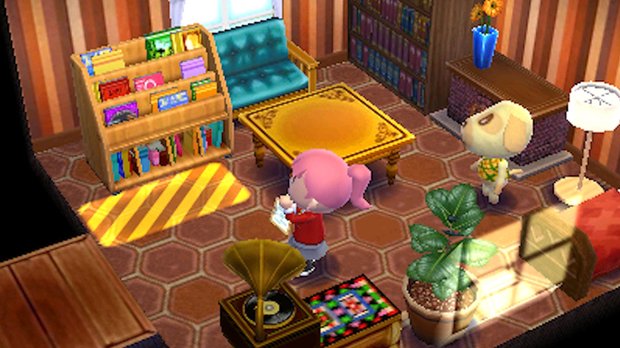
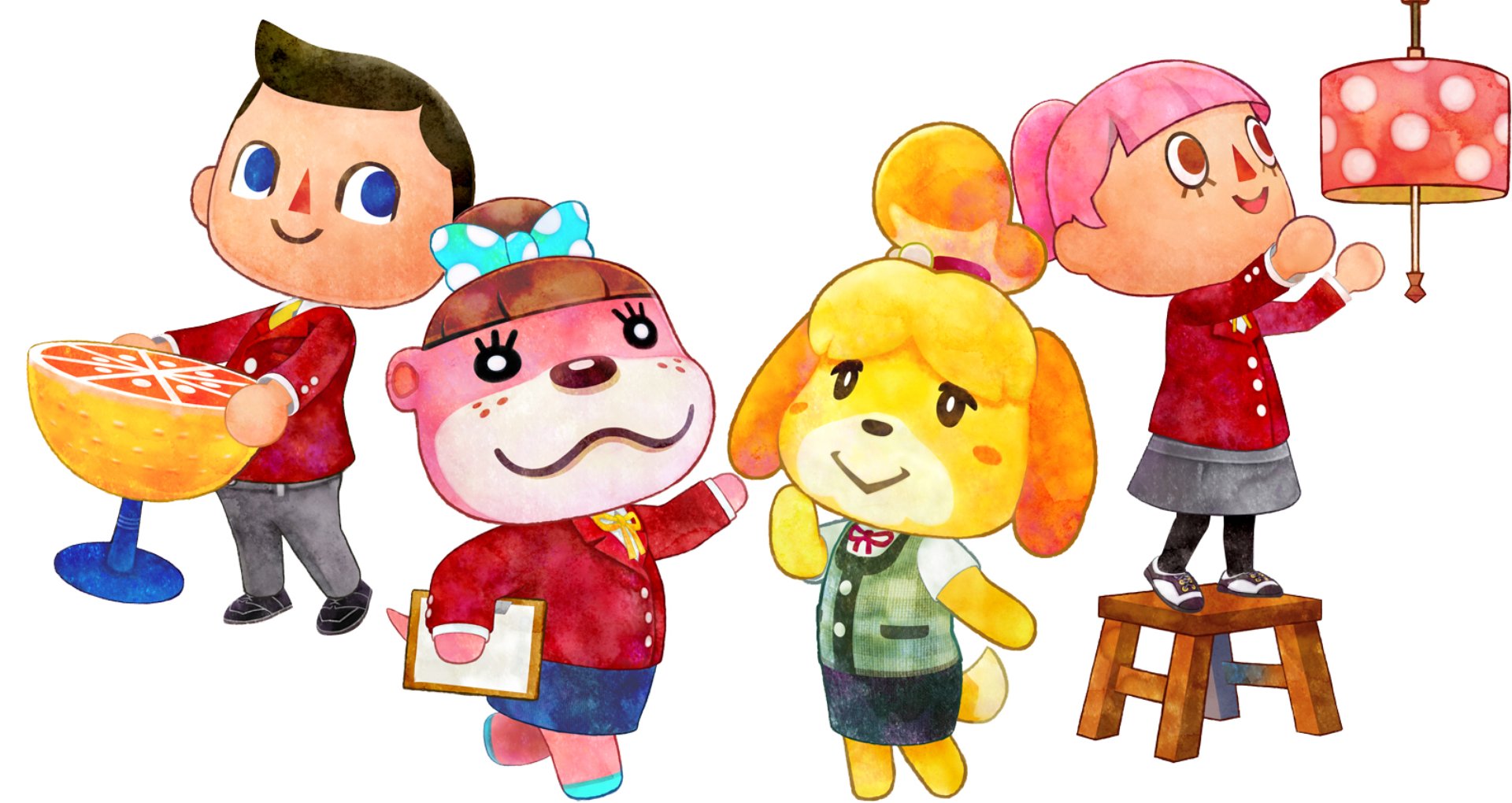
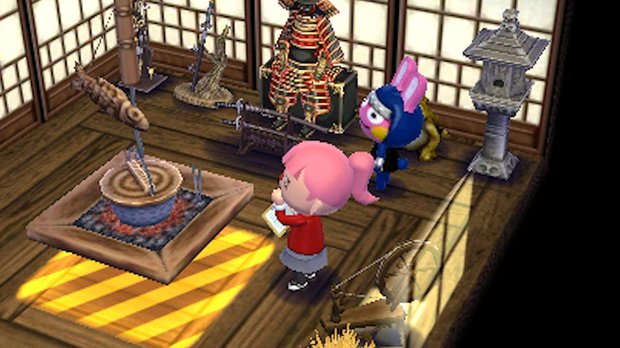
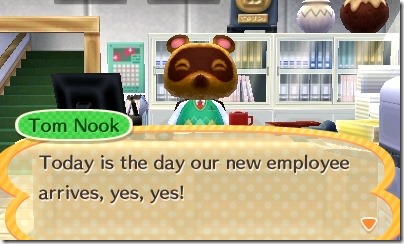
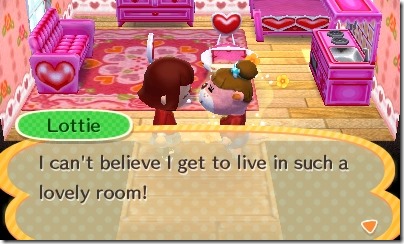
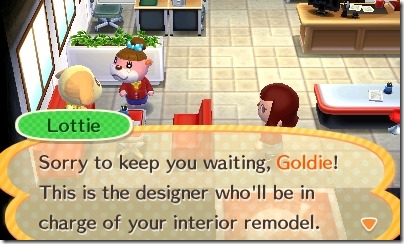
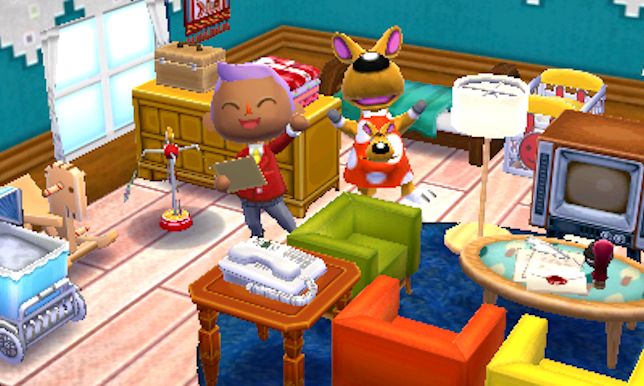
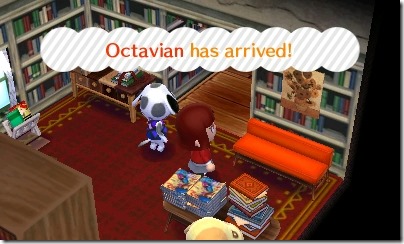
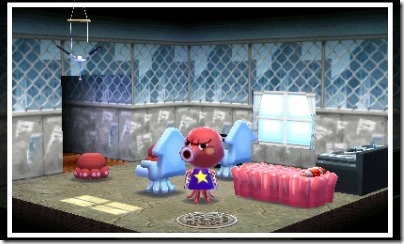
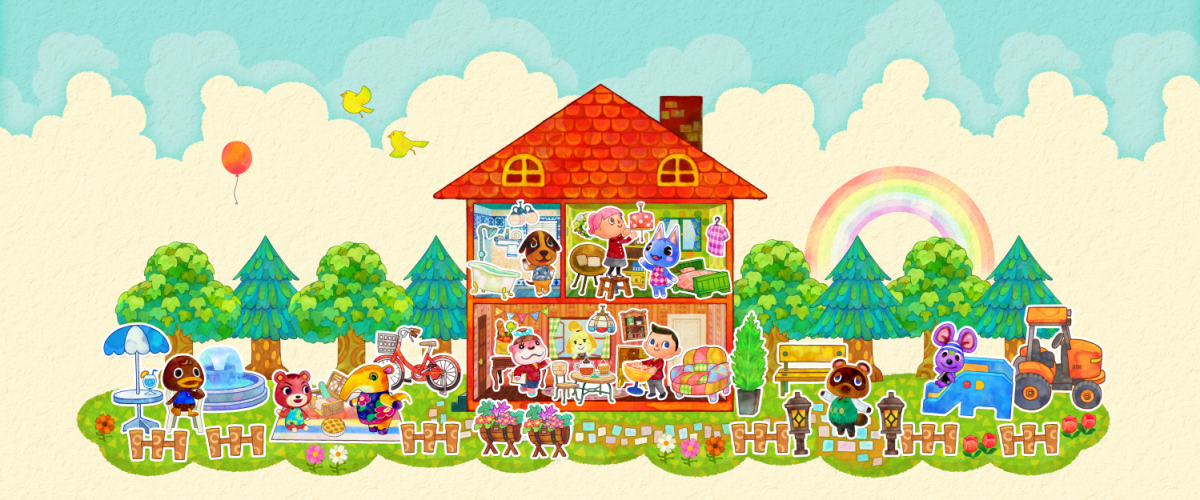
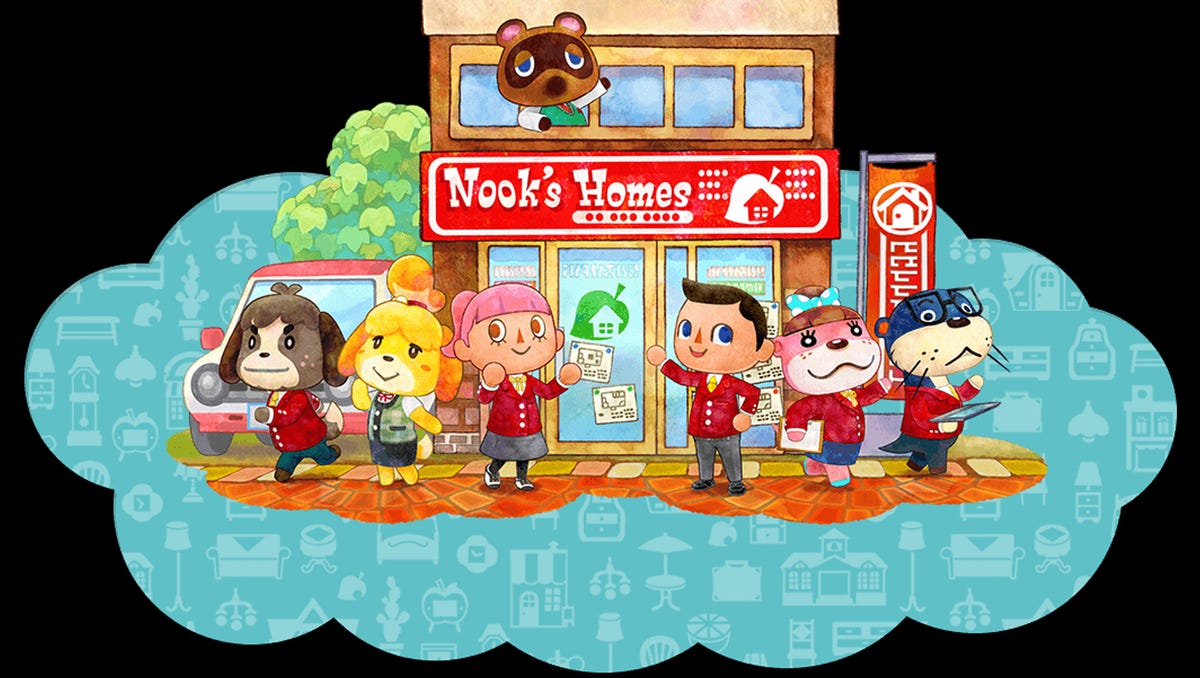
Animal Crossing: Happy Home Designer is a spin-off title that focuses solely on the house decorating aspect of the popular Animal Crossing series. The game casts players as a new employee at Nook's Homes, tasked with designing houses for the various animal residents of the town. Each client has specific design preferences, such as furniture types or color schemes. Initially, players might dedicate effort to crafting unique designs, but the game quickly reveals that the level of detail or creativity applied has no bearing on client satisfaction.
Even minimal interaction, like simply unpacking one or two themed items, is met with effusive praise from clients. This lack of a meaningful success metric is a significant drawback. The game removes the traditional feng shui element found in other Animal Crossing titles, meaning there are no special criteria or scoring mechanisms to evaluate the effectiveness or quality of a design. Furthermore, there is no budget constraint, which eliminates any strategic element or challenge in resource management, contributing to a sense of pointlessness.
Beyond individual homes, players are eventually promoted to handle larger public works projects, including constructing hospitals, schools, restaurants, and hotels. These larger-scale projects are presented as a path to completing the game, but they suffer from similar issues of monotony. Each public room has a list of required items, but the game automates the selection process by directly presenting all suitable options. This removes any challenge in item discovery or placement. The user interface further exacerbates the tedium, as repeatedly opening and closing menus for each item becomes a cumbersome task.
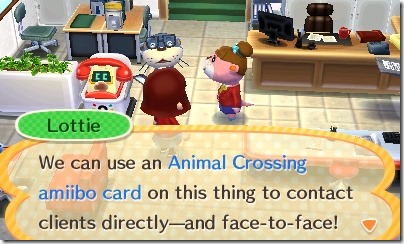
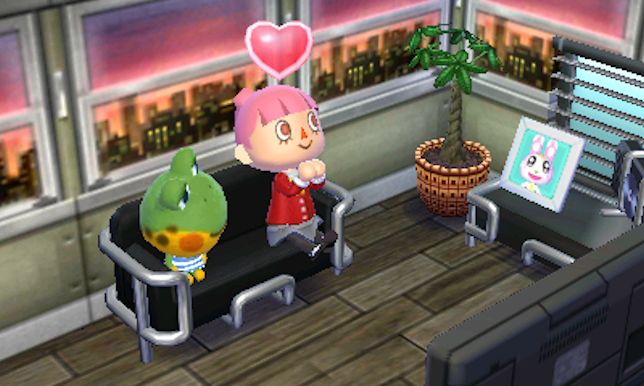
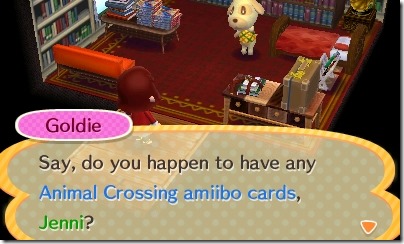
Despite poorly designed layouts, such as tables and chairs blocking doorways, the assistant character, Isabelle, expresses full satisfaction with the completed public works. The game also introduces an Amiibo phone, primarily used for interacting with Amiibo cards. When an Amiibo character like Pascal is called, they request a house design but provide no specific criteria, further diminishing the game's already minimal structure. This lack of guidance and objective measures leads to a repetitive and unengaging experience.
The game's simplicity and lack of depth raise questions about its target audience, suggesting it might be intended for children. However, the review argues that even for a younger audience, the game's monotonous and unchallenging nature makes it an inferior experience. The core issue is that Animal Crossing: Happy Home Designer takes a simple mini-game from the main series, strips away its already limited complexity, and transforms it into a game defined by repetitive and ultimately meaningless tasks.
#AnimalCrossing #HappyHomeDesigner #GameReview #Nintendo3DS #VideoGame #GameDesign #GamingCriticism #AnimalCrossing #HappyHomeDesigner #GameReview #Nintendo3DS #VideoGame #GameDesign #GamingCriticism
0 commenti in totale
 Nessun commento ancora
Potresti anche gradire
Animal Crossing: Happy Home Designer review

What's Wrong With The Frasier Apartment, According To Interior Designers


Fallout 4: Happy Home Designer

Home design is going to the dogs

Animal Crossing: Happy Home Designer Diaries 1: Nook Homes’ Latest Star
Spoak home designer review

Animal Crossing: New Horizon’s new Interior Design options look amazing

Bake Off star Kim-Joy Hewlett's vibrant Leeds home is like an edible wonderland with quirky DIY charm
21 Home Design Fails That Are As Upsetting As They Are Impractical

Review: "Animal Crossing Happy Home Designer"

10 Mistakes Designers IMMEDIATELY Notice When They Walk Into Your Home

The Top Home Features Designers Always Skip
Animal Crossing: Happy Home Designer review of home makeover sim

13 Worst ‘Trading Spaces’ Designs, From the Sob-Inducing Fireplace to Straw-Covered Walls (Photos)

Animal Crossing: Happy Home Designer Diaries 2: Do You Have amiibo Cards?
These 10 Pretty and Elevated Home Pieces Could Pass for Anthropologie, but Are All Actually Under $50 on Amazon

The 10 Biggest Interior Design No Nos According to Decorators

From the Wrong Rug Size to Too-Short Curtains, Interior Designers Share Their Biggest Pet Peeves
‘Design Home’ Has Completely Taken Over My Life

An Interior Designer Shares the "Tacky" Decor You Should Never Waste Your Money On