1/6
5 places you didn’t know you needed a mirror in your home, but where placing one elevates everything
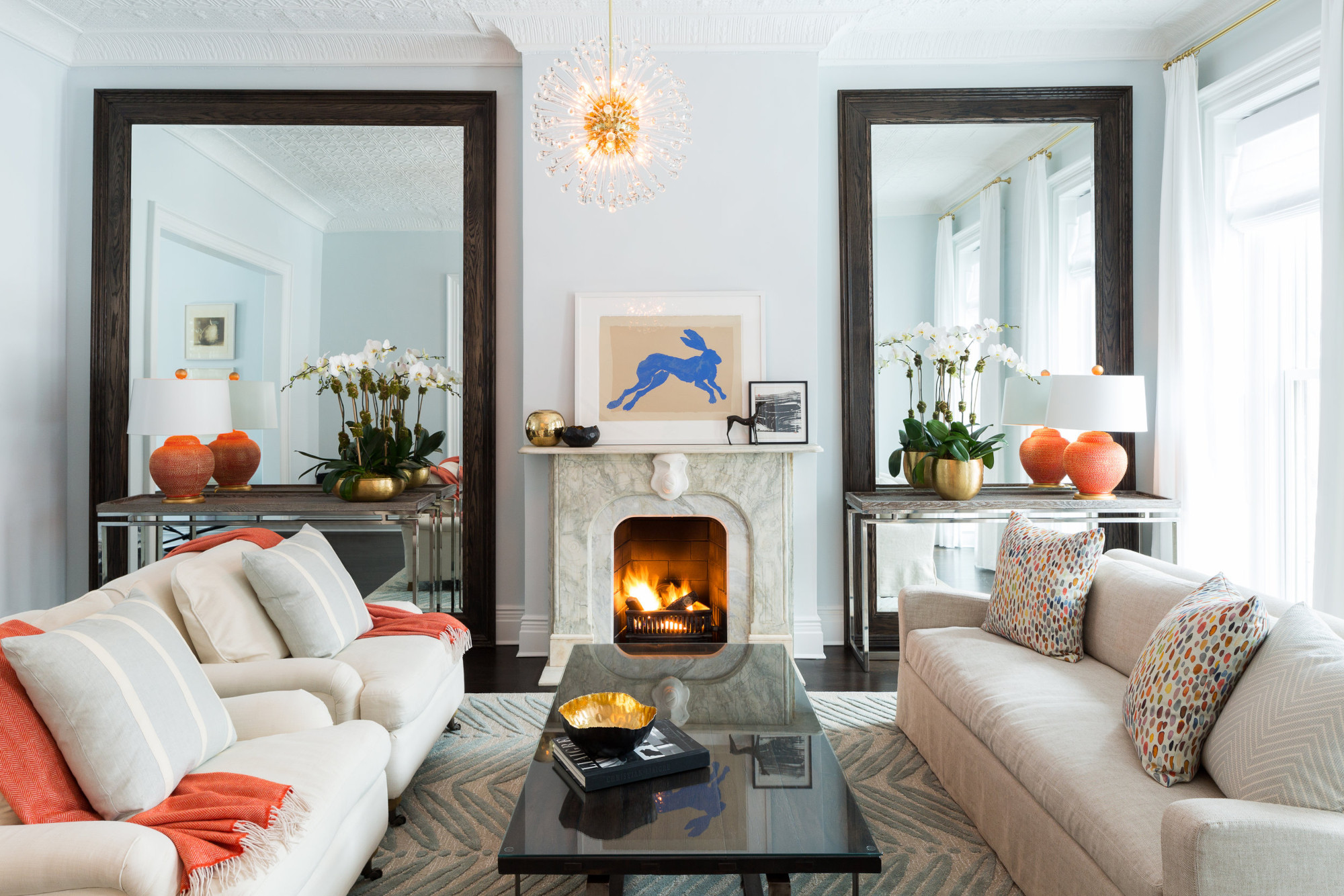
Mirrors, traditionally found in bathrooms, entryways, and above living room fireplaces, possess significant potential beyond these common placements. Their inherent ability to reflect light, create an illusion of increased space, and offer functional reflective surfaces can be harnessed to enhance a home's design in less conventional areas. This article explores five unexpected locations where integrating a mirror can elevate the aesthetic and functionality of a living space.
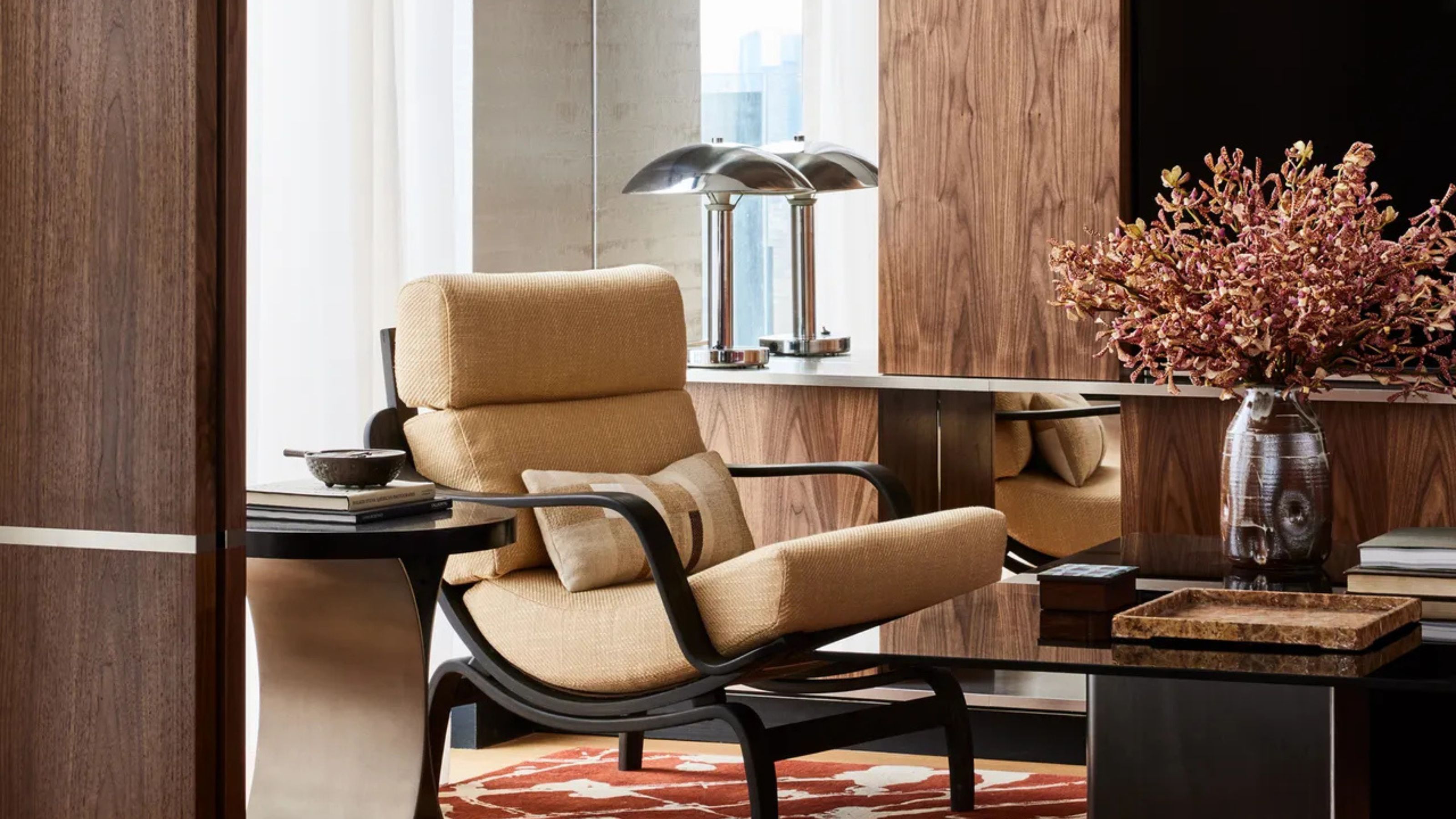
One such innovative placement is using mirrors as backing on bookshelves. This subtle addition not only helps in diffusing light throughout a room but also provides an enhanced backdrop for decorative items. Designers like Justin Capuco and Brittany Hart from Husband.Wife, and Tommaso Franchi from Tomèf, advocate for this approach, particularly in apartments with impressive views, where mirrored backing can extend sightlines and bring the outside in. It also creates a floating shelf illusion and maximizes available light, making the display more prominent and the room feel more open.
Another unconventional yet stylish application is incorporating mirrors into the kitchen, particularly as a backsplash. While the kitchen is not a typical location for mirrors, a well-placed mirrored surface can bounce light and infuse a utility space with a more intimate and decorative feel. Sally Breer, a Los Angeles interior designer, suggests using large, decorative mirrors or integrating mirrored glass directly into the backsplash. Barbora Vokac Taylor, an architect, notes that a silver mirrored backsplash can brighten the space, make the kitchen 'disappear' when not in use, and double the natural light by reflecting outdoor views, facilitating coordination with other finishes and colors.
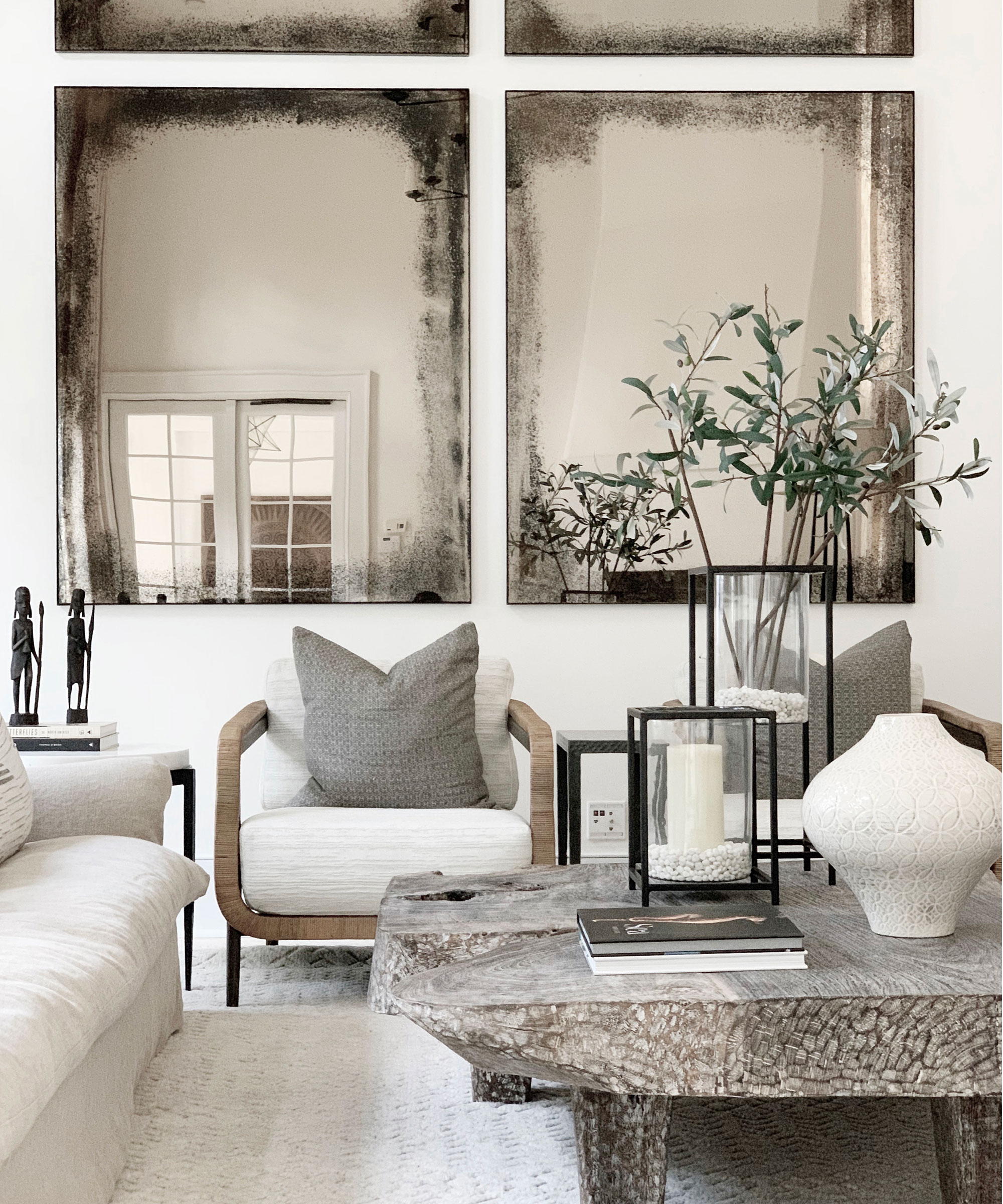
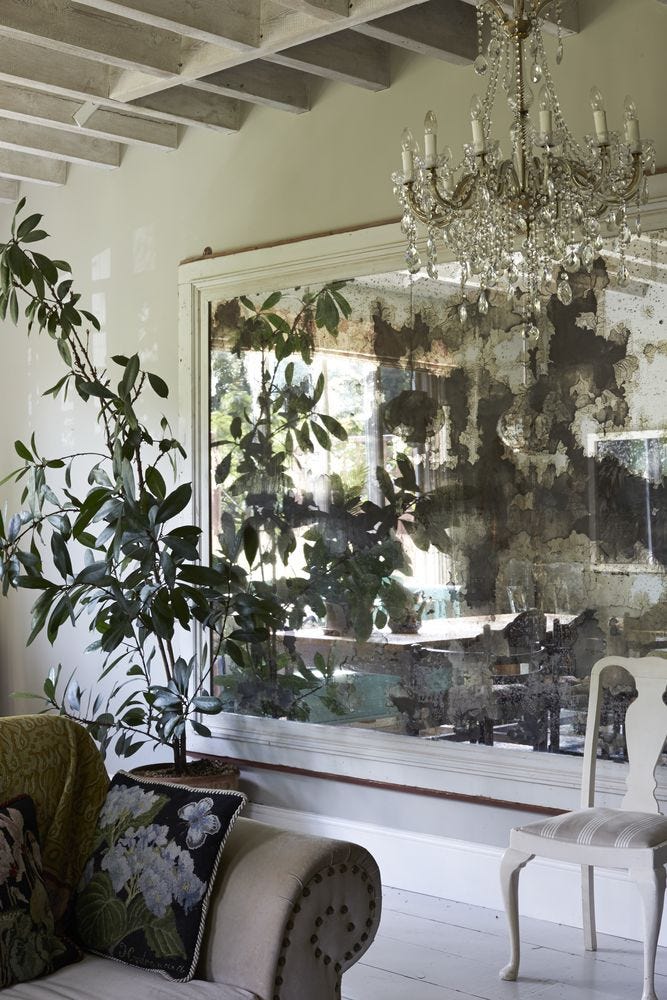
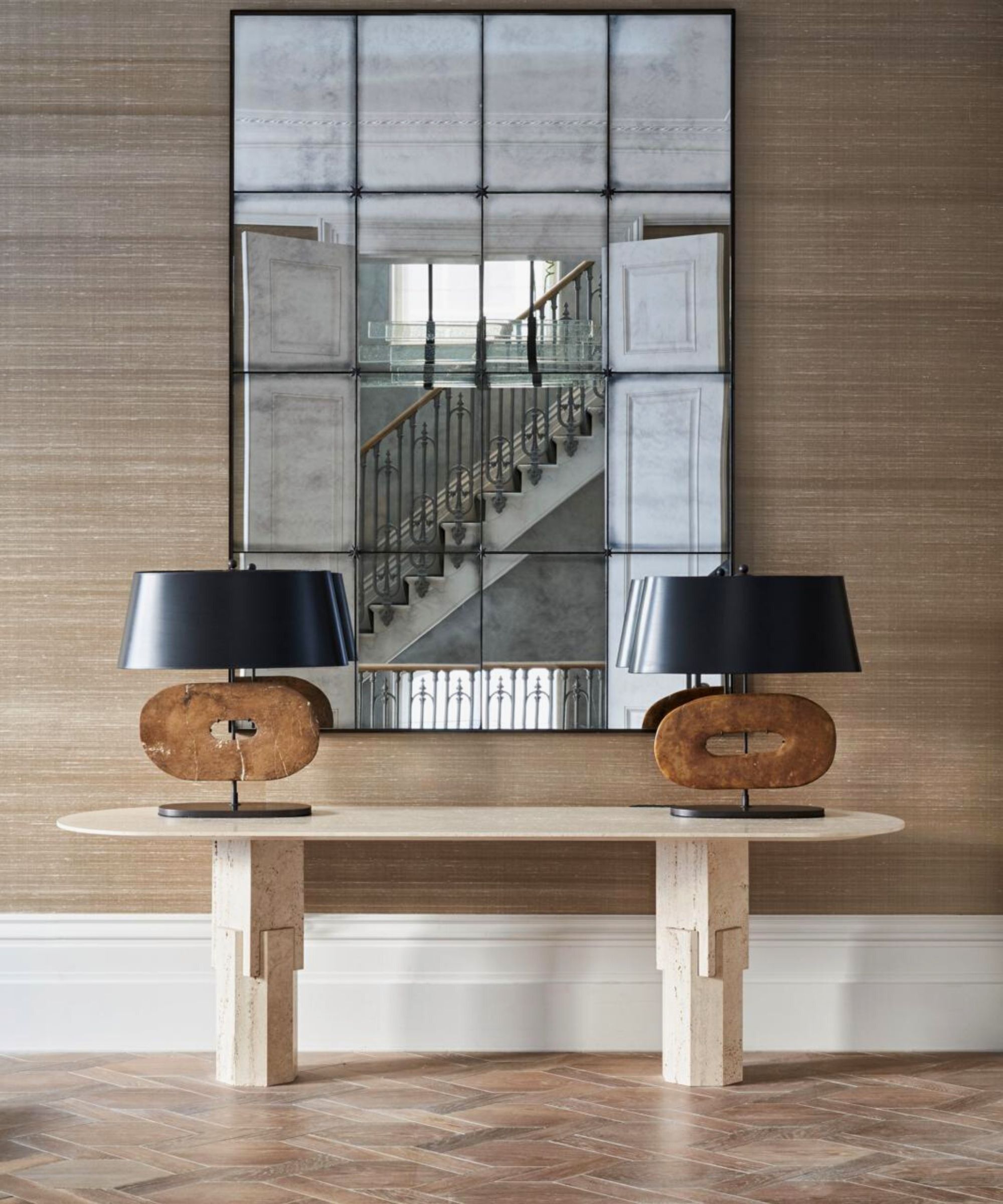
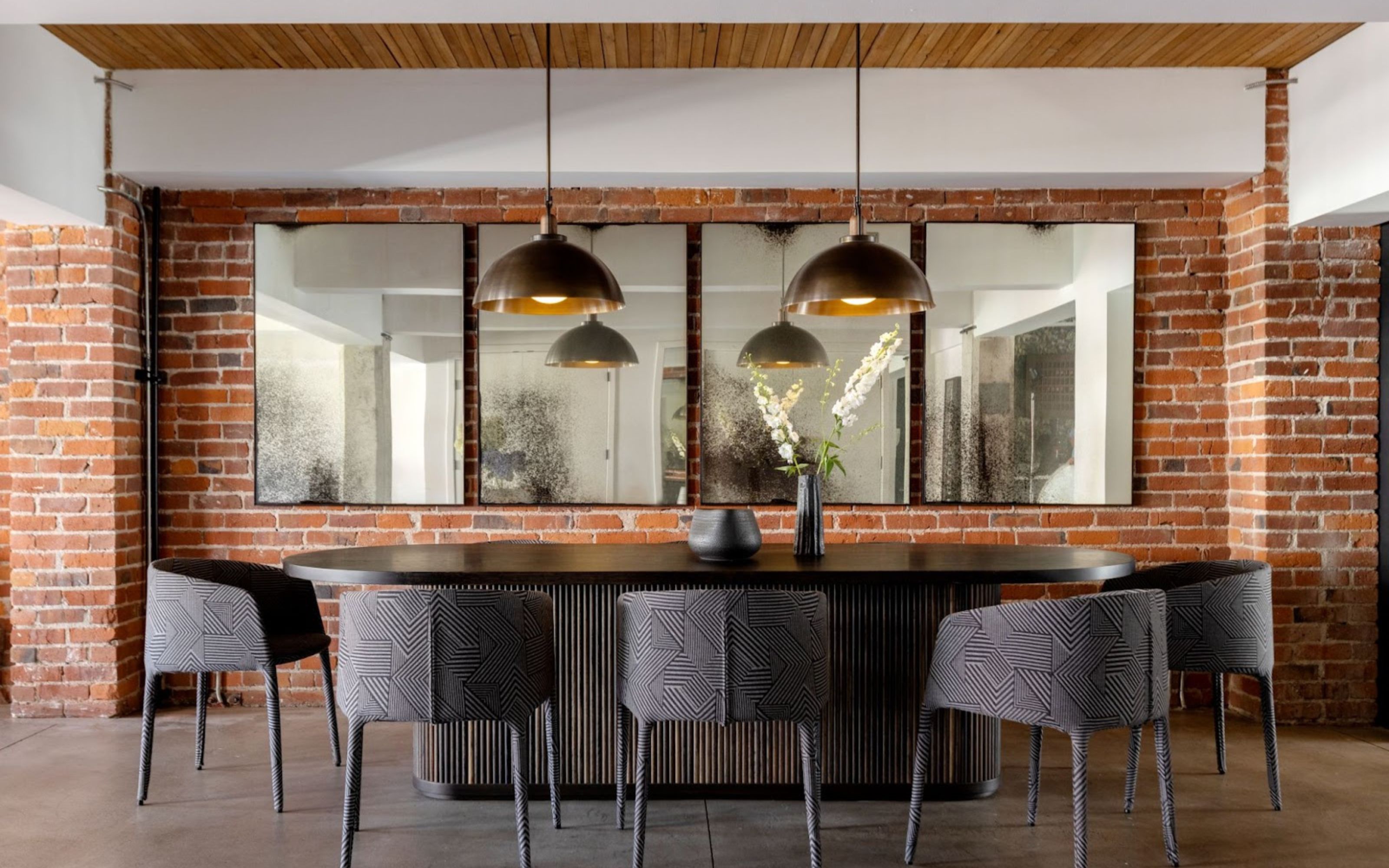
Mirrored wall panels in dining rooms, especially where natural light is limited, can mimic the effect of a window and expand the perception of space. Peter Wilds Design utilized antiqued glass panels in a dining area to introduce reflective light while maintaining an industrial aesthetic. This approach transformed the area, making it feel more like a dedicated zone and allowing the mirrors to function as a piece of artwork that complements the existing brickwork, wood tones, and concrete floors, creating an inviting atmosphere reminiscent of a moody cafe or lounge.
For outdoor spaces, such as backyards, mirrors can serve as a clever tool to reflect and amplify the perceived size of the area, making it appear greener and lusher. Jane Stark, creative director of Stark Design, uses mirrors to exaggerate specific details, create focal points, or even disorient, as demonstrated by the Droste effect achieved with mirrors on three sides of a courtyard. Weather-resistant outdoor mirrors can be subtly placed behind foliage or mounted on walls to enhance the yard's overall coherence.
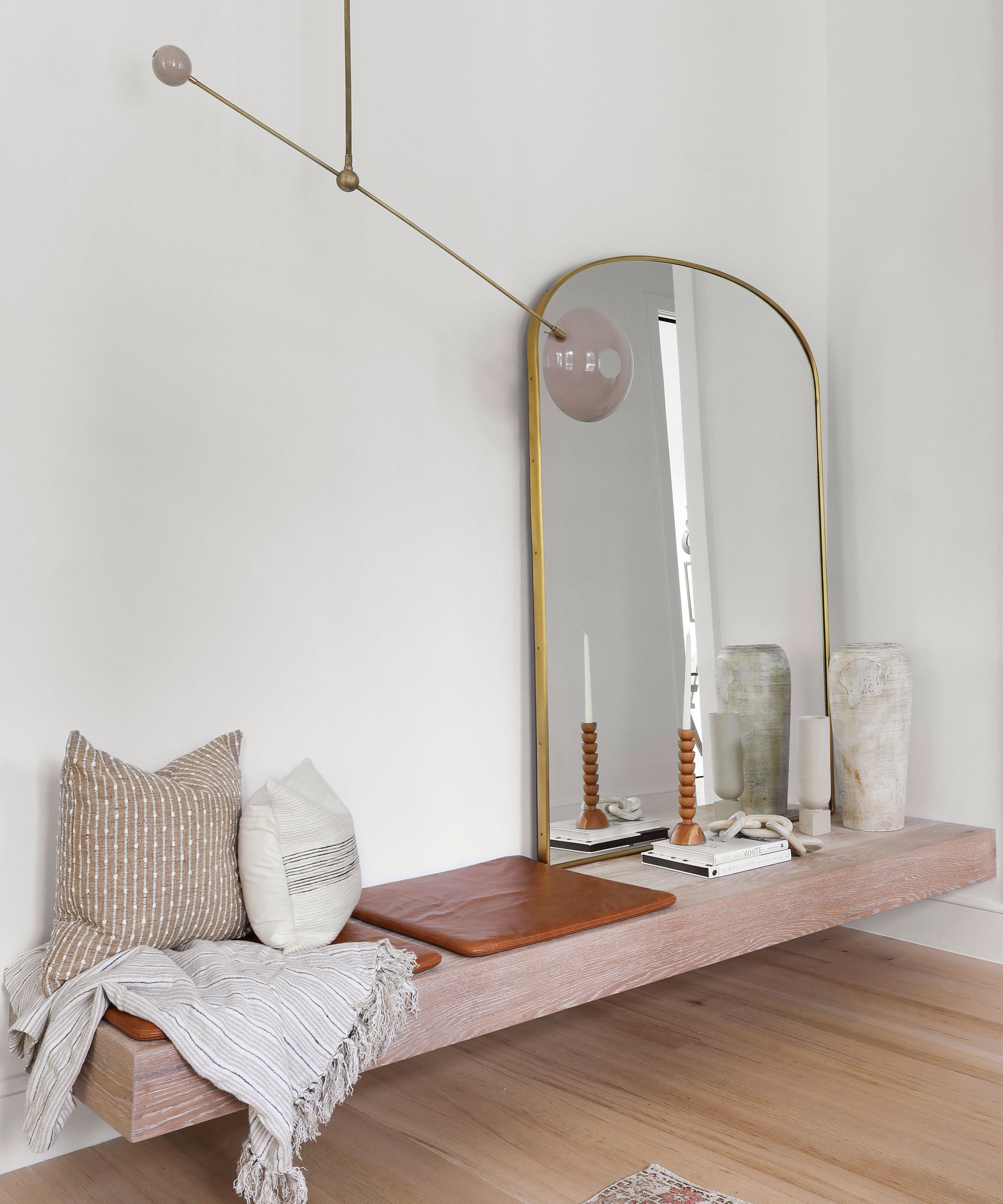
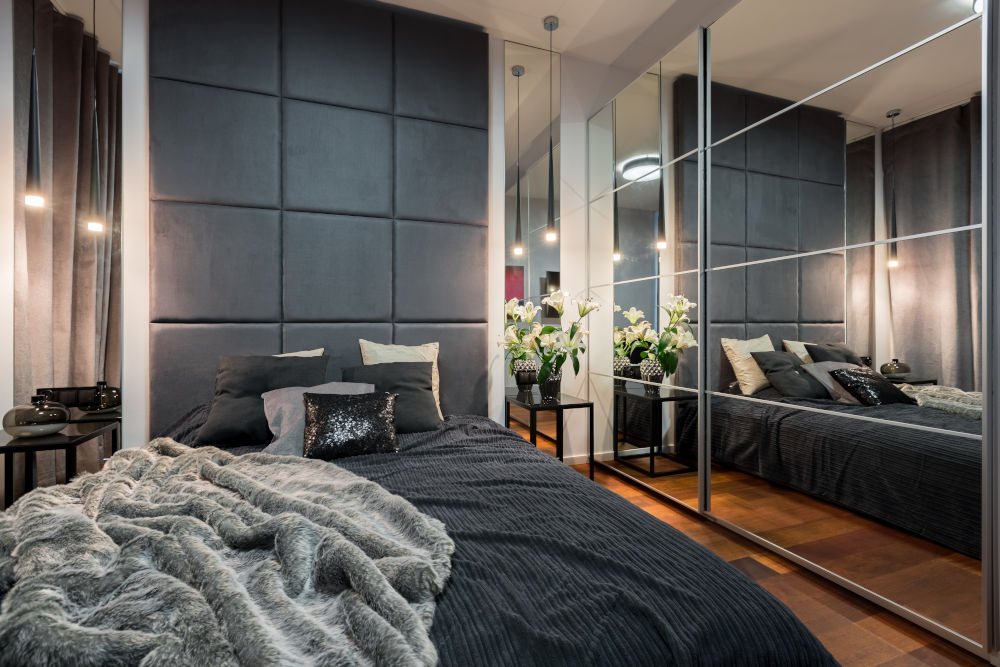
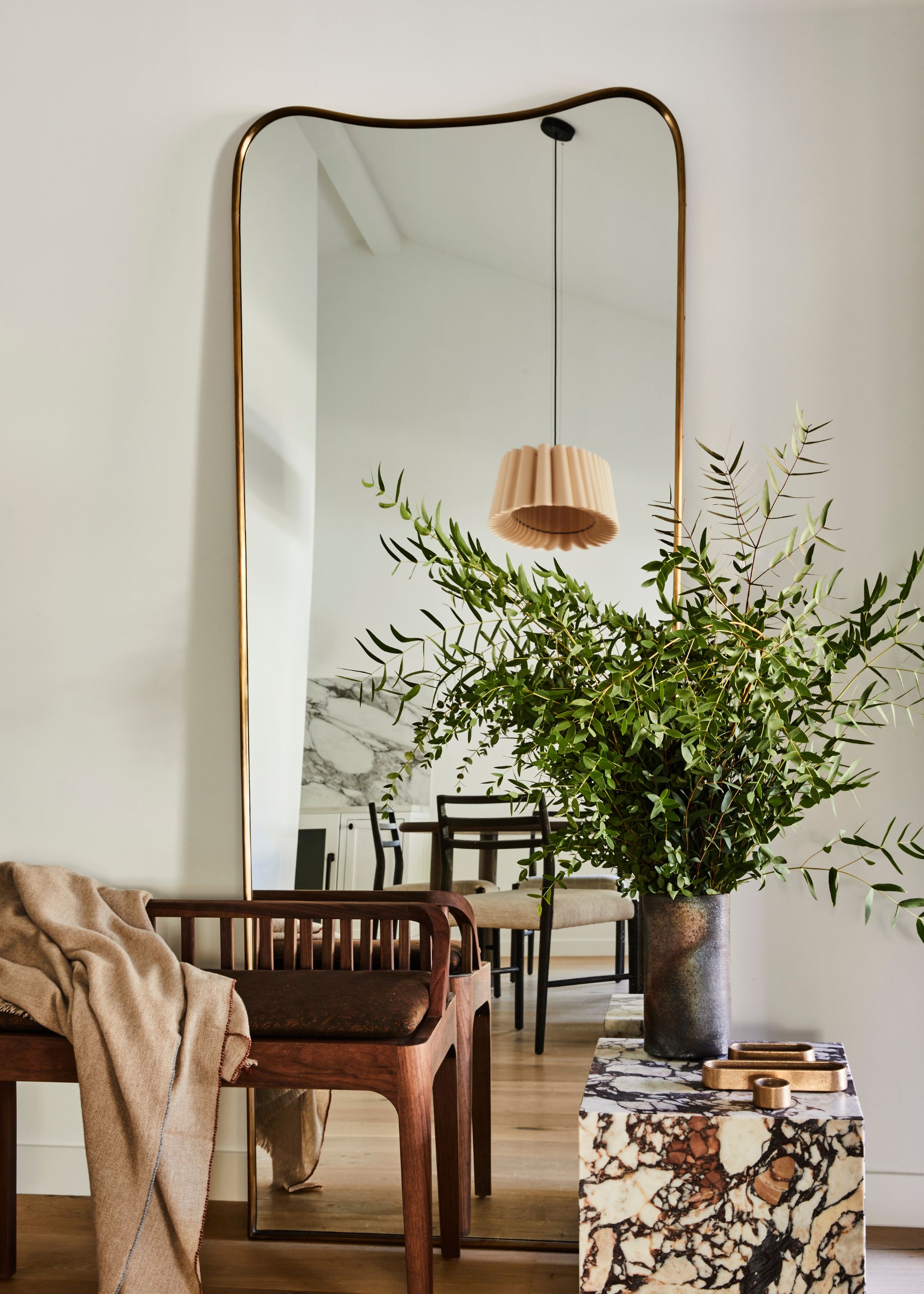
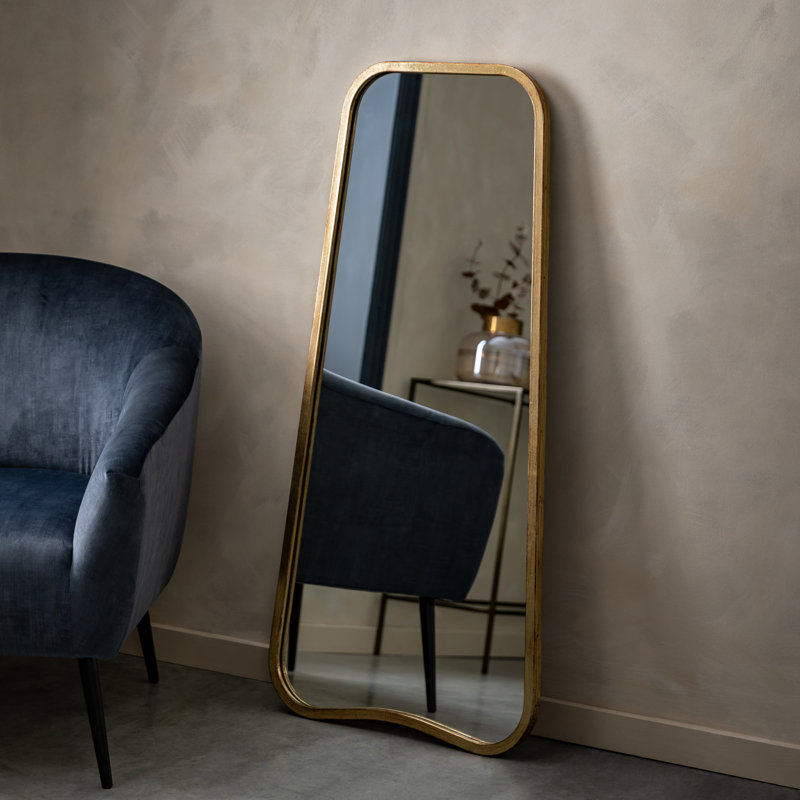
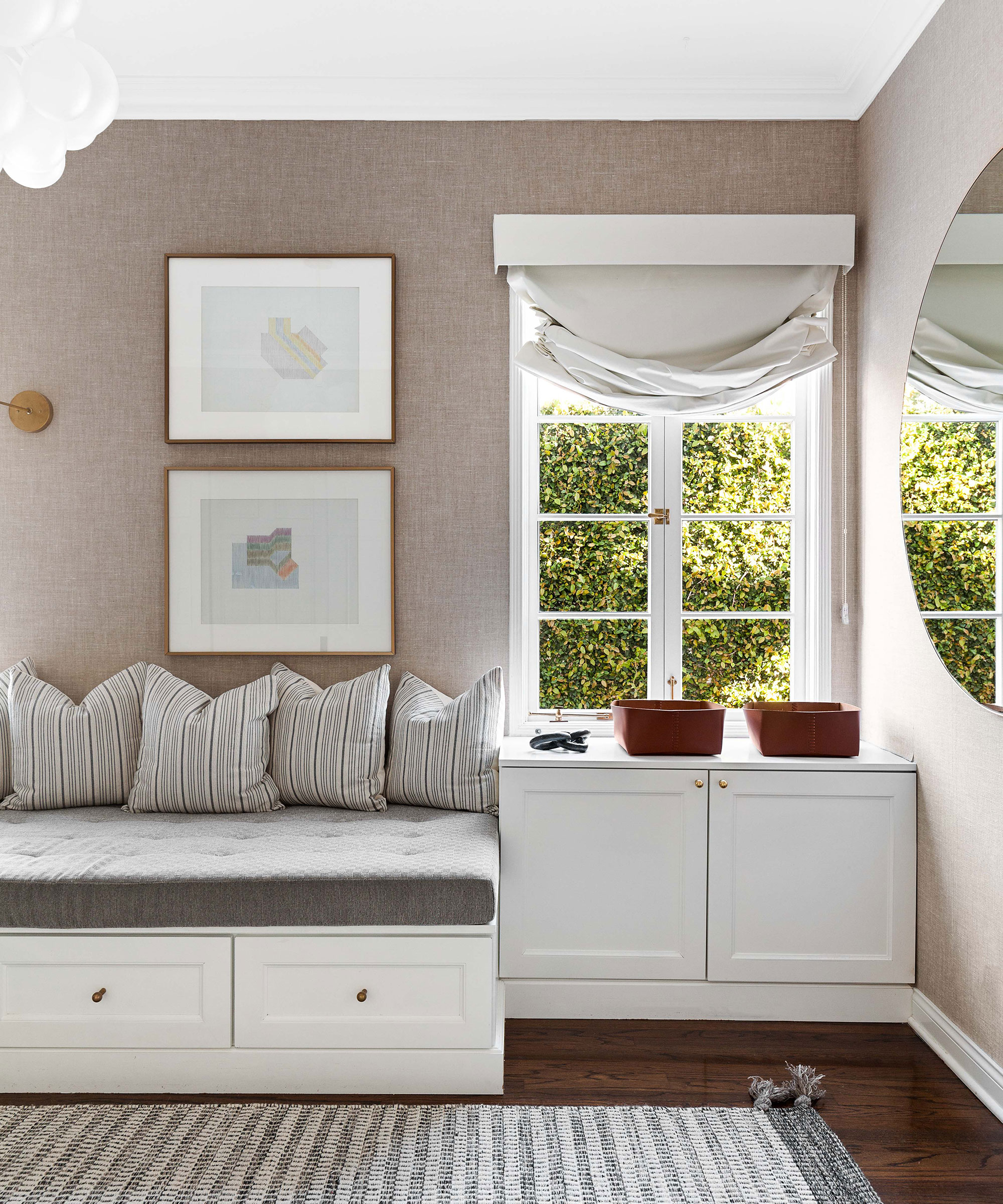
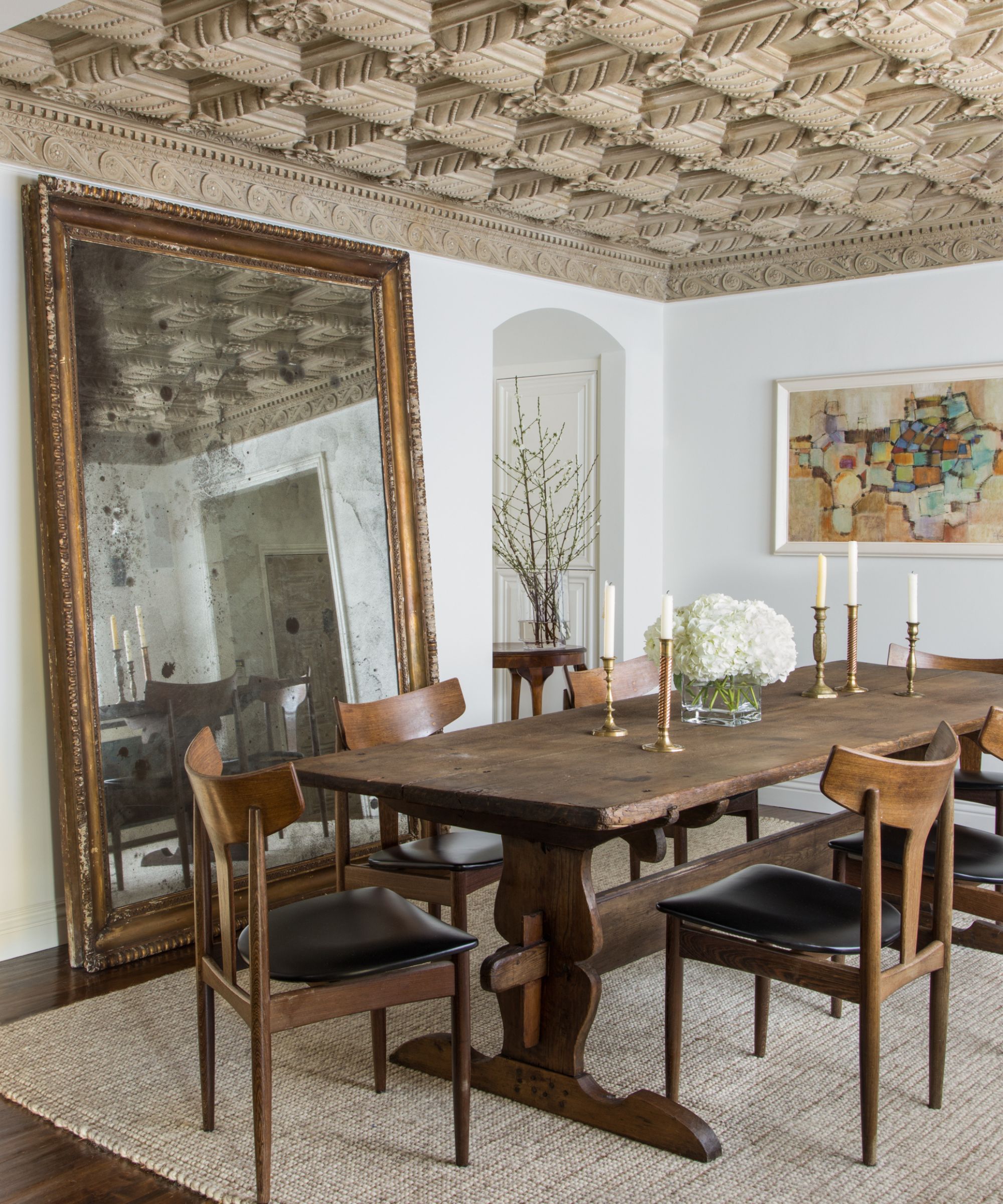
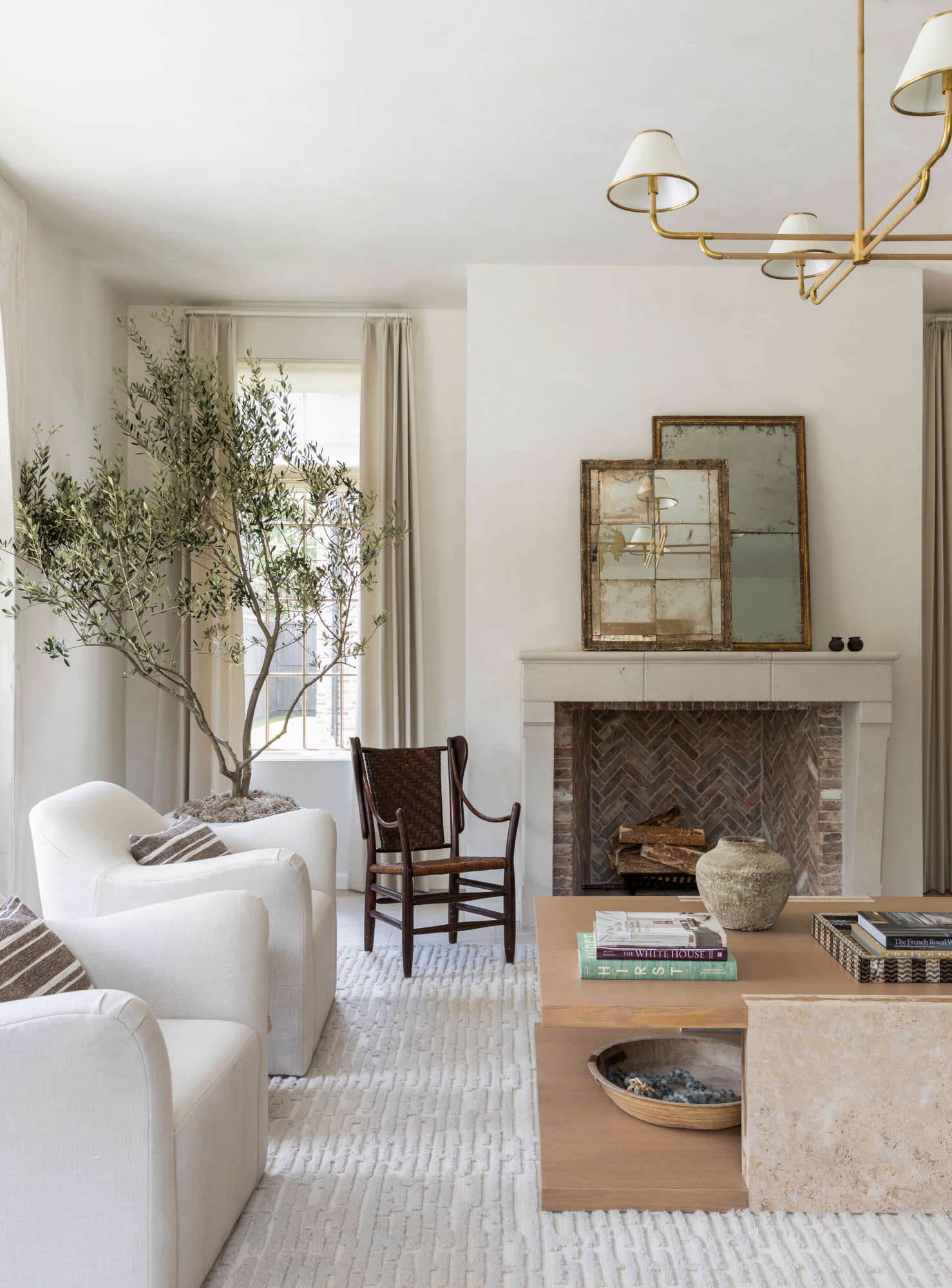
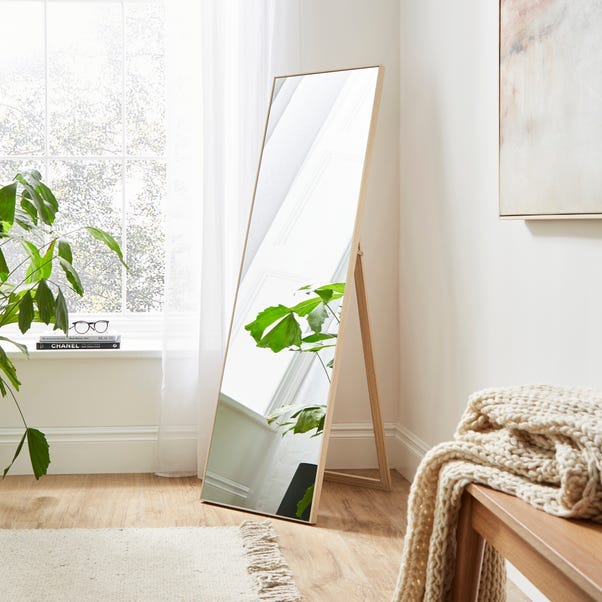
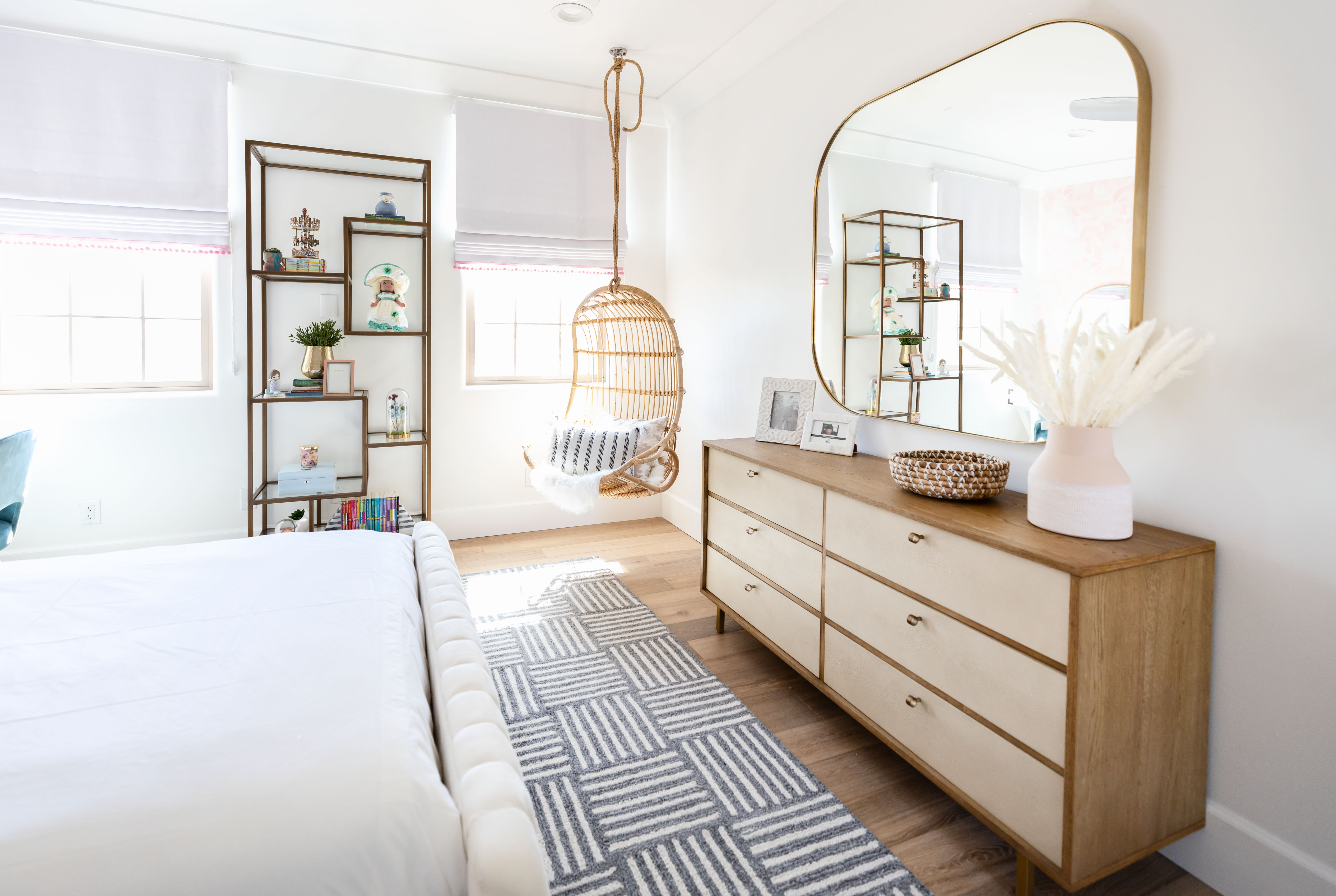
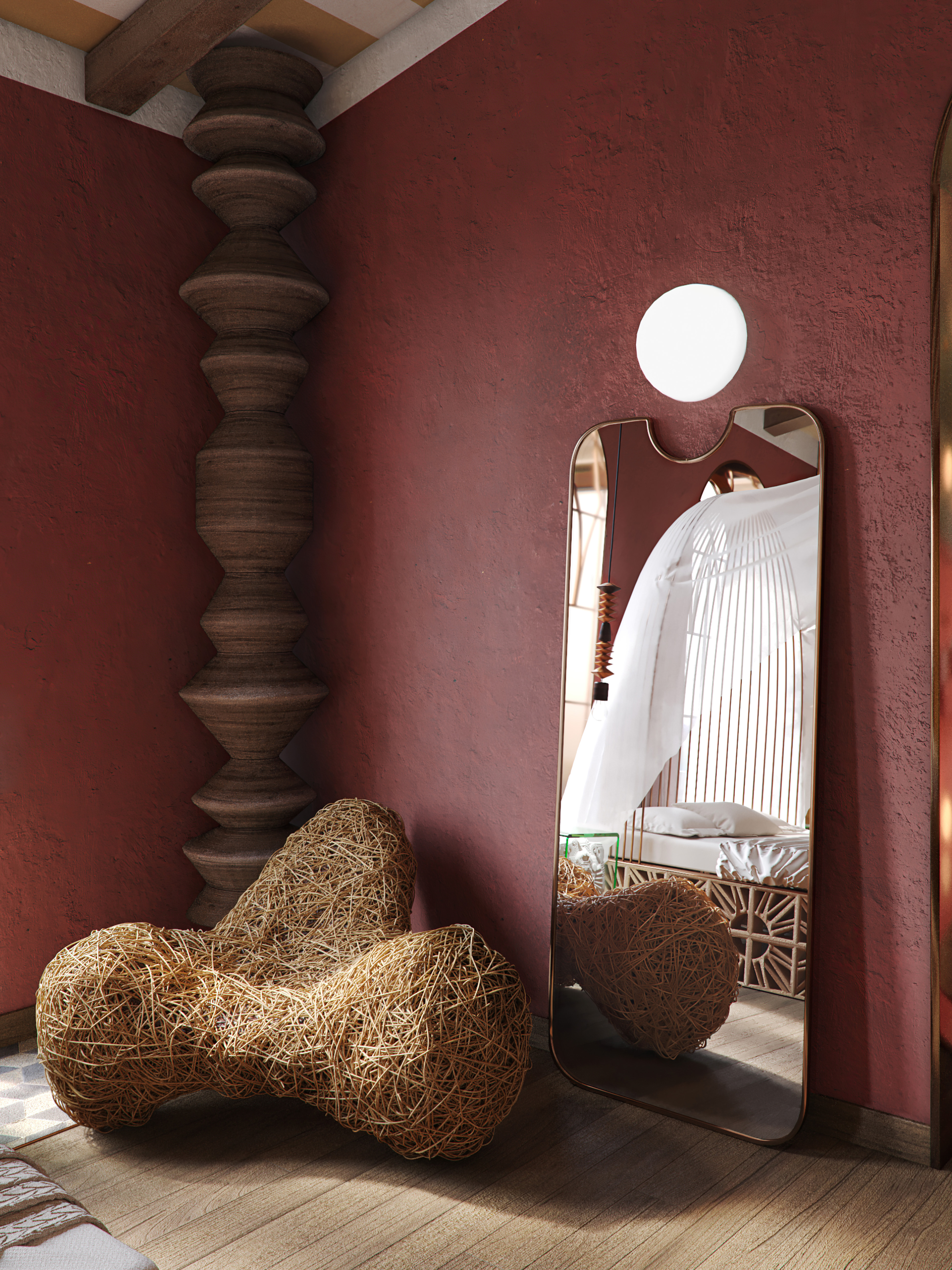
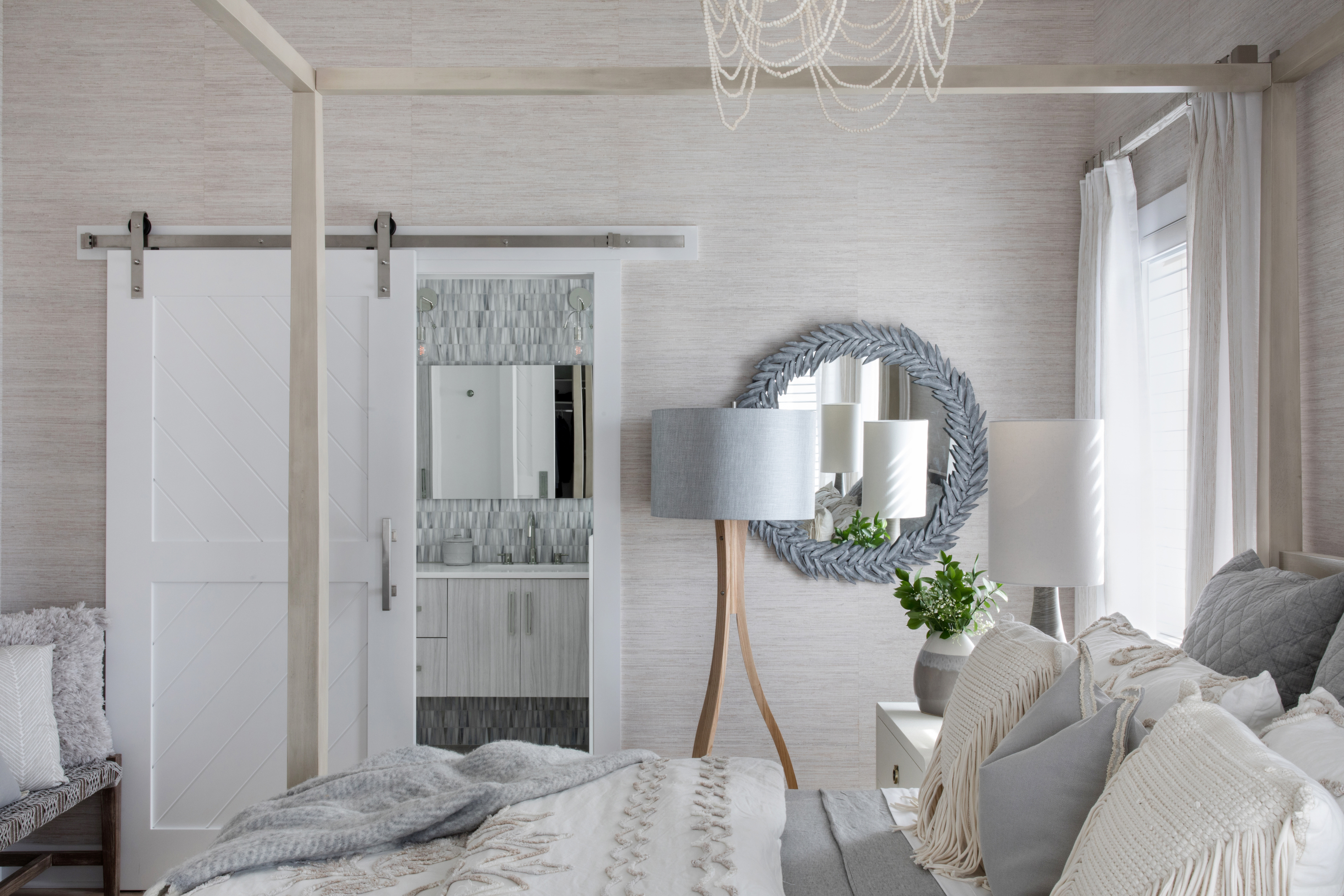
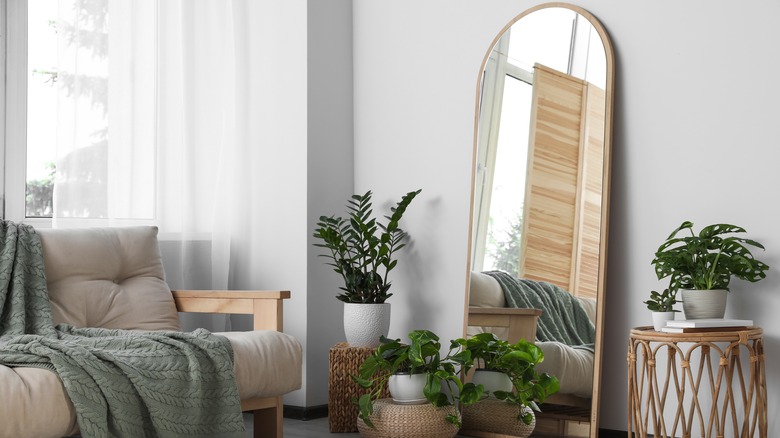
Finally, oversized mirrors can be effectively used in awkward rooms or bedrooms lacking natural light. Leaning large mirrors against a wall in these spaces can introduce a casual, cool aesthetic and occupy empty wall space. This technique not only brightens the room but also makes smaller bedrooms feel more expansive. Julia Rose, working with Emily Henderson Design, employed an arched floor mirror in a poorly lit bedroom to reflect natural light and anchor the space, demonstrating how a large mirror can functionally address lighting issues and improve the room's overall design.
#HomeDesign #MirrorPlacement #InteriorDesign #SpaceIllusion #LightReflection #BookshelfDesign #KitchenBacksplash #DiningRoomDecor #OutdoorDecor #BedroomDesign #HomeDesign #MirrorPlacement #InteriorDesign #SpaceIllusion #LightReflection #BookshelfDesign #KitchenBacksplash #DiningRoomDecor #OutdoorDecor #BedroomDesign
0 commenti in totale
 Nessun commento ancora
Potresti anche gradire
6 places you didn't know you needed a mirror in your home – for a bigger, brighter, better space

5 simple ways designers use mirrors to make a room look bigger
5 Of The Coolest Smart Mirrors That Will Elevate Your Home Aesthetics, According To Users

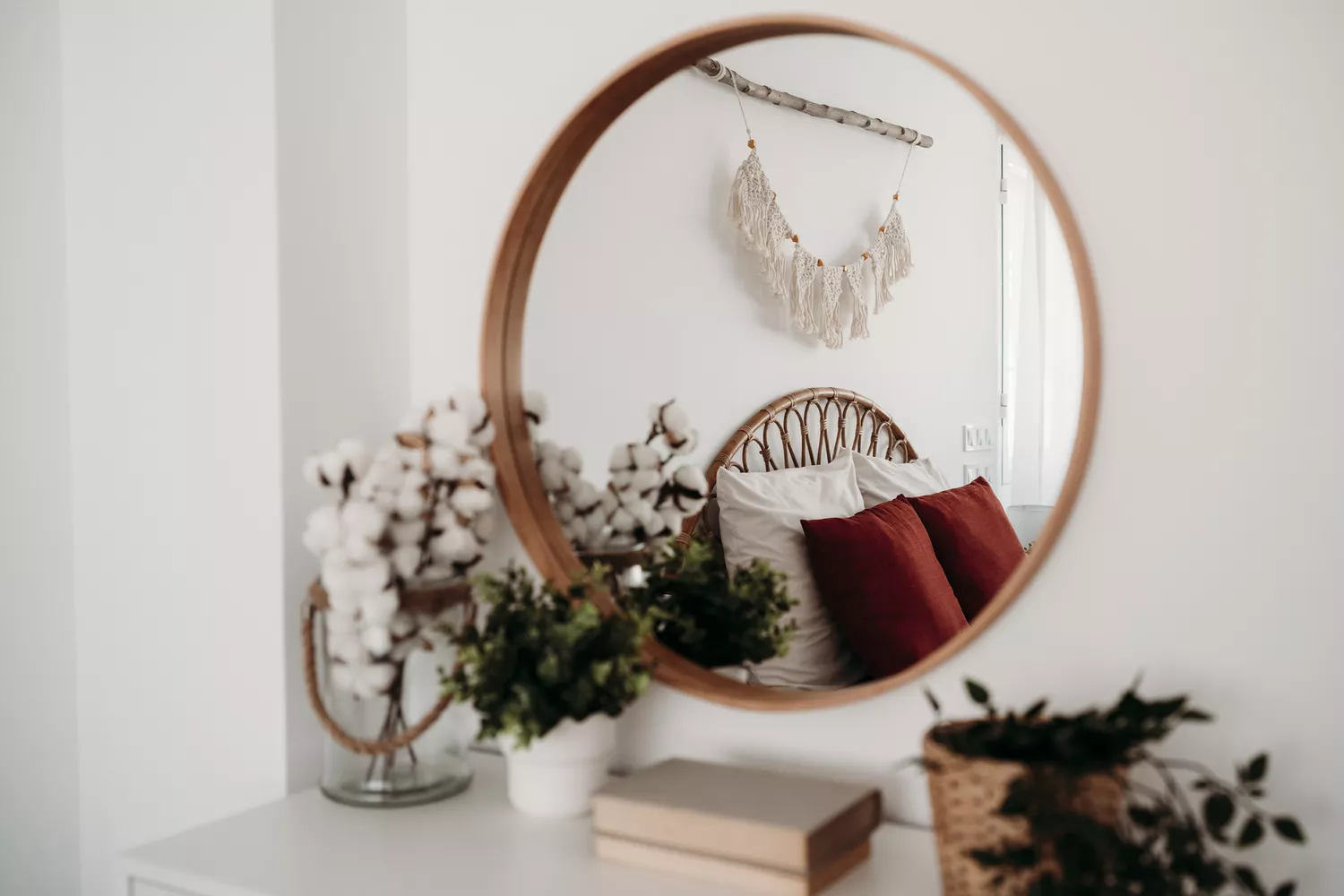
4 Mirror Mistakes That Make Rooms Look Smaller (And How to Fix Them), According to Designers
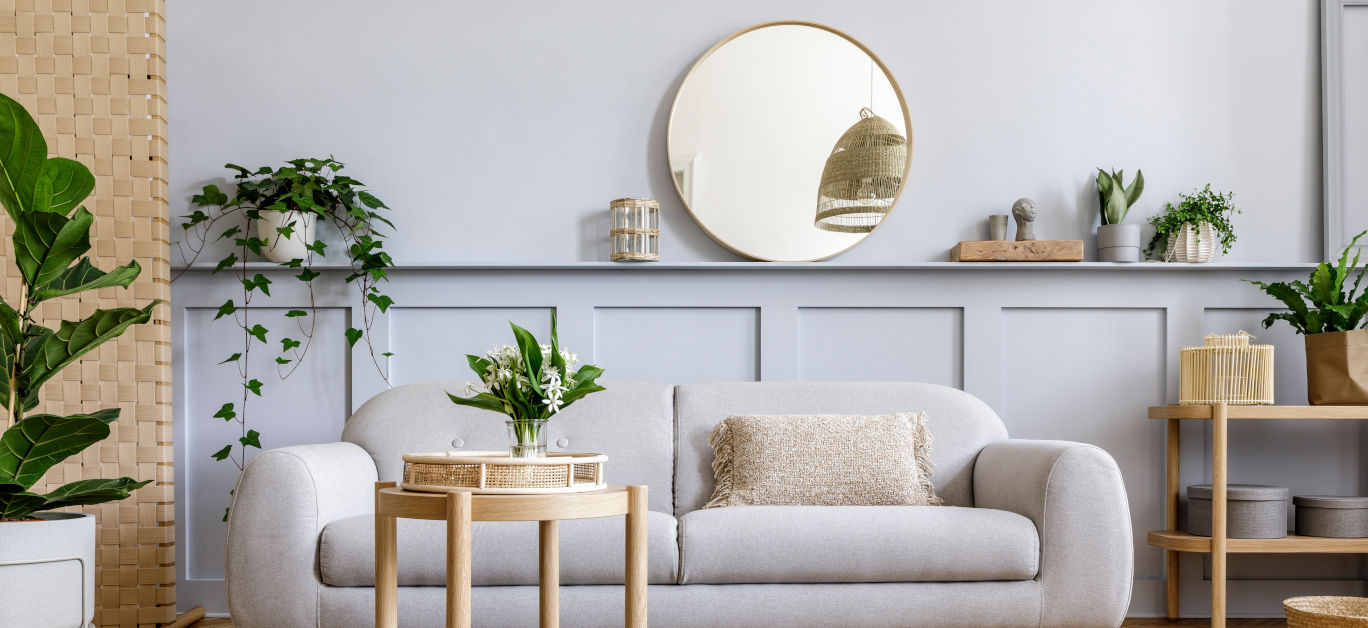
7 easy ways to add luxury to your home with mirrors

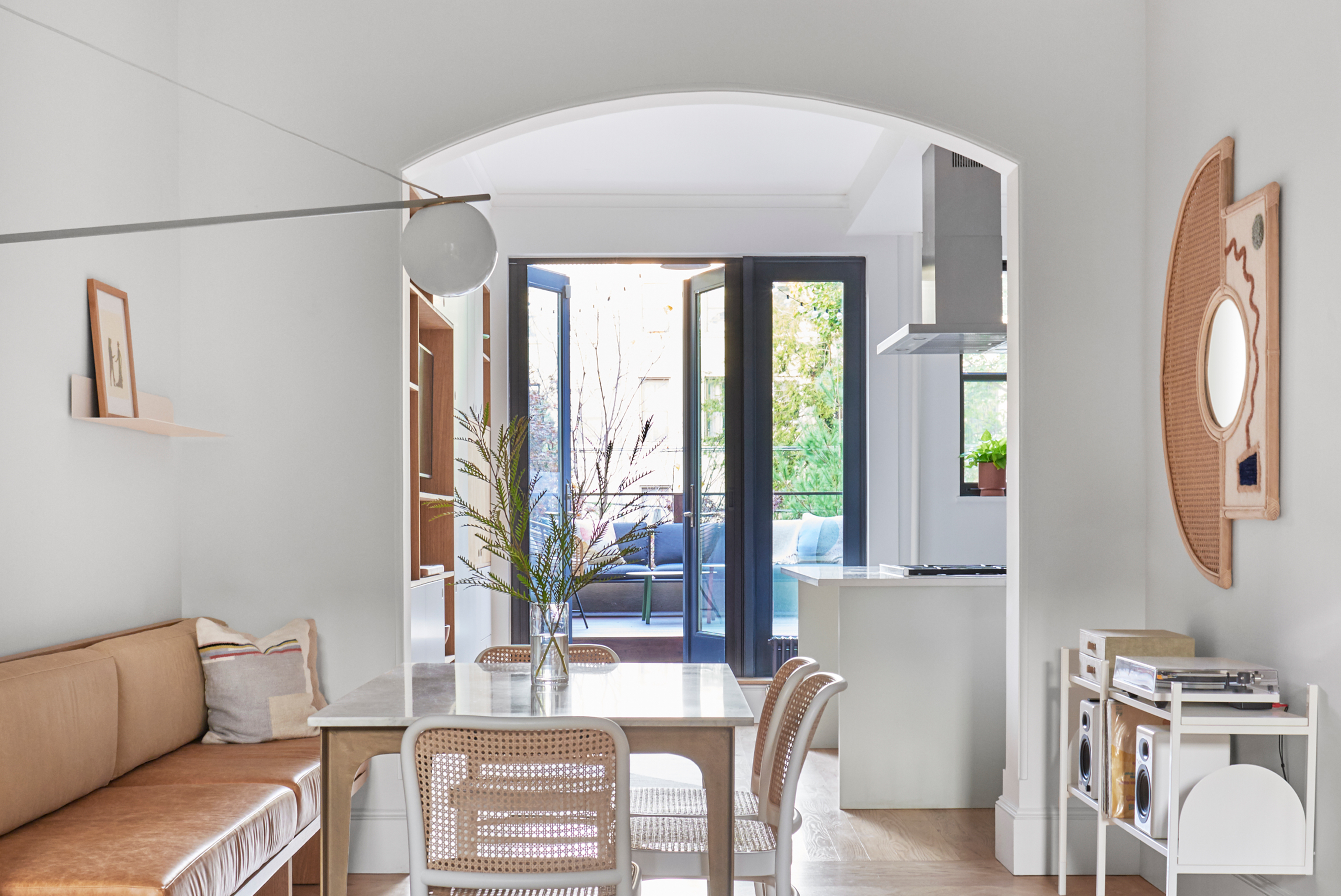
Is it okay to have more than one mirror in a room? This is the one instance designers say it's never okay
Where should you place a mirror in the house? Jai Madaan explains

A reflection of good taste: Mirrors to light up your space this holiday season

6 clever ways to use mirrors to make your home feel bigger and brighter
5 Mistakes You Might Be Making When Decorating With Mirrors, According To Designers
15 living room mirrors to transform your lounging space in an instant

Bedroom mirror ideas – 12 ways to amplify light and space with this magic piece of decor
Decorate with mirrors to bring in light or make your home feel bigger
The best mirrors for a bright and roomy home
19 Gorgeous Mirrors For Every Room of Your Home

These 12 Stylish Amazon Mirrors Will Instantly Elevate Your Space, According to Designers
12 Ways Decorating With Mirrors Can Take a Space From Static to Stylish, Shiny, and More Spacious
14 living room mirror ideas to enhance light, expand spade and add style
How To Use Mirrors To Make Your Small Space Look Bigger, According To An Expert
40 Bathroom Mirror Ideas To Enhance Your Space