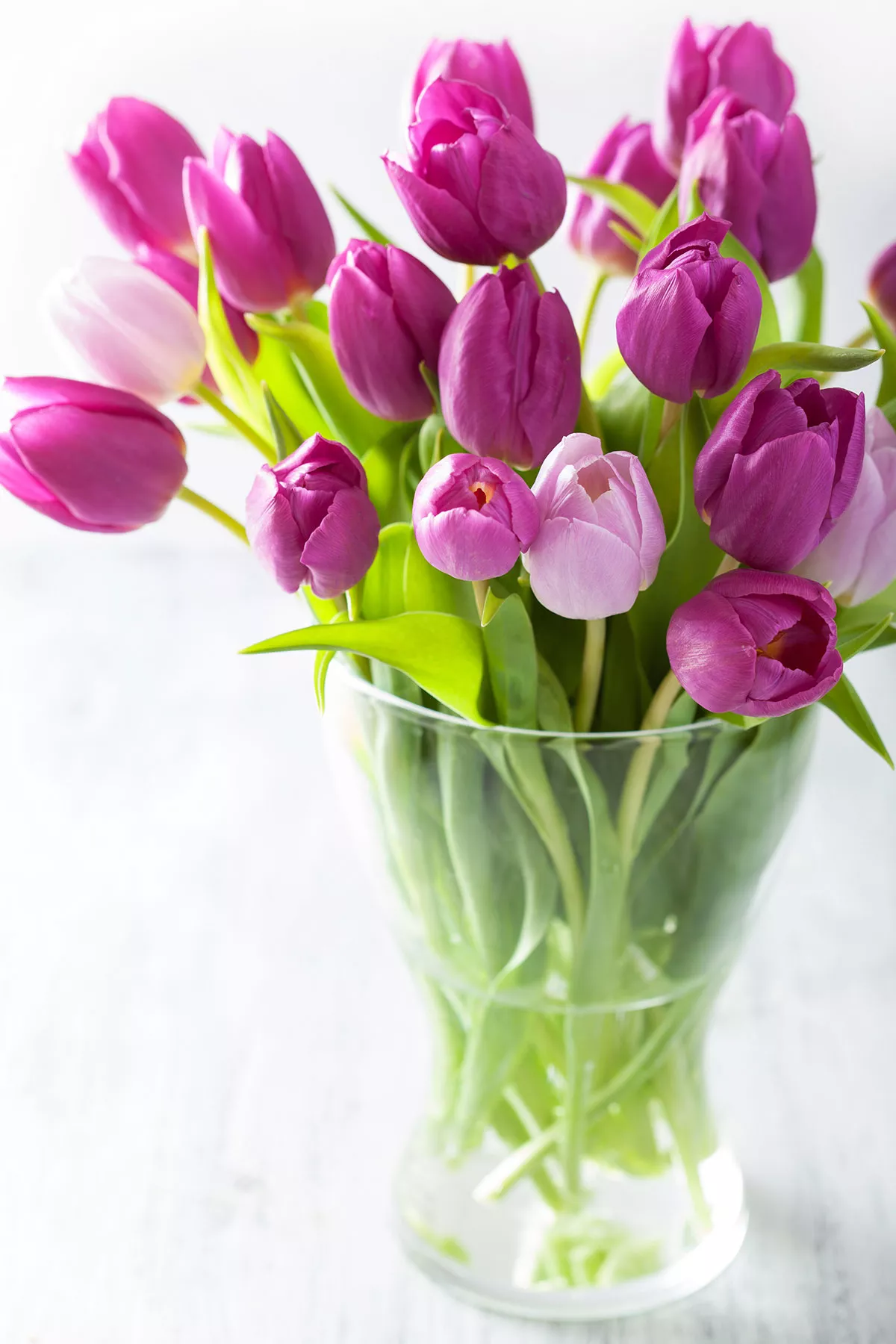
Easy Tips and Tricks: How to Care for Tulips
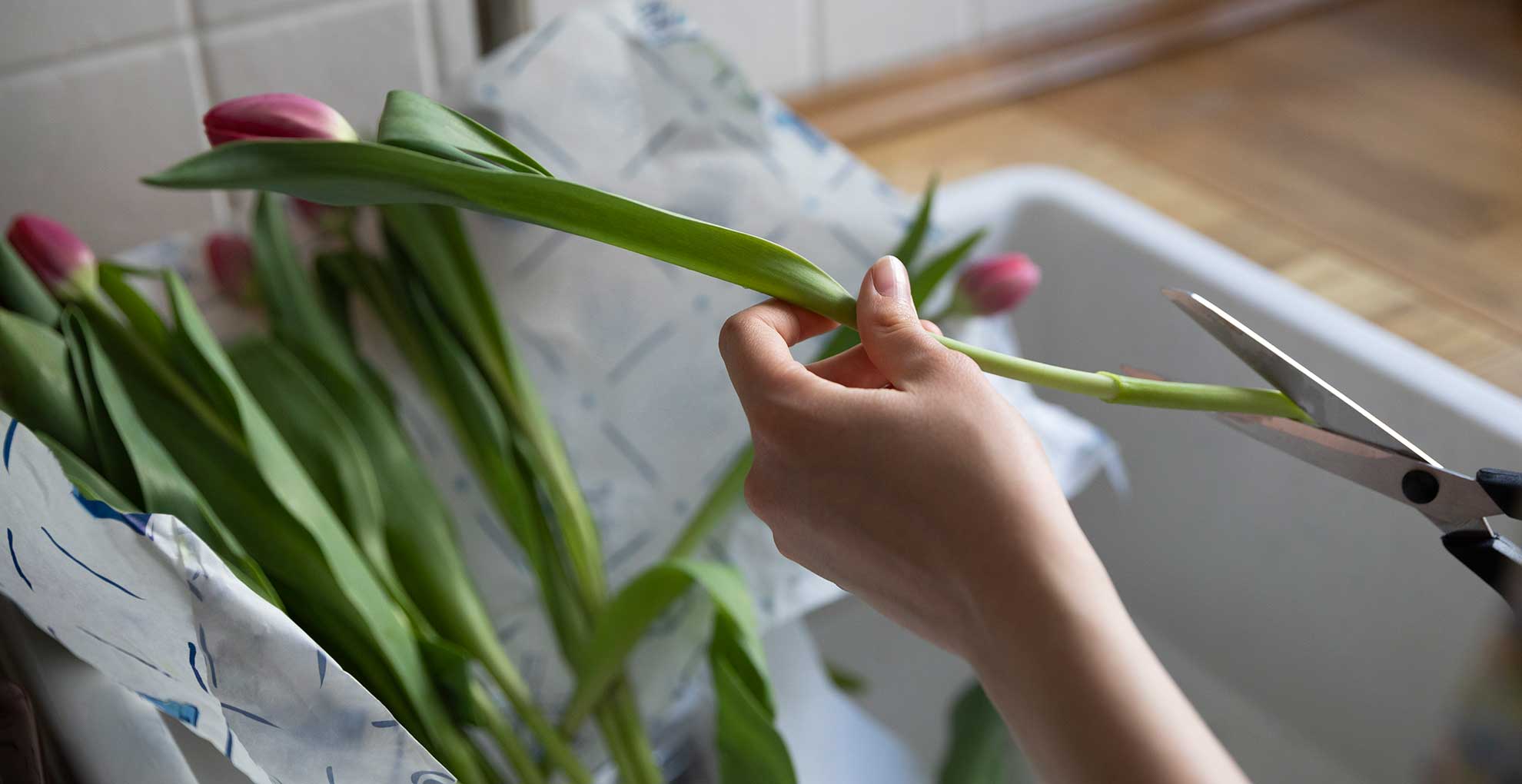
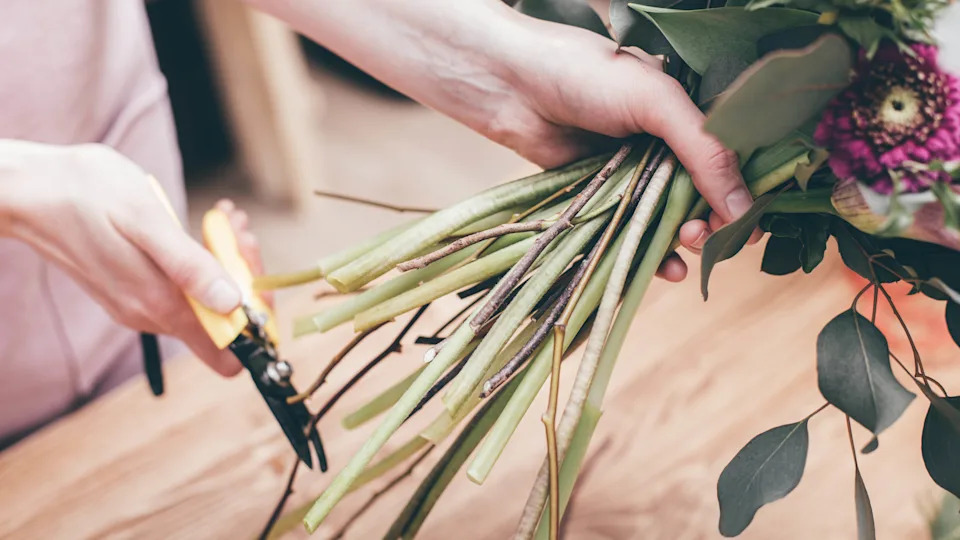
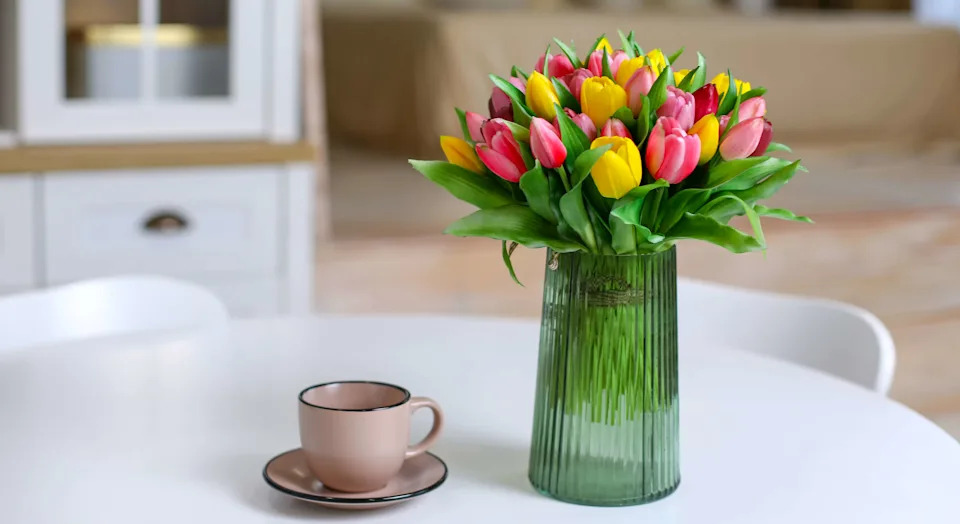
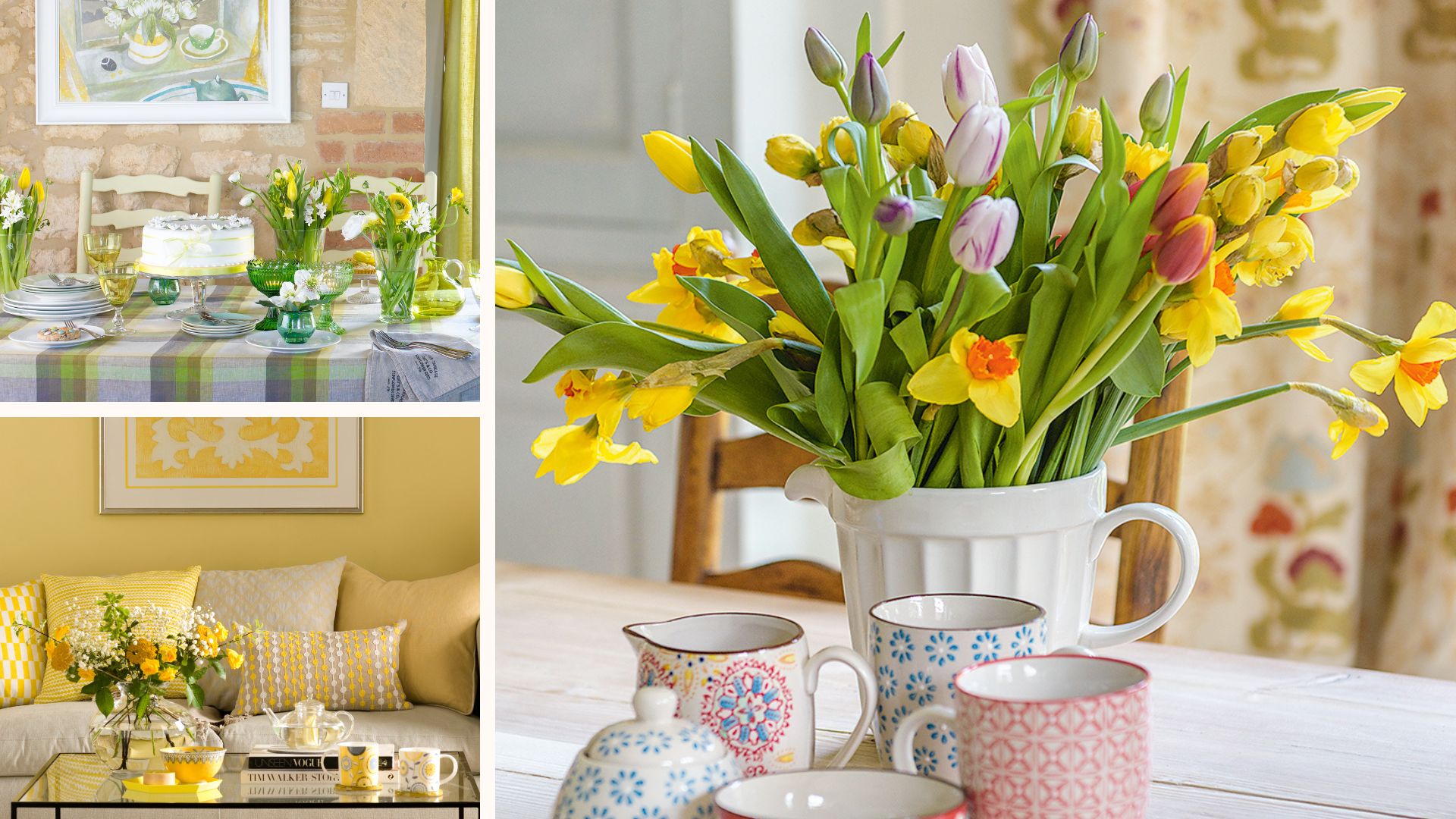
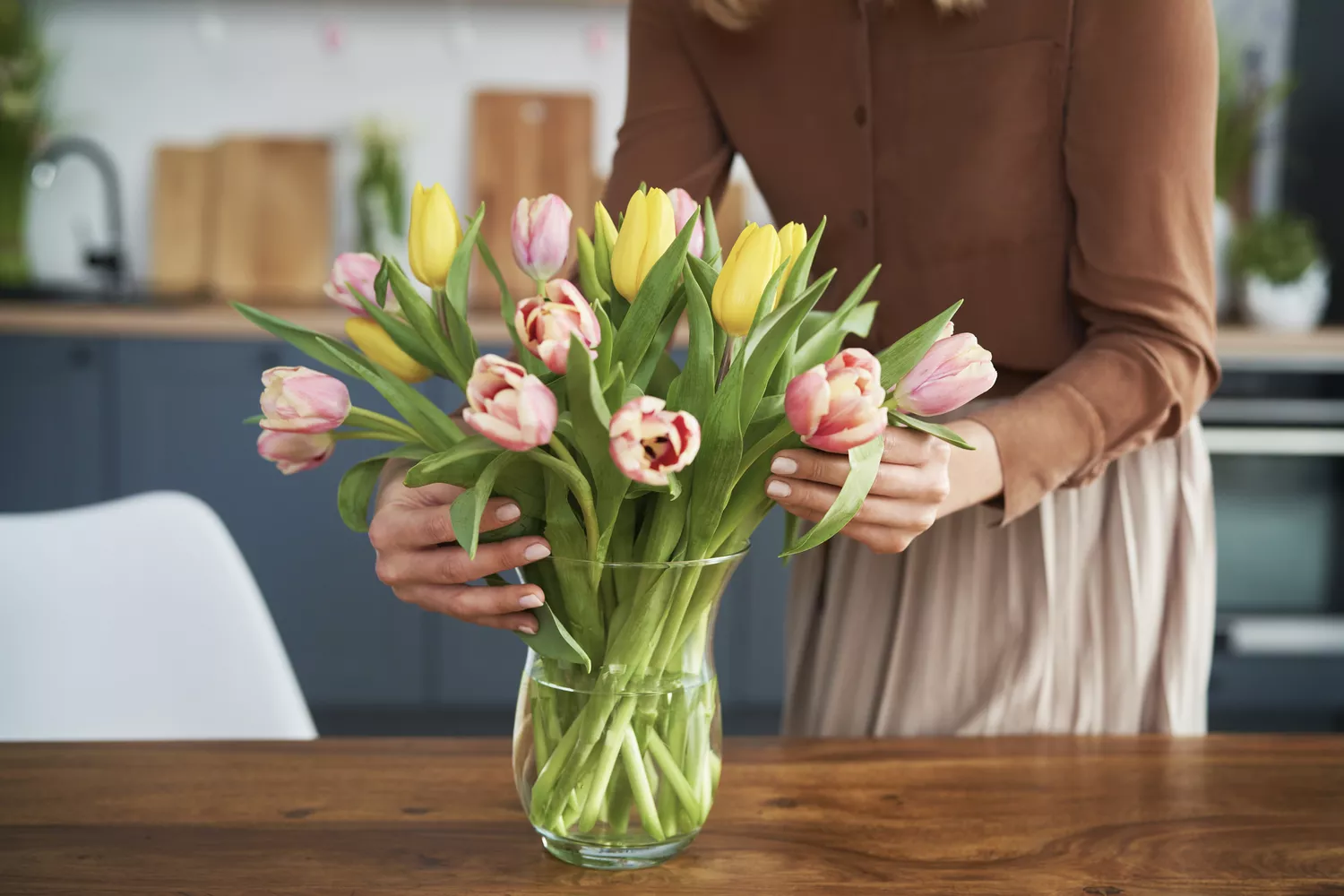
Tulips, vibrant harbingers of spring, can be enjoyed in various settings, from bouquets to garden beds and potted displays. To maximize their beauty and longevity, specific care guidelines should be followed based on their environment. For tulip bouquets, selecting flowers that are still closed or at an "early" cut stage is crucial for a longer vase life, as they continue to grow up to two inches. A vase that covers at least half the stem height is recommended to support the tulips as they stretch and prevent drooping. Cutting stems at a 45-degree angle facilitates optimal water absorption, and it's important to trim them to the desired length while considering their continued growth. Tulips are heavy drinkers, so the vase should be filled three-quarters of the way with cold, fresh water, which should be changed every other day, accompanied by a fresh stem cut. Adding flower food or a small amount of lemon juice or cane sugar can also nourish the blooms. To prevent premature wilting, direct sunlight and heat should be avoided. If placed in a sunny spot, rotating the vase daily will prevent uneven leaning.
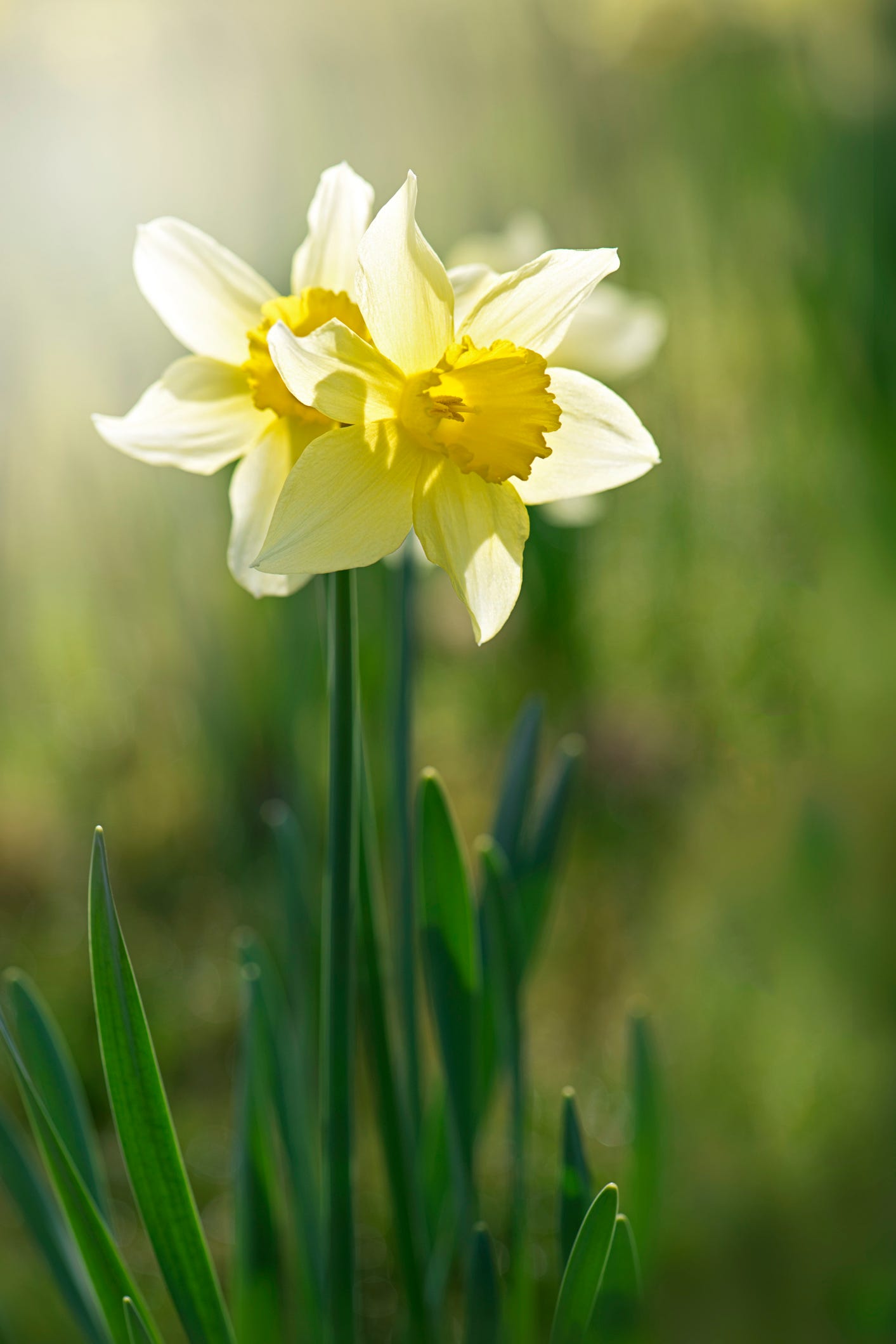
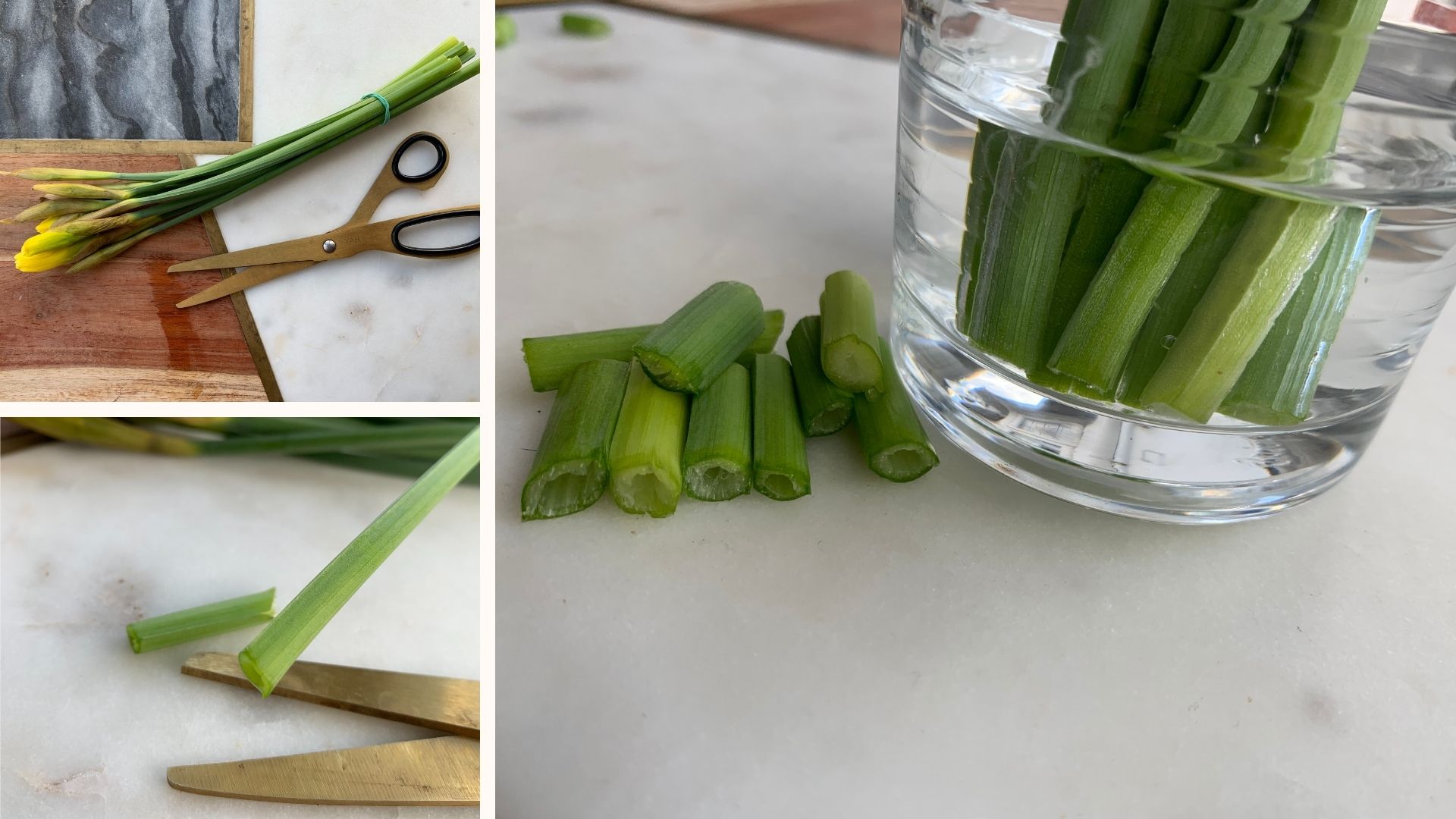
When incorporating tulips into floral arrangements with other flowers, caution is advised. Daffodils or narcissus, for instance, can emit substances that cause tulips to wilt faster. However, tulips generally co-exist well with roses, kale, and hydrangea. For tulips planted in flower beds, timing is key. Northern regions can plant as early as late September, while southern areas should wait until December, ensuring planting occurs six to eight weeks before the ground freezes. A bulb auger drill bit can simplify digging holes, which should be about three times the bulb's size. Bulbs should be planted pointed side up, 6 to 8 inches deep and 4 to 6 inches apart, in sandy, well-drained soil. They thrive in areas receiving morning sun and ample afternoon shade. Covering bulbs with 1 to 2 inches of mulch and fertilizing with a slow-release bulb fertilizer in the fall, followed by a liquid fertilizer boost a few weeks after planting and again in early spring, promotes healthy growth. To deter pests like squirrels and rabbits, chicken wire or deterrents like blood meal or red pepper flakes can be used. Tulips in flower beds require minimal watering, typically one thorough soaking after planting and another when green leaves sprout.
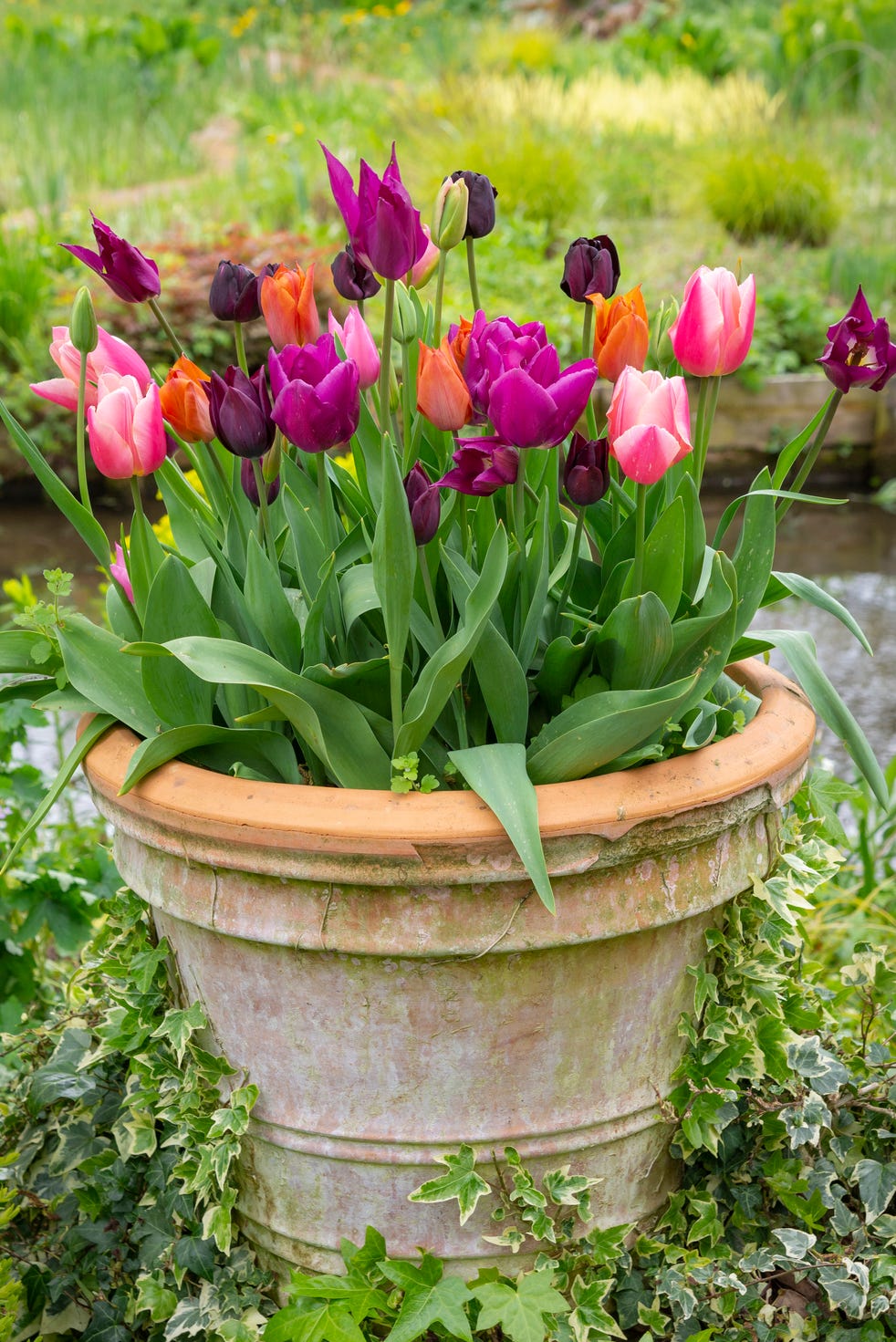
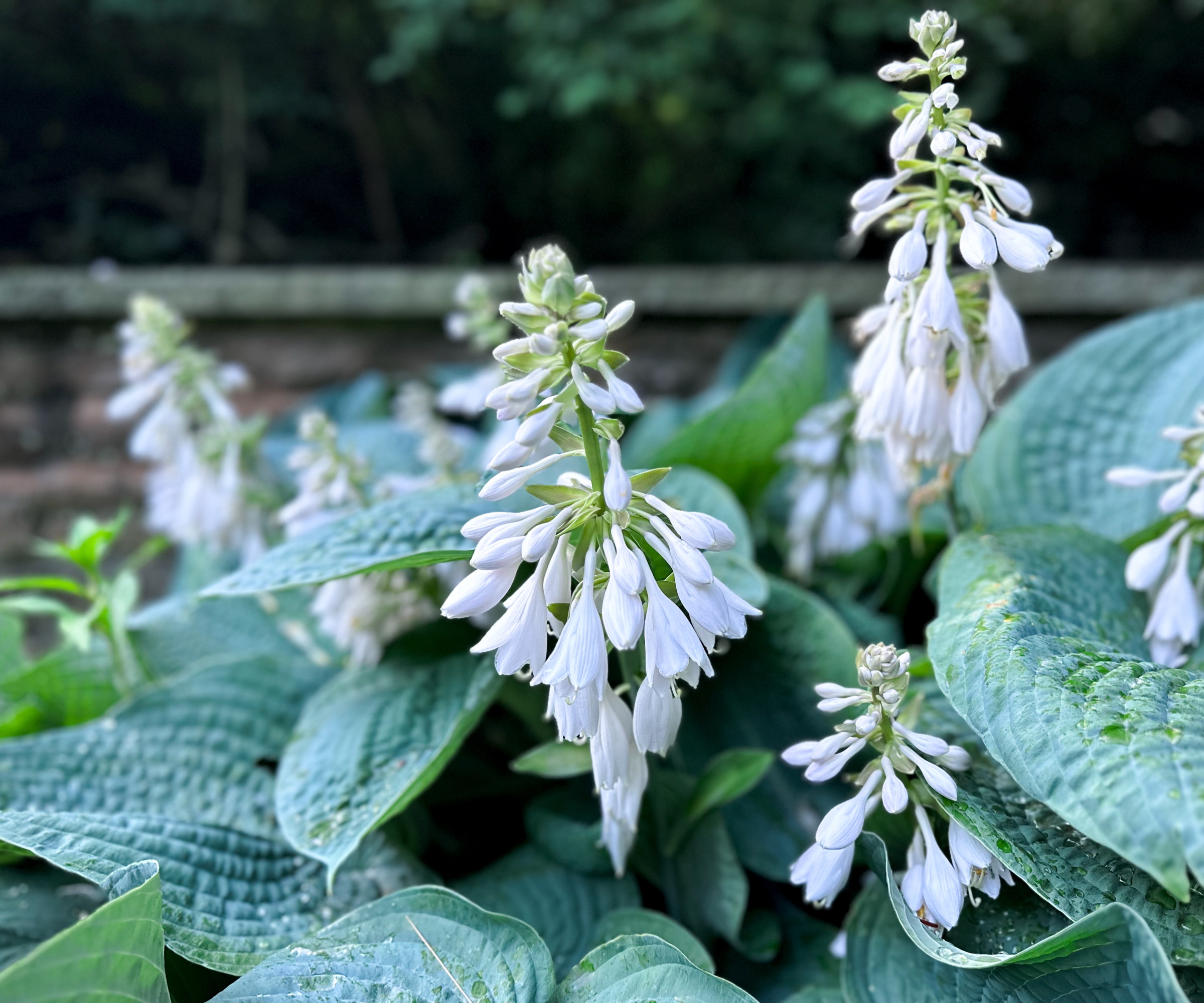
After blooming, annual tulips should have their bulbs discarded once they die, while perennial tulips should have their foliage cut and disposed of once yellowed, leaving the bulb in the ground. Companion planting with species like forget-me-nots, daffodils, daylilies, spring phlox, and hostas can enhance garden aesthetics and hide fading tulip stems. Potted tulips require proper drainage, which can be improved by adding bark to the bottom of the container. Bulbs should be planted an inch apart, or even closer for a fuller display, potentially intermixing with other bulbs like daffodils or crocuses. Care for potted tulips mirrors that of in-ground varieties, with an emphasis on avoiding overwatering and providing adequate sunlight near a window.
For reblooming tulips, especially in warmer climates (USDA growing zones 8 and above), bulbs may need to be dug up, dried, and stored. This process involves waiting until the plant withers and turns yellow after blooming, then carefully digging up the bulbs. After removing foliage and excess soil, bulbs should be dried on paper towels or newspapers to prevent mold. Storage in a cool, dark place with temperatures in the 40s, such as a refrigerator (away from ethylene-emitting fruits), is ideal for a few months. Replanting should occur in the fall, concurrently with new bulbs. Tulips are generally hardy, but fungi like botrytis tulipae and mold (often due to excess moisture) can cause issues. Pests like deer, squirrels, and rabbits can also be problematic, requiring deterrents like chicken wire or spicy peppers. While outdoor tulips are typically perennial, indoor varieties are often annuals and rarely rebloom. Most tulips bloom between March and May, depending on variety, location, and weather. After blooming, outdoor tulips should have their flower heads snipped, but foliage should remain until completely withered to energize the bulb for the next year. Indoor tulips should have fading flowers snipped, and the plant continued to be watered in a sunny spot until the leaves yellow, at which point watering should cease, and the plant discarded. Tulip lifespans are generally three to five years, with blooms potentially becoming less hardy over time.
#TulipCare #GardeningTips #FlowerArrangements #PlantingBulbs #OutdoorGardening #IndoorPlants #SpringBlooms #Horticulture #HomeGardening #TulipCare #GardeningTips #FlowerArrangements #PlantingBulbs #OutdoorGardening #IndoorPlants #SpringBlooms #Horticulture #HomeGardening
0 commenti in totale
 Nessun commento ancora
Potresti anche gradire
How to make cut flowers last longer – 7 expert tips for getting the most out of your bouquet

These Low-Maintenance Perennial Flowers Bloom Every Season

Grow These Stunning Spring Flowers to Welcome in the Season

How to Keep Roses Alive and Looking Their Best For as Long as Possible
Gardening experts reveals how to make your cut flowers last longer
Not Only Is Purple Passion Plant Gorgeous, It's Easy to Grow
11 Pretty Purple Flowers to Plant in Your Garden
10 indoor plants that flower all year round – choose from our expert recommendations for non-stop blooms


Ina Garten uses this classic bloom to make a seasonal statement on her kitchen countertops
8 Things You Should Never Do With Fresh Flowers If You Want Them To Last
Best teal plants: 8 choices for GMG color of the year
You Should Plant Night Sky Flowers in Your Yard ASAP

How To Care For Cut Tulips To Help The Blooms Last Longer
15 Annuals That Bloom With Bold Purple Flowers
7 ways to keep your Mother's Day flowers fresh and long lasting — expert tips
Don't put your daffodils in a vase without doing this one thing first, warns a florist
'Too hot or cold and you risk damaging the plant' – this is the ideal watering temperature for healthy houseplants

15 Best Purple Plants For Your Flower Garden
10 Pretty Purple Flowers That’ll Make Your Garden Pop

5 Simple Steps to Style Dried Flowers