1/8
Nanoleaf’s Matter Essentials smart bulbs are here and they’re good
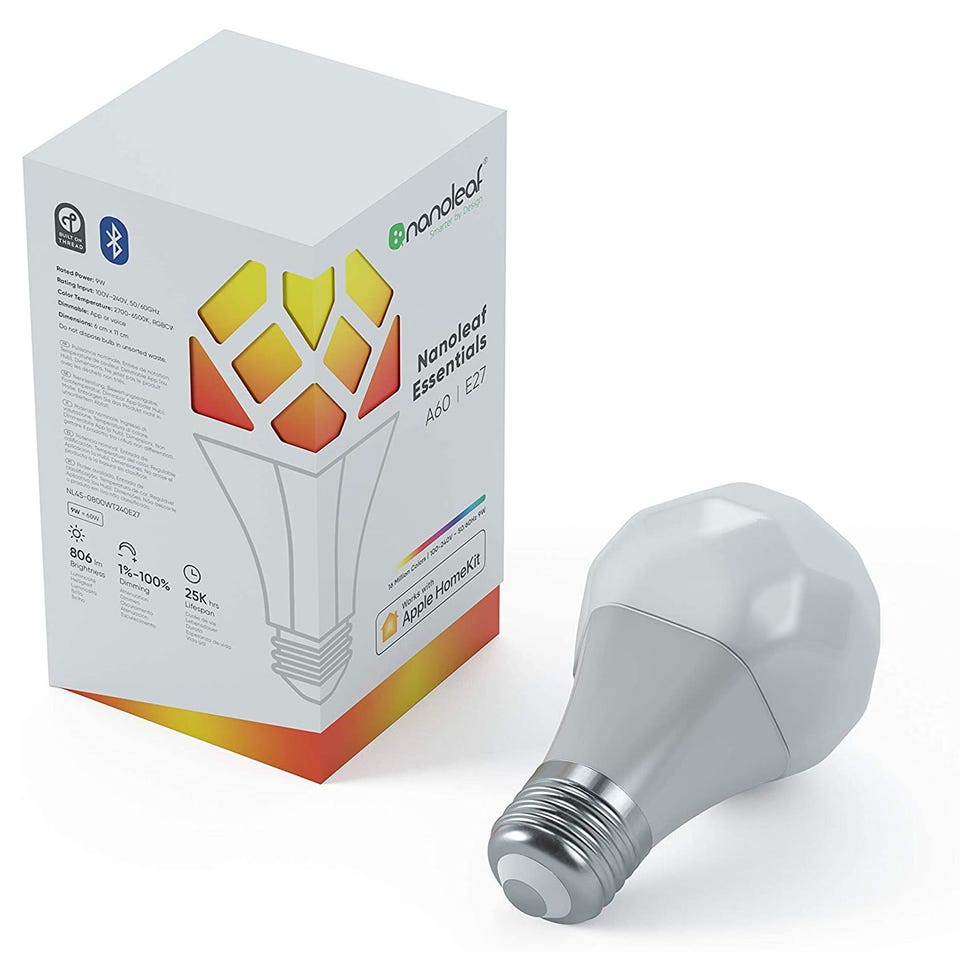
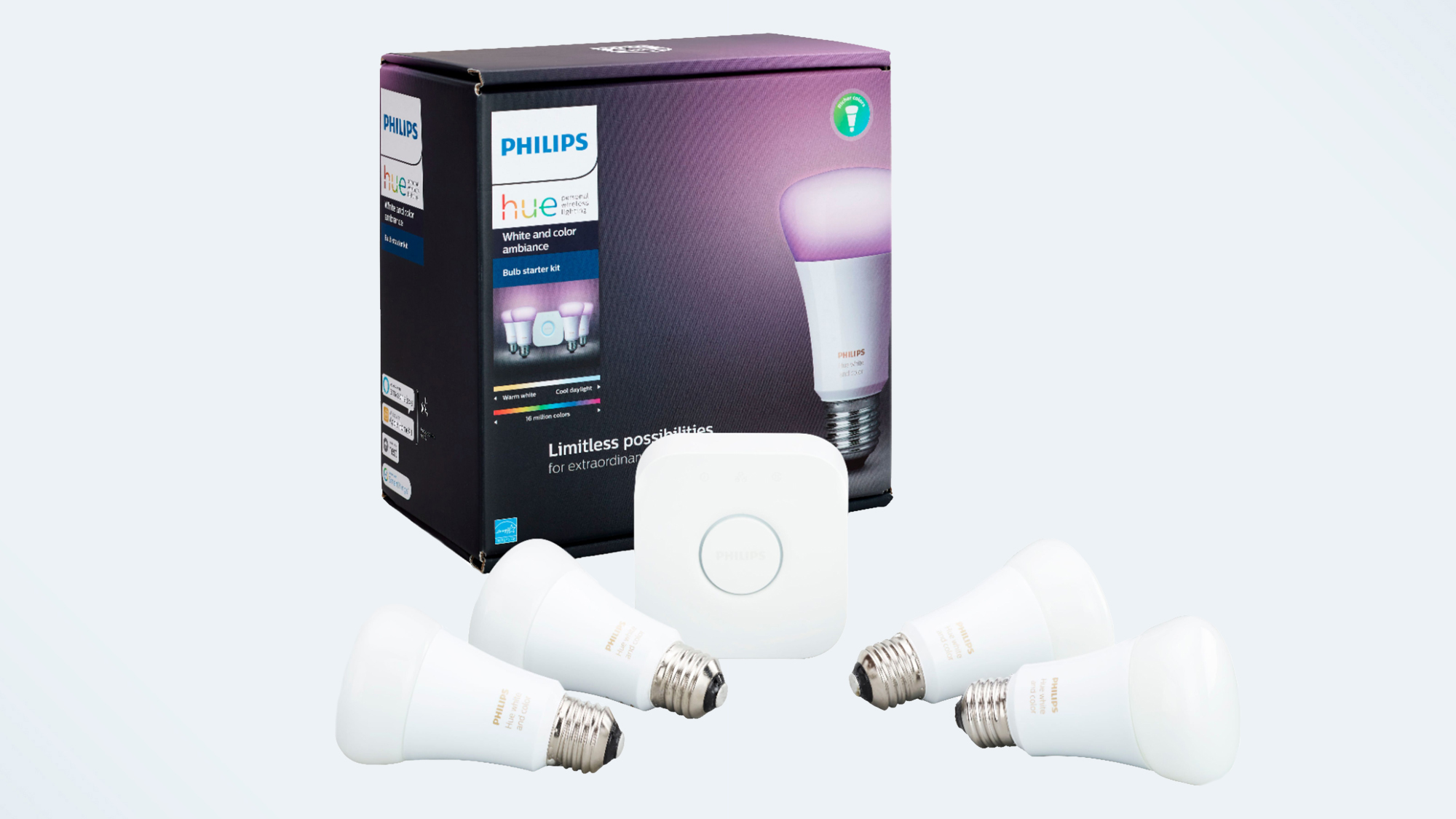
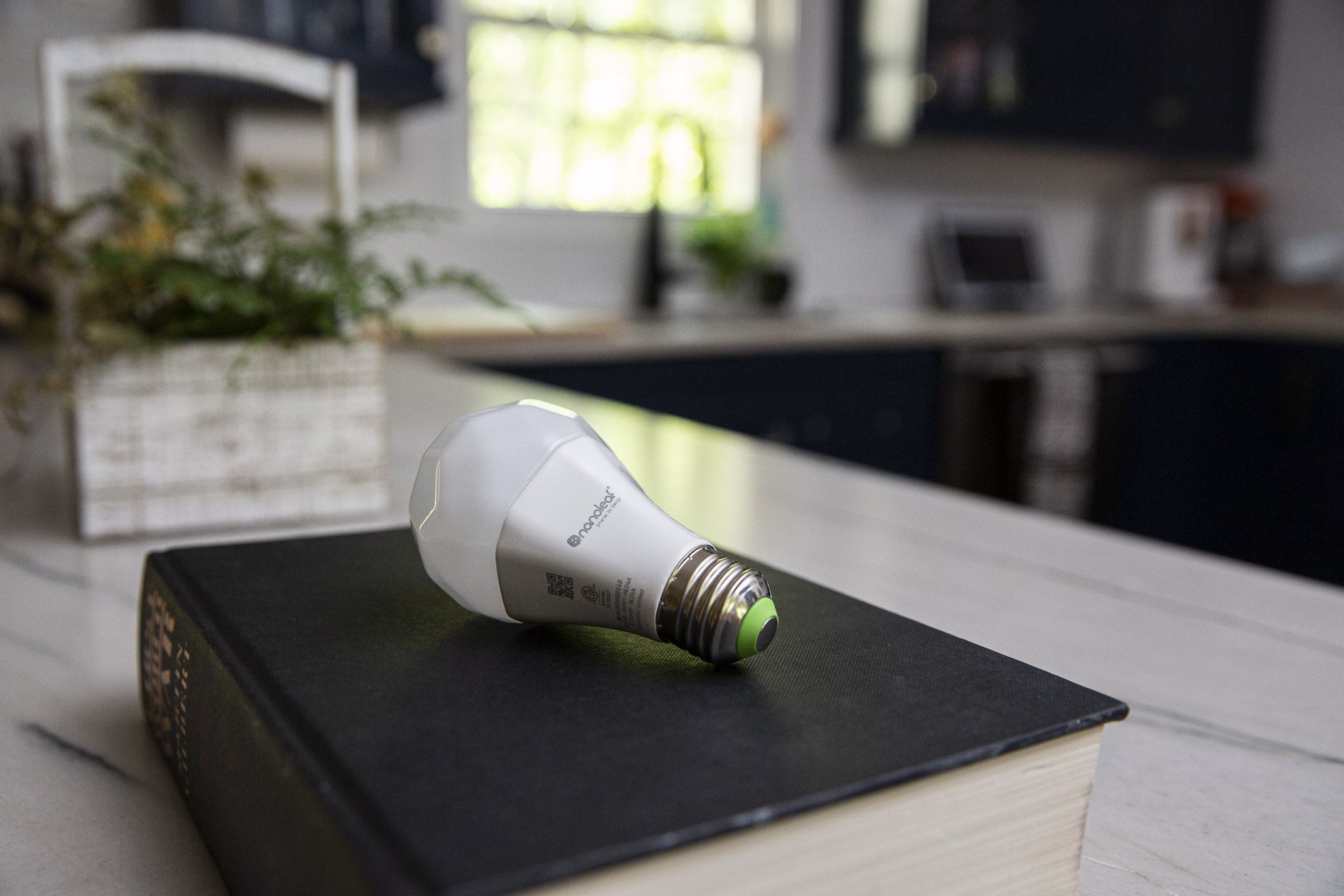
Nanoleaf has launched its new Essentials Matter smart lighting line, which includes an A19 bulb, a BR30 bulb, and a light strip, with more products like a GU10 bulb and a recessed downlight to follow. These lights are presented as an inexpensive, easy-to-set-up solution compatible with various smart home platforms, leveraging Matter and Thread technologies. They are positioned as a more affordable and brighter alternative to Philips Hue bulbs, offering similar features without requiring a proprietary hub.
The Nanoleaf Essentials Matter lights operate over Thread, a low-power, low-latency, local mesh network, which is expected to enhance connectivity as more Thread devices are added to a system. As Matter-certified devices, they support major ecosystems such as Google Home, Apple Home, Samsung SmartThings, and Amazon Alexa. However, there are specific limitations, particularly for Apple Home users; these new bulbs are Matter-only and do not support Apple-specific features like Adaptive Lighting, unlike the older Nanoleaf Essentials line which was HomeKit certified. Additionally, using these lights outside of the Nanoleaf app requires a Matter controller and a Thread border router, which must be from the platform the user intends to connect to. The Nanoleaf app itself is described as having limited functionalities, such as lacking scheduling for Essentials bulbs and the inability to group Matter bulbs with other Nanoleaf lights.
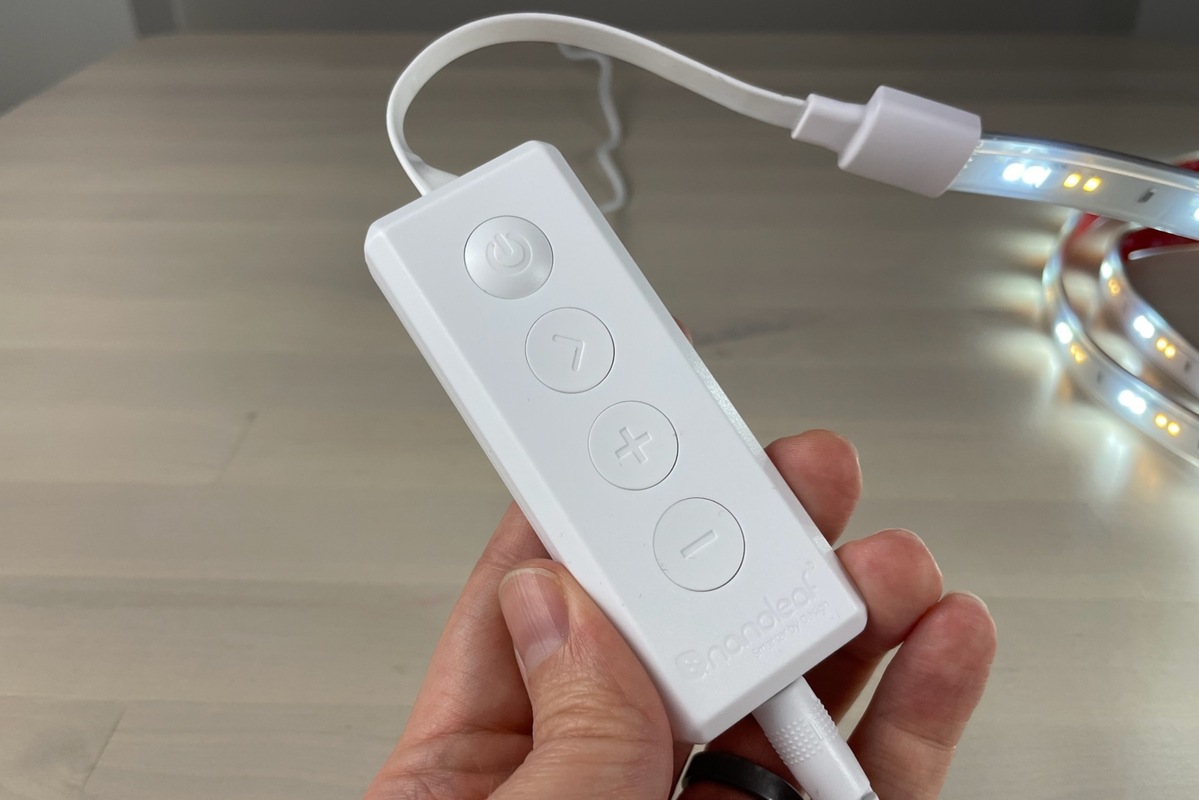
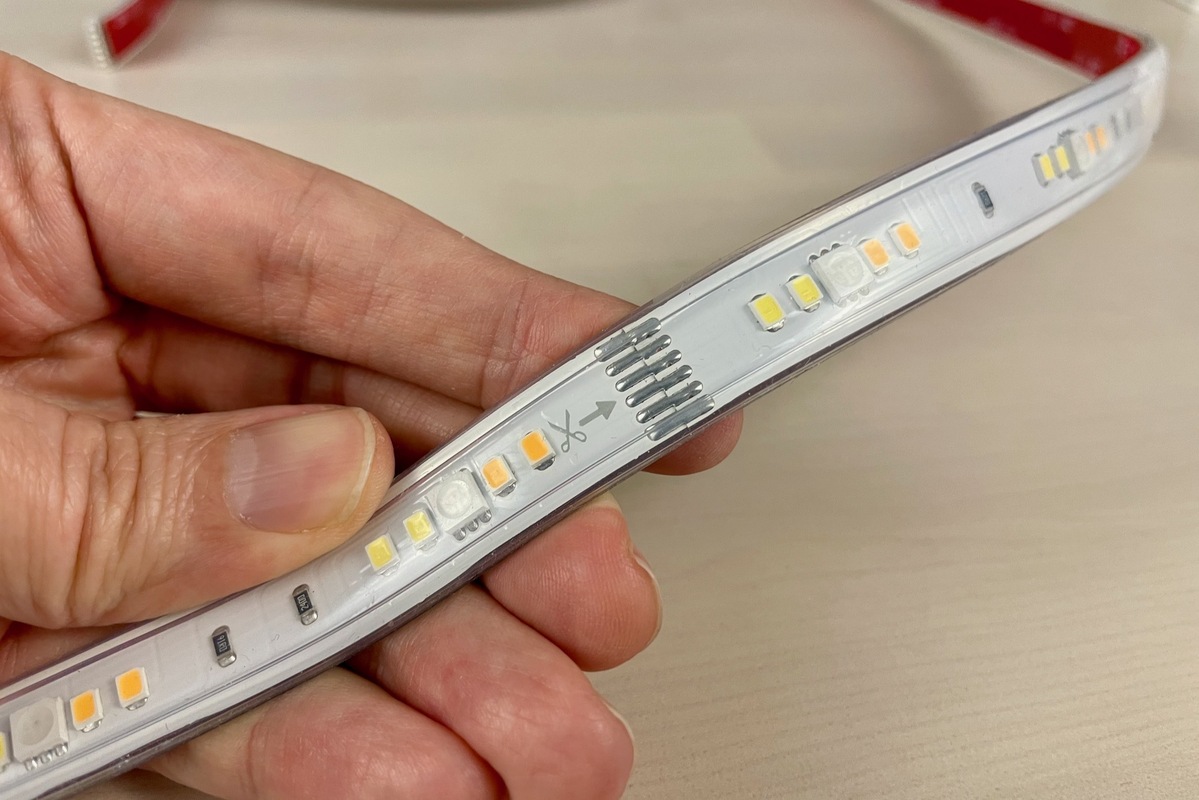
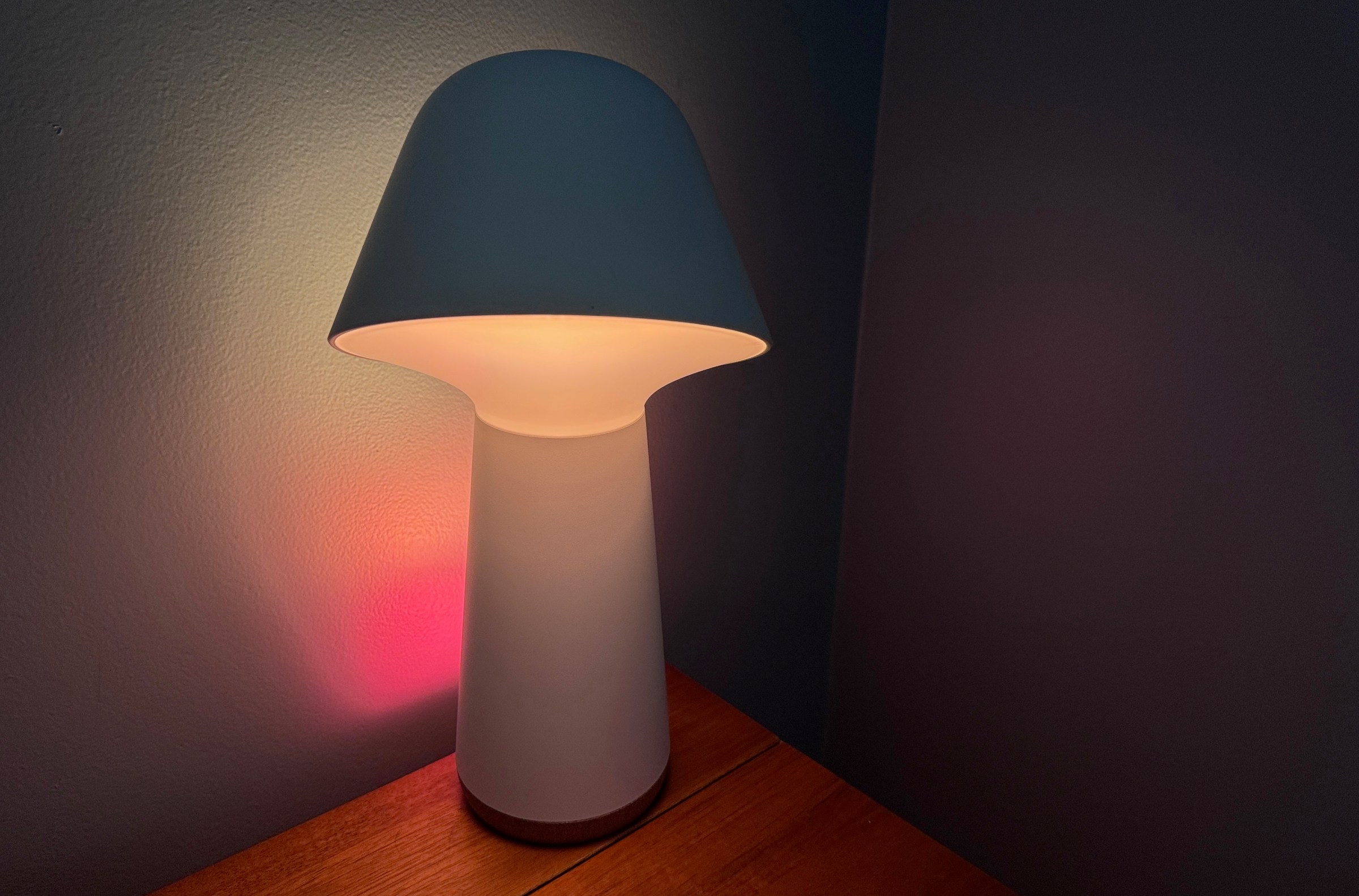
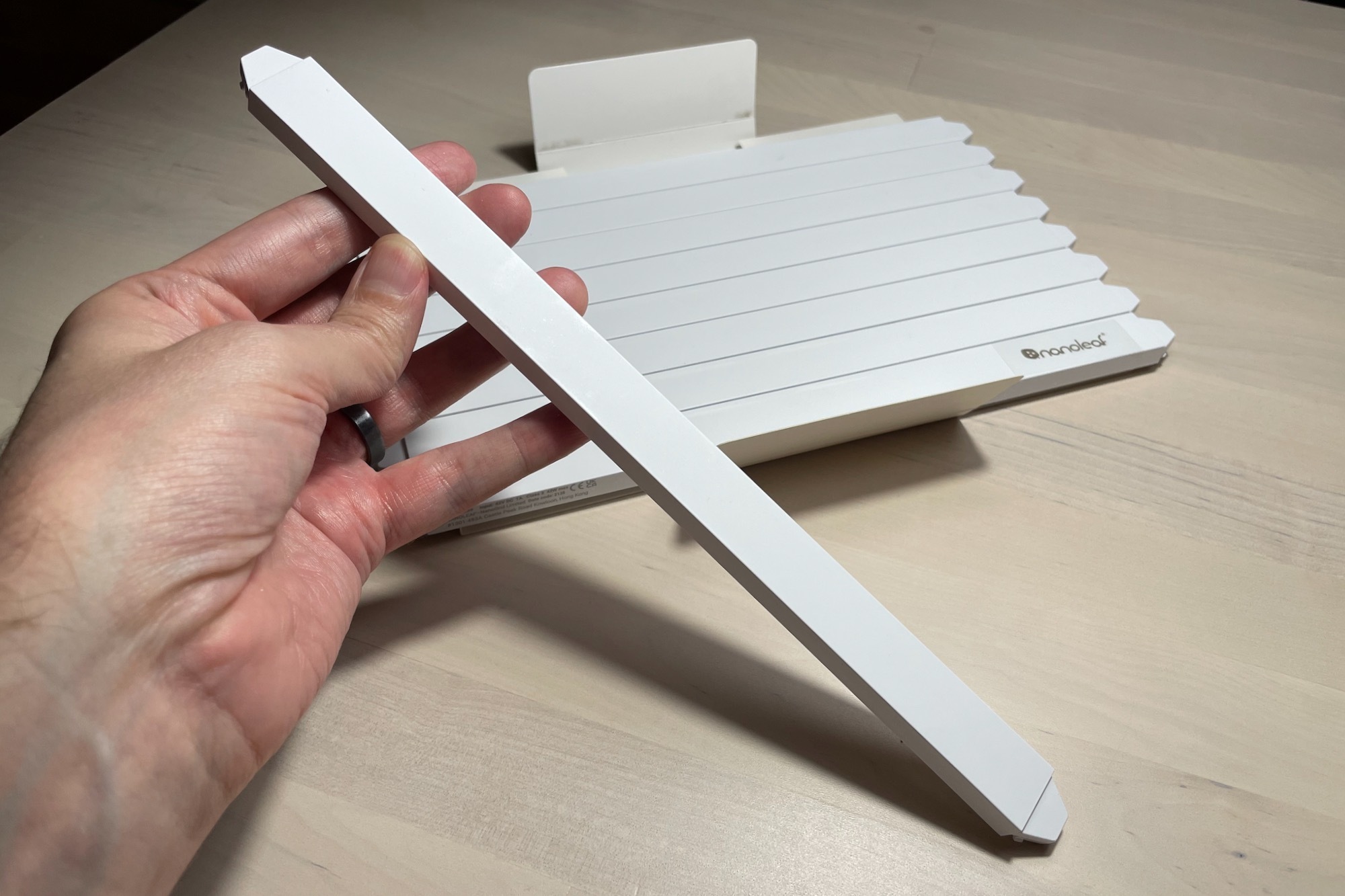
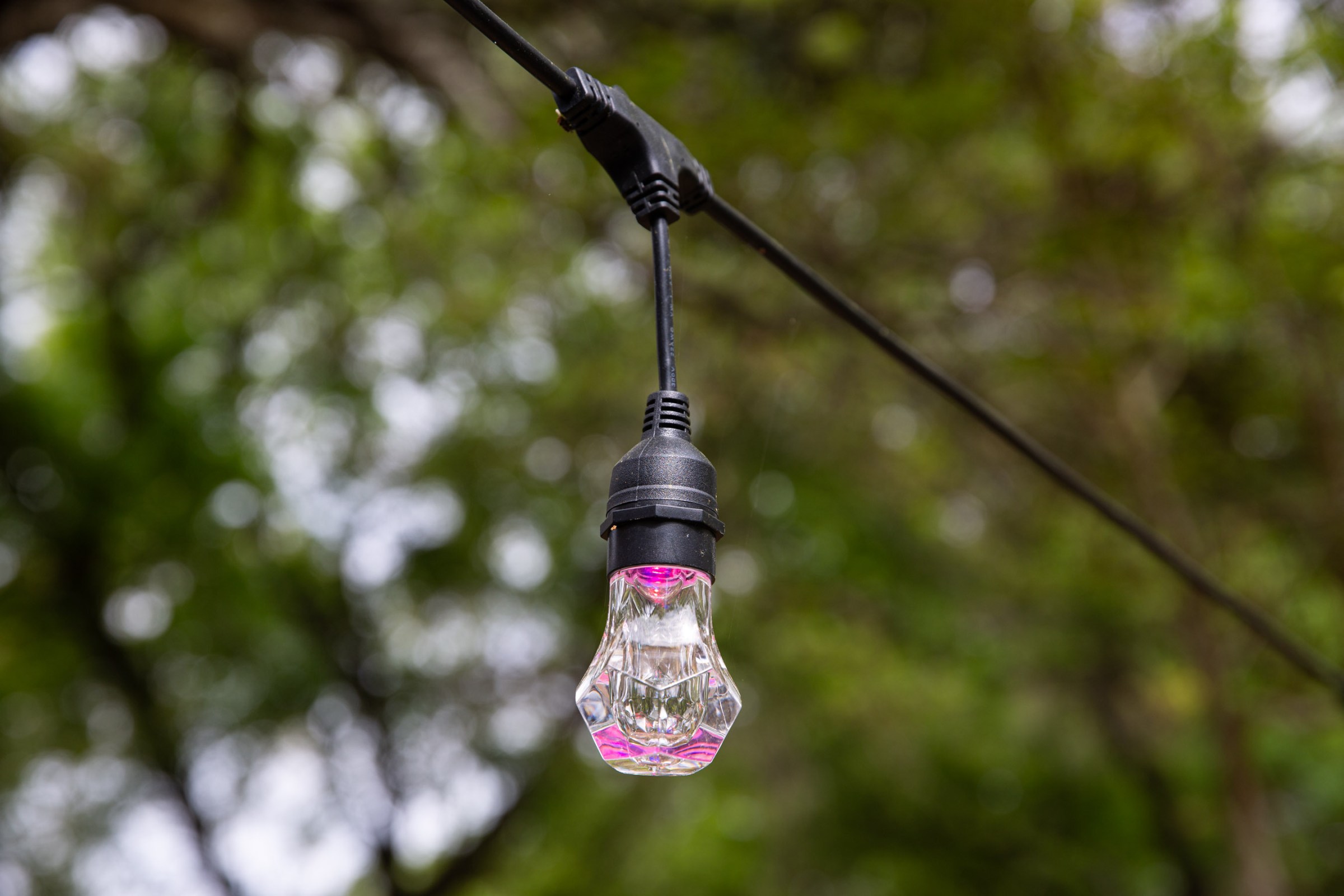
Despite these caveats, the Nanoleaf Essentials Matter line offers significant value, providing full color, tunable white, and dynamic lighting capabilities at a competitive price point. For instance, a single A19 Hue bulb costs $49, whereas Nanoleaf offers a three-pack for a similar price. The lights are reported to be bright and vibrant, with the A19 bulb reaching 1100 lumens and the light strip 2200 lumens, matching or exceeding the brightness of some Hue products. The unique design of the bulbs is noted to enhance color refraction, while the light strip includes a controller for manual adjustments.
The setup process for these lights is generally straightforward, particularly for initial pairing with a single smart home platform. The article details easy pairing with Apple Home and Google Home, often involving scanning a Matter QR code. A key benefit of Matter is the promise of cross-platform compatibility and 'Multi-Admin' functionality, allowing devices to be controlled from multiple platforms and voice assistants. However, the review highlights that the Multi-Admin feature is currently inconsistent and challenging to implement, especially when trying to integrate with a second or third platform. The issue of different manufacturers' Thread border routers not communicating with each other is also identified as a significant hurdle, potentially creating multiple isolated Thread networks within a single home.
The Nanoleaf app is necessary for firmware updates and to access unique Nanoleaf features like preloaded color scenes, which can be downloaded to individual bulbs, and a circadian lighting feature. While the circadian lighting aims to adjust light tones throughout the day, its implementation in the Nanoleaf app is described as basic and less reliable compared to alternatives like Philips Hue's Natural Light function. The review concludes that while Matter offers the advantage of mixing and matching devices from different brands, this flexibility might come at the expense of some advanced, brand-specific lighting features. Overall, the Nanoleaf Essentials Matter bulbs are presented as a strong option for building a Matter-based smart lighting system, offering excellent performance for their price, especially given their use of Thread technology, which is generally more reliable than Wi-Fi-connected alternatives.
#SmartHome #MatterProtocol #ThreadTechnology #Nanoleaf #SmartLighting #HomeAutomation #TechReview #AppleHome #GoogleHome #SmartHome #MatterProtocol #ThreadTechnology #Nanoleaf #SmartLighting #HomeAutomation #TechReview #AppleHome #GoogleHome
0 commenti in totale
 Nessun commento ancora
Potresti anche gradire
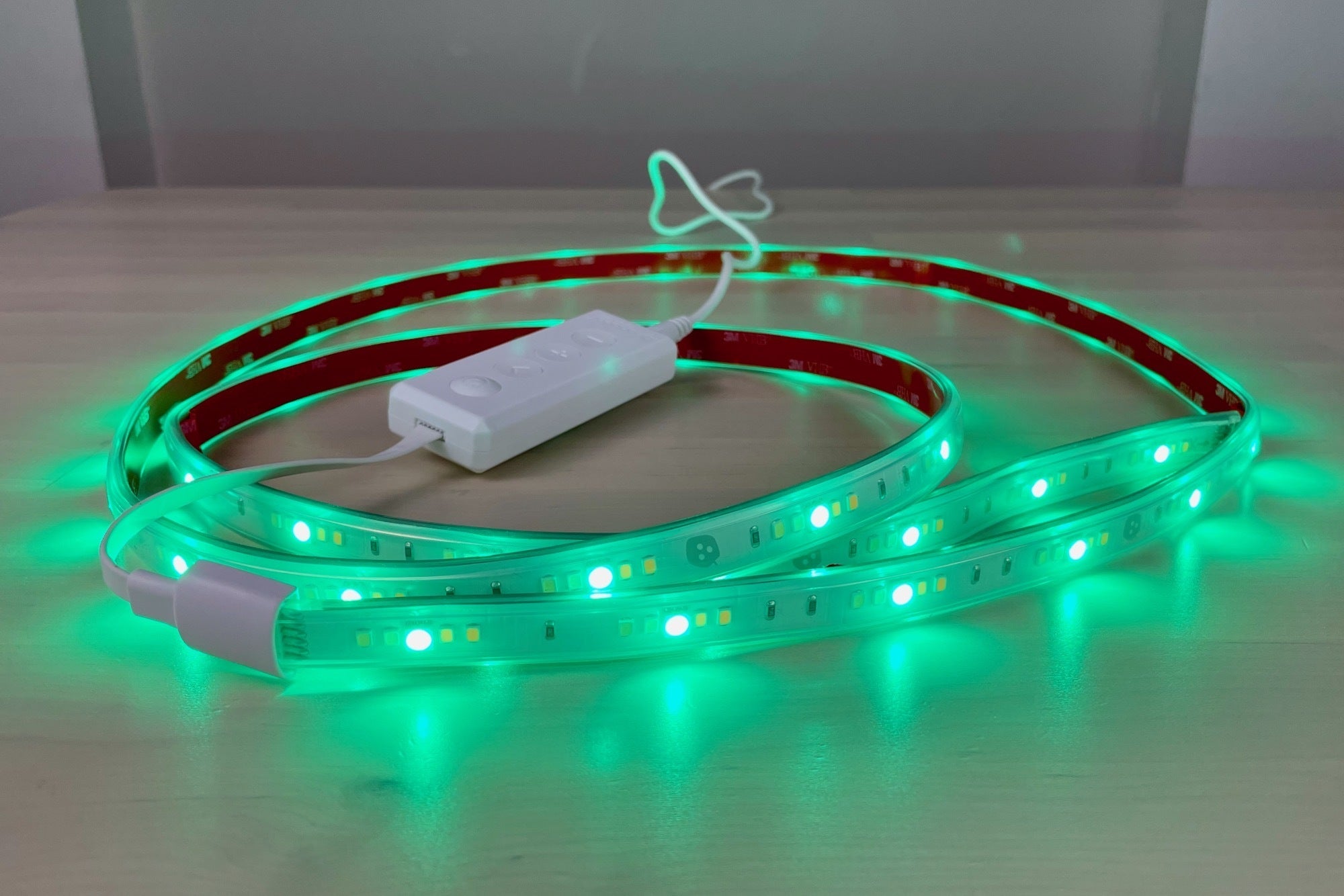
Nanoleaf Essentials Lightstrip Review: Bright and Thread-enabled
My favorite Nanoleaf smart lights just hit lowest price ever for Black Friday

REVIEW: Nanoleaf Floor Lamp brightens your space with vibrant, customisable light
Nanoleaf Skylight Is More Than Just A Pretty Light Fixture

The 4 Very Best Smart Lightbulbs
Fall into smarter lighting
Best Smart Bulbs for Modern Smart Homes (2025): A Complete Beginner-Friendly Guide

The best smart light bulbs for 2024


7 Eye-Popping Nanoleaf Design Ideas

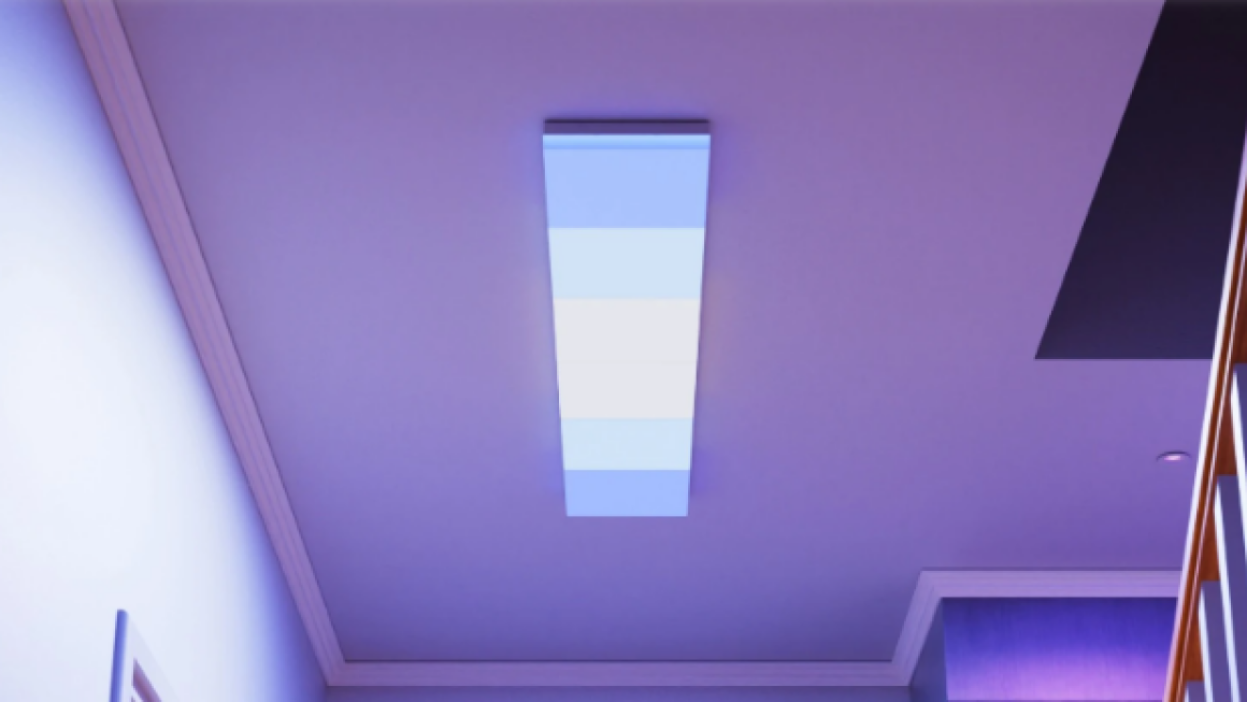
The Nanoleaf Smart Ceiling Light Mimics a Skylight

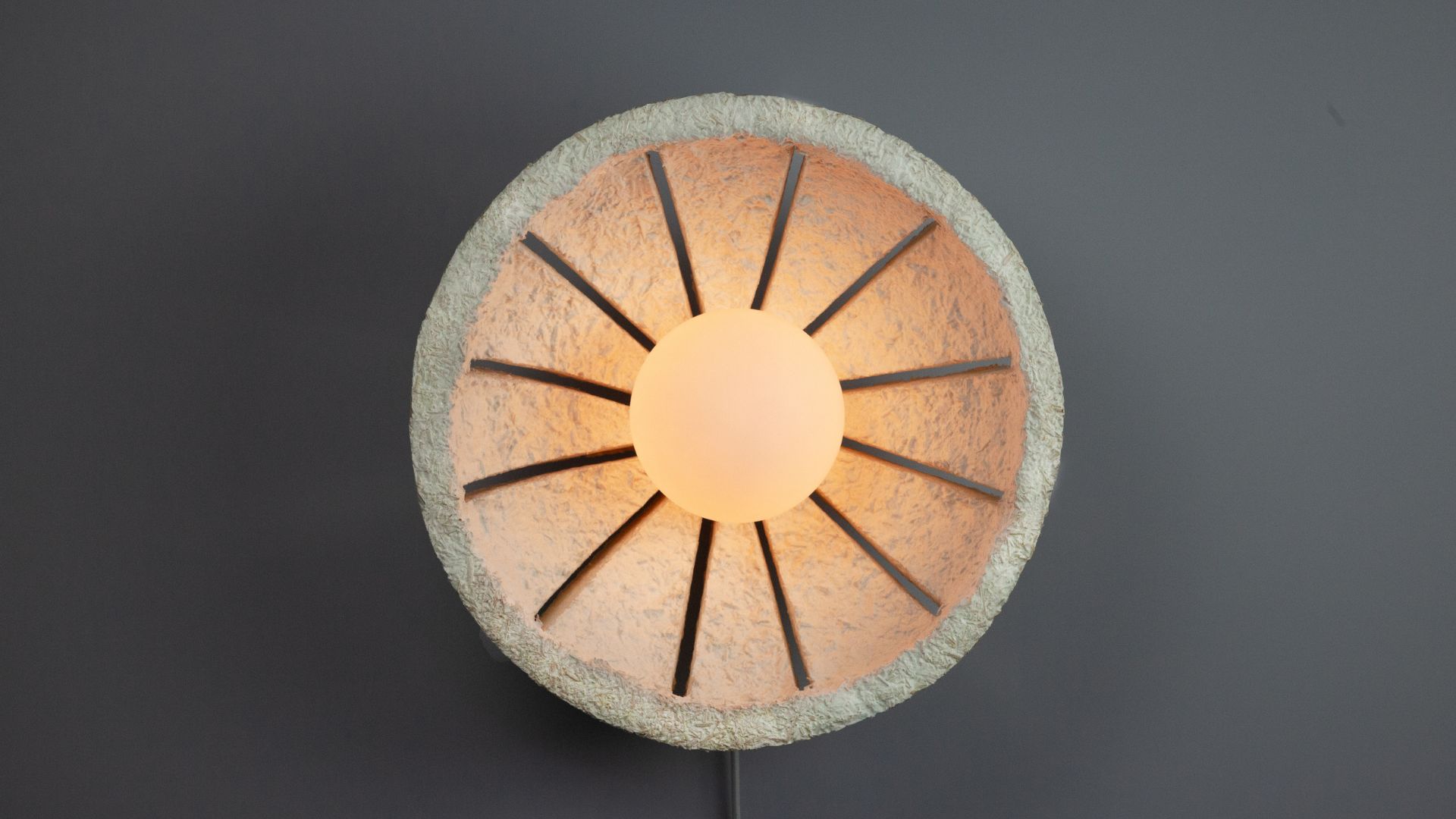
Lighting the way: Danielle Trofe’s fungus-fueled fixtures


10 biophilic lighting designs that leverage the power of light
Review: Nanoleaf's HomeKit-Enabled Lines Offer Futuristic Accent Lighting
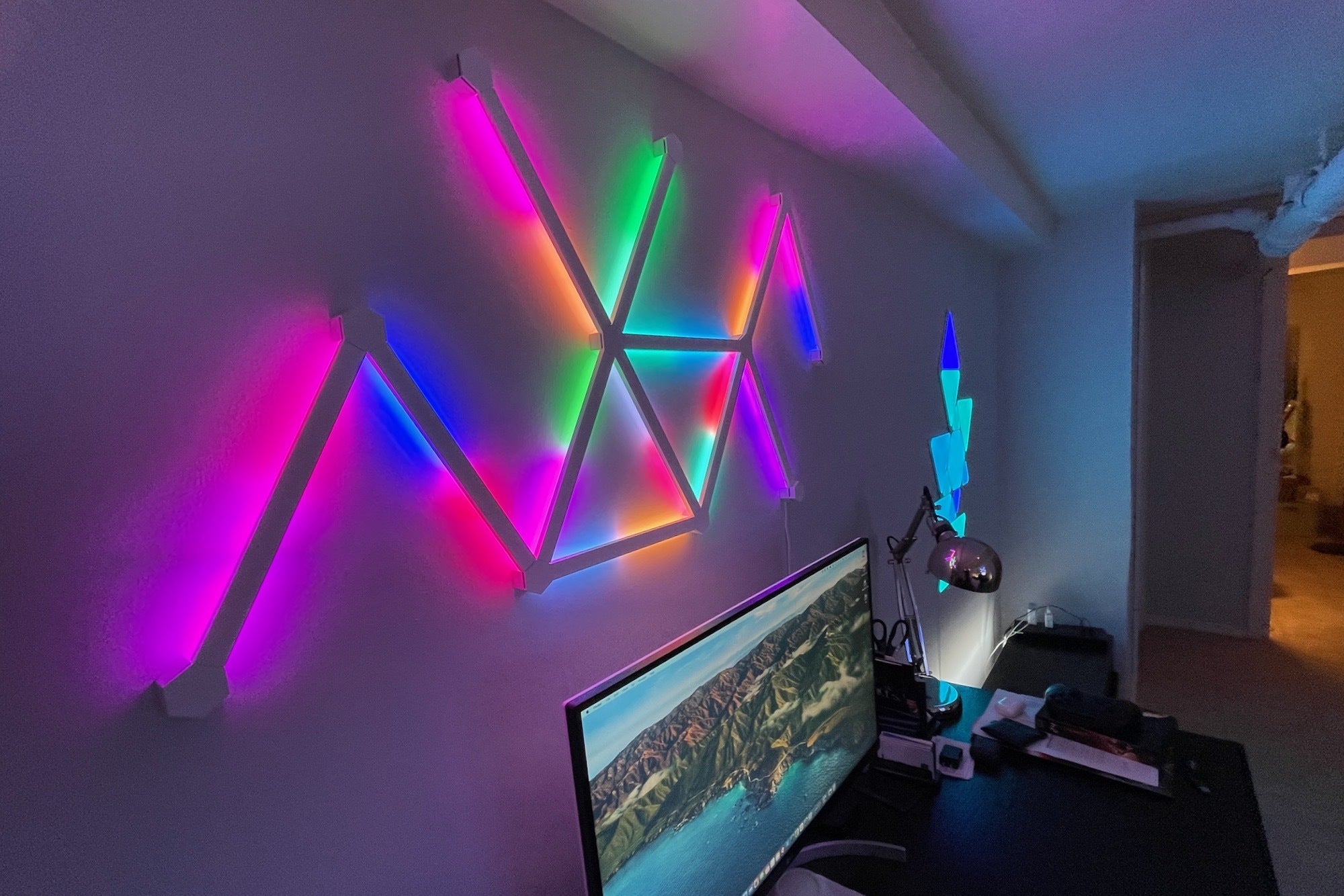
Nanoleaf Lines review: These smart, backlit light lines can put on a show


Aurora is a set of connectable, color-changing LED wall panels
The best smart lights

Eight Best Smart Light Systems to Transform the Mood of Your Home (2025 Update)

5 Design-Friendly Smart Lighting Styles to Personalize Your Home | Reviews by Wirecutter
Smart string light showdown: Nanoleaf versus Lifx

Review: Nanoleaf's Outdoor String Lights Are Smart Looking (and Also Smart)