1/22
PSA: There's No Bamboo in Your Bamboo Bedding
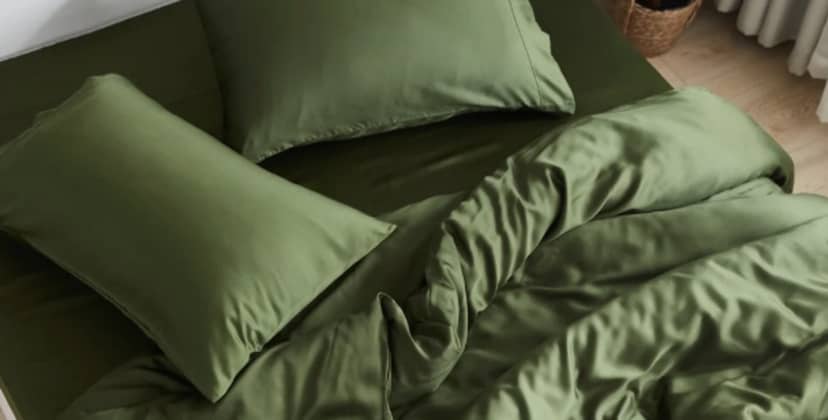
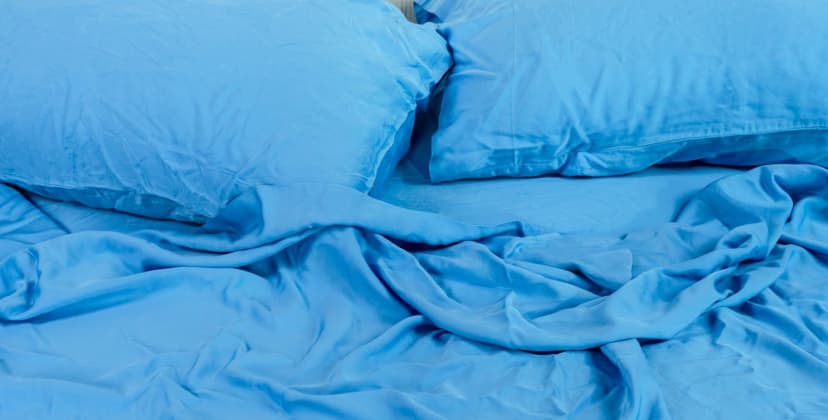
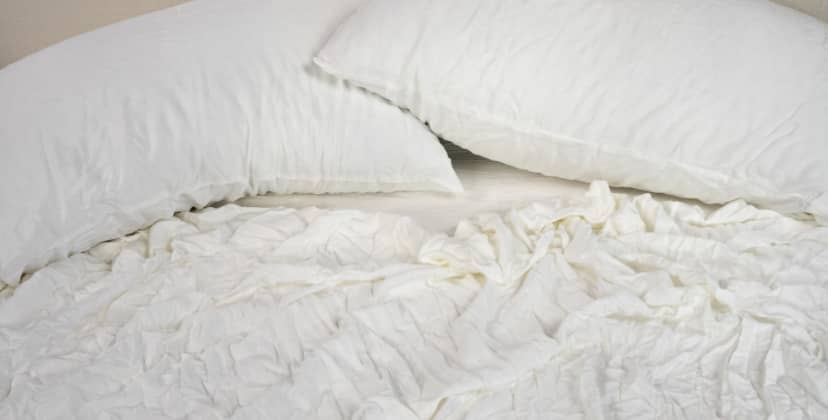
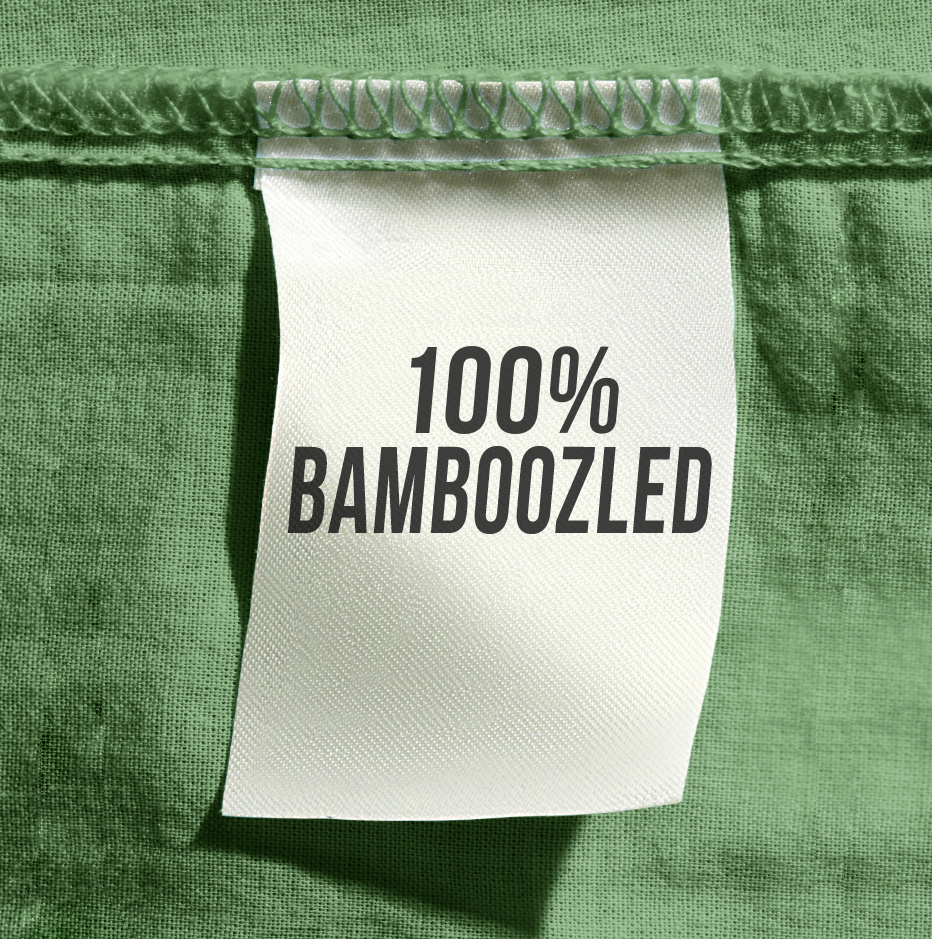
An investigation by the Good Housekeeping Textiles Lab reveals a prevalent issue of misleading marketing practices within the bedding and clothing industries, specifically concerning products advertised as made from bamboo, eucalyptus, or other tree fibers. Scientists noted an increasing trend of brands claiming their products were made directly from these plant materials, despite expert knowledge suggesting such products would not retain the original plant fibers. To verify these claims, the GH Textiles Lab identified over 50 products marketed as being made from bamboo, eucalyptus, or beechwood fibers, encompassing clothing, footwear, and bedding. Ten of these products were purchased, their labels were reviewed, and they were subsequently sent to an independent laboratory for fiber-identification testing. The results indicated that none of the 10 tested items contained any detectable trace of the plants or trees they were claimed to be made from.
Further analysis revealed that all 10 products were, in fact, made of rayon, an umbrella term for fibers manufactured from plant cellulose, including types such as viscose, lyocell, and modal. While the manufacturing process for these fibers does start with raw plant materials like bamboo or trees, these materials undergo a chemical dissolution process. This process completely breaks down the original plant structure, leaving only cellulose, which is then chemically processed further to form fibers. This means the products are derived from, but not directly made of, the original plant. In contrast, natural fibers like cotton grow as fibers, and their chemical and structural integrity largely remains intact during processing, allowing original cotton fibers to be identified under a microscope.
The Federal Trade Commission (FTC) mandates that brands use the manufactured name for rayon fibers (e.g., viscose, lyocell) and allows mention of the raw material only if accompanied by the generic name (e.g., "viscose from bamboo"). However, many companies omit this qualifier in their marketing and product names. The FTC explicitly states that if a product is not made directly from bamboo fiber, it should not be called "bamboo." The article highlights that even if accurate fiber content is disclosed in fine print or on garment labels, this is often insufficient to comply with regulations, as consumers often make purchasing decisions based on prominent product titles and descriptions. The FTC has taken legal action against some companies for false bamboo labeling but has not yet addressed similar mislabeling for eucalyptus and beechwood fibers.
This deceptive labeling is problematic for several reasons. Firstly, it contributes to greenwashing, where products are falsely promoted as eco-friendly. The production of bamboo rayon often involves harsh chemicals, and while lyocell is a greener alternative, the environmental impact of chemical processing and potential deforestation from unsustainable sourcing are concerns. Consumers are advised to check for certifications like FSC or PEFC to ensure sustainably managed forests. Secondly, using terms like “bamboo” or “eucalyptus” can create a false perception of luxury or uniqueness, leading consumers to purchase products for misleading reasons. Lastly, brands often make false promises by attributing properties of the original plant, such as antimicrobial qualities of bamboo, to the final fabric. However, during chemical processing, these properties are lost. Experts emphasize that the purified pulp primarily contains cellulose, with all other natural chemicals removed.
The widespread nature of this issue is partly attributed to the rise of new brands led by entrepreneurs who may lack a deep understanding of textile production and U.S. regulations. Suppliers may provide inaccurate or misinterpreted information, or brands might not verify claims before marketing their products. Industry experts stress the importance of substantiating claims with technical documents. Following the investigation, the Good Housekeeping team contacted the 10 companies whose products were tested. Six responded by initiating steps to correct their marketing, with many stating they were unaware of the misrepresentation or regulatory requirements. Two brands did not respond. The article concludes by advising consumers to prioritize specific fiber names over unsubstantiated eco-claims and recommends looking for Lenzing fibers like Tencel-branded lyocell as a legitimately sustainable option.
#TextileIndustry #MisleadingMarketing #BambooFabric #EucalyptusFabric #Rayon #Viscose #Lyocell #Greenwashing #FTCRegulations #TextileIndustry #MisleadingMarketing #BambooFabric #EucalyptusFabric #Rayon #Viscose #Lyocell #Greenwashing #FTCRegulations
 Nessun commento ancora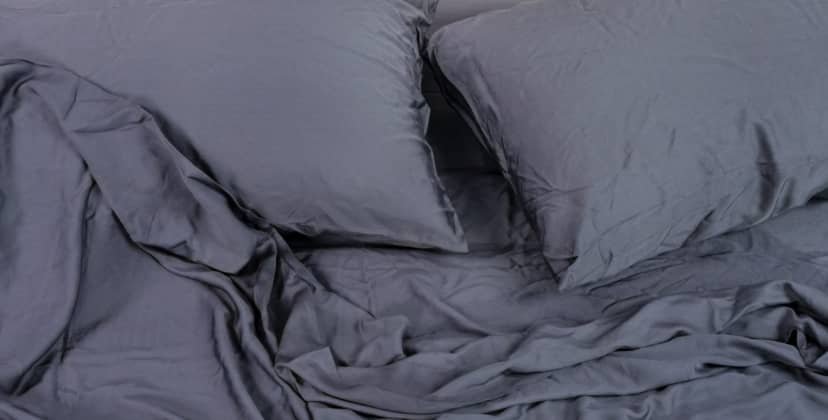
Best Bamboo Sheets: Expert-Tested and Reviewed
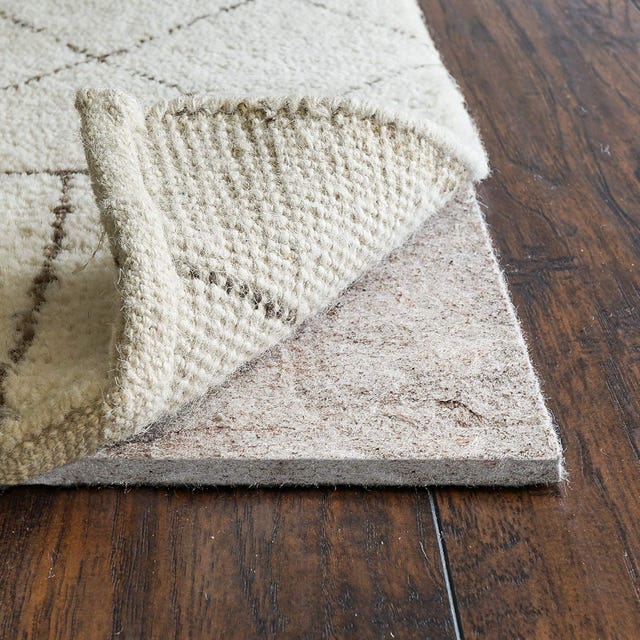
News Flash: You're Buying the Wrong Rug Pad

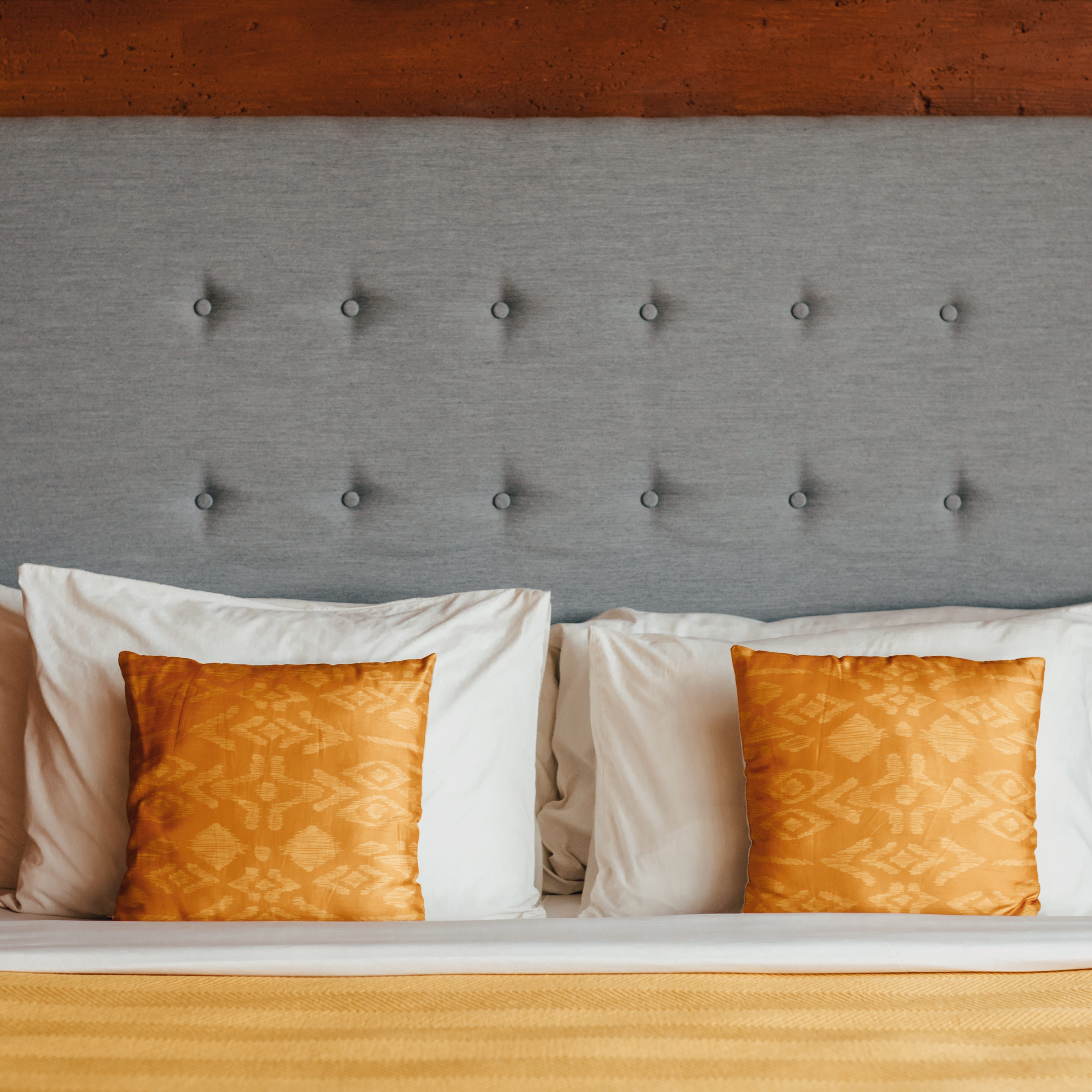
Cleaning Experts Reveal GROSS Bacteria May Be Lurking In Your Upholstered Bed Frame
We’ve Spent Over 30,000 Hours Testing the Best Bamboo Sheet Sets