
1/2
Application Highlight: Infineon Connects Smart Lighting Systems
Smart lighting systems are increasingly recognized as a foundational element in smart buildings and IoT-enabled infrastructures, offering significant energy efficiency gains and cost reductions. This early and quick return on investment has established smart lighting as a strategic starting point for intelligent design initiatives for many years. Despite its long-standing status as a best practice, connected and smart lighting continues to attract considerable interest and drive momentum in smart building development, with a notable surge in interest within the lighting industry over the past five years.
Designers in the lighting sector are actively seeking key elements to achieve greater energy savings and to explore new applications and use cases beyond basic lighting controls. A critical development in this pursuit is the integration of advanced connectivity solutions. Historically, passive infrared (PIR) sensors were the primary technology for energy-saving applications in smart lighting. However, their limitations, such as poor design, restricted detection of micro-movements, and limited area coverage, often compromise the energy efficiency mission and hinder the development of advanced applications. Engineers are now transitioning to more sophisticated radar sensors to overcome these weaknesses.
Radar sensors offer several advantages, including direct integration into luminaires, enabling sleeker designs and platform standardization by eliminating the need for drilling holes, a common requirement for PIR sensors. The increasing availability of radar technology has also unlocked more advanced use cases. Smart lighting systems can now manage specialized controls through people counting and tracking capabilities. Furthermore, intelligent lighting systems can extend their utility to asset tracking and control, monitoring meeting room usage, desk occupancy, and even implementing security functions like recognizing unauthorized access in specific areas. The ability to handle larger data loads for these sophisticated applications hinges on robust connectivity.
Connectivity provides several key benefits for smart lighting implementation. It facilitates cost reduction through the deployment of sensor hubs at select luminaires that act as masters for others. It also simplifies wiring and code by allowing a central control unit with high computational power to oversee all luminaires. Such a central control unit, potentially integrated into a Building Management System (BMS) or cloud infrastructure, can address complex use cases that go beyond mere lighting control. For achieving comprehensive, building-wide connectivity for all smart lighting applications, both new and established, Bluetooth Mesh has emerged as a leading technology. Its reliability, security, and near-universal interoperability are significant advantages. Facility managers benefit from the ubiquity and easy availability of Bluetooth devices for local control, along with standardized and mature Bluetooth Mesh stacks.
Infineon's AIROC Wi-Fi & Combos are specifically designed to enable smart lighting connectivity. These solutions feature production-ready, fully-certified Wi-Fi + Bluetooth combo modules, compatible with both Linux and RTOS-based platforms. Many of these Wi-Fi + Bluetooth combos are supported by Infineon’s WICED Wi-Fi and ModusToolbox Software Development Kits (SDKs), which provide essential code examples, tools, and development support to accelerate and simplify the development process. Infineon’s ModusToolbox software and tools also offer code examples and development support for Wi-Fi SoCs or for integrating Infineon’s secure and low-power PSoC MCUs and sensors into IoT applications. The company further supports its customers through a global network of IoT partners, leveraging the fully-certified AIROC Wi-Fi & combo modules.
The AIROC portfolio integrates IEEE 802.11a/b/g/n/ac/ax Wi-Fi and Bluetooth 5.4 into a single-chip solution, making it ideal for small-form-factor IoT designs like lighting units. Infineon also offers combo, standalone Wi-Fi, and Wi-Fi SoCs with embedded MCUs and on-chip networking capabilities in both 1x1 SISO and 2x2 MIMO configurations. These Wi-Fi and combo solutions can be paired with external MCUs from Infineon or other manufacturers for RTOS, or with Linux on application processors, to create complete Wi-Fi + Bluetooth/Bluetooth Low Energy systems. AIROC Wi-Fi SoCs include on-chip MCUs, memory, and networking protocols, enabling customers to easily develop their own cloud-connected applications. Smart lighting, enhanced by Bluetooth Mesh and Wi-Fi connectivity, serves as an optimal starting point for any smart building plan and is crucial for developing a comprehensive and pervasive smart facility.
#SmartLighting #IoT #EnergyEfficiency #RadarSensors #BluetoothMesh #Infineon #WirelessConnectivity #SmartBuilding #HomeAutomation #SmartLighting #IoT #EnergyEfficiency #RadarSensors #BluetoothMesh #Infineon #WirelessConnectivity #SmartBuilding #HomeAutomation
0 commenti in totale
 Nessun commento ancora
Potresti anche gradire
iguzzini pioneers nearly invisible smart lighting infrastructure with filorail track & newfo spot
Lumibright reveals all new Integrated LED Handrail Lighting System:
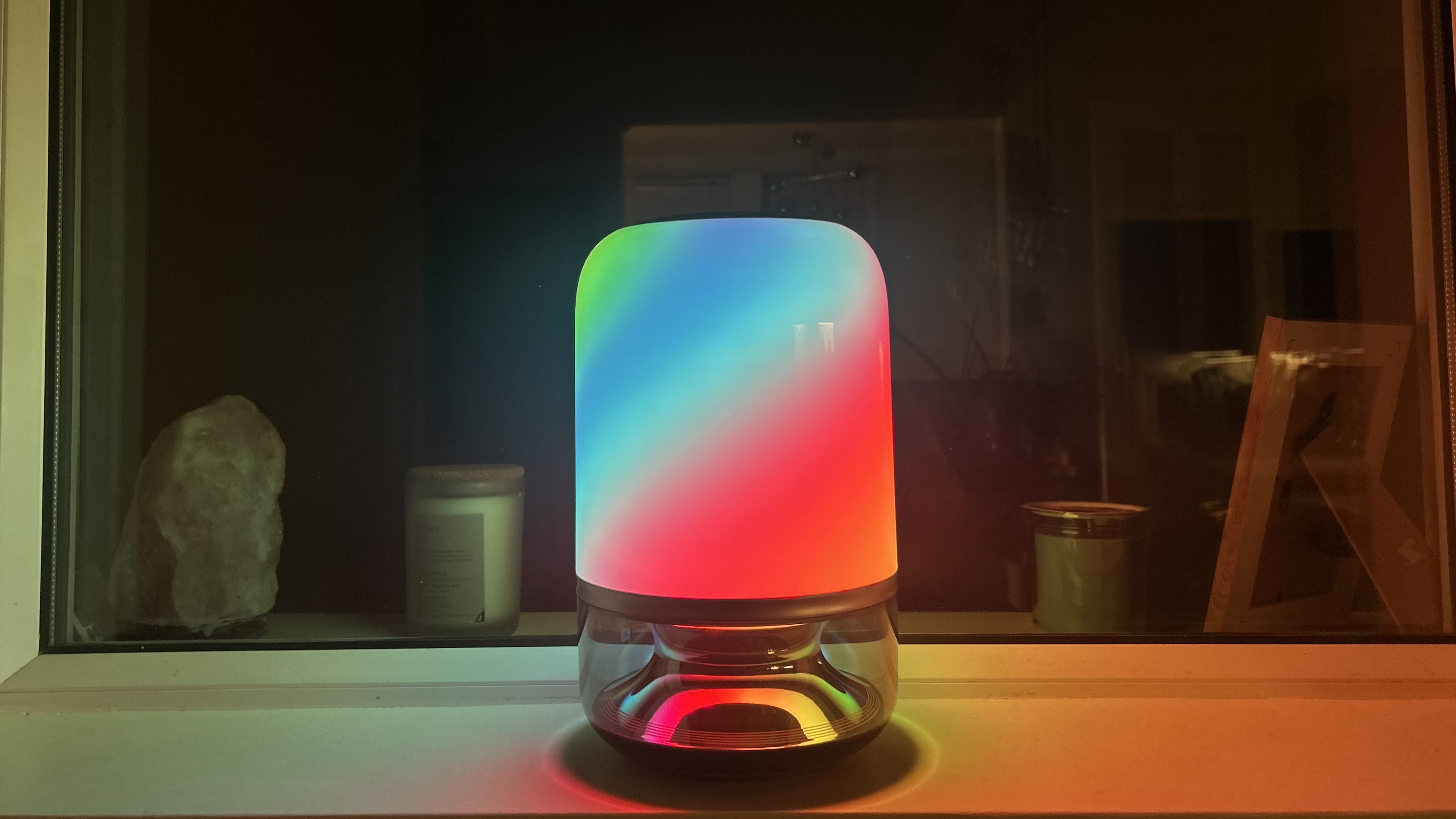
Govee x JBL Table Lamp 2 Pro review: a bold, imaginative fusion of light and sound
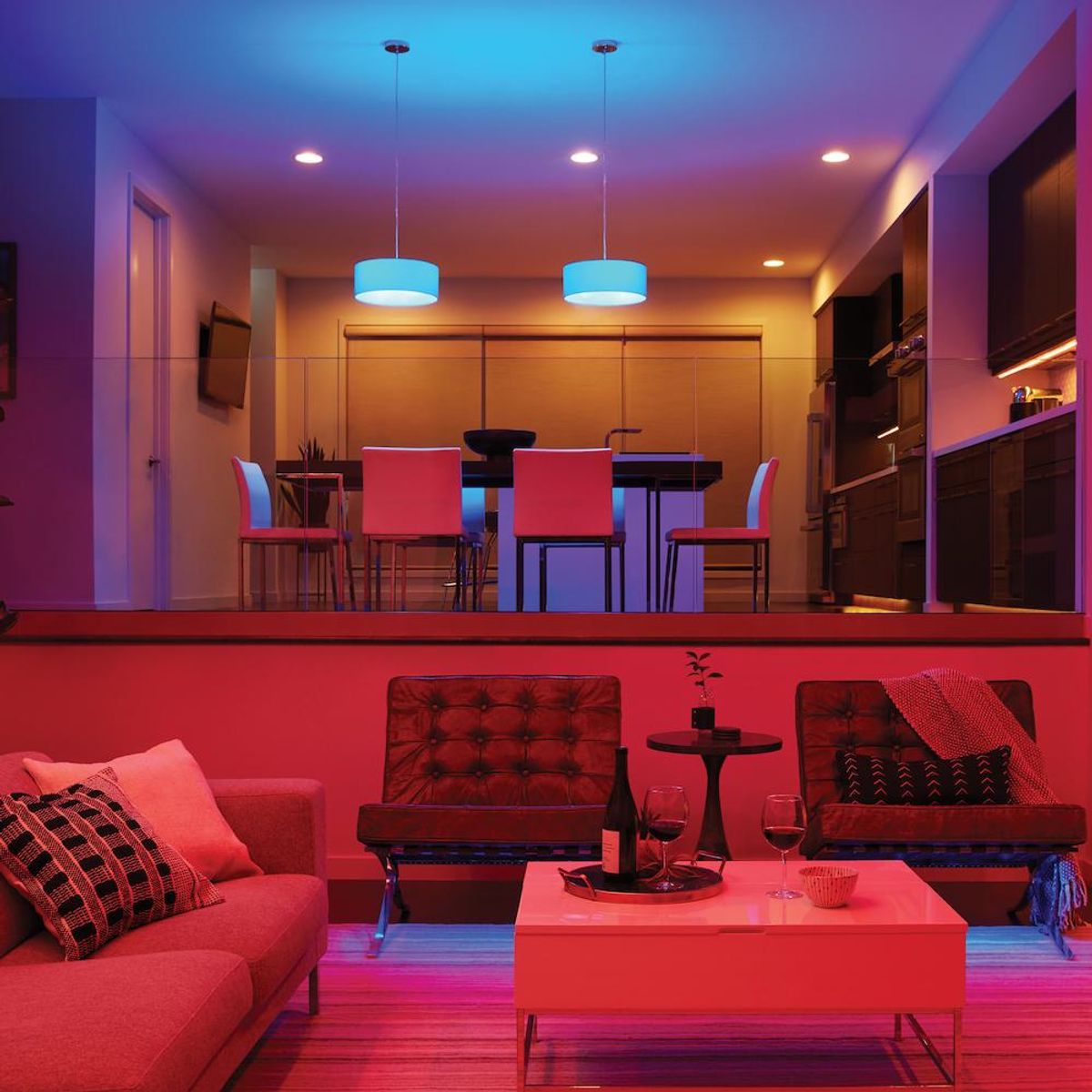
How to Use Ambient Sensing in Smart Lighting for Energy Efficiency

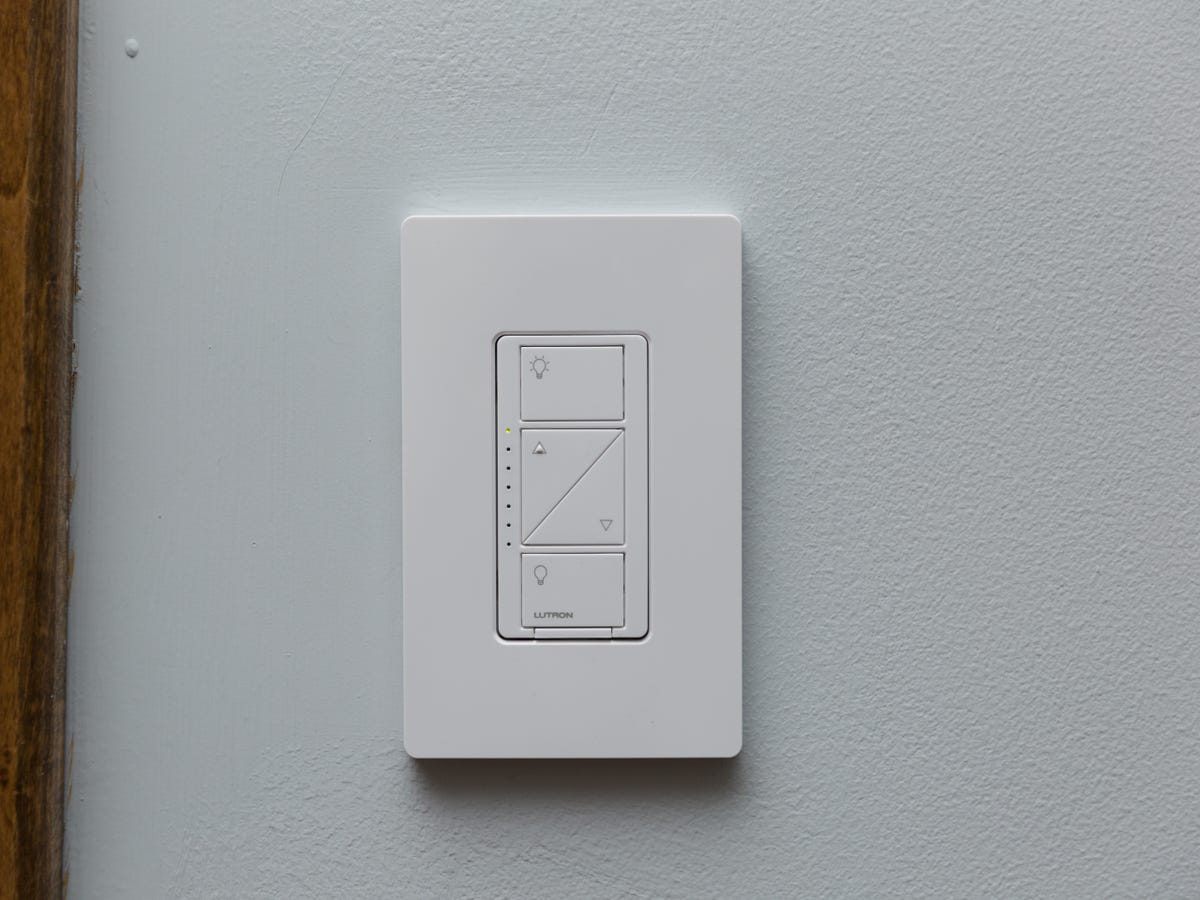
Lutron lights up the smart home with connected light switches

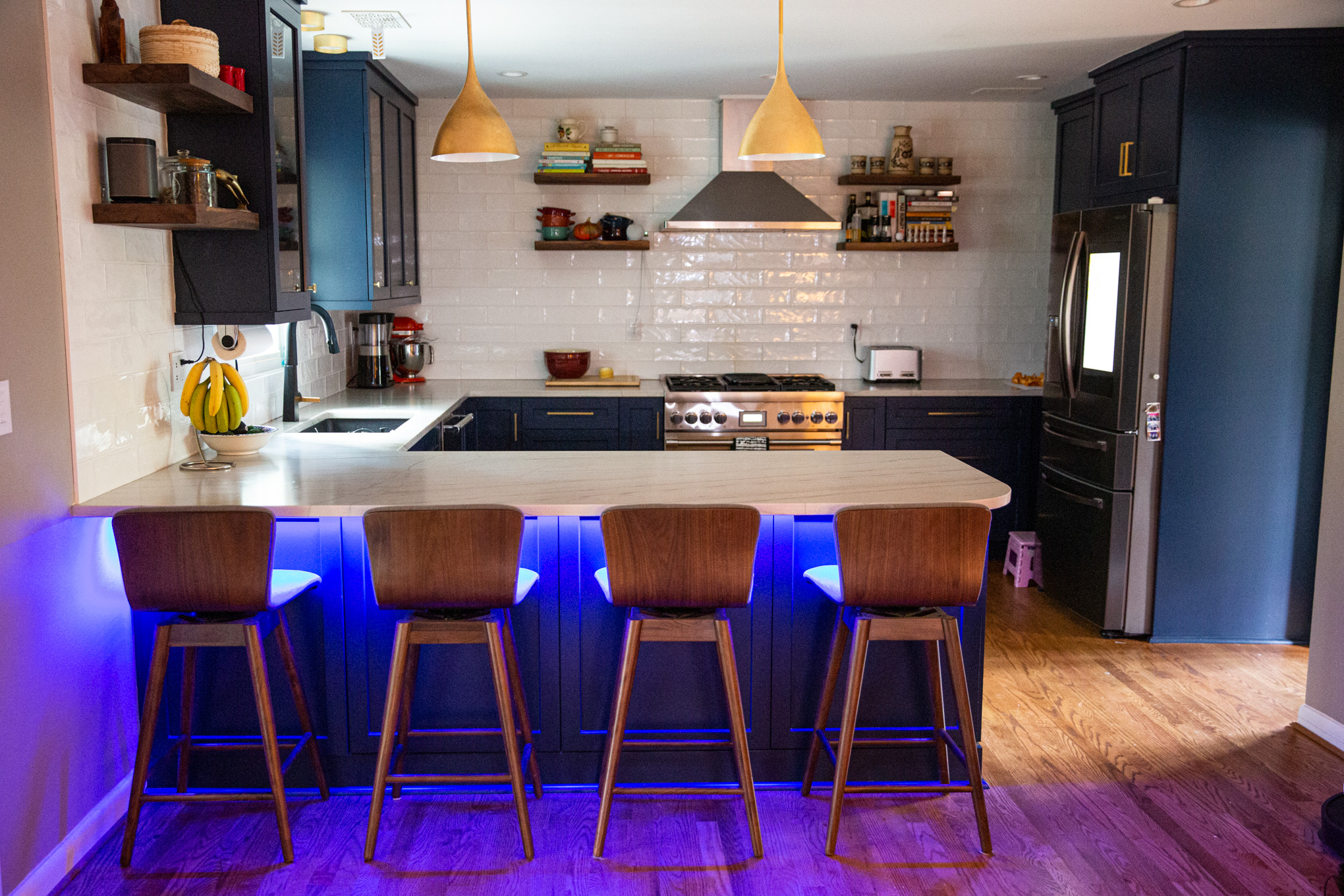
This new light strip is versatile and good value
A really cheap way to get really smart lights

Smart Blinds: Window Covering in the Matter Standard
Eight Best Smart Light Systems to Transform the Mood of Your Home (2025 Update)
Seven top smart light systems to transform the mood of your home
Meet Queue, A Linear LED Pendant System from Rich Brilliant Willing

Major Smart Lighting Brands Ranked Worst To Best


How to Get Started (and Be Successful) Selling Lighting Fixtures

10 ways to add 'smart lighting' in your home and never touch a switch again


Here are the new Philips Hue products in June 2024
Matter makes Govee’s new light strip more functional but less fun

Fall into smarter lighting
Best Lighting Designs Spotted in 2023
LIFX SuperColor Ceiling review: Smart lighting, overhead


Europe Smart Lighting Market: Size, Share, and Forecast 2025–2033