1/8
Changing Rooms bought us these dodgy 90s trends - how many are YOU guilty of?
The British makeover show "Changing Rooms," which originally aired 25 years ago, has returned to screens, featuring its distinctive and sometimes questionable design choices from the 1990s and 2000s. The show, now hosted by Laurence Llewelyn-Bowen and Anna Richardson, continues to inspire a nation of DIY enthusiasts, often with mixed results. This article explores several prominent trends popularized by "Changing Rooms" and considers their enduring, or fortunately, fleeting, presence in home decor.
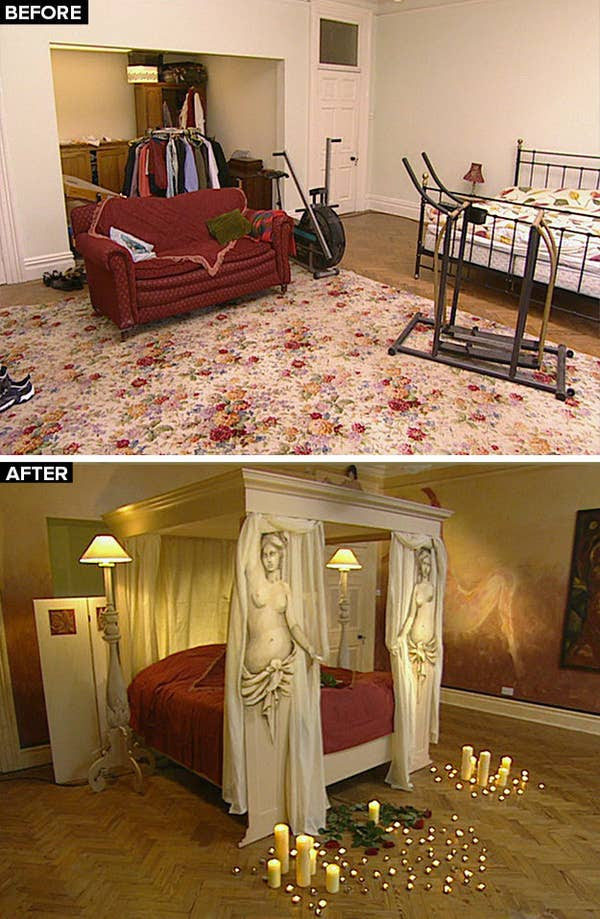
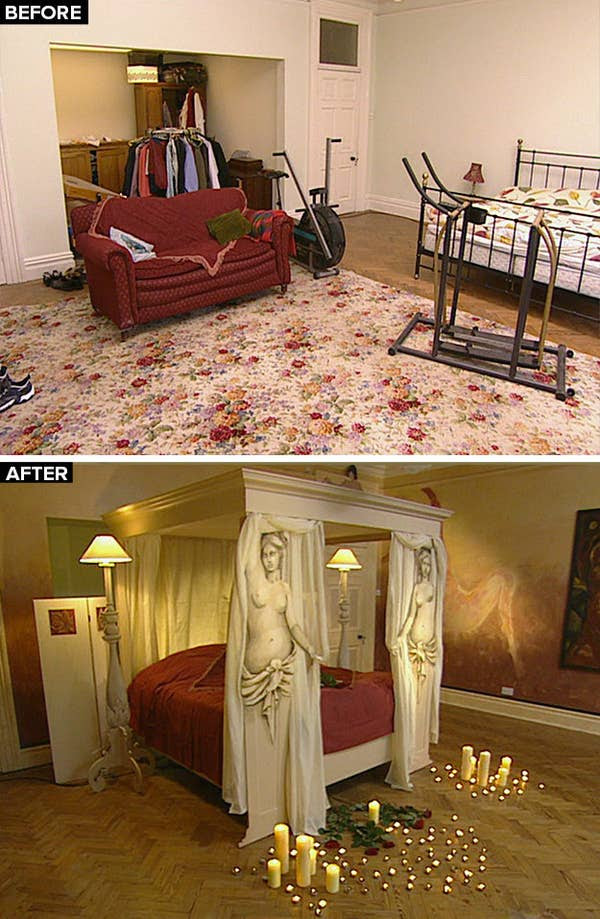
Medium-density fibreboard (MDF) was a ubiquitous material on the show. Designers utilized MDF for a wide array of creations, from four-poster beds and elaborate Greek statues to futons and curved sofas, demonstrating its versatility in crafting custom furniture and decorative elements. This encouraged many home decorators to emulate these designs. The material's popularity was even celebrated through a parody song and dance, "YDMF," performed by the show's presenters for a Children In Need fundraiser.
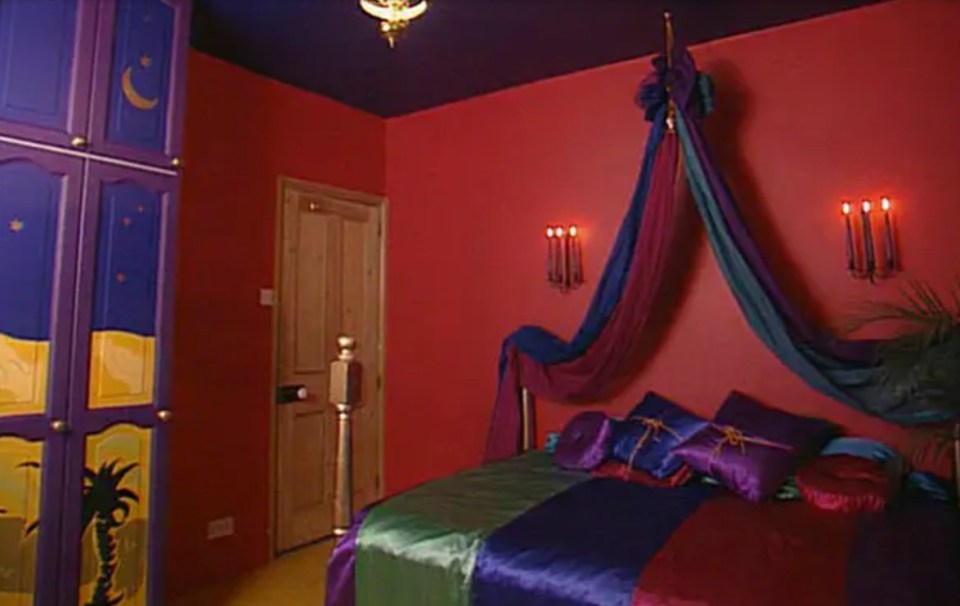
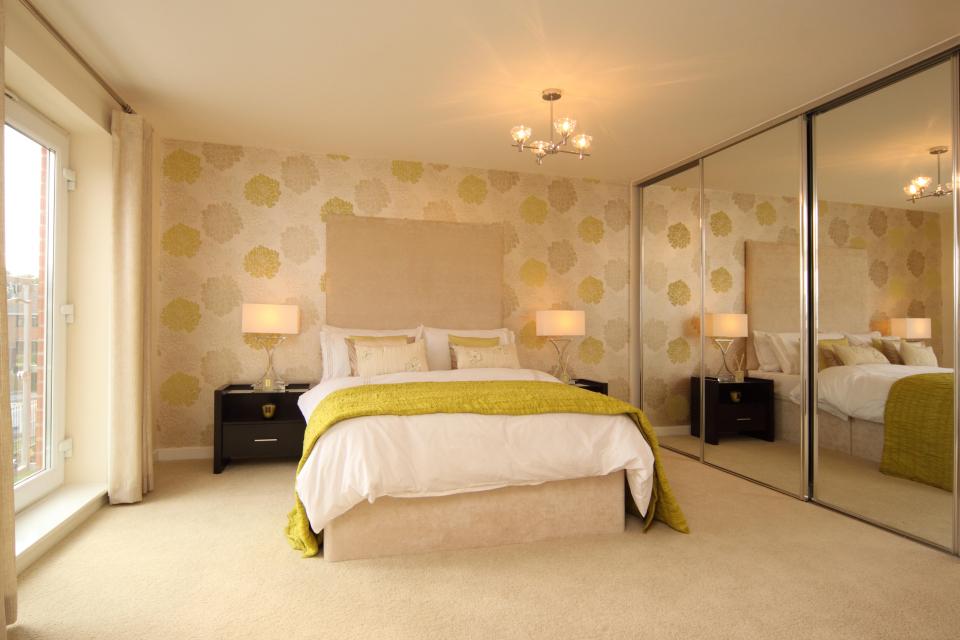
Another trend was the "boudoir bedroom," characterized by luxurious, often silky sheets, crimson walls, and four-poster beds. While these designs were once considered regal, the article suggests they might not be due for a comeback. Mirrored wardrobes, despite being voted the biggest decorative turn-off in a 2008 poll, were highly fashionable 25 years ago. They were valued for their space-saving qualities, ability to make rooms appear larger, and for offering a full-length reflection.
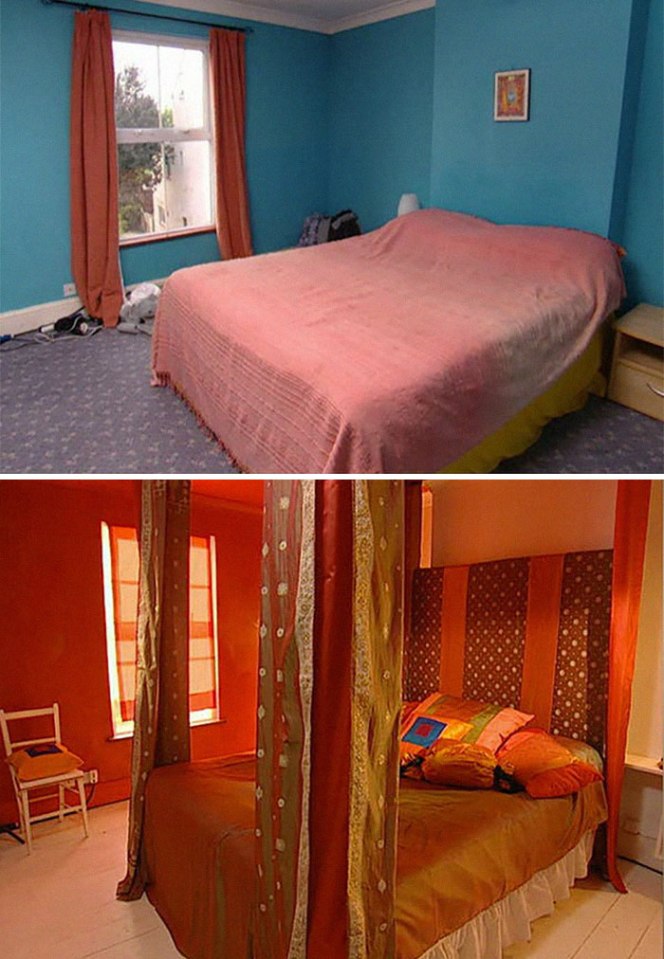
Terracotta, a rustic orange-brown hue, was the preferred color for feature walls during the 1990s, heavily promoted by Laurence Llewelyn-Bowen. This trend extended to terracotta floral wallpaper, tiles, furnishings, and even plant pots. Stenciling also played a significant role in 90s home decor, appearing on bedsheets with cherub motifs, wardrobes with desert scenes, and walls with personalized lettering. Masking tape was also widely used to create geometric wall art and faux floor tiling, enabling DIY enthusiasts to experiment with patterns and designs.
Rag-rolling and sponging were techniques employed to achieve a marble effect on walls. This involved dipping a rag or sponge in a different shade of the same color and applying it to the wall, creating a textured finish. While considered chic at the time, many homeowners may now view their "textured" walls with a sense of relief that the trend has largely faded. Shaggy sheets, typically in brown faux-fur and deep-pile blankets, were introduced by the show's designers. Although this trend declined in the 2000s, it saw a resurgence during lockdown, with retailers like The Range, B&M, and Ikea selling these items.
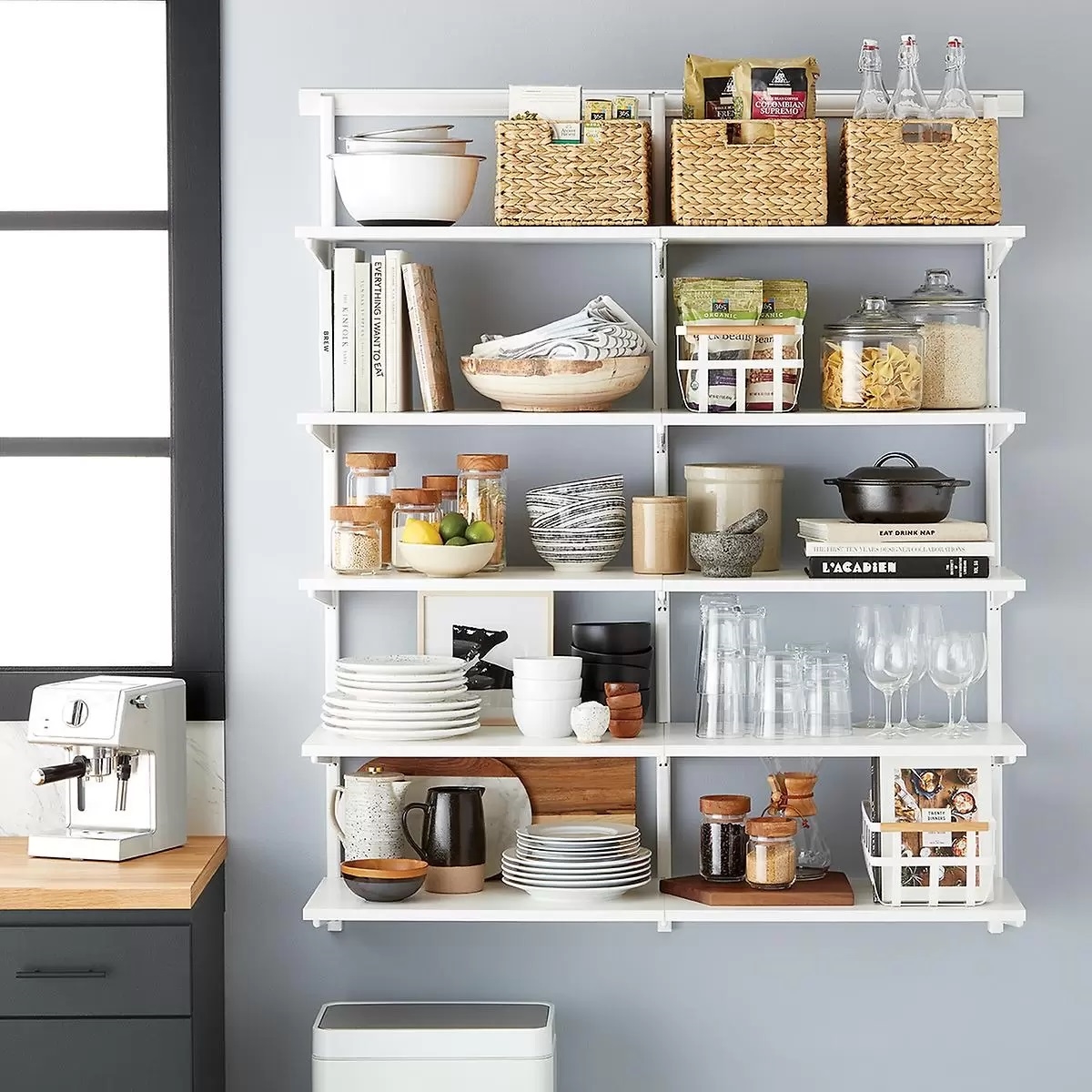
Floating shelves gained notoriety through designer Linda Barker's "teapot tragedy," where a free-floating shelf she constructed for an antique teapot collection dramatically collapsed. This incident highlighted the potential pitfalls of certain design trends. Despite this memorable failure, the concept of floating shelves has seen a modern revival, becoming an Ikea favorite and accumulating millions of views on TikTok under the hashtag #floatingshelf. These trends, both successful and disastrous, reflect the ambitious and sometimes experimental spirit of 90s home design popularized by "Changing Rooms."
#ChangingRooms #NinetiesDecor #HomeDesignTrends #DIYHome #MDFFurniture #InteriorDesignHistory #HomeMakeover #RetroDecor #ChangingRooms #NinetiesDecor #HomeDesignTrends #DIYHome #MDFFurniture #InteriorDesignHistory #HomeMakeover #RetroDecor
0 commenti in totale
 Nessun commento ancora
Potresti anche gradire
Changing Rooms bought us these dodgy 90s trends - how many are YOU guilty of?

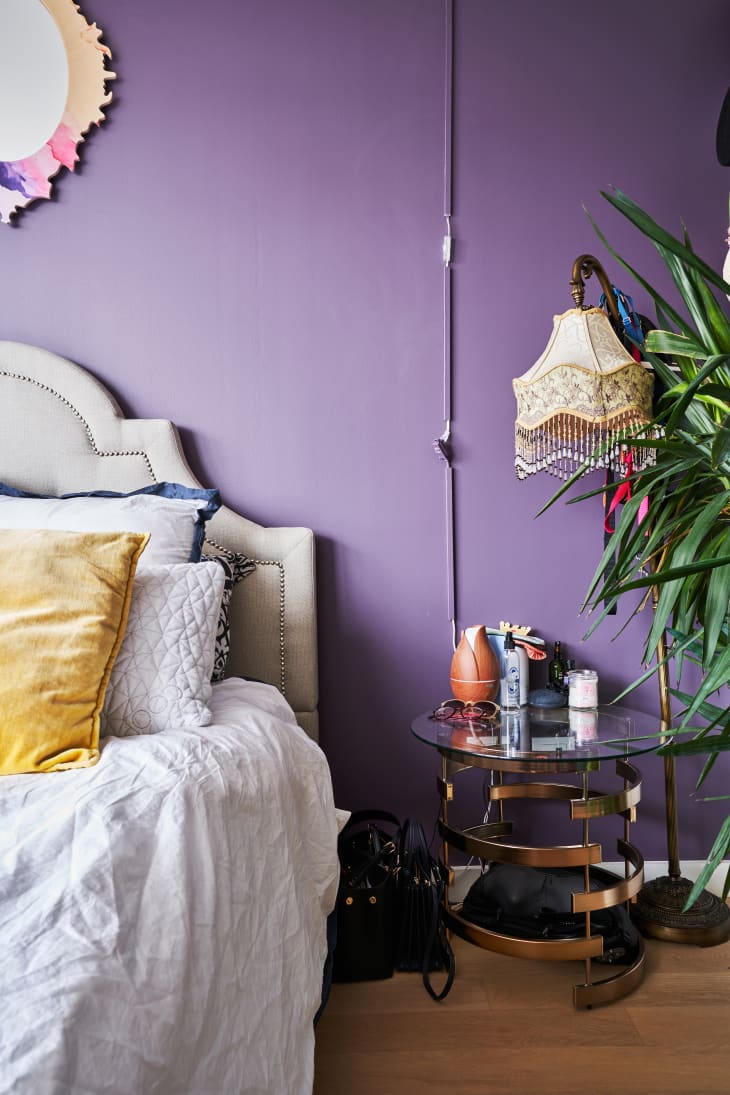
8 Bedroom Decor Icons From the ’90s That Are Cool Again
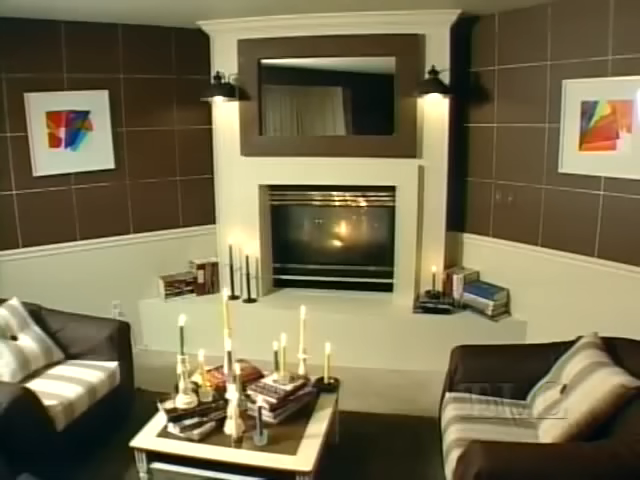
24 Photos Of Early '00s Home Decor Features That've Become Obsolete In Only 20 Short, Short Years

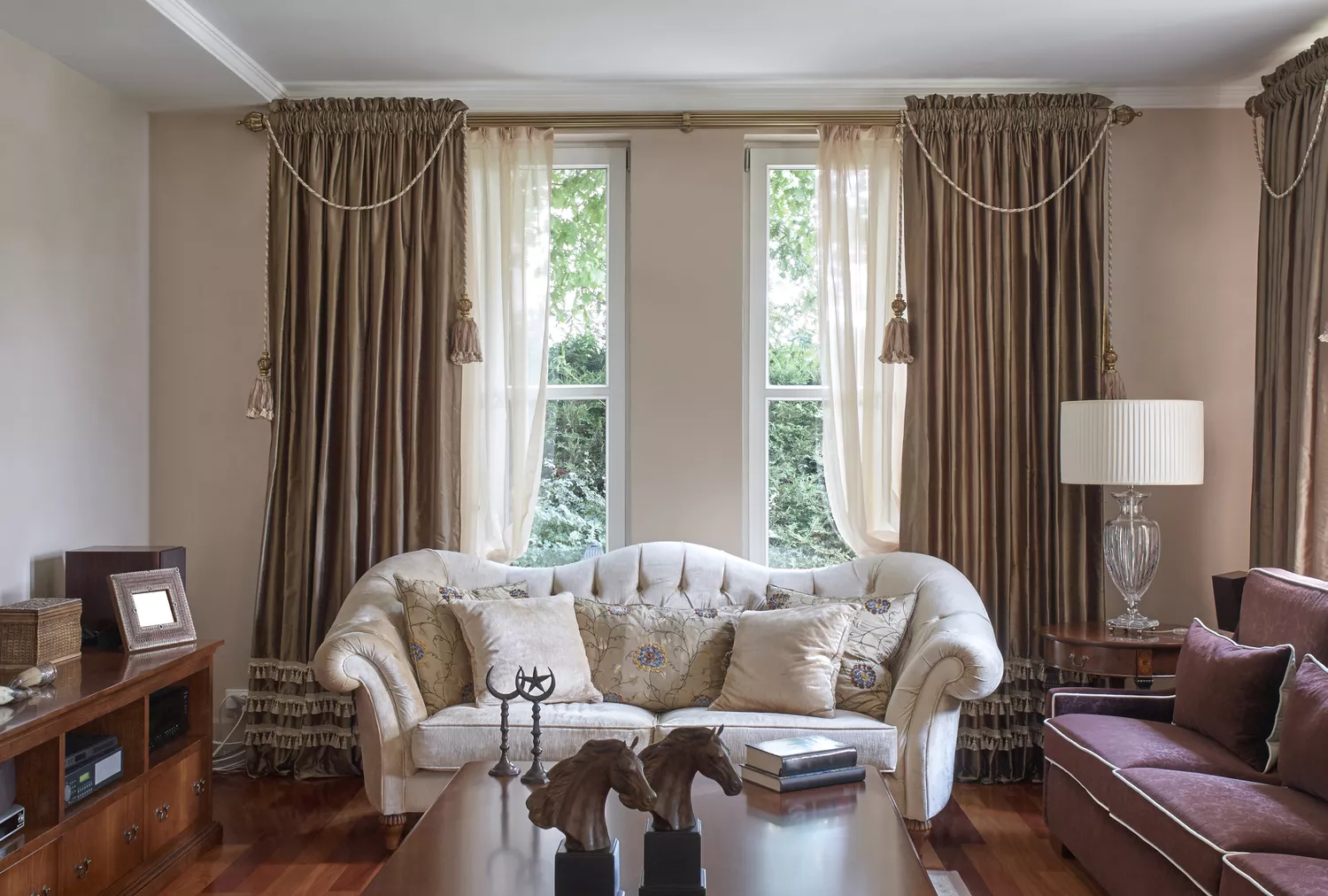
9 Things Making Your Living Room Look Dated, According To Designers
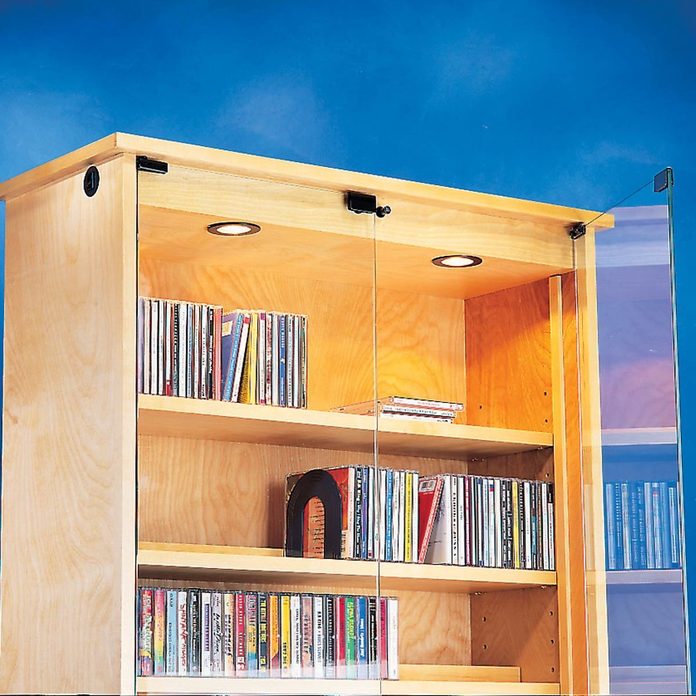
30 Home Trends Kids of the ’90s Remember

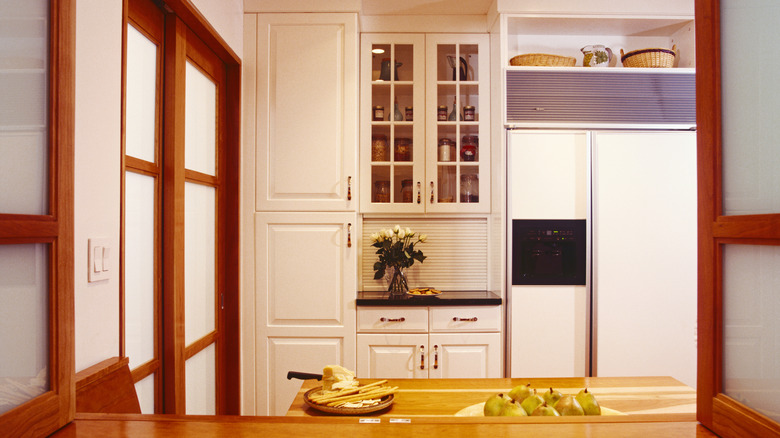
9 Kitchen Trends From The '90s That Are Making A Comeback

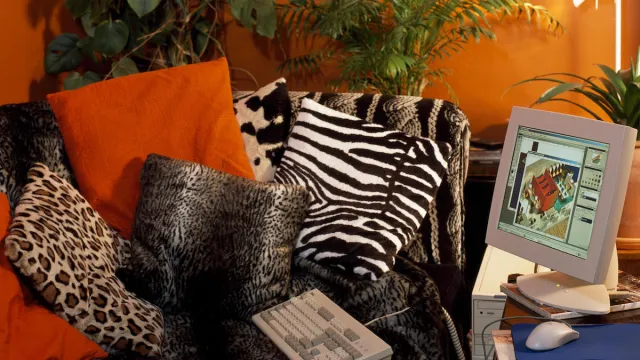
20 Photos of 1990s Home Décor to Overwhelm You With Nostalgia
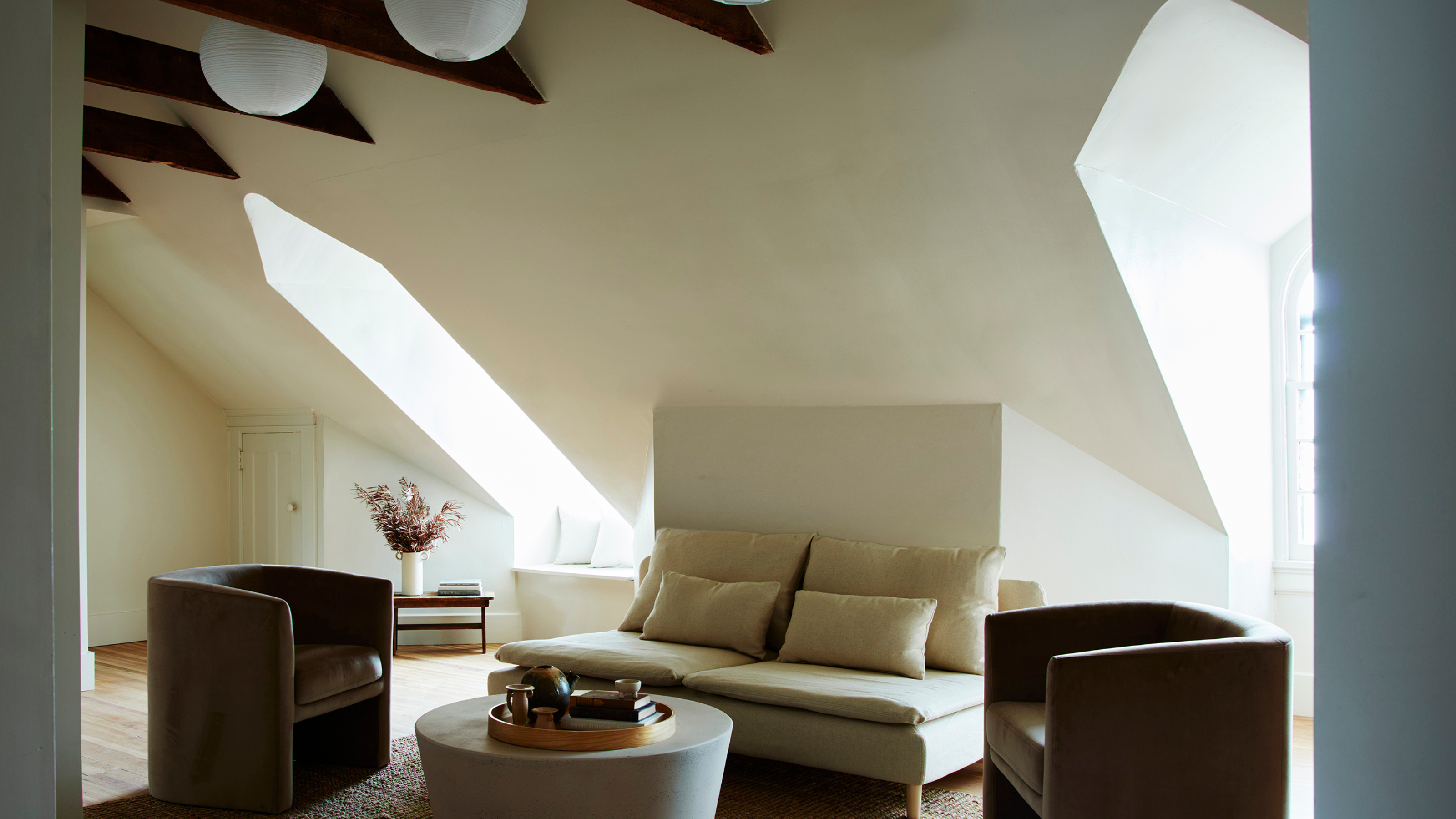
5 Things That Will Make Your Loft Conversion Feel Dated — And What Designers Are Doing Instead

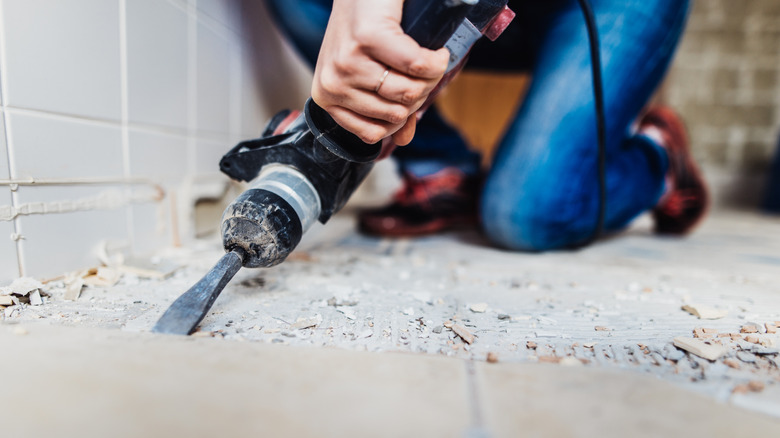
9 Outdated Flooring Trends We're Leaving In The Past
I'm an interior decorator. Here are 9 trends that totally missed the mark this year.
10 '90s Kitchen Design Trends We Think Need A Comeback

7 rooms every old home once had that we have all forgotten about – and which ones are making a comeback

'90s Decorating Trends We're Still Obsessed With

I’ve renovated four kitchens - these are the 7 trends I regret falling for, and what I'd now do instead
Interior Designers Say the 1990s Are Back—Here’s How to Capture the Look

Home decor in the 1990s – recreate a classic living room from then, updated for now
A Look Back At 7 2000s Kitchen Trends We All Suffered Through

Surprise: 1990s Design Trends Are Coming Back
25 Kitchen Trends You Might Regret + Photos

"It Ended Up Being A Major Mistake": 15 Popular Home Design Trends People Tried But Ultimately Regretted