1/16
10 Genius Ways to Include Sockets in Your Kitchen Island
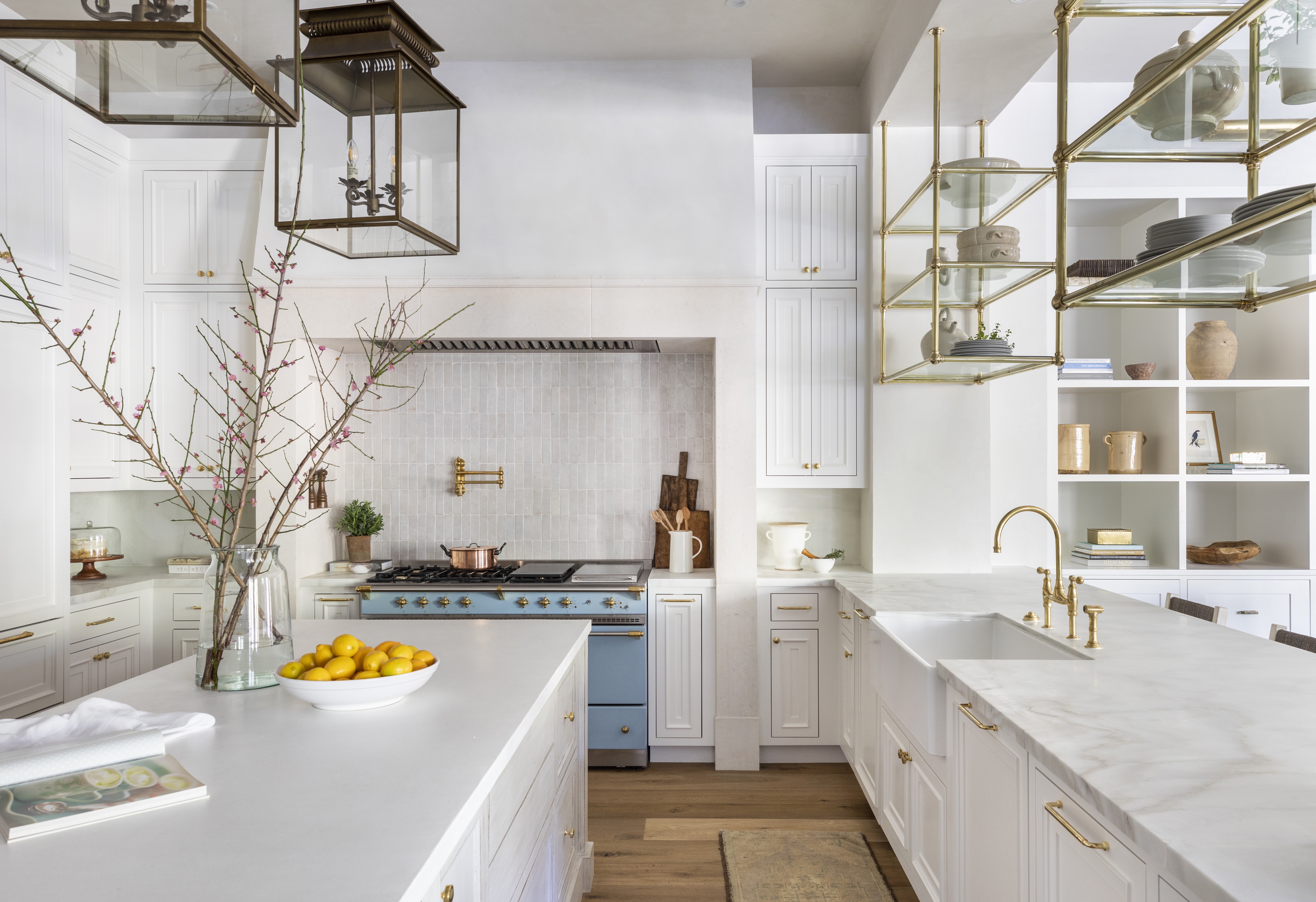
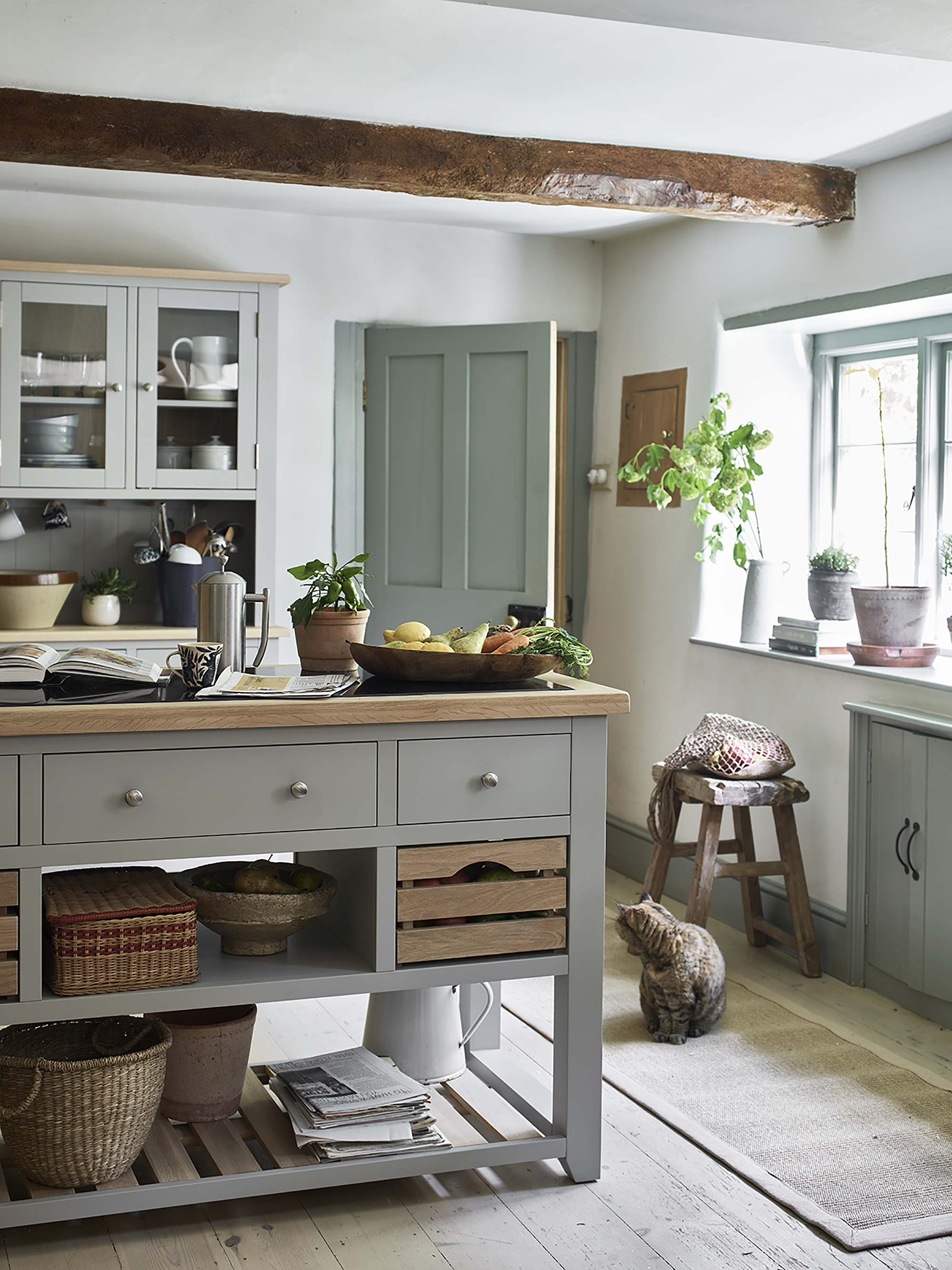
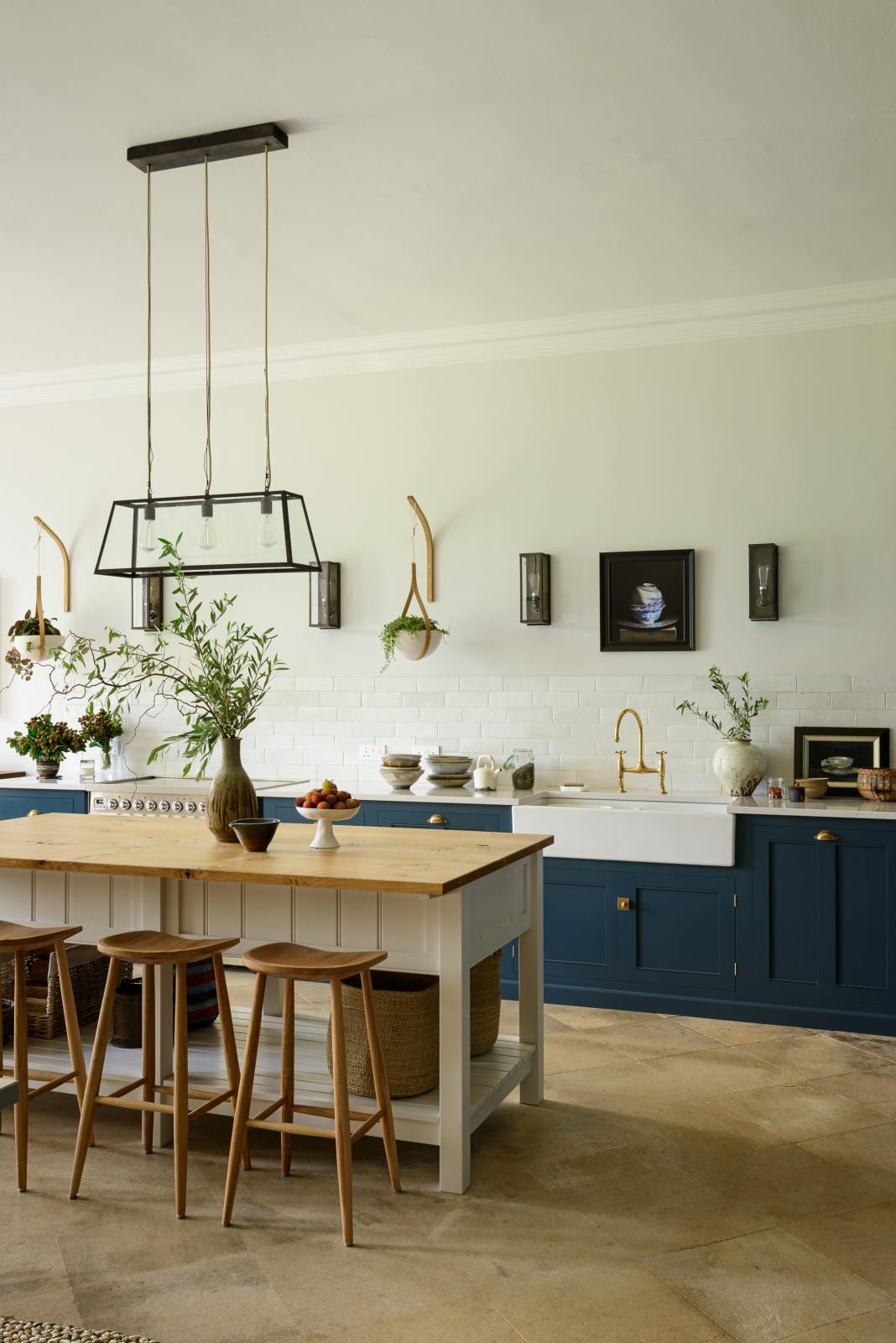
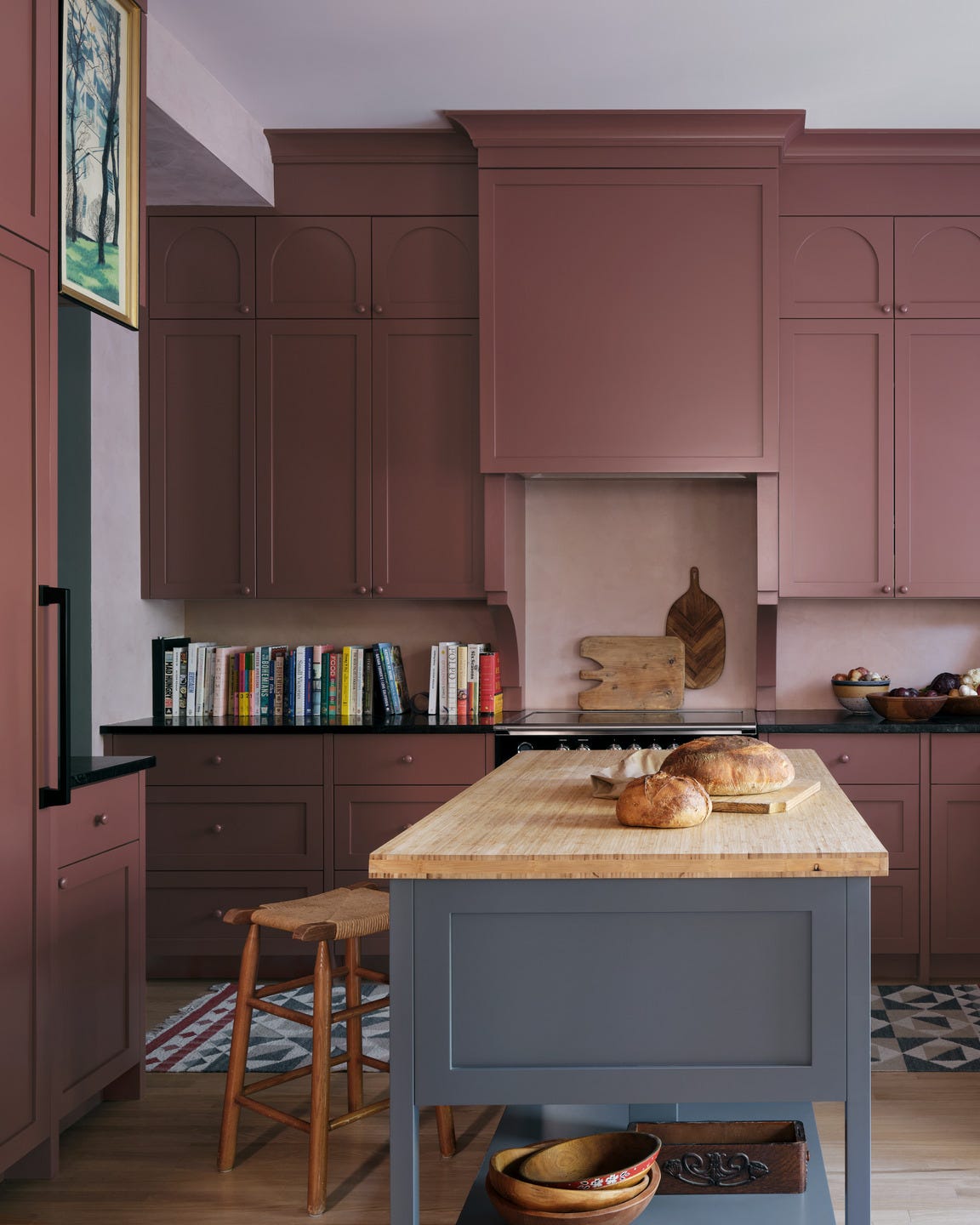
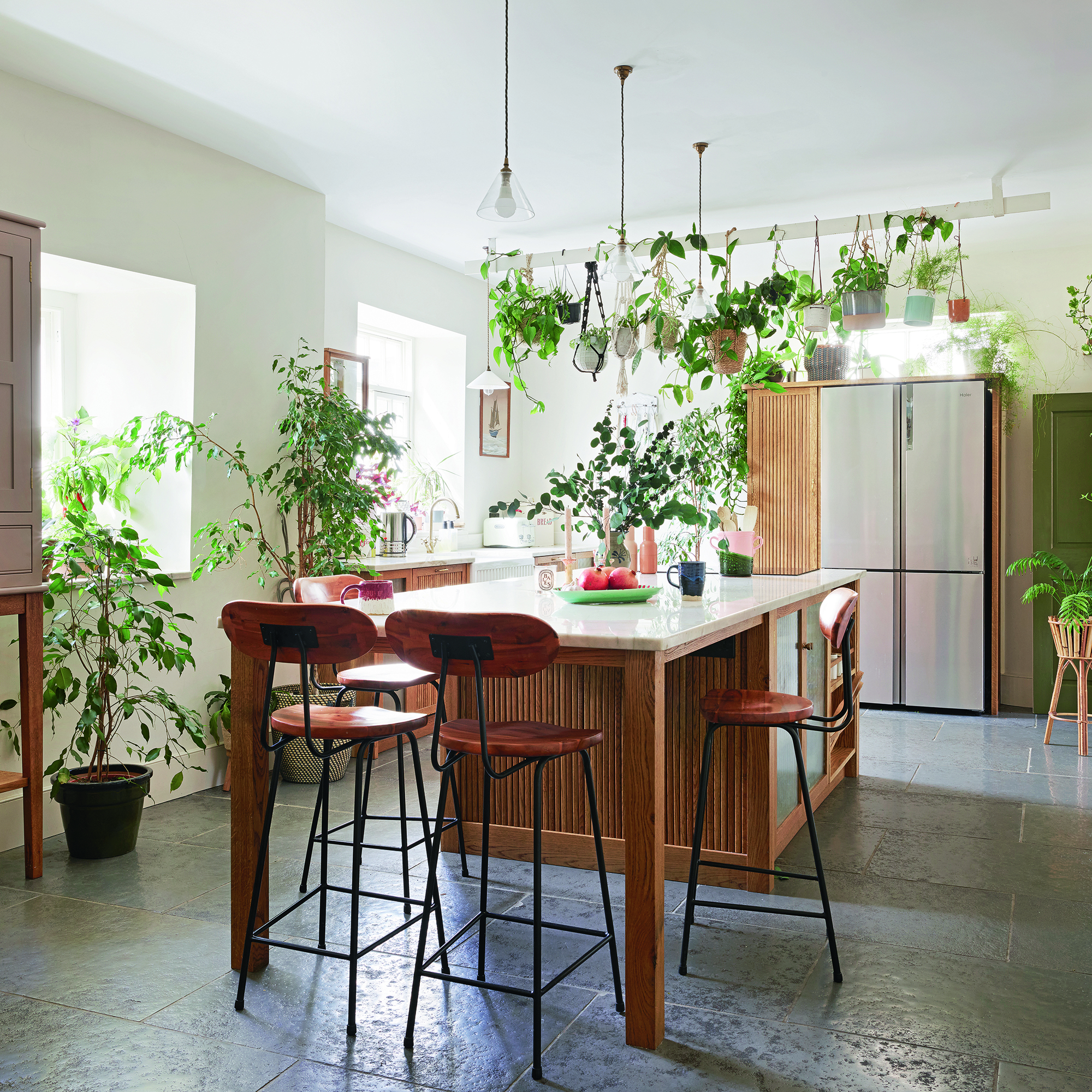
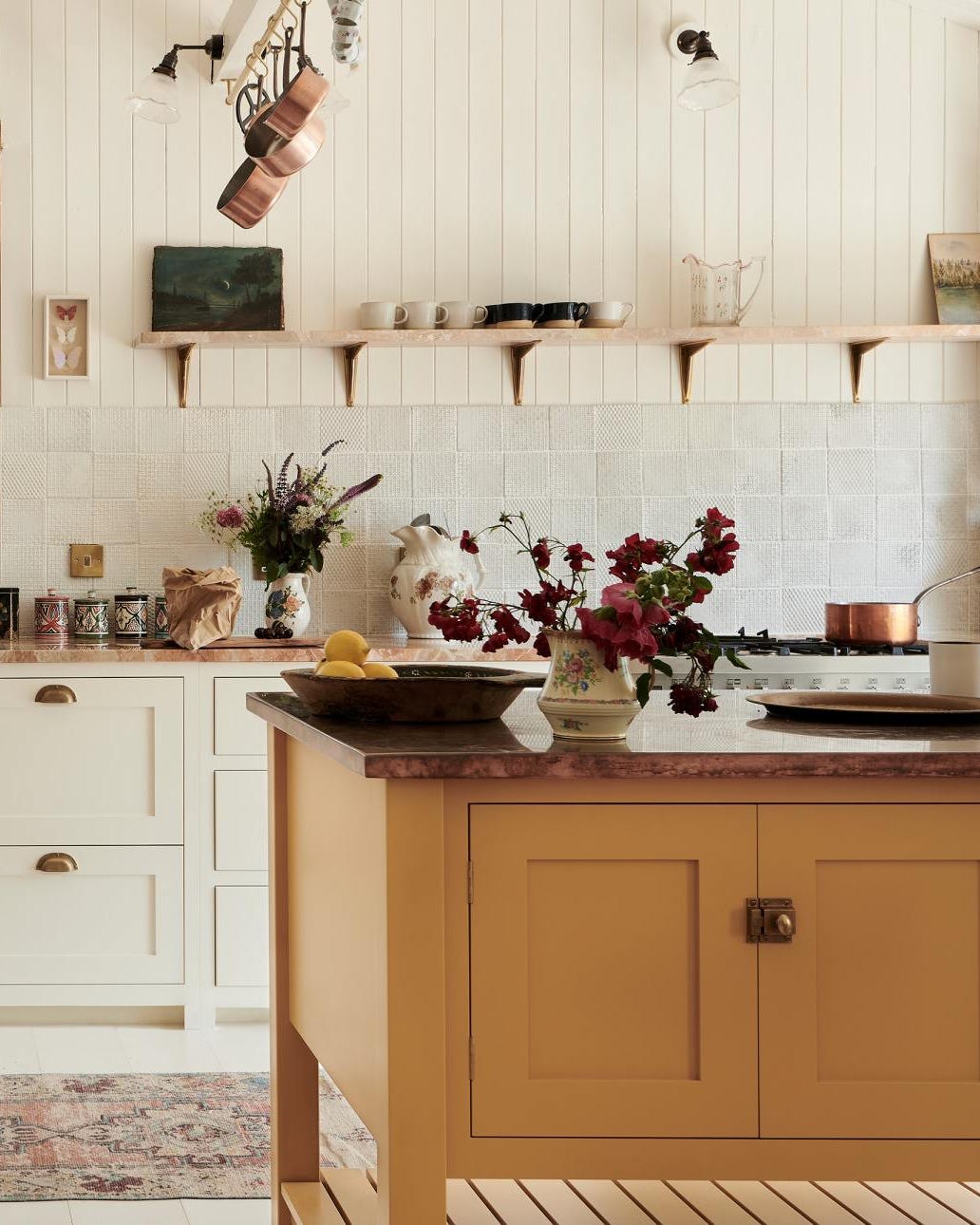
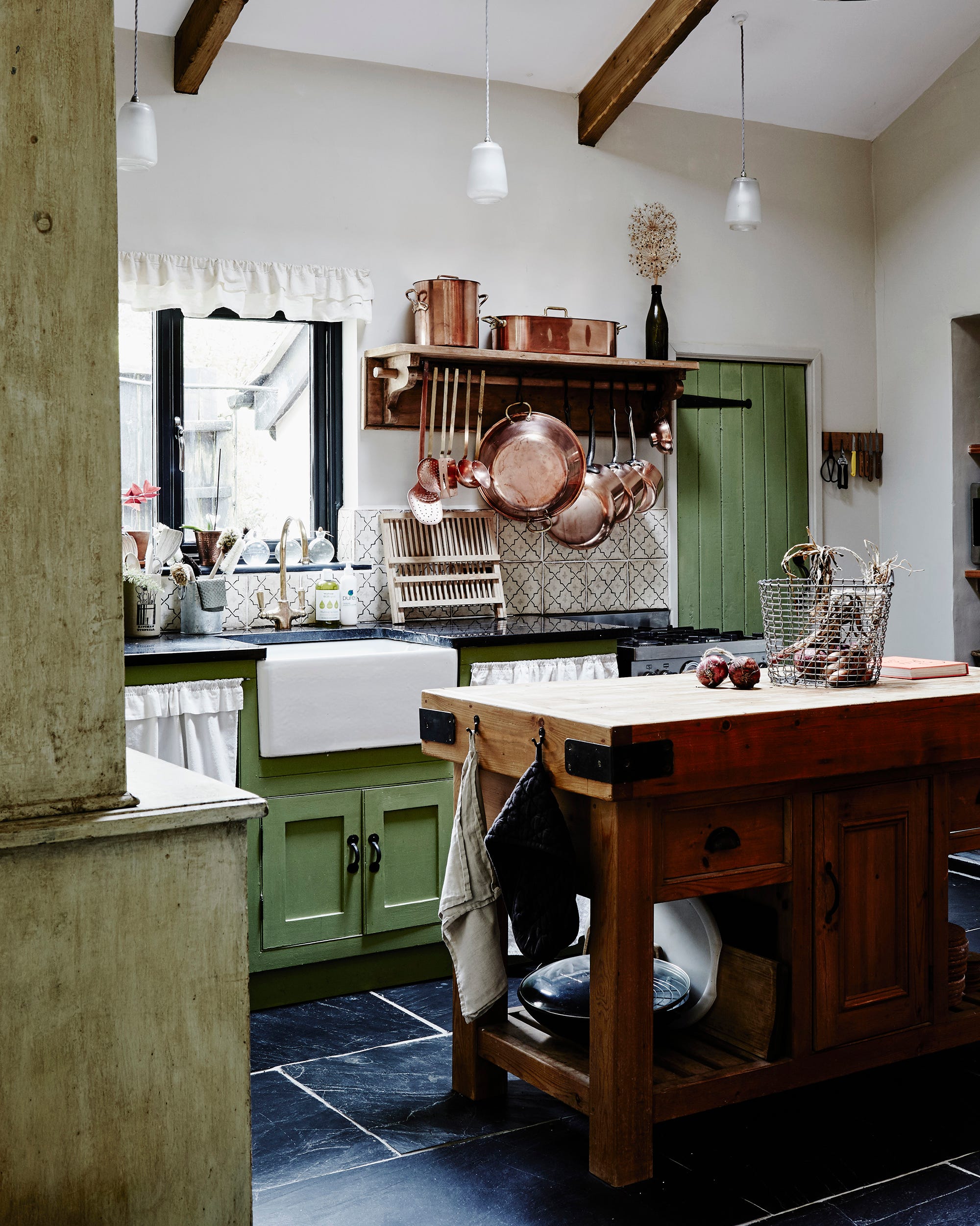
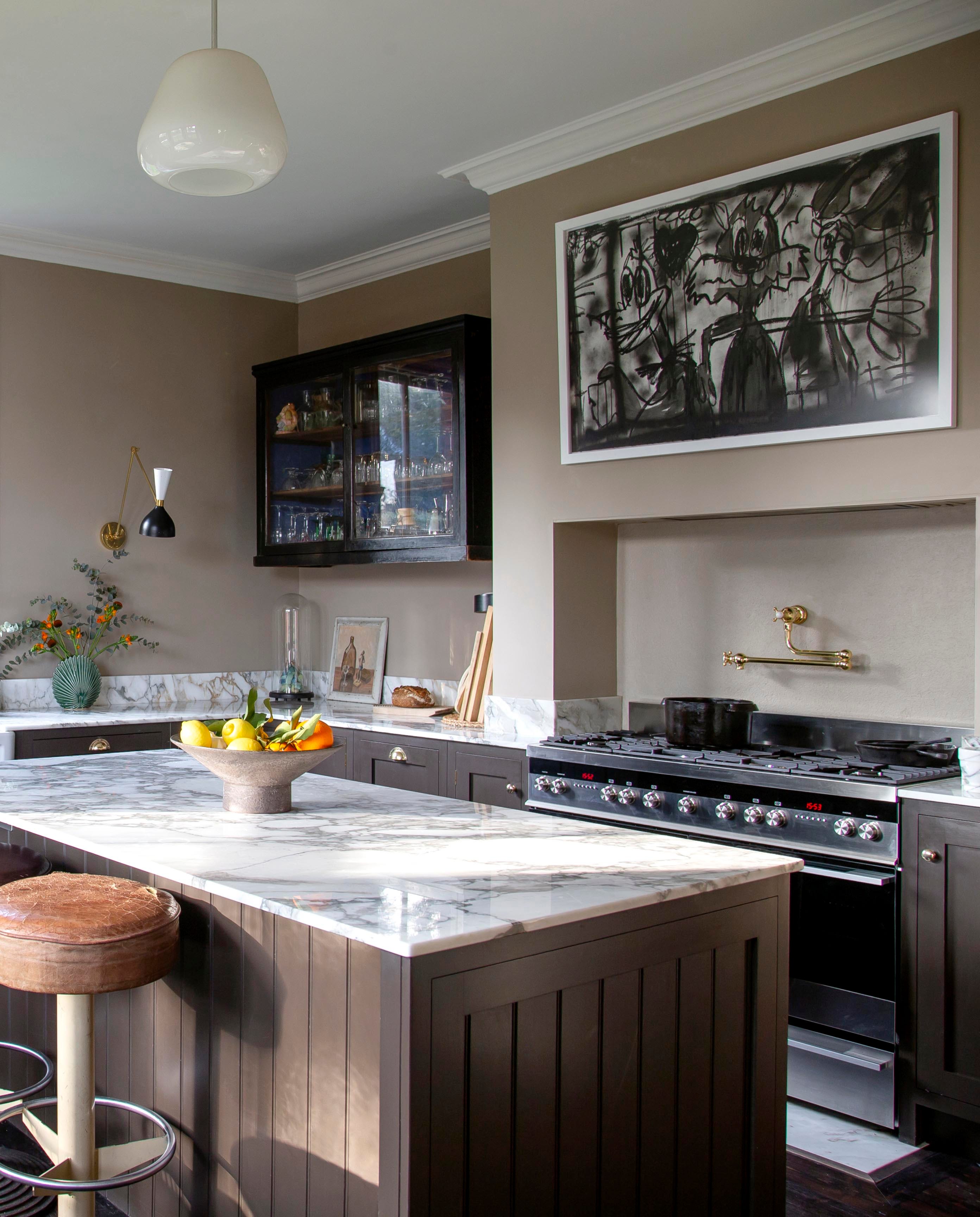
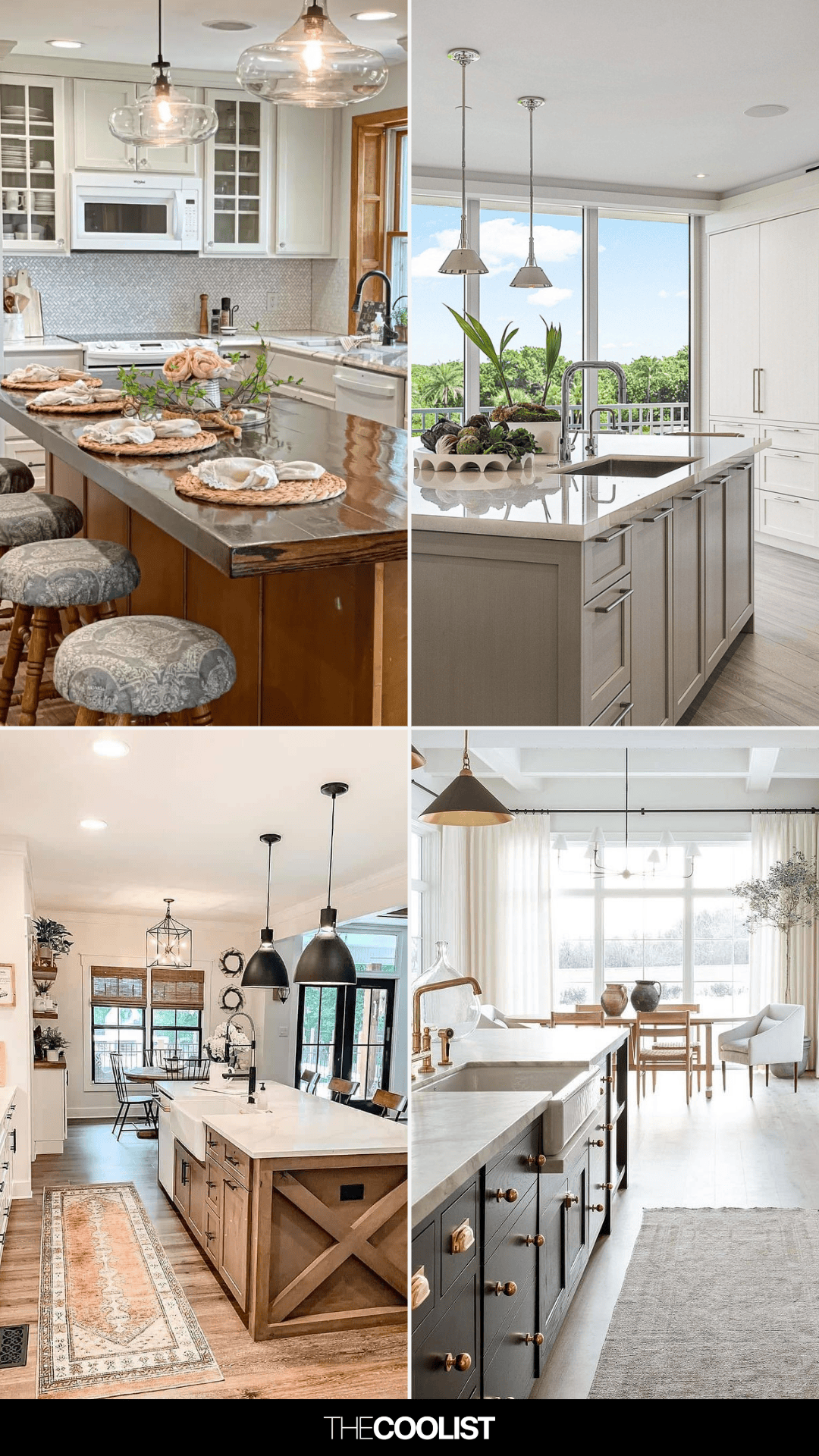
This article explores ten innovative strategies for integrating electrical sockets into kitchen islands, balancing aesthetic appeal with practical functionality. The central challenge addressed is how to incorporate essential power outlets without compromising the kitchen's design integrity, especially in a focal point like a kitchen island. Various approaches are detailed, ranging from discreet placement to advanced hidden mechanisms.
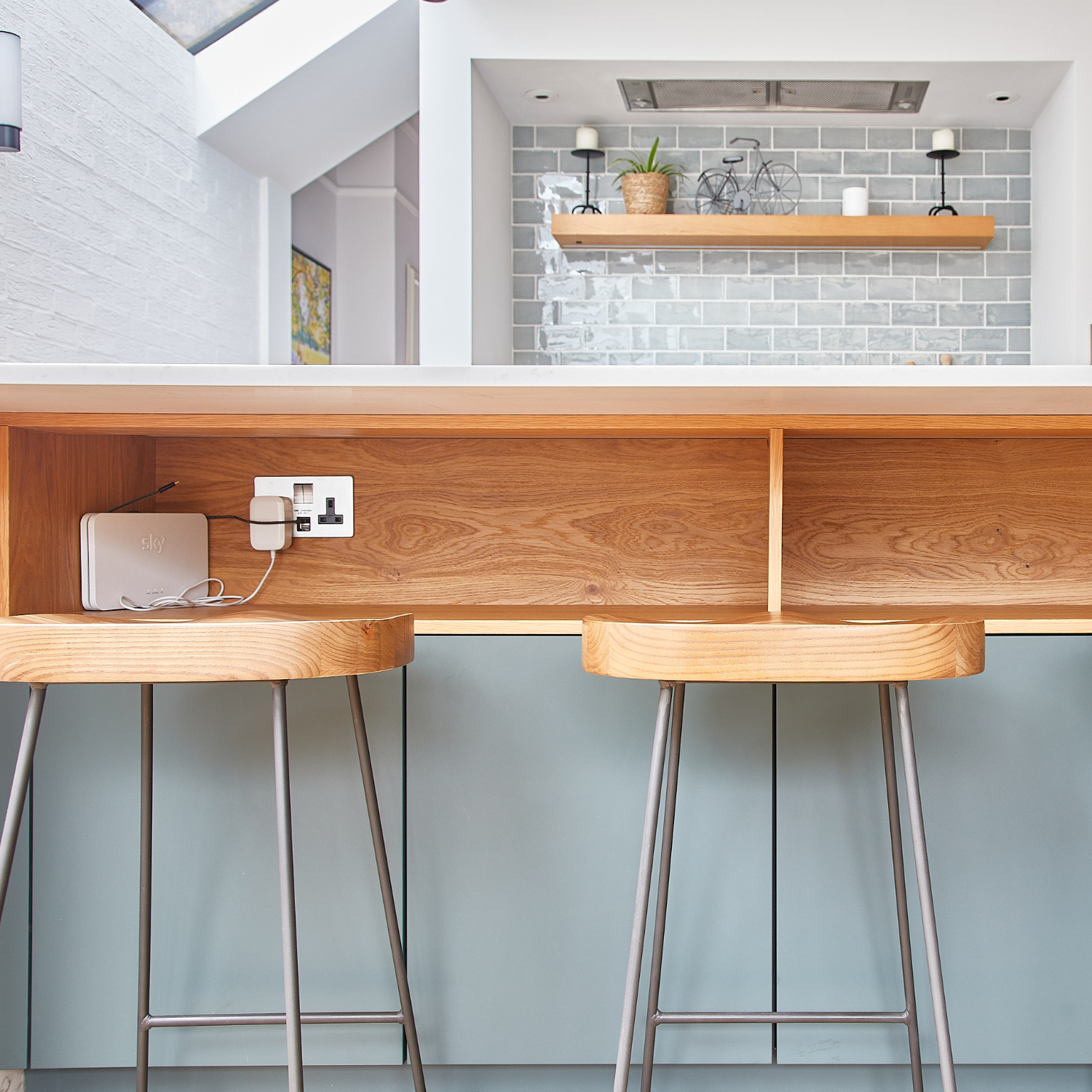
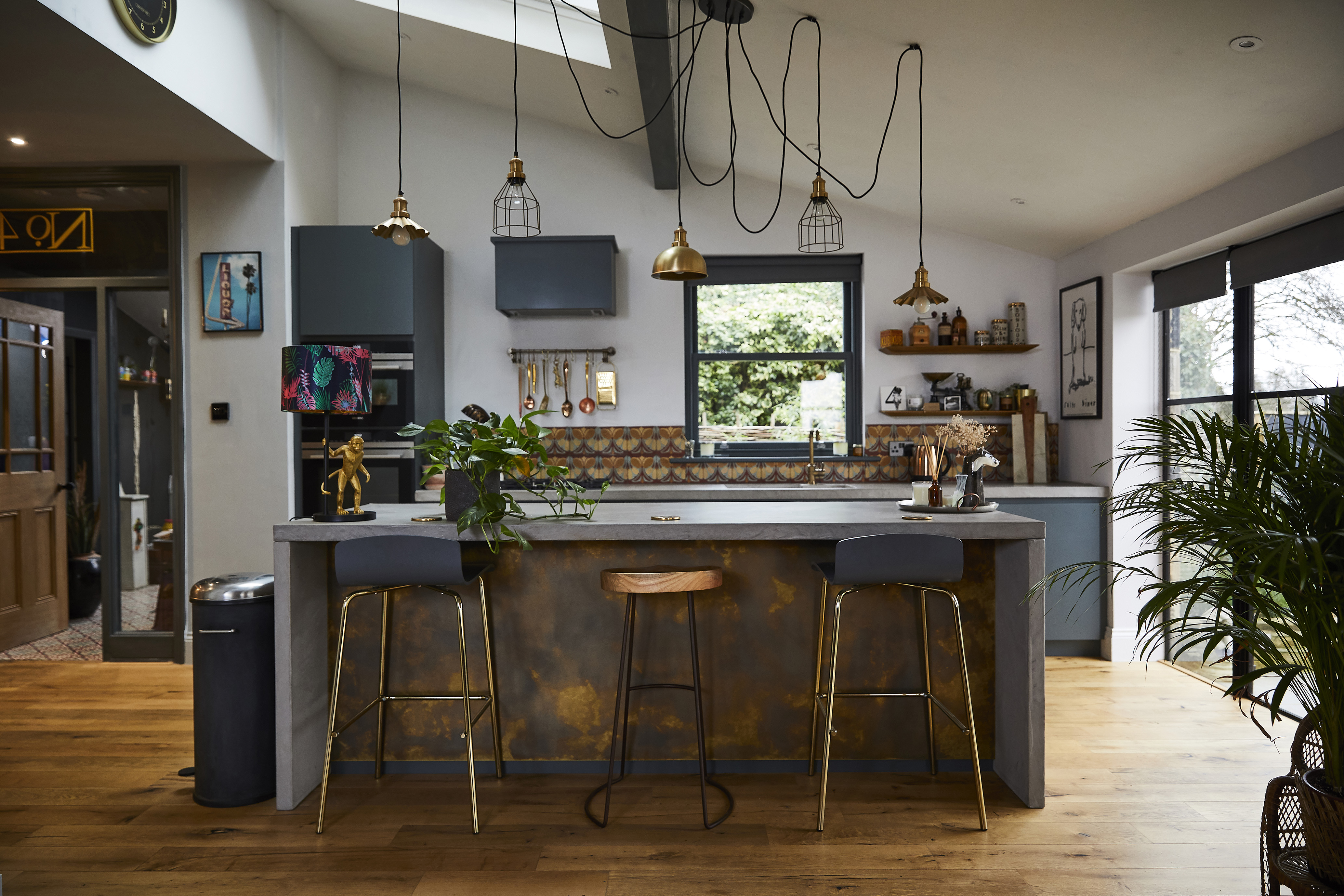
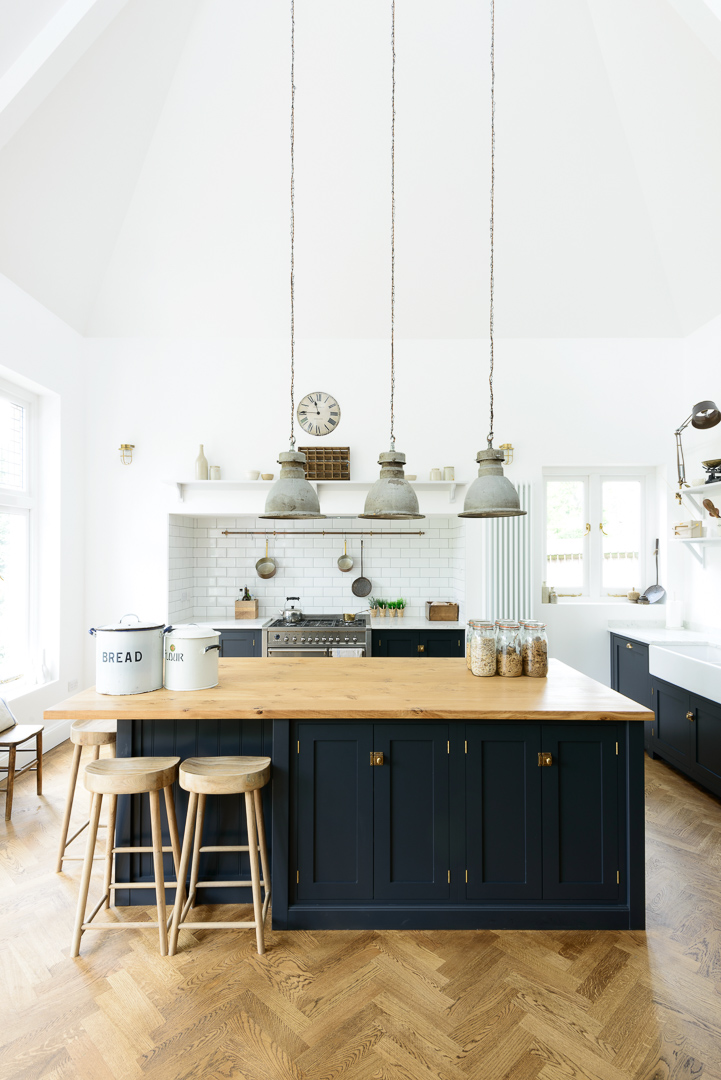
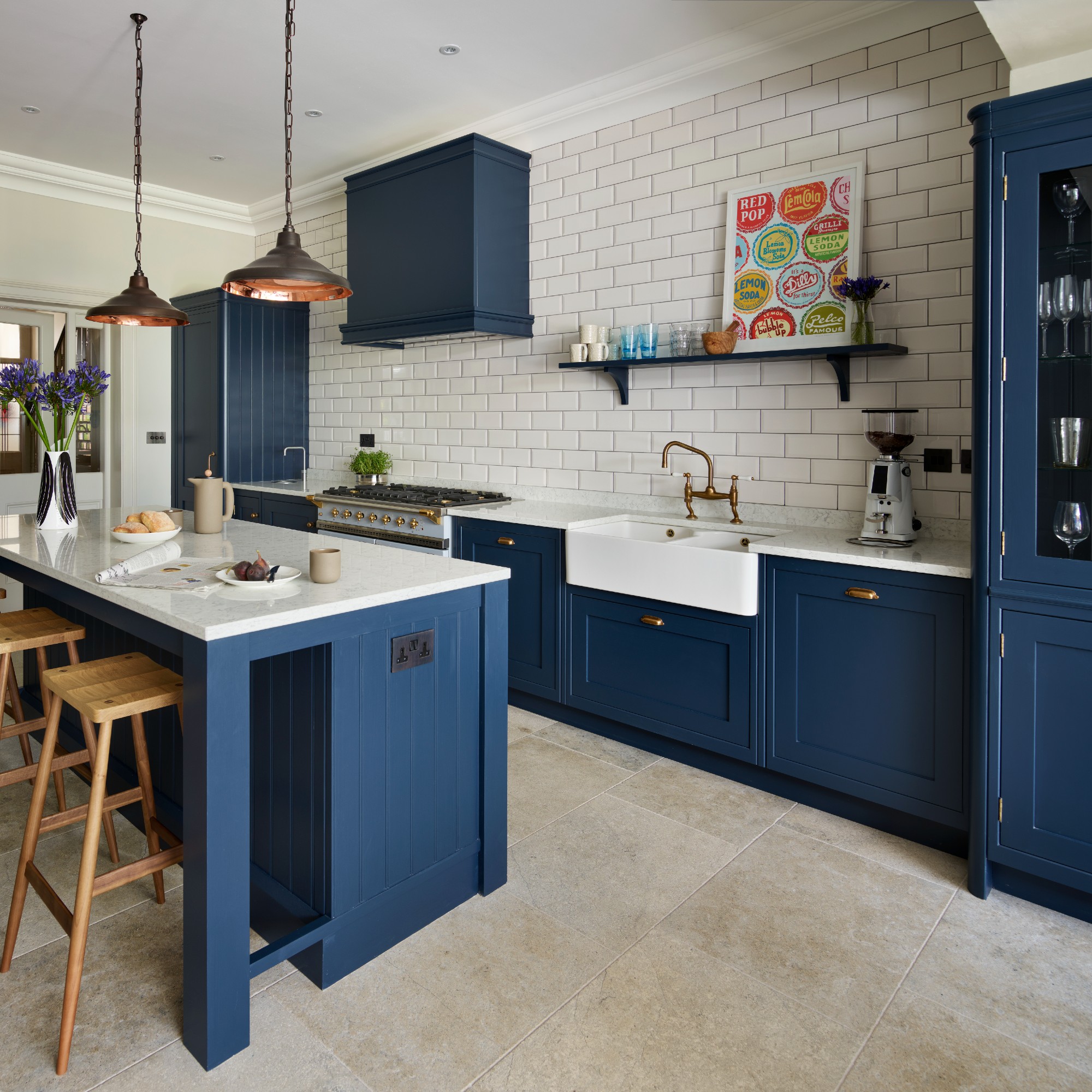
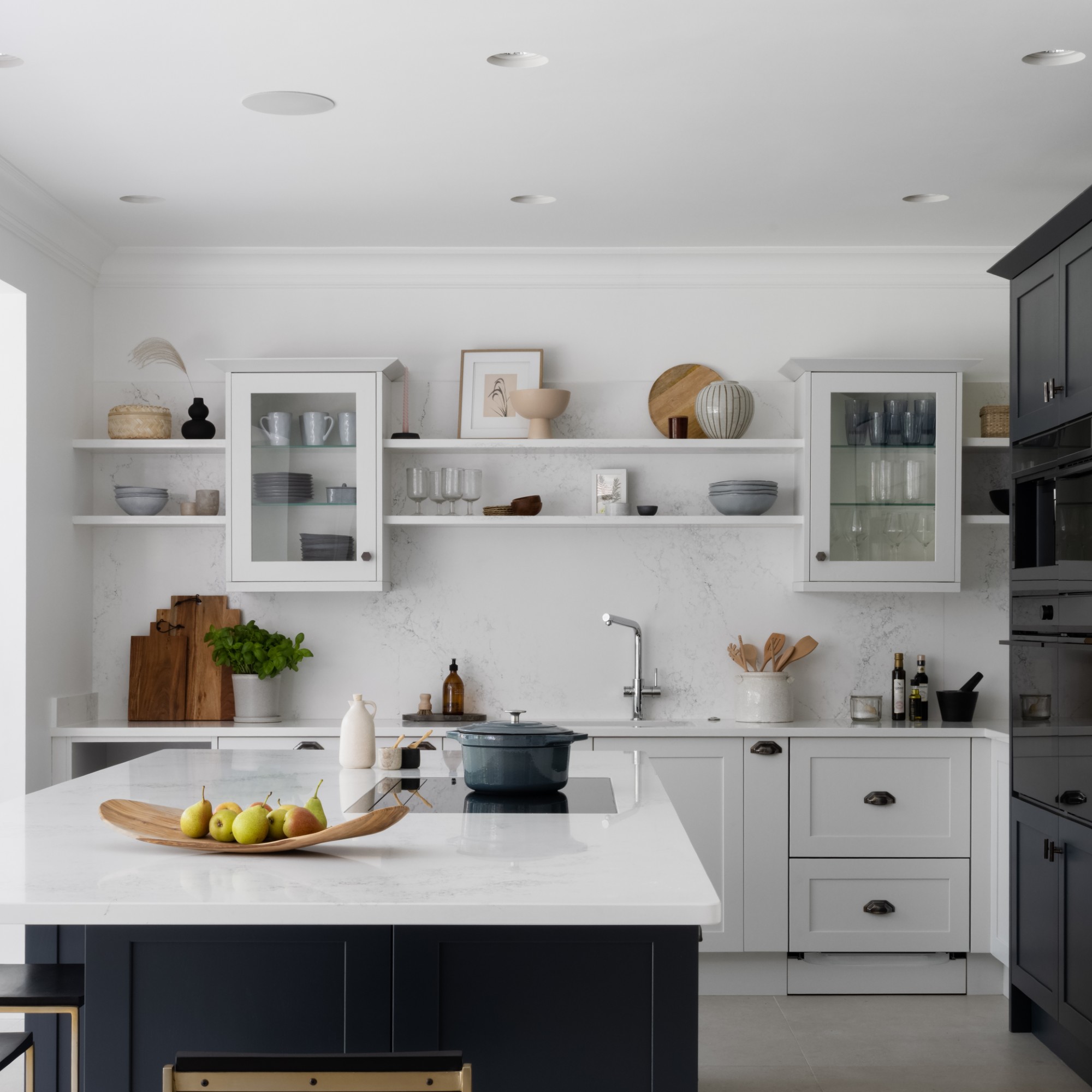
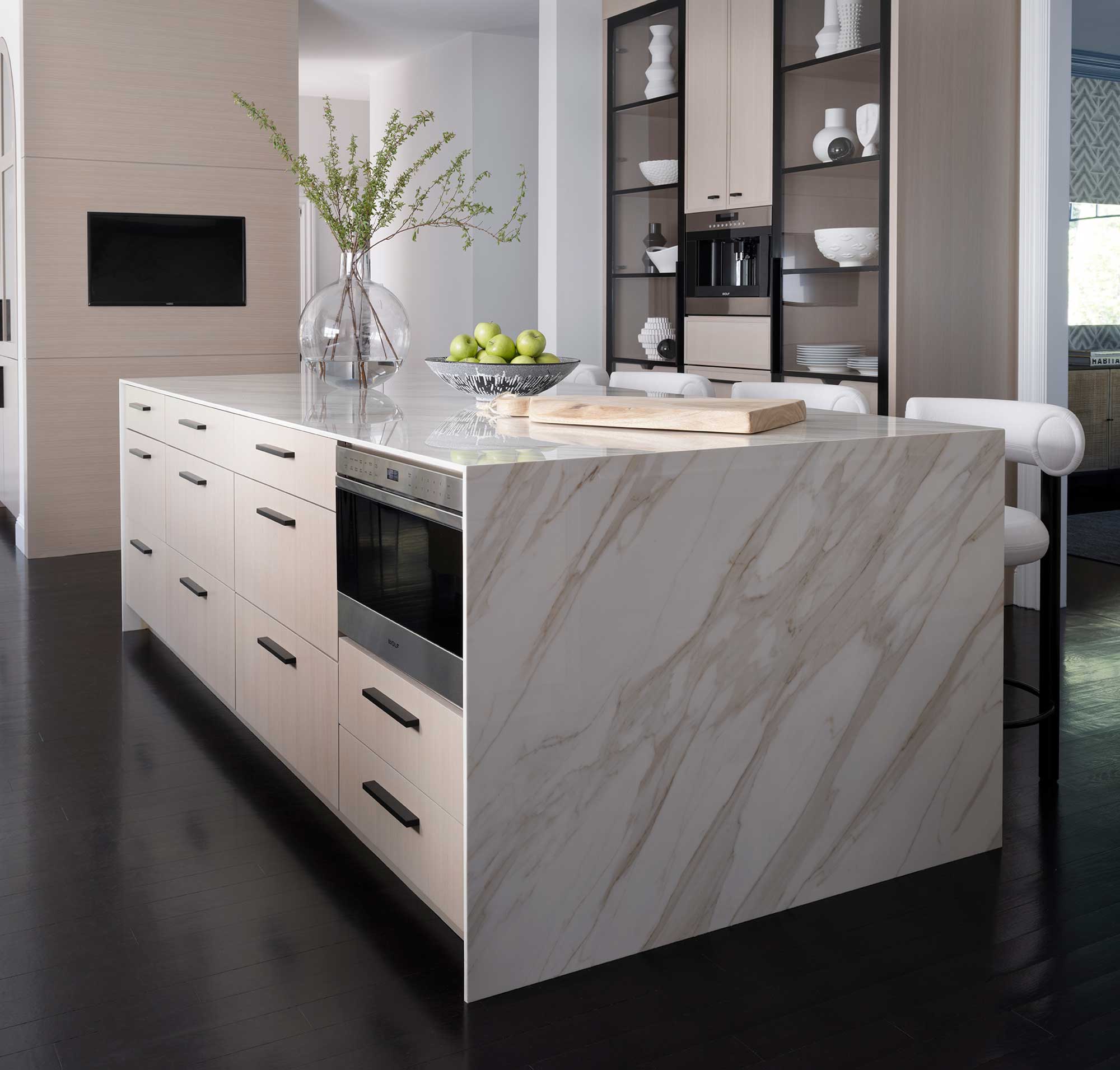
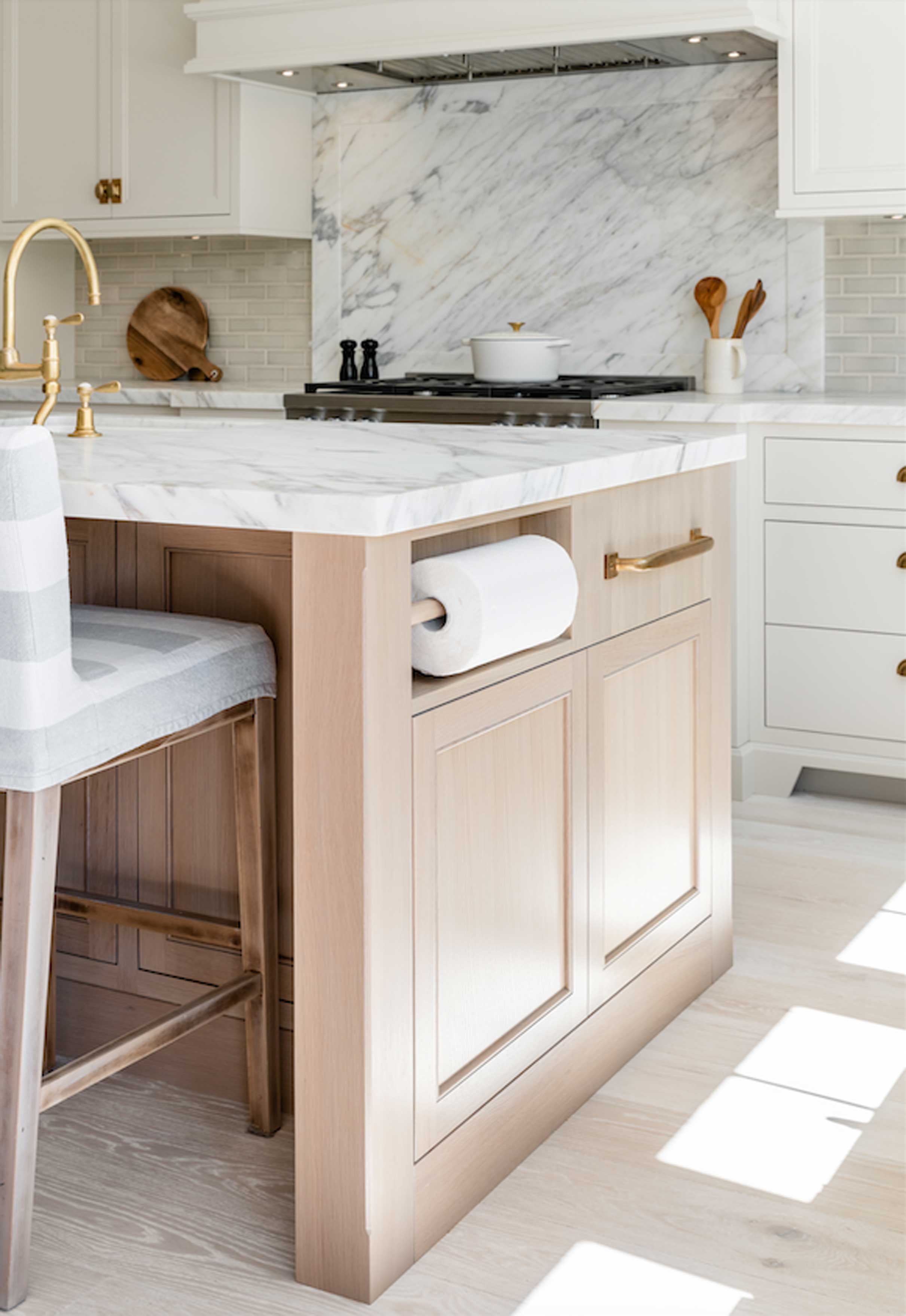
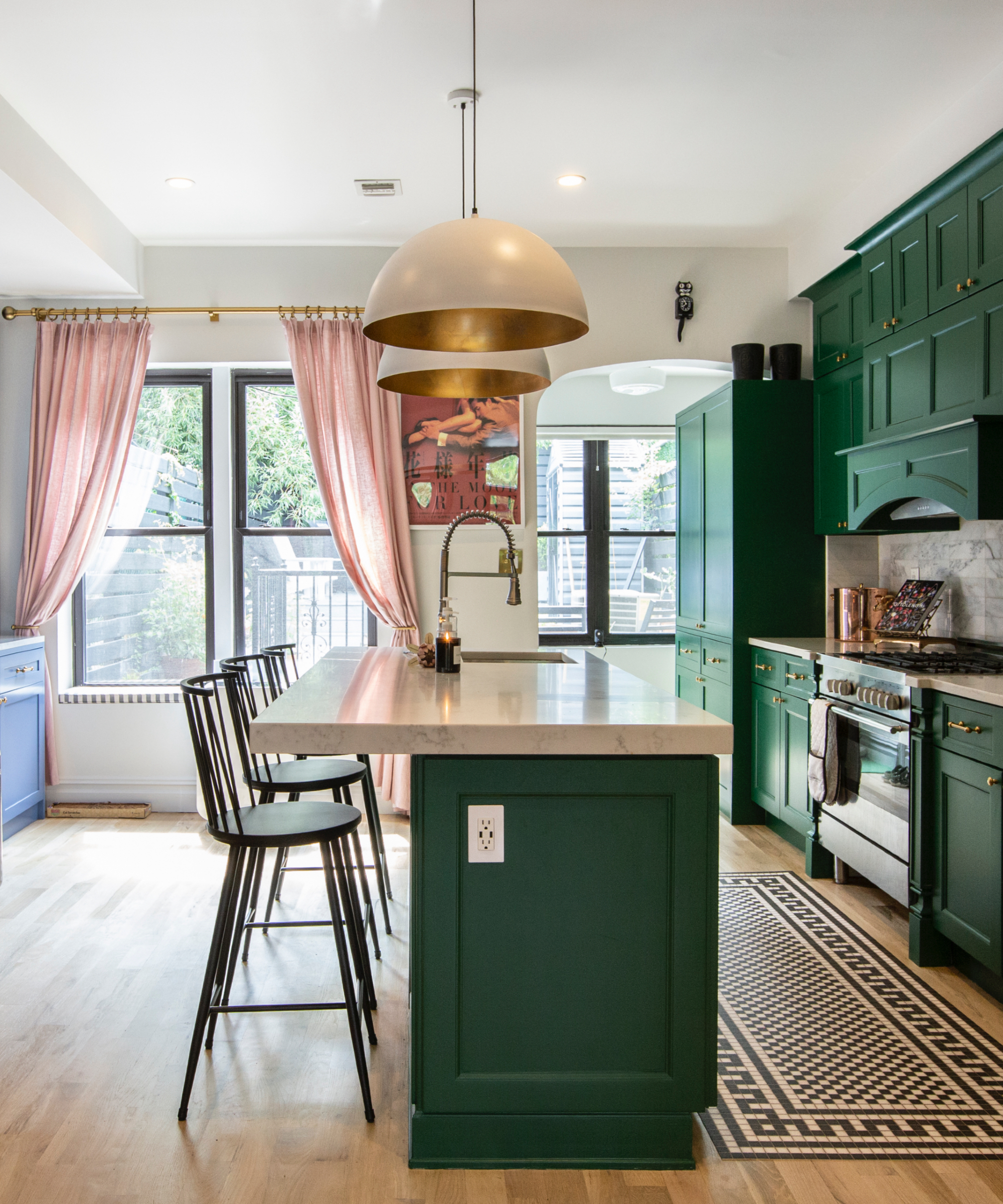
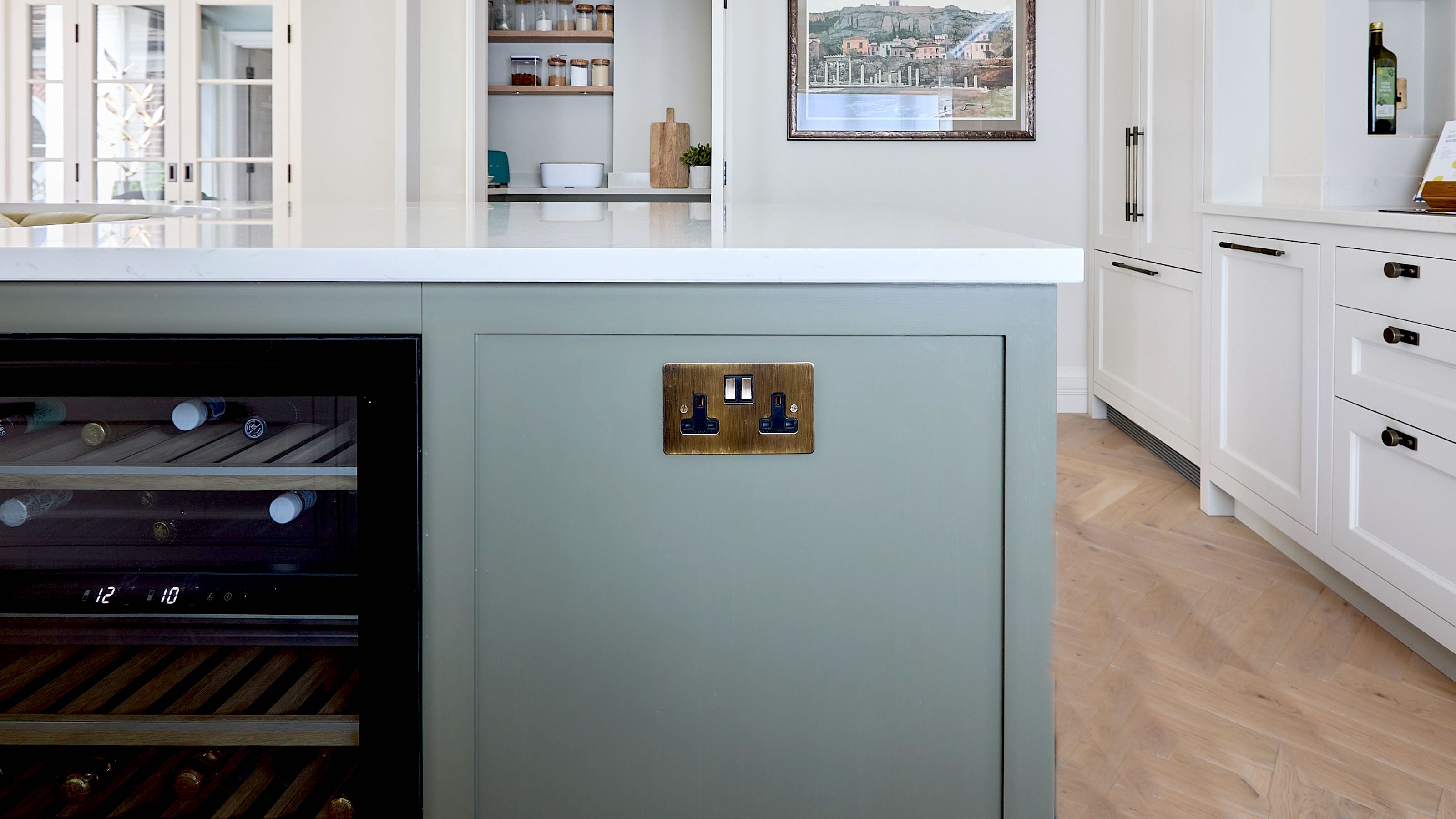
One fundamental recommendation is to strategically position sockets on the side panels of the island, keeping them out of the direct line of sight. This method, advocated by experts like Allison Lynch from Roundhouse, ensures accessibility while maintaining a clean visual flow. The article emphasizes considering the types of plugs required for appliances to guarantee compatibility. Another discreet placement option involves installing sockets just below the kitchen countertop, which is particularly suitable for minimalist designs. Emily Pickett of Kitchens by Holloways notes that while visible sockets are often preferred for their practicality, hiding them underneath worktops or within side panels is a common and effective technique.
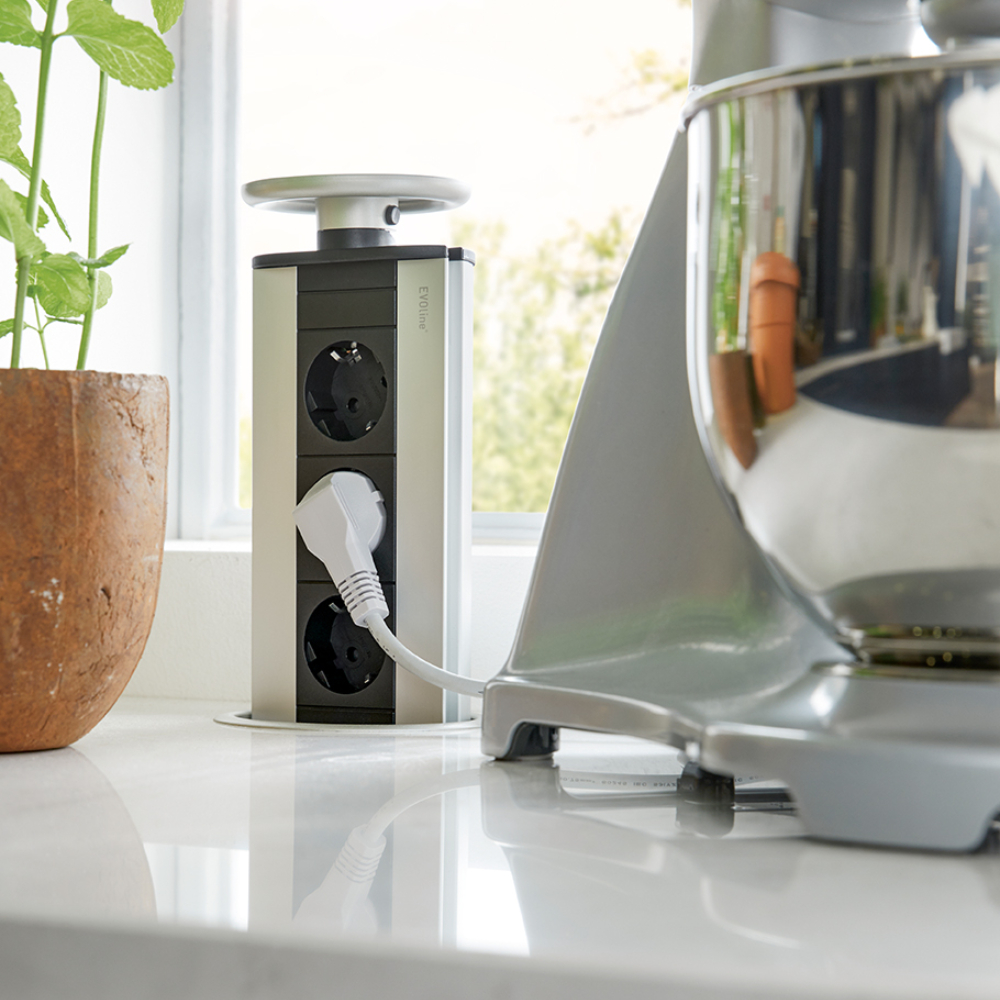
For those seeking more sophisticated concealment, pop-up sockets are presented as an excellent solution, especially for smaller kitchen islands. These units sit flush with the countertop when not in use and can be easily deployed when needed, thereby preserving the island's uncluttered appearance. However, a caveat is offered regarding high-end stone countertops, where interrupting the surface with a pop-up fixture might be undesirable. The S-Box system is highlighted as a refined alternative, integrating seamlessly into the worktop. If the kitchen island extends to include seating, placing sockets under the seating area provides convenient access for charging devices like laptops and phones, while also keeping electrical components away from potential wet zones near the sink.
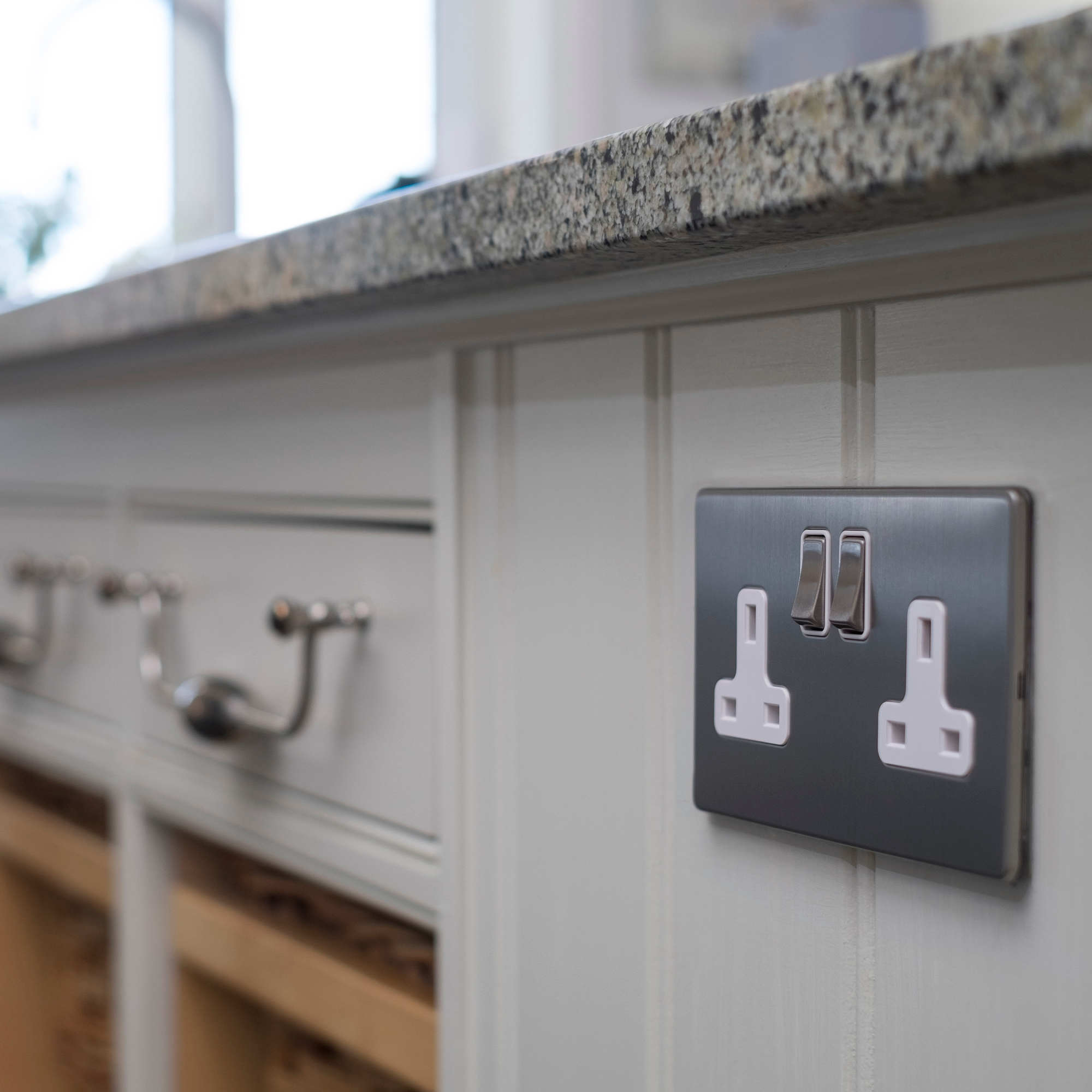
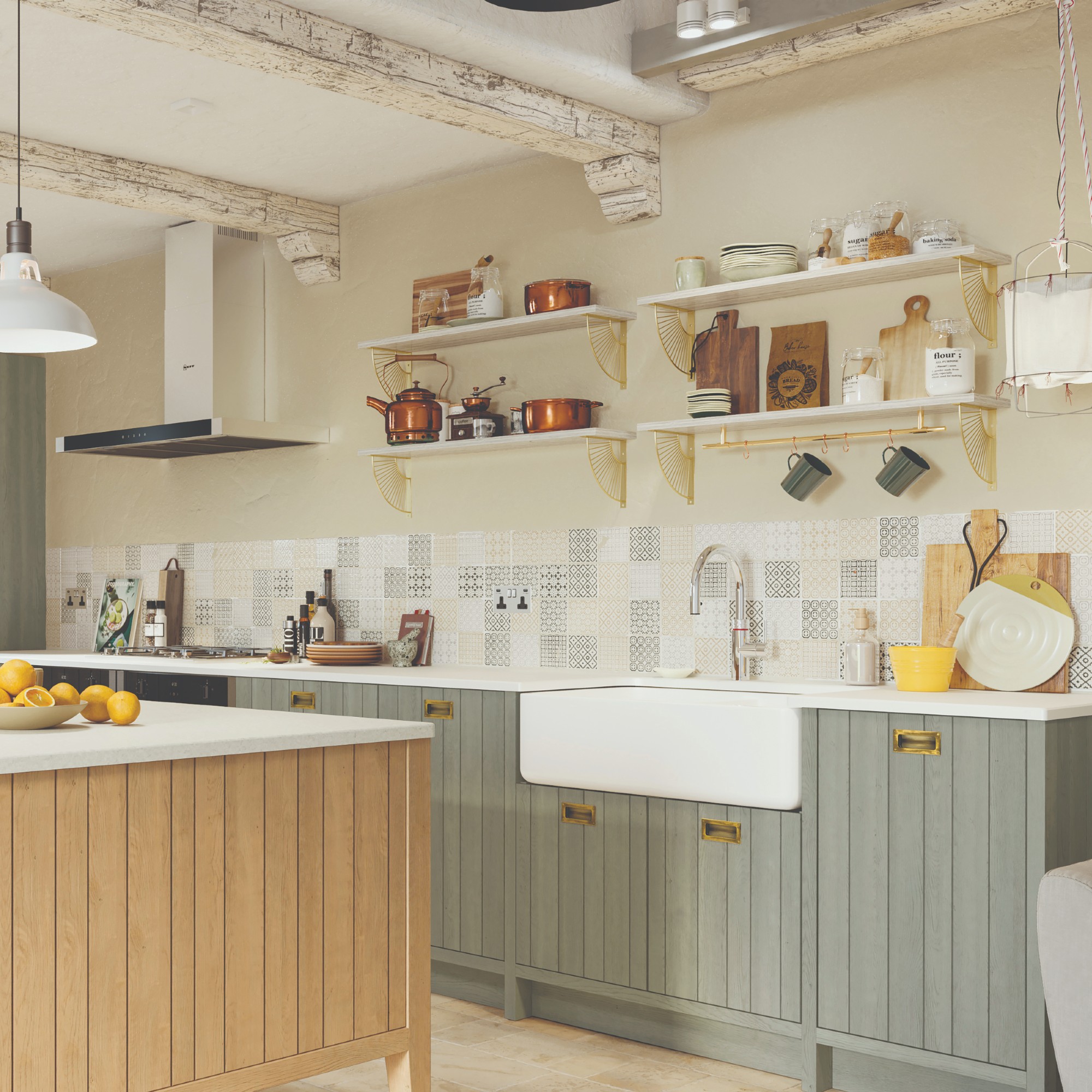
The article also suggests blending sockets with the island's design, particularly for visible outlets. Louisa Eggleston, Creative Director at Humphrey Munson, advises painting plug sockets to match the island's color, using black inserts for darker tones and white for lighter ones, to achieve a cohesive look. Positioning sockets above island drawers is another practical method, ensuring they are accessible for smaller appliances while maintaining a tidy appearance. For safety, a minimum distance of 300mm from hobs is recommended, and a secondary socket panel on the main countertop can manage heavier appliances.
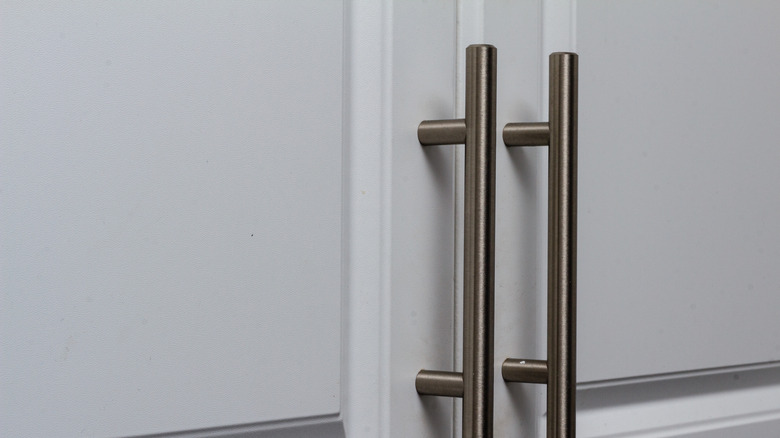
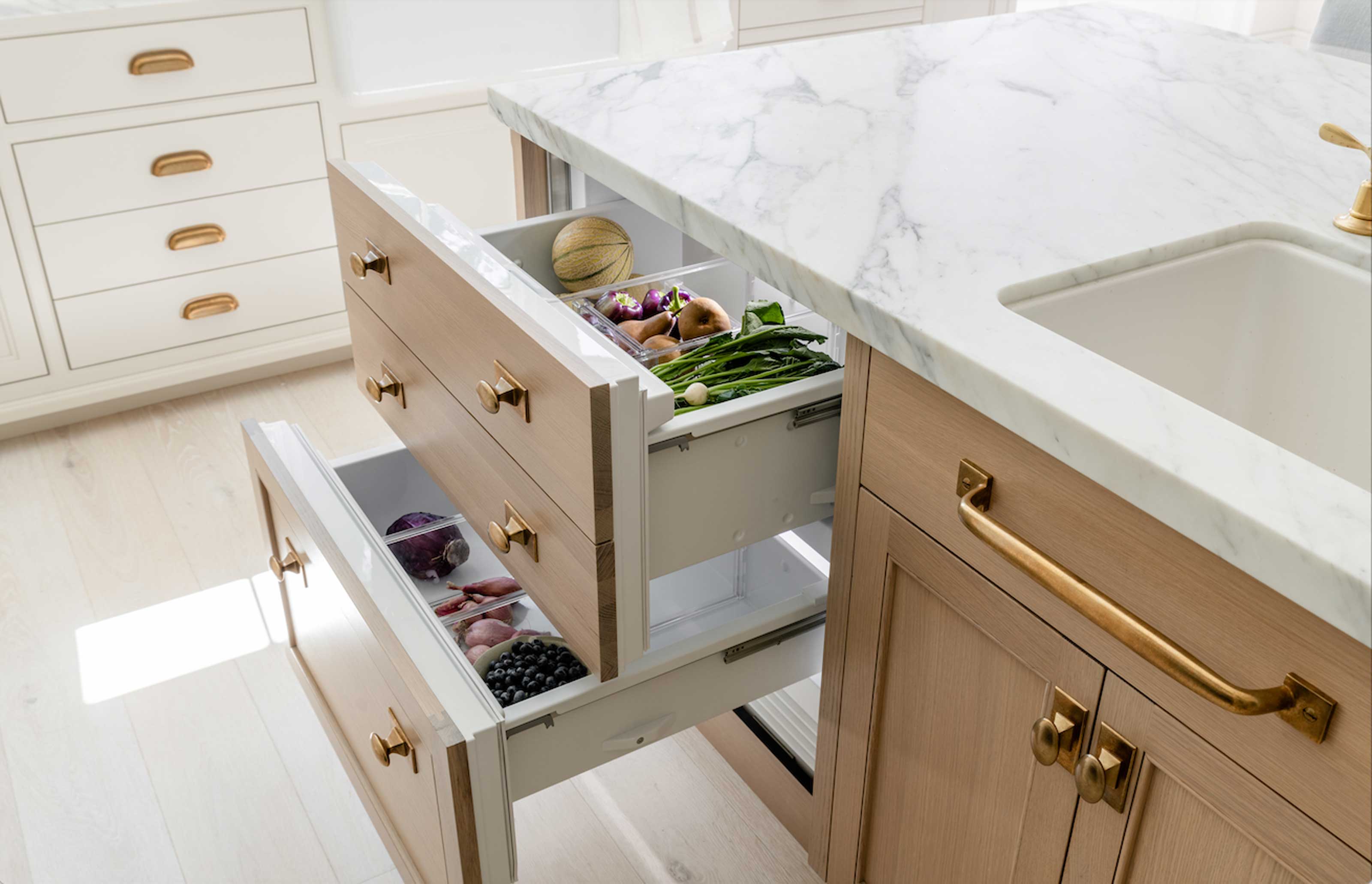
For industrial-style kitchens, oversized sockets with robust metal finishes are proposed as design statements that also offer enhanced functionality. These can be matched to existing metallic elements in the kitchen, adding to the overall aesthetic. Creating dedicated niches or separate panels for sockets, especially in islands that function as breakfast bars or workstations, is another clever approach. Allison Lynch mentions integrating BORA sockets into the fascia of a built-up worktop as a more elegant alternative to pop-ups. Finally, installing sockets inside drawers provides a completely hidden solution for charging various devices, keeping countertops entirely free of clutter and trailing cables. The article concludes by advising against placing sockets on front-facing sides, near sinks or hobs, or on decorative panels to avoid visual disruption and ensure safety.
#KitchenDesign #KitchenIsland #HomeDecor #InteriorDesign #SmartHome #ElectricalSockets #KitchenRemodel #SpaceSaving #Functionality #KitchenDesign #KitchenIsland #HomeDecor #InteriorDesign #SmartHome #ElectricalSockets #KitchenRemodel #SpaceSaving #Functionality
0 commenti in totale
 Nessun commento ancora
Potresti anche gradire
Where do you put sockets on a kitchen island? Experts share the best options, and regulations to keep in mind
5 genius 'extras' to include on your kitchen island – the new game-changers for how you use your kitchen everyday
11 genius DIY kitchen island ideas and upcycling tips
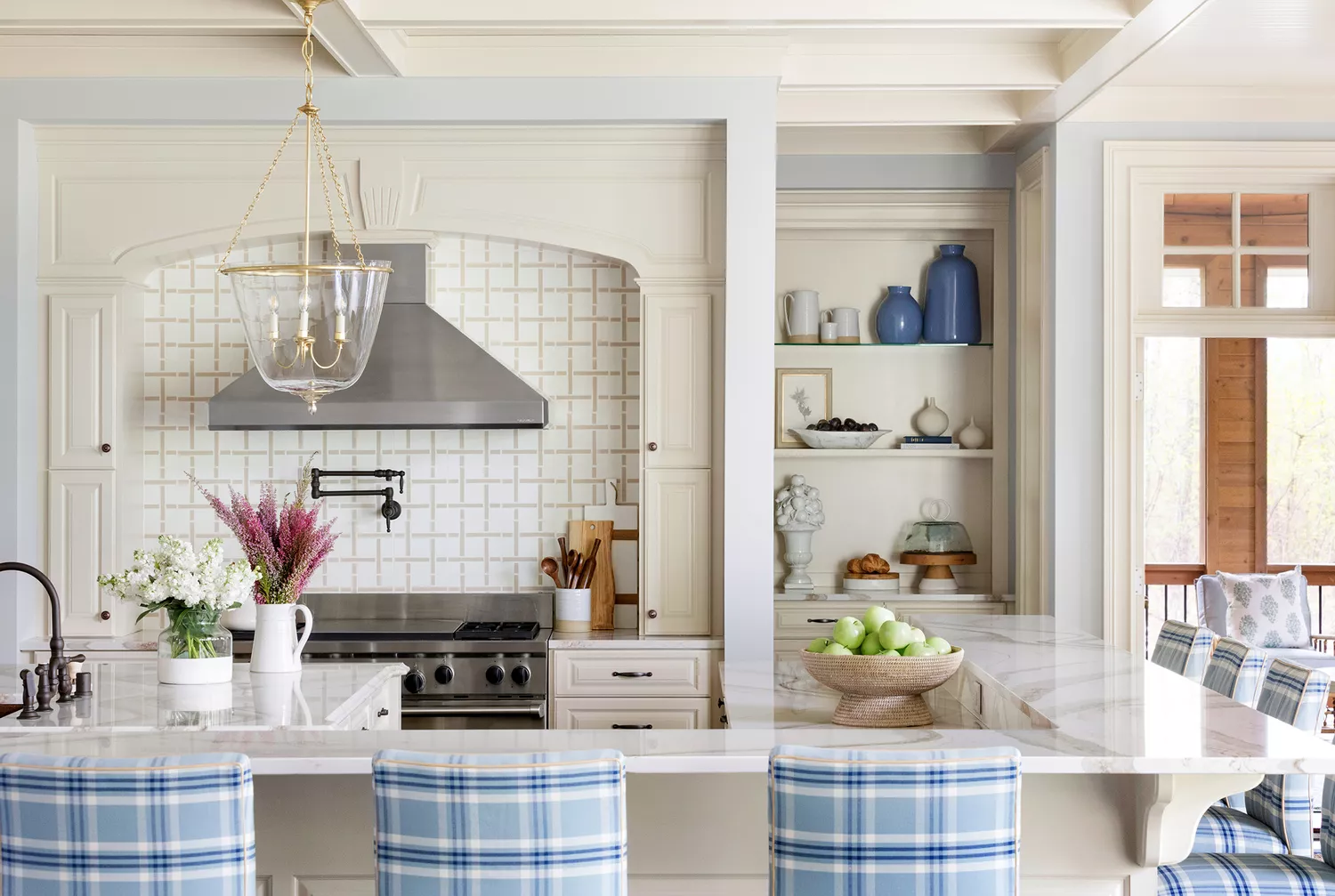
11 Kitchen Island Décor Ideas That Make the Whole Room Look Better, According to Designers
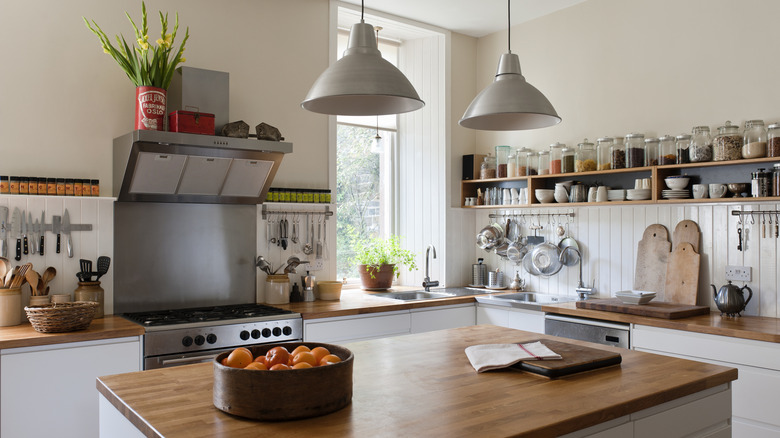
13 Ways To Functionally Decorate Your Kitchen Island

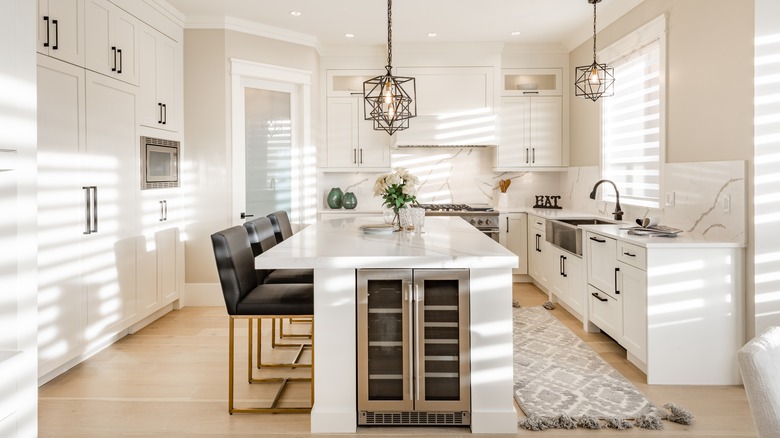
21 Functional And Fabulous Kitchen Island Lighting Ideas
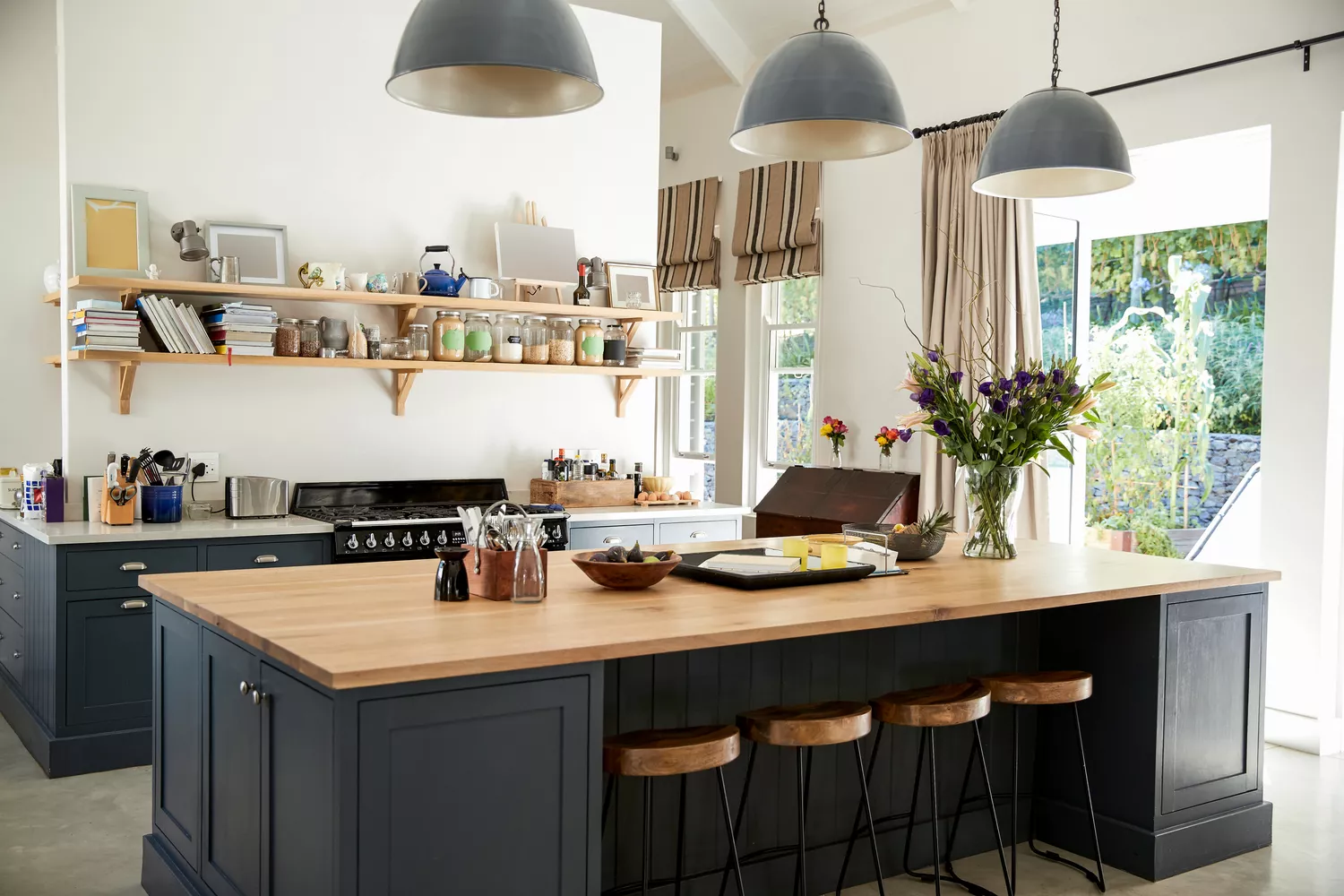
Everything You Need to Know About Adding a Kitchen Island to Your Home
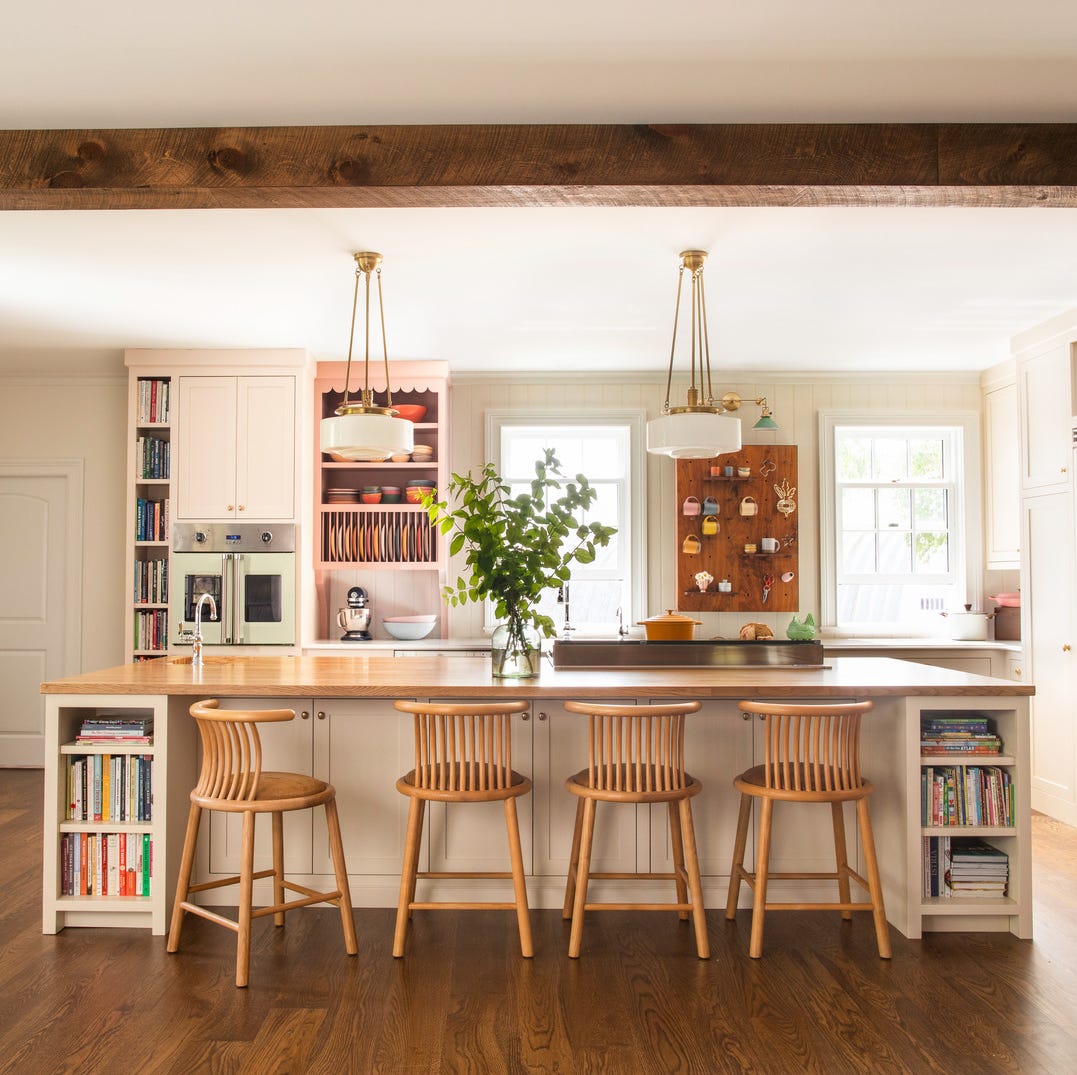
How to Add More Seating to Your Kitchen Island

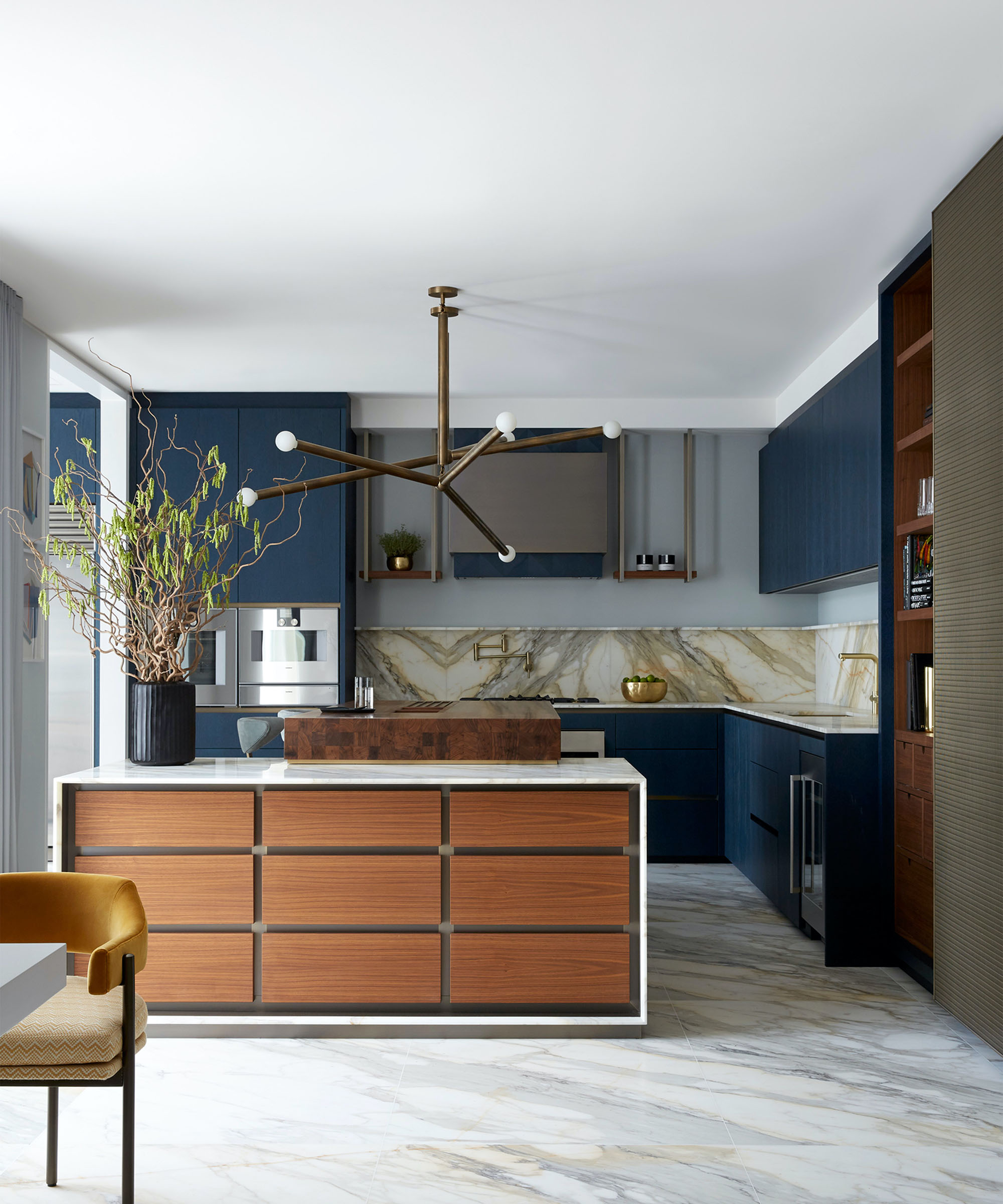
Kitchen island lighting ideas – 20 ways to make it functional and fabulous

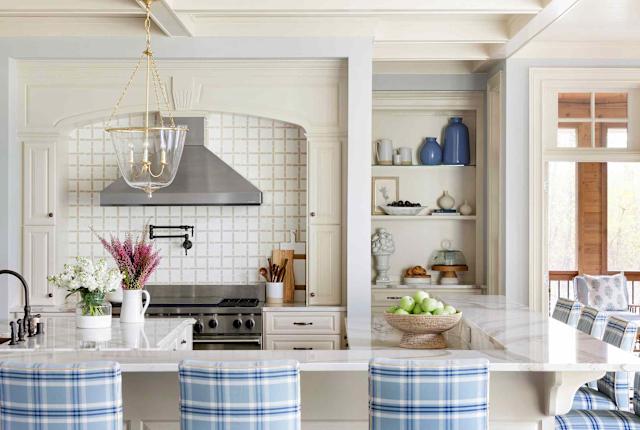
11 Kitchen Island Décor Ideas That Add Style and Elegance to Your Cooking Space

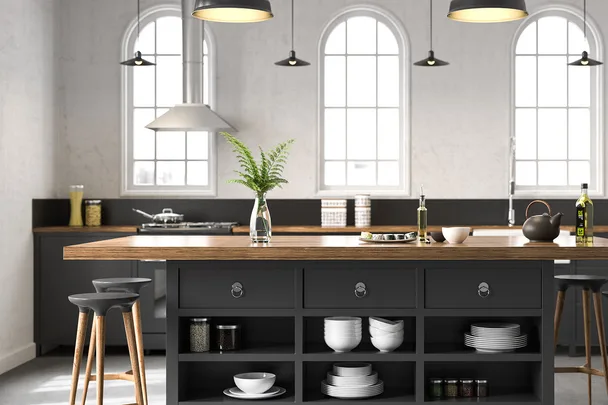
10 inspiring kitchen island design ideas

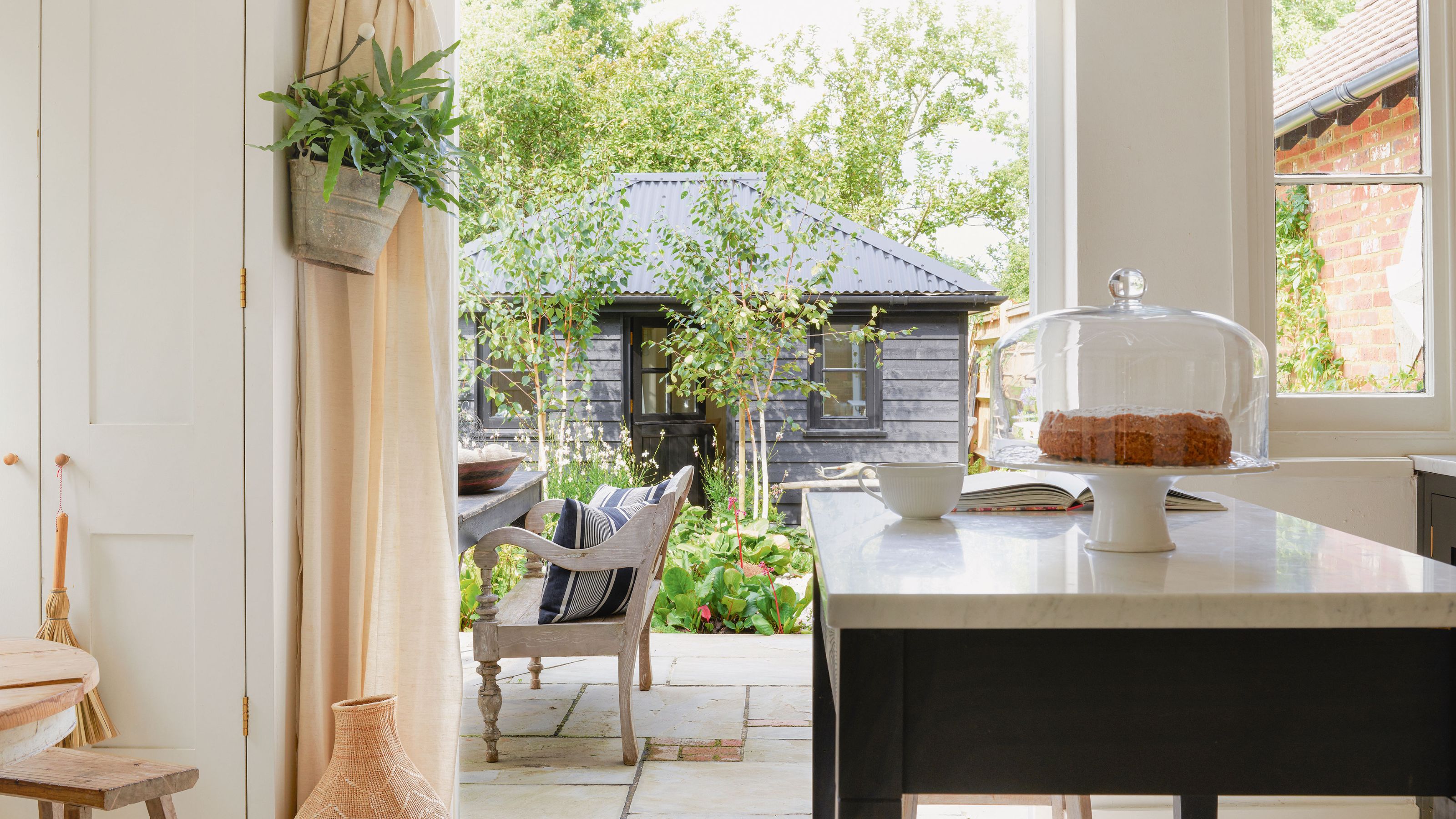
Kitchen island ideas on a budget – clever ways to add in this must-have feature
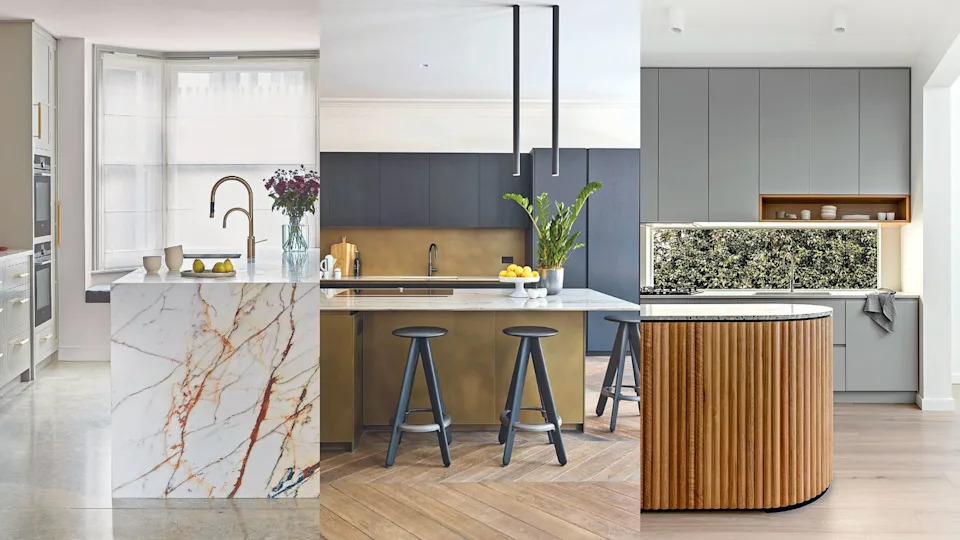
Kitchen island ideas – 24 ways to create a fabulous and functional feature

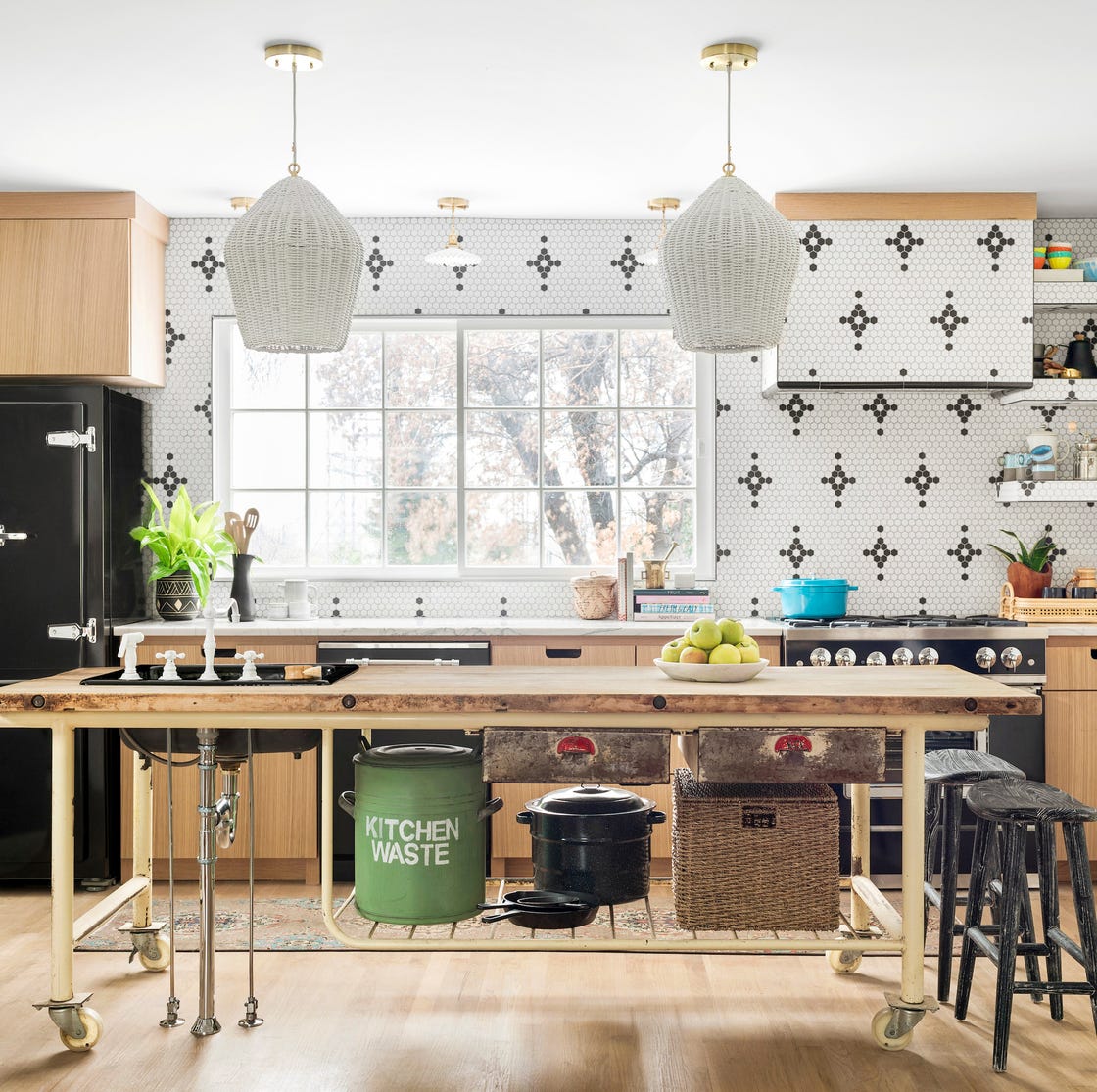
11 Fool-Proof Ways to Add Character to Your Kitchen
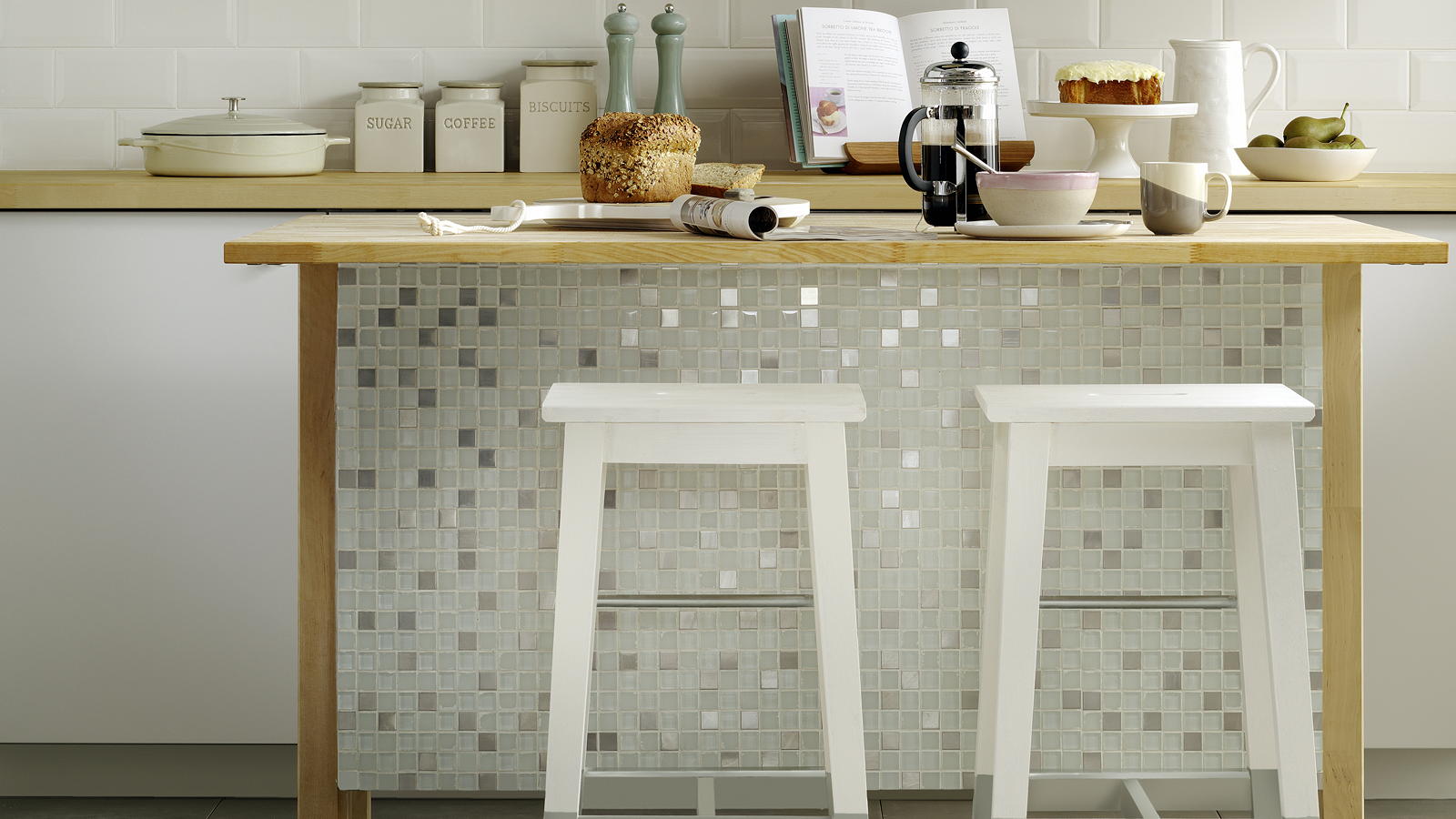
8 brilliant IKEA kitchen island hacks to personalise your cooking space
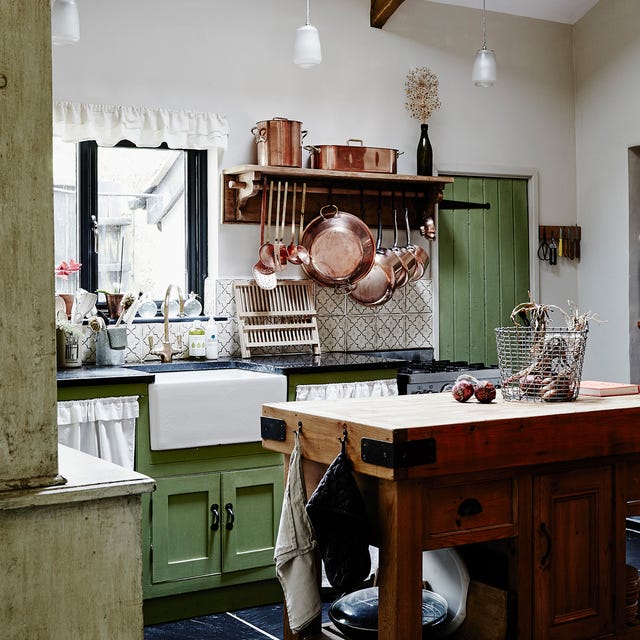
The best kitchen island ideas for a sophisticated and functional feature
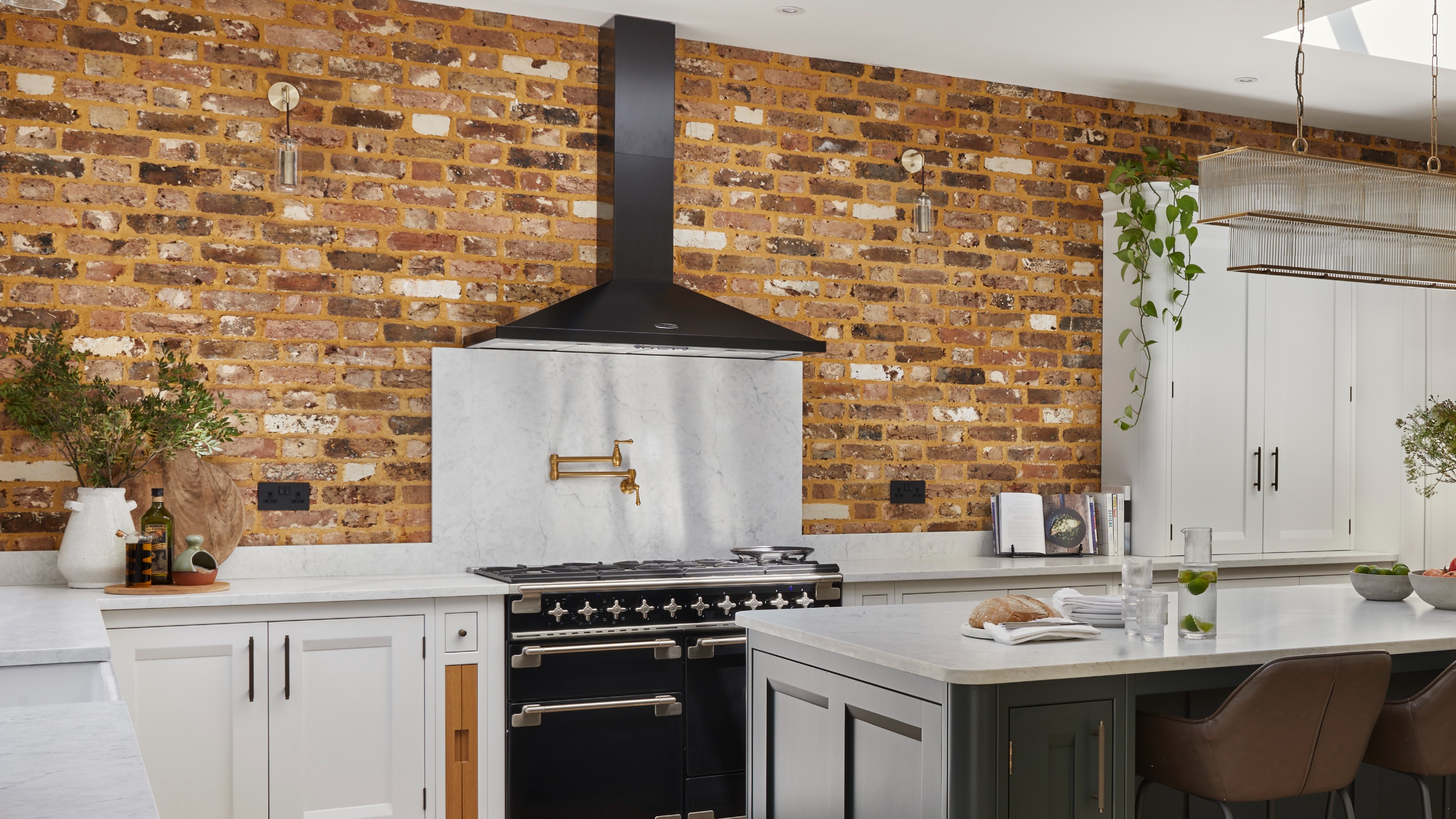
5 ways to hide plug sockets in your kitchen for a seamless and uncluttered look
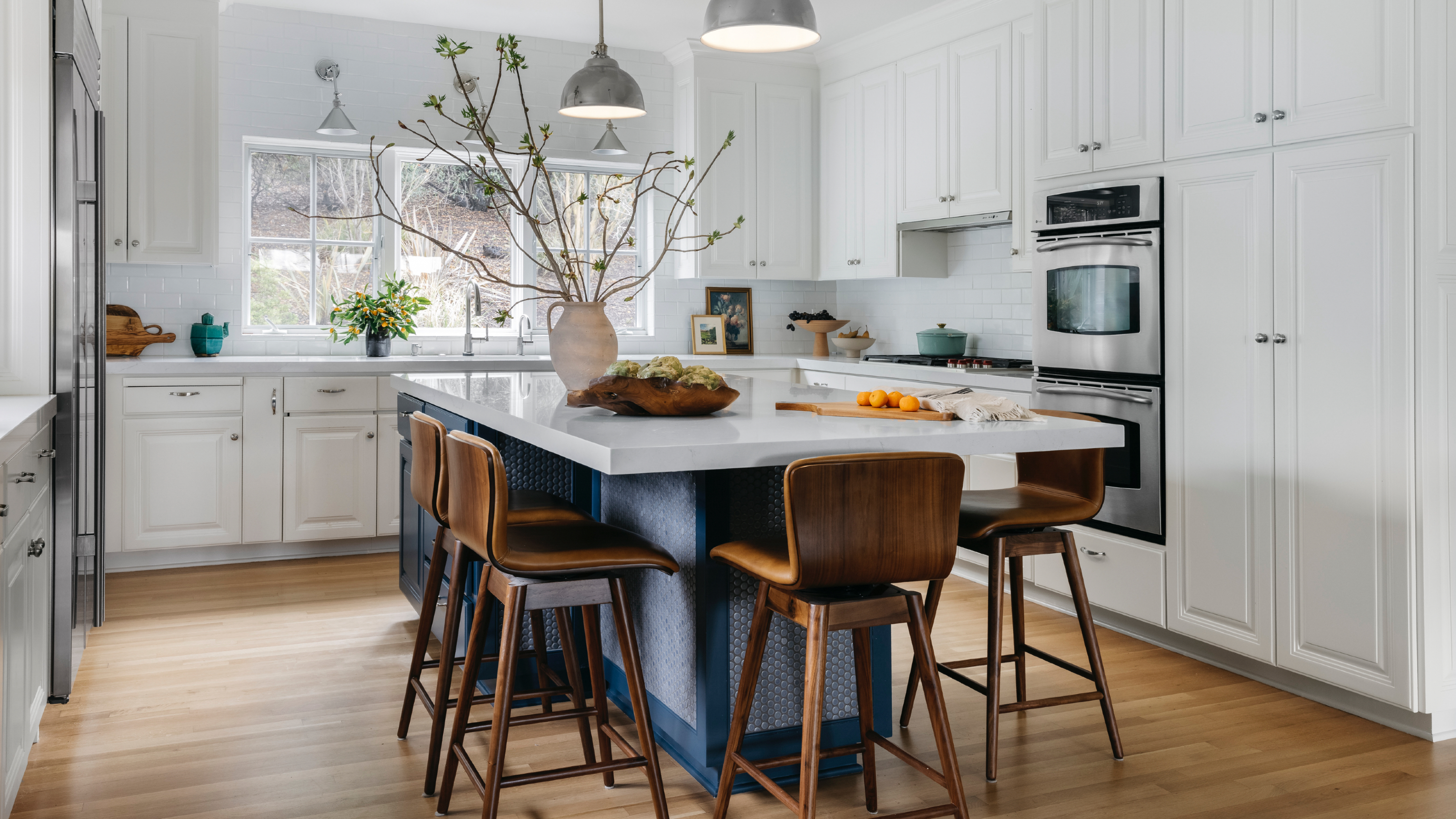
Kitchen island makeover ideas – 10 nifty ways to update this key space

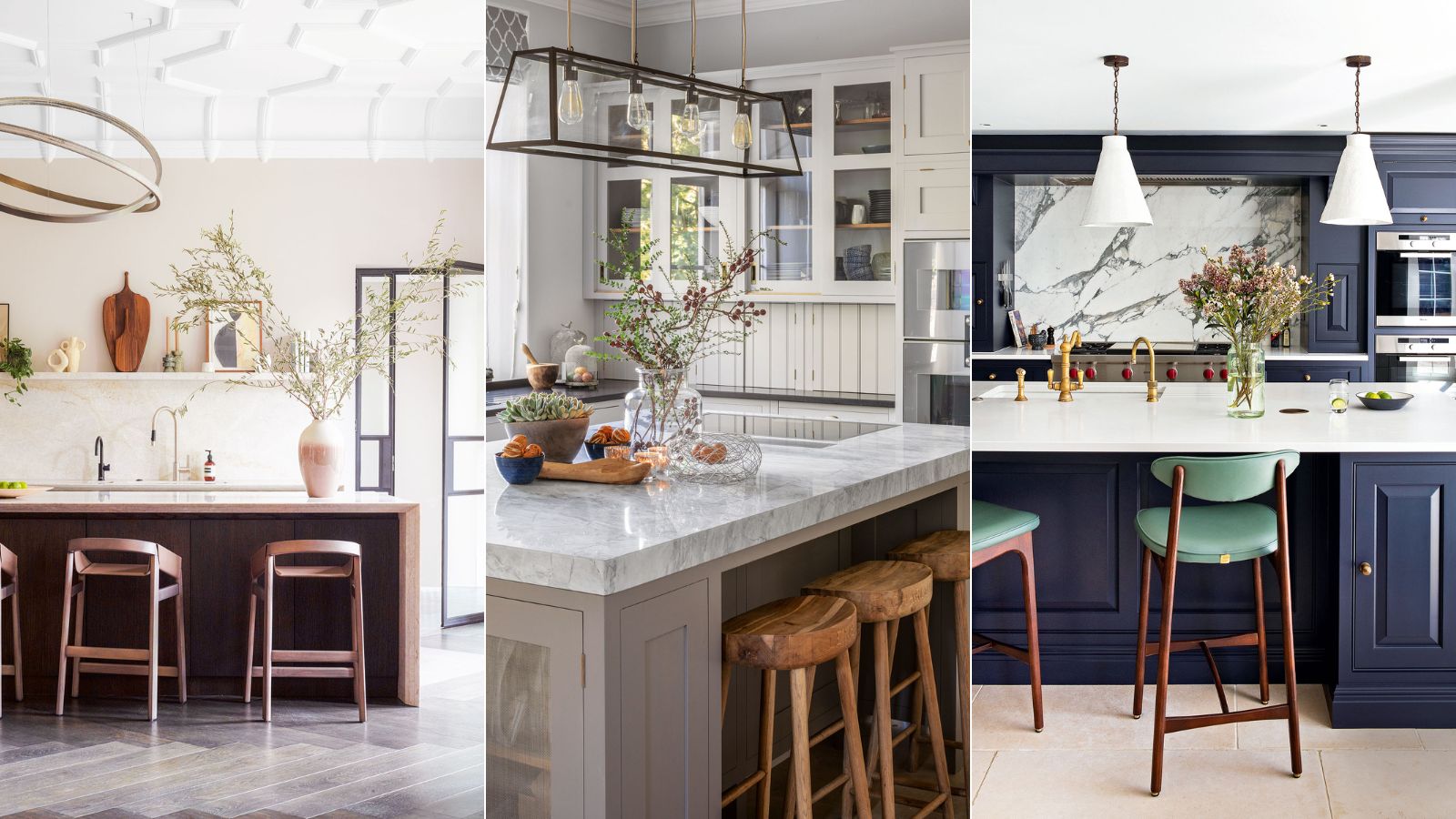
Kitchen island styling ideas – 10 ways to make a practical space look beautiful
24 Kitchen Island Ideas That Add Function and Style to Your Cooking Space