


Spring 2026 Home Decor Trends: Warm, Textured & Timeless
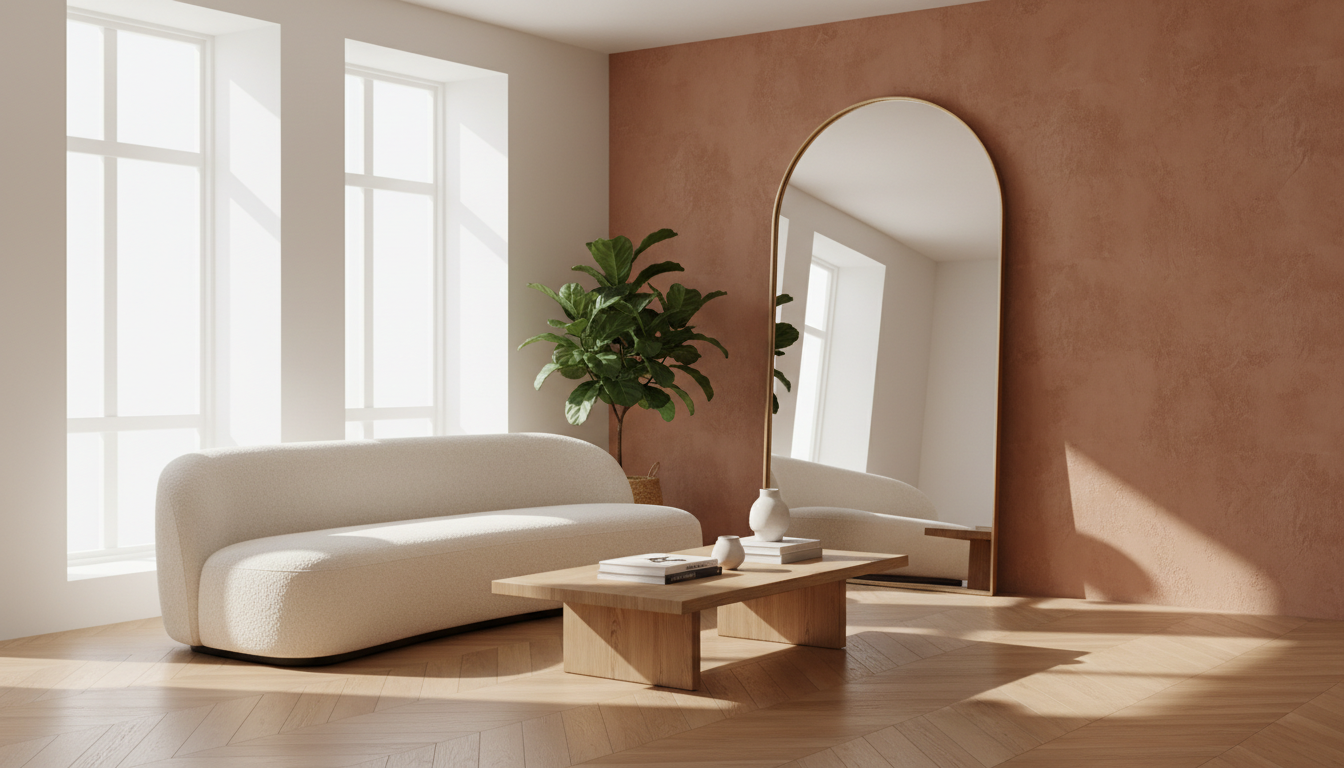
Spring is a season of renewal, a time when we instinctively want to throw open the windows and breathe new life into our homes.
For years, this meant a predictable wave of soft pastels and floral prints. But this year, the script has flipped. Spring decorating is embracing a richer, more personal, and deeply textural approach that feels both fresh and timeless.
Before you pick up a paintbrush or order that new sofa, what if you could see exactly how these trends will look in your own space? With AI-powered tools you can instantly experiment with new paint colors, swap out furniture, and test different materials, turning inspiration into a confident plan. Let’s explore the ideas shaping homes this spring.
The New Spring Palette: Warm, Earthy, and Unexpected
This season’s color story is a departure from the expected. It’s less about fleeting, sugary pastels and more about creating a grounded, inviting atmosphere with colors that have soul and staying power.
Move Over, Cool Grays: Embrace Earthy Warmth
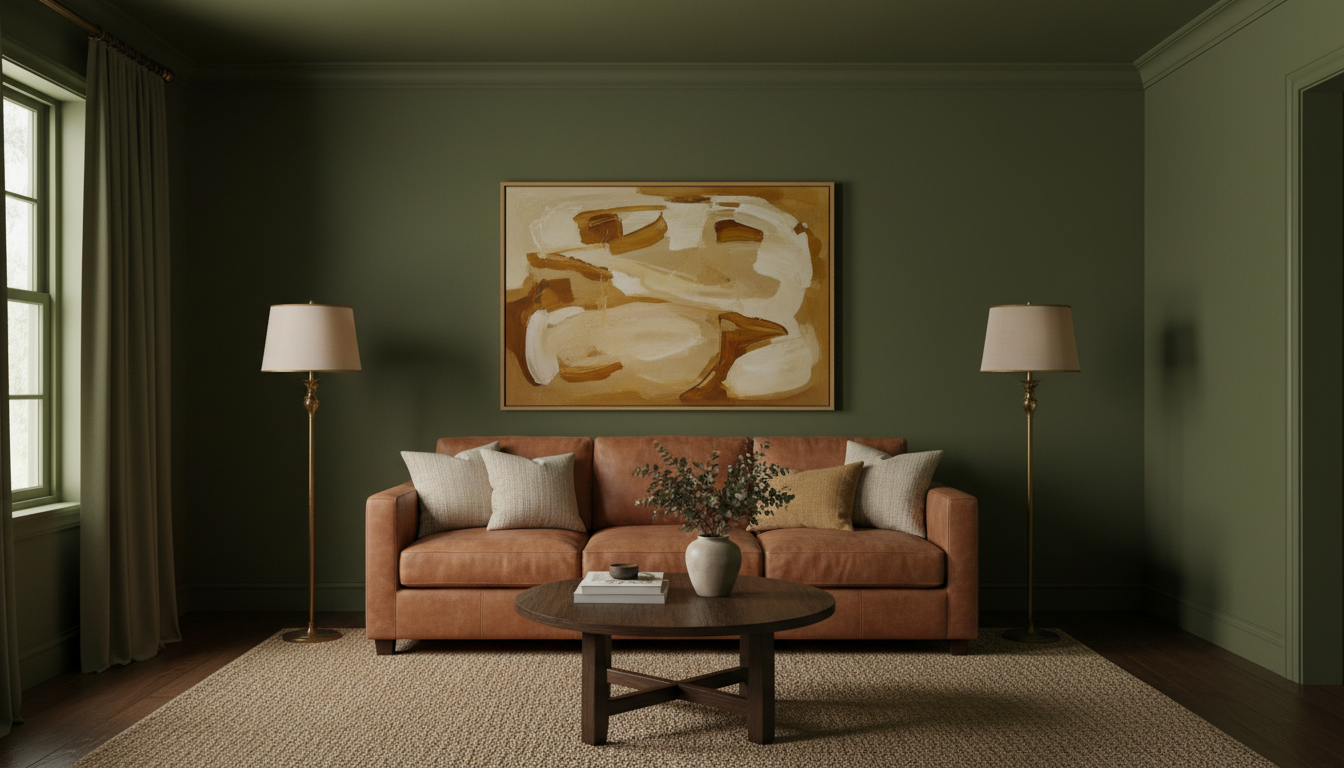
The biggest color shift is the definitive move away from cool grays and stark whites toward warm, saturated earth tones. These are colors that feel grounding and create an instant sense of comfort and depth. Think of palettes pulled directly from a natural landscape.
- Popular Earthy Tones: Rich hues like terracotta, chocolate brown, sun-baked ochre, and deep olive green are taking center stage. Paint brands have solidified this trend, with Benjamin Moore naming Silhouette, a warm espresso-charcoal, and Behr choosing Hidden Gem, a smoky jade, as their 2026 Colors of the Year.
- How to Use Them: A technique called color drenching—painting walls, trim, and even the ceiling in the same hue—creates an immersive, cocoon-like effect that makes these deep colors feel sophisticated rather than overwhelming.
A Softer Side of Spring: Moody Pastels and Soothing Hues
If you still love a lighter touch, this year’s version of pastels is more nuanced and grown-up. These are soft, muted colors with a touch of gray or dustiness, giving them a timeless, sophisticated quality.
- Dusty Pinks: Instead of bubblegum, think of a moody, muddier pink that feels almost neutral. It pairs beautifully with warm woods and brass accents.
- Soft Lilacs: A fresh take on the purple trend, soft lilac with a gray undertone brings a sense of calm and sophistication. It works beautifully with creamy whites and natural textures like rattan and linen.
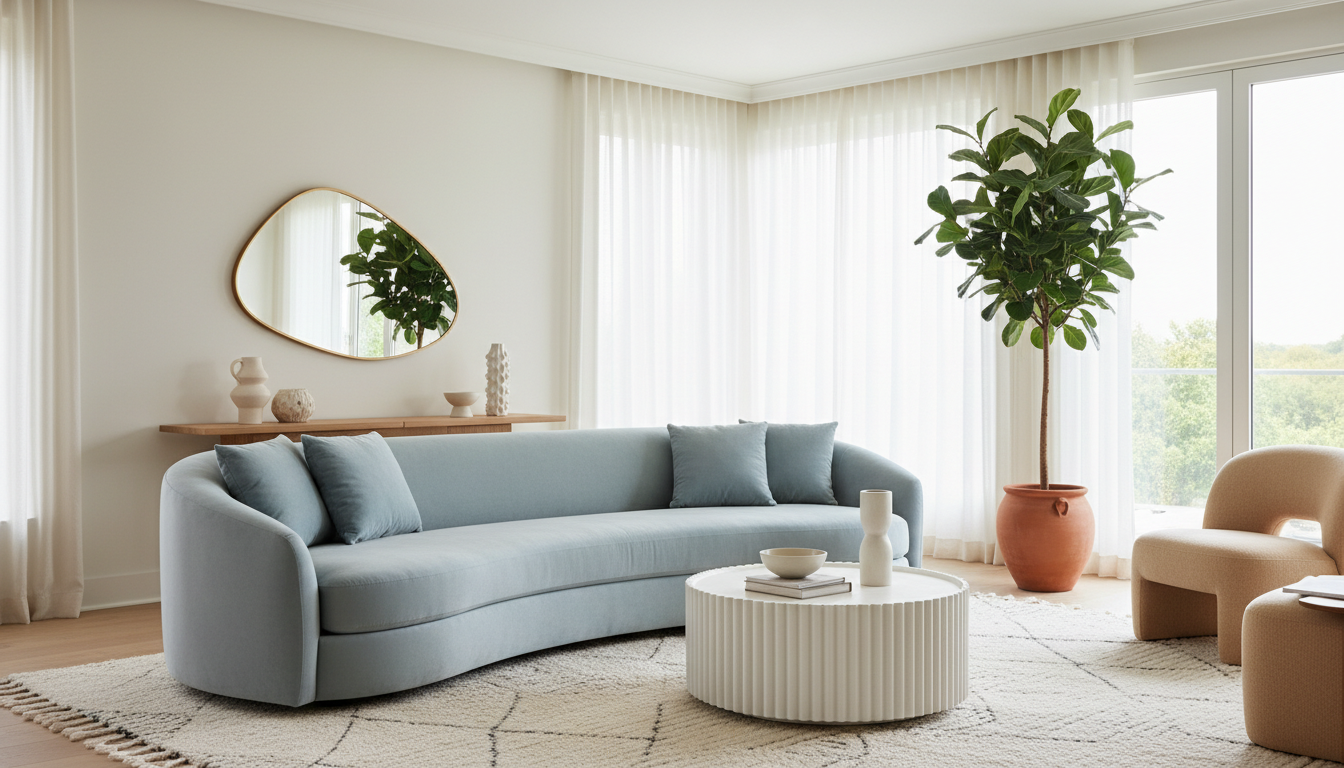
- "Swan" Blues: A quiet, chic, and soft light blue feels both elegant and timeless, especially when used in soft furnishings like upholstery or curtains.
Playful Pops and Fresh Pairings
Spring is still a time for joy, and designers are embracing unexpected color combinations that feel both playful and refined. These pairings add energy to a room without feeling chaotic.
- Denim Blue with Coral Pink: A sophisticated update on the classic pink and blue, this duo feels both fresh and familiar. It works especially well in bedrooms or living spaces with natural oak furniture.
- Chartreuse, Teal, and Pink: For a burst of energy, vibrant chartreuse paired with deep teal and a pop of bubblegum pink creates a look that is unapologetically joyful.
- Yellow and Blue: A timeless combination that never fails to feel like spring. Grounding a bright, buttery yellow with a classic navy or royal blue creates a look that is happy, balanced, and effortlessly charming.
Texture Takes Center Stage: Creating Sensory Richness
This spring, how a room feels is just as important as how it looks. Texture is the new luxury, and layering different materials is key to creating a space that feels rich, inviting, and complete.
From Bouclé to Velvet: The Rise of Tactile Fabrics
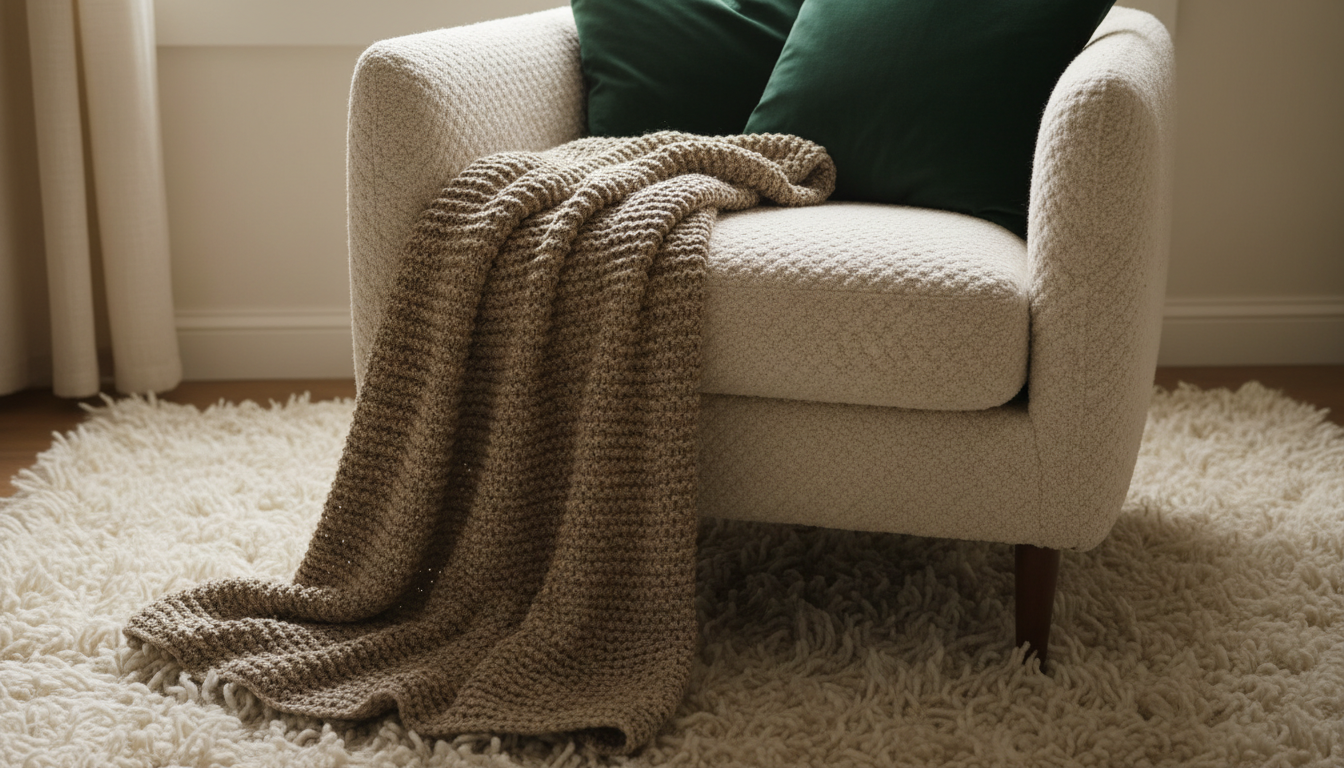
Smooth, flat surfaces are giving way to textiles that invite you to touch them. Layering these fabrics creates a high-end, curated look.
- High-Pile Wool Rugs: Anchor your space with a thick, soft rug that feels wonderful underfoot.
- Velvet and Bouclé: A velvet sofa adds sophisticated depth, while a bouclé accent chair provides texture and warmth without visual weight.
- Linen and Washed Cotton: These natural fibers add a relaxed, breathable quality, perfect for curtains, bedding, and pillows.
Beyond the Surface: Architectural Details and Natural Fibers
Texture is also appearing in more structural ways, adding character and dimension to the very bones of a room.
- Architectural Details: Elements like picture-frame molding, chair rails, and layered crown molding are making a huge comeback, adding a sense of history and craftsmanship.
- Woven Materials: Rattan, jute, and wicker are being used in everything from accent chairs and lighting to decorative baskets, bringing an organic, handcrafted feel indoors.
- Fluted and Ribbed Surfaces: This detail is showing up on glass, wood paneling, and cabinetry, adding subtle pattern and shadow play.
The Shape of Things: Sculptural Forms and Heritage Silhouettes
Furniture is becoming more expressive, moving away from rigid, boxy minimalism toward softer, more sculptural shapes and heritage-inspired designs that tell a story.
Embracing the Curve: Soft Geometry in Furniture
Organic, rounded shapes are defining the silhouettes of 2026. Curved lines soften a room’s architecture, improve flow, and create a more welcoming, fluid environment. This trend, sometimes called "soft geometry," is about finding comfort in form.
- Curved Sofas and Chairs: A rounded or asymmetrical sofa can become a beautiful focal point in a living room.
- Arched and Oval Shapes: Look for arched headboards, rounded nightstands, and oval coffee tables to break up the hard lines in a room.
- Asymmetric Mirrors: An irregularly shaped mirror acts as both a functional object and a piece of wall art.
A Nod to Nostalgia: Vintage Finds and Traditional Frames
There’s a collective craving for pieces with history and soul. Reflecting the Maison & Objet trend theme "Past Reveals Future," interiors are being layered with vintage finds, family heirlooms, and classic design elements that feel collected over time.
-
Vintage and Antique Furniture: A single timeworn wood chest or a reupholstered antique chair can ground a modern room with character. Darker wood tones are making a strong return.
-
Thick, Matted Frames: As seen at Style by Emily Henderson , the delicate, thin frames of the past are being replaced by thicker, sometimes gilded, vintage-style frames that give artwork more presence and soul.

-
Heritage Patterns: Classic patterns like florals, plaids, and toile are being used in a fresh way on wallpaper, upholstery, and pillows, adding a layer of nostalgic charm.
Biophilic Design Evolved: More Than Just Houseplants
The connection to nature in our homes has deepened far beyond simply adding a few potted plants. Biophilic design in 2026 is a holistic approach that integrates natural elements into the very fabric of a home to enhance well-being.
Bringing Nature In, Thoughtfully
This is about creating a sensory connection to the outdoors through a variety of elements.
- Natural Materials: Using wood, stone, rattan, and linen connects us to the earth and adds organic texture.
- Natural Light: Maximizing daylight with large windows, skylights, and sheer window treatments is essential.
- Organic Forms: Incorporating biomorphic patterns and shapes inspired by nature in furniture and decor.
- Indoor Gardens: Living walls and intentional groupings of plants create a lush, immersive experience.
The Indoor-Outdoor Connection
The line between inside and out is blurring. Homeowners are creating seamless transitions to patios, decks, and gardens, treating them as true extensions of their living space. This includes:
- Outdoor Kitchens and Lounges: Fully functional outdoor rooms for cooking, dining, and relaxing.
- Cohesive Materials: Using similar flooring or color palettes indoors and out to create a unified feel.
- Architectural Elements: Pergolas and pavilions are being designed as year-round destinations, often with heaters and protective screens.
Finishing Touches: Lighting, Art, and Florals
The final layers of a room are where its personality truly shines. This spring, these details are expressive, personal, and artful.
Lighting as Jewelry
Lighting has become a focal point, with fixtures that act as sculptural art.
- Statement Fixtures: Sculptural chandeliers and pendants in organic shapes are used to anchor dining areas and living rooms.
- Tactile Metalwork: Warm, aged metals like unlacquered brass and tarnished silver add a lived-in, soulful quality to fixtures.
- Pleated and Custom Shades: Fabric lampshades, especially pleated styles in beautiful patterns, add a soft, tailored, and bespoke touch.
- Cordless Lamps: Offering ultimate flexibility, cordless lamps allow you to add a warm glow to shelves, dining tables, or any corner without worrying about outlets.
The Art of the Story: Personalized Walls
Gallery walls are becoming less about perfect symmetry and more about personal storytelling.
- Mix and Match: Combine flea-market paintings, children's drawings, travel sketches, and hand-thrown ceramics for a wall that feels layered and deeply personal.
- Go Big: Instead of many small pieces, consider one oversized piece of art to make a confident statement.
- Textile Art: Tapestries and other fabric wall hangings add texture, warmth, and an organic quality that feels especially relevant now.
Spring Florals Reimagined
Of course, it wouldn’t be spring without florals, but the approach is more natural and less fussy.
- Wildflower Style: Arrangements that look freshly gathered from a meadow, with a mix of heights, textures, and varieties.
- Monochromatic Bouquets: Using a single type of flower, like tulips or ranunculus, in one color creates a powerful, modern statement.
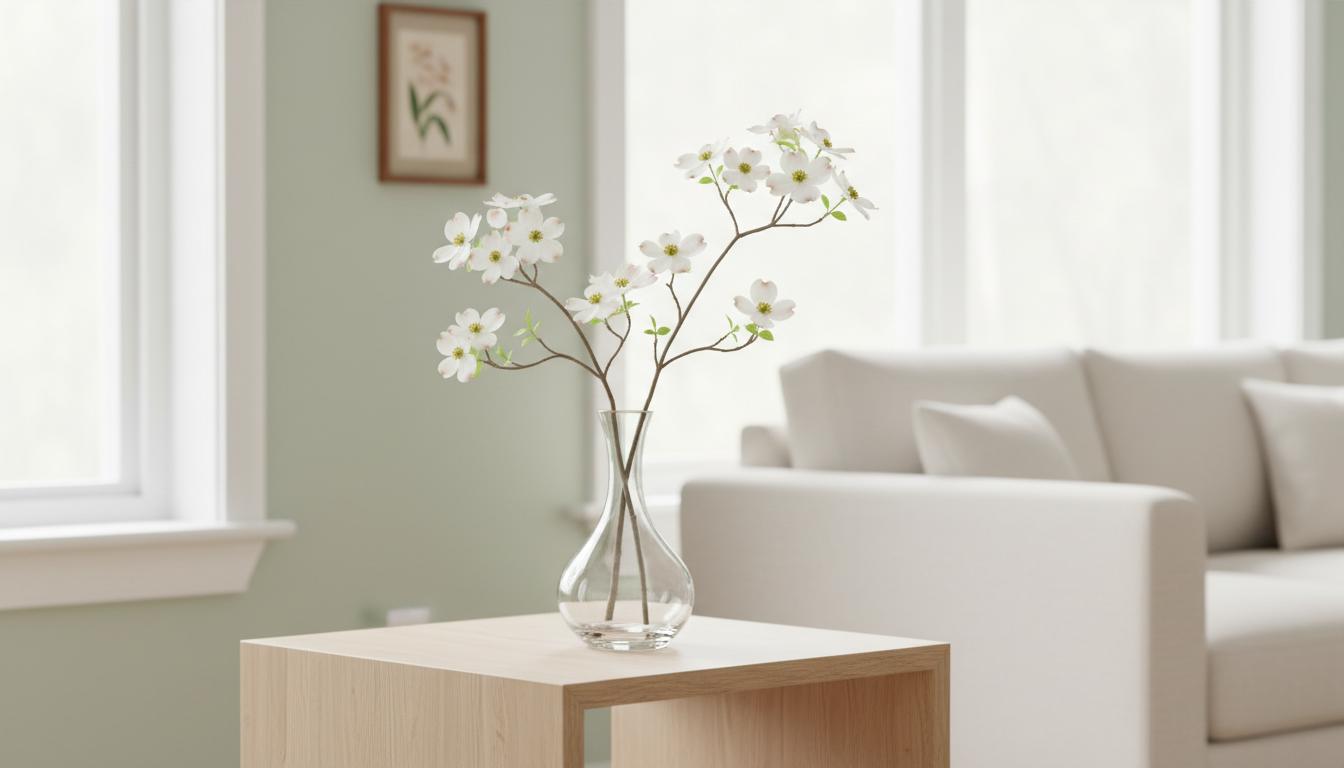
- Greenery is Key: Don’t underestimate the power of simple branches. Eucalyptus, olive branches, or blossoming dogwood stems in a simple vase can be just as impactful as a full bouquet.
Your Spring Refresh, Realized
Spring decorating is no longer about following a rigid set of rules. It’s about creating a home that feels authentic, comfortable, and restorative. The emphasis on warm colors, rich textures, personal stories, and a connection to nature provides a blueprint for a home that is not only stylish for the season but will feel right for years to come.
Ready to bring these spring ideas to life? Don't just wonder—visualize. Use Ideal House's suite of AI tools, from the Magic Editor to Virtual Staging, to test these trends in your own photos. See how that olive green wall or curved sofa will transform your room before you commit. Start designing your perfect spring refresh today.
Frequently Asked Questions
What are the main color trends for spring 2026? The biggest trends are a shift toward warm, earthy colors like terracotta, olive, and ochre, and away from cool grays. Moody, dusty pastels such as soft lilac and blush pink are also popular, along with unexpected, playful pairings like denim blue and coral.
How can I make my home feel like spring without using pastels? Focus on maximizing natural light with sheer curtains, bringing in fresh greenery or flowering branches, and swapping heavy textiles for lighter ones like linen and cotton. Incorporating natural materials like light wood, rattan, and stone also creates a fresh, organic feel.
What is biophilic design? Biophilic design is an approach to architecture and interiors that connects occupants more closely to nature. It involves using natural materials, maximizing daylight, incorporating plants and water features, and using organic shapes and patterns to create a calming, health-promoting environment.
What is the easiest way to refresh my living room for spring? The quickest and most effective way to refresh a living room for spring is by changing your textiles. Swap out dark, heavy throw pillows and blankets for lighter ones in this season’s colors and textures. Adding a vase of fresh flowers or branches and decluttering surfaces to create a sense of openness will also make a huge impact.