1/9
Zen garden ideas on a budget – 5 simple ways to introduce the minimalist concept to your outdoor space
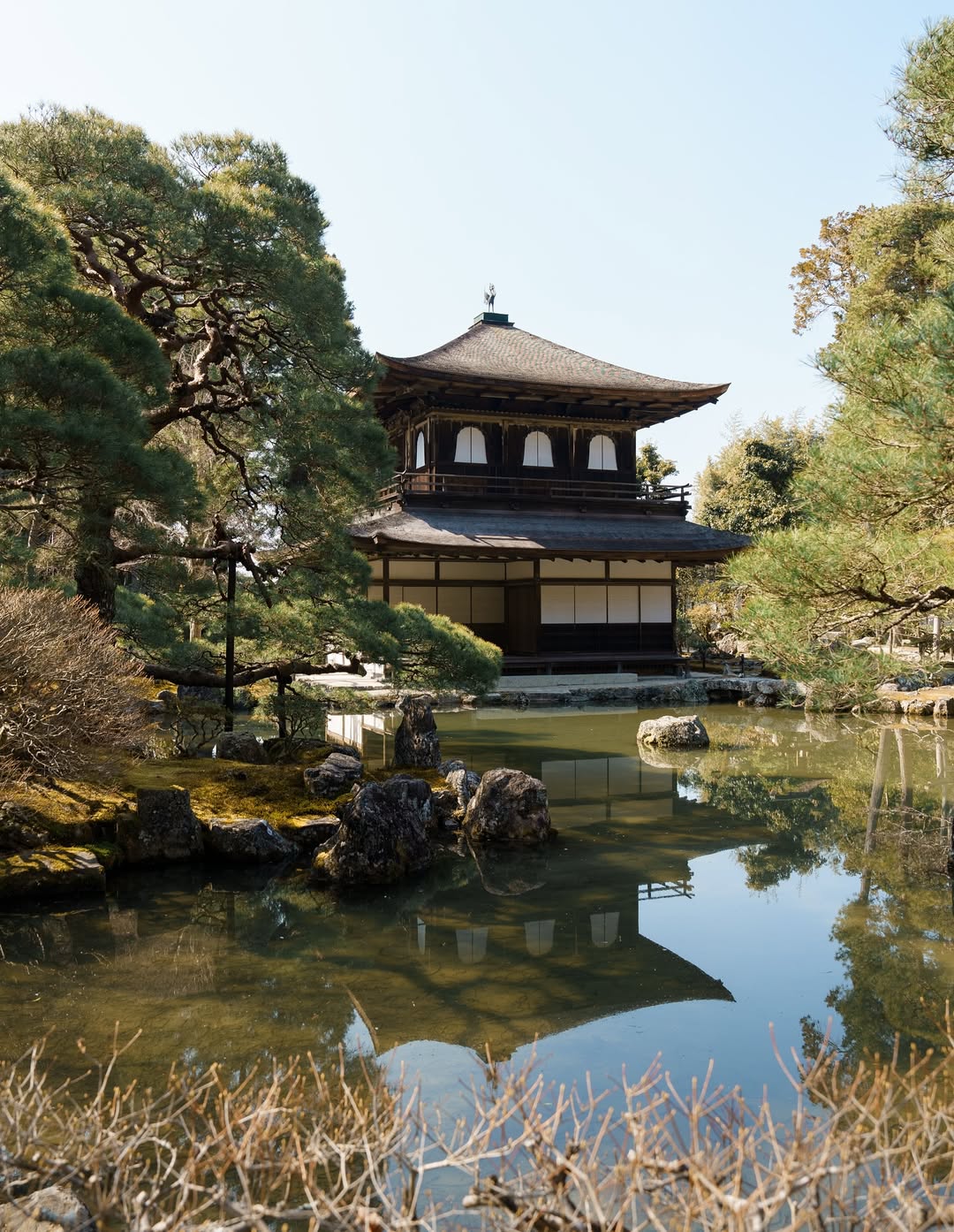
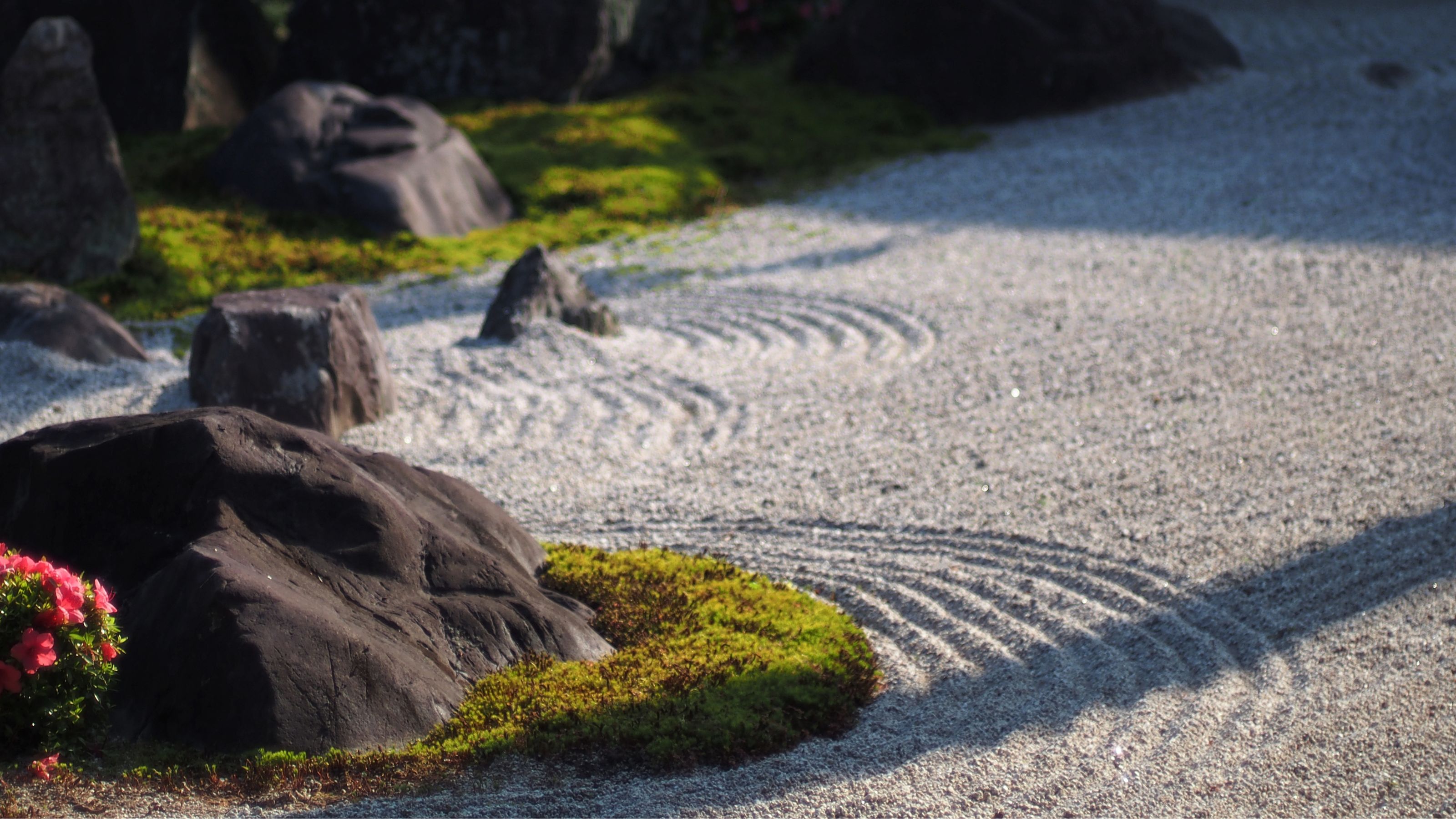
Zen gardens offer a minimalist and budget-friendly approach to creating tranquil outdoor spaces. This gardening style prioritizes purity, simplicity, and restraint, fostering a calming environment without the need for expensive materials or elaborate designs. Key elements include the strategic use of affordable materials like gravel and cobbles, making it one of the most economical garden aesthetics to achieve. Horticultural expert Pim Dickson emphasizes that avoiding flashy and flamboyant elements is central to the Zen philosophy, directly contributing to its cost-effectiveness. The fundamental principle is to cultivate a beneficial and serene atmosphere.
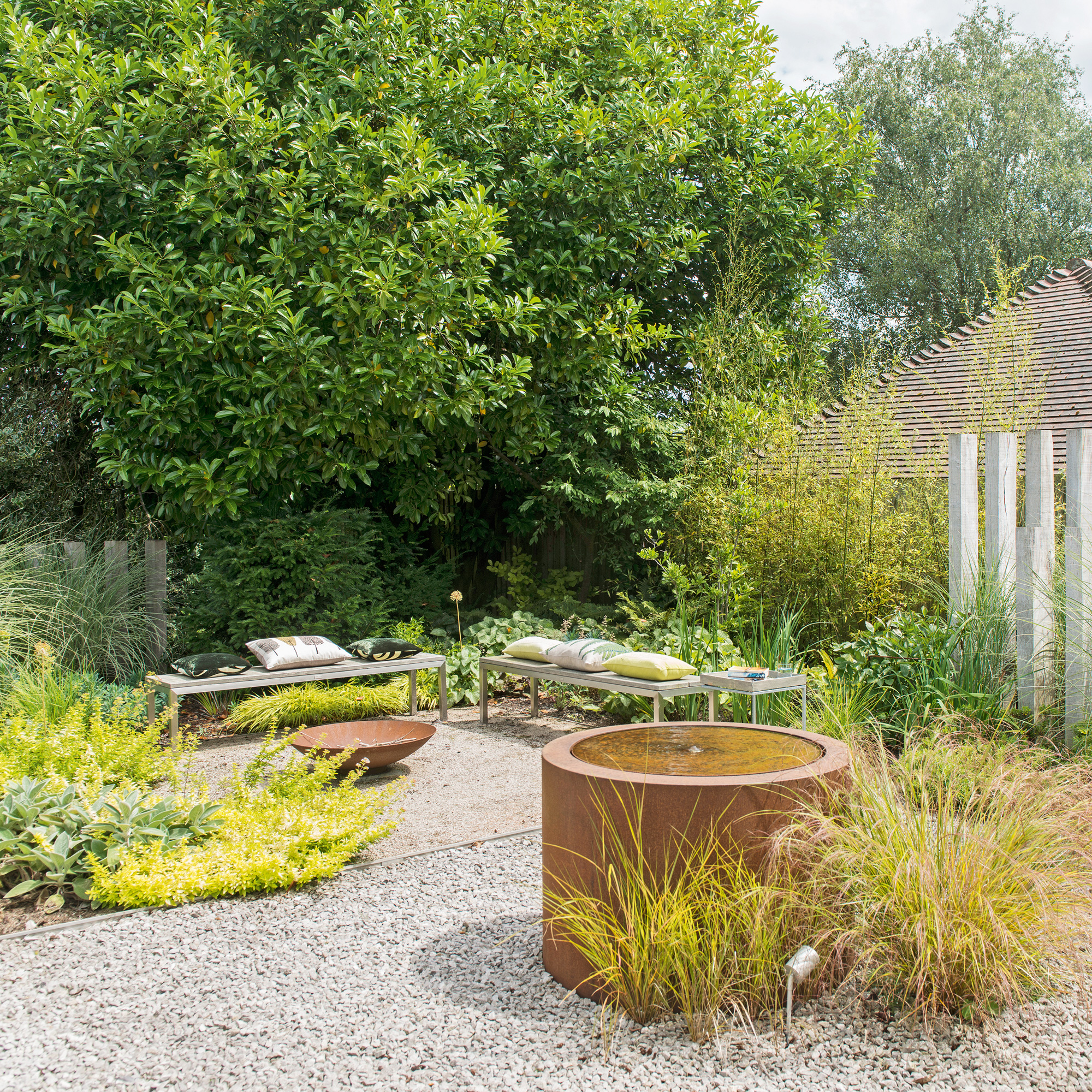
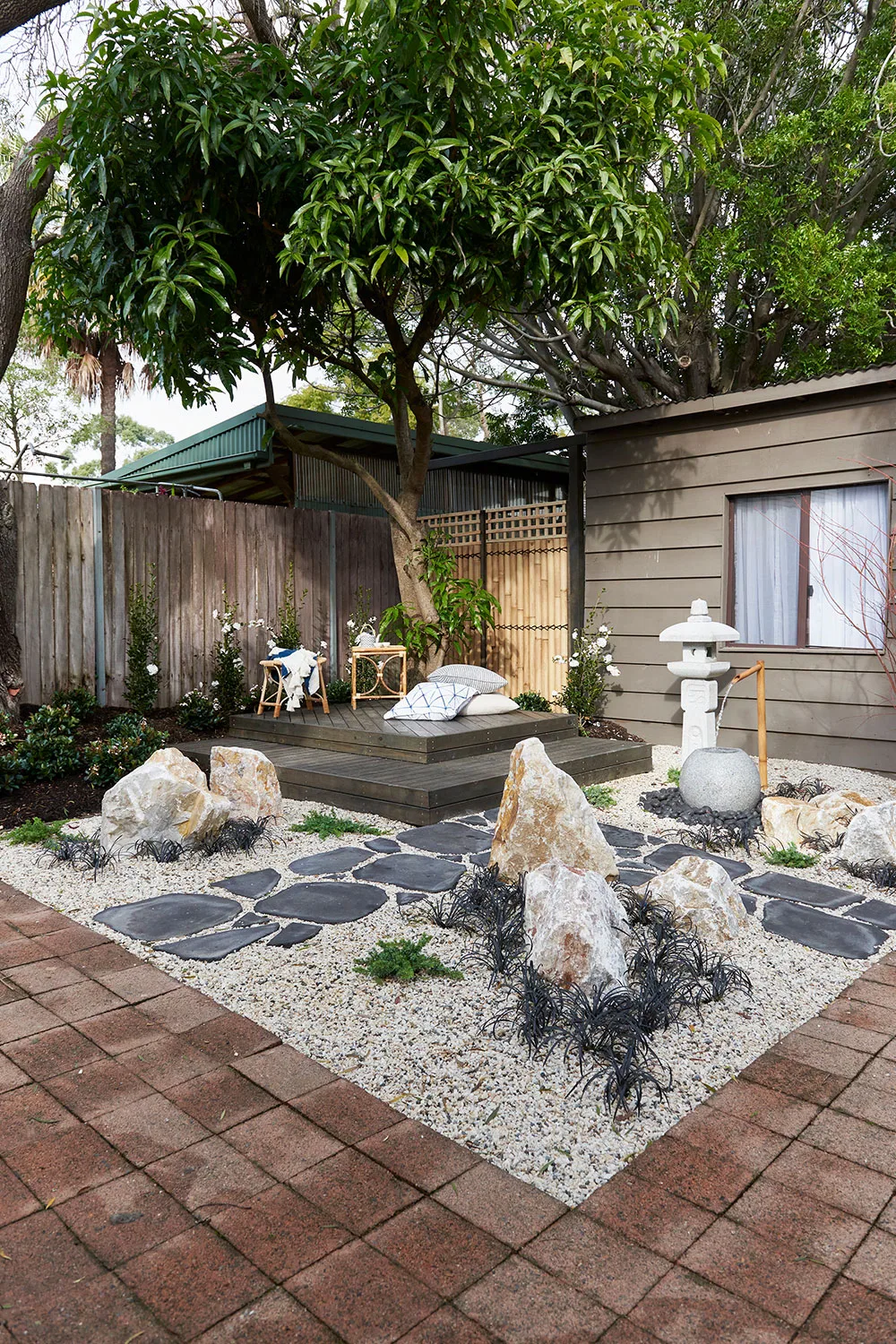
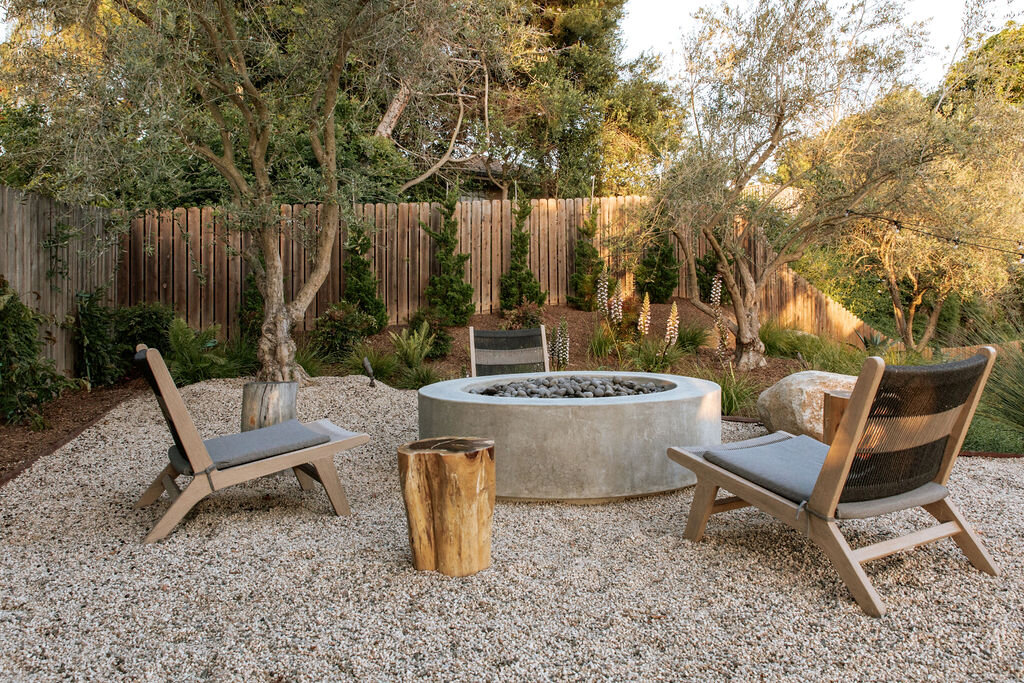
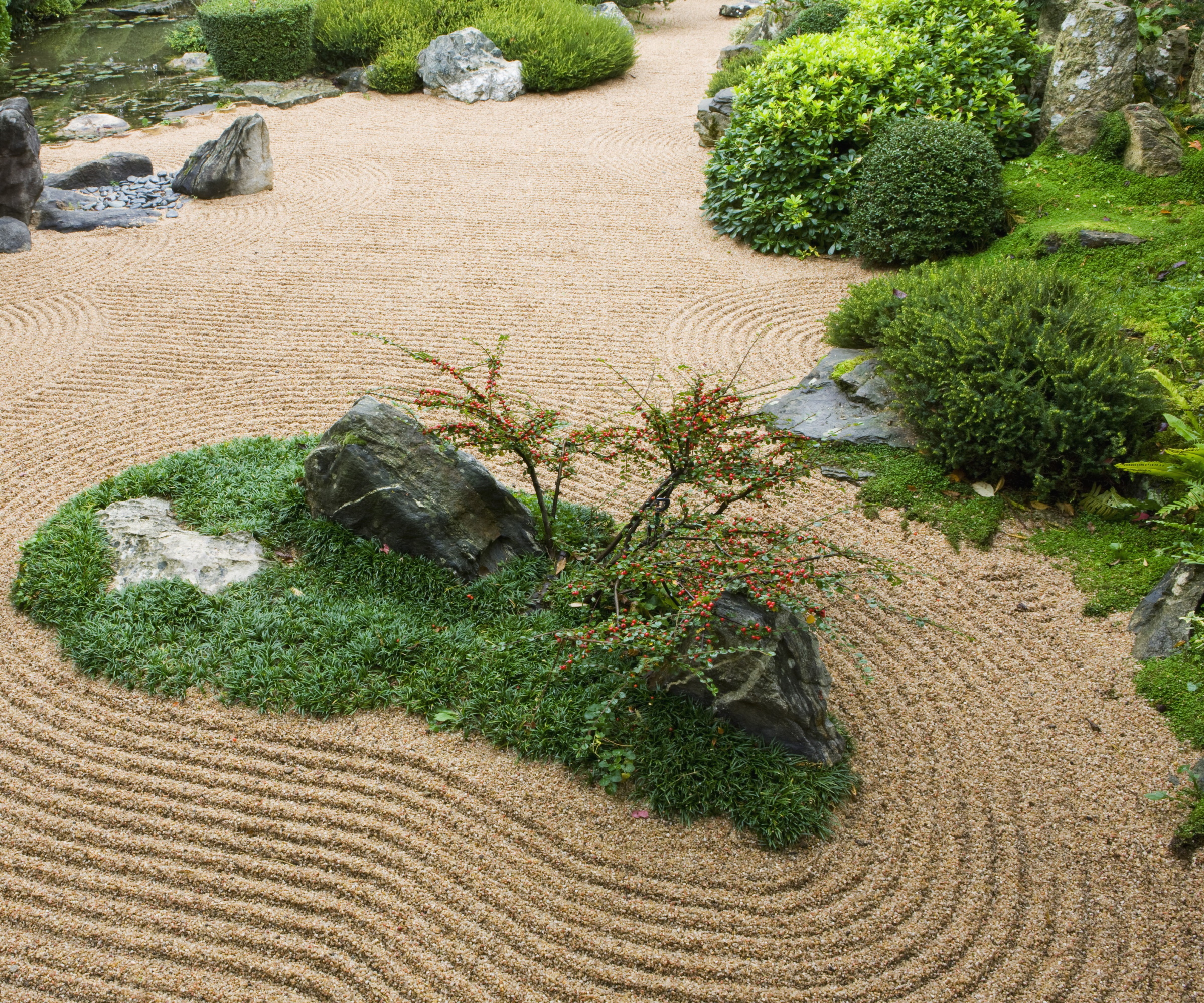
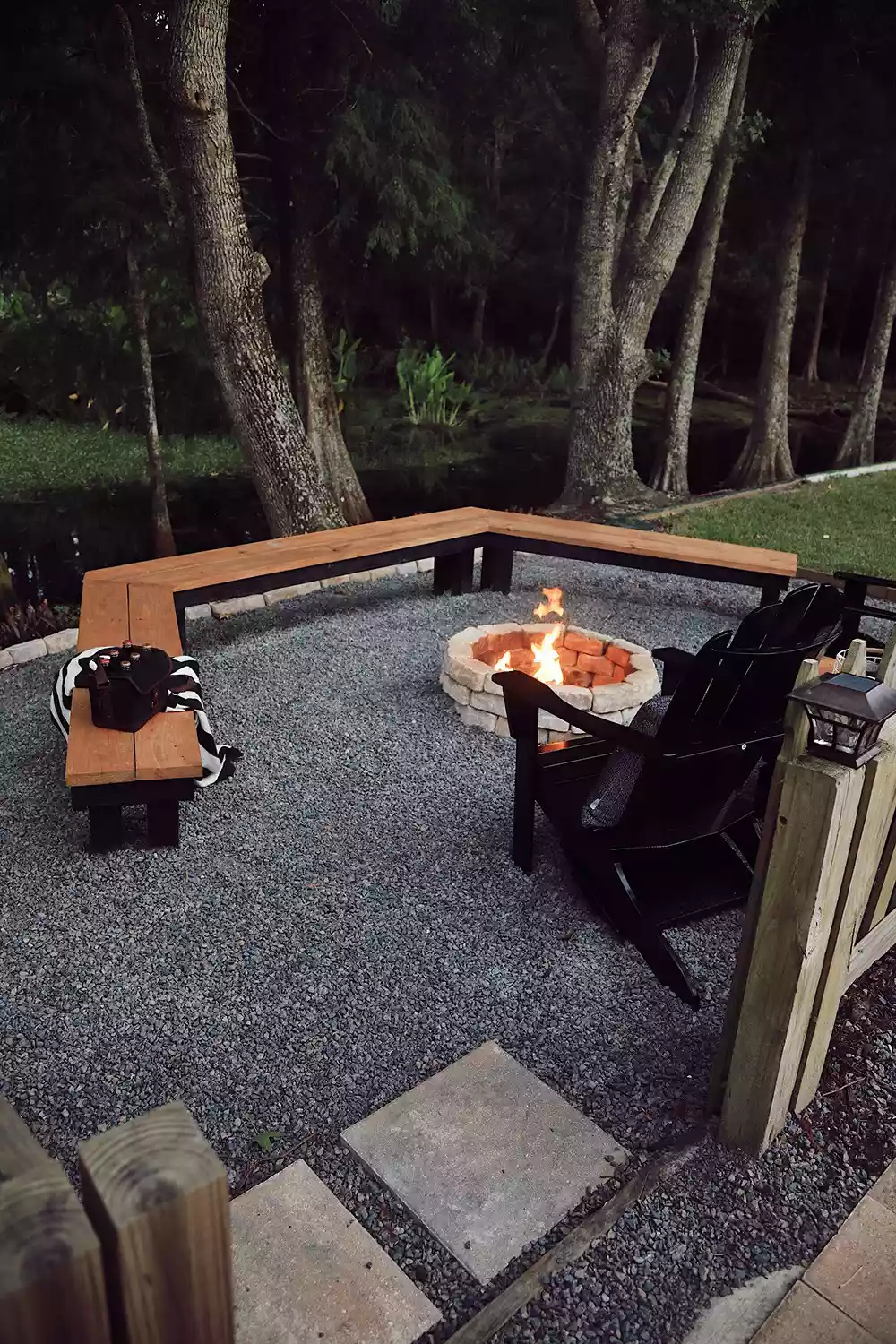
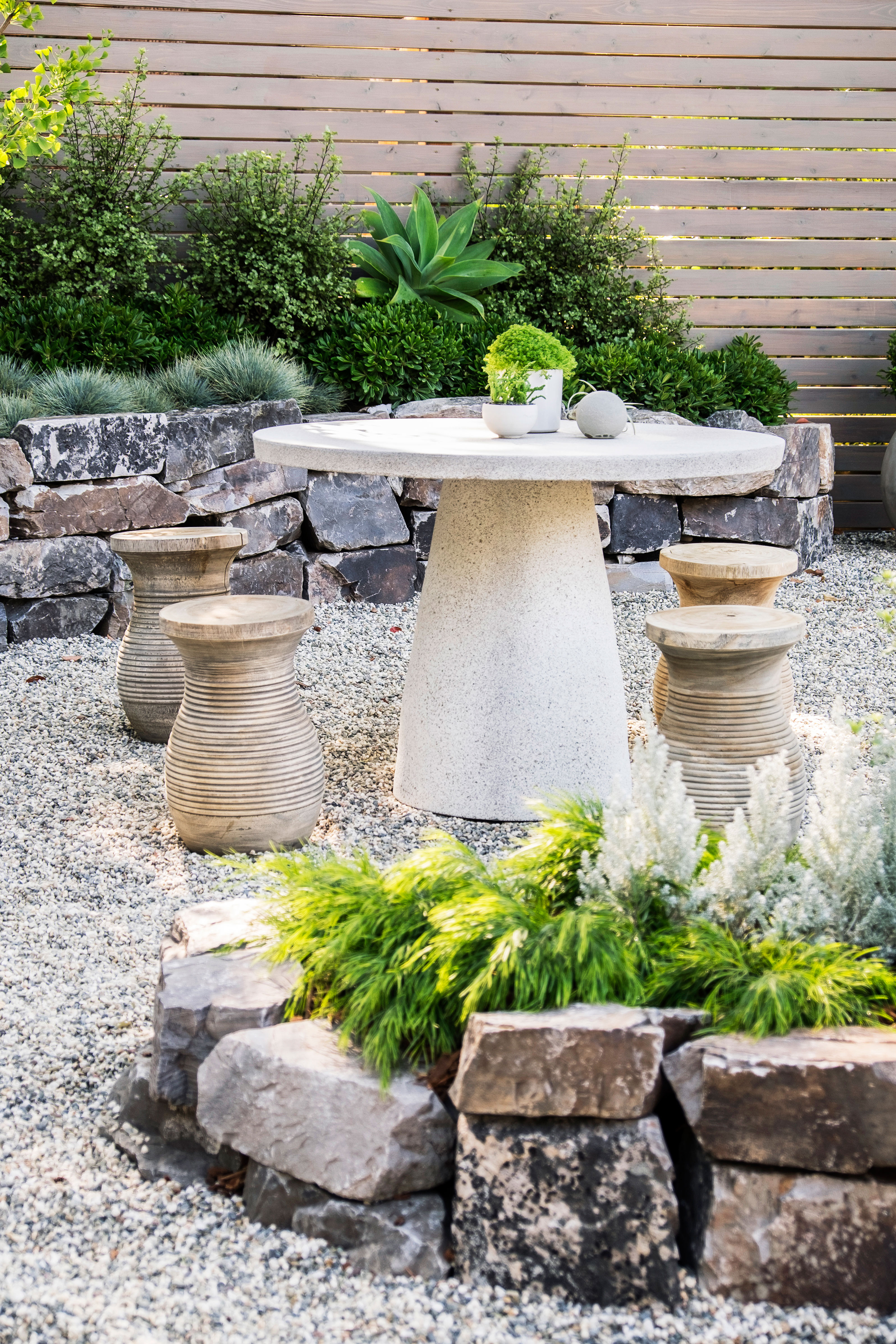
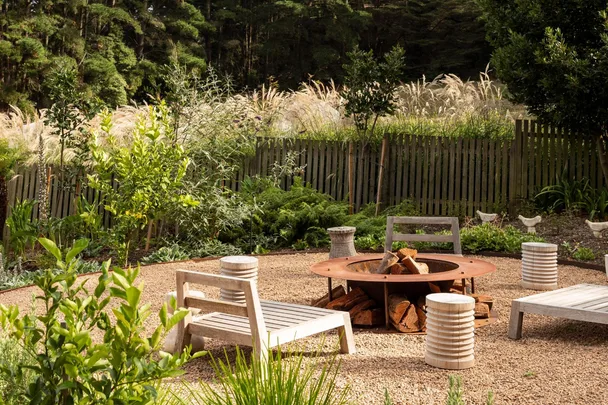
Establishing a Zen garden begins with using gravel as the primary foundation. Garden designer Harriet Worsley notes that gravel and cobbles are inexpensive and easy to lay, requiring only ground flattening and the placement of a permeable anti-weed membrane before spreading the stones. Opting for common pea gravel instead of more luxurious stones can further reduce costs while maintaining the aesthetic, as advised by gardening expert Liam Cleary. The market offers various affordable gravel options from retailers, making it accessible to most budgets.
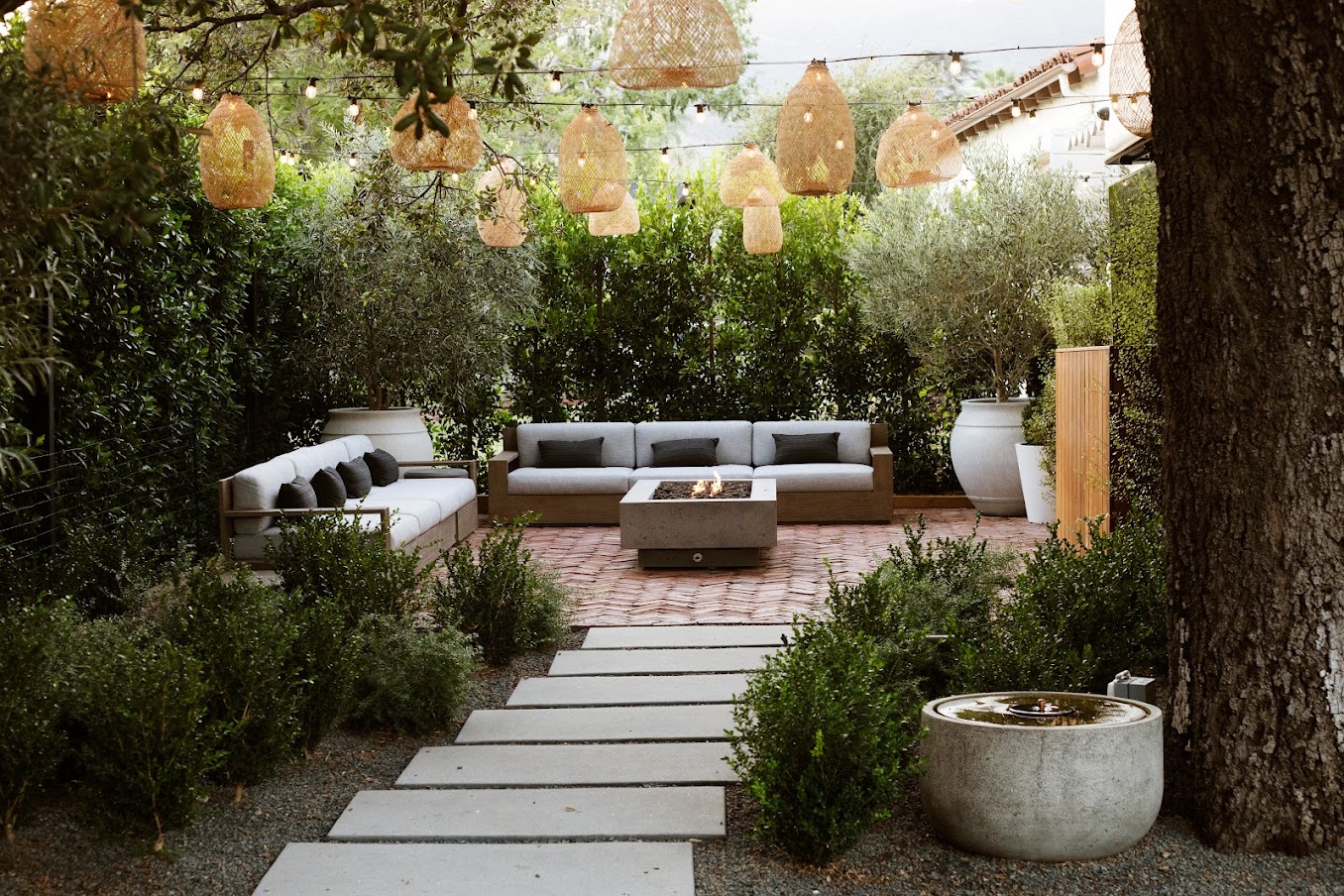
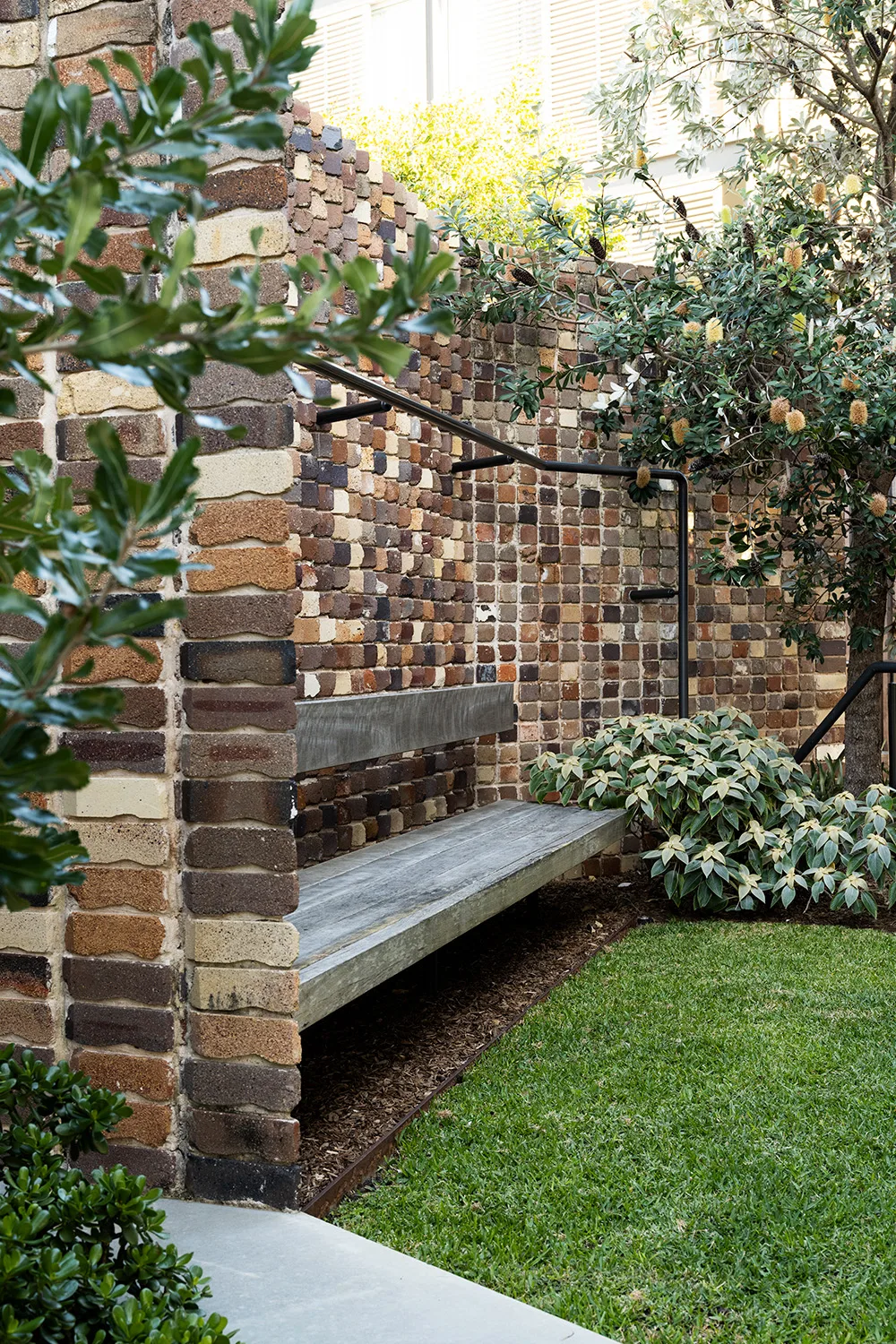
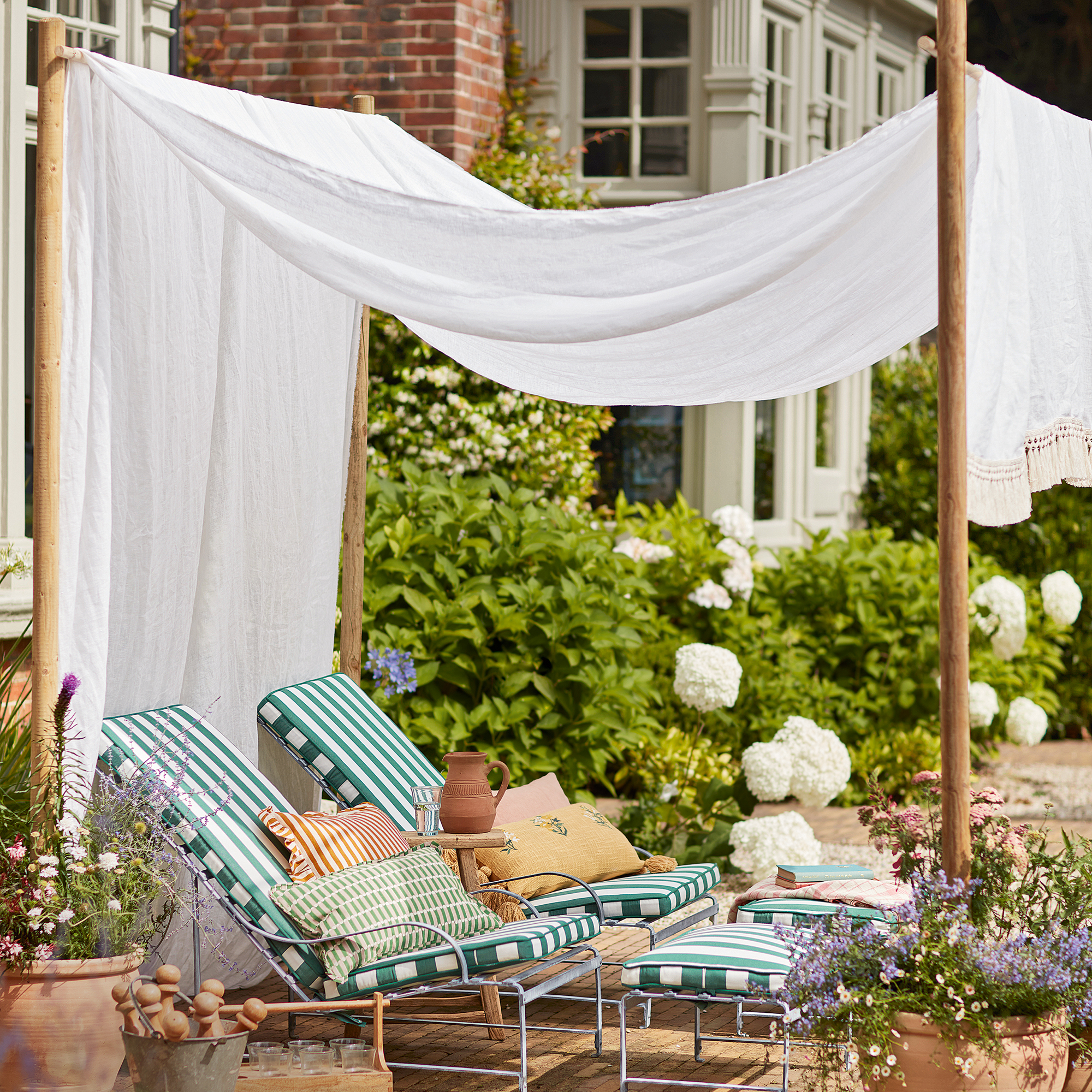
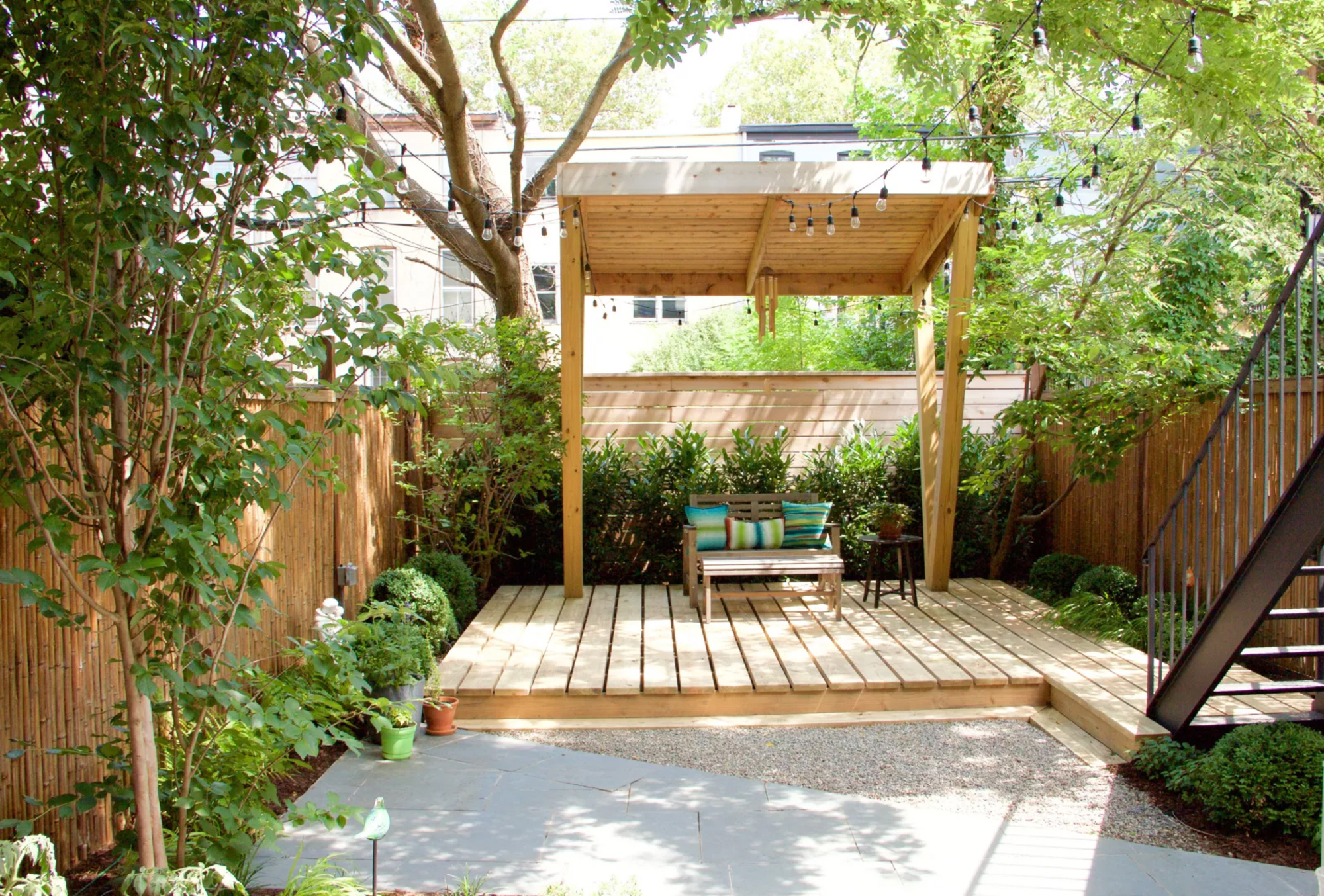
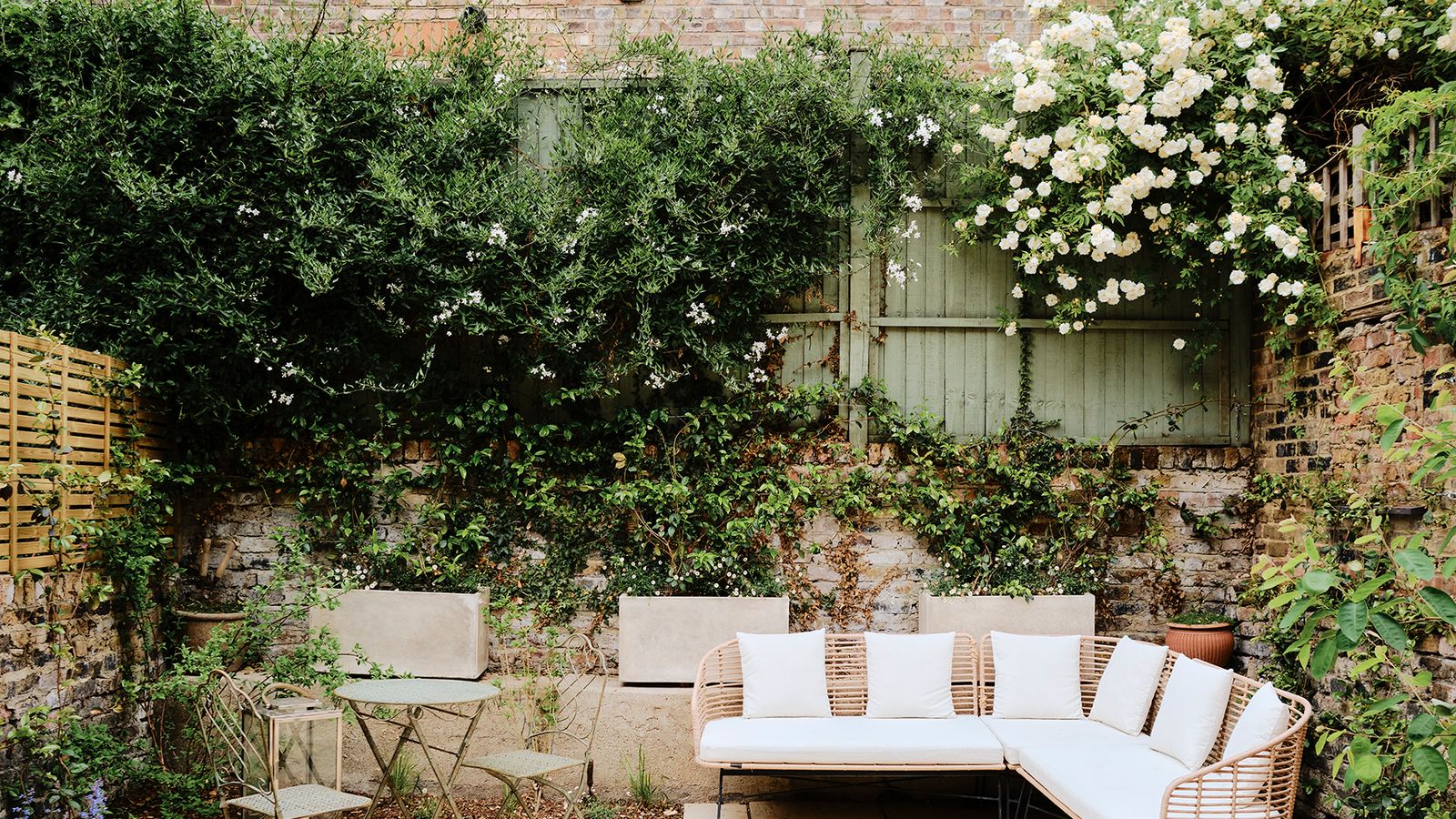
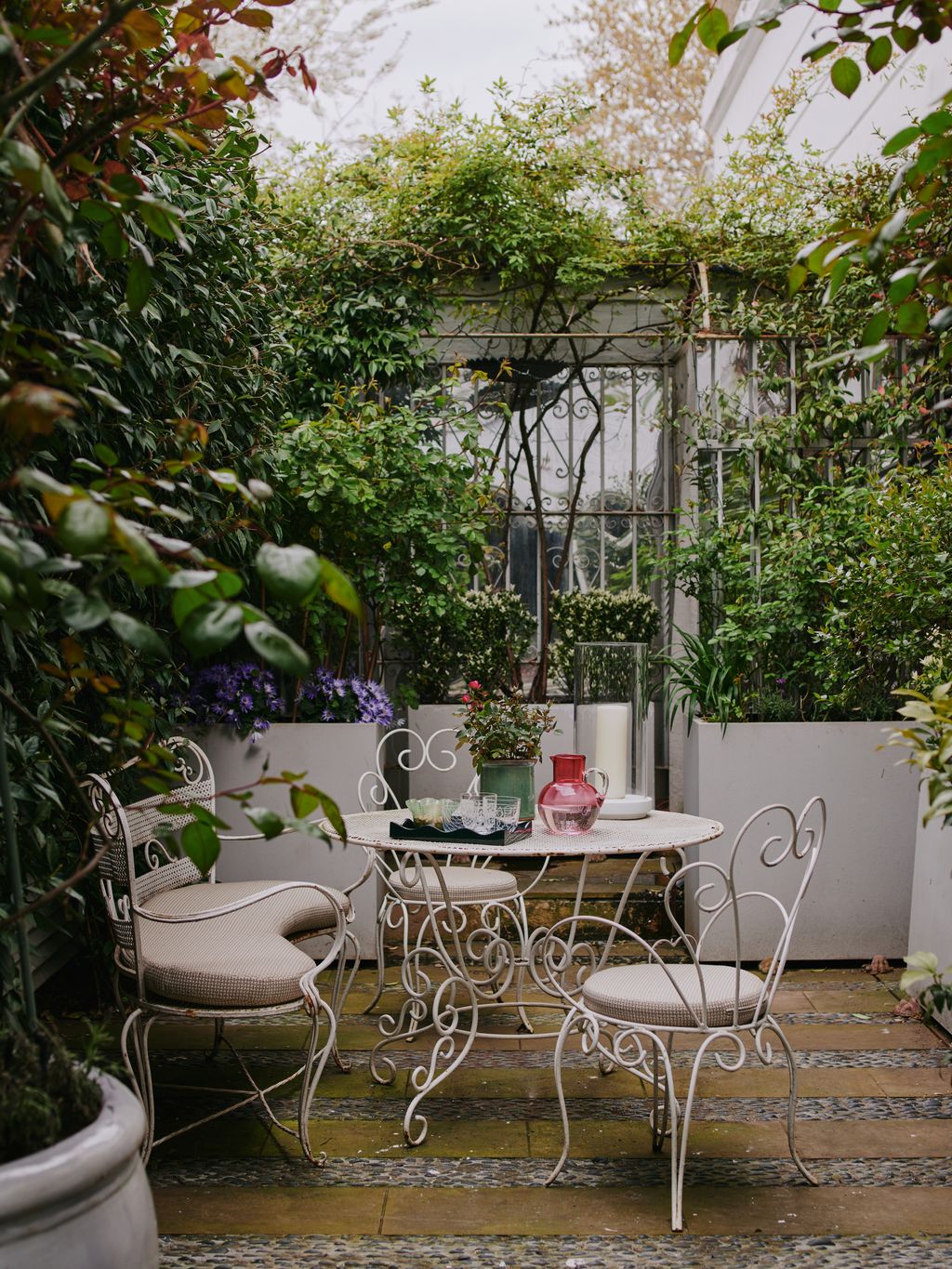
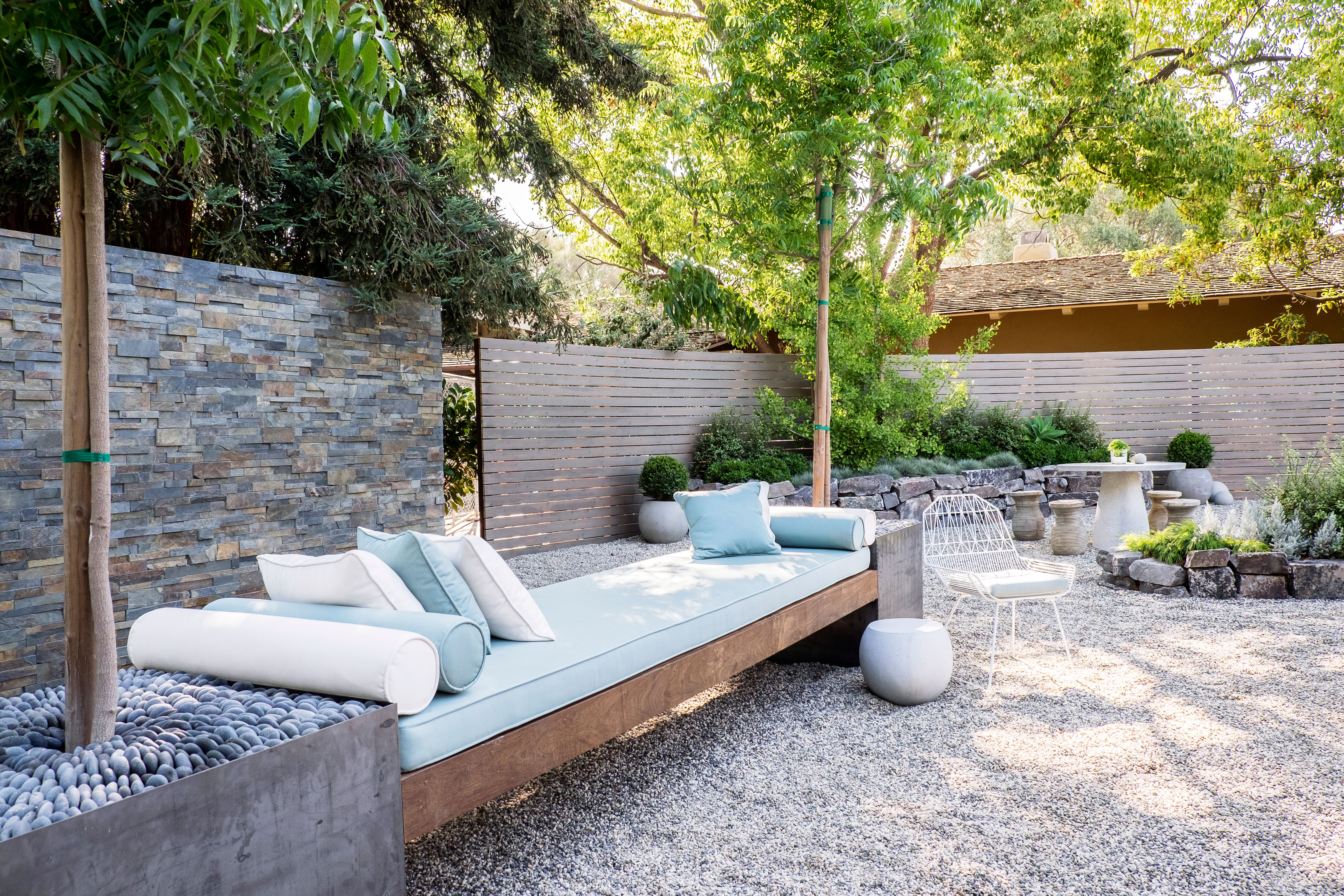
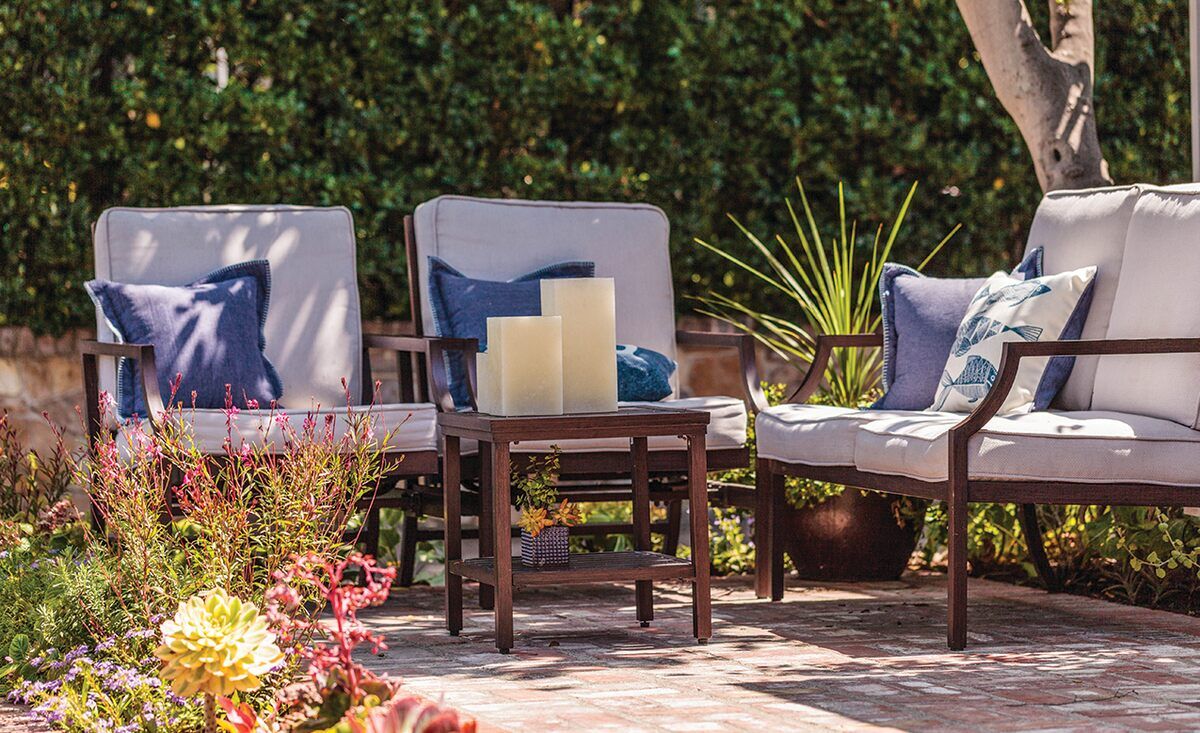
Integrating a seating area is crucial for the meditative aspect of a Zen garden. The focus is less on the appearance of the furniture and more on the feeling of calm and relaxation it provides. Instead of purchasing new items, existing benches can be upcycled with cushions, or second-hand chairs can be sourced from platforms like Facebook Marketplace. Liam Cleary highlights that the essence of a Zen garden lies in the emotional experience it offers rather than its visual extravagance.
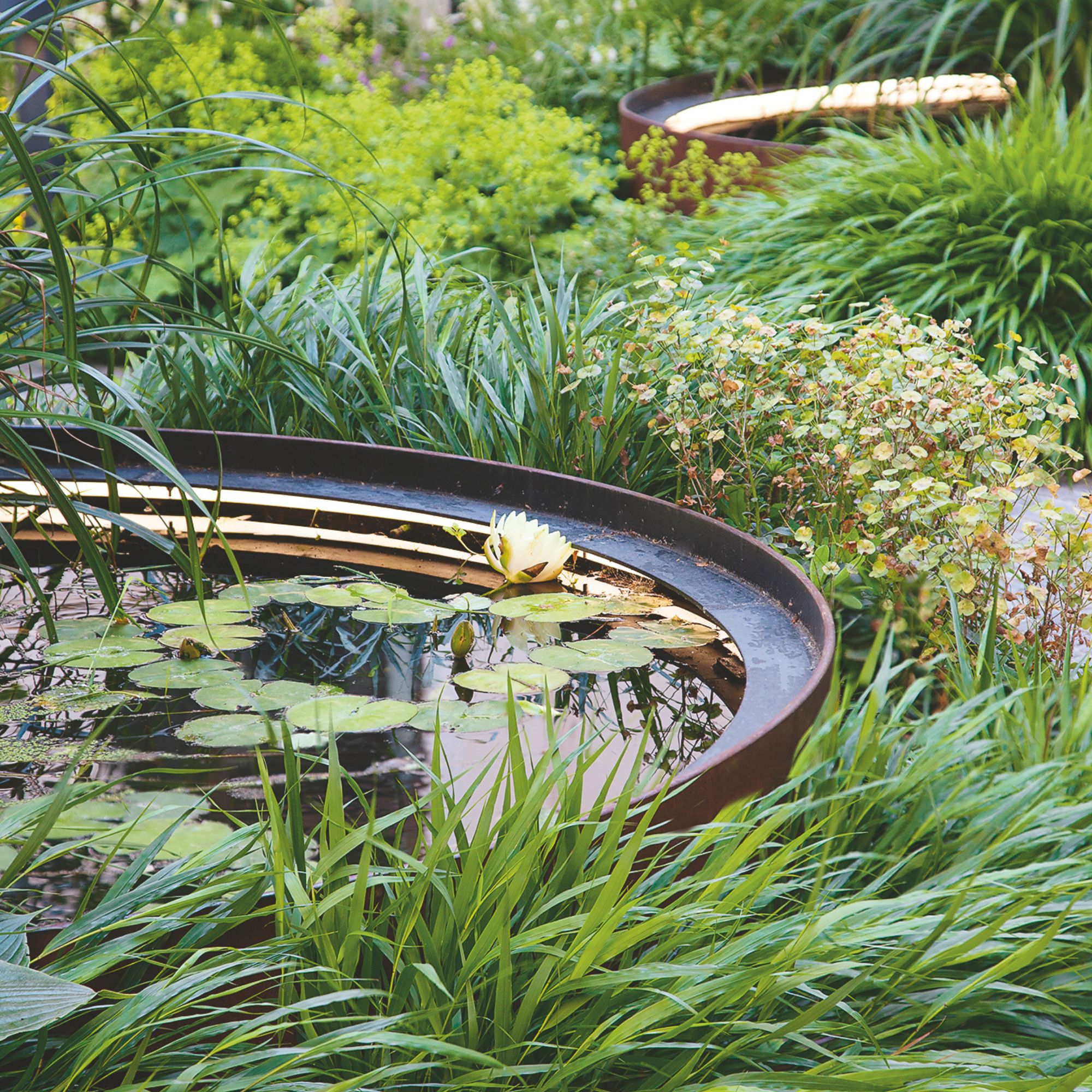
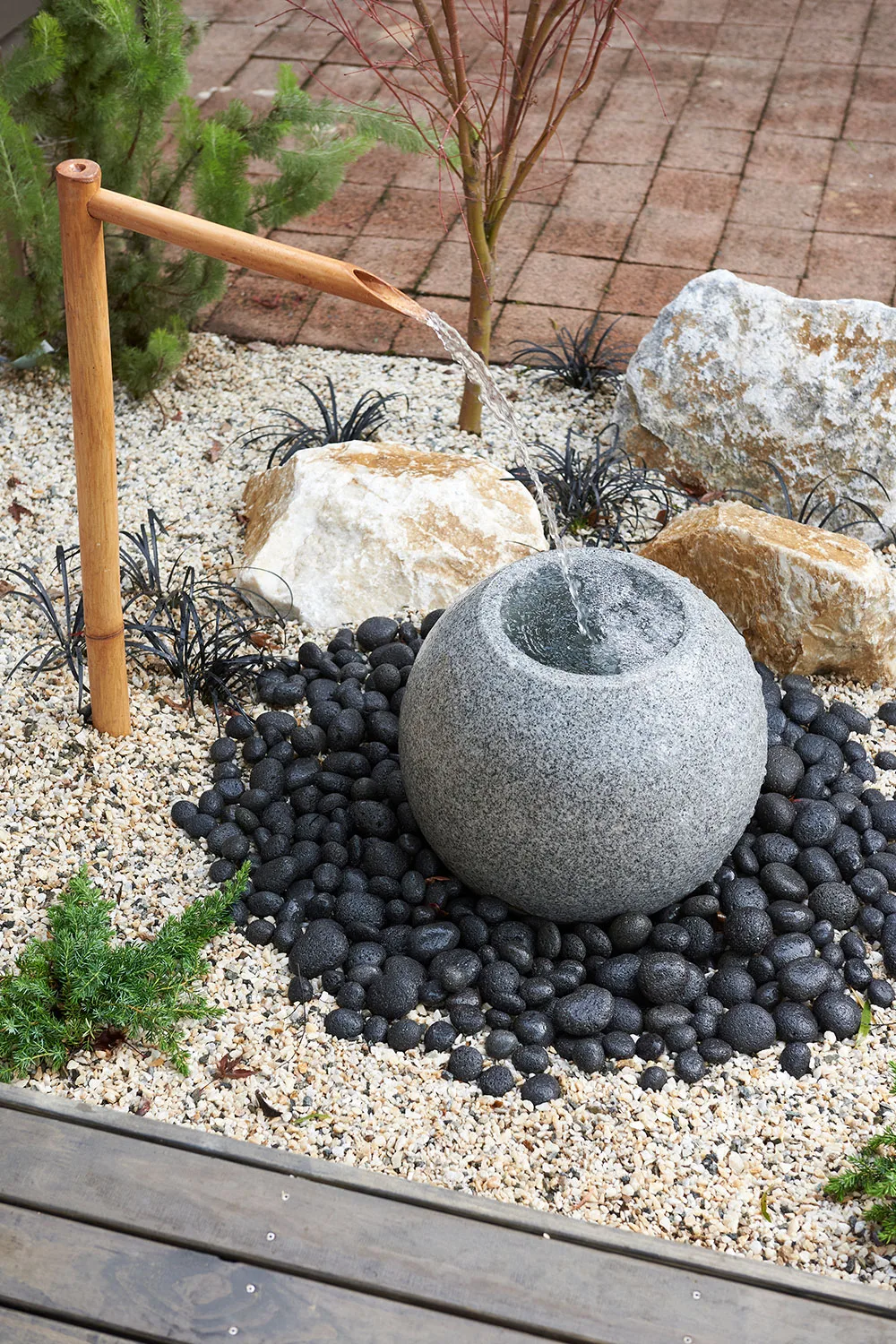
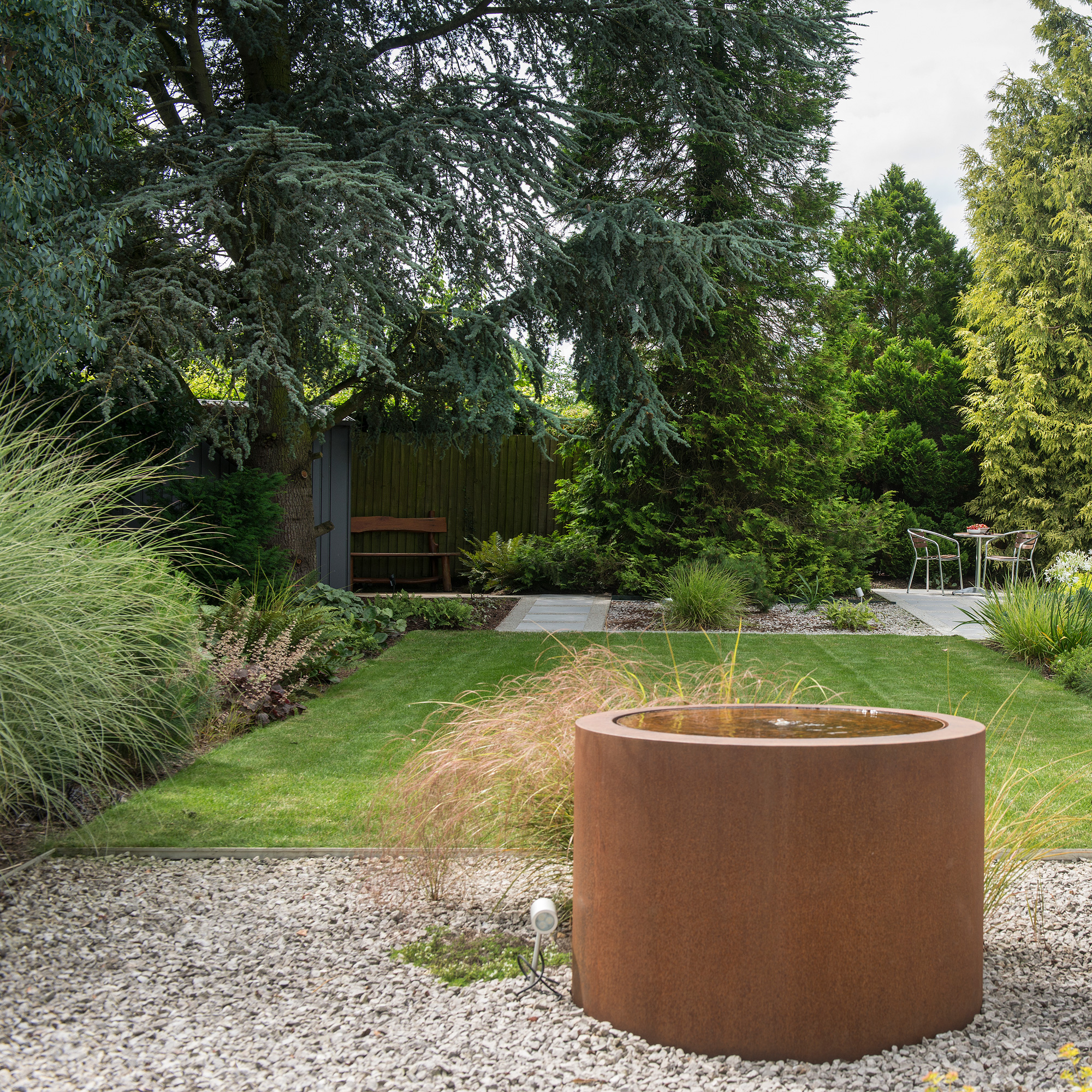
Water features are another significant component of Zen gardens, symbolizing serenity and natural elements. Even on a budget, creating a water feature is achievable. Simple solutions include constructing a 'no-tend' pond or a basic water feature using buckets and a pump, thereby avoiding costly pre-made installations. A second-hand bird bath can also serve as an effective and inexpensive water element, adding to the garden's tranquil ambiance.
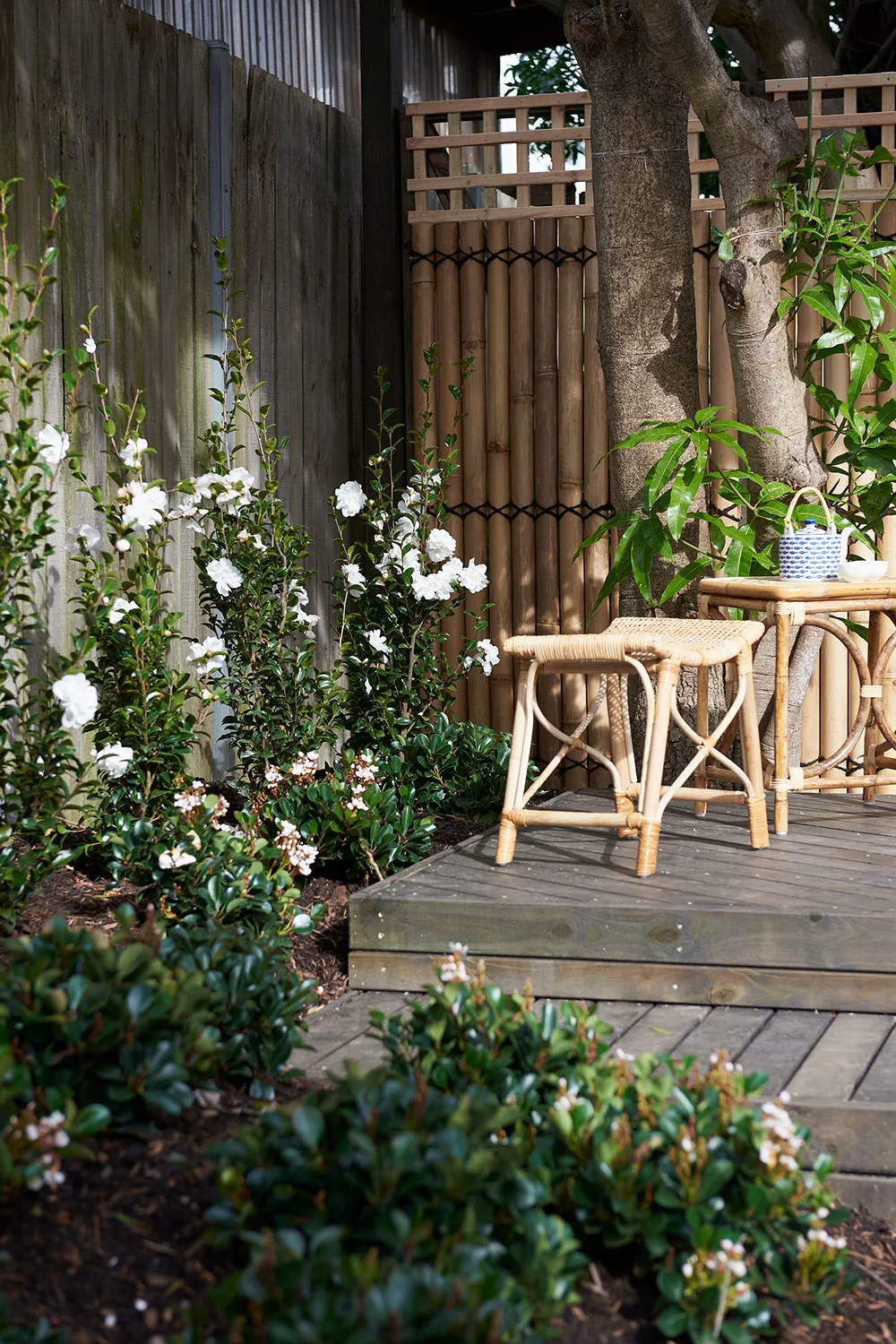
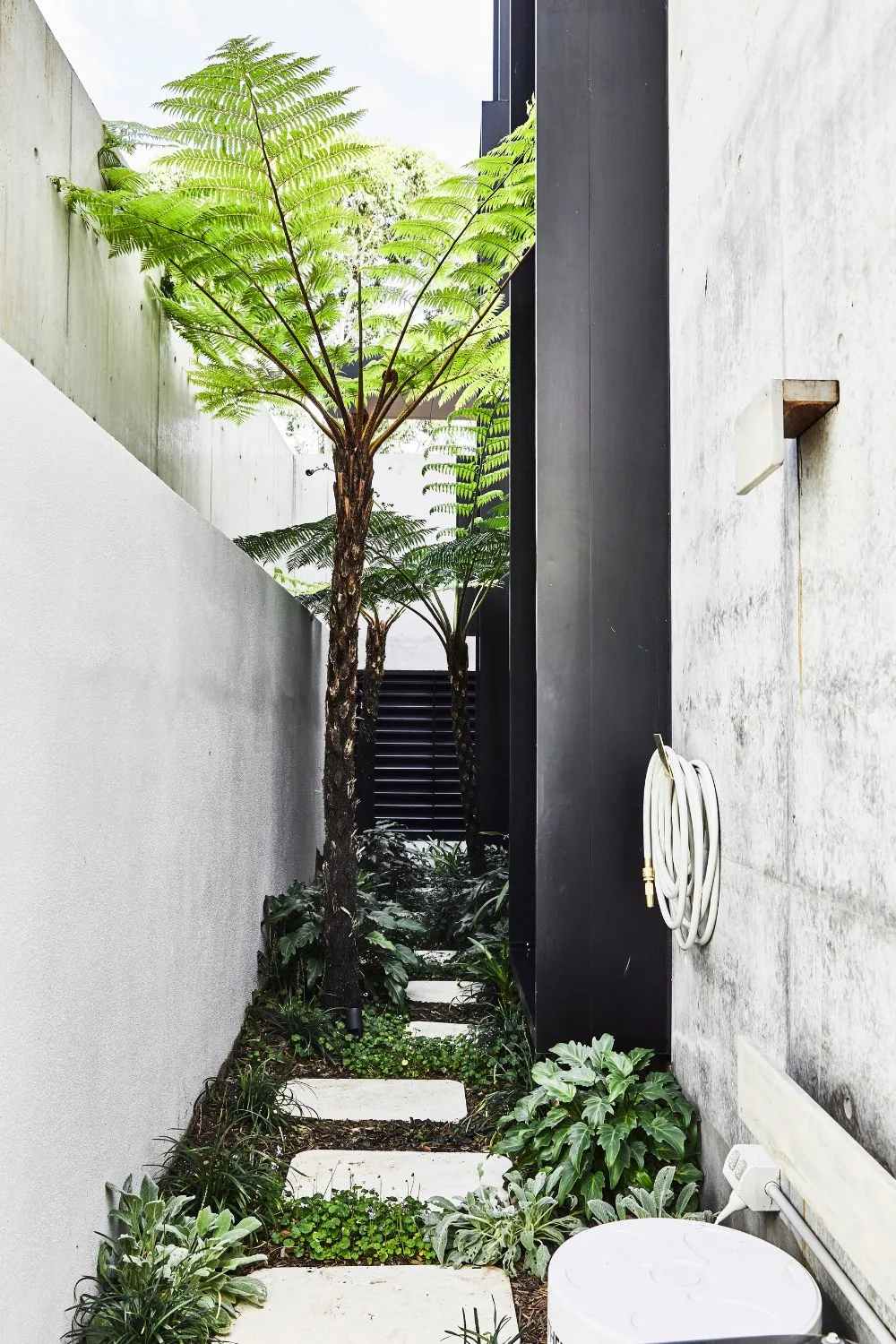
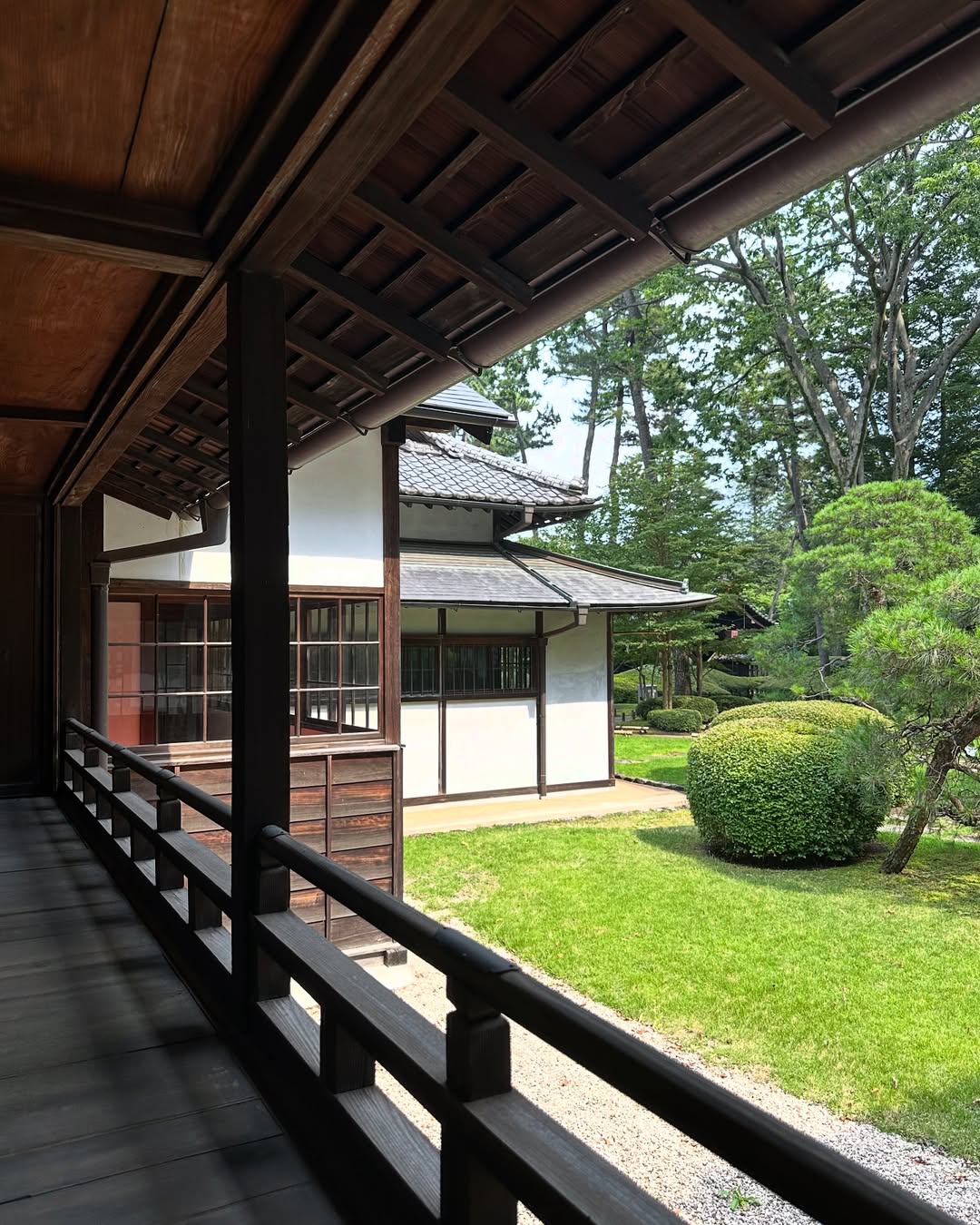
Maintaining a stripped-back aesthetic is vital for an authentic Zen garden. This means eschewing bold colors and ornate decorations in favor of natural finishes like raw wood and stone. Pim from Mr Fothergill’s stresses that natural finishes help blend structural elements with the surrounding landscape, promoting harmony. The natural look should extend to buildings, paths, and fences, with soft, naturalistic planting along their edges to soften hard lines. This approach eliminates the need for expensive paints or elaborate ornaments.
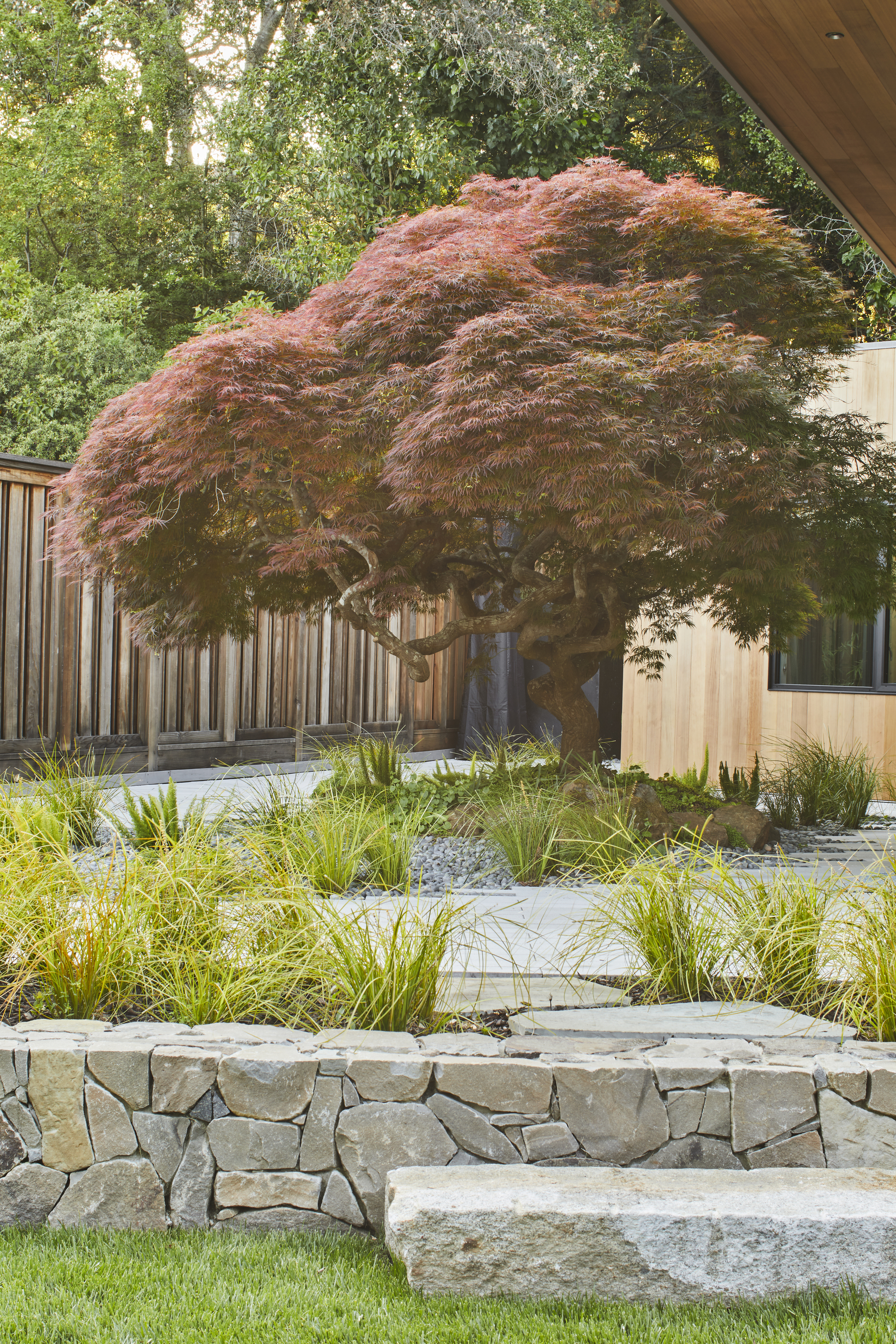
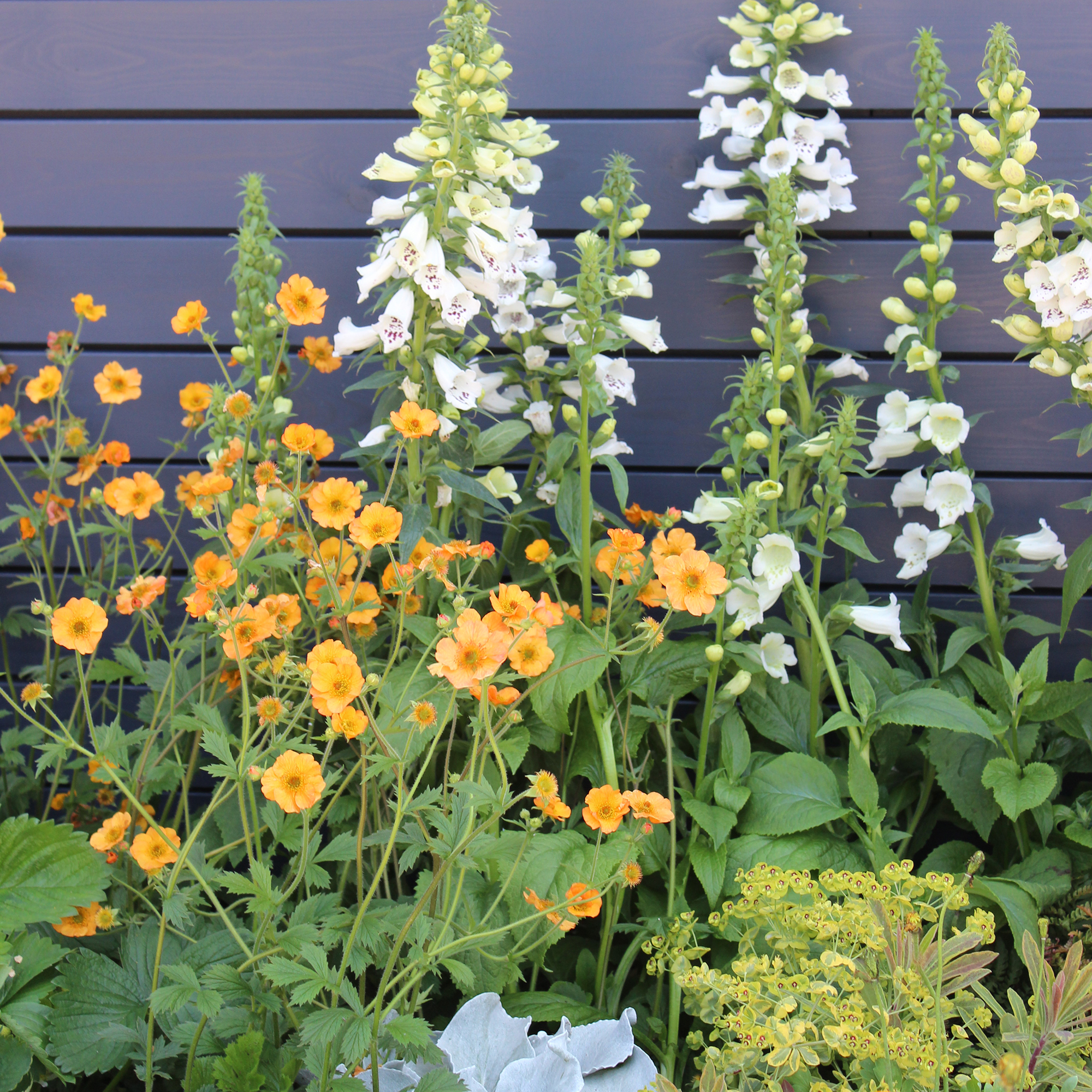
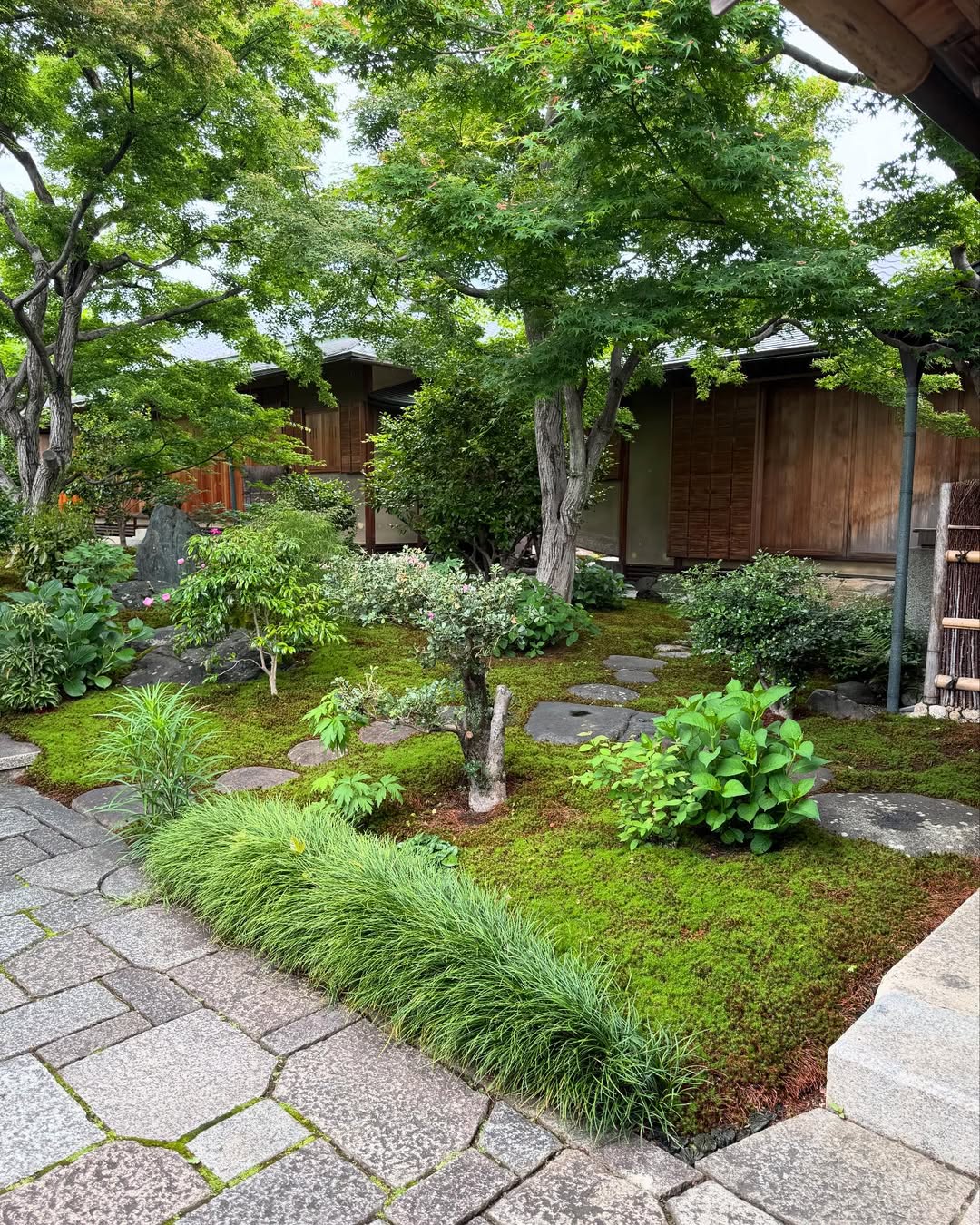
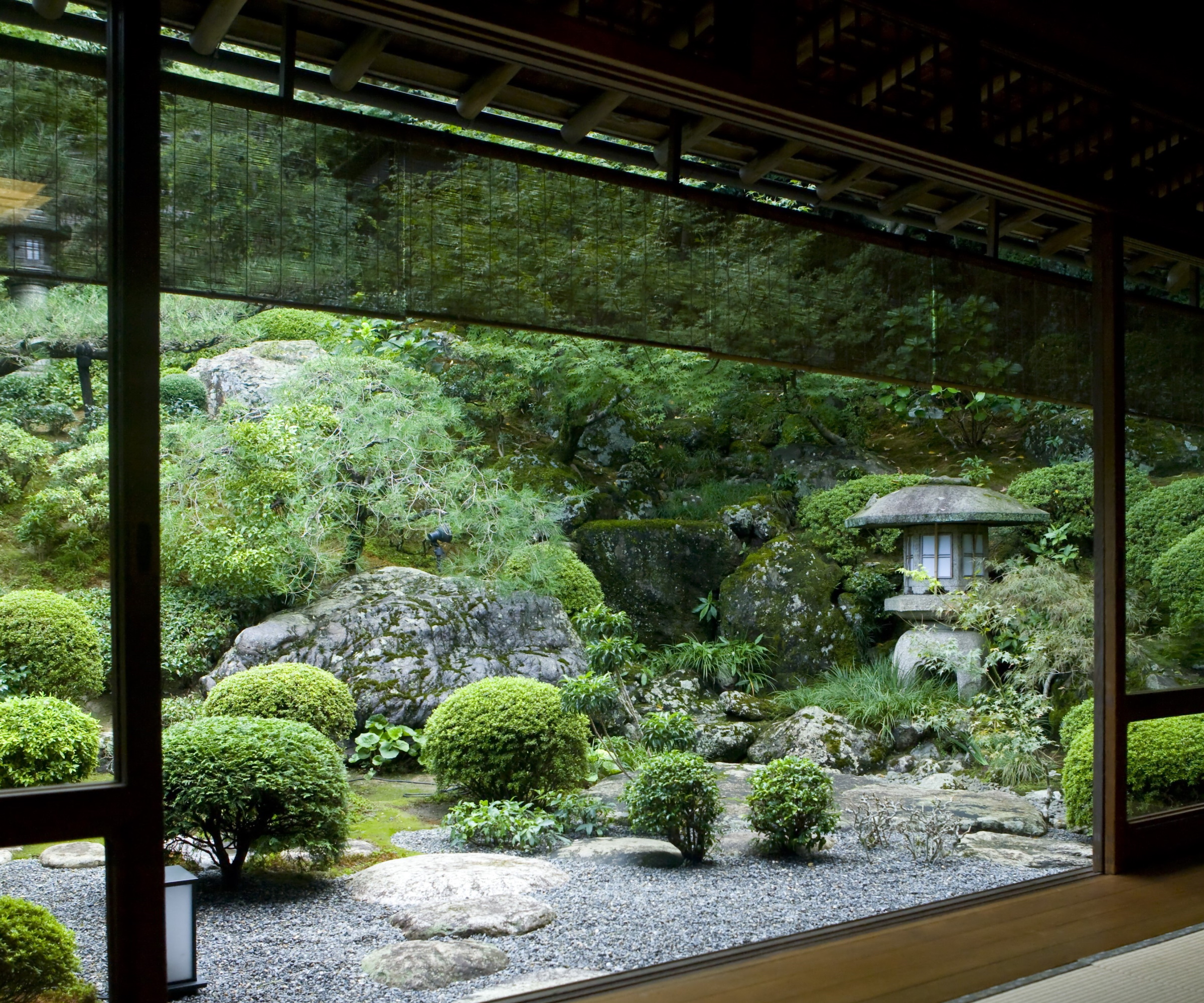
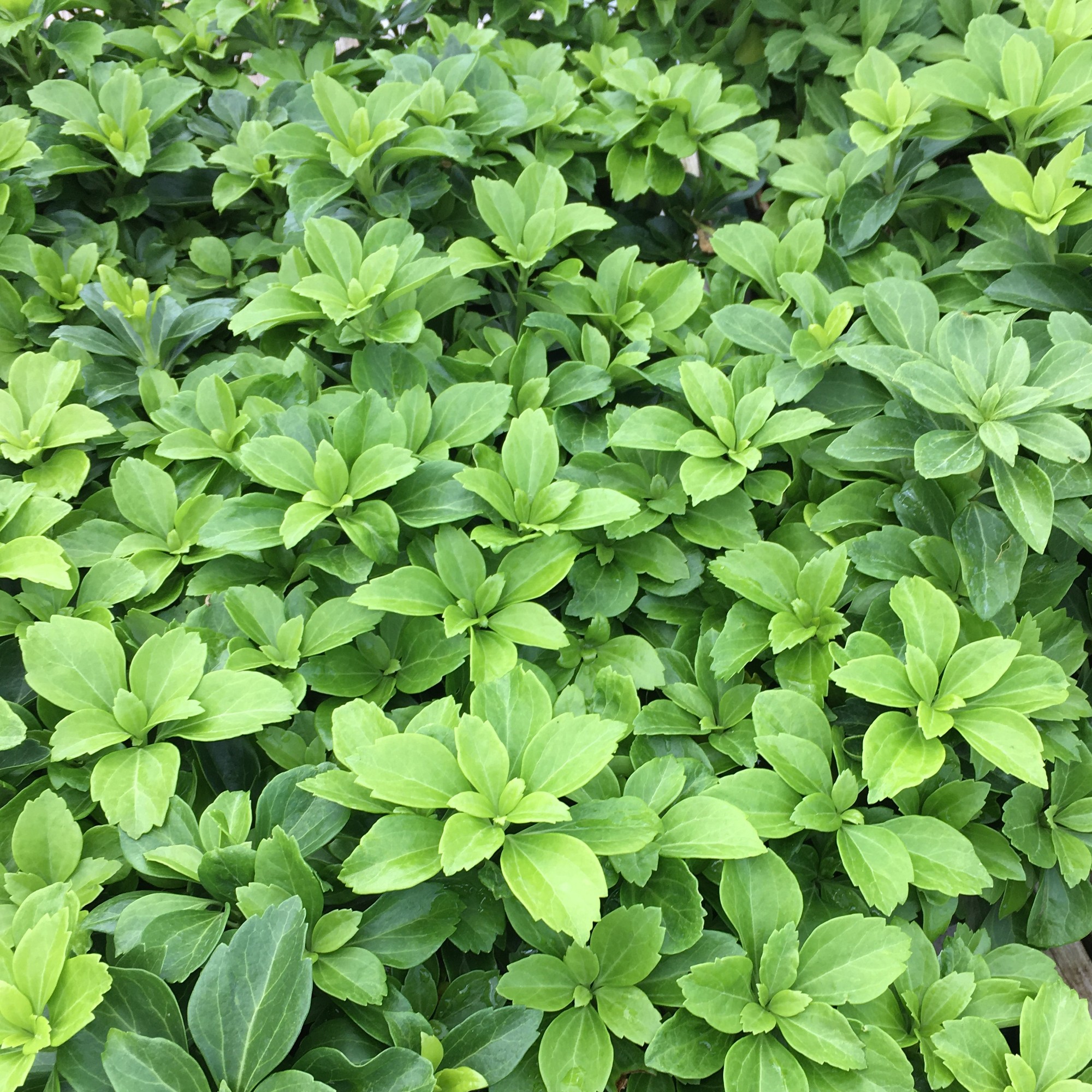
Finally, incorporating plants, particularly evergreens or Japanese garden varieties, contributes to the garden's natural harmony. While Zen gardens are minimalist, a few carefully chosen plants create year-round structure. To keep costs down, individuals can source young plants and cuttings from friends and family, patiently waiting for them to grow. Alternatively, affordable young plants are available from various garden retailers, allowing for a thoughtful selection that enhances the serene environment without overspending. Black bamboo and Japanese maples are examples of plants that can be acquired affordably and integrated effectively into a Zen garden.
#ZenGarden #BudgetGardening #MinimalistGarden #OutdoorSpace #GardenDesign #AffordableLandscaping #WaterFeatures #GravelGardens #PlantSelection #ZenGarden #BudgetGardening #MinimalistGarden #OutdoorSpace #GardenDesign #AffordableLandscaping #WaterFeatures #GravelGardens #PlantSelection
0 commentaire au total
 Aucun commentaire pour le moment
Vous aimerez aussi
Zen garden ideas on a budget – 5 simple ways to introduce the minimalist concept to your outdoor space

The 5 best ways to make your backyard look expensive

5 ways to make your planting feel more minimalist – the tricks landscape designers use for less fussy backyards

Revamp Your Outdoor Space on a Budget With These Clever DIY Backyard Ideas

10 minimalist backyards that are as beautiful as they are peaceful, proving 'less is more' with landscaping
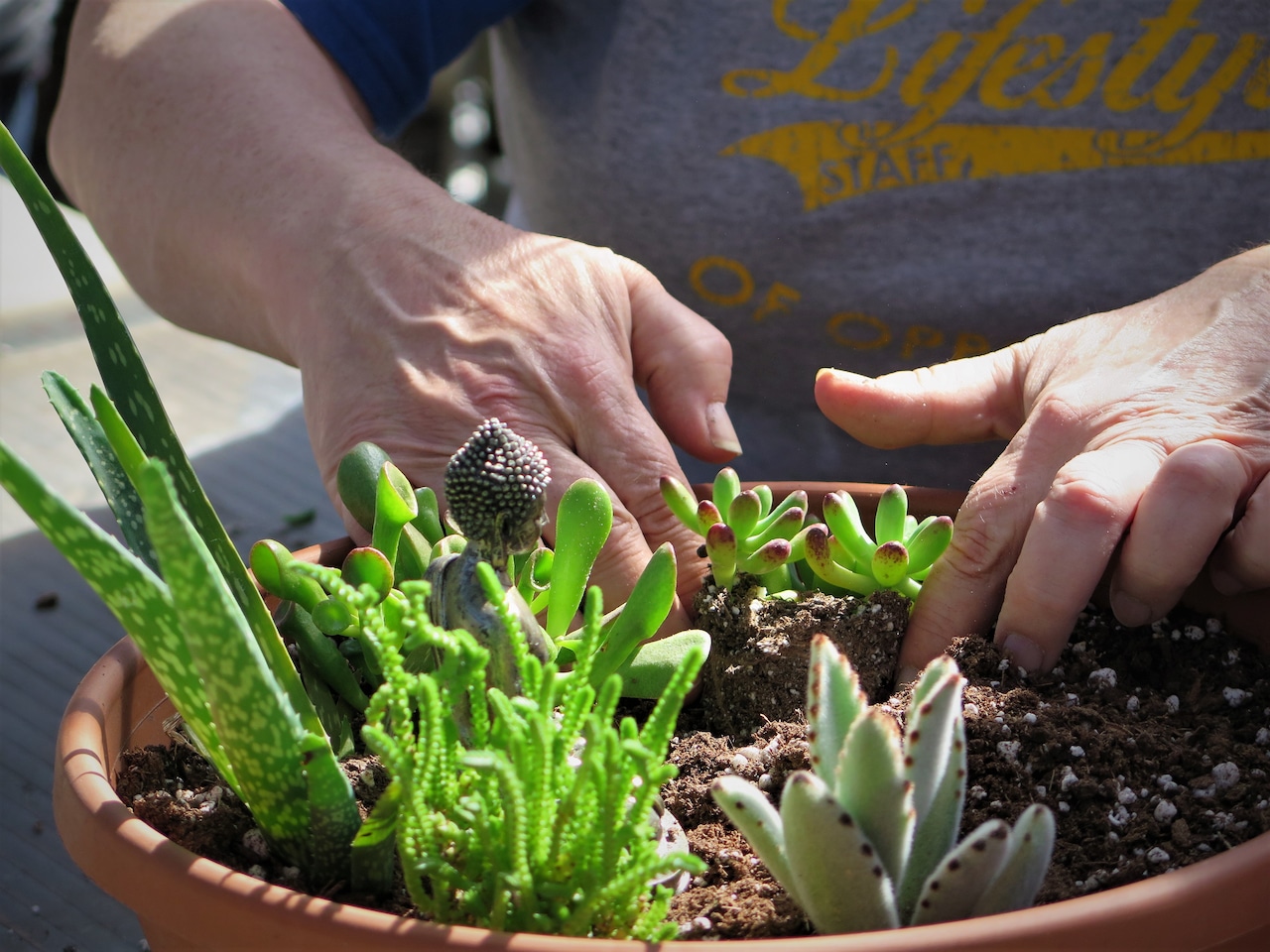
Zen out with a miniature Zen garden
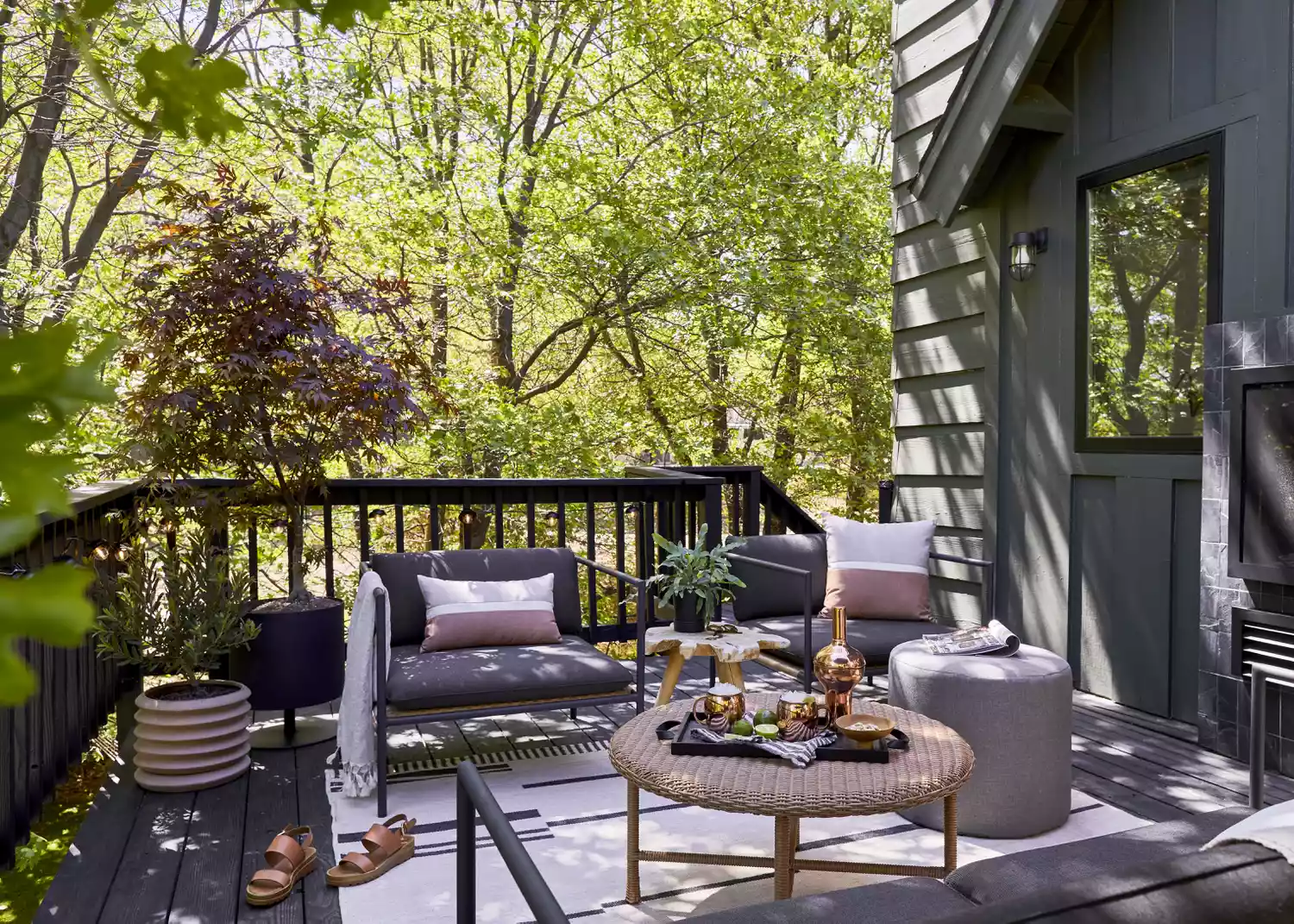
43 Small Patio Ideas on a Budget That Will Have a Big Impact on Your Space

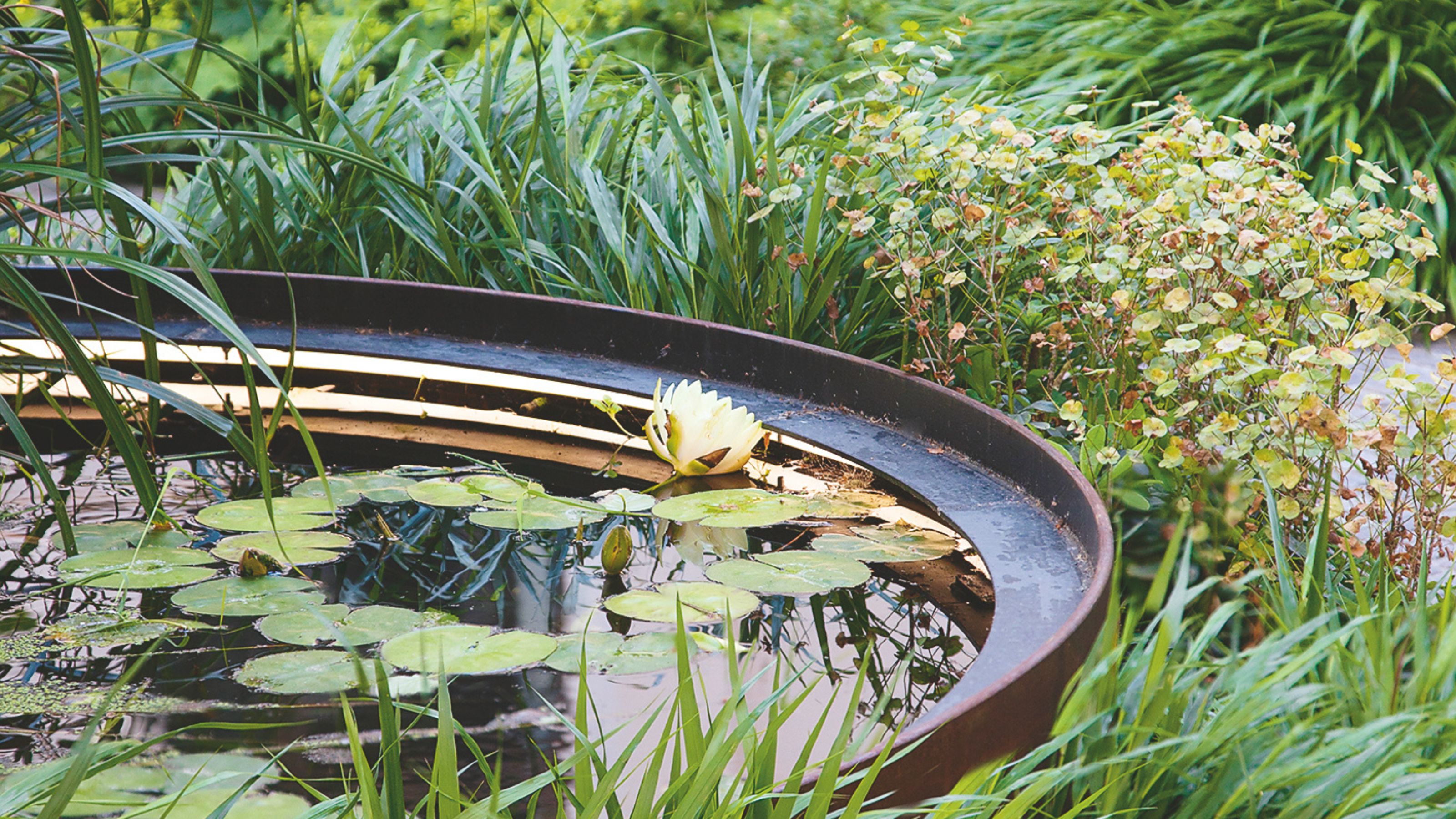
Zen garden ideas – 24 ways to transform your outdoor space into a Japanese-inspired sanctuary for relaxation
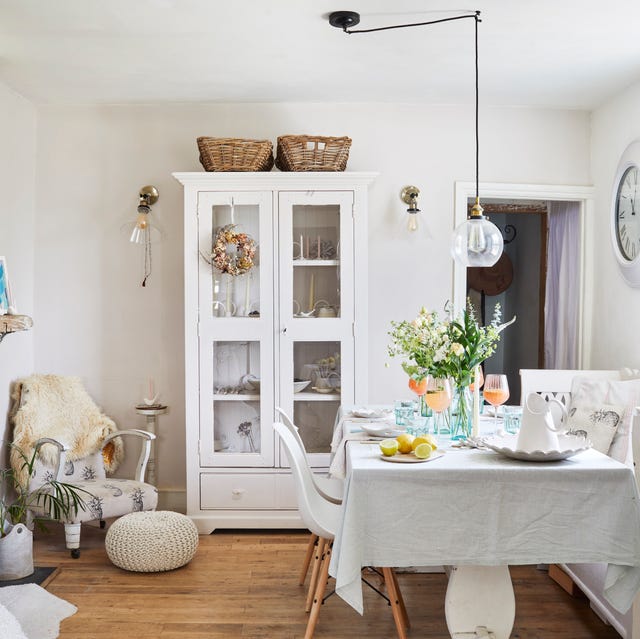
5 ways to create a zen home on a budget
Backyard Ideas on a Budget
24 Japanese Garden Ideas That Encourage Slow Walks and a More Relaxed Outdoor Rhythm

This Stunning Garden with Zen Vibes Uses Shockingly Little Water

20 Zen Garden Ideas to Transform Your Backyard Into a Peaceful Oasis
Budget-Friendly Ways to Transform Your Small Garden Into a Dreamy Oasis

What is a zen garden? This Japanese approach to design can turn backyards into calming sanctuaries


How Jennifer Garner uses wood to ground her zen pool area
Charlie and Graham’s zen garden makeover

Budget garden ideas – 32 ways to create your dream space without breaking the bank
19 simple garden ideas for every style, size and budget
43 Statement-Making Small Patio Ideas on a Budget