1/7
Where to Store Your Stuff When You Have Limited (or Zero) Closets
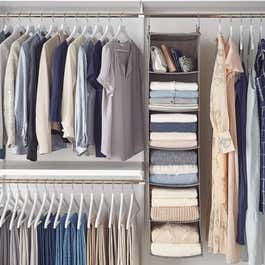
Living in a home with limited or no closet space presents a common challenge for many, regardless of the size of their dwelling. While typical organizational tools like velvet hangers and shelf dividers are helpful for existing closets, they offer no solution for homes entirely lacking in storage. This article explores six creative and practical strategies for decluttering and organizing belongings in such challenging environments, ranging from repurposed furniture to custom-built solutions and clever IKEA hacks.
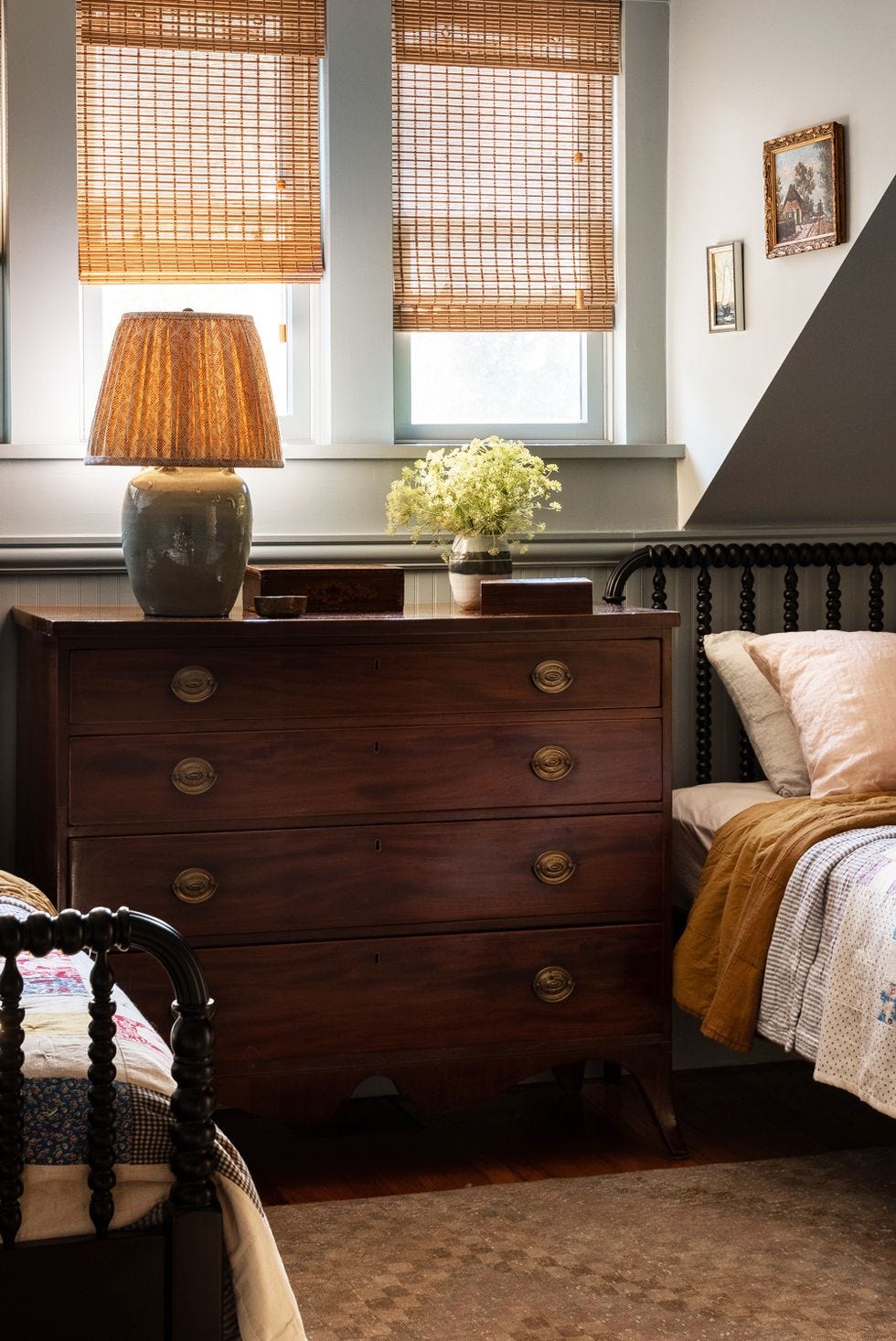
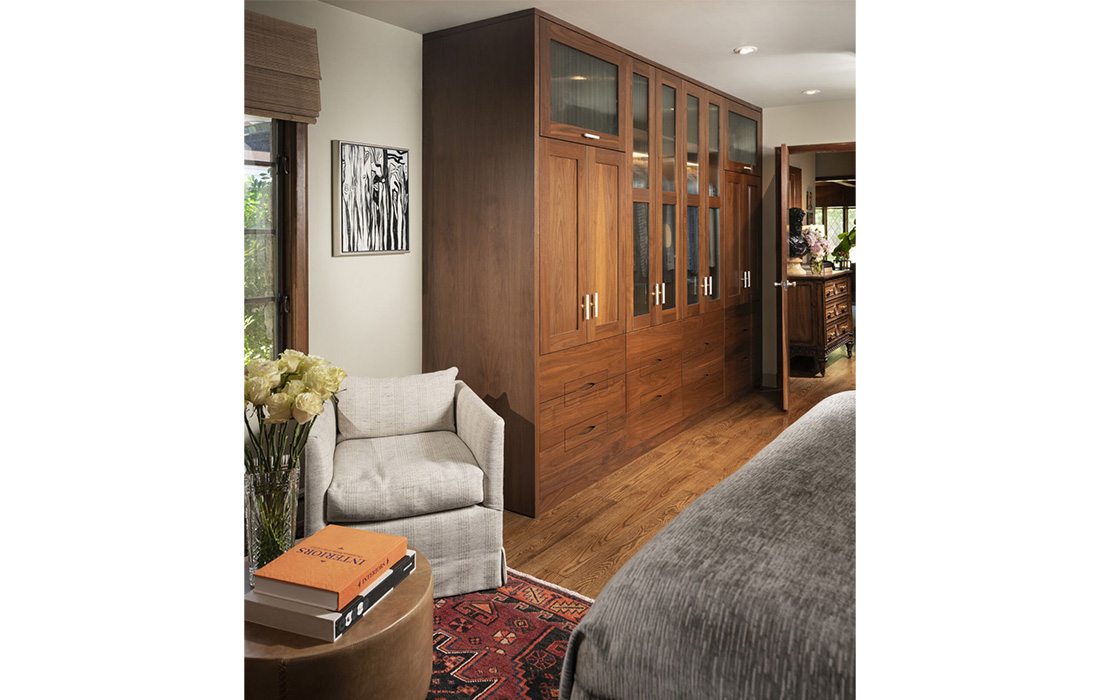
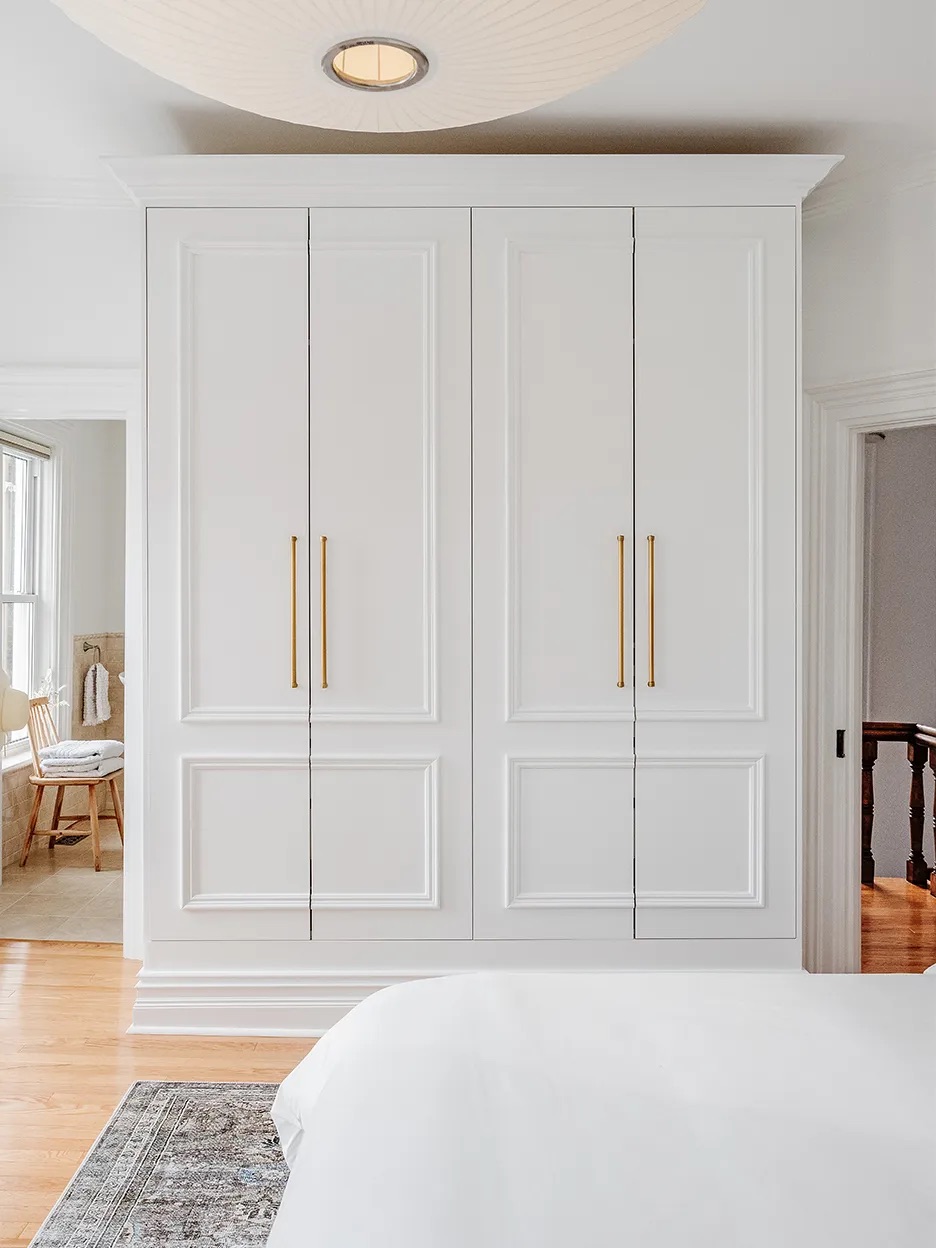
One effective solution is to incorporate an antique armoire. These free-standing wardrobes serve as an excellent substitute for built-in closets, especially in bedrooms. When selected with depth and height in mind, an antique armoire not only provides substantial storage but also adds significant character to a room, making its footprint a worthwhile trade-off for its functionality and aesthetic appeal. Examples such as editor Hudson Moore's studio demonstrate how an armoire can integrate seamlessly into a living space, offering a stylish storage option.
Another innovative approach involves utilizing open spaces, such as an entryway, for storage. Stylist Julia Stevens and her roommates transformed their closet-less apartment's entryway into a functional "walk-in closet" using IKEA's Mulig clothes bars. This affordable hack ($36) creates a showroom-like display for clothes, proving that even a narrow hallway can be optimized for storage.
Repurposing existing furniture is also a smart strategy. Stevens, in her own studio apartment, ingeniously reused IVAR cabinets as a media credenza and catchall. By elevating these cupboards on wooden legs, she created a 95-inch-wide unit capable of storing a diverse array of items, from winter accessories and handbags to emergency gifts and liquor, highlighting the versatility of modular furniture.
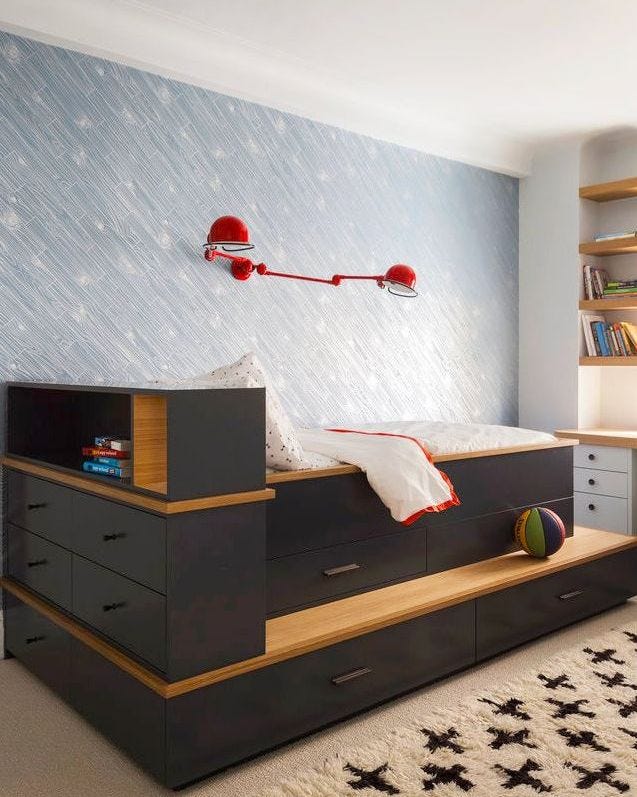
For bulkier items, under-bed storage is an ideal solution. Stevens uses an IKEA Malm storage bed, which features a lift-up mechanism for easy access to items like towels, extra bedding, books, and winter coats. This method maximizes often-unused space beneath the bed, keeping less frequently needed items out of sight but readily accessible.
Custom solutions can be particularly effective in tiny homes. London-based designer Louise Glynn, for instance, implemented custom plywood elements in her 430-square-foot home. She commissioned an extra-long sideboard in the dining area to store linens, cleverly concealing a radiator and doubling as a bench. Furthermore, she designed a small, elevated landing at the entryway with a pull-out drawer underneath, providing discreet storage for shoes and maintaining a clutter-free entrance.
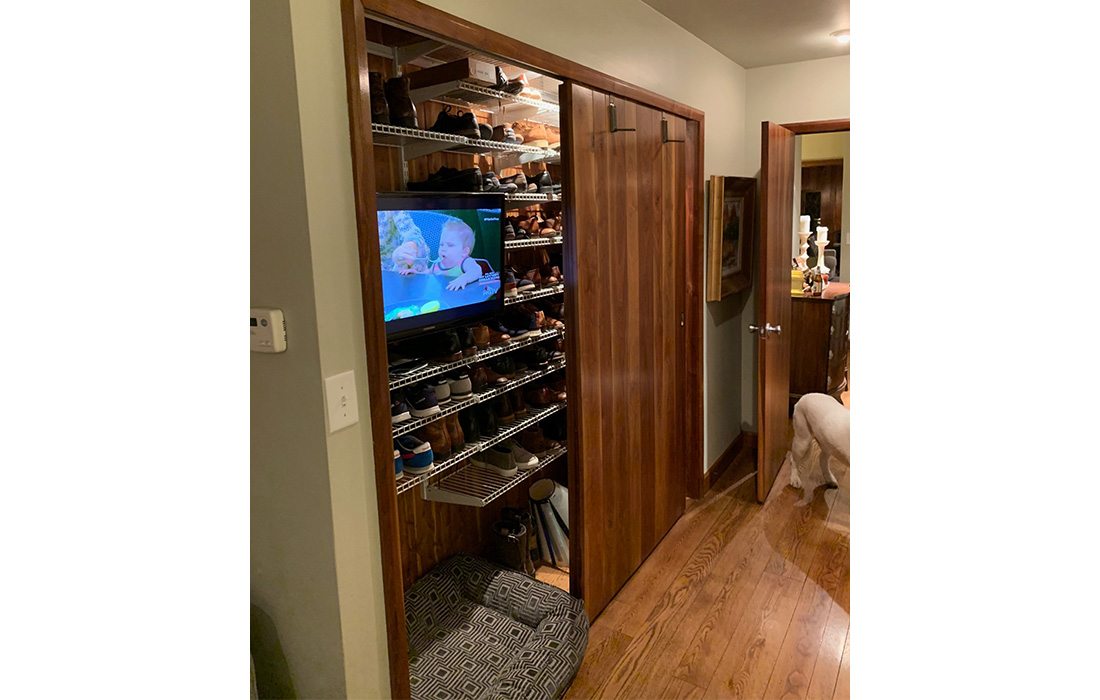
Finally, integrating storage into built-in benches offers both functionality and aesthetic appeal. In a New York City apartment designed by Rachel Sloane Sherman, a custom bench features rows of drawers with customized shoe slots. The bench cushions are adorned with unique fabric, making it a functional and visually engaging piece that keeps shoes organized and out of sight. This solution demonstrates that even a typically utilitarian space like a coat closet can be transformed into a stylish and efficient storage area. These diverse strategies collectively illustrate that with creativity and thoughtful planning, a lack of traditional closet space does not have to compromise home organization or design.
#HomeOrganization #SmallSpaceLiving #StorageSolutions #IKEAHacks #InteriorDesign #CustomFurniture #Decluttering #HousekeepingTips #CreativeStorage #HomeOrganization #SmallSpaceLiving #StorageSolutions #IKEAHacks #InteriorDesign #CustomFurniture #Decluttering #HousekeepingTips #CreativeStorage
0 commentaire au total
 Aucun commentaire pour le moment
Vous aimerez aussi
The Best Storage Tricks to Make the Most of a Small Closet

Closet storage ideas – 10 ways to maximize the space in your closet

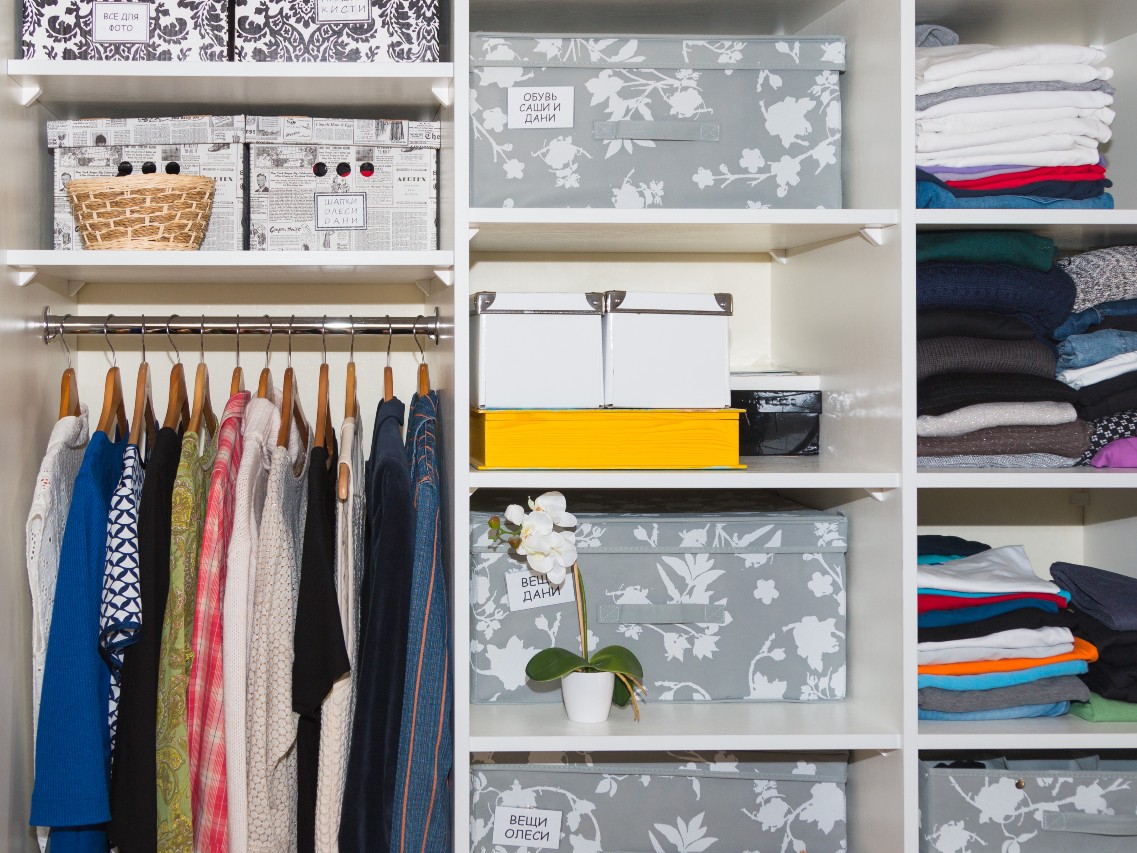
Banish Closet Chaos with These Storage Organizers

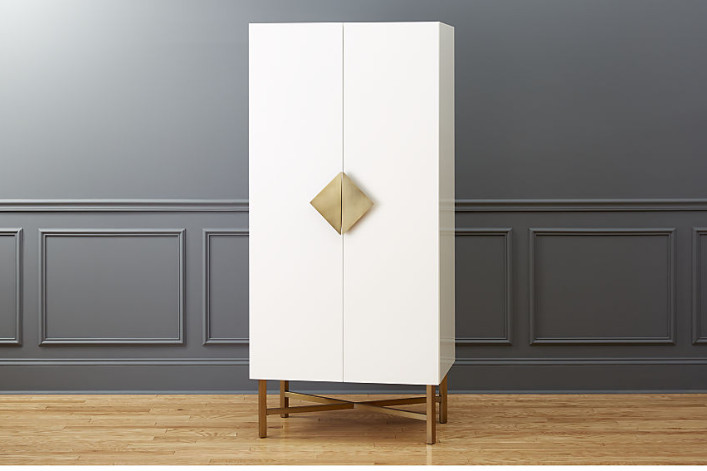
No bedroom closet? No problem. Try these solutions for storing your clothes
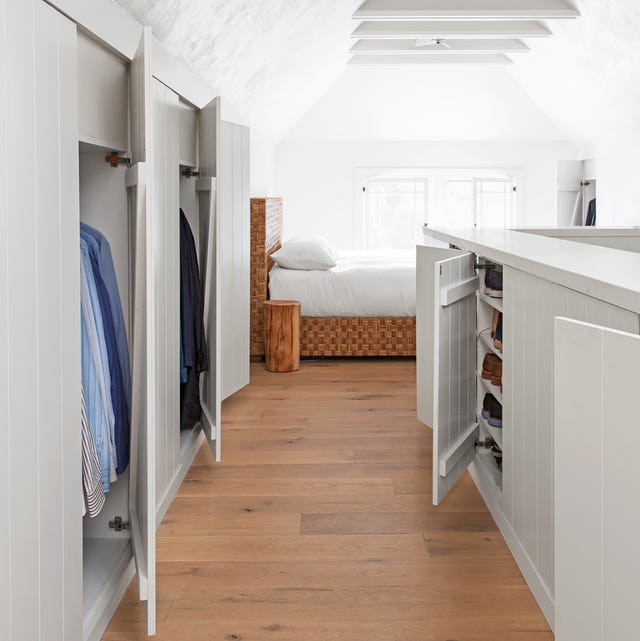
25 Storage Hacks for When You've Absolutely Run Out of Closet Space
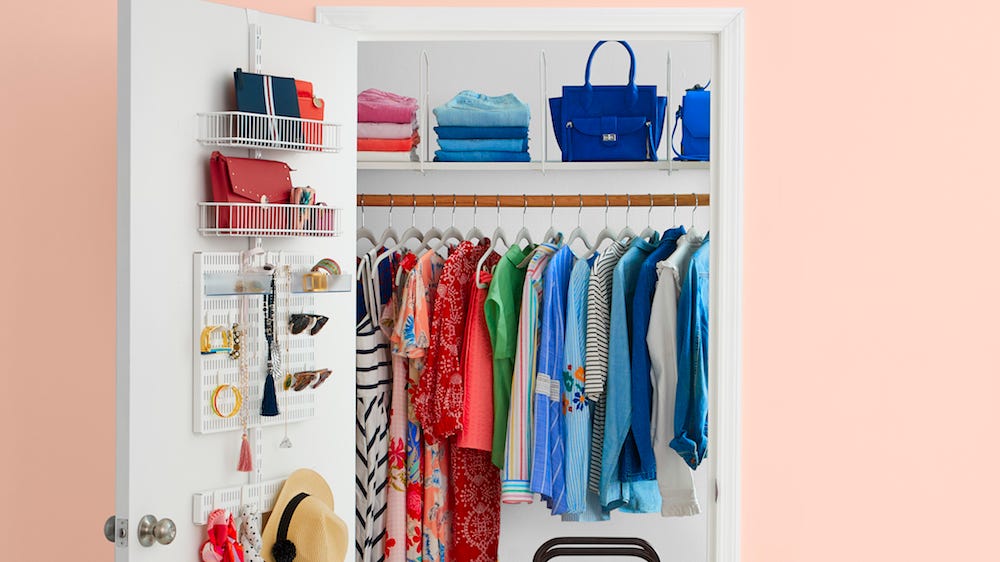
20 Organizing Products to Transform a Small Closet


15 Fresh Clothes Storage Ideas To Make The Most Of Small Spaces
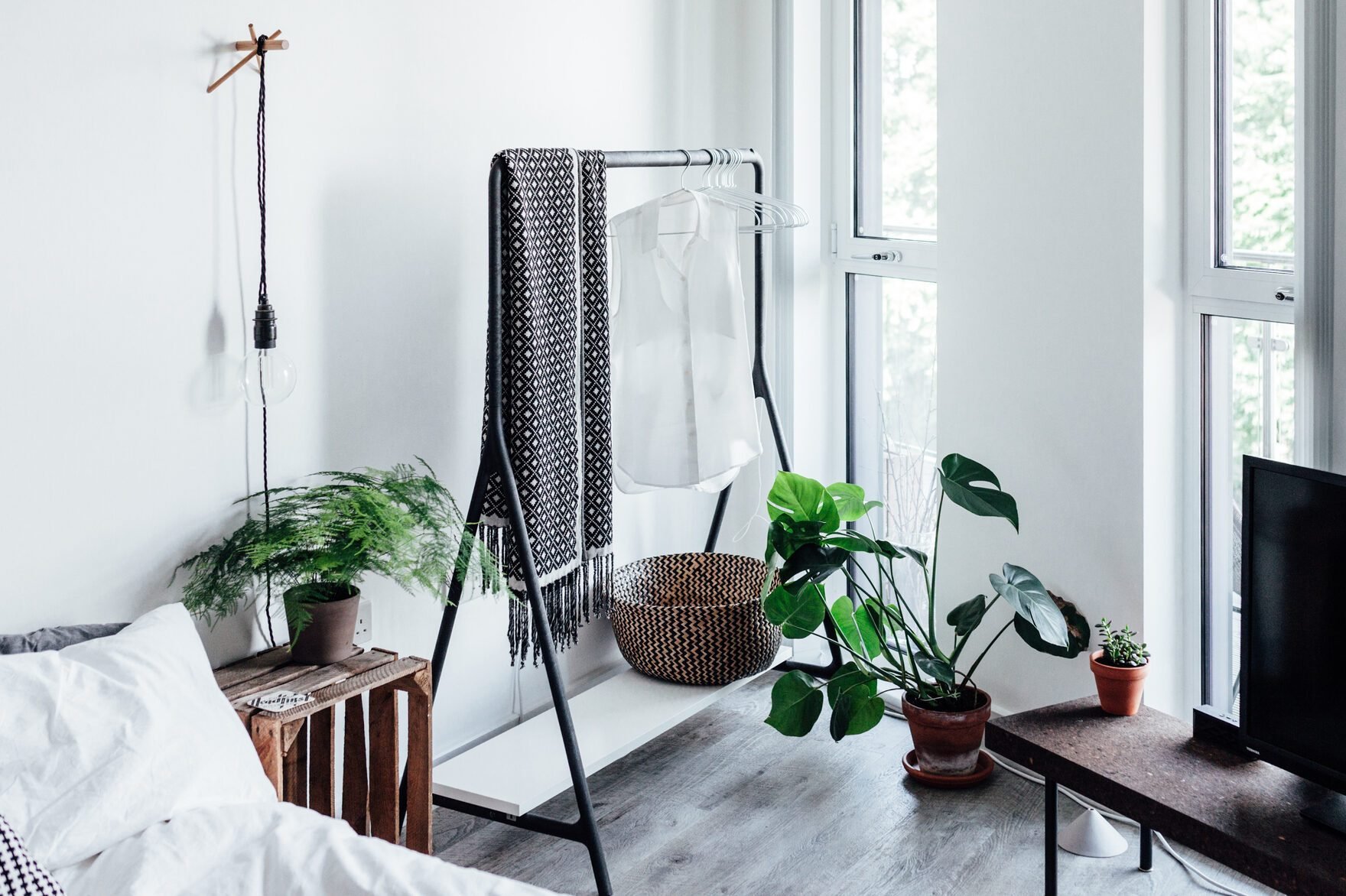
No Closets, No Problem: Storage Solutions for a Home With No Storage

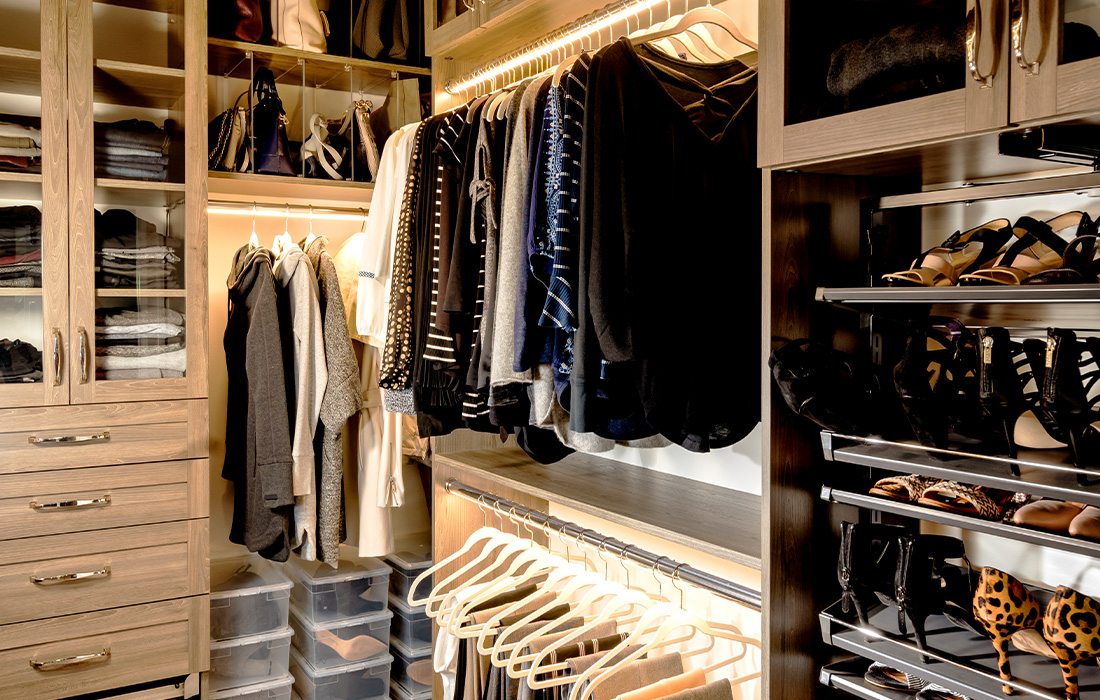
How to Make the Most of Your Closet Space
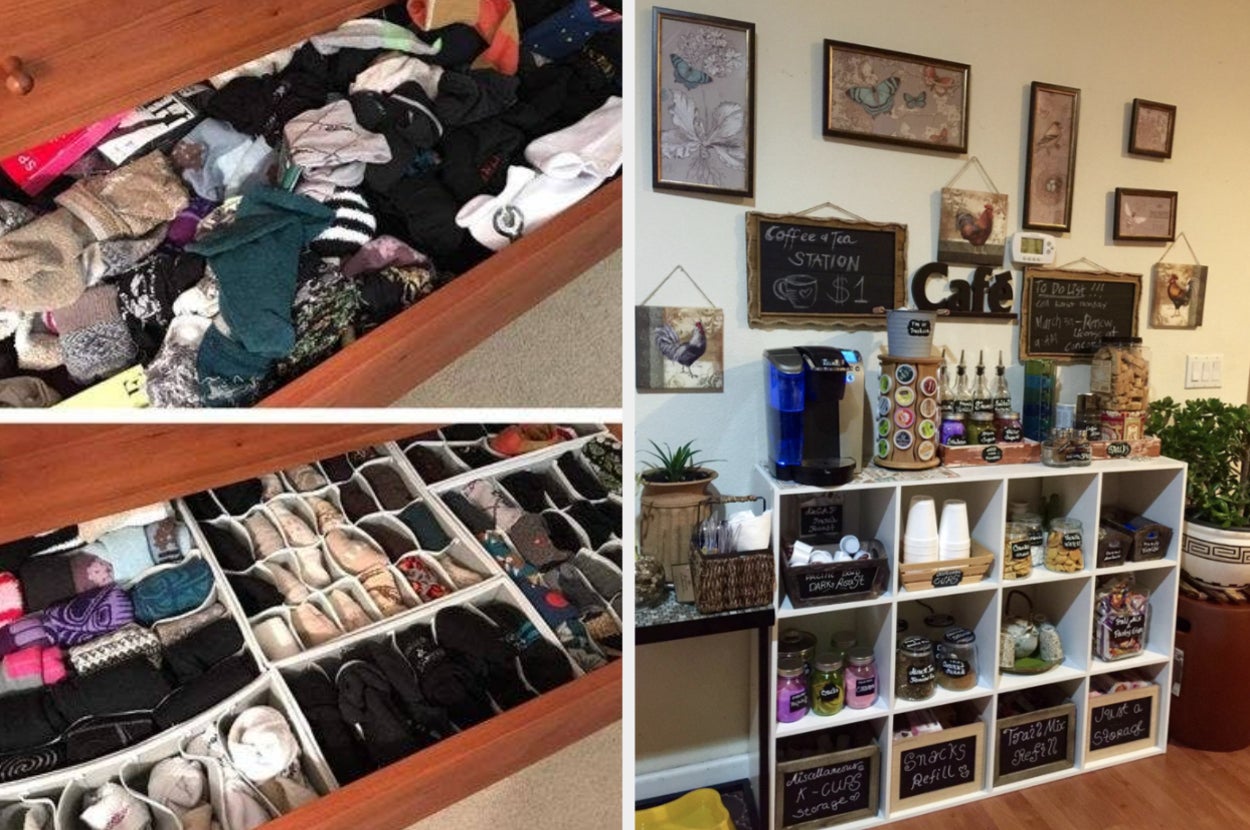
29 Genius Storage Solutions For Anyone Whose Home Has Zero Closet Space

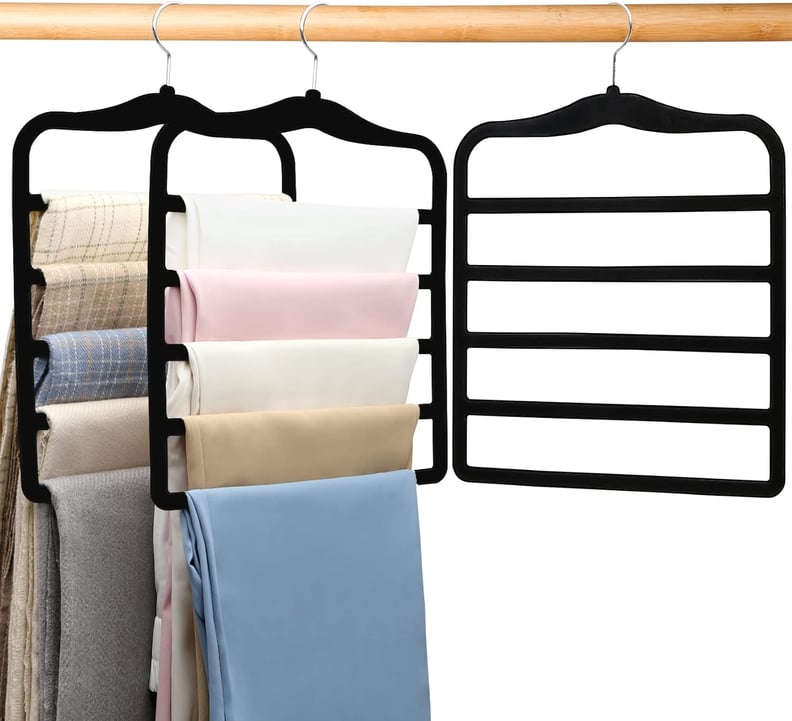
9 Small-Closet Organizers That'll Make the Most of Your Space
37 Closet Products That Keep All Your Clothes & Accessories Easily Visible
How to Store Your Clothes If You Don't Have a Closet
The Best Solutions for Organizing a Closet of Any Size
Closet Storage, Organization and Ideas

Organizing Your Closet? DIY Hacks to Maximize Space in a Small Closet

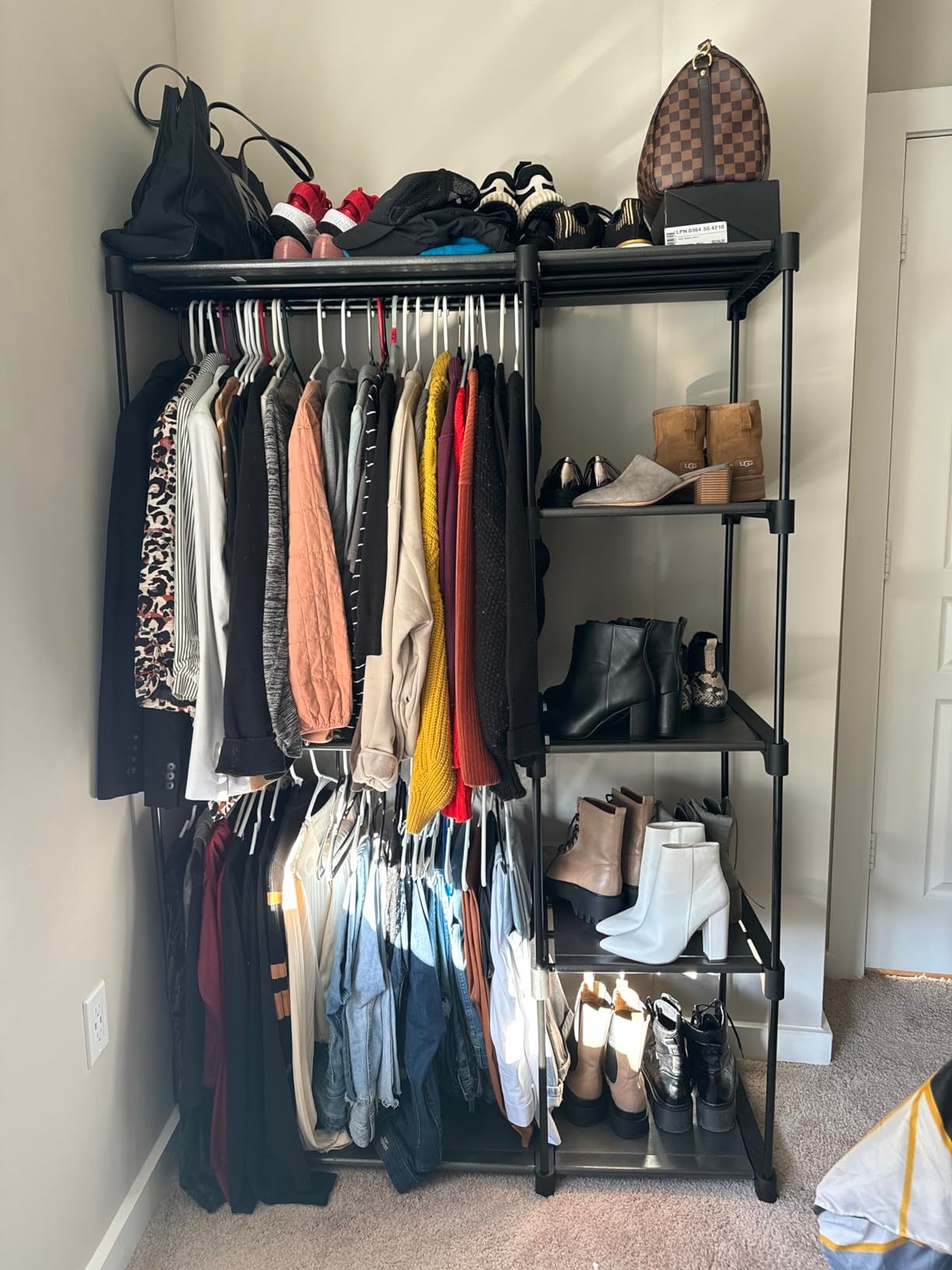
31 Storage Products For Anyone Who, Unfortunately, Doesn’t Have A Walk-In Closet
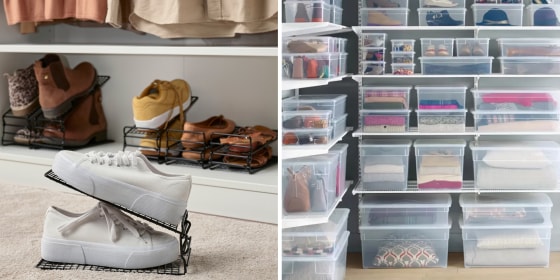
33 Best Closet Systems of 2025, According to Experts

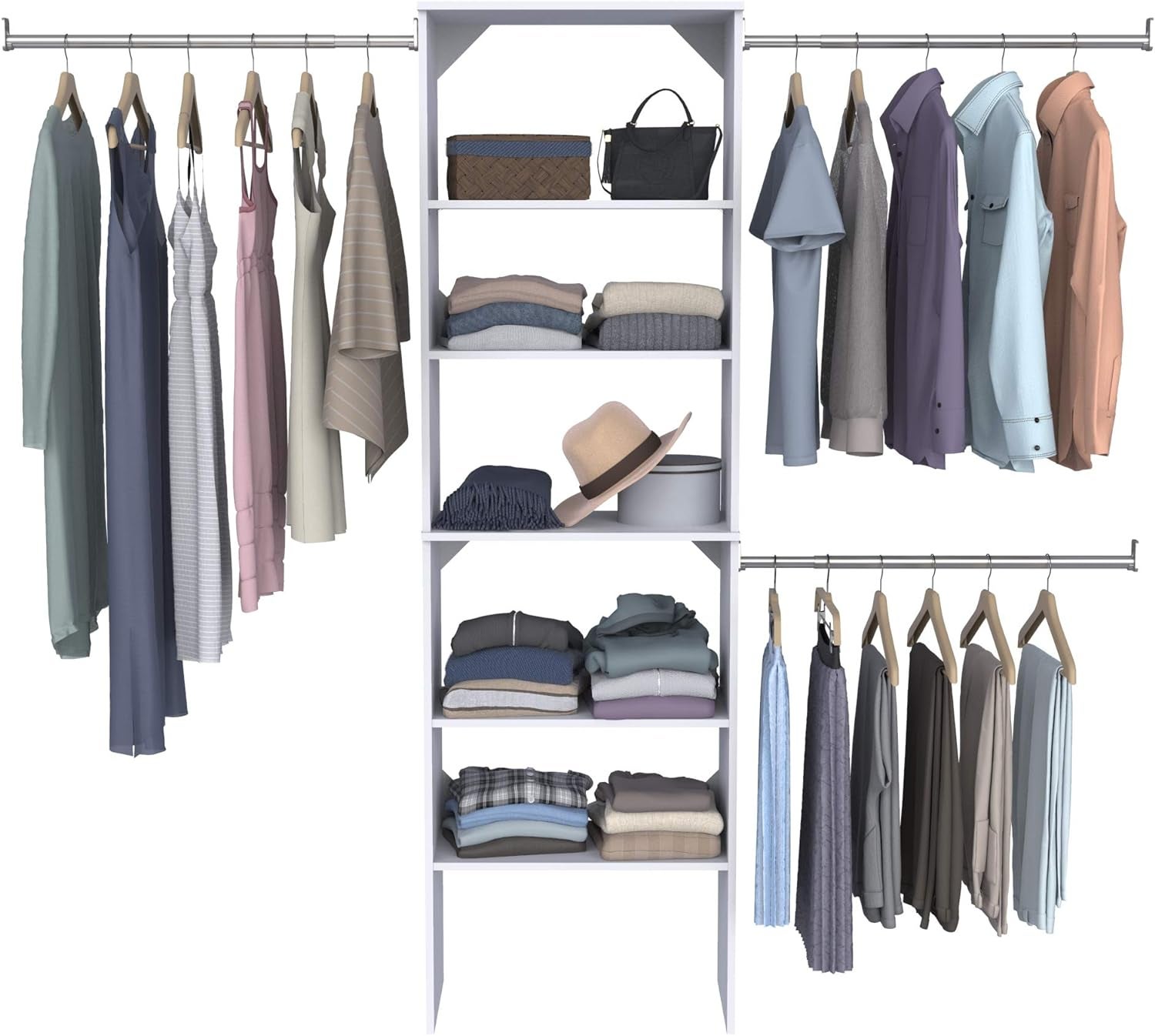
27 Things To Make Your Closet Seem *So* Much Bigger

15 Small closet must-haves to increase storage space