1/5
Vintage Tile Is on the Rise, But Hard to Find—Here’s Where to Source It
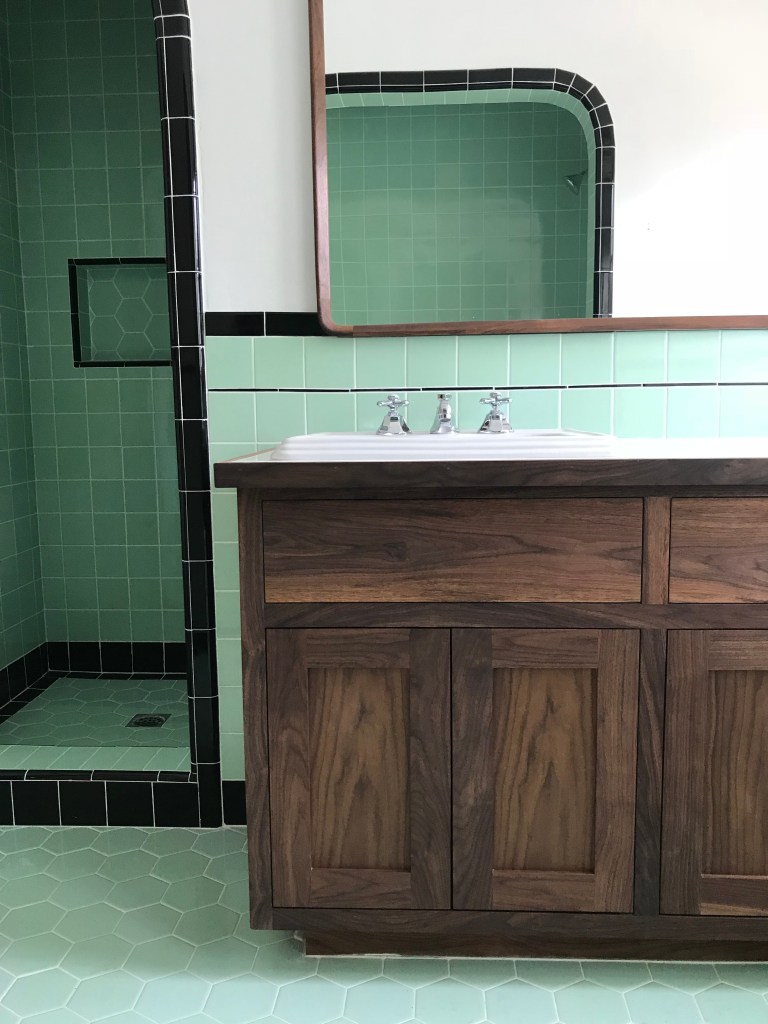
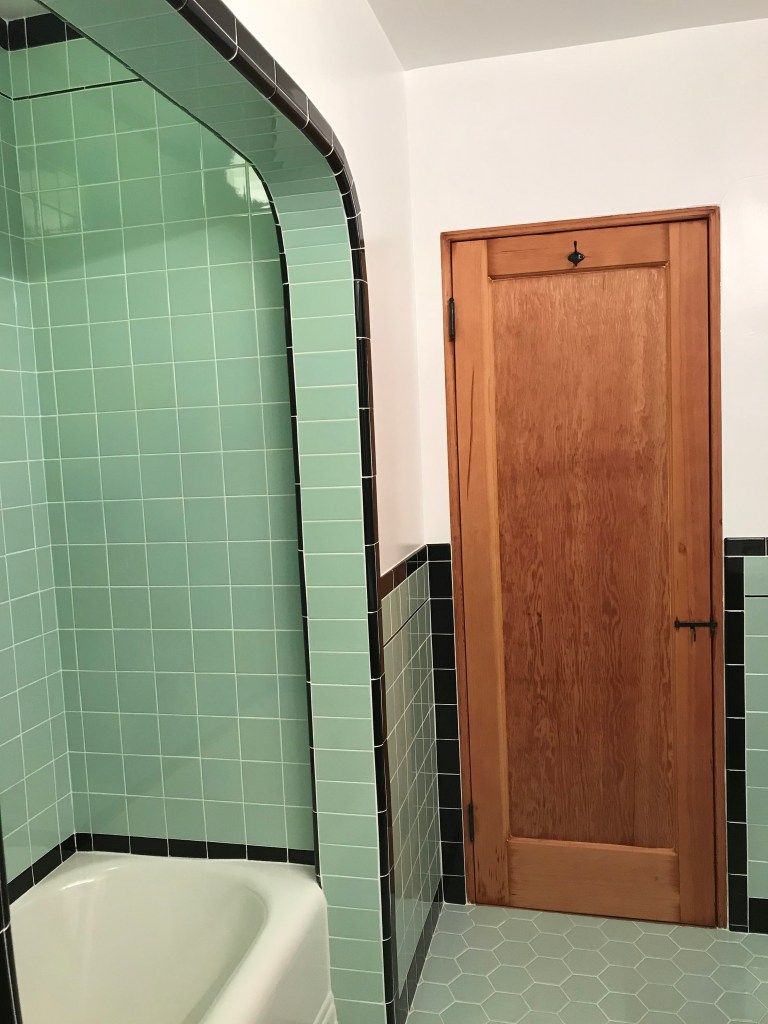
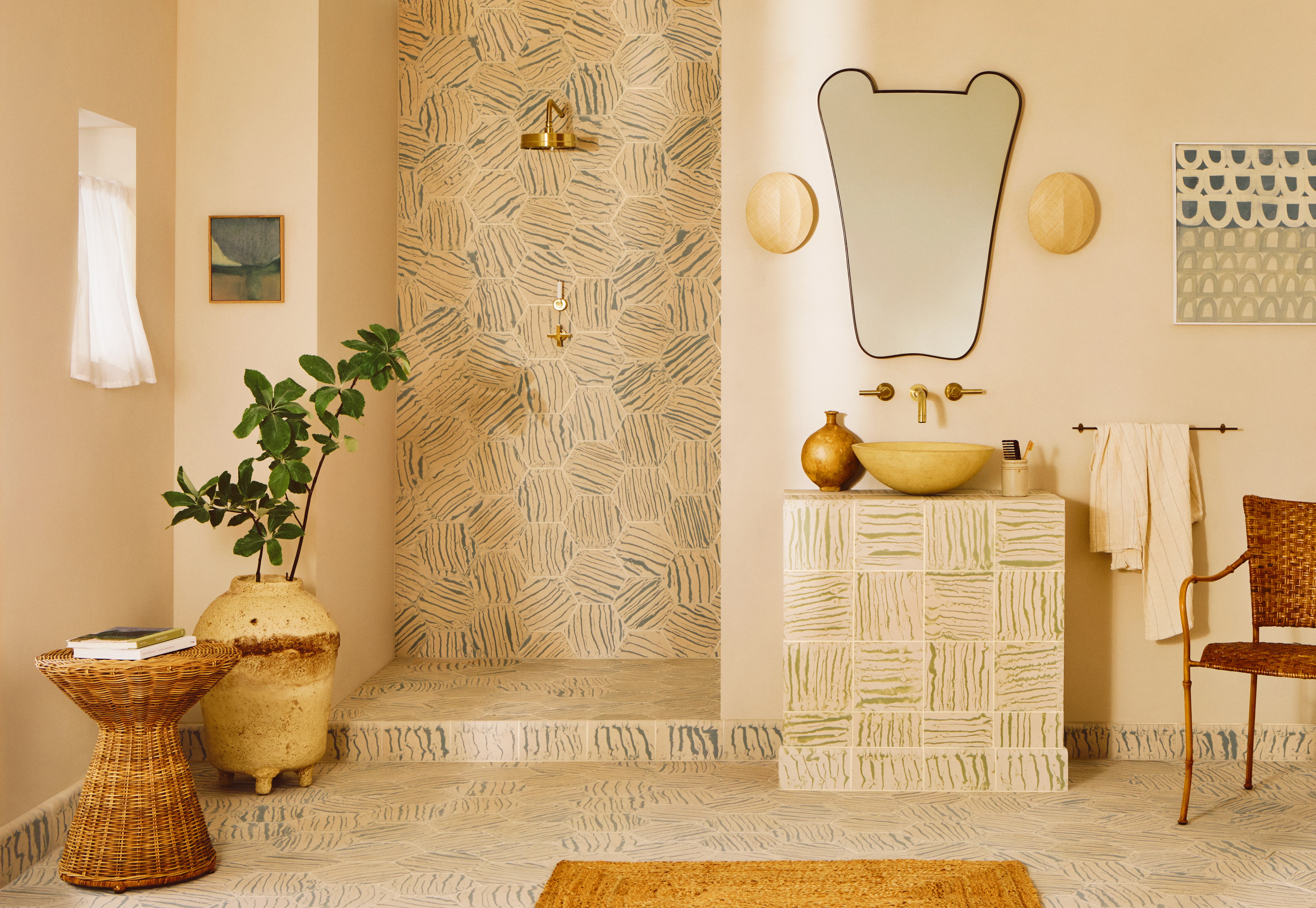
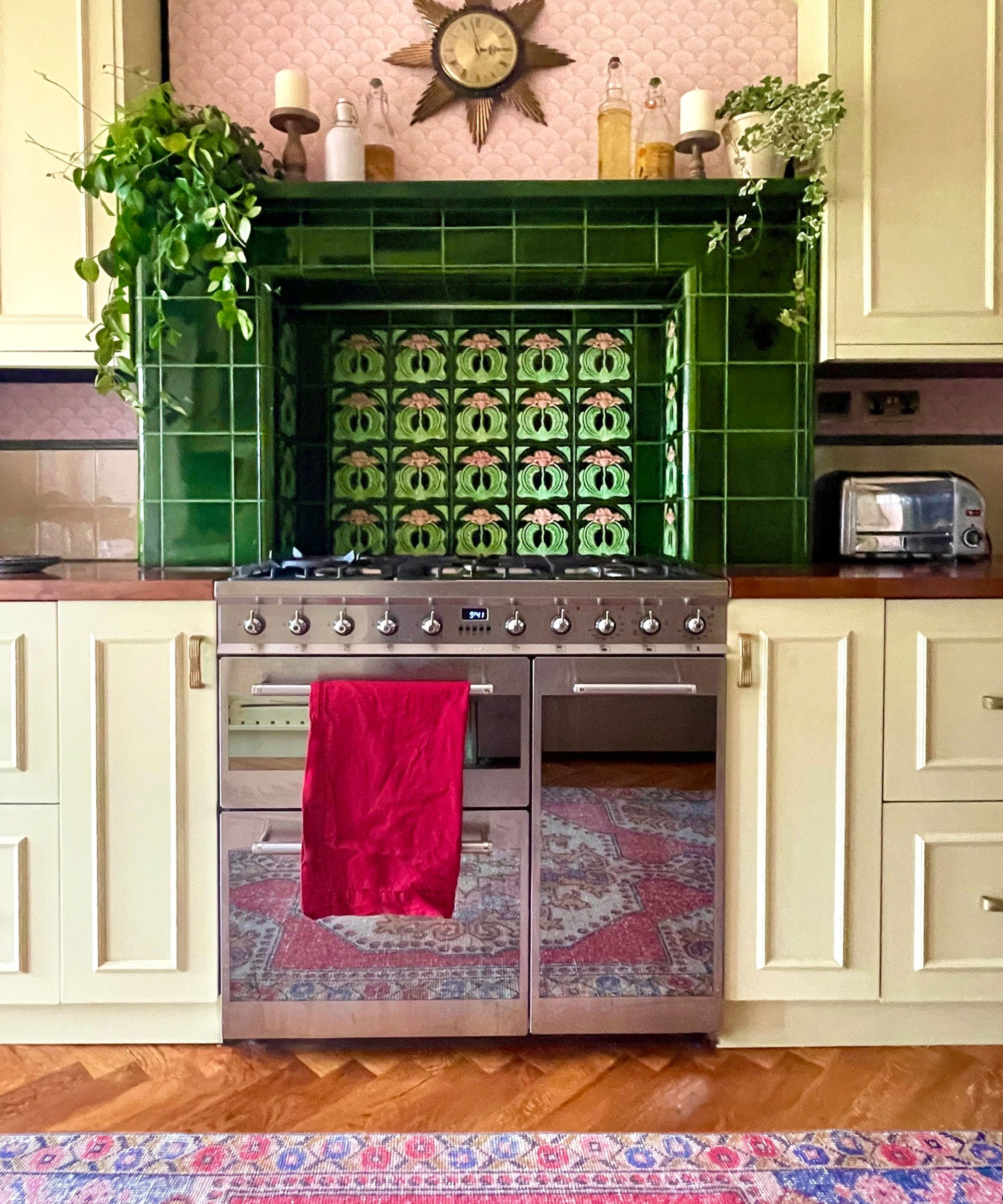
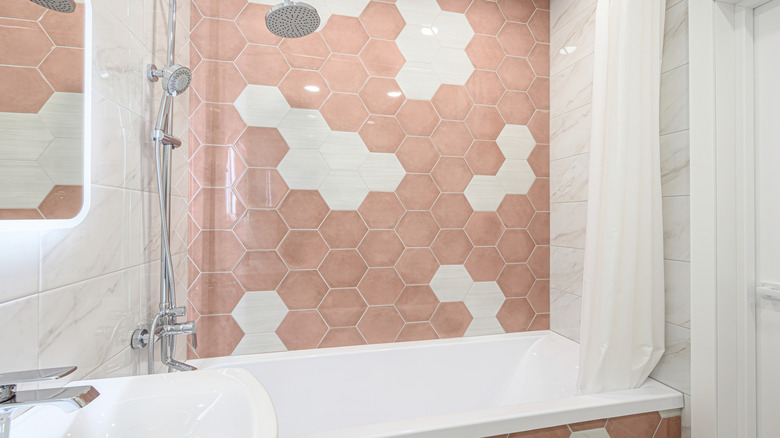
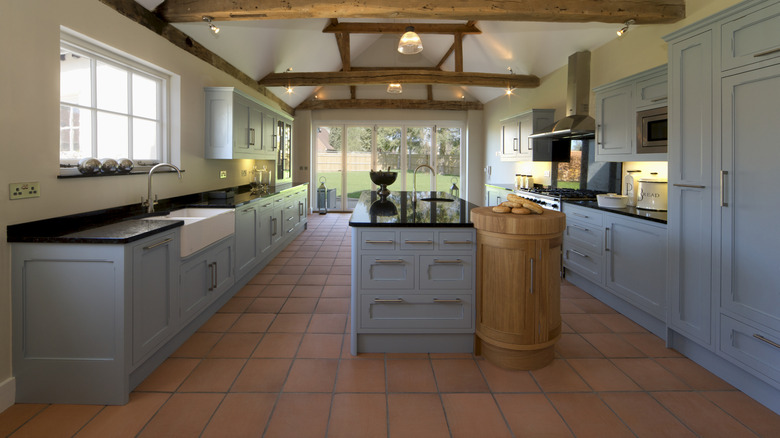
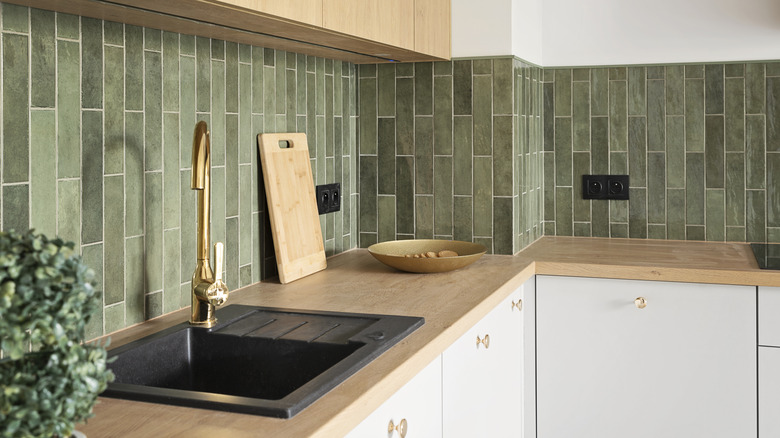
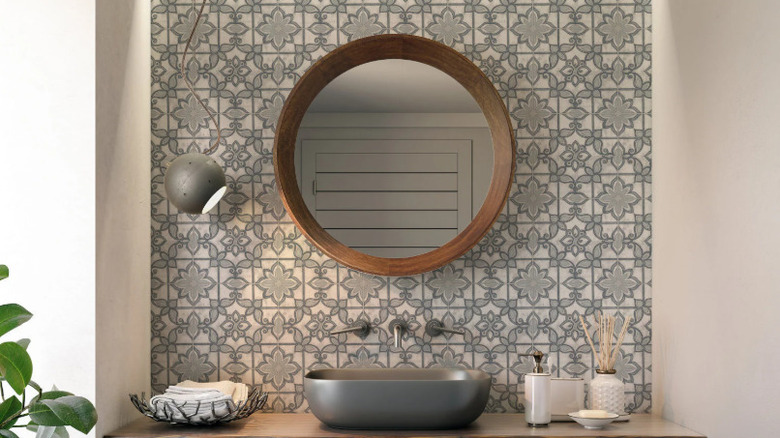
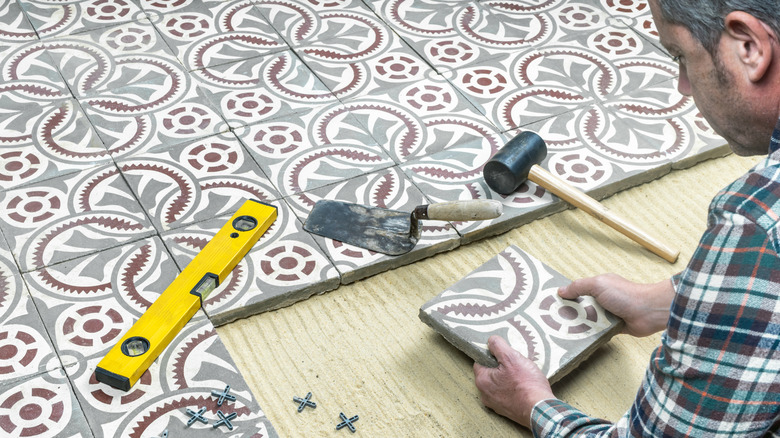
The popularity of vintage tile is experiencing a significant resurgence, with Pinterest's 2025 fall trend report indicating a remarkable 1,107 percent increase in searches for this design element. This trend surpasses even other popular choices like striped tile bathrooms, suggesting a strong desire among users for classic and antique-looking finishes. This renewed interest extends beyond merely admiring vintage aesthetics; it also includes a growing enthusiasm for incorporating authentic vintage tiles into modern renovation projects. This article offers guidance on where to acquire these unique materials and showcases various innovative ways designers have successfully integrated them into contemporary spaces, particularly in kitchens and bathrooms.
For those looking to source vintage tiles, several online platforms and specialized stores offer a wide selection. Notable options include Etsy, which provides a marketplace for individual sellers offering unique pieces; Vintage Tile Shop and The Antique Floor Company, both dedicated to vintage and antique flooring and wall tiles; Olde Good Things and Storied Salvage Tile Co., which specialize in architectural salvage and reclaimed materials; Chairish, known for its curated collection of vintage and antique furniture and decor, including tiles; Deltftiles.com, focusing on authentic Delft tiles; and Historic Houseparts, offering a range of antique architectural elements, including tiles.
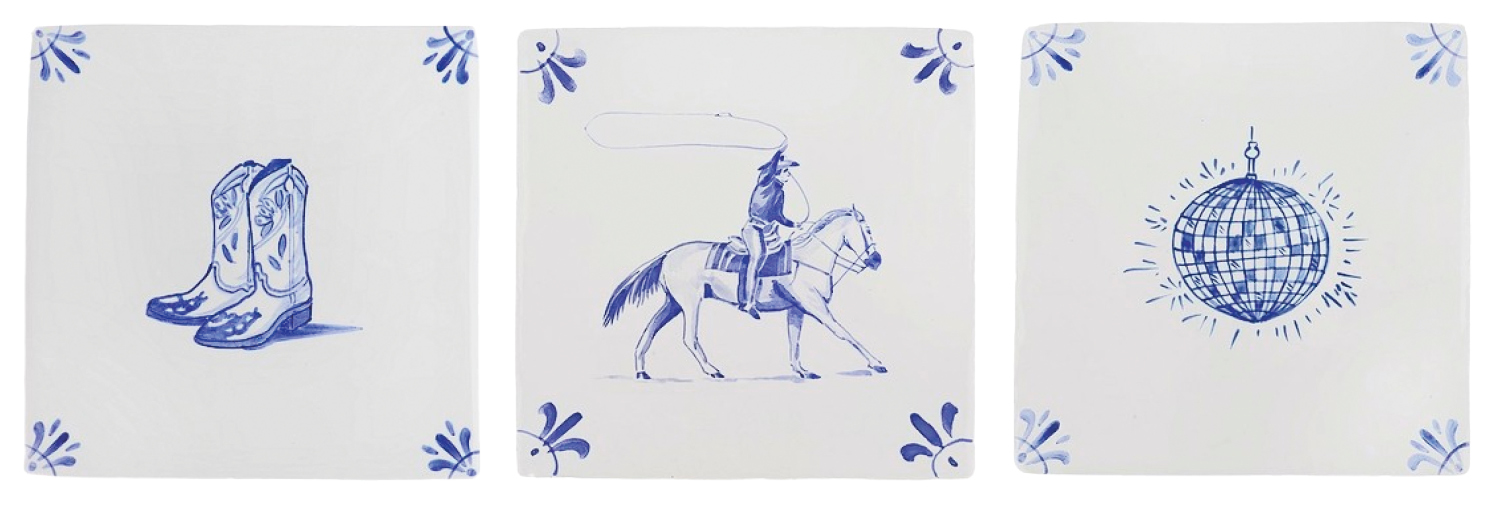
The article highlights four distinct approaches to utilizing vintage tiles in design. One method involves using vintage trim to enhance basic tiling. Designer Samantha Tannehill exemplifies this by framing standard square or white subway tiles with a sweet, traditional floral trim found in Massachusetts, creating a sophisticated border in a guest bathroom. Another approach emphasizes the slow and deliberate collection of vintage tiles over time. An English home, for instance, features a fireplace adorned with antique manganese Delft tiles, which were accumulated over several years. This technique underscores the charm of building a collection gradually until a cohesive design can be realized.
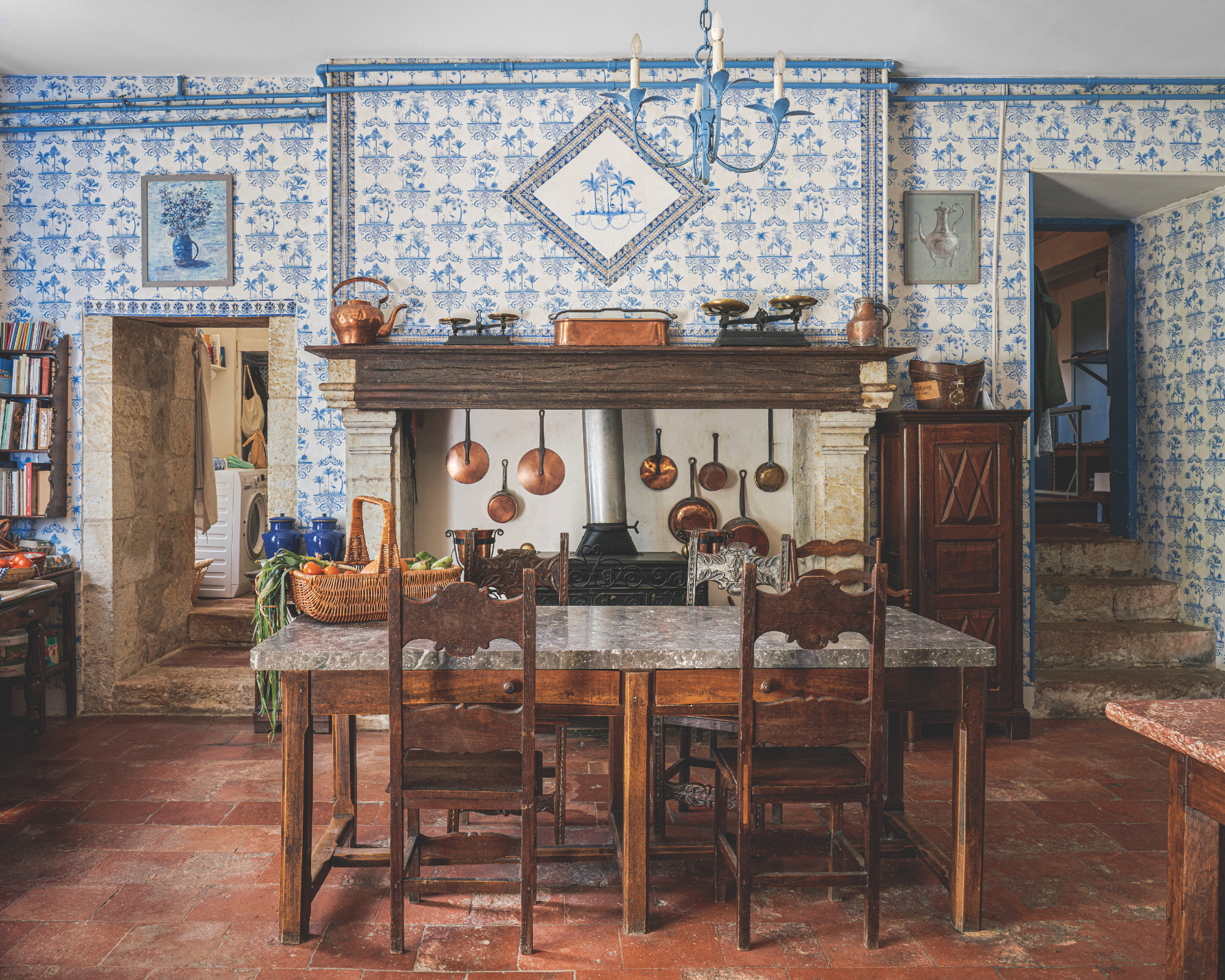
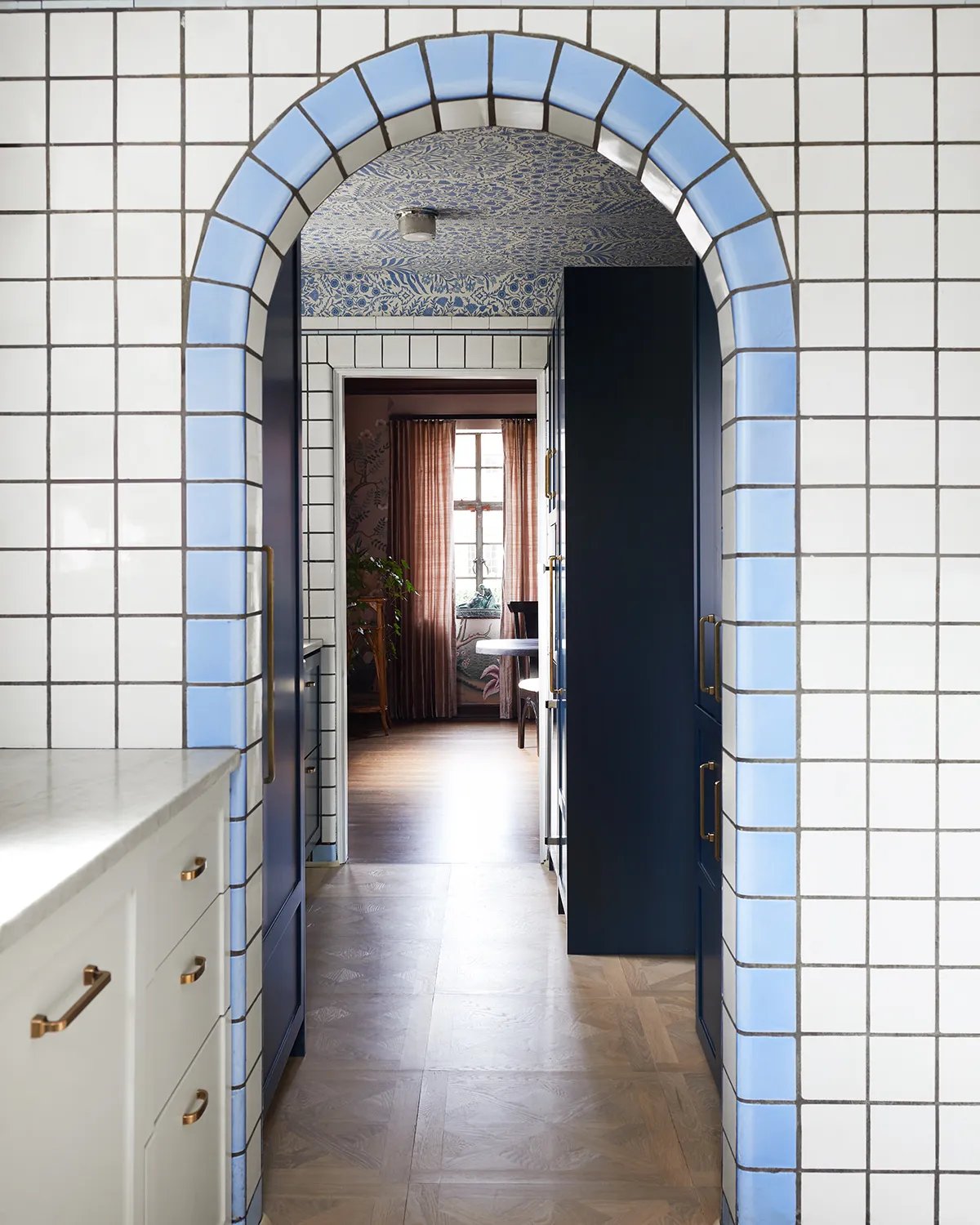
A third application involves creating a clear cut-off point when working with a limited quantity of vintage tiles. Lindy McDonough and Conor MacKean, faced with a finite supply of milky gray vintage tiles for their Rhode Island bathroom, ingeniously used a brass piece to bridge the gap between the ceramic tiles and the wood floor. This solution not only conserves the unique material but also introduces an interesting design detail. Finally, vintage tiles can be used to fill in gaps in existing period installations. In a Pittsburgh kitchen, Lexi Ribar and Morgan Stewart of Studio Lithe meticulously matched and sourced historic white tiles from the 1920s to complete a circa-1926 blue and white tile scheme. This method ensures the preservation of the original aesthetic while seamlessly integrating new yet period-appropriate pieces.
These examples demonstrate that vintage tiles, whether used as accents, focal points, or practical solutions, offer a timeless appeal and a unique character that modern alternatives often lack. The article concludes by presenting a selection of currently available vintage tiles, including Antique Delft Tiles, 1960s Romany Tawny Beige Tile, Mid Century Trim Tiles, and an Art Nouveau Fireplace Surround, further inspiring readers to explore the possibilities of incorporating these historical elements into their homes.
#VintageTile #HomeRenovation #InteriorDesignTrends #ArchitecturalSalvage #DIYHomeDecor #TileDesign #KitchenRenovation #BathroomDesign #AntiqueDecor #VintageTile #HomeRenovation #InteriorDesignTrends #ArchitecturalSalvage #DIYHomeDecor #TileDesign #KitchenRenovation #BathroomDesign #AntiqueDecor
0 commentaire au total
 Aucun commentaire pour le moment
Vous aimerez aussi
The Enduring Artistry of Vintage Tiles


Tiles Gone Wild: Fresh Looks for an Ancient Material

Tile Trends 2025 — Every Design-Forward Look to Have on Your Radar

7 Tile Stores in Westchester for All Your Home Project Needs

The new tile trends for stylish interiors and where to buy them
7 timeless tile designs to try in any room

Tiny tiles make a big comeback with personalized style
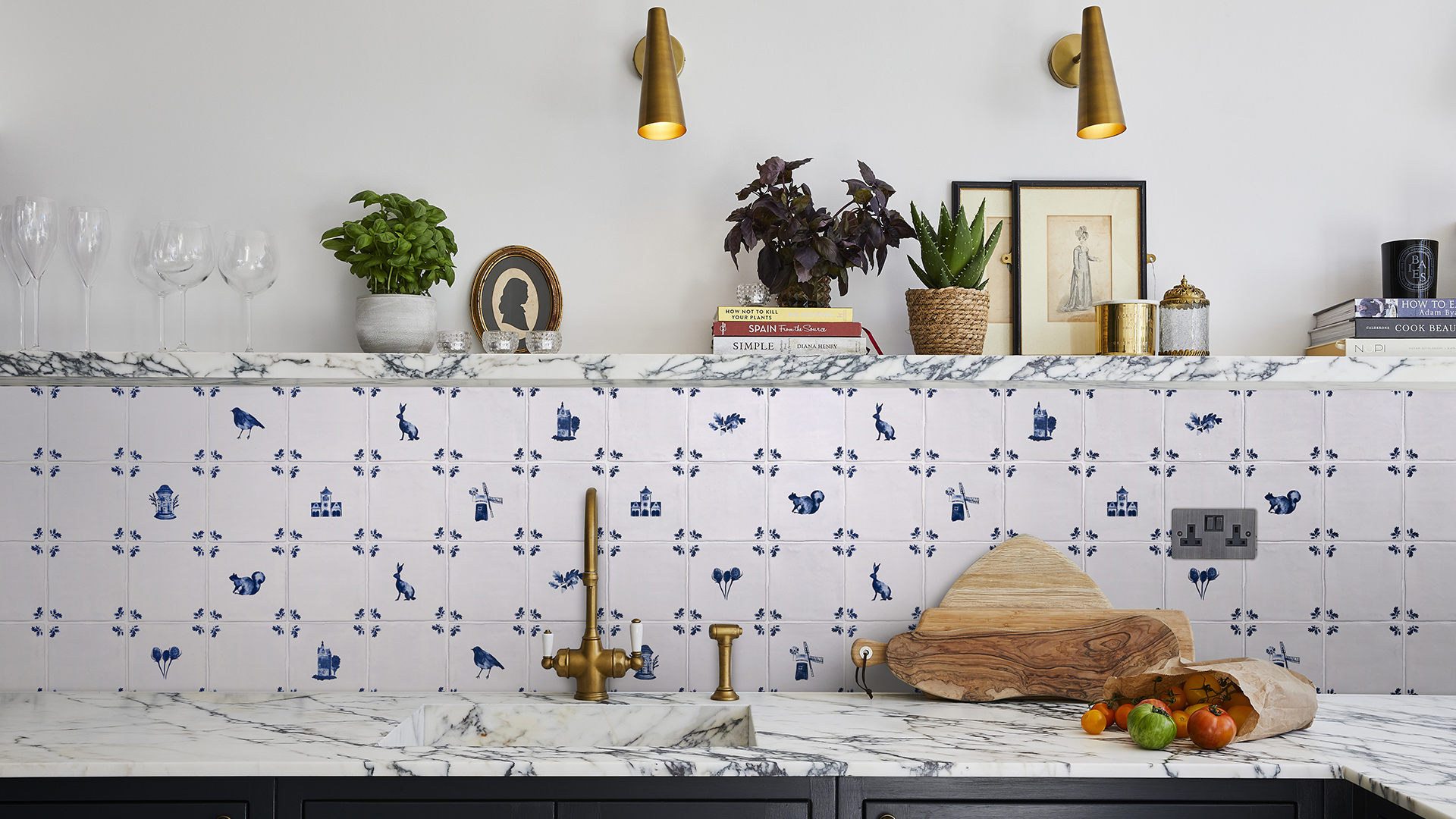
This vintage tile trend is back for 2024 and it's the easiest way to give a kitchen a modern rustic feel

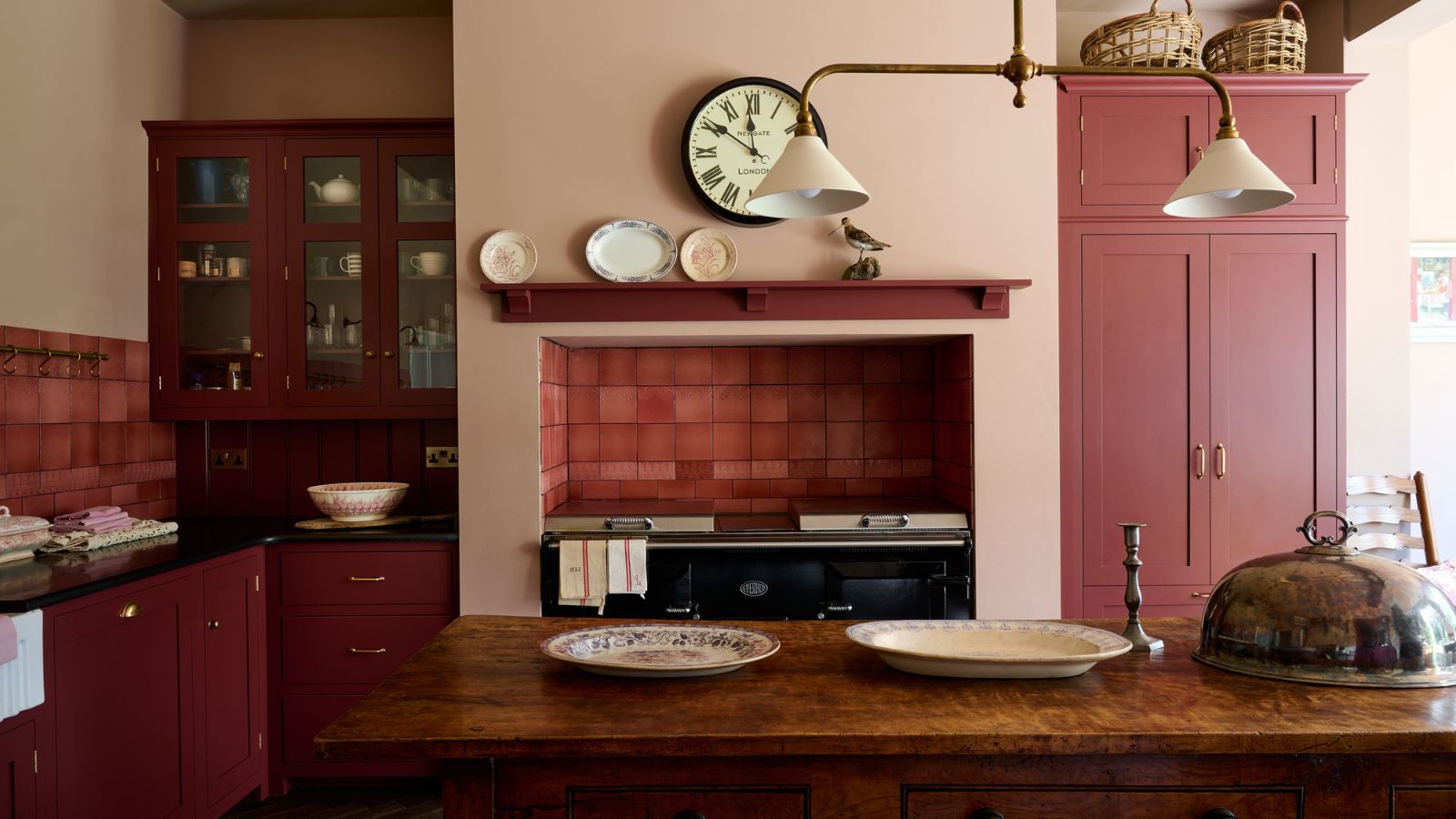
How to decorate with vintage tiles
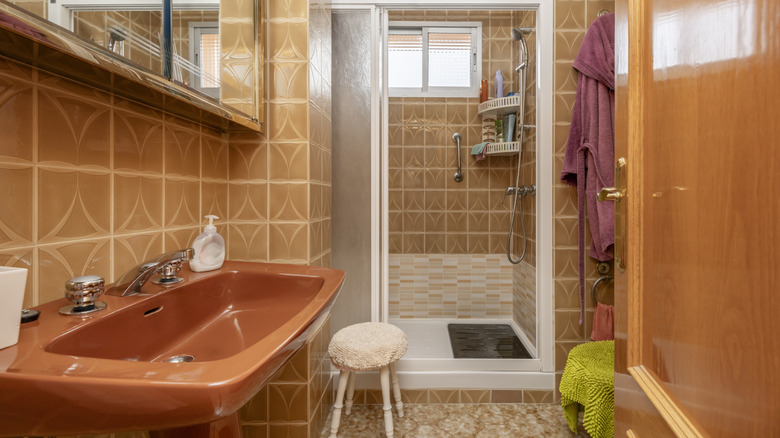
The Decades Old Tile Trend That Is Popping Back Up In Bathrooms
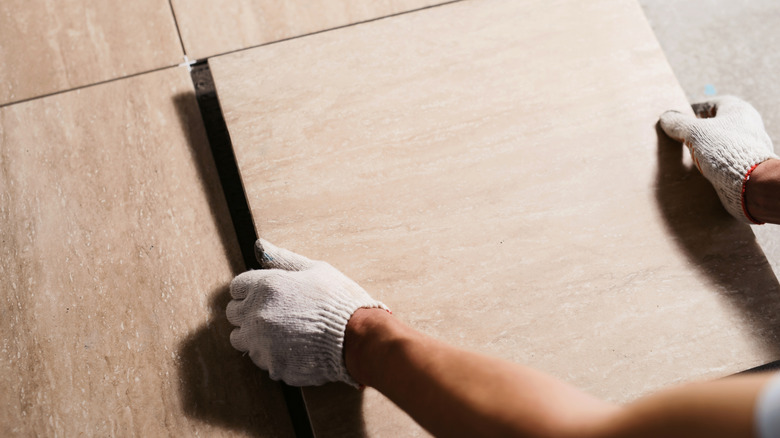
10 Tile Trends You'll Be Seeing More Of In 2026

15 of the Best Places to Shop for Pretty Tile Online

This Vintage Tile Pattern Is Popping Up Everywhere—and It’s Easy to Love

Tile Trends That Will Be Dominating In 2025

Tiles & Flooring Offers

This New Collection Puts a Graphic Spin on Tile
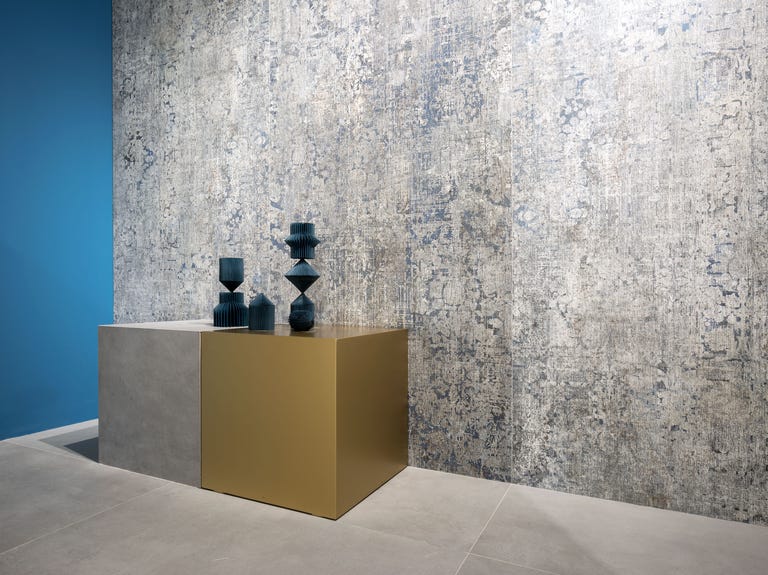
Decorative Tiles Are Back, Bigger and Better Than Ever
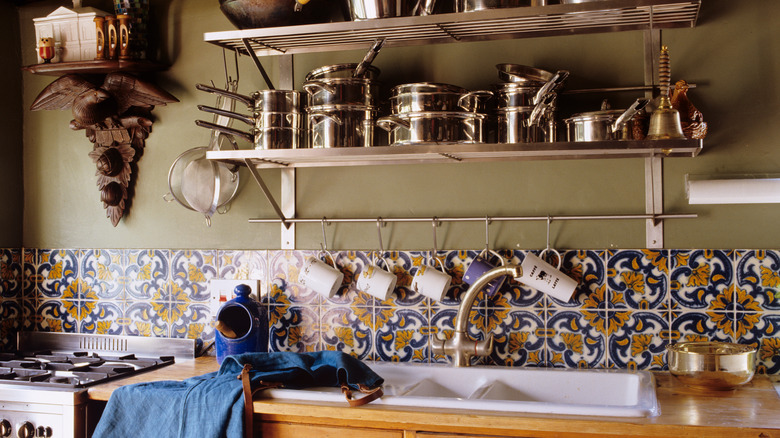
10 Vintage Tile Brands That Will Make A Big Statement In Your Kitchen Or Bathroom
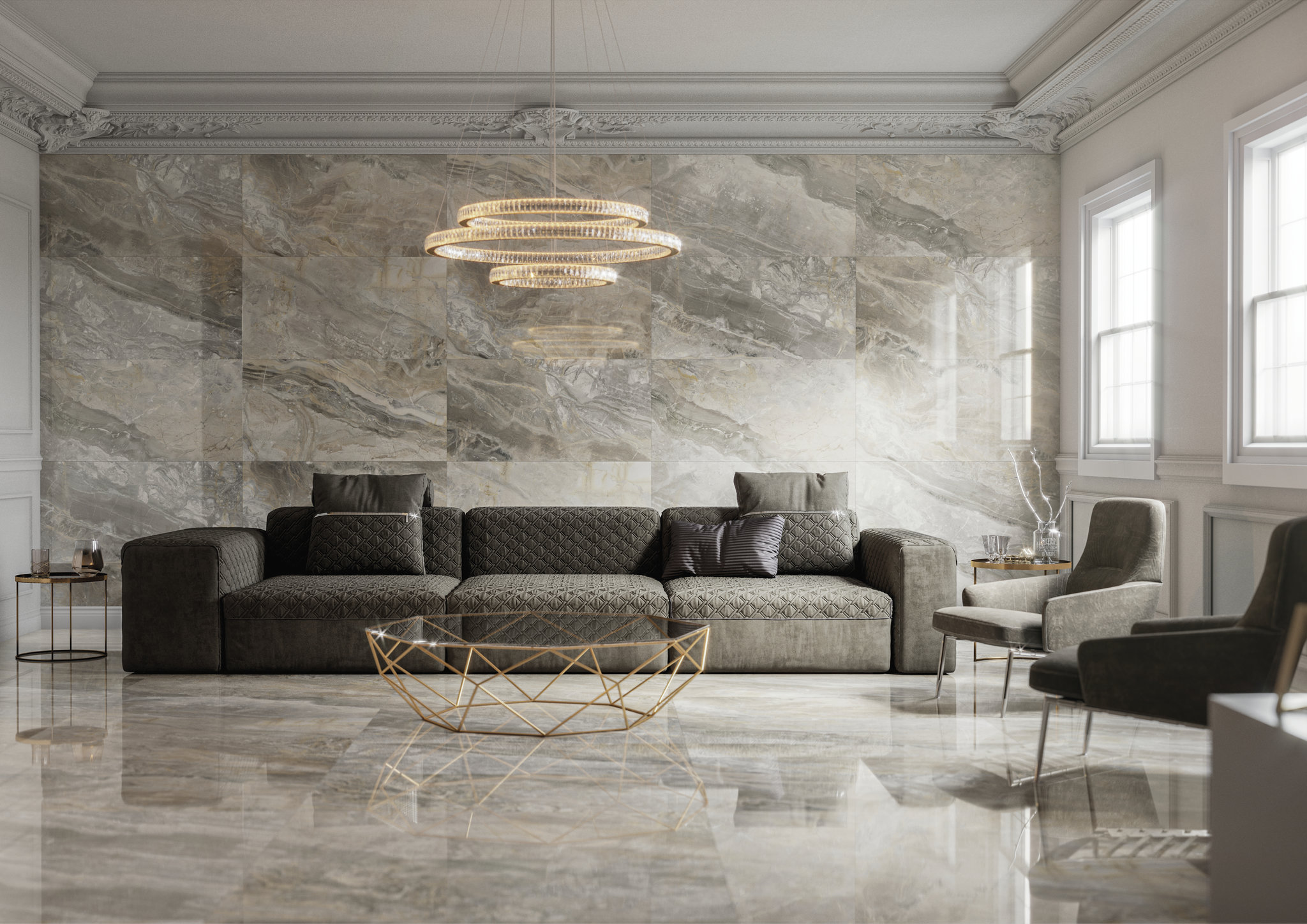
World Of Tiles Reveal This Year's Tile & Wood Flooring Trends

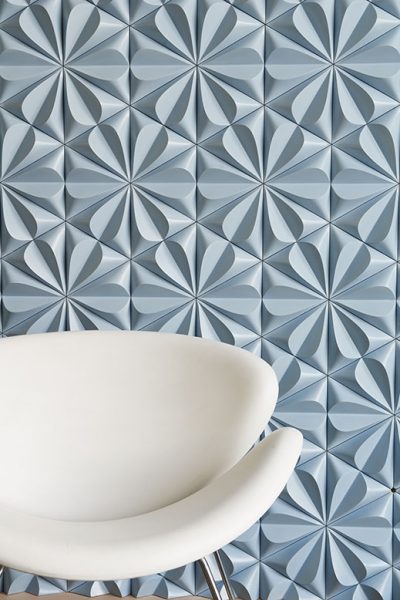
So Many Tiles, So Little Time