To Break Or Not To Break: A Drain Cleaning Tools Survival Guide
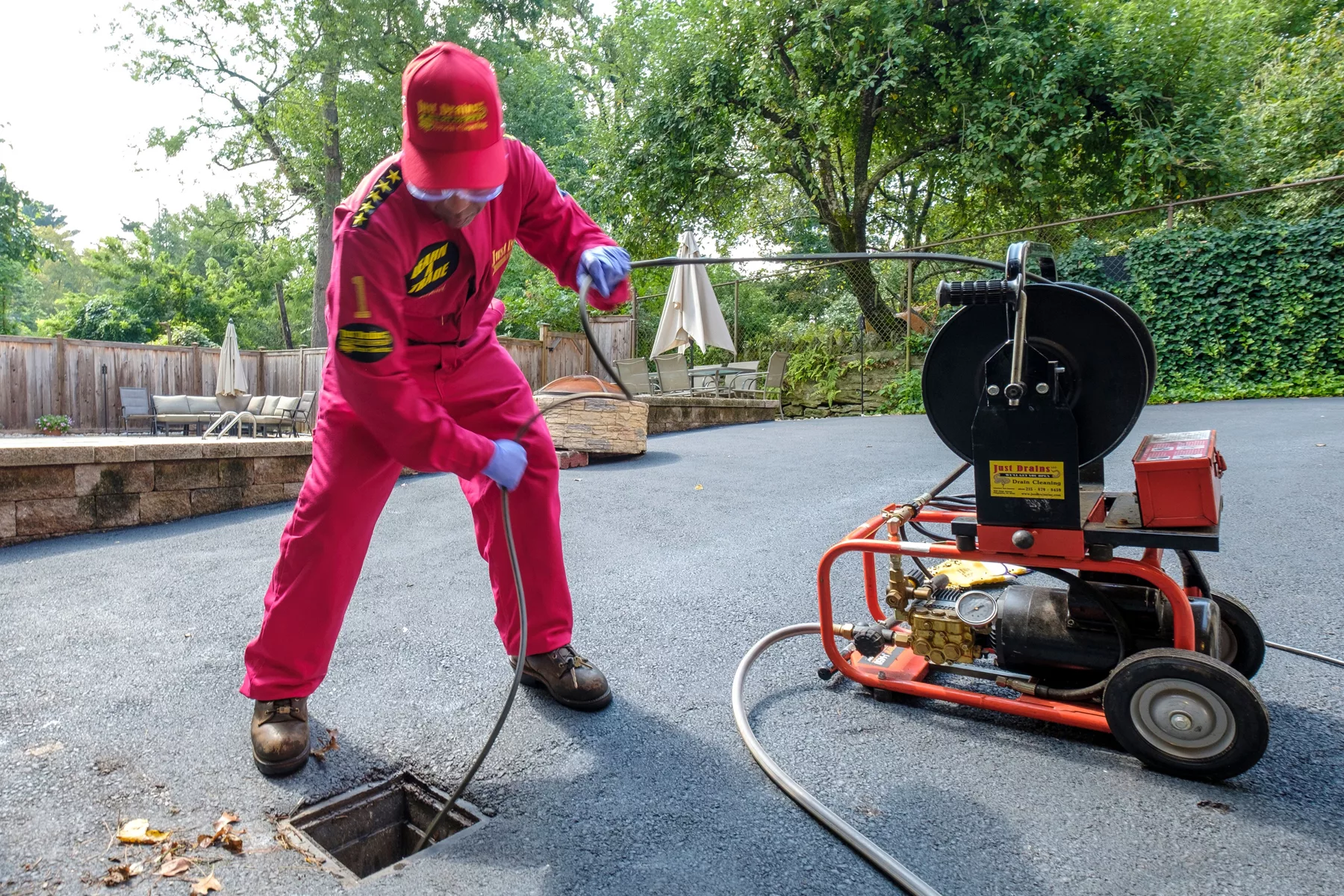
This article discusses the importance of proper care and maintenance for drain cleaning tools to prevent premature damage and reduce operational costs for contractors. It highlights common mispractices that lead to equipment breakdown, presenting them ironically as "easy ways to speed up equipment damage." These include neglecting to clean and lubricate tools after use, aggressively forcing cables into clogs, immediately using large cutters without a starting tool, failing to use anti-freeze in water jetters during winter, and using expensive camera heads as cutting tools.
The author, Dave Dunbar, national sales manager for General Pipe Cleaners, emphasizes that such destructive behaviors lead to significant financial losses through equipment replacement, lost revenue due to downtime, and increased headaches. He then pivots to the "real world" practices adopted by successful plumbing, maintenance, and drain cleaning contractors, who prioritize equipment protection, optimize customer service, and boost company profitability by ensuring their tools are reliable and properly functioning.
The concept of a "Bell Curve of Breakage" is introduced, derived from nearly a century of General Pipe Cleaners' experience. This statistical model illustrates that a small percentage of users never break their equipment, another small percentage breaks it frequently, and the majority fall somewhere in between. Professionals on the positive end of this curve attribute their success to a particular attitude towards equipment, which involves respecting all their tools.
Key practices of these successful contractors include understanding and staying within the functional design limits of their equipment, rather than using brute force. They demonstrate patience and care, learning the true capabilities of each tool and operating them within commonsense boundaries. Furthermore, these professionals exceed manufacturers' baseline maintenance recommendations. They ensure tools are stored in clean, dry, and safe environments, recognizing that dirt and moisture are primary adversaries of drain cleaning equipment. An example cited is an Indiana plumber who has used the same cable machine and original snakes since 2003, demonstrating the impact of consistent, diligent care.
The article also stresses the critical role of proper maintenance for individual components, such as sewer cables. It advocates for the use of specialized lubricants designed for drain cleaning tasks. These lubricants, such as General’s Snake-Oil Classic, contain rust inhibitors to combat moisture and provide a corrosion-resistant coating, while also creating a nonstick surface to prevent mud and debris buildup. This not only extends the life of cables but also improves the performance of the entire drain cleaning system, including drums, bearings, and power cable feeds. By adopting these best practices, contractors can significantly reduce equipment wear and tear, minimize downtime, and avoid substantial financial losses, ultimately moving towards the positive end of the "Bell Curve of Breakage."
#DrainCleaning #ToolMaintenance #ContractorTips #EquipmentLongevity #Plumbing #OperationalEfficiency #CostSavings #PreventativeMaintenance #DrainCleaning #ToolMaintenance #ContractorTips #EquipmentLongevity #Plumbing #OperationalEfficiency #CostSavings #PreventativeMaintenance
0 commentaire au total
 Aucun commentaire pour le moment
Vous aimerez aussi
This Drain Cleaner Is the Best At Tackling Stubborn Clogs, Say Our Experts

How to use a drain snake, according to experts


Say goodbye to clogged drains with these simple household cleaning hacks


20 Wirecutter-Approved Cleaning Supplies to Tackle Almost Any Mess

Dealing With a Slow Drain? Here are 7 Drain Cleaners to Safely Unclog Pipes

The Best Drain Cleaners for Hair and Grime


Home improvement hacks for common household issues
10 Essential Power Tools For DIYers

This $7 Product Can Clear Even the Most Stubborn Drain Clog
The Highly-Rated Electric Drain Cleaner Harbor Freight Shoppers Are Loving
TubShroom and SinkShroom Review: Say Goodbye to Drain Cleaner Forever


How to clean a bathroom sink – expert tips for a well-scrubbed sink

How to Decide Whether to Rent or Buy Drain Cleaning Equipment

General Pipe Cleaners


8 Things You Should Never Wash Down The Sink

11 Efficient Tile Removal Tools for Floor and Wall Projects

The Best Drain Snakes for Clogged Showers, Bathtubs, and Sinks
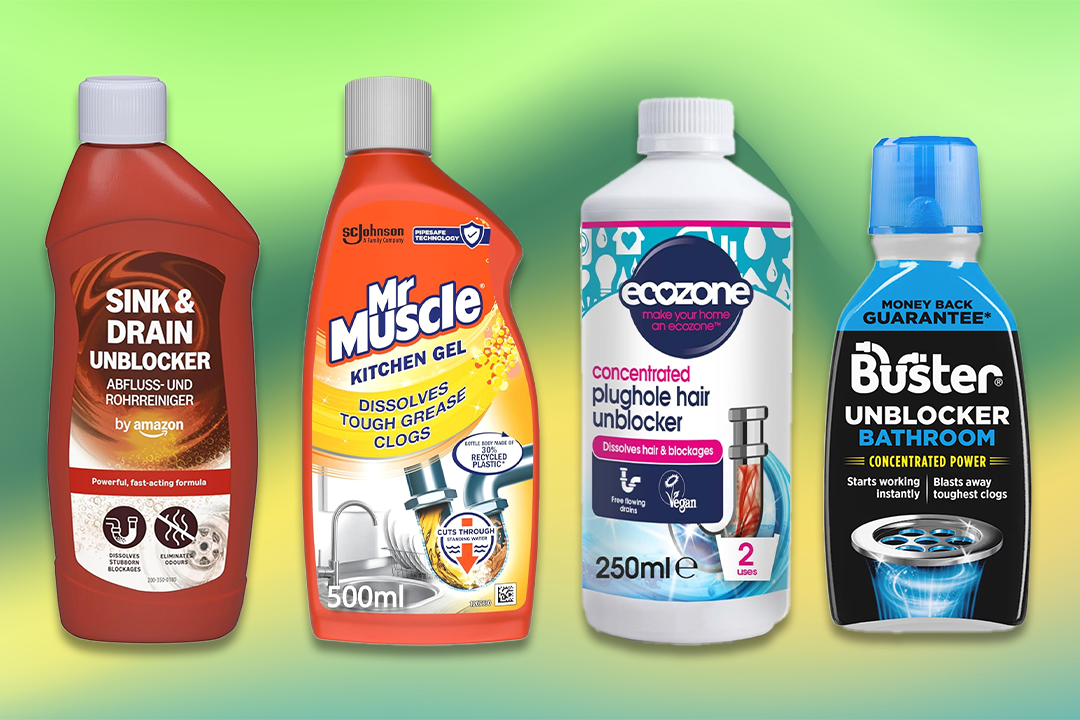
Best drain unblockers 2025, tested in a real home

7 reasons your sink won't drain – plus expert tips to unclog a sink like a pro

18 Wirecutter-Approved Cleaning Supplies to Tackle Almost Any Mess