1/7
These 7 Sustainable Bathroom Trends Are the Way to Make Green Living Actually Look Chic
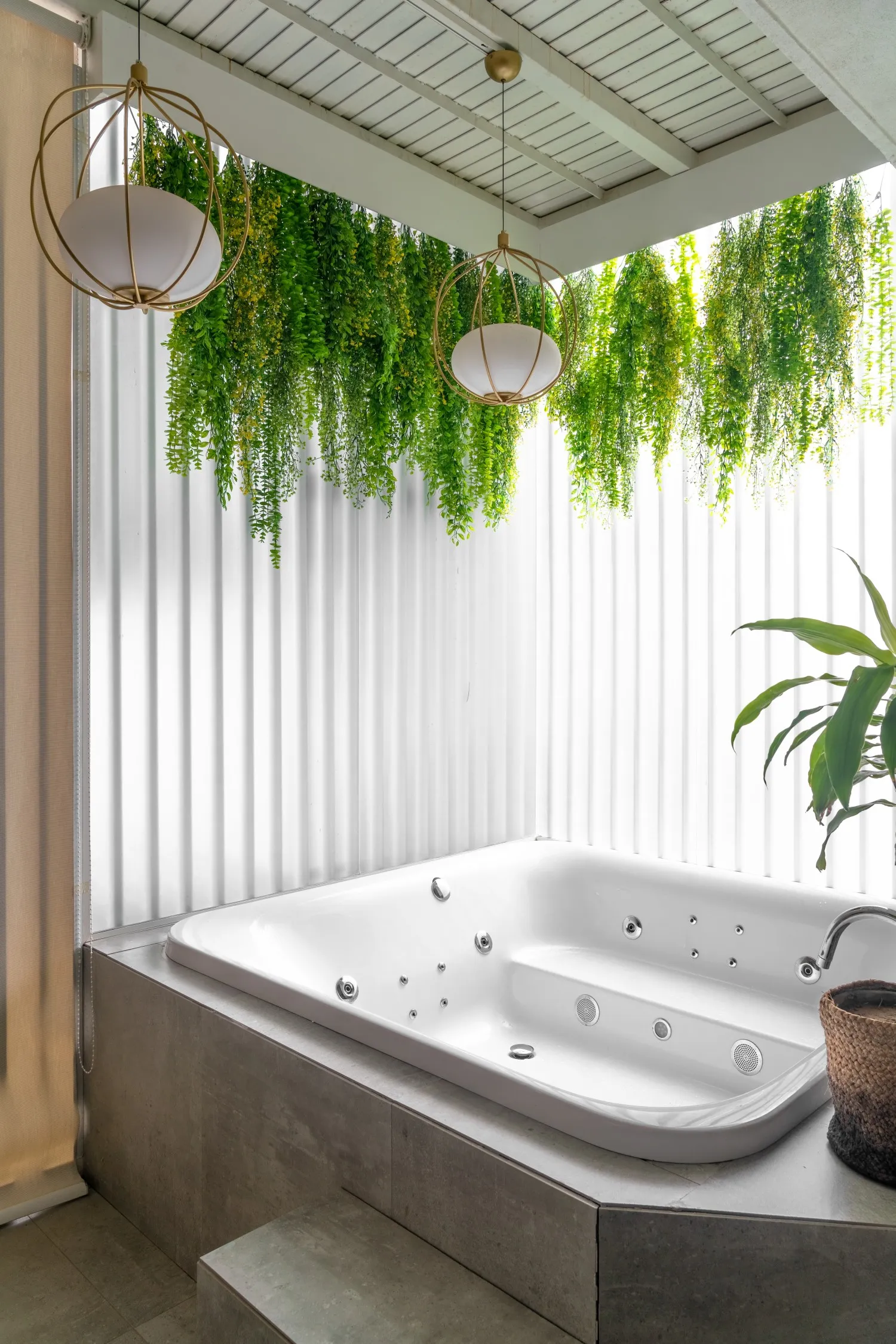
The article explores seven sustainable bathroom trends that blend aesthetic appeal with environmental responsibility. A significant shift in bathroom design focuses on sustainability, moving away from the misconception that eco-friendly options compromise comfort, beauty, or practicality. Modern innovations demonstrate that luxury and environmental consciousness can coexist harmoniously.
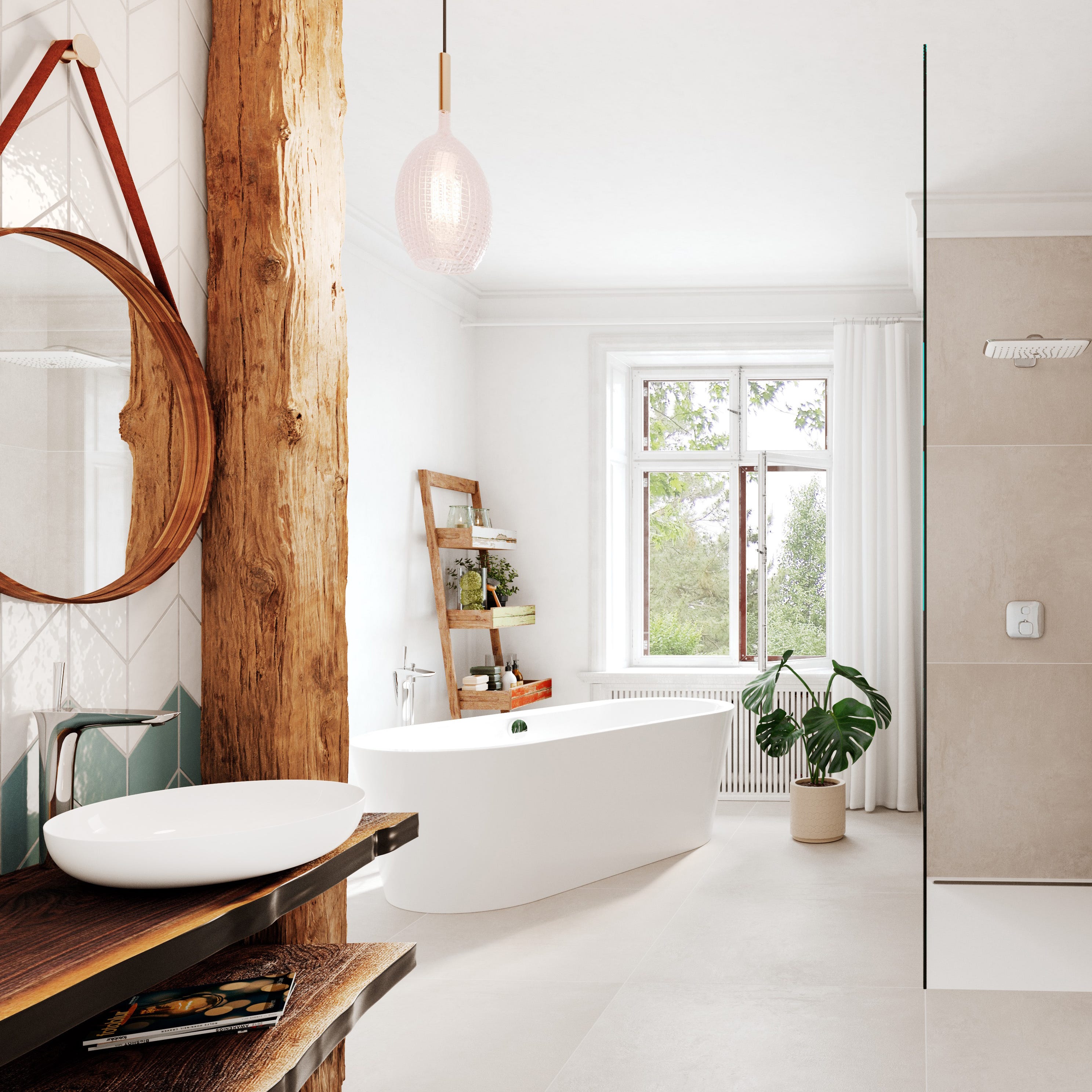
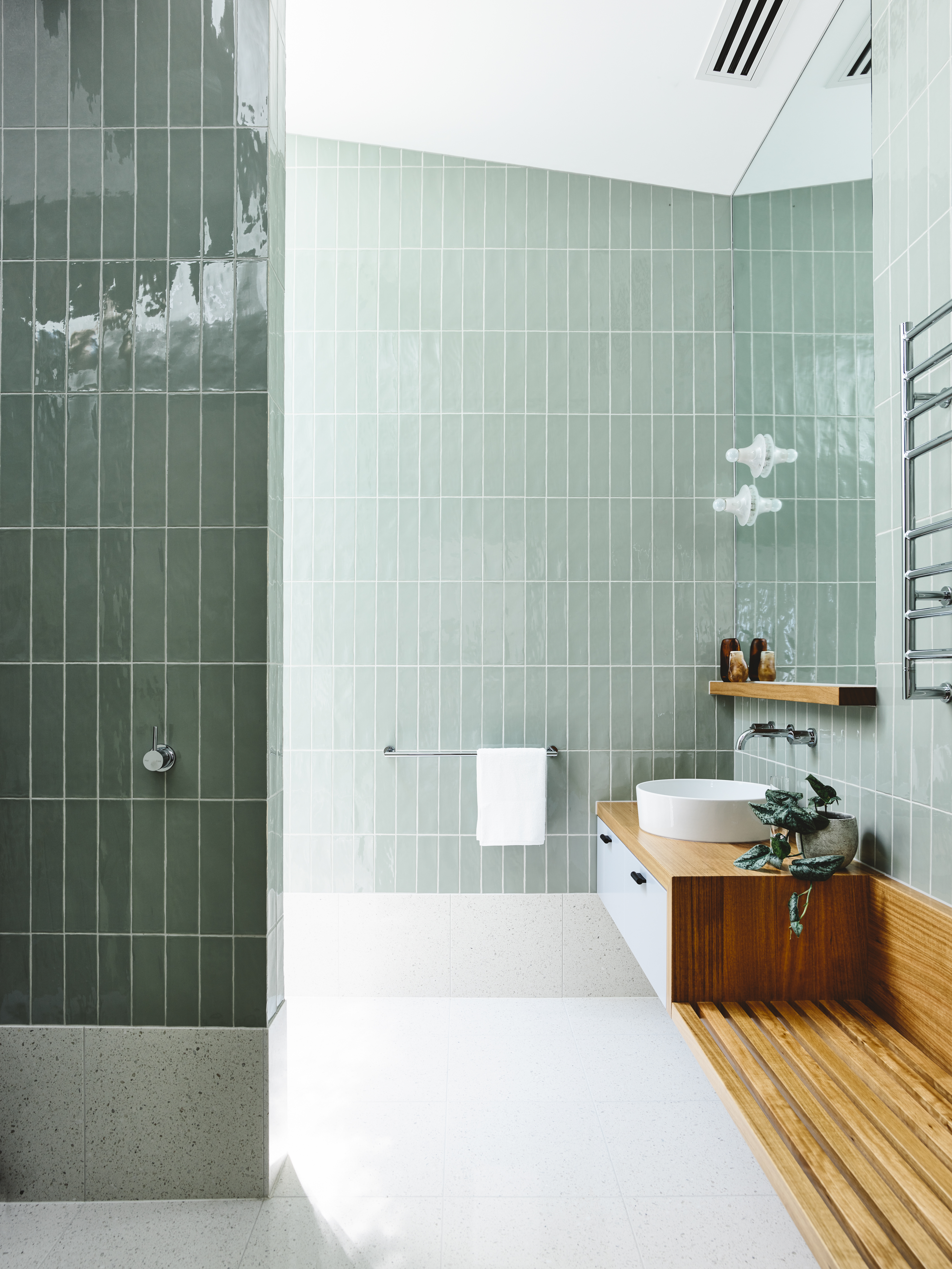
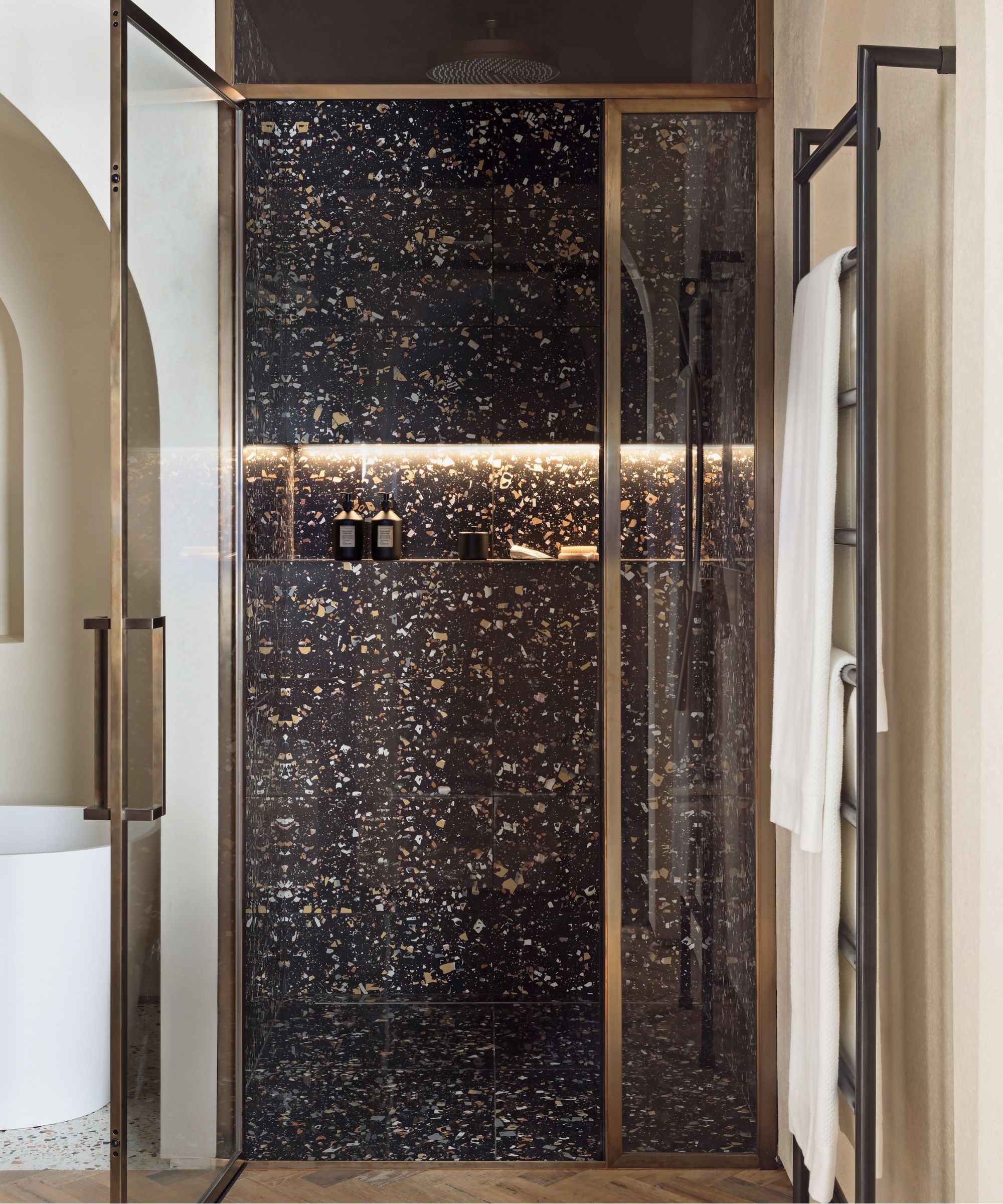
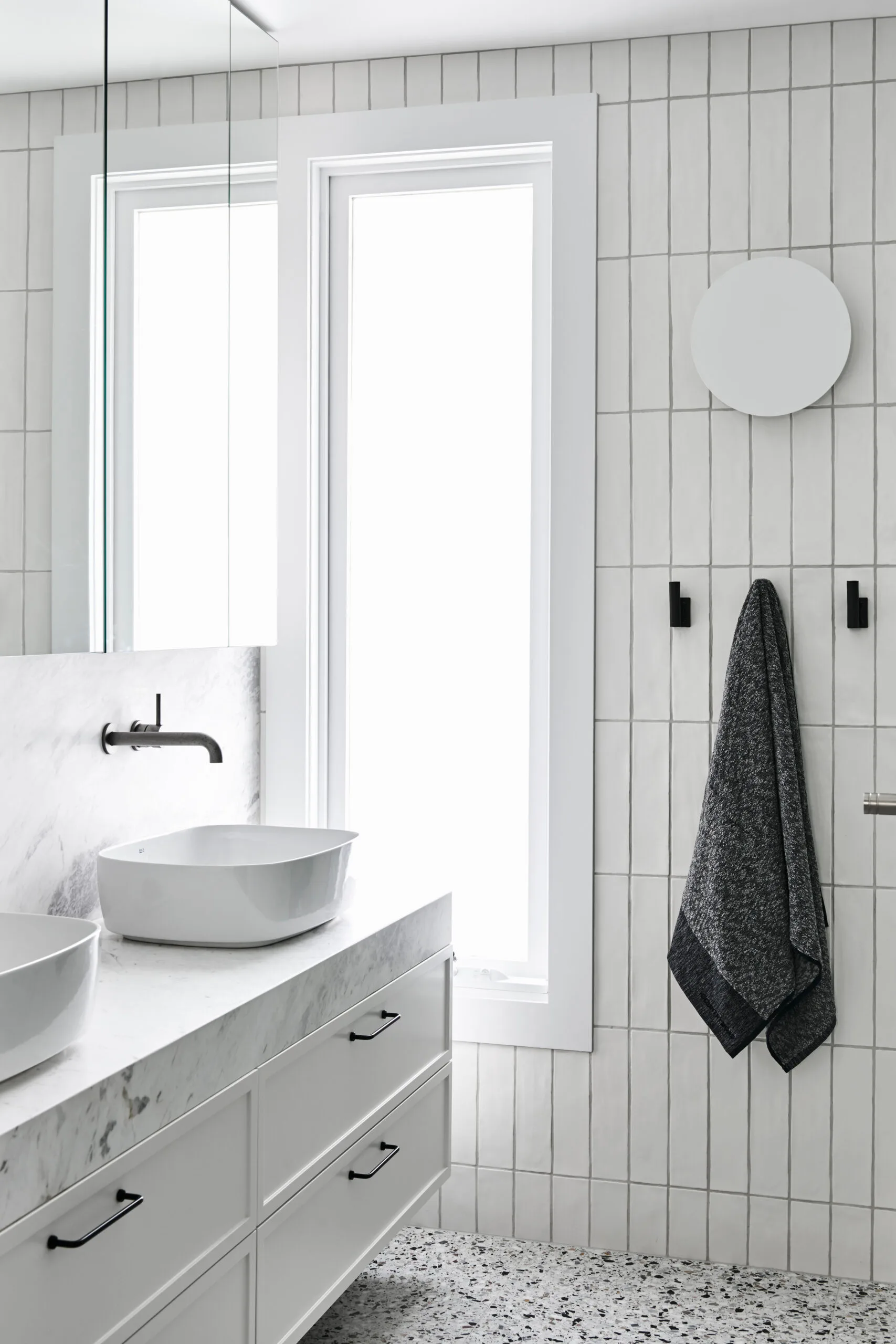
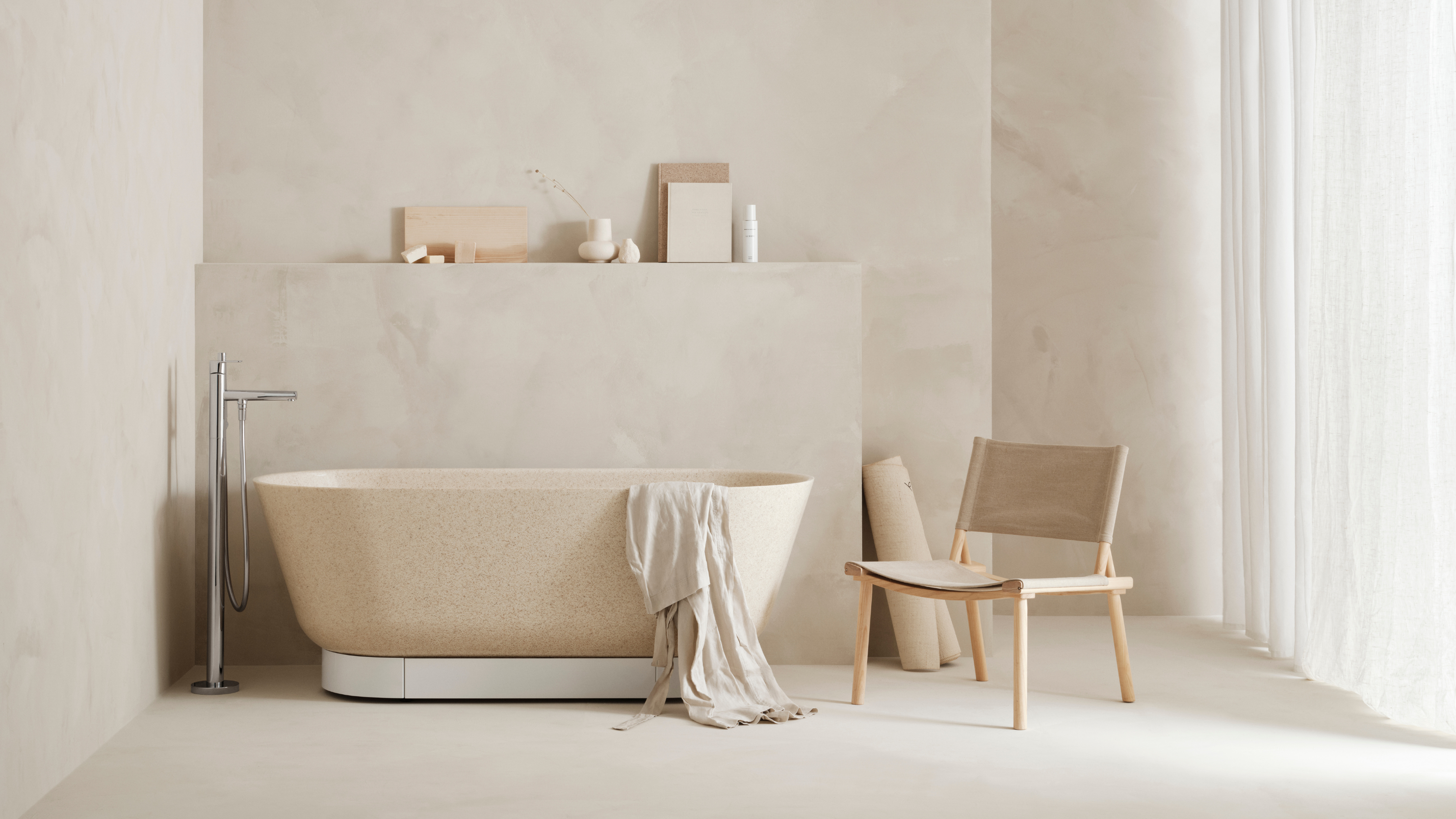
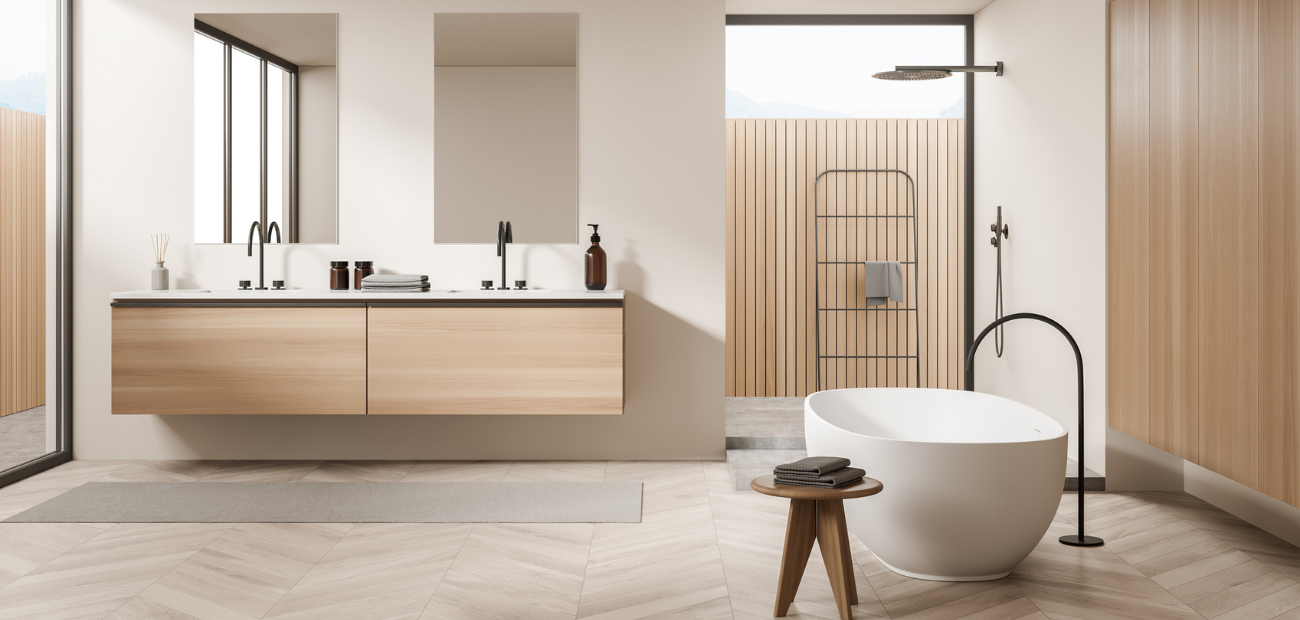
The first trend highlighted is the use of recycled materials. Brands are increasingly incorporating recycled content into their products, offering beautiful and durable alternatives to traditional finite resources. For instance, Woodio utilizes waterproof wood composite made from aspen chips for basins, baths, and toilets, providing a material with a significantly lower carbon footprint than ceramics and stone. Similarly, the classic Italian material Terrazzo is undergoing a sustainable transformation by using marble chips and off-cuts that would otherwise be discarded, turning waste into decorative and hard-wearing surfaces. These advancements illustrate that using recycled materials does not diminish the luxury finish of bathroom elements.
The second trend focuses on smart showers designed to reduce water usage without sacrificing the shower experience. Even in areas not directly affected by droughts, responsible water consumption is crucial. Innovations like GRAFF's Ametis and Aqua-Sense shower systems offer mood-enhancing features such as chromotherapy and sound, while also conserving water and energy by controlling temperature and flow. Additionally, smart fittings that monitor water usage provide real-time insights, allowing homeowners to adjust their habits and integrate sustainability into their daily routines effortlessly.
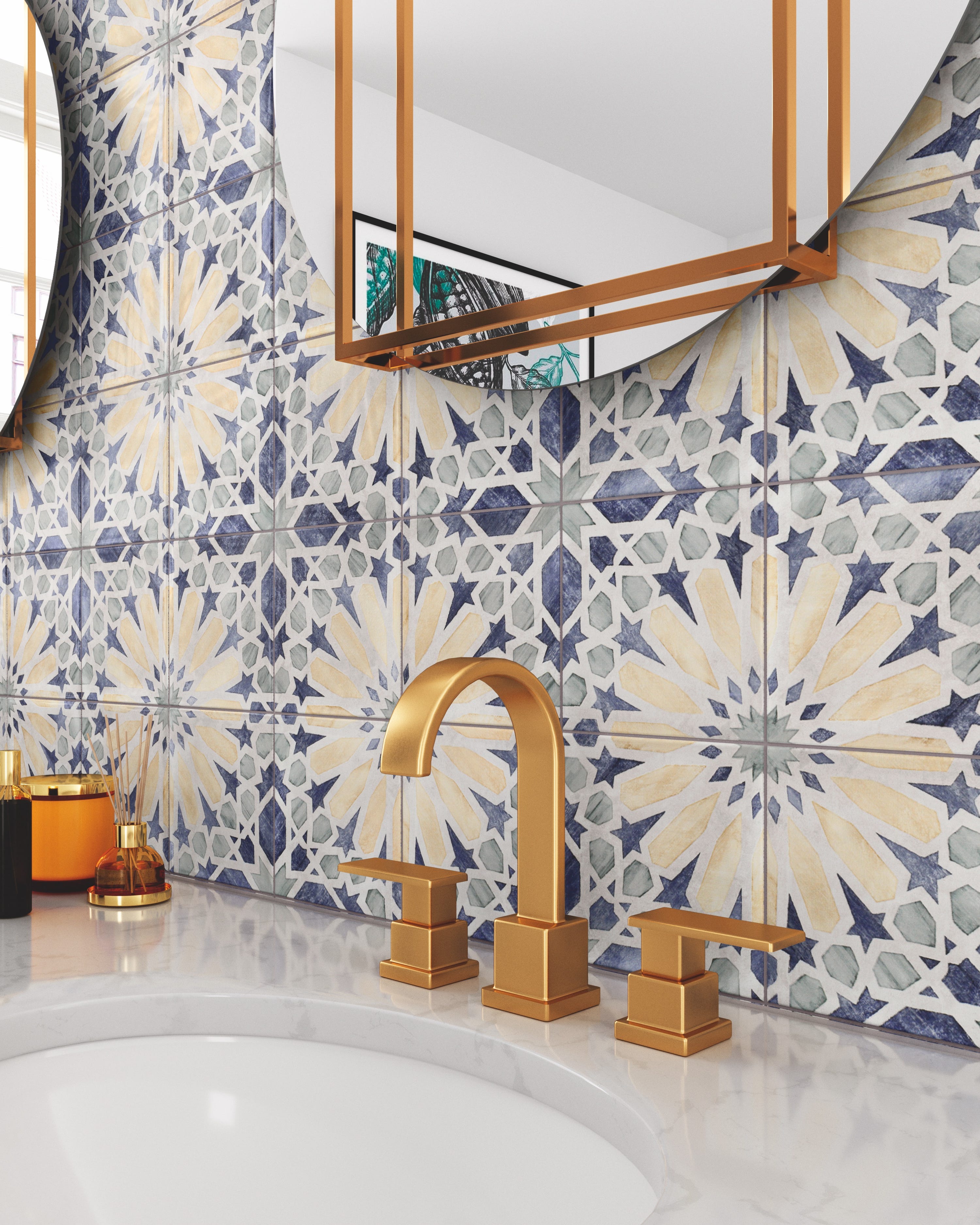
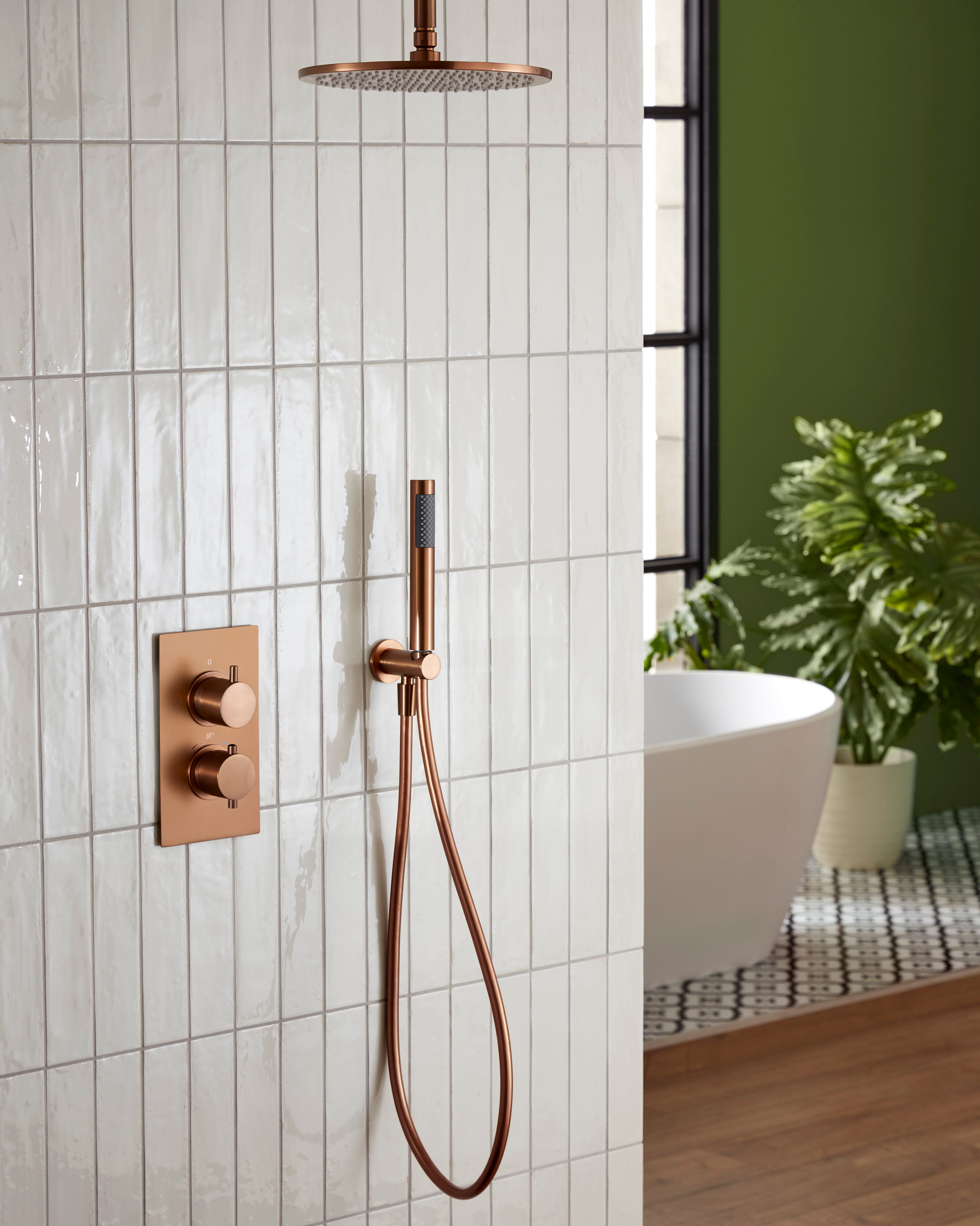

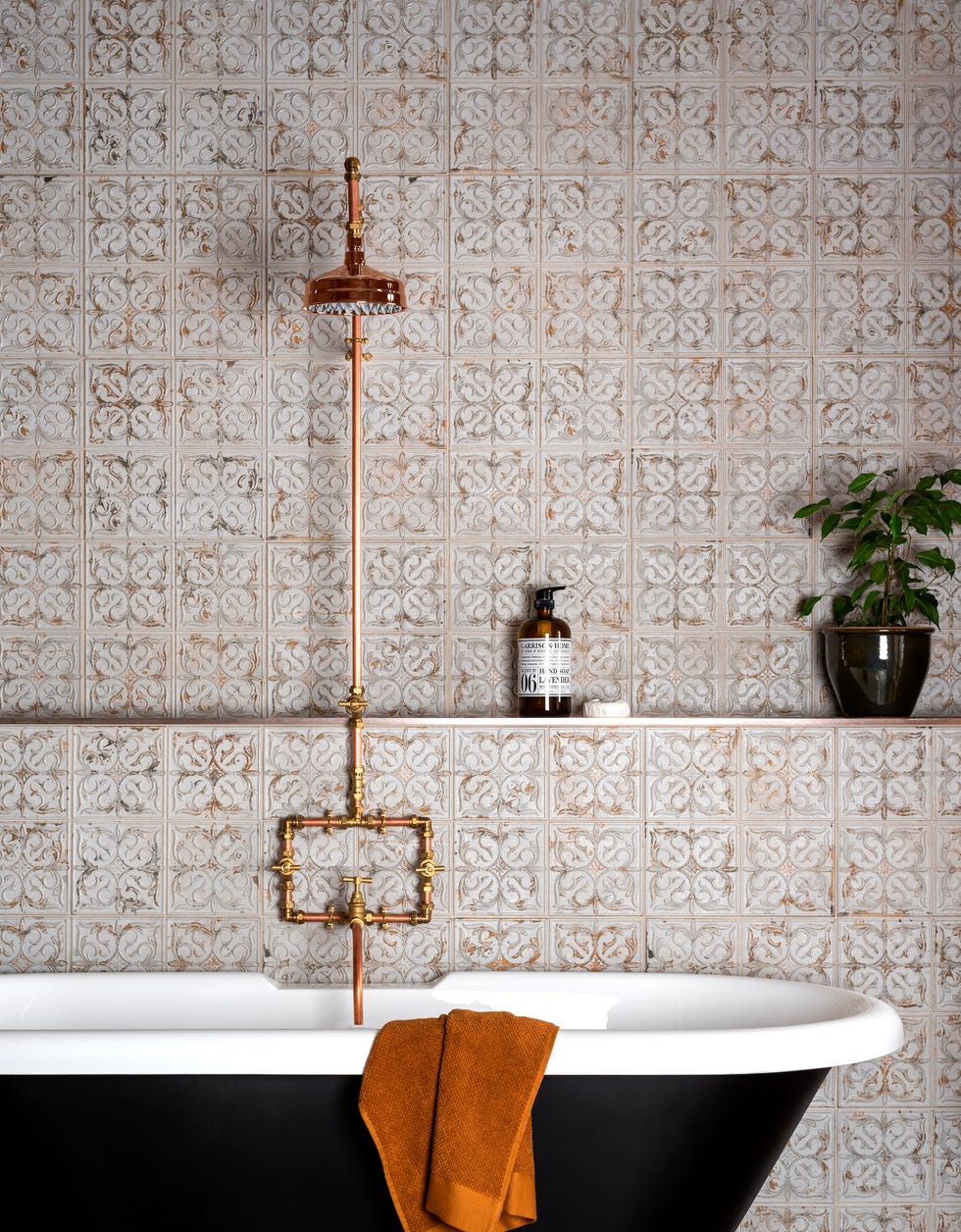
Thirdly, stainless steel brassware is gaining popularity due to its durability, sleek appearance, and complete recyclability. This trend emphasizes investing in high-quality, long-lasting products that reduce waste. Stainless steel, particularly 316-grade, is corrosion-resistant, highly durable, and 100% recyclable, often made from recycled materials. This material aligns with a futuristic aesthetic while offering significant environmental benefits.
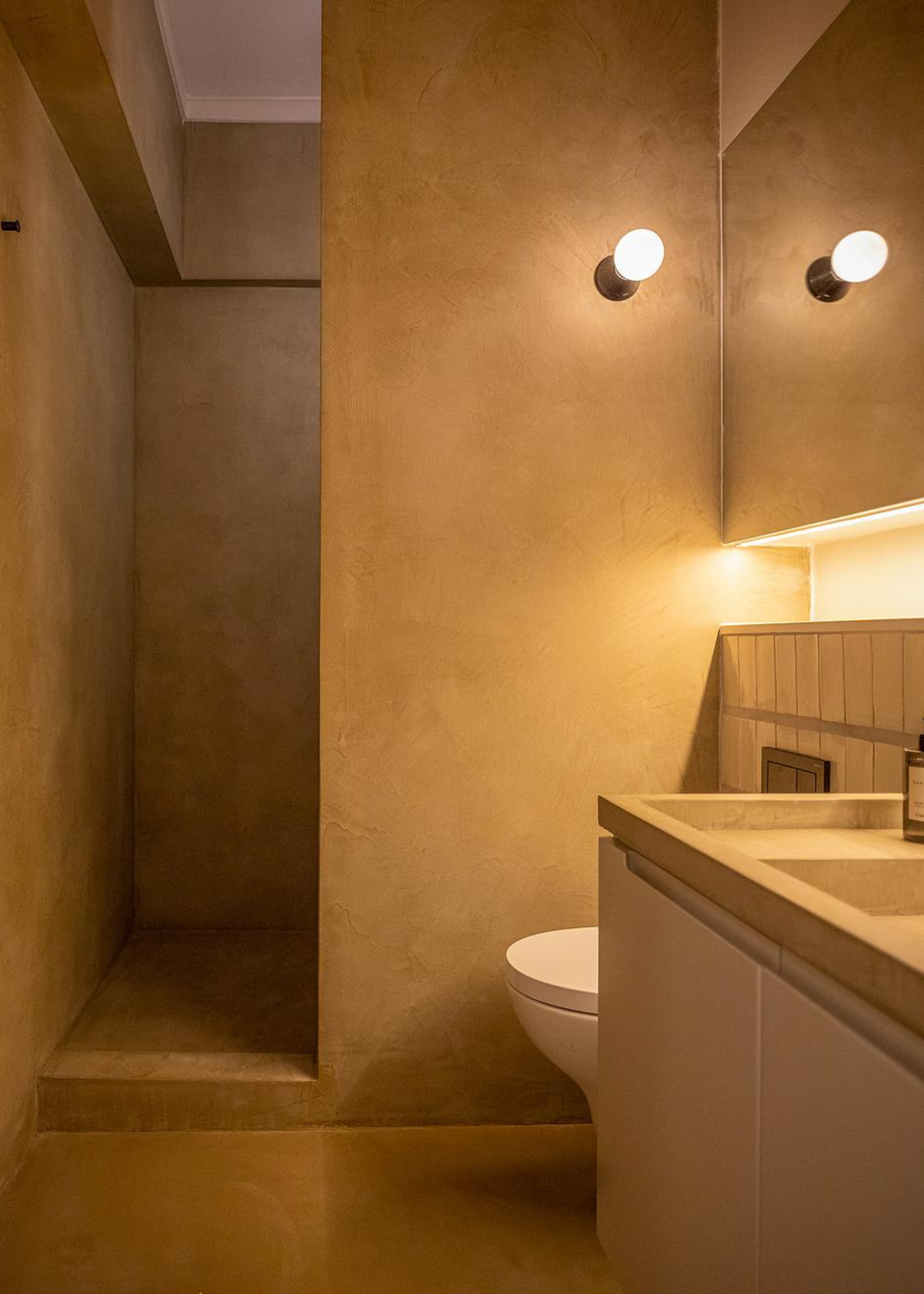
The fourth trend involves using eco-friendly paints, specifically those with low volatile organic compounds (VOCs). Traditional paints contain VOCs that release harmful chemicals, impacting both indoor air quality and the environment. Low-VOC paints eliminate these compounds, creating a healthier and more restorative indoor environment. This trend demonstrates how eco-conscious choices can contribute to a spa-like comfort while being environmentally responsible.
Fifth, the article encourages sourcing local products. Buying locally manufactured items reduces transportation emissions and supports local economies. While the initial cost may be higher, locally made products often boast superior craftsmanship and longevity, reducing the need for frequent replacements. This approach aligns with the philosophy of 'less is more,' prioritizing quality and durability over mass-produced, disposable items.
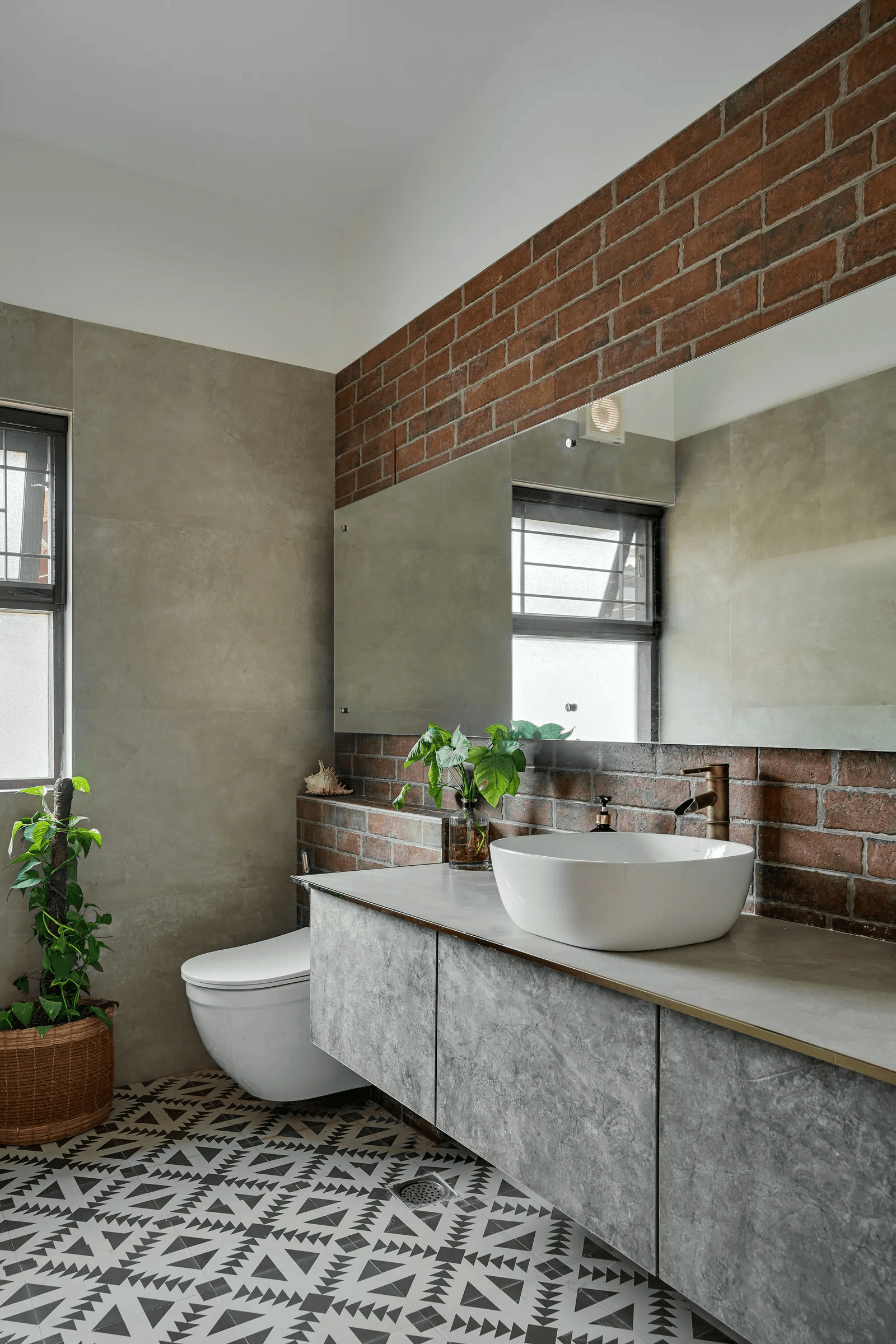
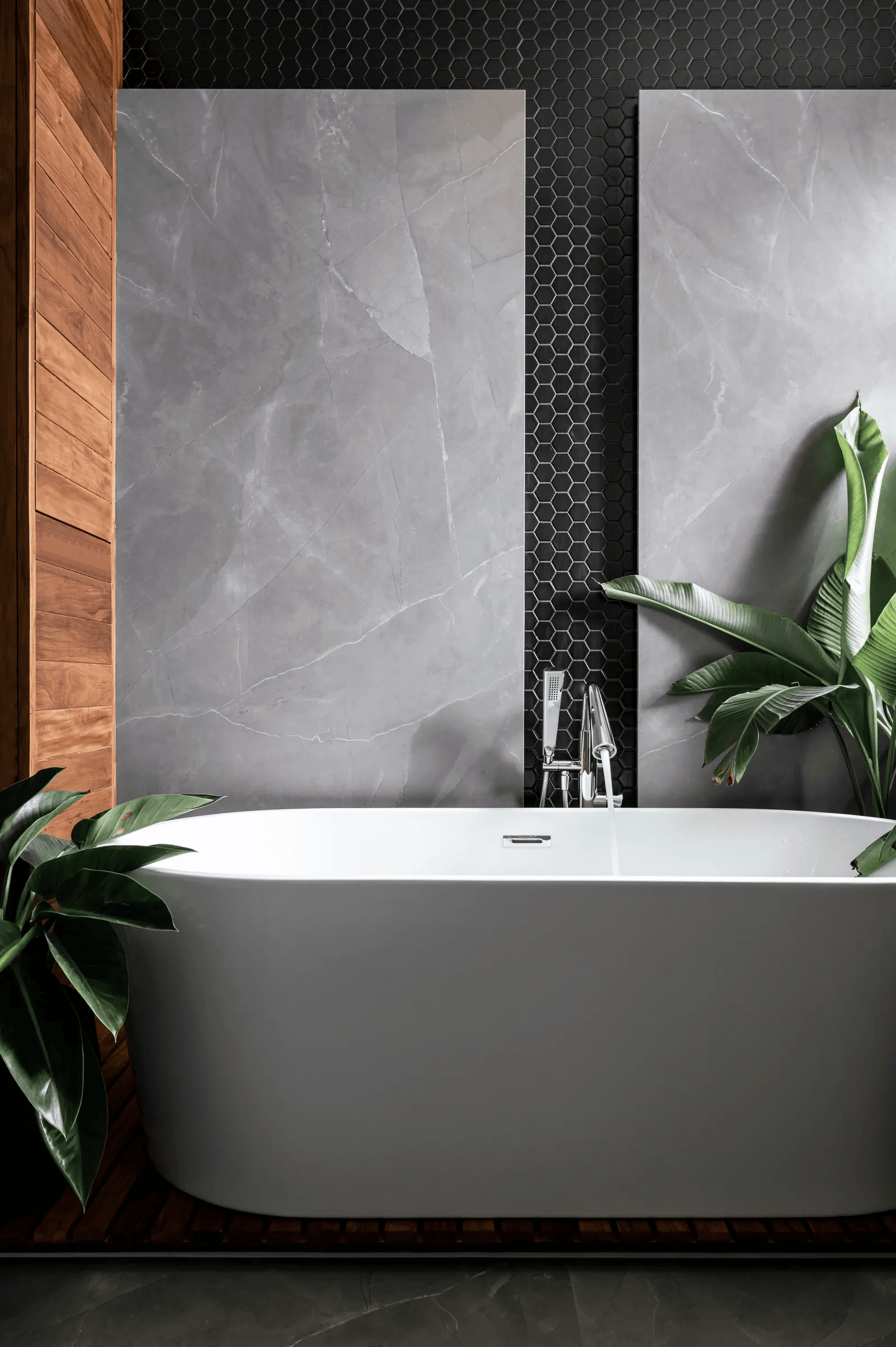
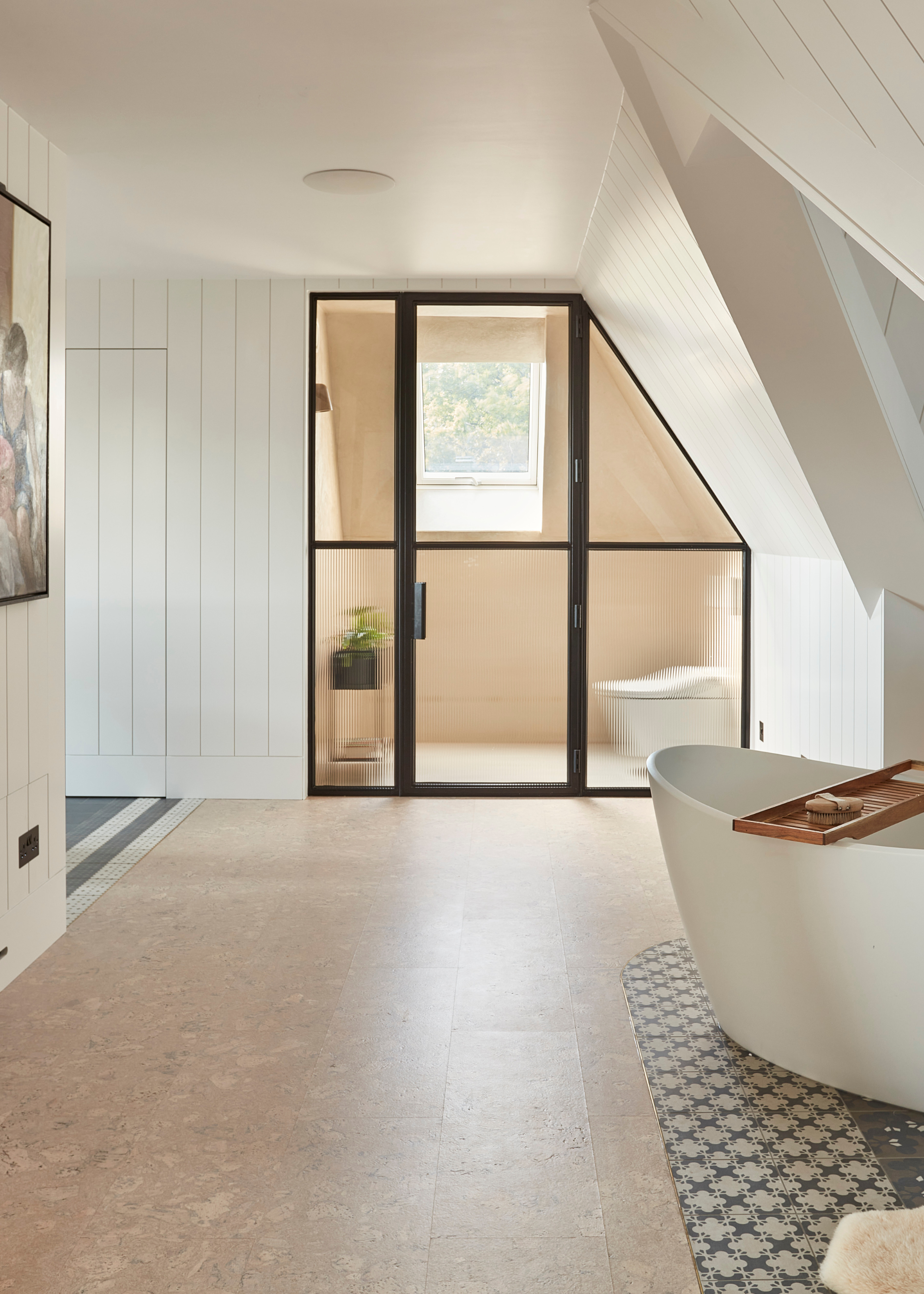
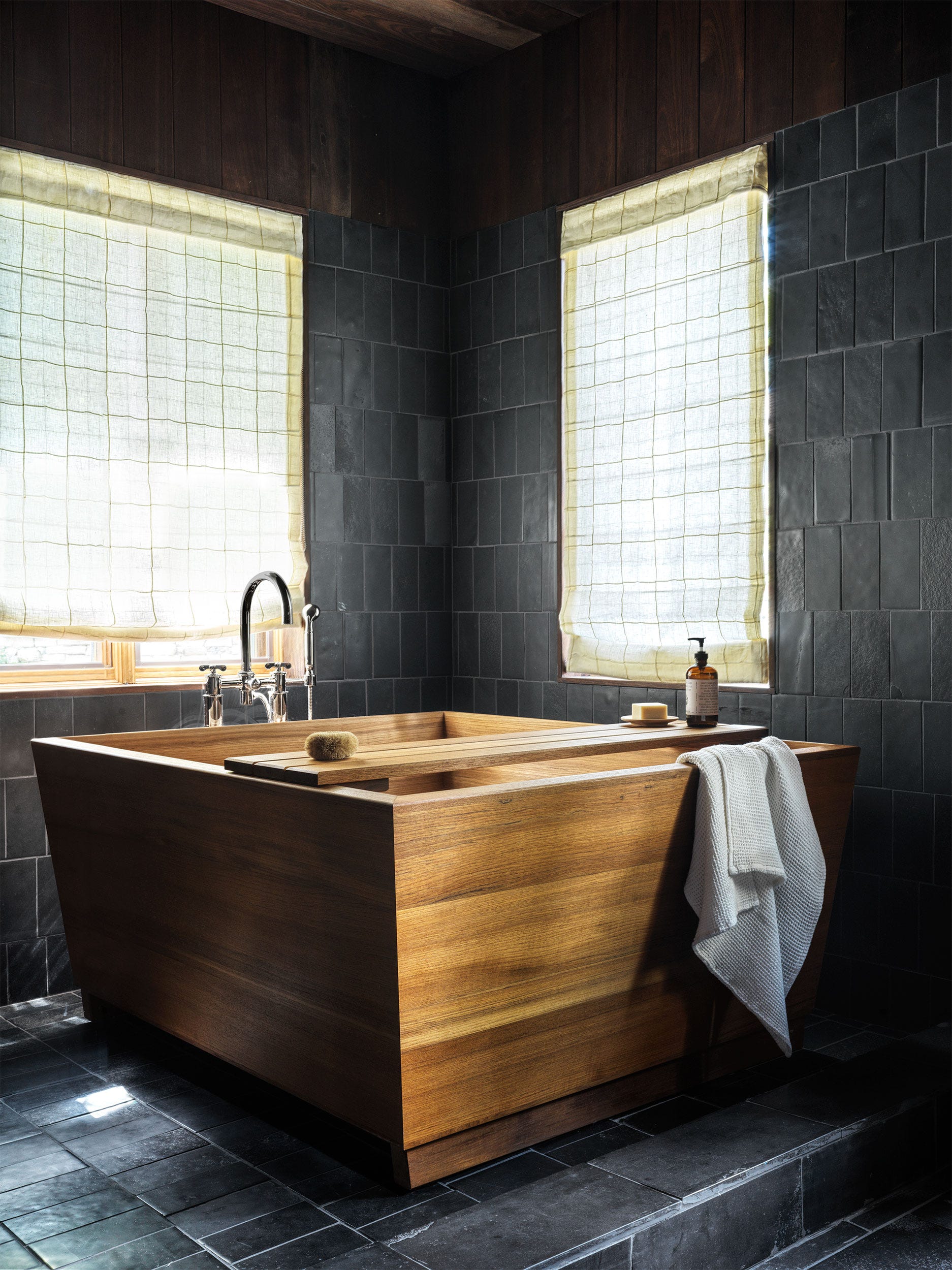
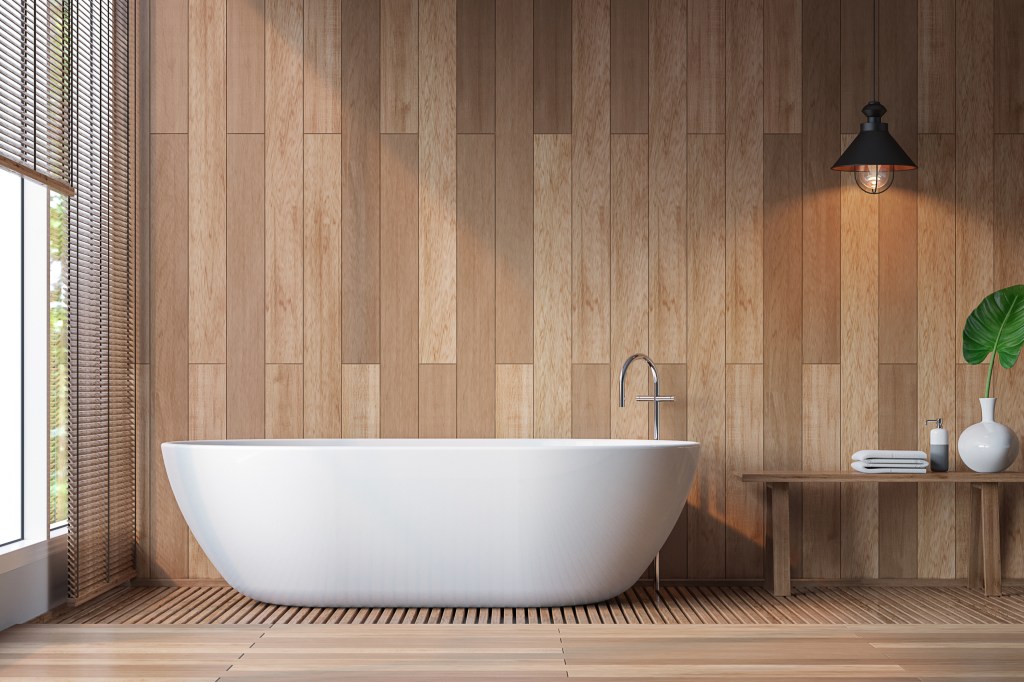
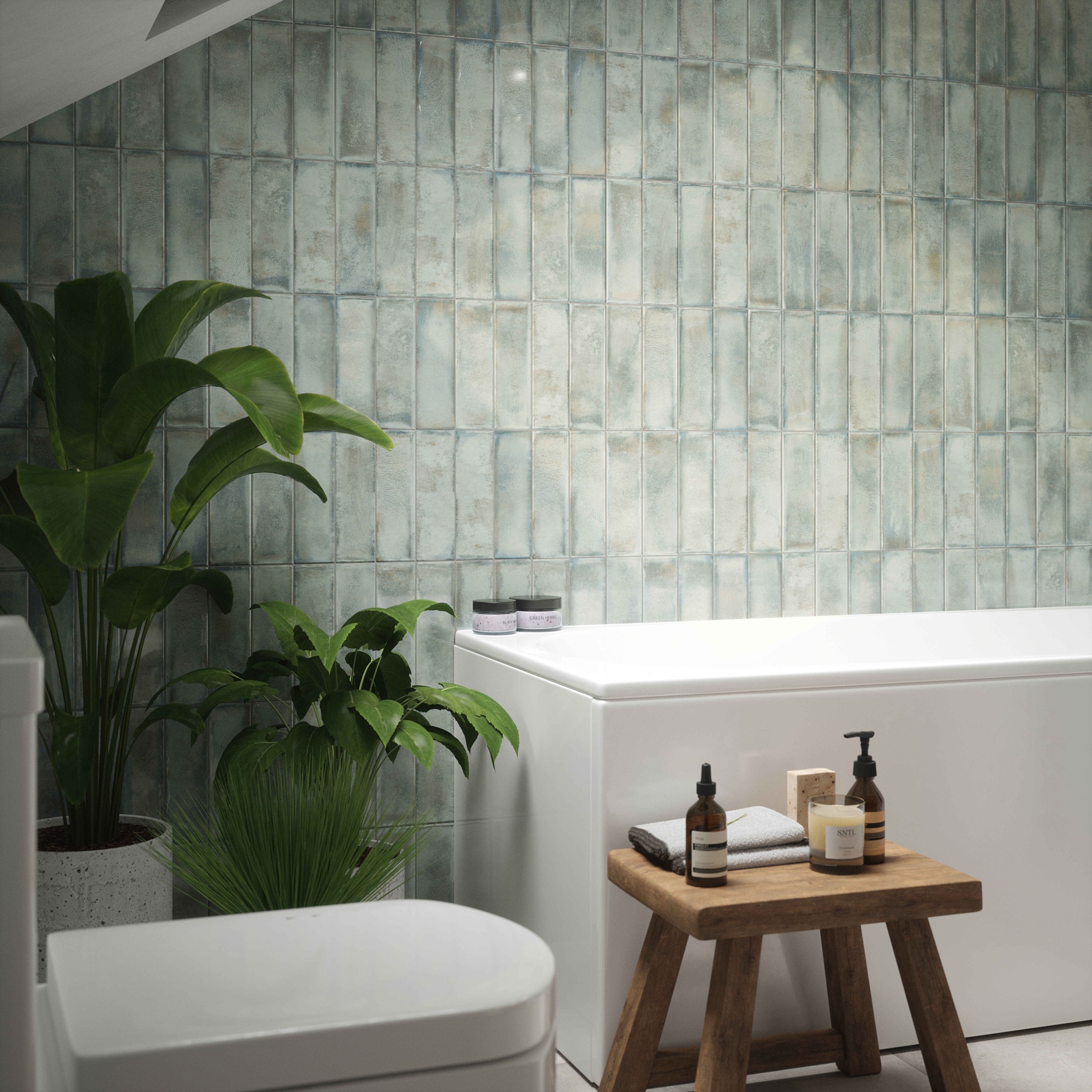
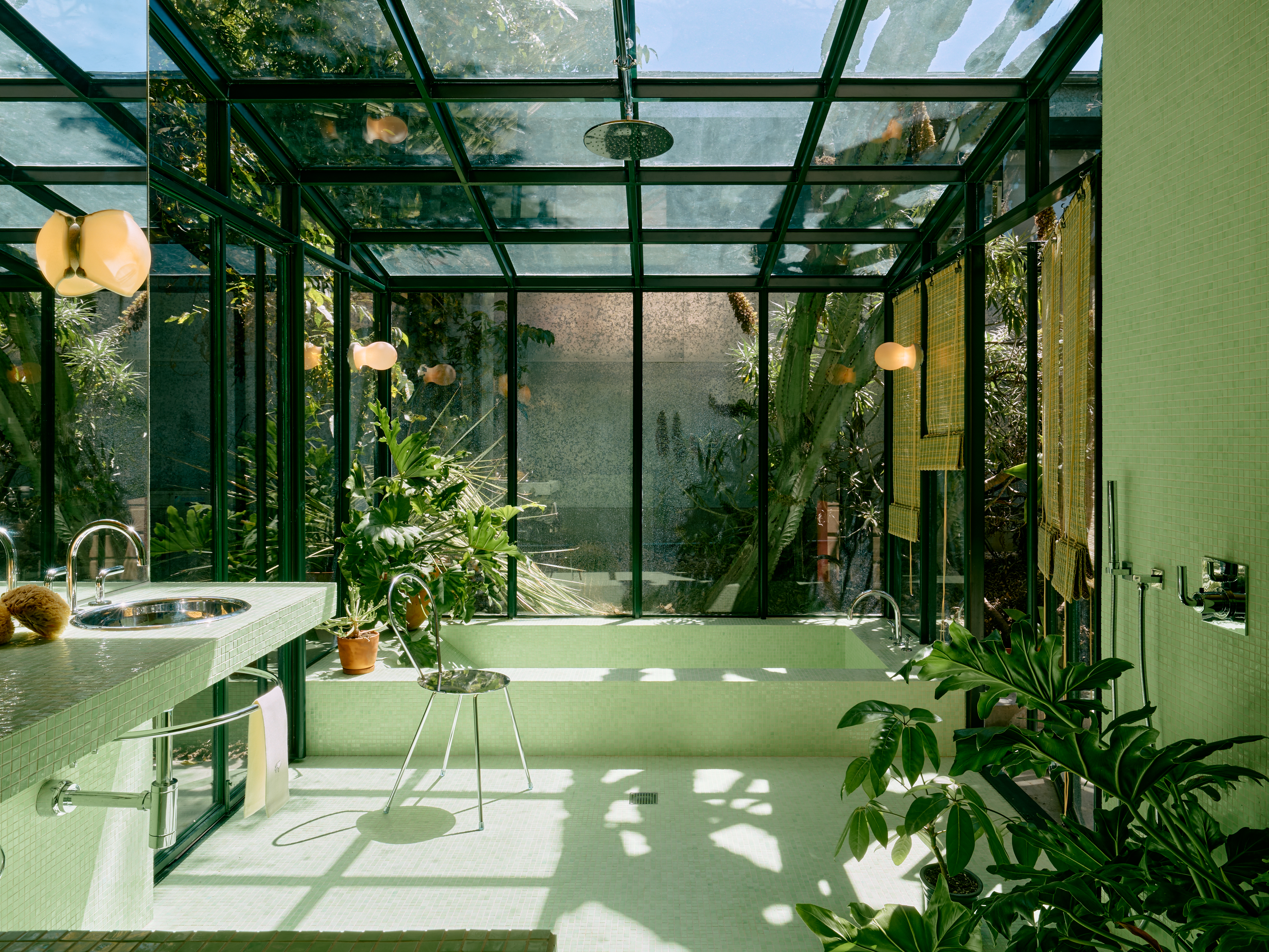
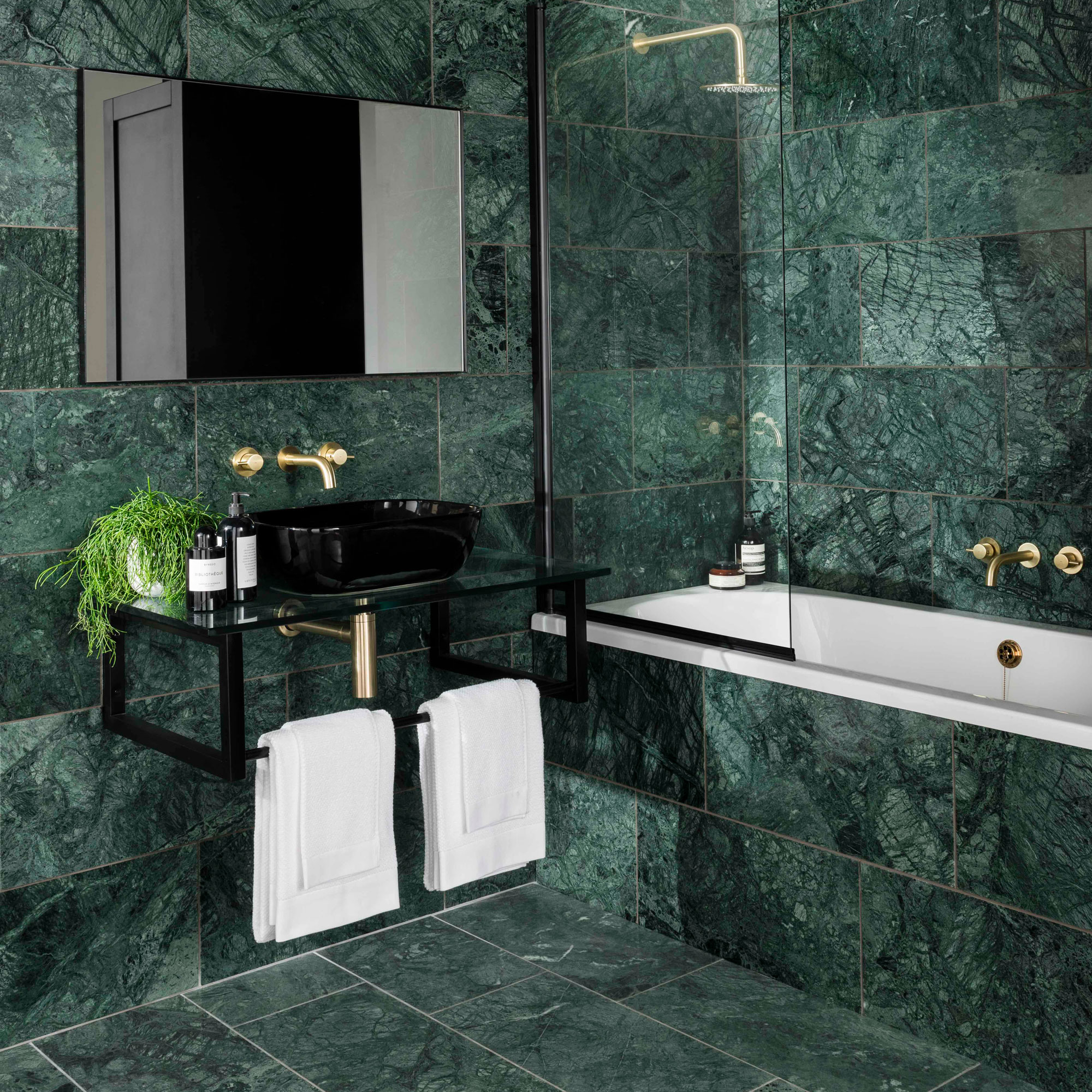
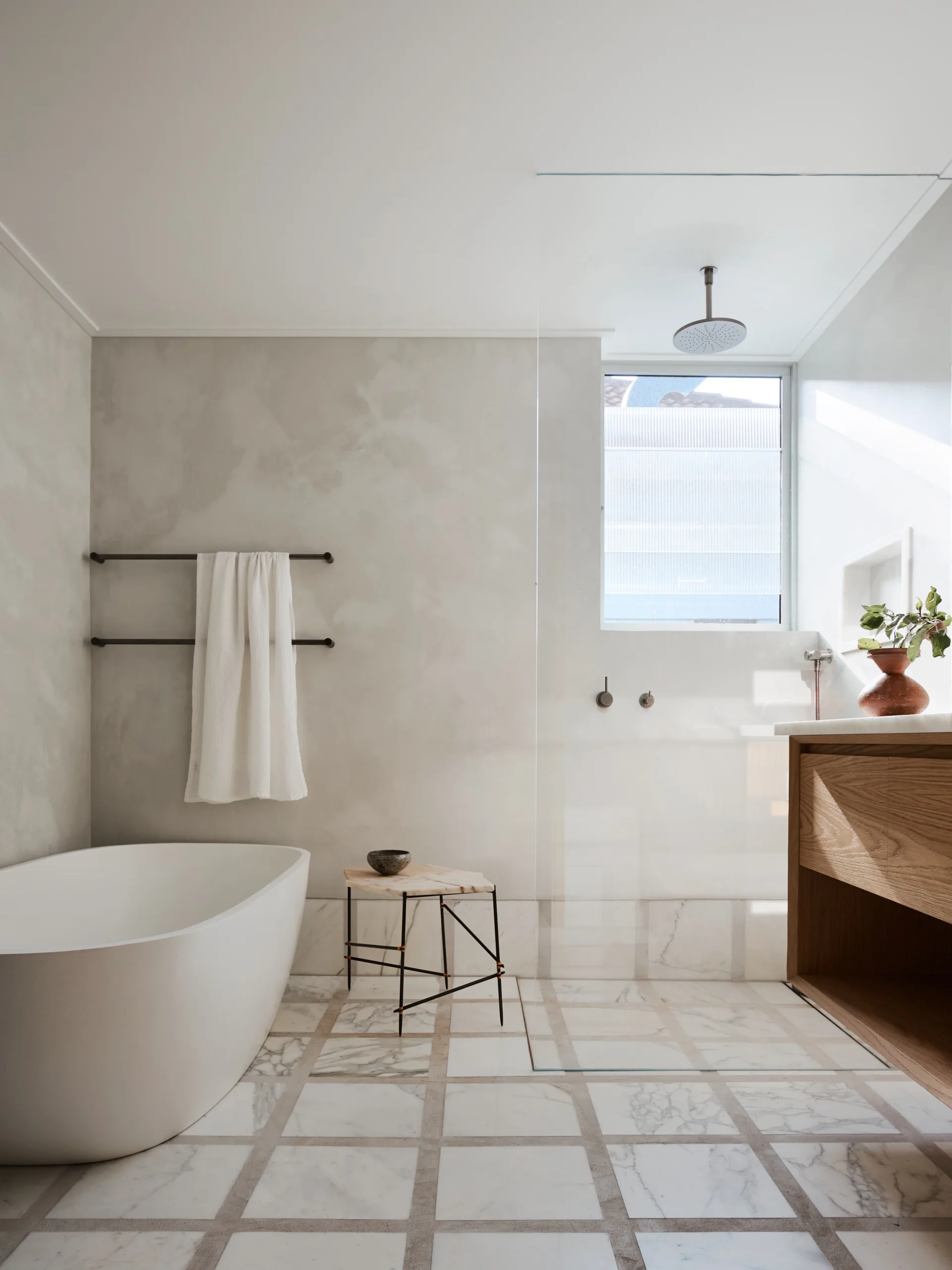
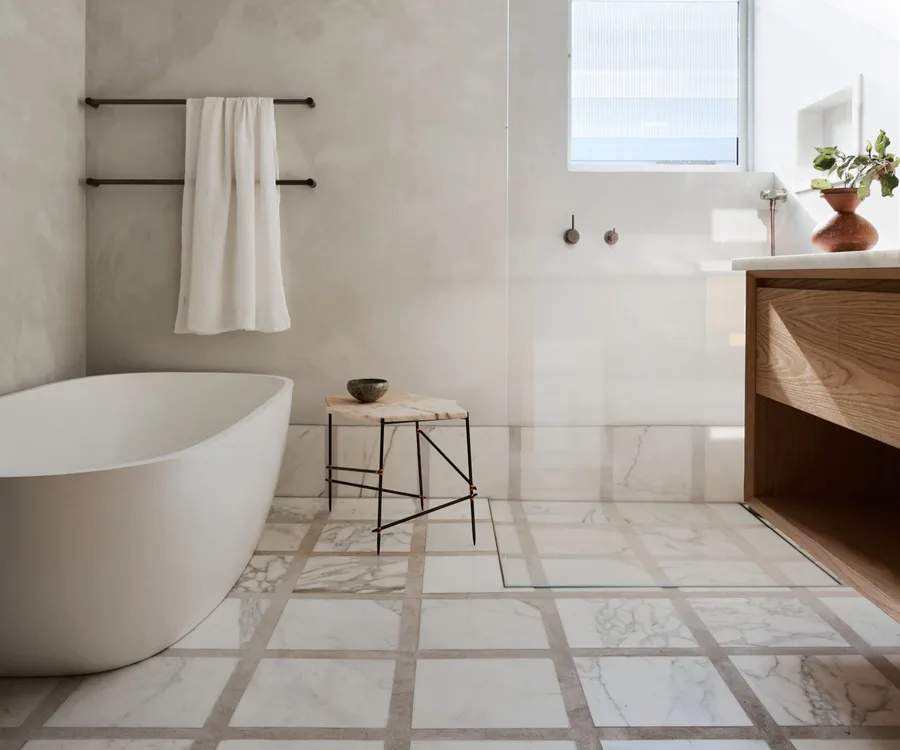
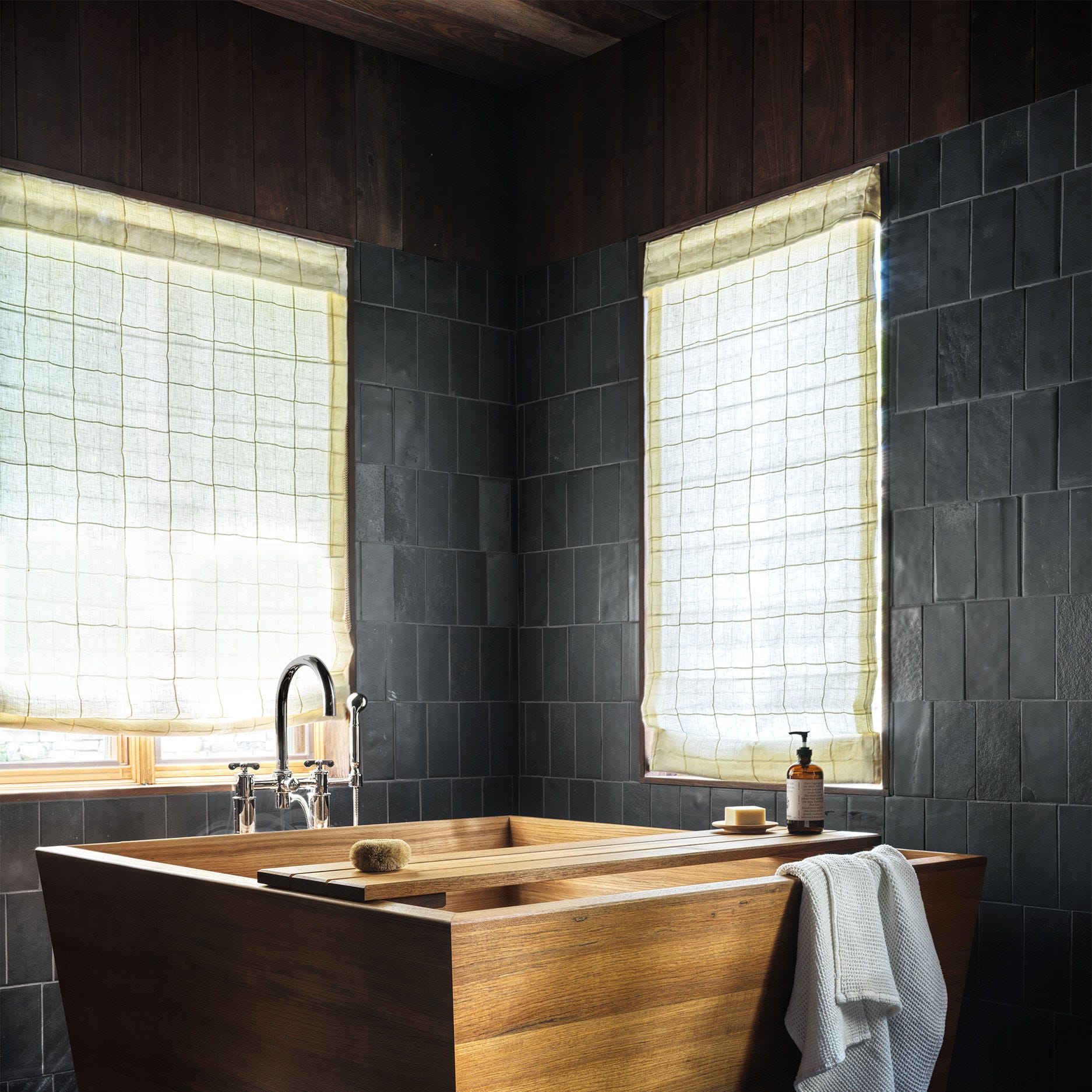
The sixth trend emphasizes relying on natural materials like glass, bamboo, cork, ceramic, and stone. Historically, synthetic materials gained popularity due to lower price points. However, with a renewed focus on sustainability, natural materials are re-emerging. These materials create calming, nature-led aesthetics and avoid plastics and other synthetics. Stone, in particular, is highlighted for its timeless design, natural strength, unique textures, and ability to age gracefully, making it a sustainable and luxurious investment.
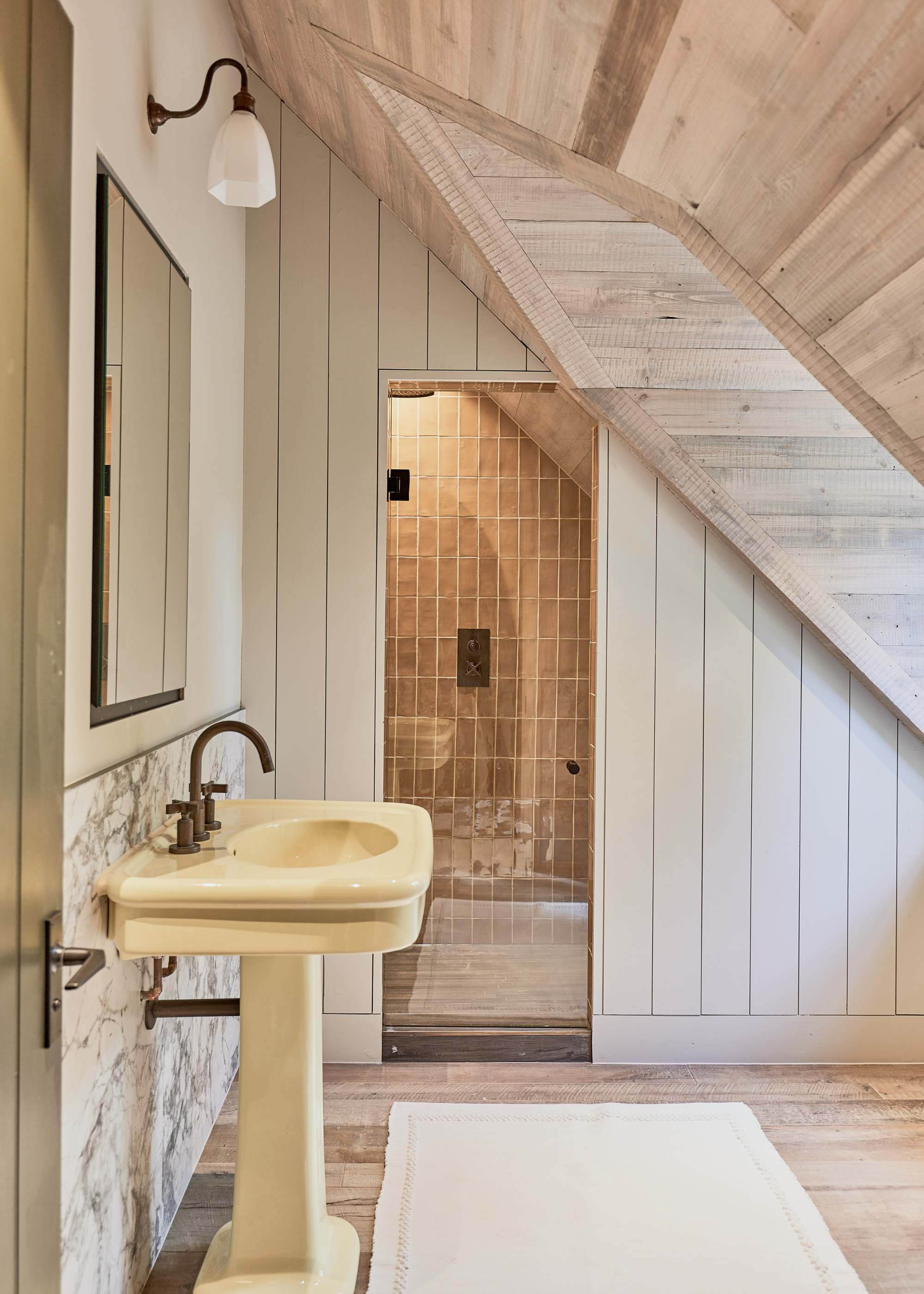
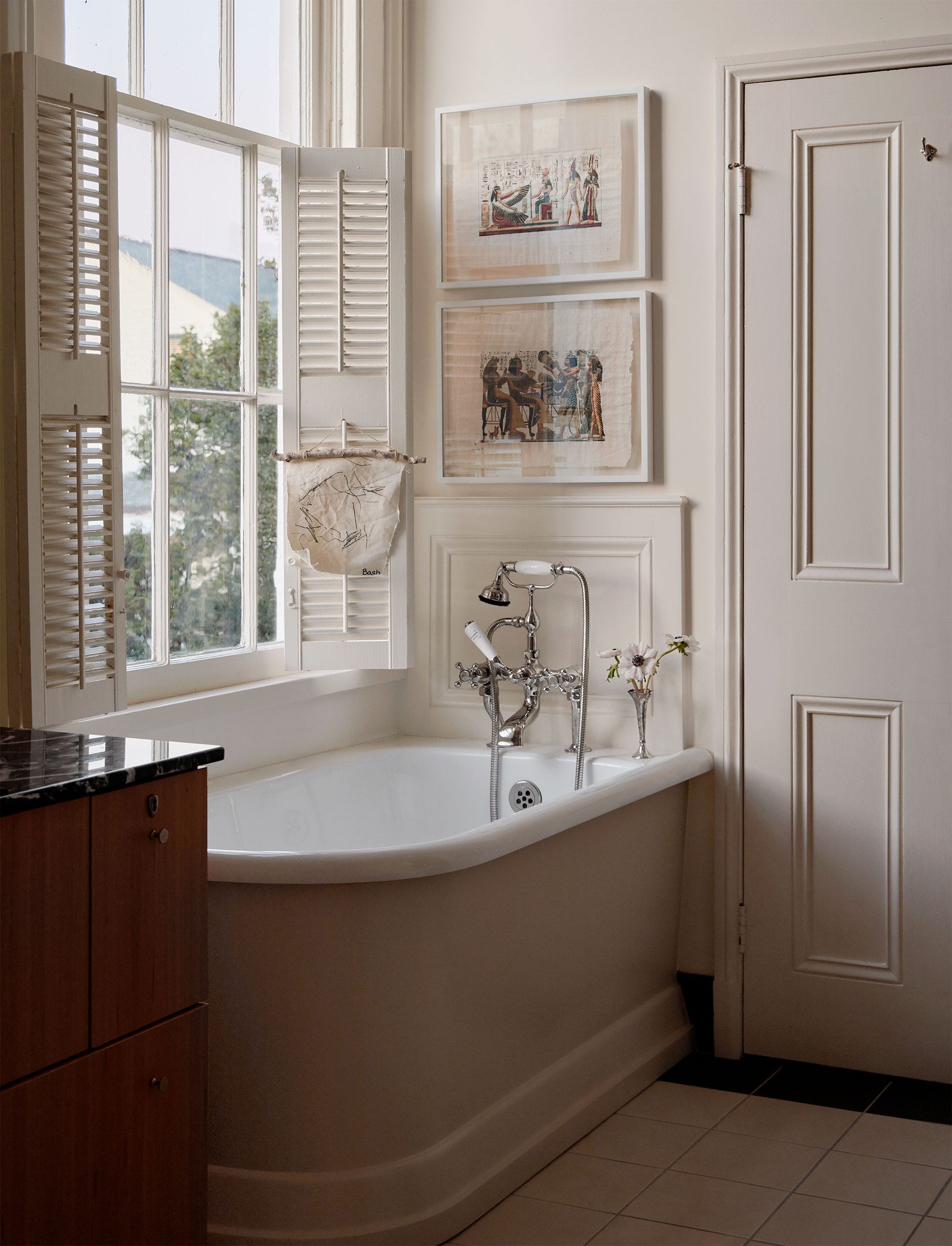
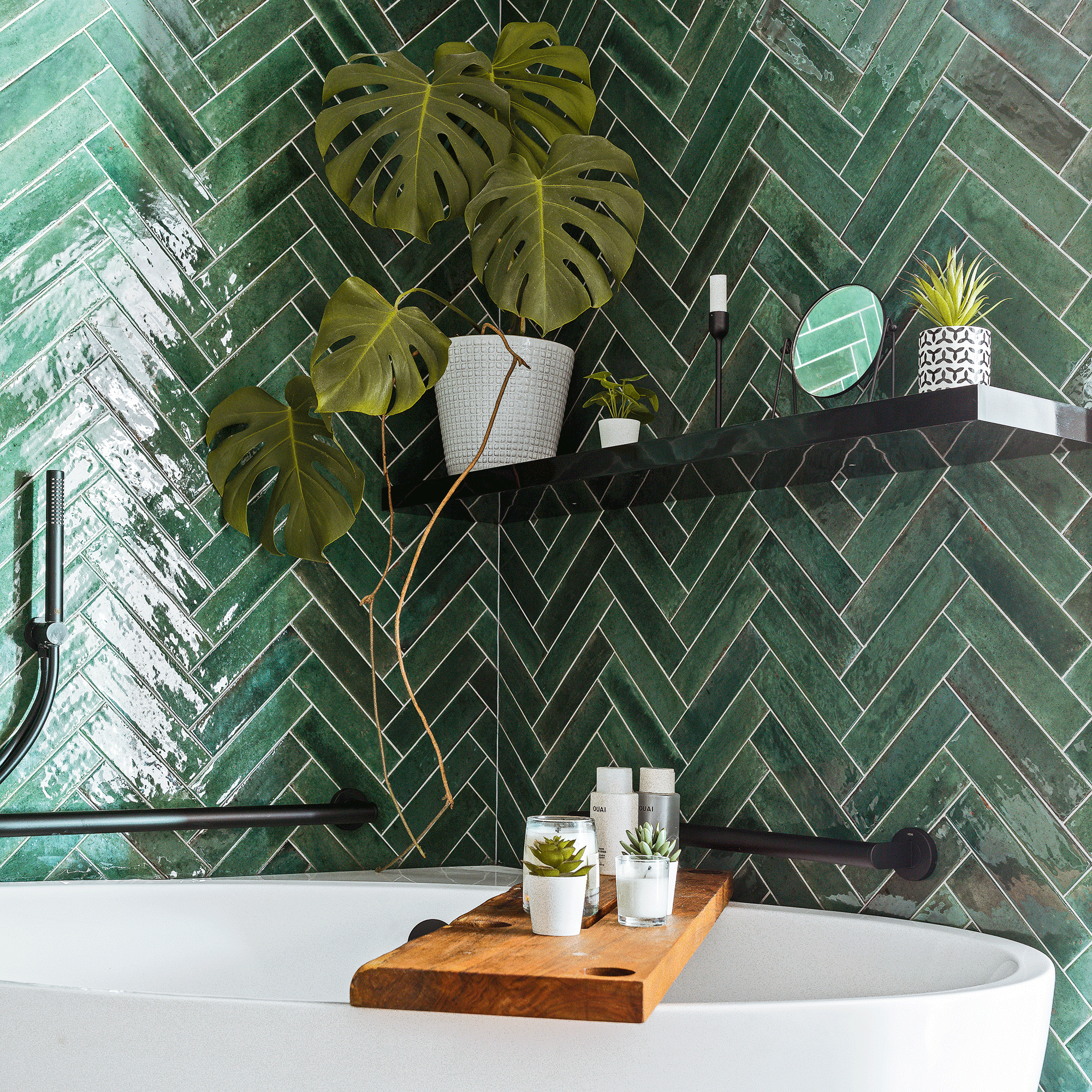
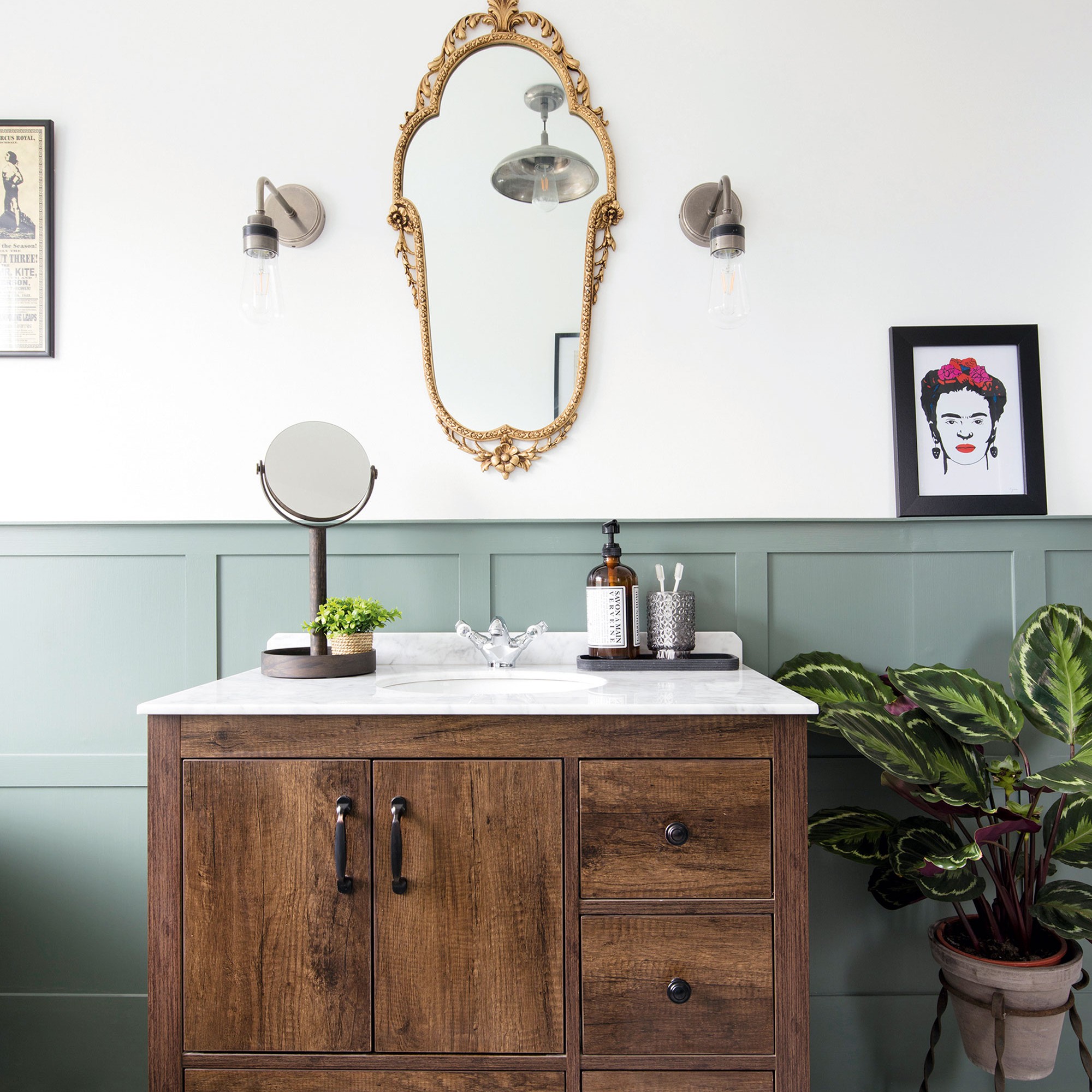
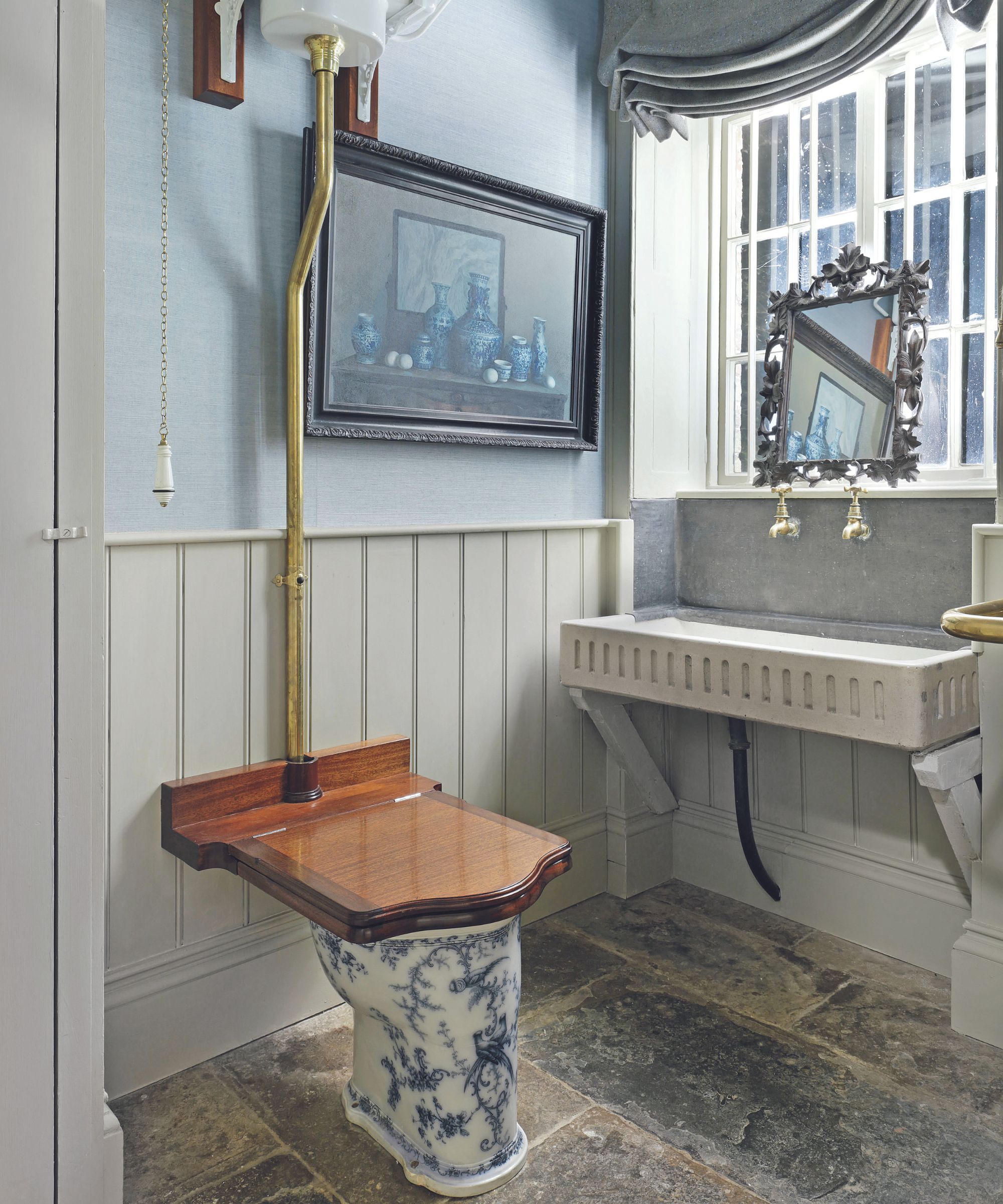
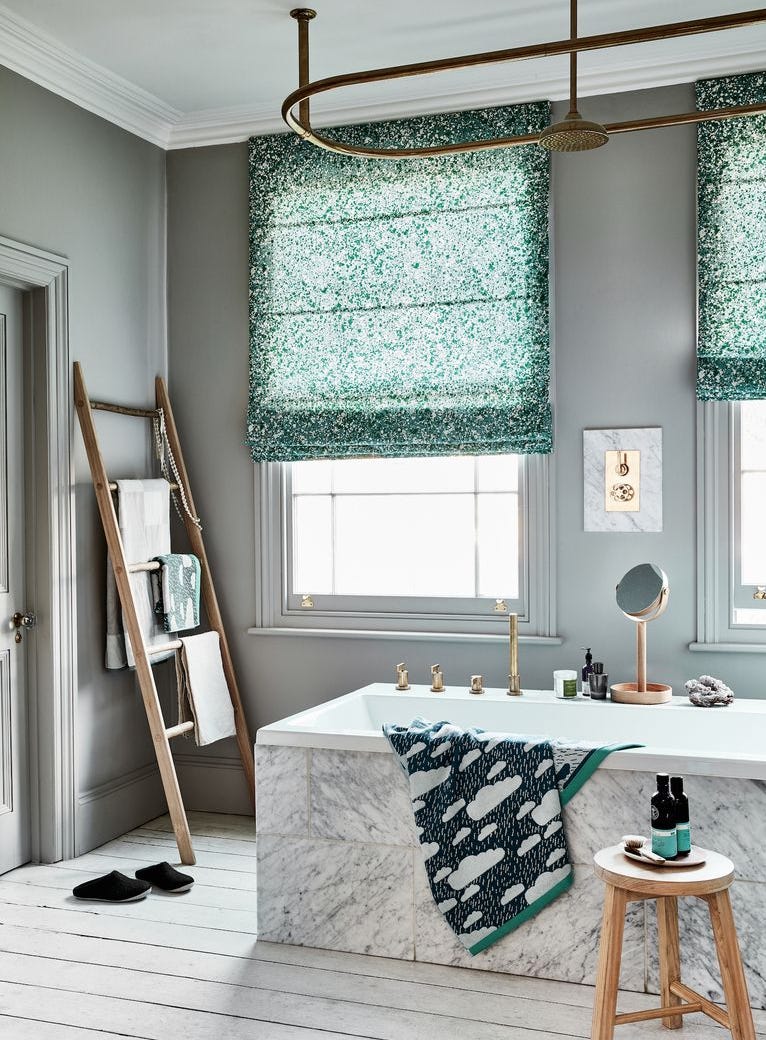
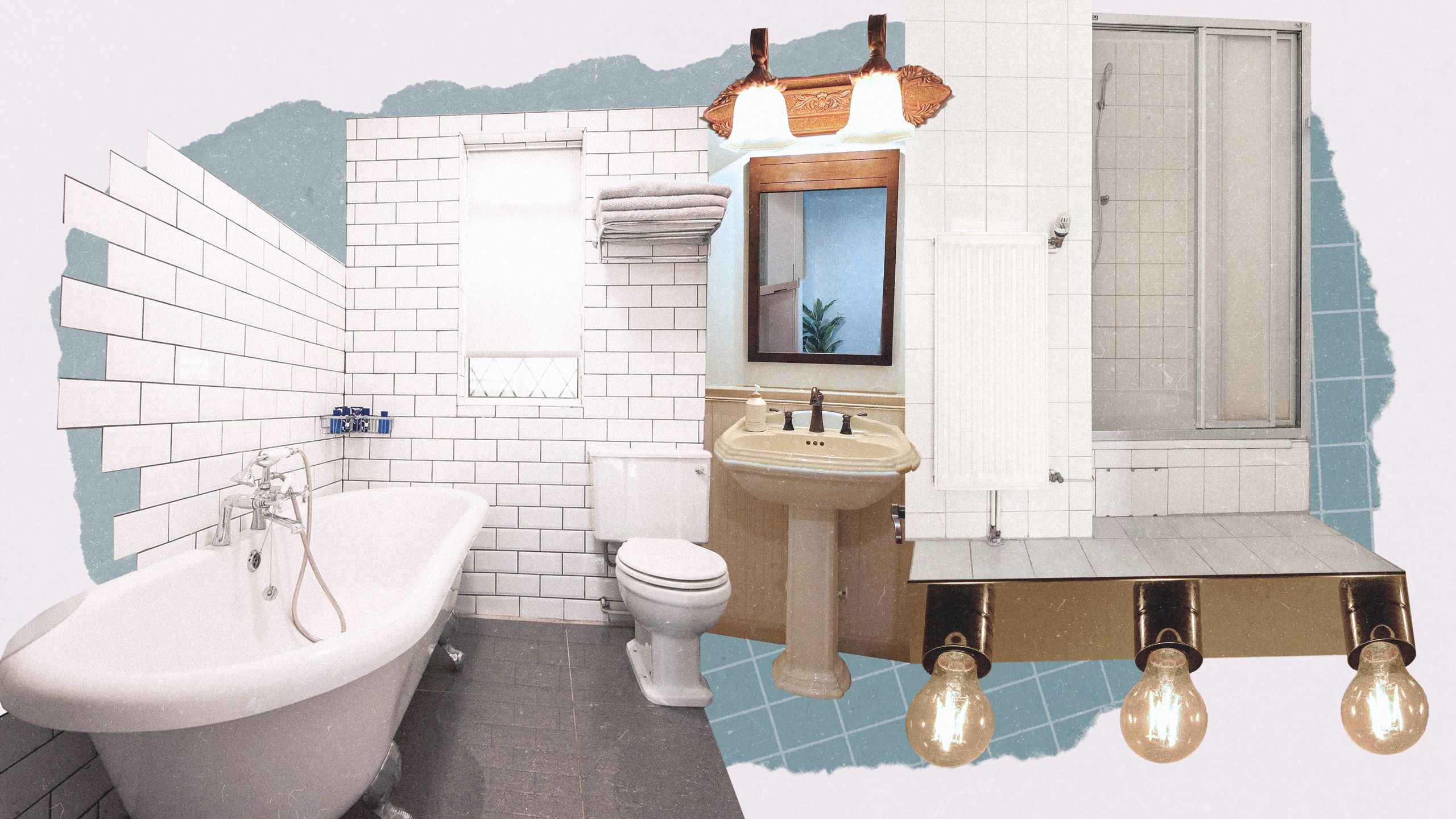
Finally, the most impactful sustainable trend is to restore rather than replace. Instead of undertaking complete bathroom overhauls, the article suggests repurposing existing elements. For example, solid wood furniture can be refreshed with new basins or modern brassware, transforming the look without generating unnecessary waste. Tiling an old shower or bathtub is another effective way to revitalize a space, avoiding demolition and giving existing fixtures a second life. This mindset promotes a conscious approach to design, focusing on renovation and reuse to significantly reduce environmental impact.
#SustainableBathroom #EcoFriendlyDesign #RecycledMaterials #WaterConservation #SmartShowers #LowVOCPaint #NaturalMaterials #LocalSourcing #BathroomRenovation #SustainableBathroom #EcoFriendlyDesign #RecycledMaterials #WaterConservation #SmartShowers #LowVOCPaint #NaturalMaterials #LocalSourcing #BathroomRenovation
0 commentaire au total
 Aucun commentaire pour le moment
Vous aimerez aussi
7 biophilic bathroom designs that inspire us to go green

Biophilic design: Green bathroom ideas that will turn your space into a serene sanctuary
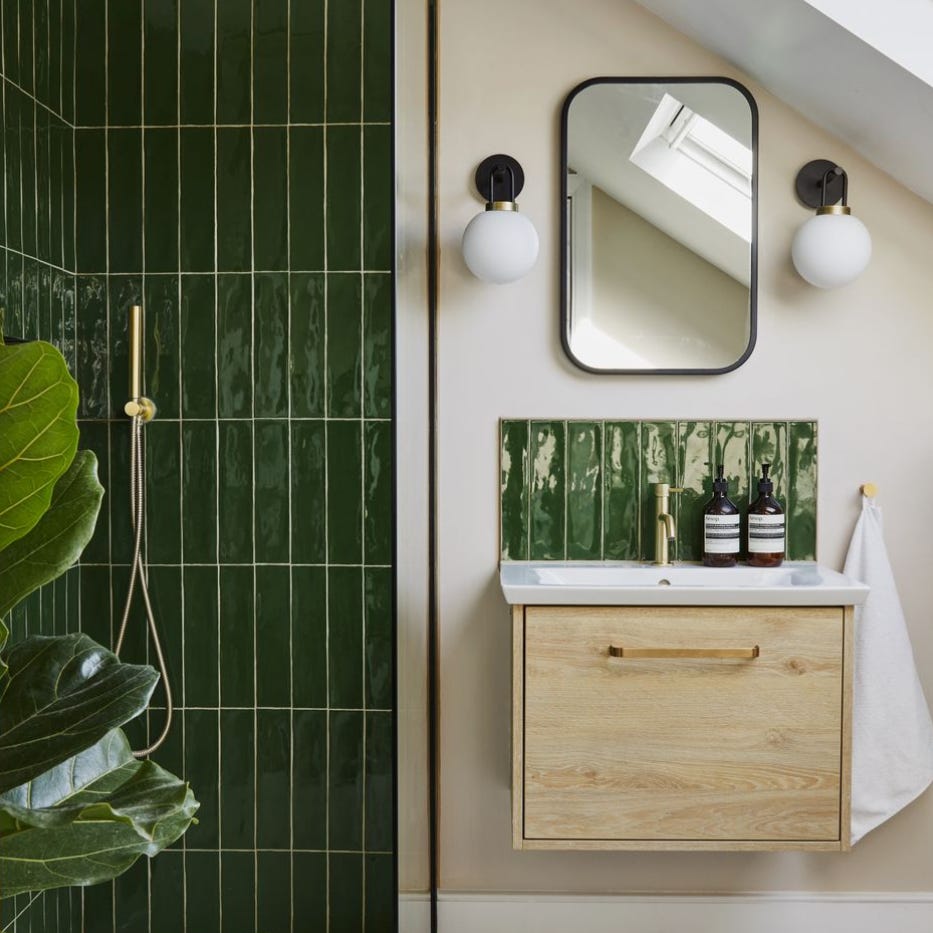
19 green bathroom ideas for a calming dose of nature

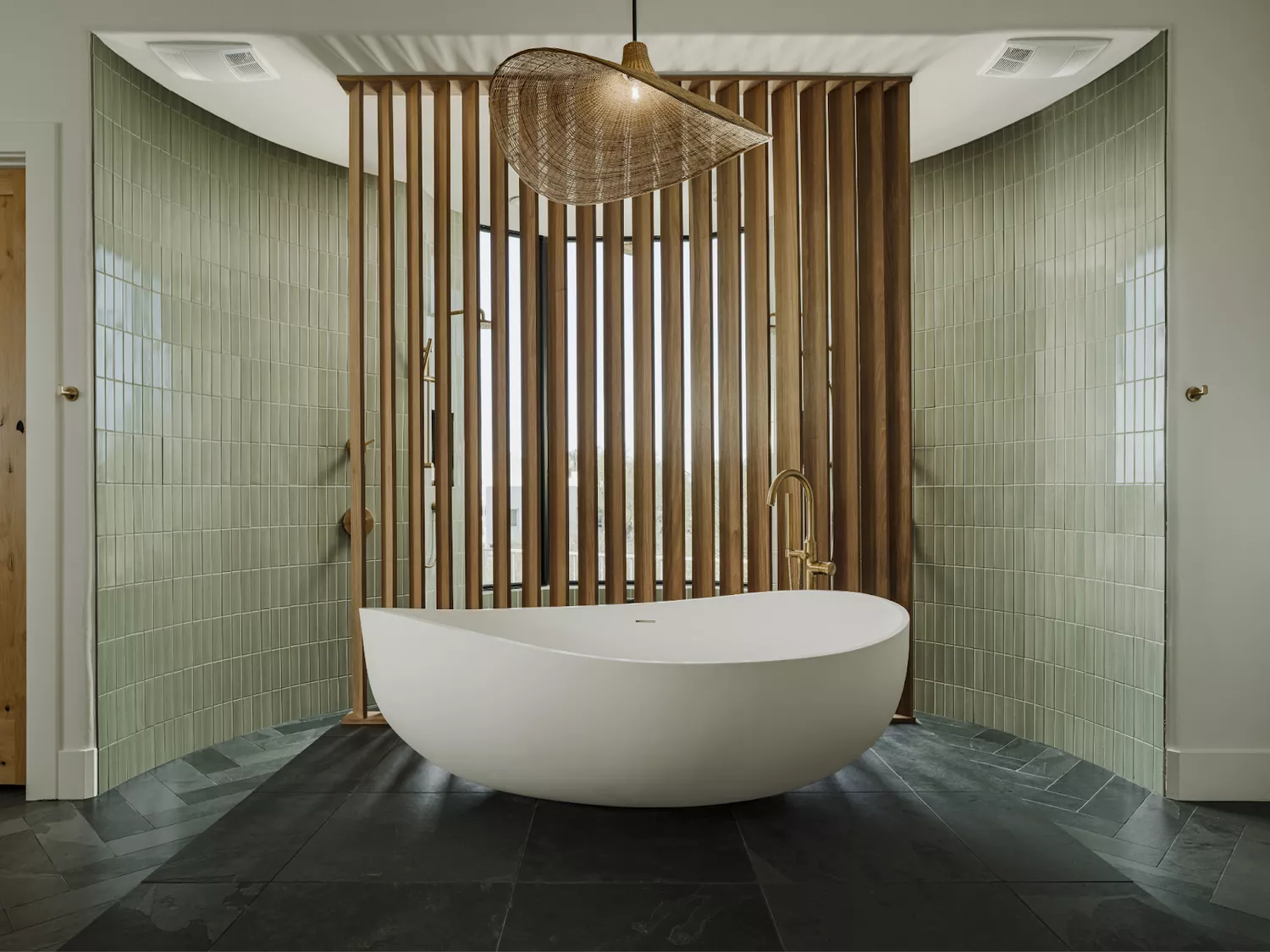
12 Green Bathroom Ideas, From Subtle Sage to Electric Emerald
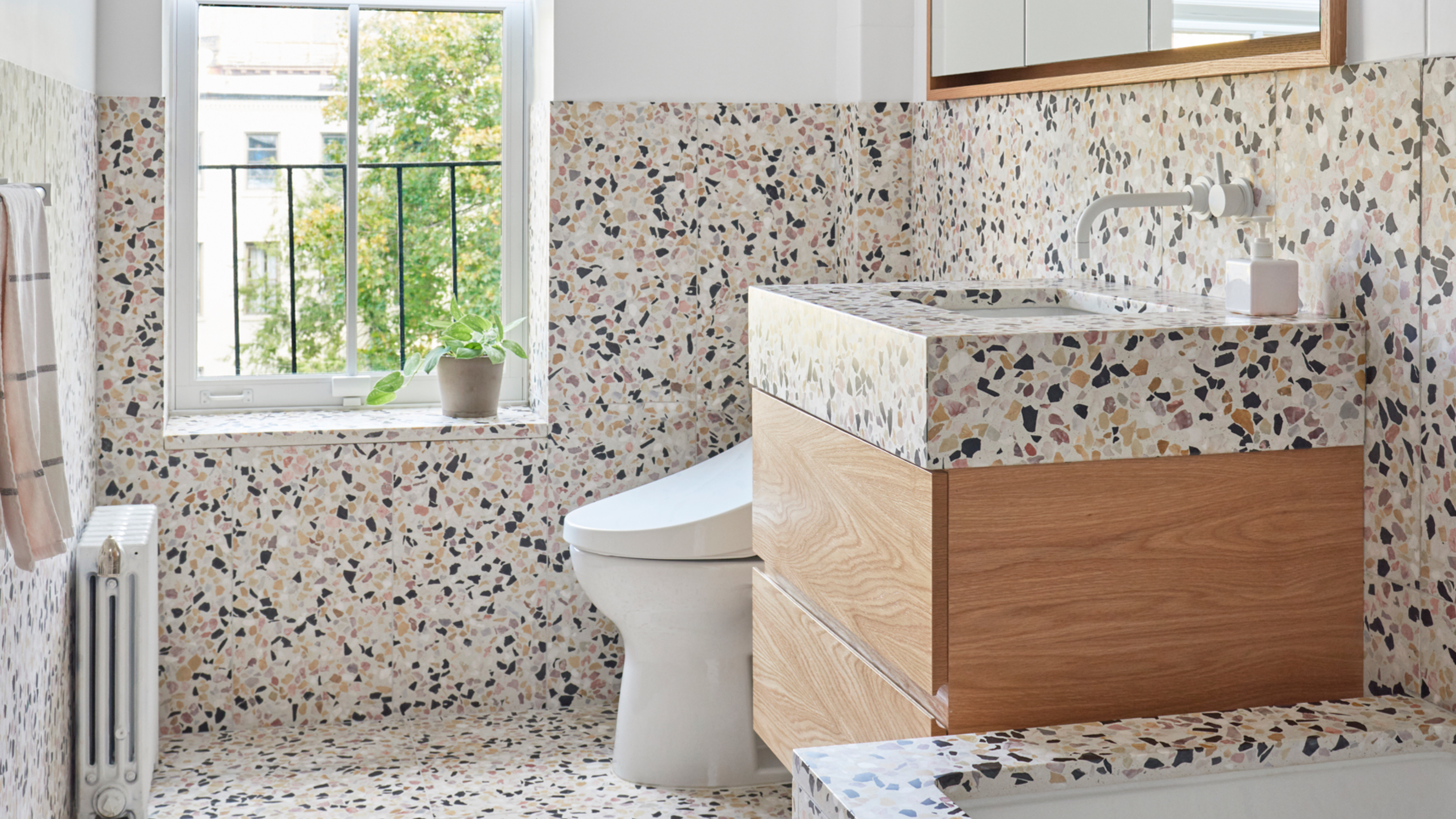
7 Sustainable Flooring Options Bathroom Designers Are Choosing to Make Their Projects More Eco-Friendly
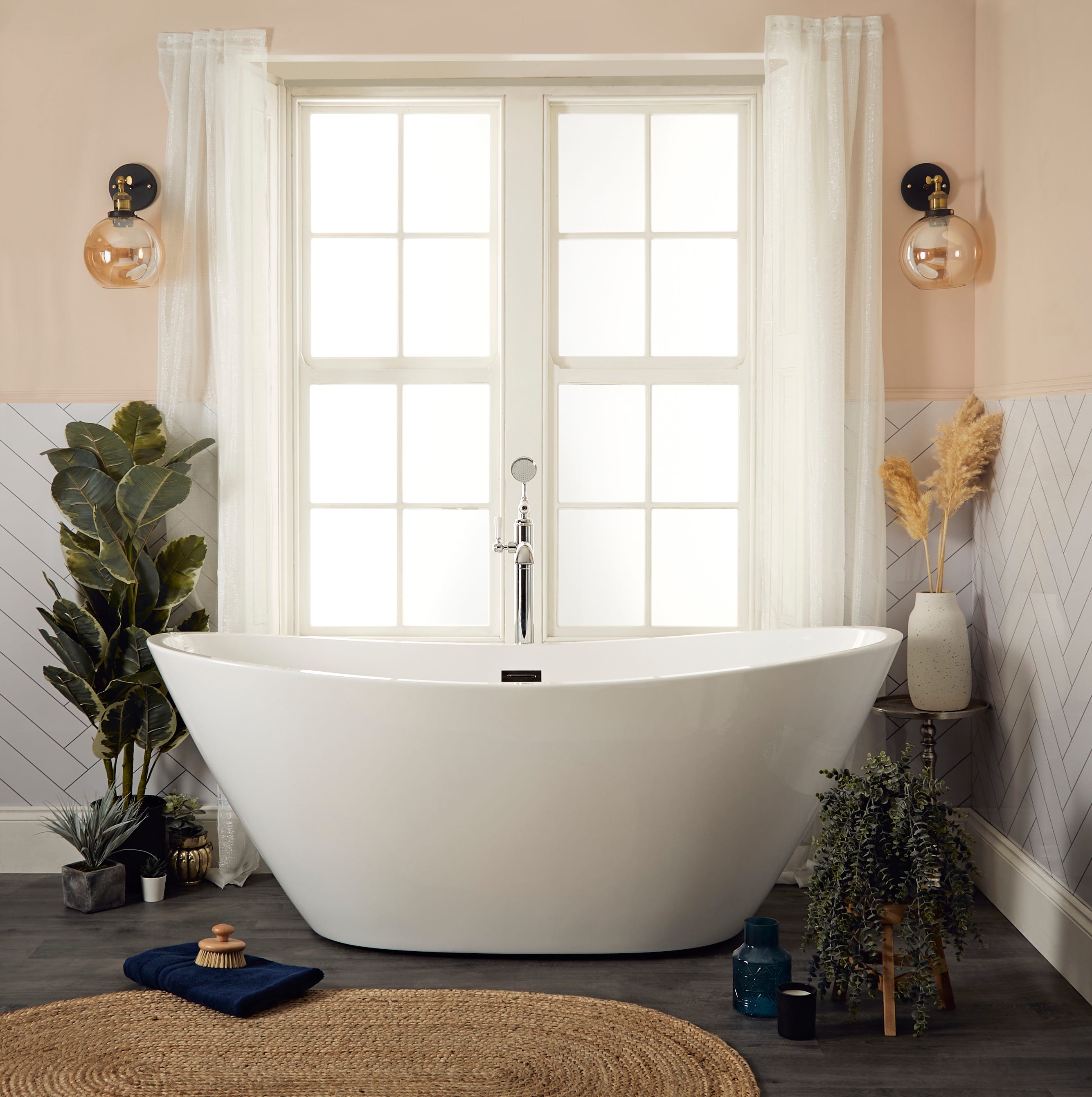
Top trending #sustainableliving materials to use in your bathroom

Sustainable Spaces: The Bathroom
7 luxurious bathroom updates to do right now

7 Luxurious Bathroom Trends You’ll Want to Copy Immediately
These 7 Trends Are Dating Your Bathroom Big-Time

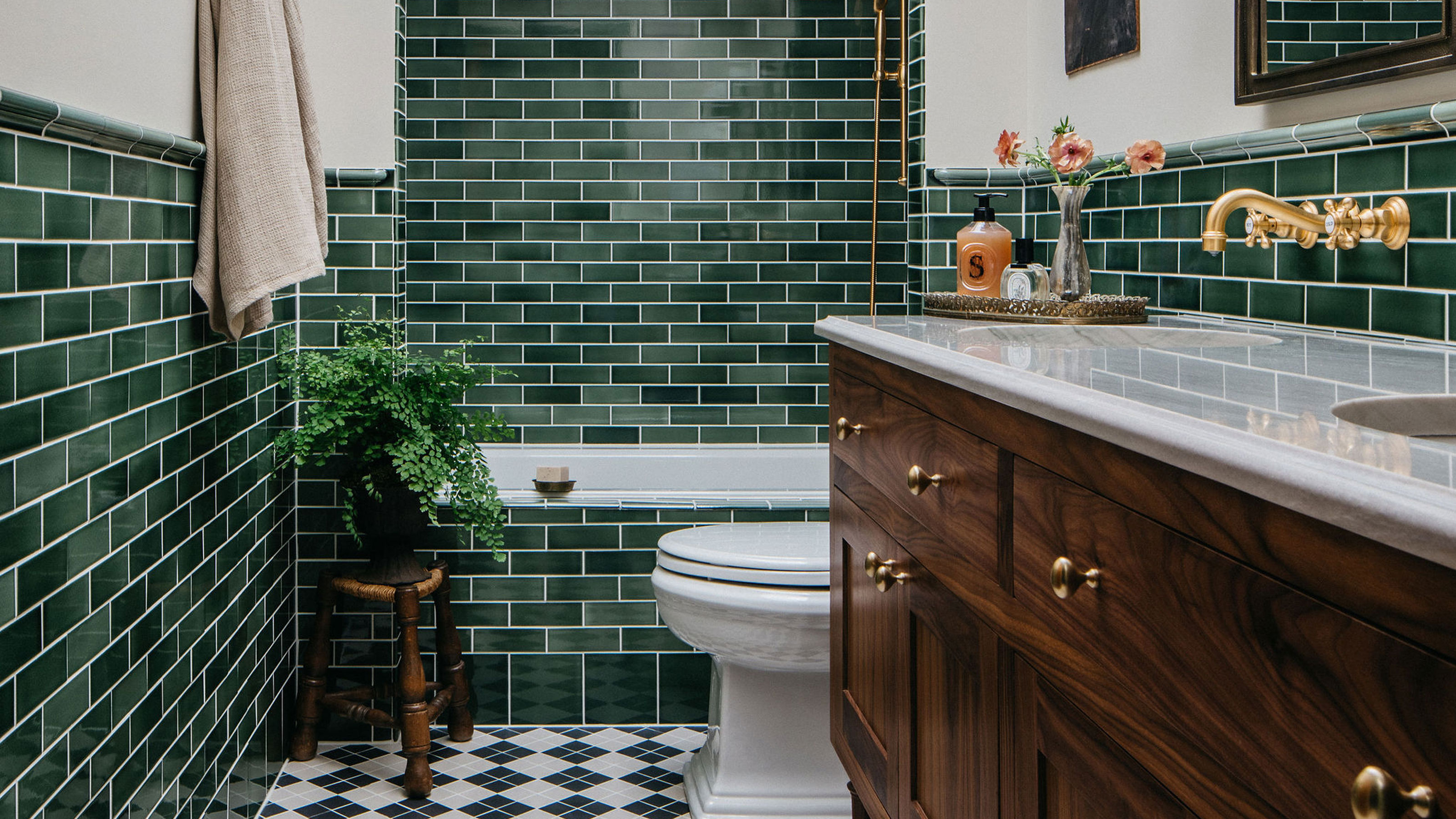
16 Green Bathroom Ideas — That Use This Calming Color in the Most Interesting Ways
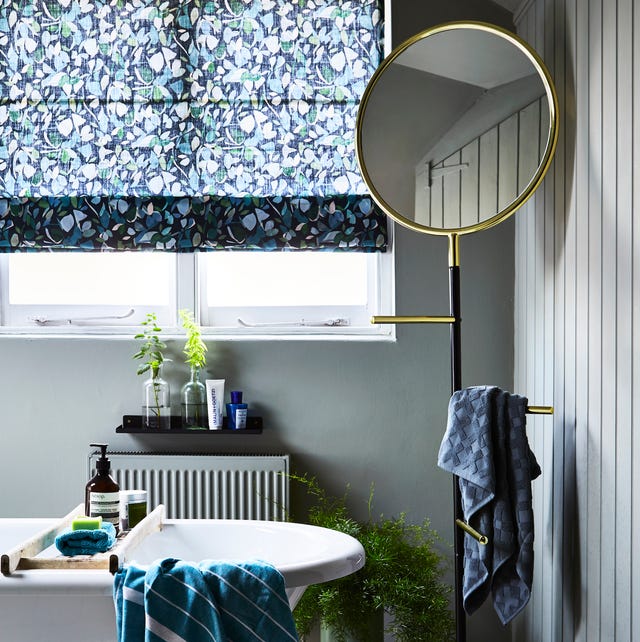
Modern Bathroom Ideas For Your Home In 2021
Secrets to marrying style, eco-sense and luxury in any bathroom
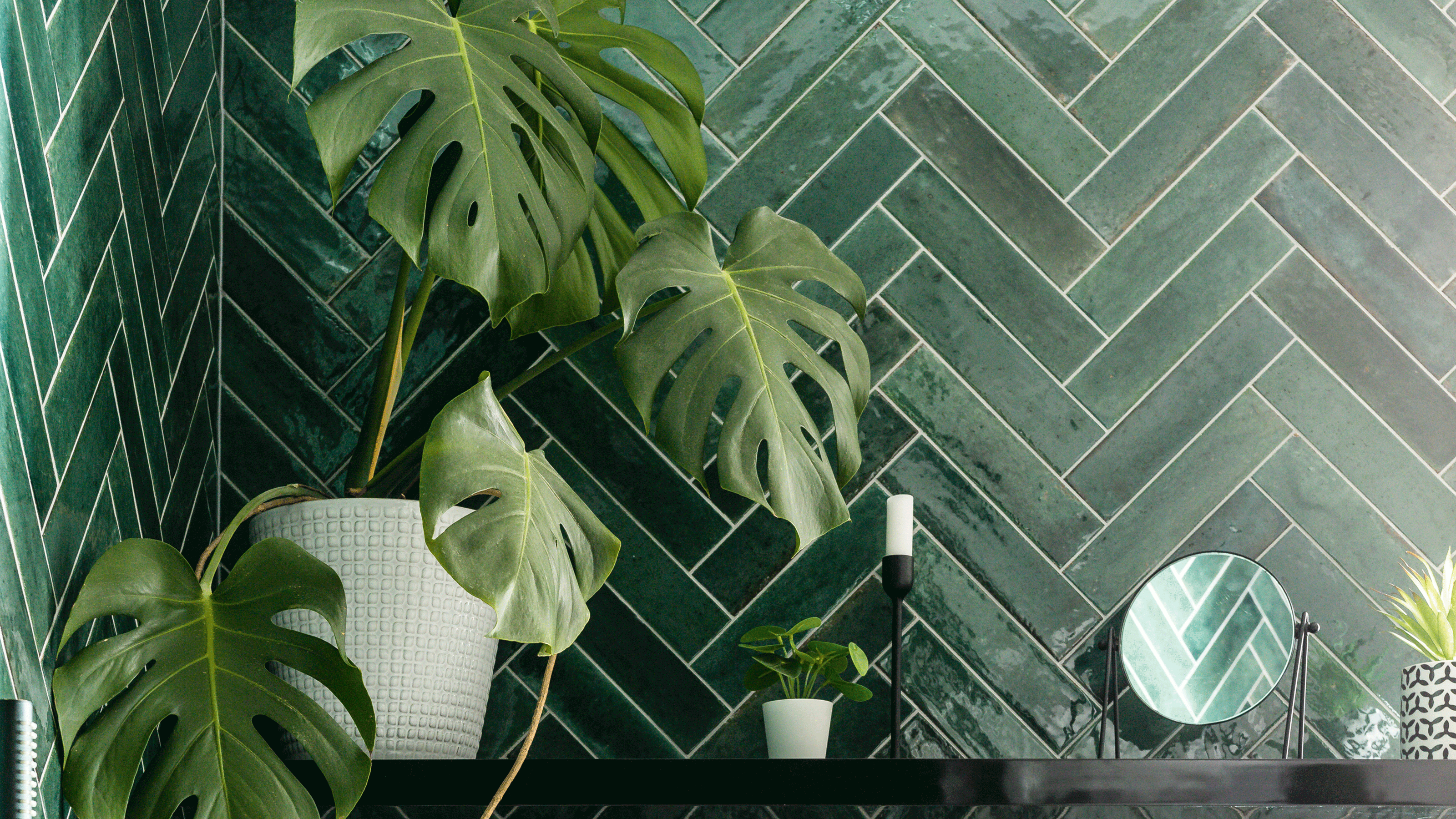
Green tile bathrooms are trending - how to embrace the style in your own home
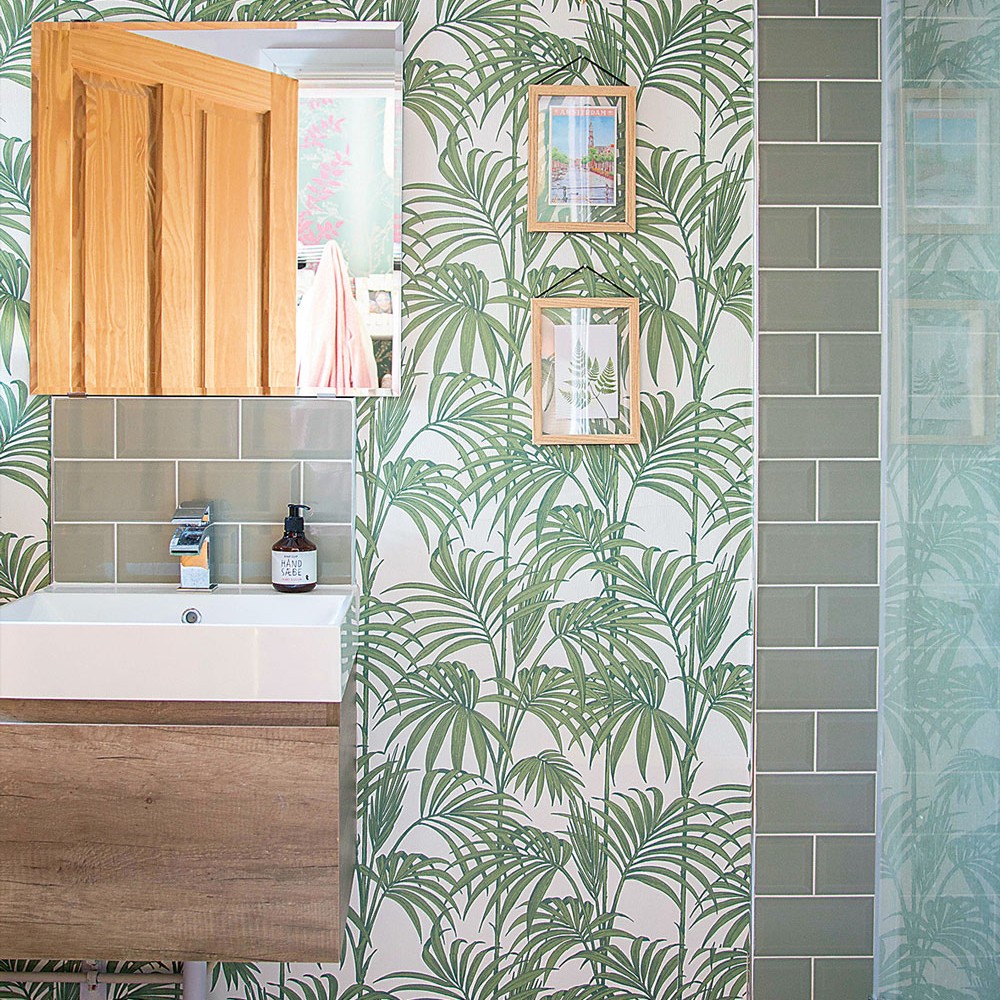
Green bathroom ideas to invigorate your bathing space
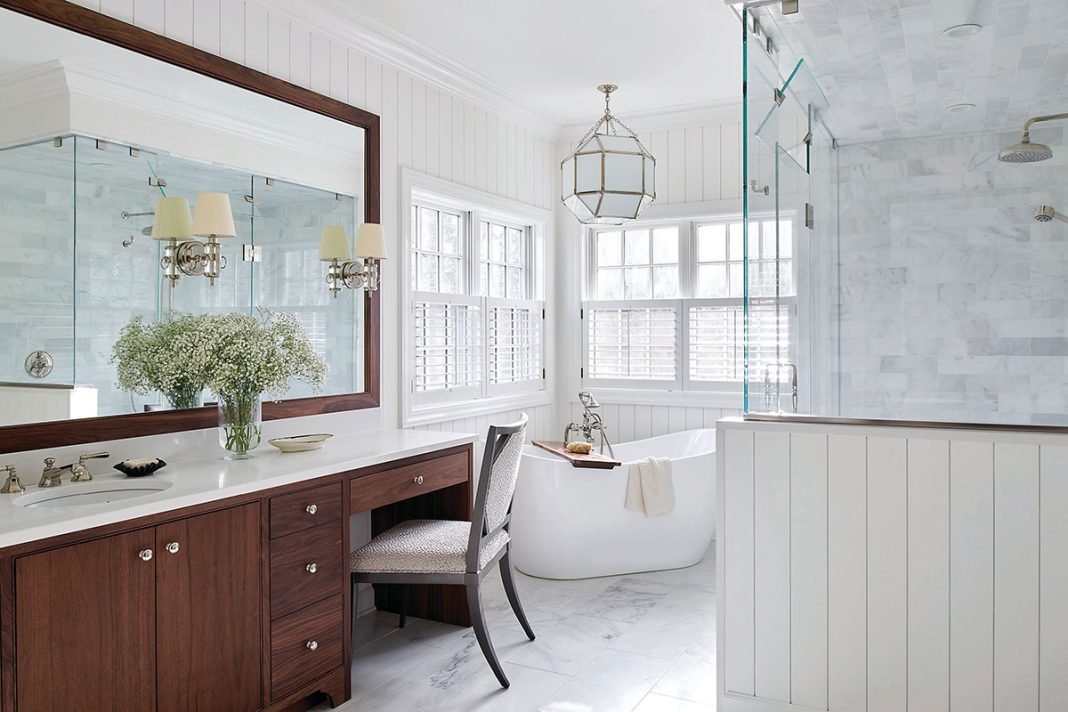
The Bathrooms in This Greenville Home Are Sleek & Stylish
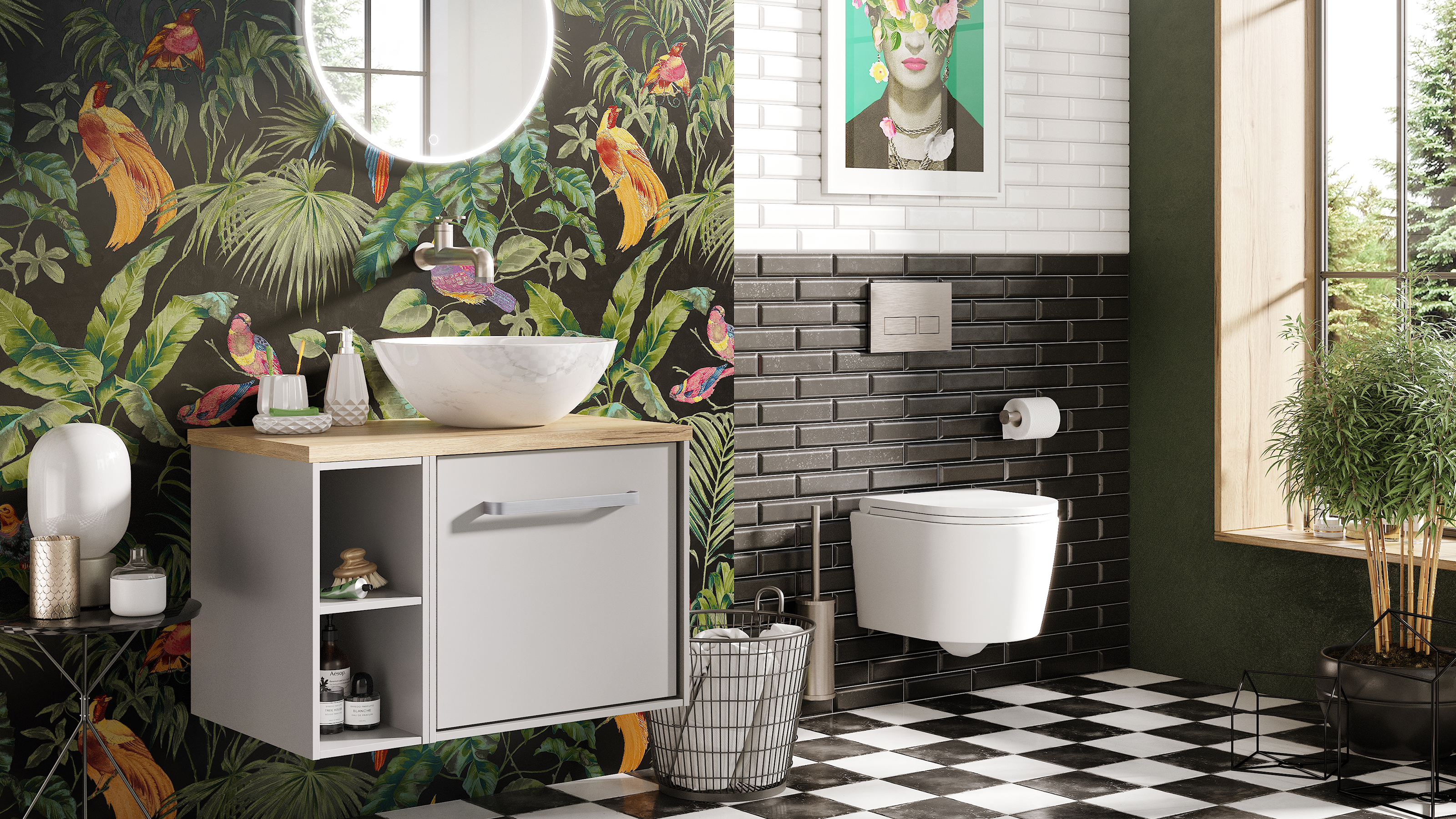
15 stunning green bathrooms to inspire you this year

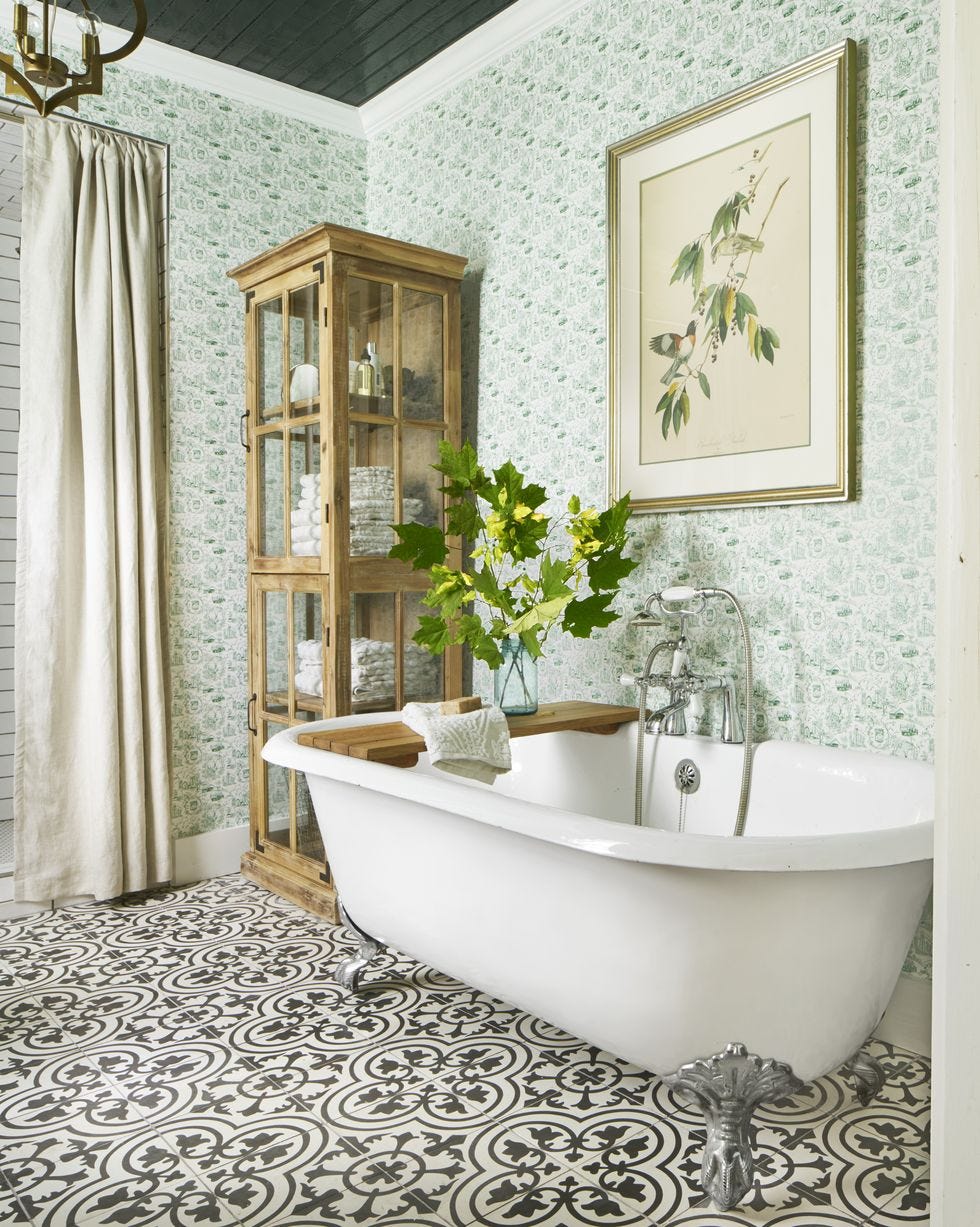
These Green Bathrooms Will Inspire You to Spruce Up Your Space

Sustainable bathroom ideas – 10 ways to an eco-friendly wash space
Interior designers share 5 bathroom trends that'll be huge next year and 5 that will be out