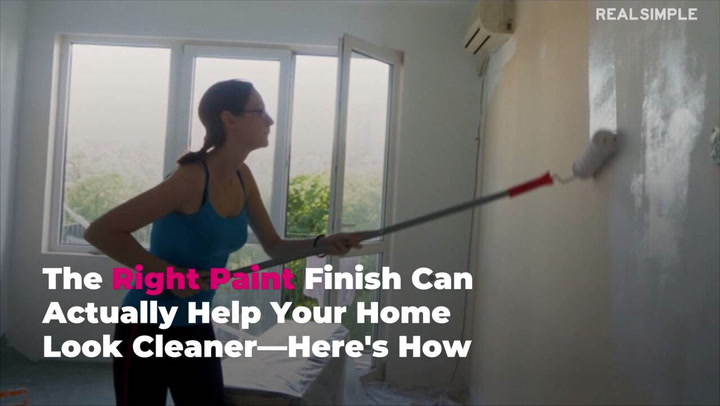
The Right Paint Finish Can Actually Help Your Home Look Cleaner—Here's How
Choosing the appropriate paint finish for a home is as crucial as selecting the right color, as it significantly impacts the aesthetic, durability, and ease of cleaning a space. While paint colors can affect how clean a home appears, certain finishes can either attract dirt and debris or actively contribute to a spotless look with minimal effort. This guide, drawing on insights from interior designers, explores various paint finishes, highlighting their suitability for different areas of the home and their cleanability.
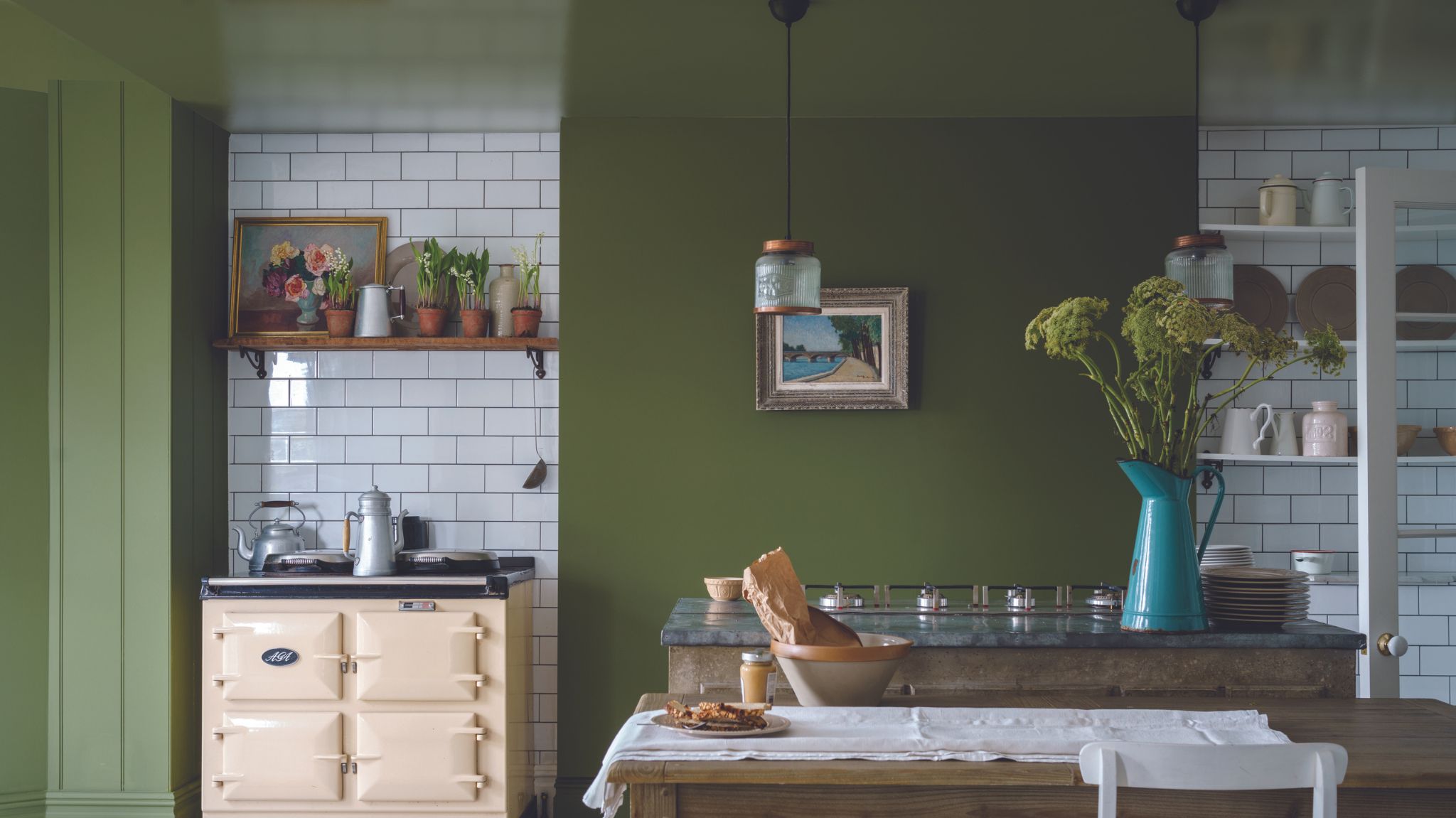
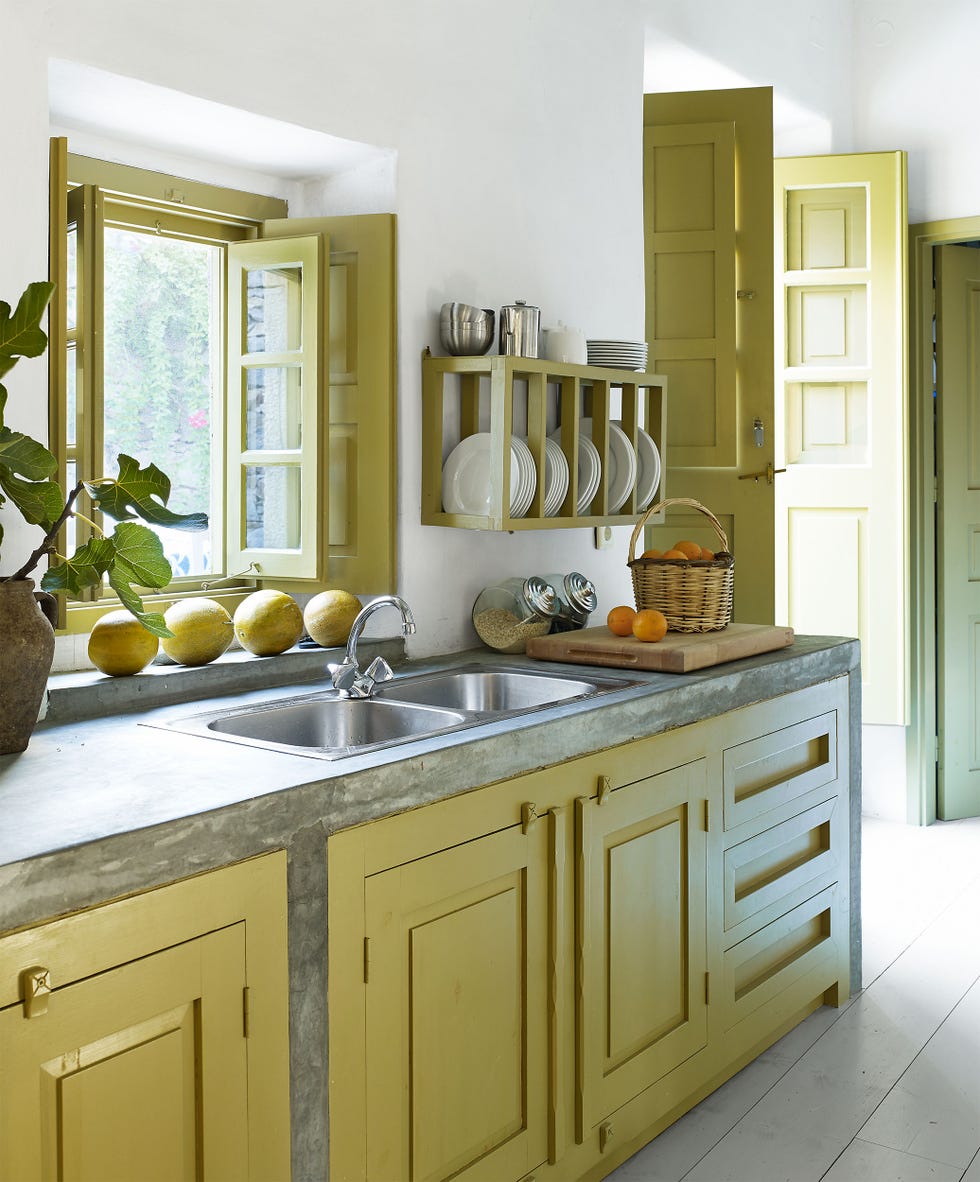
Generally, higher gloss levels in paint finishes correlate with increased durability and ease of cleaning, though they can also make imperfections more noticeable. For instance, glossy finishes are ideal for kitchens, where food spills and oil splatters can be easily wiped away. However, any chipping or peeling can be highly visible, and touching up glossy paint is challenging without repainting the entire surface due to its tendency to show imperfections.
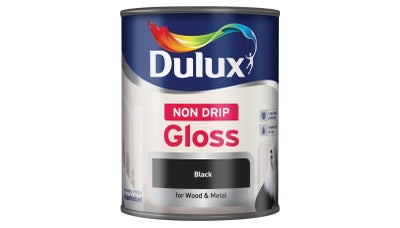
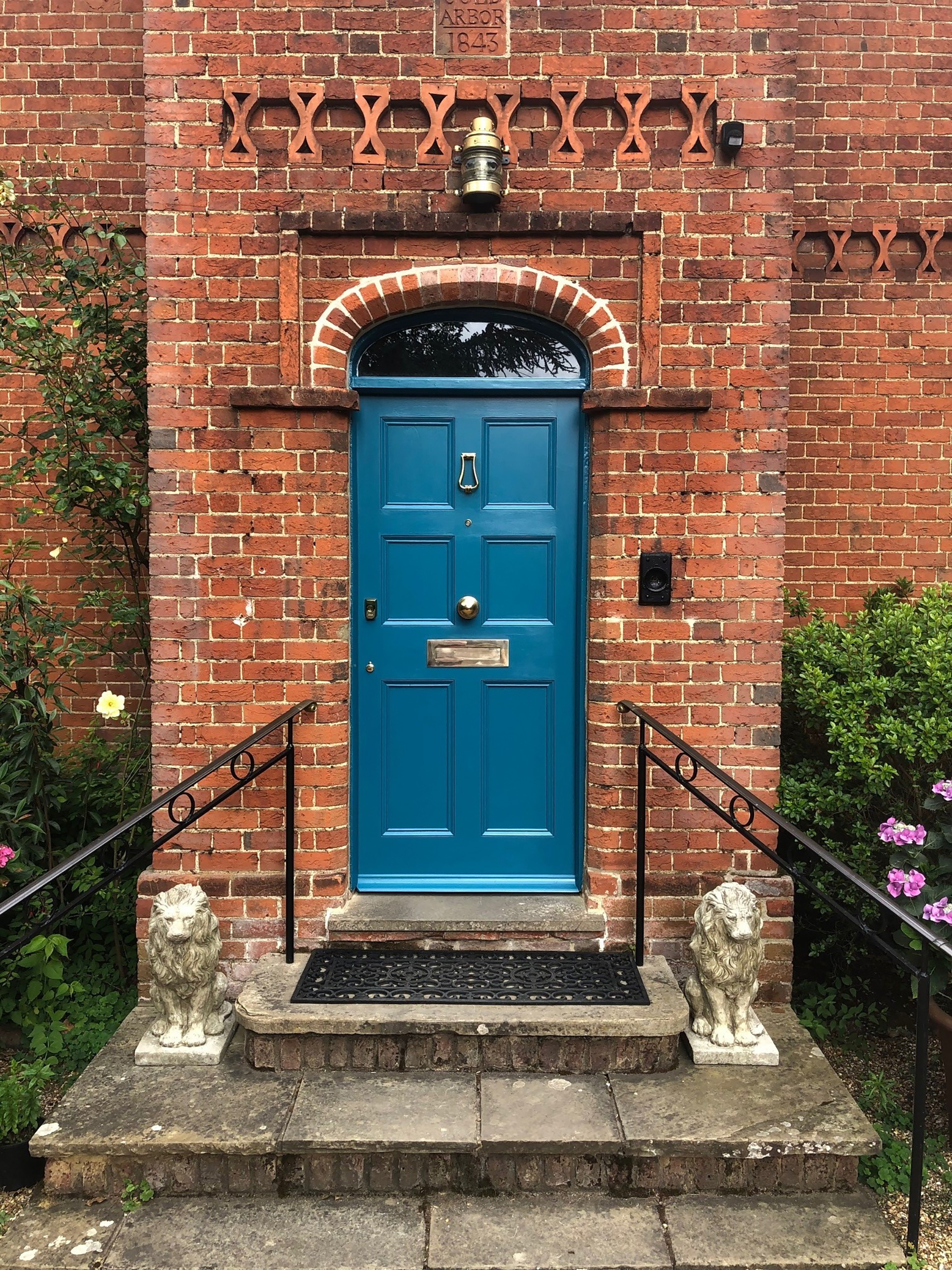
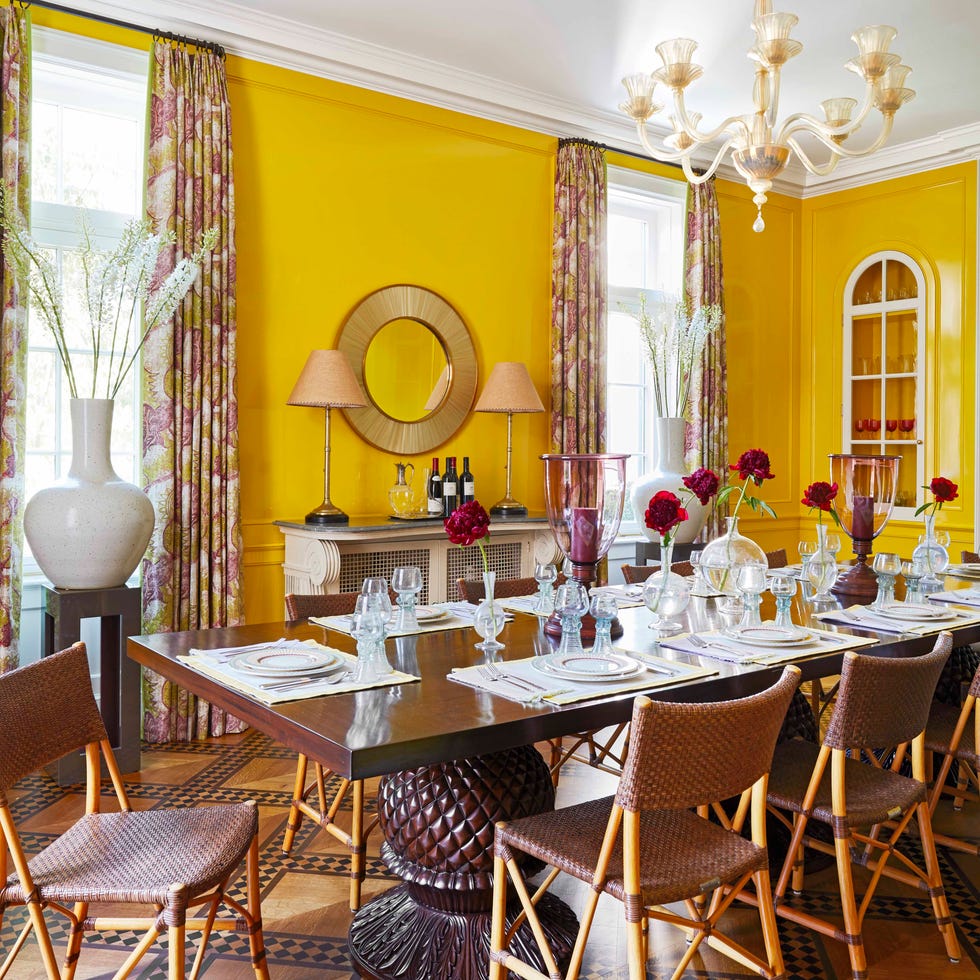
High-gloss finishes, a type of glossy paint, are recommended for creating a high-impact look on doors, hallways, or specific rooms. Their light-reflecting properties make them suitable for low-light or windowless areas like bathrooms or home offices. However, high-gloss paint is considered high-maintenance because it unforgivingly reveals nail pops, cracks, or painting mistakes like drips and roller marks. Therefore, it is best reserved for low-traffic areas, where small stains can be managed with warm, soapy water.
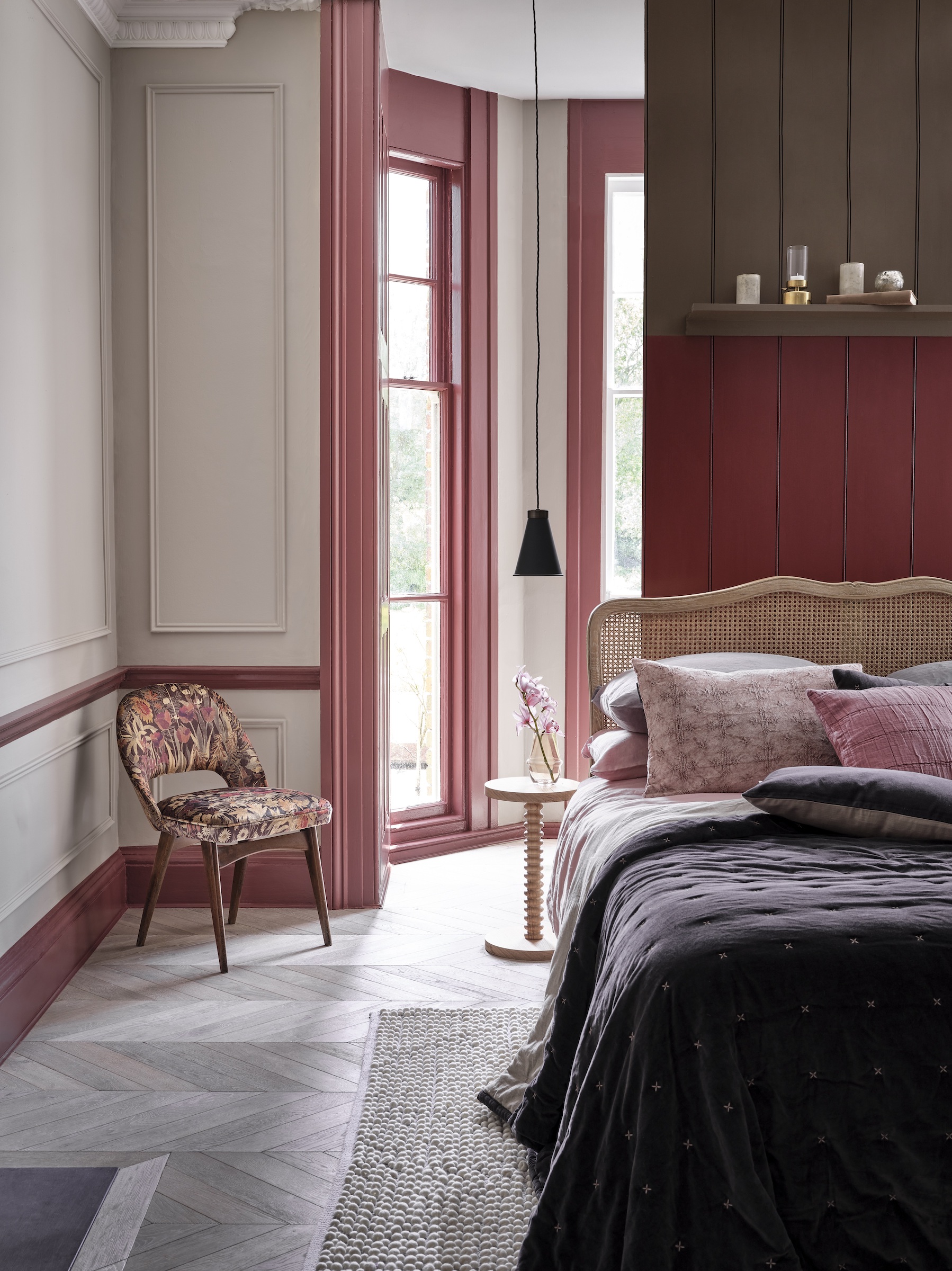
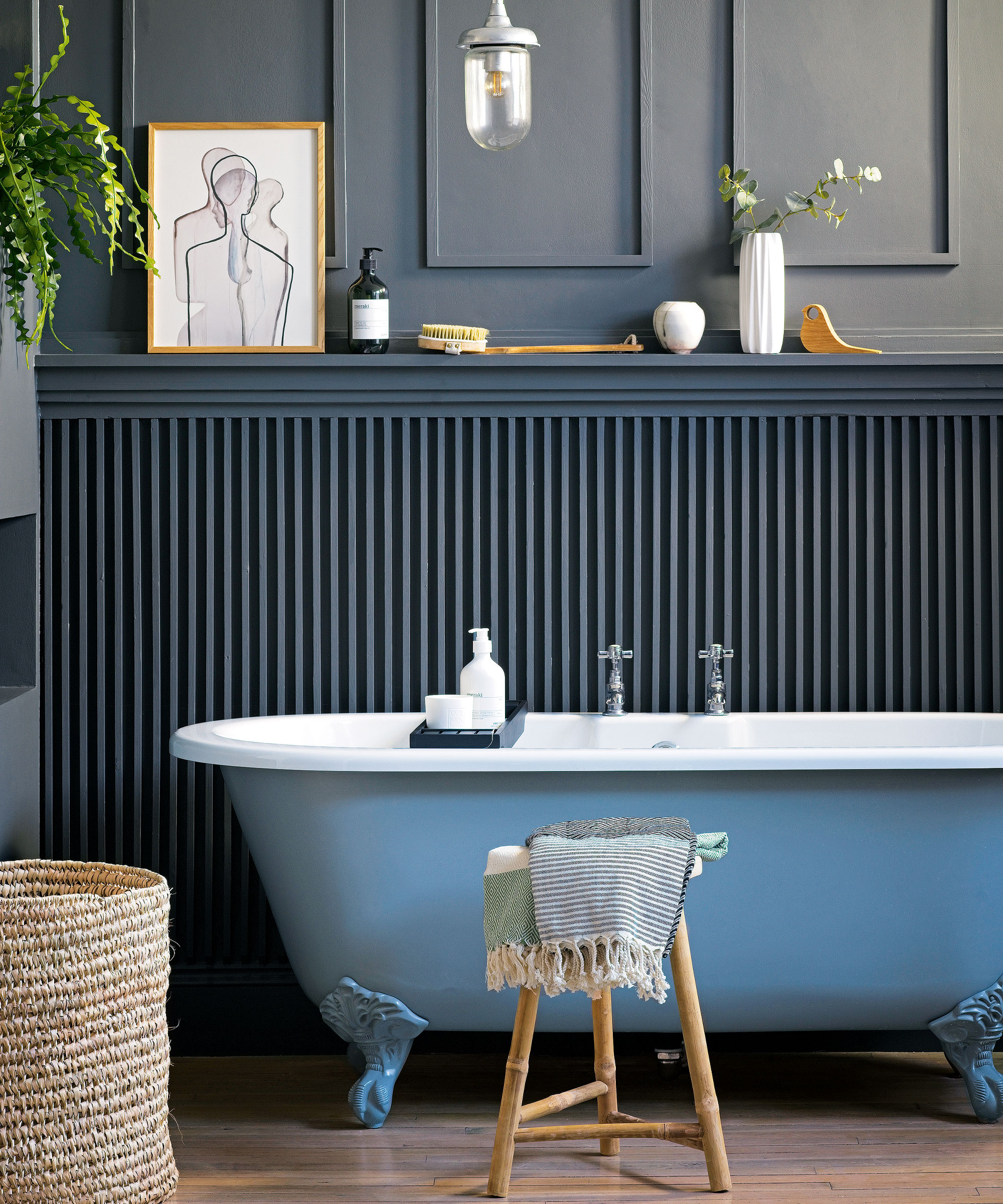
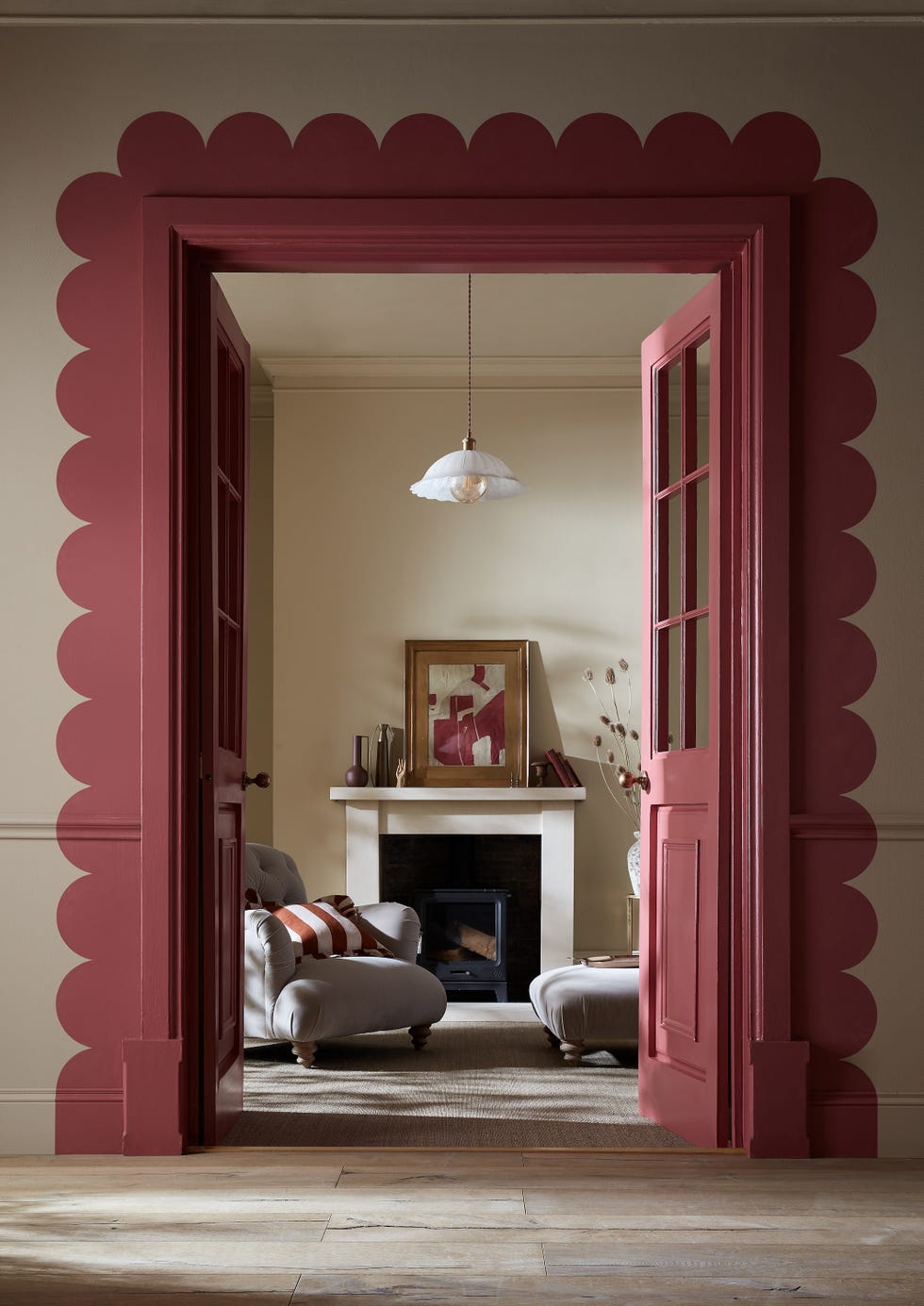
Semi-gloss paint, another glossy variant, offers a moderate sheen that is easy to clean without being overly reflective. It is often used for wall paneling, baseboards, door casings, and doors, providing durability in high-wear areas. Satin finish paint, characterized by a velvety appearance, is also favored for high-traffic zones such as children's rooms, foyers, and hallways due to its easy-to-clean nature, requiring only a rag and soapy water. However, careful application is necessary to avoid visible flaws and brushstrokes.
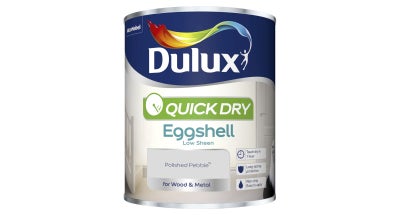
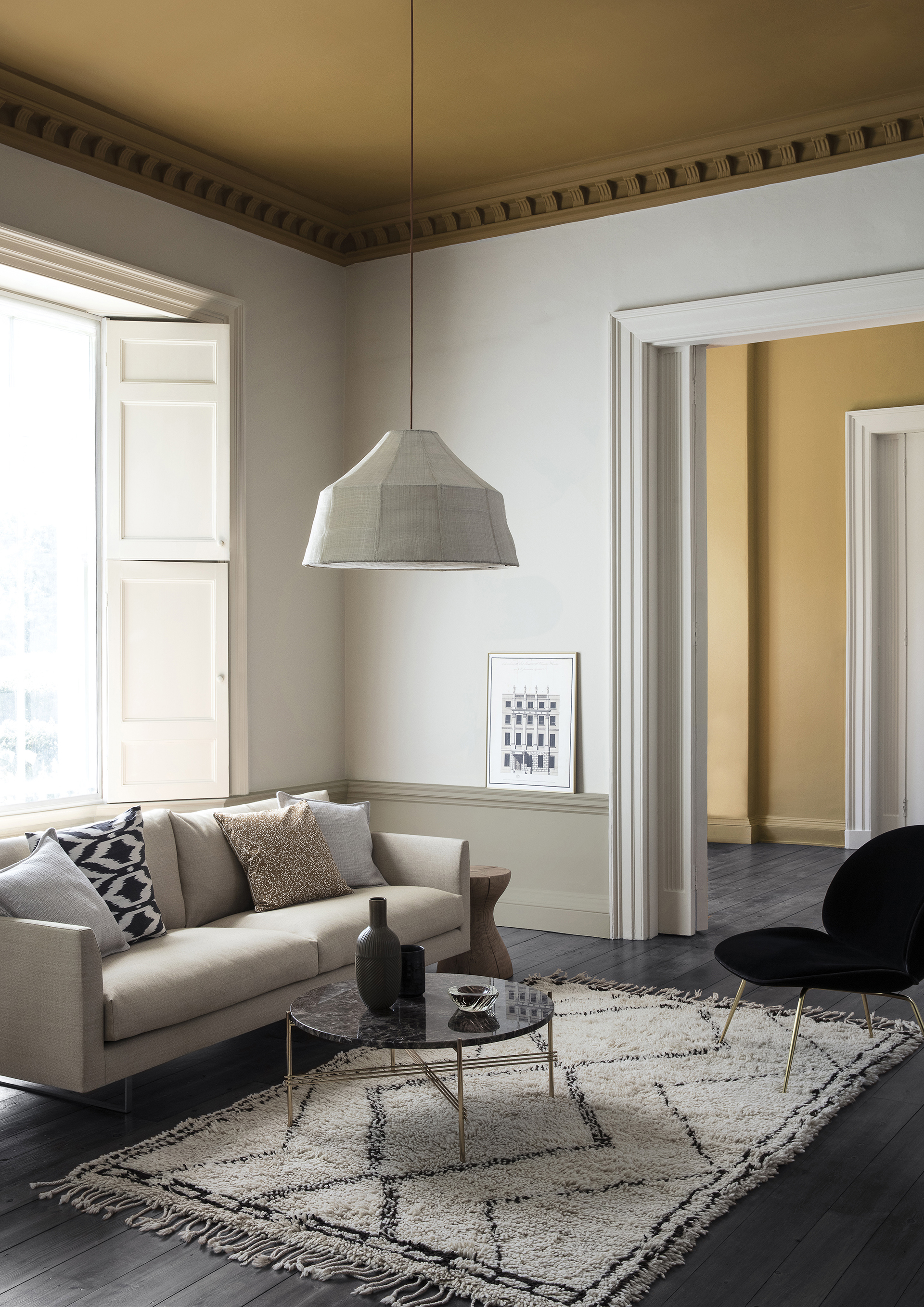
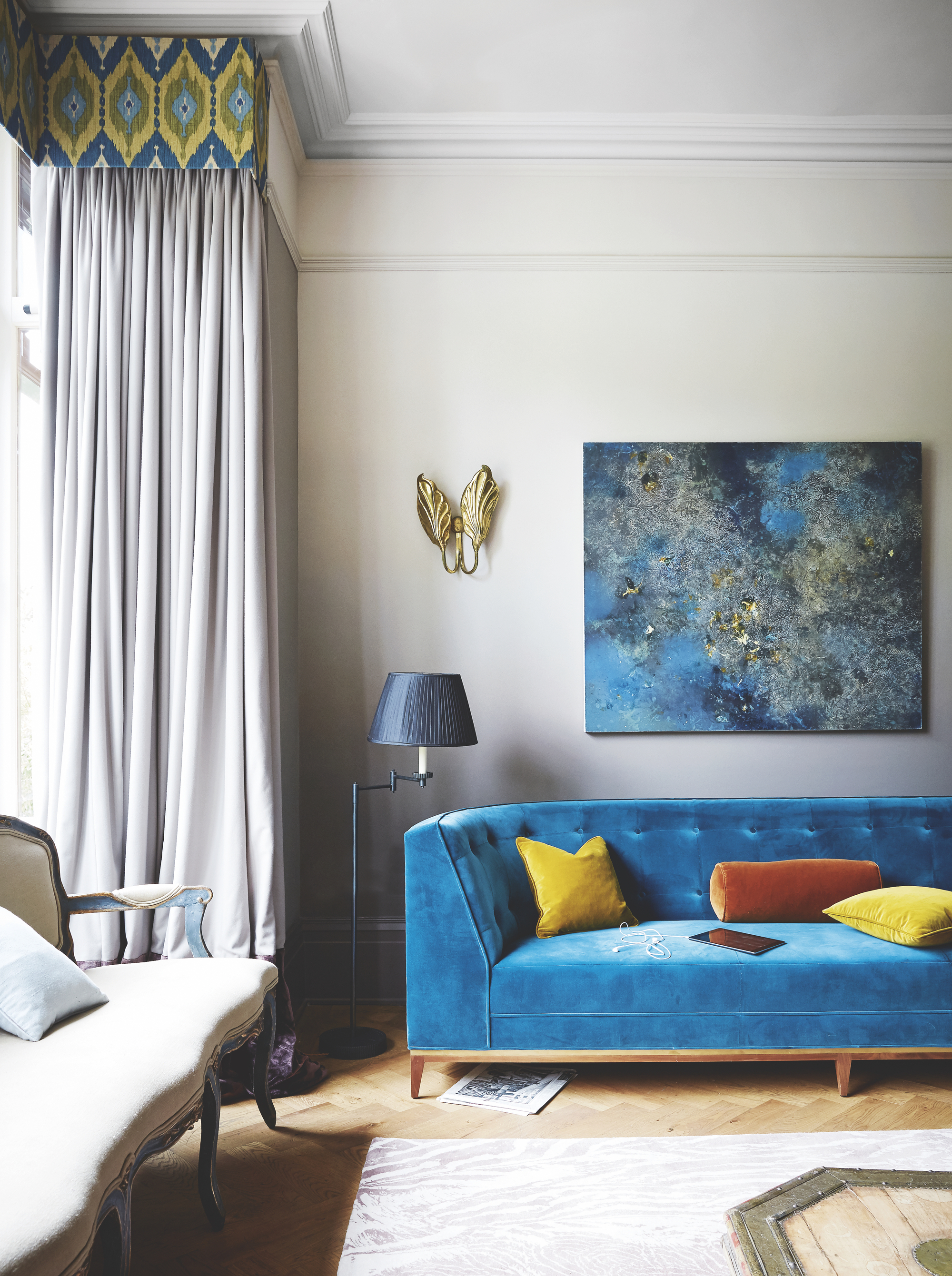
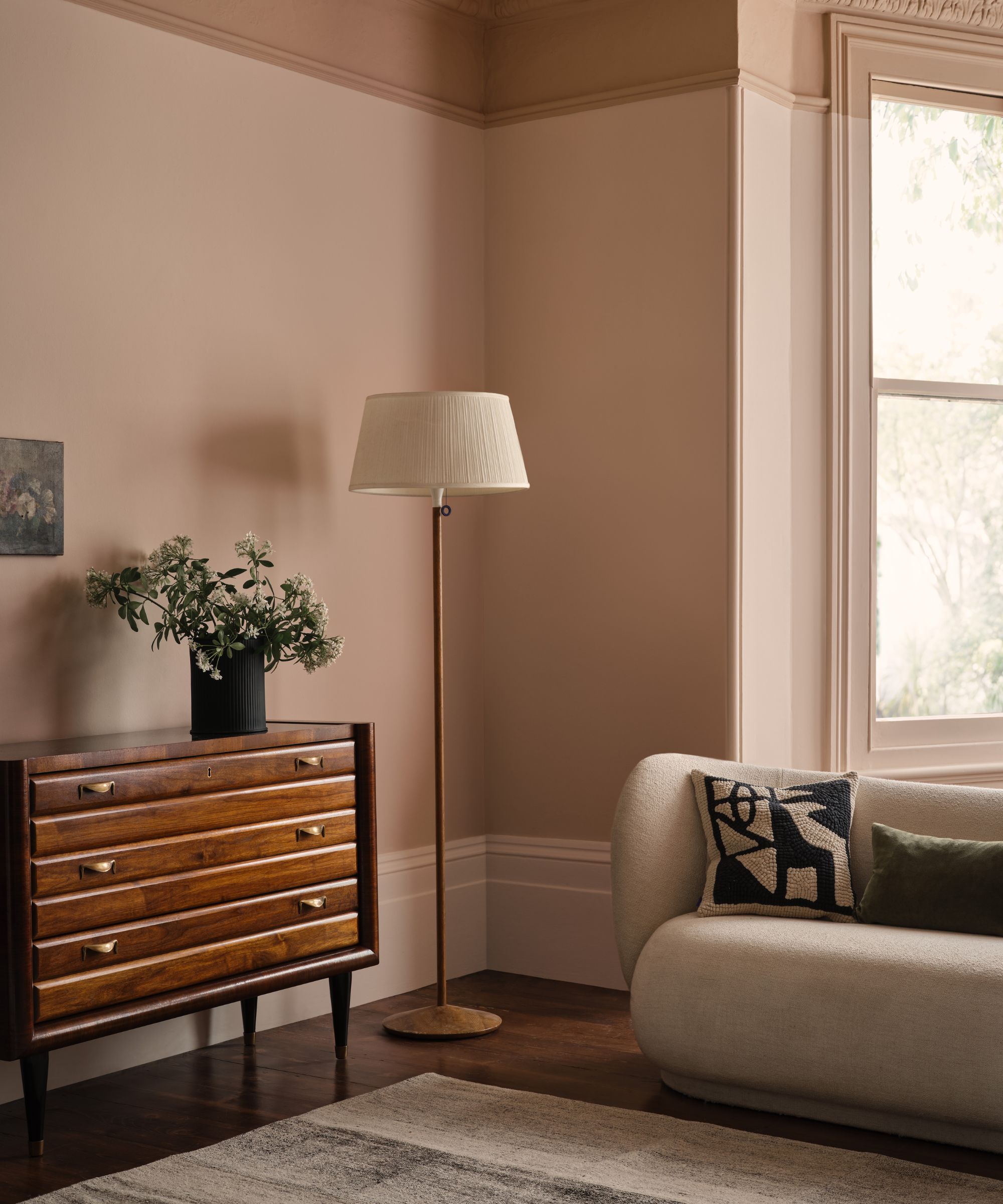
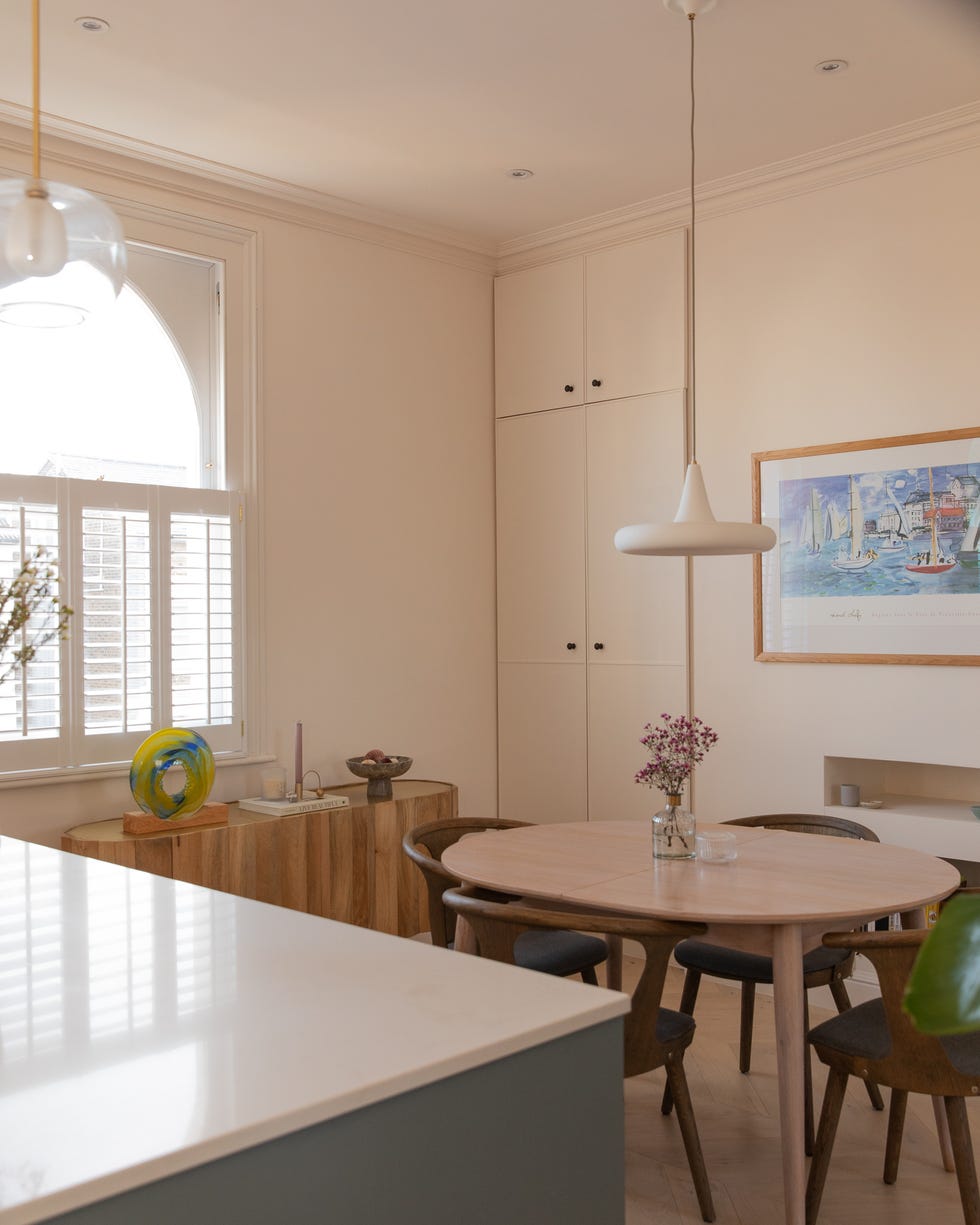
Eggshell finishes provide a subtle sheen, similar to an eggshell, and are versatile for all areas of the home, including bathrooms and kitchens, being easy to wipe clean. Nonetheless, touch-ups can be difficult, and cleaning requires a delicate touch to prevent scrubbing marks. Matte finishes, especially chalk paint, are excellent for concealing texture imperfections and brushstrokes, and they allow for easy touch-ups. They are particularly effective for large walls, creating depth and dimension when contrasted with satin sheens on millwork and doors.
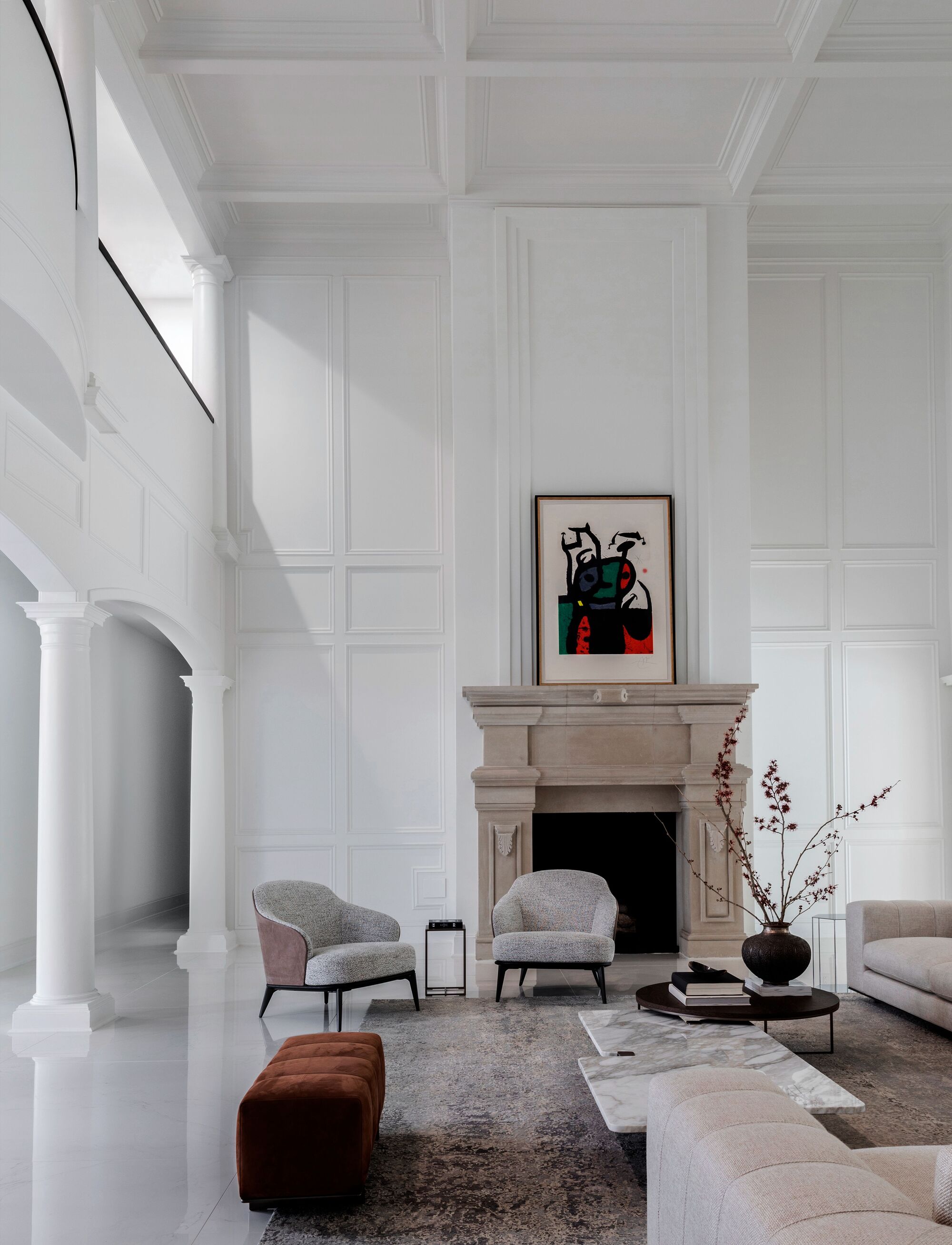
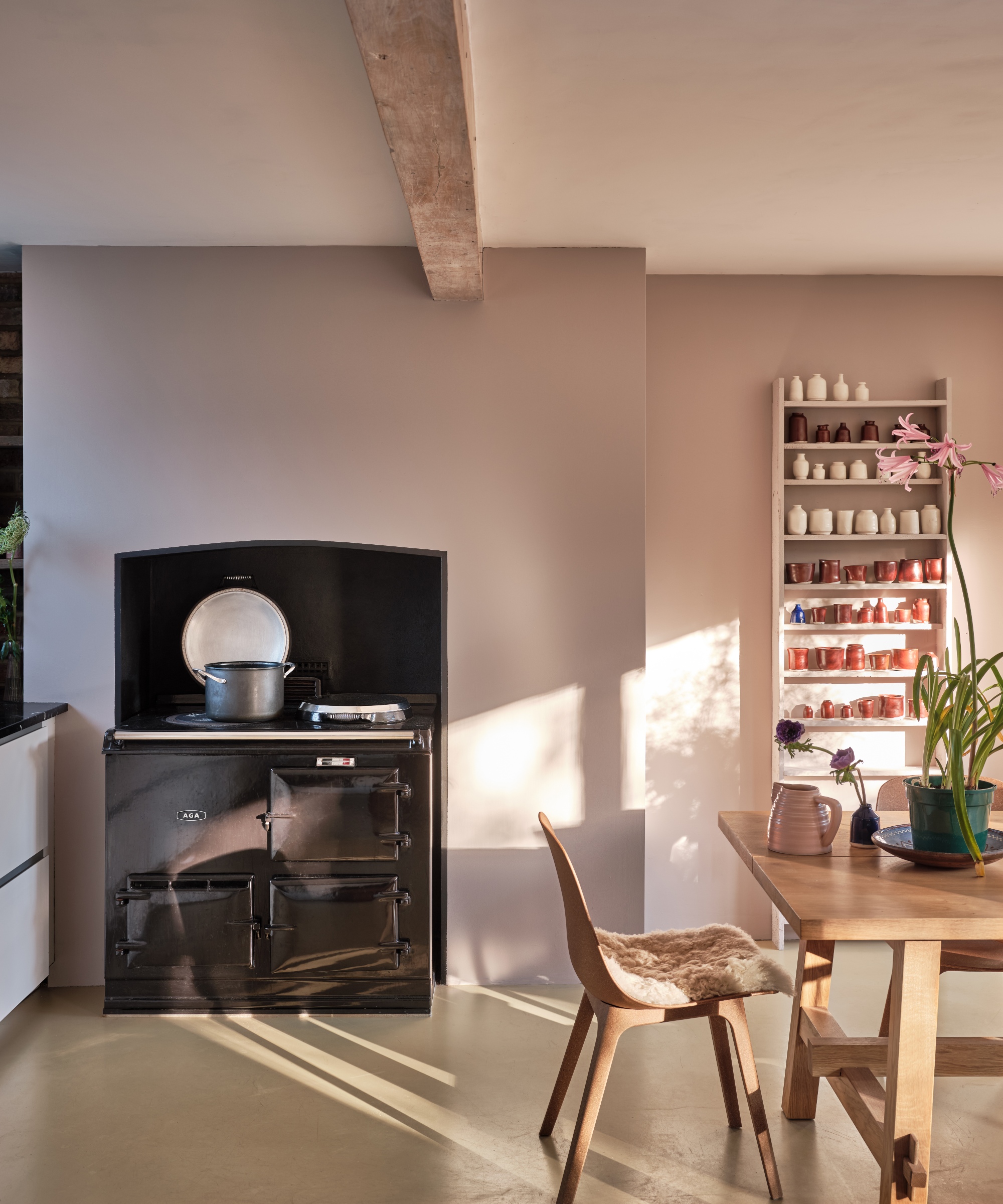
However, matte paint is harder to clean than glossy types, necessitating immediate attention to spills to prevent staining. Flat finishes, a non-glossy variation of matte paint, are recommended for drywall walls and ceilings as they absorb light and hide imperfections effectively, without needing reflective properties in already well-lit areas. They are also adept at concealing dirt on ceilings, and cleaning them, much like matte finishes, requires prompt dabbing to avoid stains. Flat finishes offer the most coverage due to their high pigment content, providing a uniform look that allows furniture and accessories to stand out. Stain-resistant paints, often found in semi-gloss or glossy finishes, are designed to resist dirt and discoloration, making them suitable for high-traffic areas and contributing to a longer-lasting clean appearance.
#PaintFinishes #HomeImprovement #InteriorDesign #CleaningTips #GlossyPaint #MattePaint #EggshellFinish #SatinFinish #SemiGloss #PaintFinishes #HomeImprovement #InteriorDesign #CleaningTips #GlossyPaint #MattePaint #EggshellFinish #SatinFinish #SemiGloss
0 commentaire au total
 Aucun commentaire pour le moment
Vous aimerez aussi
Understanding paint finishes

How to prolong the life of your paint job, according to painters and decorators

Update your home with these paint tips!

Fresh coat of paint can create clean slate
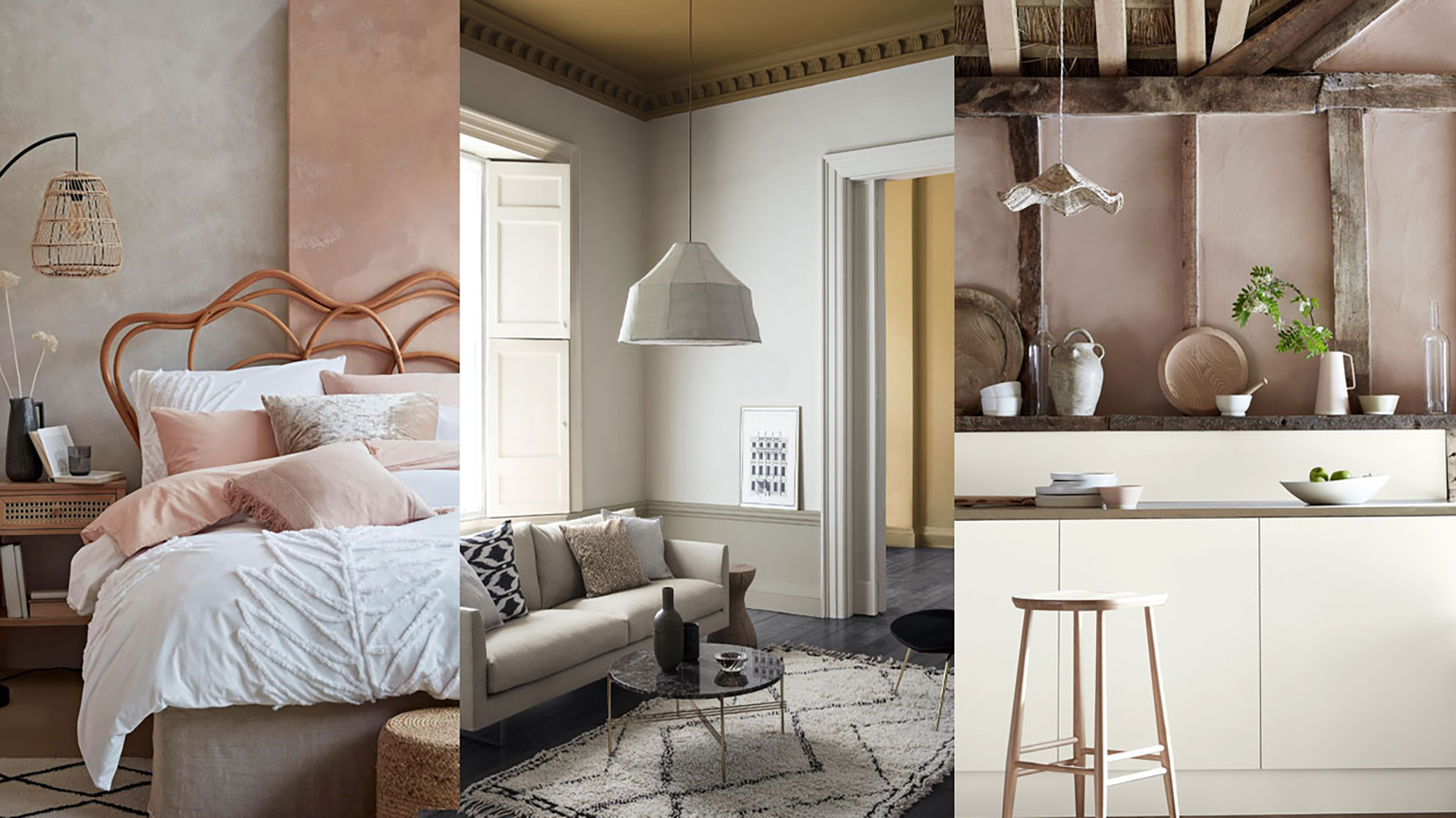
Paint finishes – a guide for every room
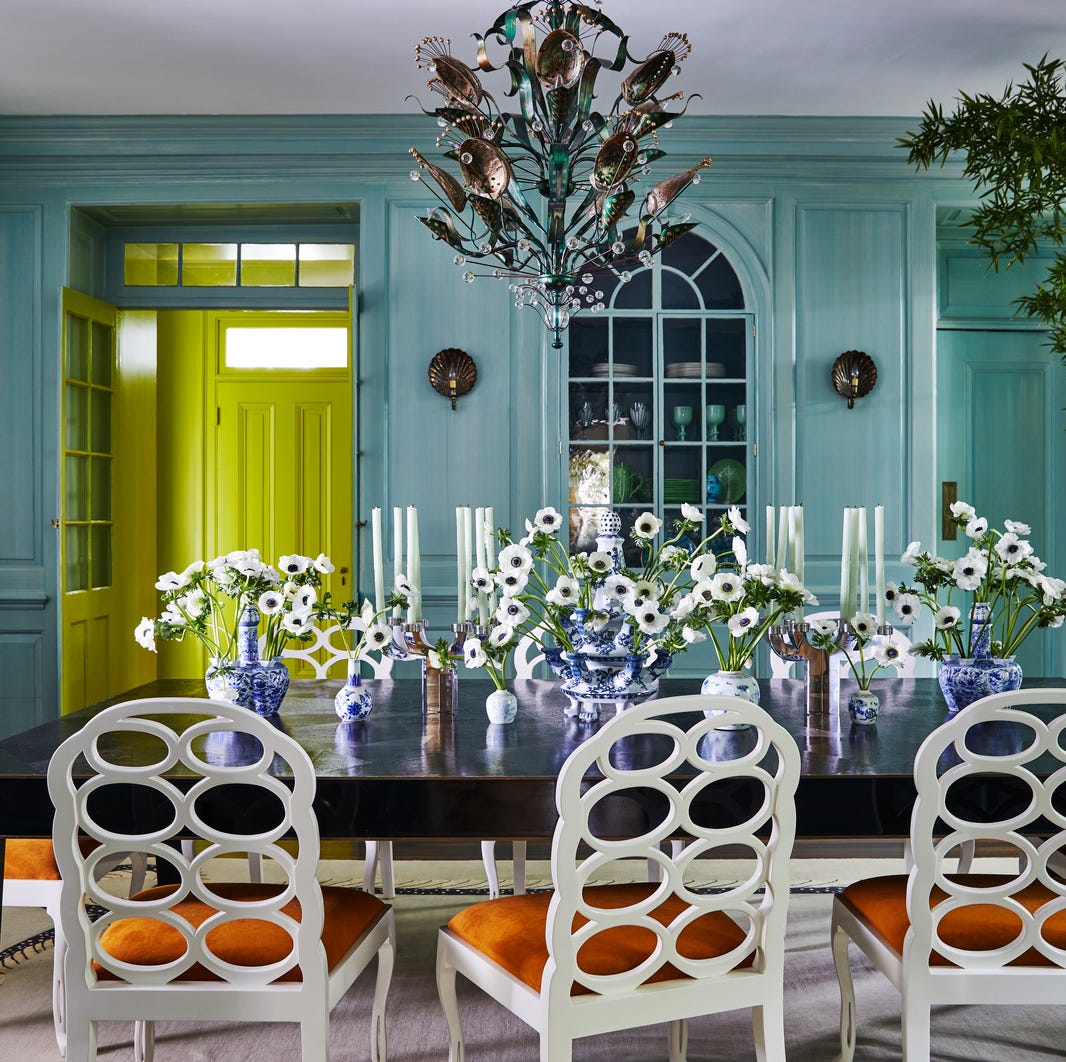
How Your Home's Paint Colors Can Make You Happier, According to Experts


The Right Way to Clean Painted Walls, From Matte to Gloss Finishes

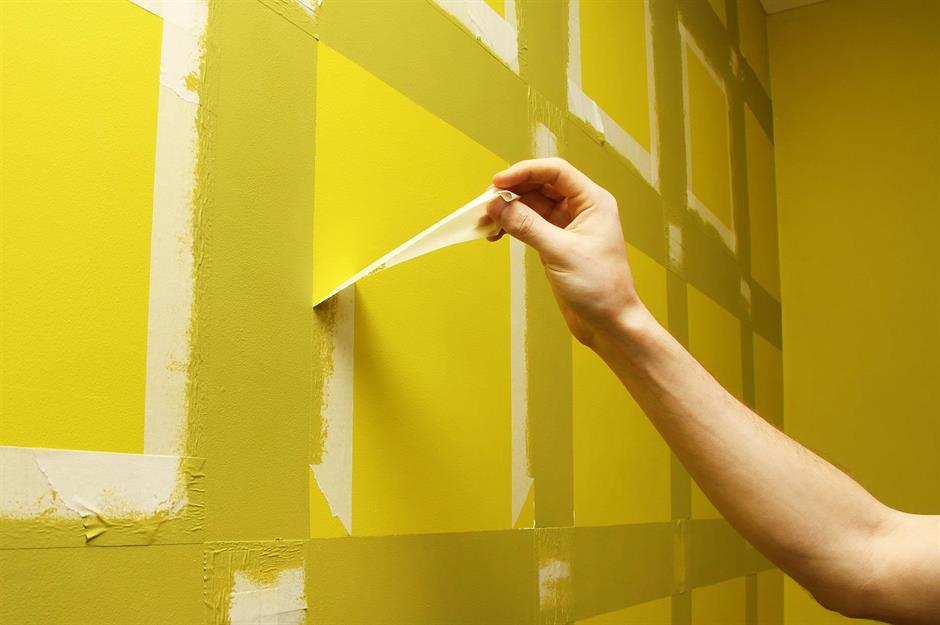
The ultimate DIY hacks | loveproperty.com

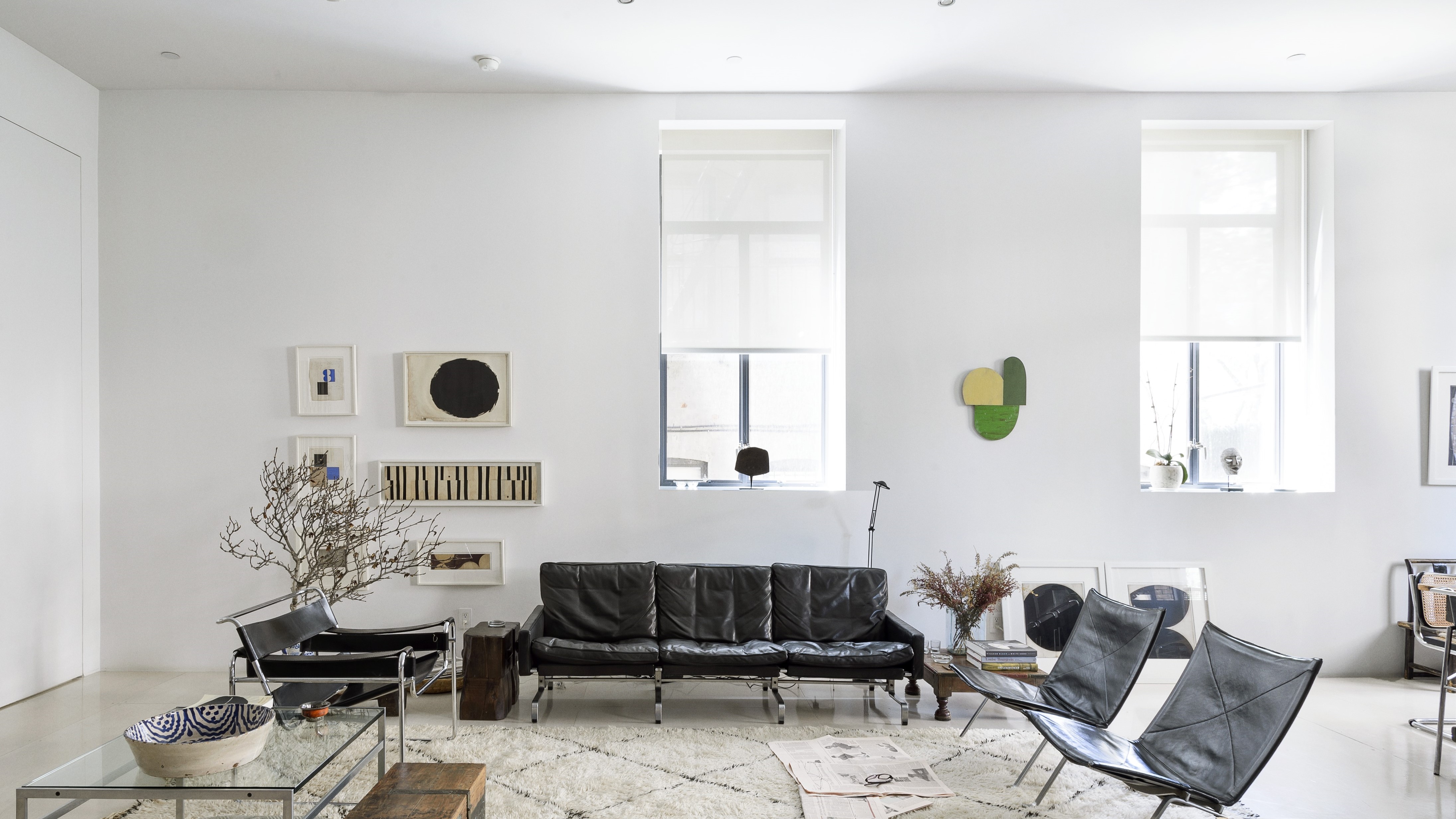
6 painting mistakes that are making your walls look 'dirtier' – and what you should be doing instead


5 different paint finishes, from flat to high-gloss, and when to use them
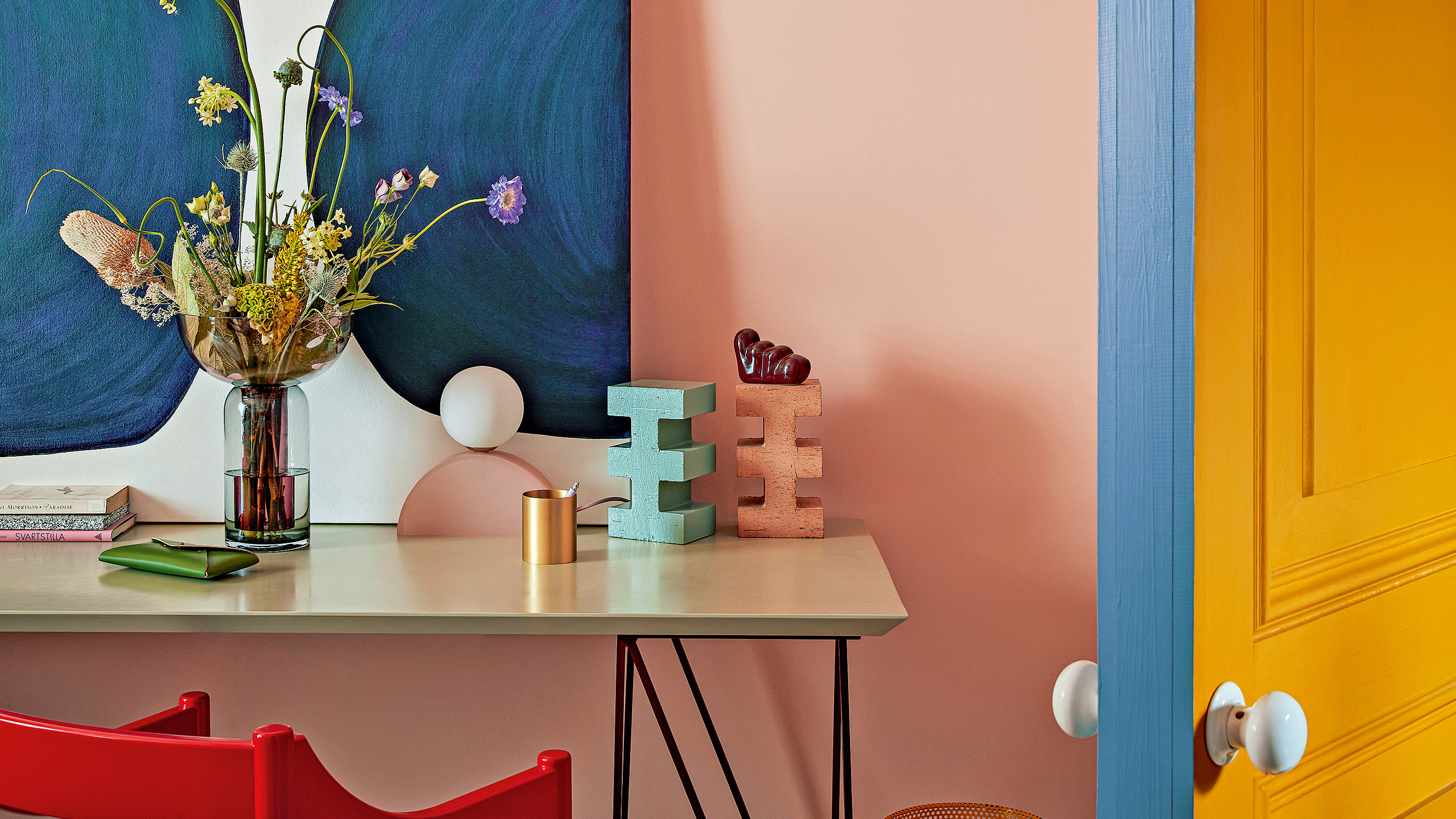
Paint finishes explained – an expert guide to choosing the perfect type of paint for your projects
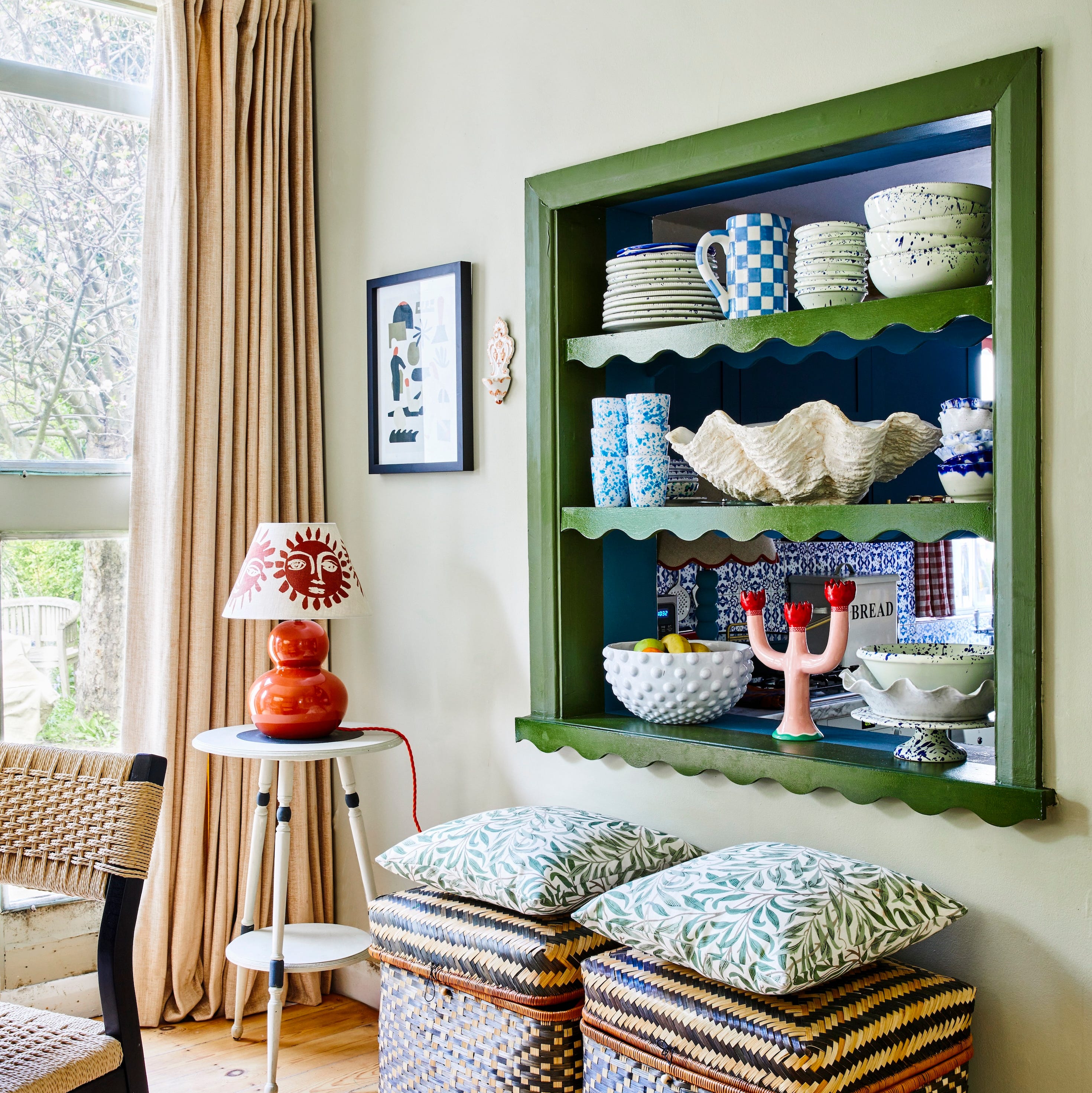
7 Paint Colours That Could Help You Sell Your Home For More

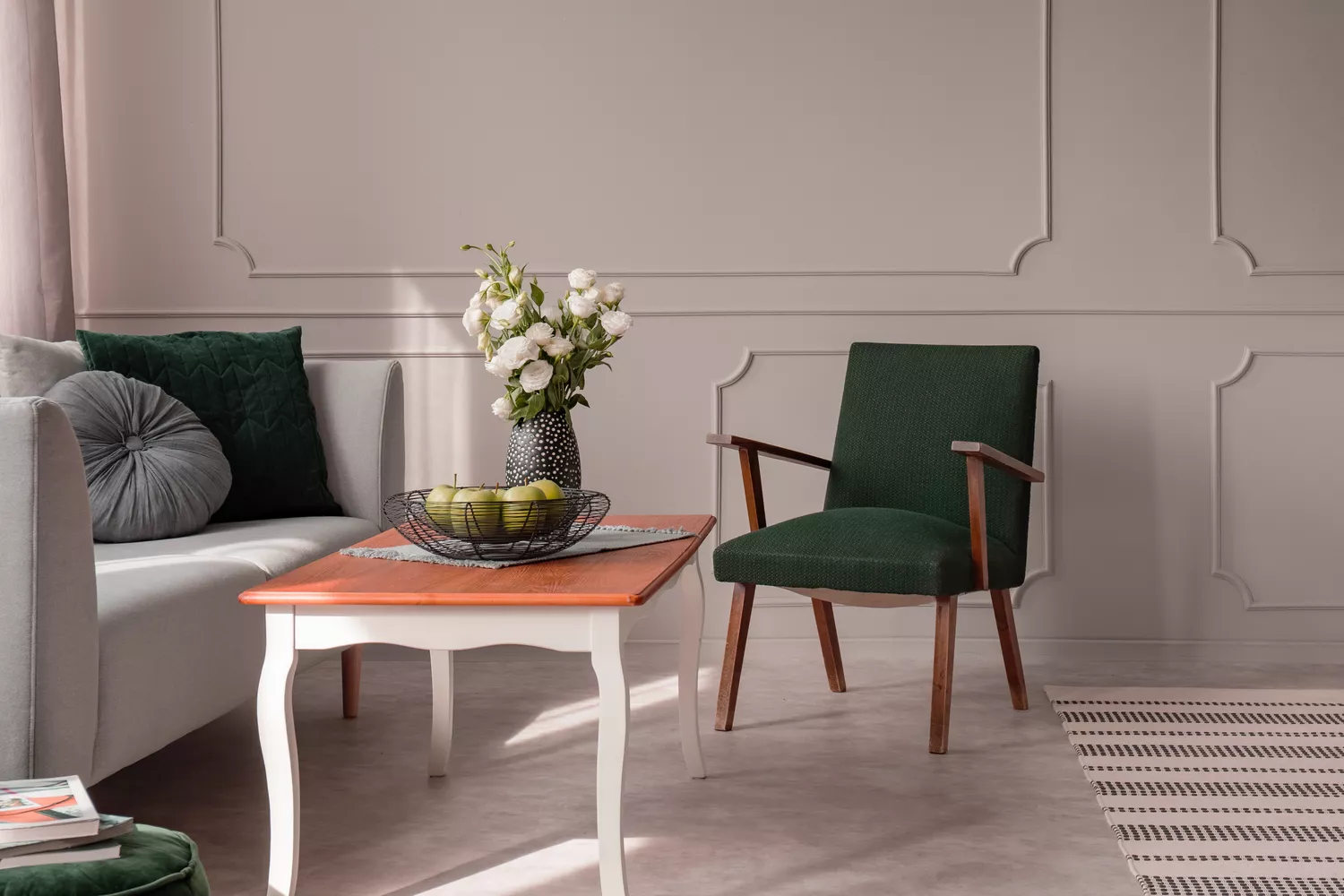
Try These Dirt-Hiding Paint Colors in the Messiest Parts of Your House
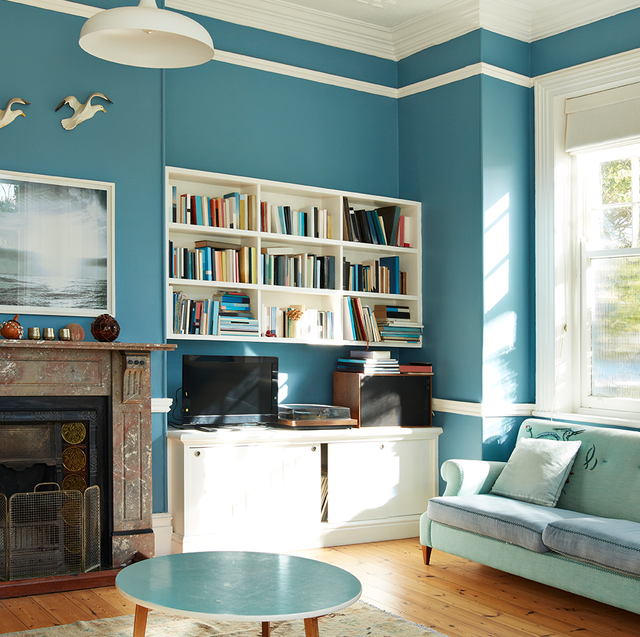
The best paints for streak-free coverage, from Dulux to Farrow & Ball

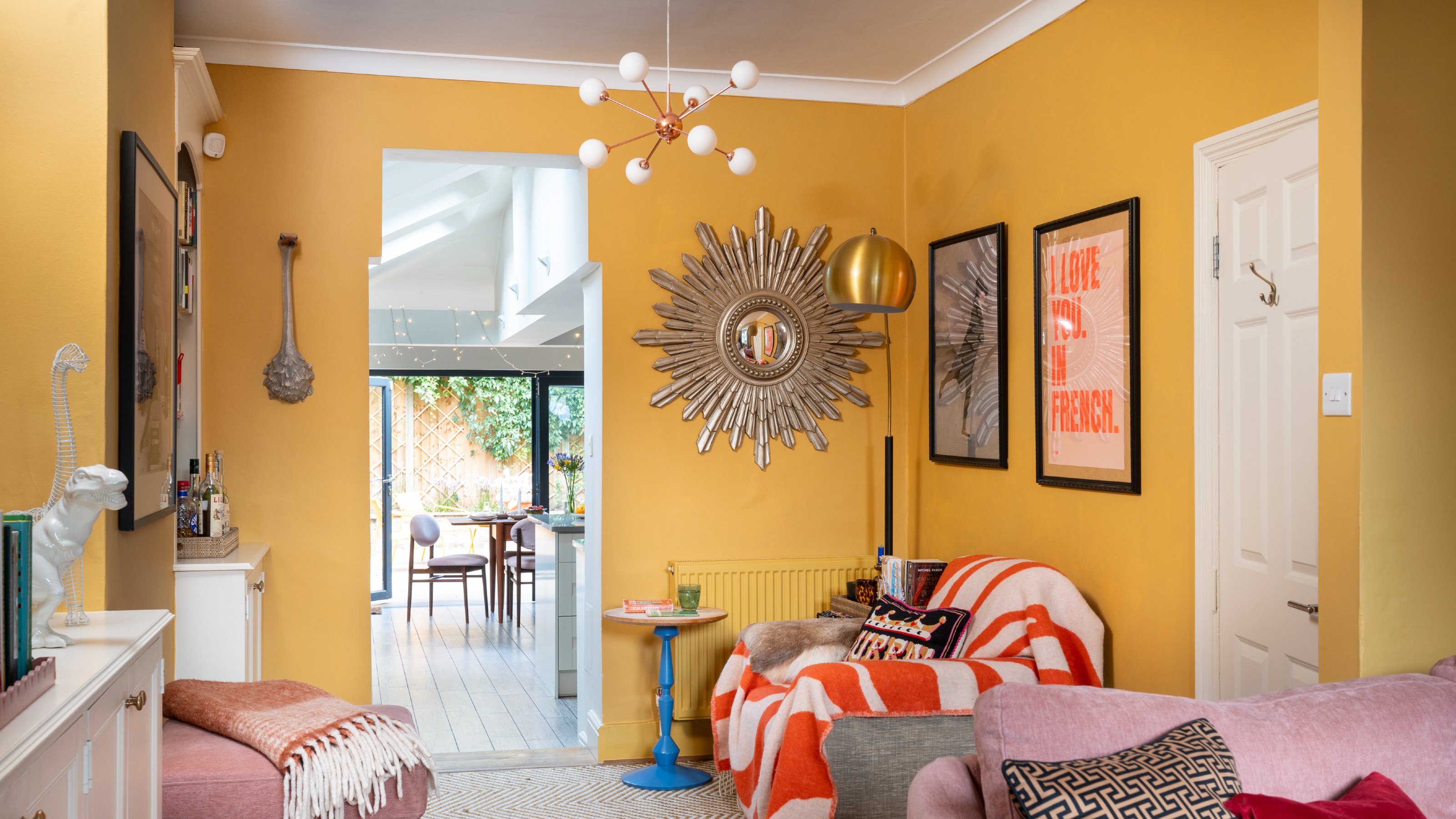
What paint finish is best for walls and ceilings?
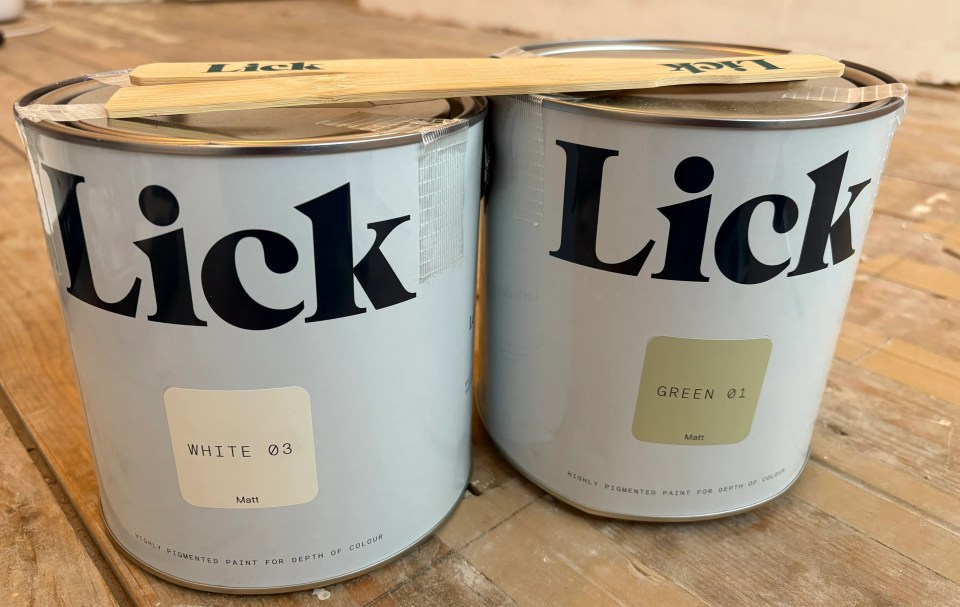
Lick Paint is my new favourite paint brand - here's why
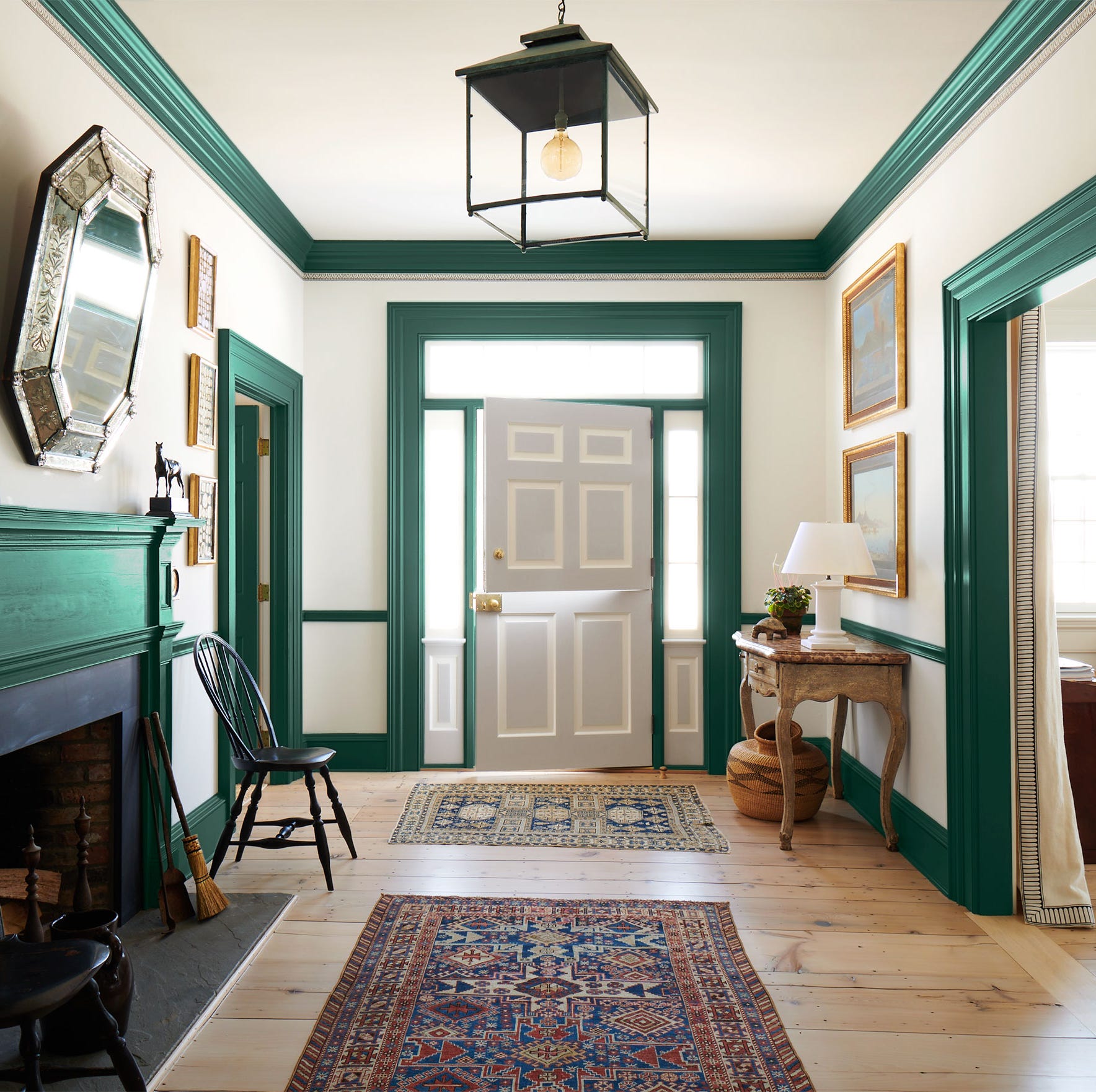
Why the Correct Trim Color Can Totally Transform Your Home
Designers Share Their Tried-and-True Shades From the Best Interior Paint Brands
These Master Tips Will Help You Avoid Choosing The Wrong Type Of Paint
11 Types of Paint Finishes—and Where to Use Each, According to Experts