1/8
Small bedroom desk ideas - what to do if you’re short of space, but in need of a place to work
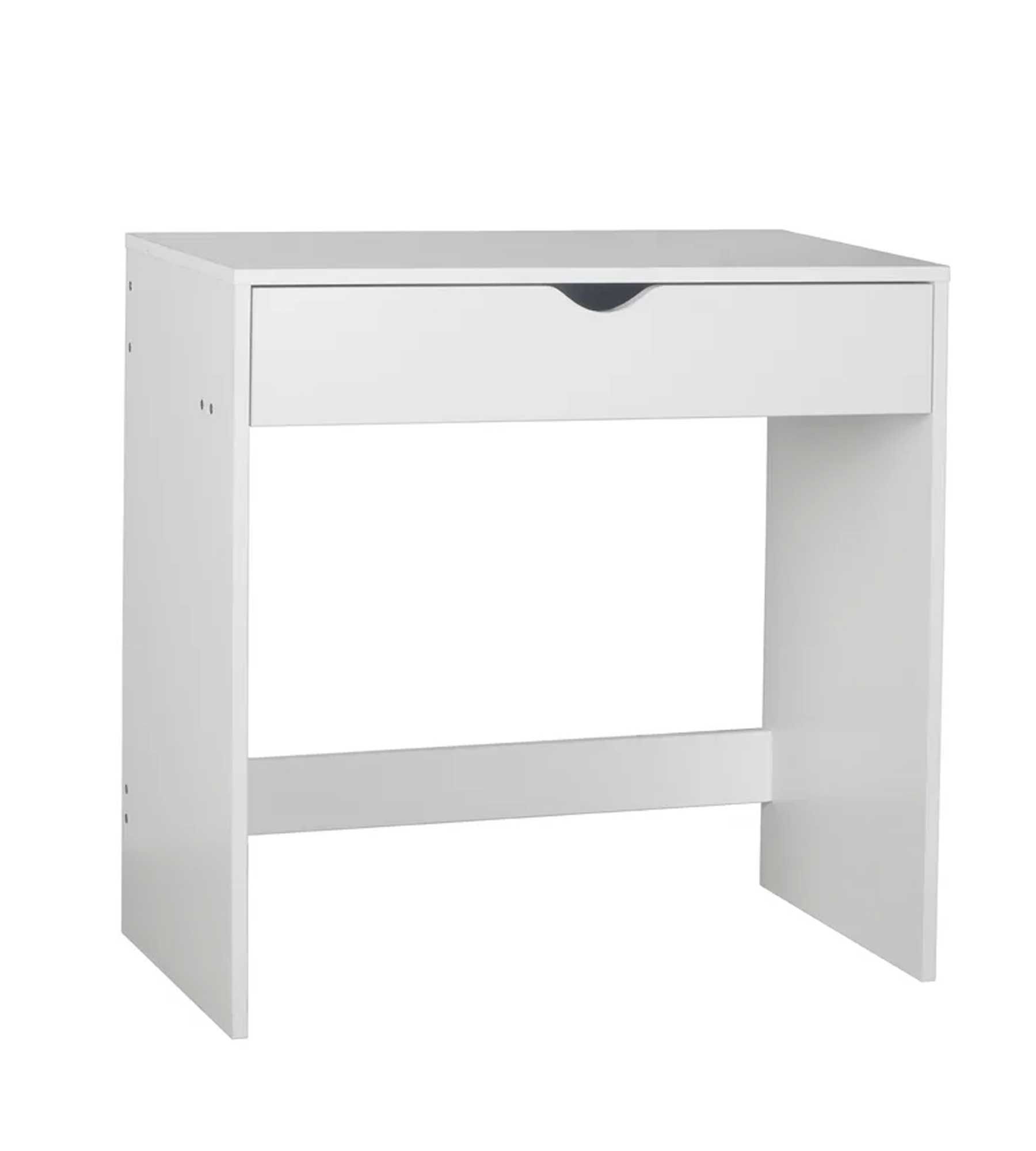
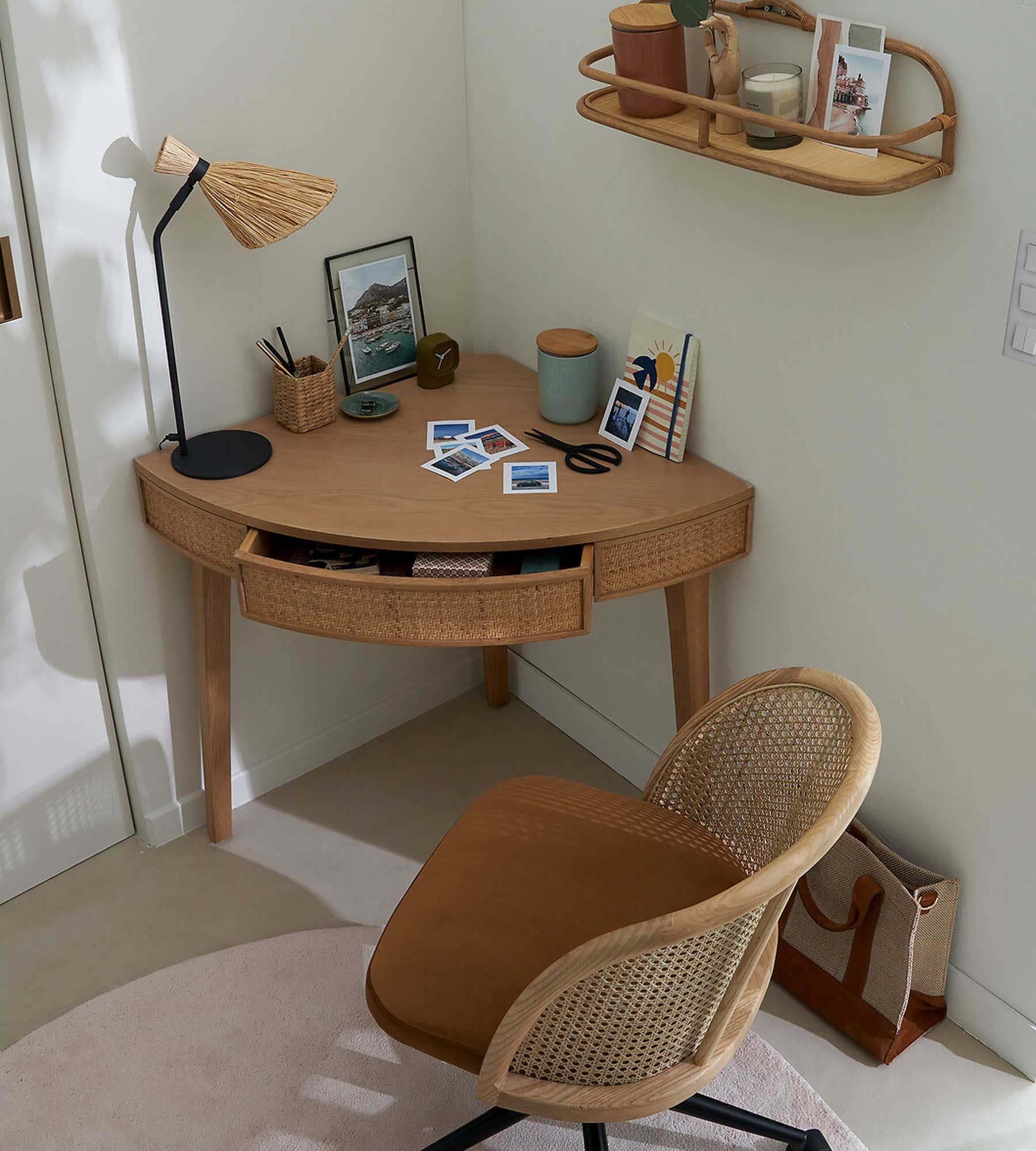
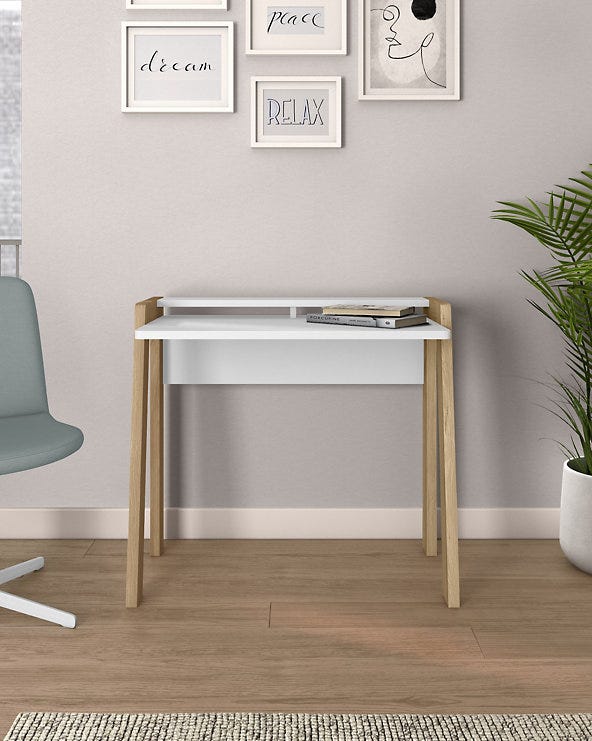
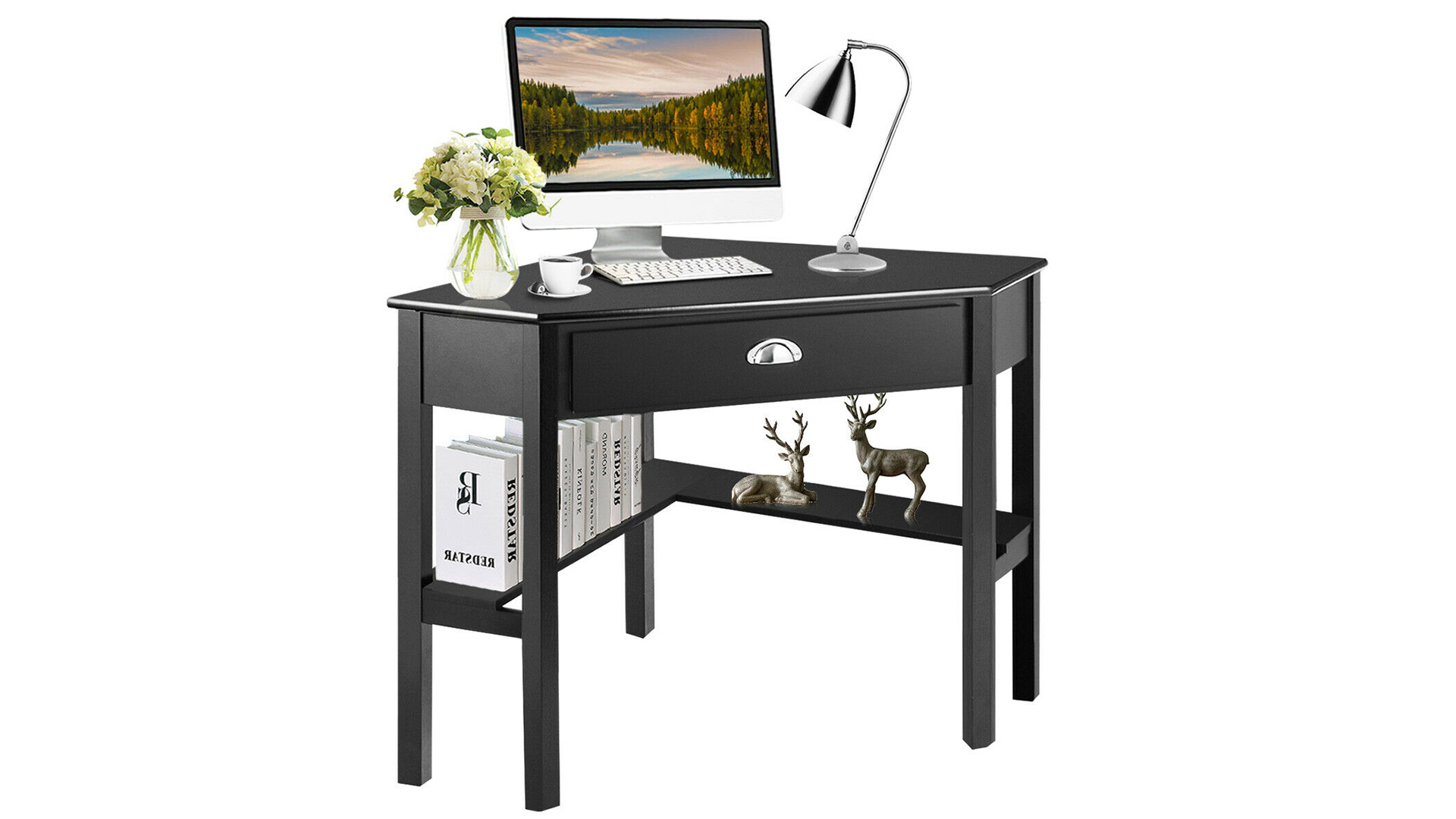
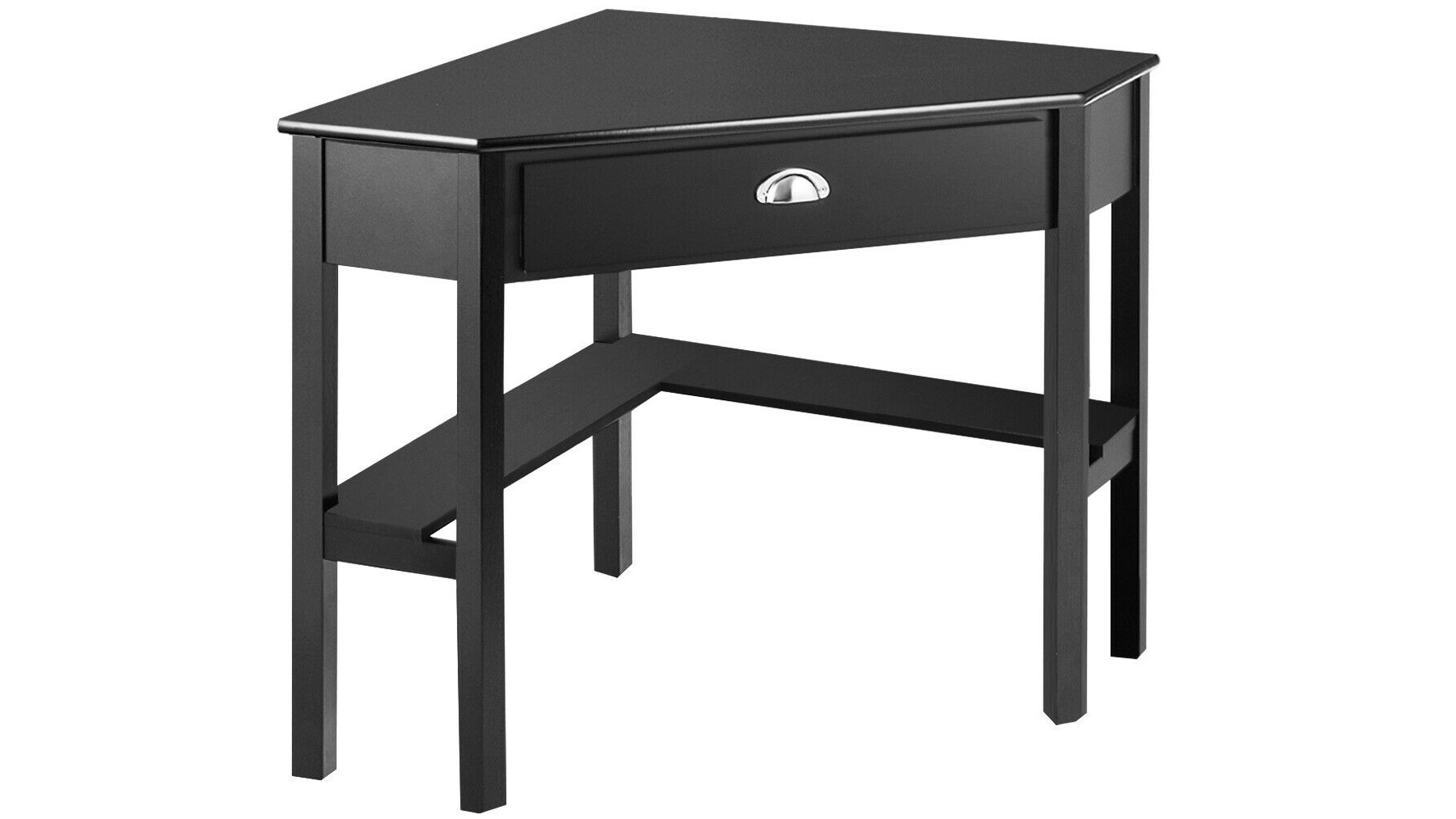
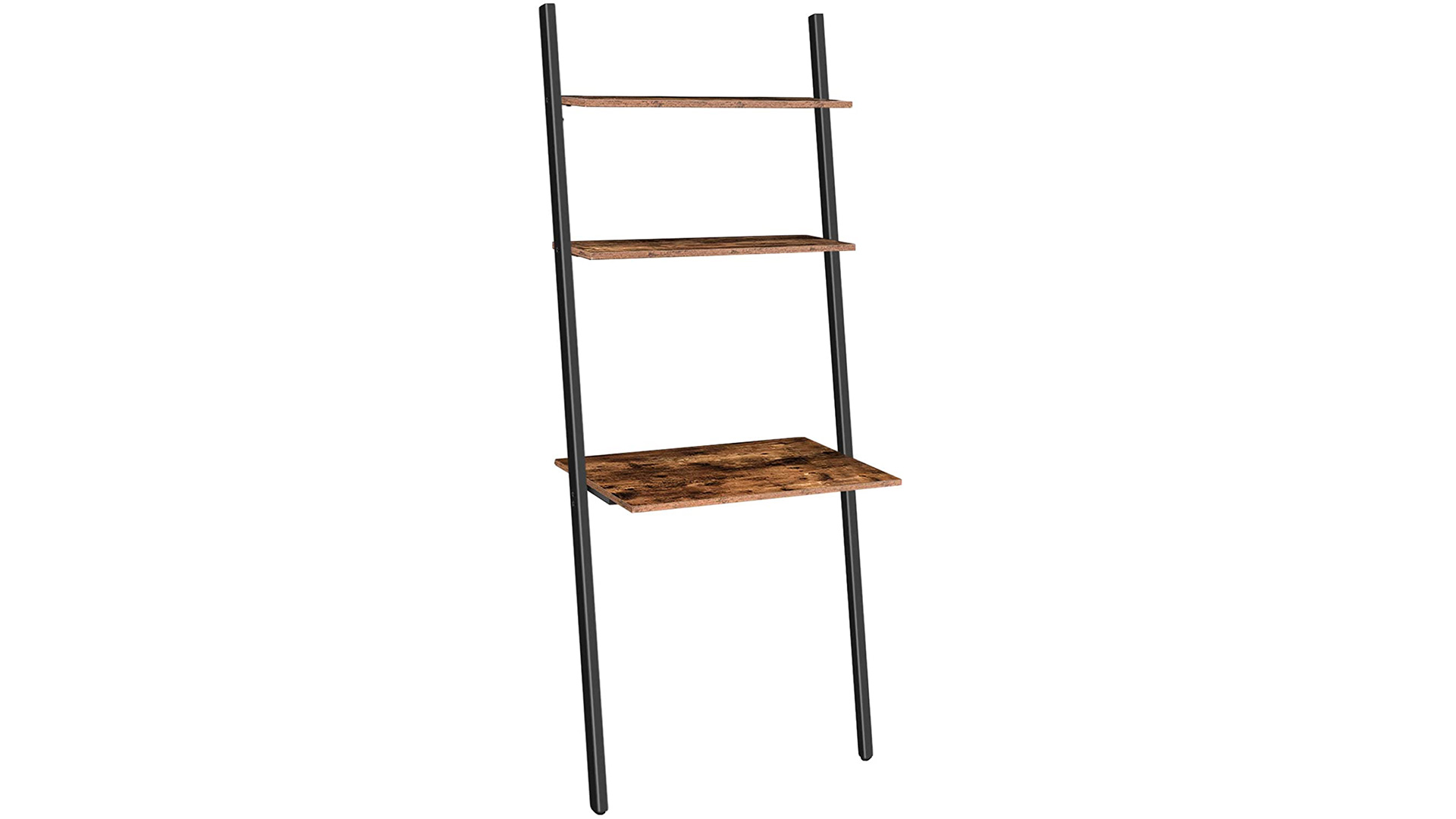
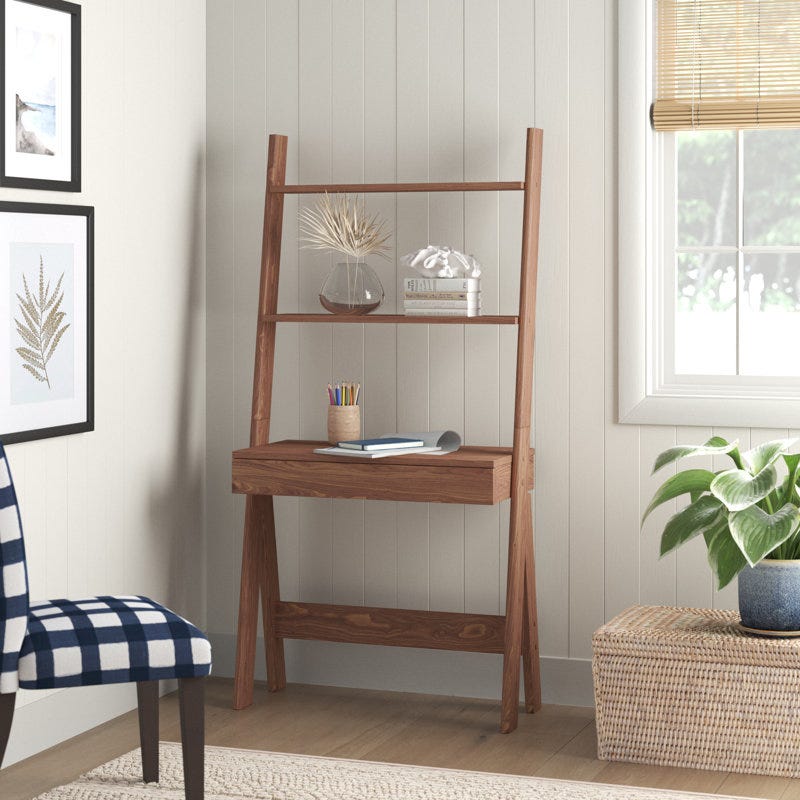
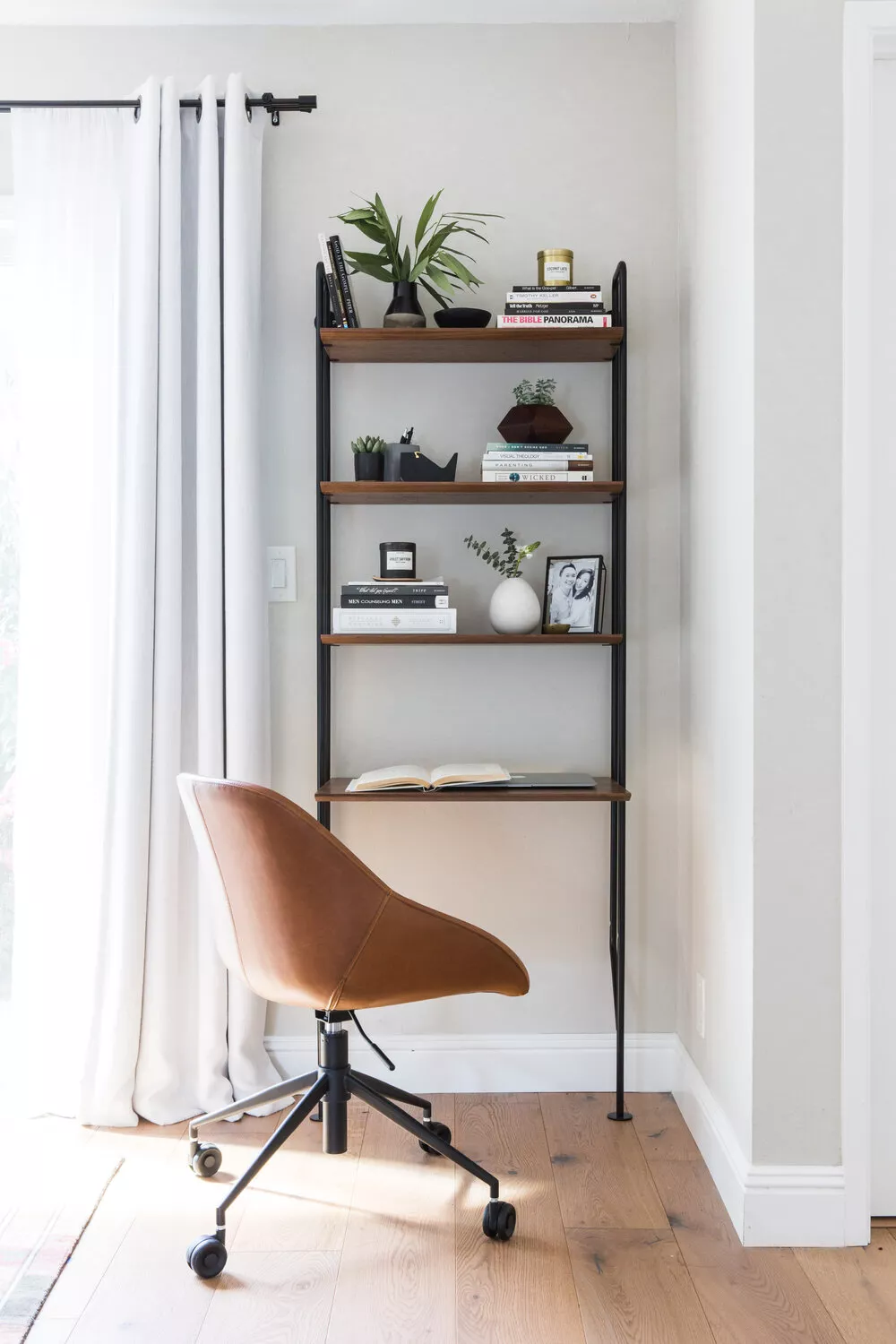
Many people do not have the luxury of a dedicated home office, making small bedroom desk ideas essential for revolutionizing work arrangements in limited spaces. These solutions are designed to integrate seamlessly into a bedroom without compromising its primary function as a sanctuary. The key is to ensure desk solutions are subtle and discreet, avoiding the impression of sleeping in an office. This approach involves maximizing tricky alcoves and incorporating built-in designs, drawing on expert tips from leading interior designers.
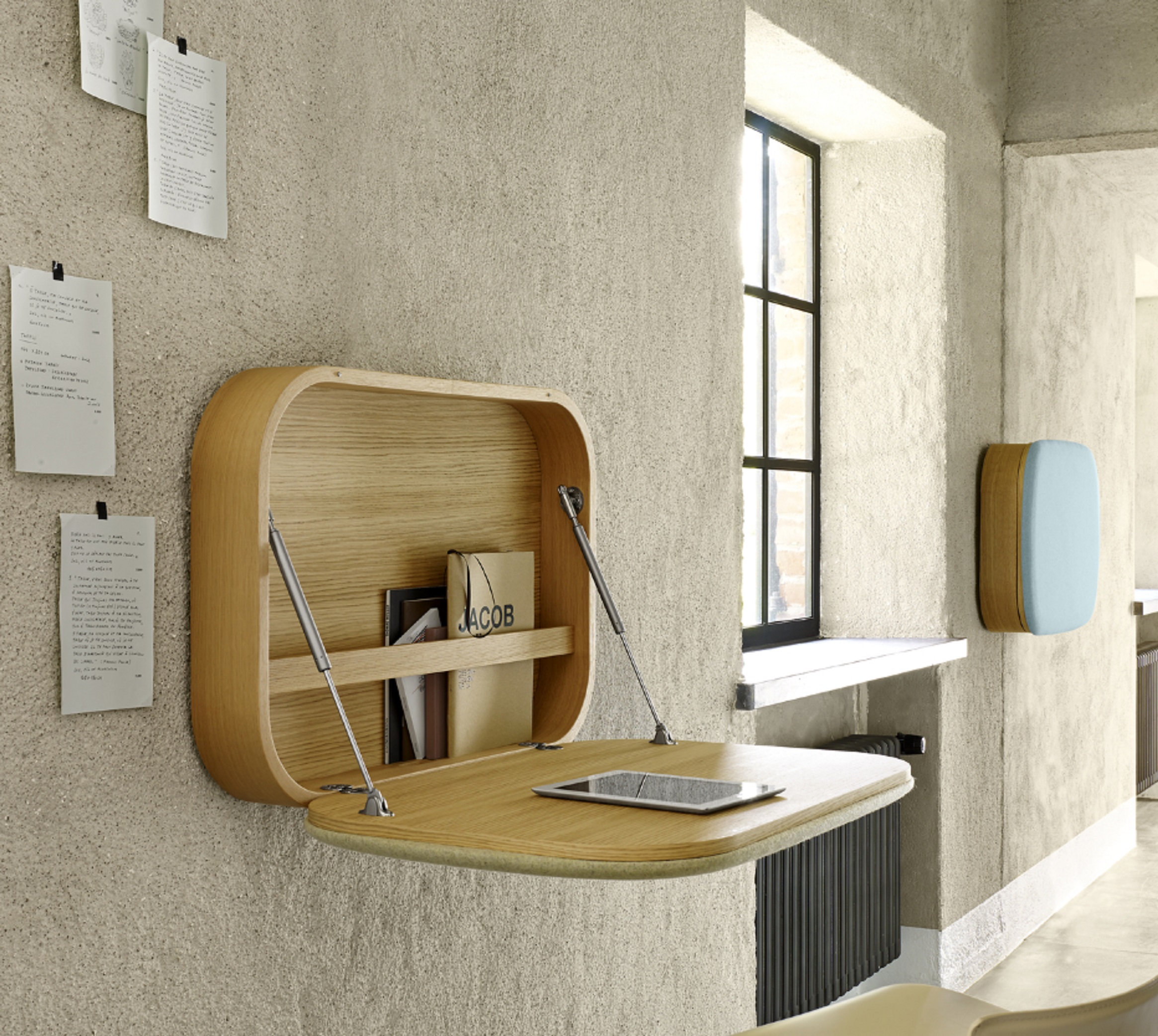
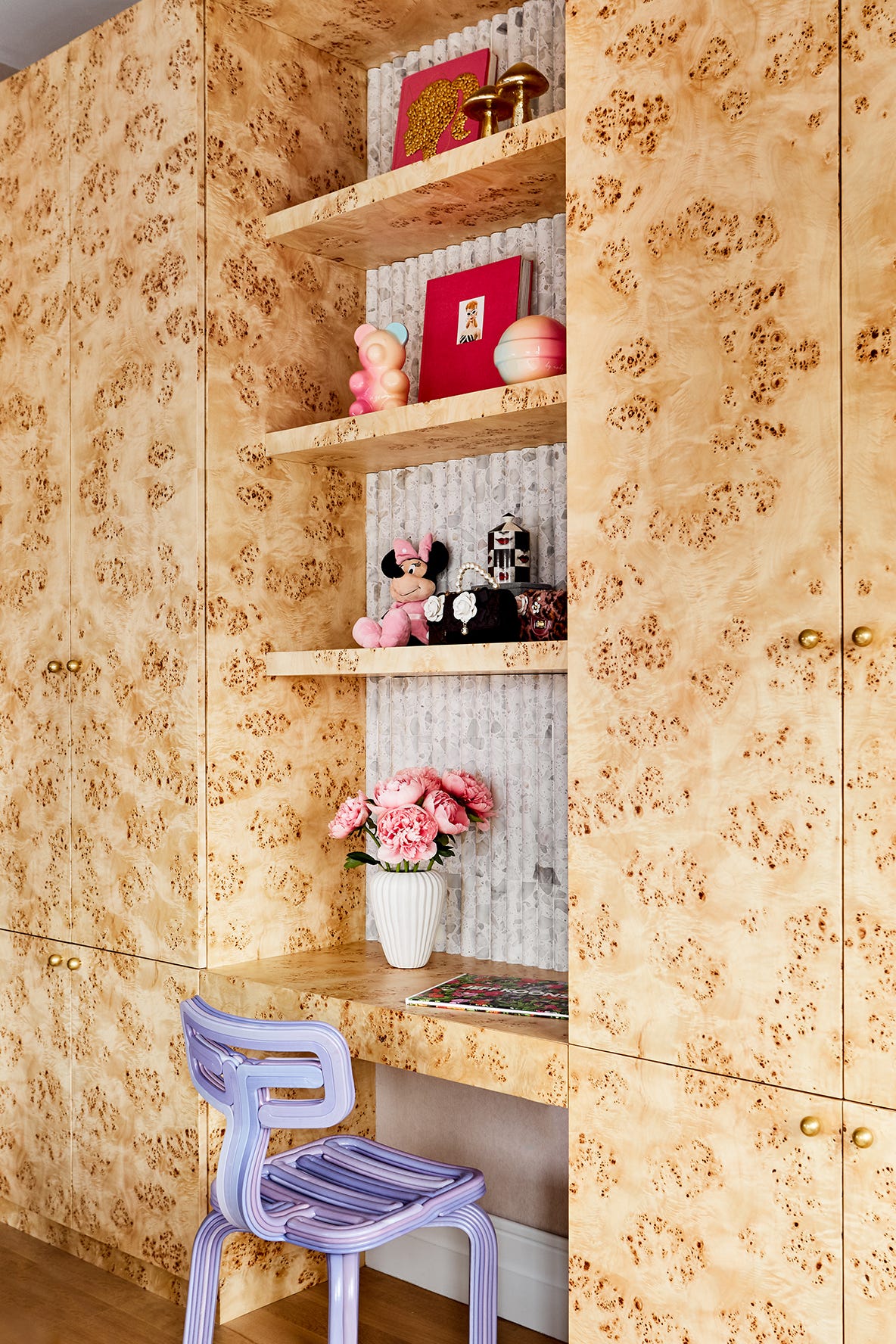
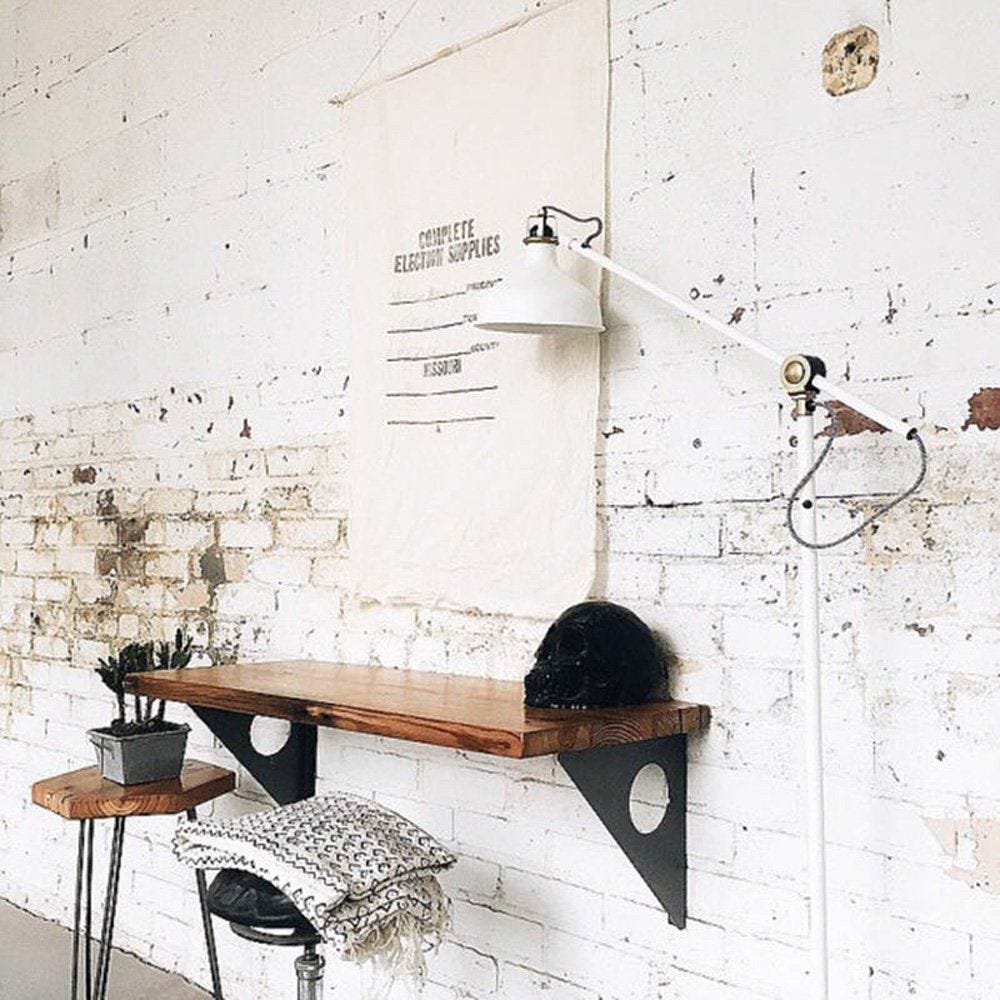
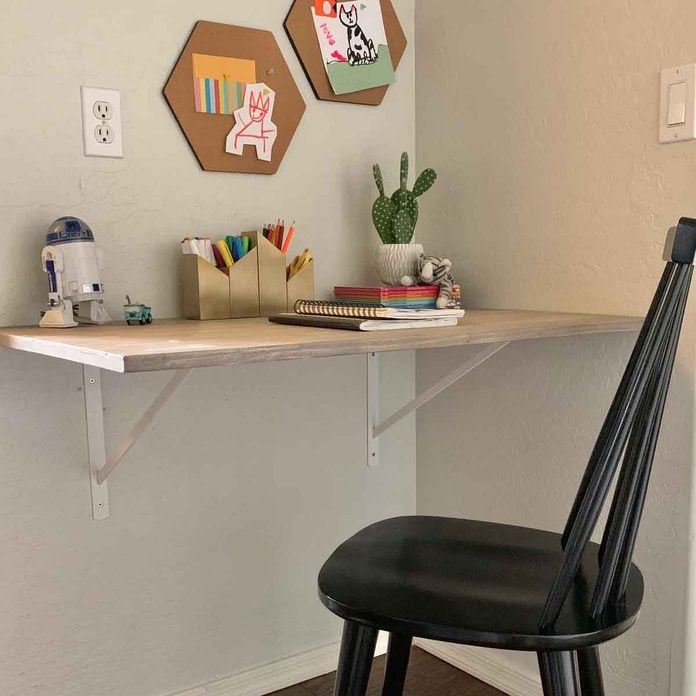
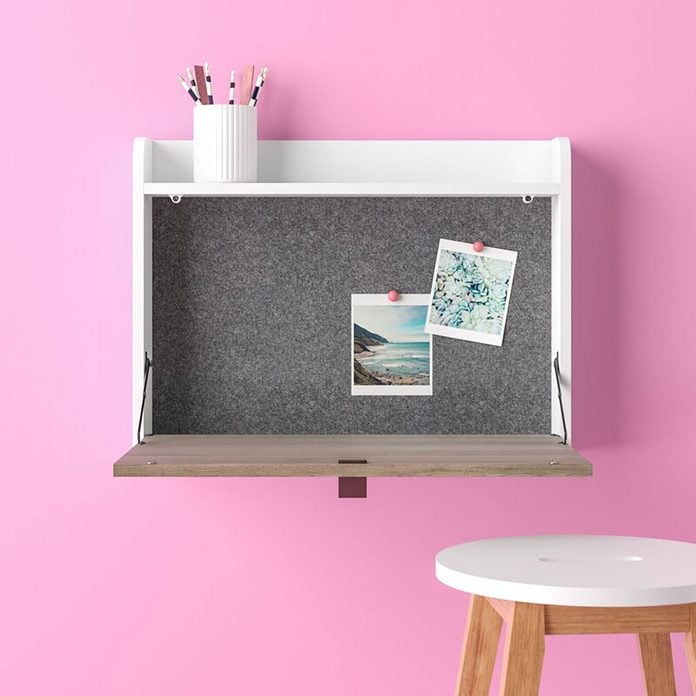
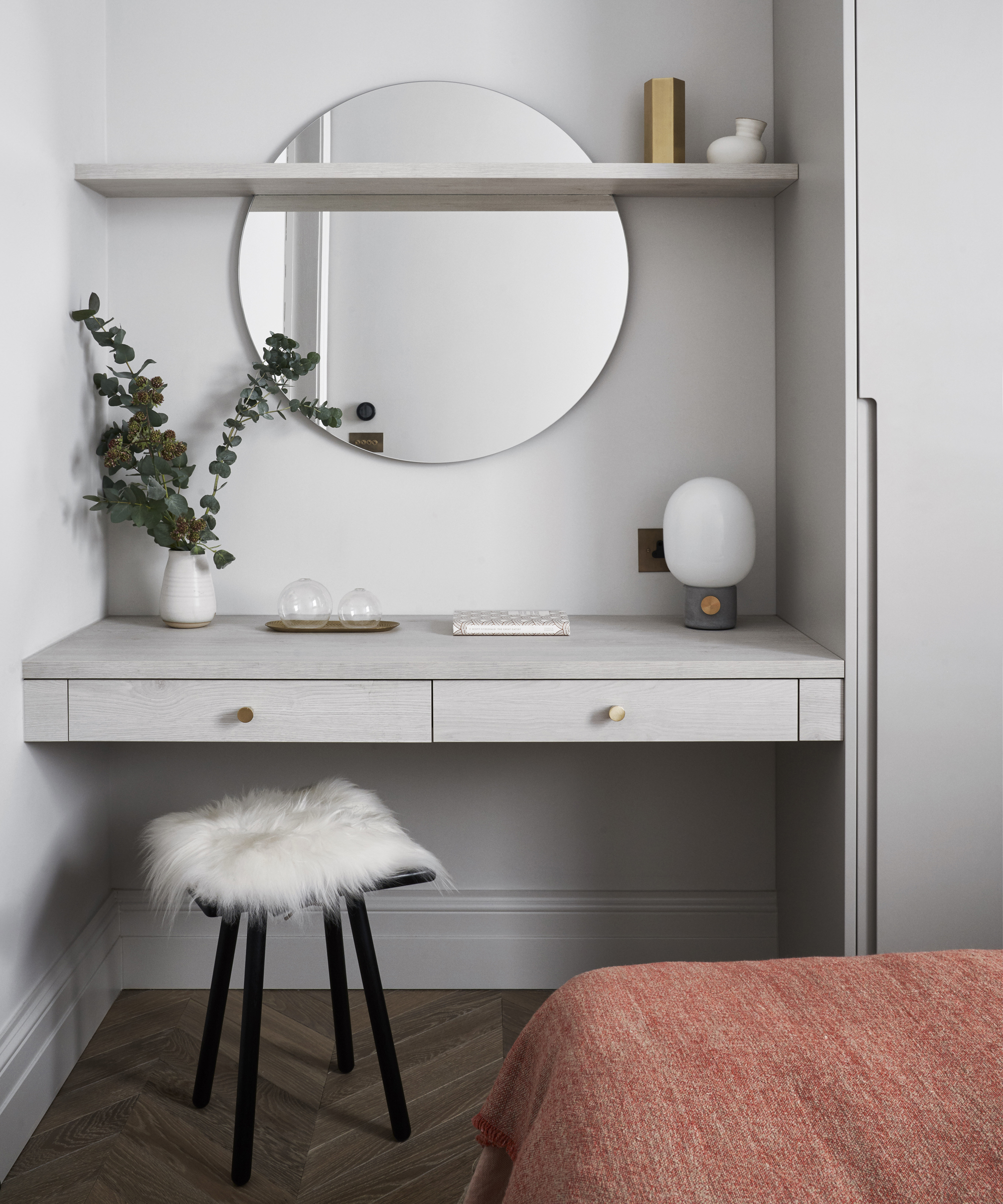
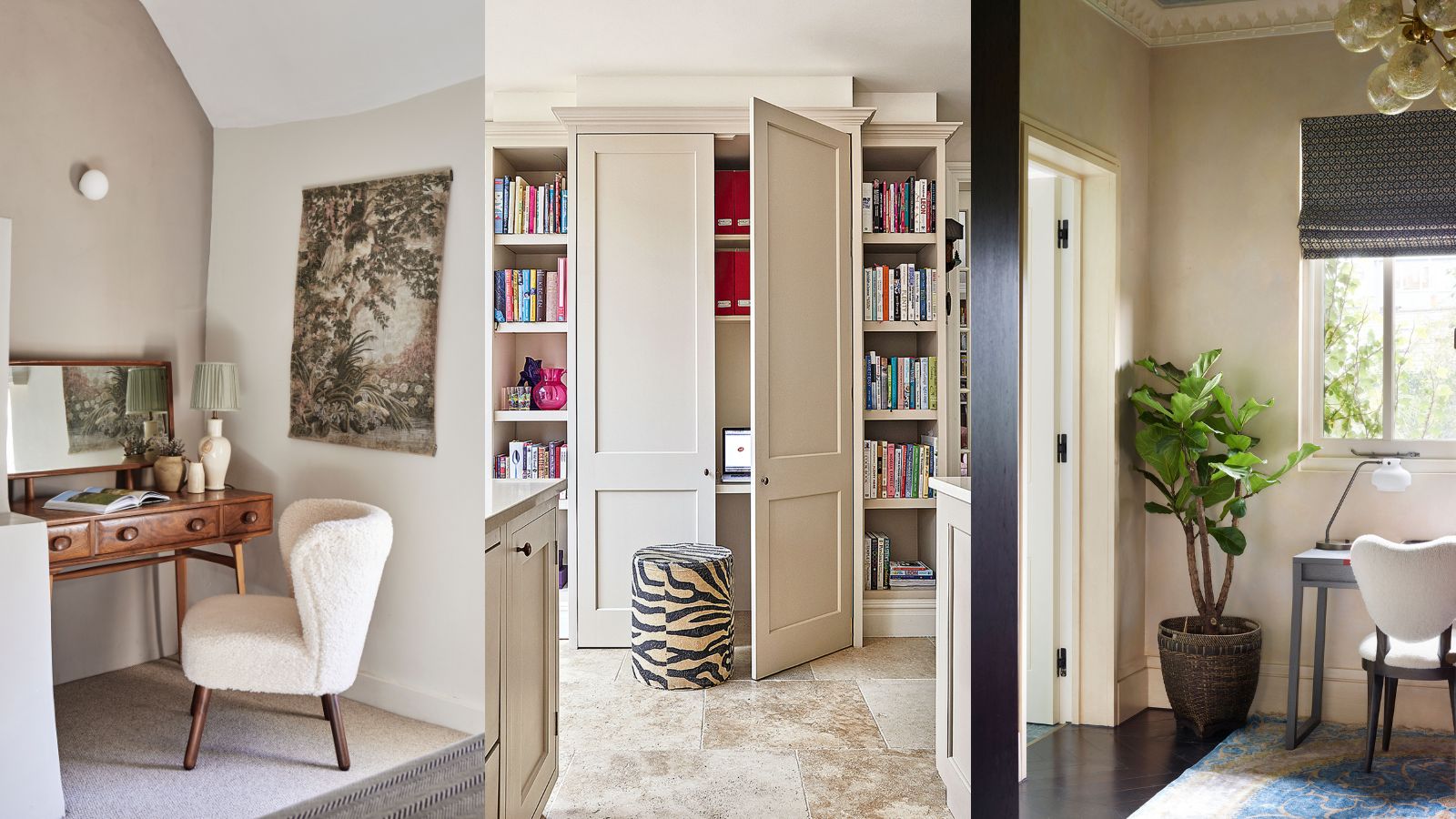
One effective strategy is to create a seamless integration where the desk area harmonizes with the bedroom's overall design. When a room serves dual functions, it is crucial that neither function overpowers the other, particularly in a bedroom where serenity and calm are paramount. An example is a calming setup by Andrew Griffiths of A New Day, which features a bespoke wall-hung piece that functions as both a desk and a dressing table. This design occupies an otherwise unused corner of a loft bedroom, transforming it into a functional space while maintaining a coherent aesthetic. Using consistent materials and backing the space with smart wood paneling makes the desk appear as a deliberate part of the design. A wall-hung design helps keep floor space clear, making the room feel more spacious, and painting the unit the same color as the walls contributes to a seamless look.
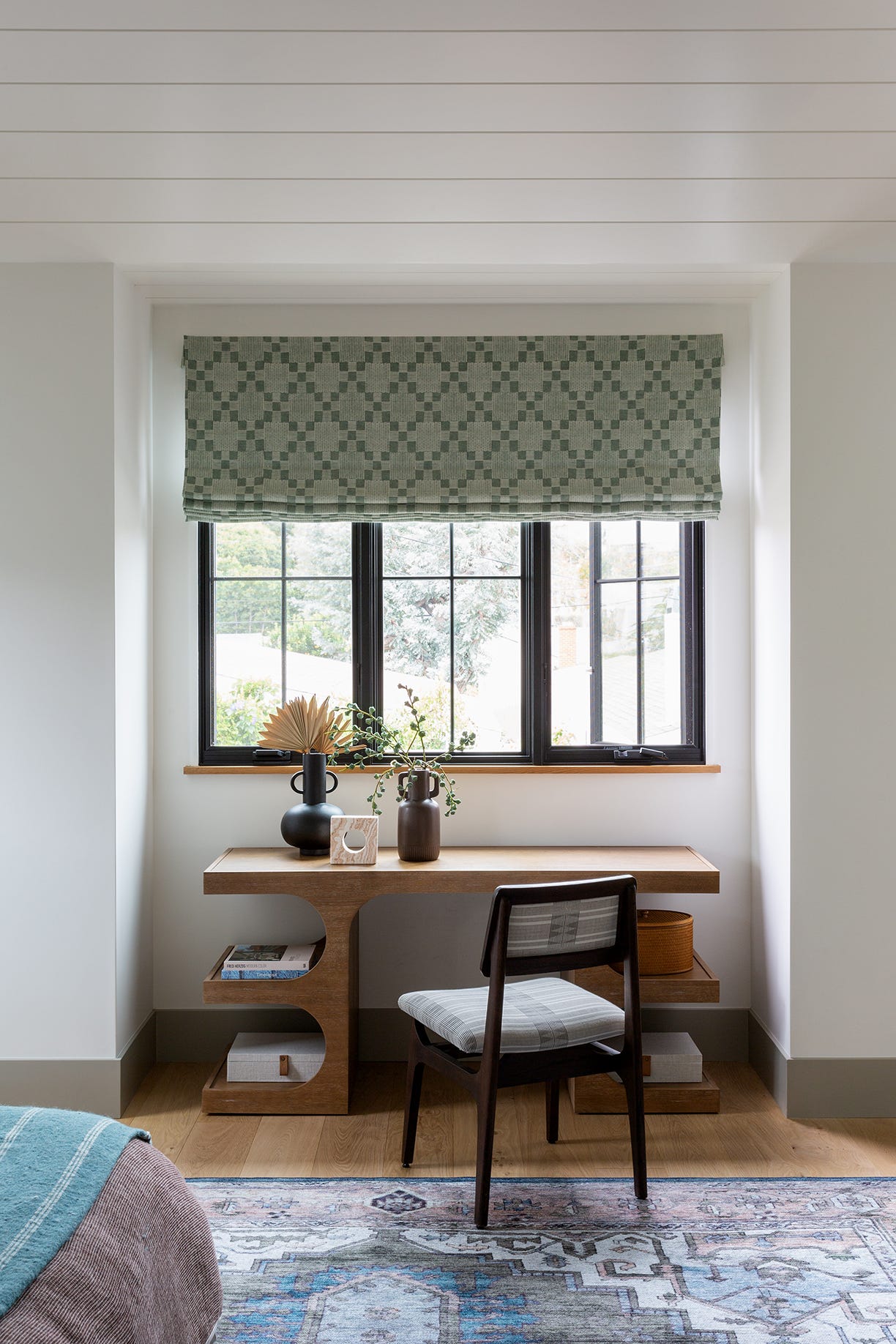
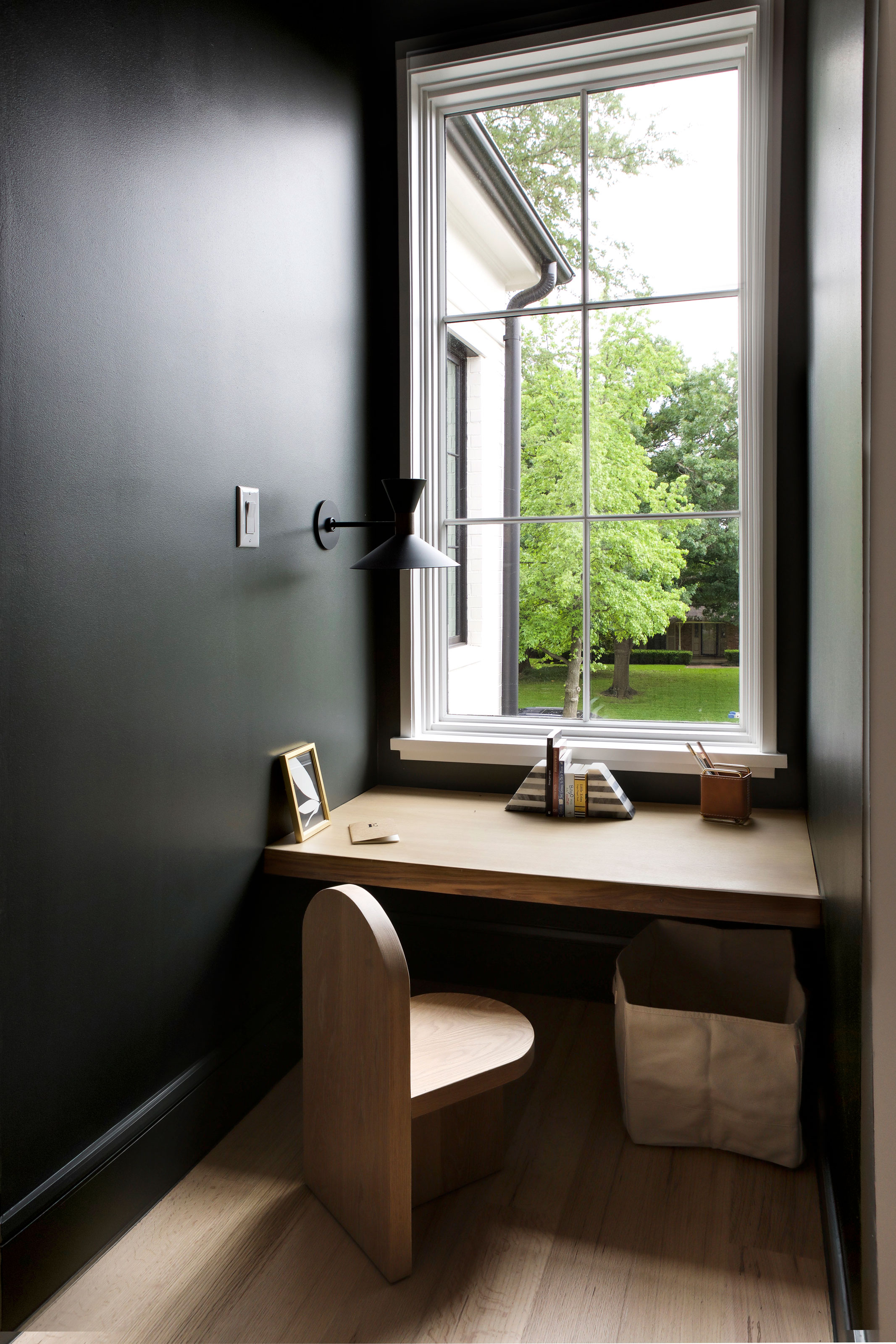
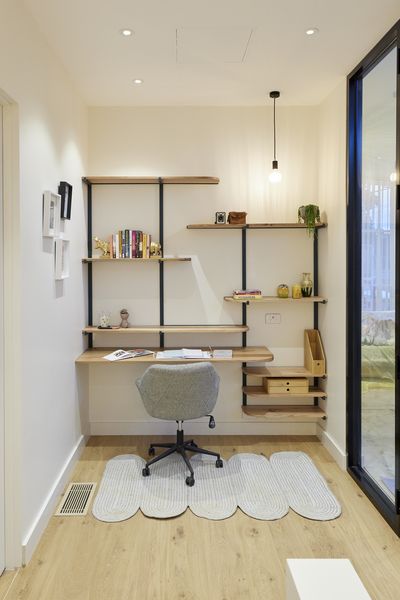
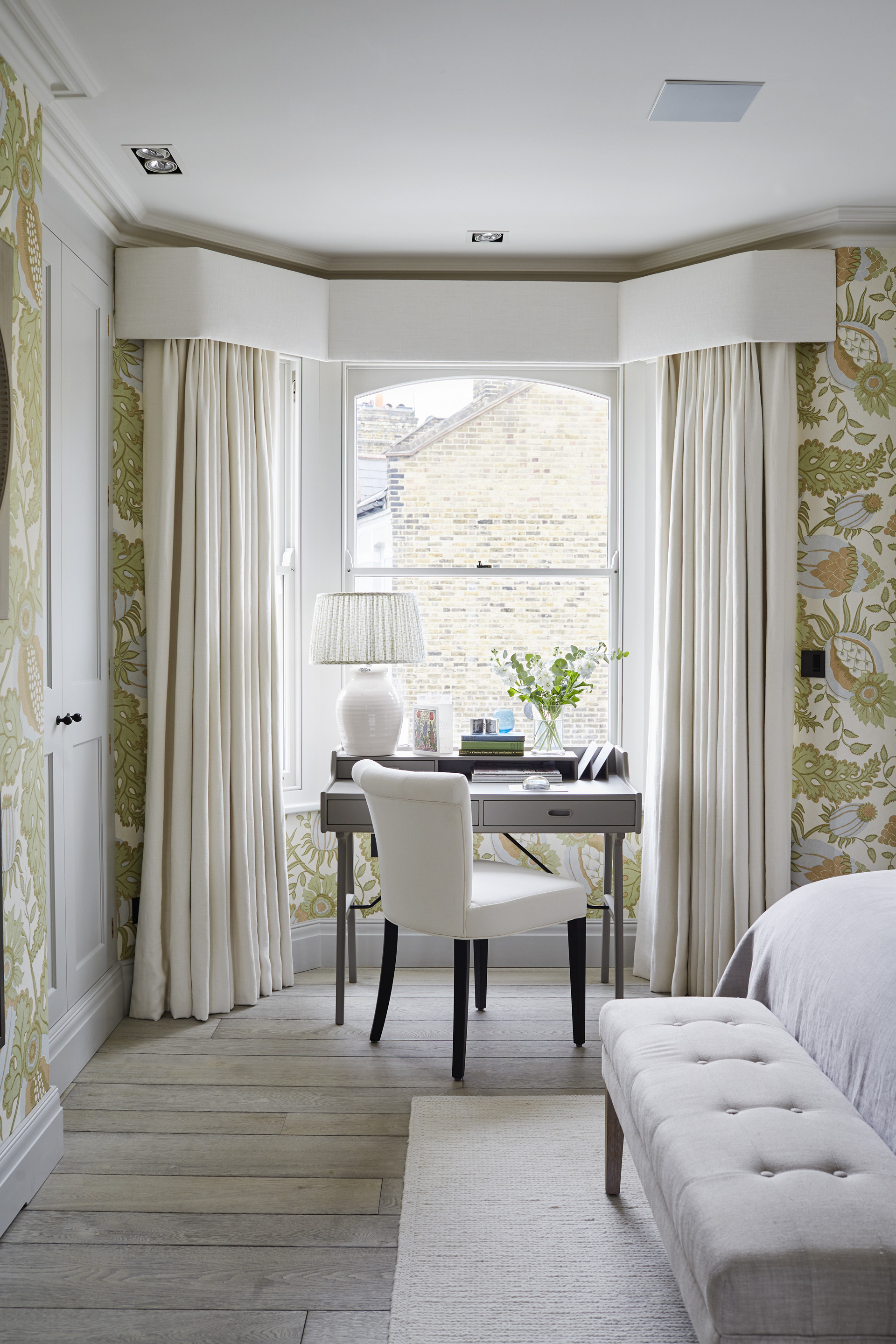
Another approach involves taking advantage of awkward or previously disregarded spaces, such as narrow walkways or alcoves. Marie Soliman of Bergman Interiors utilized a narrow walkway with a window by building a desk into the alcove, allowing the unit to slightly wrap around the walls for a sleek and purposeful appearance. Keeping surfaces clear is vital for making a small bedroom feel spacious. Additionally, integrating tech management solutions like pop-up computer screens and concealed cable tidies helps maintain a clutter-free environment. Planning these features early allows the desk to be quickly transformed into a dressing table or console when not in use.
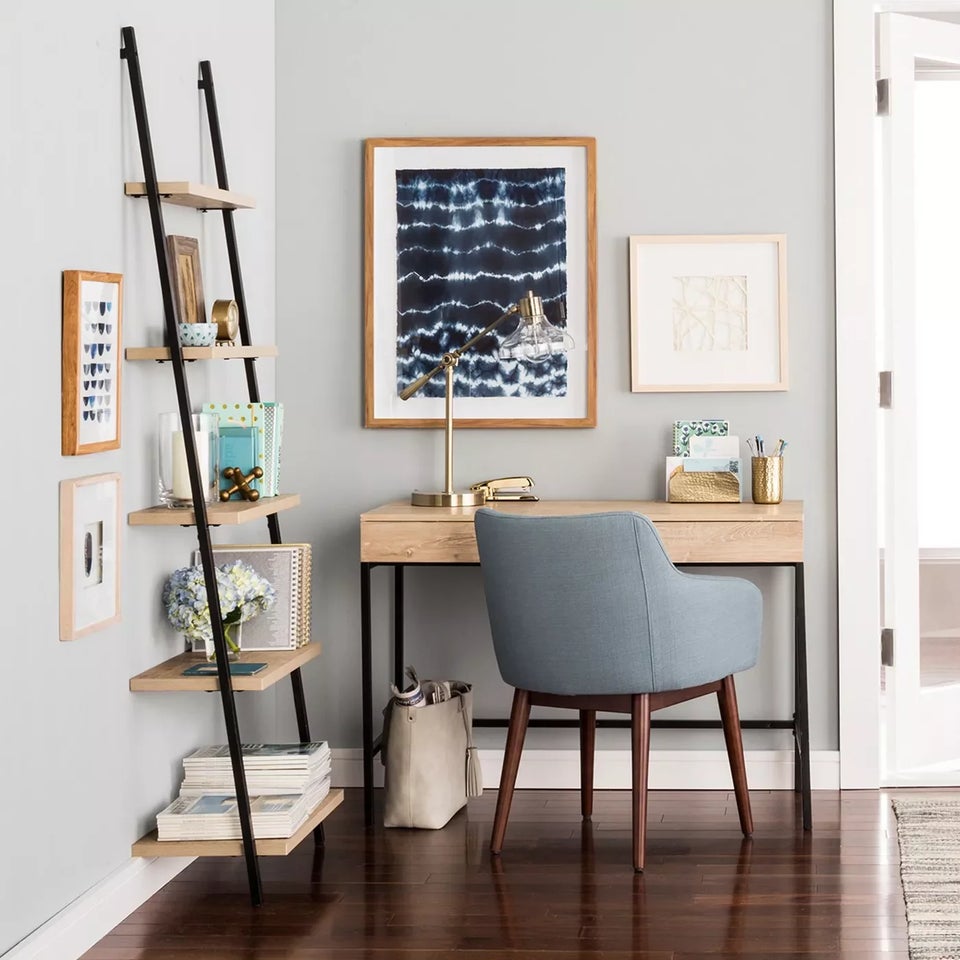
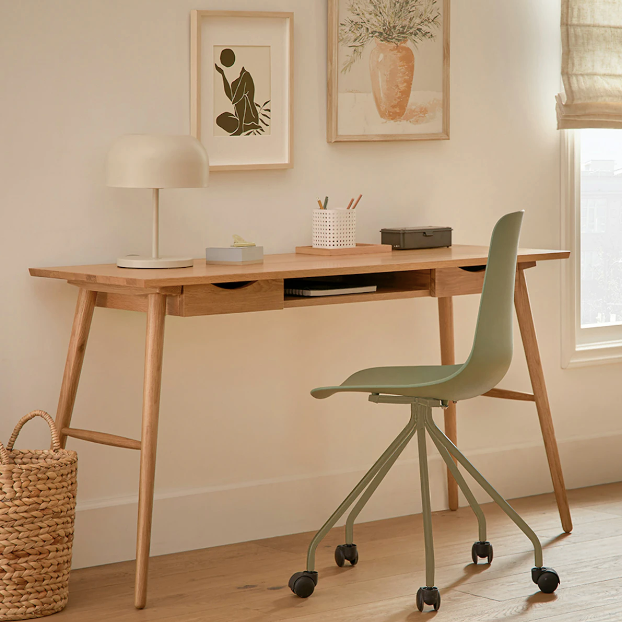
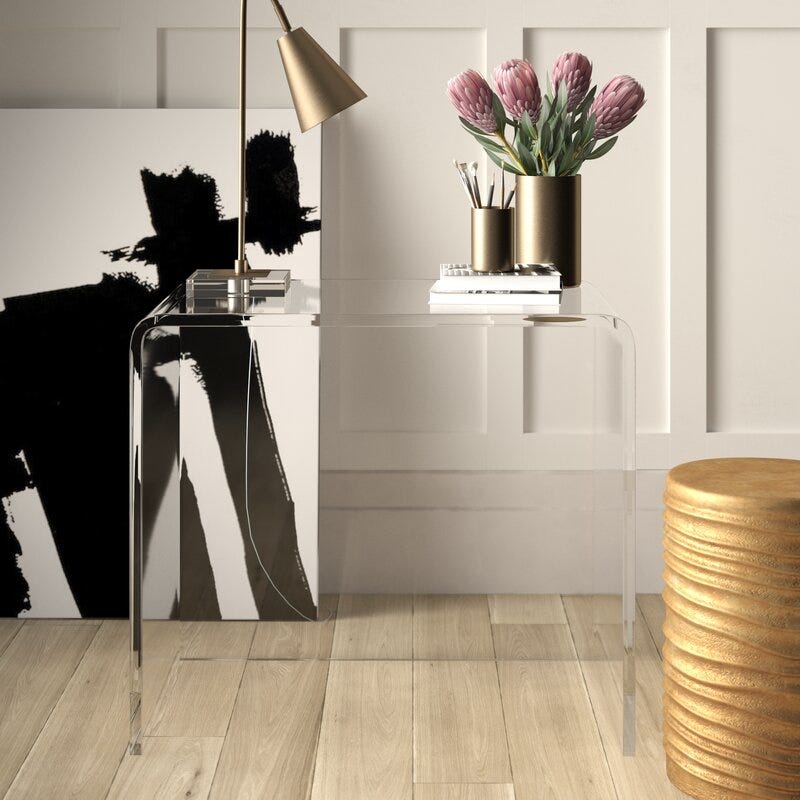
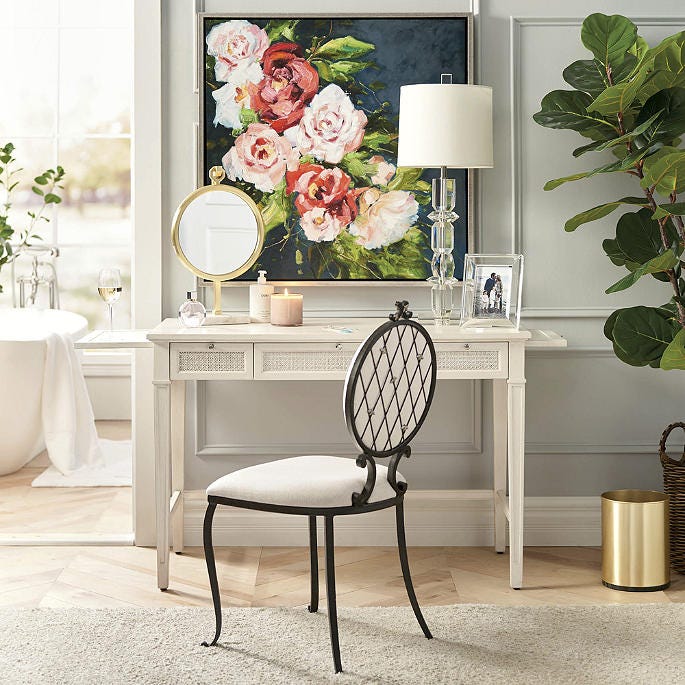
Considering the shapes and materials of furniture is also crucial. In tight spaces, every design element must be functional and contribute positively to the room's aesthetic. Keren Richter of White Arrow suggests using curved desks and translucent chairs to make the eye travel uninterrupted and prevent obstructing views, thus enhancing the feeling of spaciousness. Incorporating curves, glass, and light-toned woods can make the office space feel like an integral part of the room rather than an afterthought. Uniform containers and boxes for storage help maintain a tidy appearance.
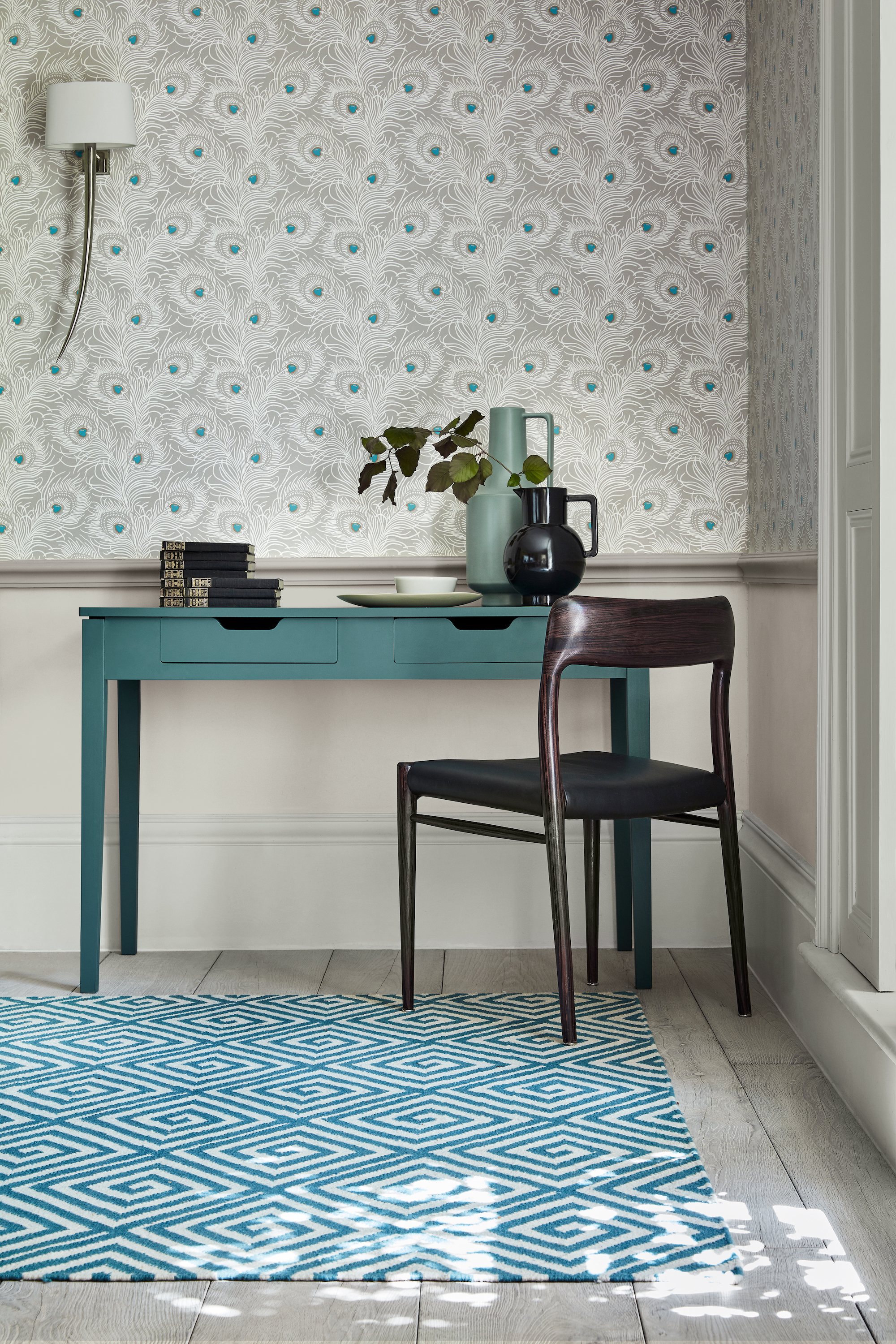
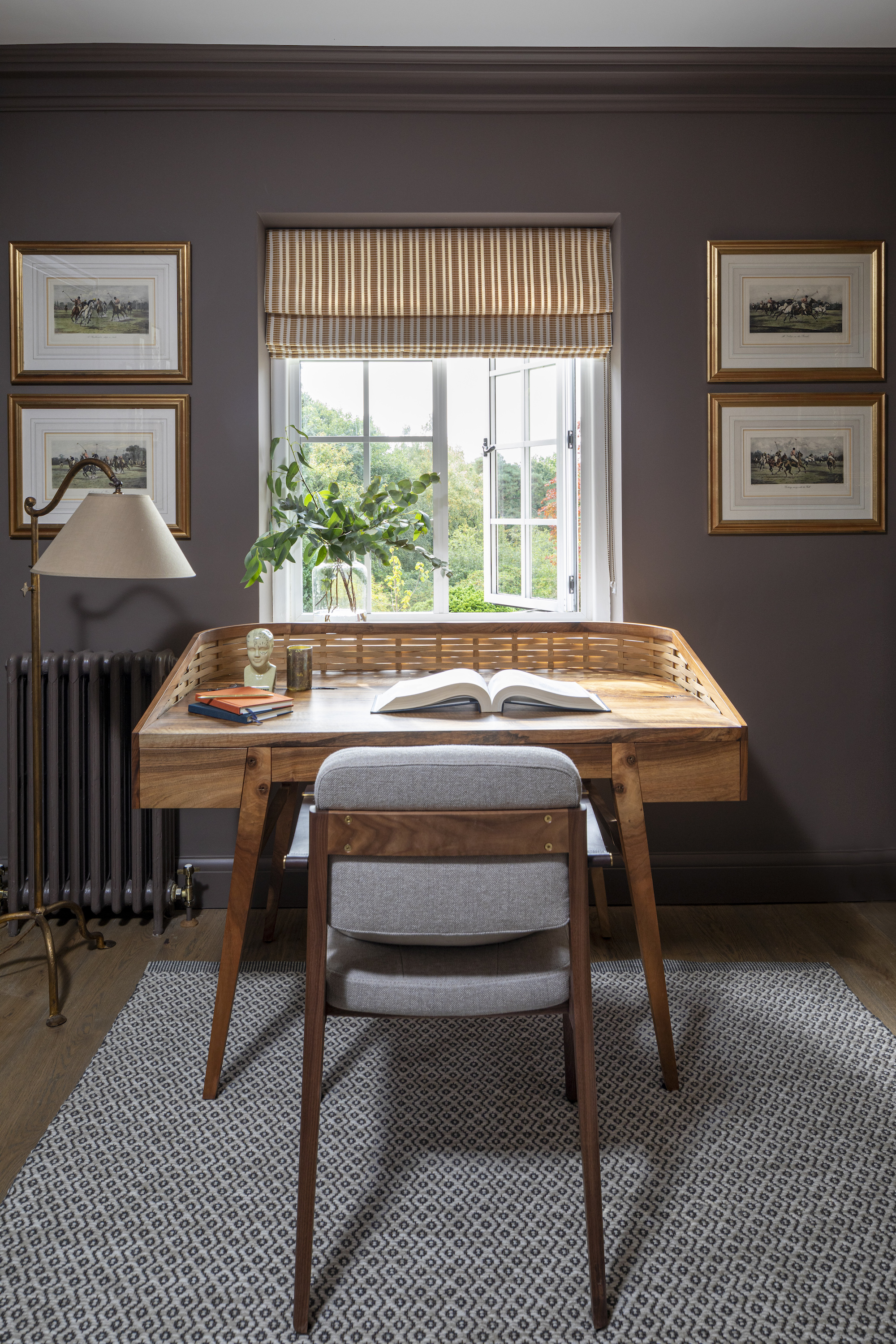
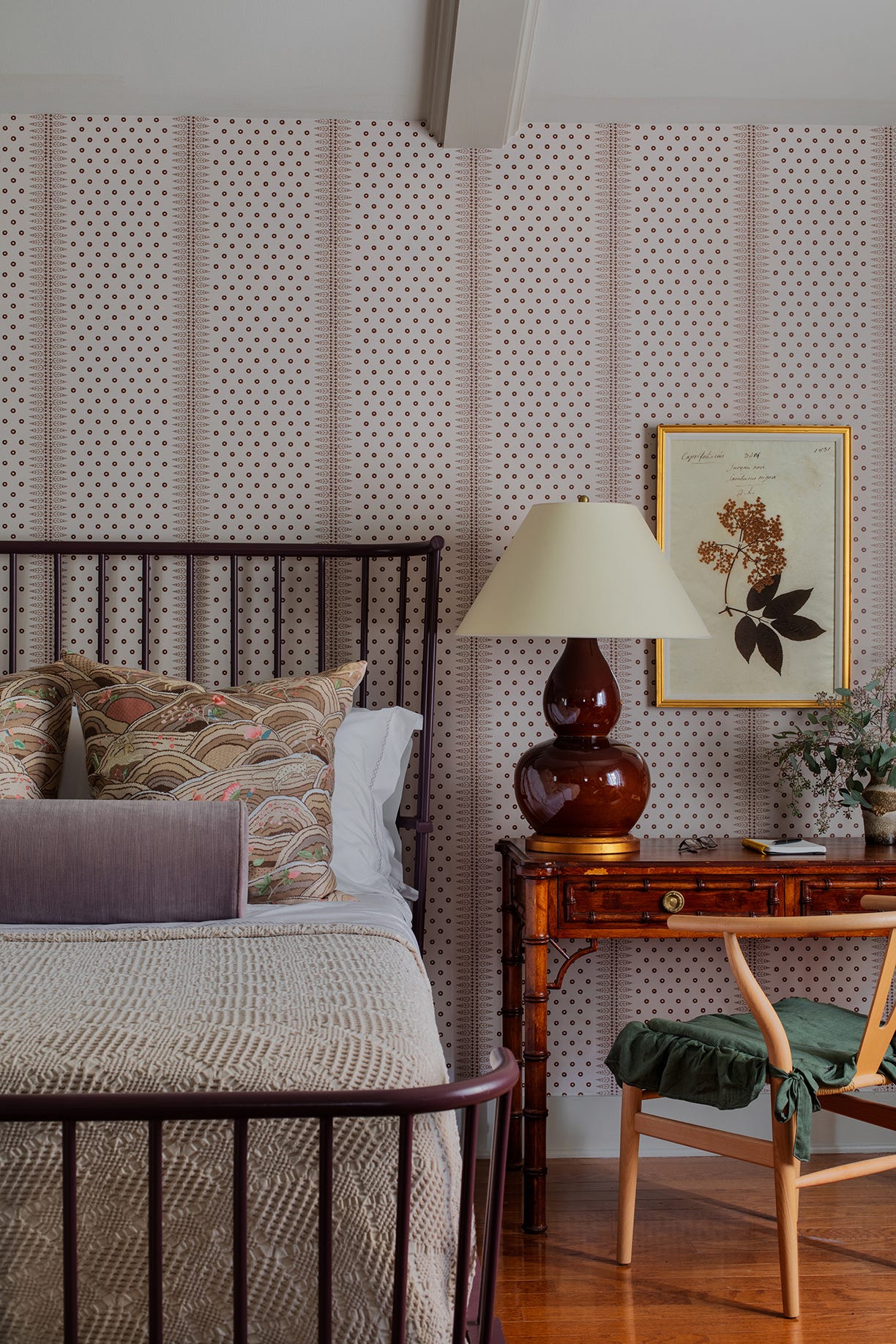
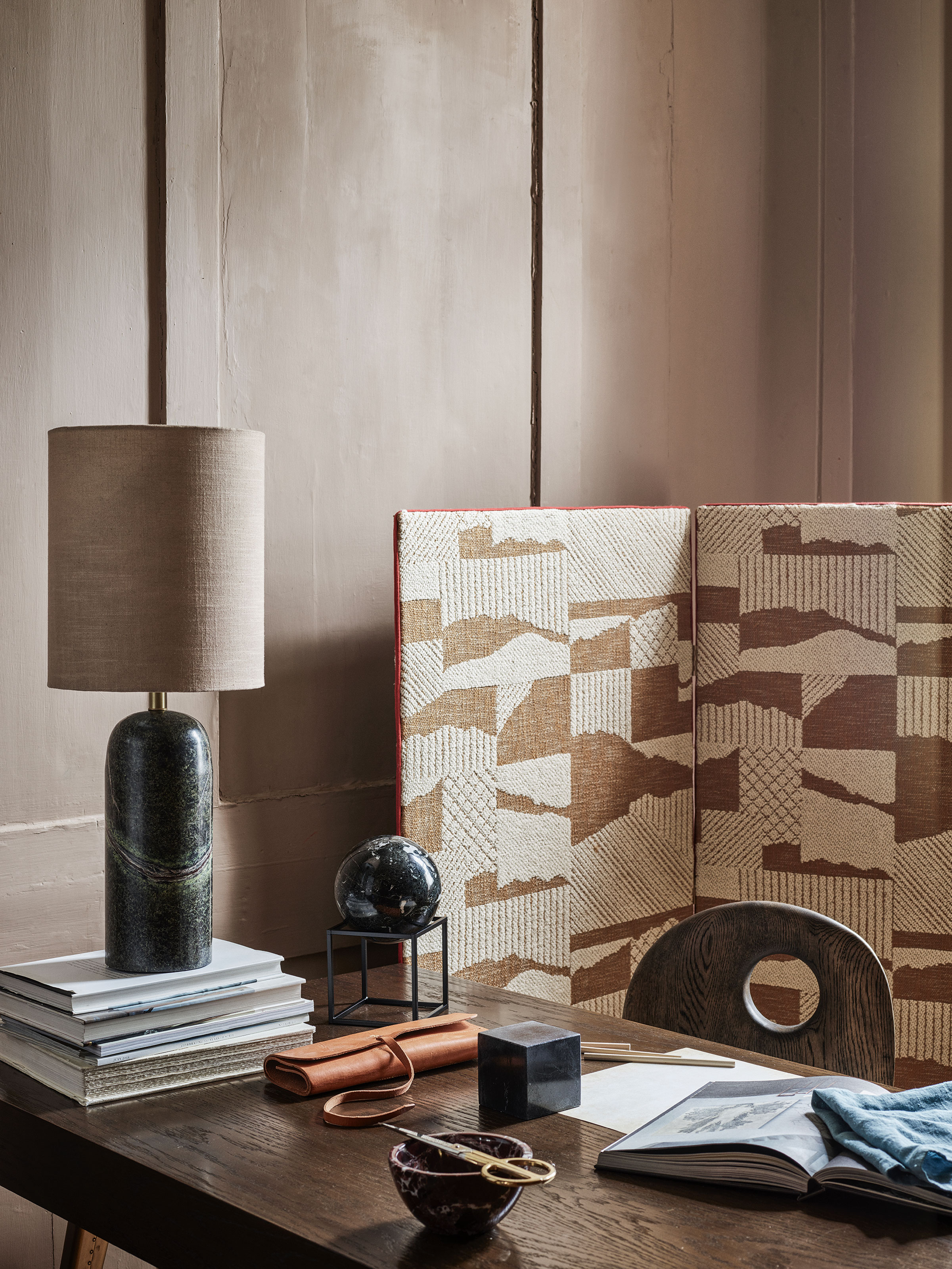
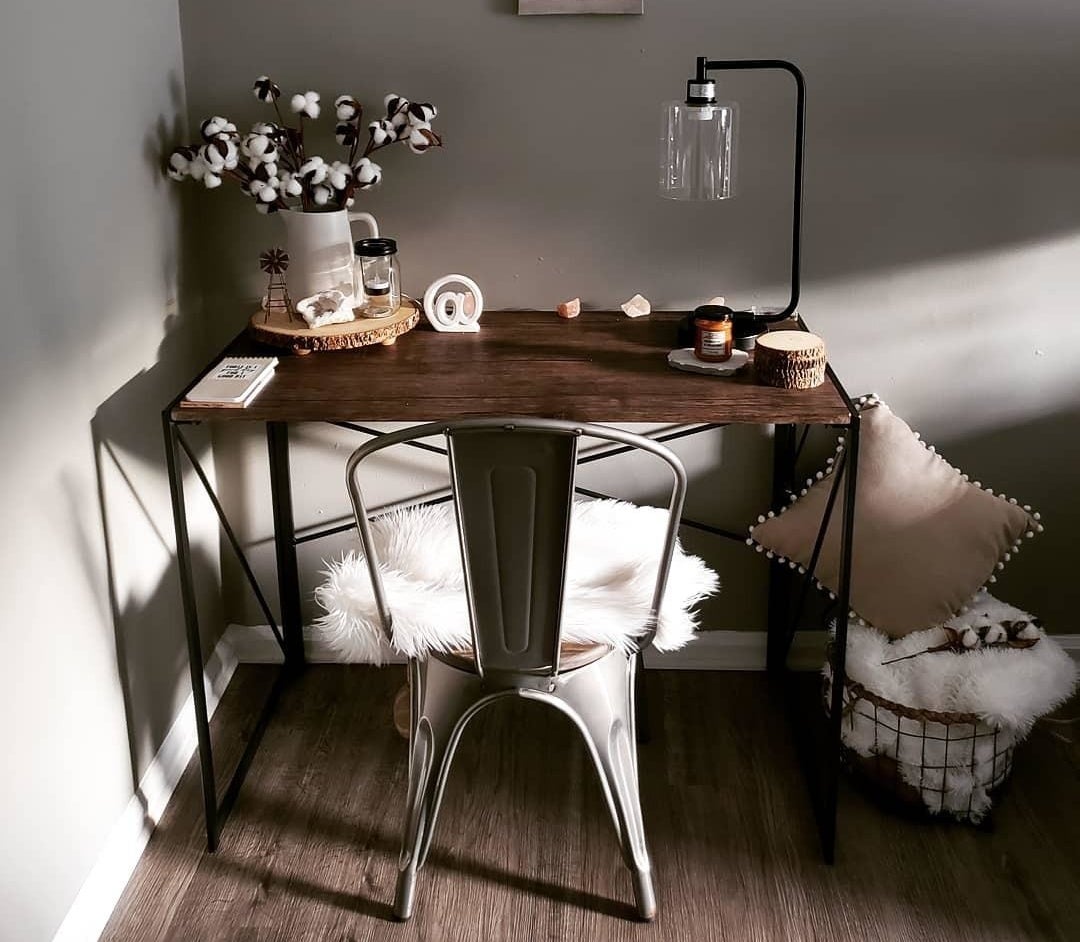
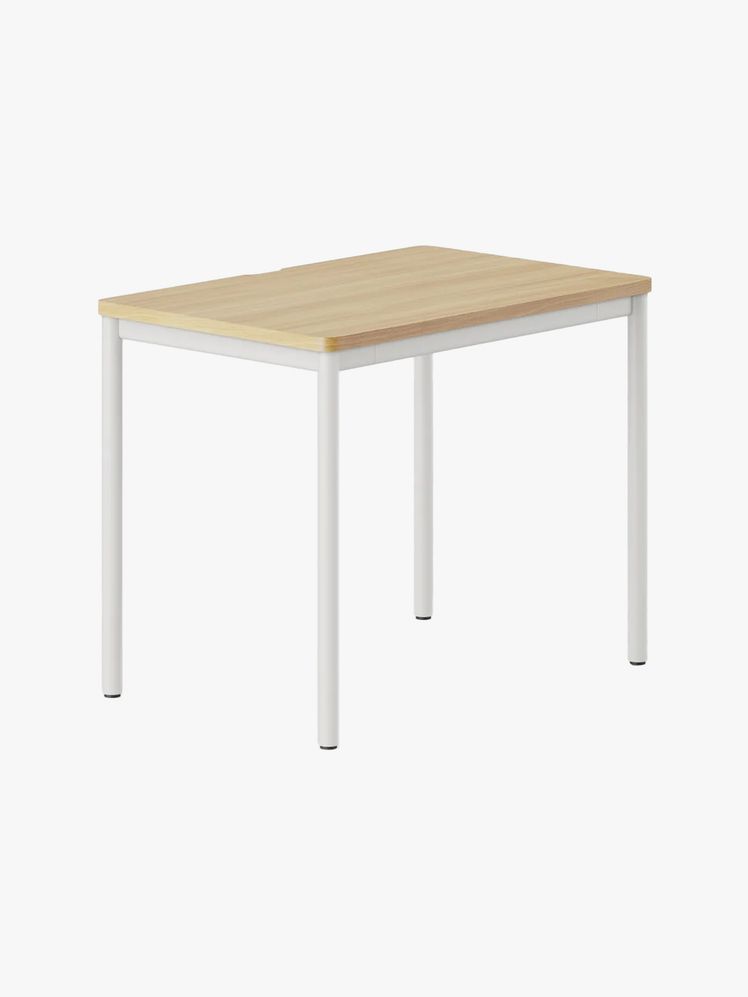
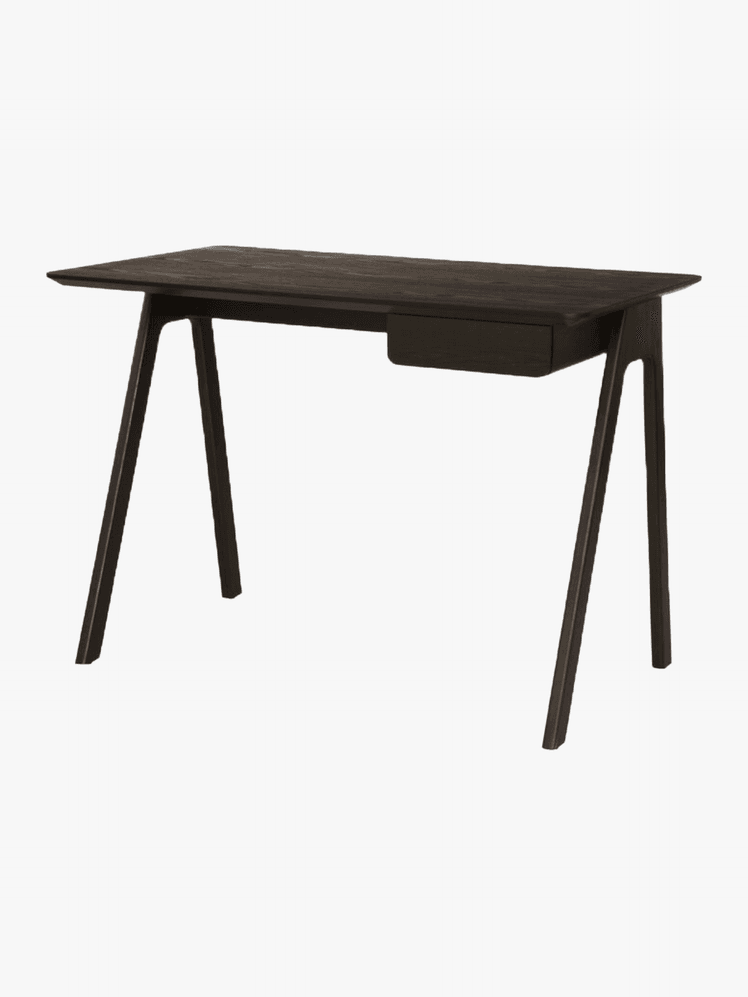
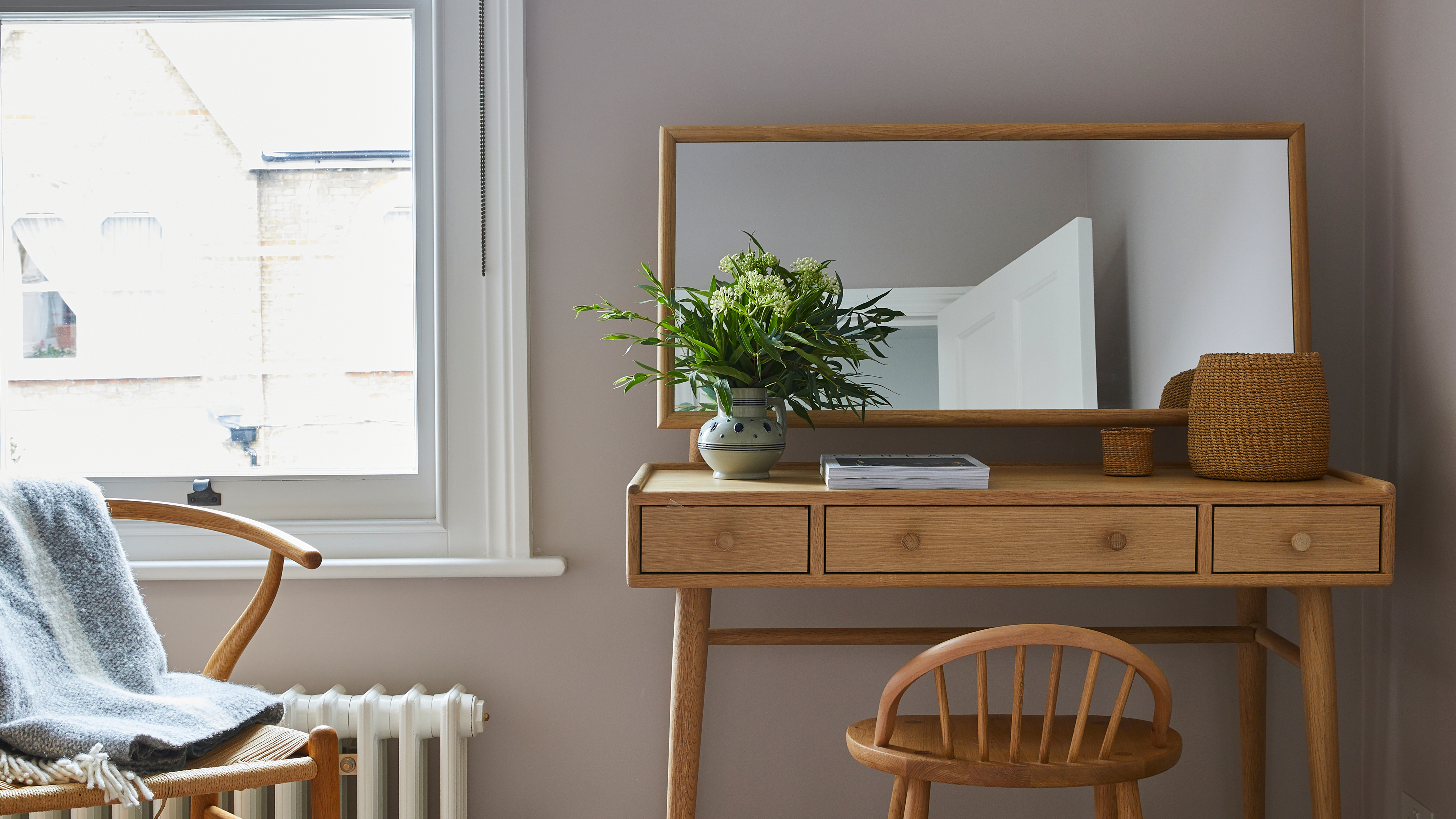
Simplicity is often the best approach for small spaces to prevent them from feeling cluttered. Beth Dadswell of Imperfect Interiors recommends muted colors, such as dusky pink, to soften the space and create a serene, open feel. Vintage furniture with refined silhouettes can make the room calm and cozy, while a patterned rug adds interest without occupying valuable space. When choosing a desk, opt for one that is not too deep or imposing and includes drawers to hide stationery and laptops. Seating that can be pushed entirely under the desk helps free up floor space.
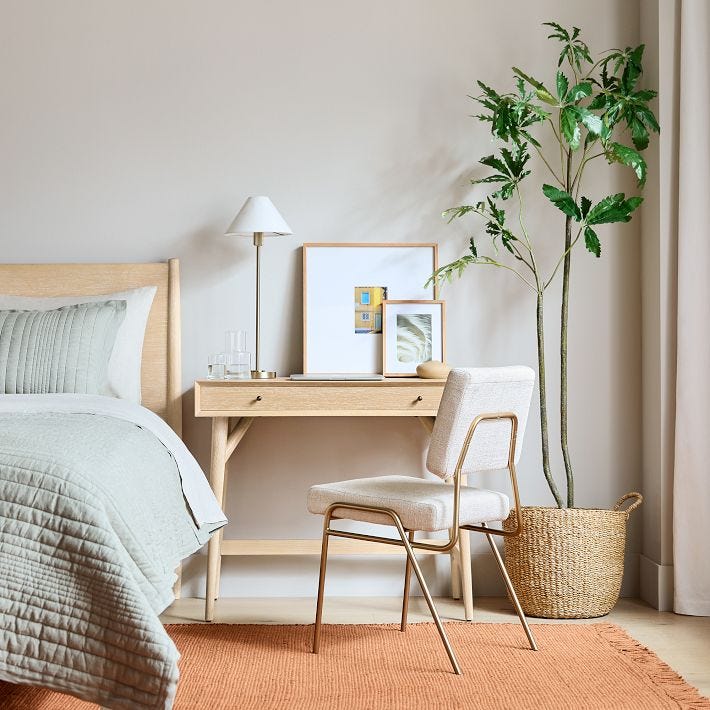
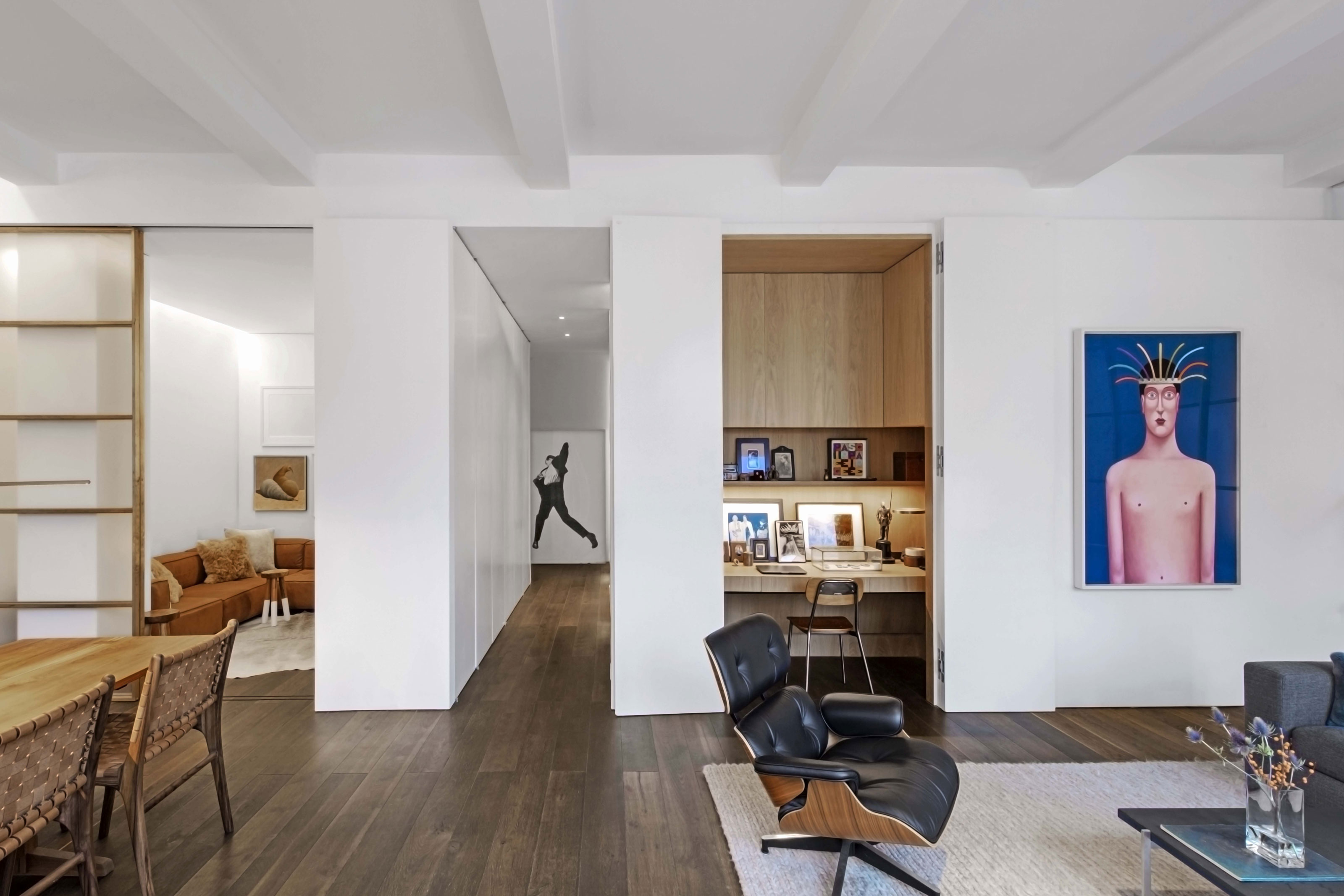
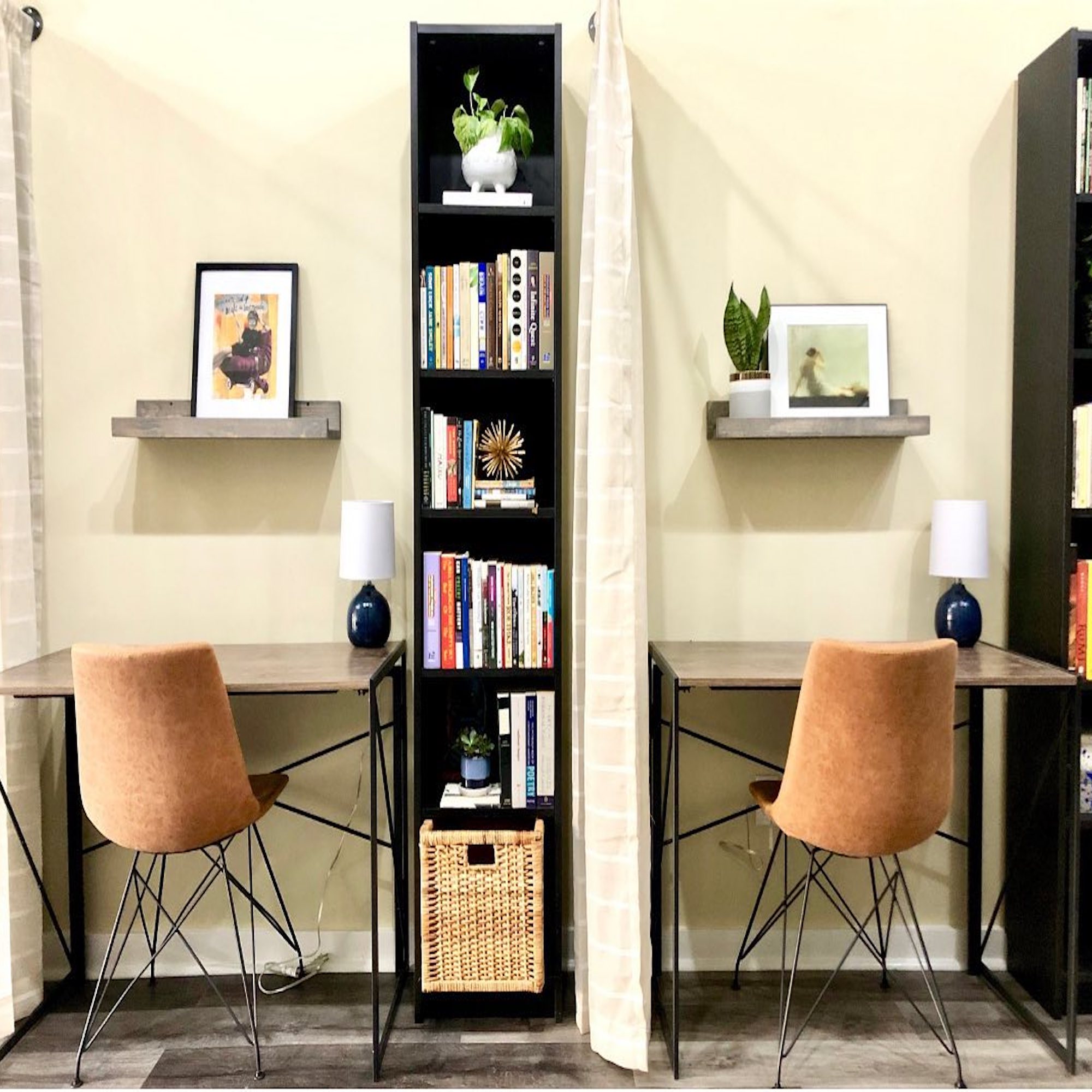
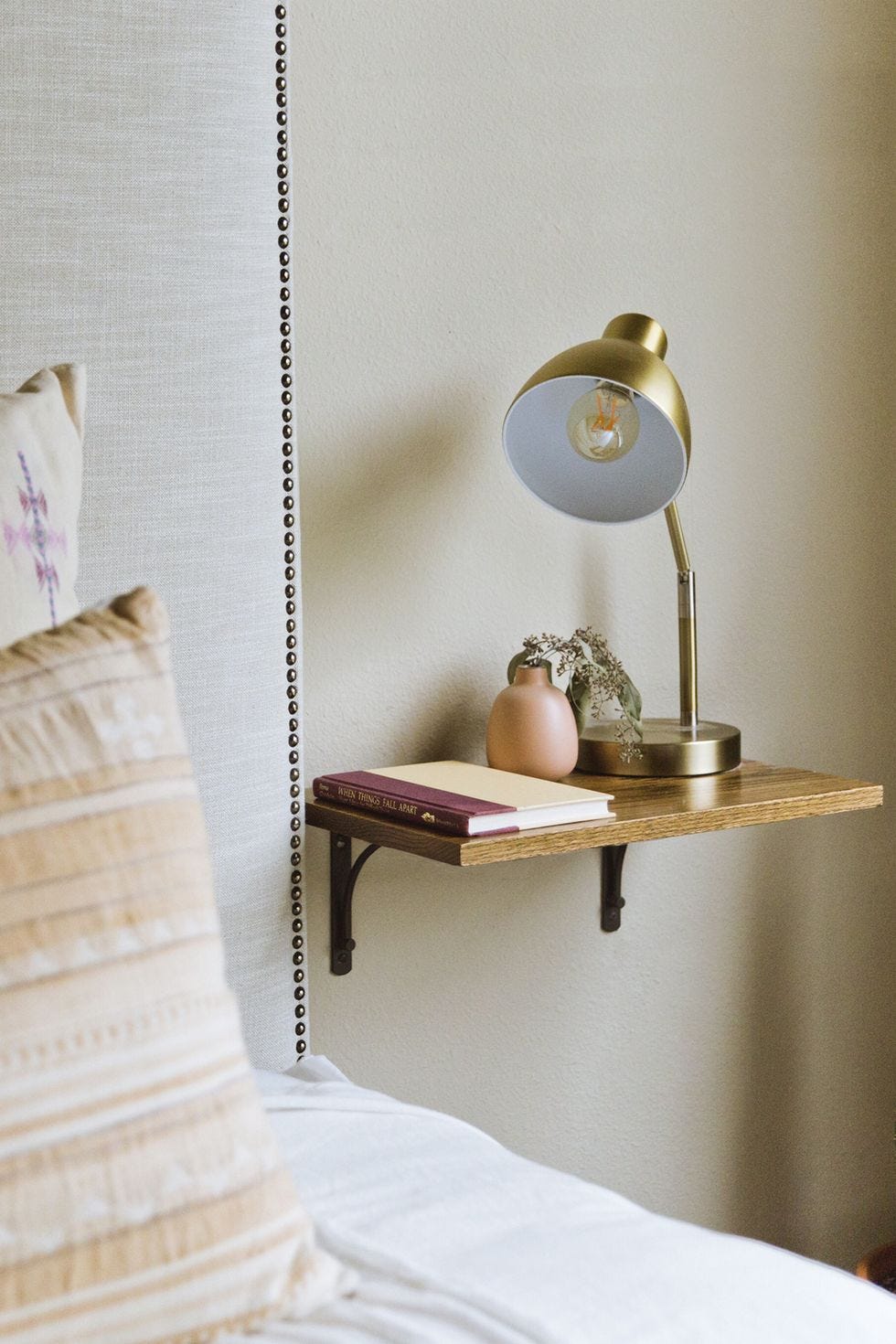
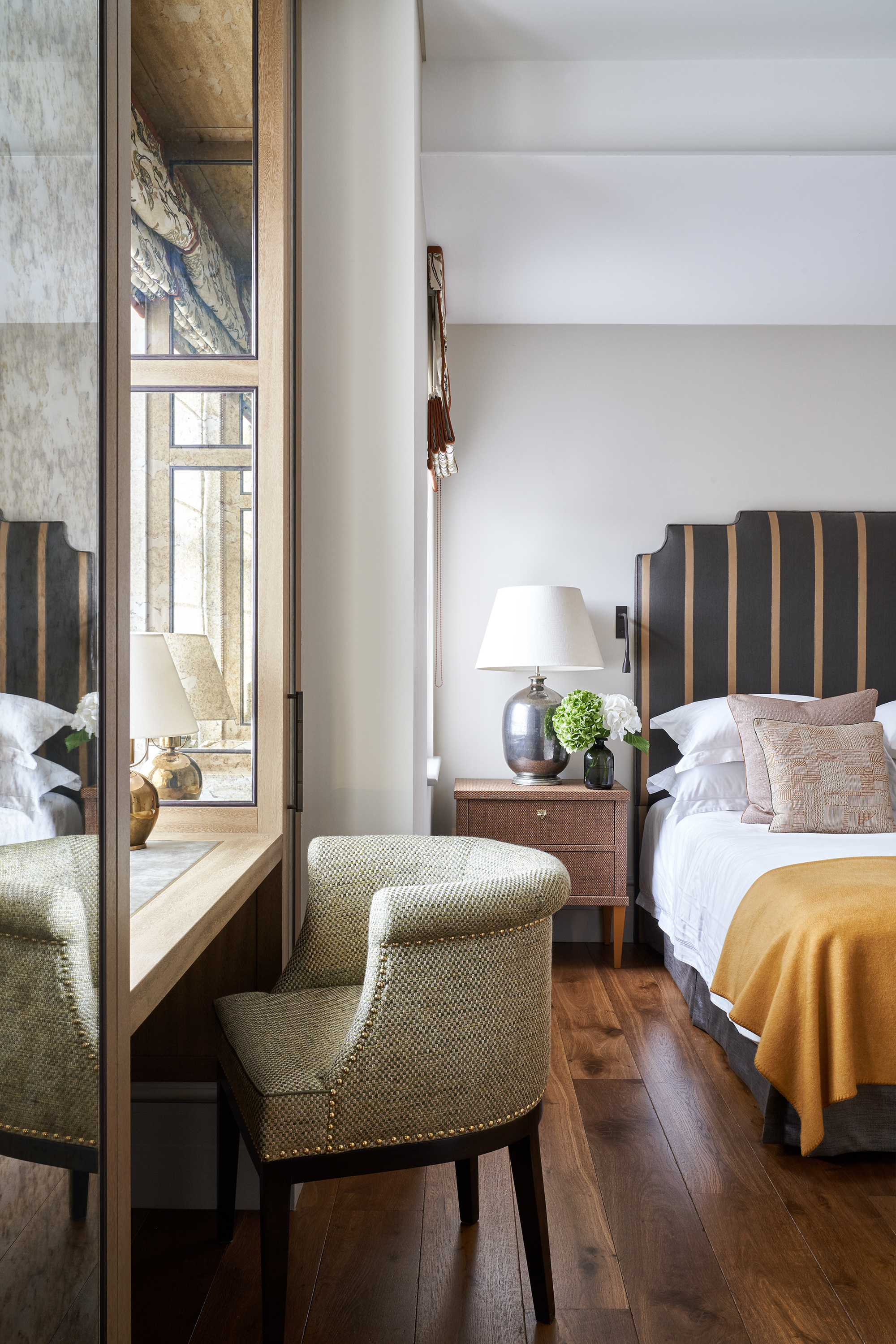
Doubling up functions, such as using alcoves for mini-desks that also serve as bedside tables, is an efficient solution, especially in period properties with bricked-up fireplaces. These designs offer both storage and workspace. Maintaining a clutter-free environment through small baskets for papers and floating shelves is important. Wall-mounted or clip-on lighting keeps the workspace clear. For those who need to completely disconnect from work, closet office ideas provide a solution where the office can be hidden behind doors when not in use. Katie Lion of Kitesgrove highlights complex joinery for discrete home offices in secret cupboards, often accompanied by bespoke chairs that tuck away neatly.
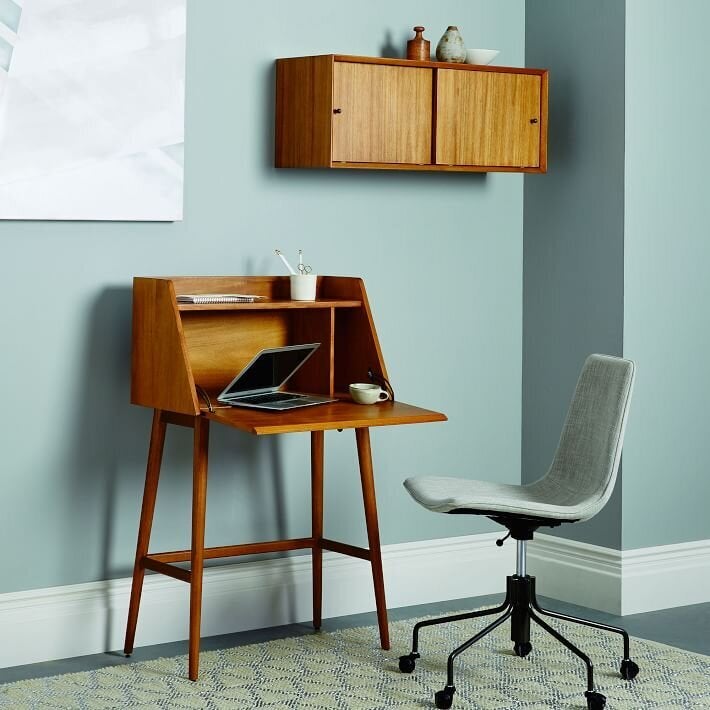
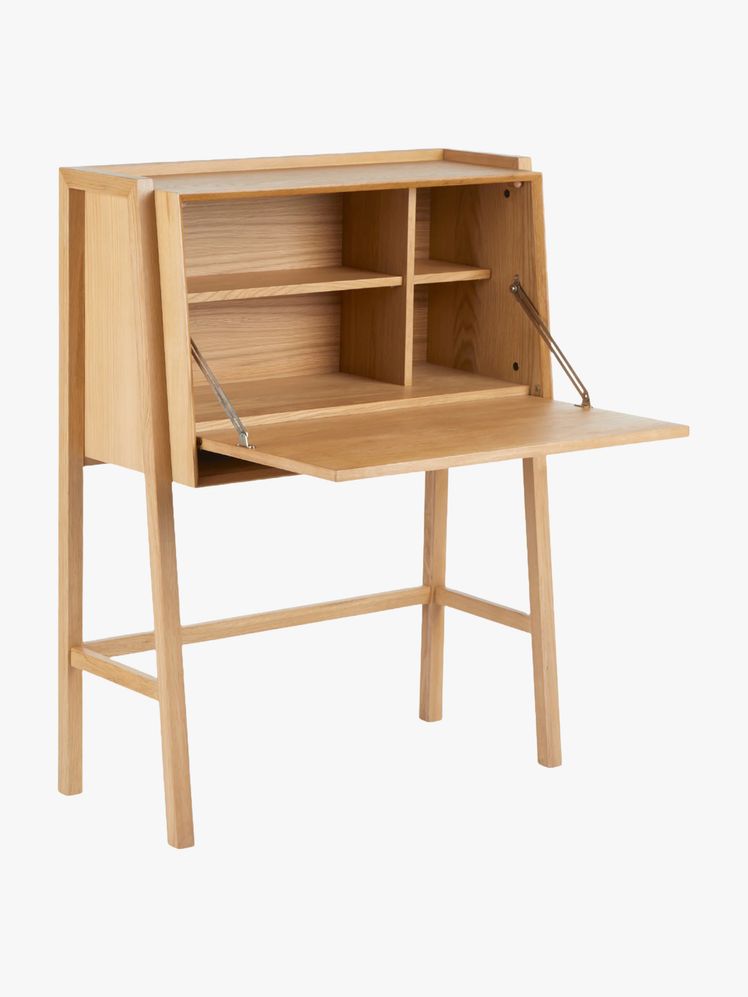
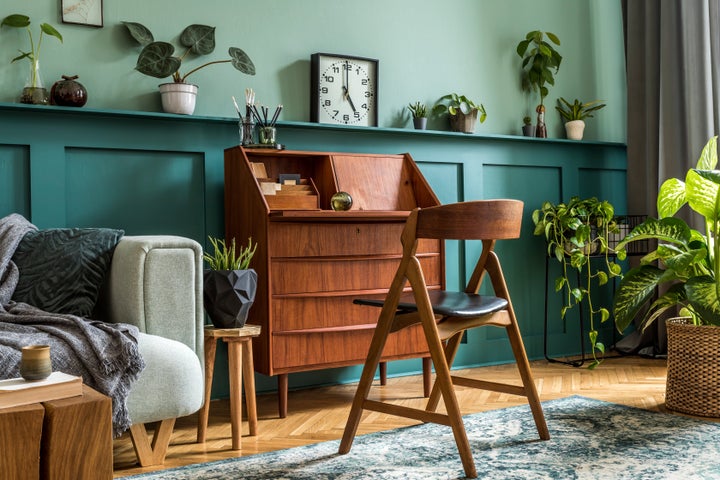
Antique bureaus and secretary desks also offer practical and aesthetic benefits. They are often compact, provide ample storage, and can blend seamlessly with existing decor, especially when chosen to complement the room's color palette. Regarding desk placement, experts unanimously recommend positioning it near natural light, such as a window, for a more pleasant work environment. If a window isn't available, a discreet location that doesn't dominate the room is preferable. Alcoves are frequently cited as ideal spots for small desks, as they keep the workspace tucked away.
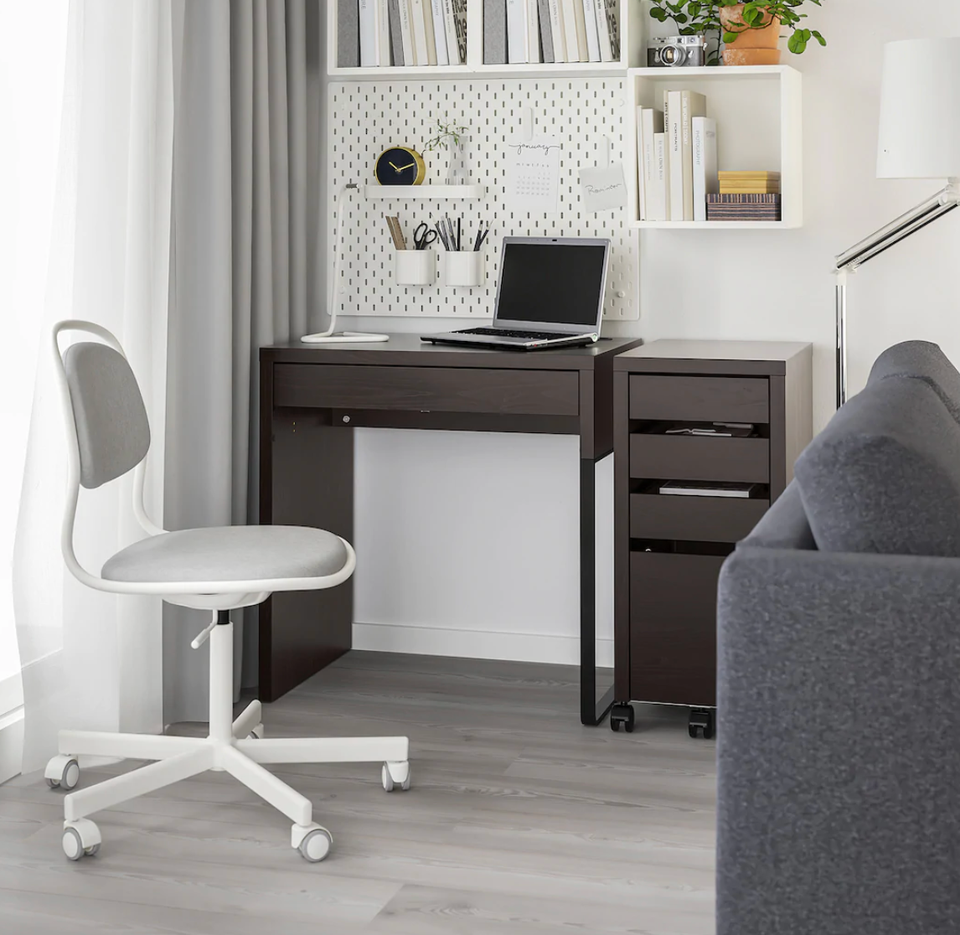
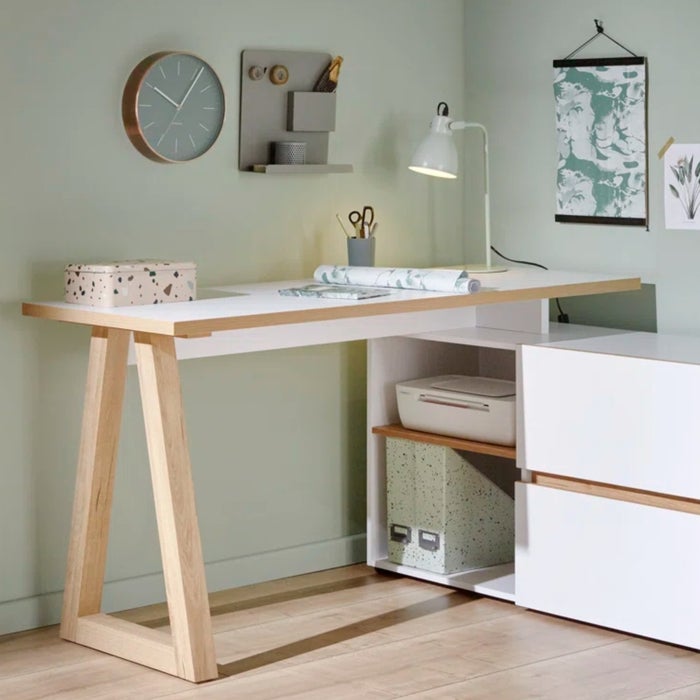
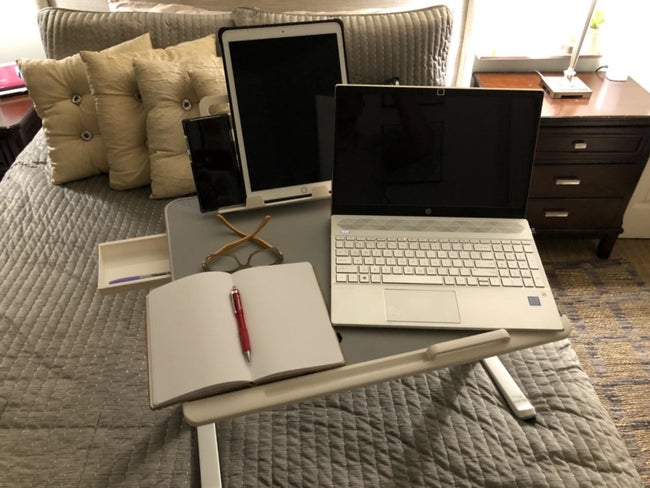
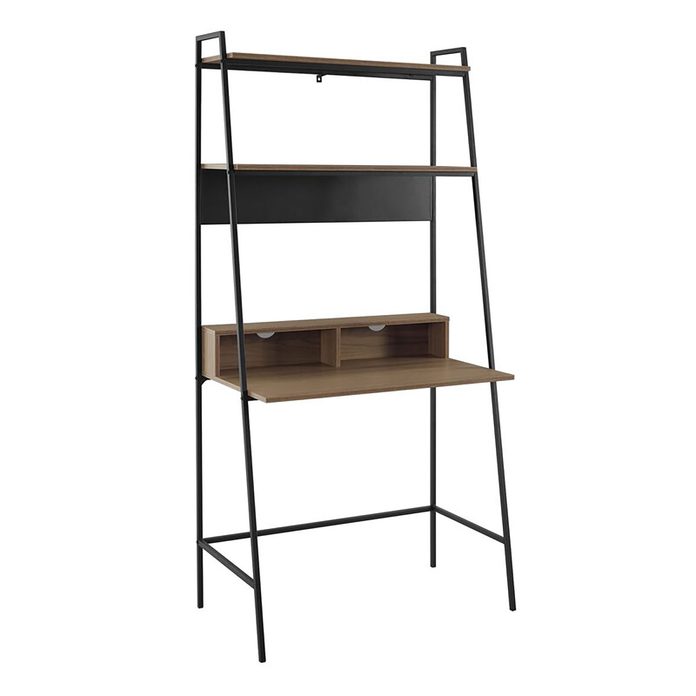
For functional small desks, storage is paramount. Desks with built-in grommet strips for cable management are highly recommended. Wireless printers and charging stations hidden within cupboards can further minimize clutter. If a large monitor is necessary, wall-mounting it on an adjustable arm allows for surface freedom and easy concealment. Ultimately, maintaining an organized workspace with stylish storage solutions that complement the bedroom's design is key to maximizing functionality in a small area.
#SmallBedroomDesk #HomeOffice #InteriorDesign #SpaceSaving #BedroomDecor #ClutterFreeLiving #FurnitureDesign #WorkFromHome #CustomJoinery #SmallBedroomDesk #HomeOffice #InteriorDesign #SpaceSaving #BedroomDecor #ClutterFreeLiving #FurnitureDesign #WorkFromHome #CustomJoinery
0 commentaire au total
 Aucun commentaire pour le moment
Vous aimerez aussi
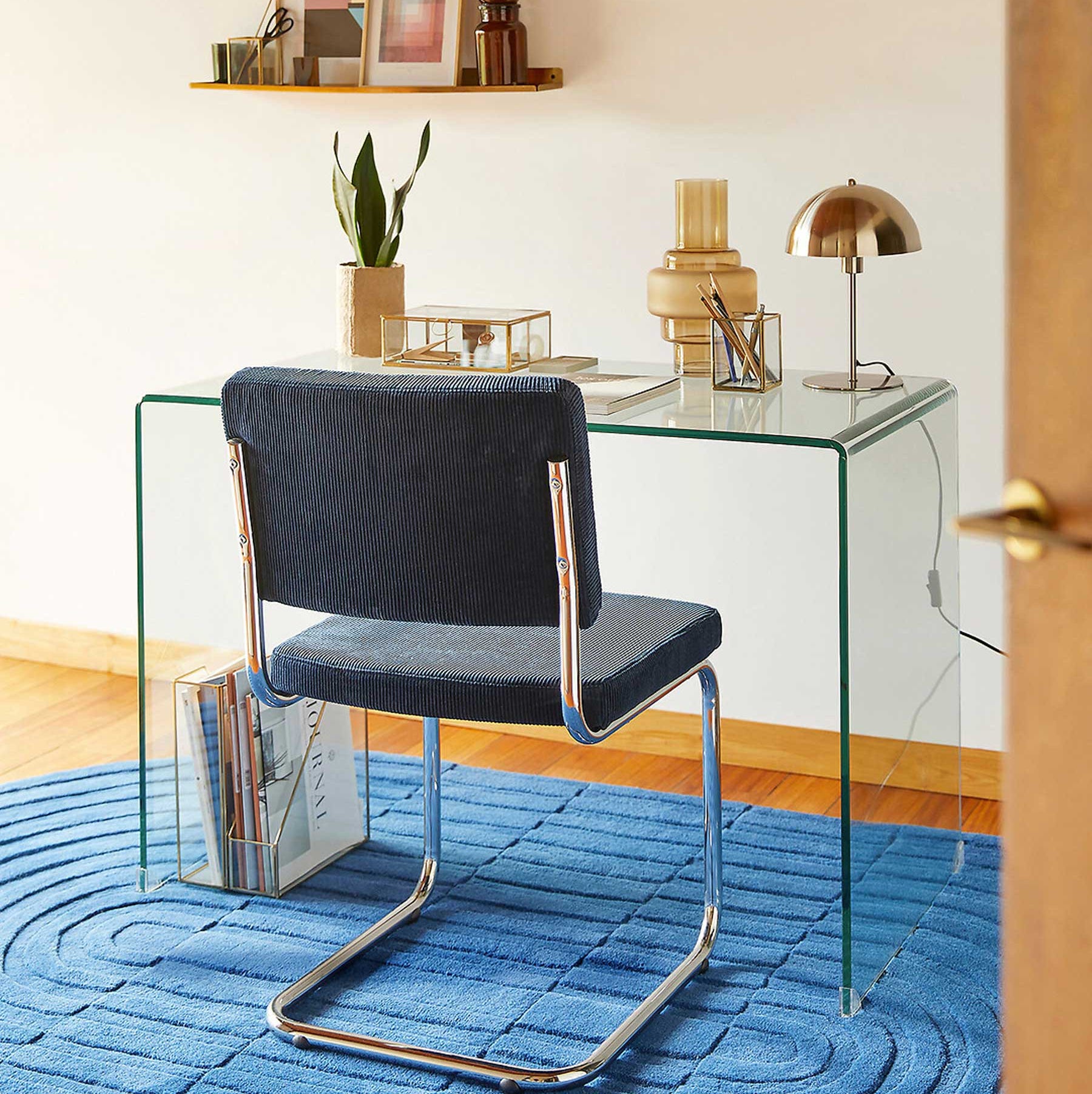
The most stylish desk ideas for small bedrooms

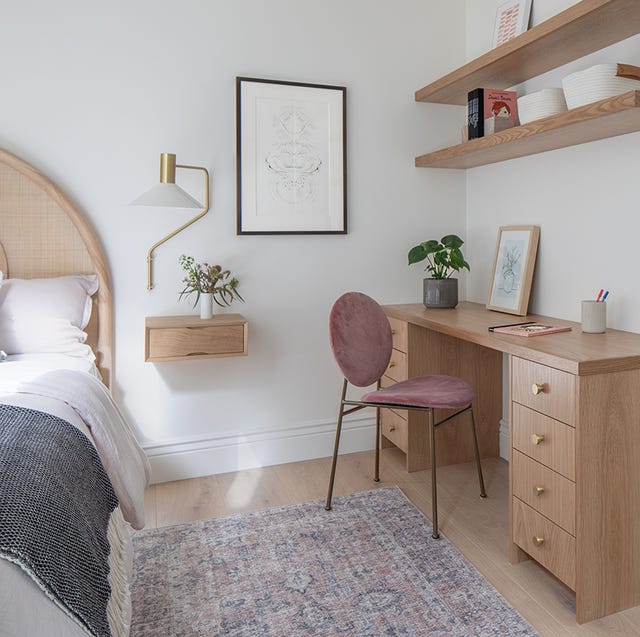
Here's How to Carve Out Space for a Chic Bedroom Office
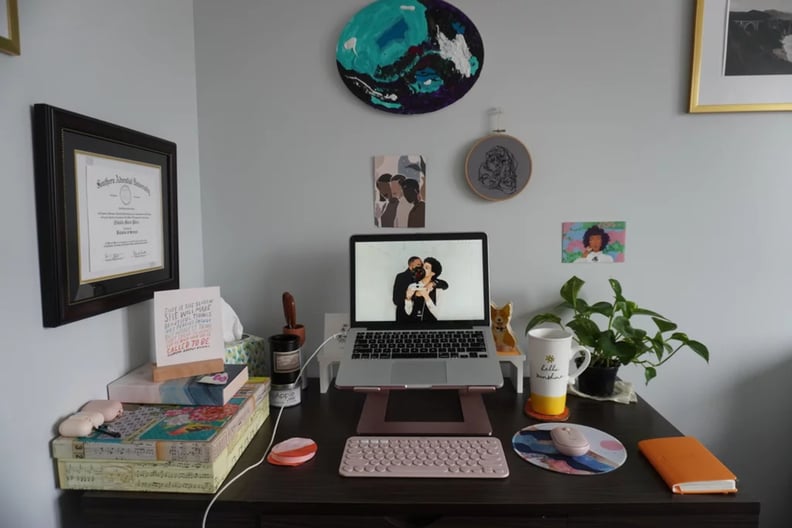
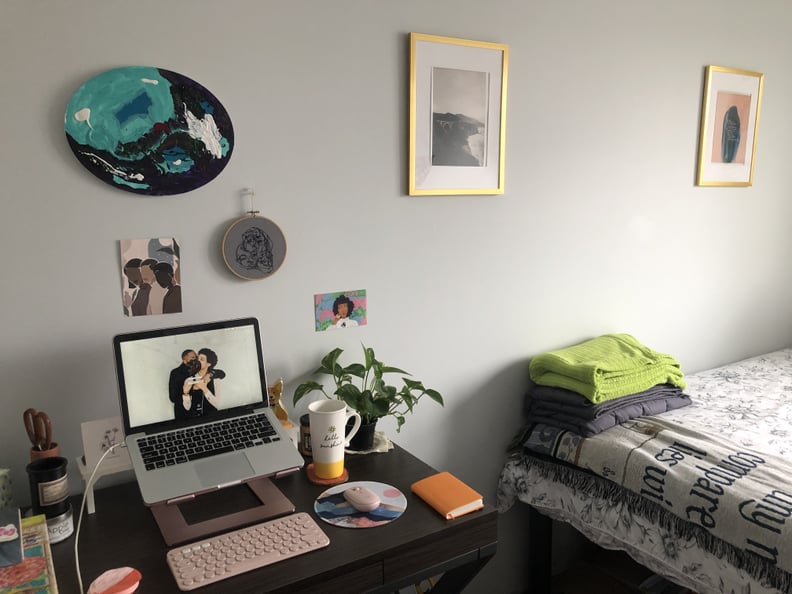
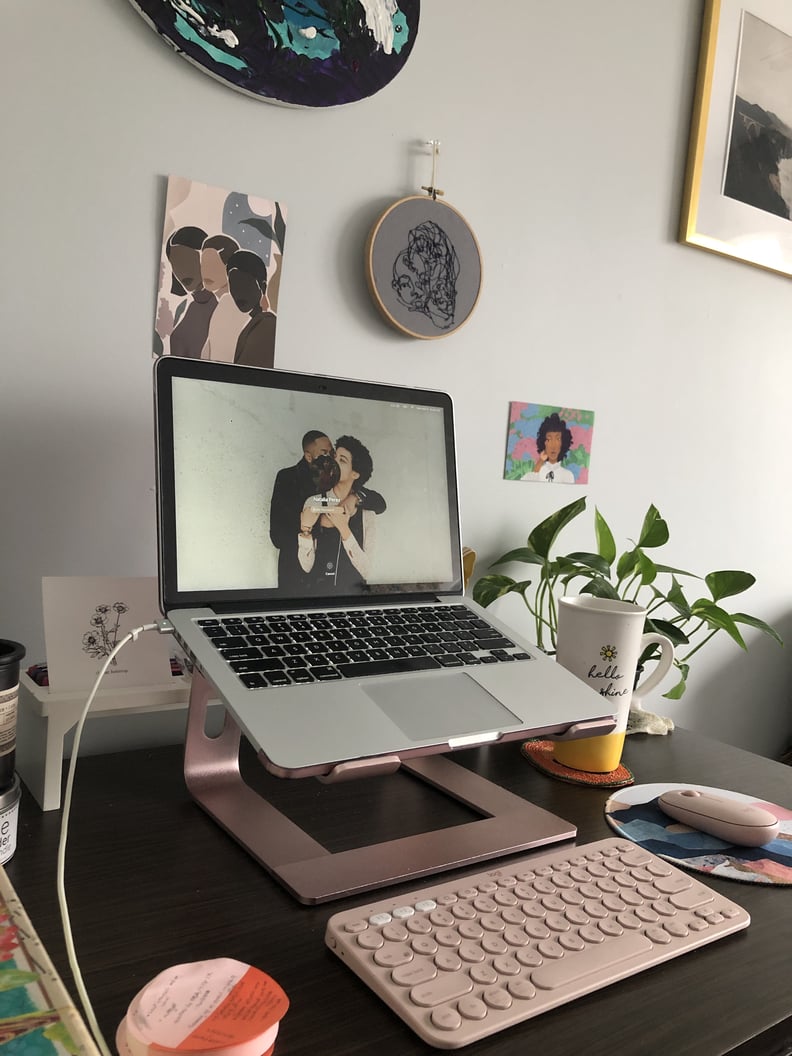
How I Set Up My Dream Desk in My Tiny Bedroom
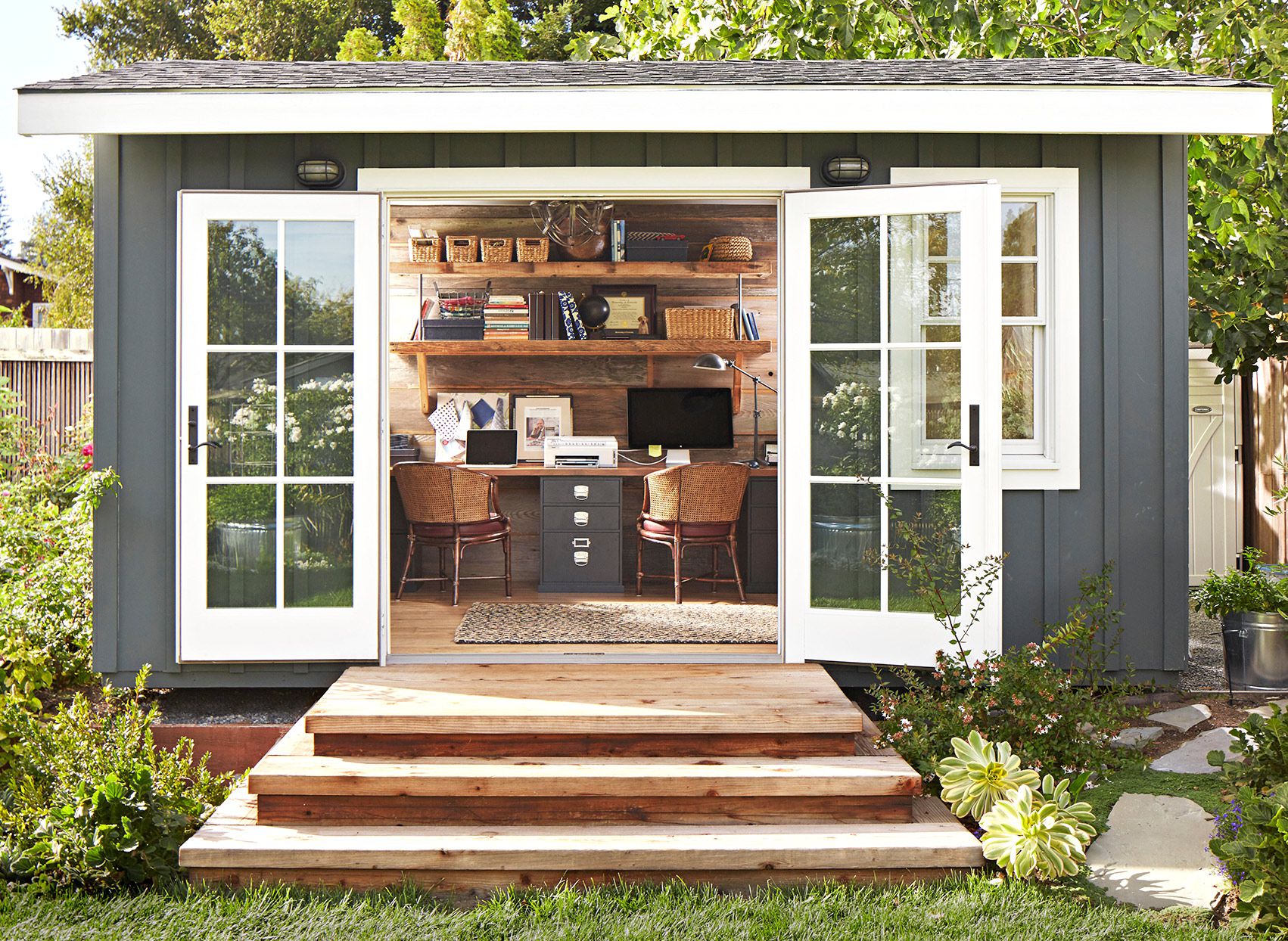
Small Office Ideas for Every Kind of Work-from-Home Setup

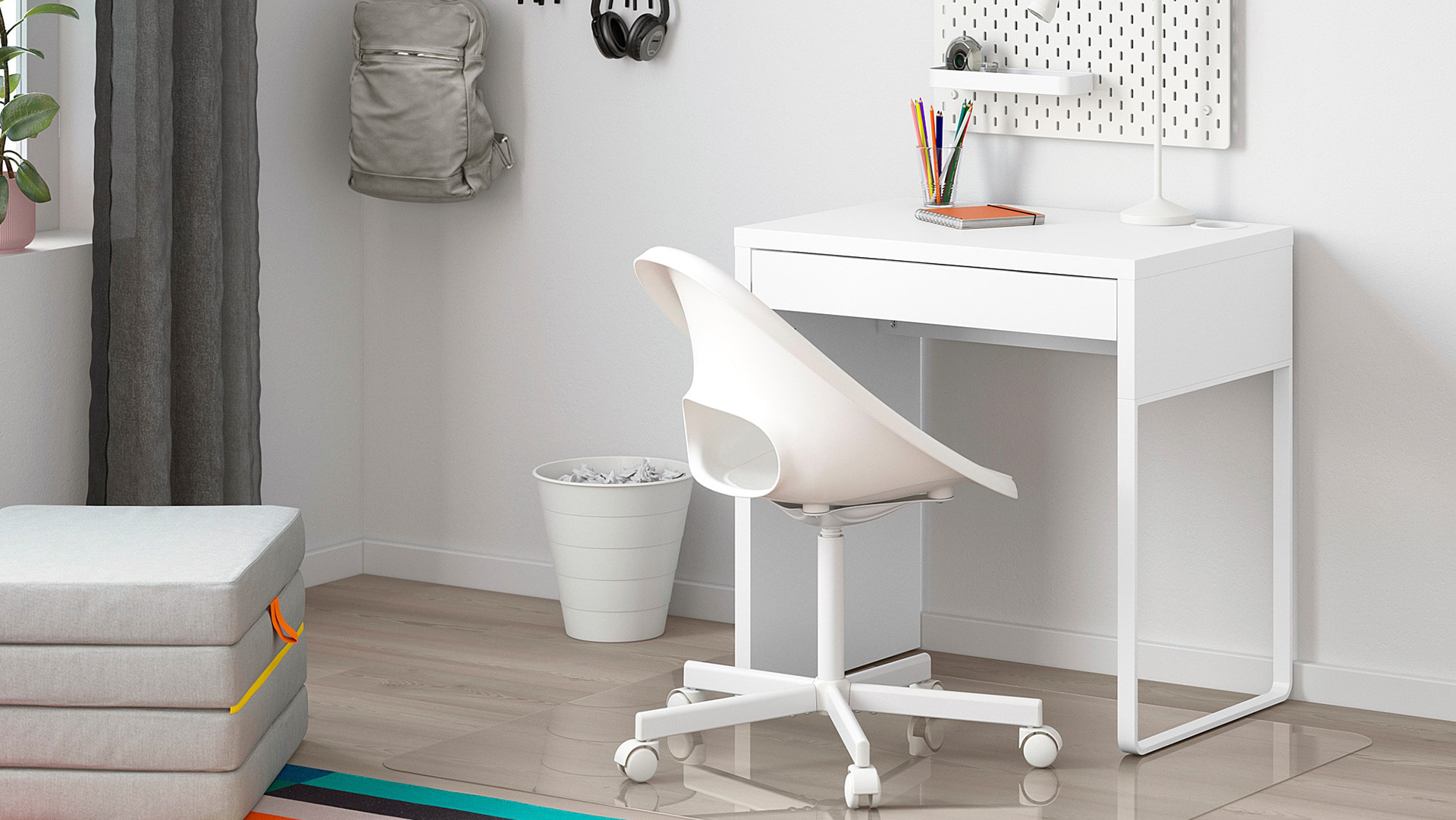
Best desk for small spaces: Compact options for small rooms

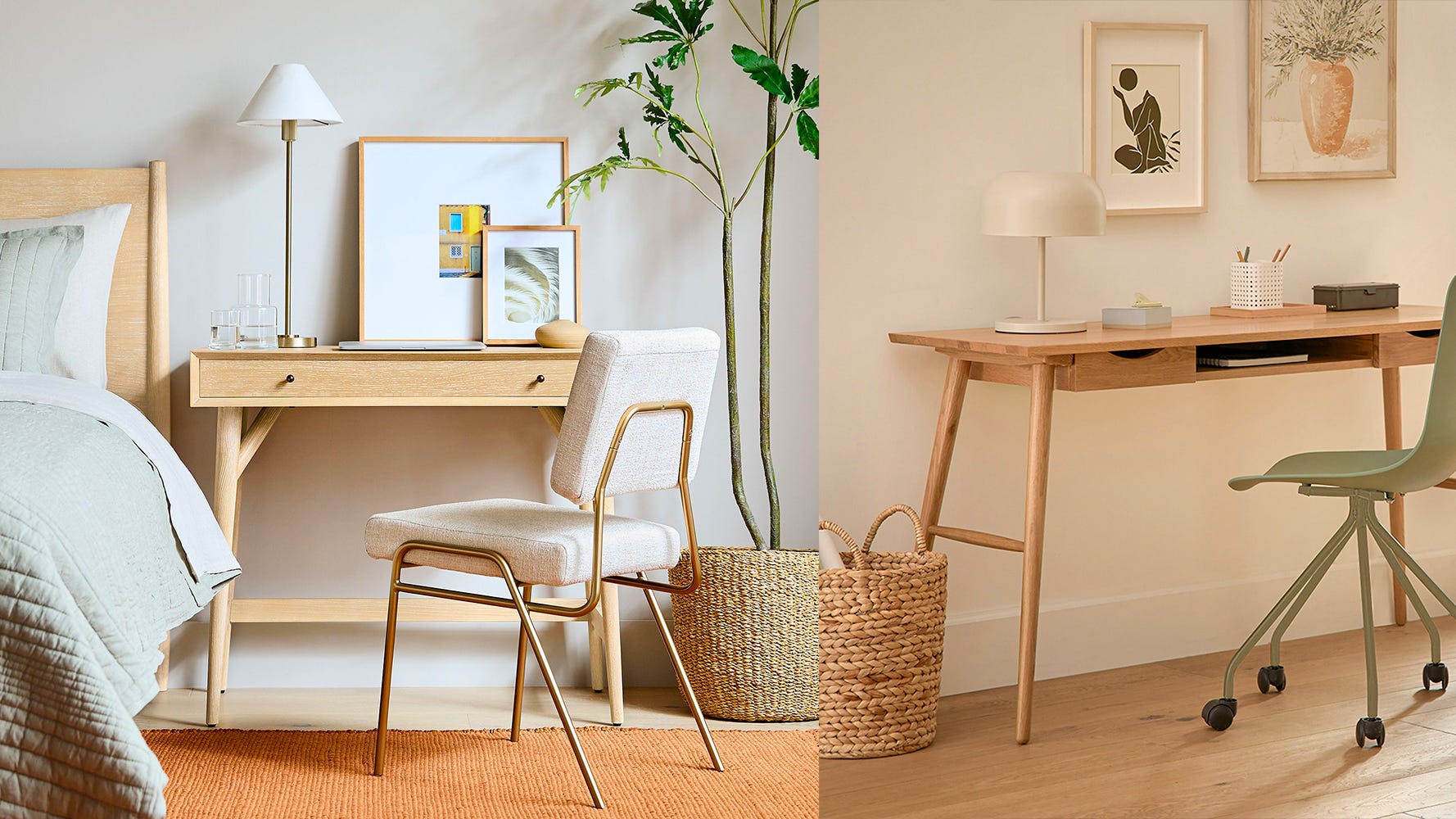
Just 30 of the Best Desks for Small Spaces
Home office ideas and inspiration for when you're short on space

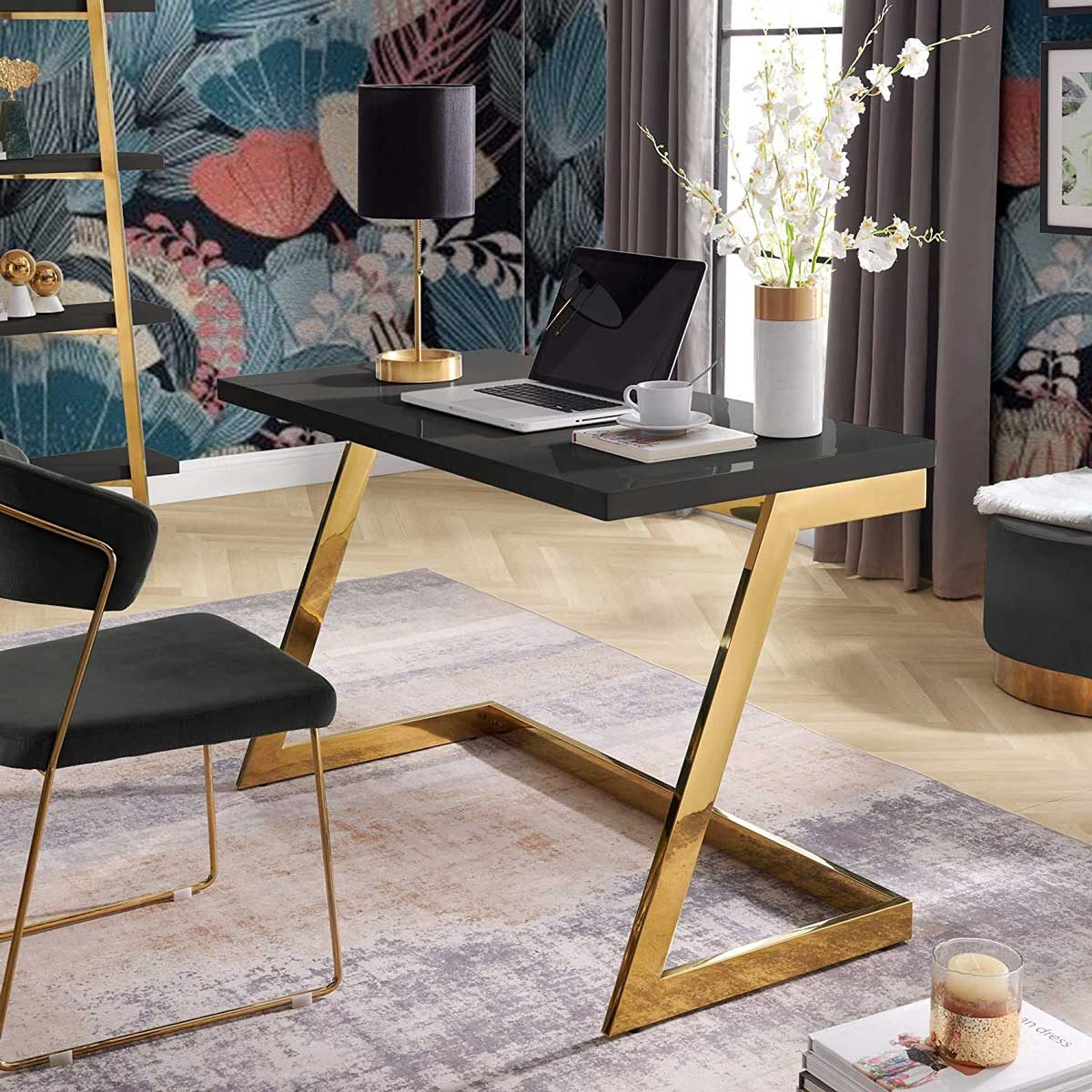
12 Best Desks for Small Spaces in 2025

Small bedroom office combo ideas – 10 smart ways to utilize a diminutive space

35 Functional and Stylish Desk Ideas to Improve Even the Smallest Home Office

48 Small Desks That Are Perfect For Tight Spaces
15 Small Bedroom Decor Ideas That Feel Grand
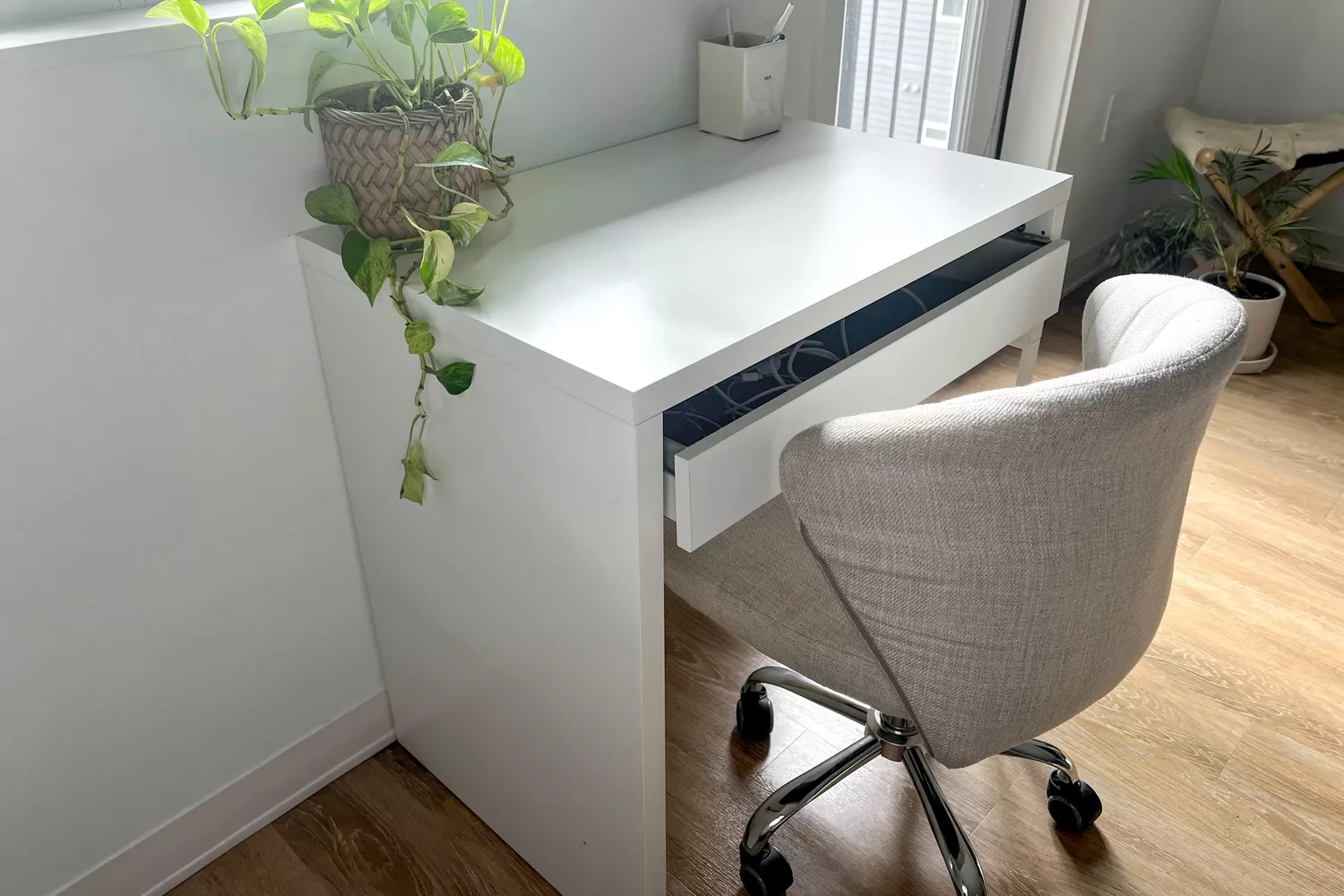
Small Home Office? We Found the Best Desks for Small Spaces

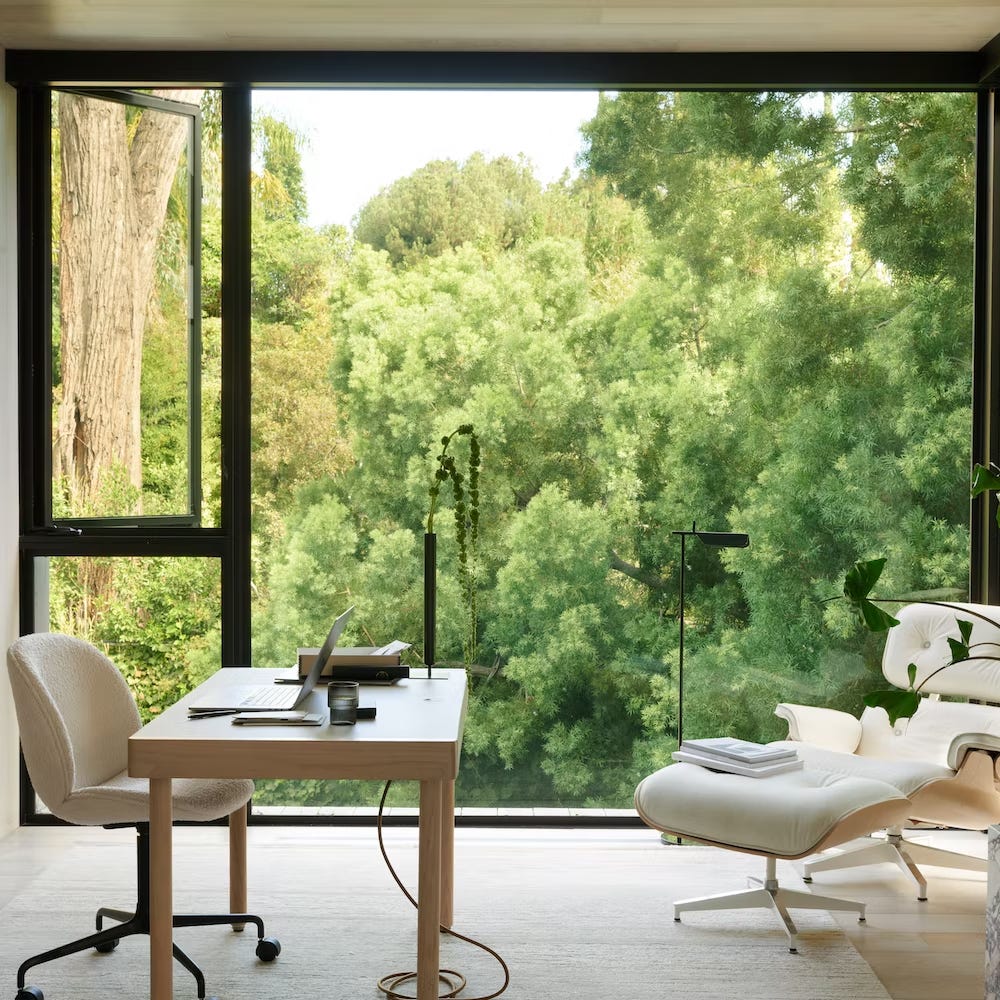
25 Small Desks That Will Seriously Elevate Your WFH Game

The Best Desks for Small Spaces Won’t Cramp Your Style

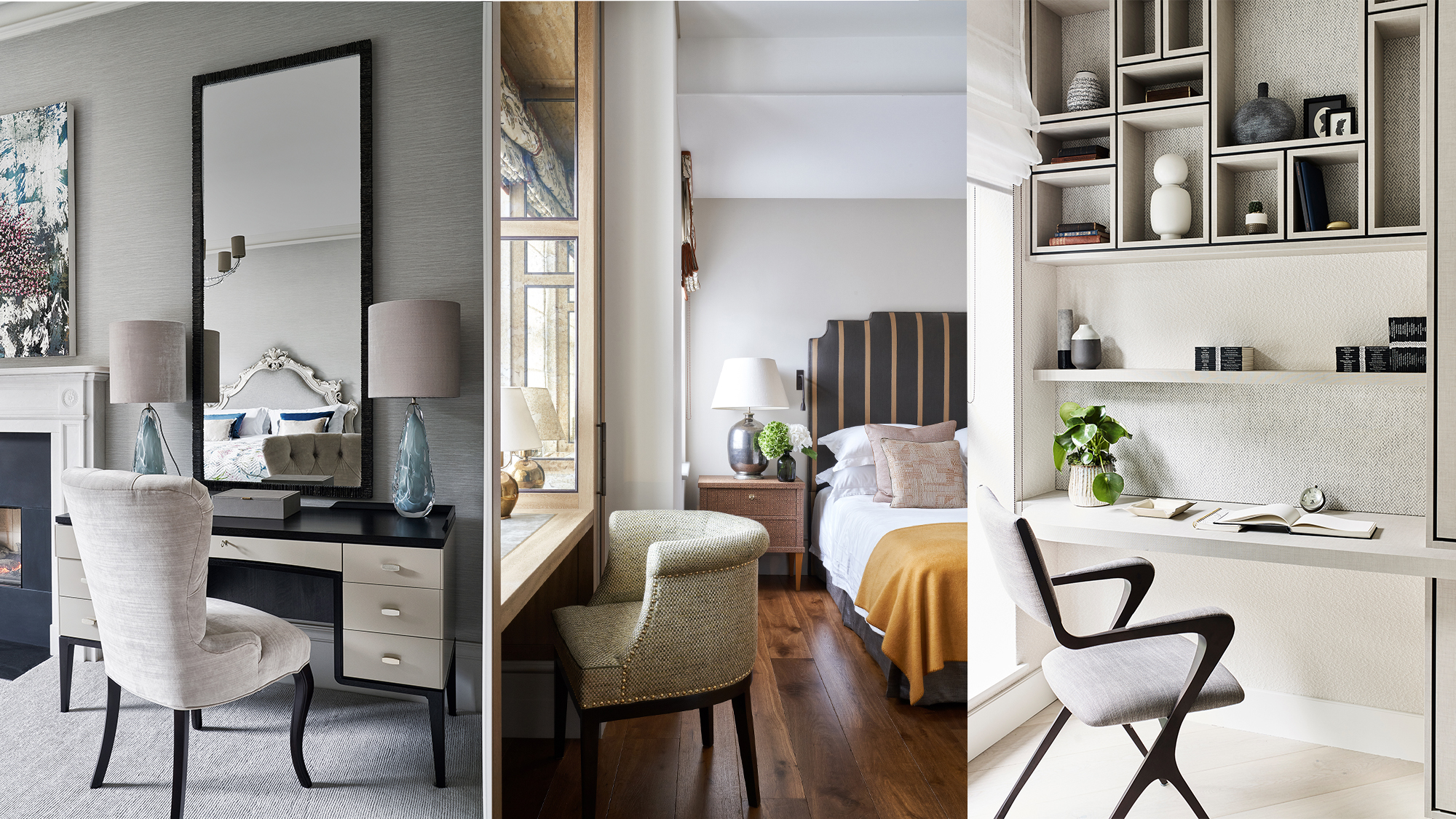
Bedroom layout ideas with a desk – 12 ways to arrange your space
30 Desks For Small Spaces From Target, Walmart, Amazon, IKEA And More
Apartment office ideas – 10 ways to make room for a desk when space is tight
5 small office layout ideas you've never thought about before

21 Living Room Office Combo Ideas That Maximize Style and Space