No, Sitting Rooms Aren't Obsolete—Here's How Designers Are Making Them Modern
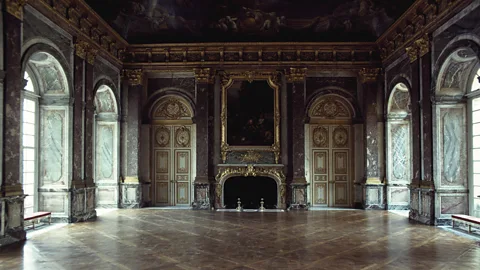
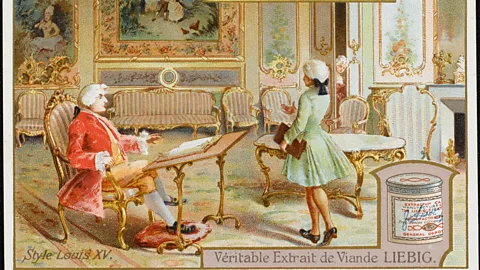
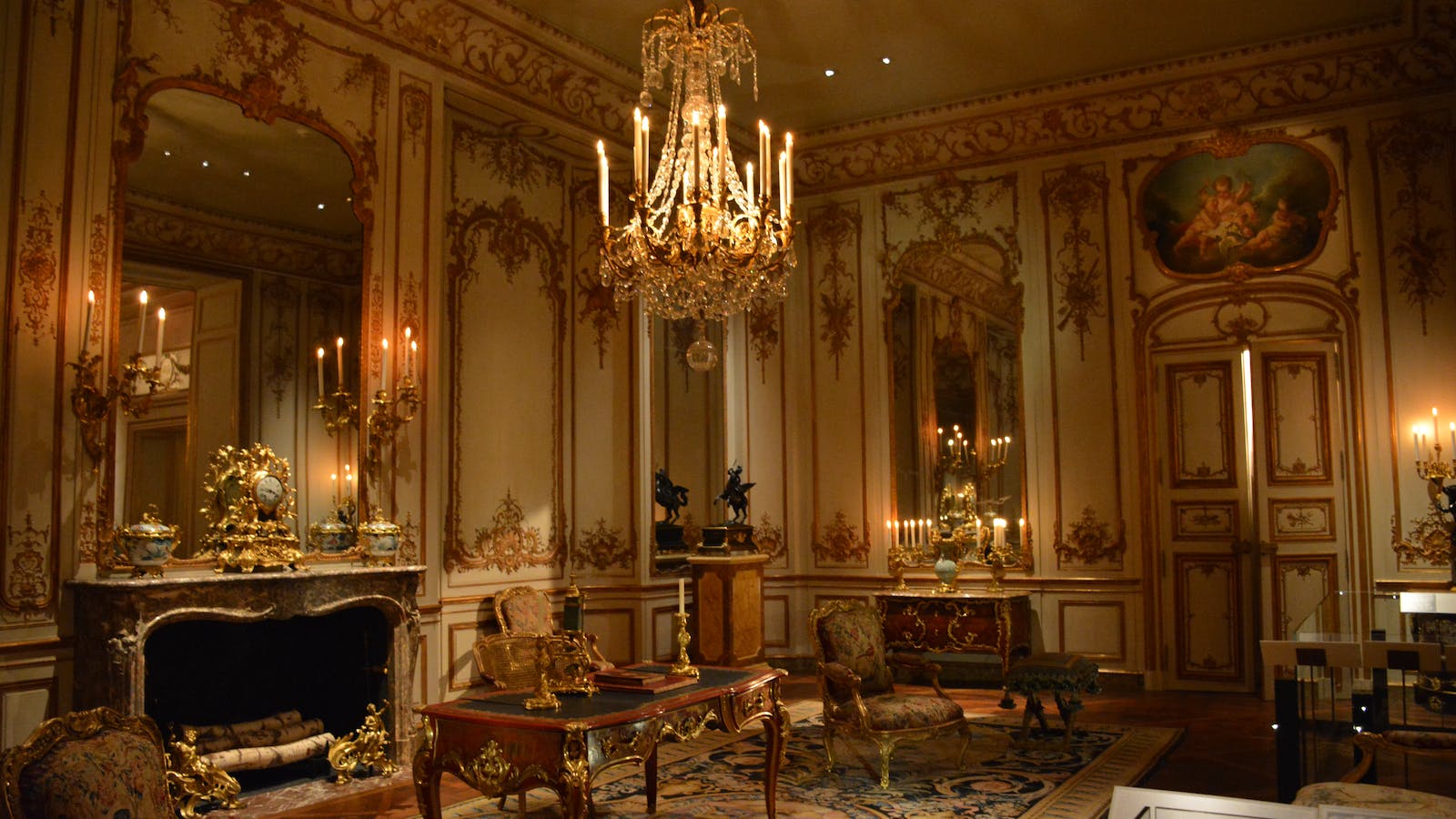
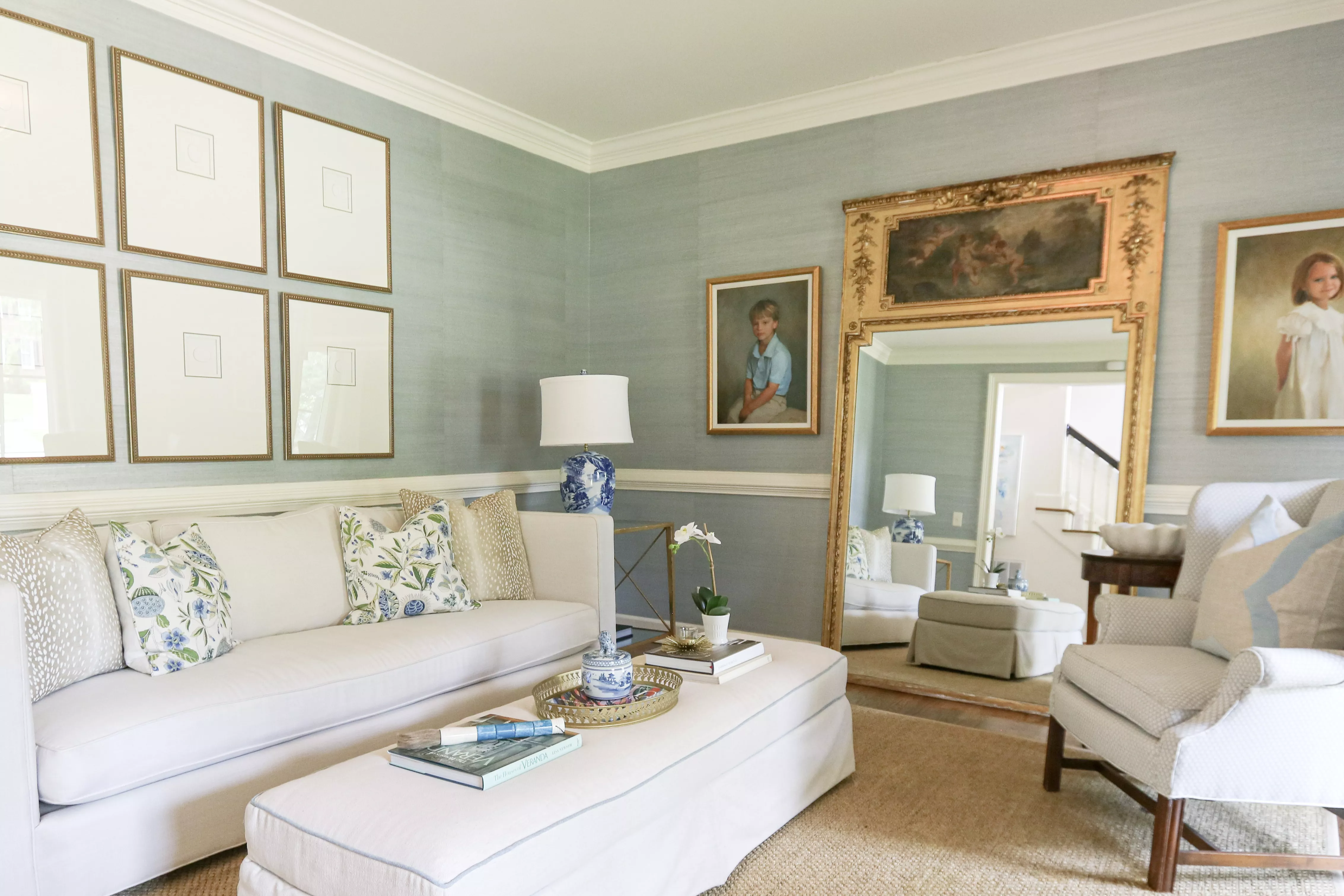
The concept of a sitting room, though often considered a relic of the past, is experiencing a modern resurgence, evolving from its traditional role as a formal space for receiving guests into a versatile area that caters to contemporary lifestyles. Historically, these rooms, sometimes referred to as parlors or reception rooms, originated in medieval monasteries as places for monks to conduct business. By the Victorian era, they had transformed into status symbols for the upper and middle classes, characterized by ornate decor, luxurious furniture, and fine art, primarily used for adult socializing and formal events. The term 'parlor' itself comes from the French word 'parler,' meaning 'to speak,' highlighting their original purpose as spaces for conversation and hospitality.
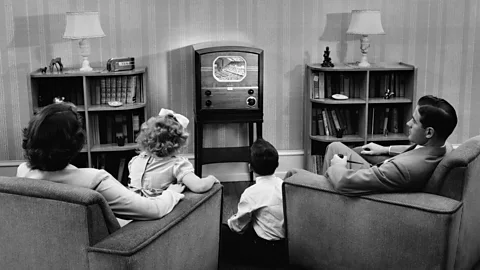
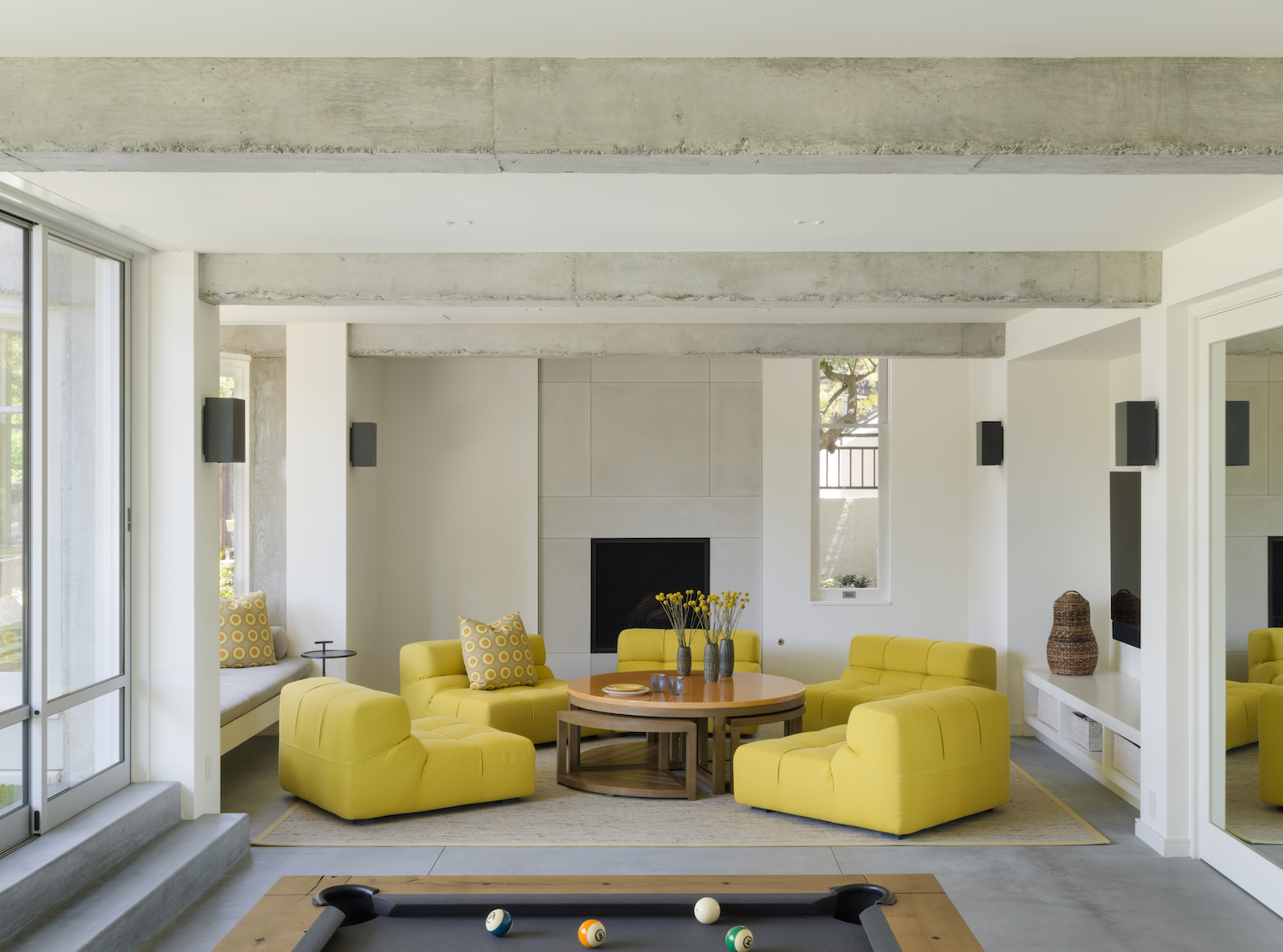
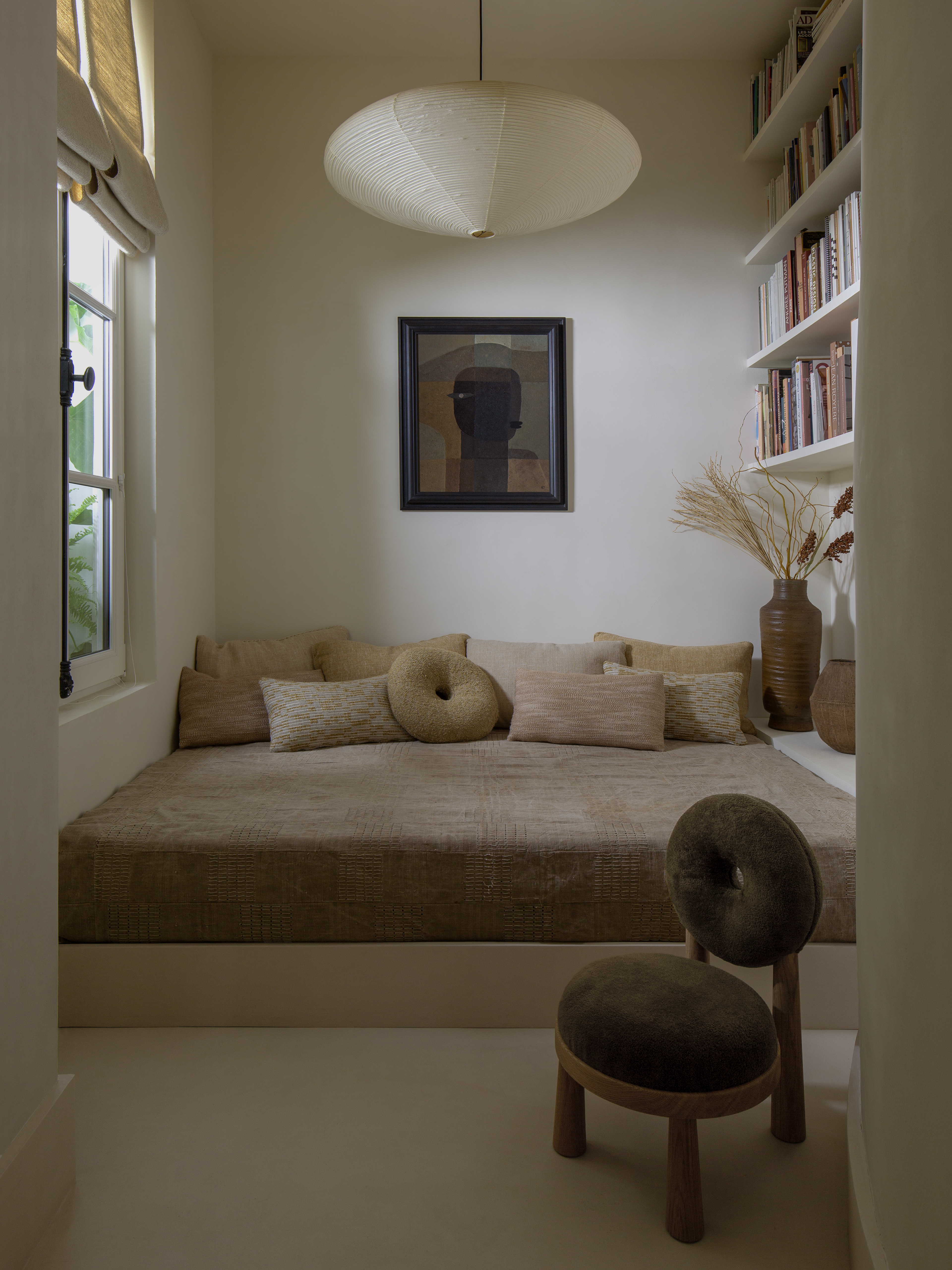
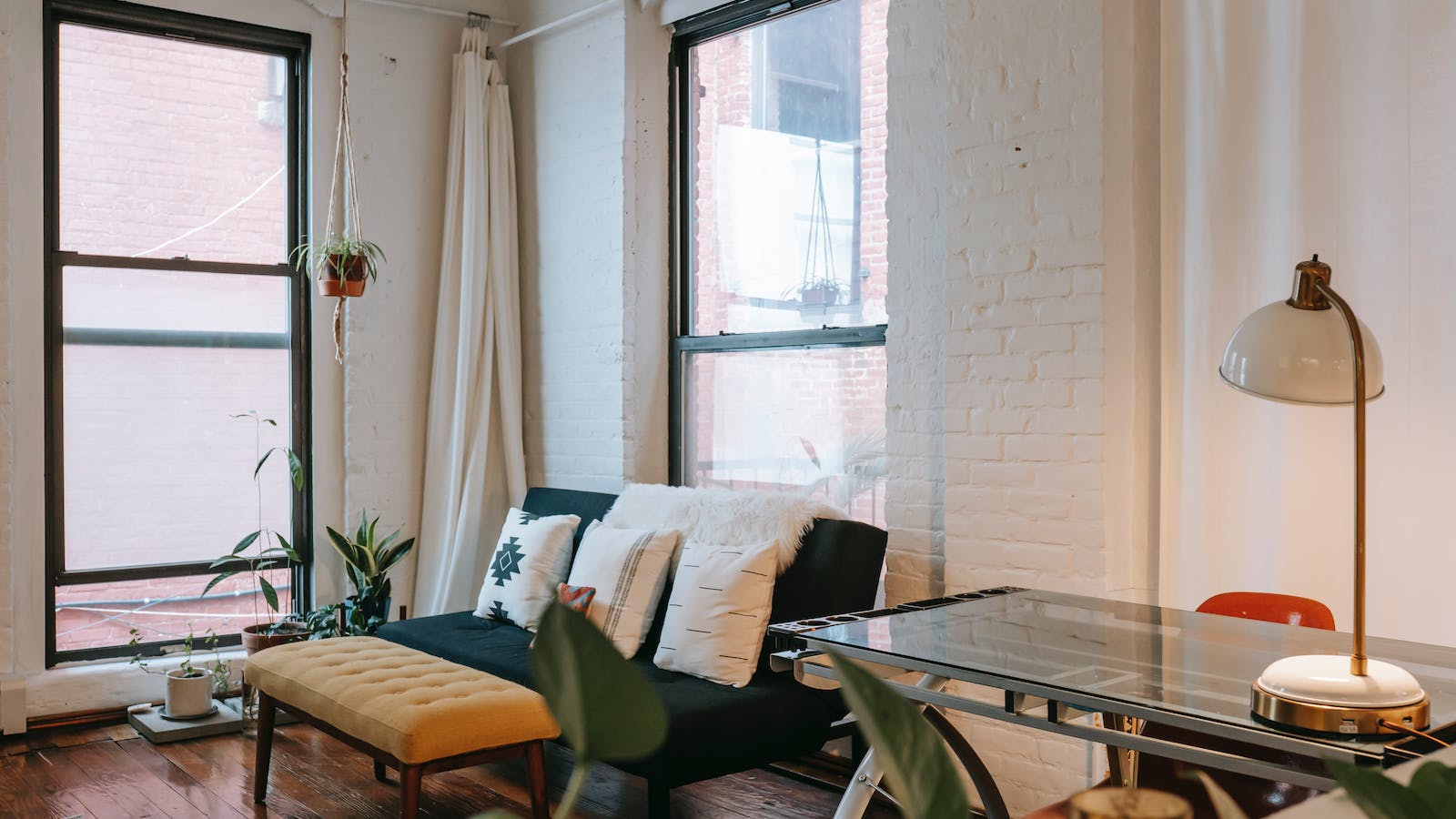
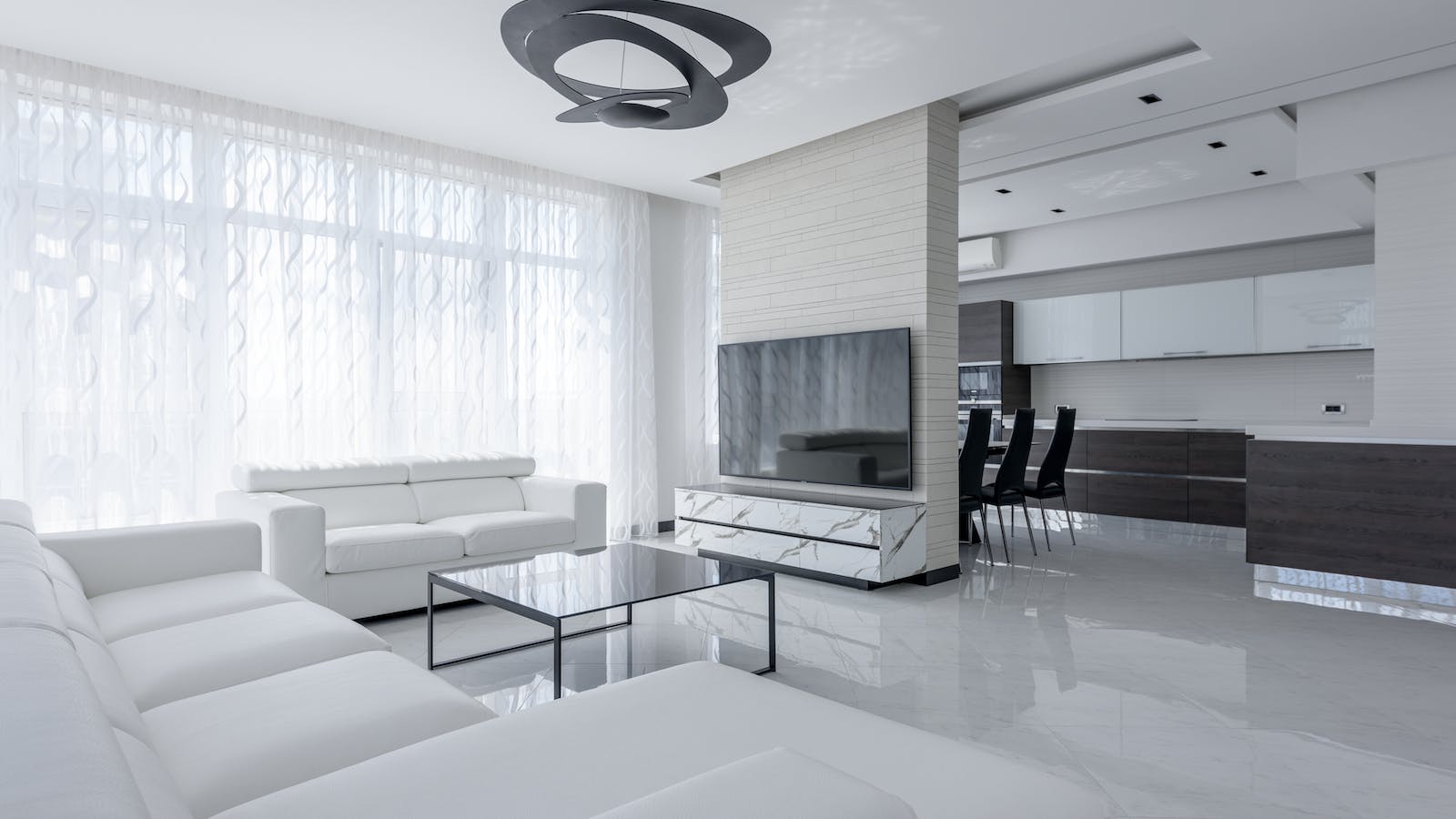
In contrast to the more casual and activity-oriented living room, today's sitting rooms maintain their historical essence of intimacy and relaxation. They are typically smaller and cozier, designed to offer a tranquil environment for activities such as reading, quiet conversation, or unwinding. A key distinction from modern living rooms is the deliberate absence of a television, which promotes focused interaction and a peaceful atmosphere. While contemporary homes often prioritize a single, multi-functional living room, interior designers argue for the continued relevance of a dedicated sitting room, emphasizing its potential to enhance a home's functionality by providing an additional space for various activities.
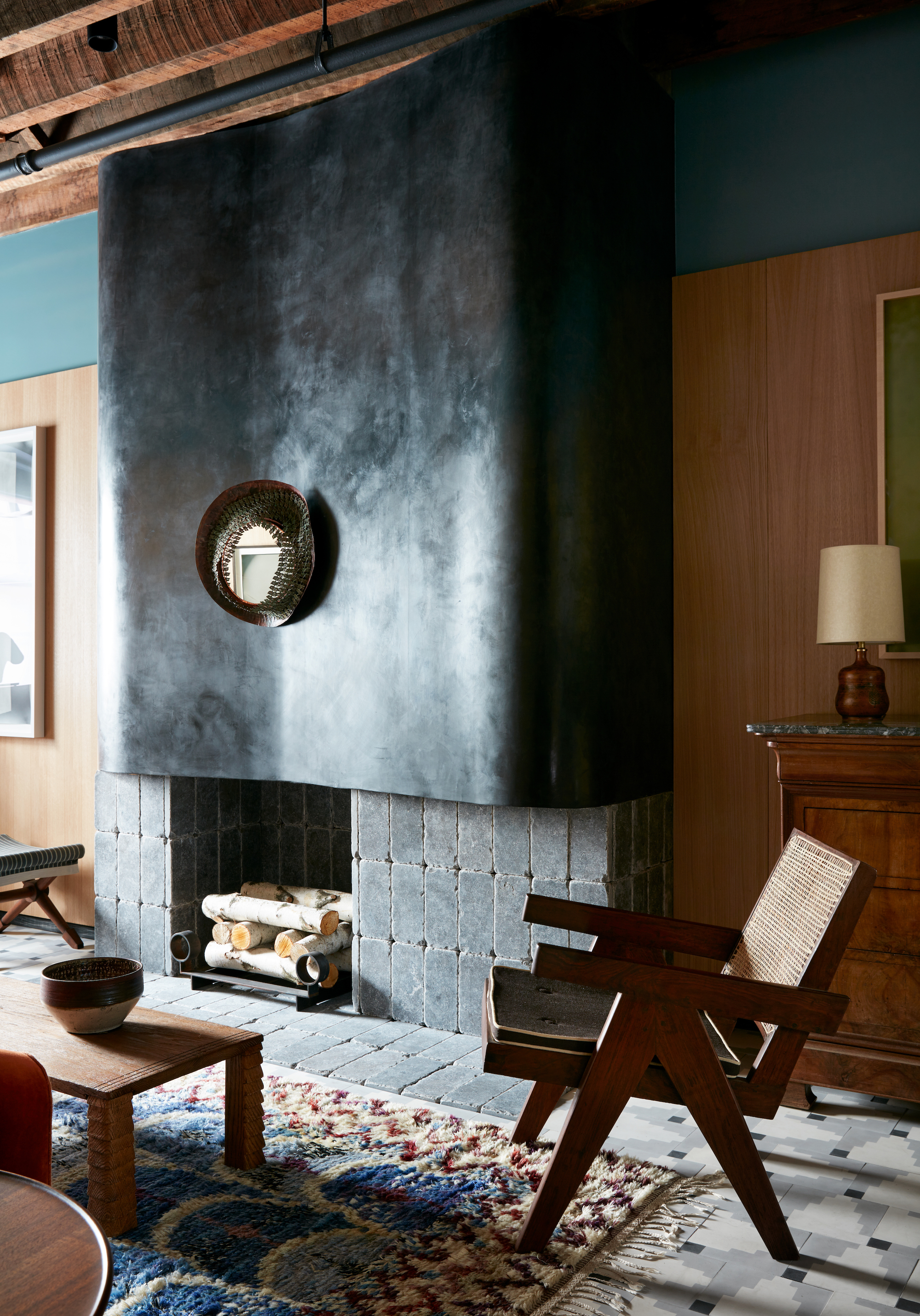
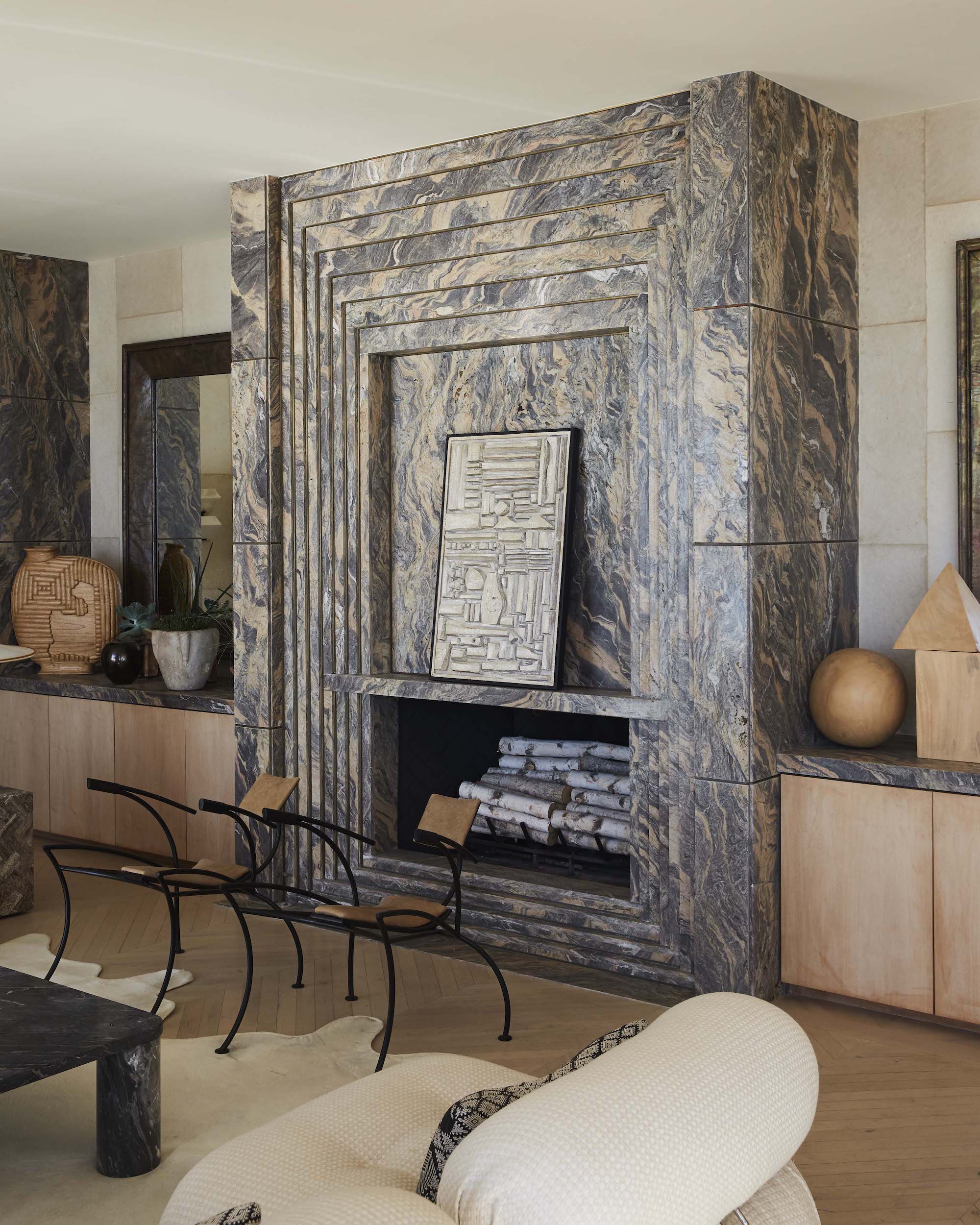
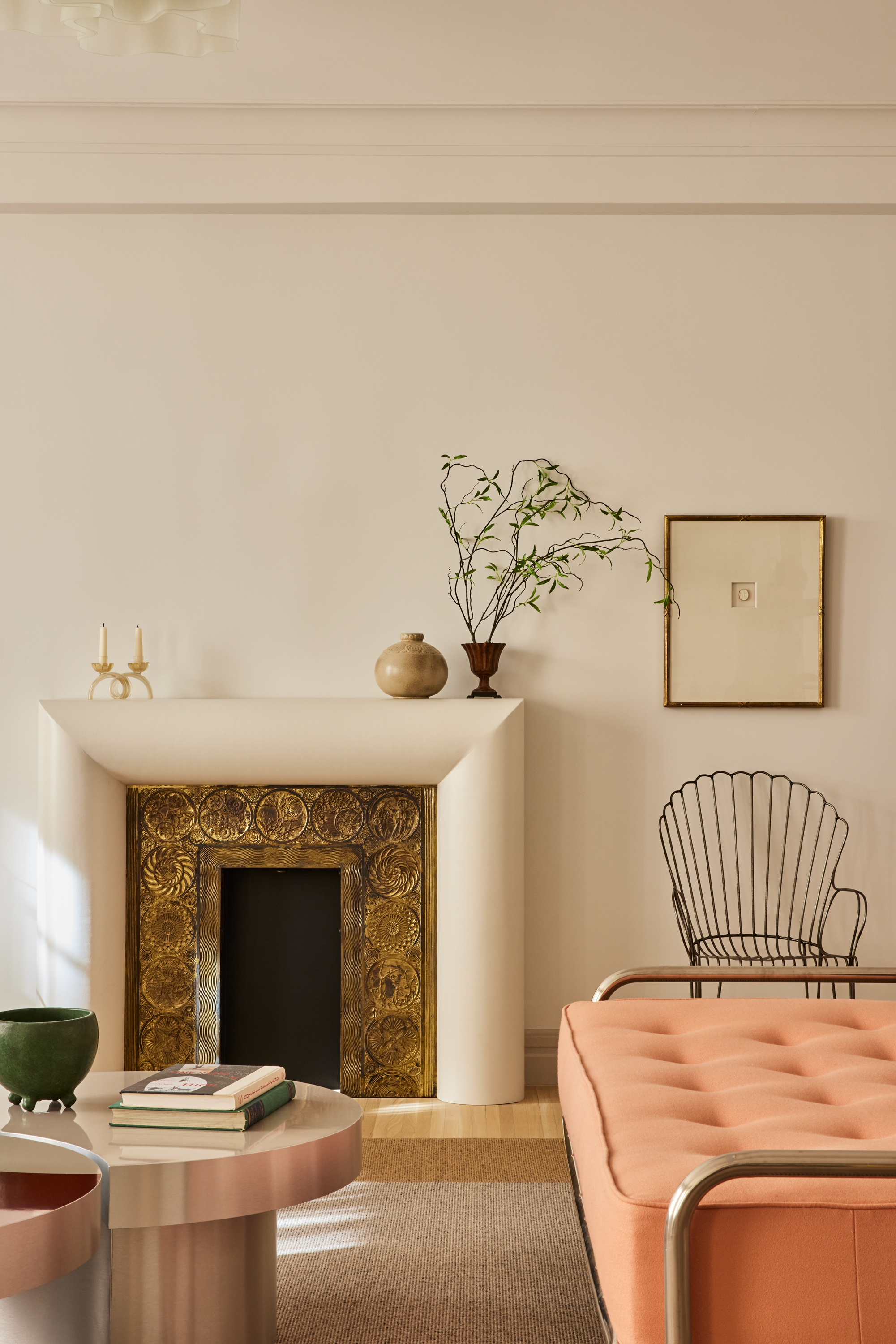
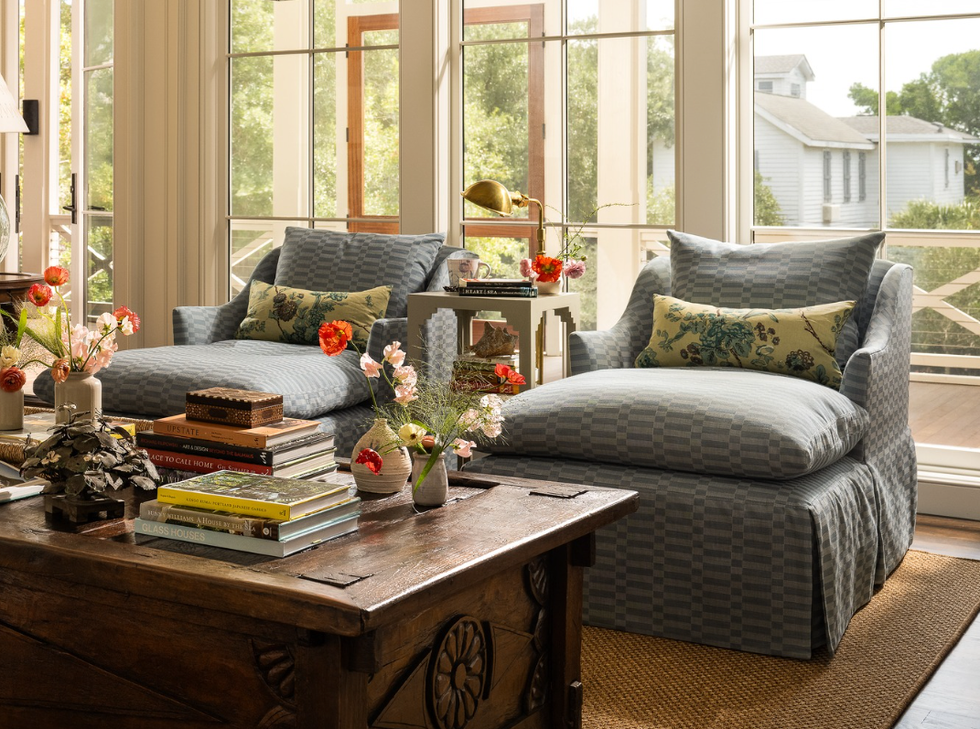
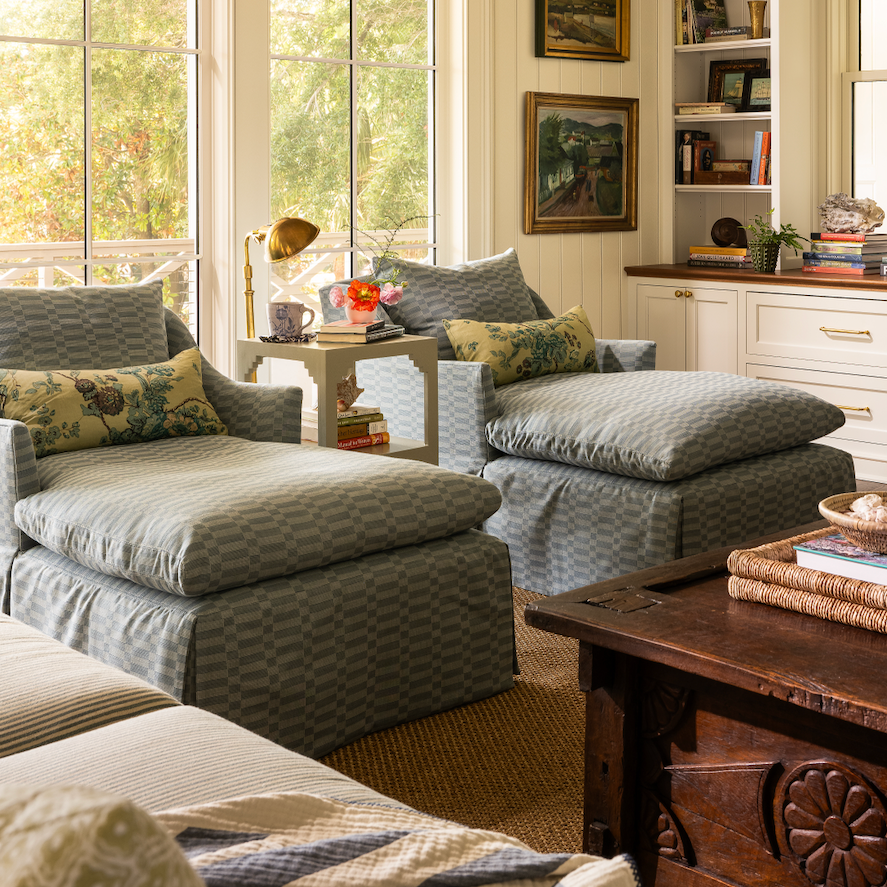
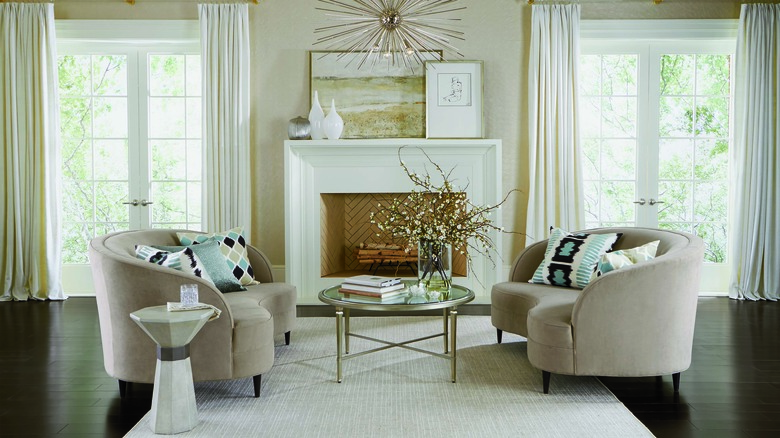
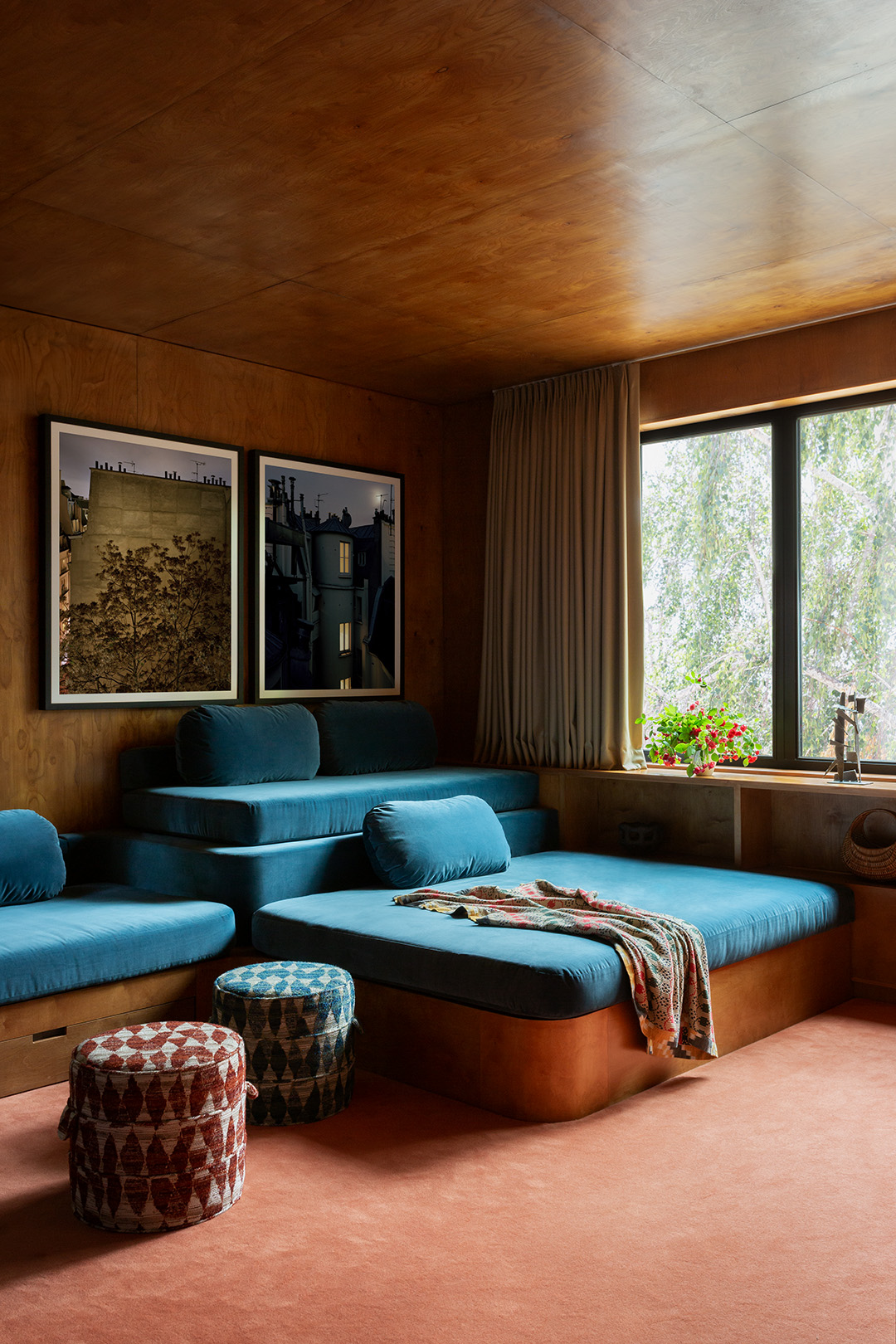
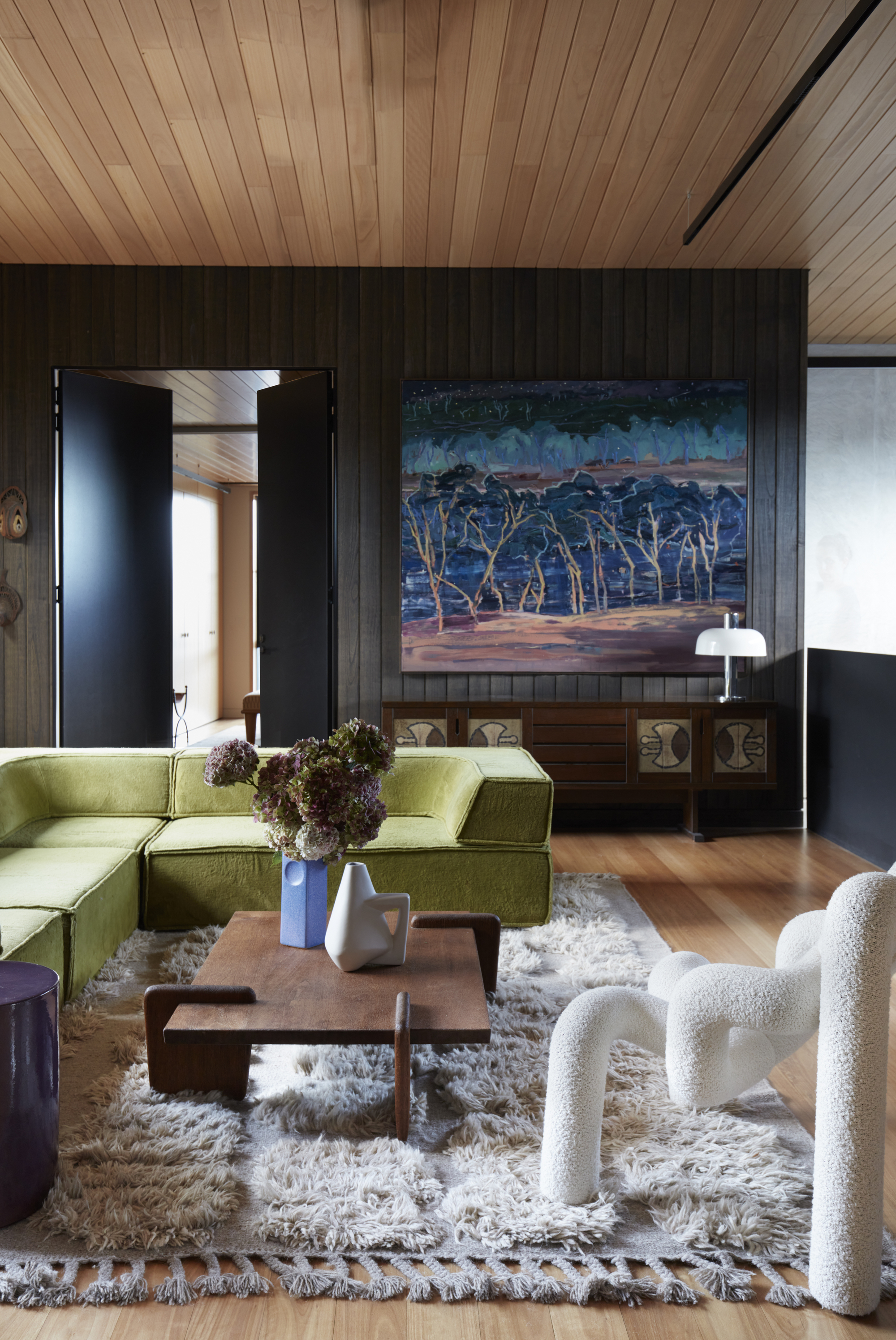
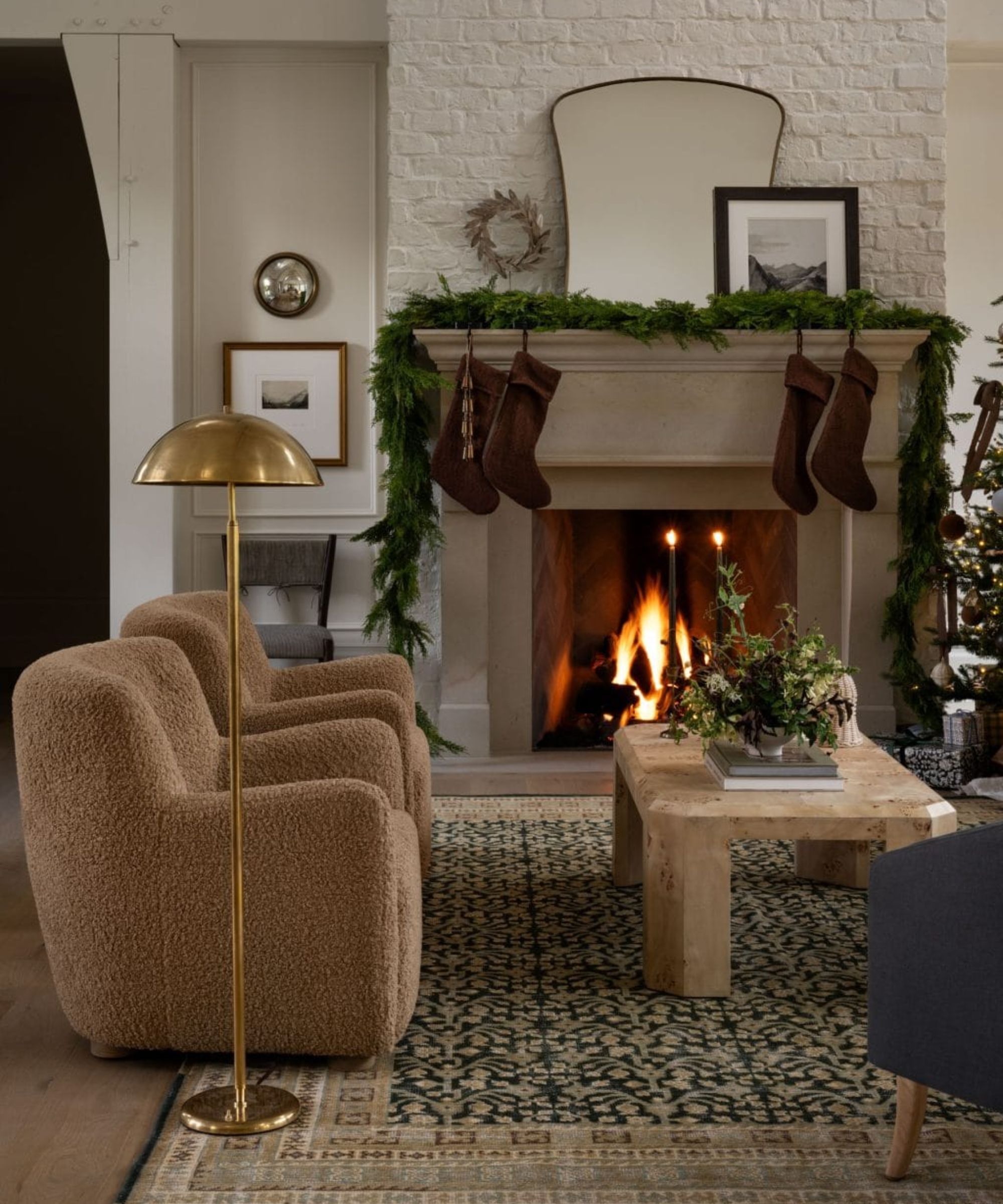
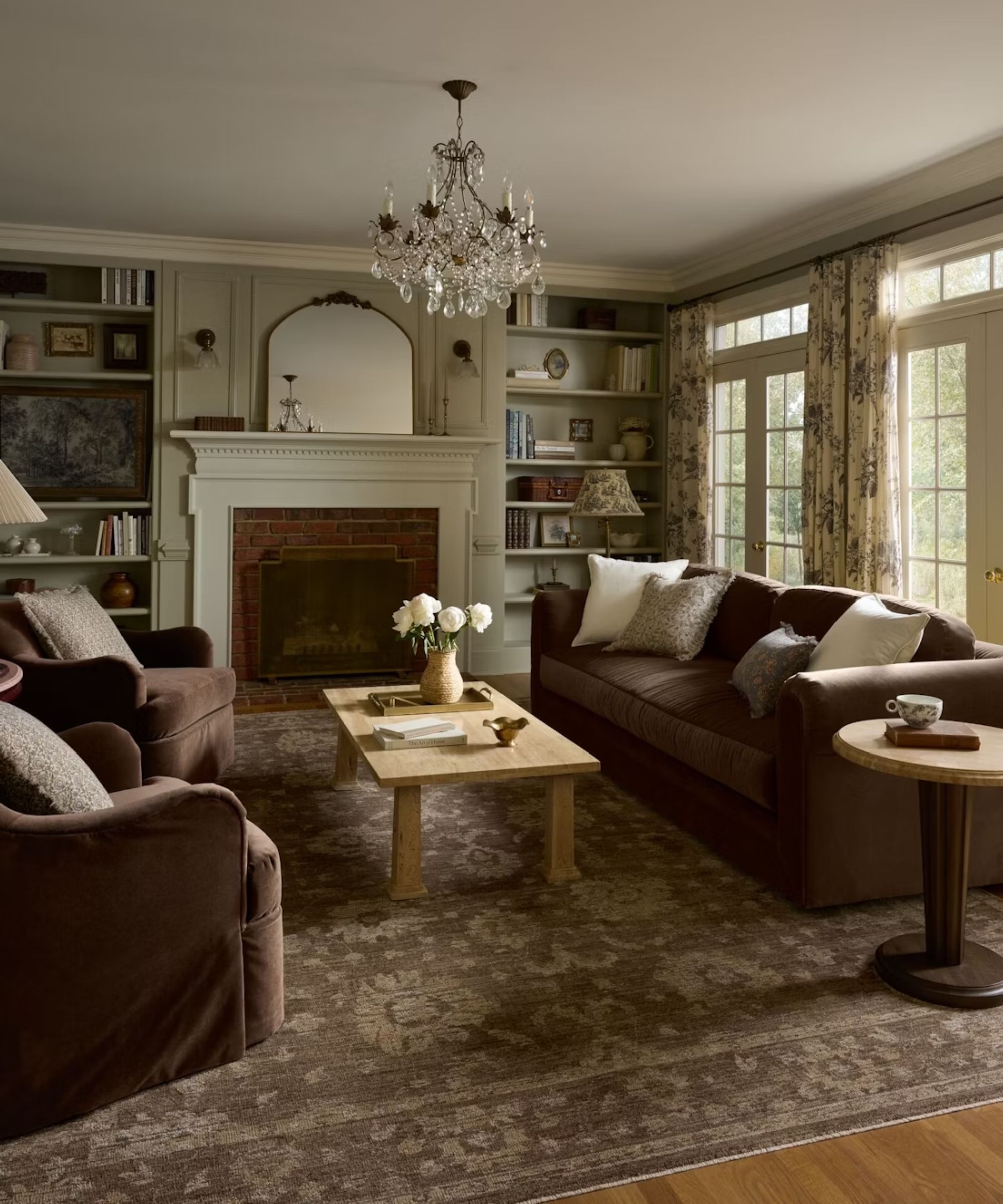
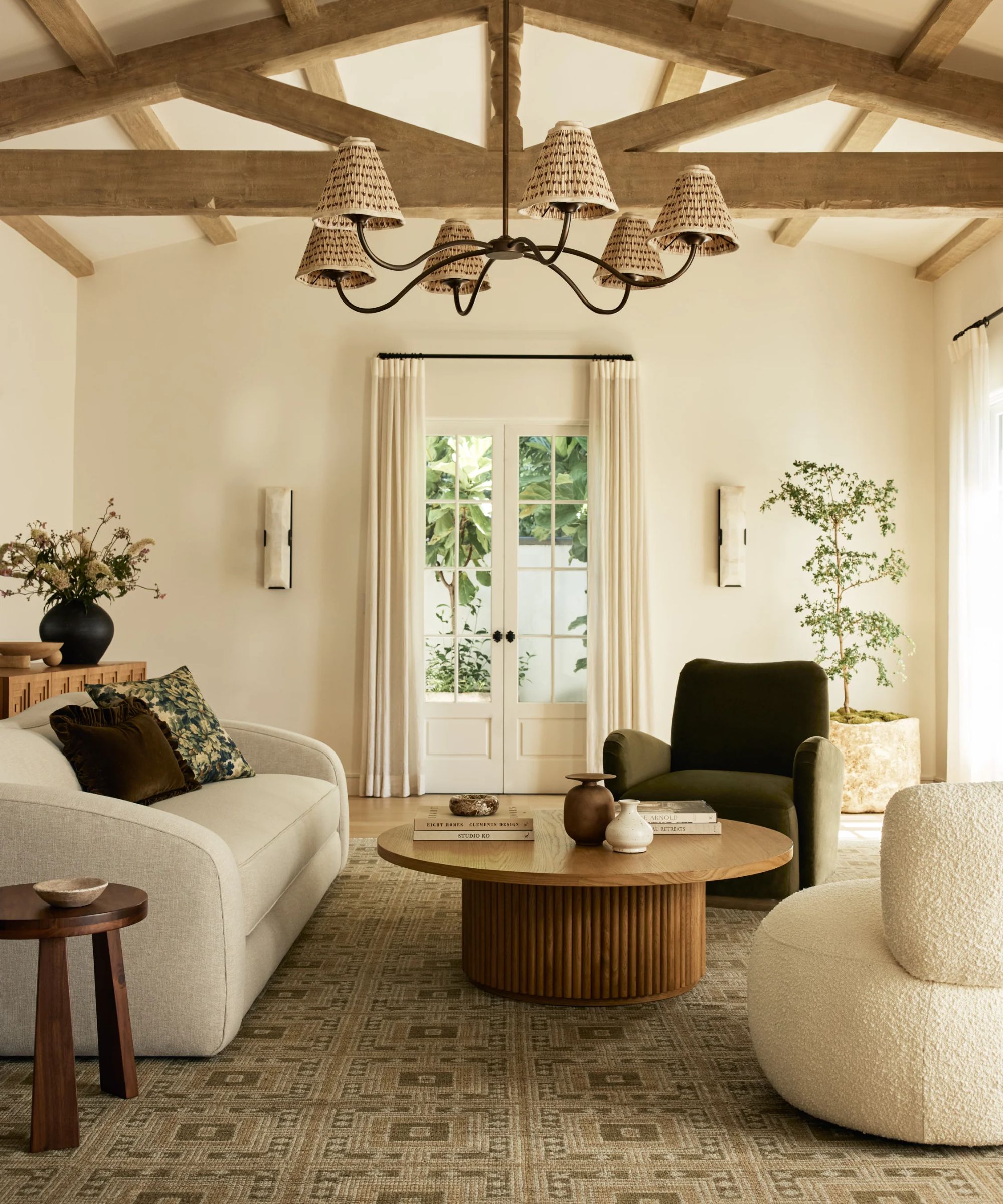
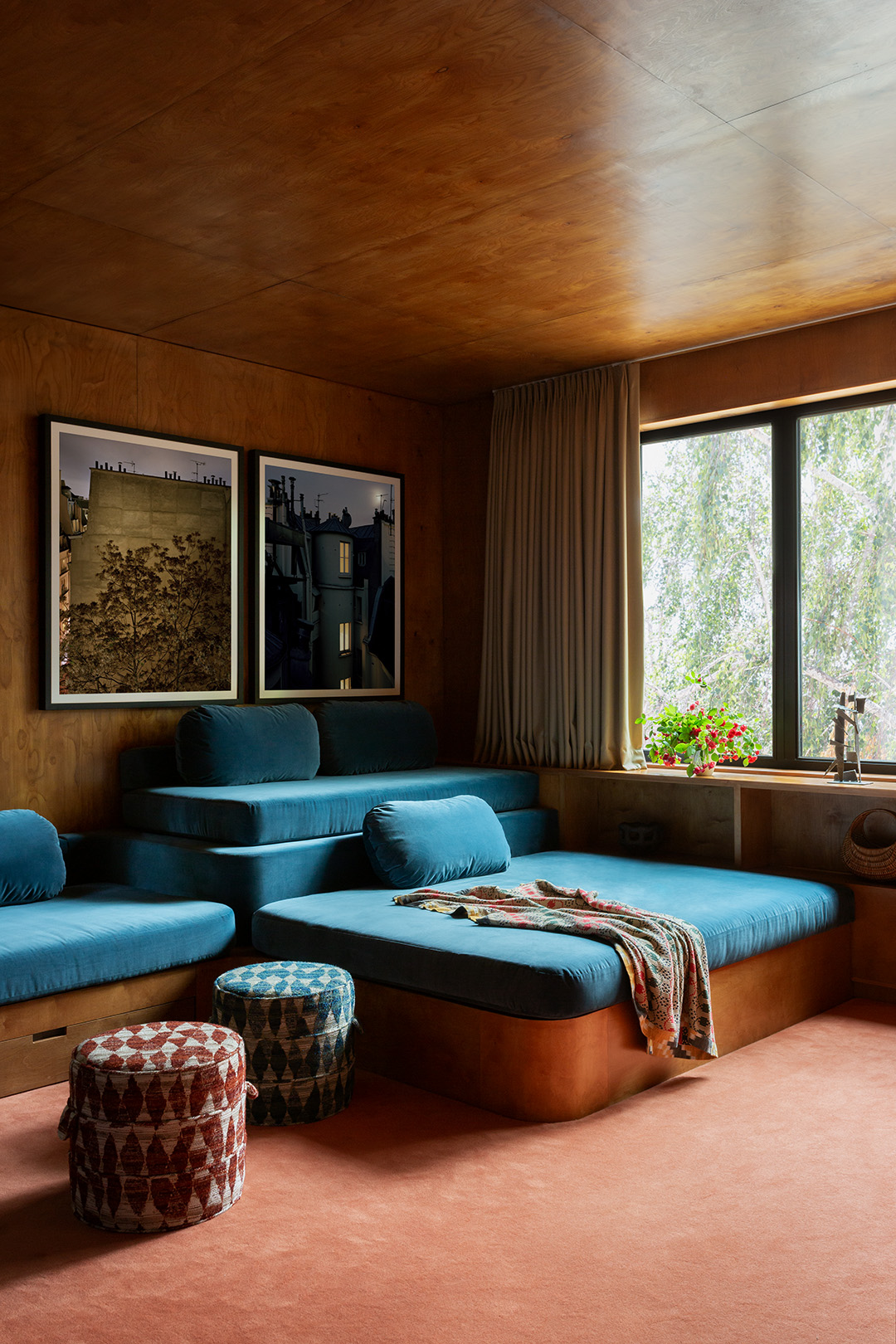
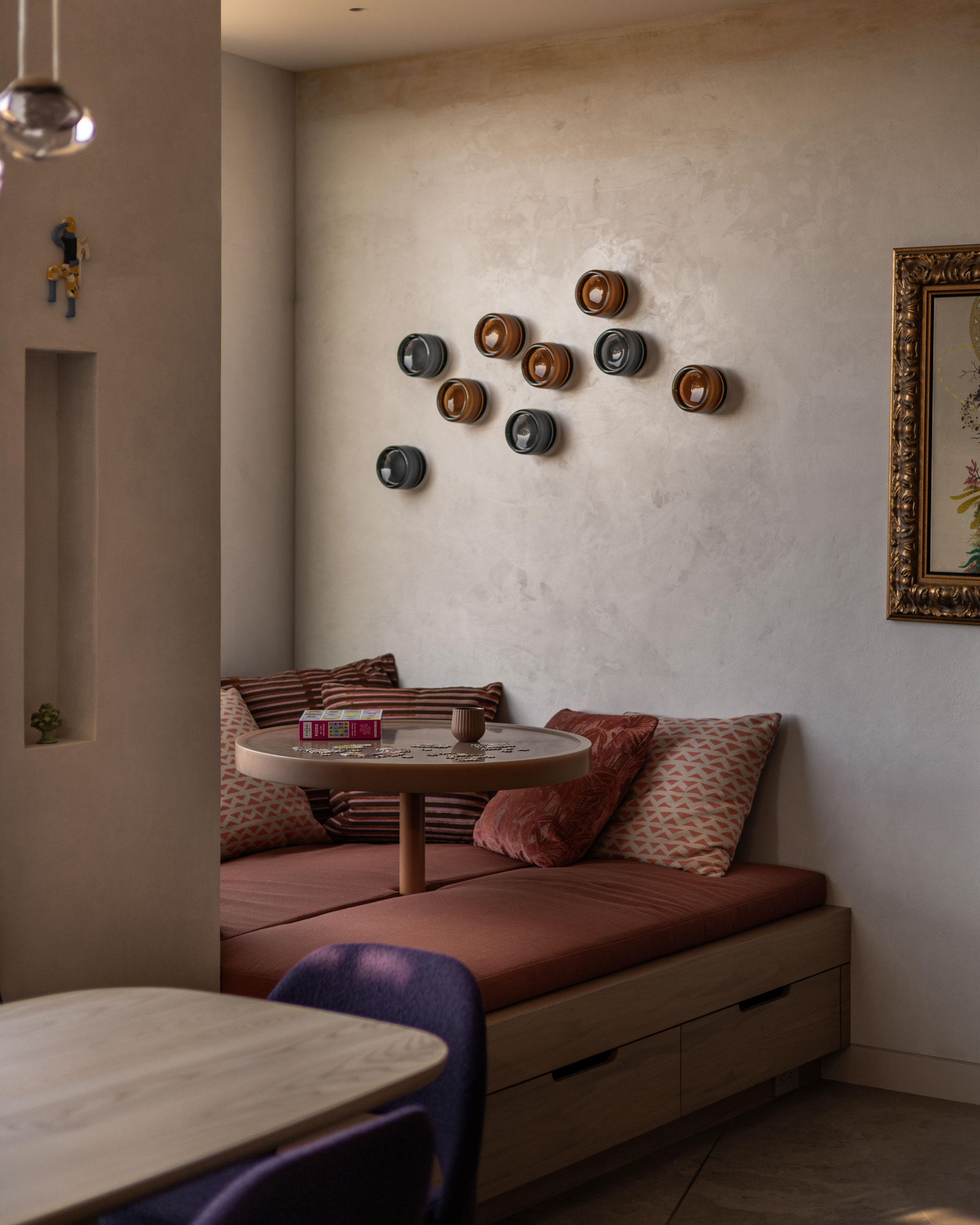
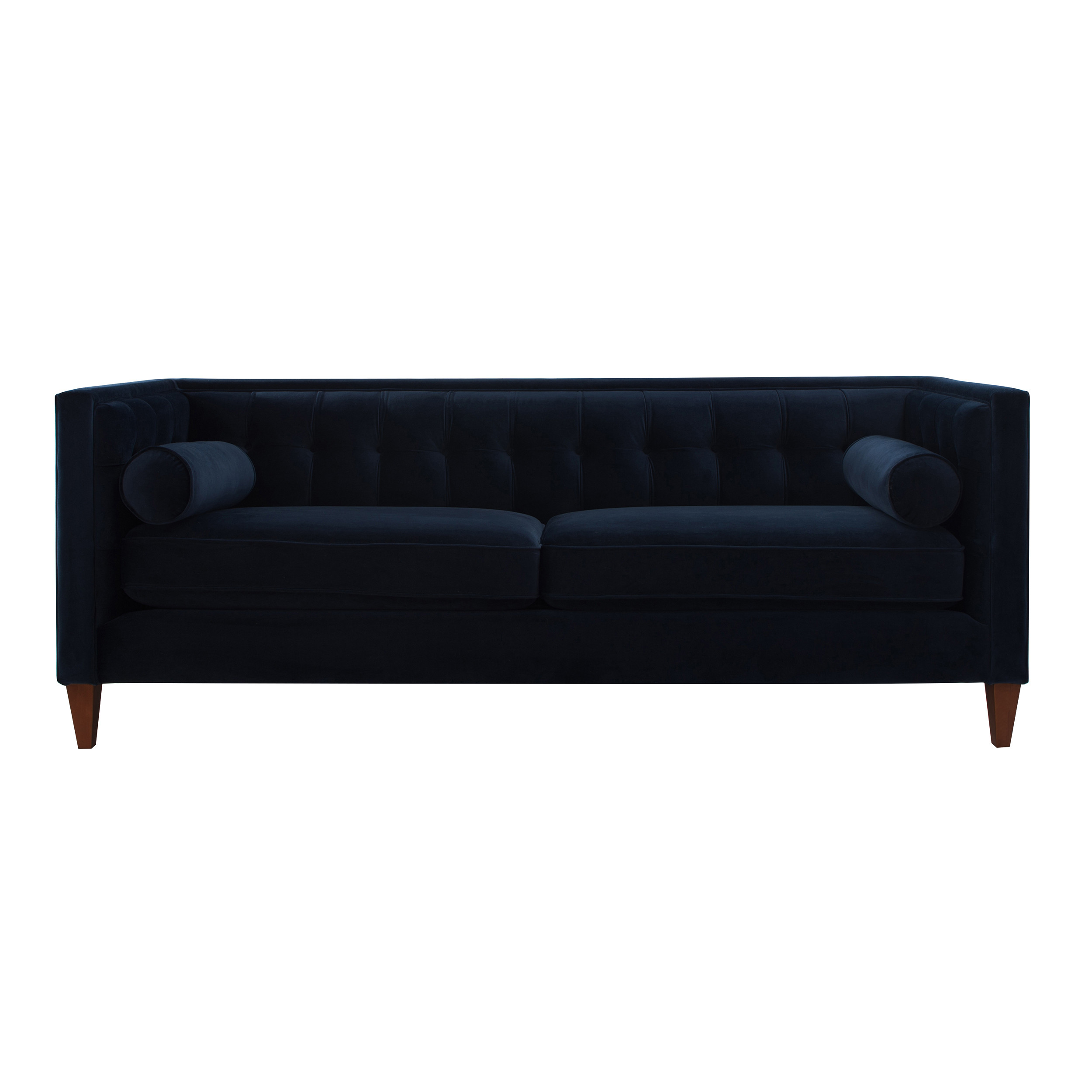
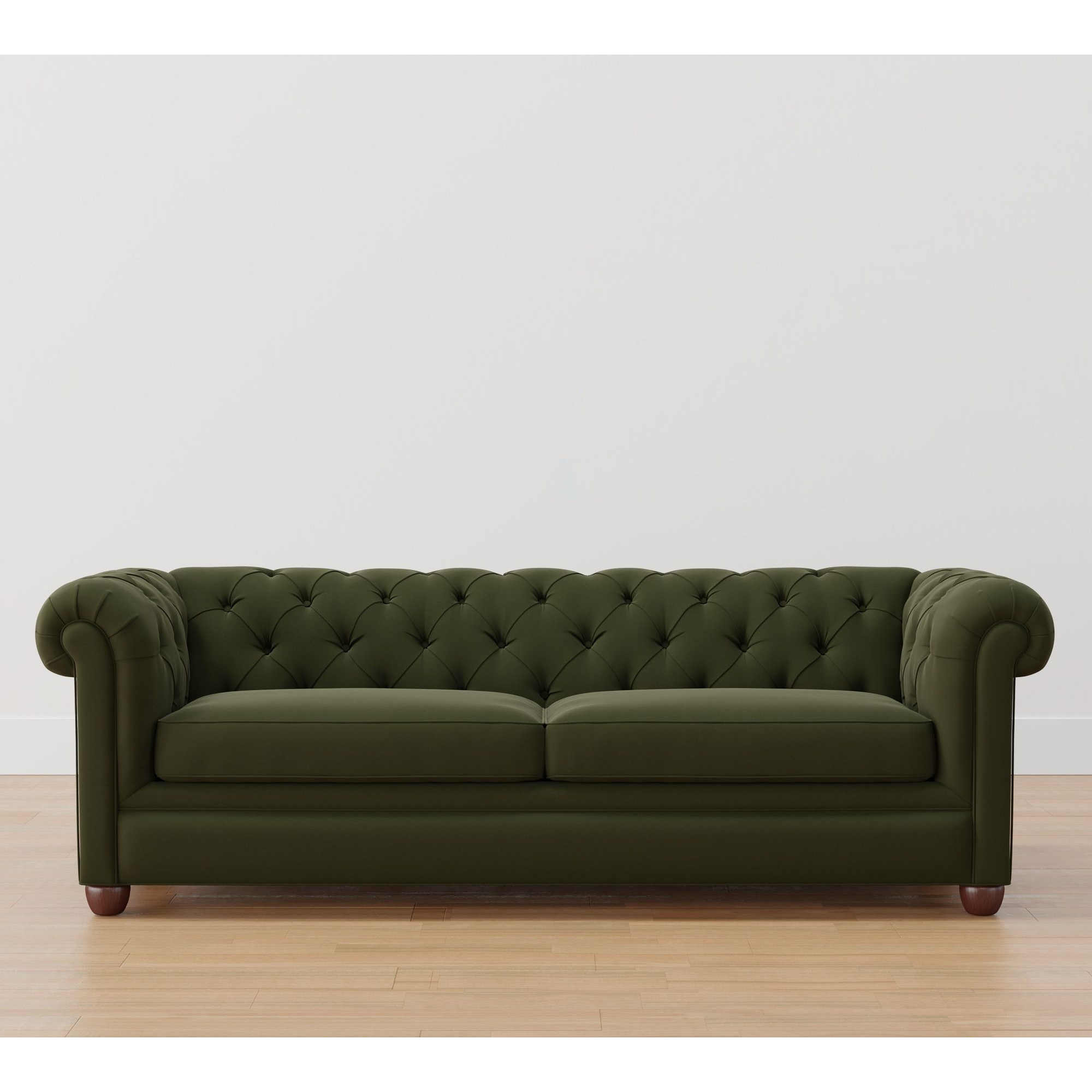
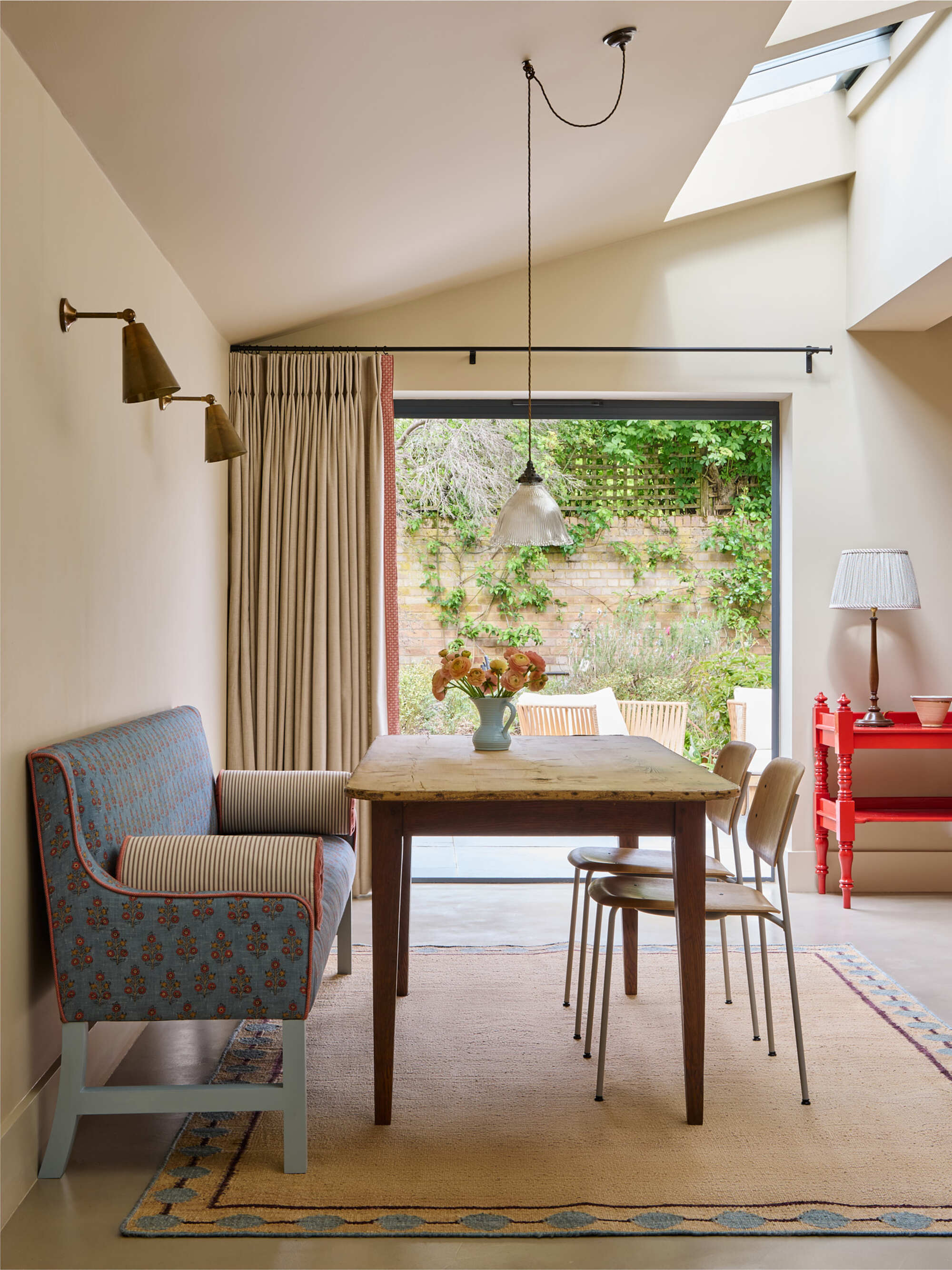
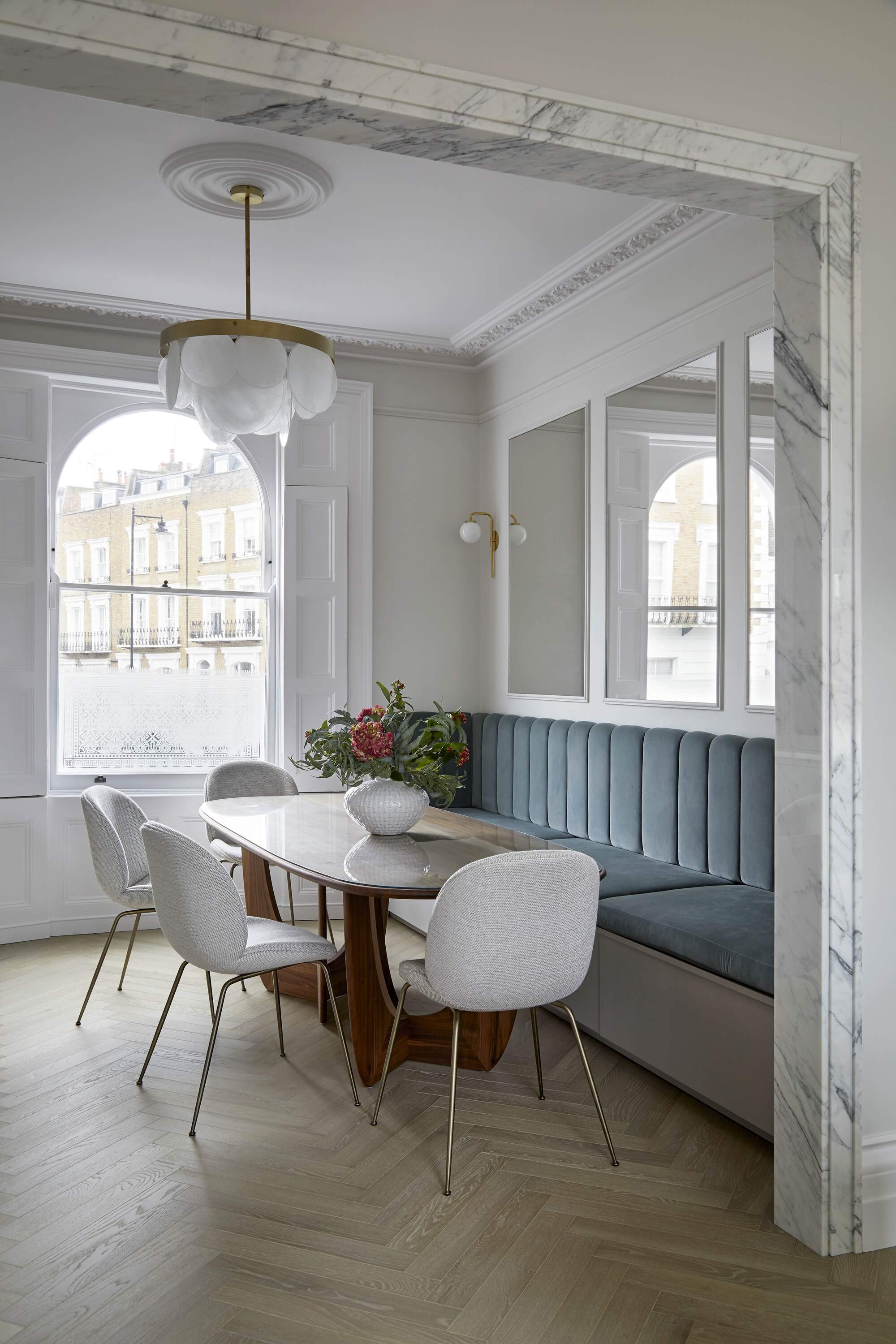
Crafting a modern sitting room involves strategic design choices to maximize its potential. Designers recommend leveraging smaller spaces by infusing them with rich colors, intricate patterns, and diverse finishes to create a 'jewel box' effect. Adding wallpaper or a vibrant paint color can introduce depth and character. Personal touches through artwork and accessories contribute to a curated, collected aesthetic. The selection of furniture is crucial; pieces should be chosen to fit the room's scale and desired capacity, arranged to encourage conversation by angling seating inward. Incorporating furniture with ample, concealed storage helps maintain a clutter-free environment, balancing beauty with practicality.
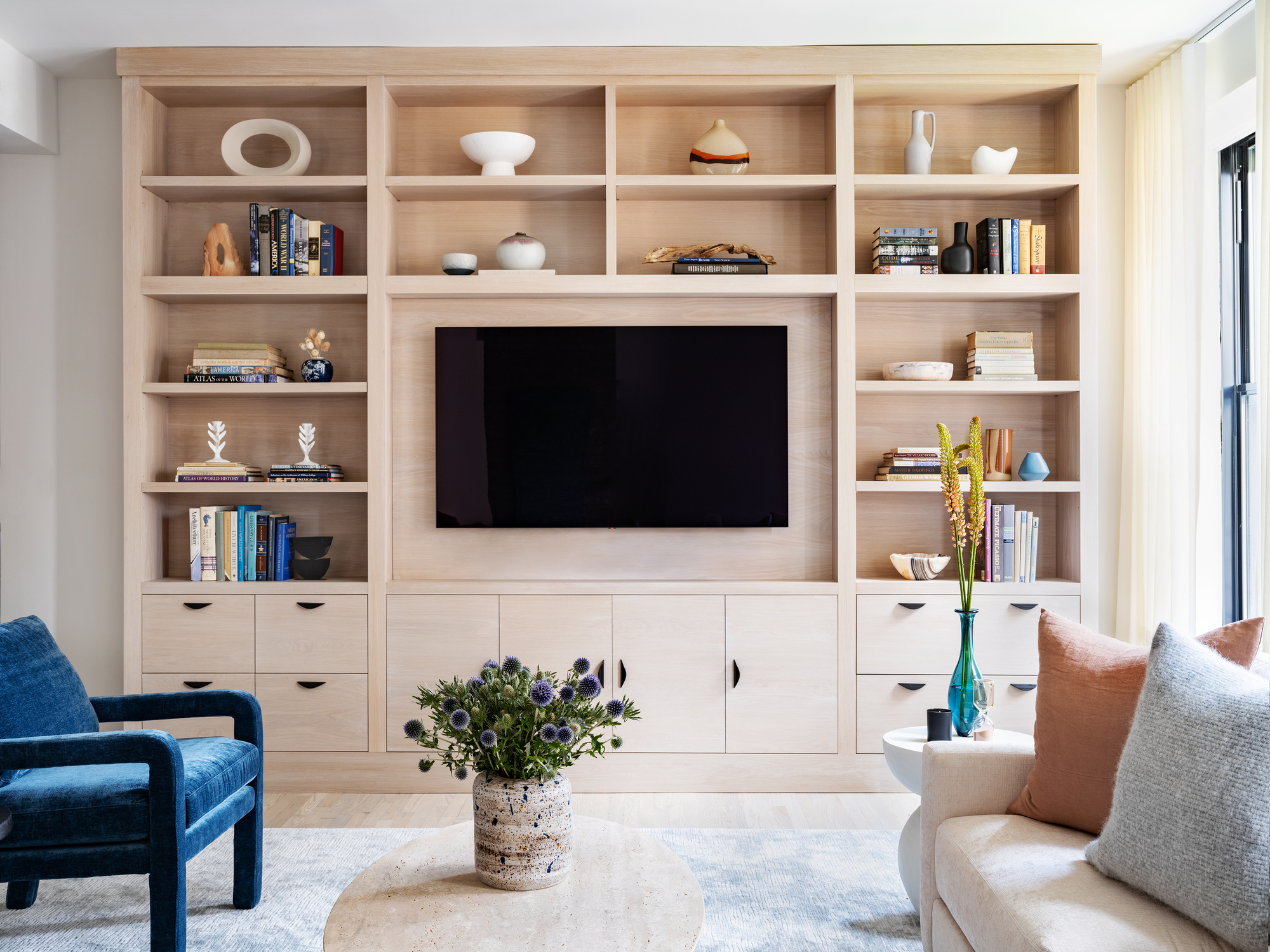
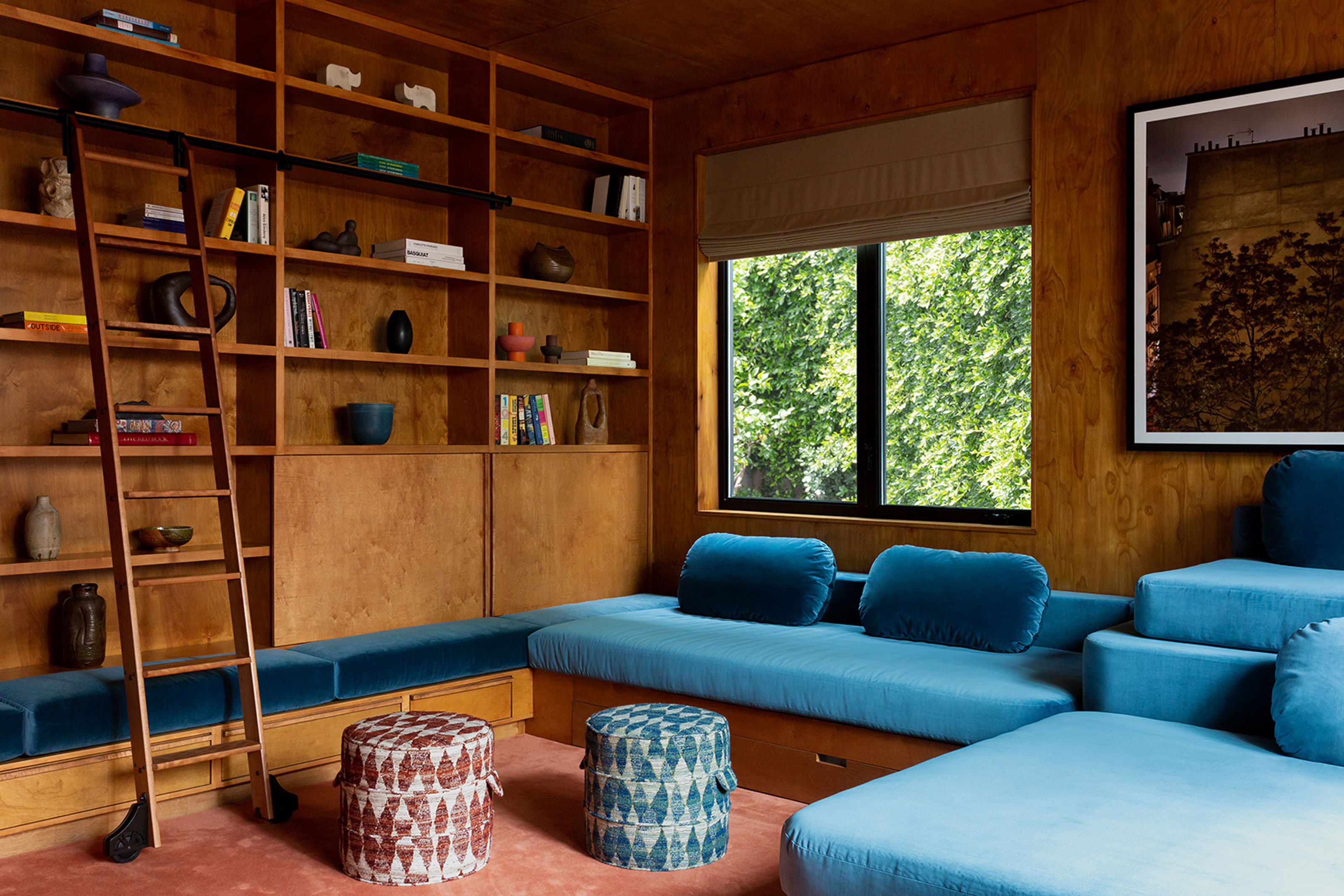
Beyond traditional uses, modern sitting rooms can be adapted to serve specific lifestyle needs. For instance, they can seamlessly double as a home office with the addition of an elegant desk featuring hidden storage, providing a serene backdrop for video calls. For avid readers, custom built-in bookshelves can transform the space into a personal mini-library. Ultimately, the modern sitting room is a flexible area that can function as a secondary living space, an intimate gathering spot for impromptu guests, or a quiet retreat for mental relaxation, particularly beneficial for homes with only one primary family room. This adaptability ensures that sitting rooms remain a valuable and evolving element in contemporary home design.
#SittingRoom #HomeDesign #InteriorDesign #Decorating #RoomFunctionality #TraditionalVsModern #HomeImprovement #LivingSpaces #DesignTips #SittingRoom #HomeDesign #InteriorDesign #Decorating #RoomFunctionality #TraditionalVsModern #HomeImprovement #LivingSpaces #DesignTips
0 commentaire au total
 Aucun commentaire pour le moment
Vous aimerez aussi
Designers are loving a new living room trend which makes even small spaces seem smart

Space Age Furniture Is Making A Trendy Comeback: 9 Must-Have Pieces To Get The Look

Less Stuffy, Less Formal — How the Big Seating Trends for 2025 All Point in This Uber-Comfortable Direction
6 Couch Styles That Are So Outdated, According to Designers

The evolution of the modern living room
3 Dated Living Room Layouts That Have No Place in 2025 (and How to Fix It If You've Ended Up With One)
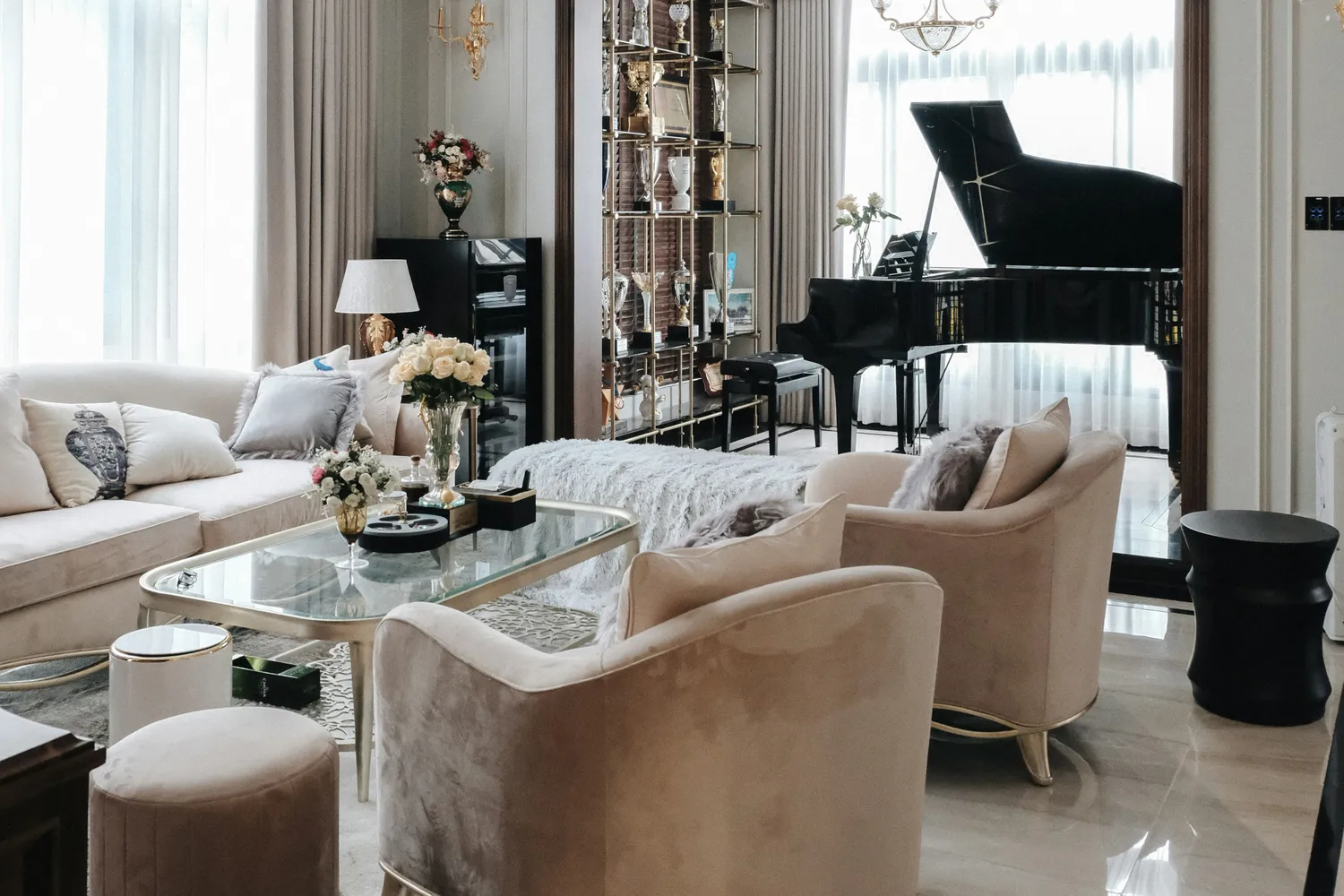
Are Formal Living Rooms Out of Style? We Asked Designers How to Make Them Feel Modern

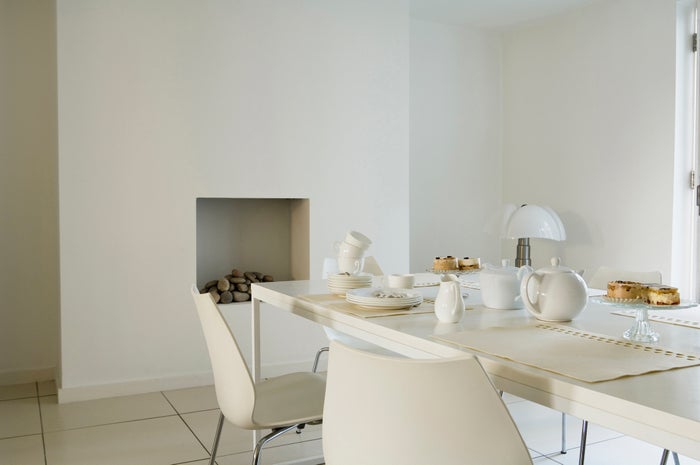
11 Home Design Trends That Need A Major Revival In 2024 To Infuse Some Personality Back Into Our Homes

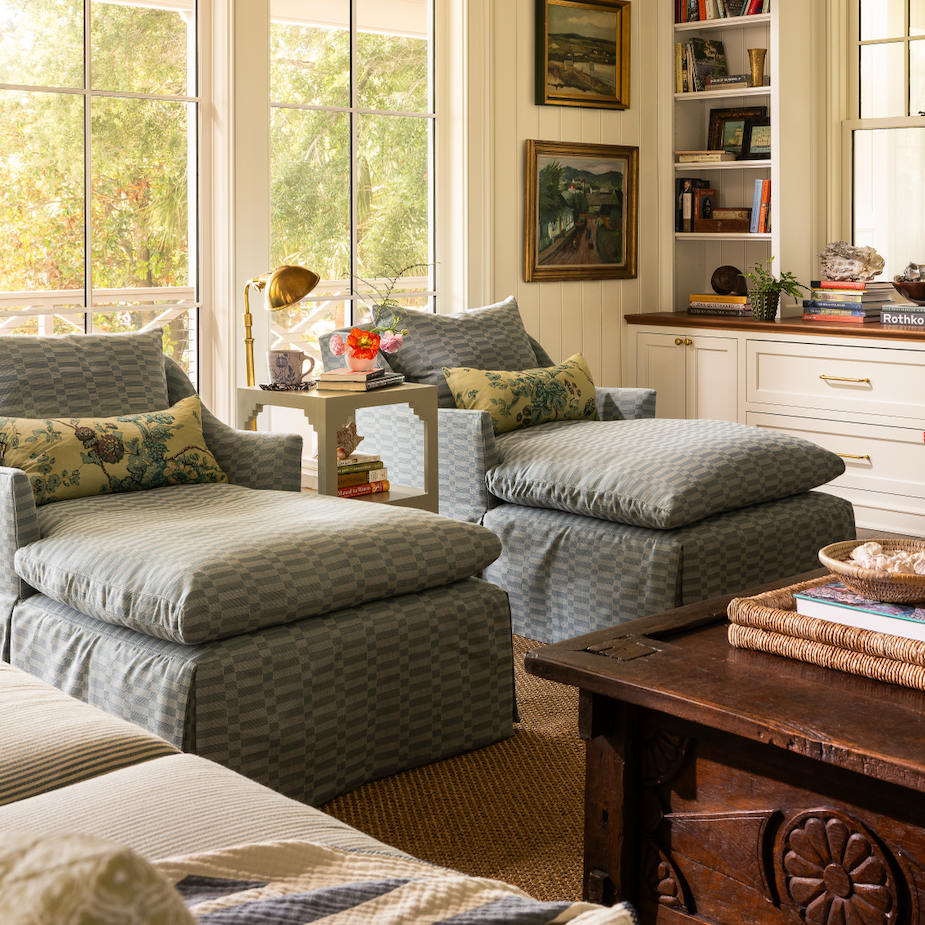
Designers Are Ditching "Boring" Side Chairs for THIS Living Room Seating Arrangement

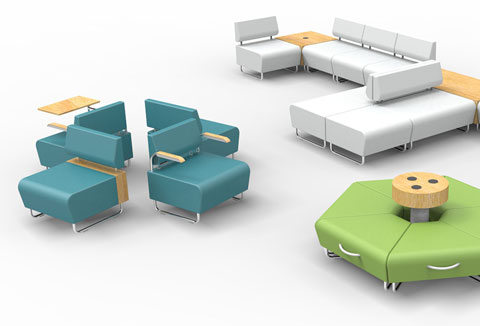
Sponsored Content: KI’s Hub Collection Brings Contemporary Styling to Modular Seating

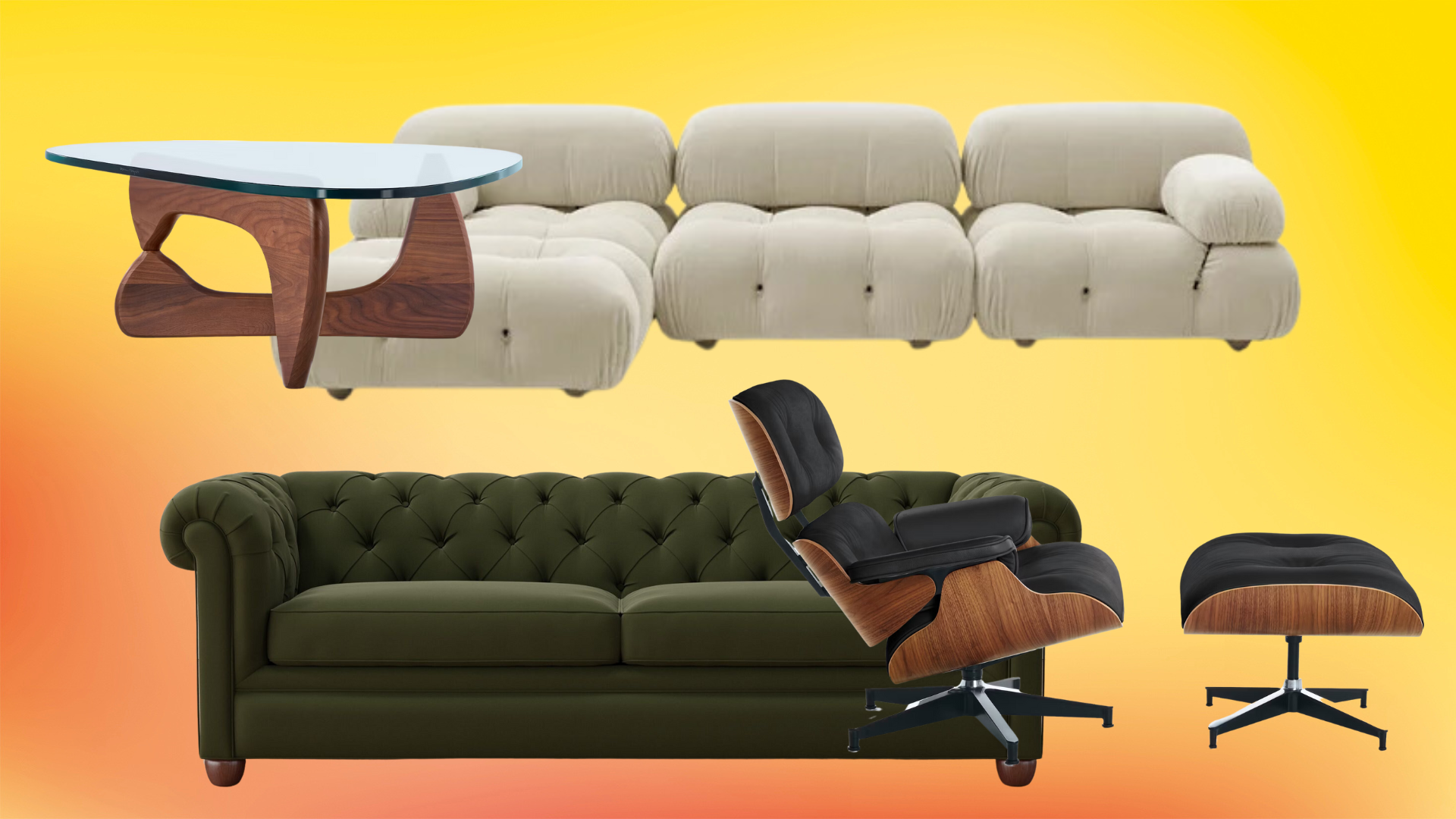
12 pieces of timeless furniture that will never go out of style |
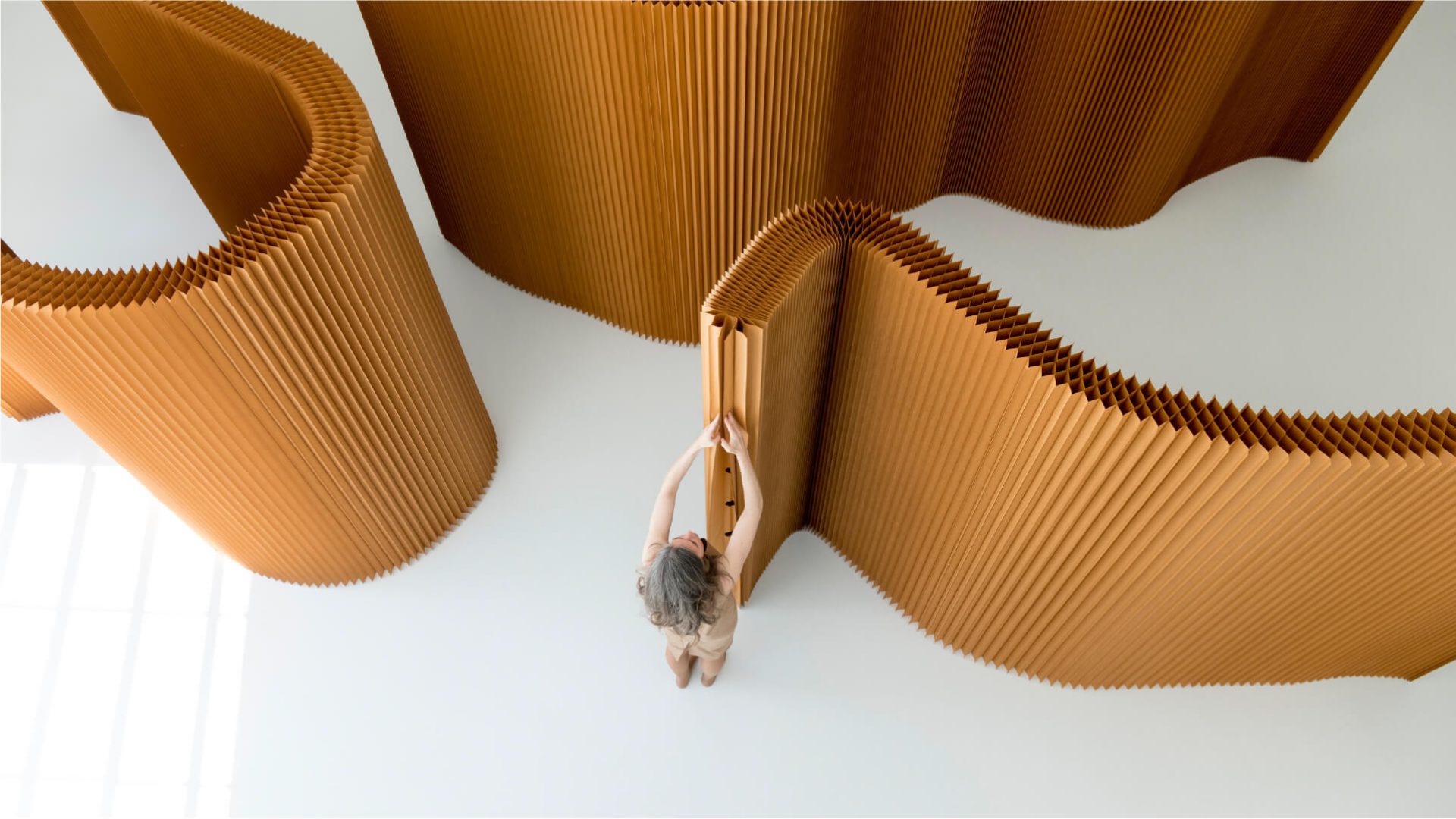
Watching molo’s paper softwall unfold is mesmerising

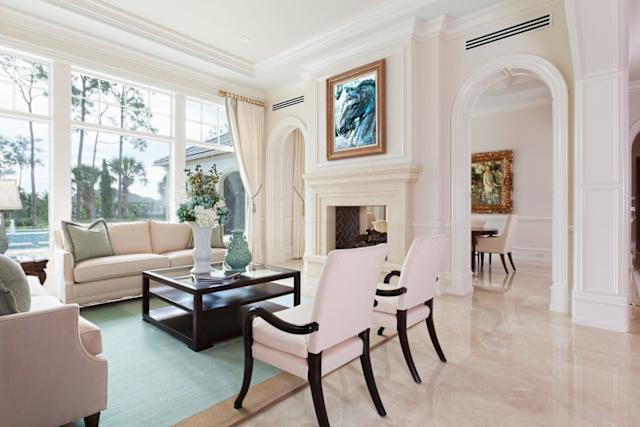
Designers Say This Room in Your Home Is Officially Outdated

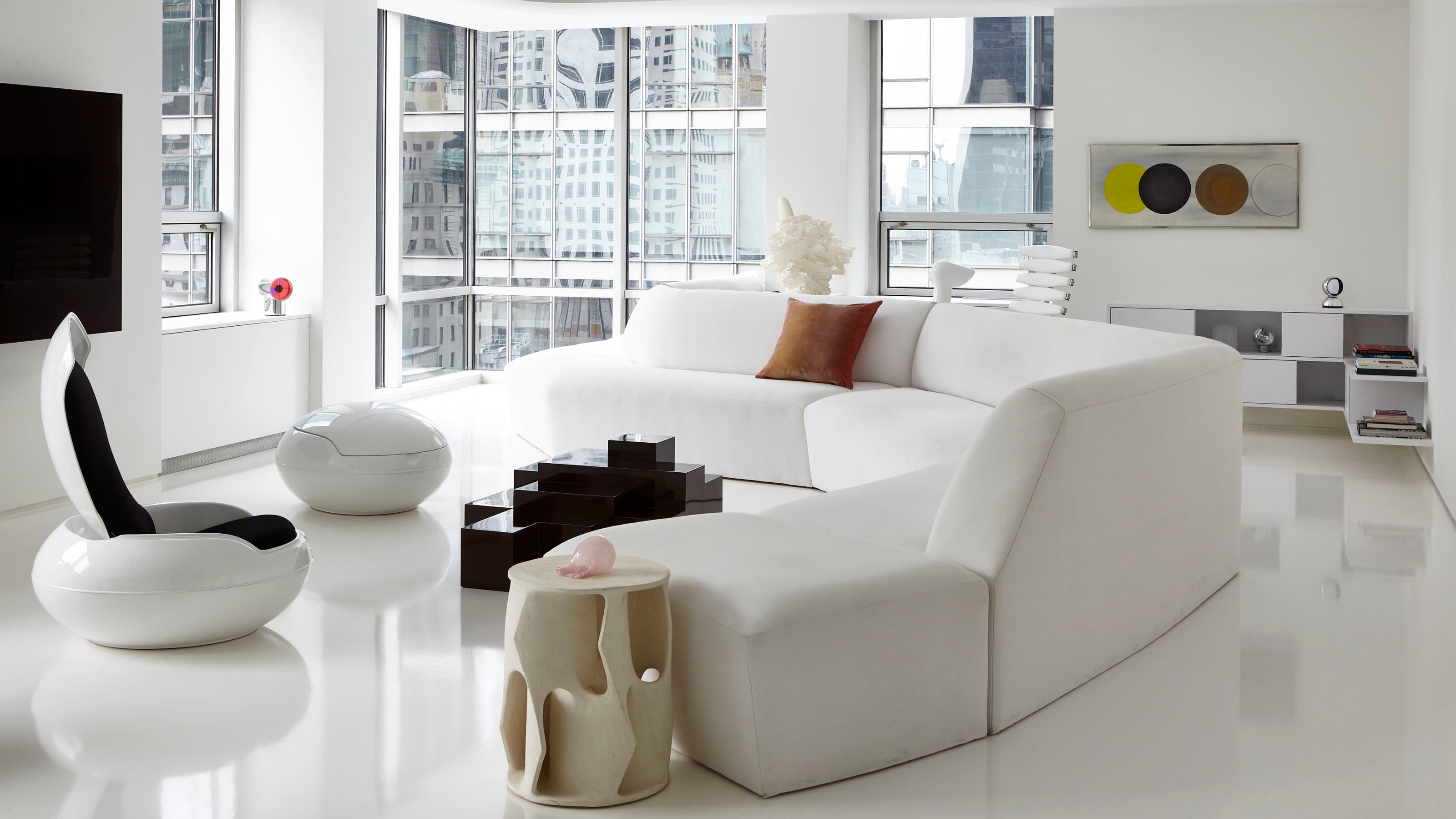
"Experimental, Futuristic, and Other-Worldly" — There's a Good Reason Space Age Interiors Are at the Fore of Design Right Now

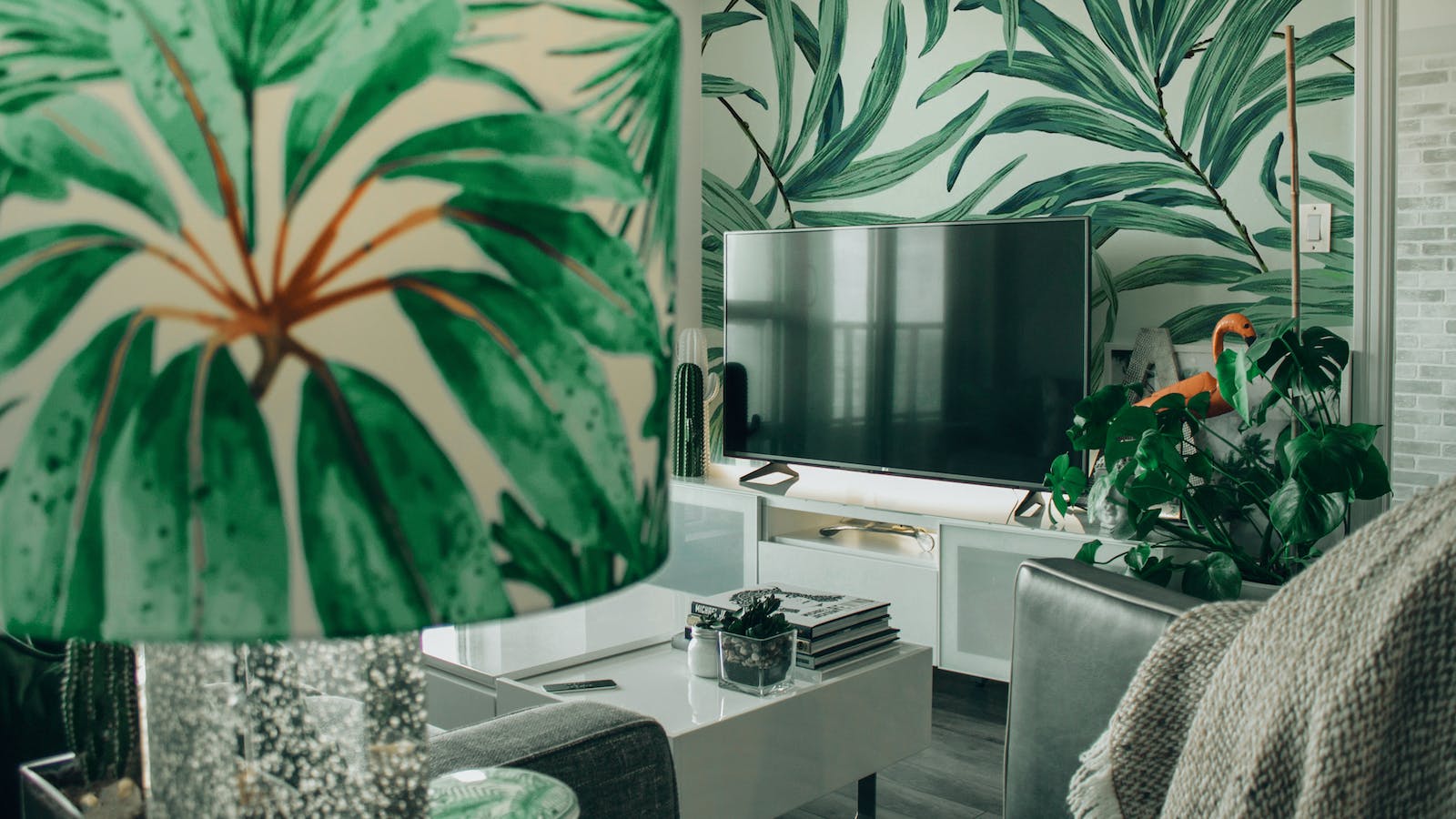
Elevate Your Space: Top Living Room Design Trends for 2025
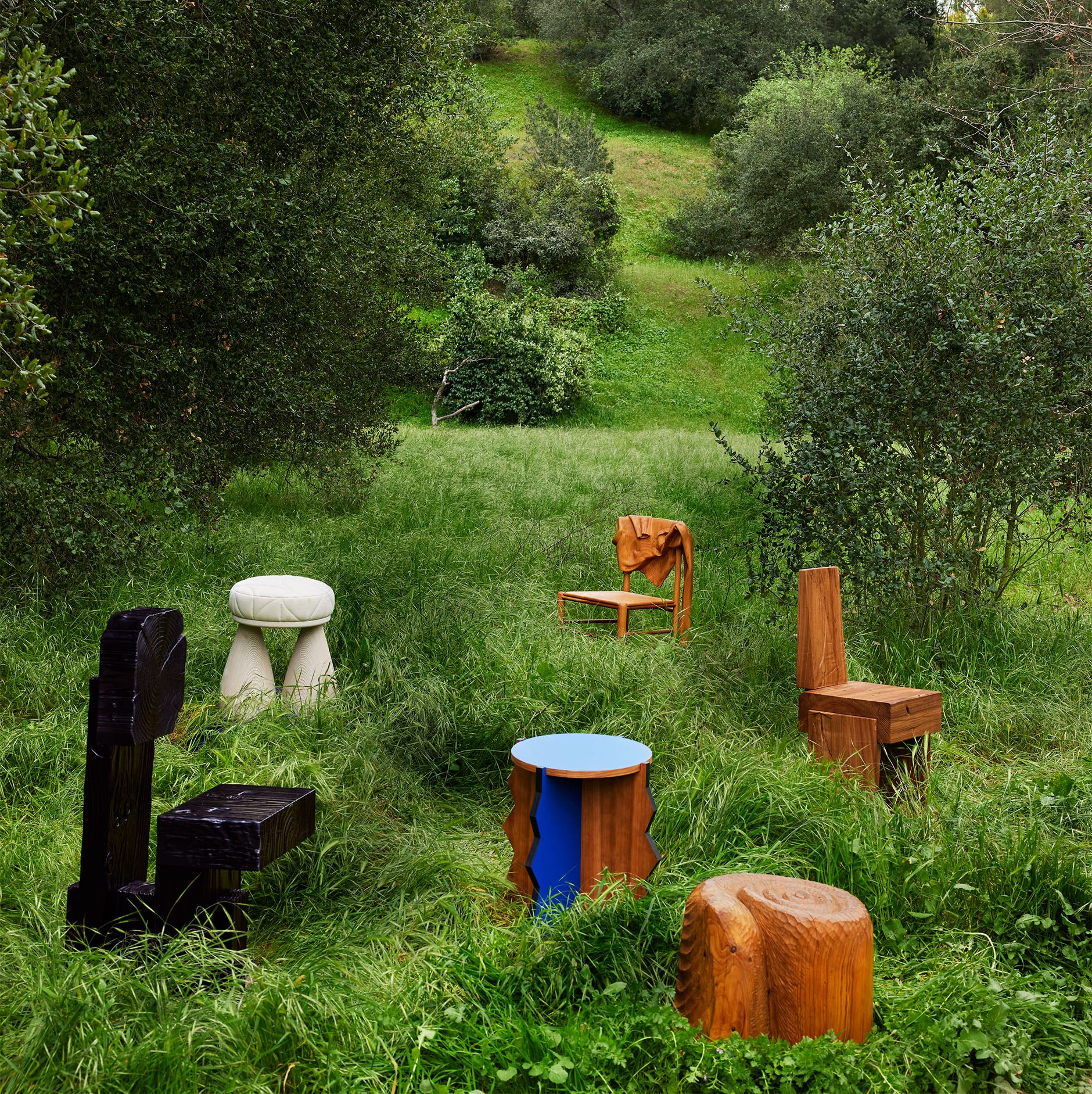
Wood Furniture Is Cool Again, Thanks to This Upcoming Group of Designers
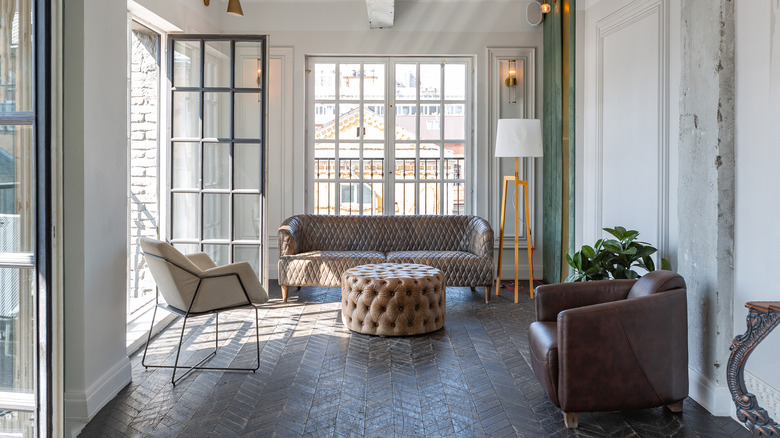
Outdated Furniture Pieces That Are Having A Comeback

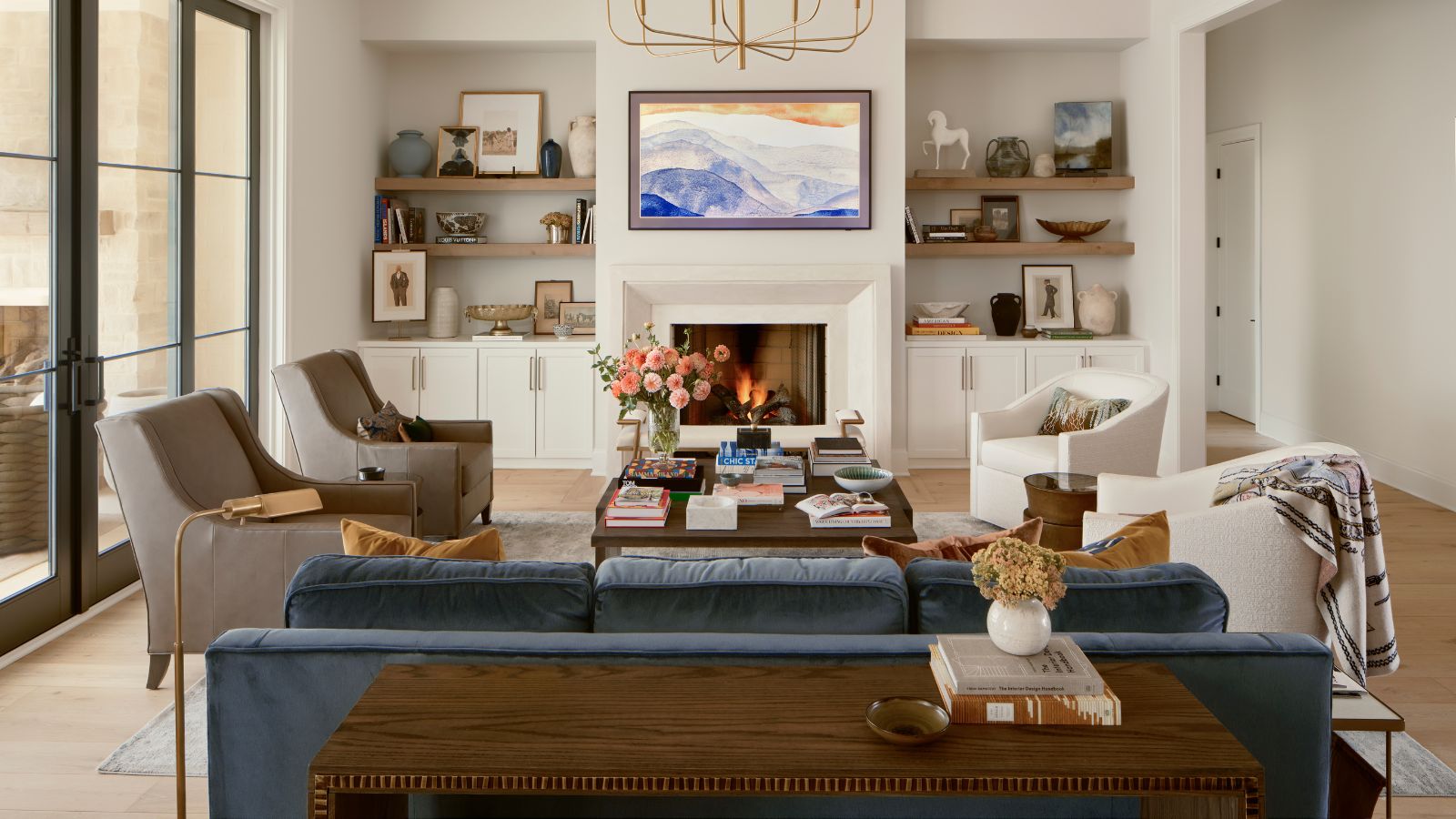
The Unexpected Living Room Seating Designers Swear By

Forget Chairs — This Dining Room Seating Trend Takes Your Space From Casual to Comfortable, Convivial, and Curated
10 Furniture Styles That Instantly Make Your Home Look Outdated