




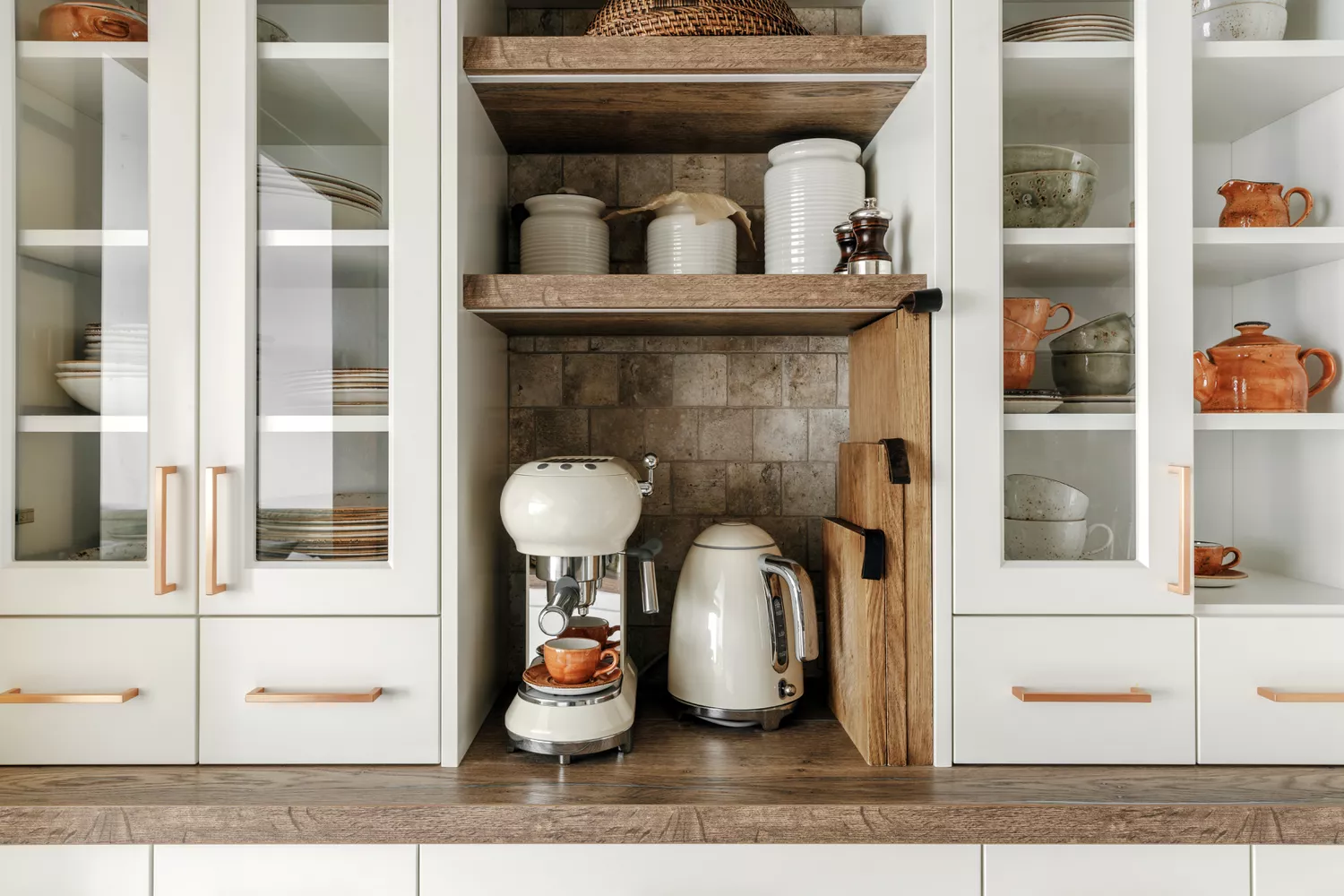
How to Organize Your Kitchen Cabinets—and Keep Them Organized—According to Pros
Maintaining organized kitchen cabinets can be a recurring challenge for many households. Without consistent effort, these spaces can quickly devolve from neatly arranged to cluttered and chaotic. This article outlines a systematic approach to organizing kitchen cabinets, emphasizing a thorough decluttering and strategic planning phase, followed by the integration of suitable organizational tools and consistent maintenance practices. These strategies are shared by Ashley Hines, a professional organizer and owner of Thee Tailored Life, offering practical advice to ensure long-lasting tidiness.
The initial and most crucial step in organizing kitchen cabinets is to start with a clean slate. This involves completely emptying the cabinets, a task that may seem daunting but is essential for both organization and cleanliness. Removing all items provides an opportunity to thoroughly clean the cabinet interiors, wiping down surfaces that are often overlooked. Once empty, an inventory of all items should be taken. This is the prime opportunity to declutter by identifying and discarding or donating unused, expired, damaged, or redundant items. Examples include empty containers, expired food products, chipped dishes, non-stick pans that have lost their efficacy, or small appliances missing essential parts. A common recommendation is to reduce excess items, such as an overabundance of mugs, by donating those that are not regularly used.
Following the decluttering process, careful planning of the cabinet layout is vital. This stage requires consideration of the kitchen's specific design and the user's daily habits. The core principle is to store frequently used items in easily accessible locations, while less-used dishes and appliances can be placed in less convenient spots. For instance, coffee- and tea-related items should be near the coffee machine, spices and oils close to the cooking area (though safely away from direct heat), and everyday dishes within reach of the sink or dishwasher. Awkward or high cabinets are ideal for storing infrequently used items like serving platters or small appliances. It is also important to consider the accessibility needs of children and pets, placing their snacks and dishes at appropriate heights to foster independence.
Integrating appropriate organizing tools significantly enhances the functionality and longevity of an organized cabinet system. Instead of purchasing organizers preemptively, it is advised to first assess storage needs after decluttering. Effective tools include turntables for bottles and condiments, pan and lid organizers to streamline access to cookware, small shallow bins for packets and smaller items, and pull-out shelves or drawers for easy access to items at the back of deeper cabinets. Expandable spice racks and shelf risers are particularly useful for canned goods, maximizing vertical space and ensuring all items are visible, which helps prevent overbuying and the accumulation of expired products. Labeling is another useful strategy, especially for pantry items or bins, as it serves as a visual reminder of the intended use for each space and helps other household members maintain the system.
The debate between keeping ingredients in their original packaging versus decanting them into uniform containers is also addressed. While decanting can create a visually appealing, Pinterest-worthy pantry, its practicality depends on individual preference and lifestyle. For high-use items, decanting can improve accessibility and make it easier to monitor stock levels. However, if decanting is chosen, it is crucial to transfer cooking instructions and expiration dates to the new containers, often using painter's tape on the back or bottom of jars, particularly for spices. Ultimately, maintaining an organized kitchen relies on regular, small efforts rather than infrequent, extensive overhauls. Simple practices such as wiping down bottles before returning them, recycling empty containers promptly, cleaning shelves as needed, and reviewing items when restocking groceries can prevent clutter accumulation and ensure the kitchen remains tidy over time.
#KitchenOrganization #CabinetStorage #DeclutteringTips #ProfessionalOrganizer #HomeManagement #KitchenEfficiency #StorageSolutions #HouseholdOrganization #KitchenDesign #KitchenOrganization #CabinetStorage #DeclutteringTips #ProfessionalOrganizer #HomeManagement #KitchenEfficiency #StorageSolutions #HouseholdOrganization #KitchenDesign
 Aucun commentaire pour le moment