How to Create a Dreamy English Cottage Garden Without Spending More Than $25
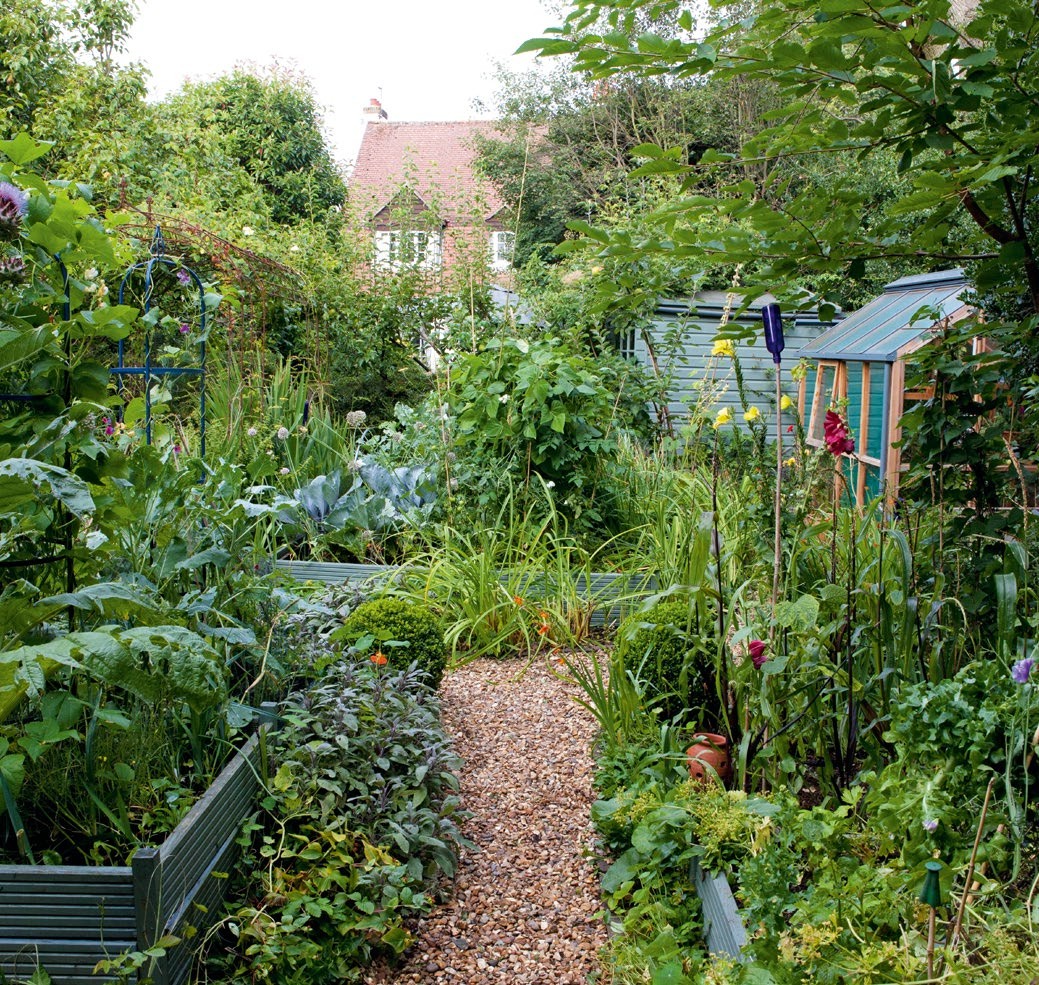
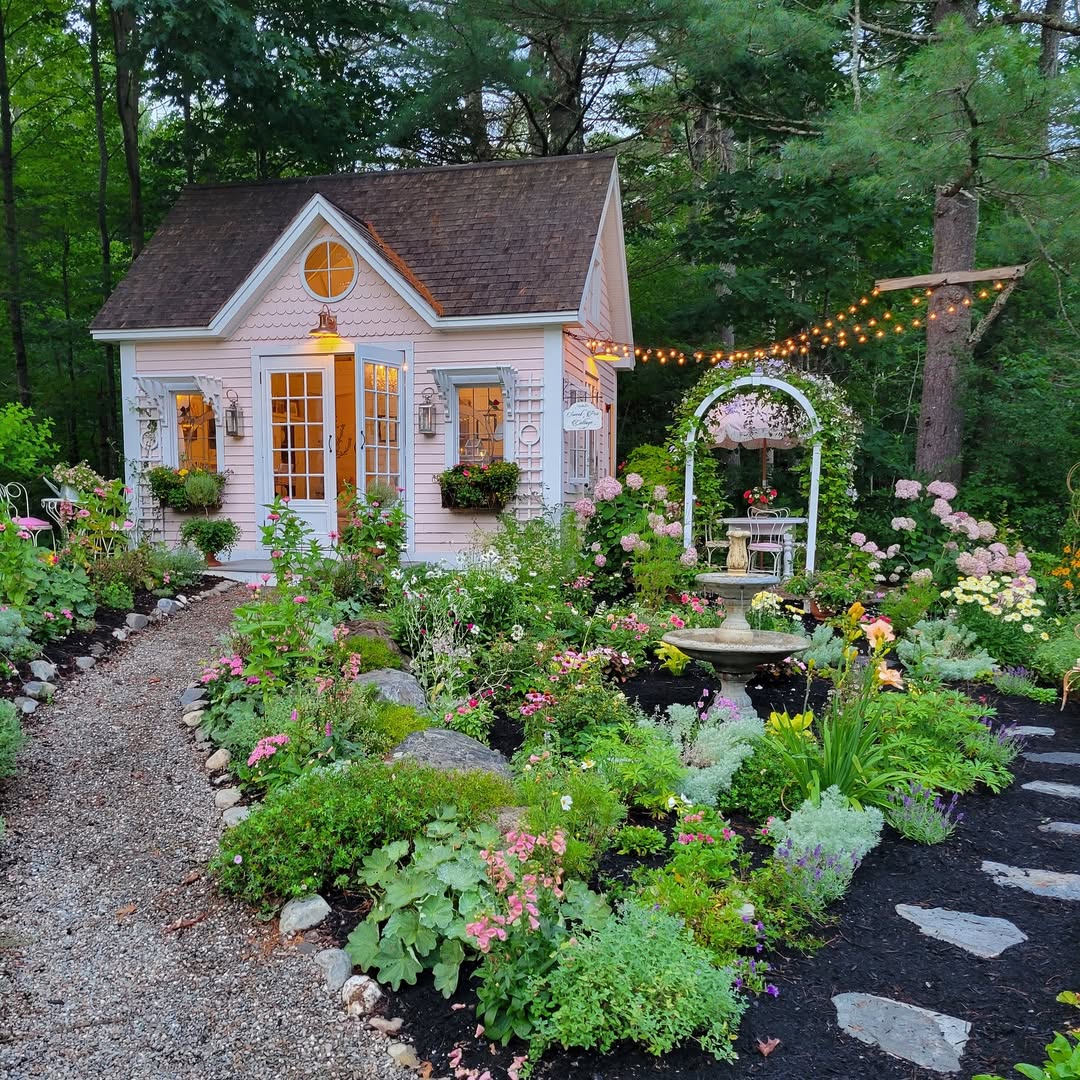
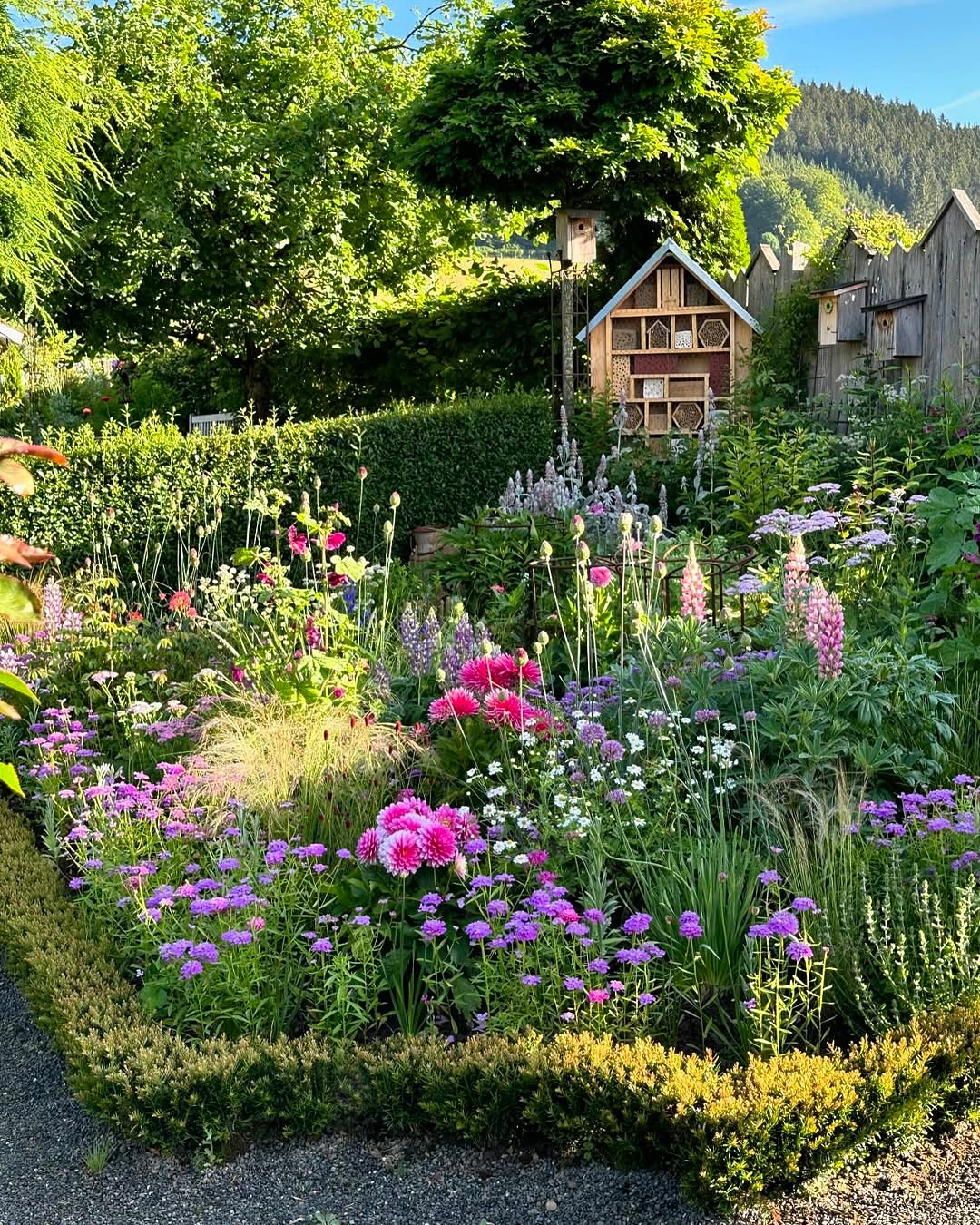
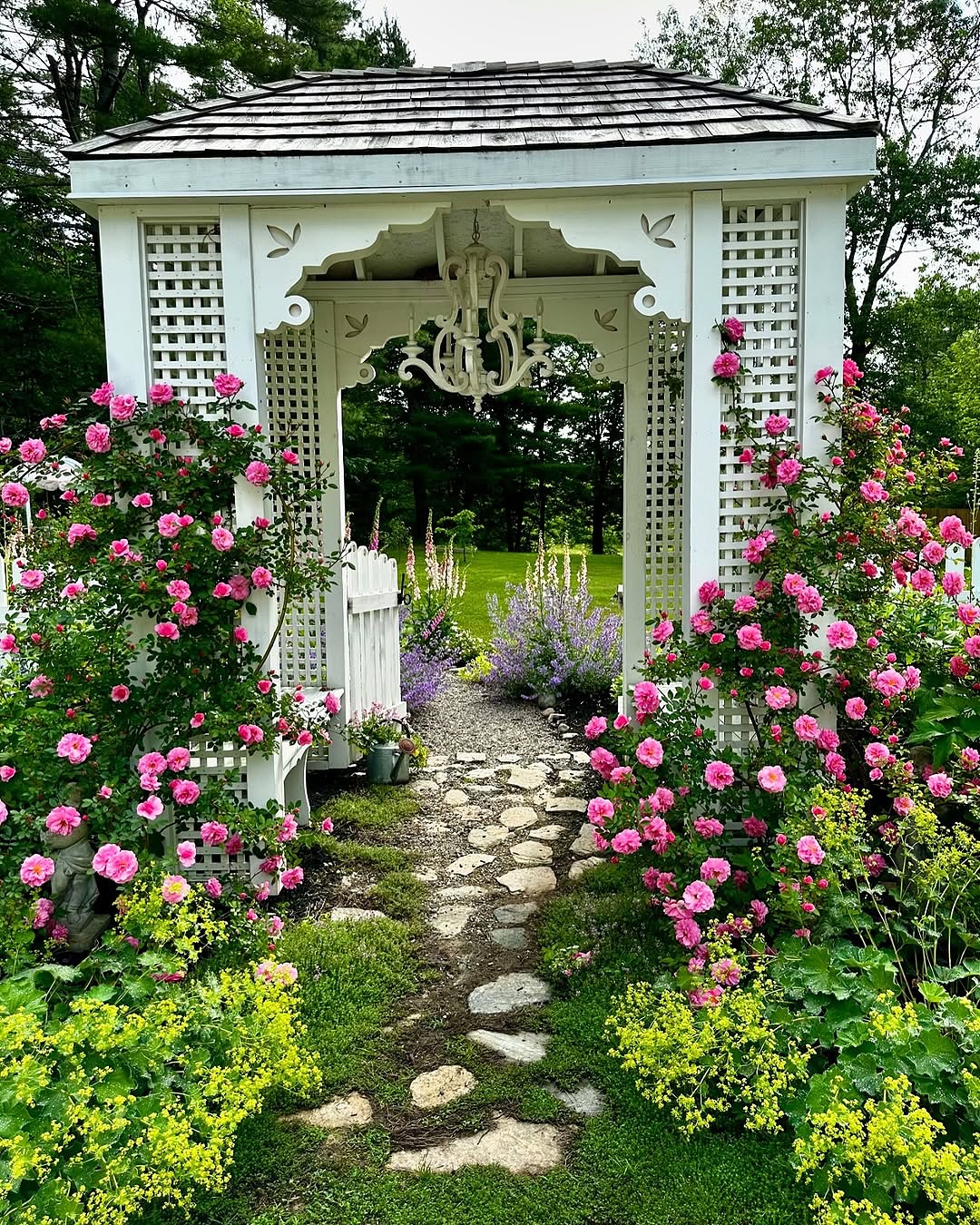
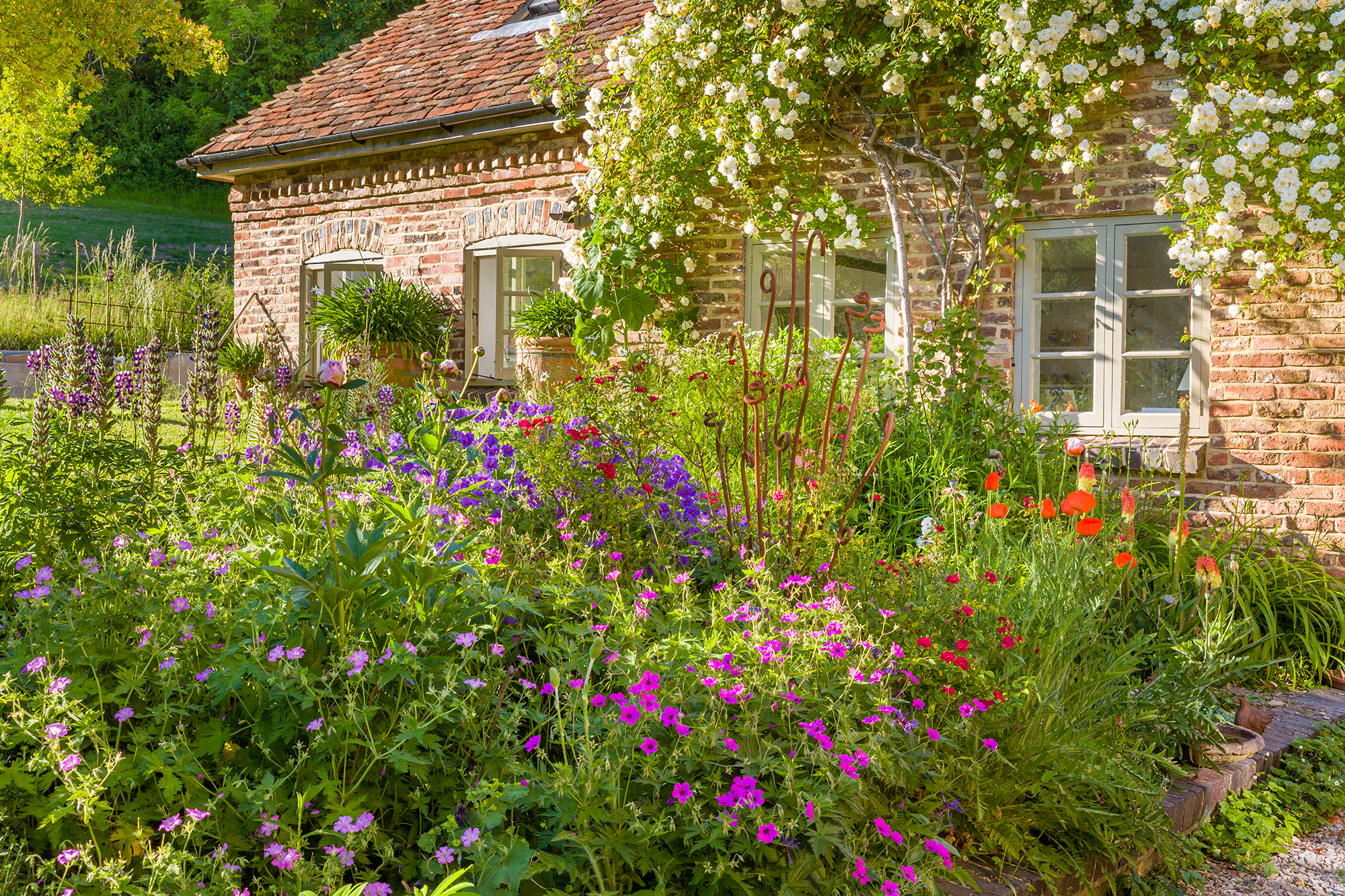
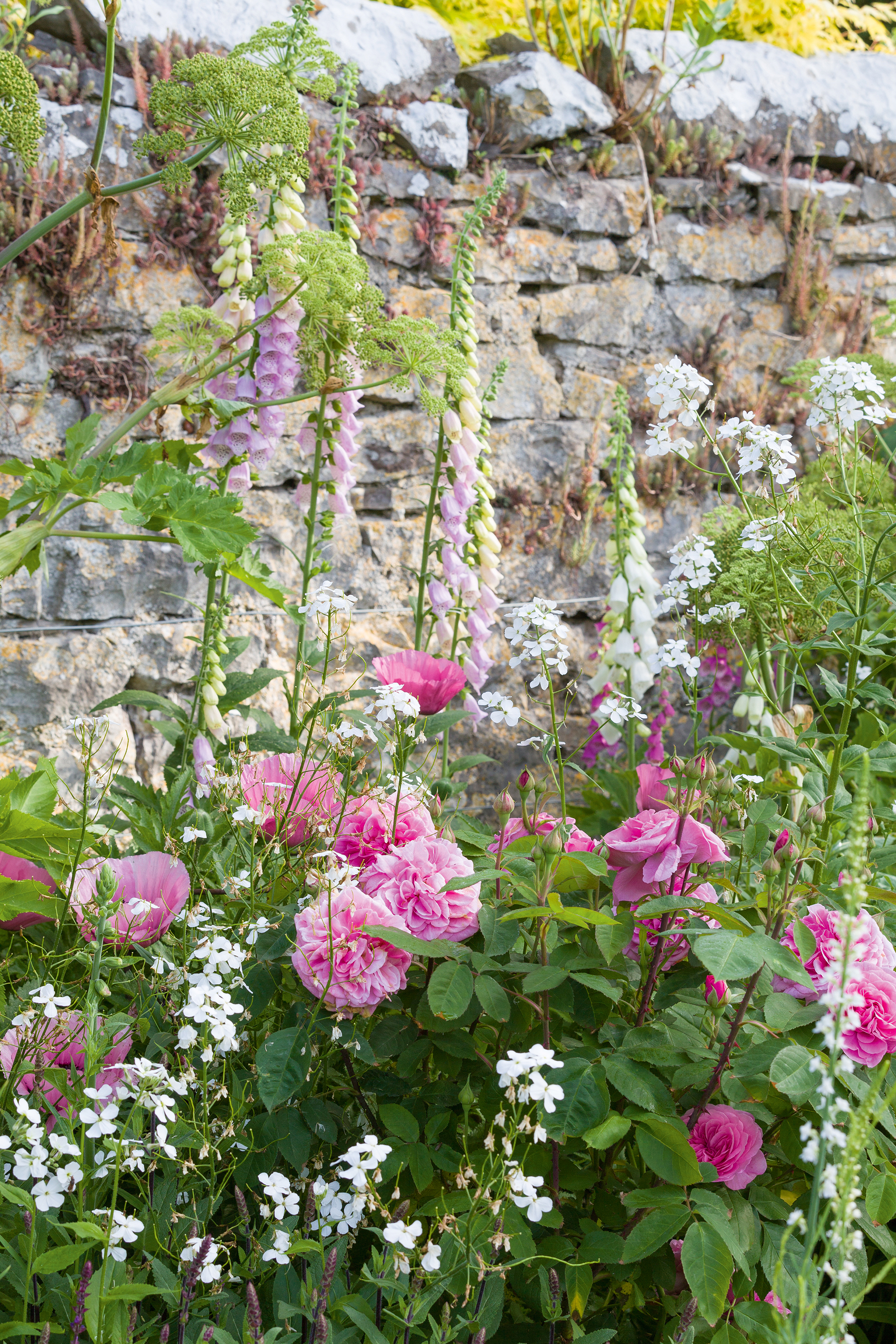
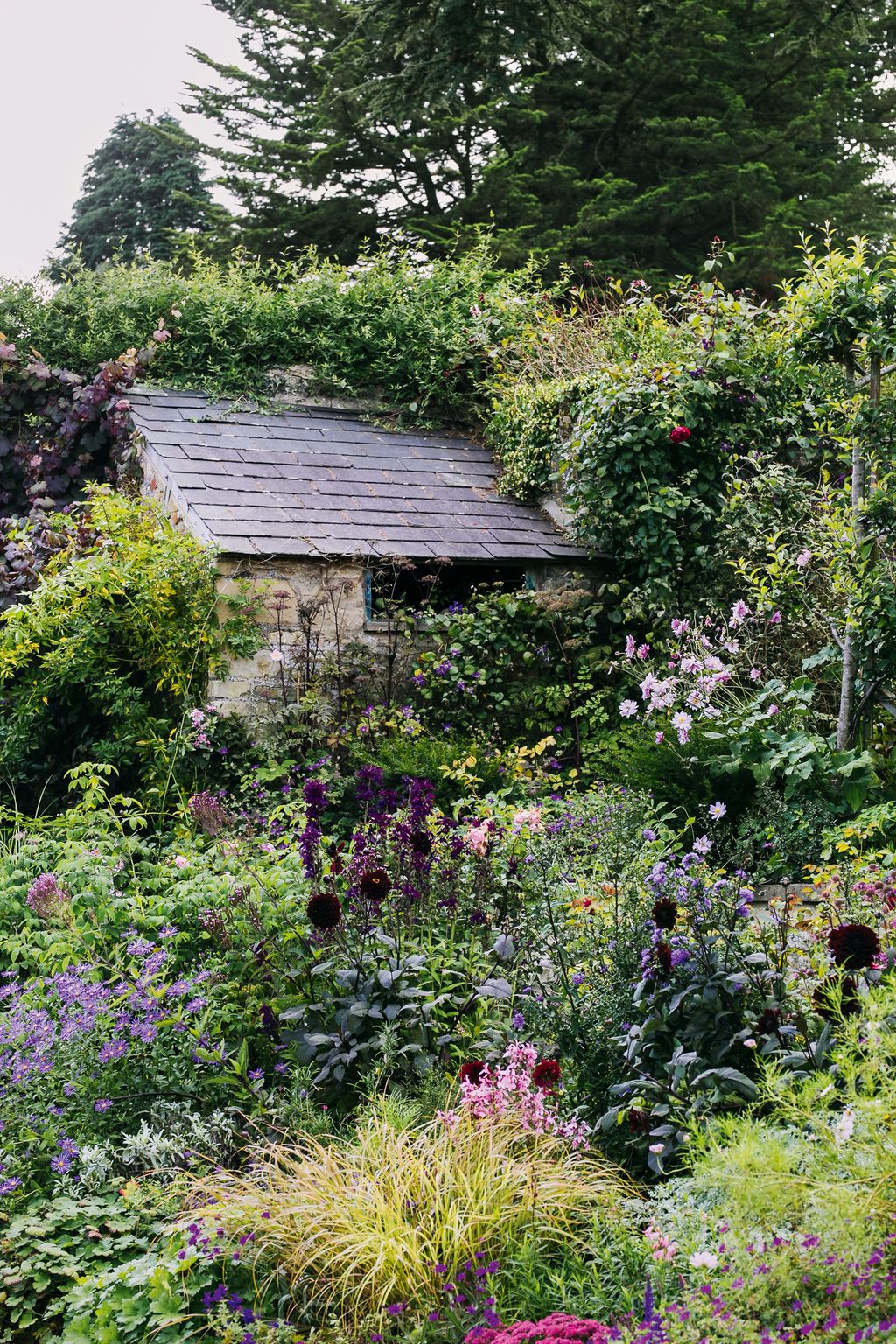
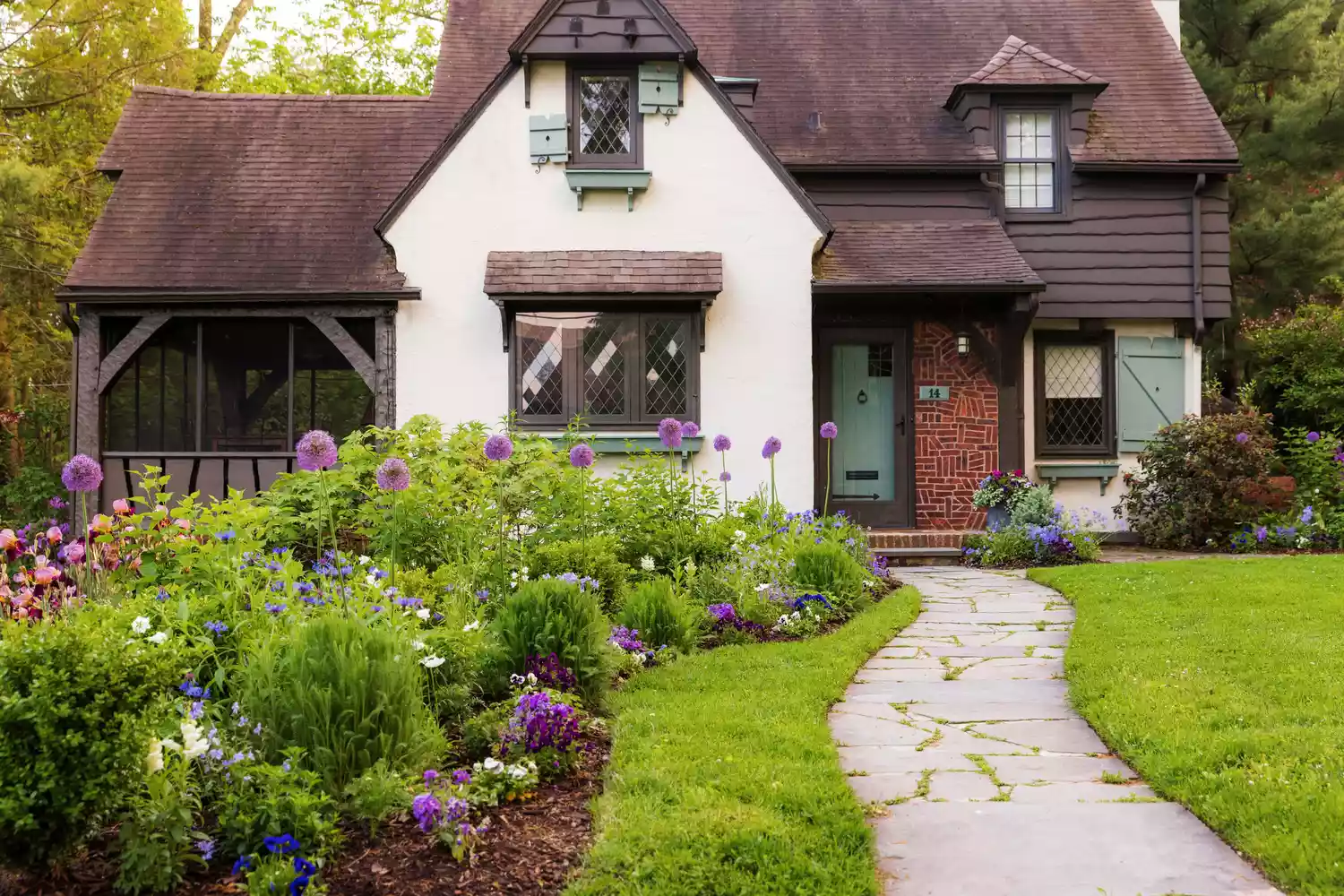
Achieving a charming and whimsical English cottage garden aesthetic is attainable even on a limited budget, potentially for less than $25. This naturalistic gardening style embraces a free-flowing, "perfectly imperfect" look, combining various flowers, shrubs, and trees without strict rules. Key strategies for cost-effective implementation include leveraging community resources for plants, repurposing household items for decor, and prioritizing seed and bulb planting.
Connecting with local gardening communities, friends, or Facebook gardening groups can provide a significant advantage. Gardeners often divide their perennial plants, making surplus available. Obtaining divisions or cuttings of plants like lavender, mint, yarrow, daylilies, iris, or lamb's ear—all excellent choices for cottage gardens—can dramatically reduce purchasing costs. These shared plants are typically hardy and well-suited to the cottage garden environment.
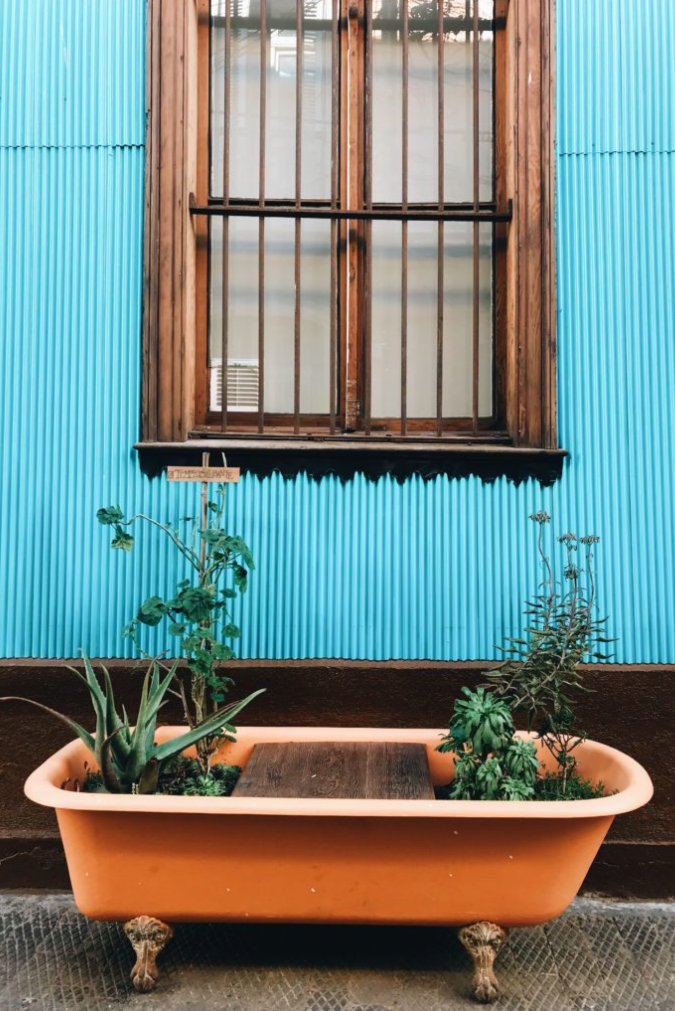
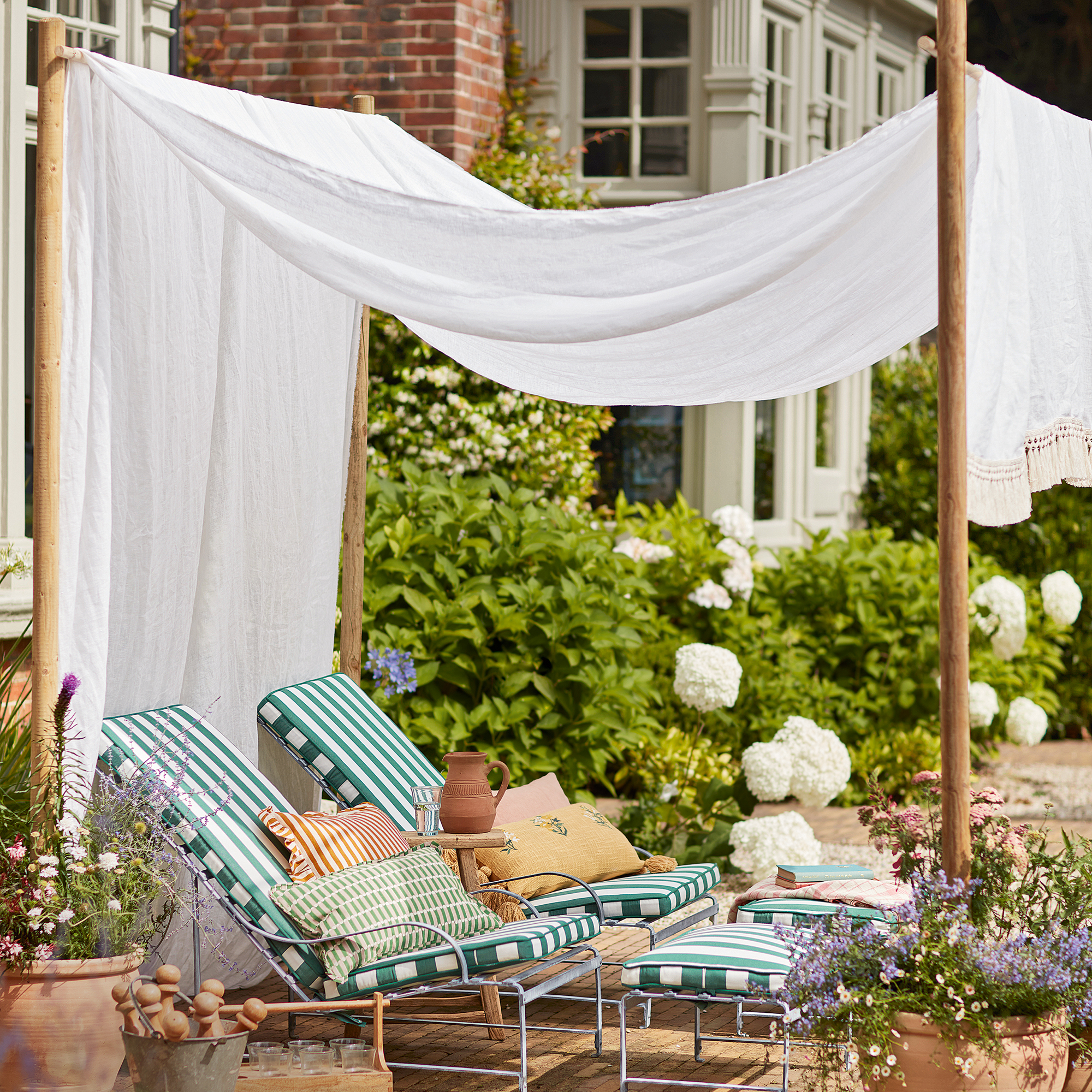
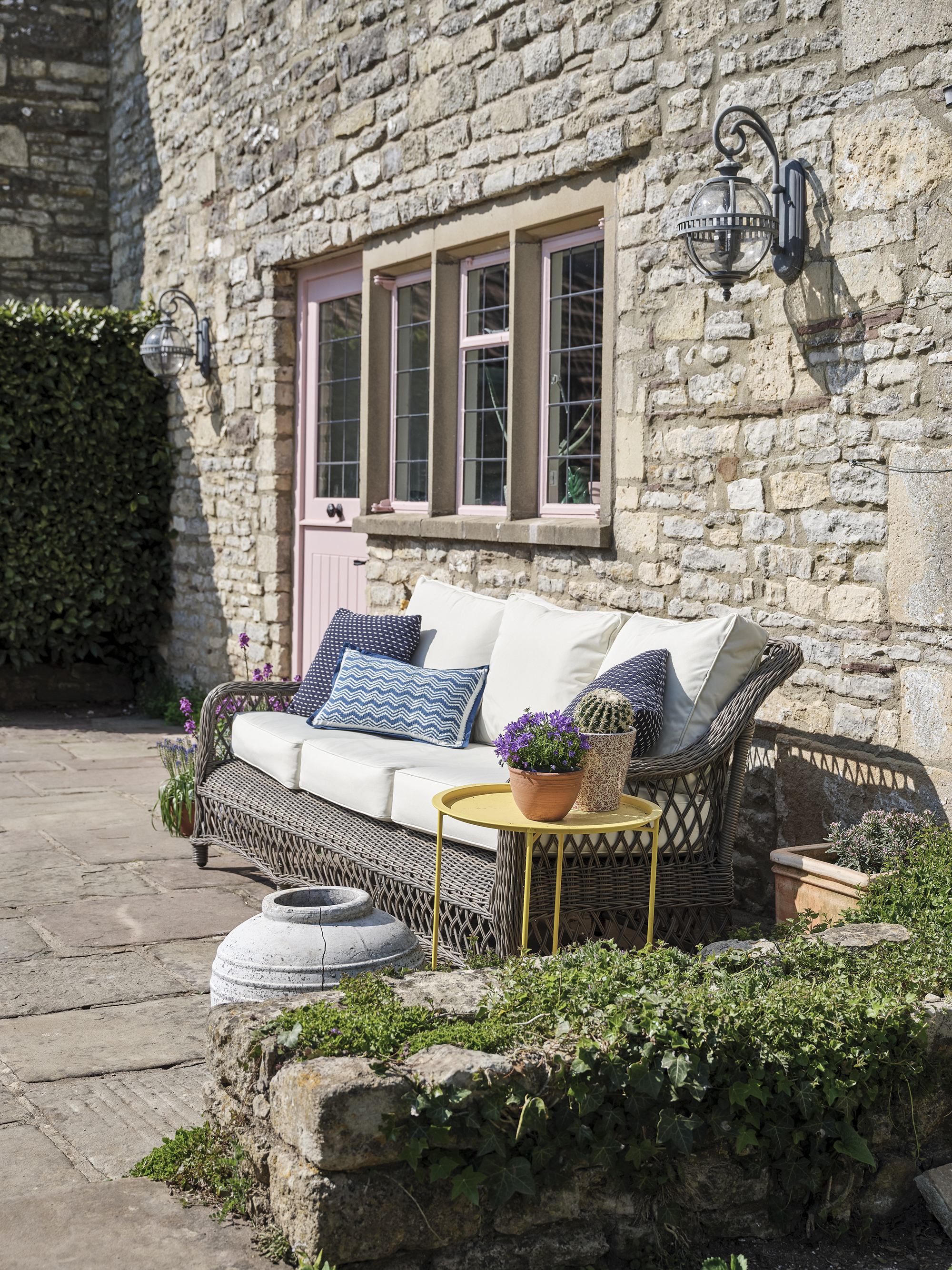
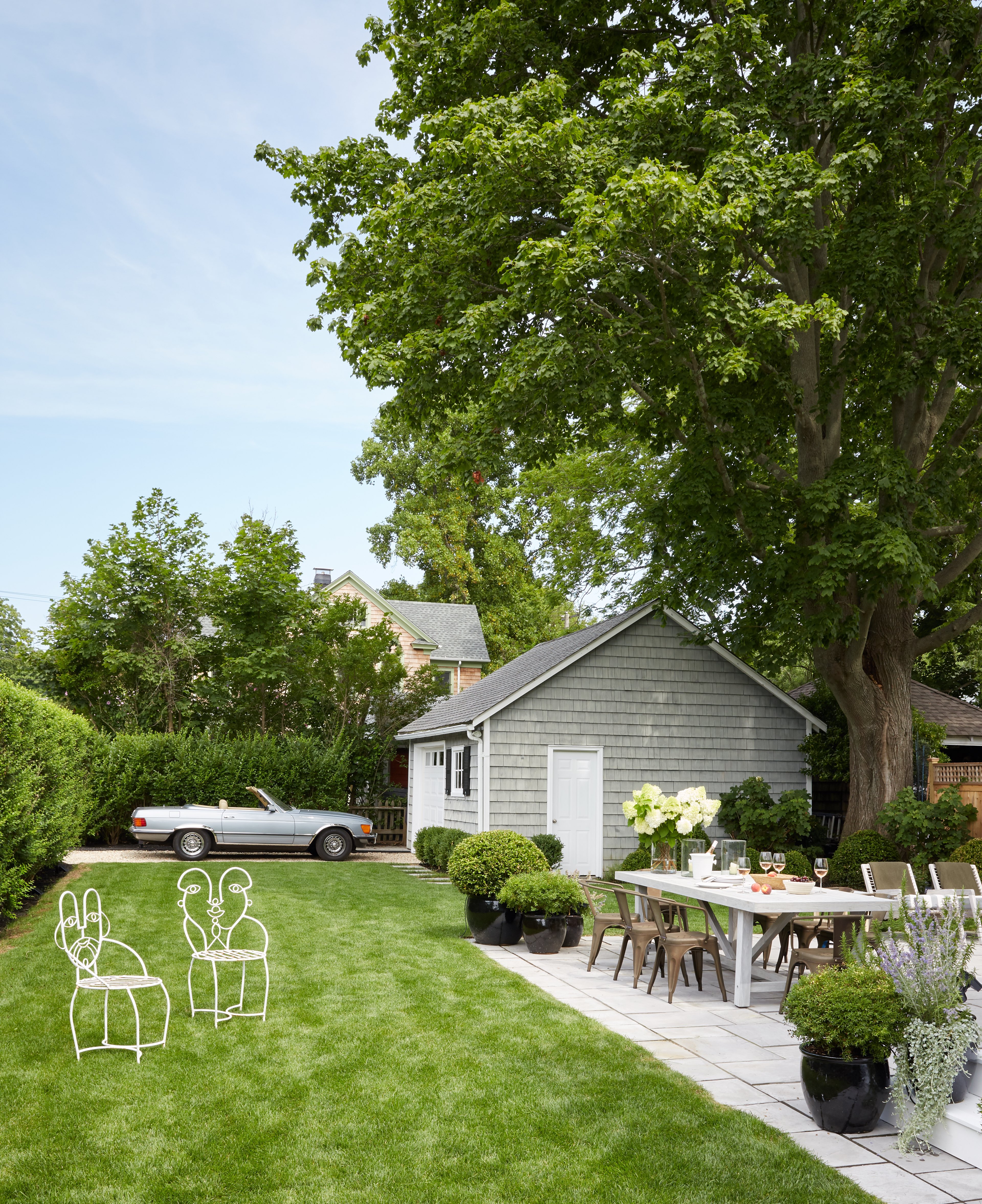
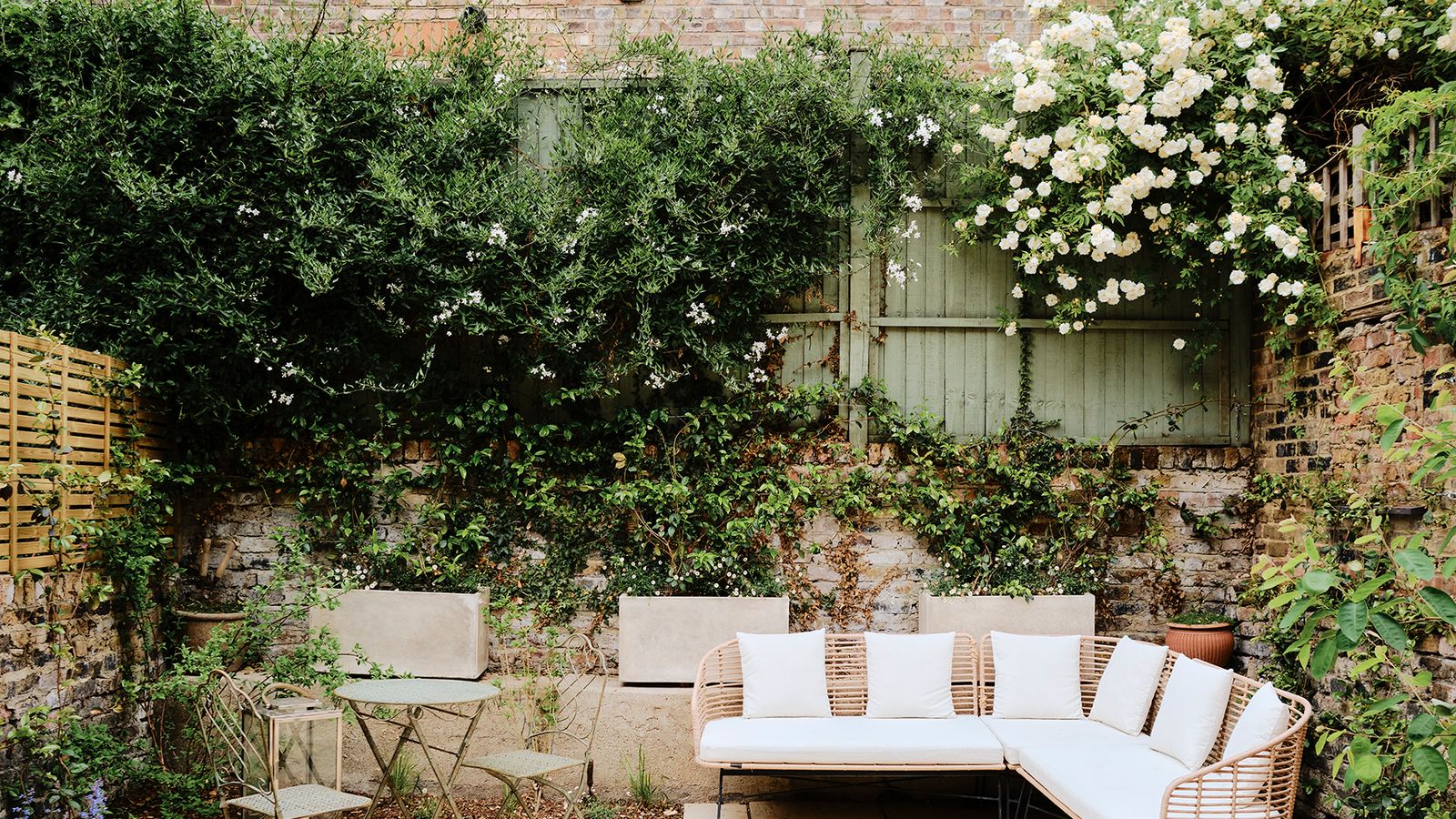
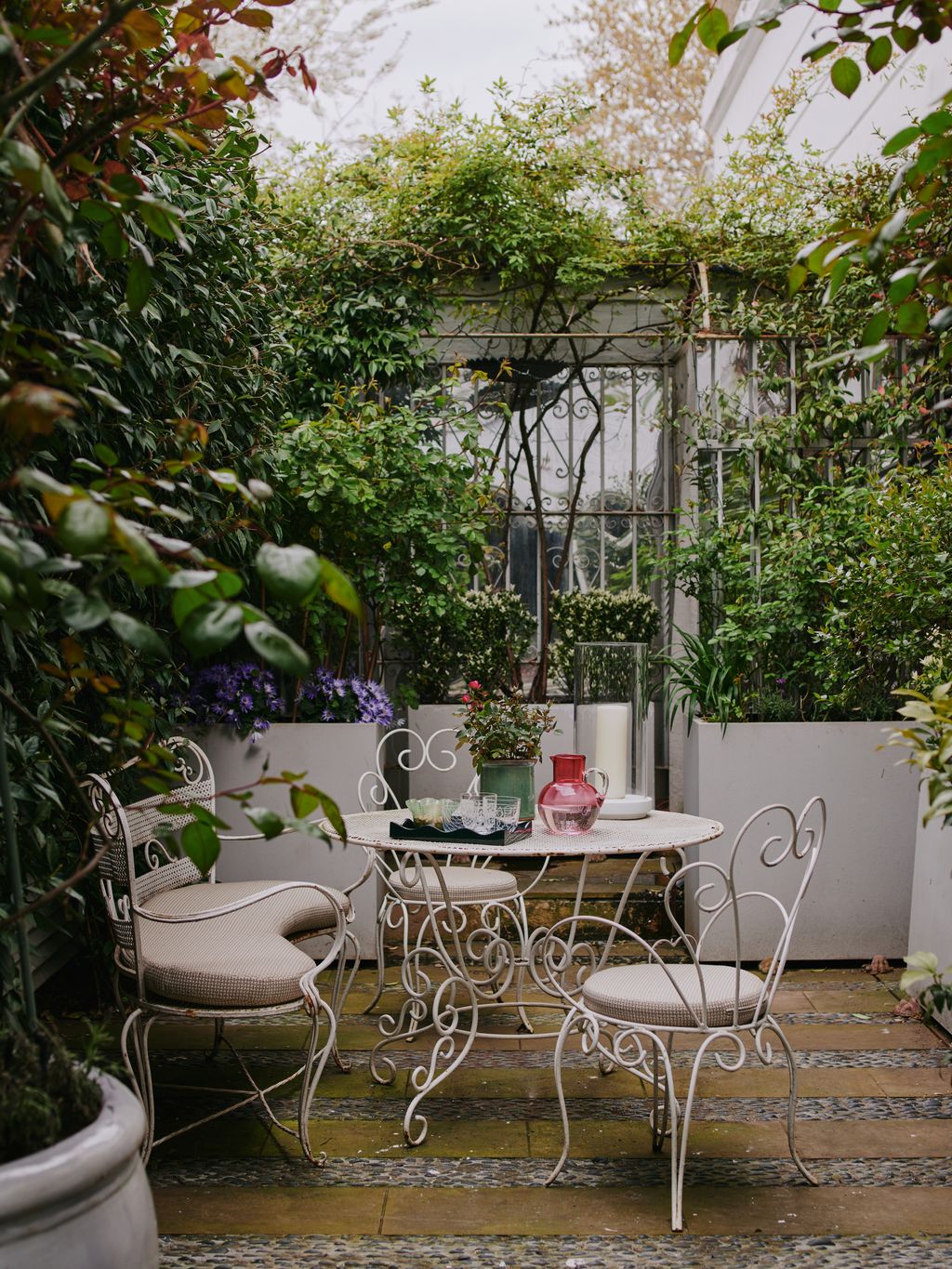
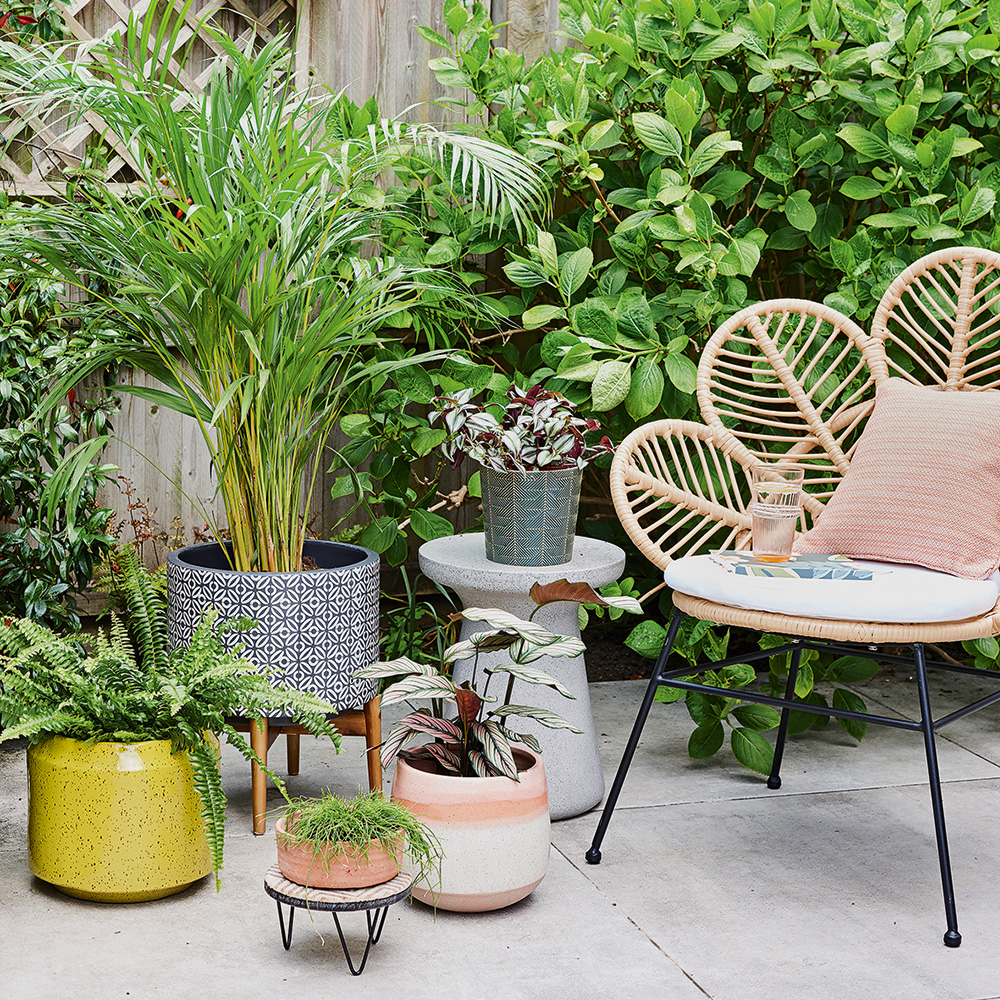
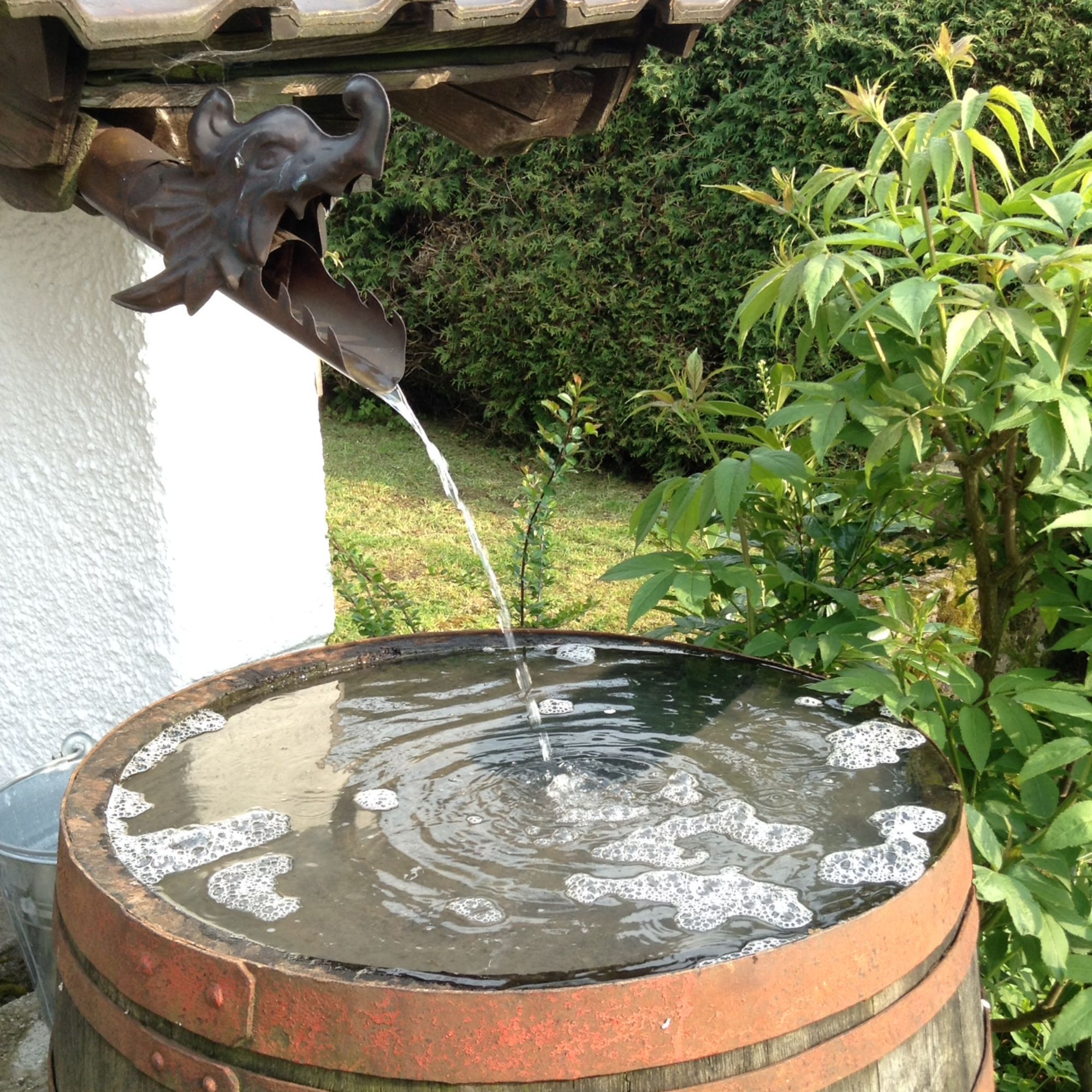
Beyond plant acquisition, incorporating non-organic elements without incurring high expenses is crucial. Repurposing items found at garage sales, flea markets, or through online marketplaces like Facebook Marketplace can furnish a garden with character. Examples include old chairs, benches, bird baths, and outdoor art. Furthermore, everyday items such as old buckets, crates, or broken pots can serve as rustic planters, eliminating the need to buy new containers. Lining flower beds with natural materials like sticks, stones, or bricks also adds a charming, rustic touch without additional cost.
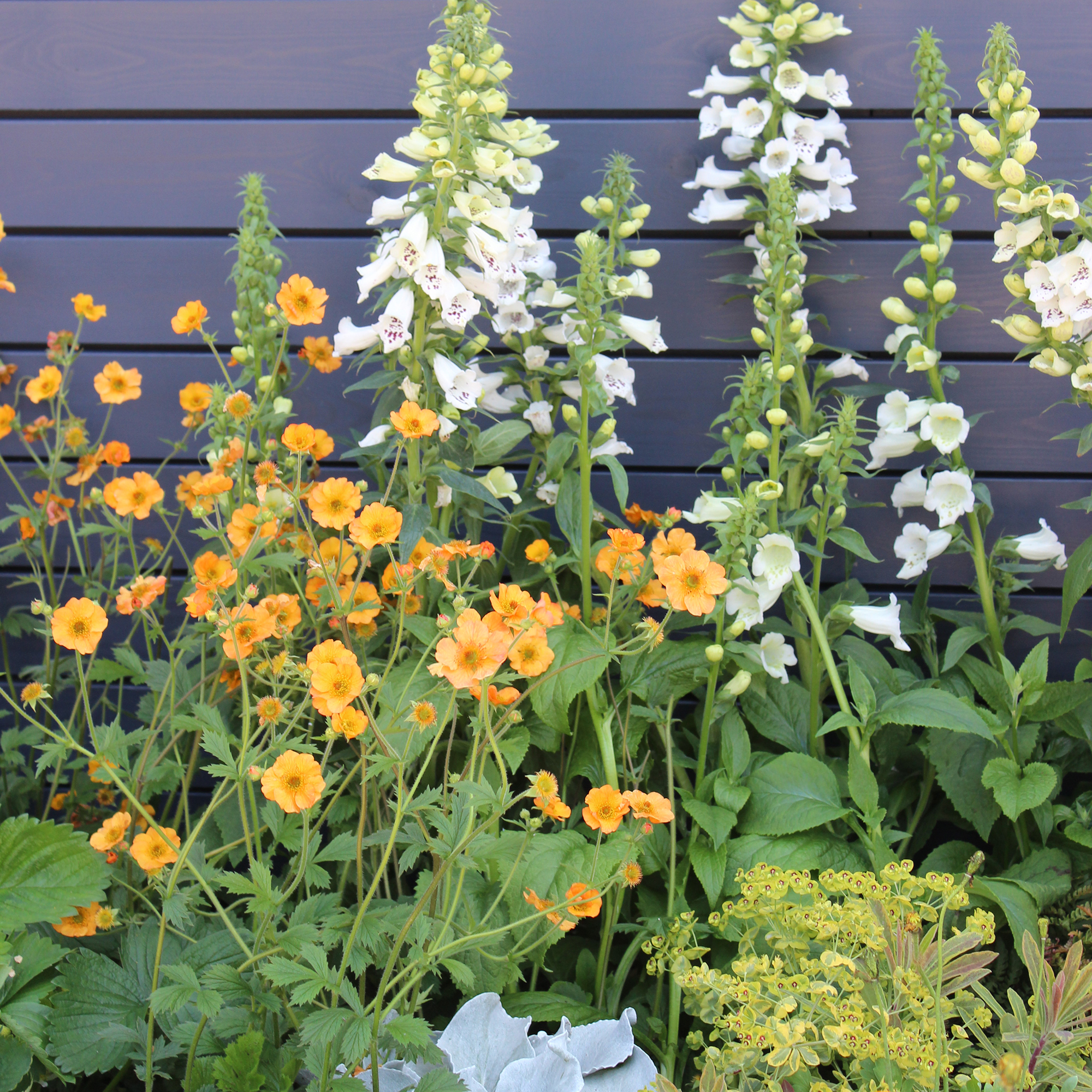
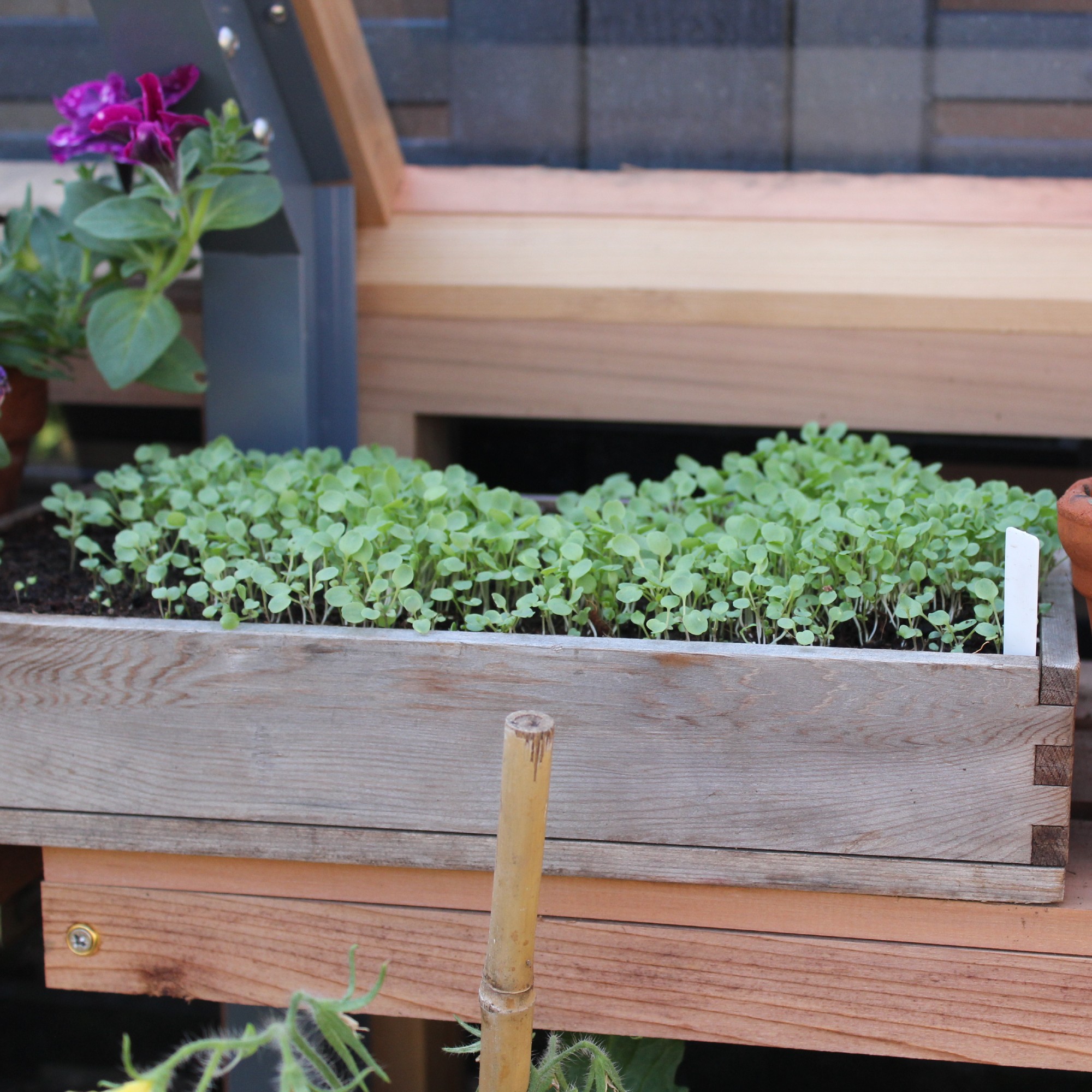
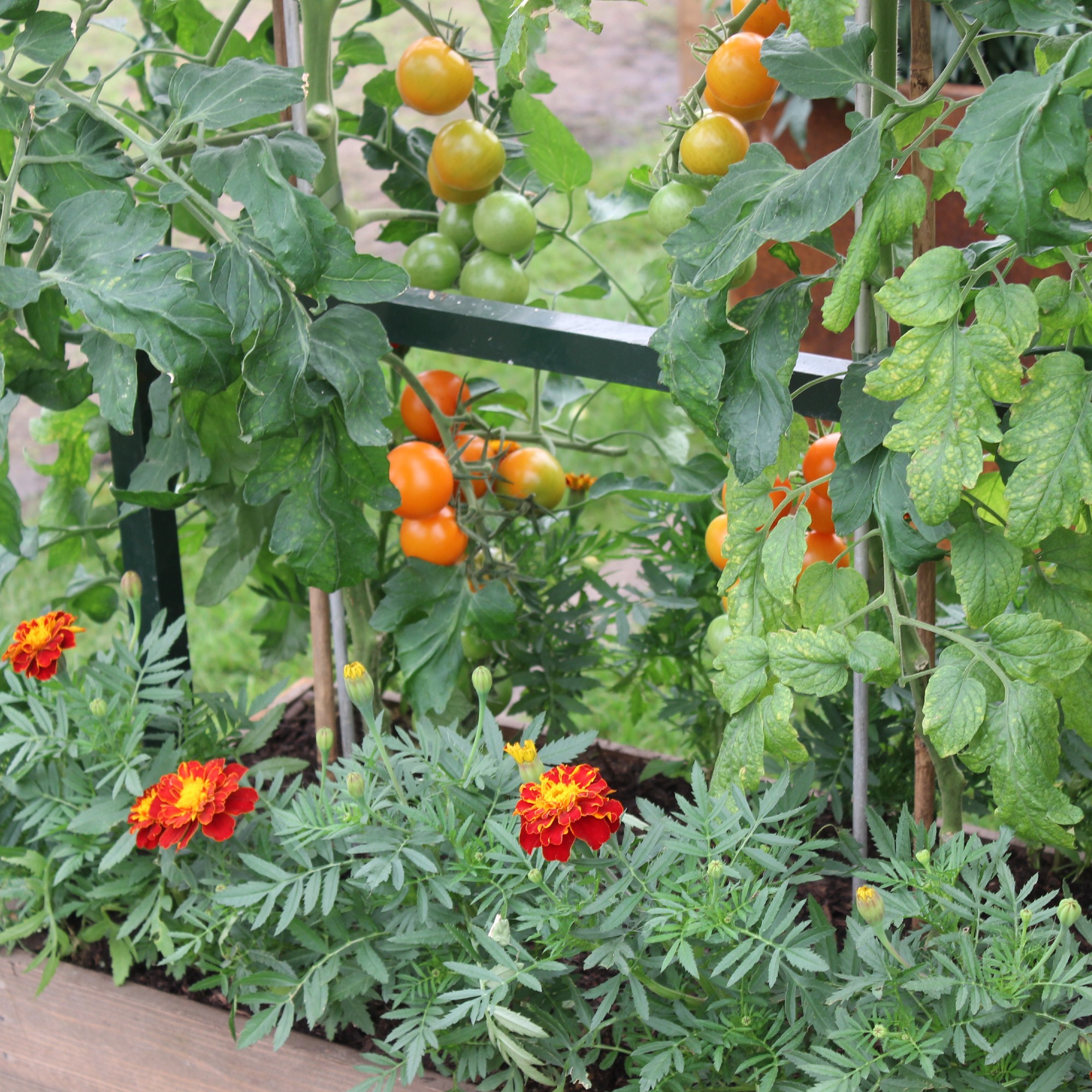
Starting a garden from seeds and bulbs is another highly economical approach. Seed packets are typically inexpensive, ranging from one to three dollars, and allow for a wide variety of classic cottage garden flowers such as sweet peas, cosmos, zinnias, hollyhocks, calendula, nasturtium, bachelor’s buttons, and larkspur. These can be direct-sown in spring for a summer of continuous blooms. Bulbs also offer an inexpensive way to introduce vibrant flowers. Prioritizing "spreader" plants that self-seed or produce volunteers, such as bachelor button, black-eyed Susan, coreopsis, coneflower, and yarrow, further maximizes the initial investment by naturally expanding the garden over time.
Strategic planning of the garden layout also contributes to cost savings. Instead of aiming to fill an entire garden bed immediately, focusing on planting perennial clusters in a few key spots allows for gradual expansion. Opting for smaller plant sizes or purchasing perennials in bare-root form significantly reduces the initial outlay, requiring patience but yielding long-term savings as the plants mature.
#EnglishCottageGarden #BudgetGardening #PerennialPlants #GardenDesign #DIYGarden #SustainableGardening #FlowerGardening #EnglishCottageGarden #BudgetGardening #PerennialPlants #GardenDesign #DIYGarden #SustainableGardening #FlowerGardening
0 commentaire au total
 Aucun commentaire pour le moment
Vous aimerez aussi
Budget-Friendly Ways to Transform Your Small Garden Into a Dreamy Oasis

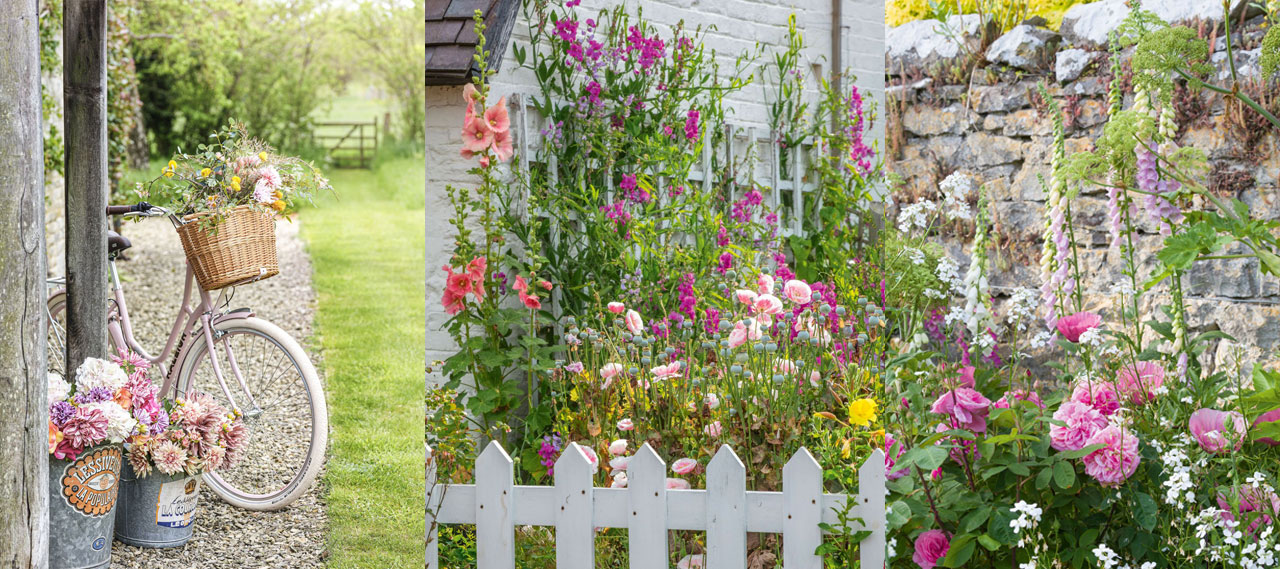
Cottage backyard ideas – 25 ways to bring a rural, rustic feel to any garden plot

How to make a small garden look bigger –25 ideas that are simple but effective

25 Under-$50 Backyard Upgrades That Are Actually Easy
How to Make Your Backyard Look Amazing—Without Spending a Fortune

How to create an indoor garden when you’re short on space

Revamp Your Outdoor Space on a Budget With These Clever DIY Backyard Ideas


Zen garden ideas on a budget – 5 simple ways to introduce the minimalist concept to your outdoor space

Budget garden ideas – 32 ways to create your dream space without breaking the bank
Backyard Ideas on a Budget
19 simple garden ideas for every style, size and budget

Real garden: be inspired by this cottage garden in the Cotswolds
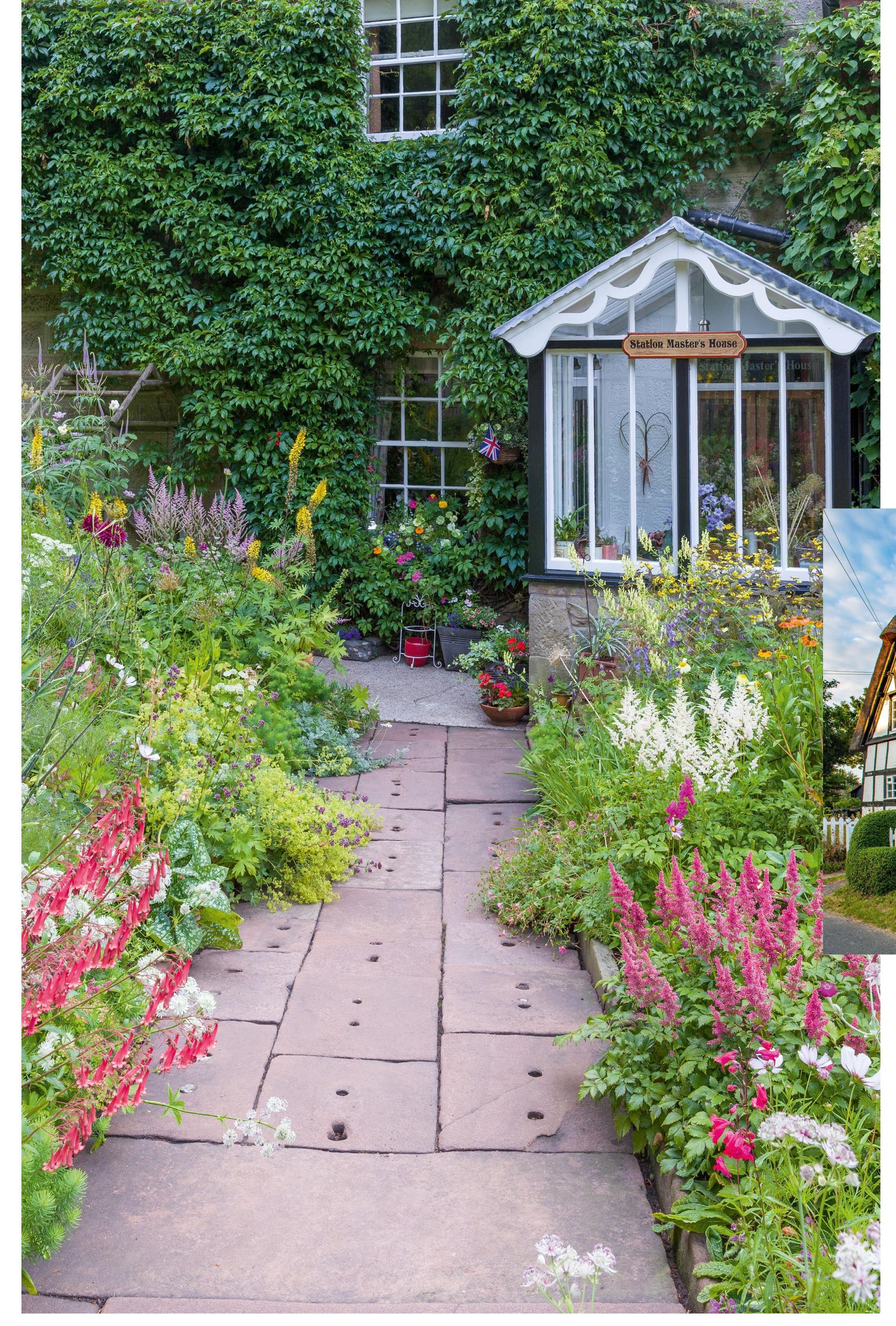
Cottage garden ideas - 3 Jul 2025 - Country Homes & Interiors Magazine

The 5 best ways to make your backyard look expensive

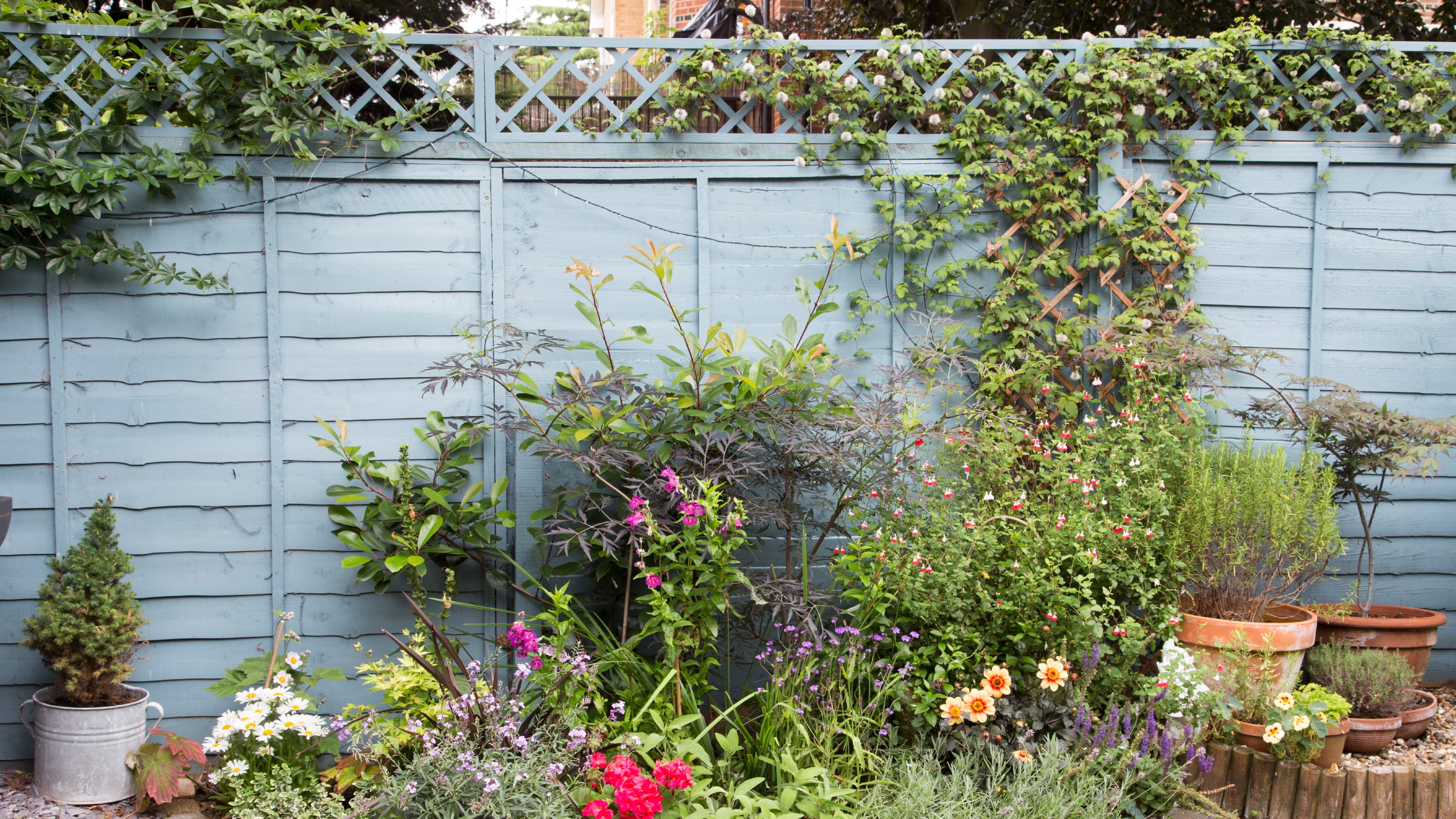
Easy garden ideas – 34 low-maintenance ways to enhance your outdoor space
The Easiest DIY Herb Garden Ideas for Any Space

22 English Cottage Garden Ideas That Bring Whimsy and Charm to Your Outdoors

6 simple ways you can make your front yard look beautiful without having to plant anything new

Rented garden ideas – 35 genius ways to revamp on a budget without upsetting your landlord
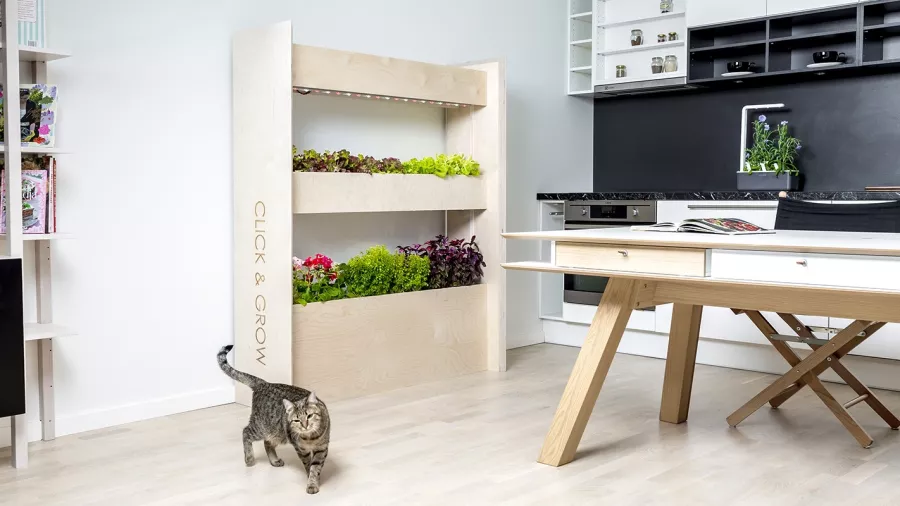
Put a Tiny Garden in Your House With Wall Farm