1/3
Flood-Prone Basement Housing in New York City and the Impact on Low- and Moderate-Income Renters
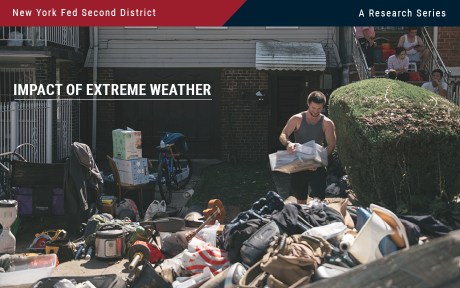
Hurricane Ida in September 2021 highlighted New York City's susceptibility to extreme rainfall and inland flooding, causing significant damage to the housing stock, particularly low-lying units. This analysis investigates the storm's effects on basement housing and its impact on low-income and immigrant populations, who are particularly vulnerable. The study indicates that basements in certain census tracts face high flood risk, affecting approximately 10 percent of low-income and immigrant New Yorkers.
To conduct this analysis, flood risk data from the Federal Emergency Management Agency (FEMA) and the First Street Foundation were combined. FEMA's data primarily covers coastal and riverine flooding based on a 100-year return period, while the First Street Foundation data also includes river (fluvial) and precipitation-driven (pluvial) flooding, offering a more comprehensive view of flood-prone areas. The Flood Factor, a property-level metric from the First Street Foundation, assesses the likelihood of a property experiencing at least one inch of water within 30 years.
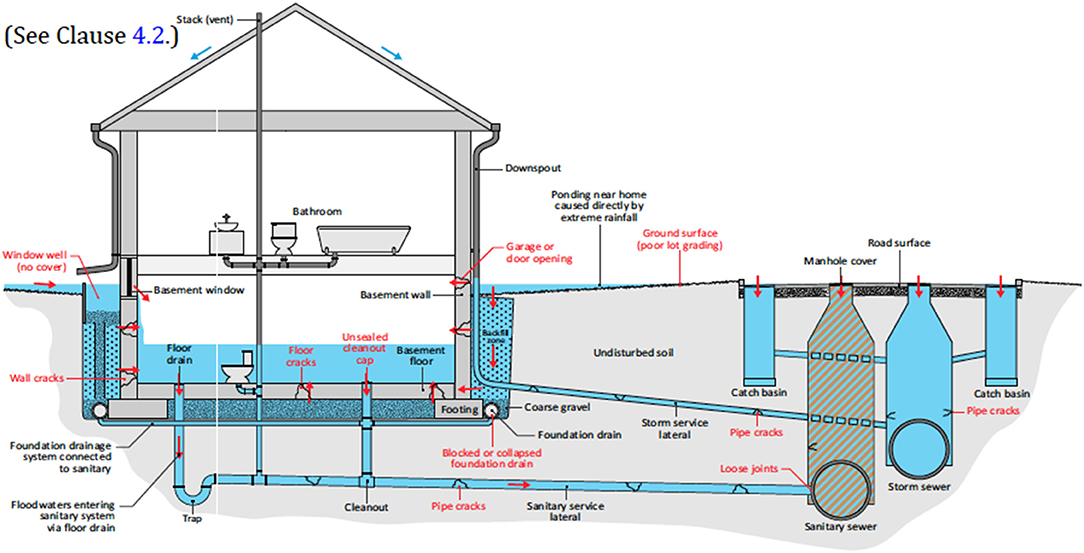
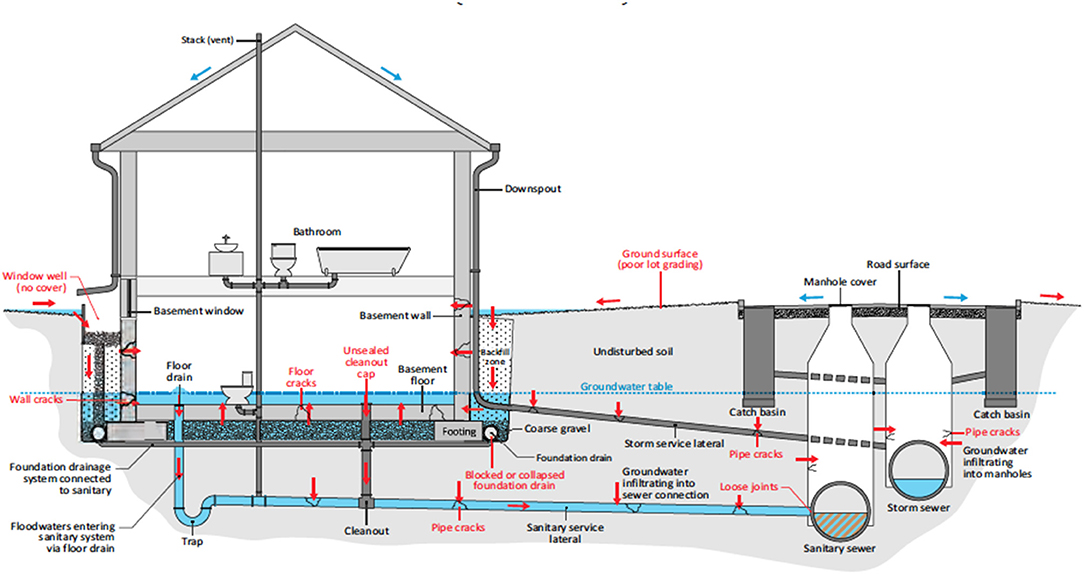
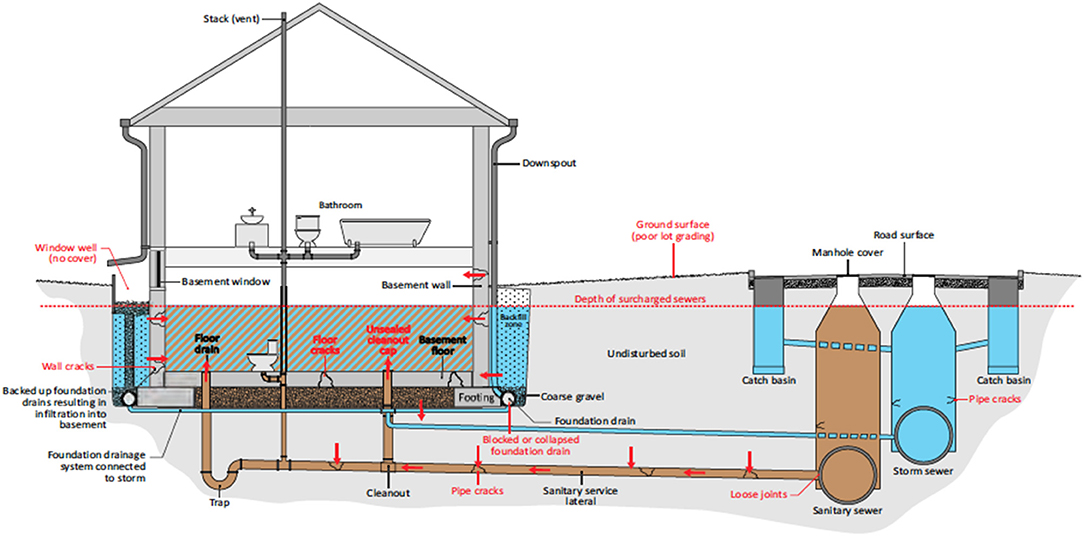
Basement dwellings are especially vulnerable to flooding. The study utilized the PLUTO (Primary Land Use Tax Lot Output) Database, which contains property and land information for New York City, to identify residential basement structures. A modified data-filtering process from the Citizens’ Housing and Planning Council’s (CHPC) Hidden Housing report was used to classify basements into "flood-prone" and "viable" categories based on flood risk metrics from FEMA and the First Street Foundation.
New York City's rental market faces a severe affordability crisis, with many households unable to cover basic living expenses. Low-income renters are particularly at risk from natural hazards, as standard renters' insurance typically does not cover flood damage, and federal relief programs offer only basic coverage. The analysis maps flood risk against the share of low- and moderate-income (LMI) renters by census tract. Areas with the highest flood risk for LMI renters include parts of the East Bronx, East Harlem, Staten Island's east coast, southern and eastern Brooklyn, the Lower East Side of Manhattan, and southern Queens. Notably, several inland tracts in Brooklyn, Queens, and the Bronx show moderate to high pluvial flooding risk for LMI renters, which is concerning because pluvial flooding is often overlooked in disaster assistance and insurance assessments.
Basement housing serves as a crucial affordable option in New York City's tight housing market, with average rental costs often 20 percent lower than above-ground units. The study estimates the vulnerability of basement housing stock to flooding, defining "major to high flood risk" as census tracts where the First Street Foundation Flood Factor is 3 or greater and over 10 percent of properties are in a Special Flood Hazard Area (SFHA). Approximately 4,065 basement units are likely to house LMI renters in major to severe flood-risk areas, a figure eight times higher than in high flood-risk tracts with fewer LMI renters. While flood-prone basements represent 2 percent of the city's total, 72 percent of basements are located in areas with low flood risk and higher shares of LMI renters, indicating a greater availability of safer basement housing options for this population.
Census tracts were categorized as "flood-prone" if they had a Flood Factor of 3 or higher or if more than 10 percent of properties were in an SFHA. "Viable" basements were located in tracts with a Flood Factor below 3 and less than 10 percent of properties in an SFHA. Most basement dwellings in New York City are viable, with high concentrations in southern Staten Island, southern Brooklyn, southern Queens, and Flushing. However, flood-prone basements are concentrated in East Harlem, eastern Staten Island, the east and south Bronx, and specific parts of southern Brooklyn, southern Queens, and Flushing, particularly along coastlines. The study reveals that about one in ten LMI individuals, immigrants, and racial/ethnic minorities in New York City reside in flood-prone census tracts, emphasizing the disproportionate impact of informal basement housing on vulnerable communities. The formalization of basement housing must consider both inland and coastal flooding and the specific vulnerabilities of LMI, immigrant, and minority populations.
#NewYorkCity #FloodRisk #BasementHousing #LowIncomeRenters #ImmigrantPopulations #HurricaneIda #ClimateChange #HousingAffordability #UrbanPlanning #NewYorkCity #FloodRisk #BasementHousing #LowIncomeRenters #ImmigrantPopulations #HurricaneIda #ClimateChange #HousingAffordability #UrbanPlanning
 Aucun commentaire pour le moment
Reducing Urban Flood Risk Through Building- and Lot-Scale Flood Mitigation Approaches: Challenges and Opportunities
When Your Dream Apartment Keeps Flooding
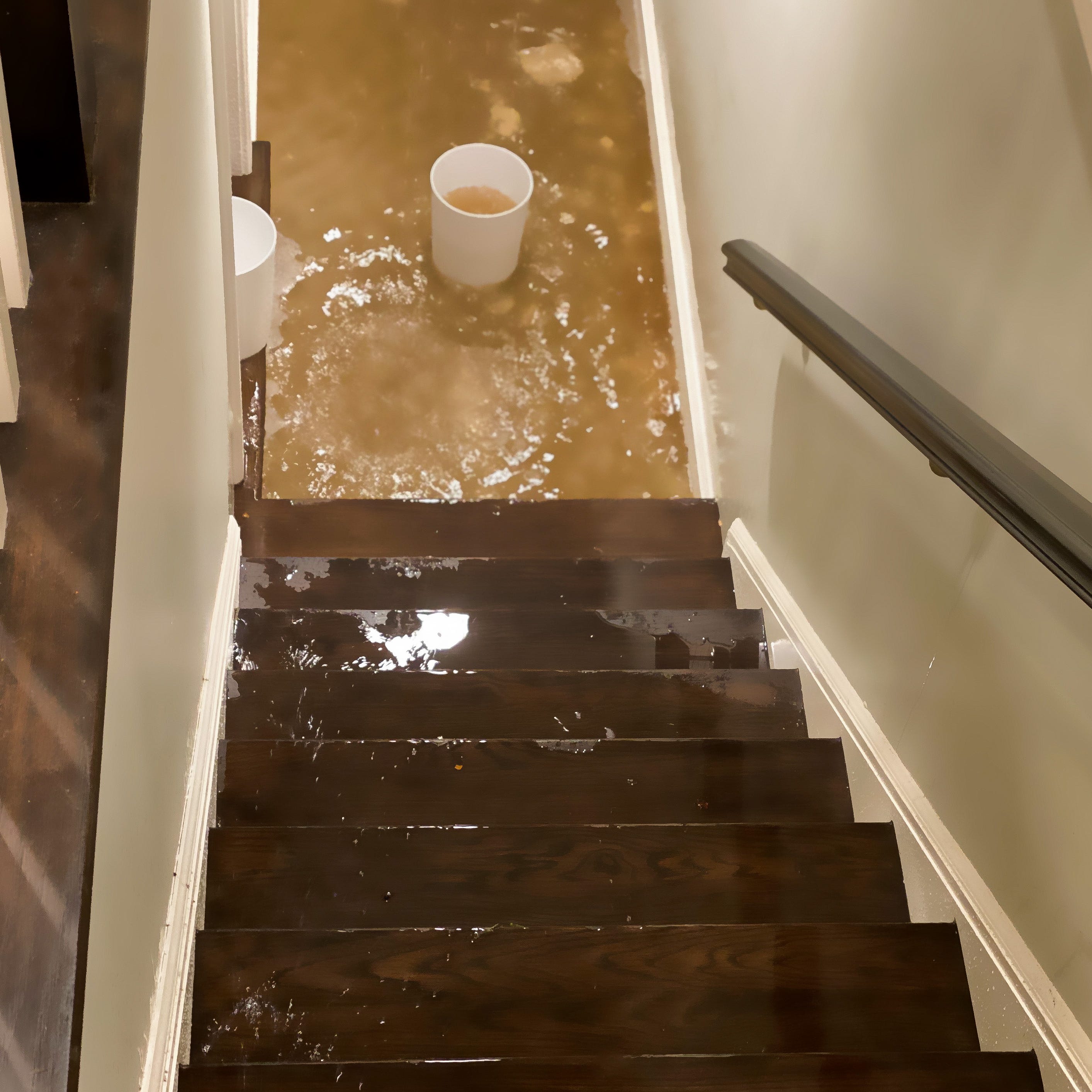
What to Do If Your Basement Floods During a Storm, According to Experts

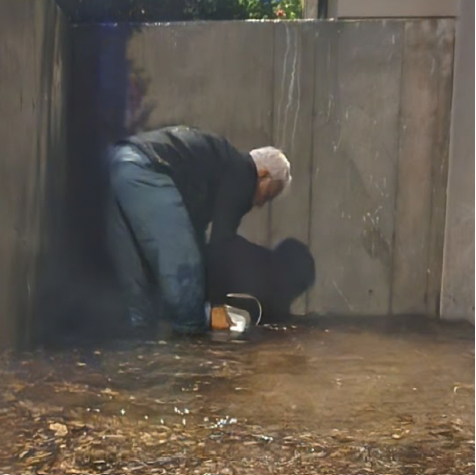
My Basement Flooded…What I Wish We’d Have Known to Better Prepare, and What We Learned