




1/8
Door trim ideas – 8 ways to upgrade your home's door frames that prove attention to detail pays off
Door trim, architrave, or molding, often an overlooked detail in home design, can significantly elevate a space and become a defining feature. This article explores eight innovative door trim ideas that go beyond the basic, offering inspiration for both internal doors and openings, or even acting as a feature for closet door ideas.
Traditionally, homeowners tend to stick with the existing door trim unless undertaking a complete renovation. New build homes often feature characterless trims, while period properties might have original trims obscured by multiple layers of paint. However, focusing on this detail can yield substantial aesthetic returns, as door trims frame the views within a home, guiding the eye into adjacent spaces and visually expanding rooms.
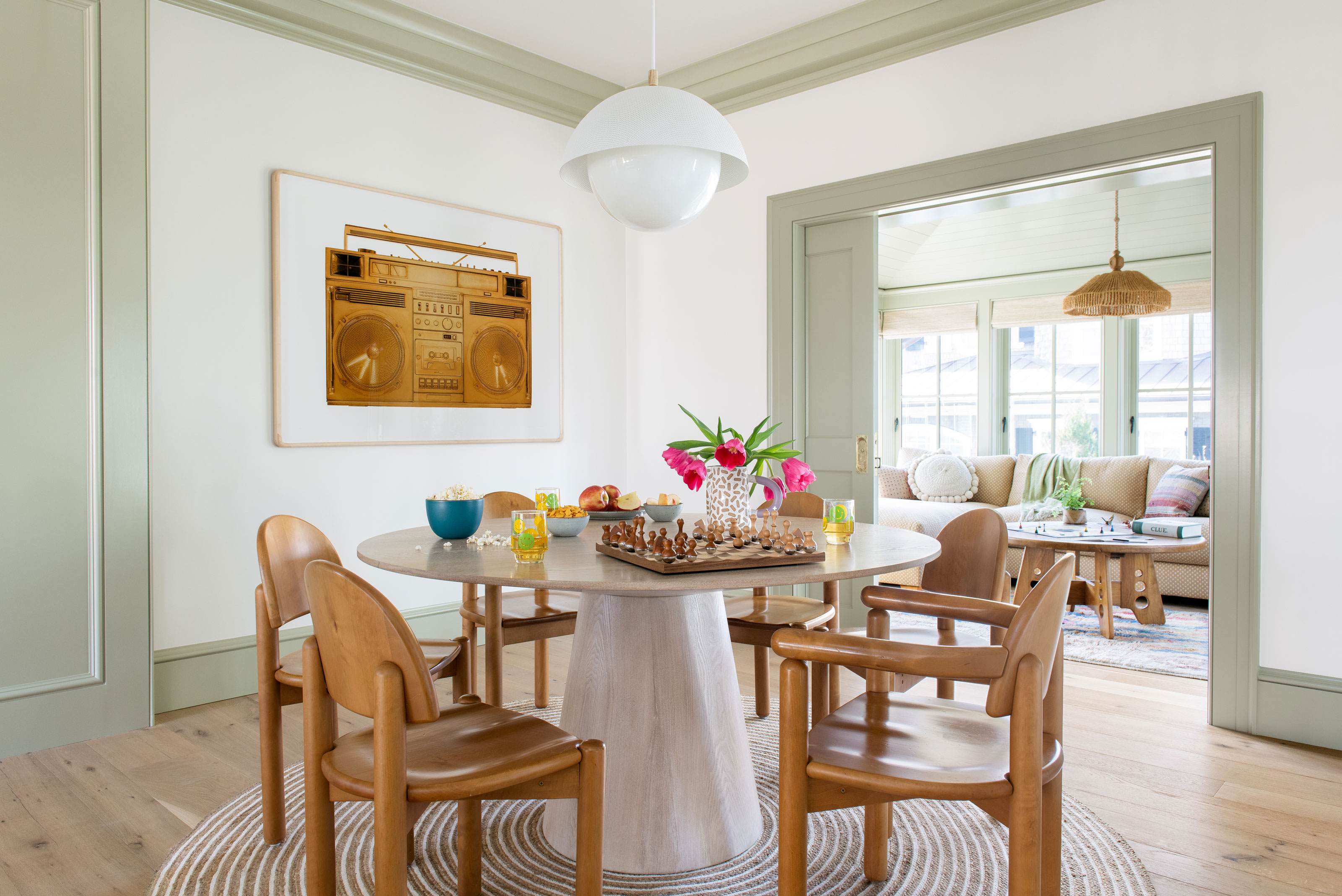
One approach is to paint a feature door trim. This doesn't necessarily require elaborate paint effects; a bold contrast color or an exploration of different paint finishes can make a statement. For instance, combining a gloss door with a tonal color trim, as seen in a stylish kid's playroom, creates a modern and interesting contrast by leveraging the reflective quality of gloss and the subtlety of matte finishes.
Alternatively, for those averse to painting, a wallpaper border can transform a trim. Interior designer Susie Atkinson champions the reintroduction of borders, noting their ability to add detail and delight without the commitment of wallpapering an entire room. Borders can accent existing trims, or even mimic them by creating wall panels or chair rails, offering endless possibilities for color and interest.
Adding character through the choice of trim itself is another effective strategy. A carefully selected door trim can enhance a space without dominating it. An example is the use of a beveled trim in a New York apartment, which imparted a luxurious finish while aligning with the residents' desire for an adventurous yet non-eccentric aesthetic.
For a minimalist aesthetic, low-profile trims combined with narrow, floor-to-ceiling doors can visually stretch the sense of space and make ceiling heights appear more generous. Conversely, supersizing door trims can make them a prominent feature, showcasing craftsmanship and connecting separate rooms through a cohesive design element like a shared color palette.
Luxury properties are embracing materials like marble for trim, particularly around open doorways. This opulent alternative to timber frames vistas between spaces, highlighting architectural details. In bathrooms, adapting the trim style to the room's function, such as using mosaic tiles, can create built-in character with a simple design choice. Finally, sometimes the best trim idea is no trim at all. The growing trend of hidden internal doors, achieved with flush door styles, streamlines the overall look, allowing for a minimalist decor style by concealing utility areas like hallway closets or en-suite bathrooms. The decision to match trim to doors and walls depends on the desired design outcome, with color drenching offering a subtle integration, while contrasting colors make the trim a distinct feature.
#DoorTrim #HomeDesign #InteriorDecor #ArchitecturalMolding #PaintIdeas #WallpaperBorders #MinimalistDesign #LuxuryInteriors #BathroomDesign #DoorTrim #HomeDesign #InteriorDecor #ArchitecturalMolding #PaintIdeas #WallpaperBorders #MinimalistDesign #LuxuryInteriors #BathroomDesign
 Aucun commentaire pour le moment