1/10
Decorating with teal – expert advice for using this bold and beautiful shade
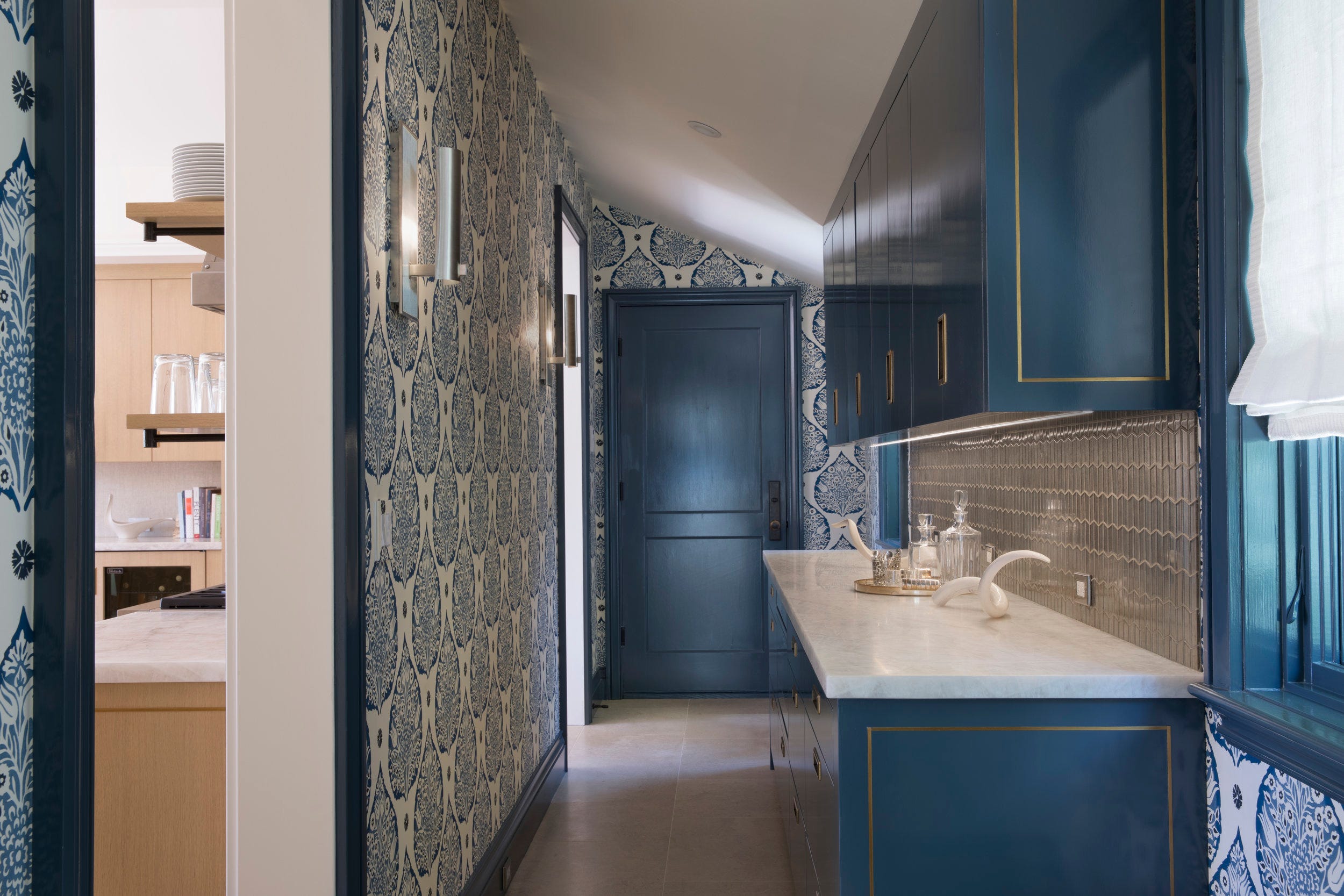
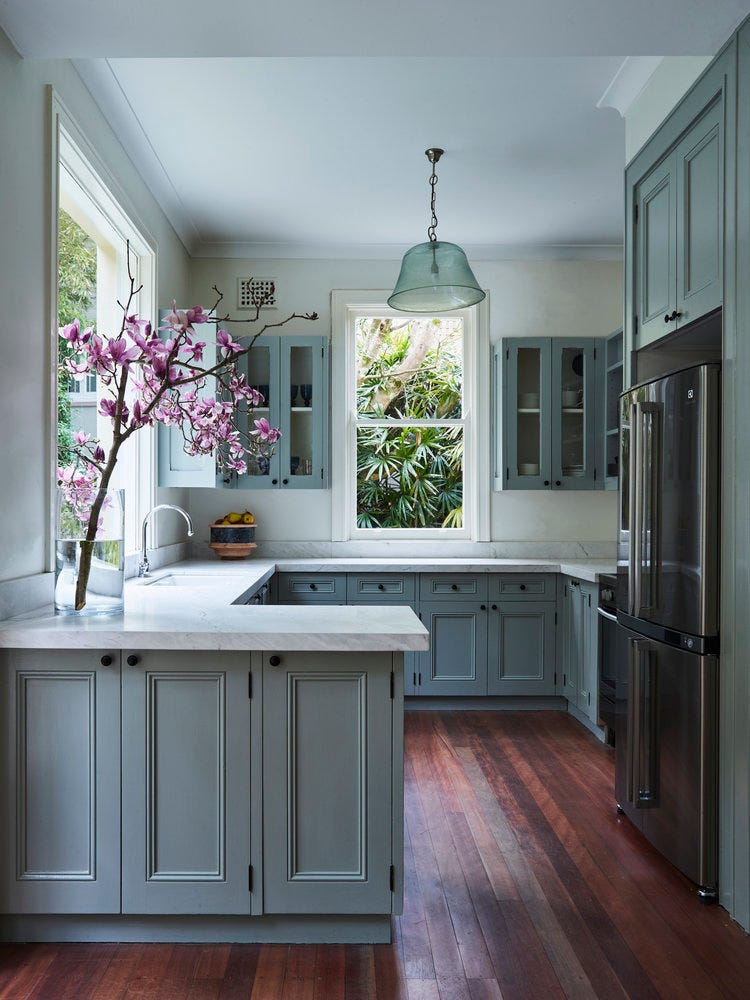
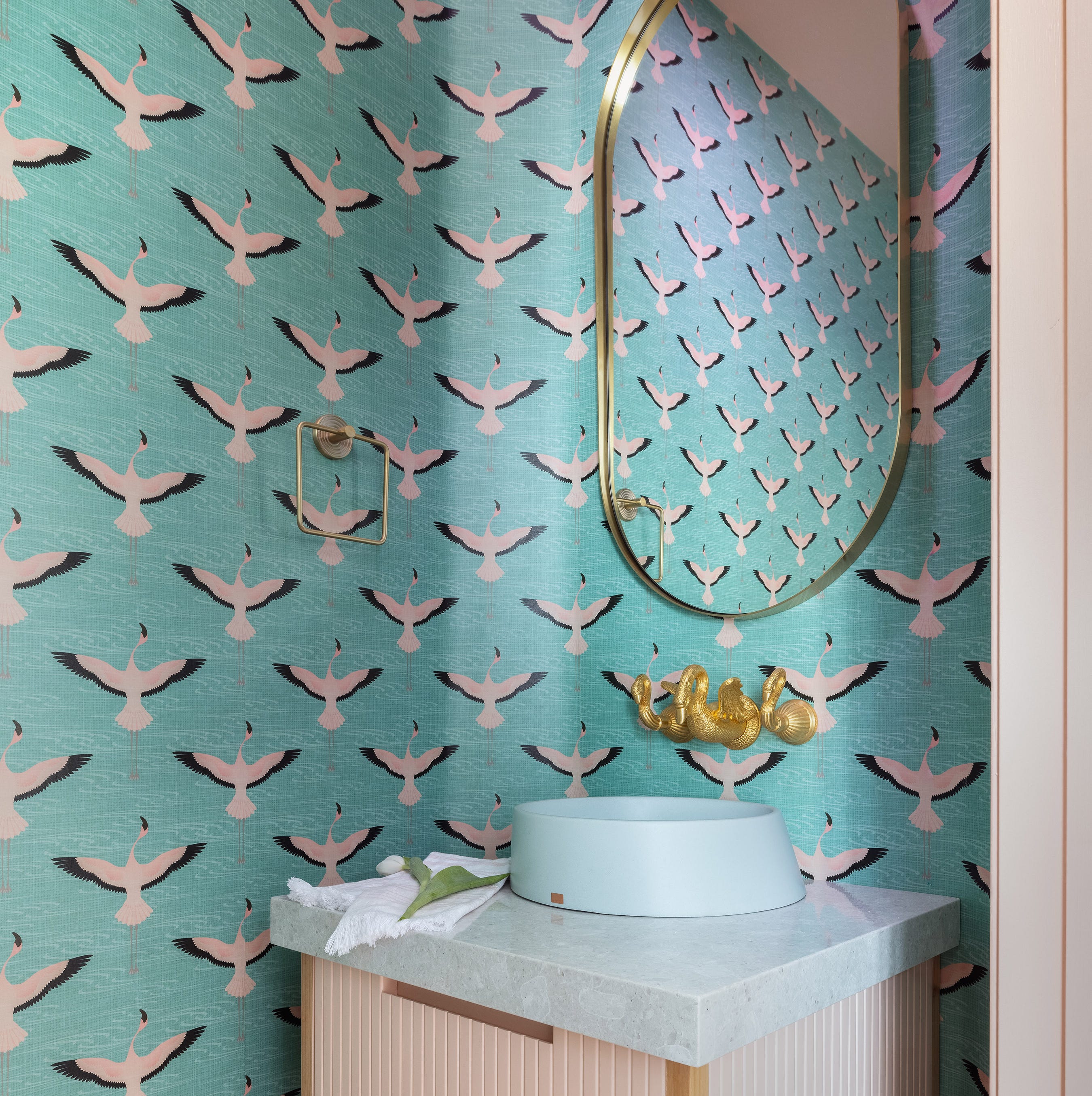
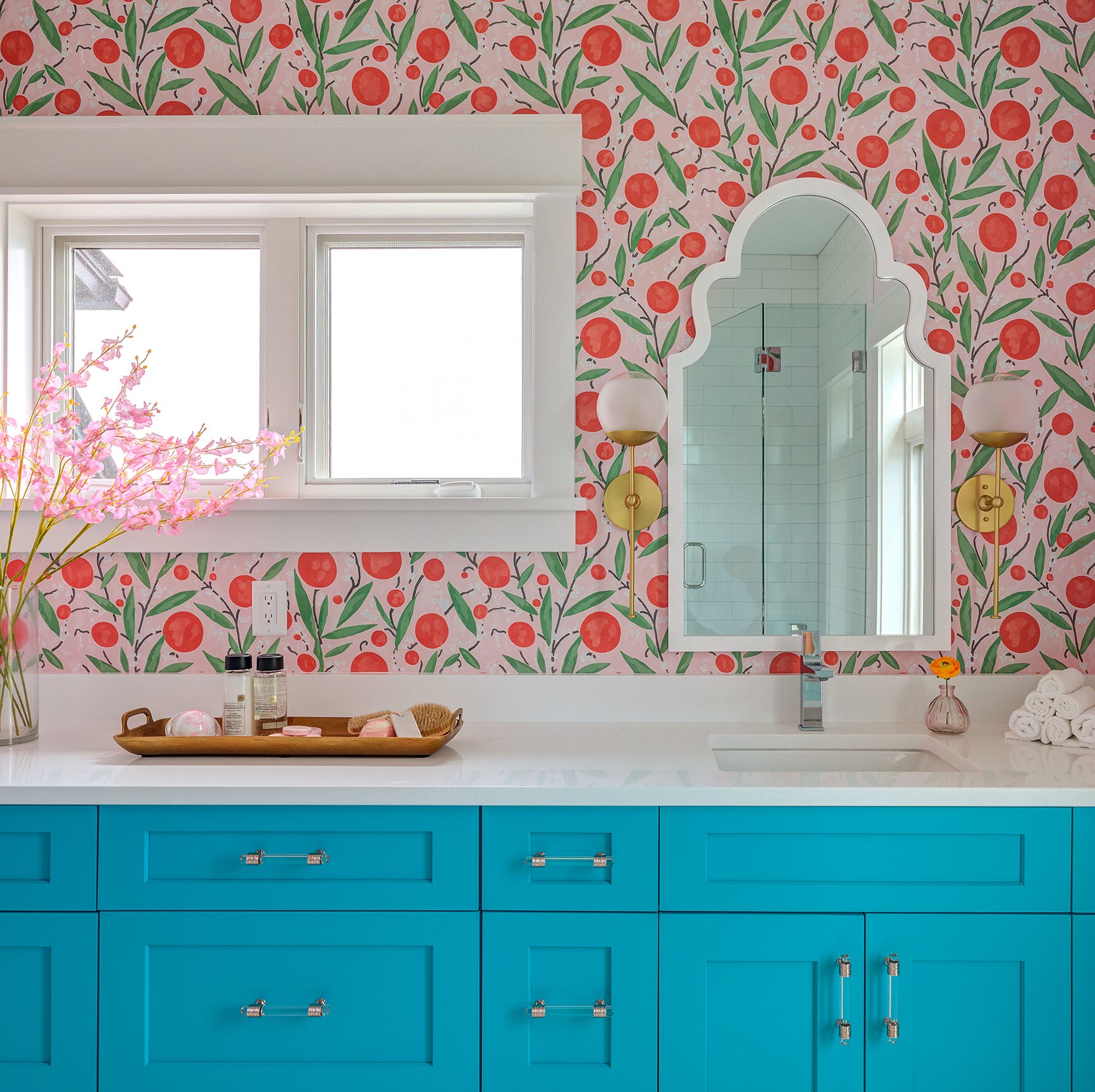
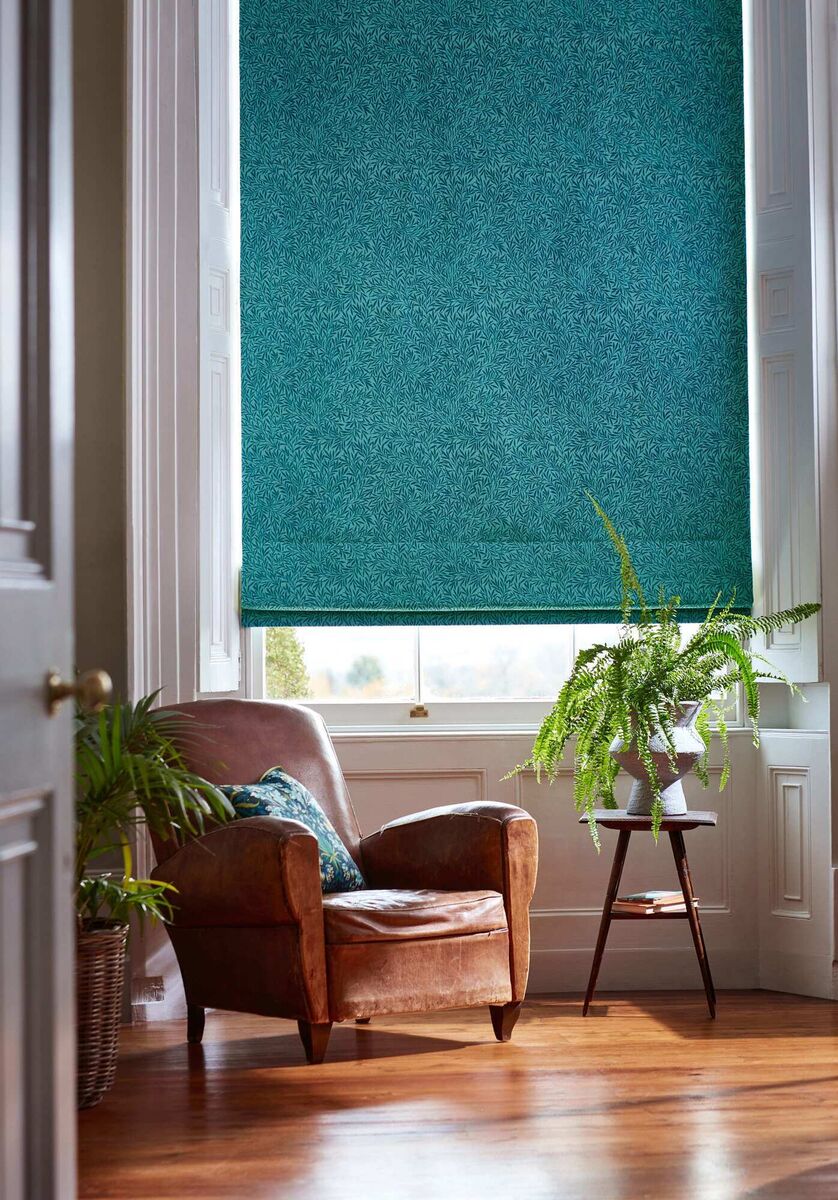
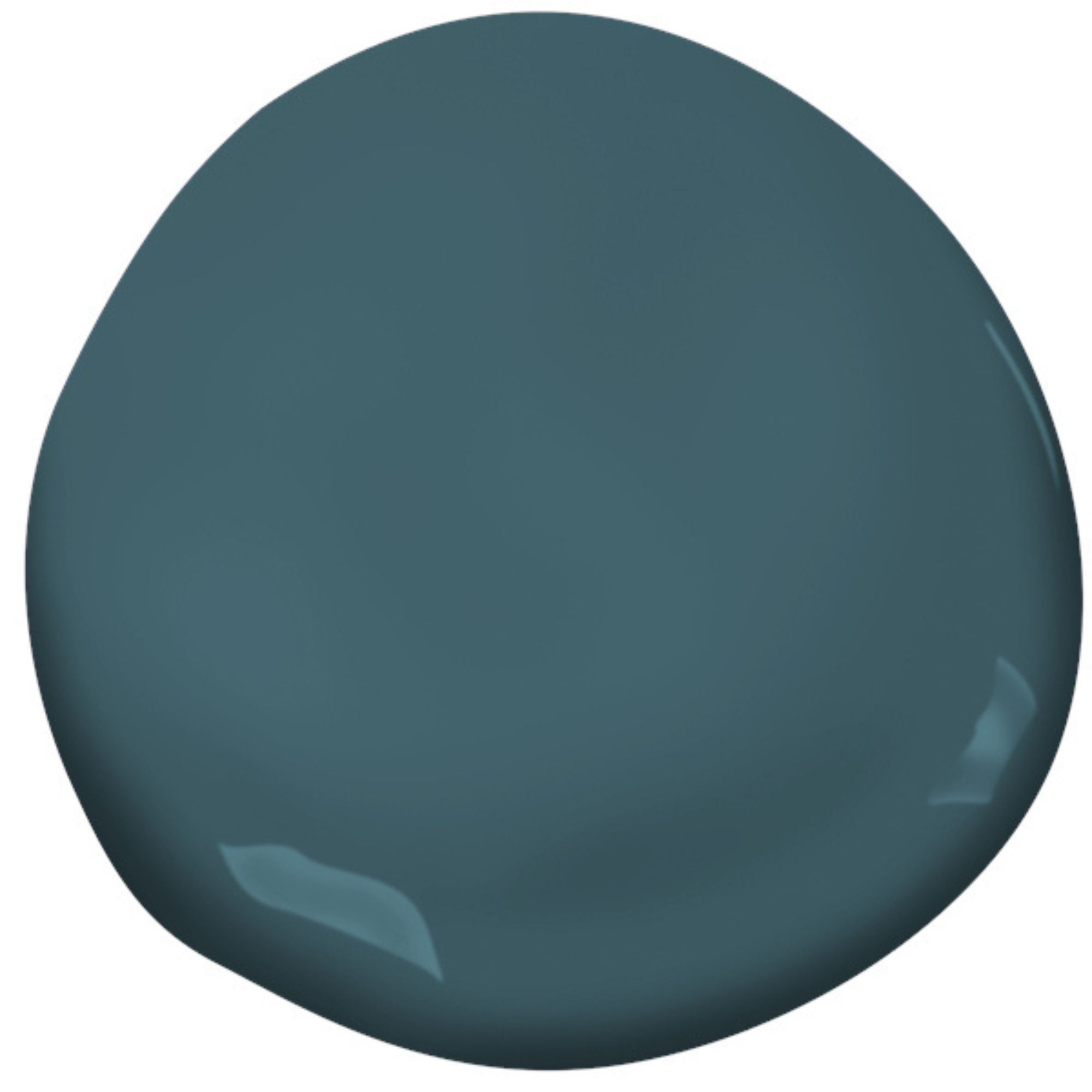
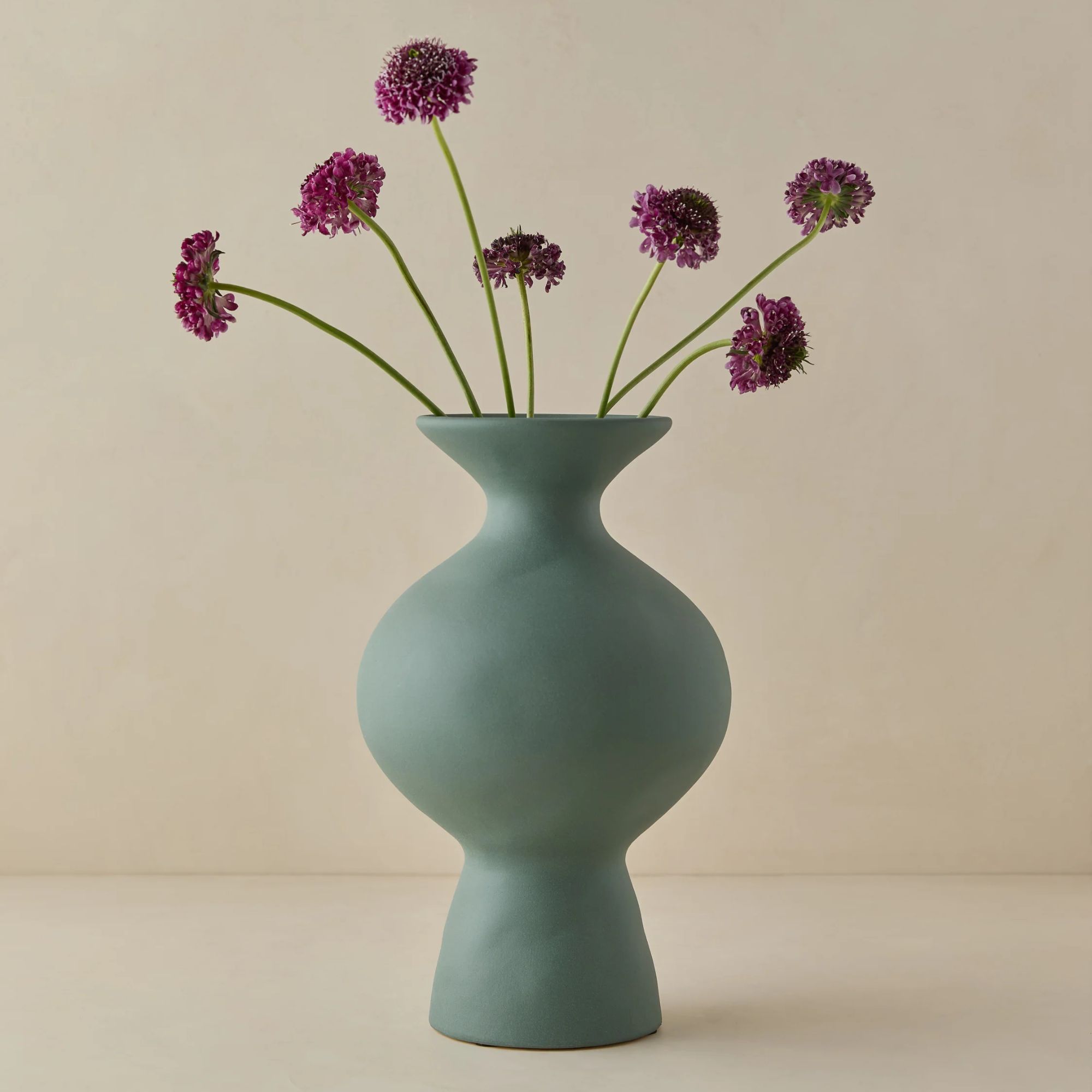
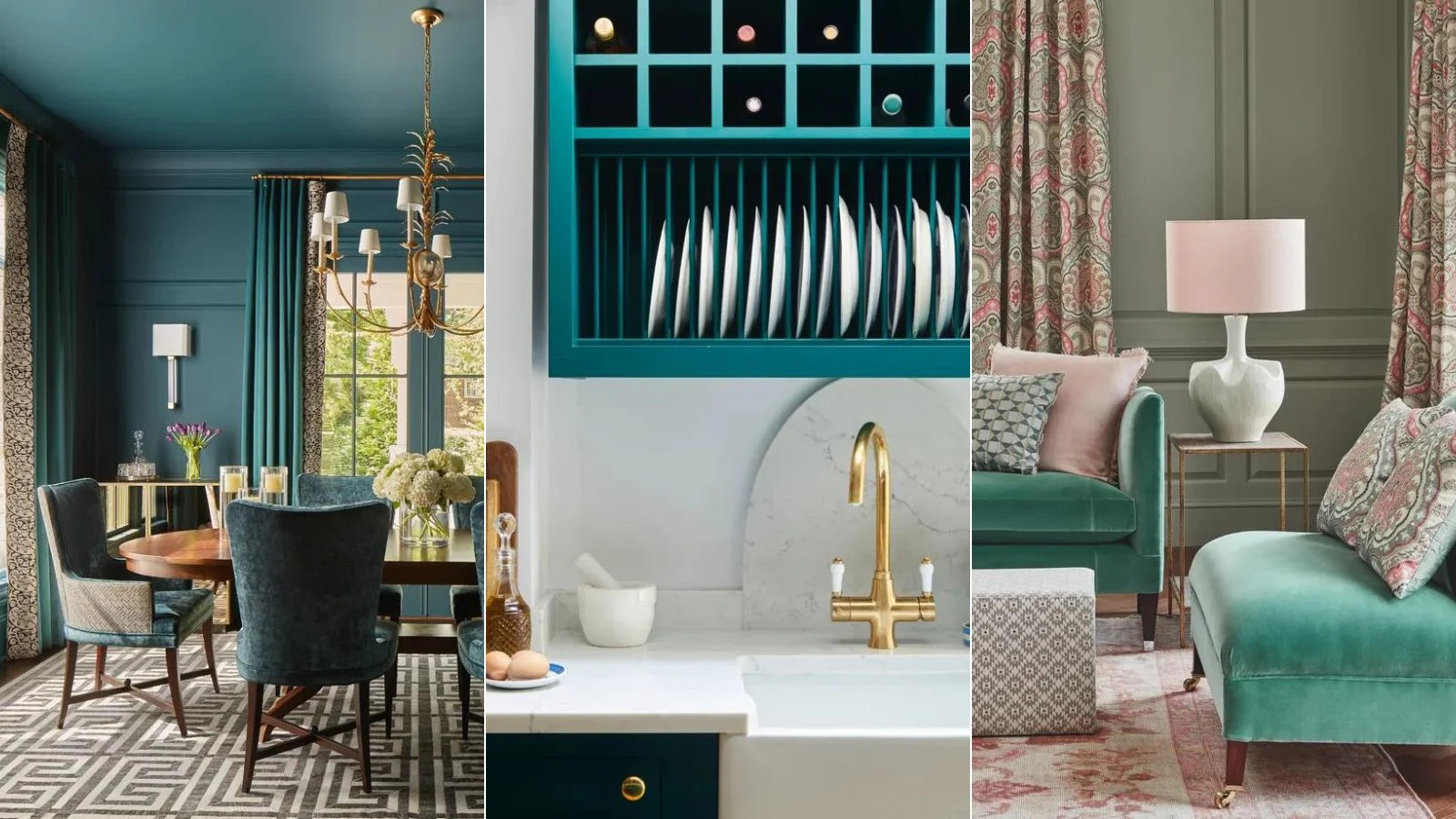
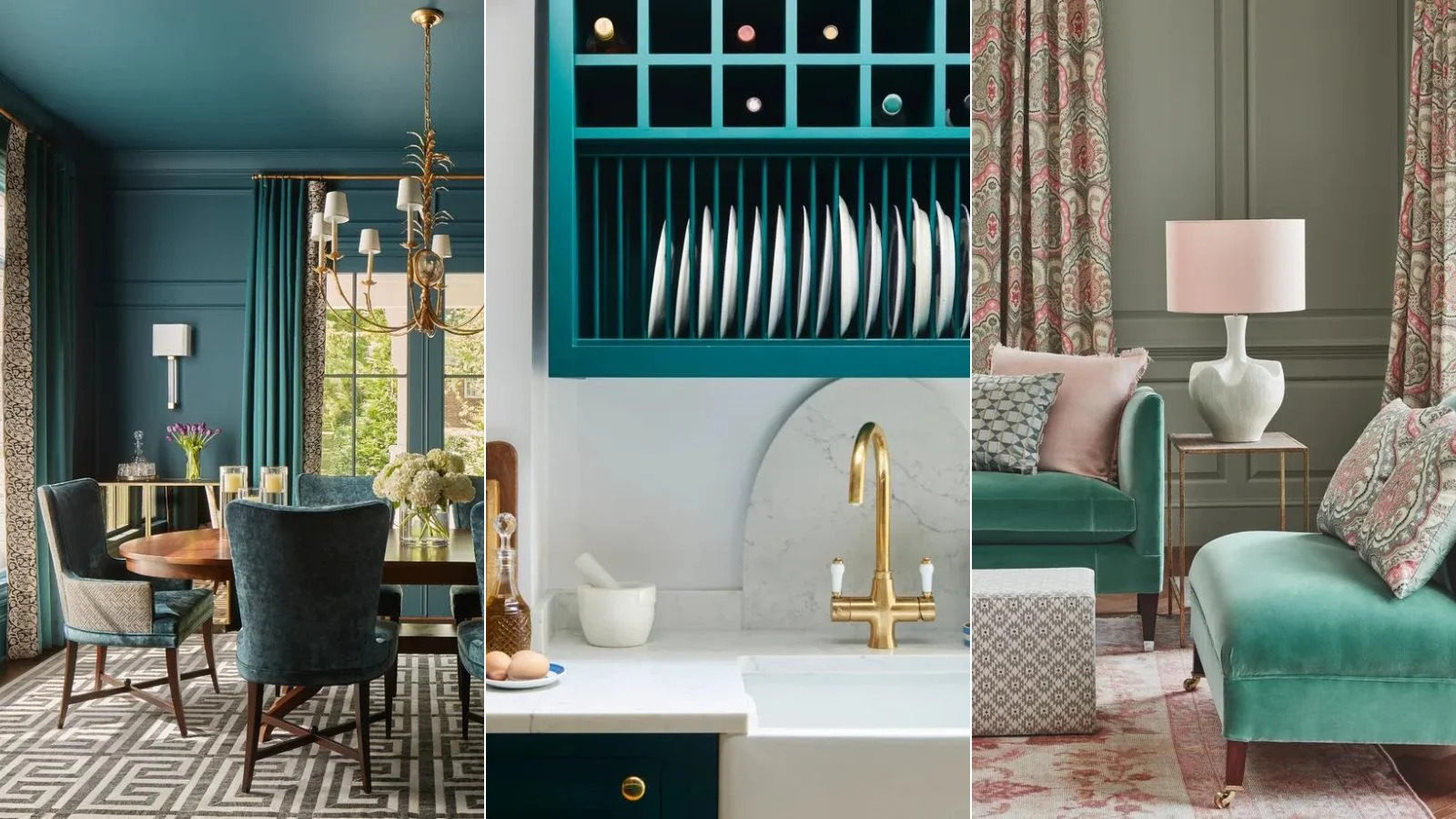
Decorating with teal offers a fantastic opportunity to infuse interiors with personality, owing to its versatile nature as a shade positioned between green and blue. This color spectrum spans from light cyan to deep ocean blues, allowing it to evoke various moods and styles, making it suitable for both contemporary and traditional design schemes. Teal can serve as a warmer alternative to traditional blue decor, providing a fresh perspective for new designs or revitalizing existing spaces. The article provides expert advice and beautiful room examples to guide individuals in effectively incorporating teal into their homes.
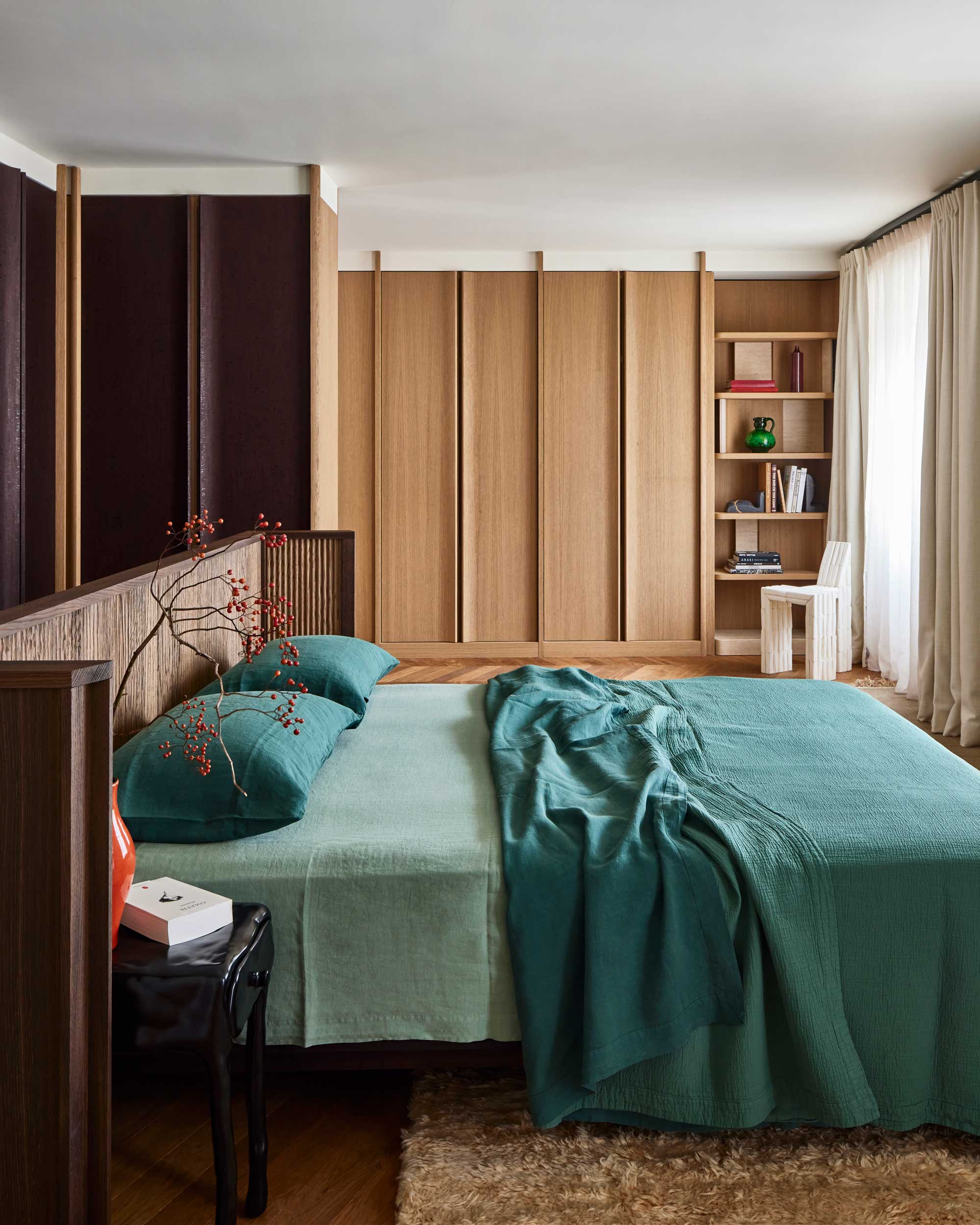
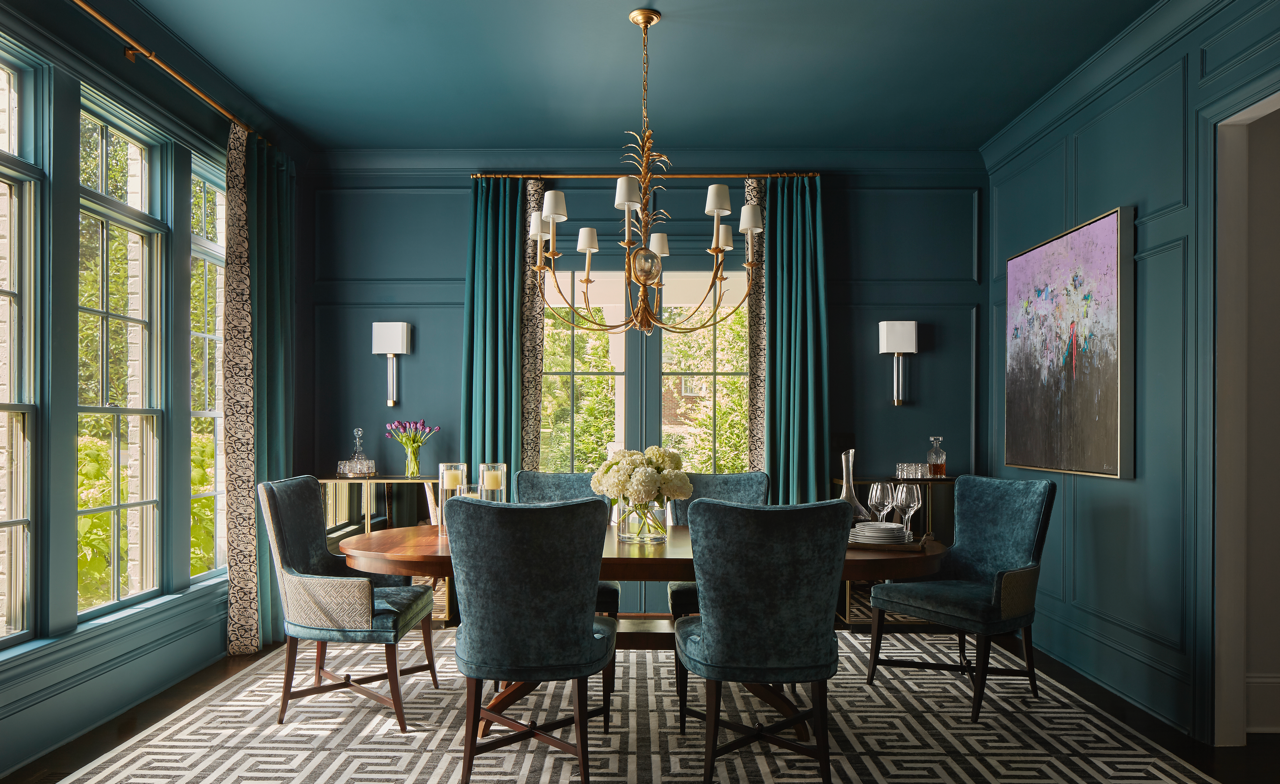
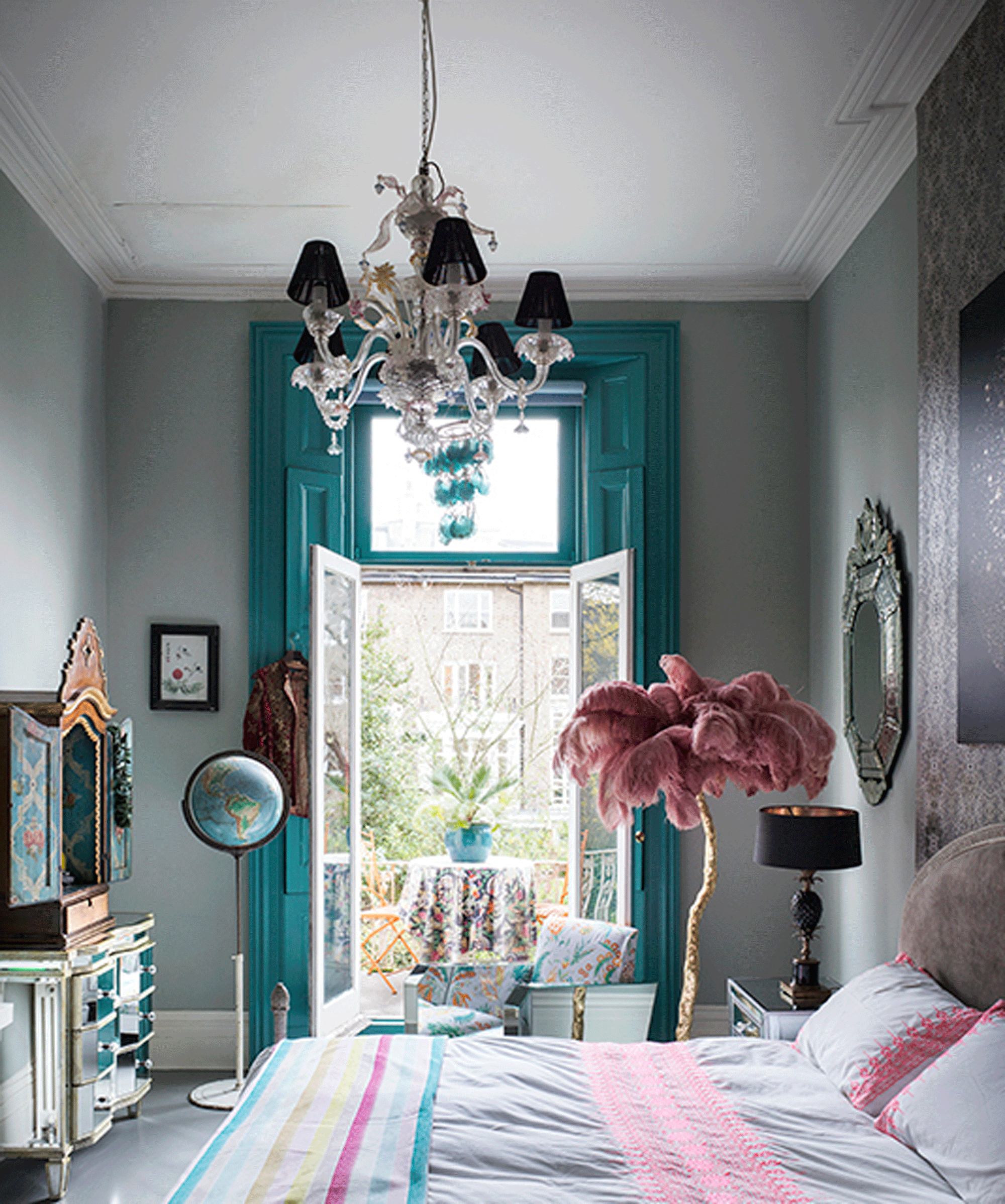
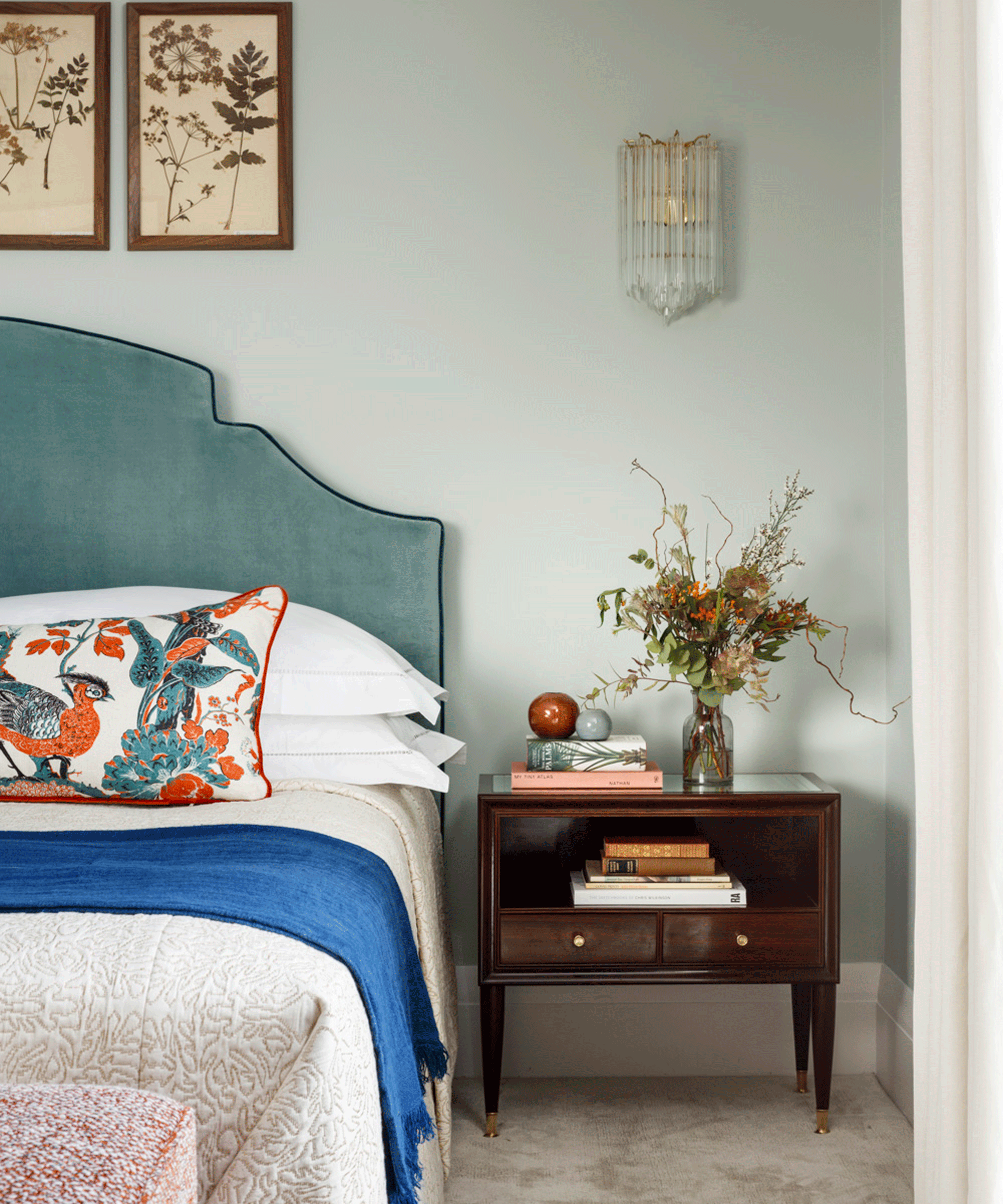
According to interior designers, teal's versatility makes it a popular choice for room color ideas. Emma Deterding of Kelling Designs notes its beauty, boldness, and compatibility with most other colors, stating that it can add life, energy, drama, and atmosphere to any living space, whether in a bright or deep shade. Andy Greenall of Paint & Paper Library emphasizes teal's balanced hue, which is neither too warm nor too cool, allowing it to create a cozy, cocooning atmosphere in winter and an uplifting, Mediterranean feel in summer. The article suggests that for those comfortable with color, teal can be used wall-to-wall to create drama in living and dining rooms. For a more subtle approach, it can function as an accent color, adding depth to neutral schemes or enlivening tranquil spaces like bedrooms.
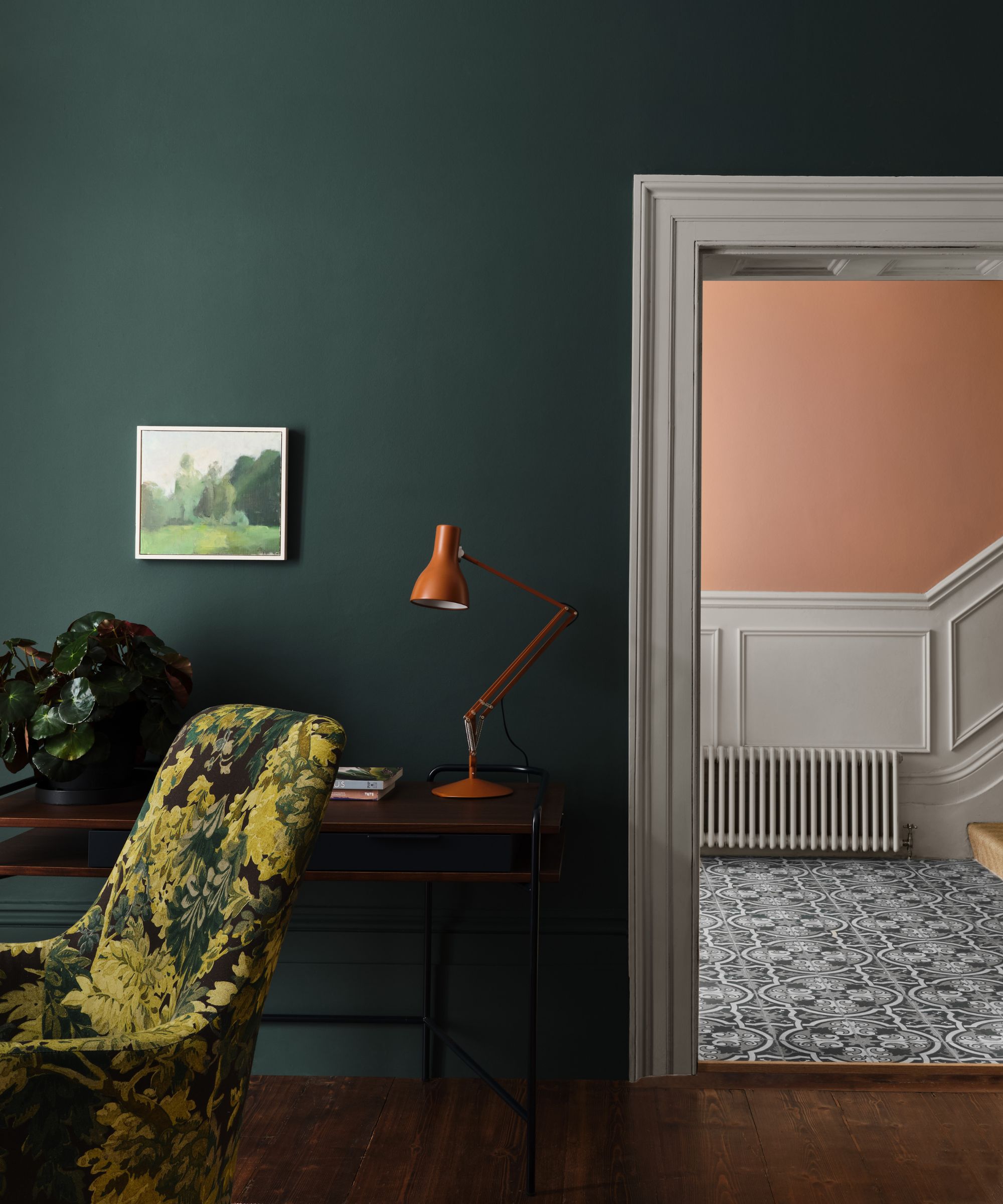
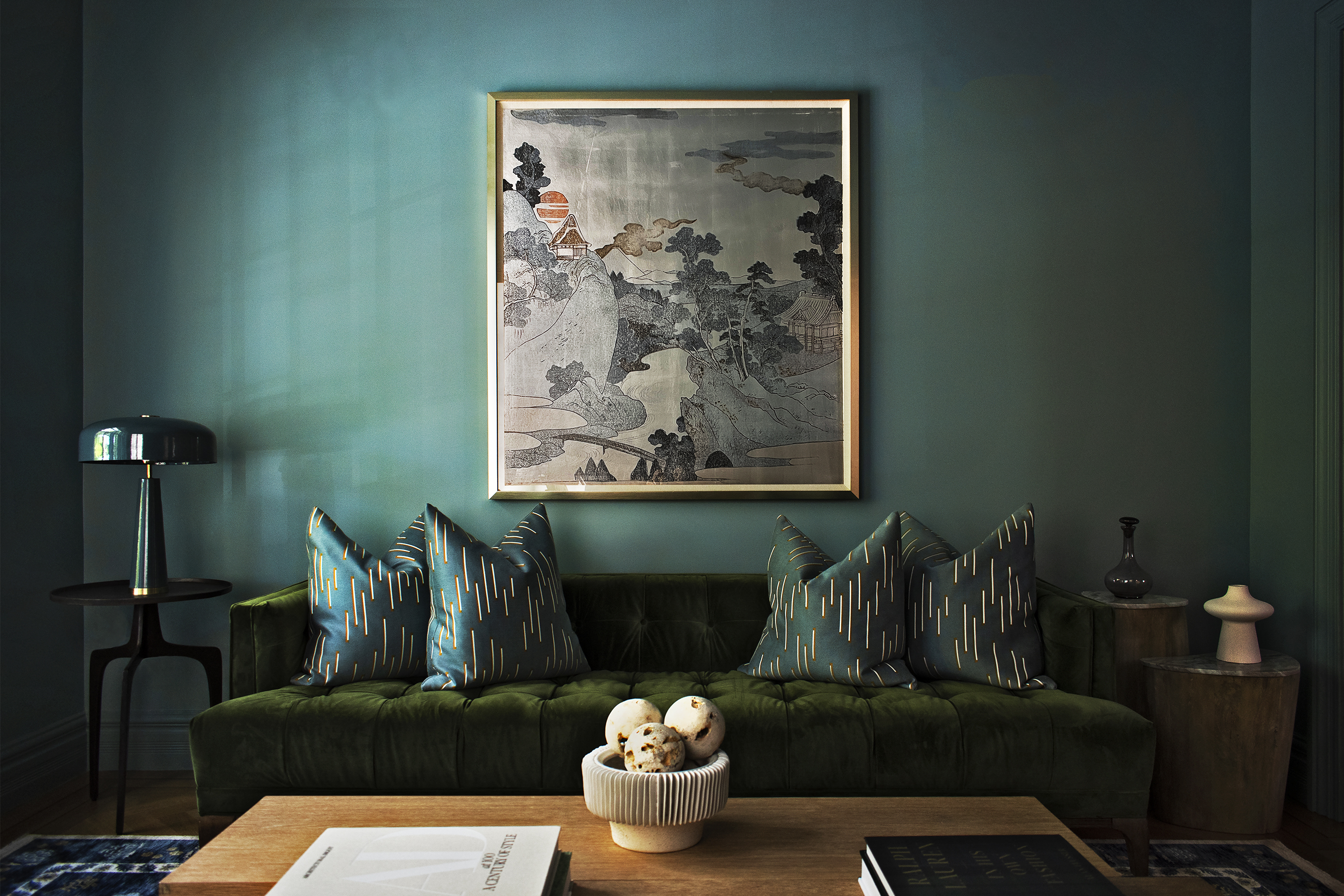
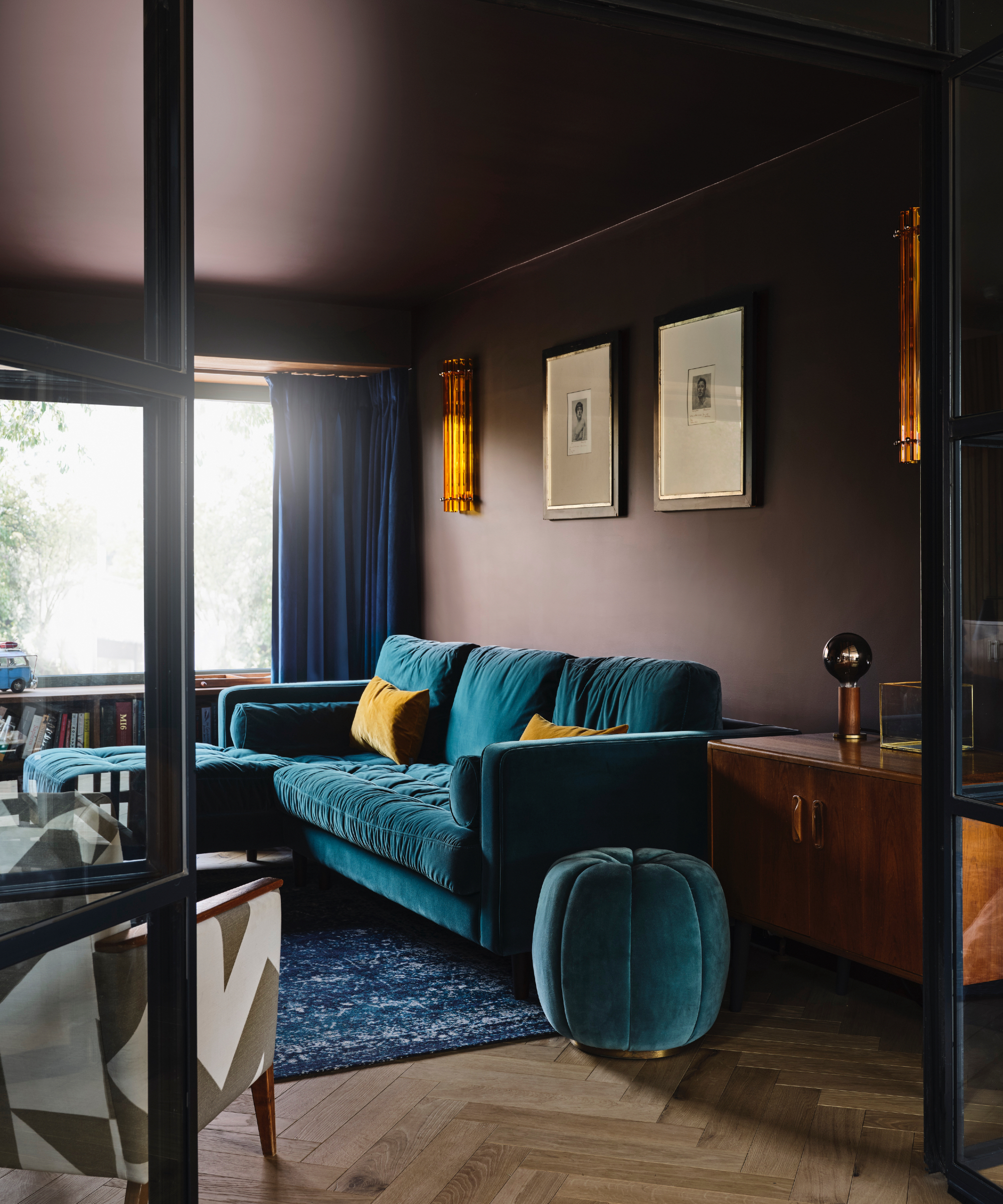
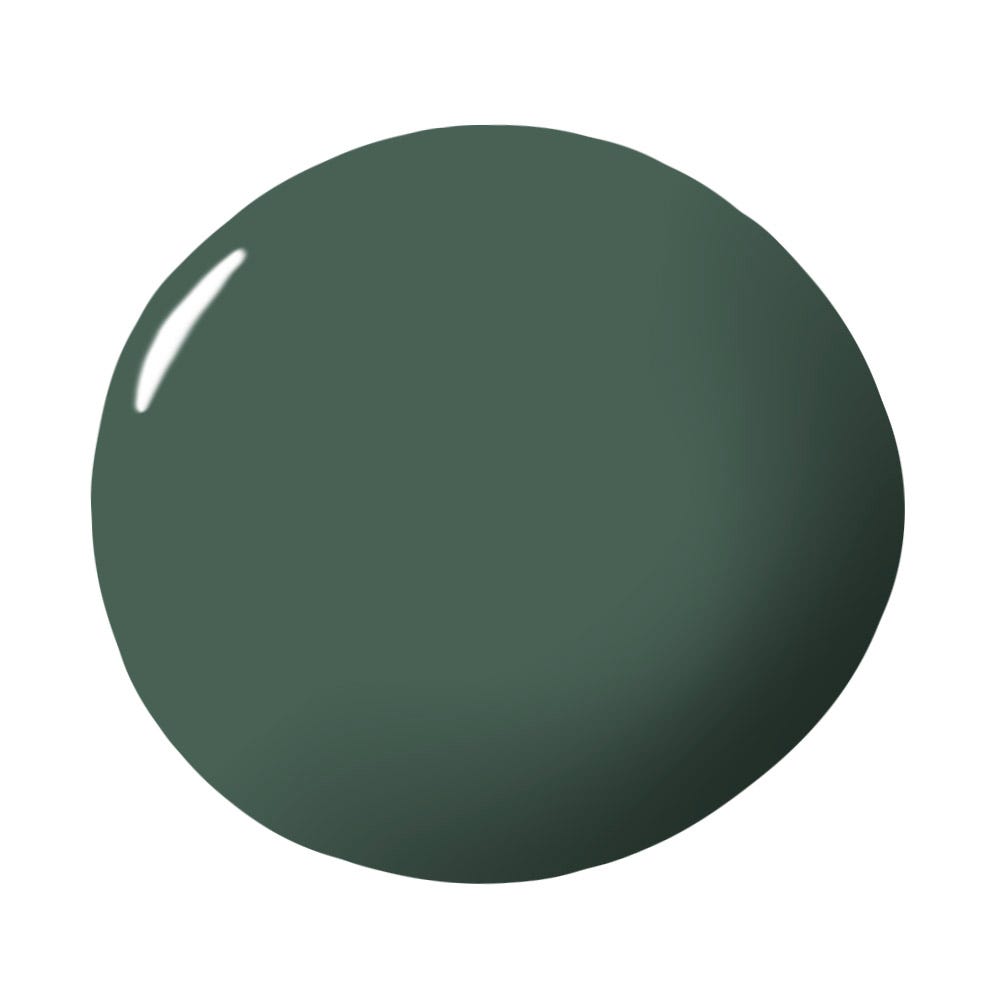
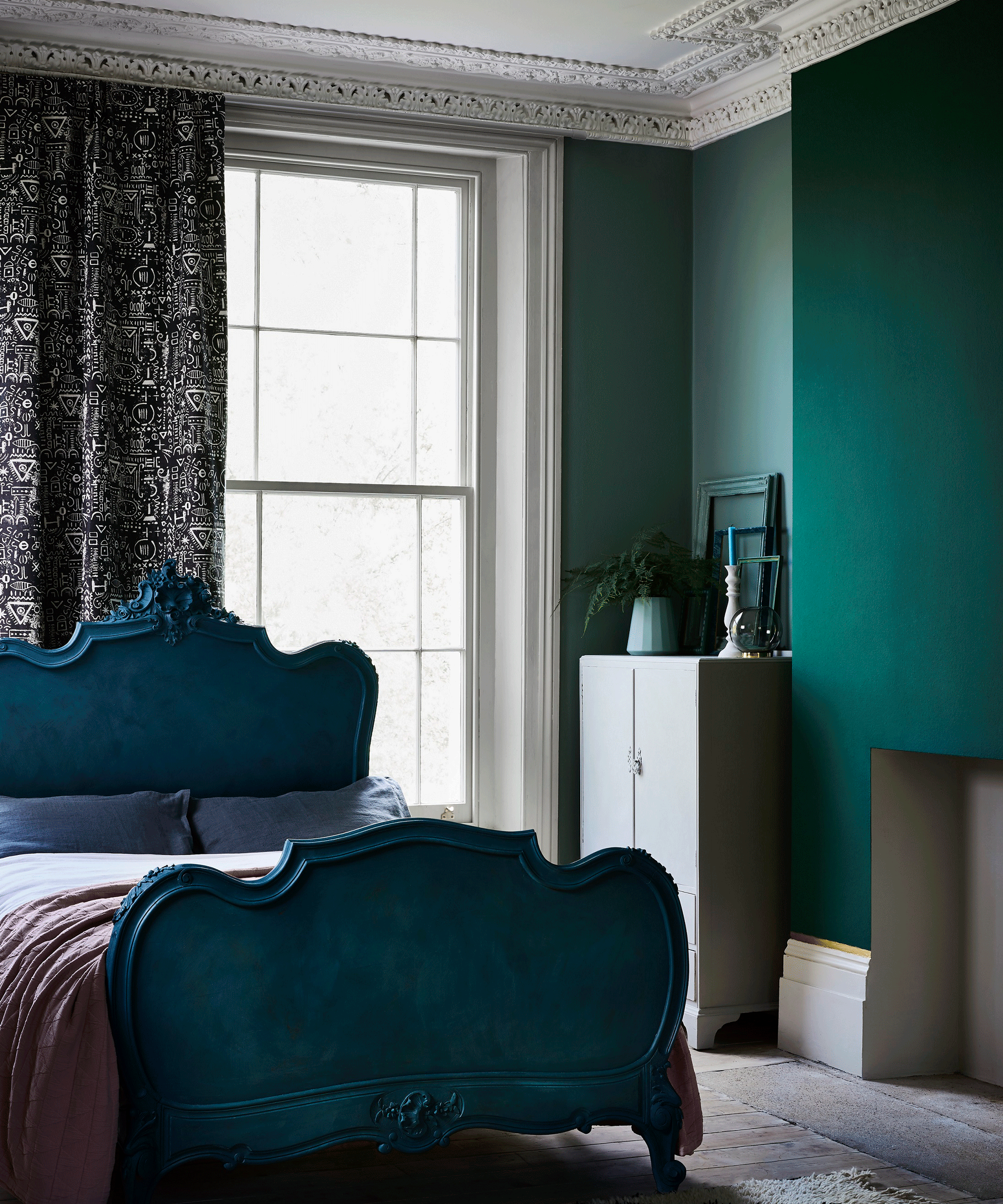
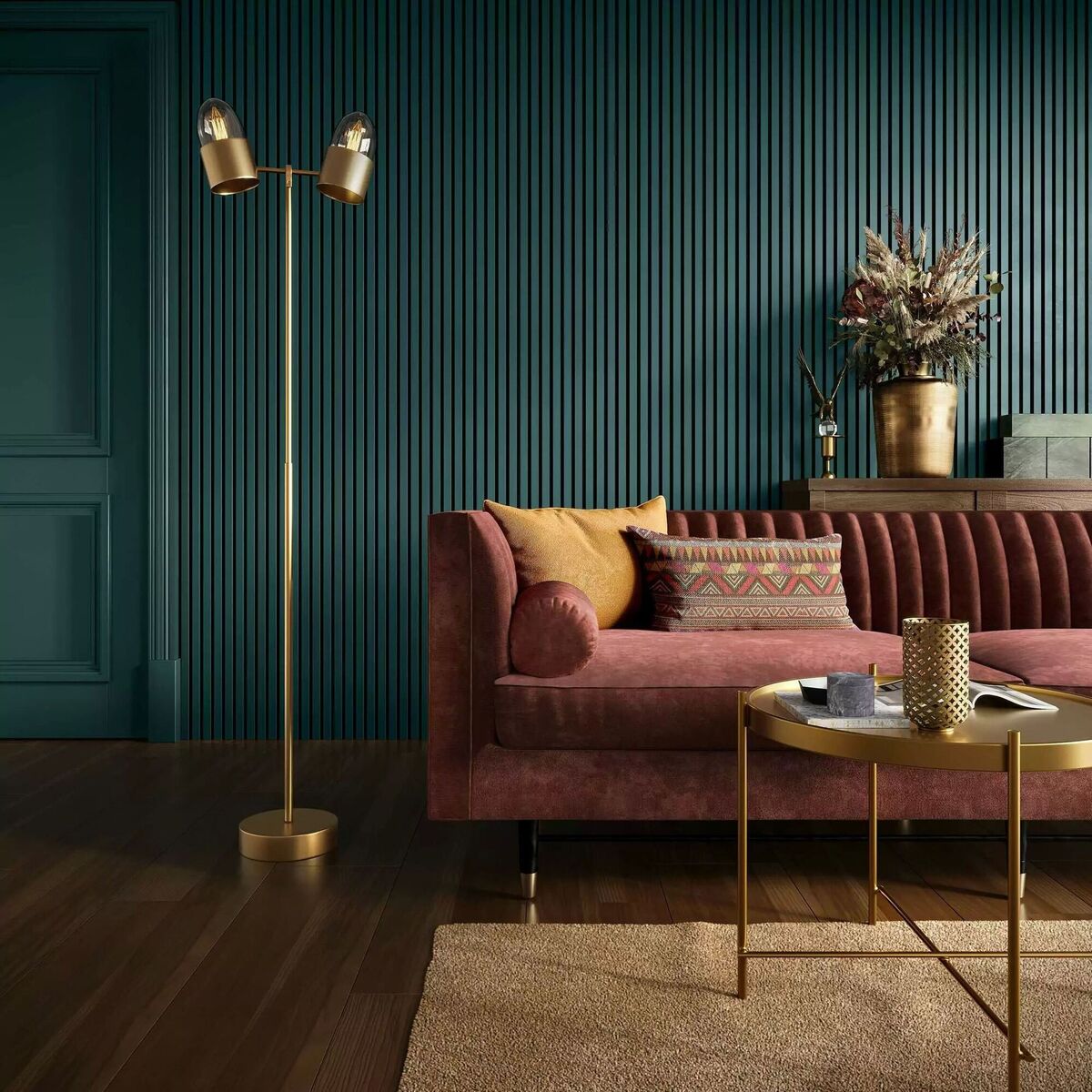
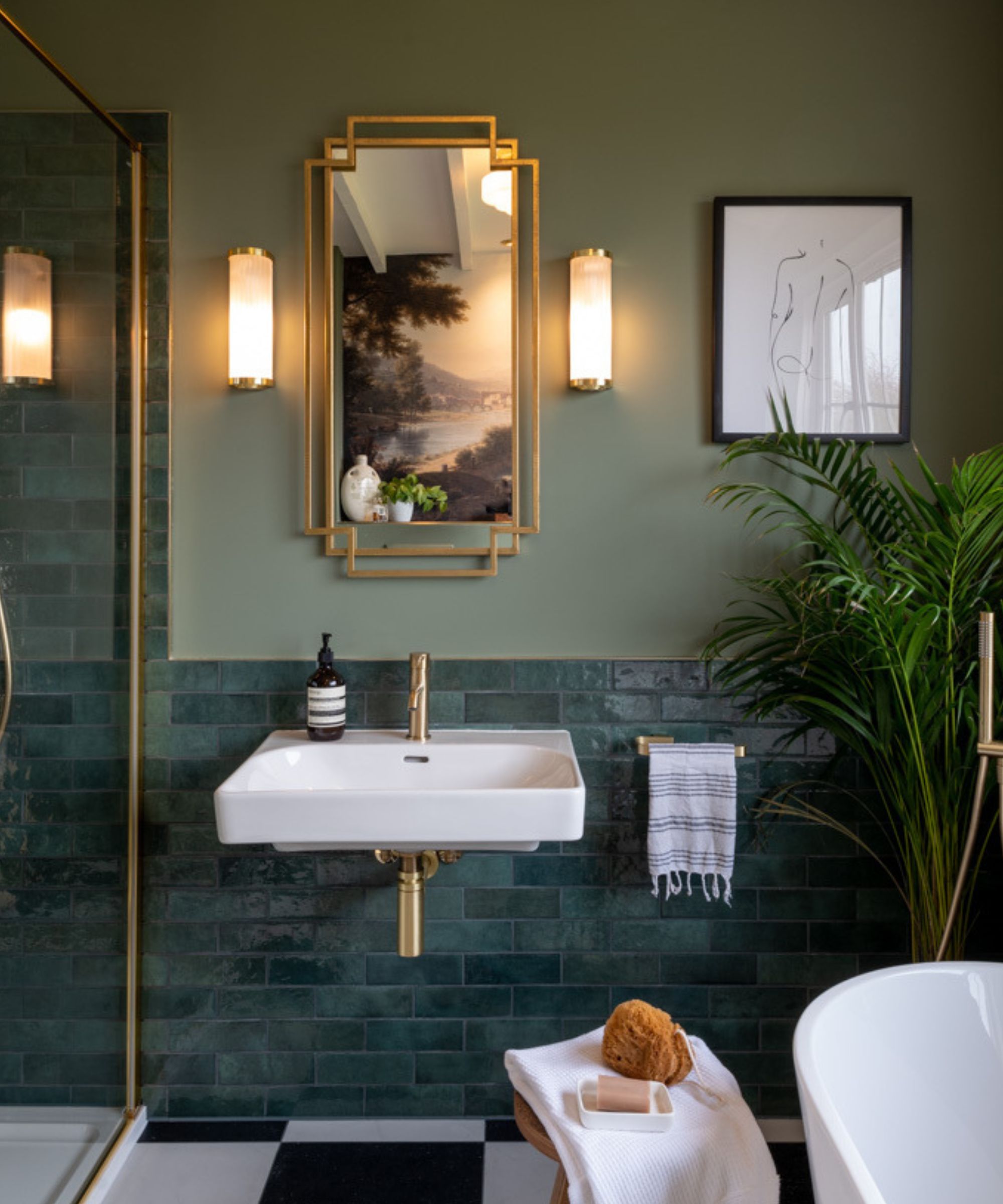
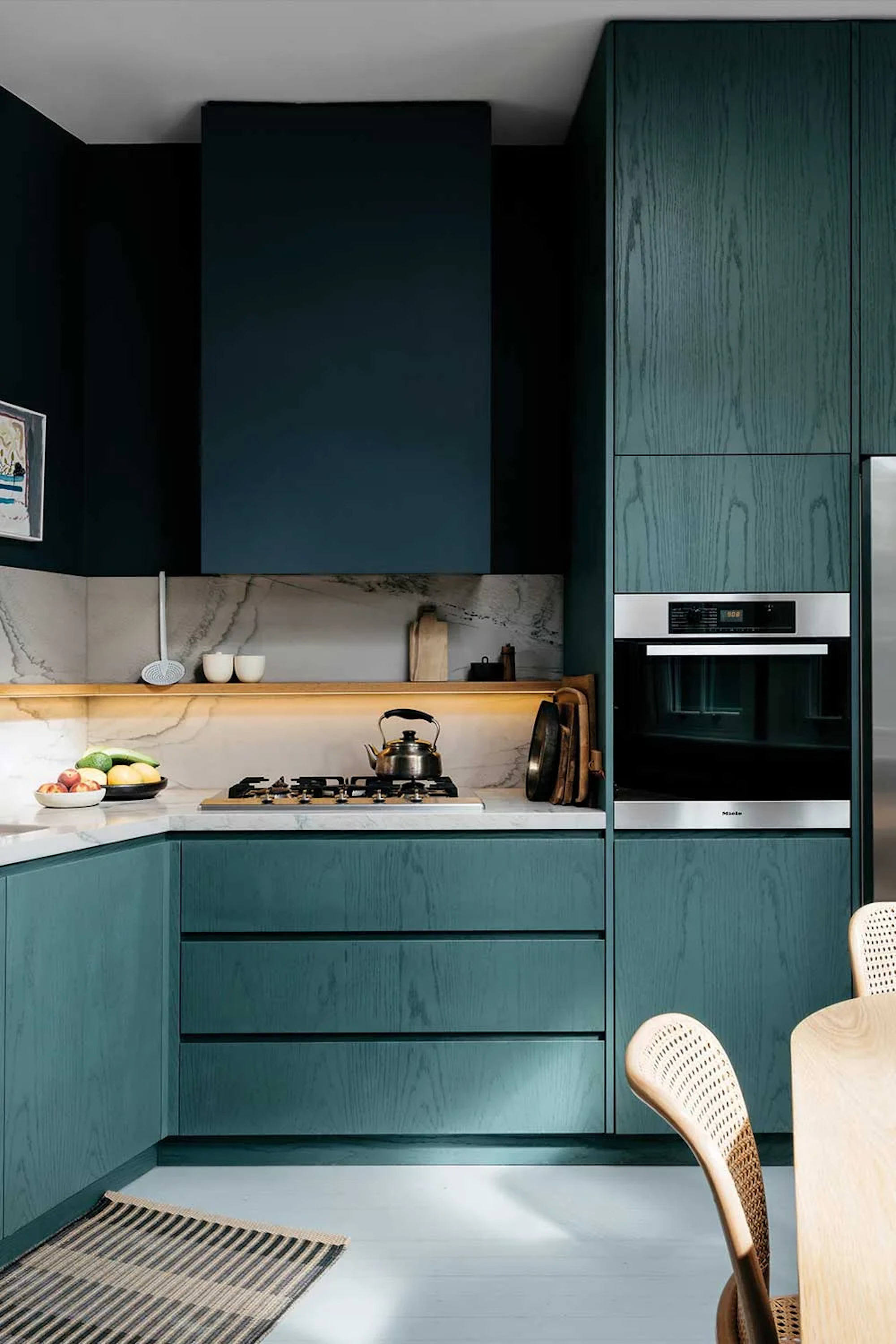
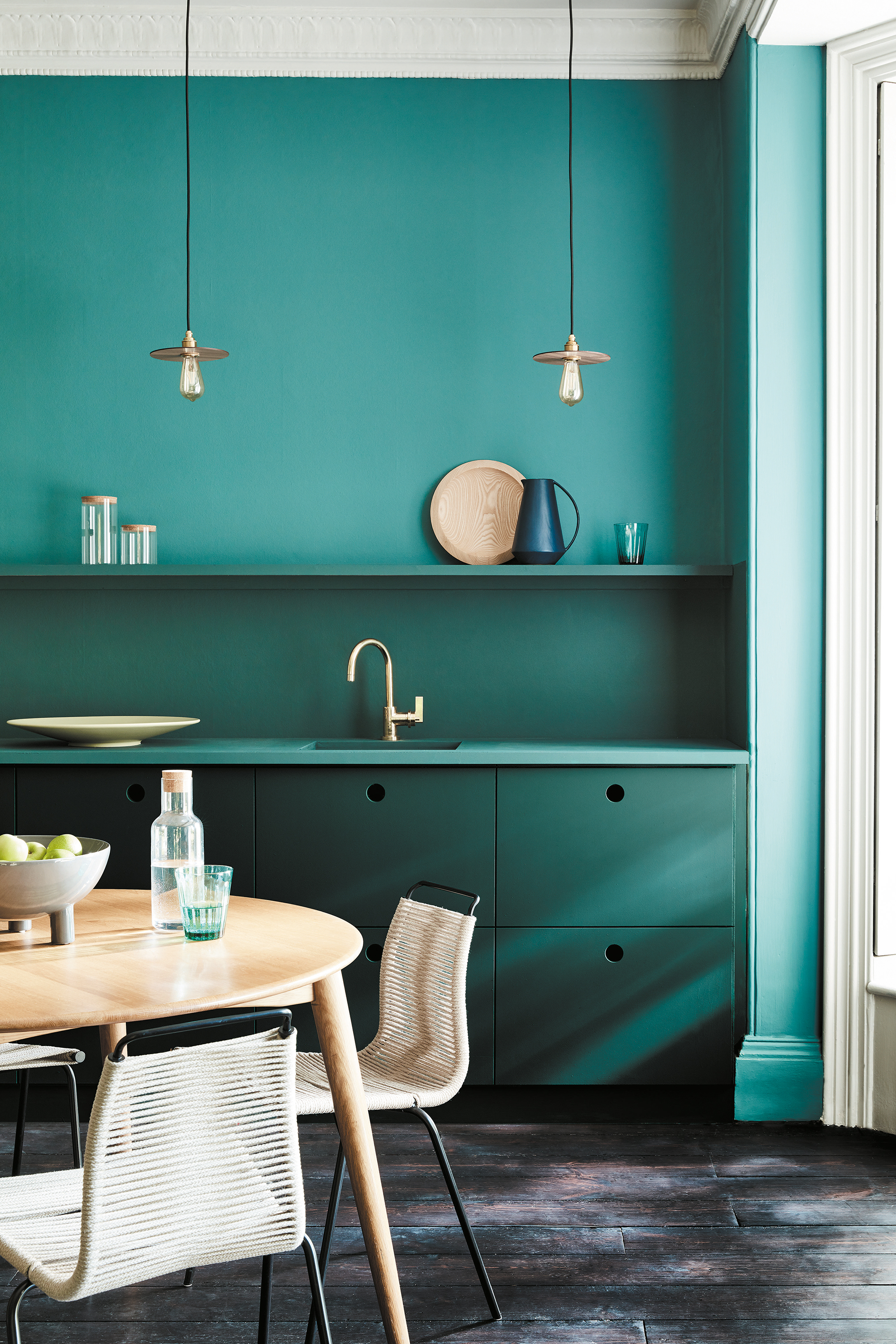
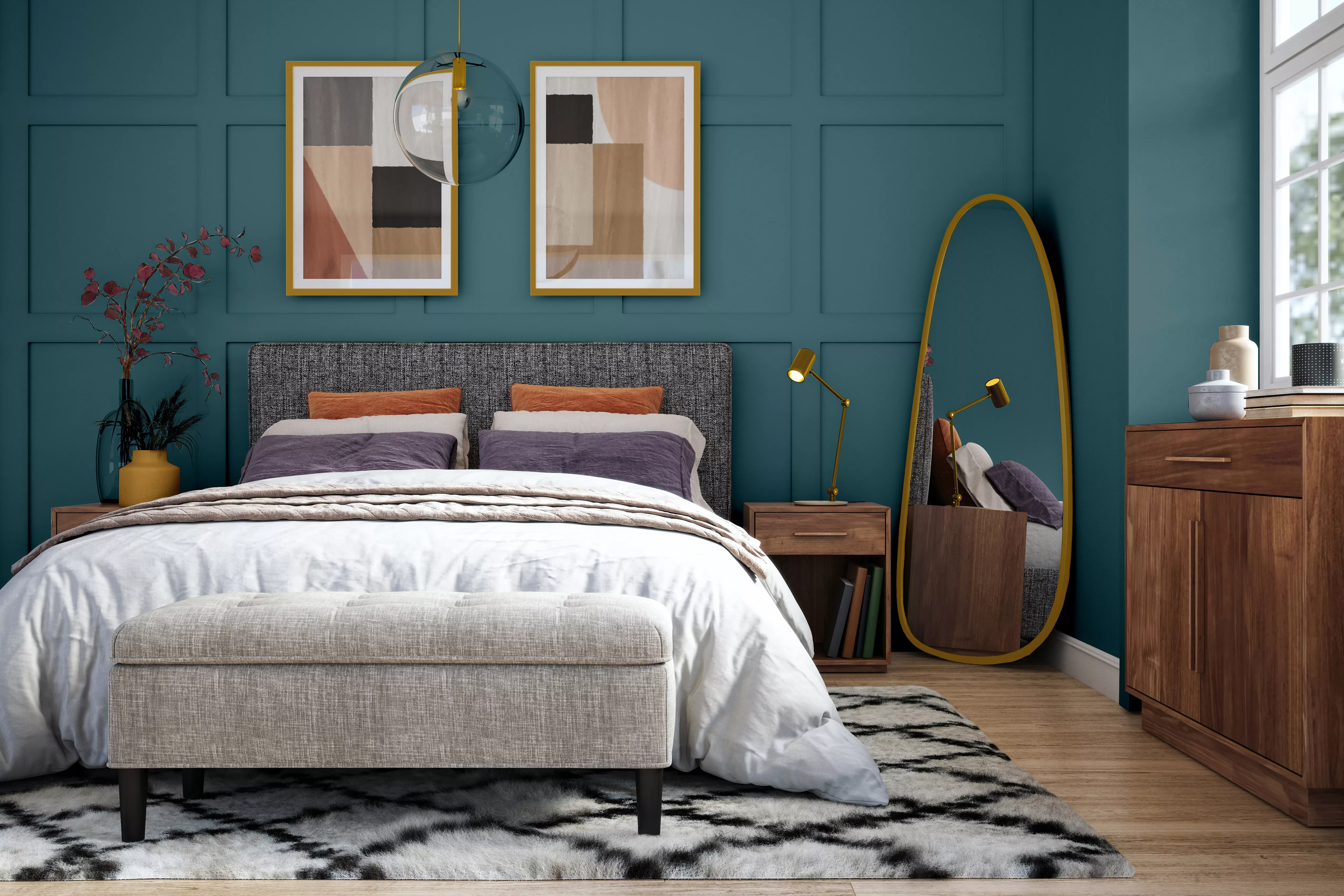
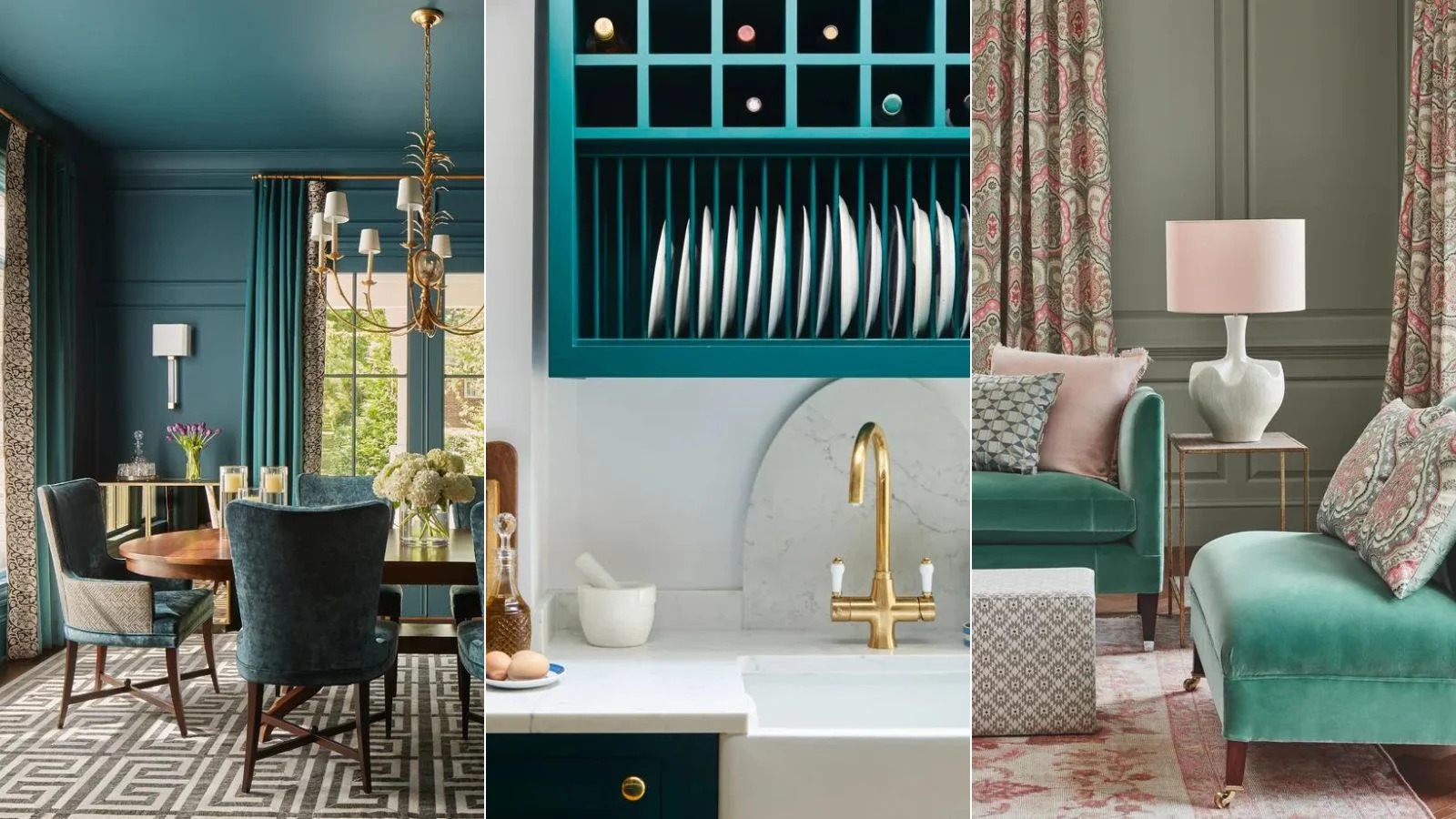
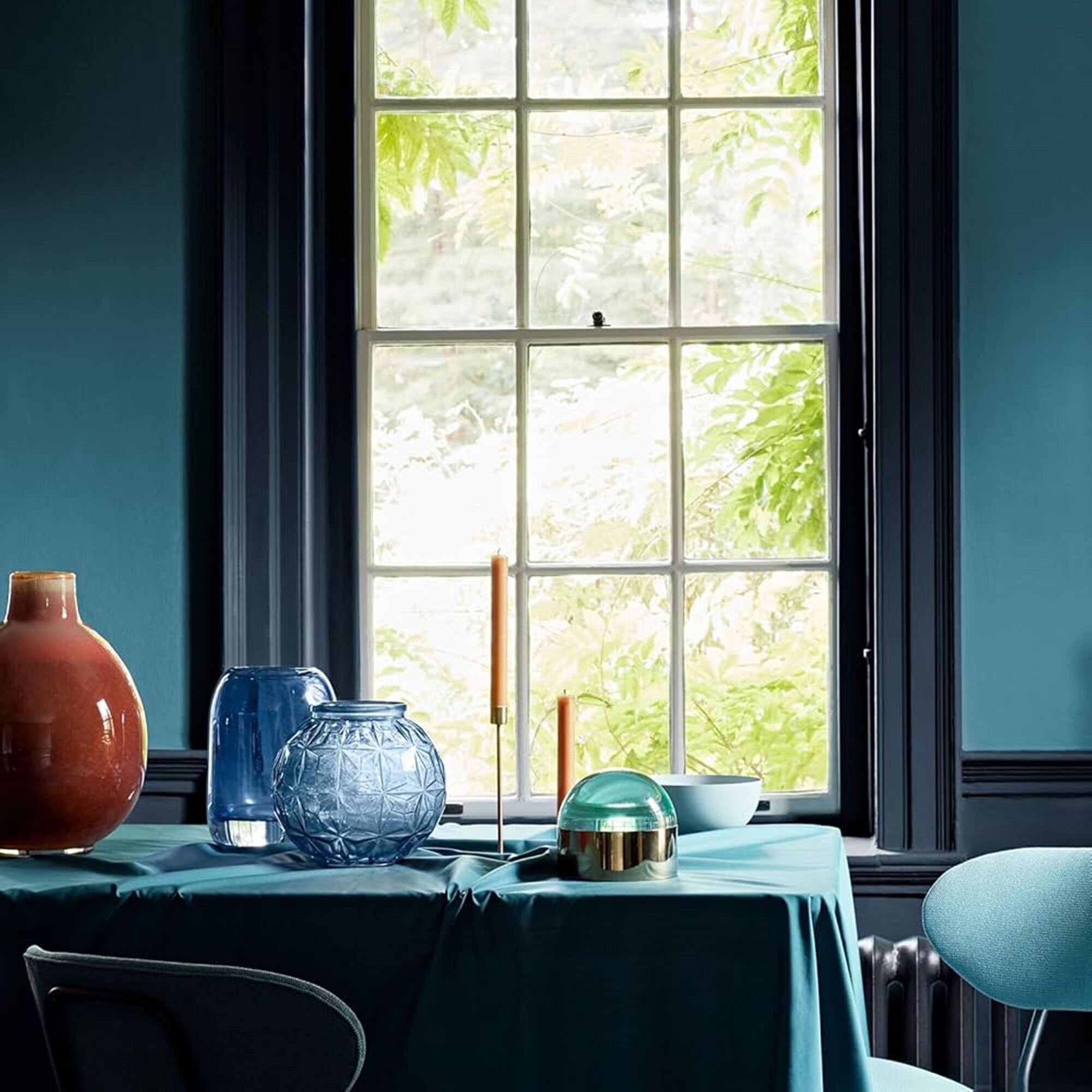
When using an all-teal scheme, bold, captivating shades can make a striking statement. Justyna Korczynska from Crown Paints explains that strong tones like teal add energy and make a room pop. The article advises considering the tone of teal paint, as bright teals offer a fresh, vibrant feel, while darker teals with black undertones create a moodier, more dramatic ambiance. Deep teals are particularly effective for dining rooms, fostering an intimate atmosphere perfect for entertaining. To enhance this effect, 'color drenching'—applying teal to ceilings, skirting, and woodwork—can create a beautifully contemporary look. The article also highlights the importance of natural light, recommending bluer hues for south-facing rooms and greener teals for north-facing rooms, where cooler light accentuates the blue tones.
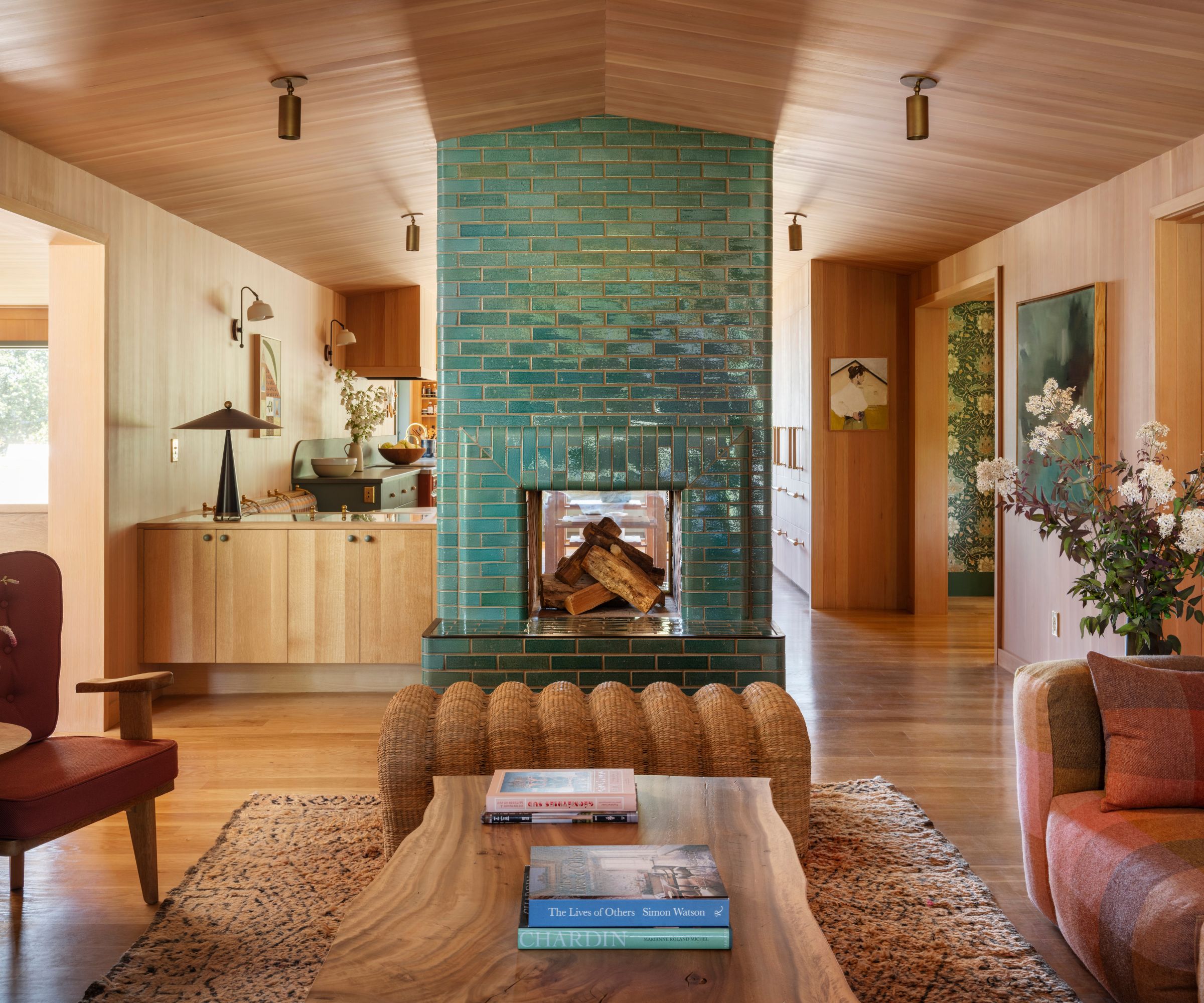
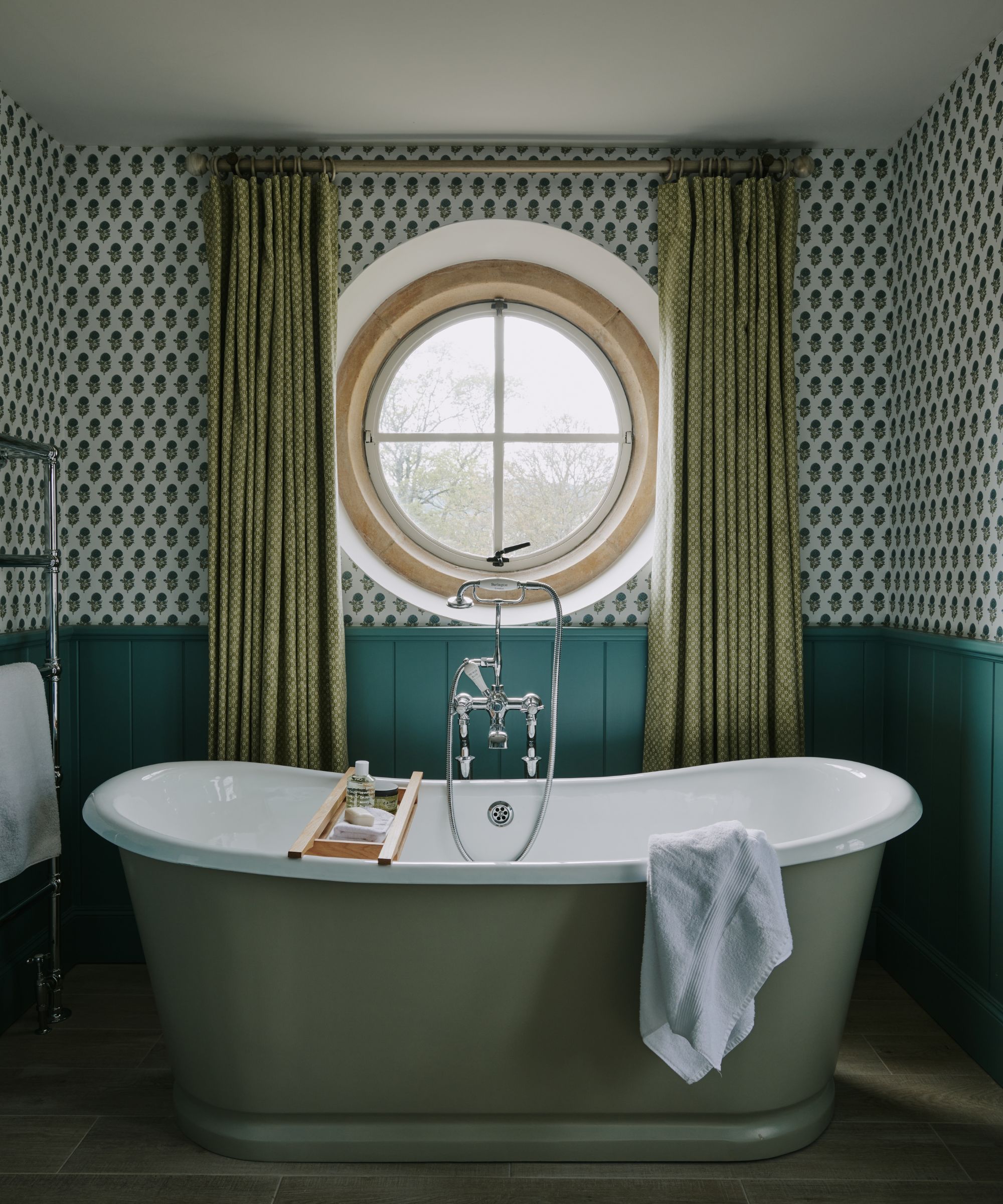
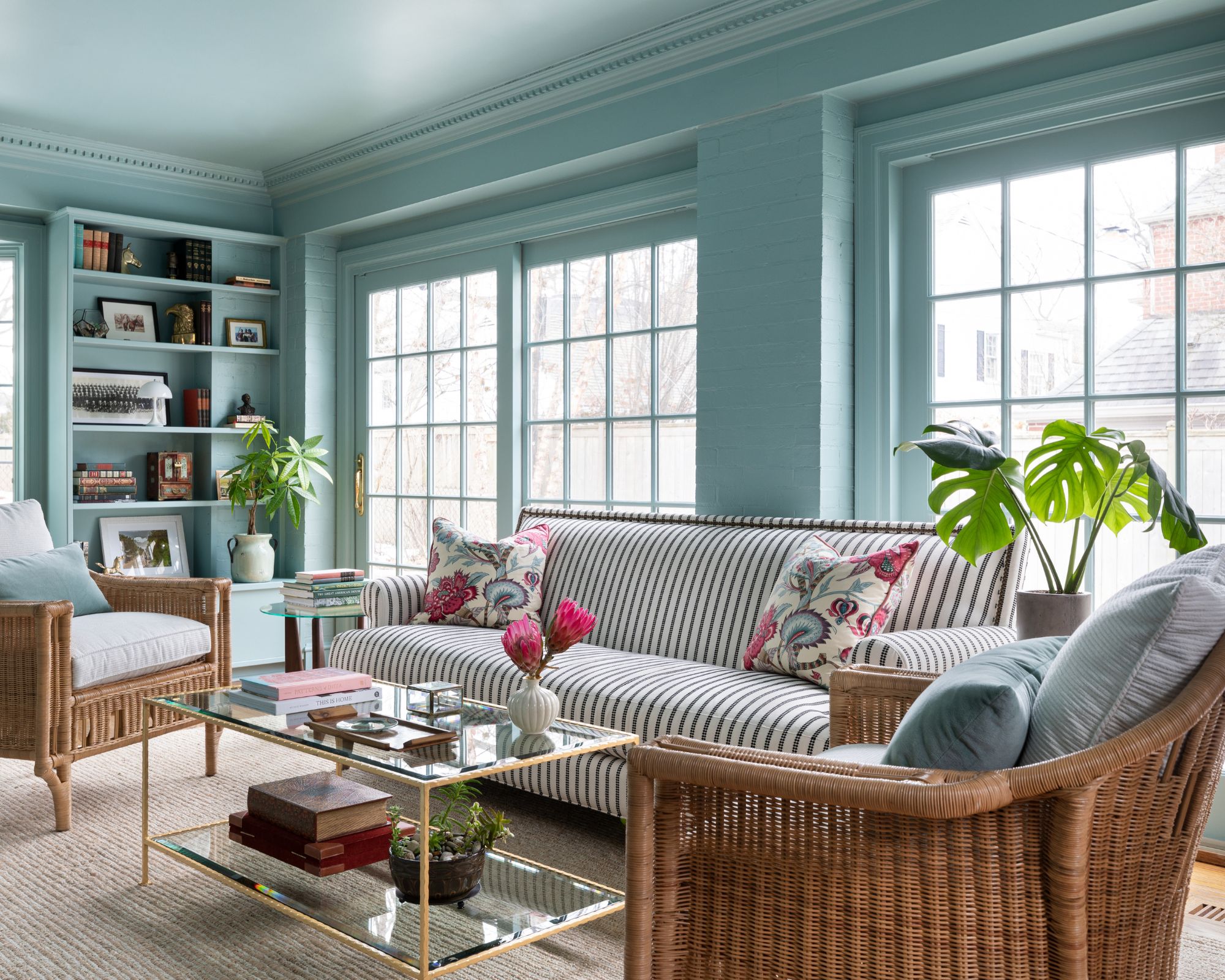
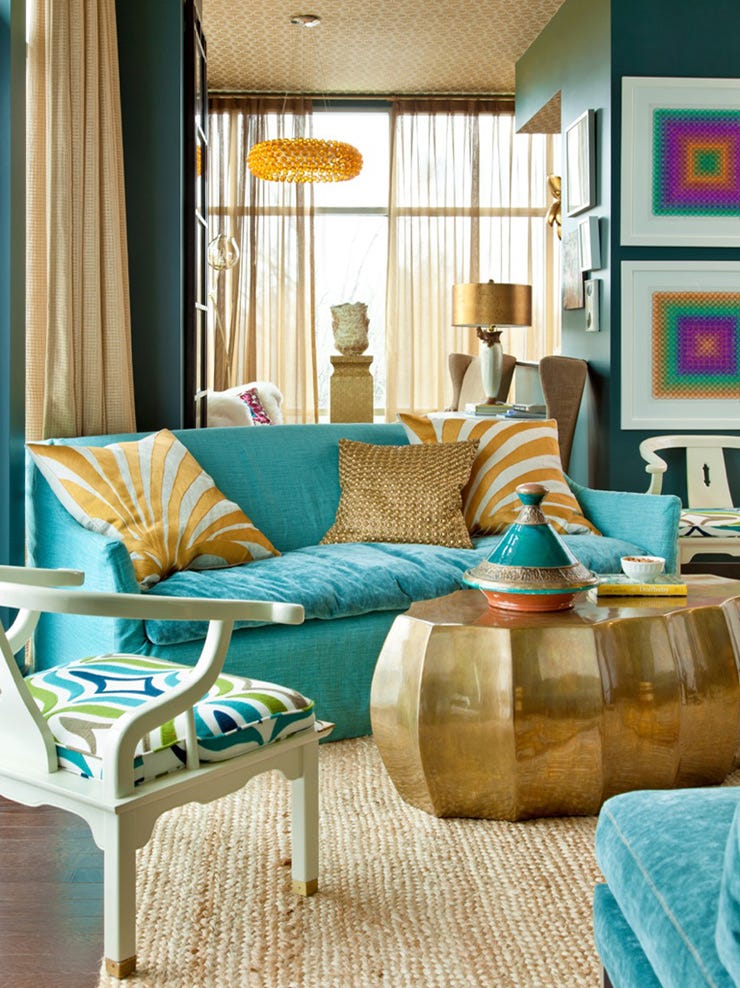
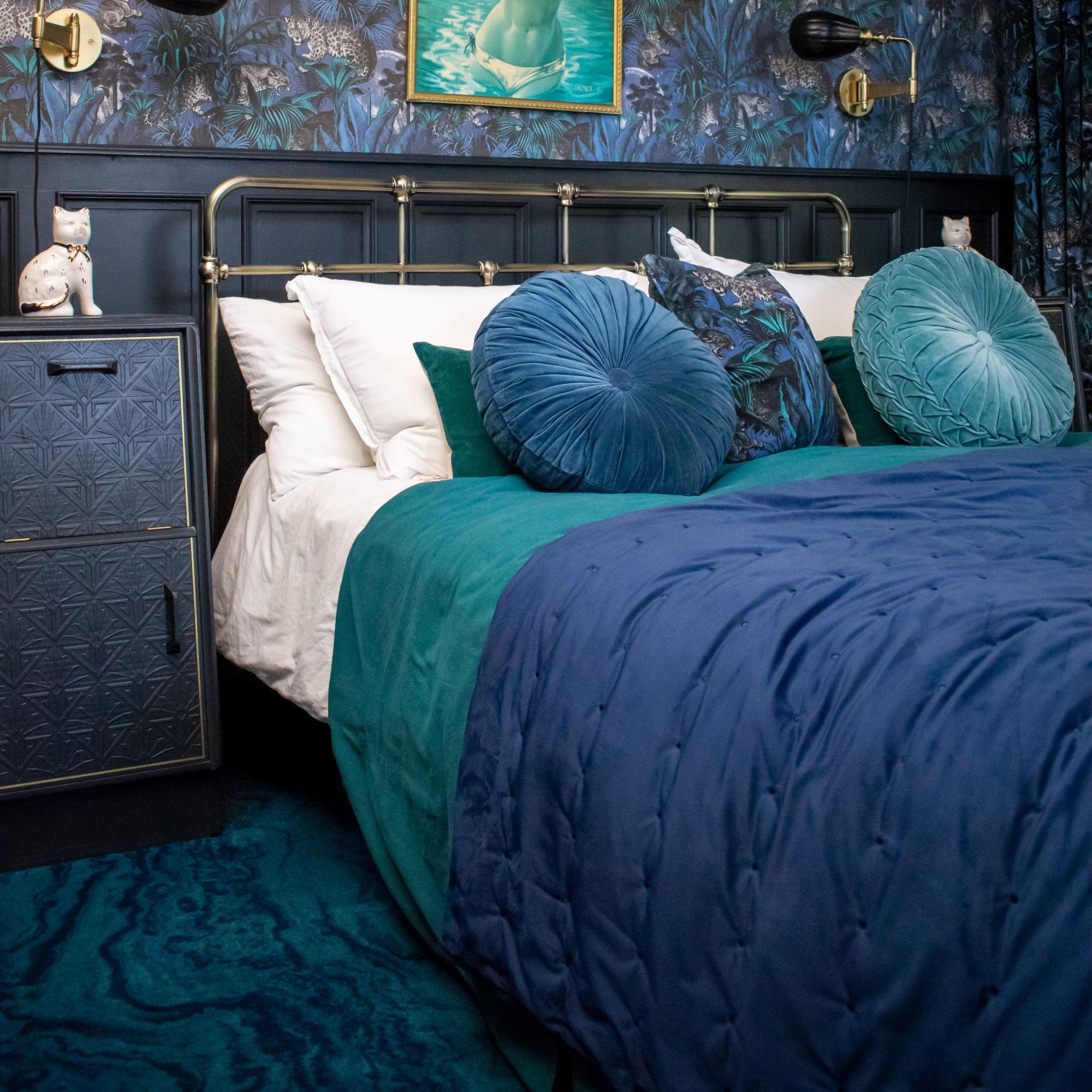
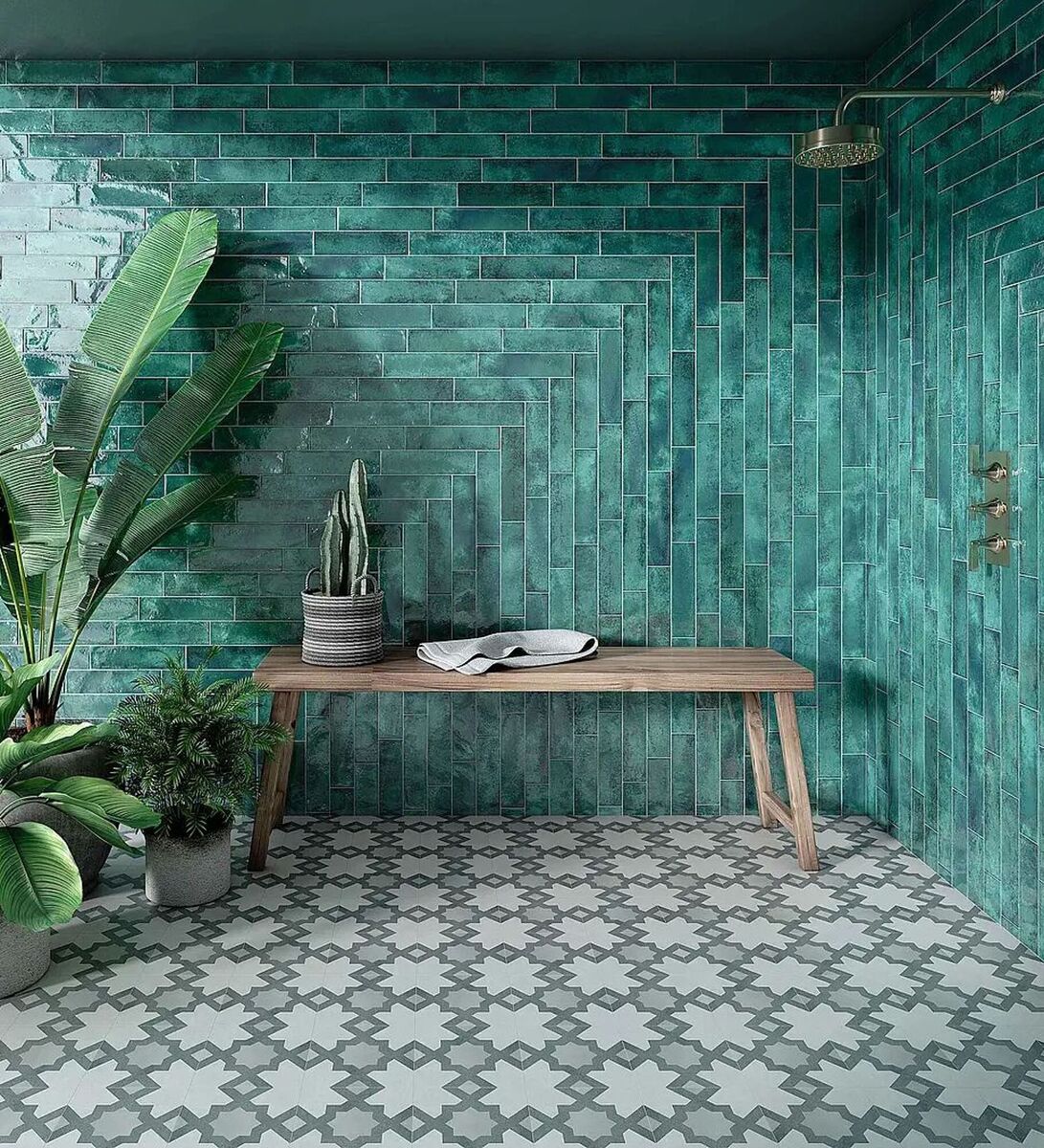
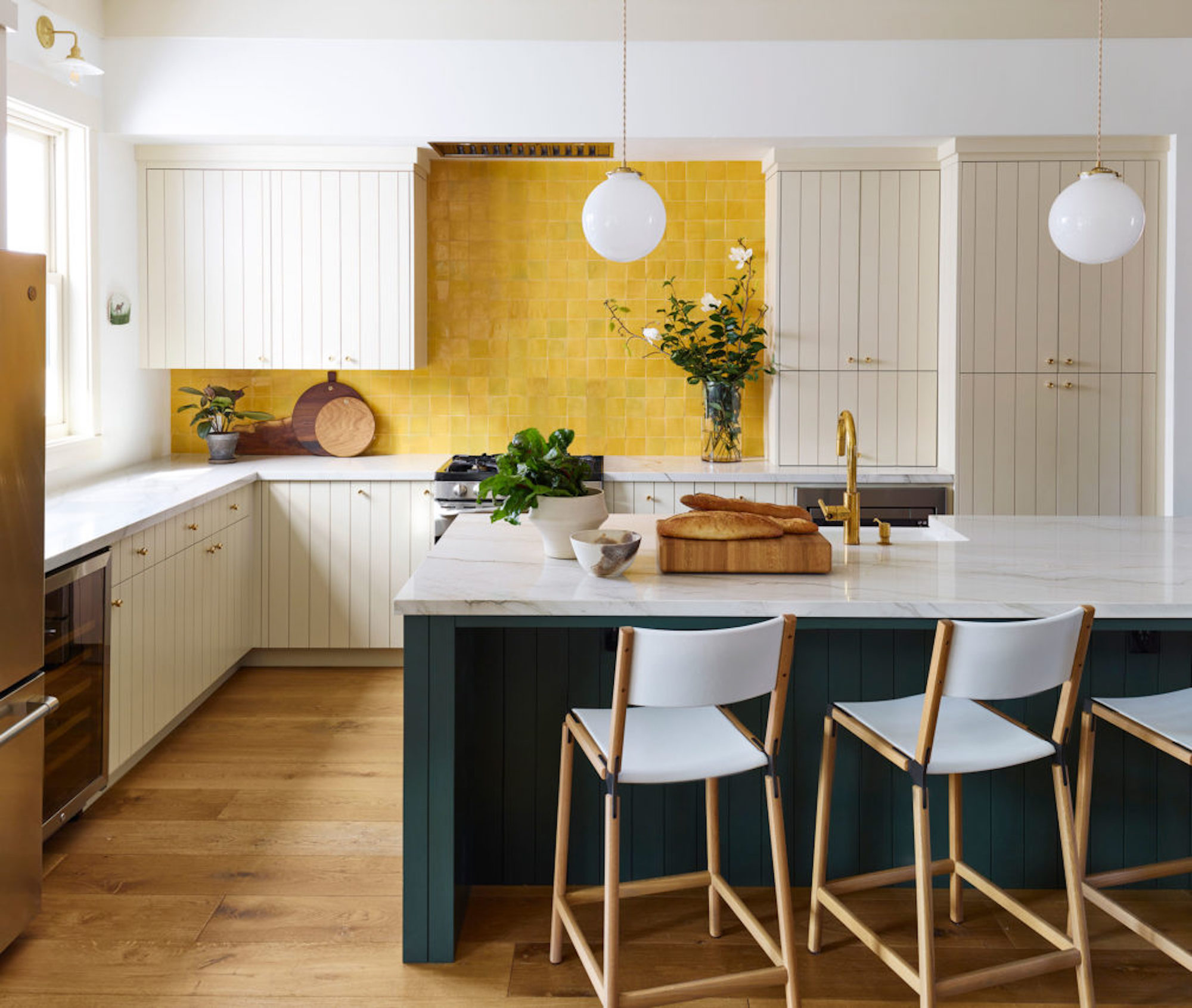
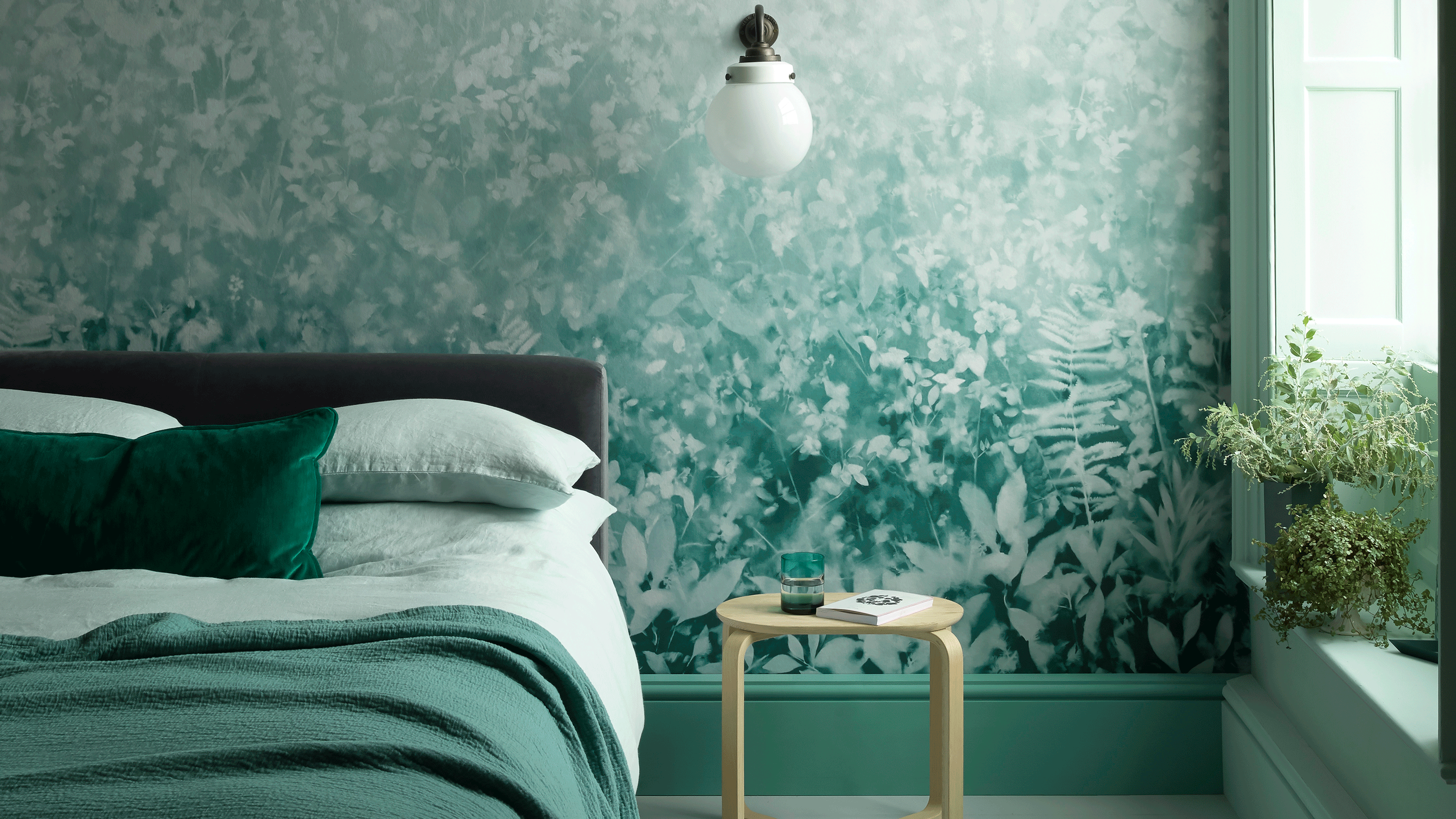
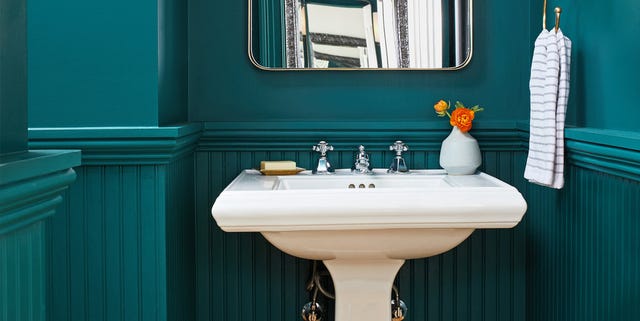
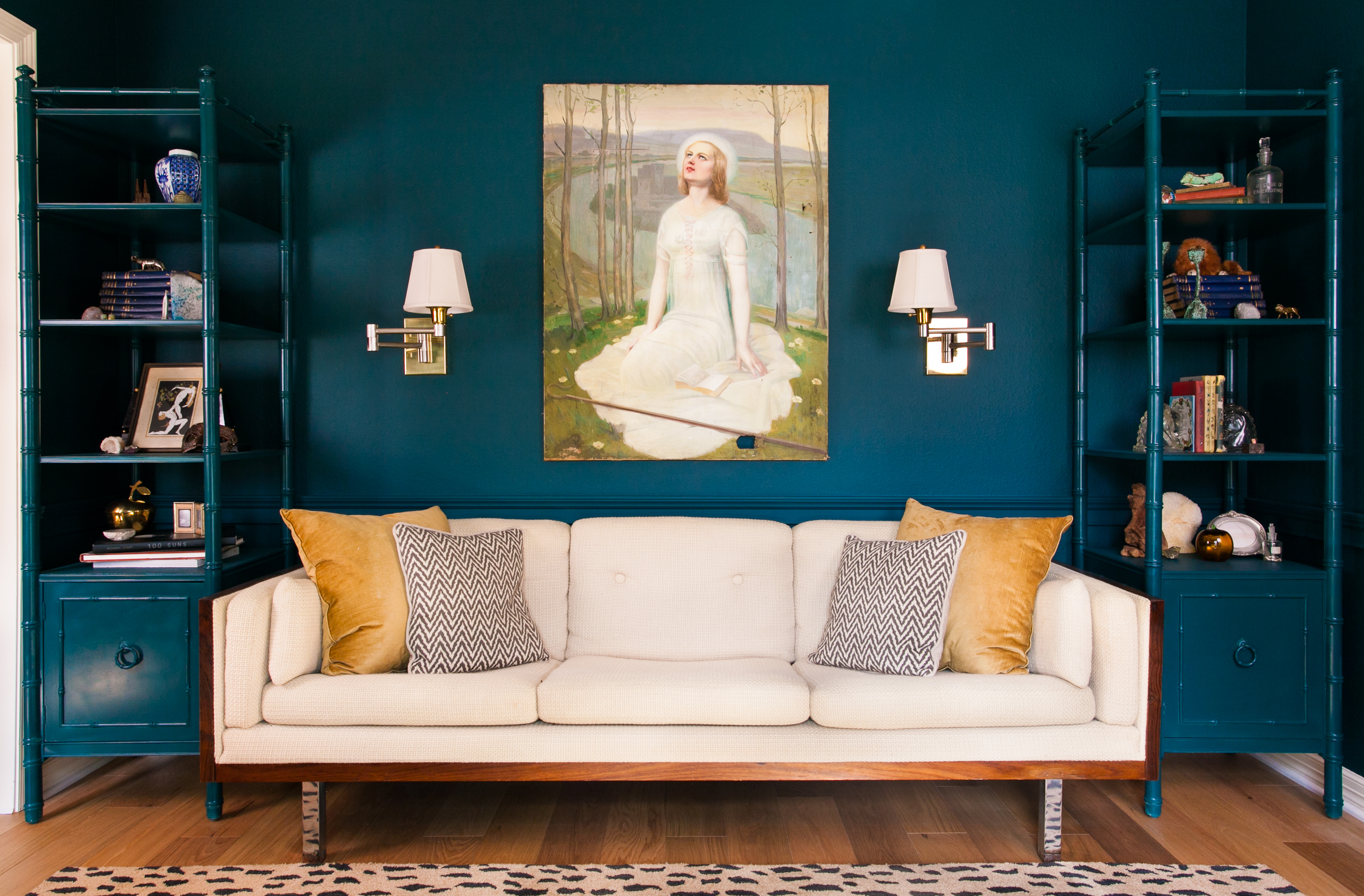
Combining teal with white evokes serenity, reminiscent of Mediterranean turquoise and cyan. This soothing combination is ideal for bathrooms, creating a relaxing environment. For bathroom paneling, a satin finish is recommended to reflect light and highlight the paneling. To prevent single-hue rooms from feeling cold, the article suggests combining different tones of teal to create layers of depth. This approach is also beneficial for those hesitant about using block color, as Ruth Mottershead of Little Greene advises selecting tonally coordinating colors for various elements in the room. Teal harmonizes beautifully with natural wood, particularly honeyed and blonde tones, creating a fresh and enlivening space. Helen Shaw of Benjamin Moore suggests incorporating botanicals and raw woods, or adding earthy accents like mustard or paprika for a mid-century, dramatic feel.
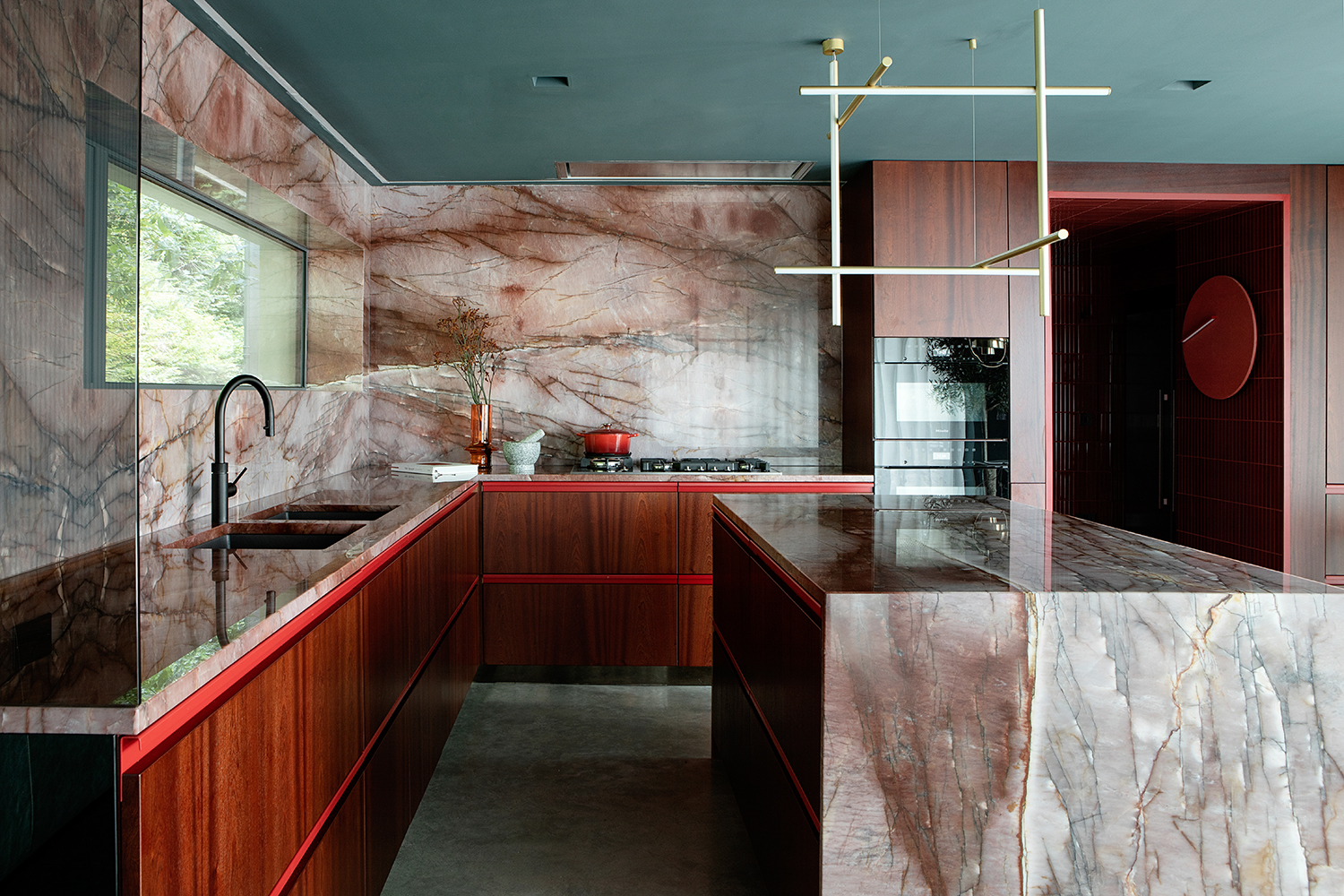
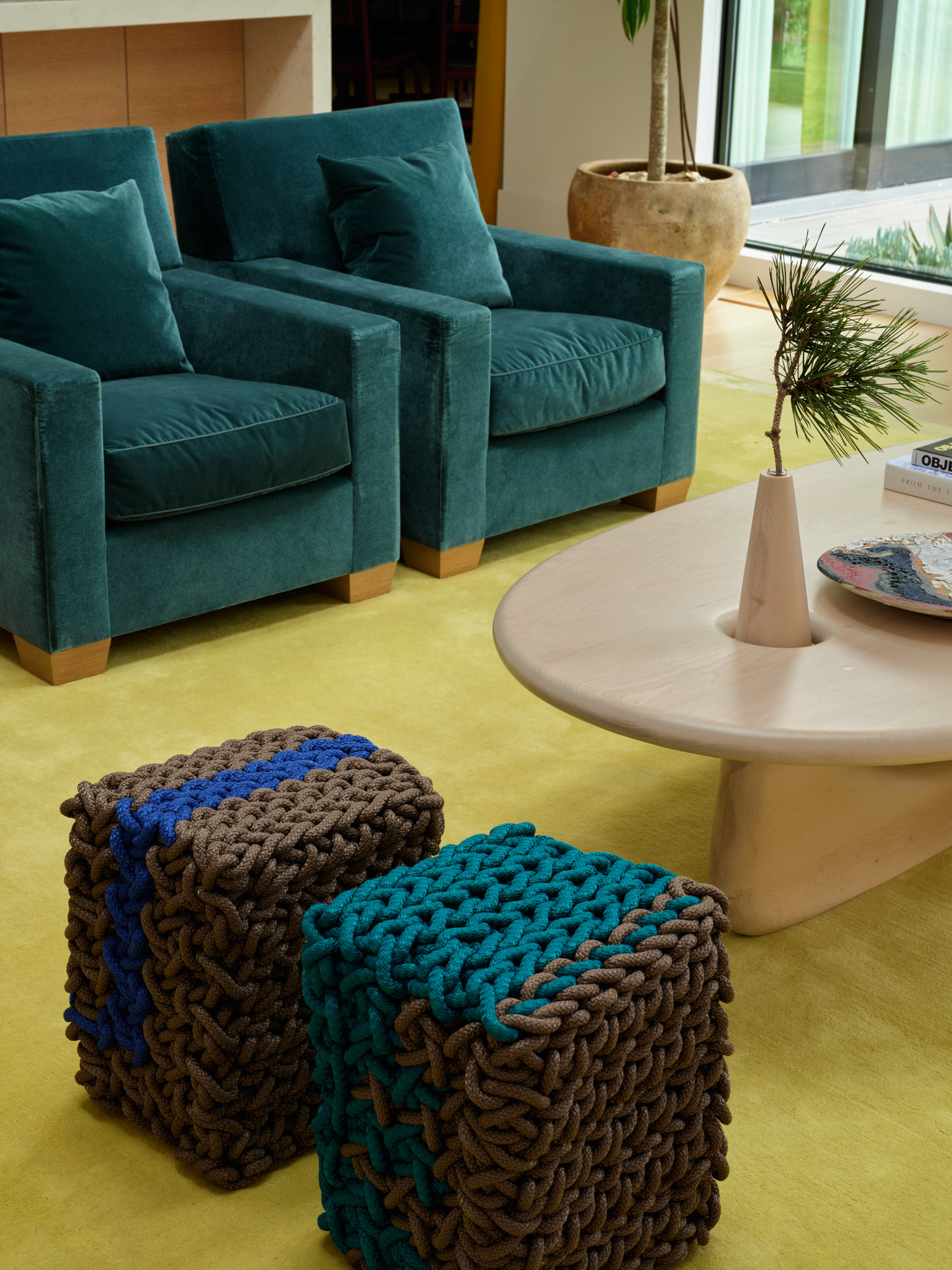
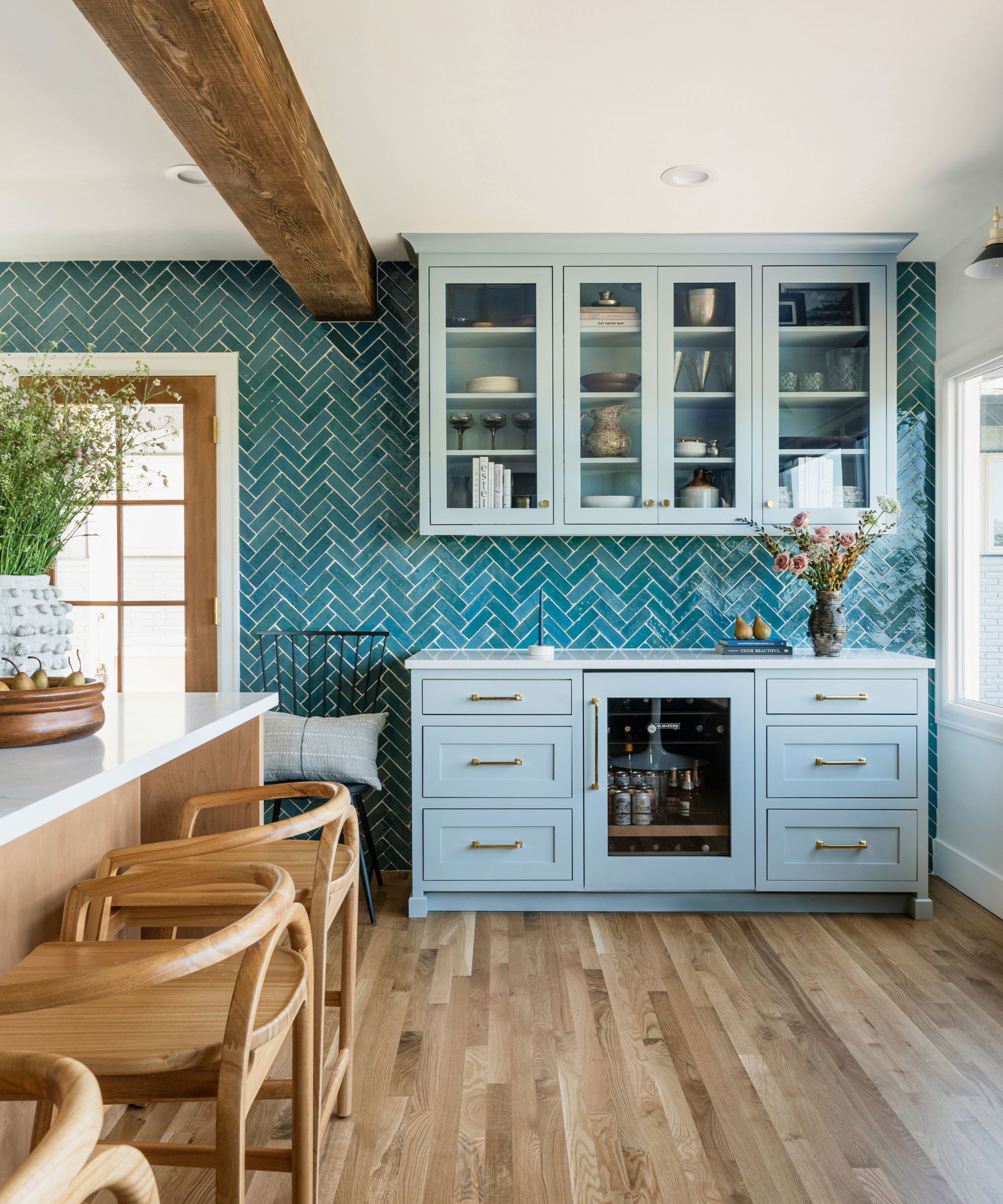
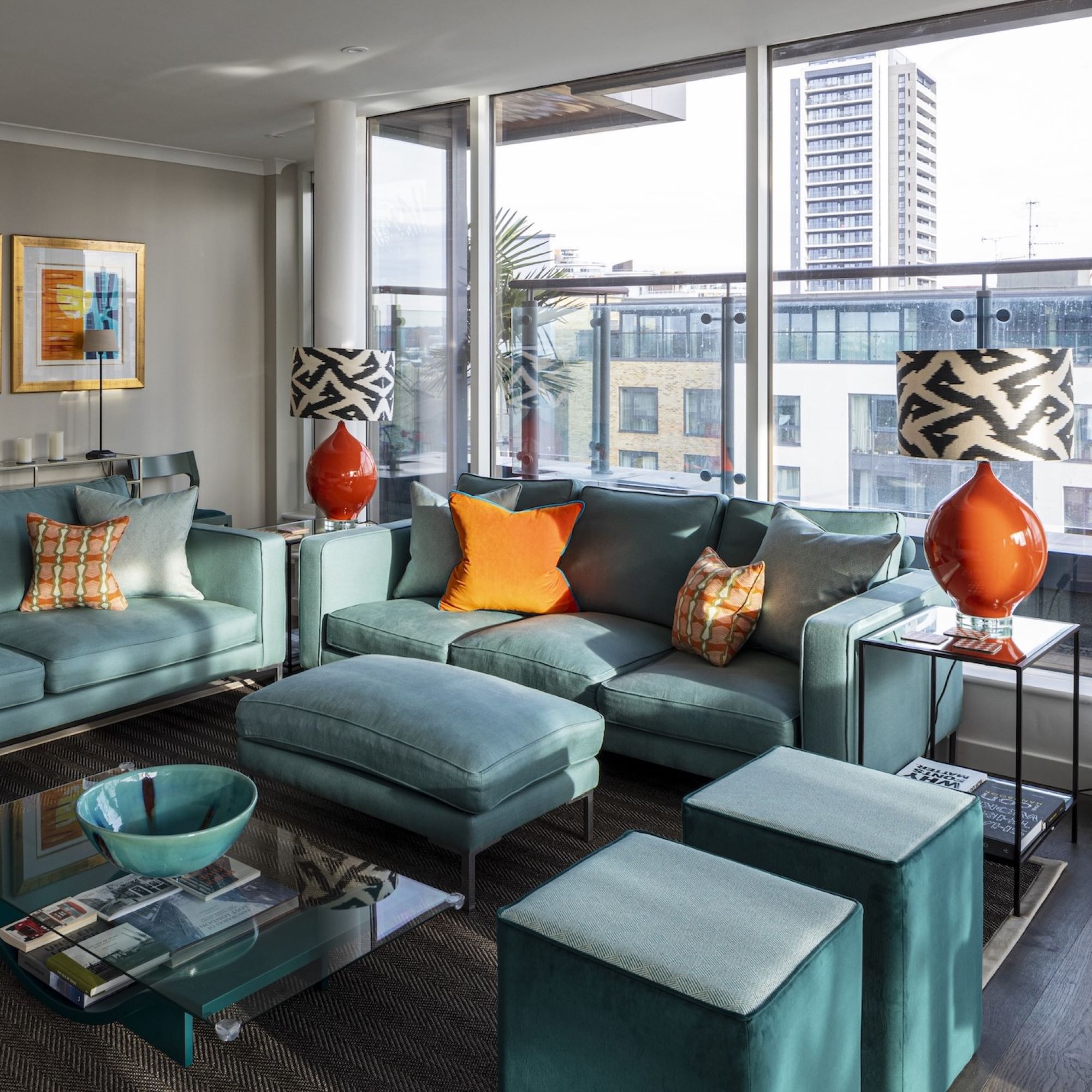
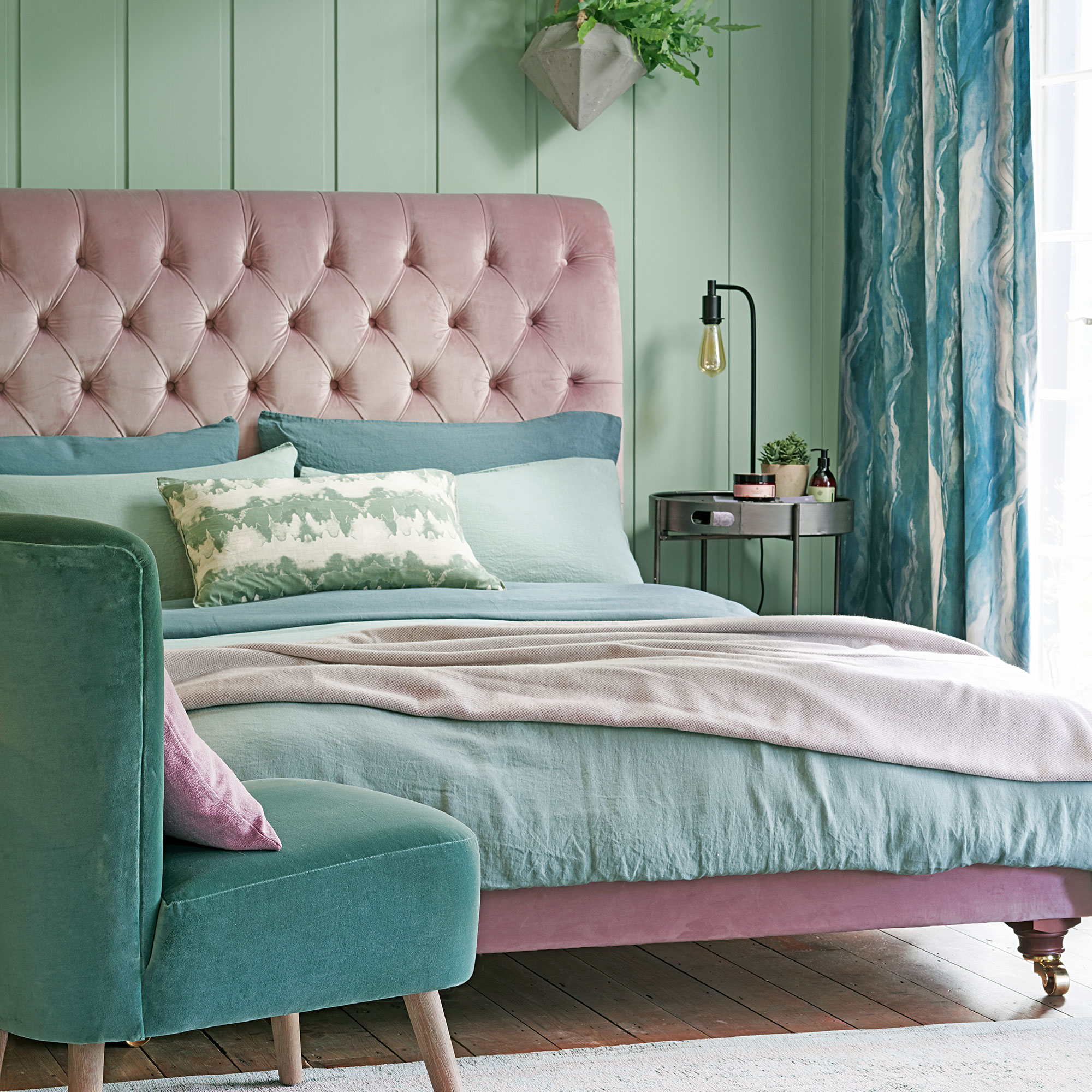
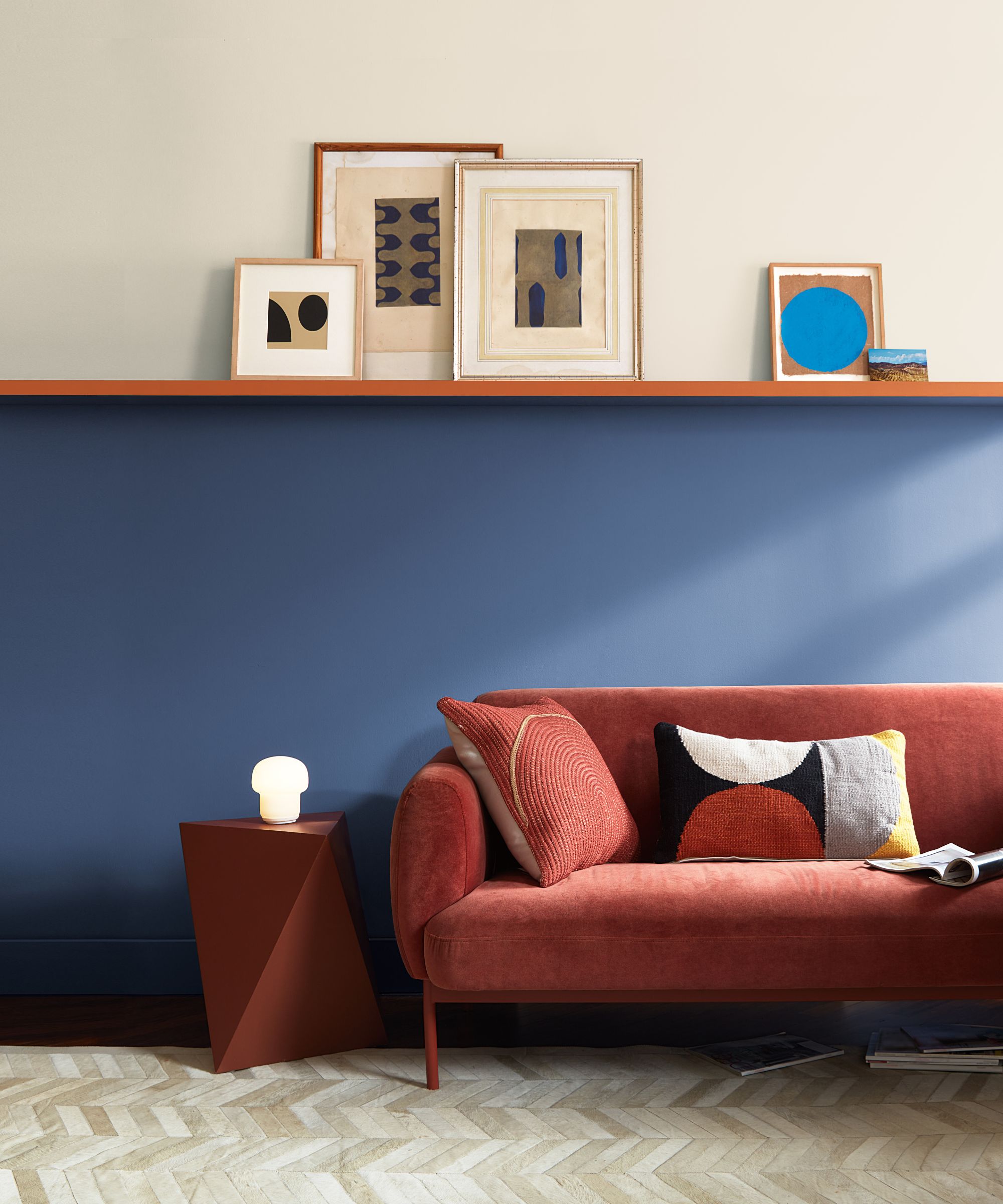
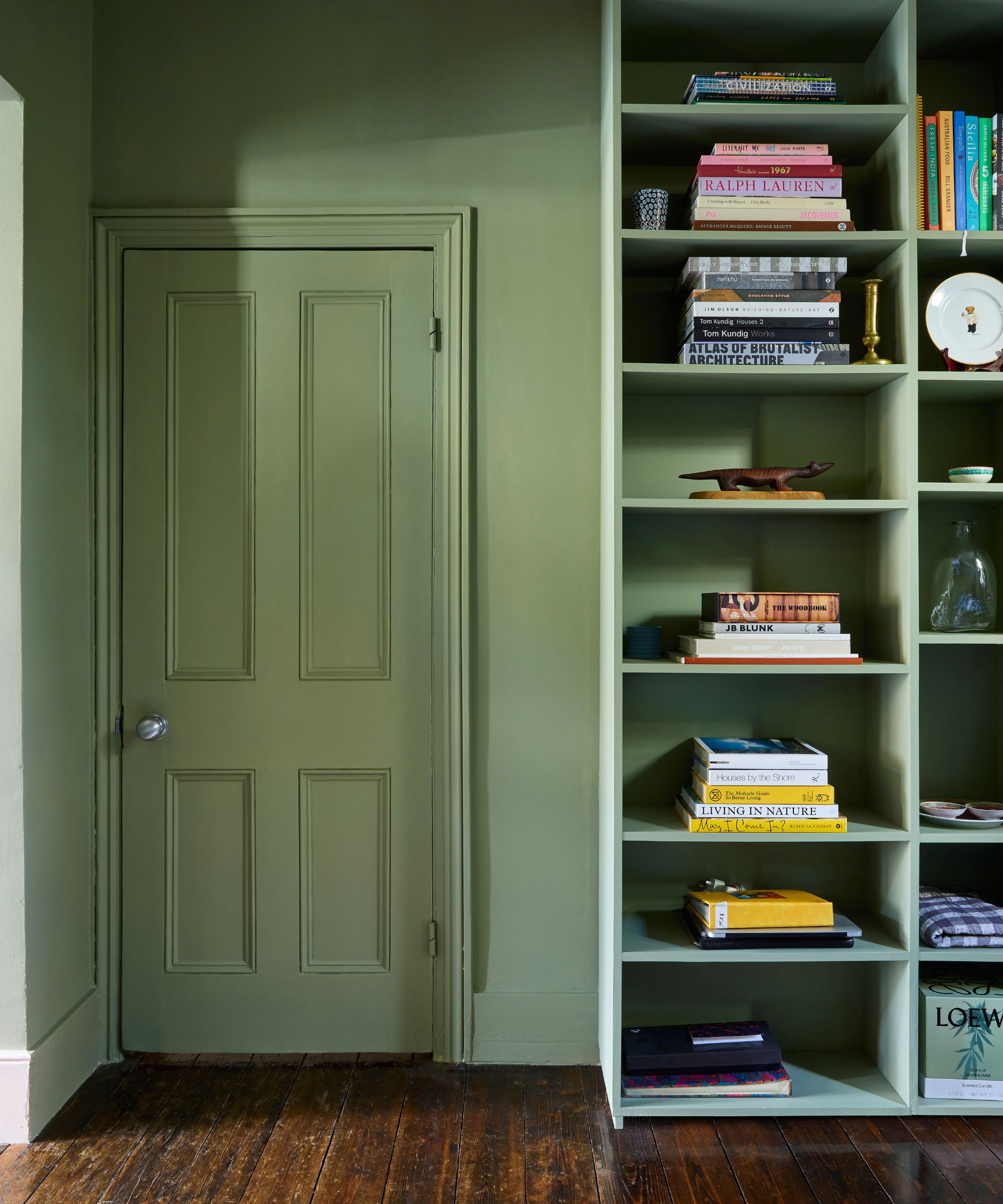
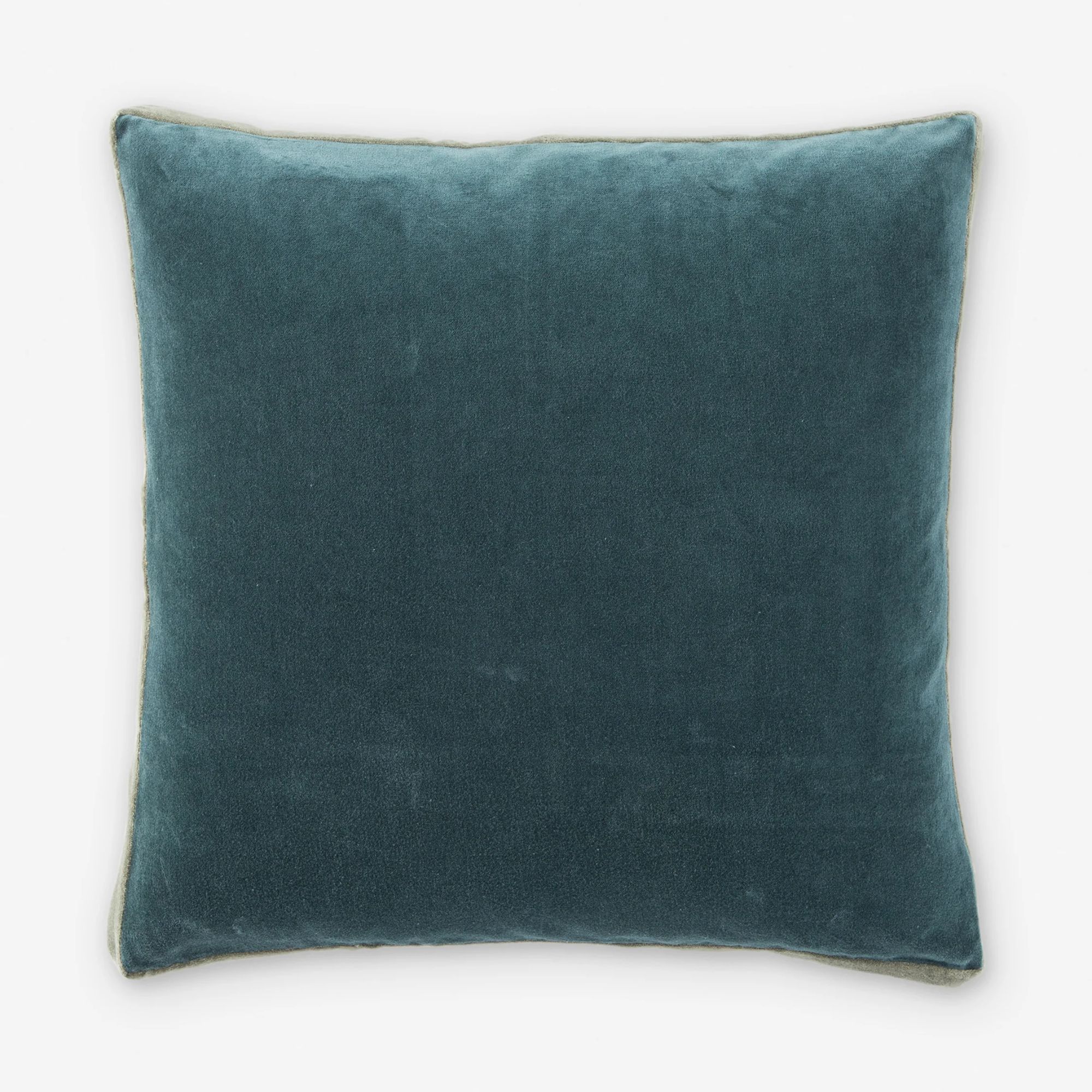
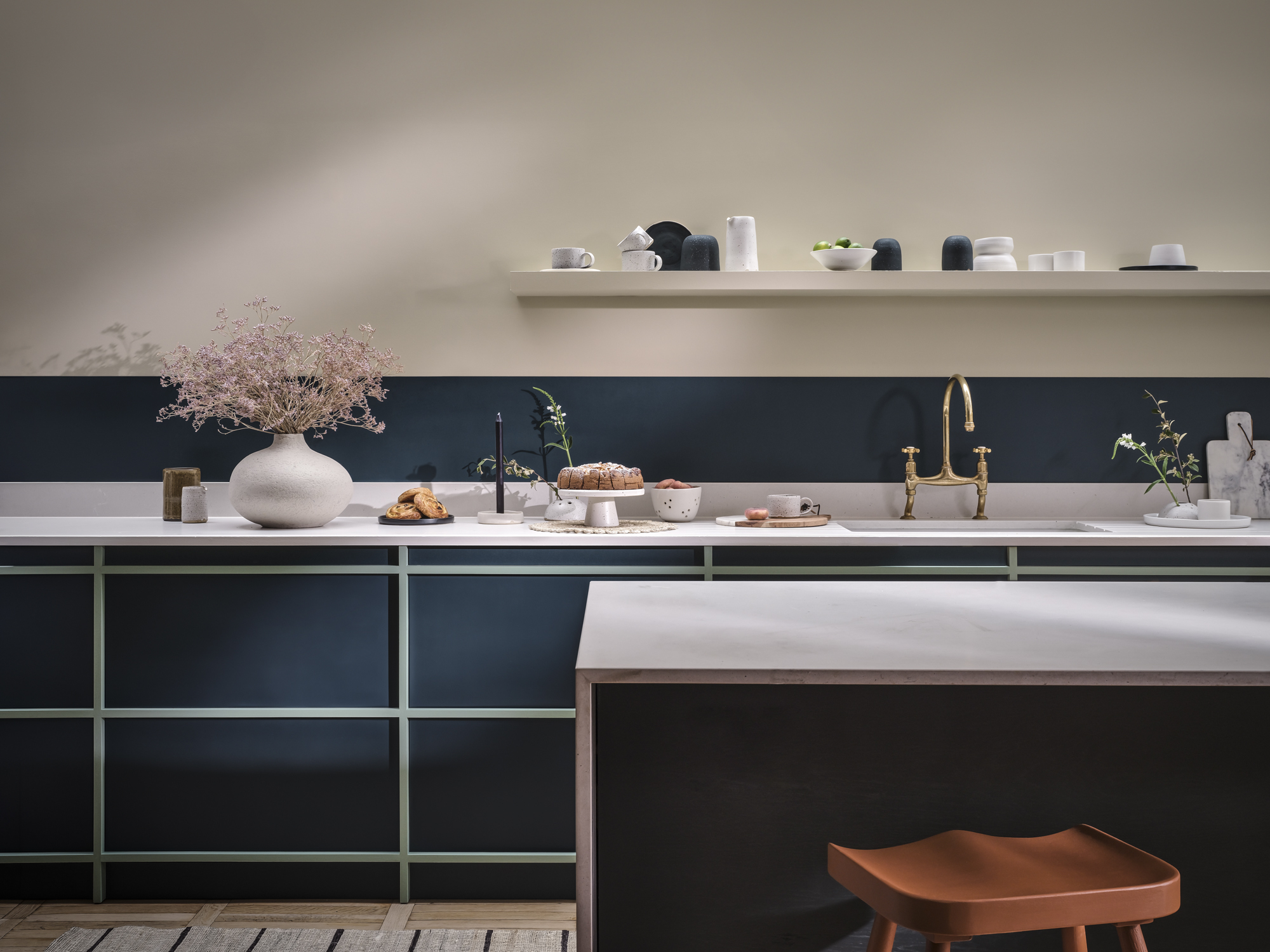
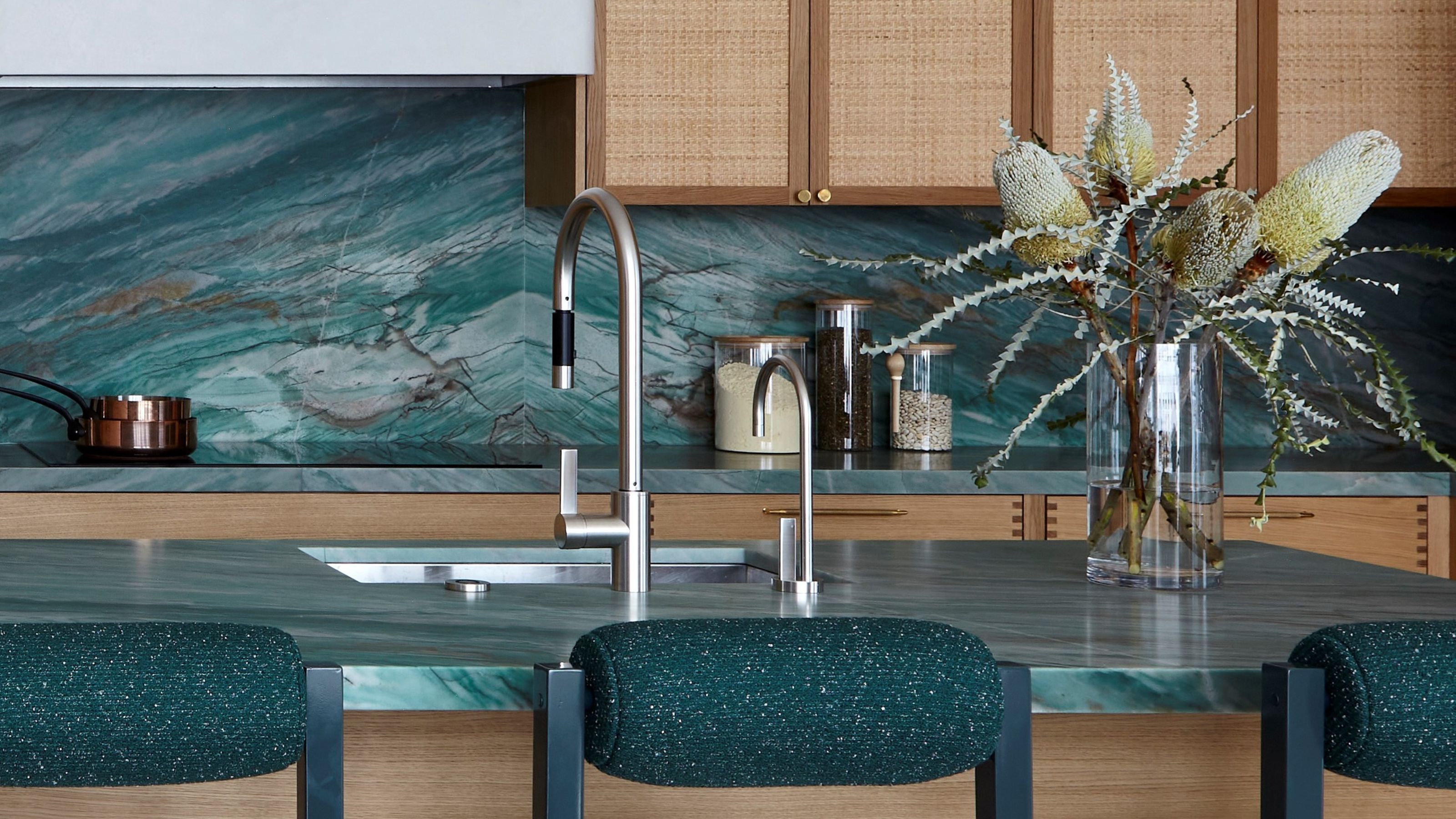
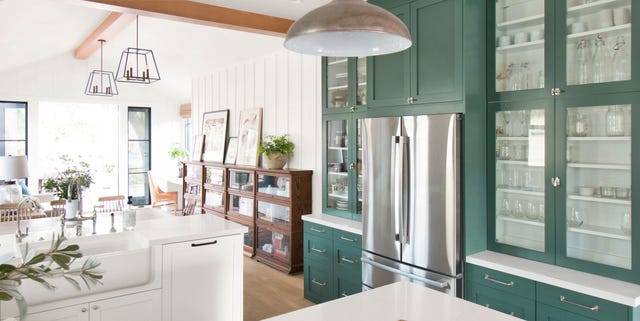
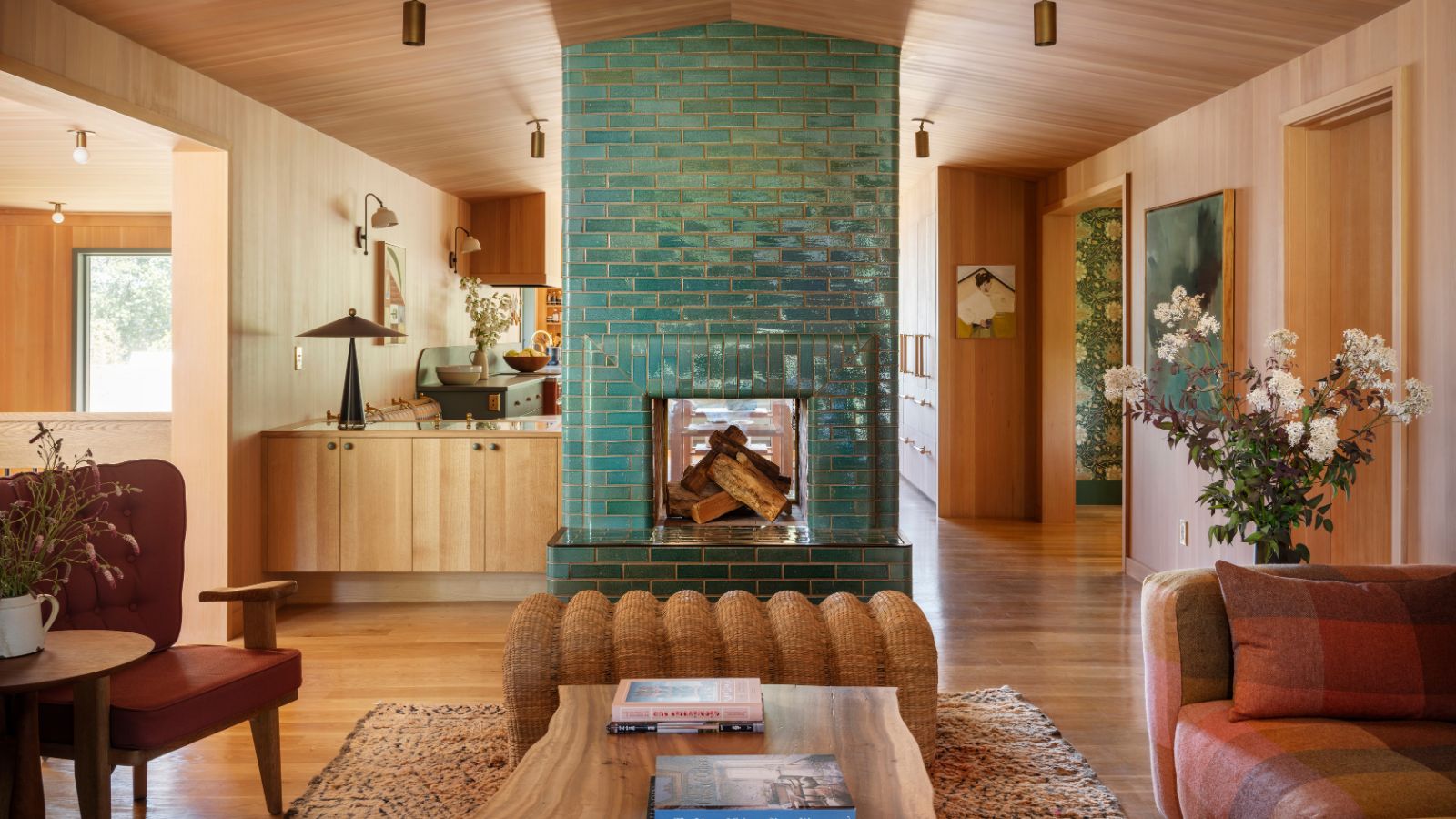
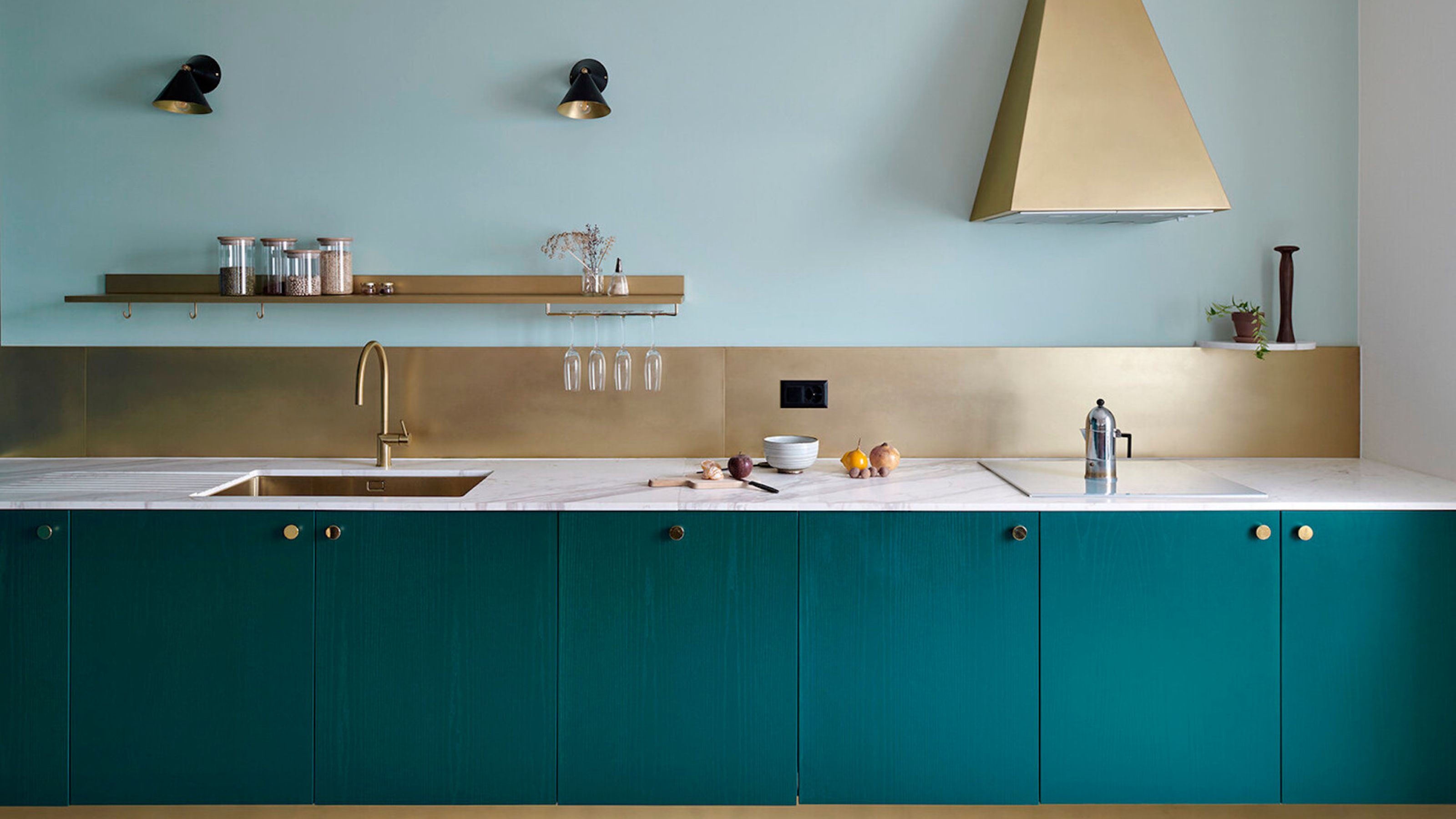
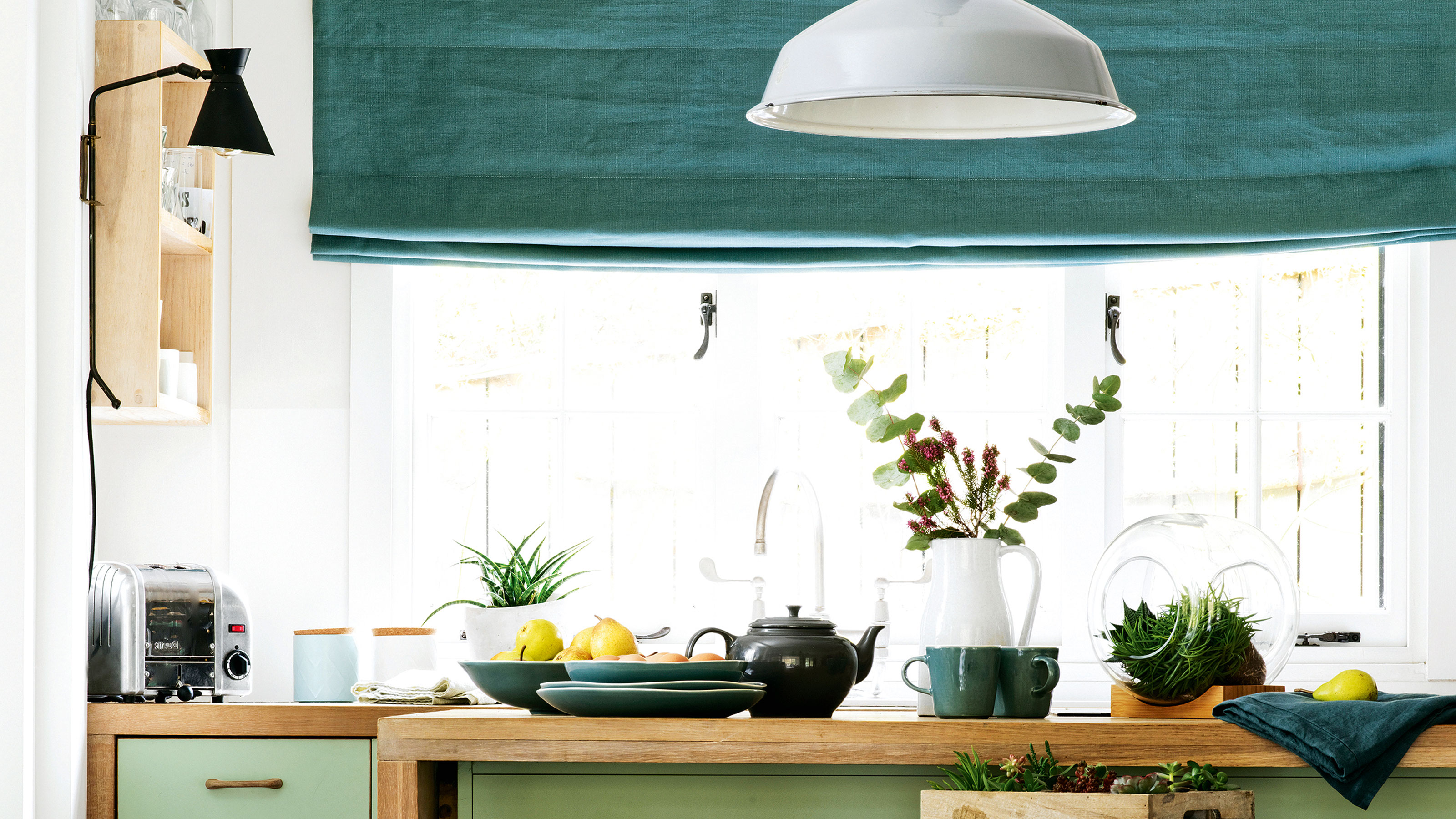
For complementary color schemes, pairing teal with pink accents and navy is highly effective, as pink, being opposite green on the color wheel, balances greenish-blue tones. Emma Deterding describes teal and pink as a winning combination, adaptable for bold wall statements or subtle accents through accessories. Introducing teal through accessories like throws, cushions, and lampshades offers a gentler approach, ideal for neutral rooms seeking a vibrant touch without sacrificing calm. Painting furniture, especially the inside of cabinets or pantries, provides an unexpected color pop, creating a striking backdrop for displaying items. Teal can also highlight period features such as woodwork or fireplaces, offering a statement color without overwhelming the space. When combined with black and white, teal acts as a balancing color, preventing starkness and adding vibrancy to two-tone schemes. Finally, in kitchens, teal brings energy and an uplifting atmosphere, offering a fresh take on classic blue kitchen designs, with Helen Shaw noting a trend toward more vibrant teal and verdigris shades for center islands.
#TealDecor #InteriorDesign #ColorSchemes #HomeDecor #AccentColors #RoomColorIdeas #PaintChoices #DesignTips #TealDecor #InteriorDesign #ColorSchemes #HomeDecor #AccentColors #RoomColorIdeas #PaintChoices #DesignTips
0 commentaire au total
 Aucun commentaire pour le moment
Vous aimerez aussi
Decorating With Teal — I'm a Color Expert and Know How to Make It Work for Your Home

Top Designers are Swooning Over These Teal Paint Colors

Teal bedroom ideas – experts show why this blue green is the perfect decorating hue
21 Best Teal Paint Colors for Any Room in Your Home

Teal Is the Jewel Accent Color Designers Are Using This Fall
10 Rooms That Made Great Use of Teal Paint
10 colors that go with teal – it's time to embrace this bold shade


2026's new neutral? We're pretty sure we just spotted the next must-have tone on Stanley Tucci's living room walls
What Colors Go With Teal? 12 Designer-Approved Palettes That Feel Elegant, Ethereal, and Effortless
10 colors that go with teal – it's time to embrace this bold shade
Transformative Teal: Why this calming blue-green is the key to embracing bold, personalised colour
I'd Have Never Considered Teal for My Cabinets Before, but These 7 Kitchens Prove It's a Color With So Much to Offer
10 colors that go with teal – it's time to embrace this bold shade

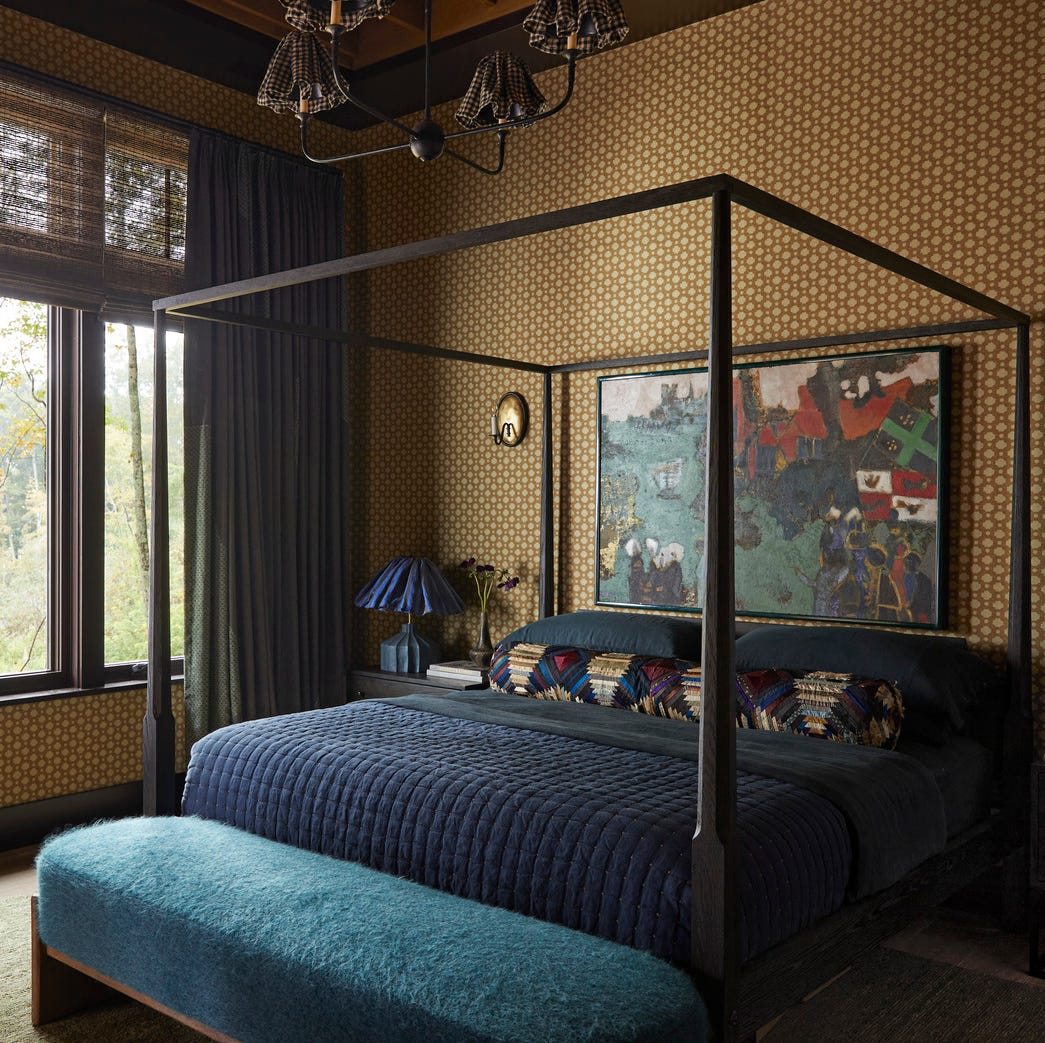
This Very "Controversial" Color Is About To Be Everywhere Again

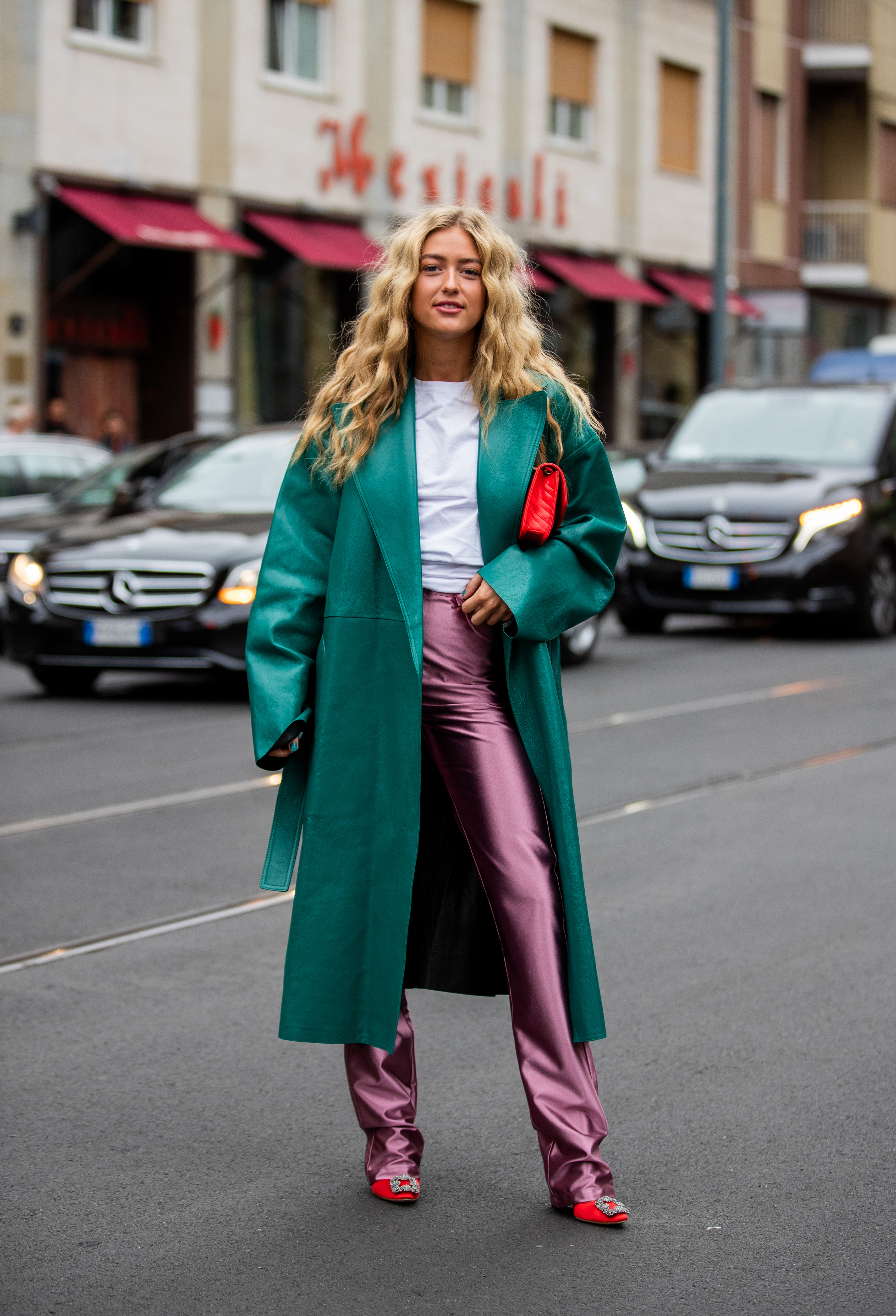
13 Color Pairing Ideas for Teal, Straight From the Most Stylish Women

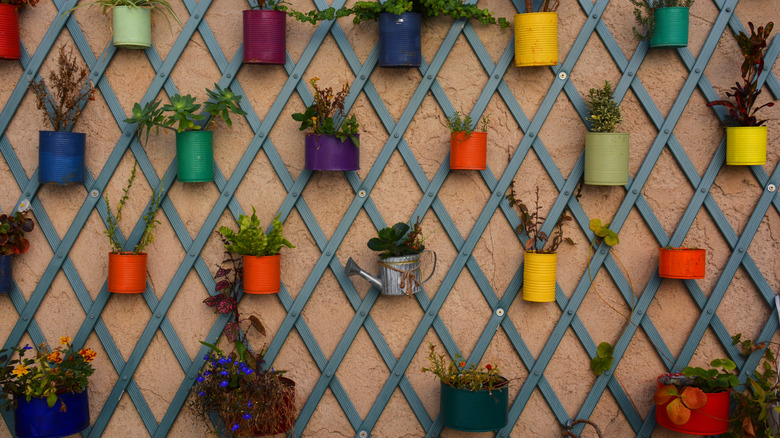
The 2025 Garden Color Of The Year Is So Bold - Here's 13 Ways To Use It
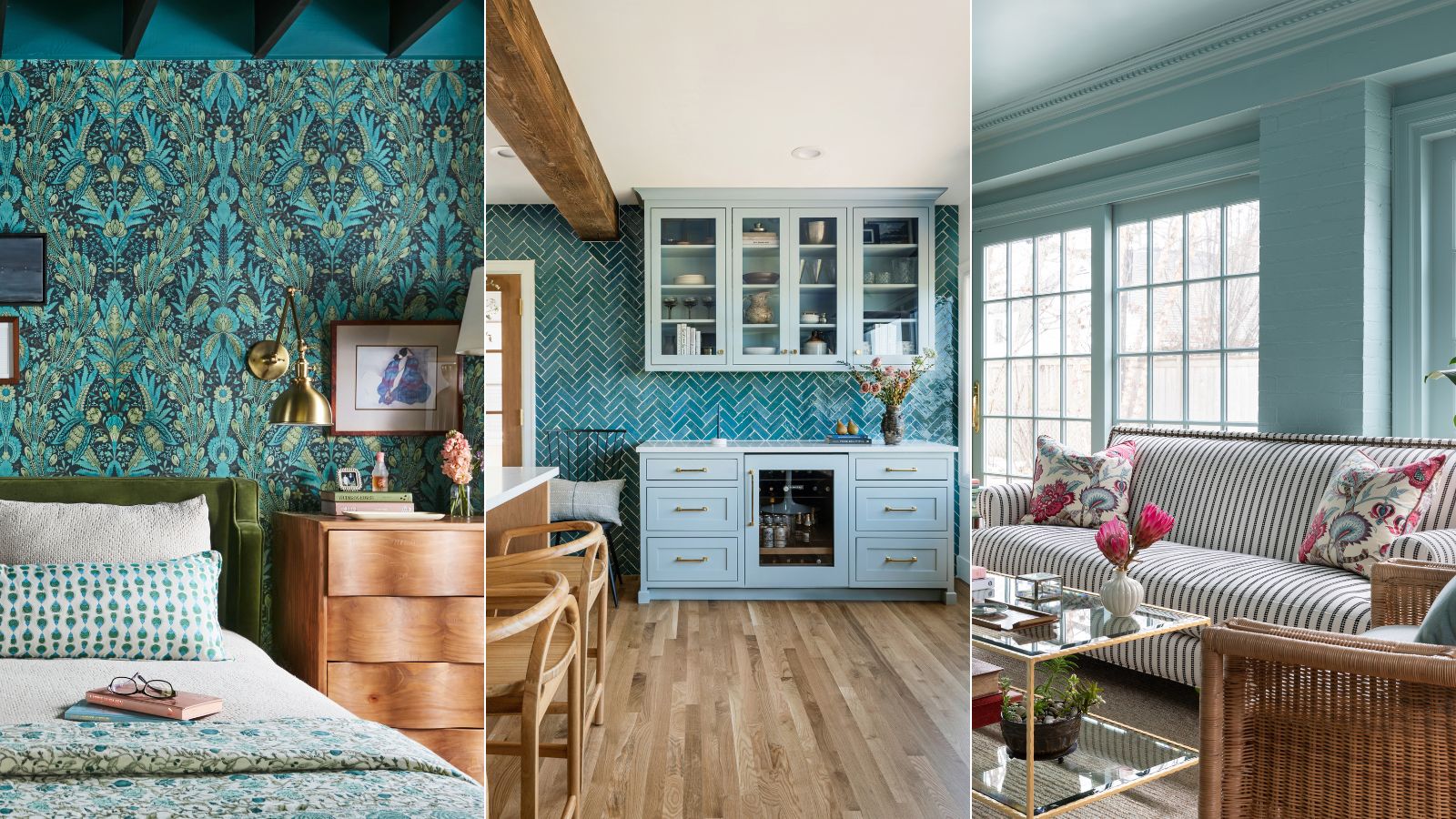
Colors that go with teal – 11 designer-favorite pairings for this bold blue-green
8 colours that go with teal - the fool-proof colour pairings that will bring out the best in this vibrant shade
What color is replacing teal? 5 trending alternatives for this versatile shade
Give Your Walls a Boost With One of These Pro-Approved Teal Paint Colors