1/3
Ask Wirecutter: How Do I Get My Husband to Throw Away Our Nasty Old Kitchen Sponges?
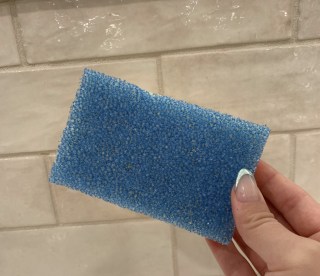
This article addresses a common household dispute regarding kitchen sponge hygiene, specifically focusing on a reader's struggle to convince her husband to replace old sponges. The author, Annemarie Conte, firmly agrees with the reader that old sponges are unsanitary and offers advice supported by expert opinion. Morgan Eberhard, a senior scientist at Procter & Gamble, emphasizes that sponges harbor a lot of bacteria, especially in warm, wet environments due to tiny air pockets trapping food. This poses a significant sanitation and food safety concern.
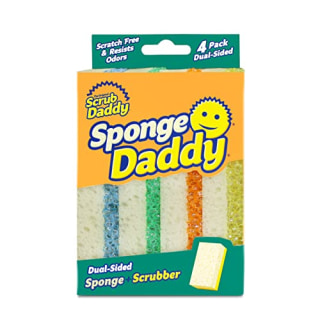
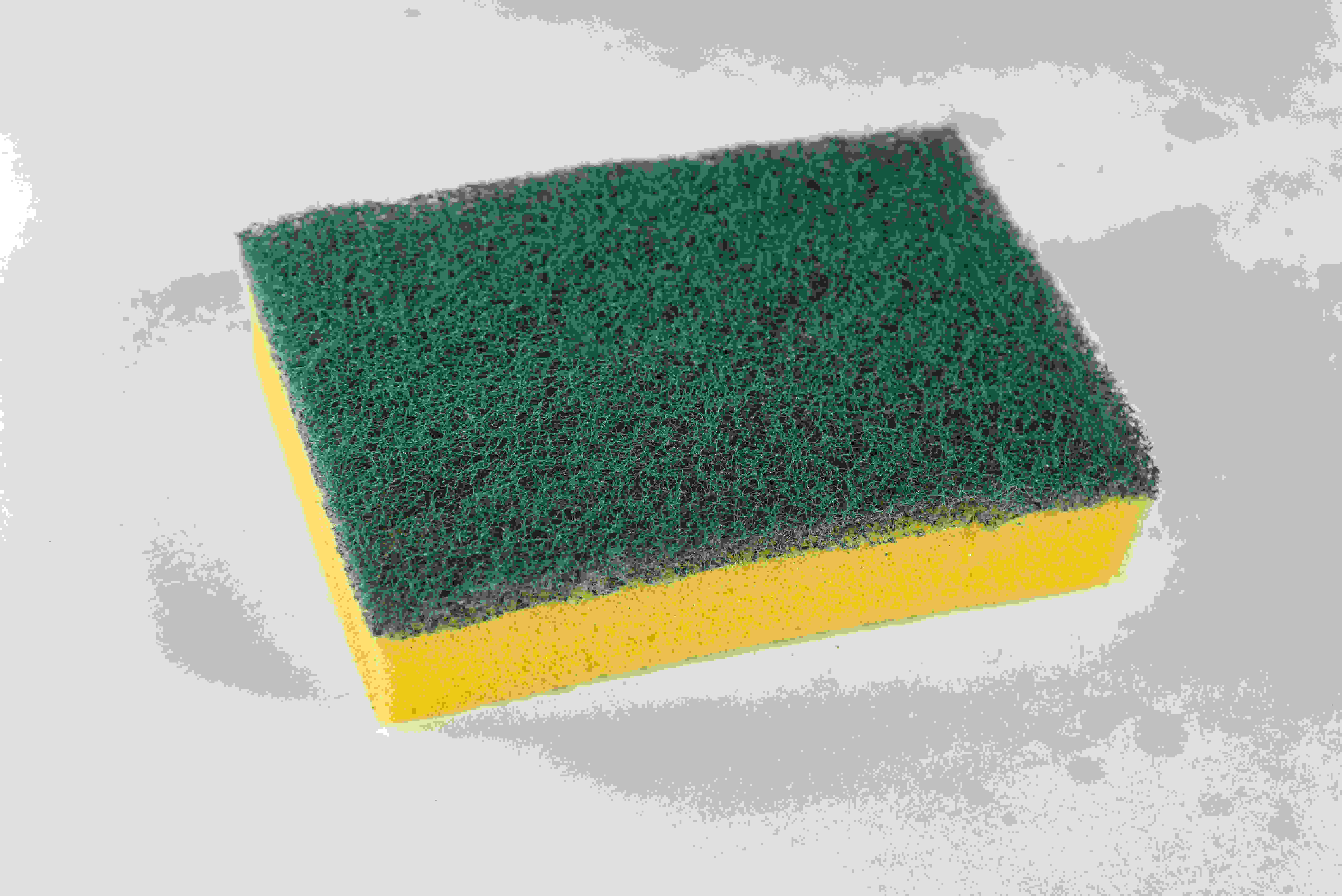
The article then delves into a comparative review of kitchen sponges, highlighting Wirecutter's preferred choice: the Scotch-Brite Heavy Duty Scrub Sponge. This sponge is praised for its scrubbing power, ergonomic shape, low cost (approximately $1 per sponge), and versatility. Other sponges tested include the Jetz-Scrubz Scrubber Sponge, which was found to be hard to hold and too delicate, and the Scrub Daddy, which, despite having some staff adherents, did not outperform the Scotch-Brite in head-to-head tests. A newer option, Skura Style Skrubby Sponges, co-owned by Eva Mendes, features a pattern designed to wear away as a visual indicator for replacement. While this feature was noted as helpful, the $4 per sponge price point was deemed too high for the performance offered.
The discussion then shifts to the crucial aspect of when to discard a sponge. The article suggests replacing a sponge when it starts to smell or visibly degrade. Specific recommendations from manufacturers vary: Skura suggests weekly to bi-weekly replacement, Sponge Daddy recommends every two weeks, and Scotch-Brite advises at least every three weeks. The author personally replaces her sponge every two weeks as part of a deep cleaning routine. Proper maintenance is also highlighted, including rinsing, wringing, and air-drying after each use. The Yamazaki Home Faucet-Hanging Sponge Holder is recommended for its design that promotes air circulation. Three methods for sanitizing sponges are provided: running them through a dishwasher cycle, soaking them in a diluted bleach solution for one minute, or boiling them for five minutes. Microwaving sponges is explicitly warned against due to fire risk.
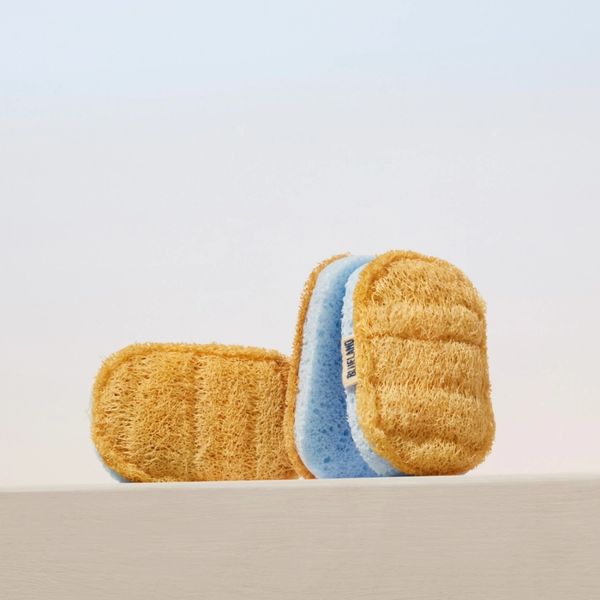
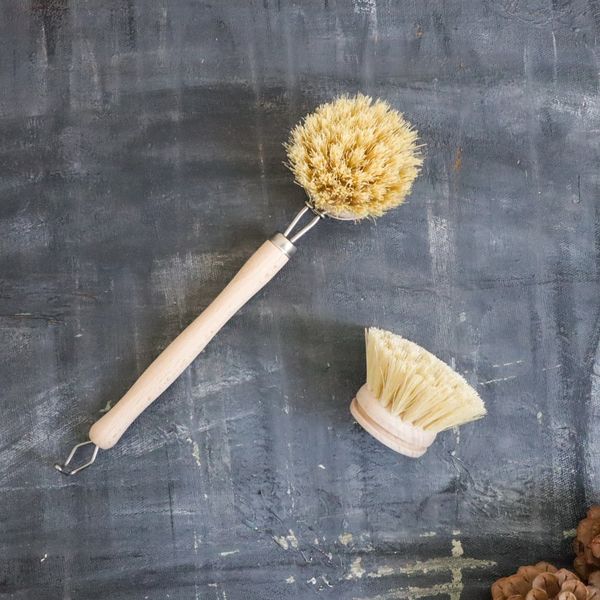
Furthermore, the article encourages giving used sponges a second life for non-food related cleaning tasks to reduce household waste, such as cleaning garbage cans, litter boxes, or baseboards, or for craft projects. It also touches upon the environmental impact of petroleum-derived foams in many kitchen sponges, which can shed microplastics and nanoplastics. The Foam2Fuel rewards program by Scrub Daddy, which converts old sponges into engineered fuel for cement kilns, is mentioned as an initiative to keep foam out of landfills. An alternative, the Scotch-Brite Greener Clean Non-Scratch Scrub Sponge, made from recycled fibers and dye-free, is also noted for comparable performance. Finally, the article explores sponge alternatives for specific tasks, such as stainless steel scrubbers for stubborn bits on cast-iron pans, silicone bowl scrapers for stuck-on food, and dish brushes like the OXO Good Grips Dish Brush and Bottle Brush. These alternatives can extend the life of sponges and reduce reliance on petroleum-based cleaning products, offering more environmentally friendly options.
#KitchenHygiene #SpongeReplacement #CleaningTips #ProductReview #EnvironmentalImpact #HouseholdMaintenance #Sanitation #KitchenHygiene #SpongeReplacement #CleaningTips #ProductReview #EnvironmentalImpact #HouseholdMaintenance #Sanitation
 Aucun commentaire pour le moment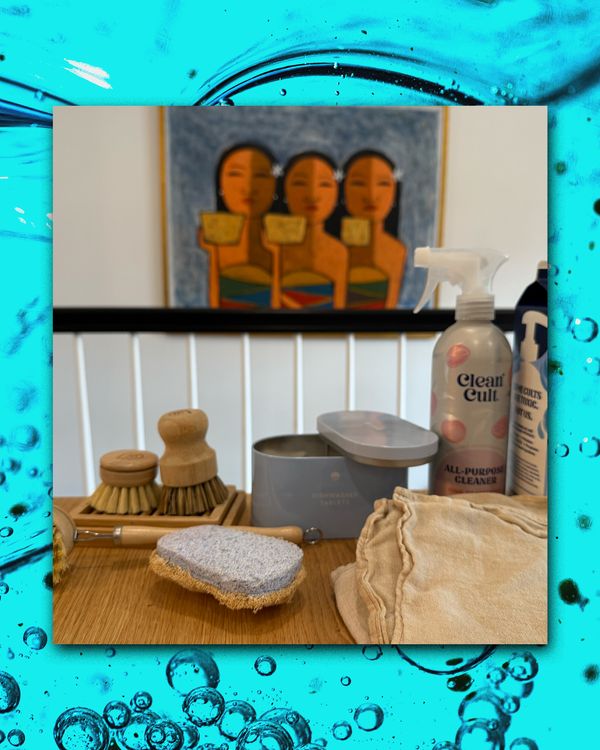
I’ve Gotten Rid of All the Plastic Scrubbers, Sponges, and Brushes in My Kitchen
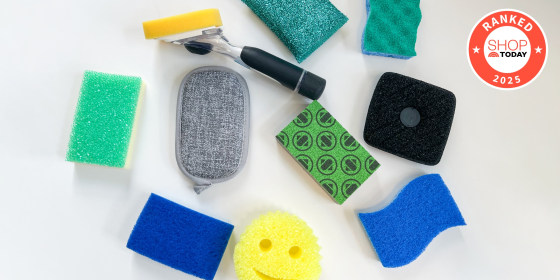
The 10 Best Kitchen Sponges 2025, Tested by an Editor
Why your kitchen sponge could be dirtier than your toilet seat