1/18
12 Ways Decorating With Mirrors Can Take a Space From Static to Stylish, Shiny, and More Spacious
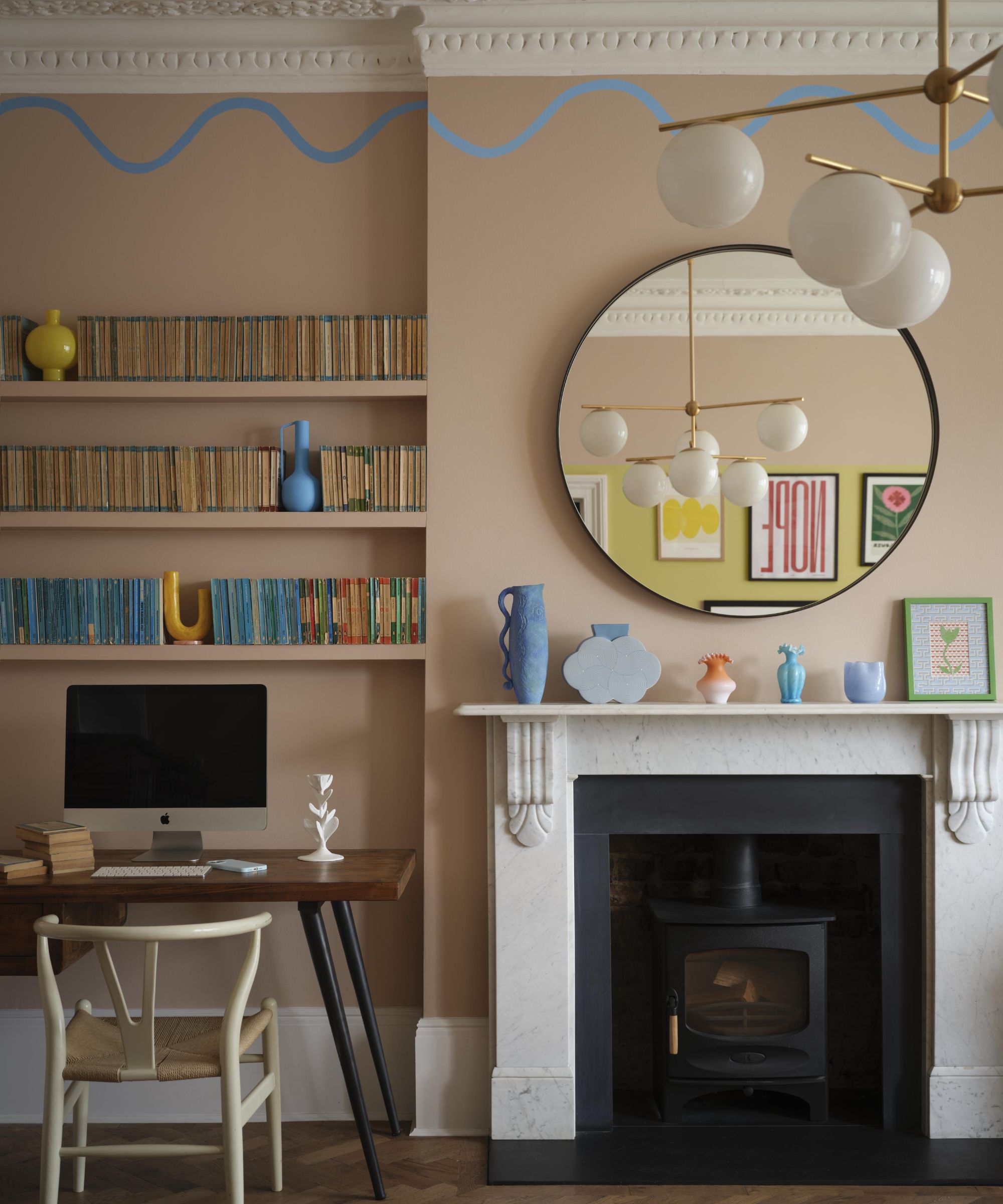
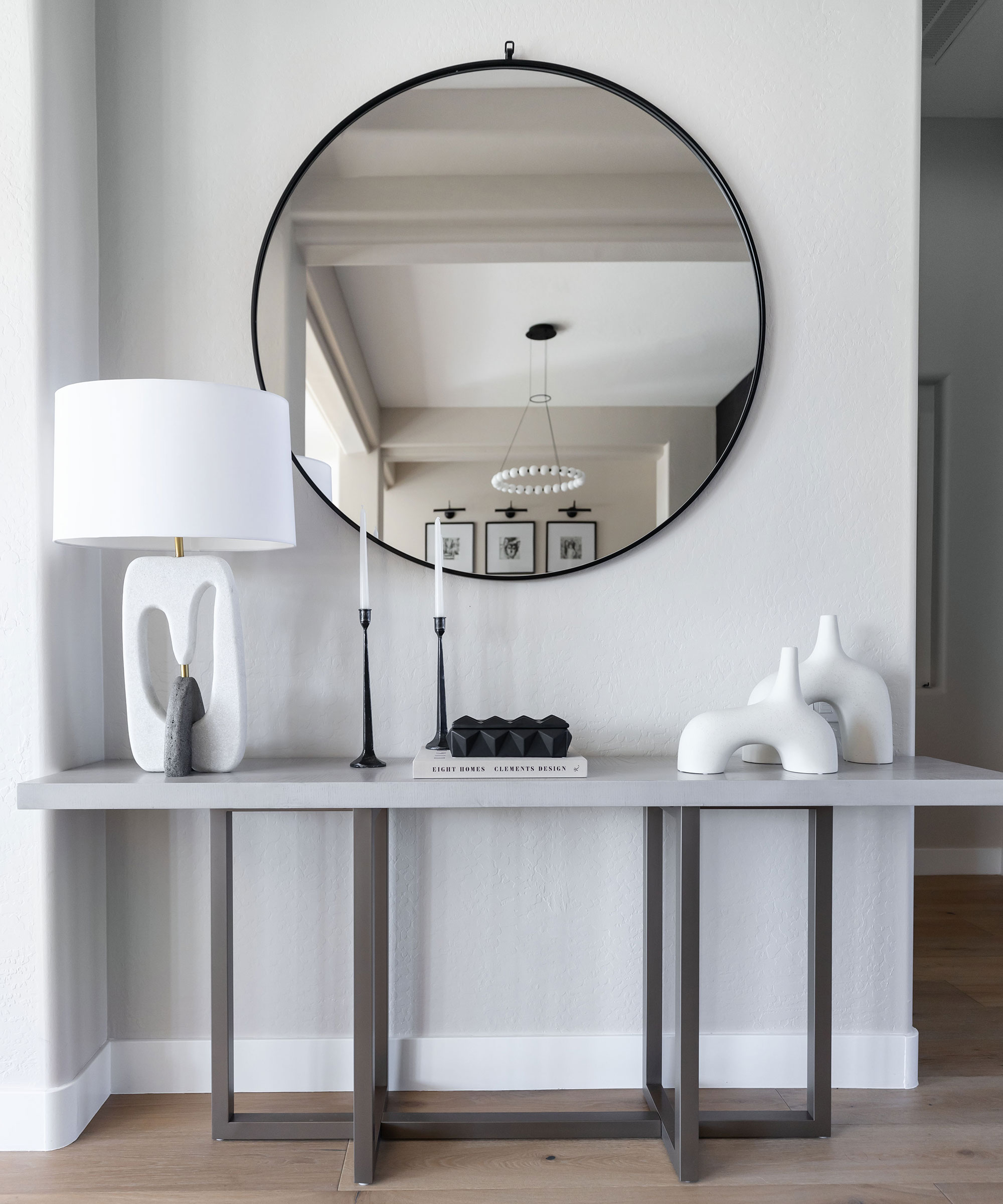
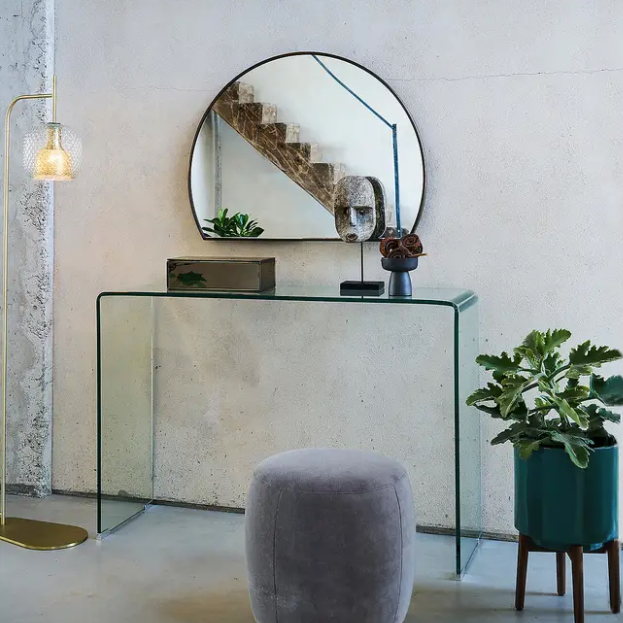
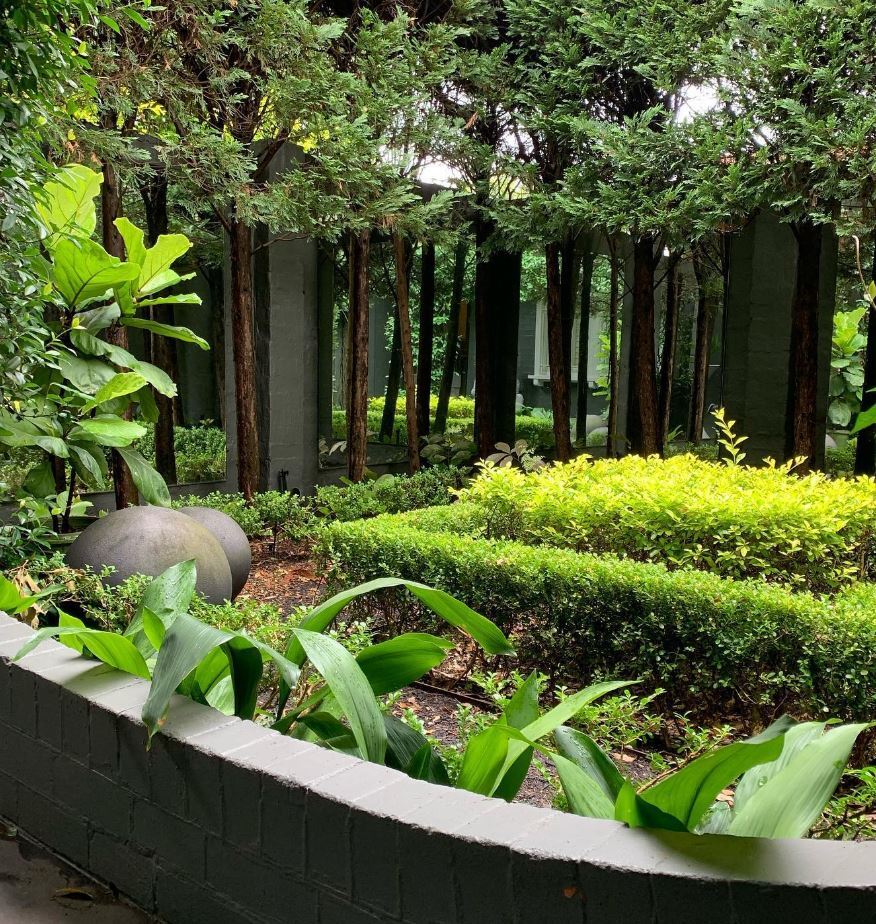
Mirrors, often seen as mere functional items, possess significant potential to enhance a room's aesthetic and practical qualities. Beyond their traditional use in bathrooms, mirrors can brighten spaces by maximizing natural light, create a sense of spaciousness, and serve as versatile design elements across various areas of a home, including entryways, living rooms, kitchens, and even gardens. Interior designers offer numerous strategies for incorporating mirrors to elevate home decor, ranging from subtle touches to bold statements.
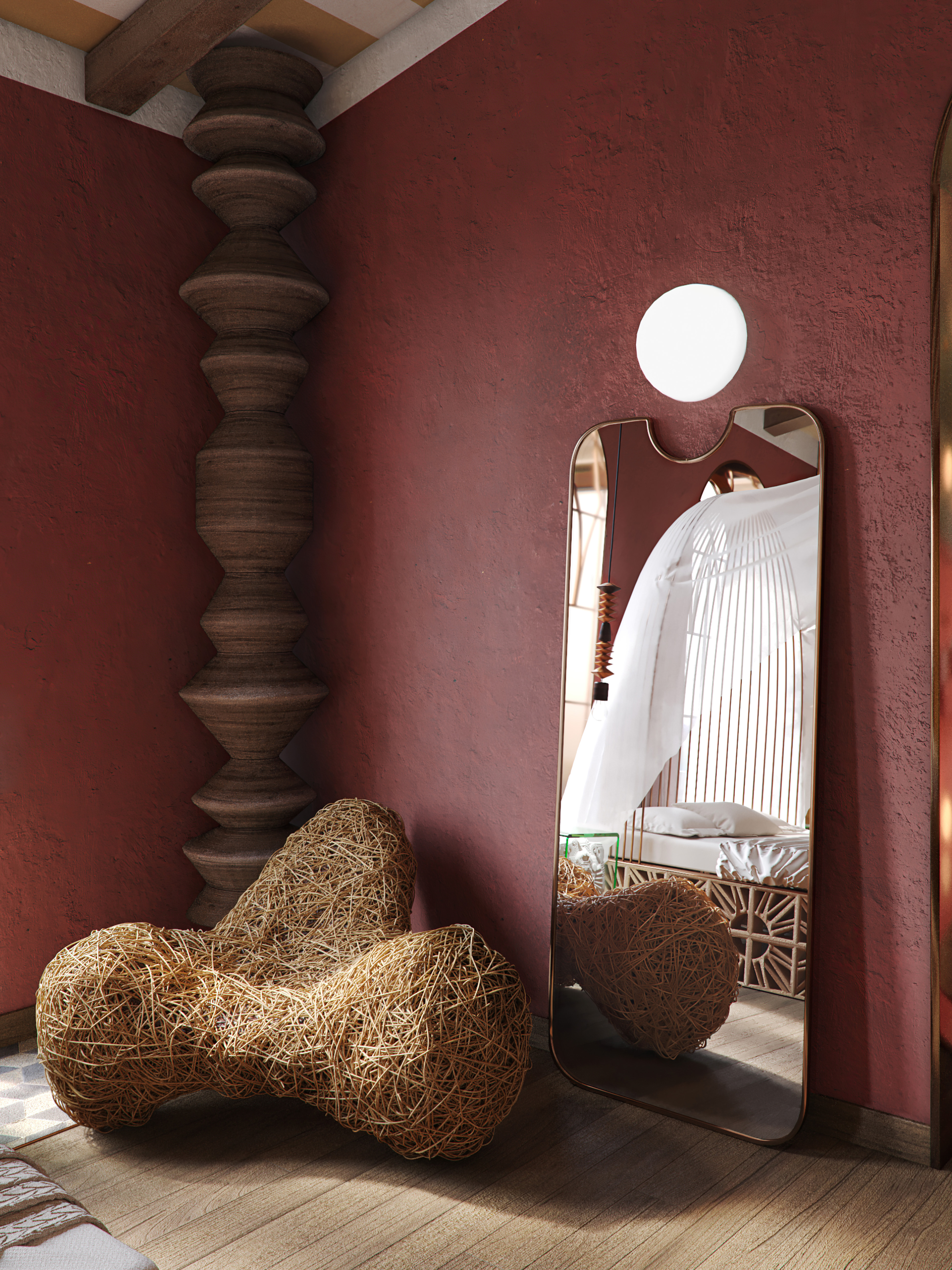
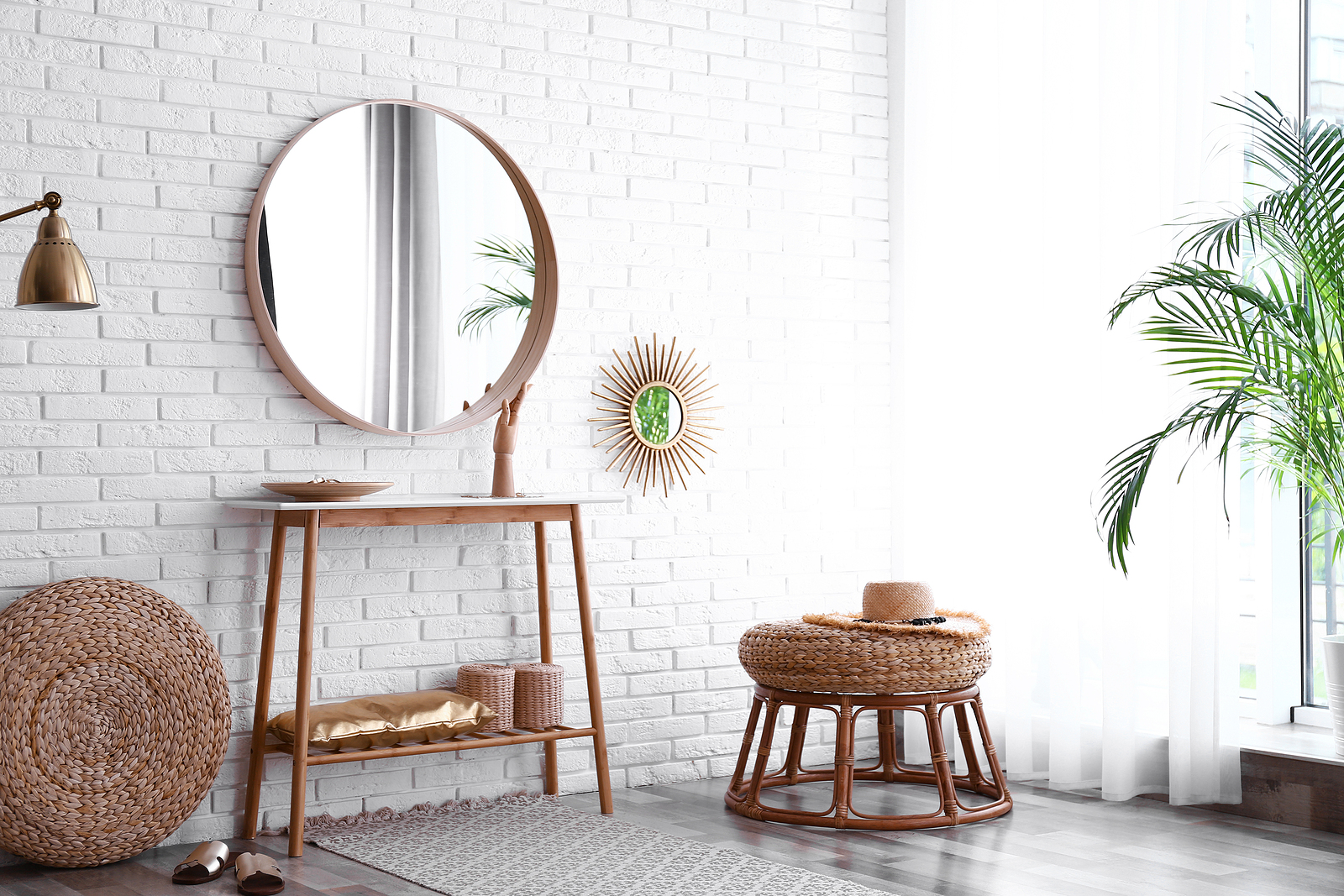
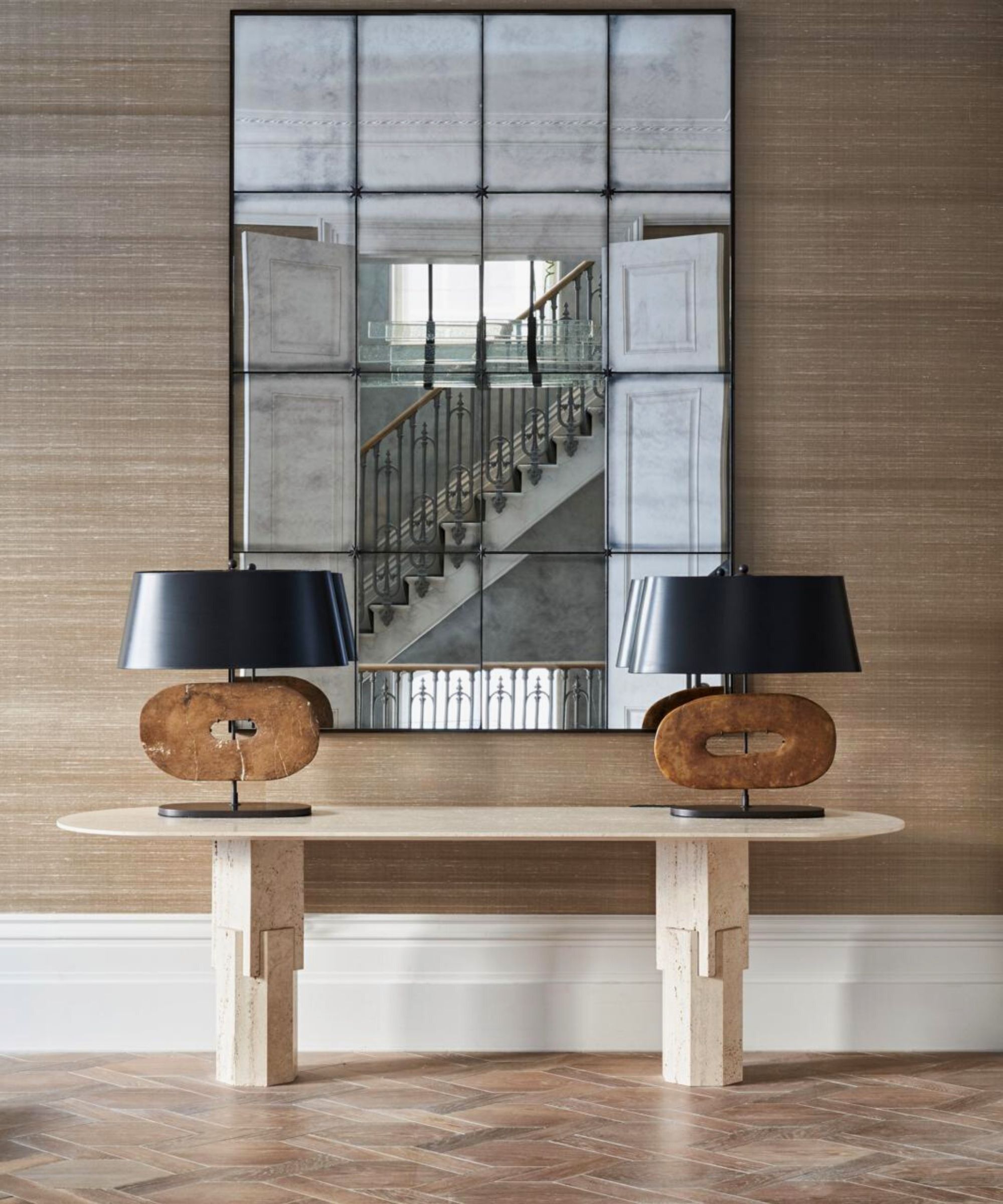
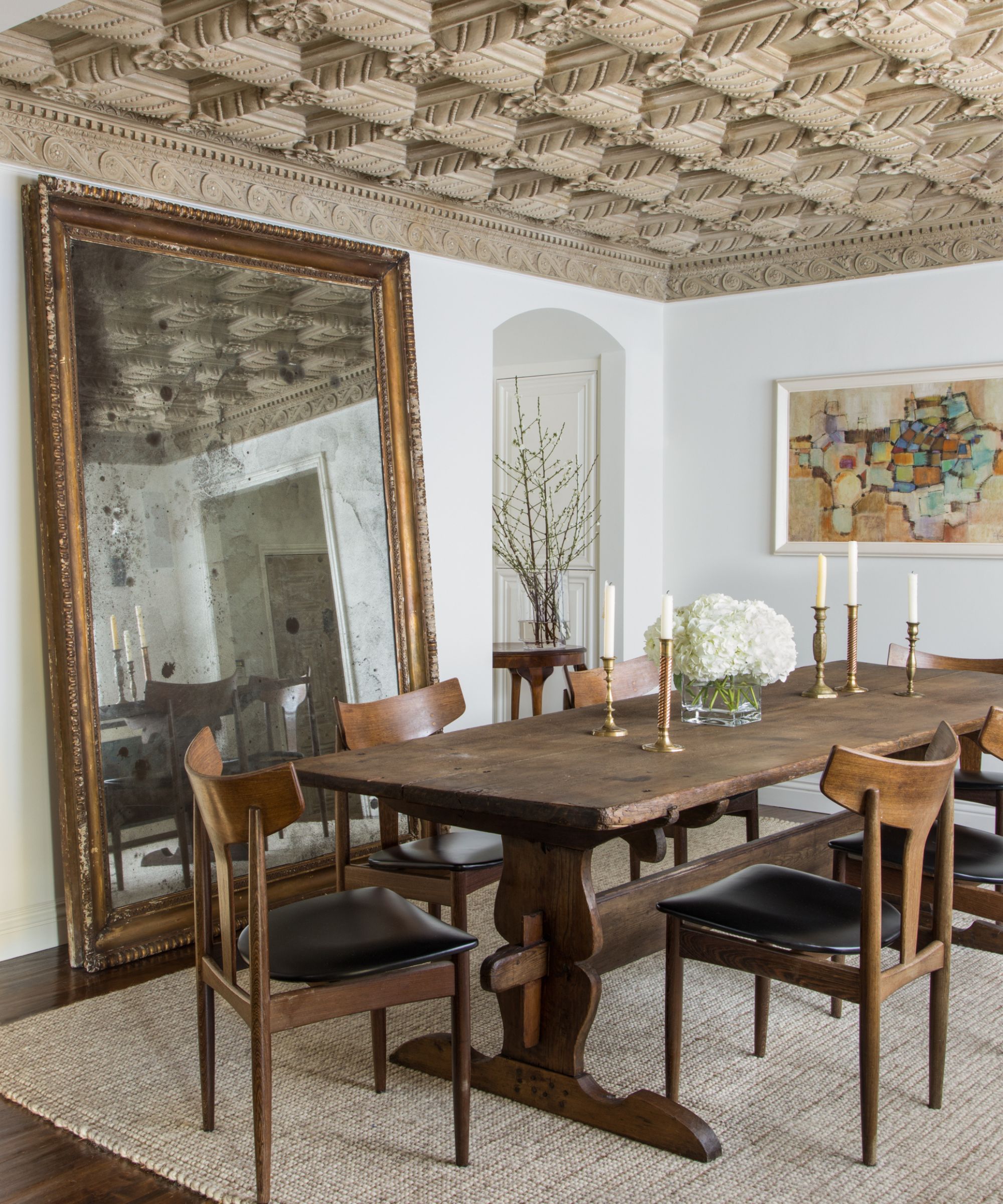
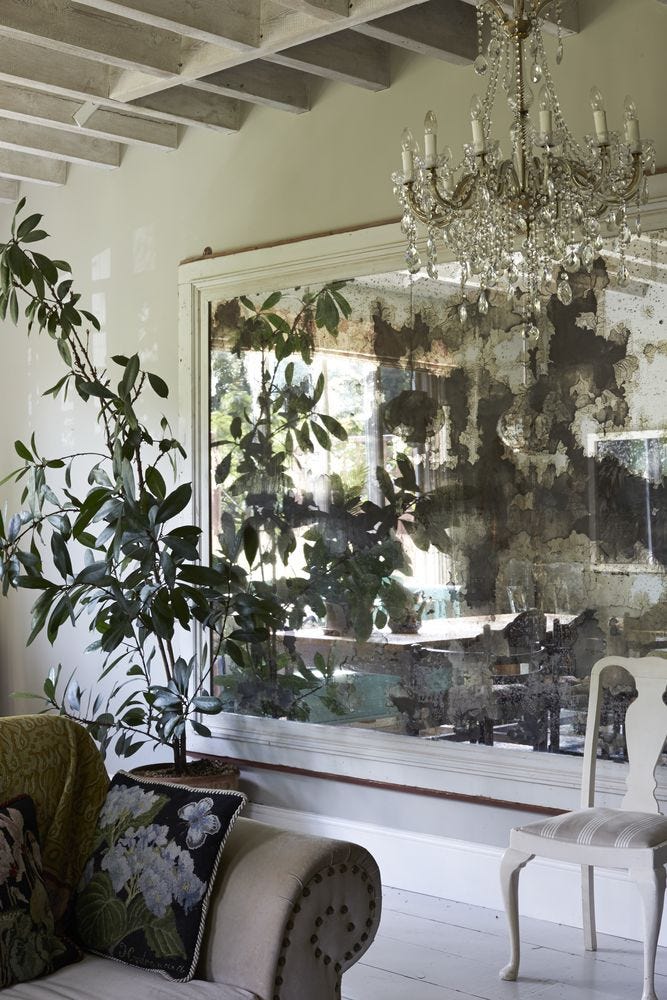
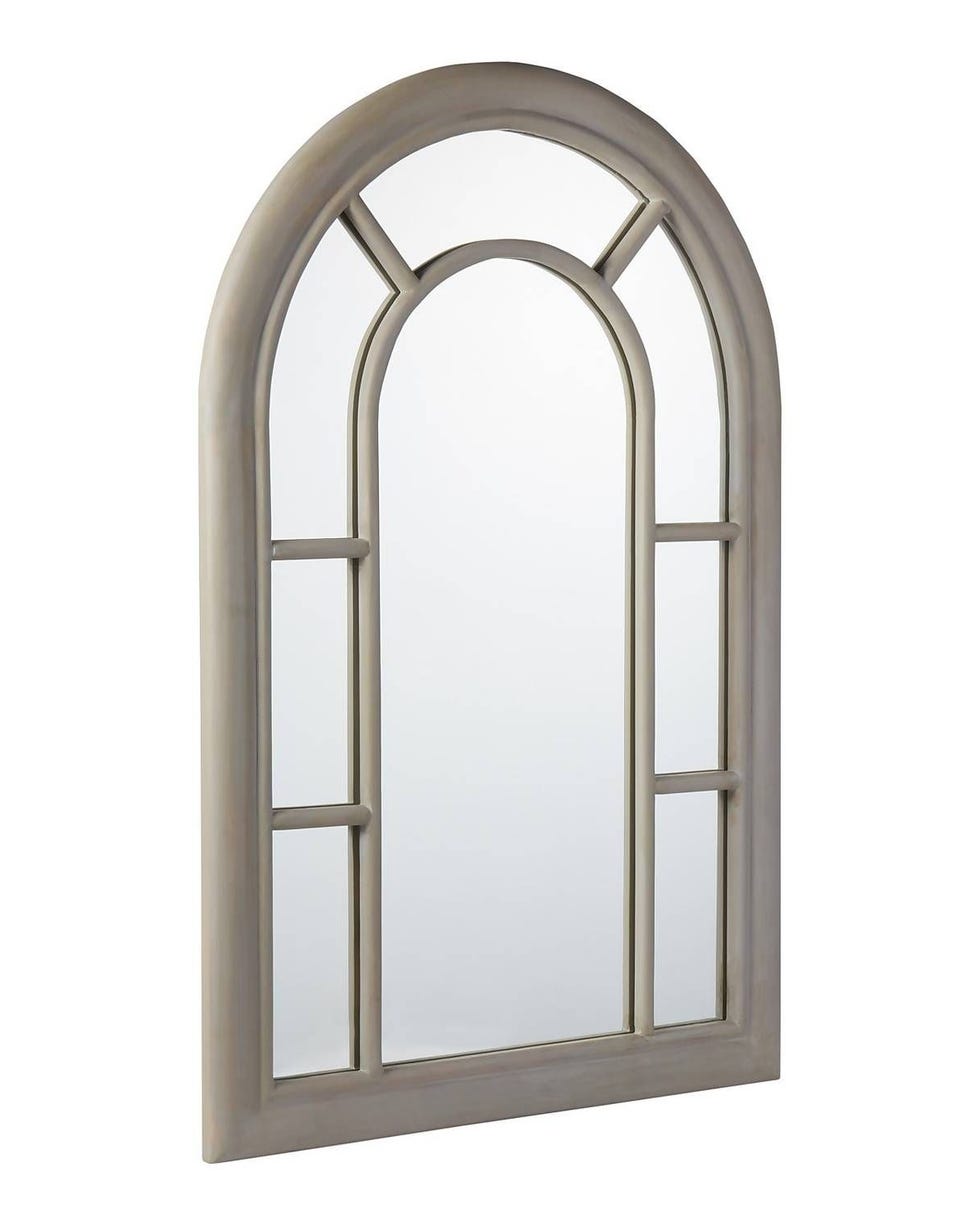
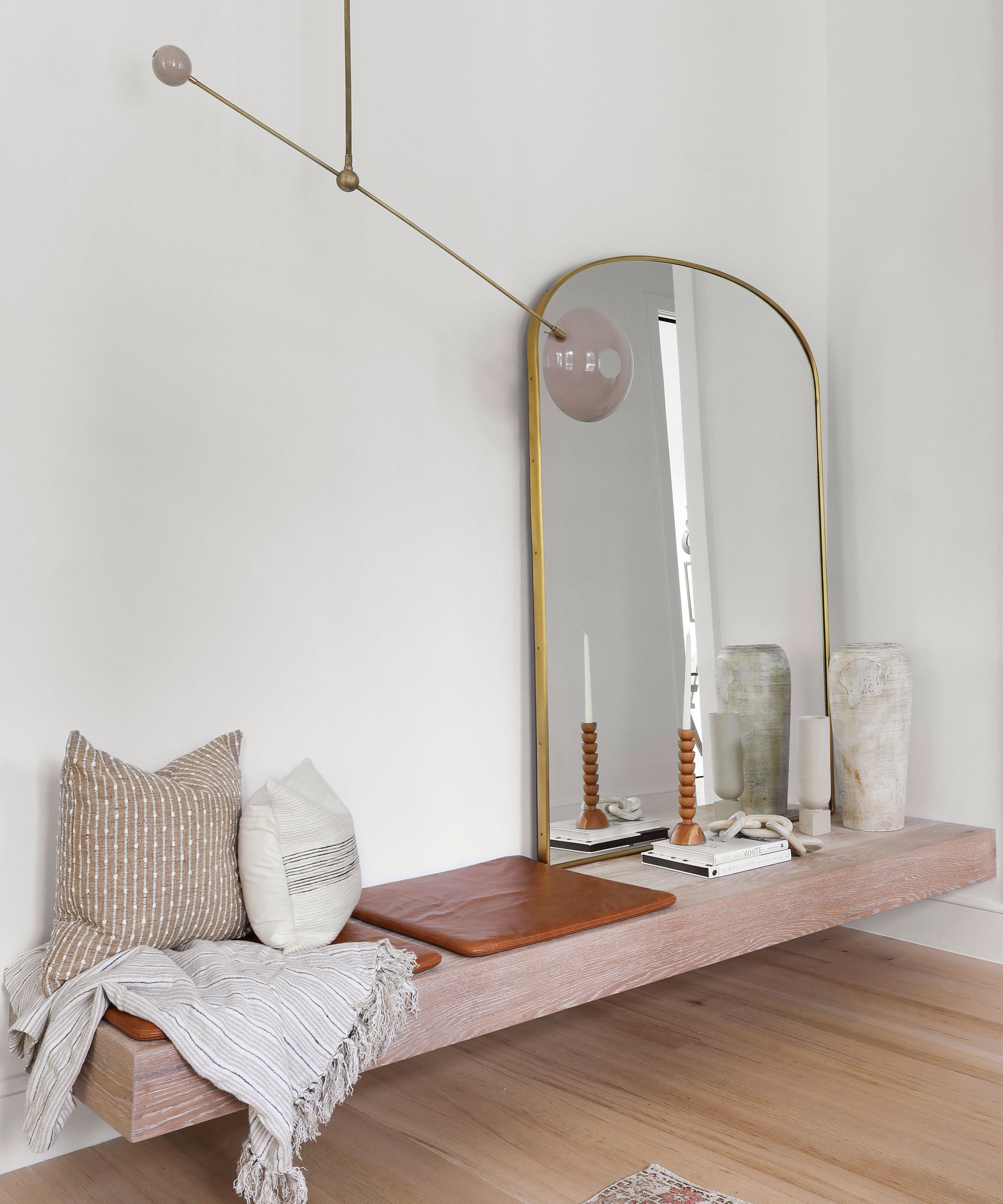
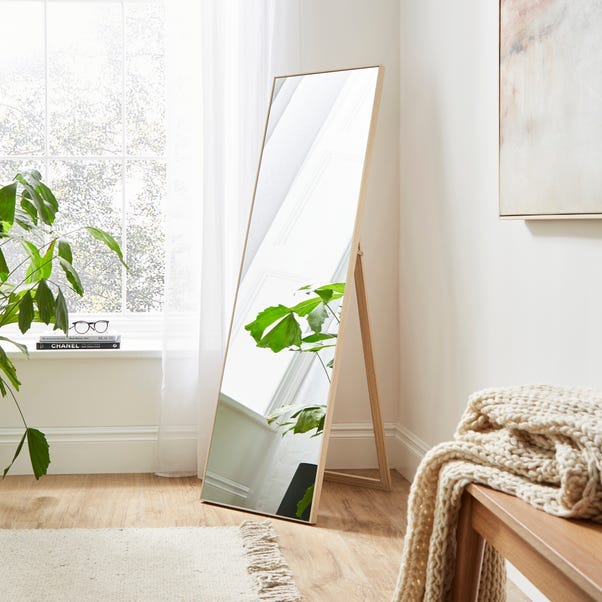
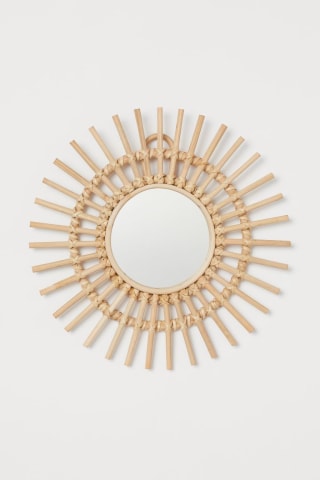
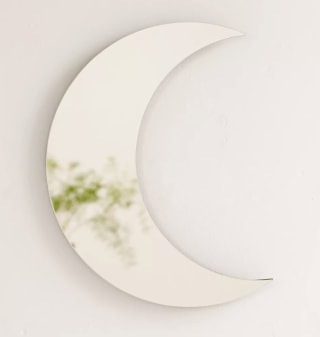
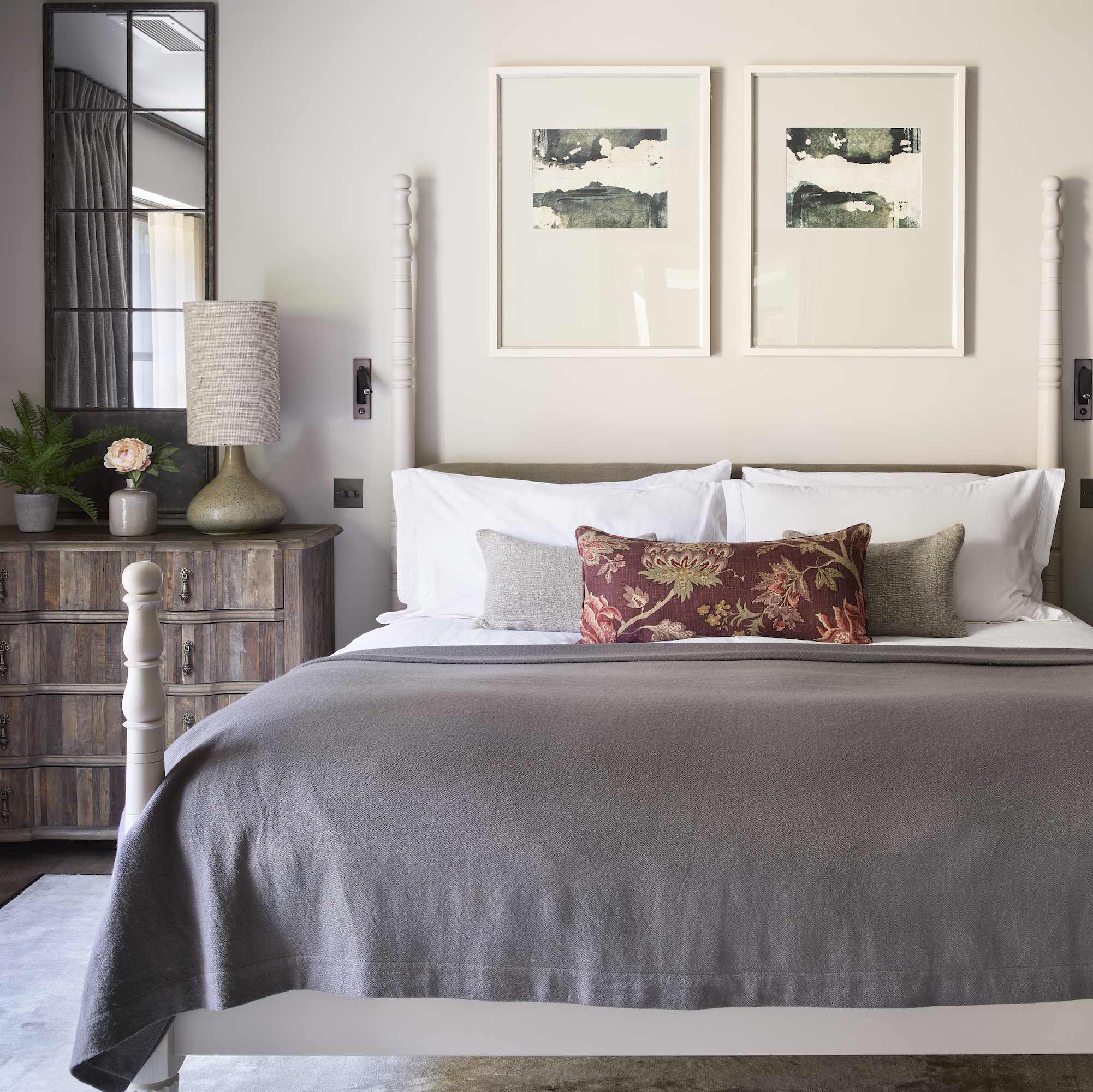
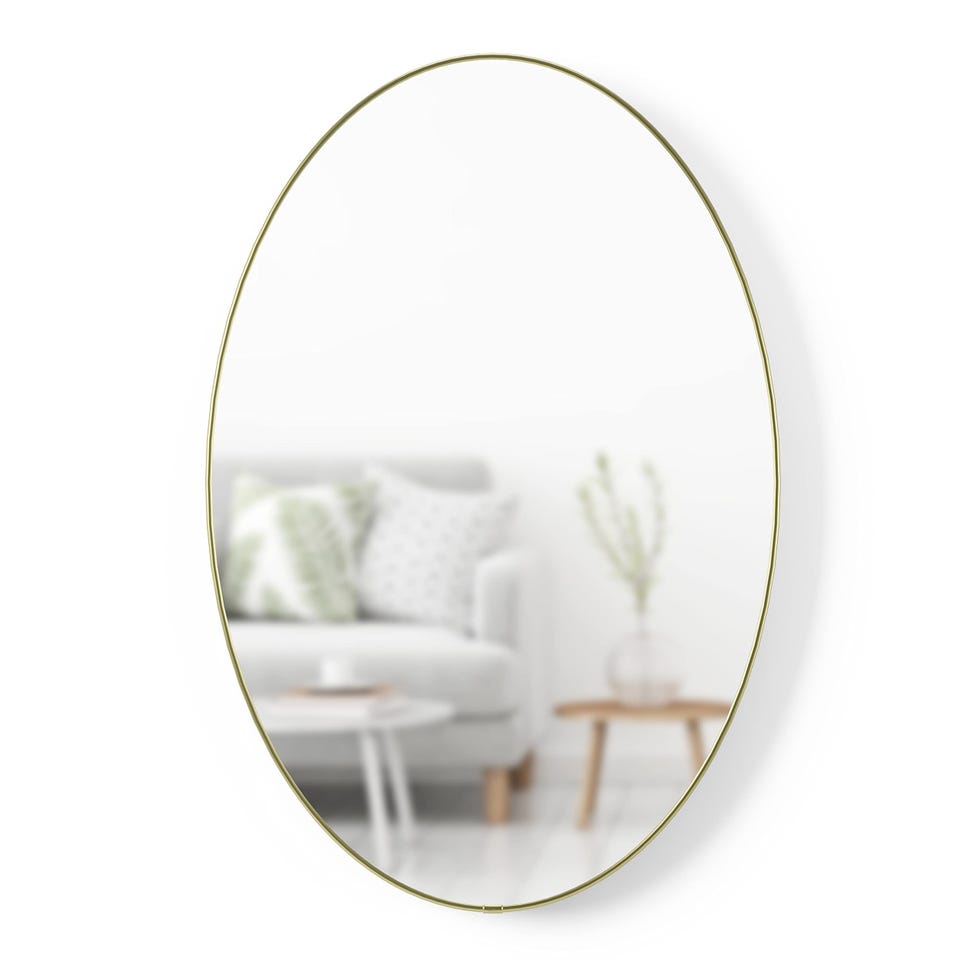
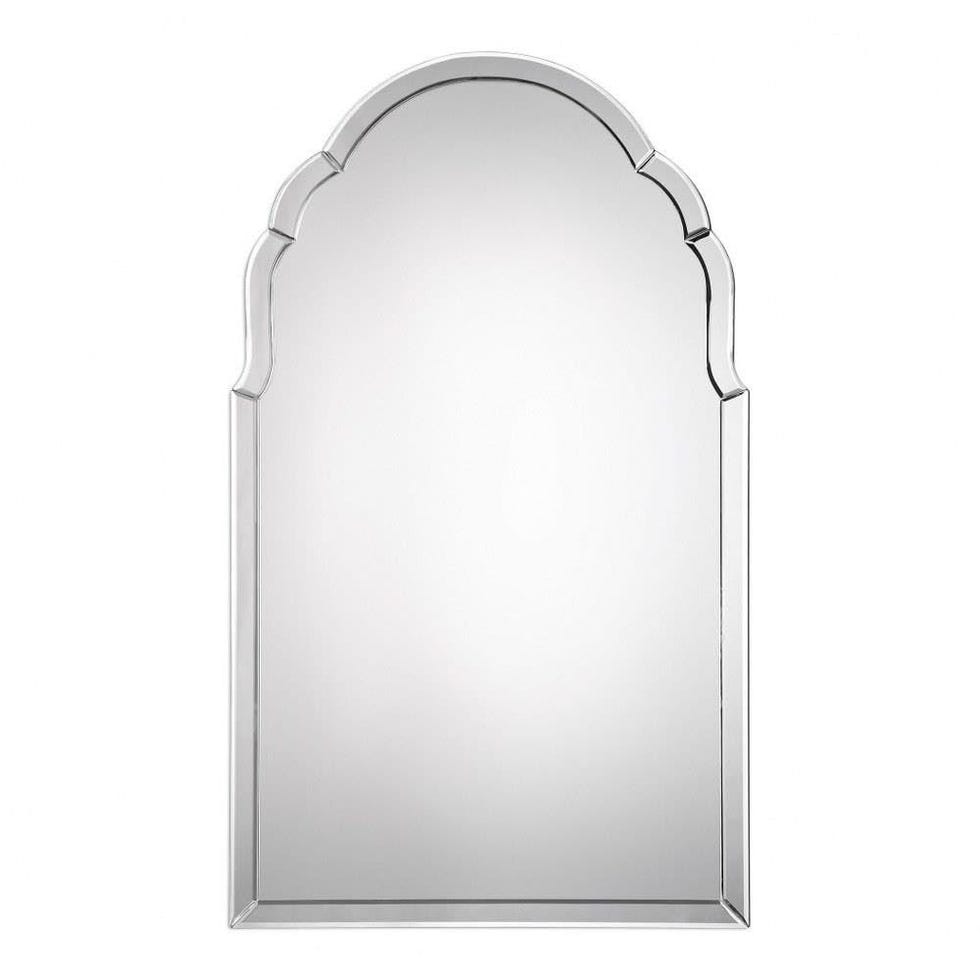
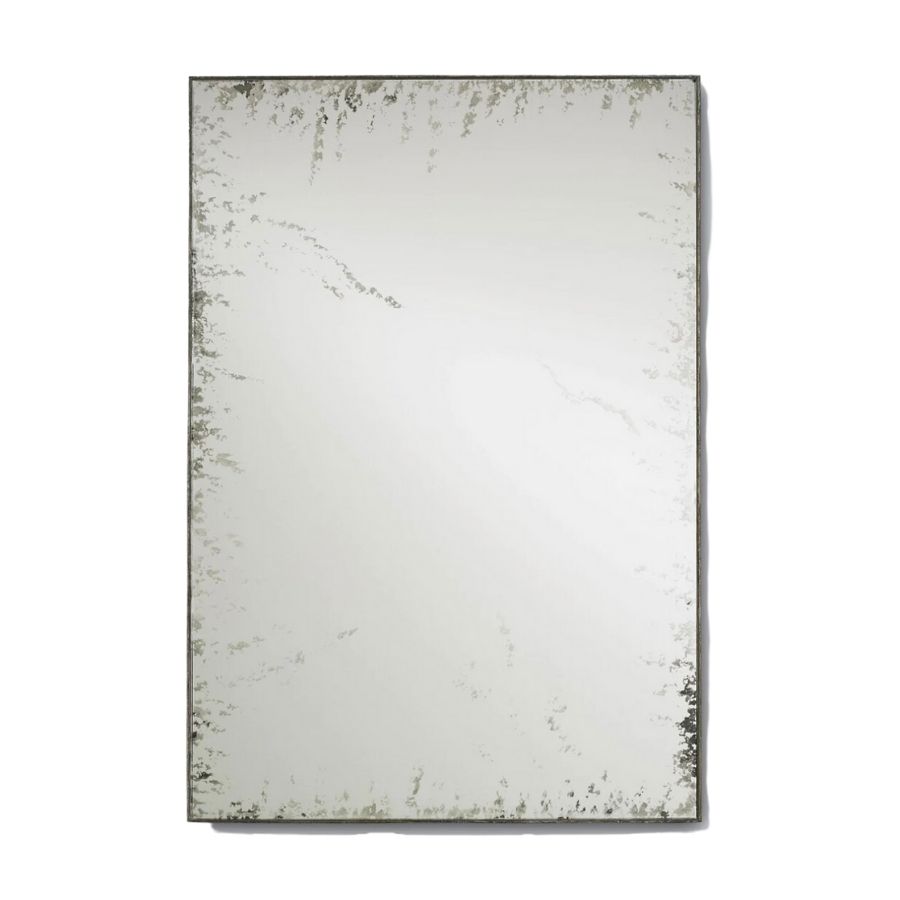
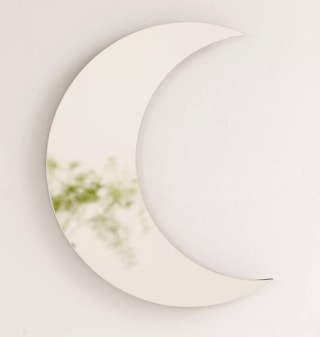
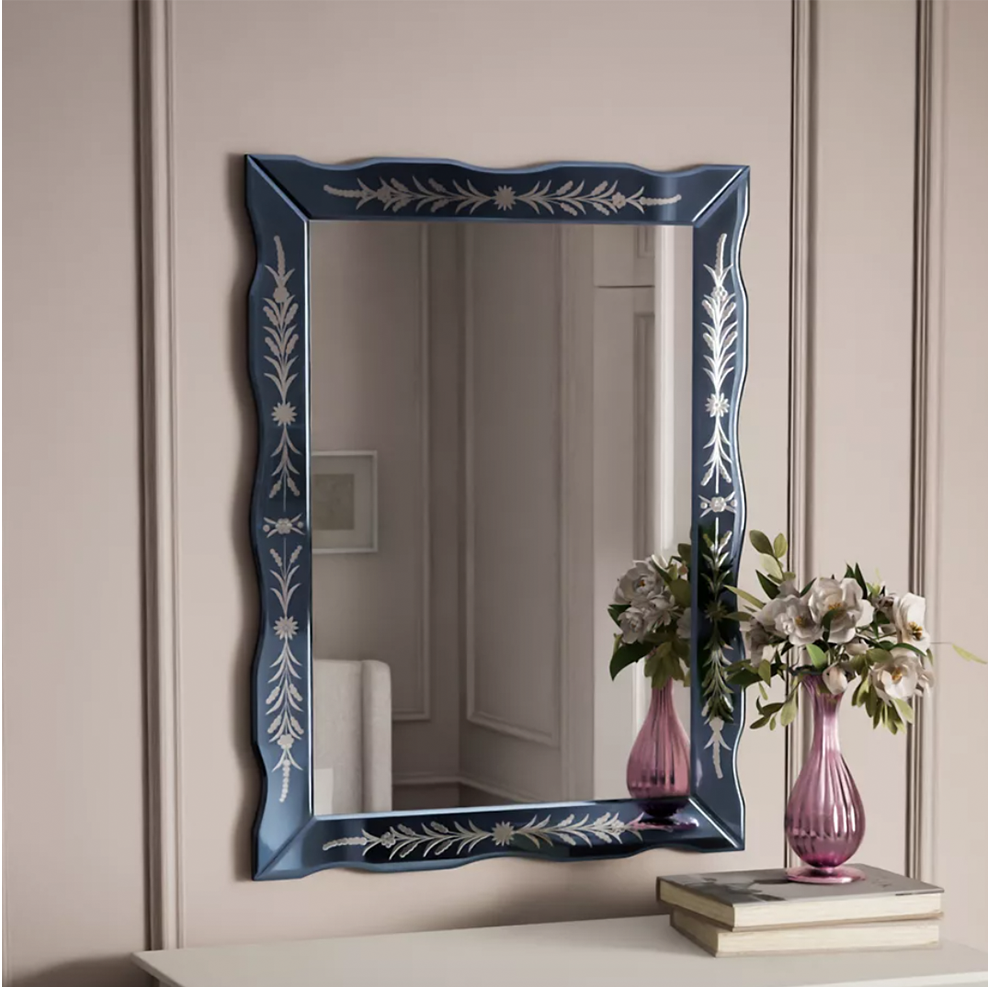
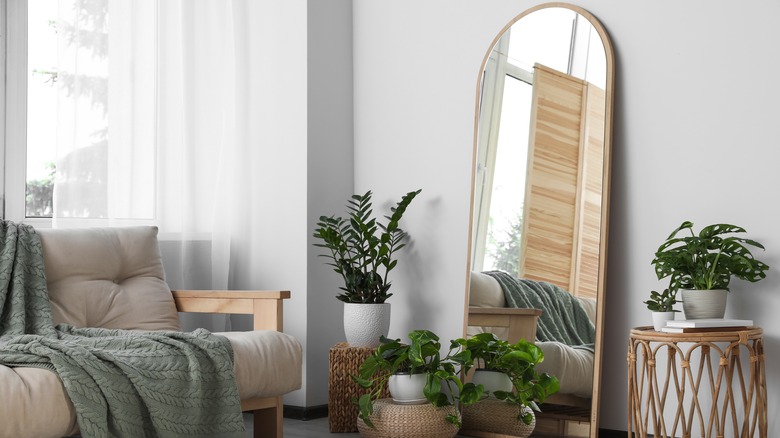
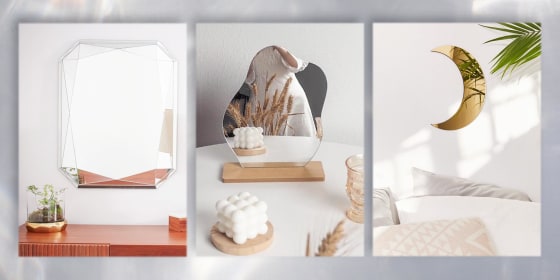
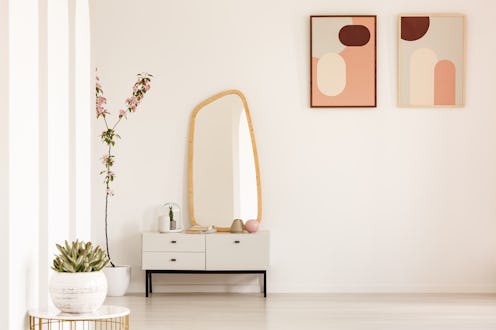
One approach involves leaning a full-length mirror against a wall, particularly effective in entryways or hallways. This casual placement not only adds a decorative touch but also brightens the space and allows for a quick self-check before leaving. Choosing a mirror with a unique or organic shape can introduce visual intrigue and dimension, softening rigid lines within a room and contributing to a calming atmosphere. Sculptural forms and antiqued glass with organic edges are preferred by designers over mirrored furniture, which can often appear dated or less refined.
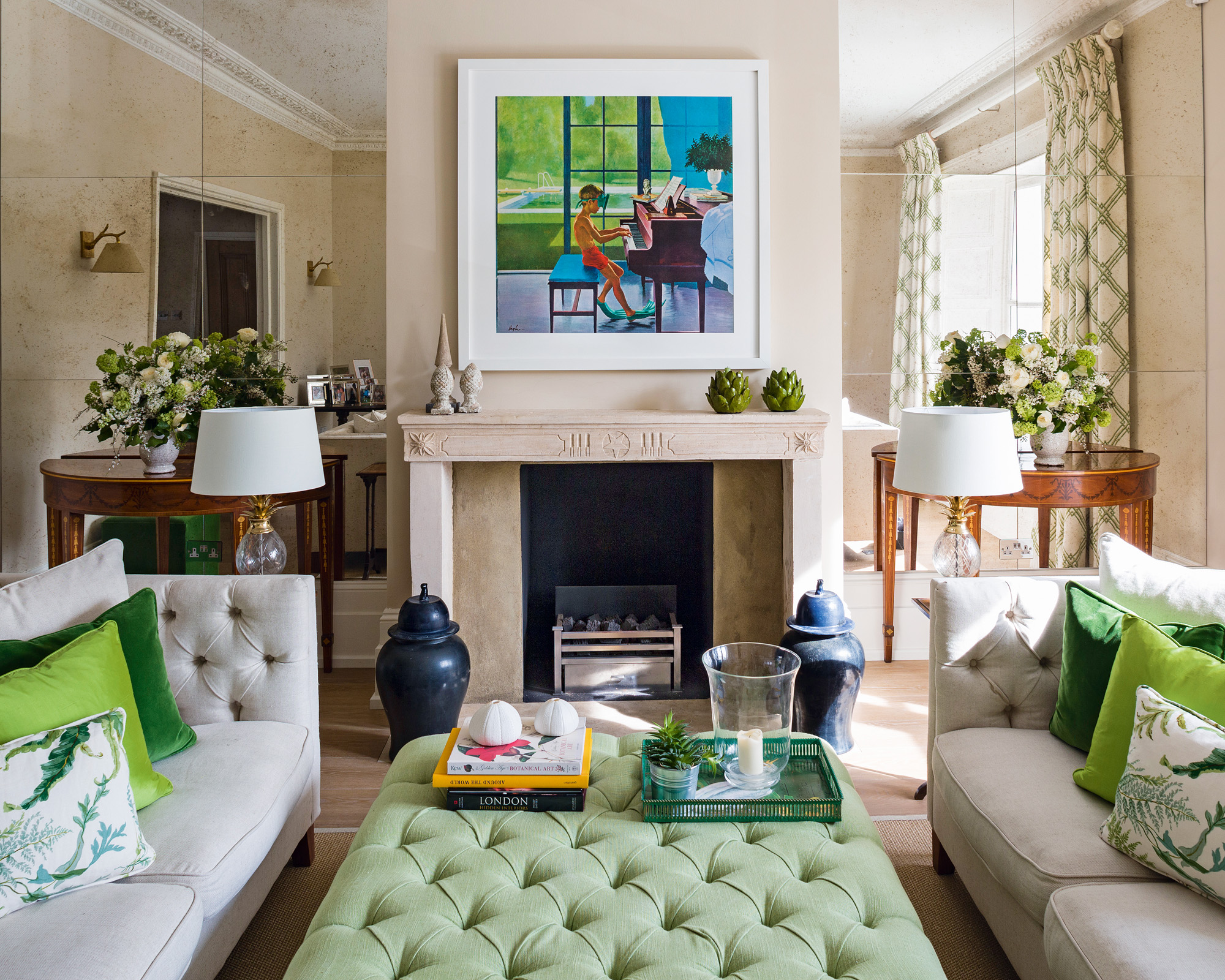
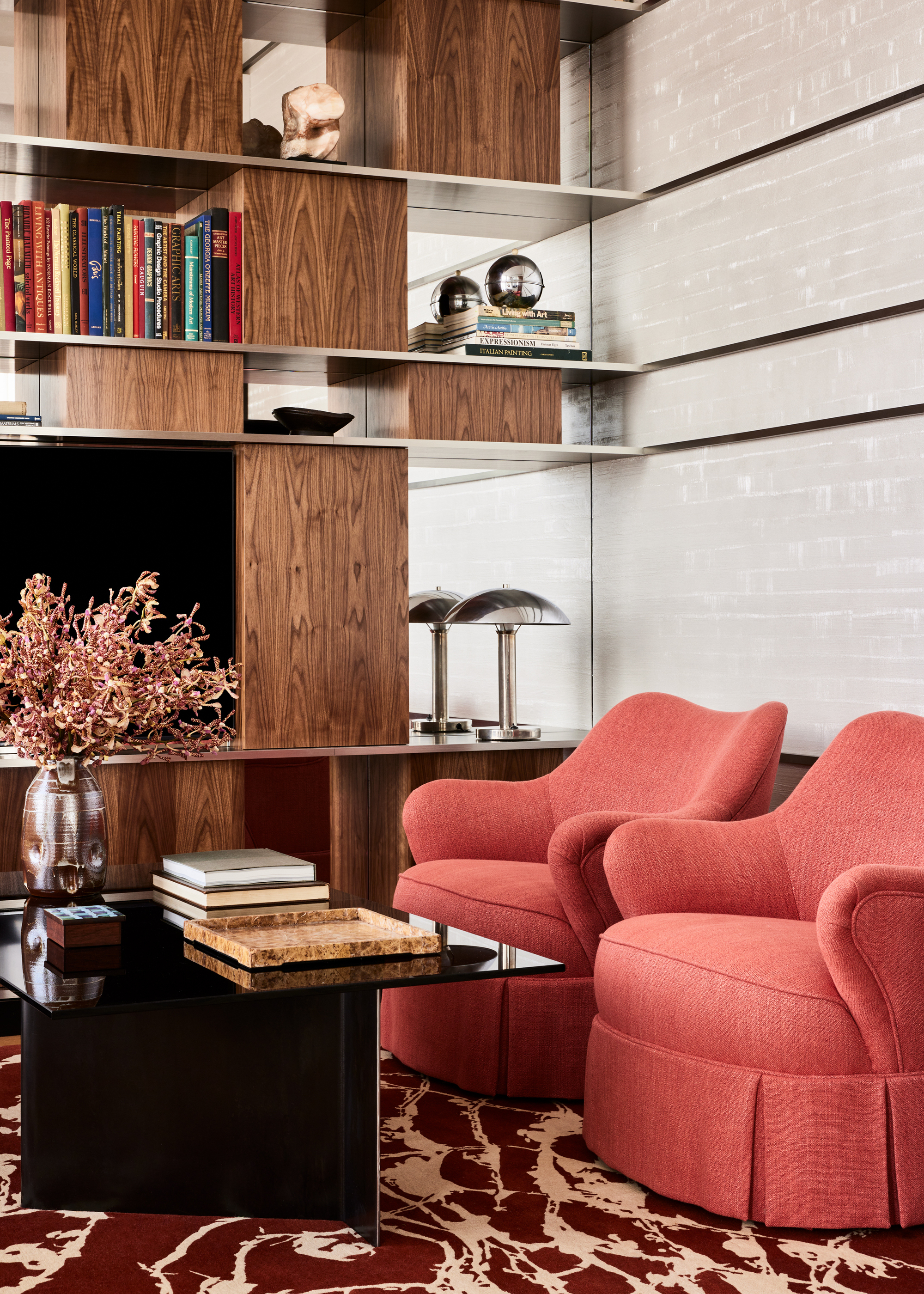
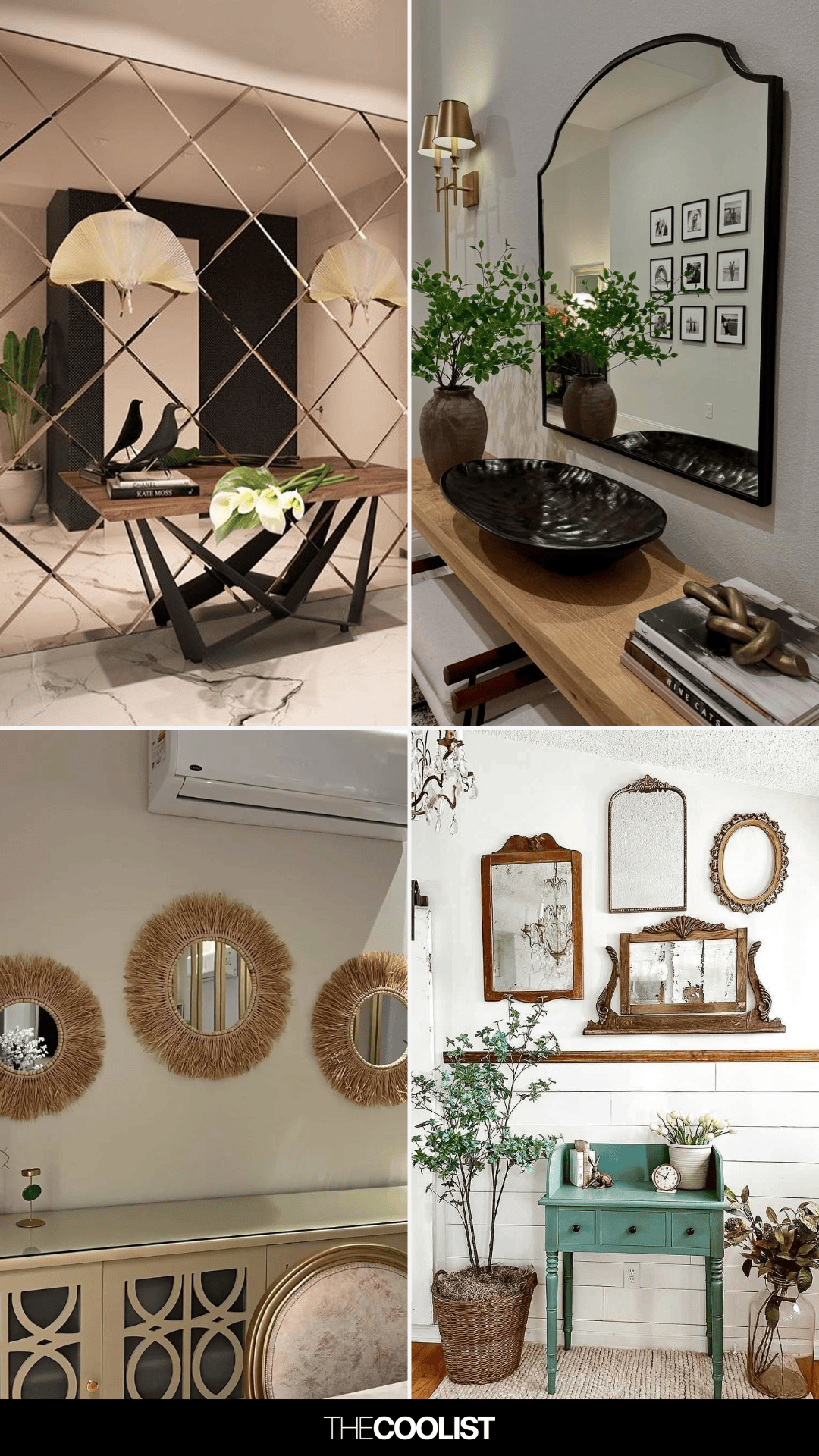
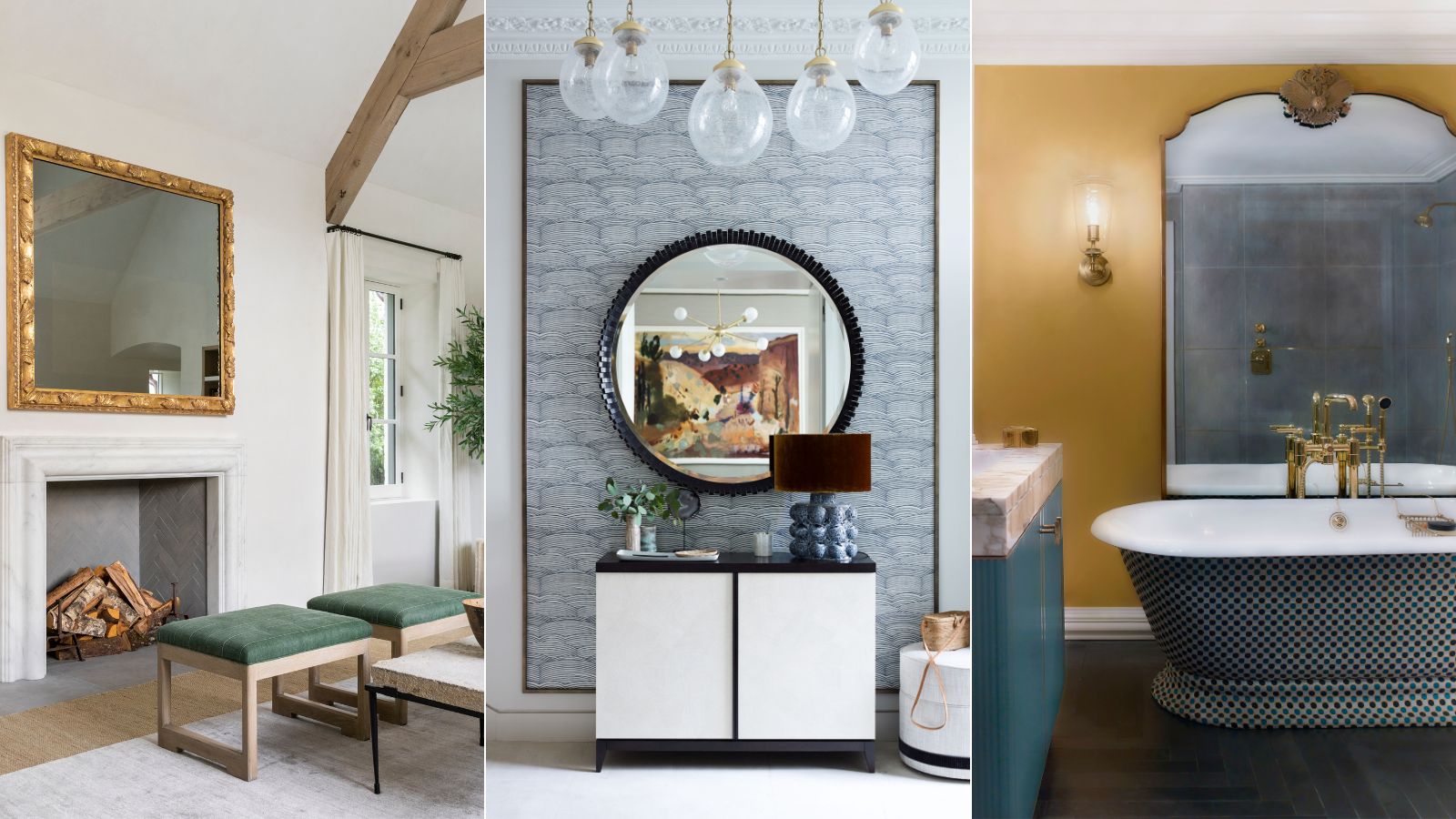
In spaces like bathrooms, creating symmetry with matching wall mirrors above a vanity can establish a streamlined and orderly look. The size and position of these mirrors are crucial to ensuring they complement the room's layout and function. Mirrors can also be used in unexpected ways, such as lining the backs of cabinetry with antiqued styles. This technique adds drama and visual interest, especially in areas like home bars, where the mirrors can amplify light and reflect the colors of glassware, creating layers of visual intrigue.
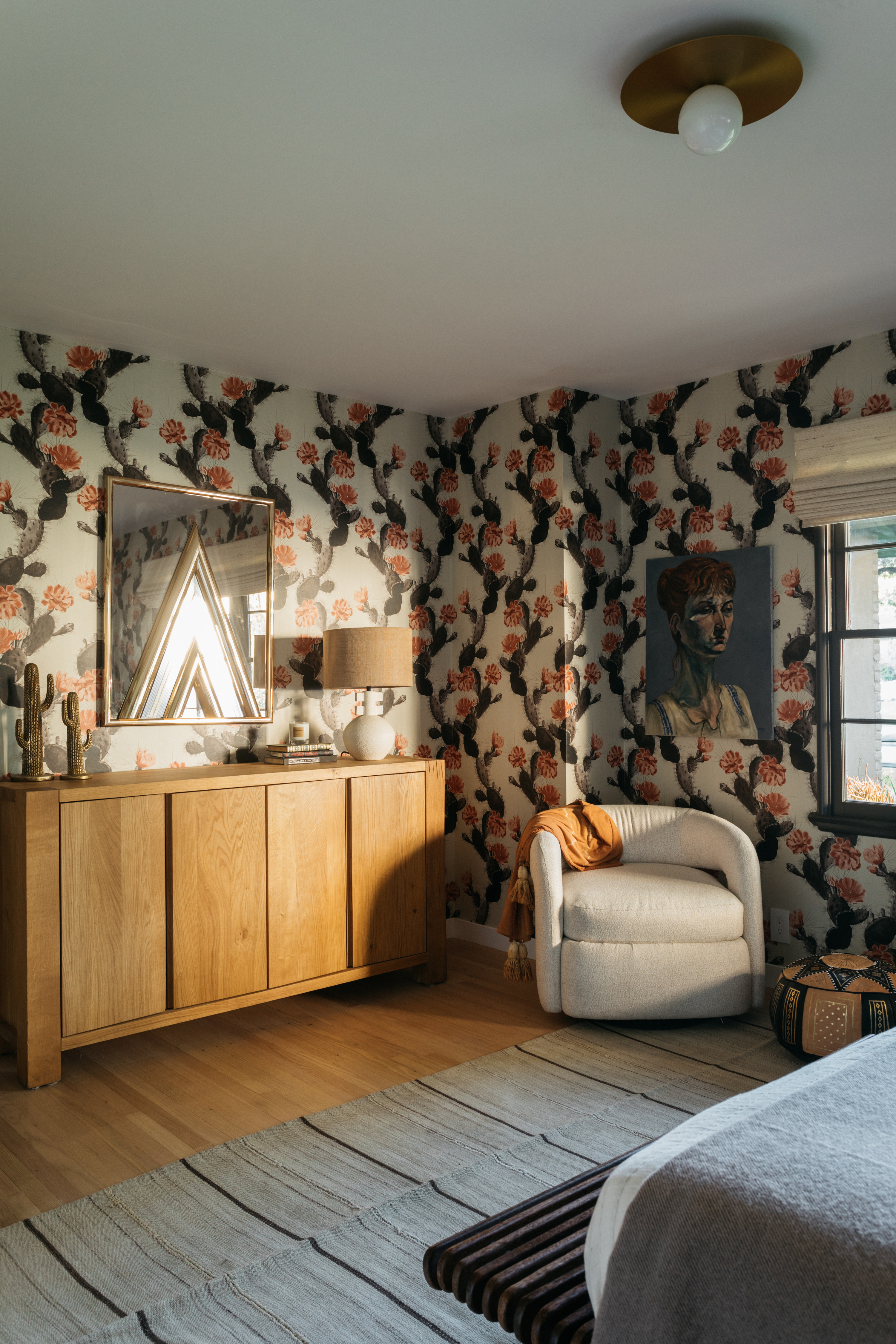
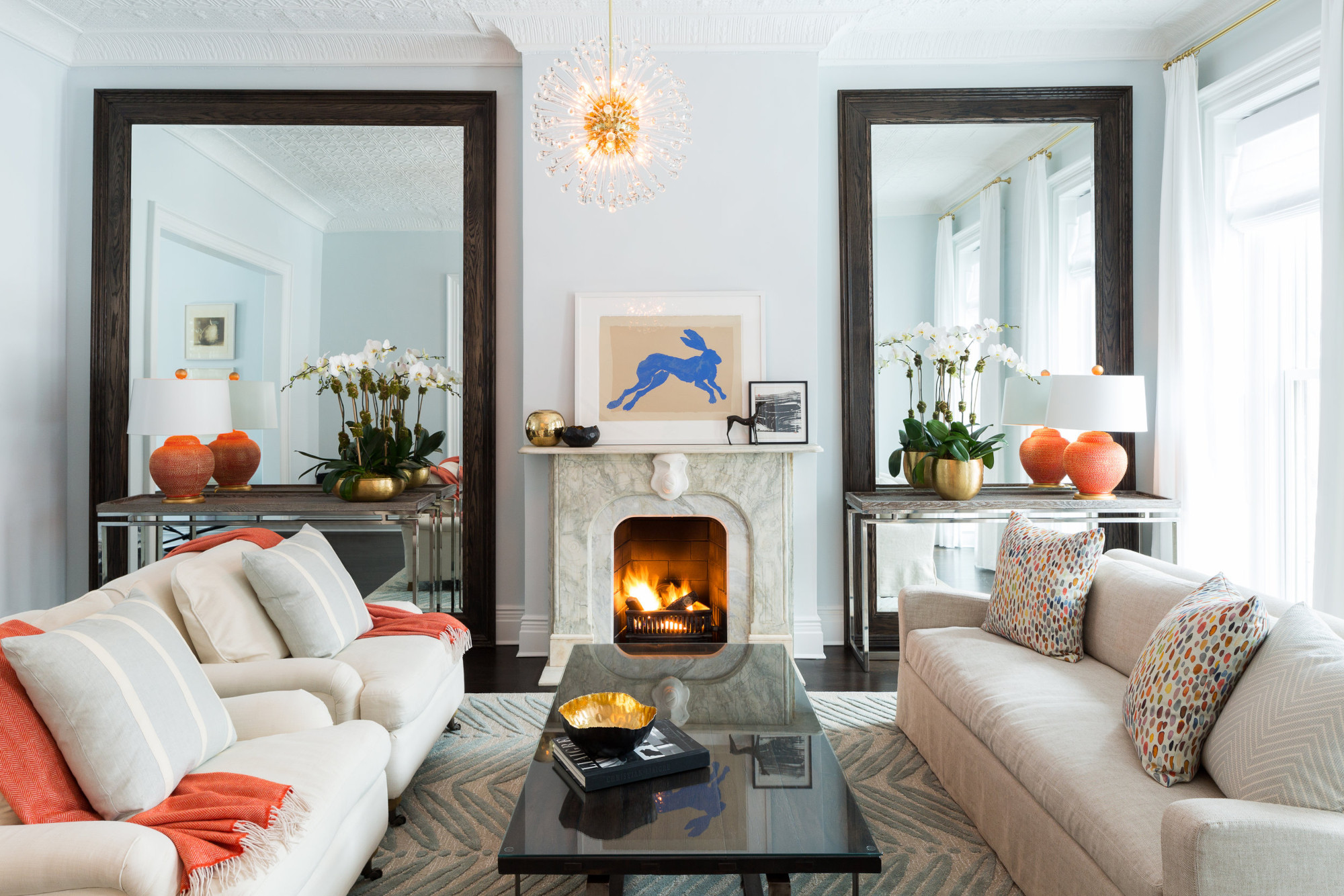
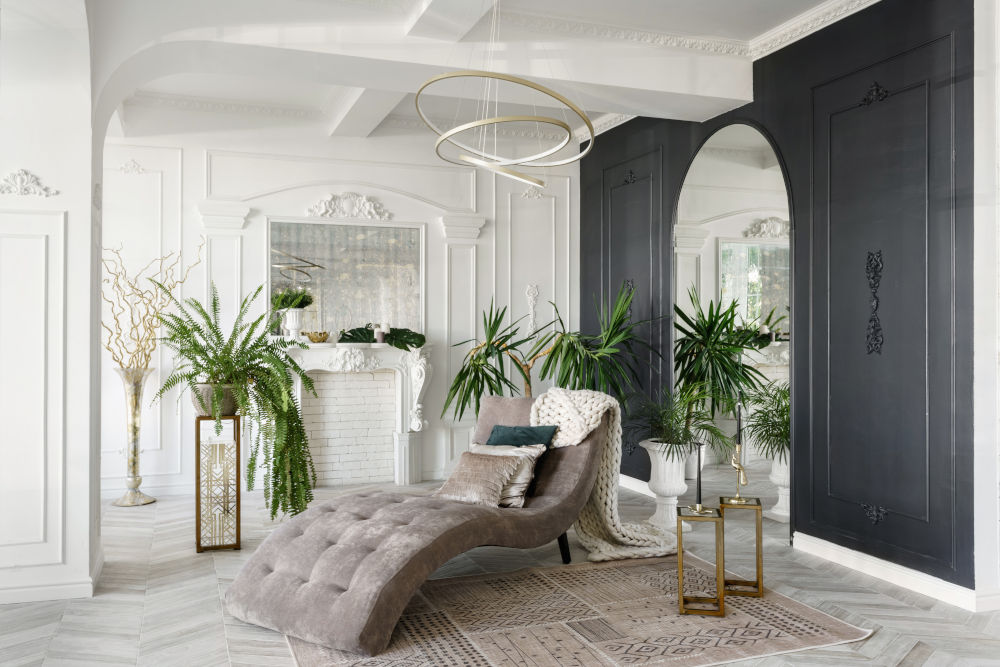
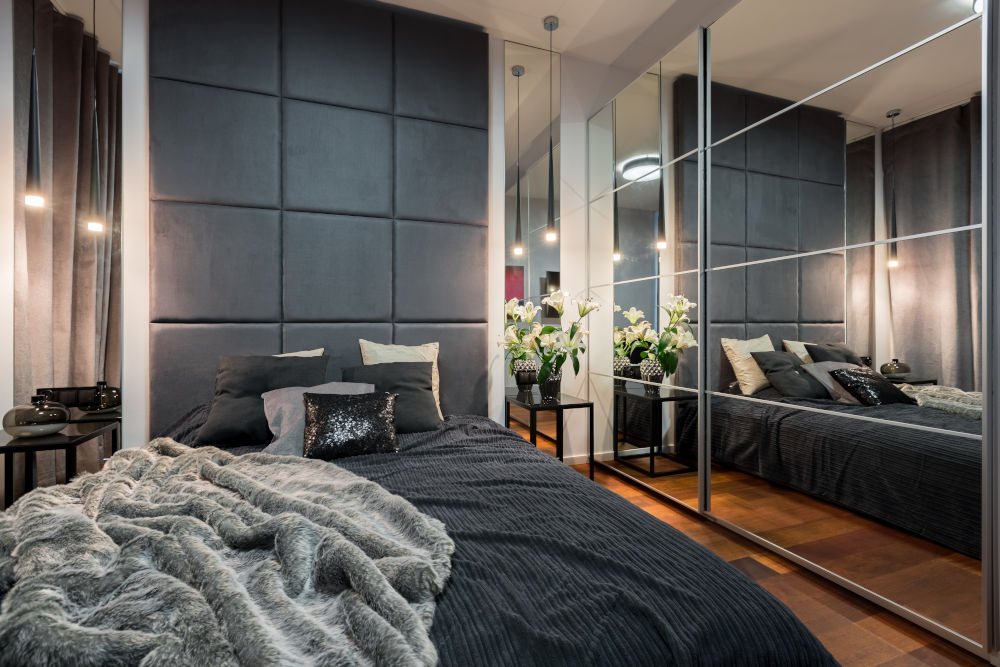
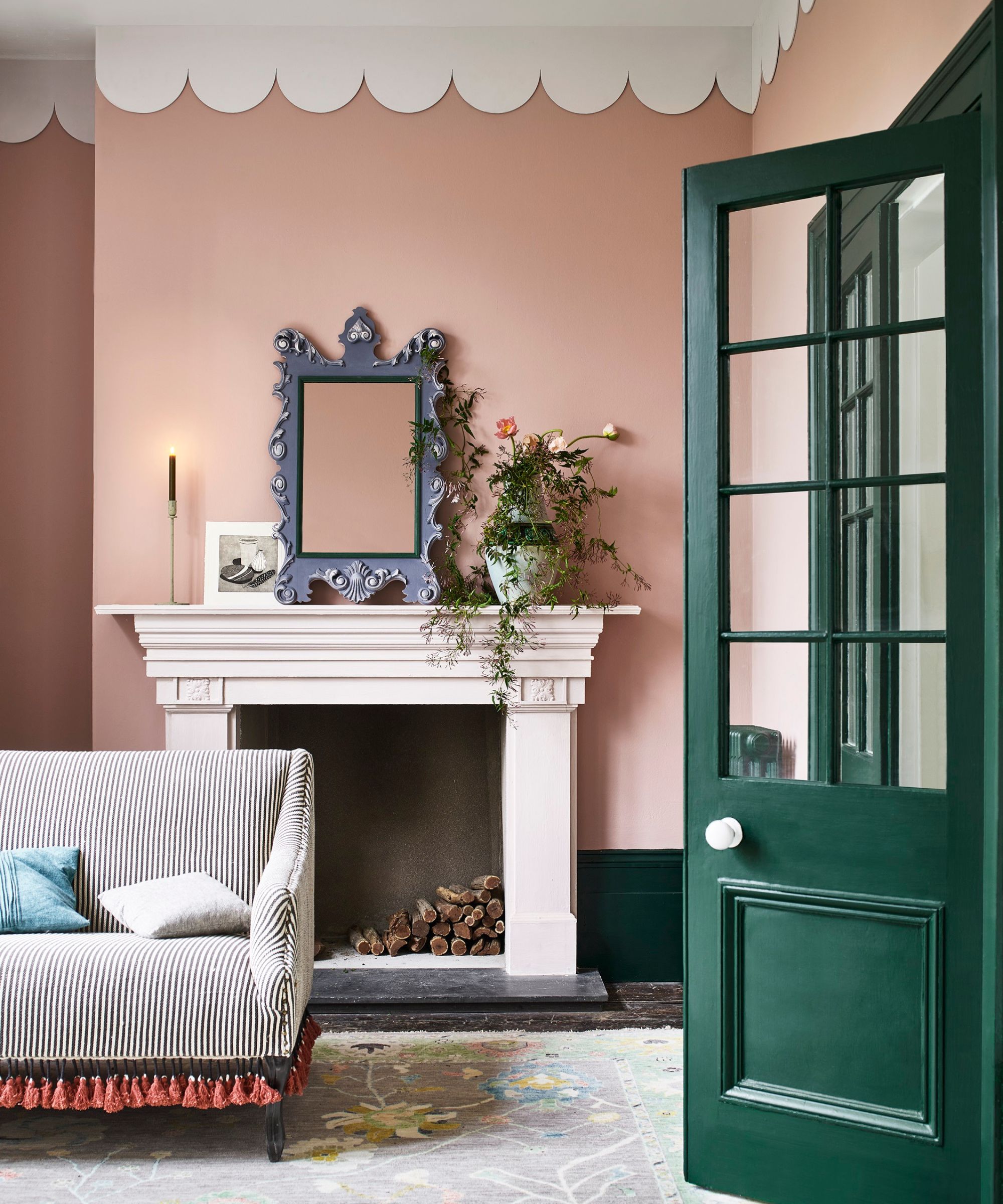
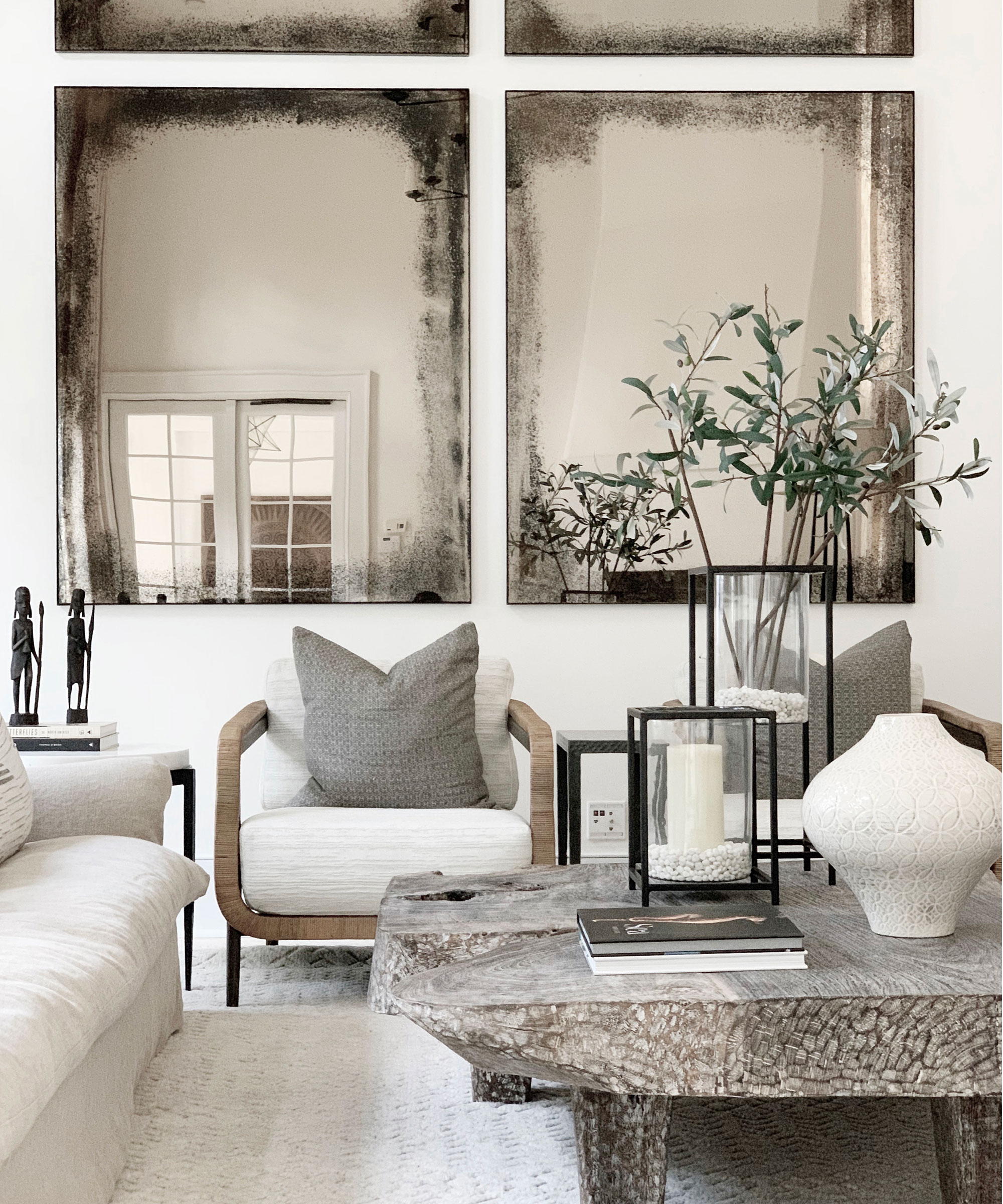
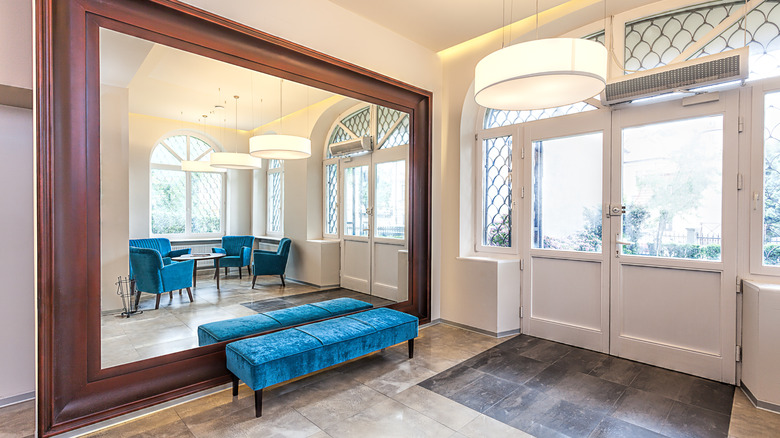
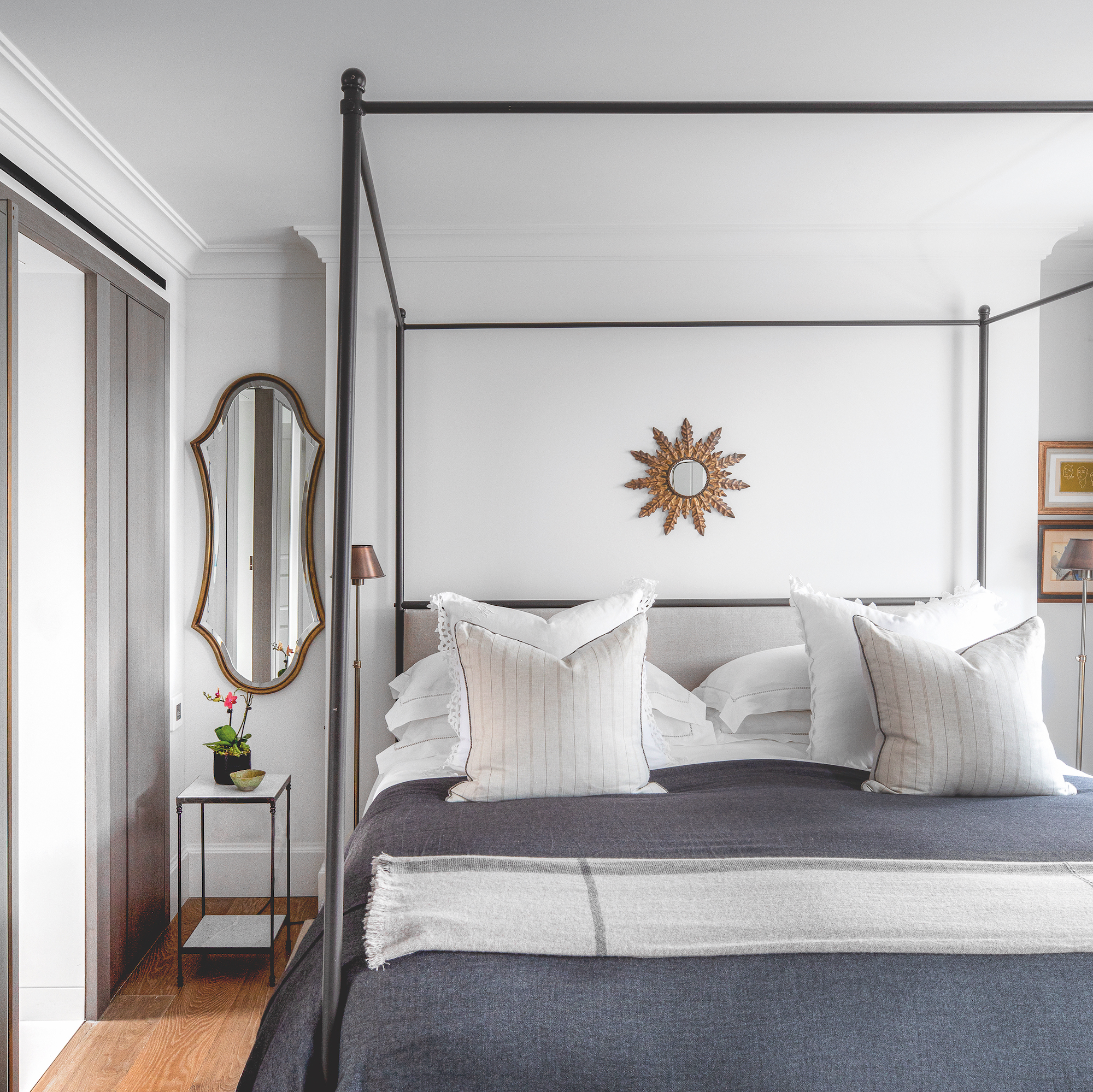
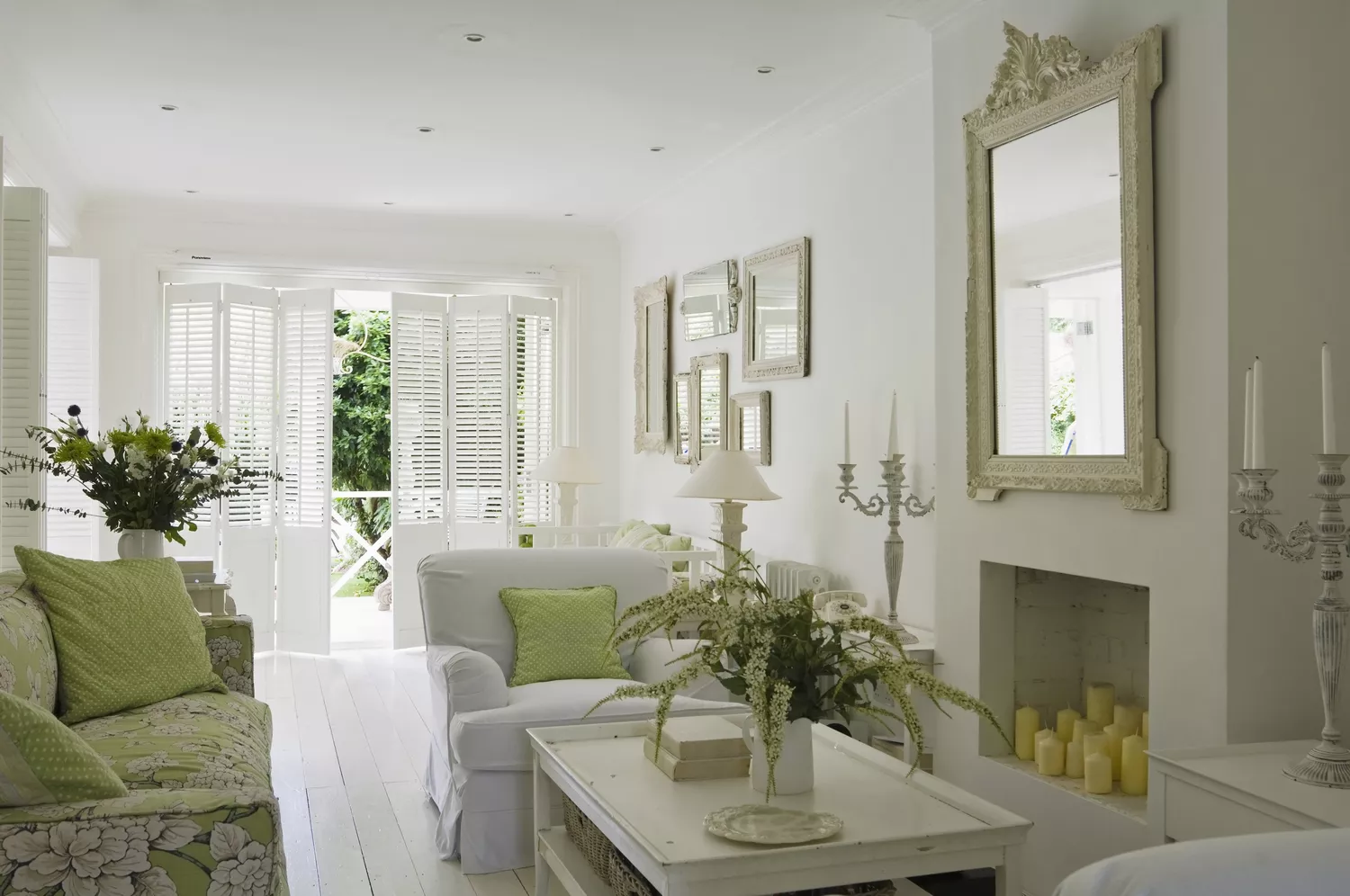
Mirrors are also valuable in transitional areas like hallways, transforming otherwise overlooked spaces into focal points. Whether subtly integrated or used as bold sculptural pieces, mirrors contribute to the narrative of a well-designed space. Another creative application is layering mirrors, placing a smaller mirror on top of a larger one or a mirrored wall to add depth, increase light, and make a statement. This approach can evoke an old-world elegance or a modern, maximalist aesthetic.
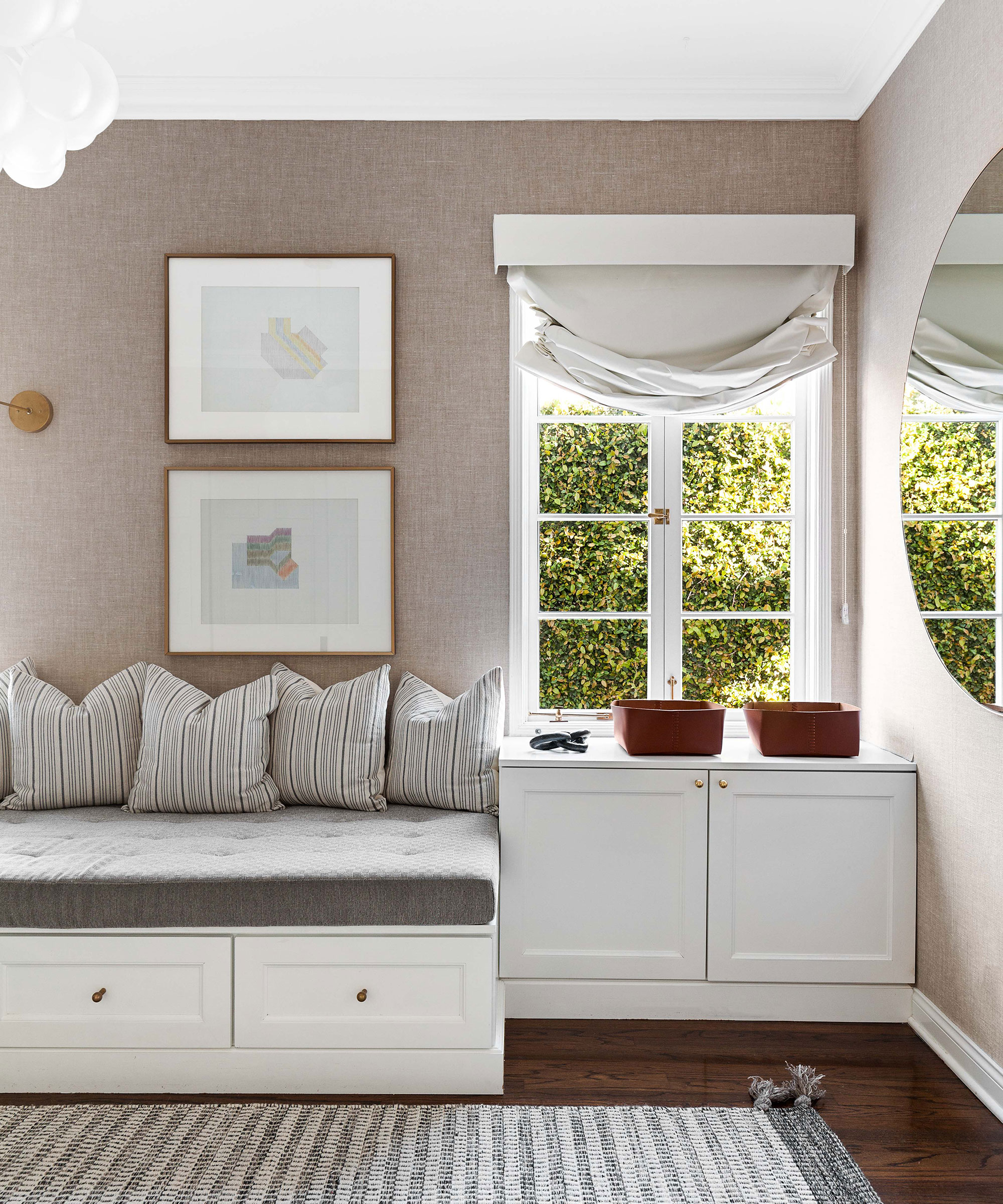
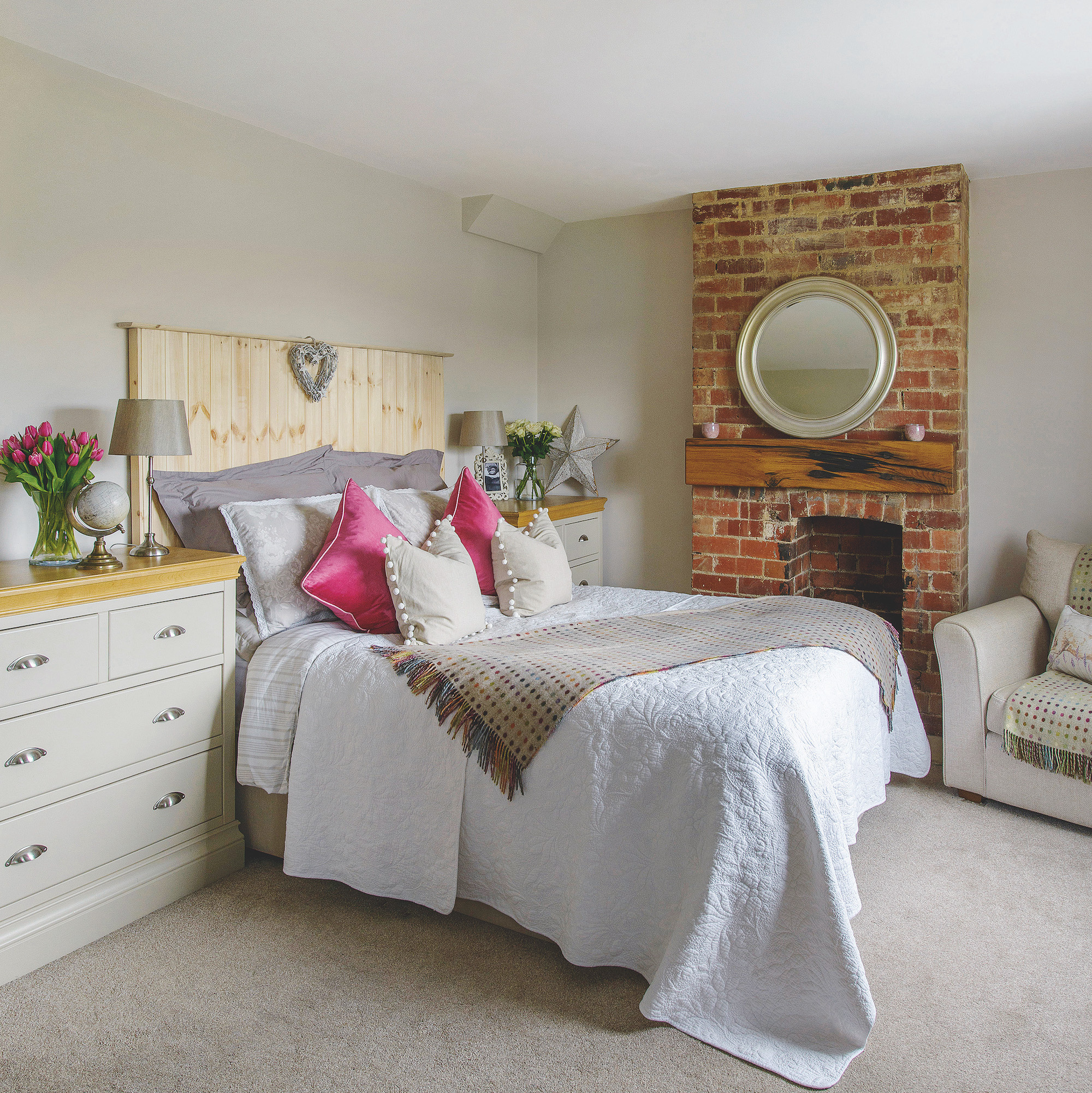
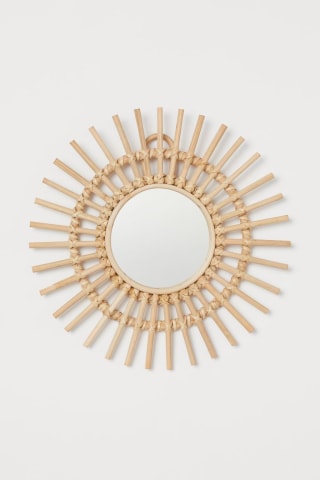
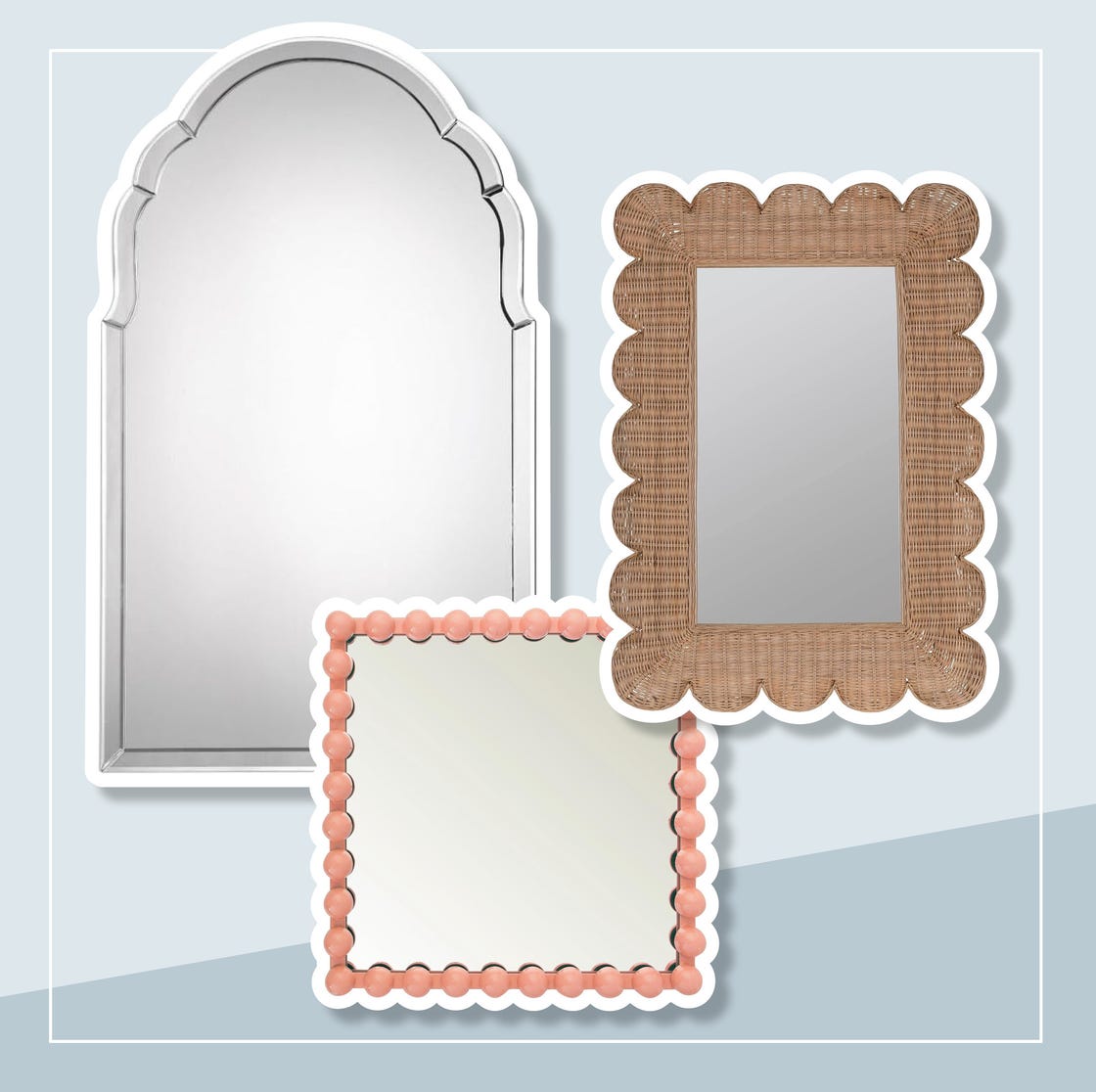
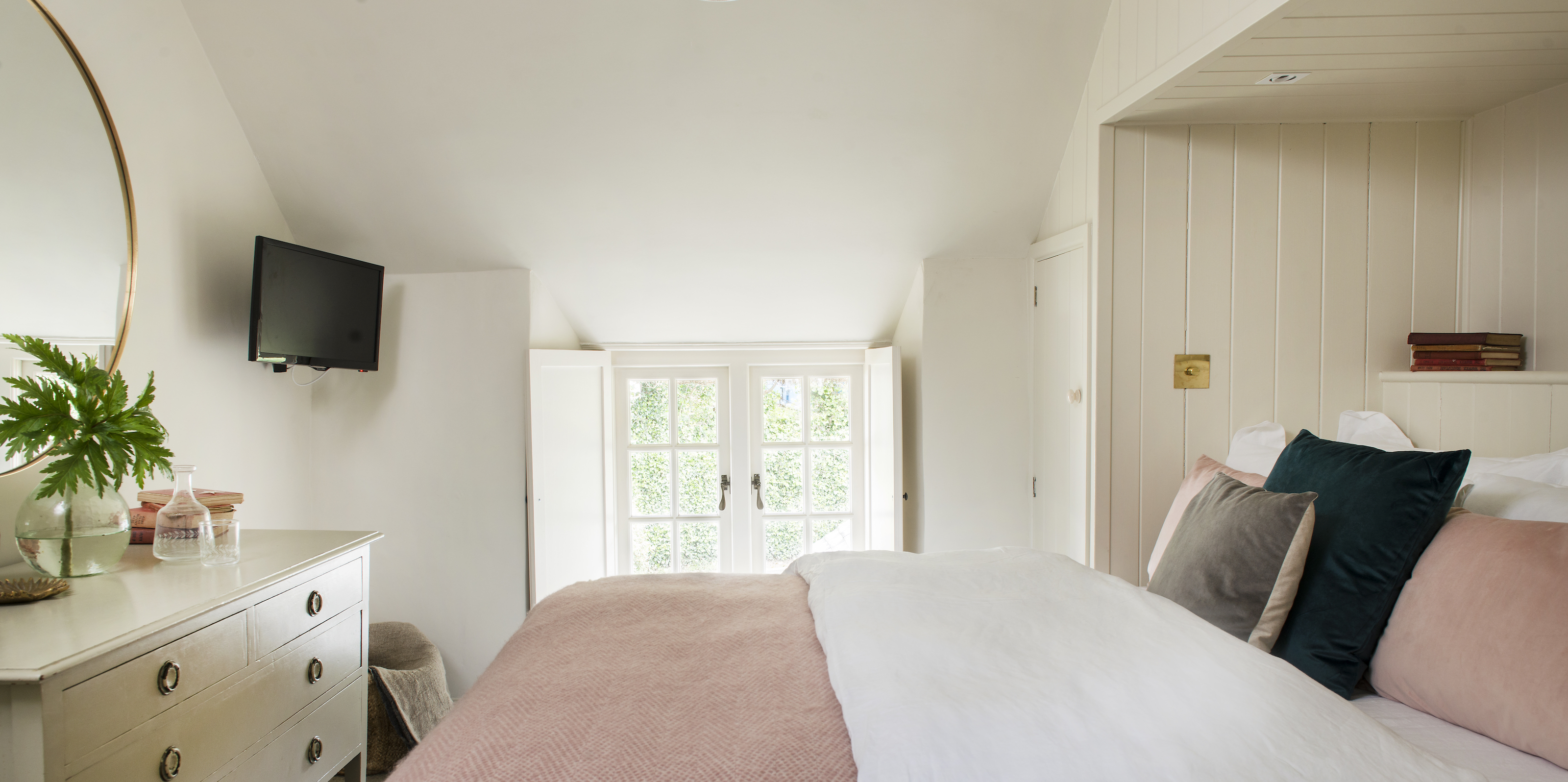
For a playful touch, mirrors with bold colors or unique frames, like bobbin-edged designs, can tie into a room's color scheme and add texture. Strategic placement is key to maximizing a mirror's impact. Positioning a mirror to reflect a meaningful object, a favorite corner, or a glimpse of nature can create a curated vignette. Furthermore, placing mirrors next to windows or garden doors effectively maximizes natural light, brightening darker rooms and adding a sense of depth and warmth.
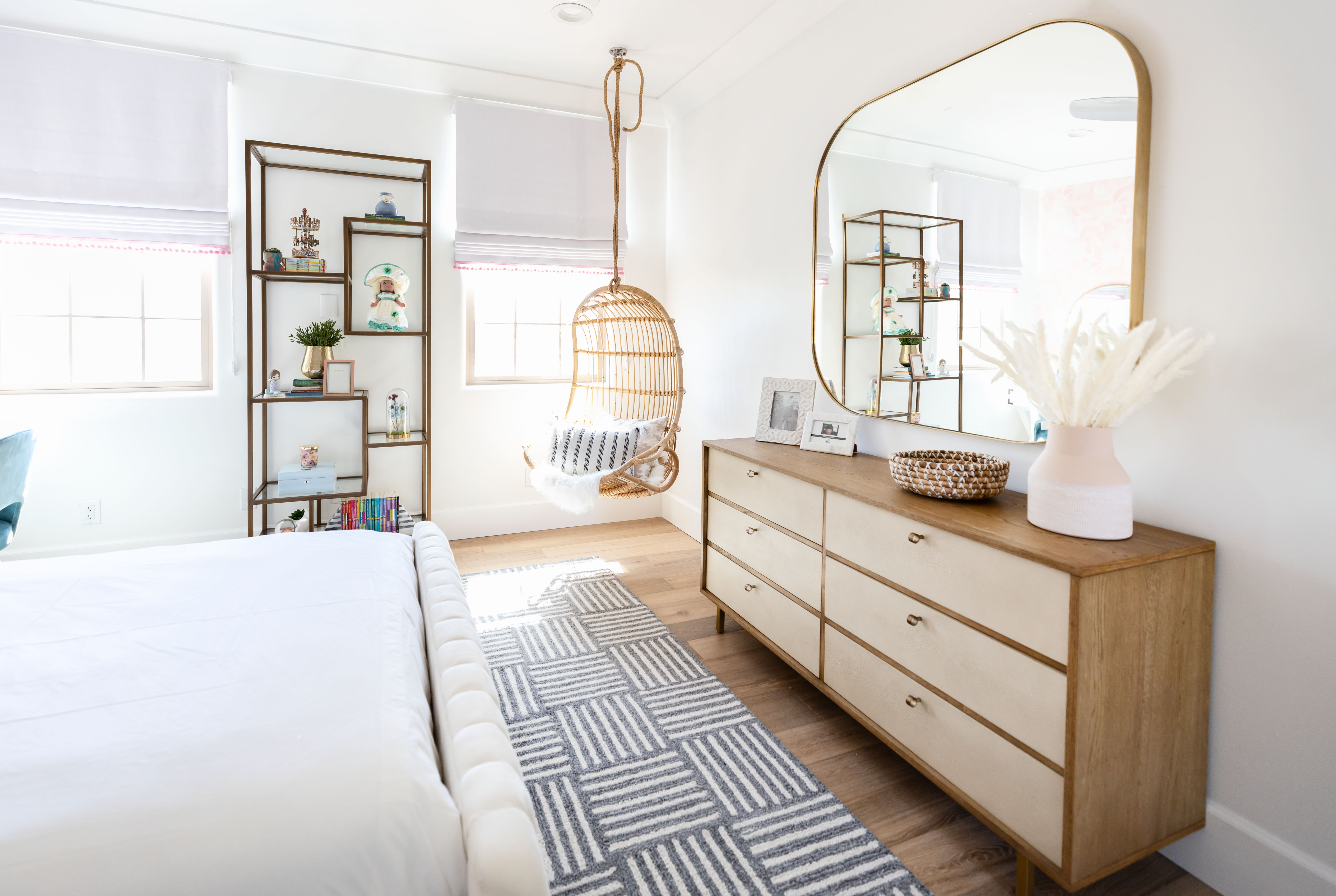
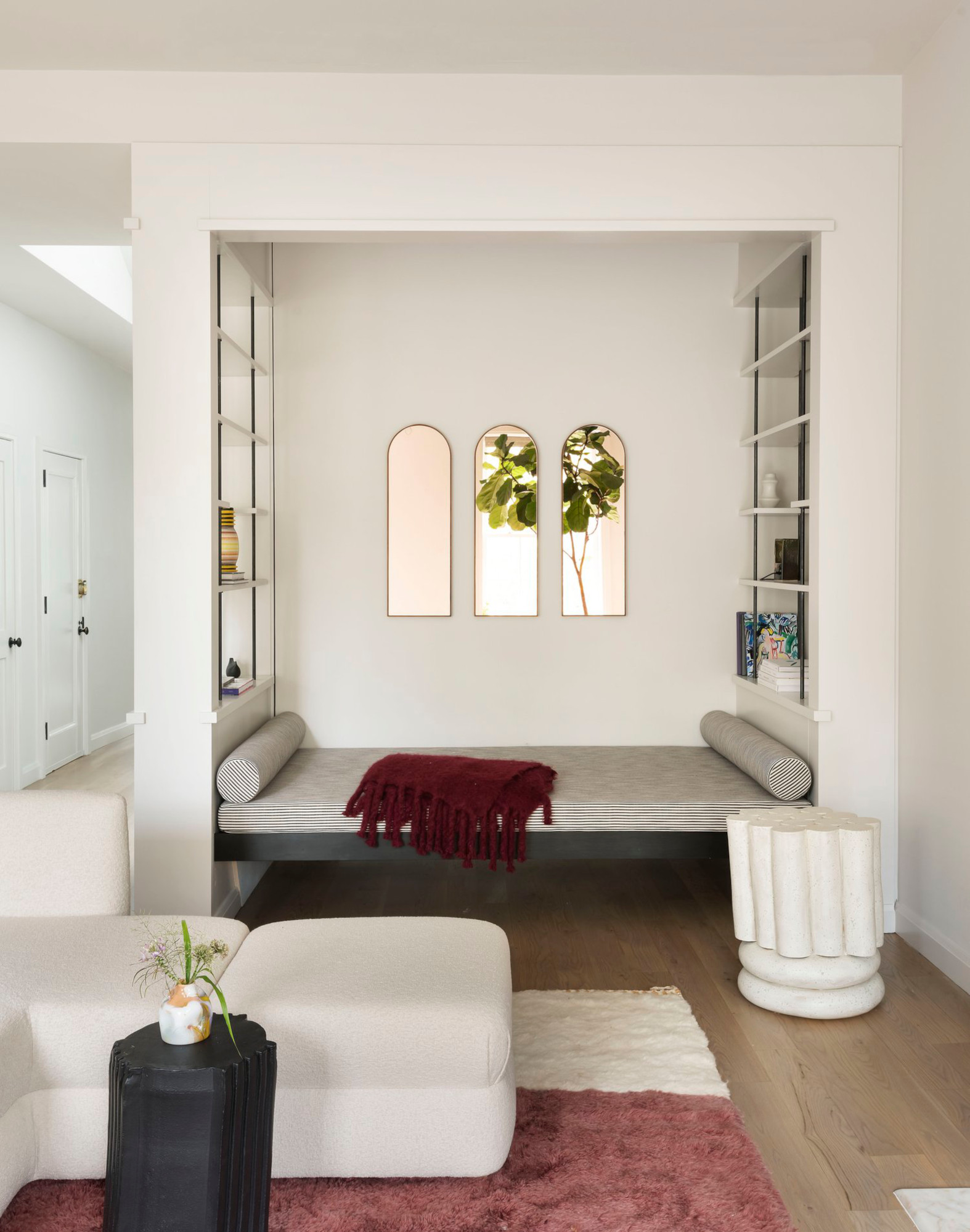
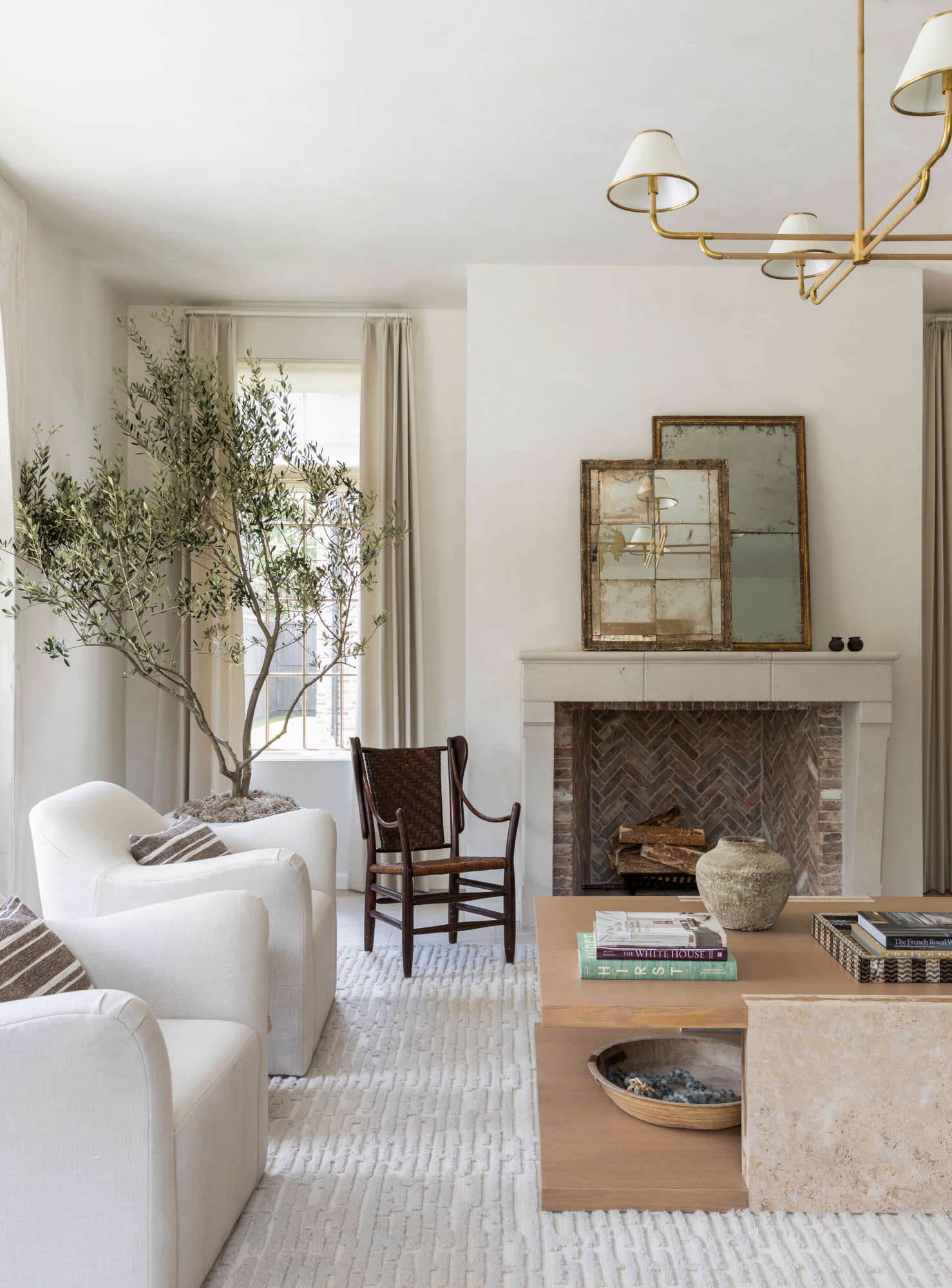
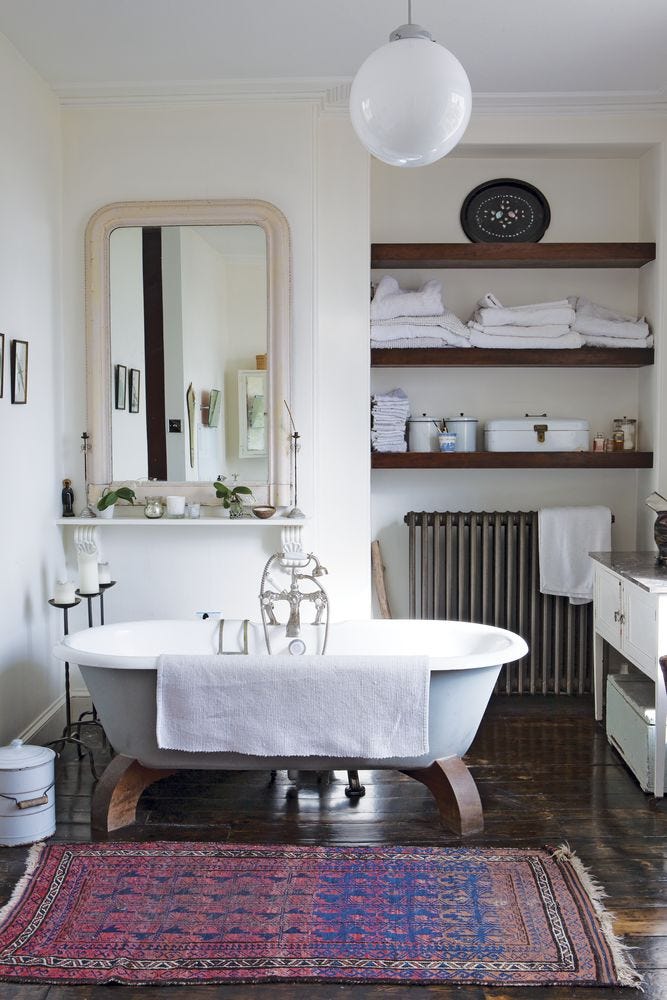
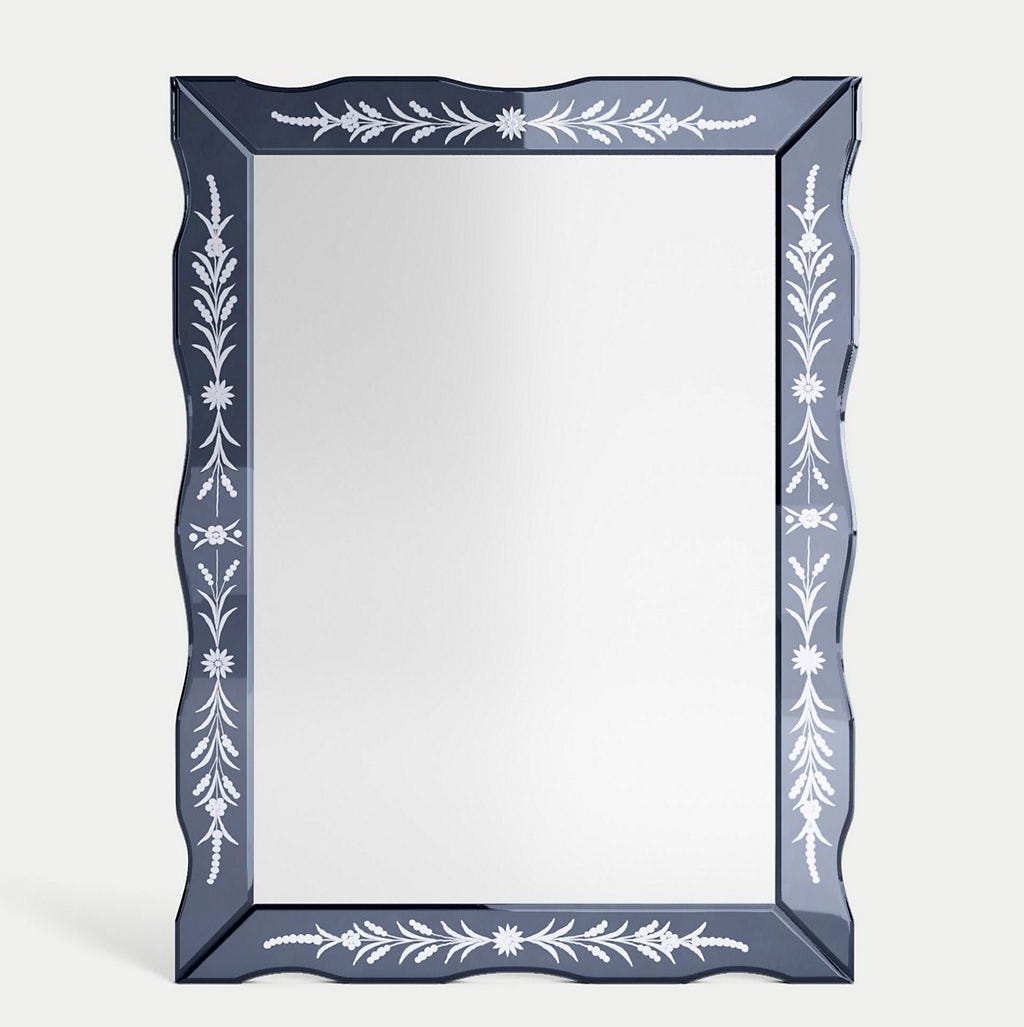
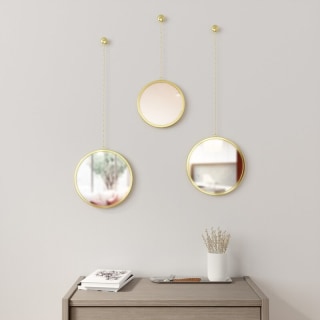
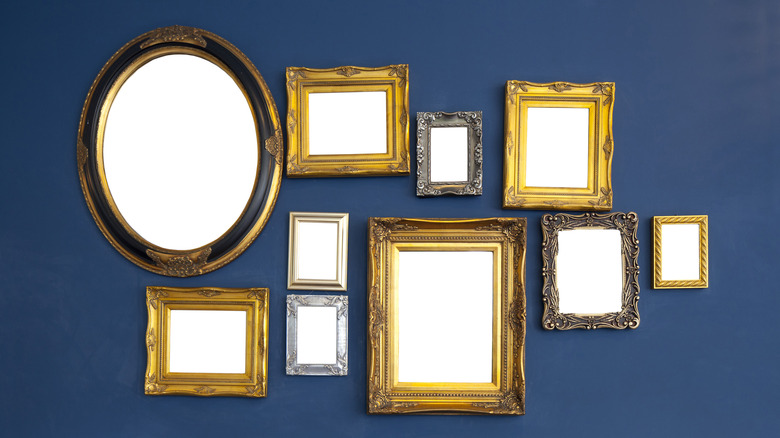
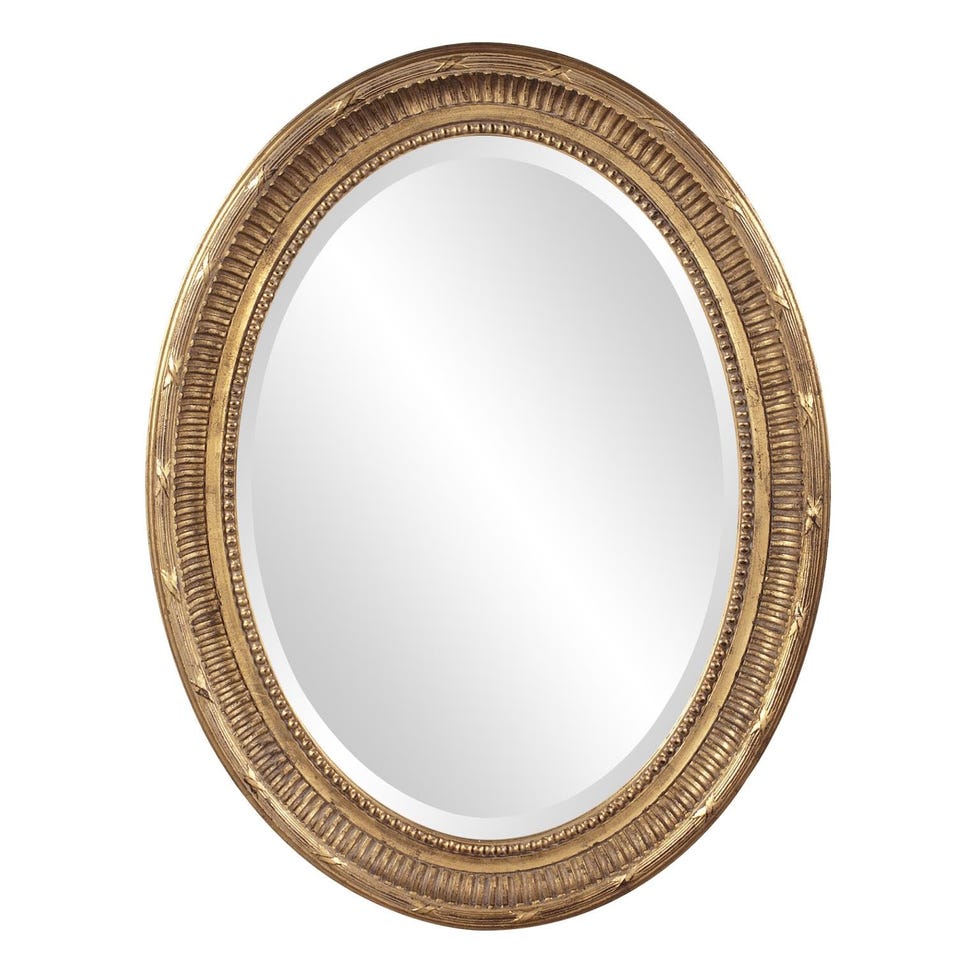
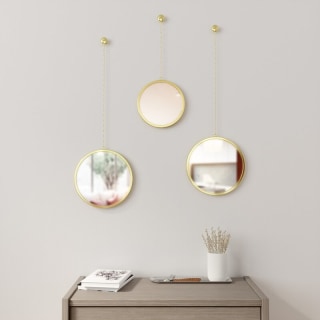
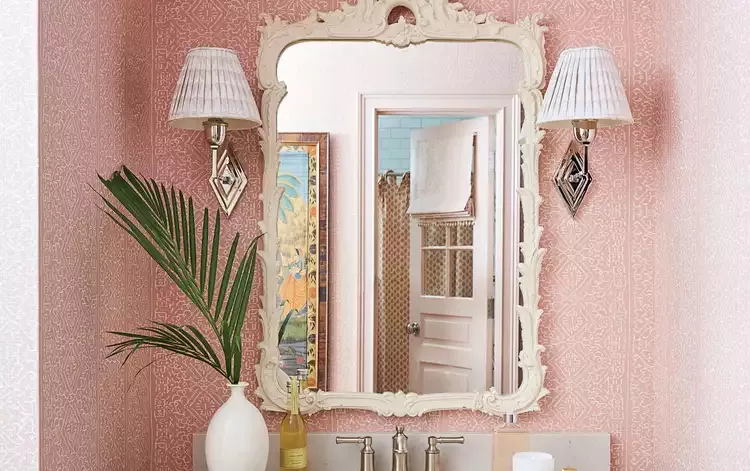
Oversized mirrors in bathrooms not only make a statement but also contribute to a perception of increased space and natural light. For double vanities, sufficiently large mirrors ensure functionality for both users. Introducing antique or vintage mirrors can add a touch of art and history to a modern interior, creating balance between new and old elements. Ornate frames can serve as a luxurious centerpiece. Finally, the concept of 'more is more' applies to mirrors; instead of a single large mirror, using multiple smaller mirrors can create an impactful art installation, making small spaces appear brighter and larger while offering a cost-effective design solution.
#MirrorDecor #InteriorDesign #HomeStyling #SpaceEnlargement #LightingEnhancement #DesignIdeas #BathroomDesign #LivingRoomDecor #TransitionalSpaces #MirrorDecor #InteriorDesign #HomeStyling #SpaceEnlargement #LightingEnhancement #DesignIdeas #BathroomDesign #LivingRoomDecor #TransitionalSpaces
0 commentaire au total
 Aucun commentaire pour le moment
Vous aimerez aussi
Bedroom mirror ideas – 12 ways to amplify light and space with this magic piece of decor
6 clever ways to use mirrors to make your home feel bigger and brighter
15 living room mirrors to transform your lounging space in an instant

40 Bathroom Mirror Ideas To Enhance Your Space
Is it okay to have more than one mirror in a room? This is the one instance designers say it's never okay
14 living room mirror ideas to enhance light, expand spade and add style
5 Mistakes You Might Be Making When Decorating With Mirrors, According To Designers
These 12 Stylish Amazon Mirrors Will Instantly Elevate Your Space, According to Designers

7 easy ways to add luxury to your home with mirrors

19 Mirror Wall Decor Ideas That Add Light, Depth, and Style
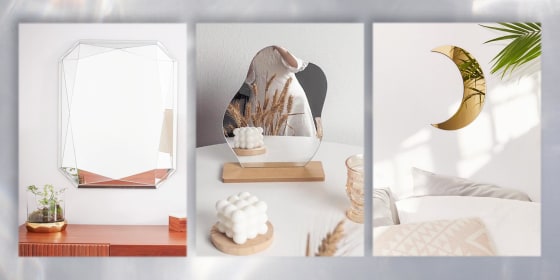
14 best decorative mirrors to elevate your living space in 2022

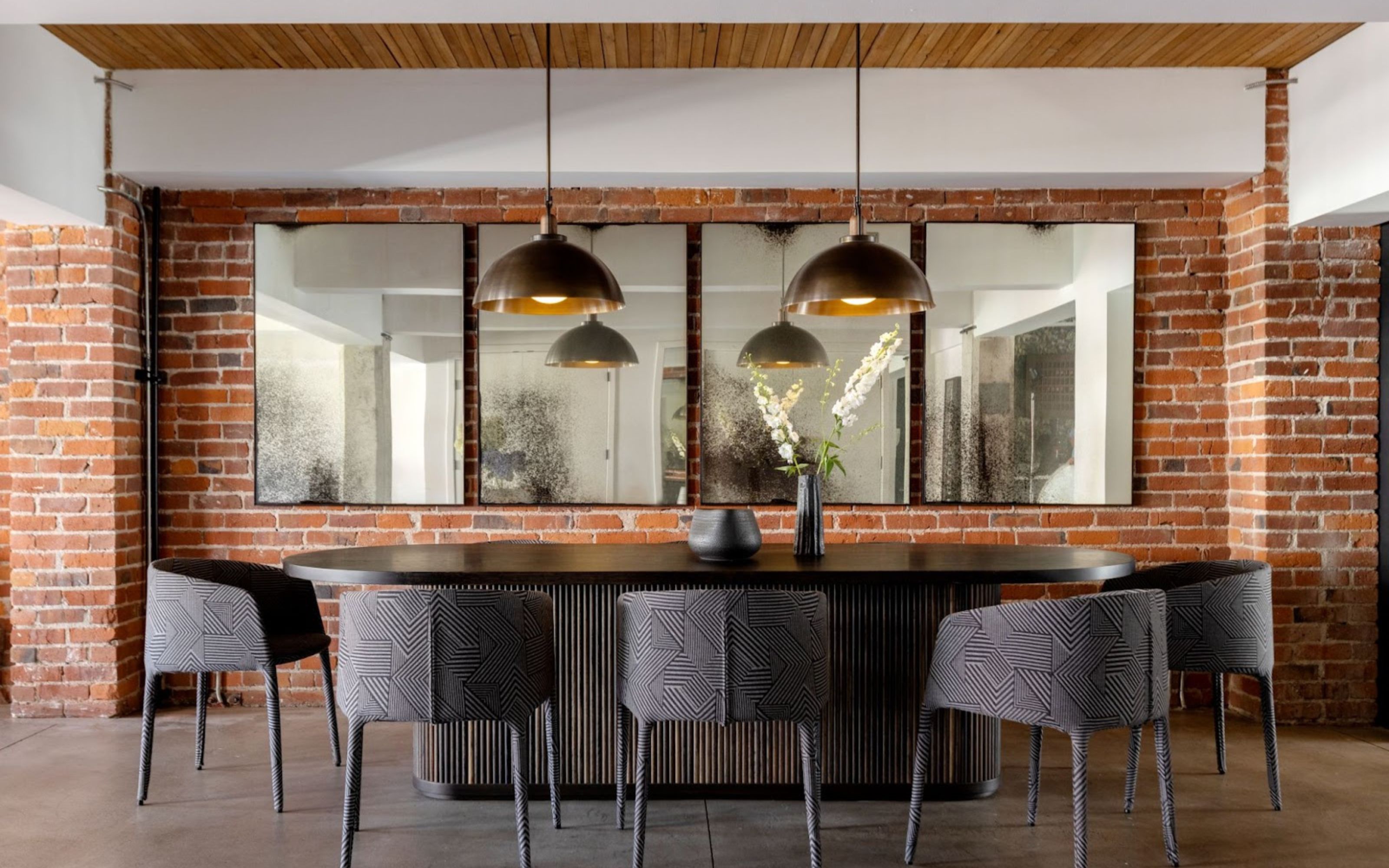
5 places you didn’t know you needed a mirror in your home, but where placing one elevates everything
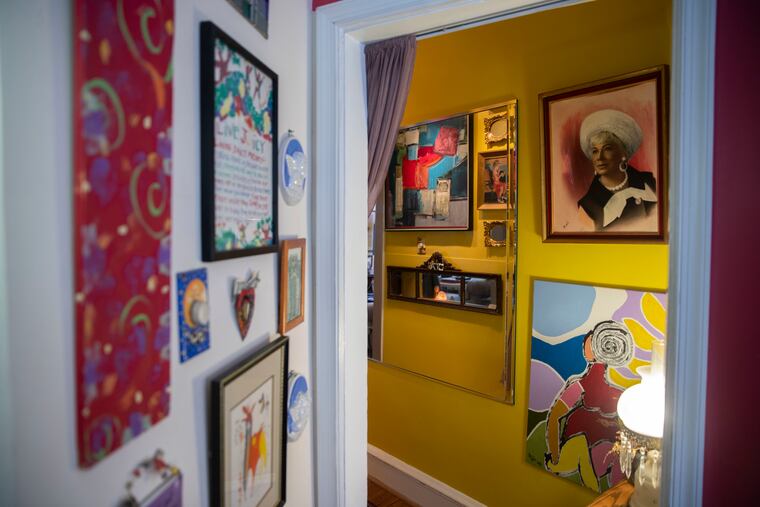
Decorate with mirrors to bring in light or make your home feel bigger
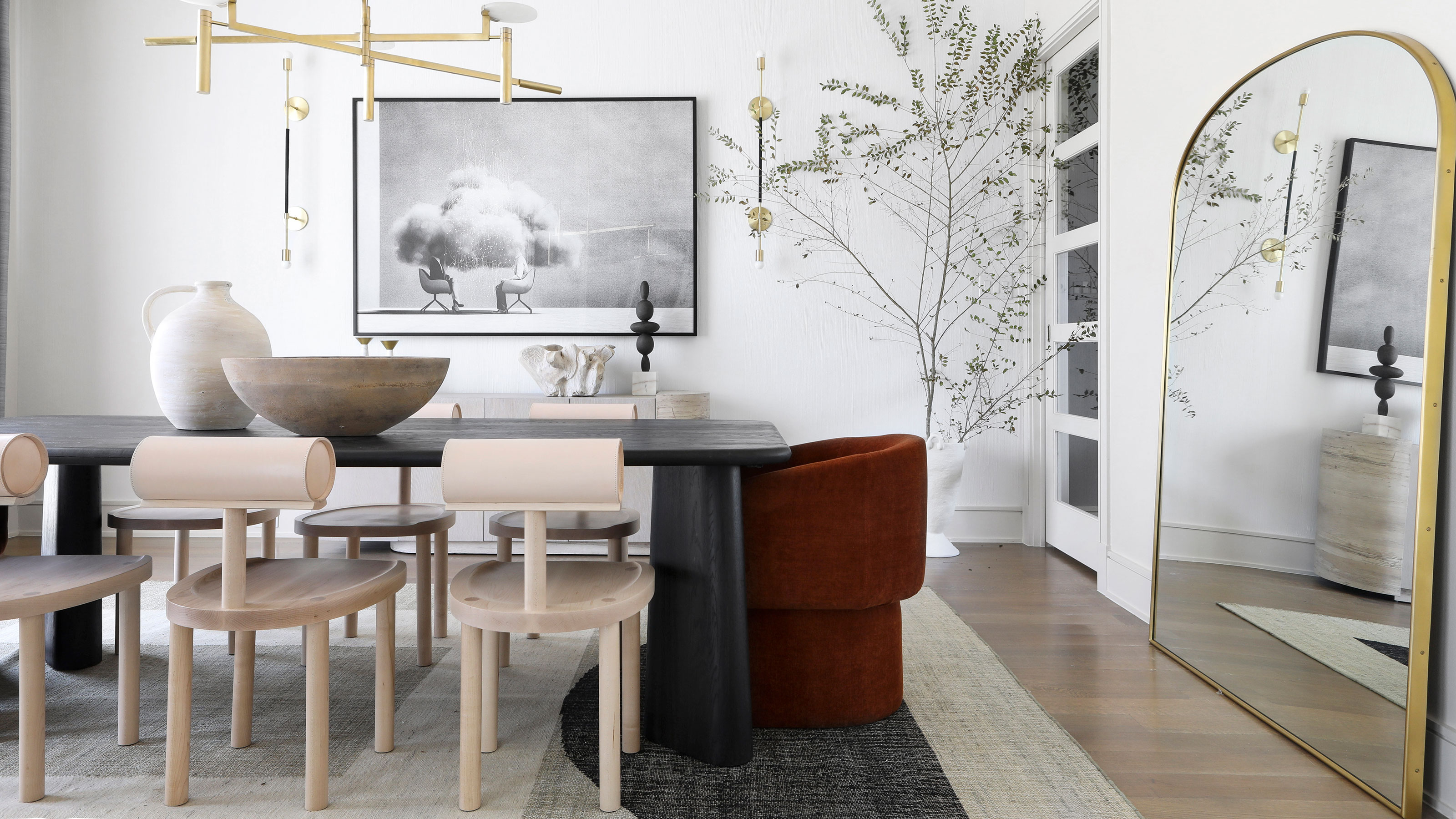
6 places you didn't know you needed a mirror in your home – for a bigger, brighter, better space

How To Use Mirrors To Make Your Small Space Look Bigger, According To An Expert
These unexpected mirror designs deliver the 'wow' factor
5 simple ways designers use mirrors to make a room look bigger
How to make a small living room look bigger with mirrors - clever design tips to open up your space
Bedroom mirror ideas - 10 fun and functional ways with mirrors
The Target Mirror That'll Make Any Room In Your Home Look Bigger