1/13
12 Curved Sofa Living Room Ideas That Prove This Style is Absolutely Staying Put for 2025
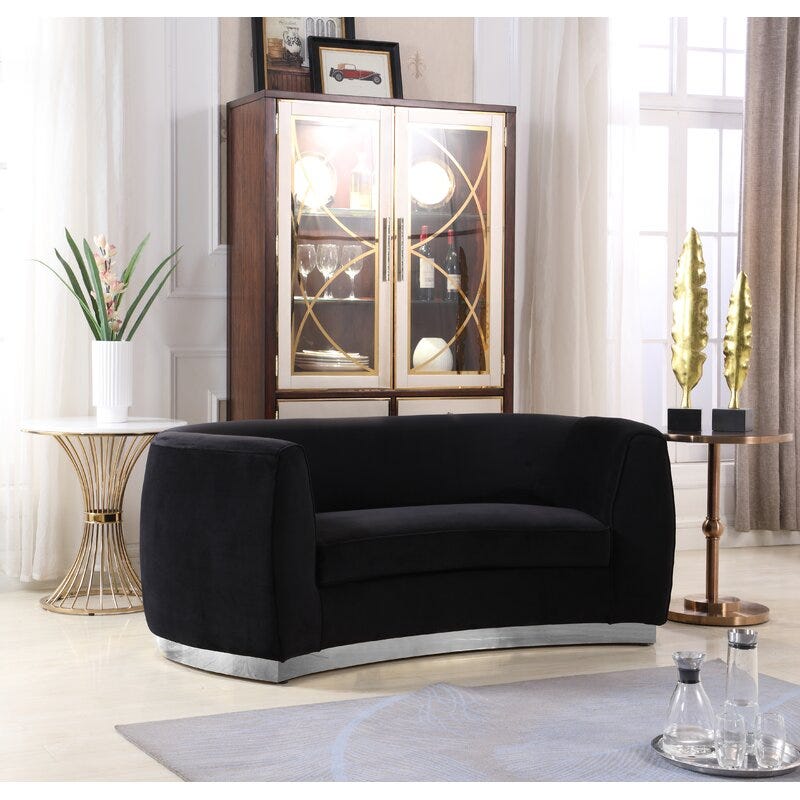
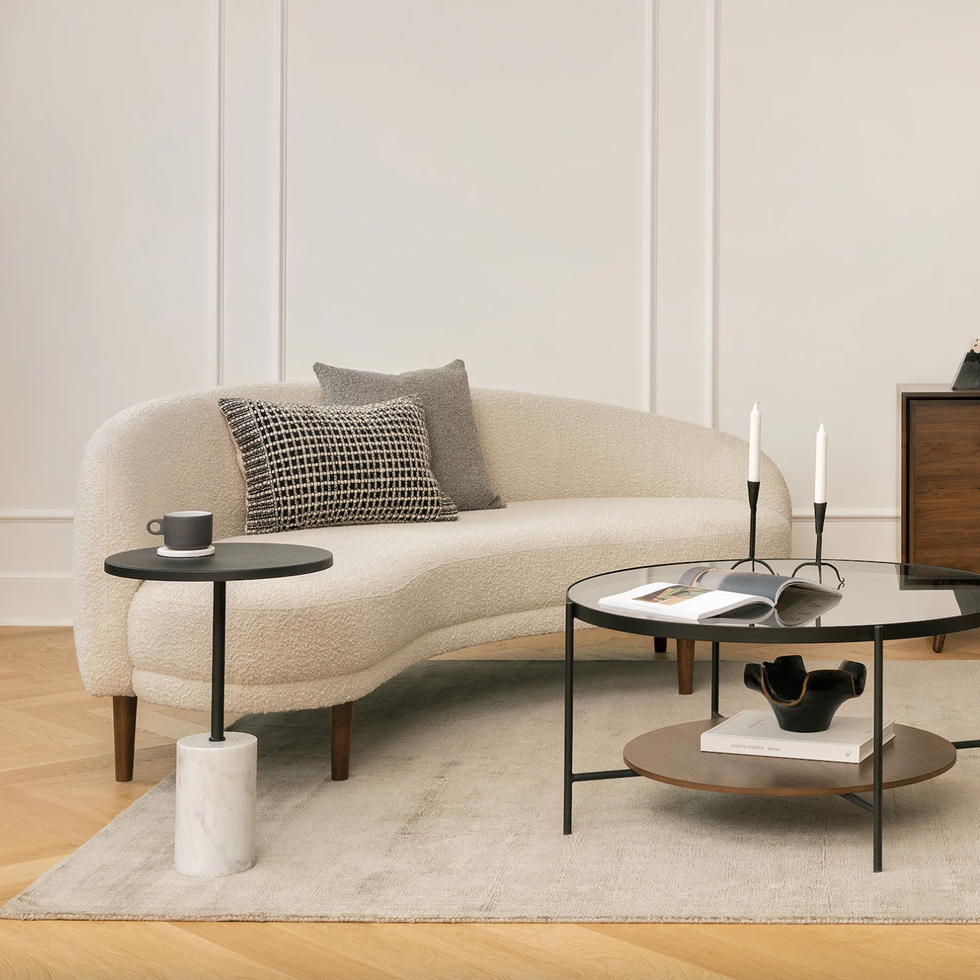
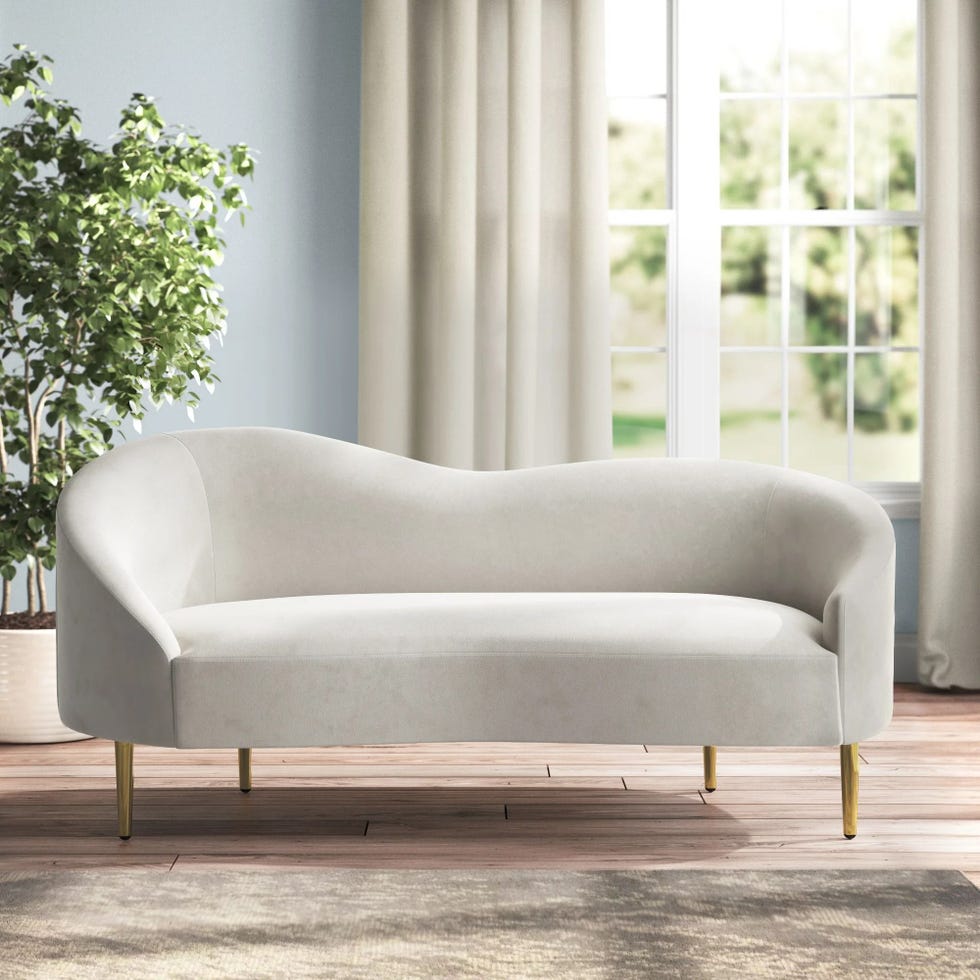
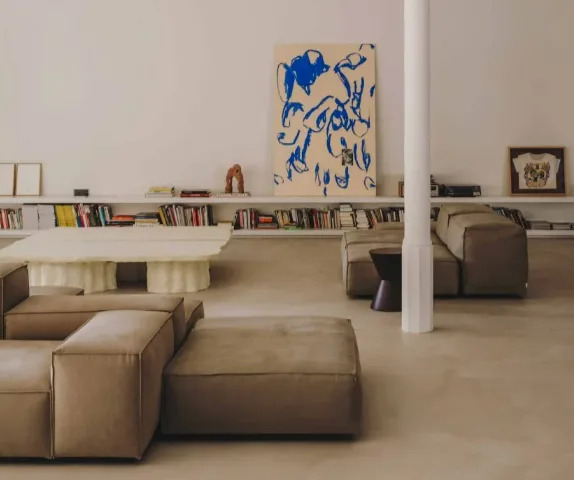
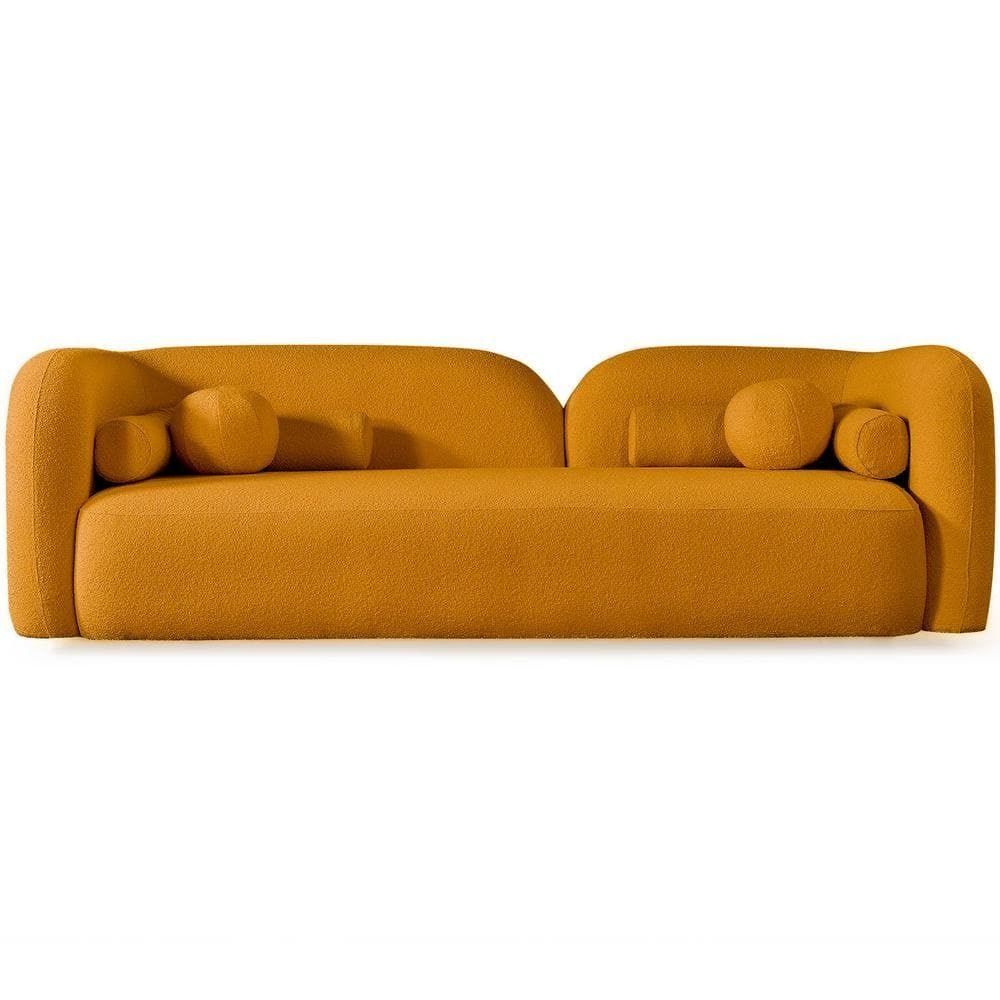
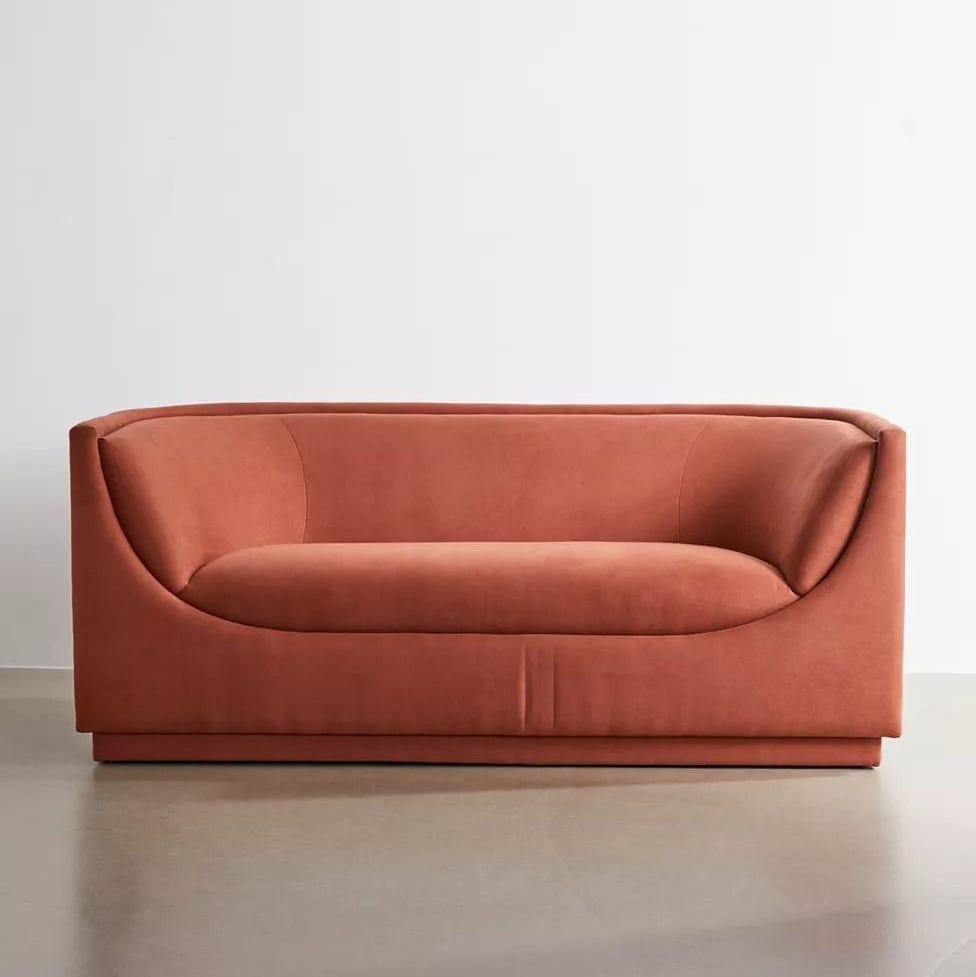
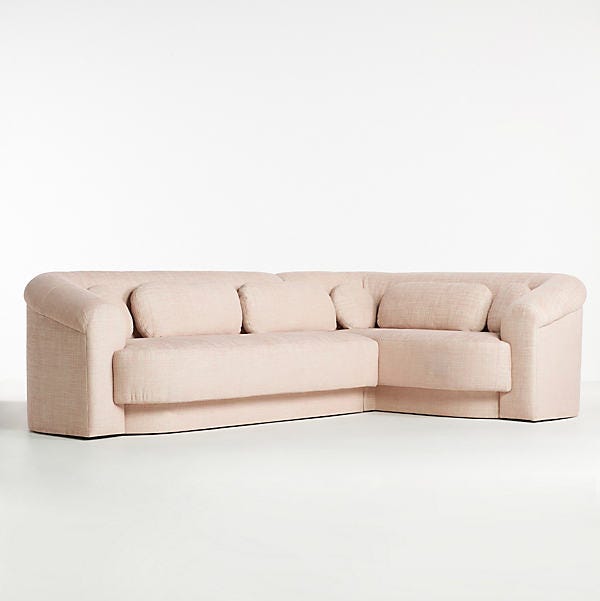
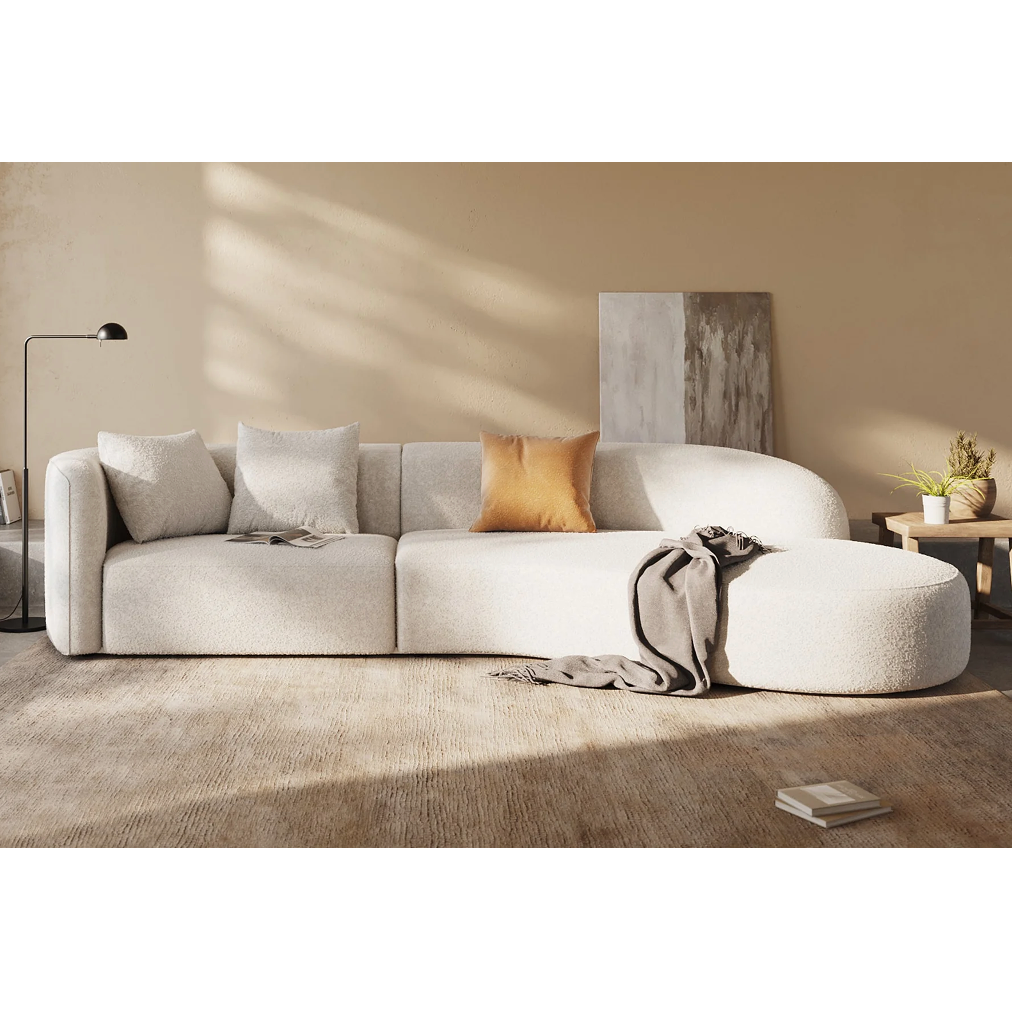
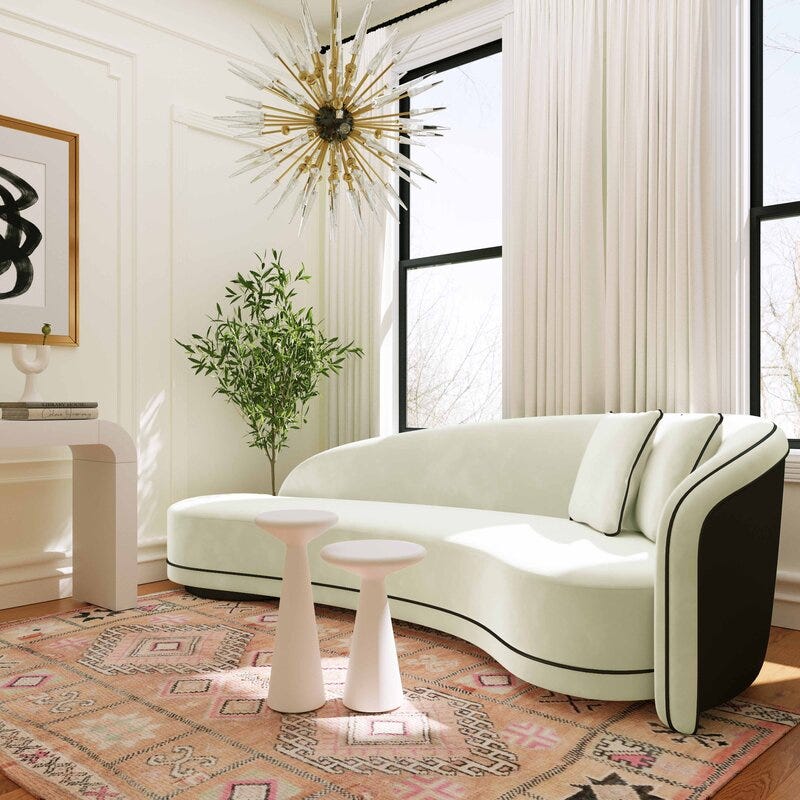
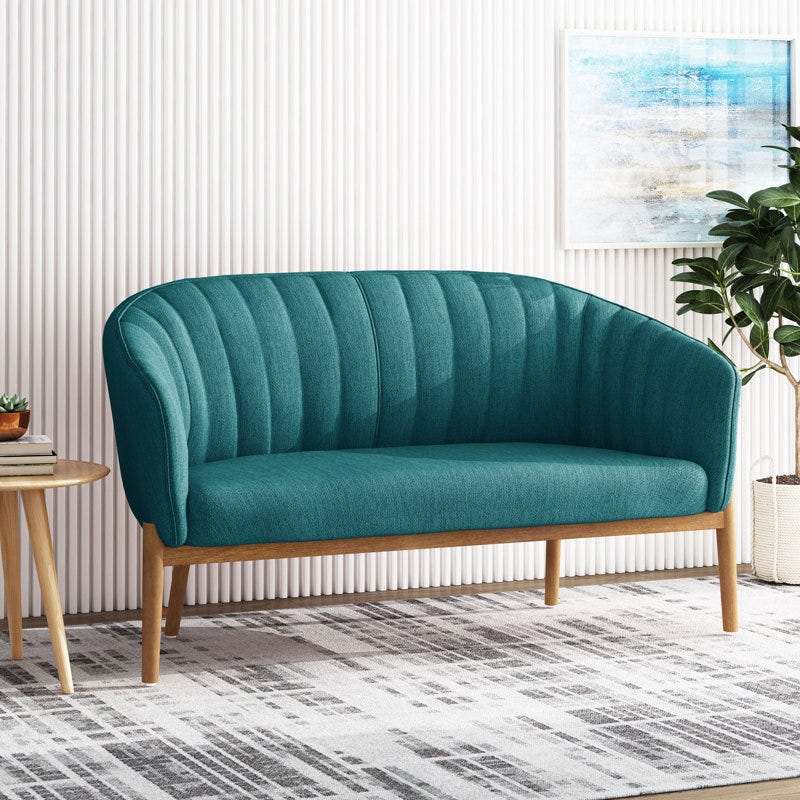
Curved sofas have transitioned from a fleeting trend to a timeless design element in interior decor, reflecting a broader preference for softer, more organic aesthetics in living spaces. These furniture pieces are celebrated not only for their visual appeal but also for their ability to foster an open and inclusive atmosphere, encouraging conversation and connection among occupants. Their enduring popularity suggests they will continue to be a staple in home design through 2025 and beyond.
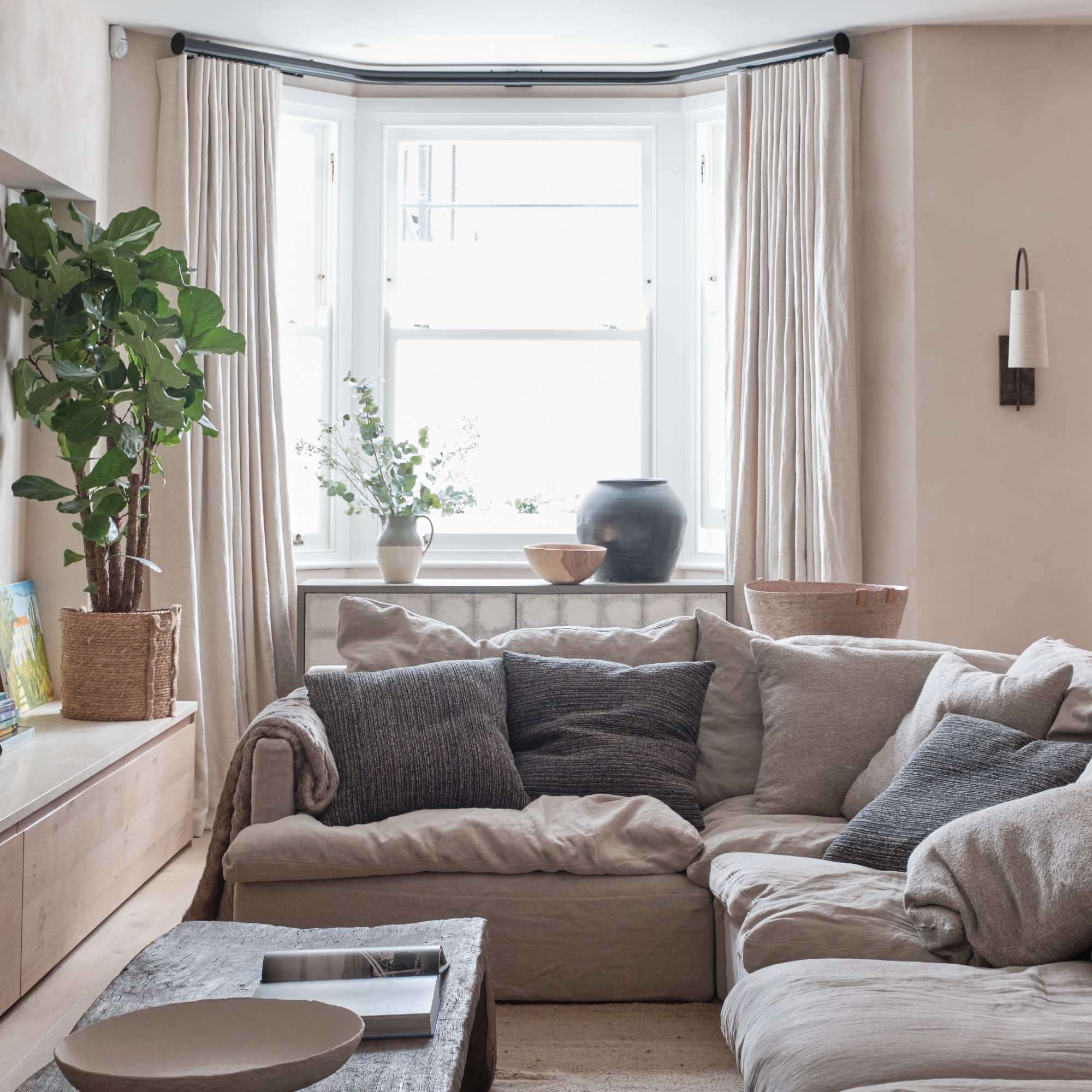
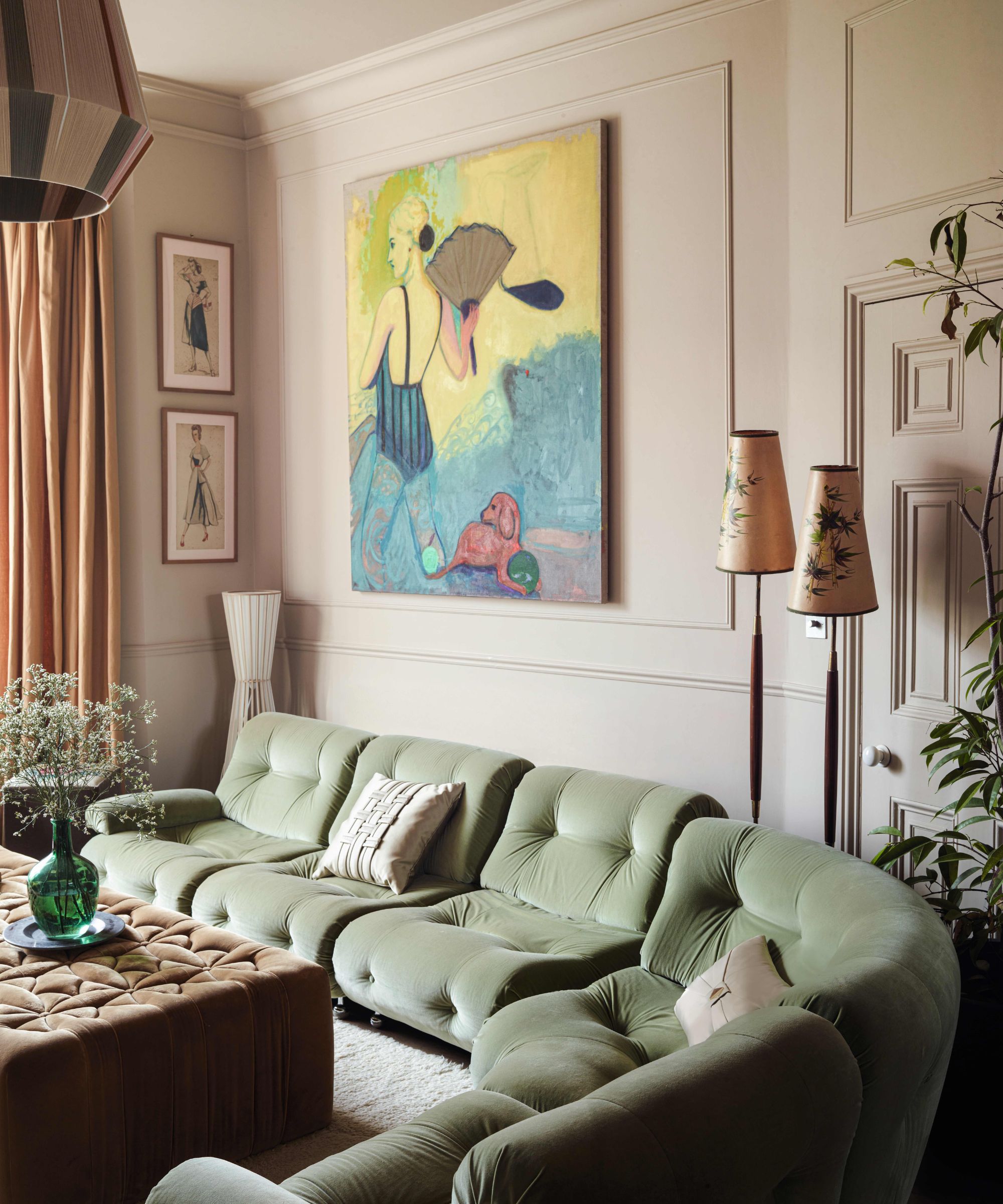
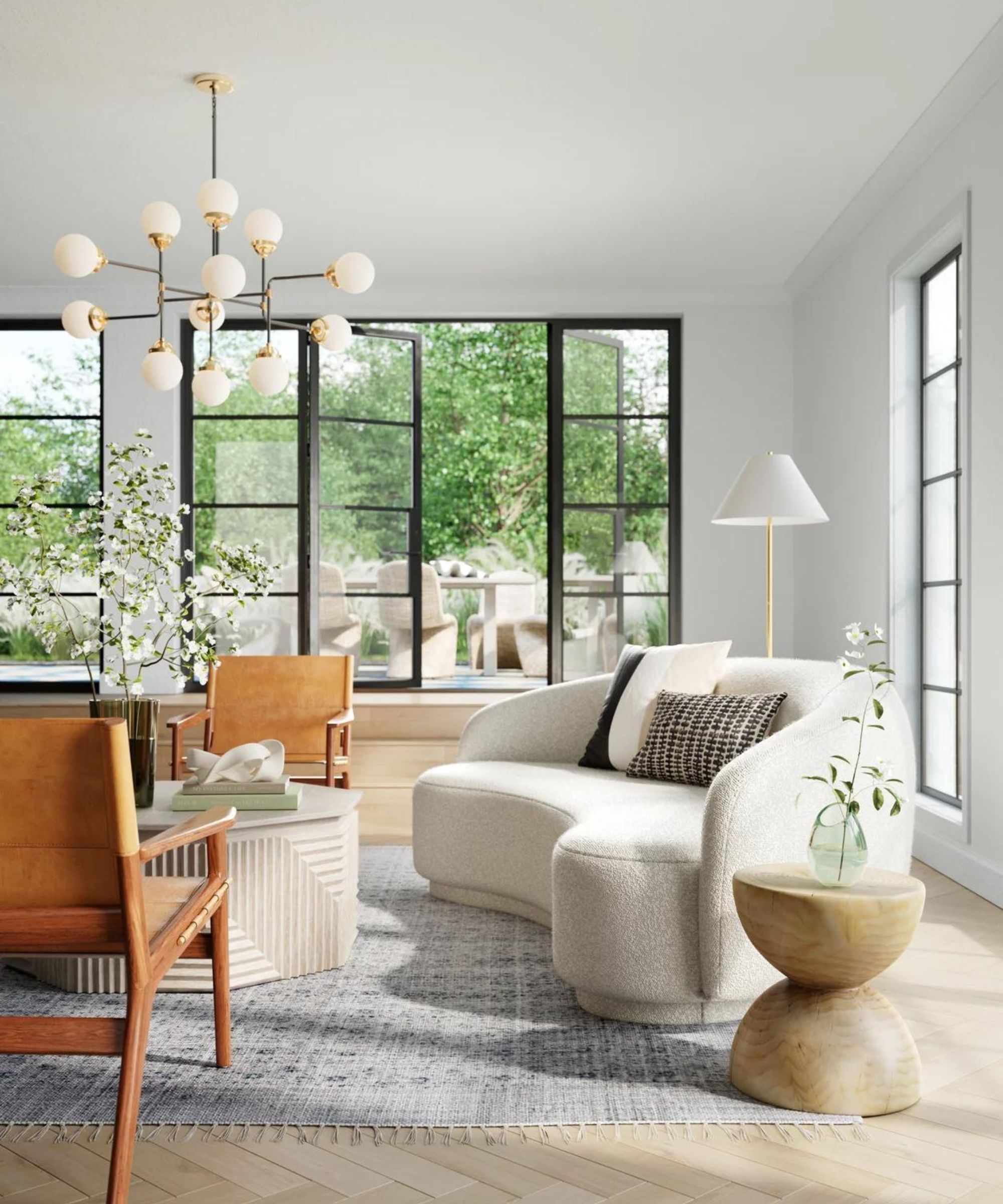
One significant advantage of curved sofas is their versatility in various room sizes. While often associated with large, open-concept areas where they can serve as a focal point, they also offer a unique solution for creating intimacy in smaller, more compact spaces. For instance, in a sunroom designed for reading, a curved sofa can promote a relaxed, lounge-like feel, inviting individuals to sit closer. This characteristic makes them ideal for fostering cozy, personal environments. Designers suggest that curved sofas, despite potentially seating fewer people due to their shape, are perfect for creating an inviting, snug ambiance.
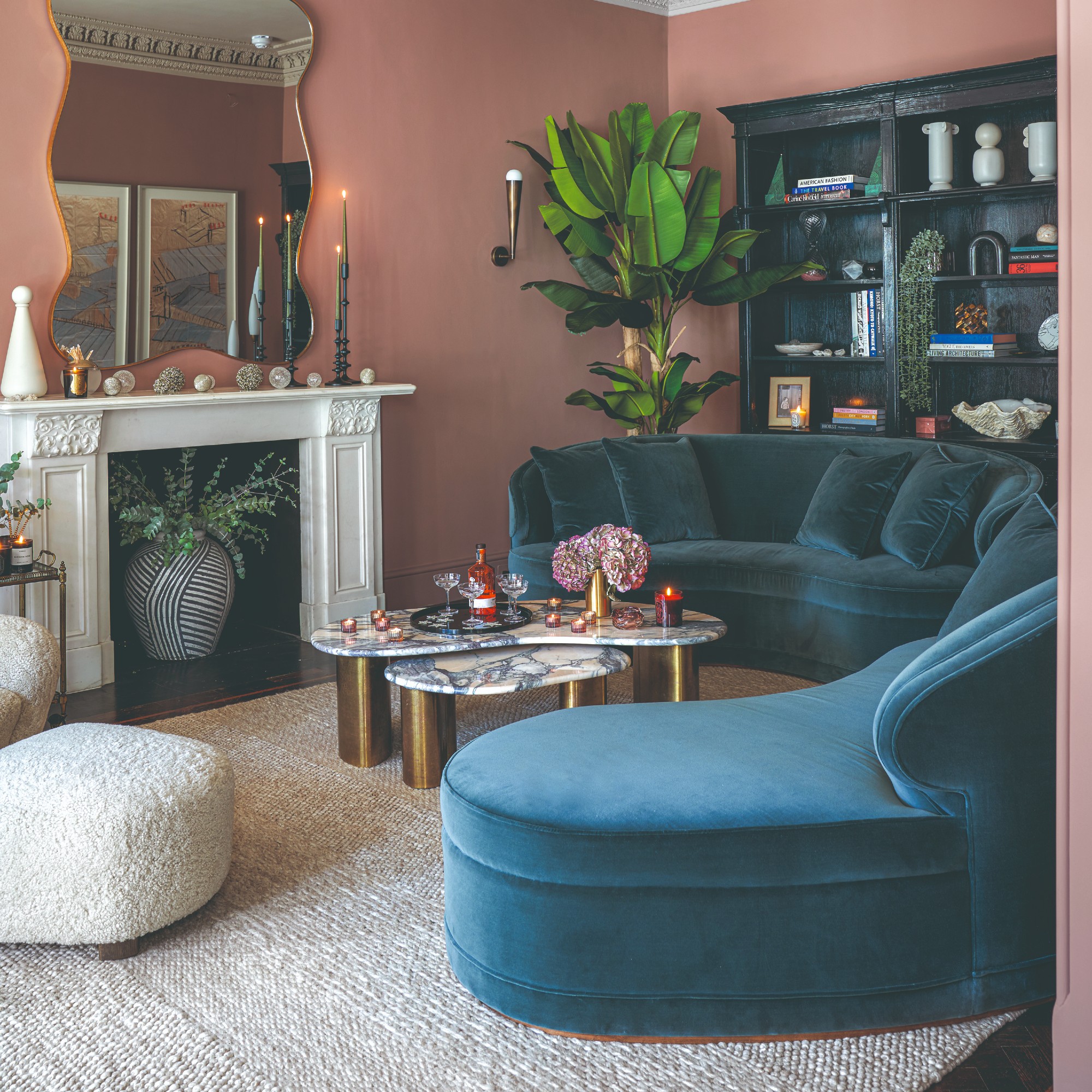
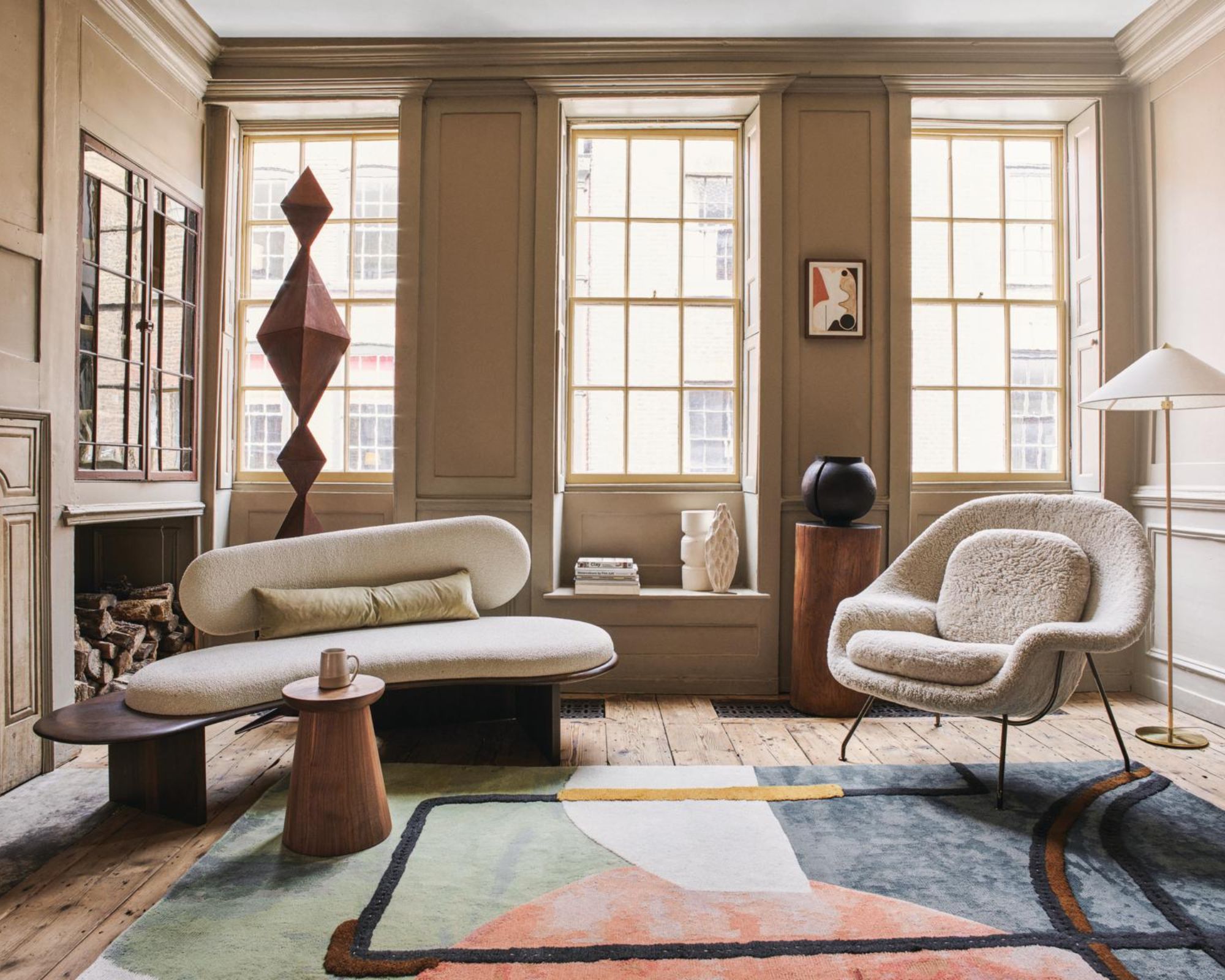
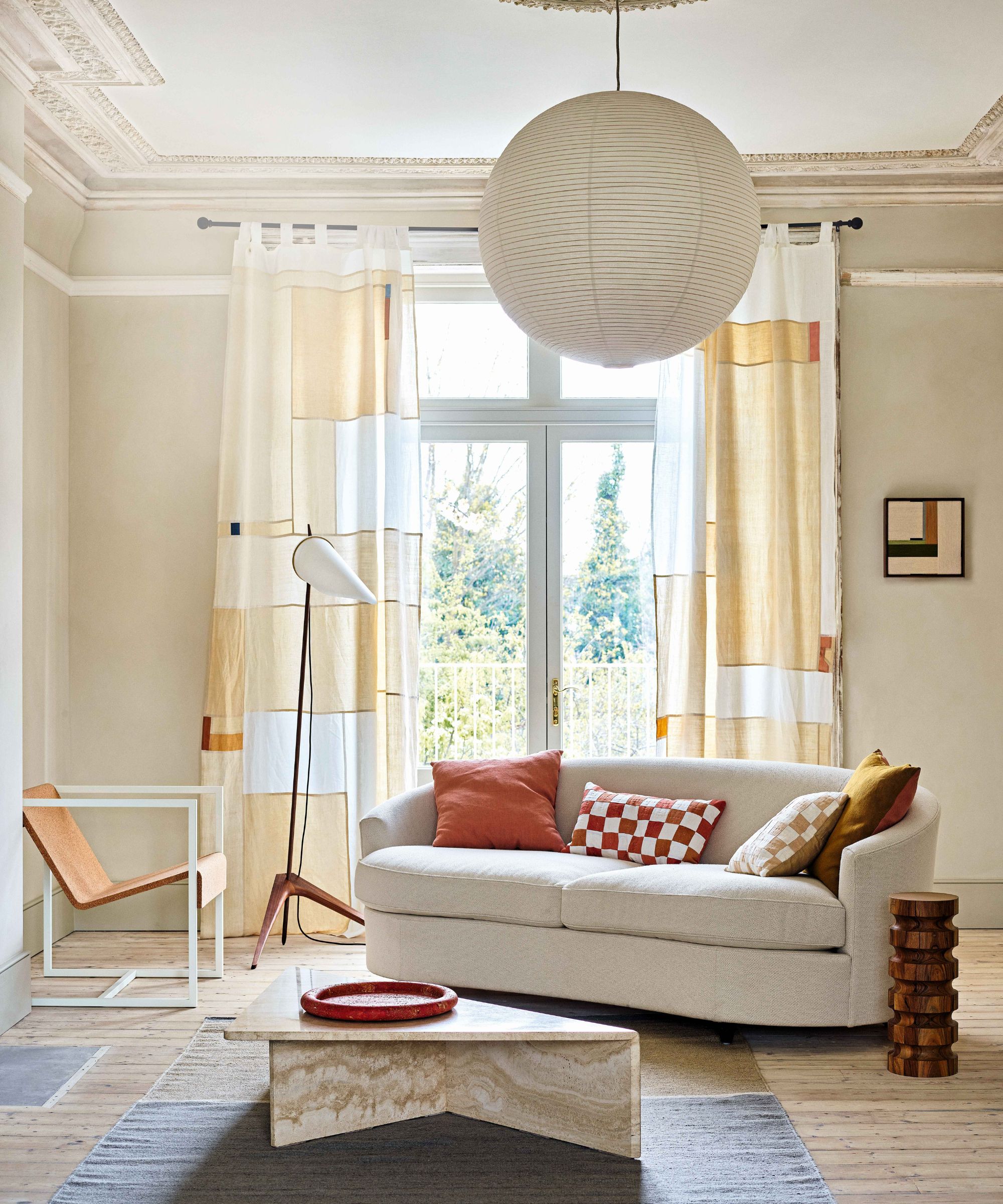
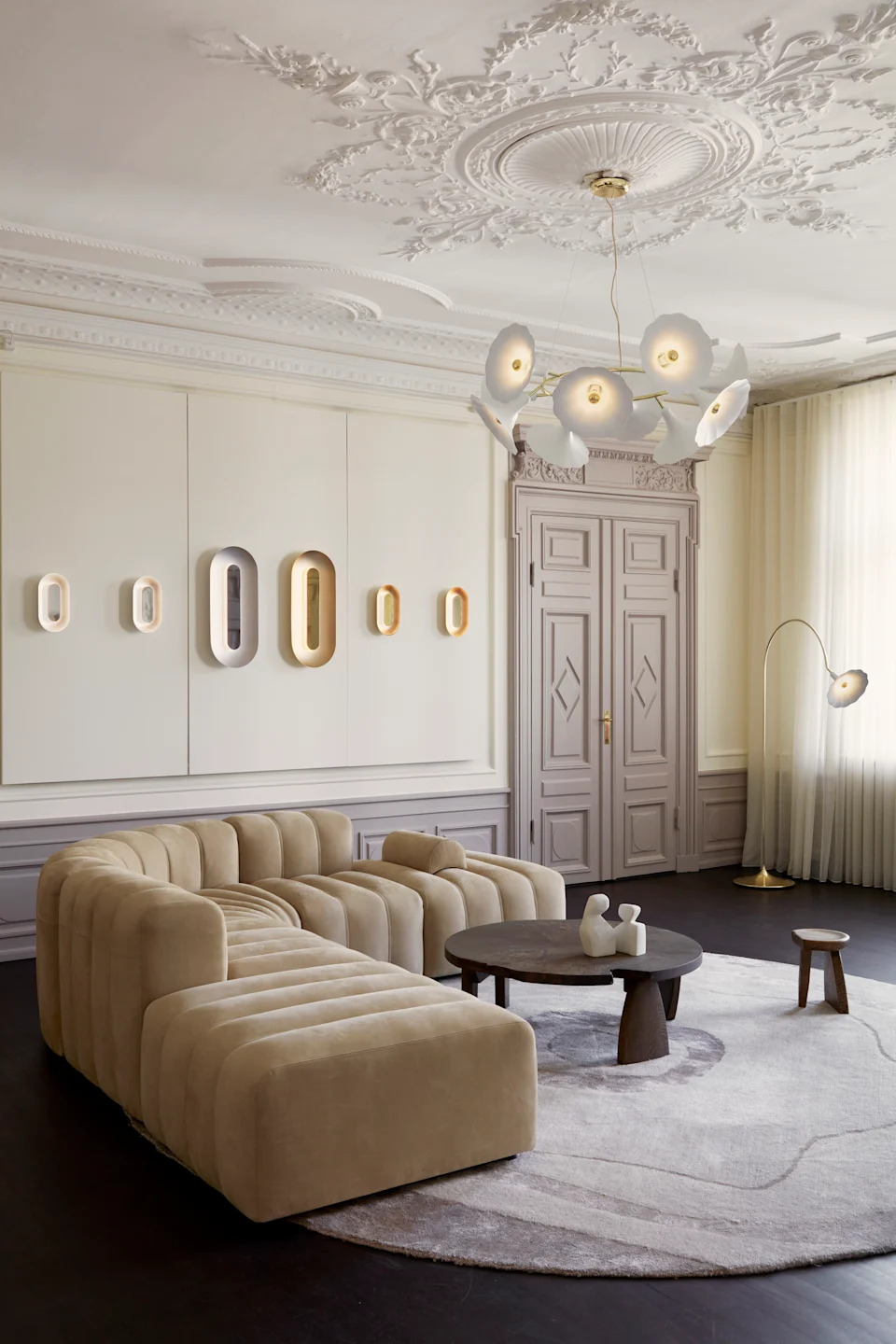
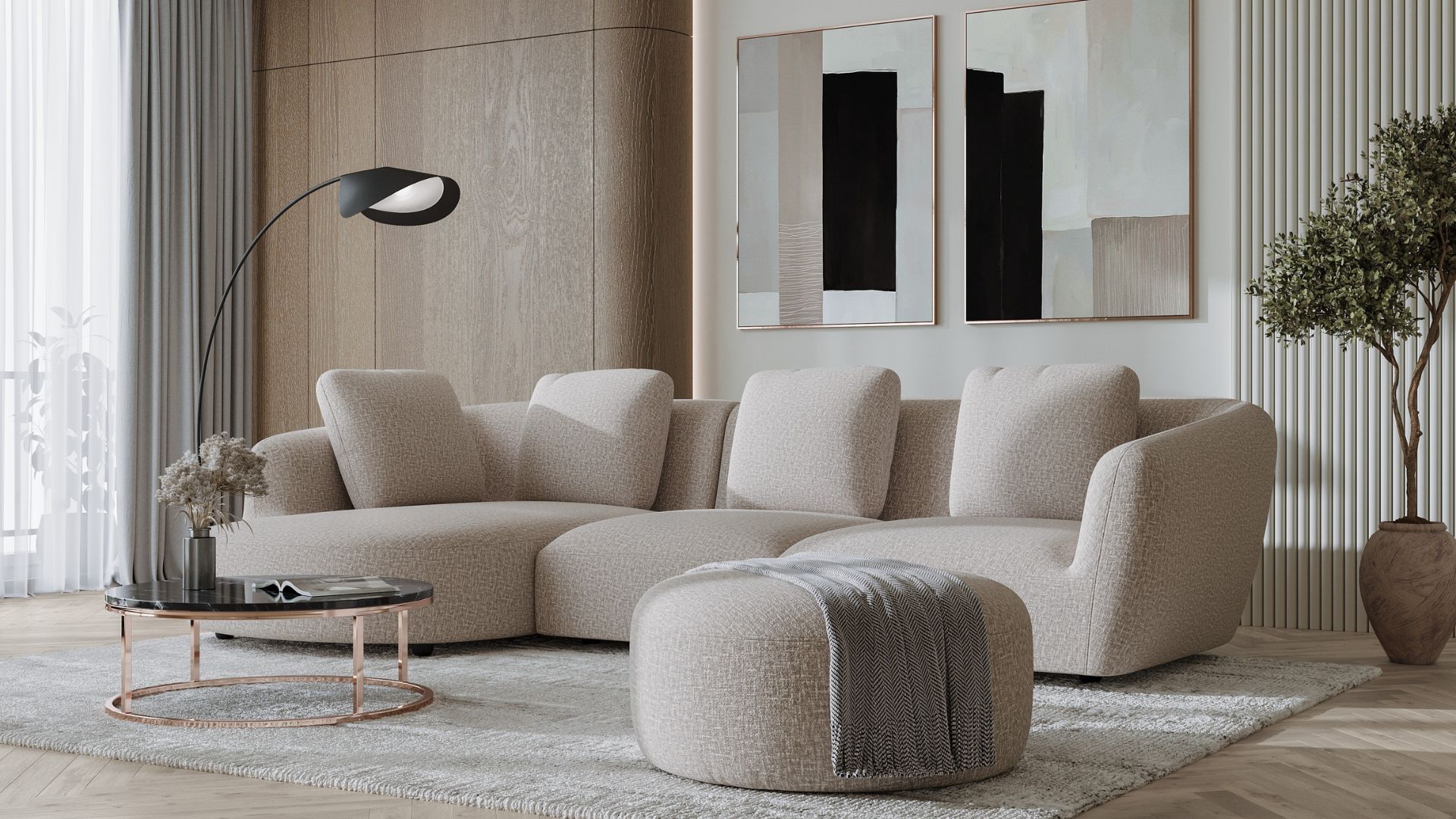
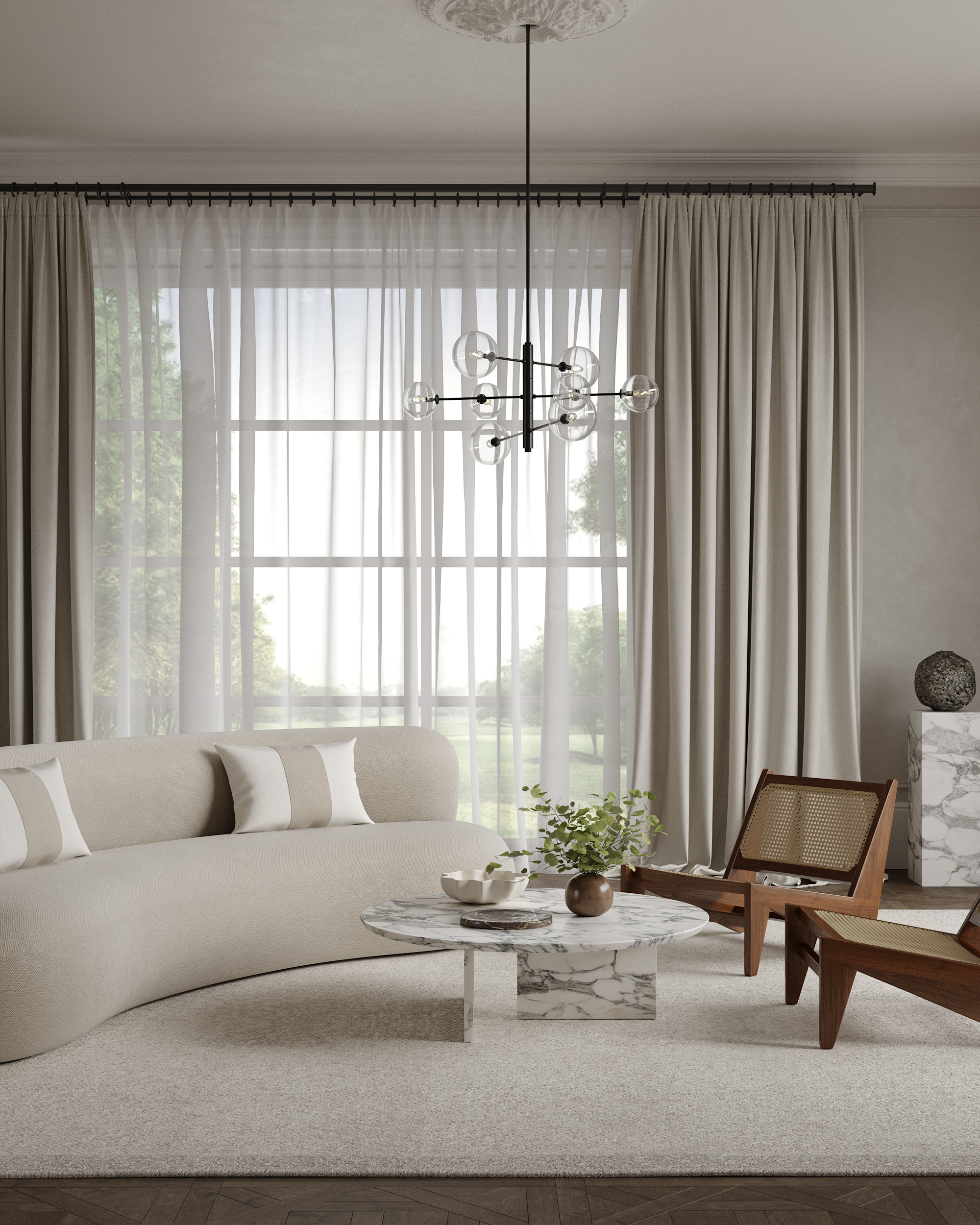
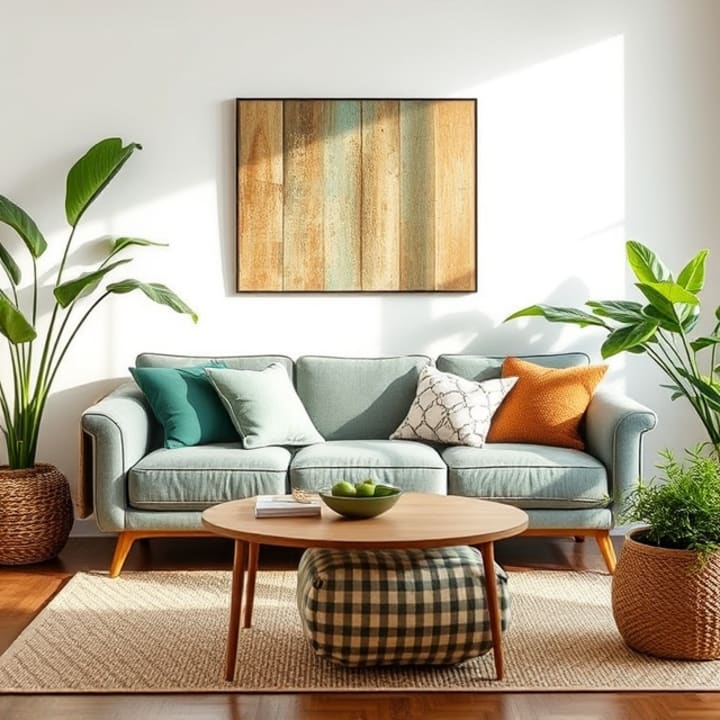
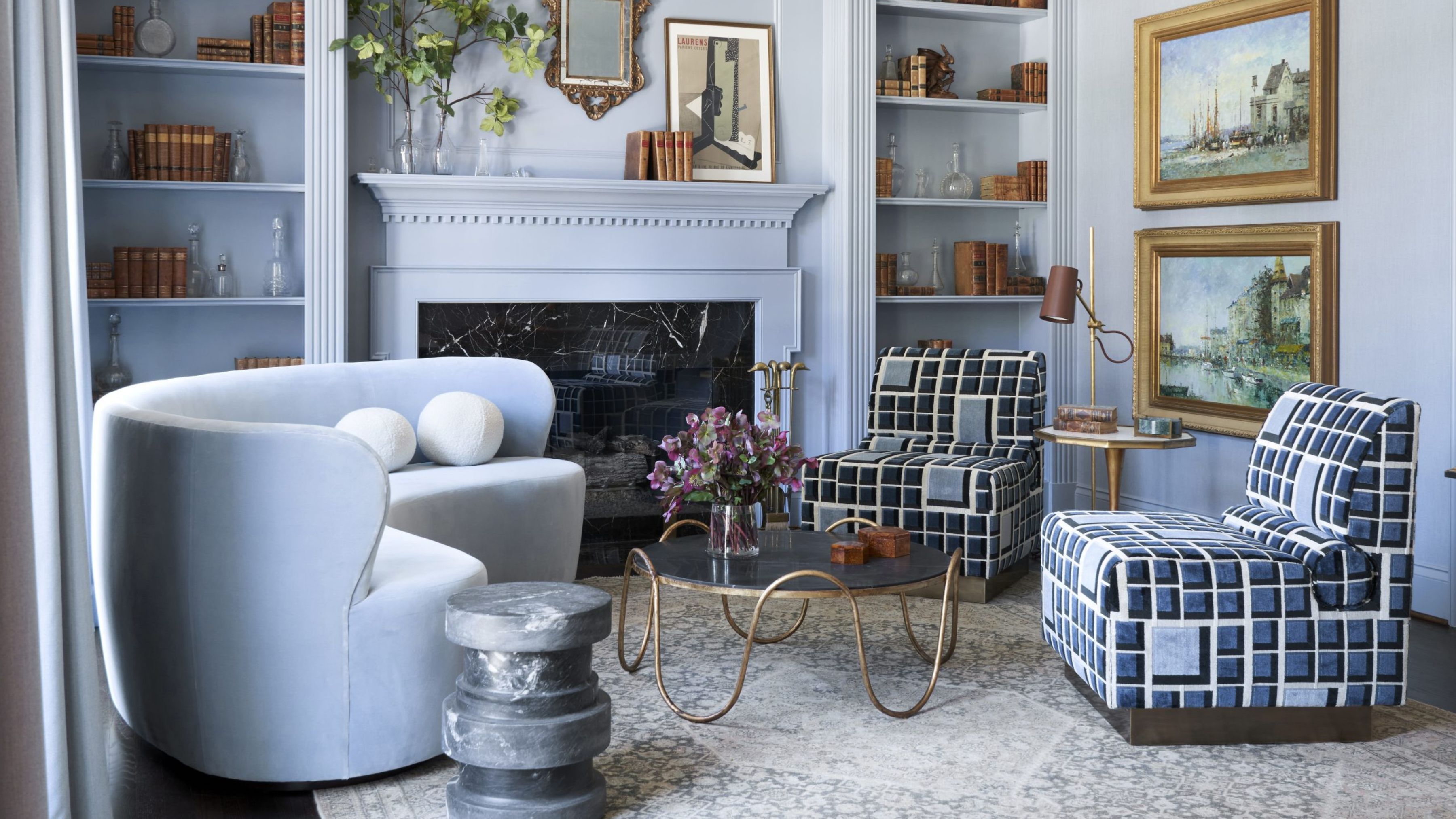
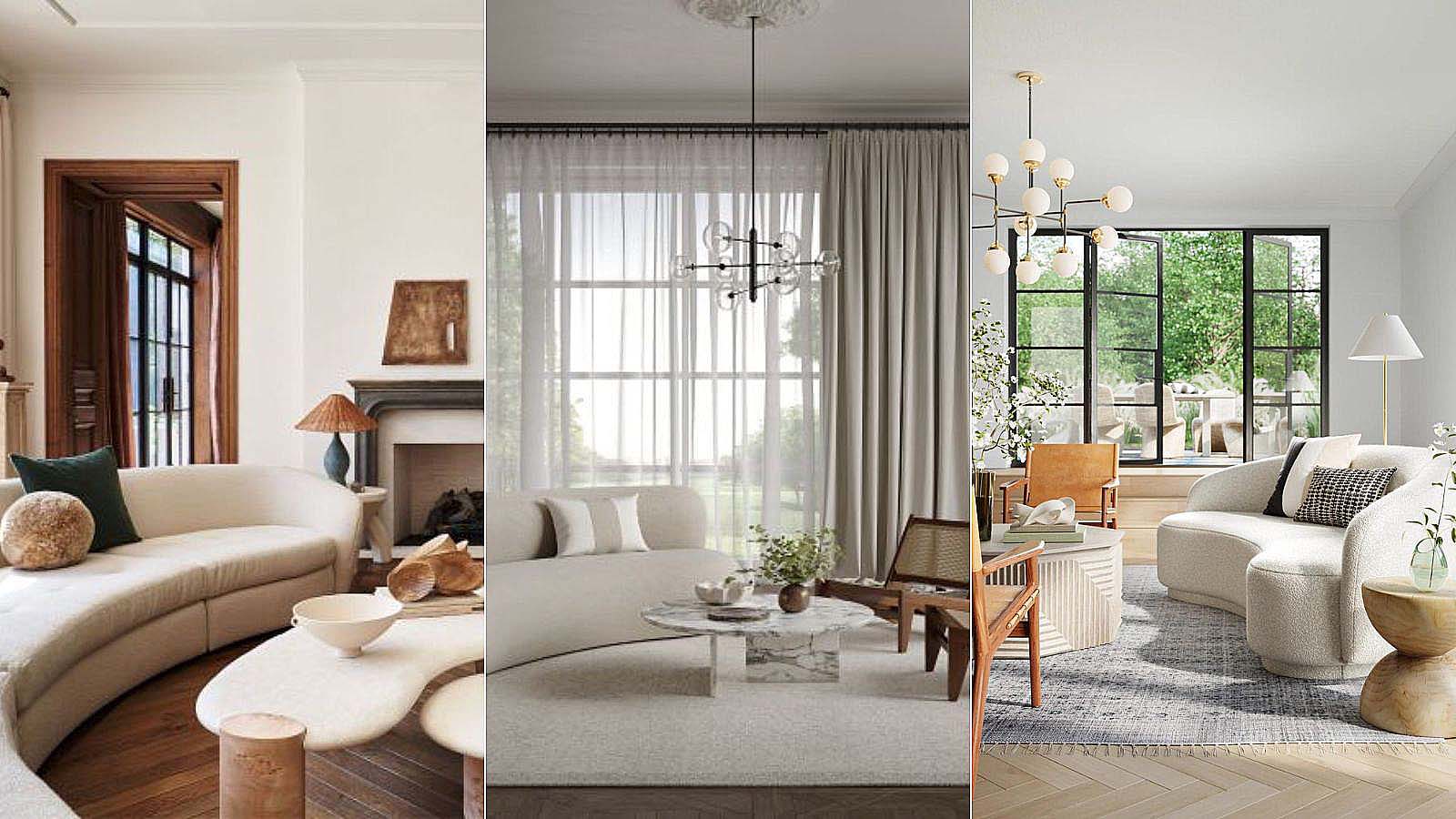
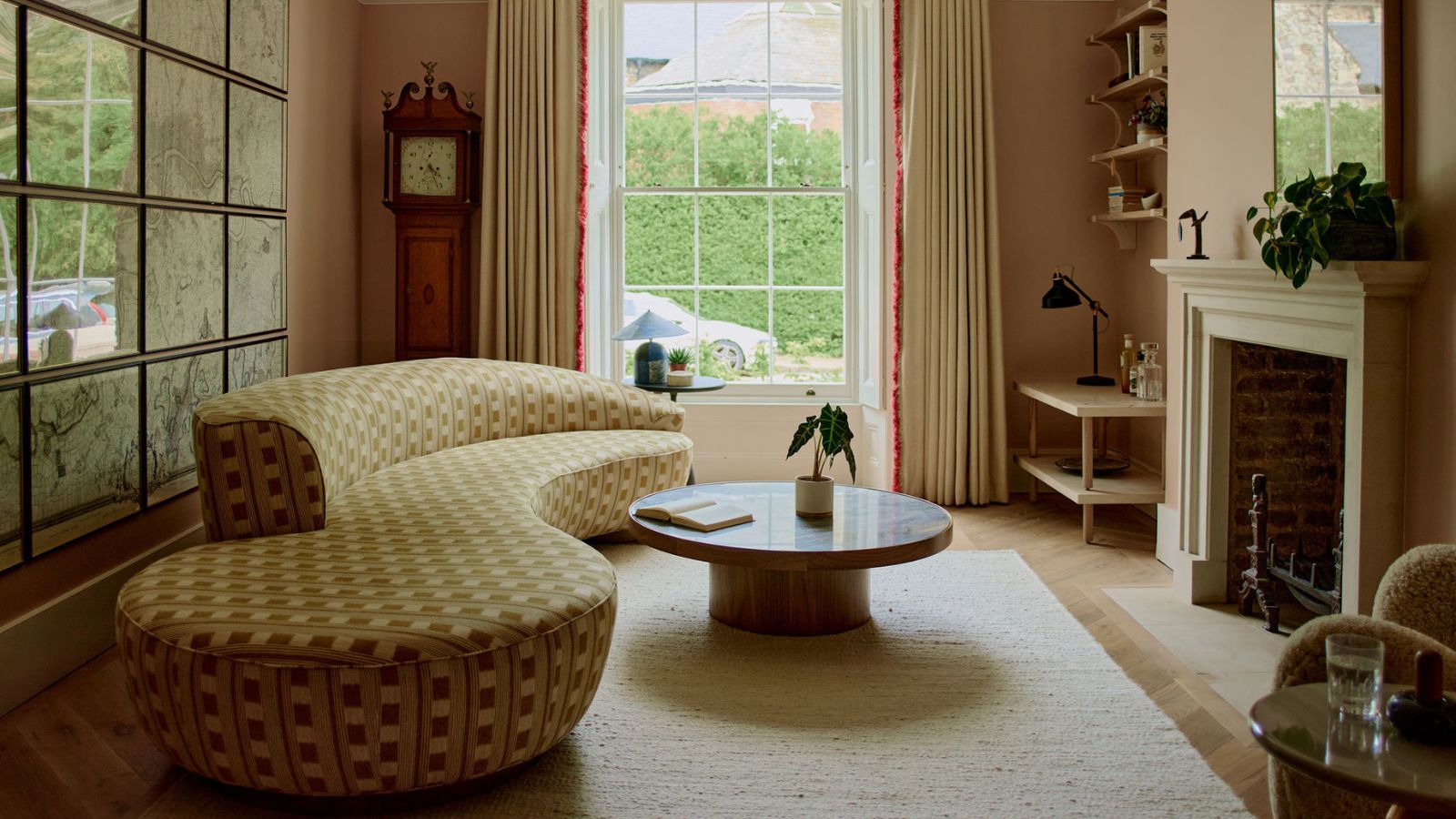
Integrating curved sofas into a room often influences the selection of other furnishings. Designers frequently pair them with other rounded shapes, such as circular coffee tables or lounge chairs, to maintain visual harmony and a cohesive organic aesthetic. This approach extends to decorative elements, with artwork or accessories often mirroring the sofa’s soft lines. The intentional repetition of curves helps establish a fluid, less formal environment, contrasting with the angular architecture often found in modern homes.
Curved sofas can also be strategically used to address architectural challenges, such as the long, rectangular rooms common in townhouses or spaces with off-centered features. By creating a custom curved table to fit behind the sofa, designers can free up essential surface space and introduce lighting, making the area feel more considered and inviting. This method effectively transforms potentially awkward spaces into functional and aesthetically pleasing zones.
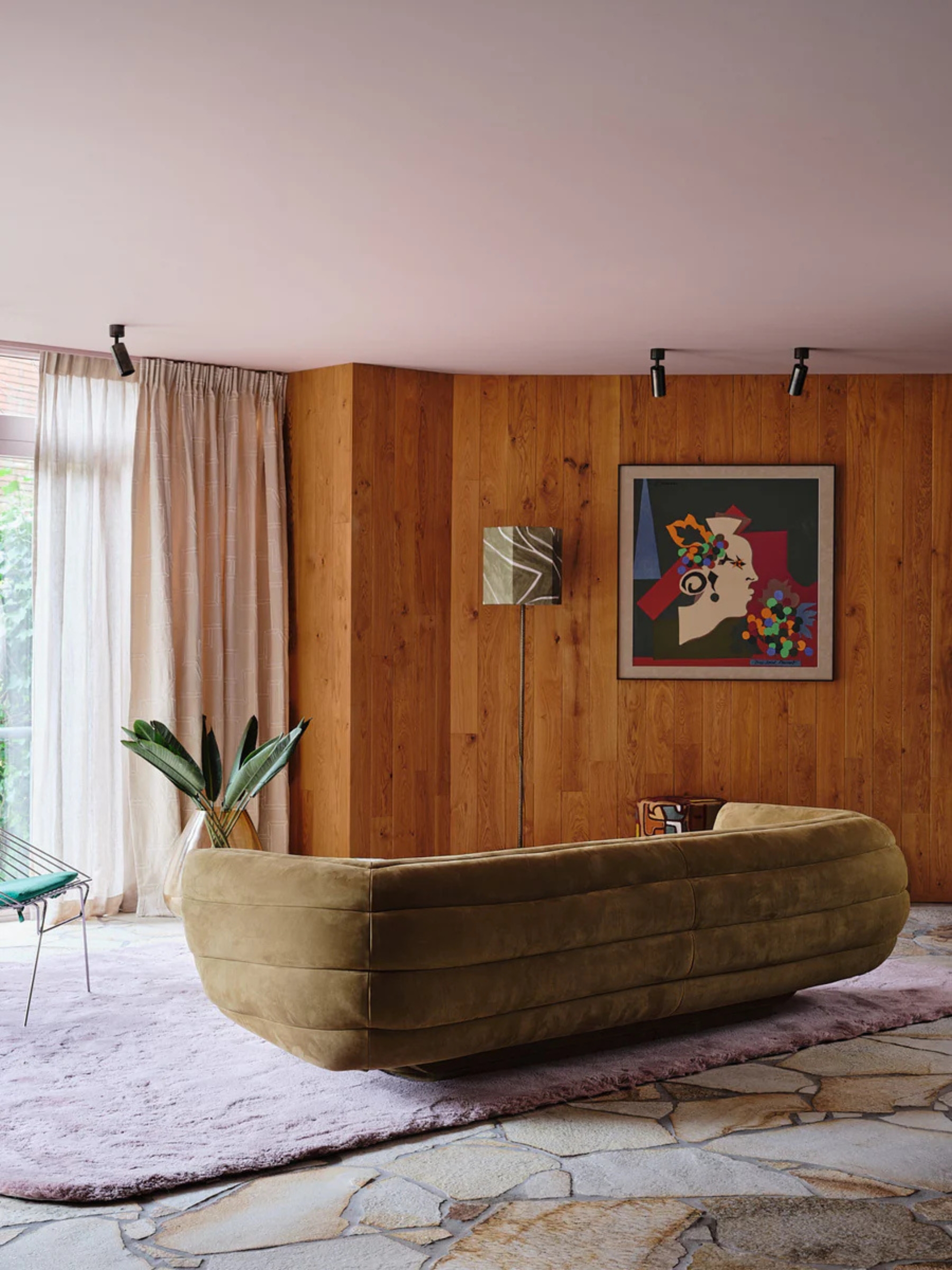
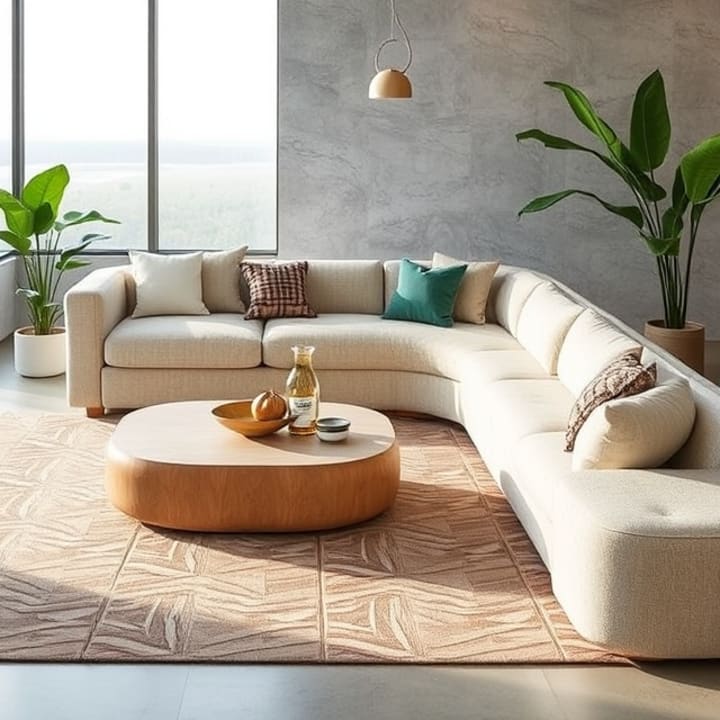
The inherent organic quality of curved furniture is a key reason for its appeal. Designers often select curved sofas to introduce softness and flow, counteracting the rigid lines of a room's structure. When floated centrally within a space, these sofas establish a welcoming gathering area, with their luxurious textures and neutral tones contributing to a calm and harmonious atmosphere. This deliberate placement enhances the overall aesthetic, tying the living room's various elements together.
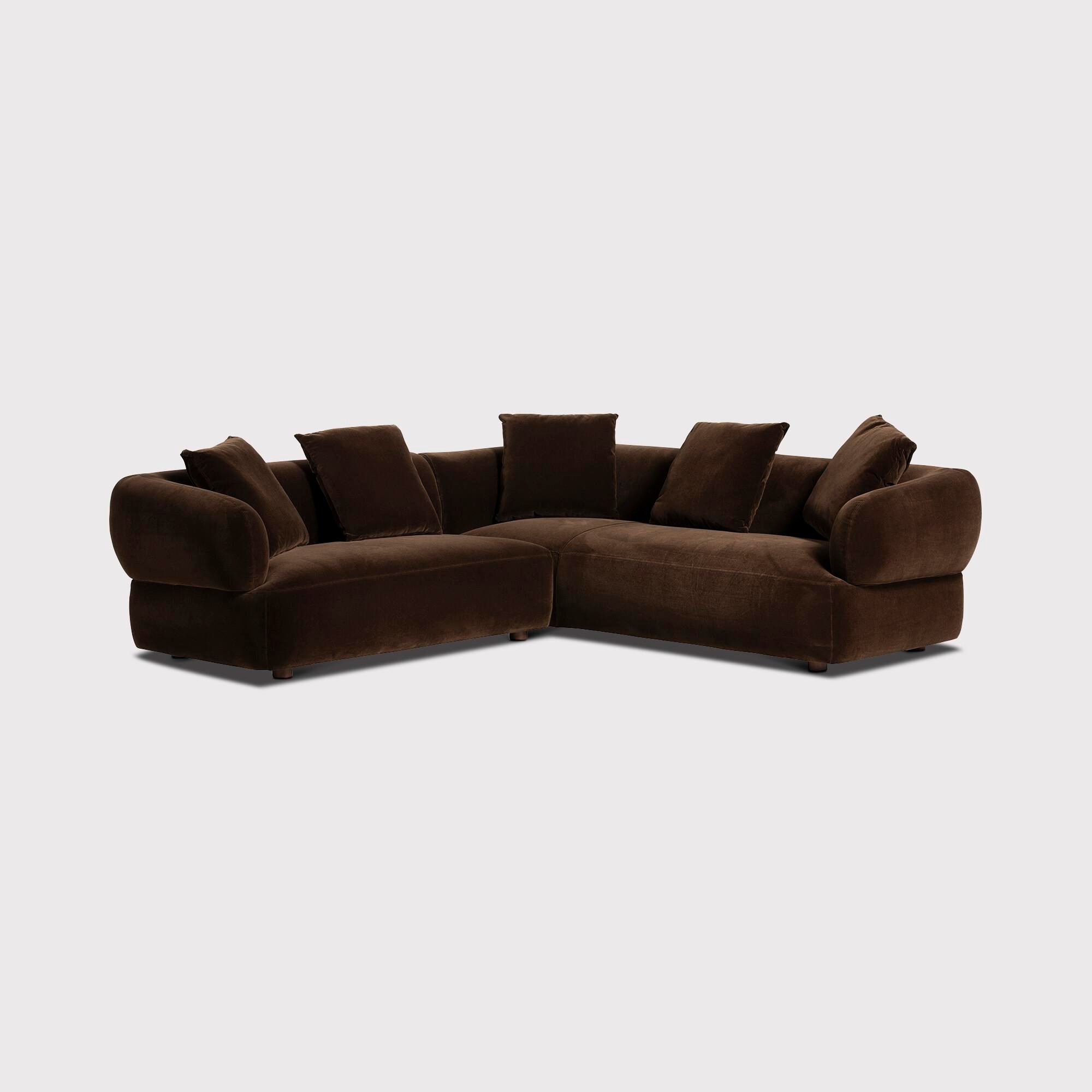
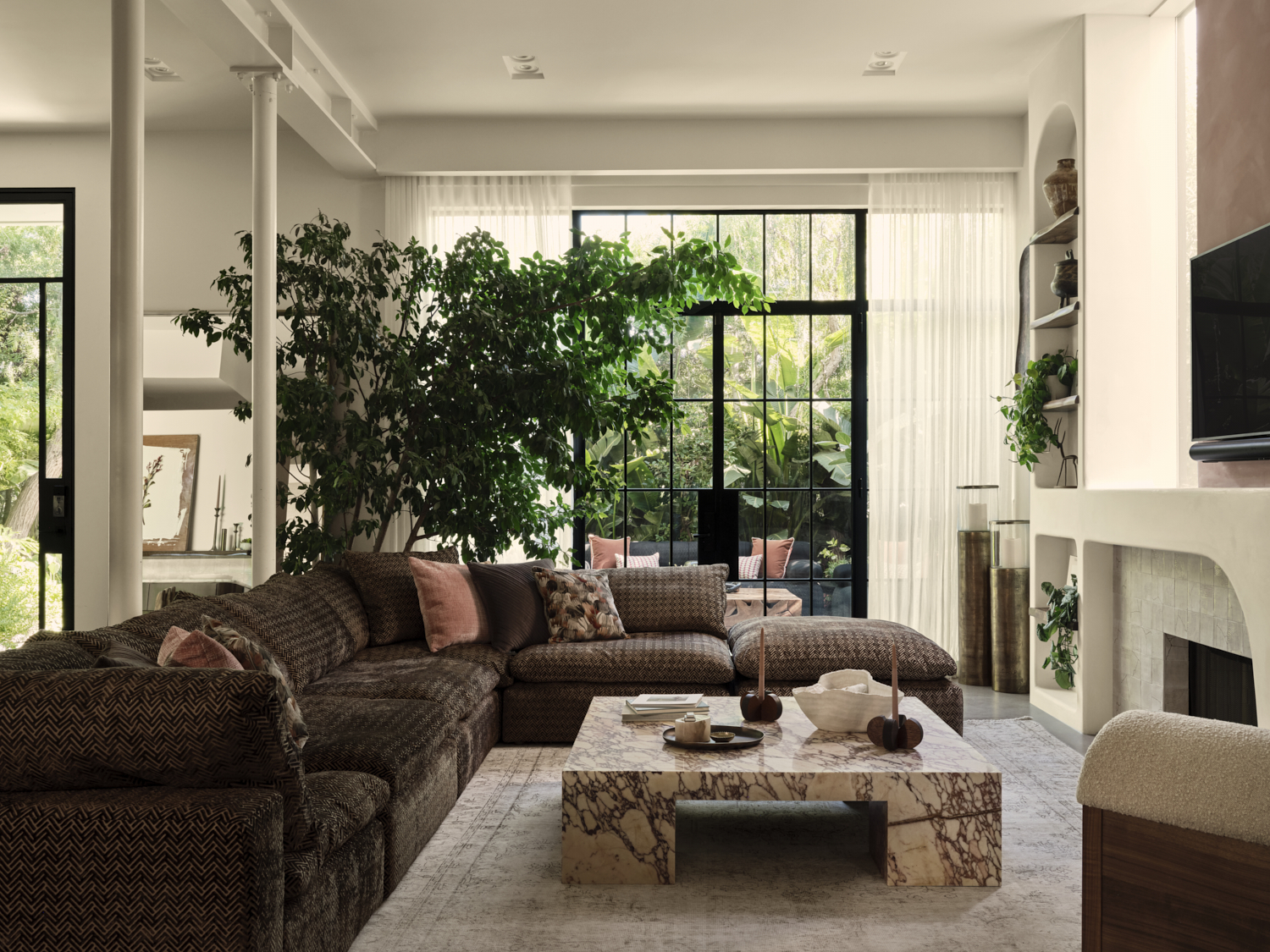
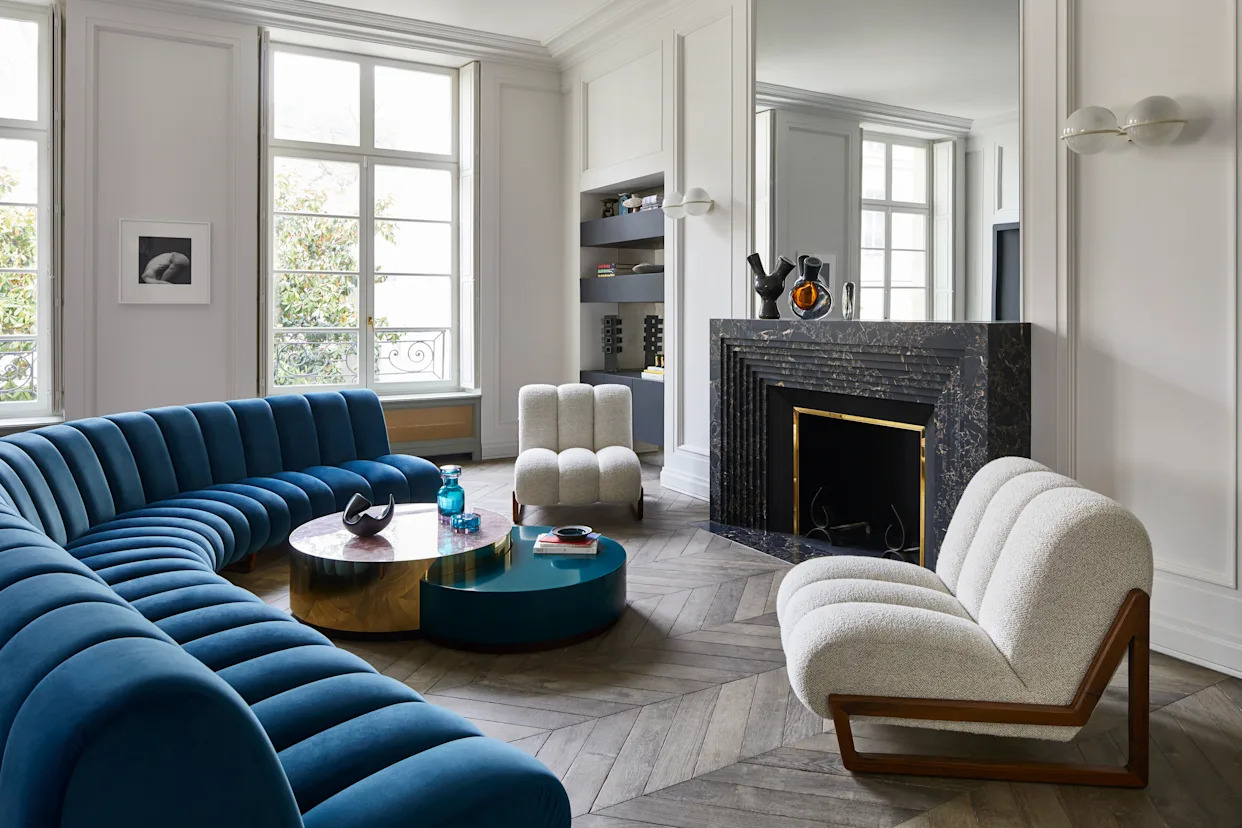
In open-plan layouts, a curved sofa can act as a natural boundary, delineating different functional zones without harsh divisions. Its U-shaped curve offers a more welcoming alternative to traditional, angular sectionals, facilitating group conversations and providing comfortable seating for relaxation. The design allows for easy access to nearby surfaces, such as a coffee table, making it both practical and stylish. Curved sofas are also useful in high-traffic areas, as their lack of sharp corners improves flow and prevents accidental bumps, contributing to a softer, more comfortable circulation path.
The design of curved sofas can also address specific needs in a room, such as softening compact spaces. Custom-built curved sofas can maximize limited square footage in small snugs, providing ample seating without encroaching too much on the room. The inclusion of rounded cushions further softens any remaining sharp angles, contributing to a cocooning, indulgent feel. Furthermore, curved sofas can create intimacy in seating arrangements, particularly when tracing the perimeter of a circular rug, allowing for a well-planned and visually continuous zone. The elegant silhouette of a curved sofa can draw guests into a seating area, making it feel dynamic and inviting.
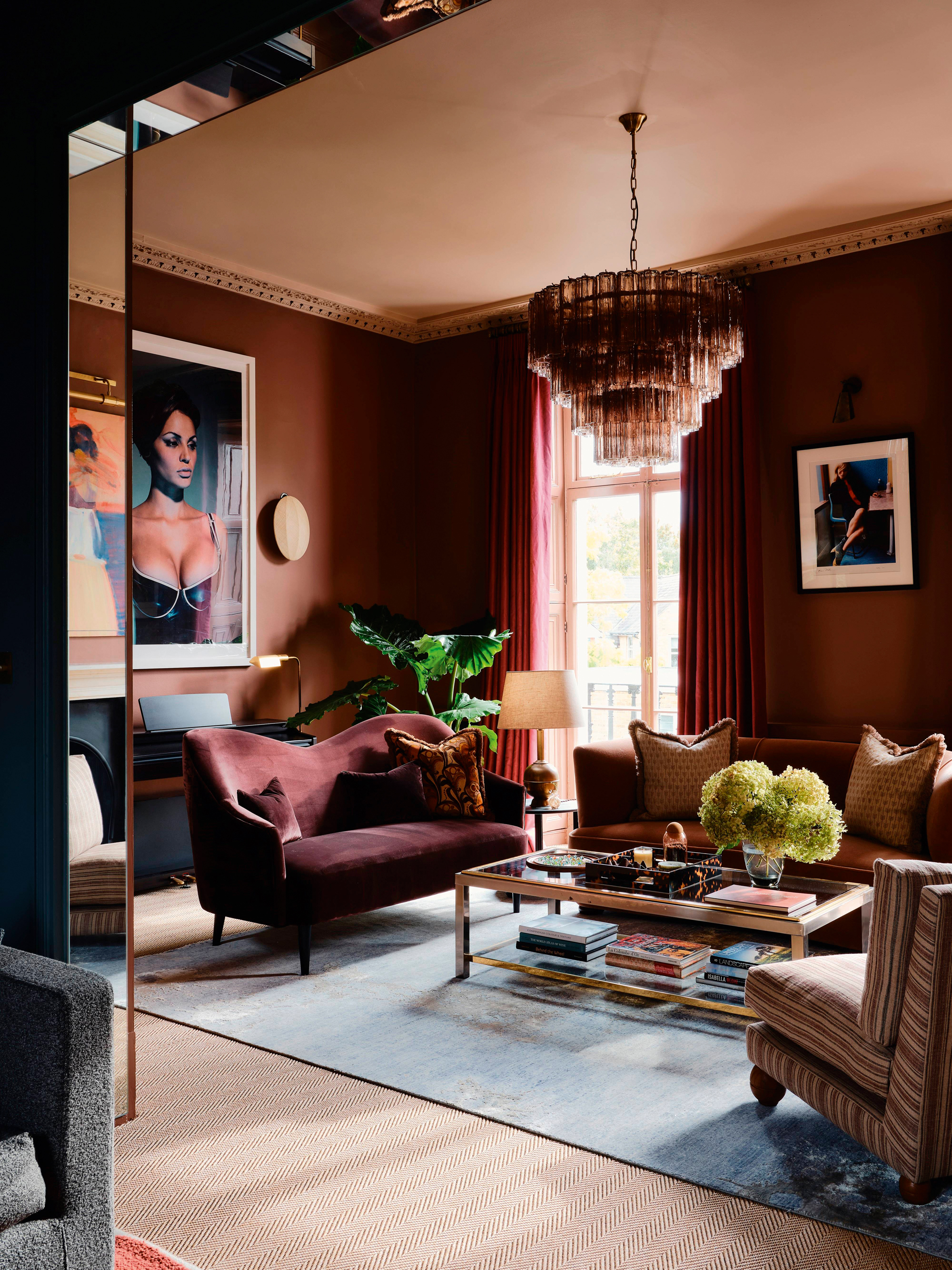
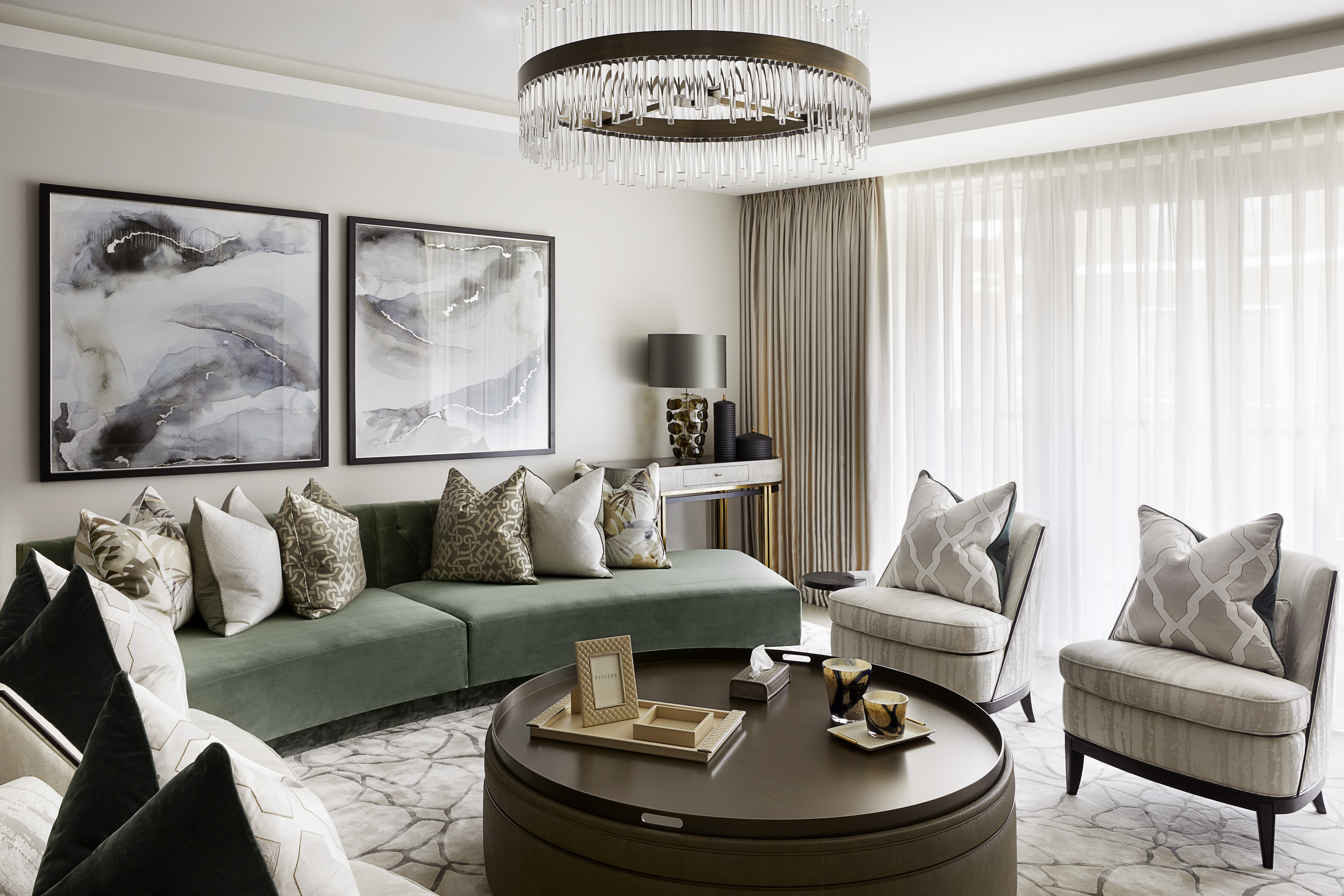
For spaces with unusual angles or large expanses, curved sofas can be floated like an island, eliminating the need to align with walls and corners. This flexibility is particularly beneficial in midcentury spaces where angular shapes dominate, introducing a softened, organic form. In a symmetrical layout, such as two curved sofas facing each other, the arrangement can ground the room and foster a sociable setup. Such configurations are well-suited for larger living rooms with ample wall space, and can be complemented by a round coffee table to reinforce the curvilinear theme.
Effectively using a curved sofa involves strategic placement. Interior designers recommend arranging them in a semi-circle to enhance coziness and encourage conversation, or positioning them centrally to highlight their form. While suitable for most layouts, they excel in spacious or open-concept rooms where their shape can be fully appreciated. It is crucial to measure the area carefully, as curved furniture occupies space differently than conventional sofas. Complementing a curved sofa with a round or oval coffee table is often recommended to maintain visual harmony, though organic or irregularly shaped tables can add an artistic, sculptural element.
#CurvedSofa #InteriorDesign #LivingRoomIdeas #FurniturePlacement #OrganicModern #HomeDecor #DesignTrends #SpacePlanning #CurvedSofa #InteriorDesign #LivingRoomIdeas #FurniturePlacement #OrganicModern #HomeDecor #DesignTrends #SpacePlanning
0 commentaire au total
 Aucun commentaire pour le moment
Vous aimerez aussi
The biggest sofa trends of 2025 – the 6 living room seating styles set to define the year ahead
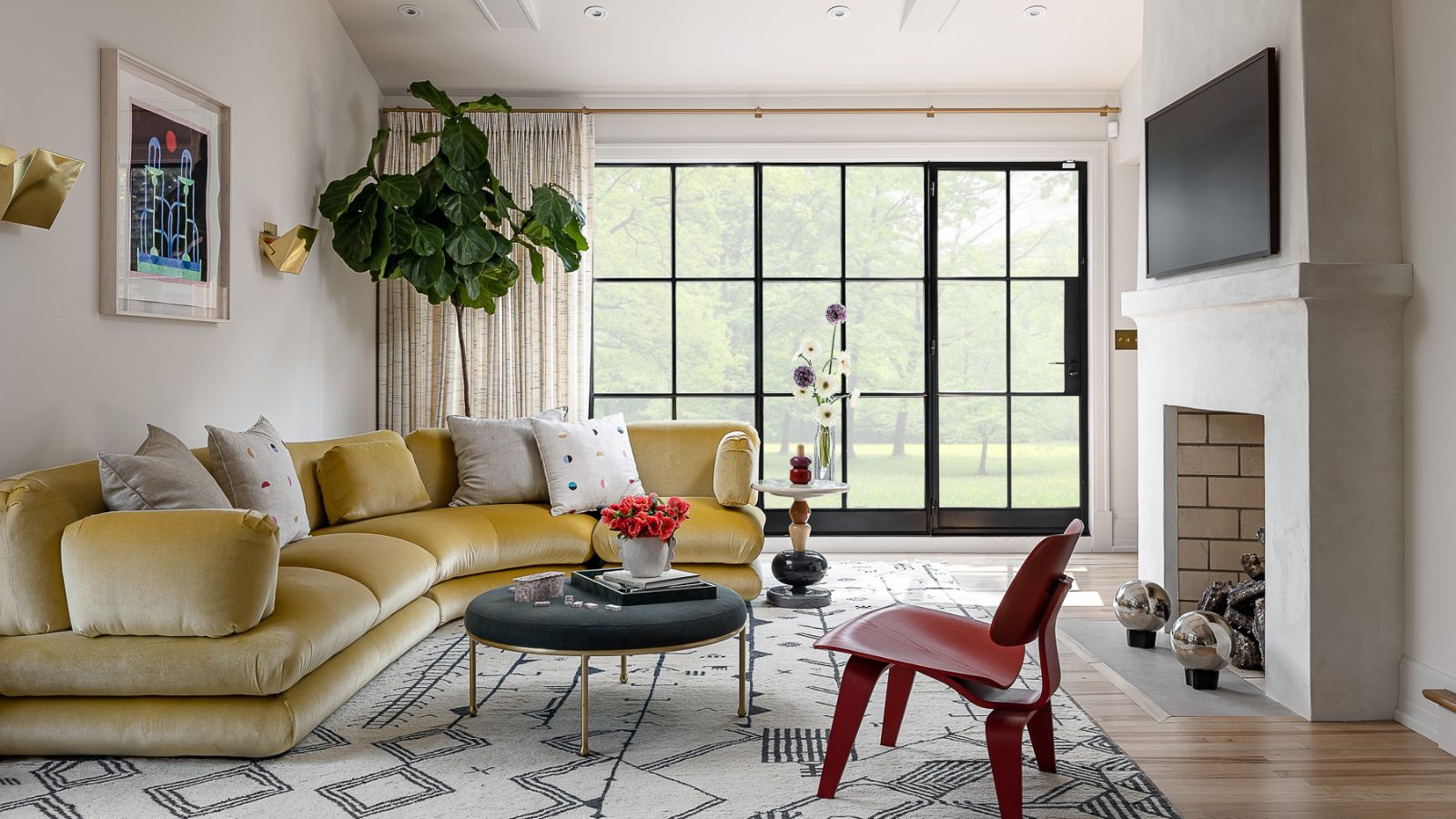
Are curved couches still on trend? Designers say this style is a classic in the making
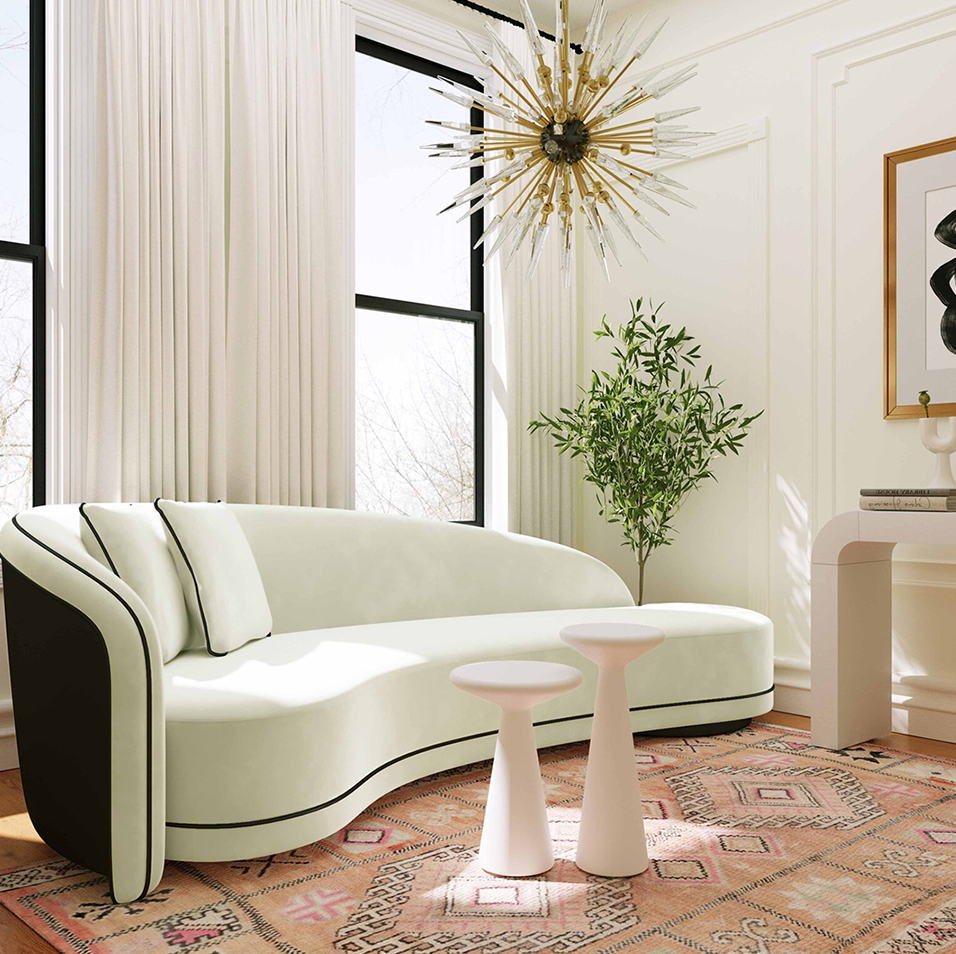
Sorry, but Your Apartment Won’t Be Complete Without One of These Chic Curved Sofas

The Best Couches Of 2025: These Survived A Year With Our Kids And Pets

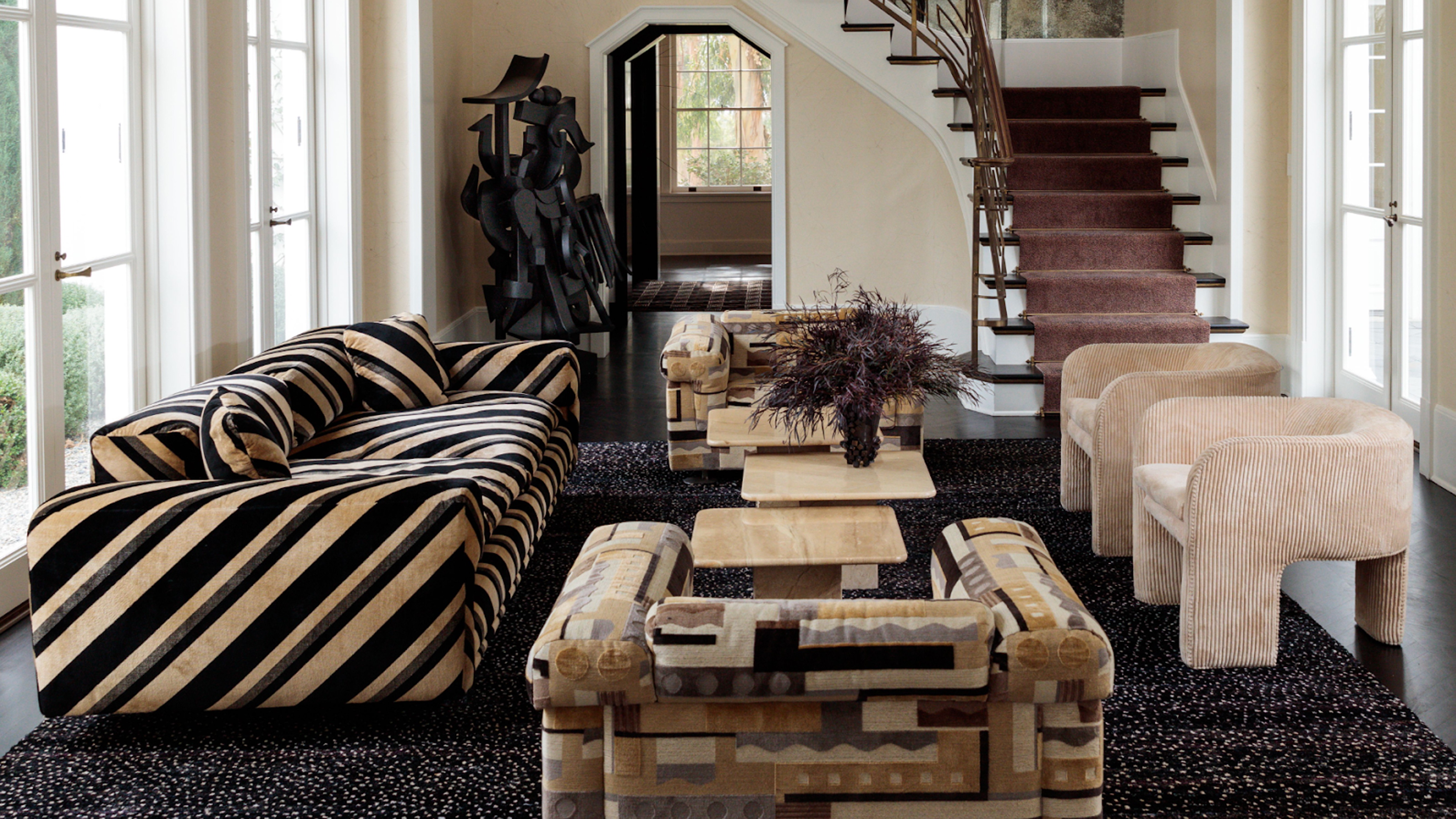
10 of the Biggest Sofa Trends for 2025 — These Are the Couches You'll See in the Coolest Homes This Year
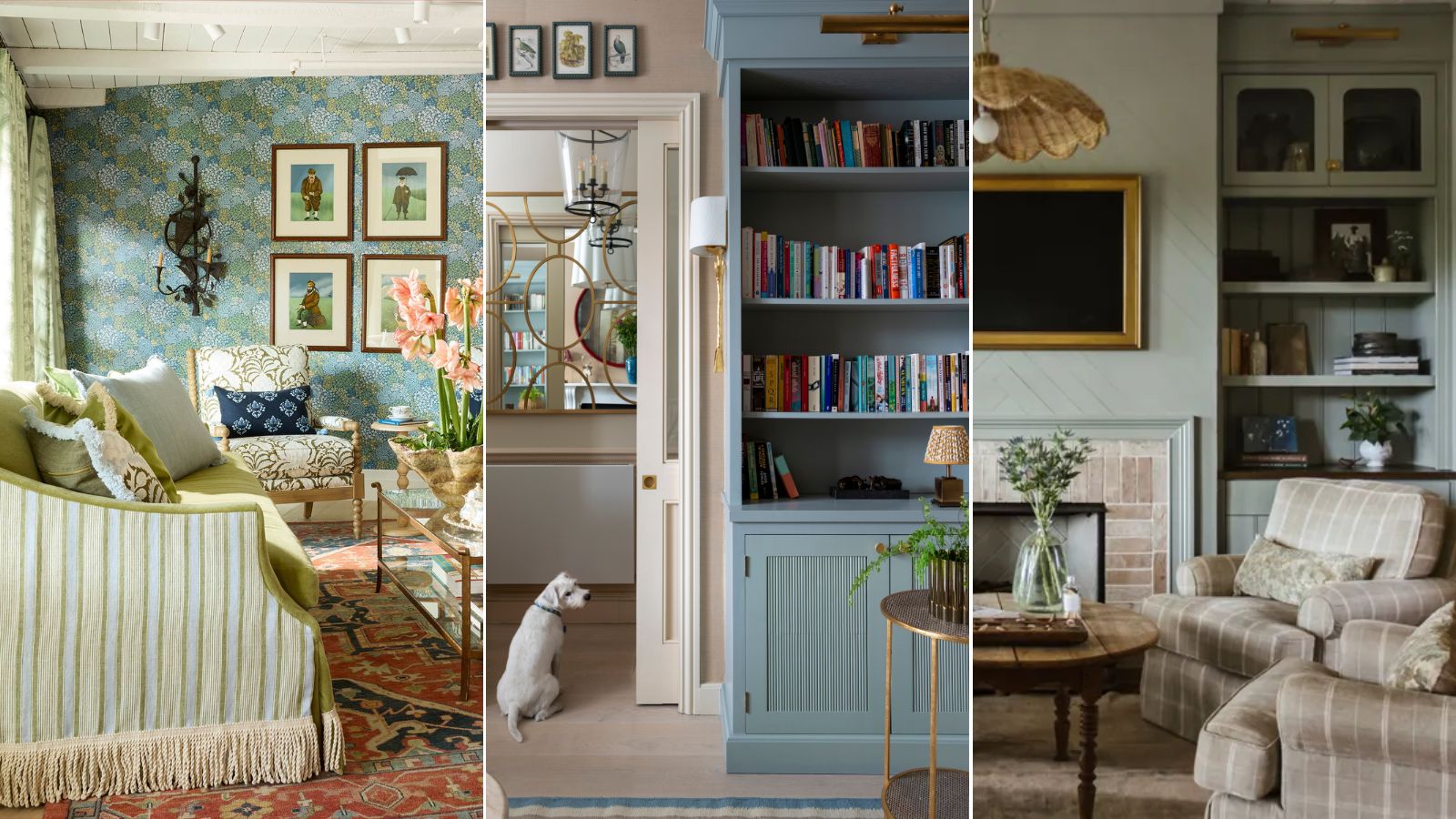
9 inspiring living room furniture trends to try in 2025

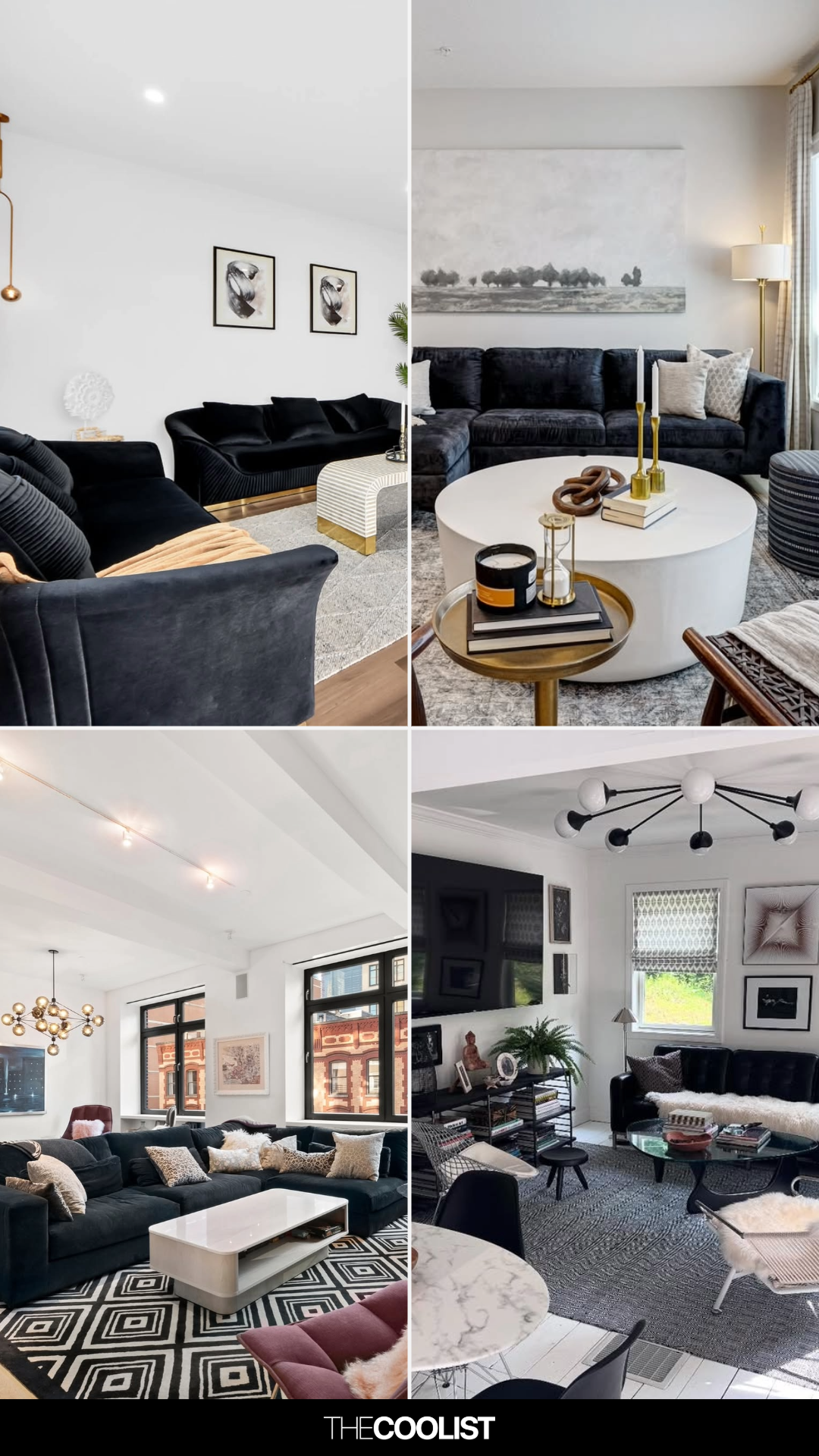
25 Black Sofa Living Room Ideas That Are Quietly Taking Over 2025 Mood Boards
The curvy sofa is 2023's big story – what designers say and why we're over straight-backed sofas
The top sofa trends of 2025 according to interior designers
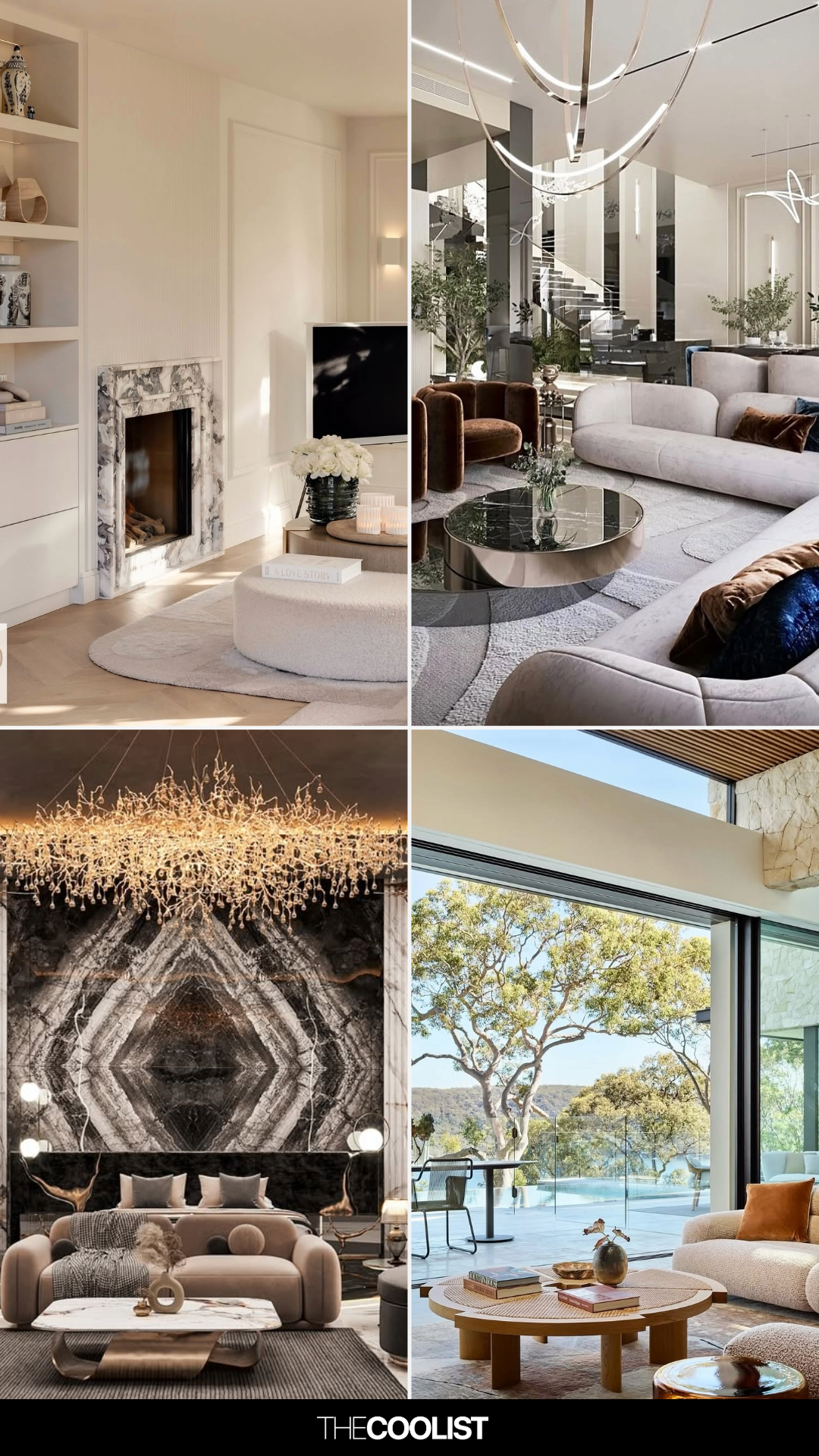
25 Modern Contemporary Living Room Ideas Trending Hard in 2025 (For Good Reason)

The biggest sofa trends of 2025: 8 designs to elevate style and comfort

Colours, shapes and details defining 2025's sofa trends – from retro detailing to warm tones
This Classic Sofa Style Is Trending For 2026—And It’s More Stylish Than You Remember
What kinds of sofas are in style for 2024? The 5 looks designers are obsessing over right now

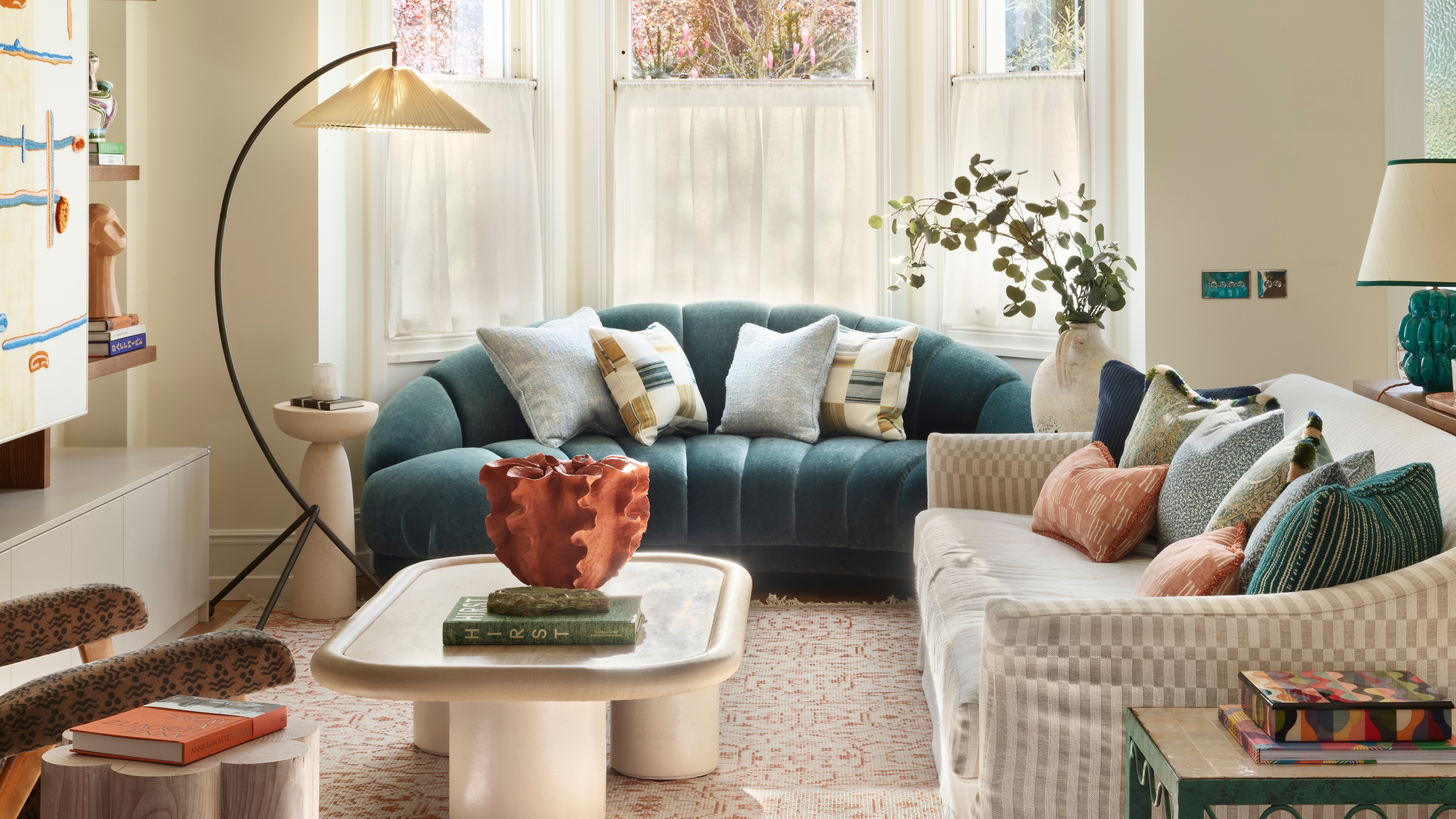
The 8 Sofa Color Trends I'm Seeing in All the Coolest Living Rooms in 2025
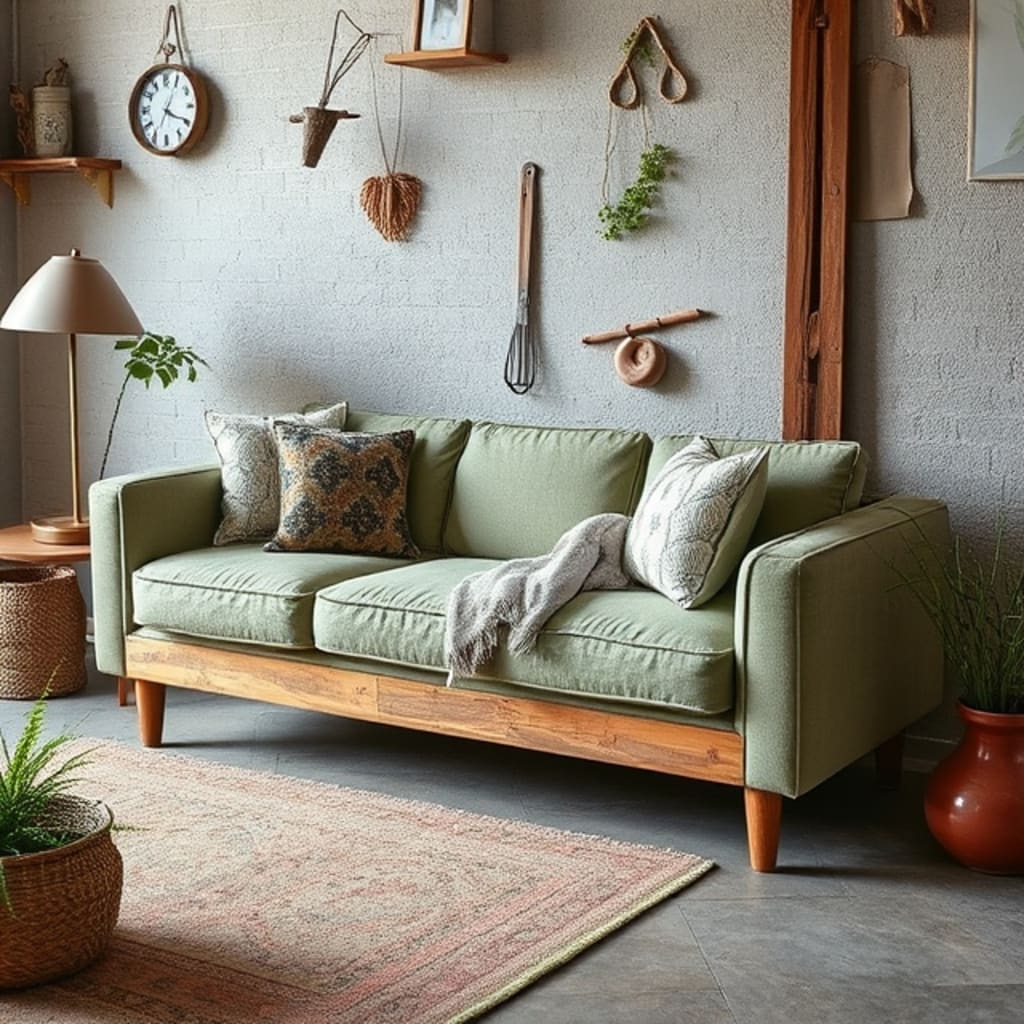
2025 Sofa Trends: Eco-Friendly Styles for a Sustainable Future
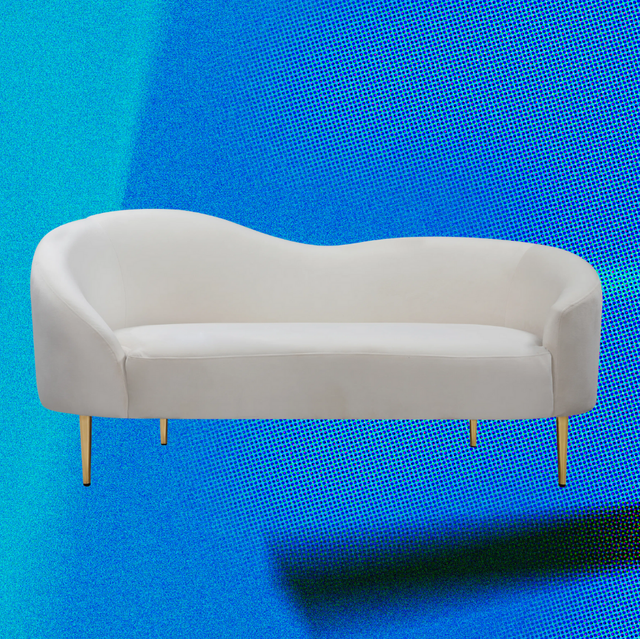
14 Best Curved Sofas for a Chic Living Room Design

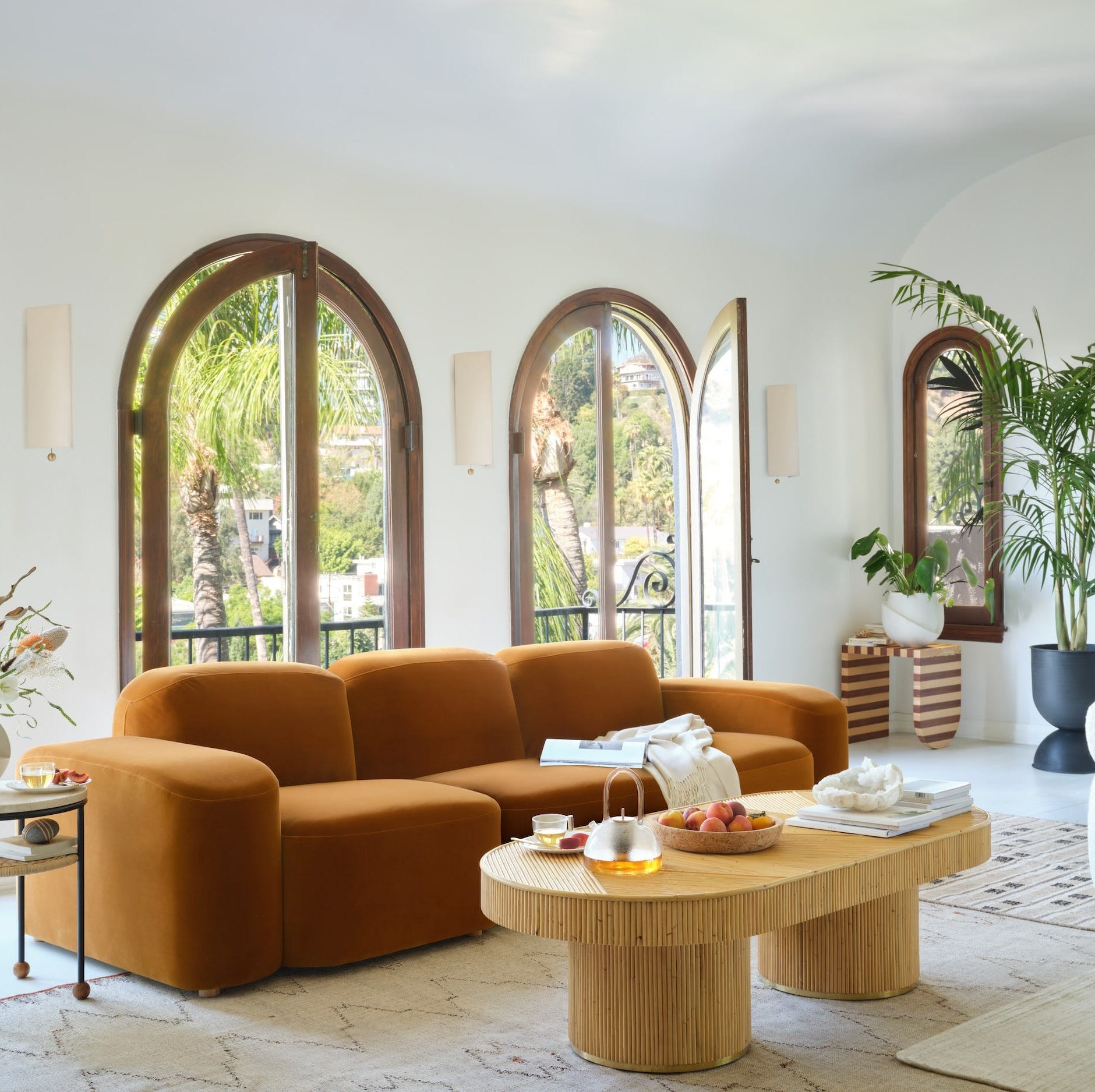
This ’70s-Inspired Sofa Trend Is Everywhere Right Now
I’ve been seeing sofa skirts all over my Instagram feed – experts reveal whether this is a sofa trend worth investing in

The Biggest Living Room Trends for 2025, According to Interior Designers