
1/3
Welcome to the Great Indoors
Biophilic design, which incorporates elements of nature into built environments, offers numerous benefits for human health, well-being, and resilience to climate change. This design philosophy is rooted in the concept of biophilia, defined as the innate human tendency to connect with nature. With increasing urbanization, indoor work, and climate change making outdoor spaces less accessible, biophilic design provides a crucial pathway to bringing the restorative power of nature indoors.
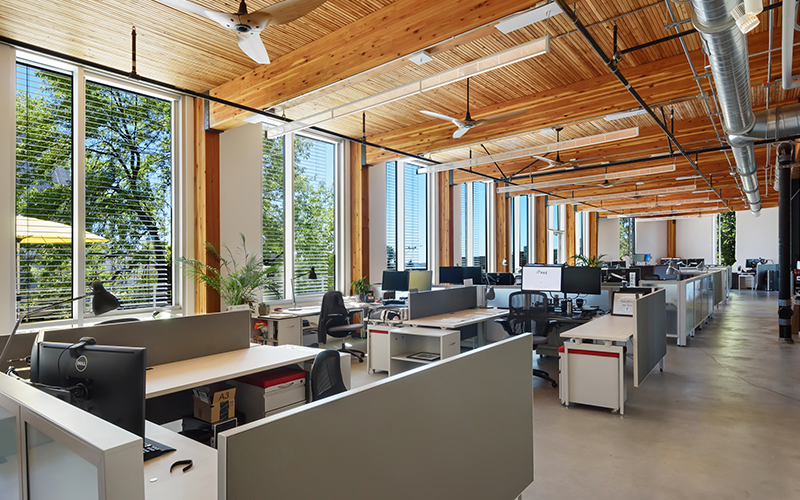
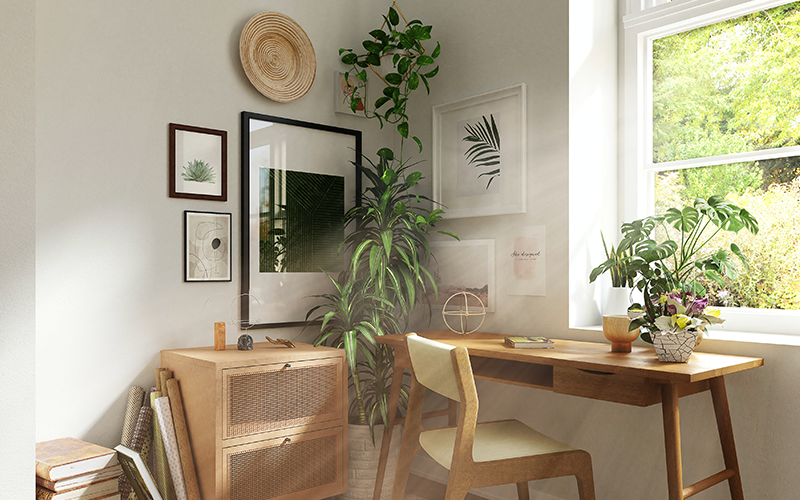
The article highlights that Americans spend a significant portion of their time indoors, despite research indicating that natural settings reduce stress and improve physical and mental health. While direct outdoor experiences are beneficial, even subtle natural elements within indoor spaces can activate the parasympathetic nervous system, leading to feelings of calm and relaxation. These elements can include natural light, views of greenery, indoor plants, the use of natural materials like wood and stone, and even recorded nature sounds. Such integration has been shown to improve learning outcomes in schools and boost workplace productivity.
Biophilic design is categorized into three main types: “nature in the space,” involving direct contact with natural elements; “natural analogues,” which are indirect experiences through materials or representations; and “nature of the space,” focusing on design elements like unimpeded views and sheltered areas. These principles often overlap with sustainable building strategies, such as passive solar design and the use of organic building materials, which can also contribute to lower carbon footprints and improved energy efficiency.
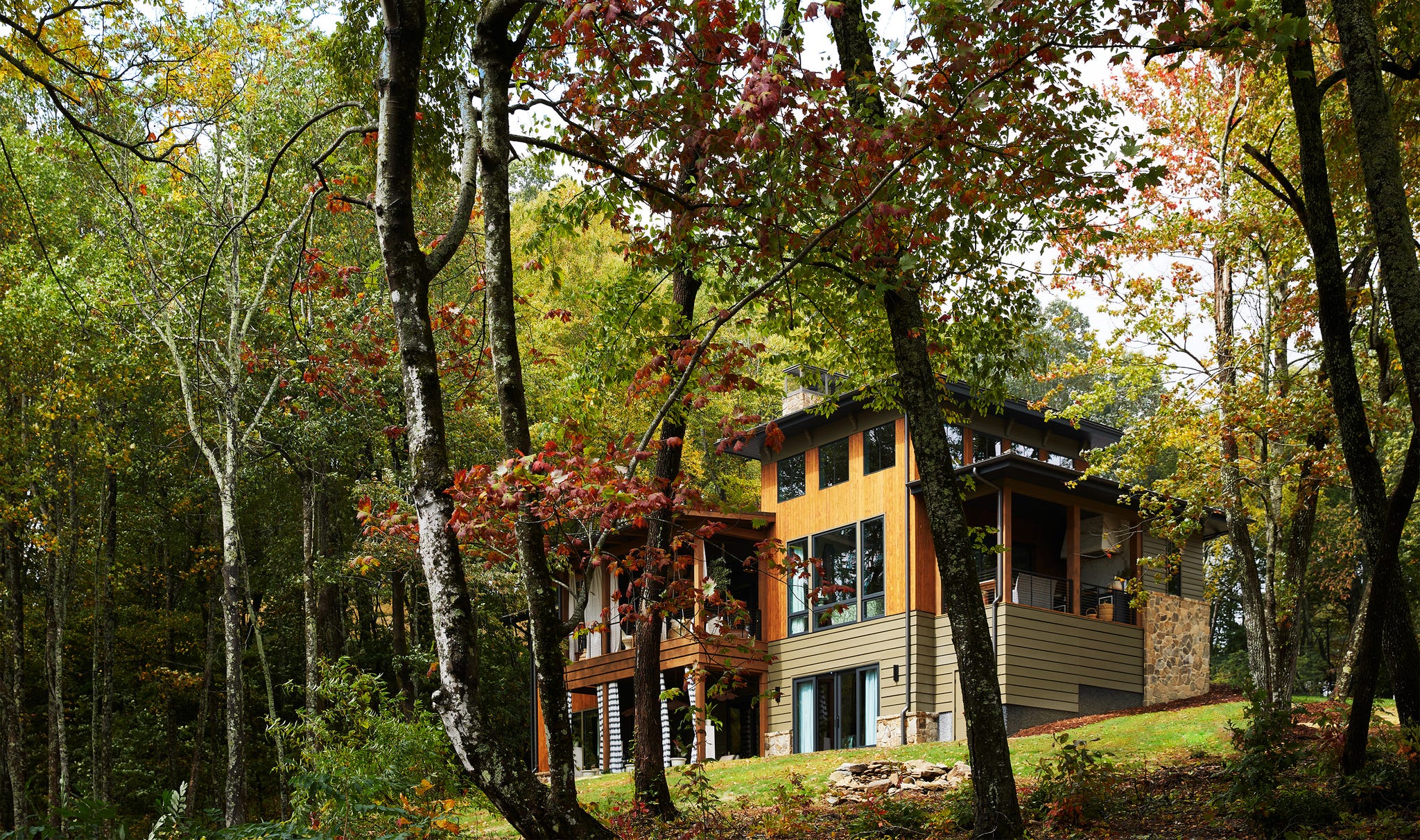
Notable examples of biophilic design in practice include the Bullitt Center in Seattle, certified as a Living Building for its integration of natural ventilation, abundant light, and nature-inspired features. The residential sector is also adopting these principles, as seen in Denver's Lakehouse condominium building, which emphasizes natural materials, ample views, and outdoor spaces. Affordable housing initiatives, such as Thessalonica Court in the Bronx, are also incorporating biophilic elements like natural light and community gardens, demonstrating that these designs can be accessible and beneficial across socioeconomic strata.
Experts emphasize that biophilic design is not exclusive to new, high-end constructions. Simple and affordable steps, such as introducing houseplants, playing nature sounds, or installing small fountains, can bring biophilic elements into any home. This is particularly important in an era where climate change-induced events like wildfires and extreme temperatures make outdoor environments increasingly challenging. Indoor spaces designed with biophilic principles can serve as vital refuges, offering healing and resilience during stressful times.
Organizations like the International WELL Building Institute (IWBI) and the International Living Future Institute (ILFI) are promoting and certifying buildings that prioritize health and well-being through biophilic design. They also work with affordable housing developers to make these designs more accessible. Ultimately, the goal is to ensure that everyone has access to nature, recognizing it as a fundamental human right, whether experienced outdoors or thoughtfully integrated into our built environments.
#BiophilicDesign #SustainableArchitecture #GreenBuilding #WellnessDesign #ClimateResilience #IndoorEnvironment #NatureConnection #AffordableHousing #BiophilicDesign #SustainableArchitecture #GreenBuilding #WellnessDesign #ClimateResilience #IndoorEnvironment #NatureConnection #AffordableHousing
0 Kommentare insgesamt
 Noch keine Kommentare
Das könnte Ihnen auch gefallen

Welcome to the Great Indoors

Inside Our Seventh Annual Whole Home

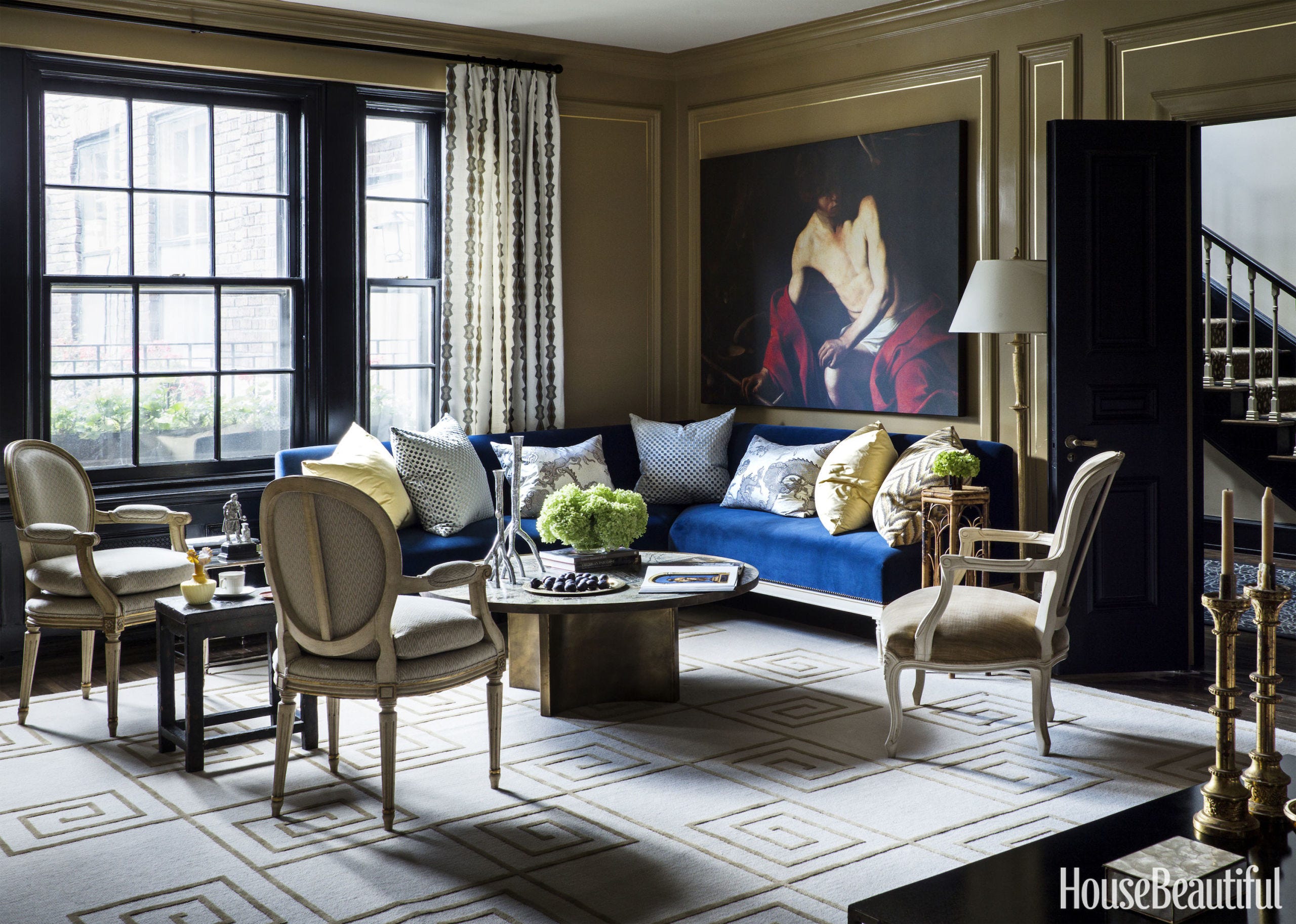
Inside a Home That's Not Afraid of the Dark


Doorway to heaven

Inside and out

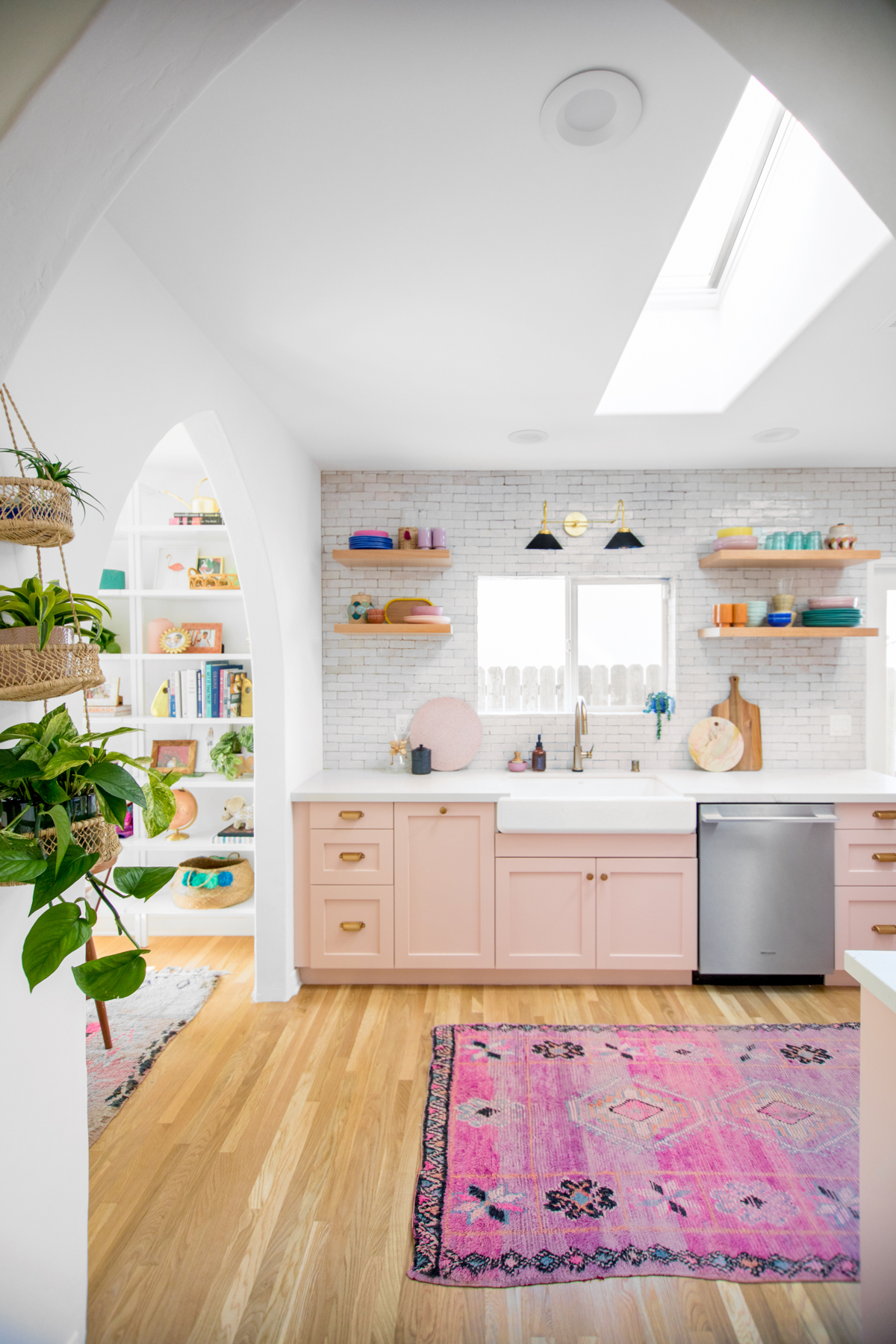
The Mindwelling: Our Kitchen Reveal!
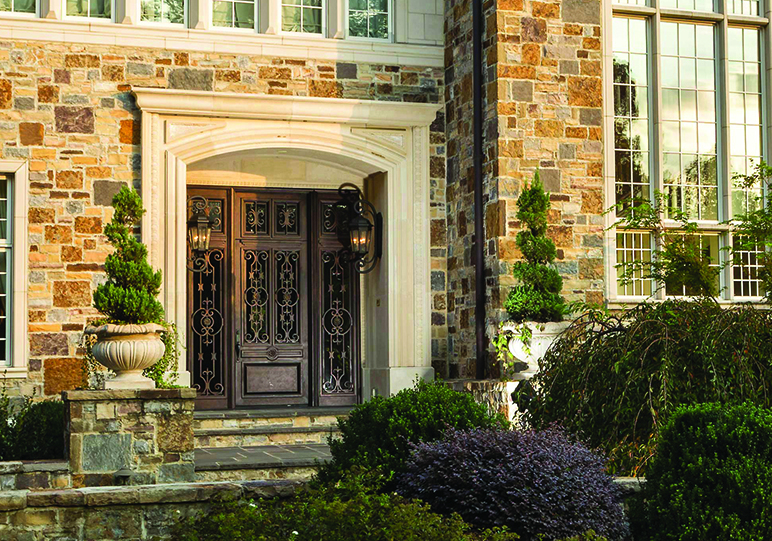
A Grand Entrance with Clark Hall Doors
Beautiful on the Inside and Out
Inside Out

At Home: The Door


Backyard Makeover Reveal and Tour

Grand Views
Inside Out | An Entrance Hall That Really Cooks
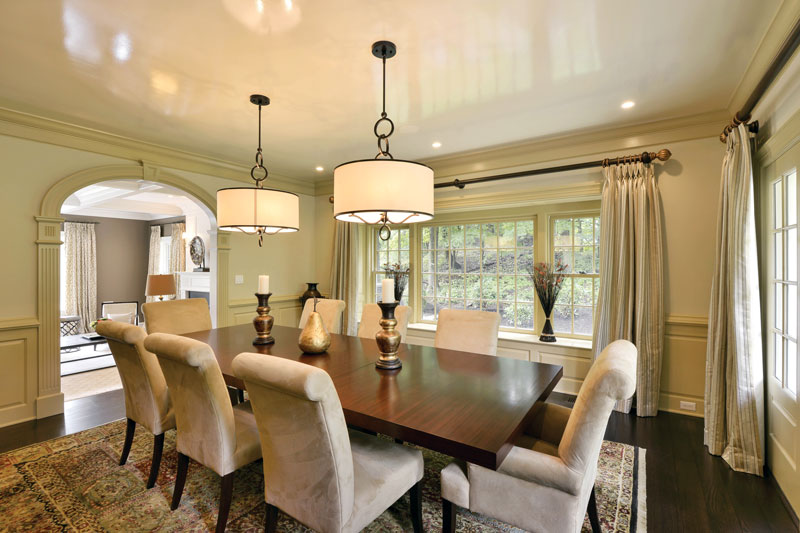
Entry Halls


Spring: It's time to move the indoors out

Motif Home Gallery Springs Forward

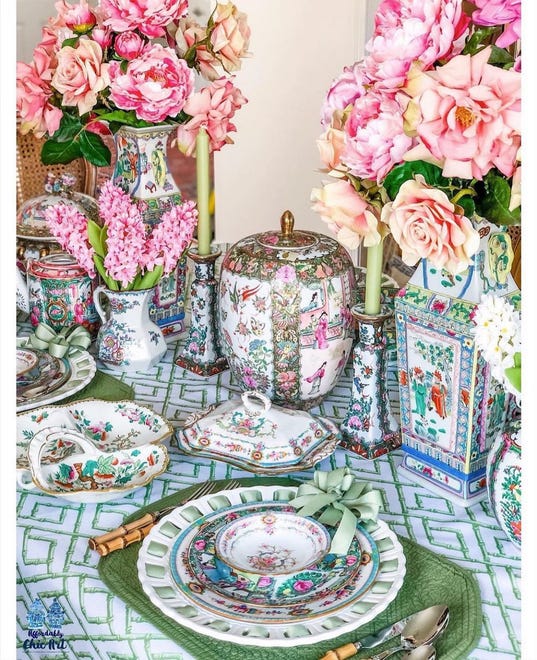
Welcome home: Grandmillennial style
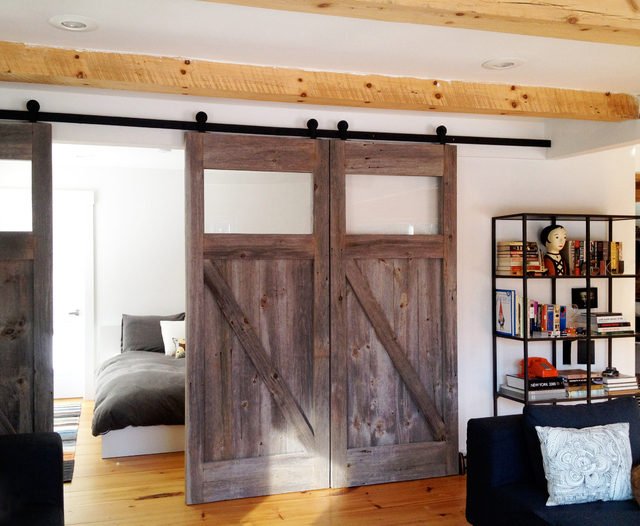
Sliding Into Home | Home and Garden | Life
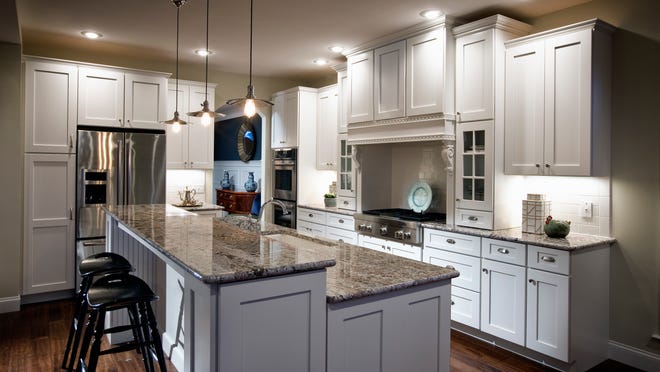
Welcome to fantasy kitchen island
Deephaven Patio