
1/3
The Porcelain Tile Cleaning Paradox
In recent years, professional cleaners have encountered a challenging issue with newer porcelain tile products: the appearance of splotchy patterns after cleaning with high-pH presprays and cleaners. This problem, dubbed the "porcelain tile cleaning paradox," has led to customer dissatisfaction and costly restoration efforts. Industry experts Mike Pailliotet and Mark Saiger have been actively investigating this phenomenon to identify its cause and develop effective solutions.
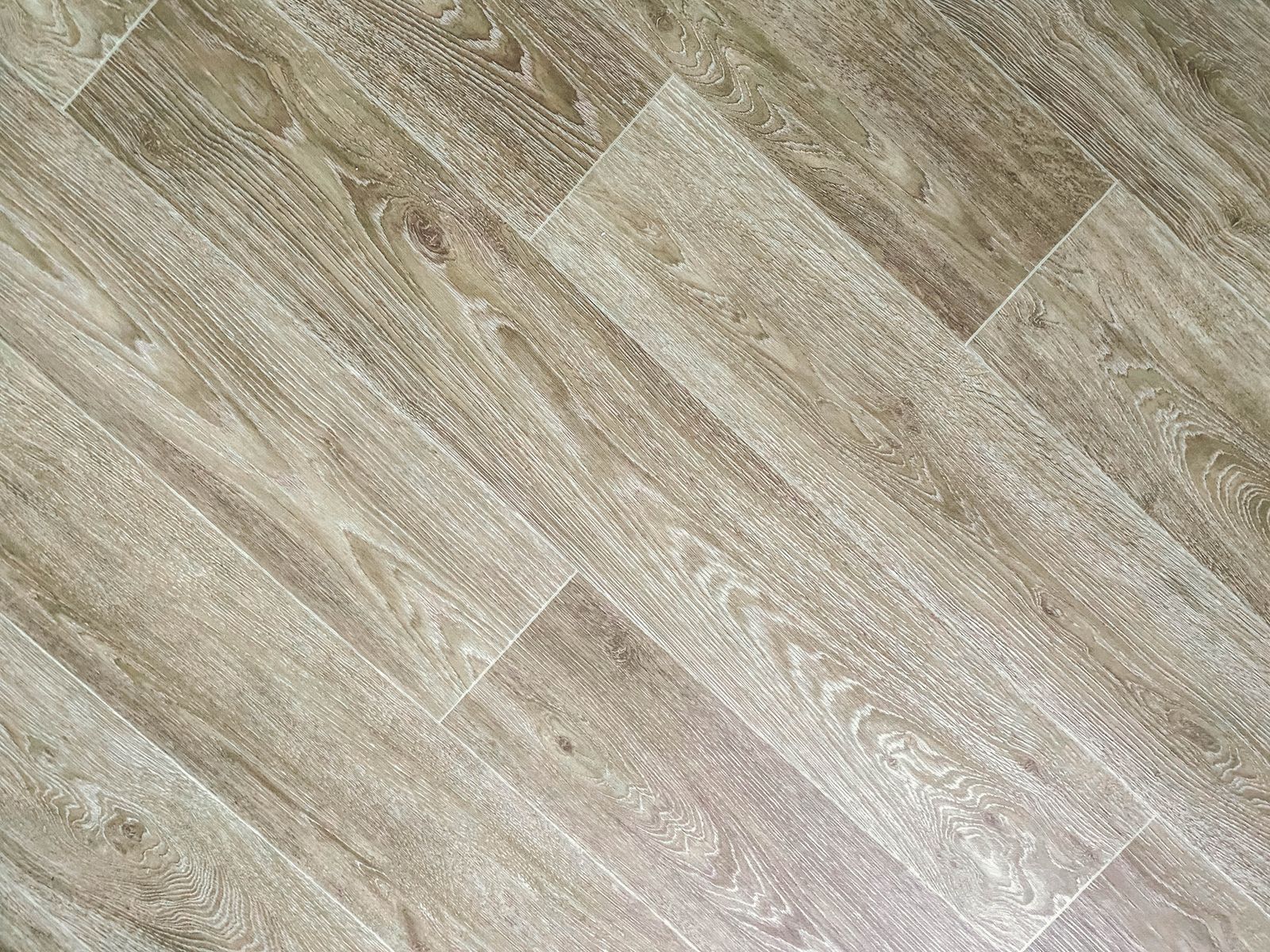
Pailliotet first observed the splotching approximately three years ago while cleaning a new porcelain floor. He noted that the random nature of the marks suggested a problem with the flooring material itself, rather than his cleaning methods or equipment. Subsequent tests confirmed that high-pH cleaners consistently caused the splotching on newer porcelain tiles, even if the first cleaning attempt was successful. The splotches tend to worsen and become more resistant to removal with each cleaning cycle. While lower-pH cleaners initially appeared to be a safer alternative, splotching was eventually observed with any cleaner exceeding a pH of 10.
The exact cause of the issue remains unknown, but Pailliotet and Saiger suspect that wear and tear, environmental factors, and the inherent finish of newer porcelain products contribute to its degradation. Saiger metaphorically describes it as a "zombie issue," where more aggressive cleaning techniques with higher pH and heat expose existing damage. He also highlights the problem of porous porcelain tiles, which are increasingly common. These tiles readily absorb cleaning solutions, intensifying the splotching effect and making them particularly difficult to maintain. Pailliotet recalled a specific instance where a porous tile floor, oversold as easy to maintain, absorbed prespray and resisted subsequent cleaning attempts, requiring repeated applications and slow, meticulous work.
To address the problem, Pailliotet has achieved some success in both field applications and tests by using a neutral cleaner or an acid rinse followed by thorough buffing. However, he and Saiger caution that severe cases may not be fully reversible. They suggest that cleaners start with buffing and neutral cleaners for less severe damage. For more extensive damage, MB Stone Care is developing an Italian porcelain restoration cream that hones the tile surface. Technicians using this product must exercise caution, as overworking can remove the glaze and even the photographic design beneath. Therefore, this specialized restoration process is best left to experienced stone and tile restoration professionals.
Pailliotet and Saiger offer several recommendations for cleaners encountering this paradox. First, it is crucial to accurately identify the type and age of the tile, as the splotching is primarily observed in newer porcelain. If unsure of the tile's age, cleaners should proceed with caution. Second, clear communication with clients about the risks and limitations of cleaning problematic floors is essential, and Pailliotet has created a disclosure form for this purpose. Encouraging regular, gentle cleanings can also reduce the need for aggressive chemicals. Third, working in smaller 100- to 200-square-foot sections and ensuring the product remains wet until rinsed can mitigate the risk of splotching. Fourth, extra attention should be given to traffic lanes and pivot areas, where factory coatings may be more worn. Fifth, using neutral or lower-pH cleaners is advised, especially with newer floors that often feature high-performance, stain-resistant grout that doesn't require harsh chemicals. Starting with a neutral cleaner and allowing dwell time is a safer approach, even if it takes longer. Finally, if a cleaner lacks confidence or necessary equipment, declining porcelain tile cleaning jobs may be the most prudent option to avoid liability.
This emerging problem is expected to become more prevalent, particularly in areas with new construction. Pailliotet and Saiger are committed to ongoing research and awareness efforts. They also encourage professional cleaners to conduct their own research by visiting tile and big box stores to understand the types of products being sold and what they might encounter in new developments.
#PorcelainTile #TileCleaning #SplotchingIssue #HighPHCleaners #LowPHCleaners #HardSurfaceCleaning #FlooringMaintenance #CleaningTechniques #ProfessionalCleaning #PorcelainTile #TileCleaning #SplotchingIssue #HighPHCleaners #LowPHCleaners #HardSurfaceCleaning #FlooringMaintenance #CleaningTechniques #ProfessionalCleaning
0 Kommentare insgesamt
 Noch keine Kommentare
Das könnte Ihnen auch gefallen
How to Clean Tile Floors—From Ceramic to Cement Surfaces

The Best Grout Cleaners for Pristine Tiles in Every Room
6 Best Grout Cleaners of 2026, Tested and Approved by Cleaning Experts


How To Clean Marble Countertops And Tile

How to clean encaustic tiles – an expert guide

6 Best Grout Cleaners for a Brilliant Bathroom
How To Clean Bathroom Tile, According To Professional Cleaners
If Your Grout Has Seen Better Days, You Need One Of These Best-Of-The-Best Grout Cleaners

How to Clean Tile Floors Quickly and Easily

The Right Way to Clean Tile and Grout for Sparkling Results

What’s making your bathroom tiles look cheap? 7 things to look out for, according to experts
Bathroom floor tile ideas – 15 ways to incorporate stylish tiles underfoot
Pros Reveal the Best Way to Clean Tile Floors + Easy Secret to Get Grout White Again

Best tile cleaner: 6 smart picks to spruce up your tiling

Professional cleaners never waste their time with standard mops on tile floors – this is the $13 essential they always recommend instead
Tile countertop ideas – 10 ways to embrace the look
We Tested 10 Tile Cleaners to Find the Best One


Bathroom Tiles

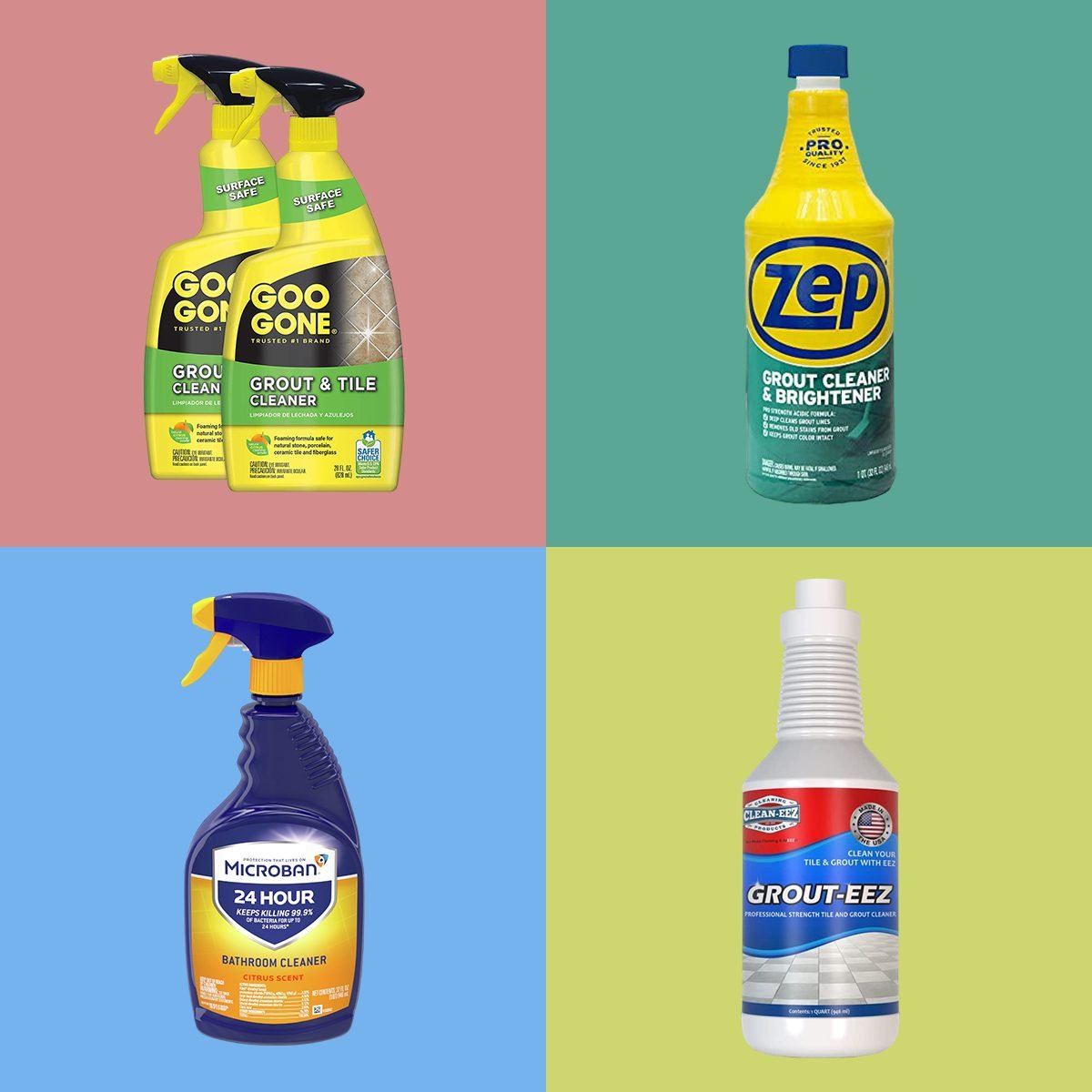
The 7 Best Grout Cleaners of 2025
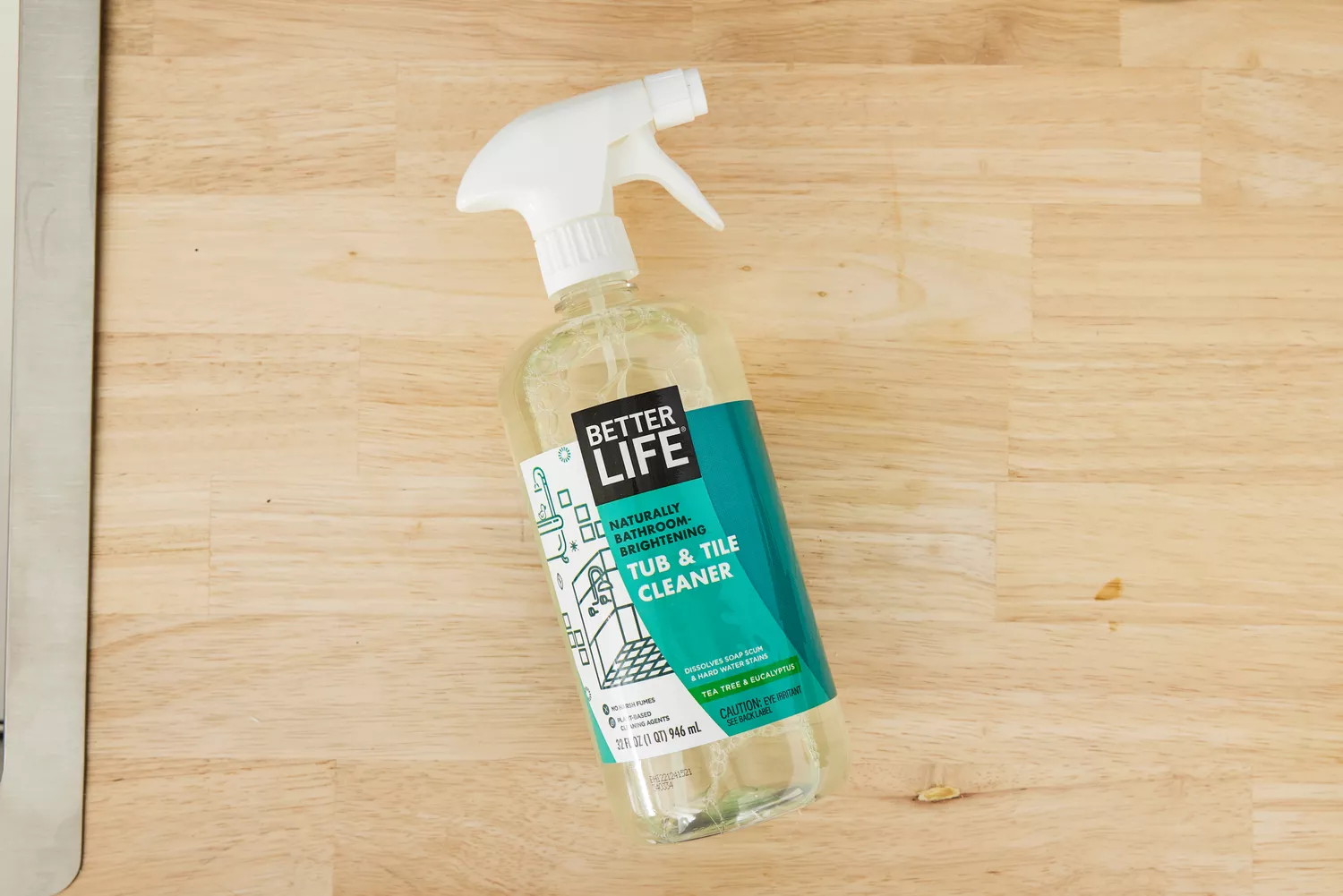
Bring Your Tile and Grout Back to Life With These 7 Cleaners