1/10
The best wall panelling ideas and trends, according to the experts
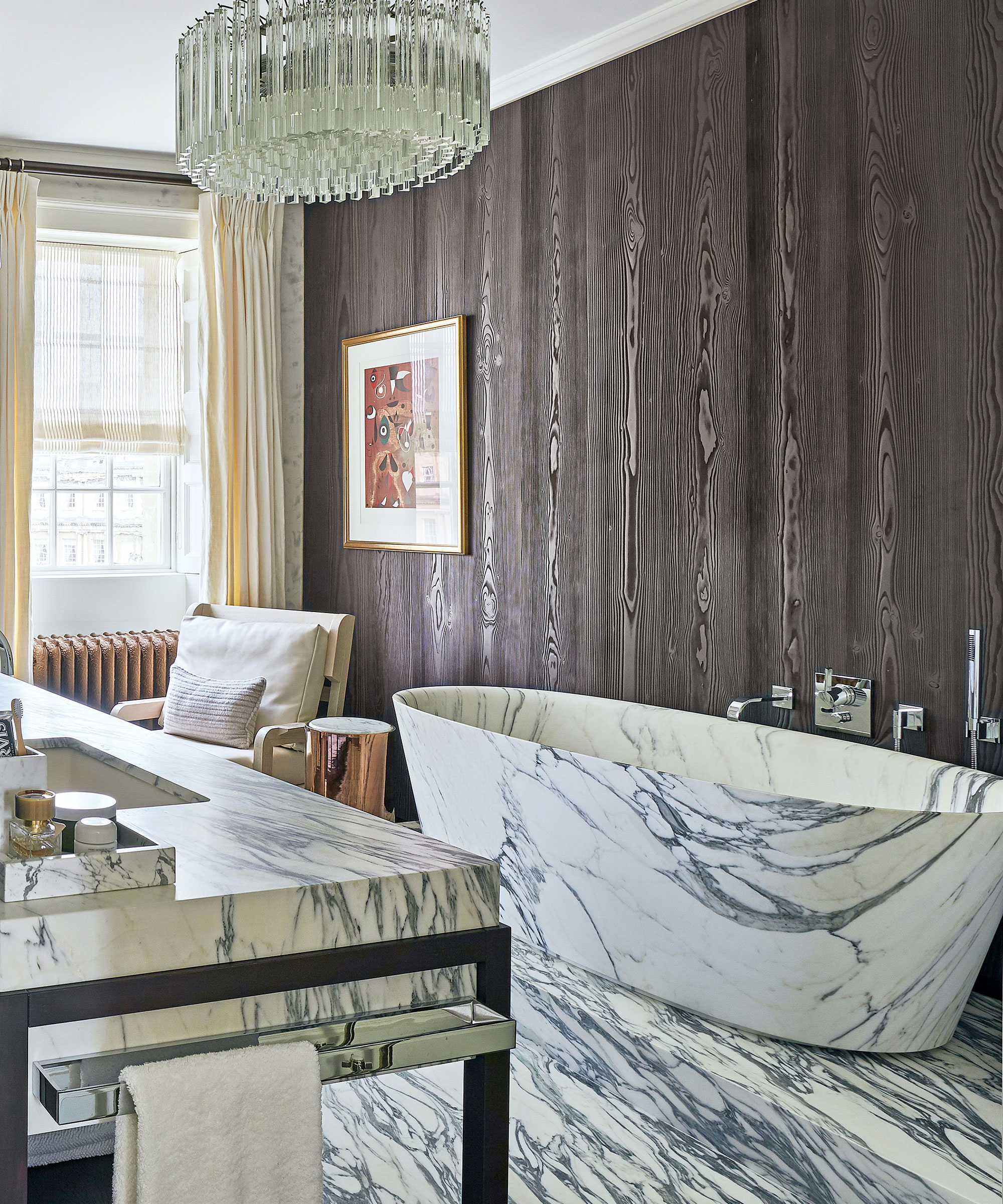
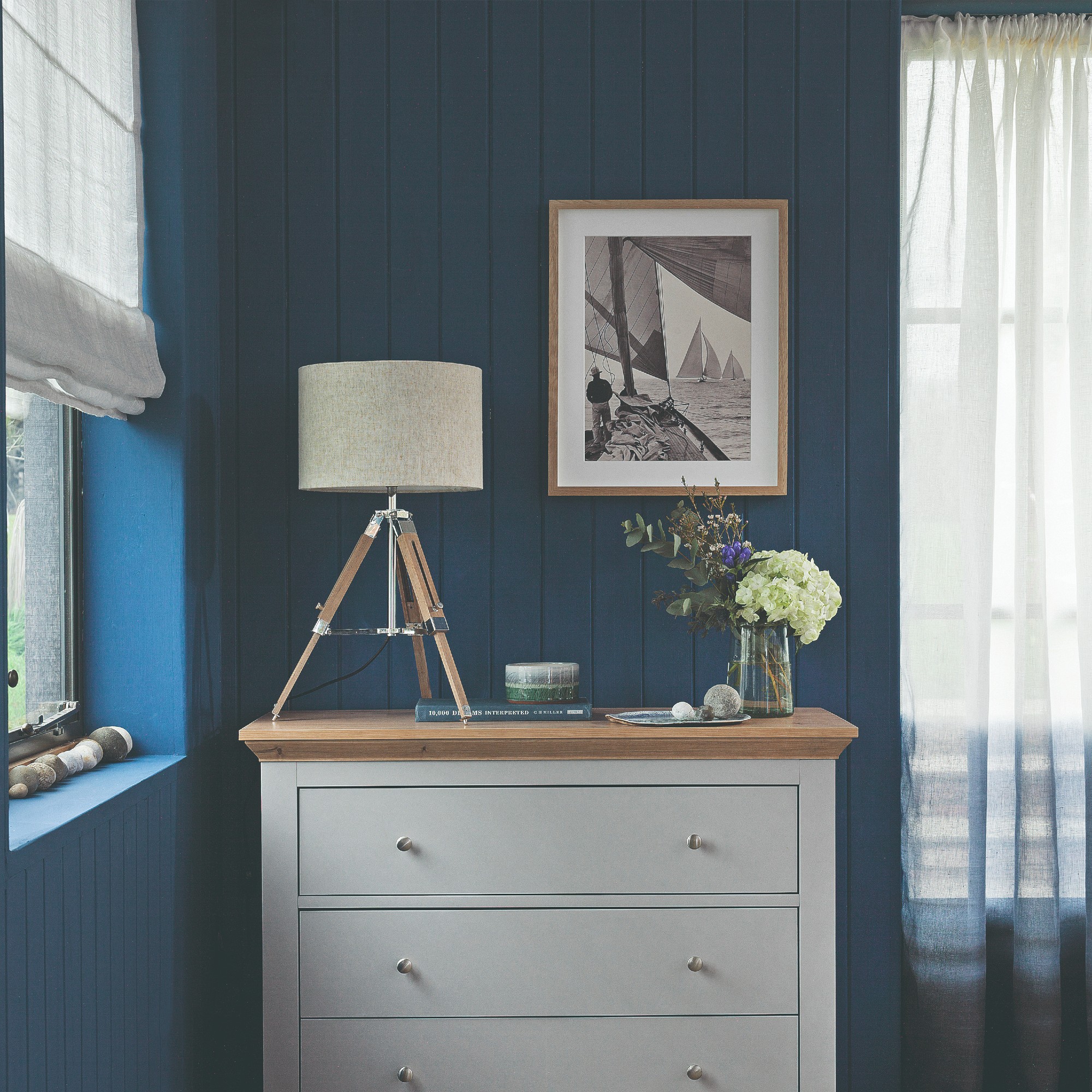
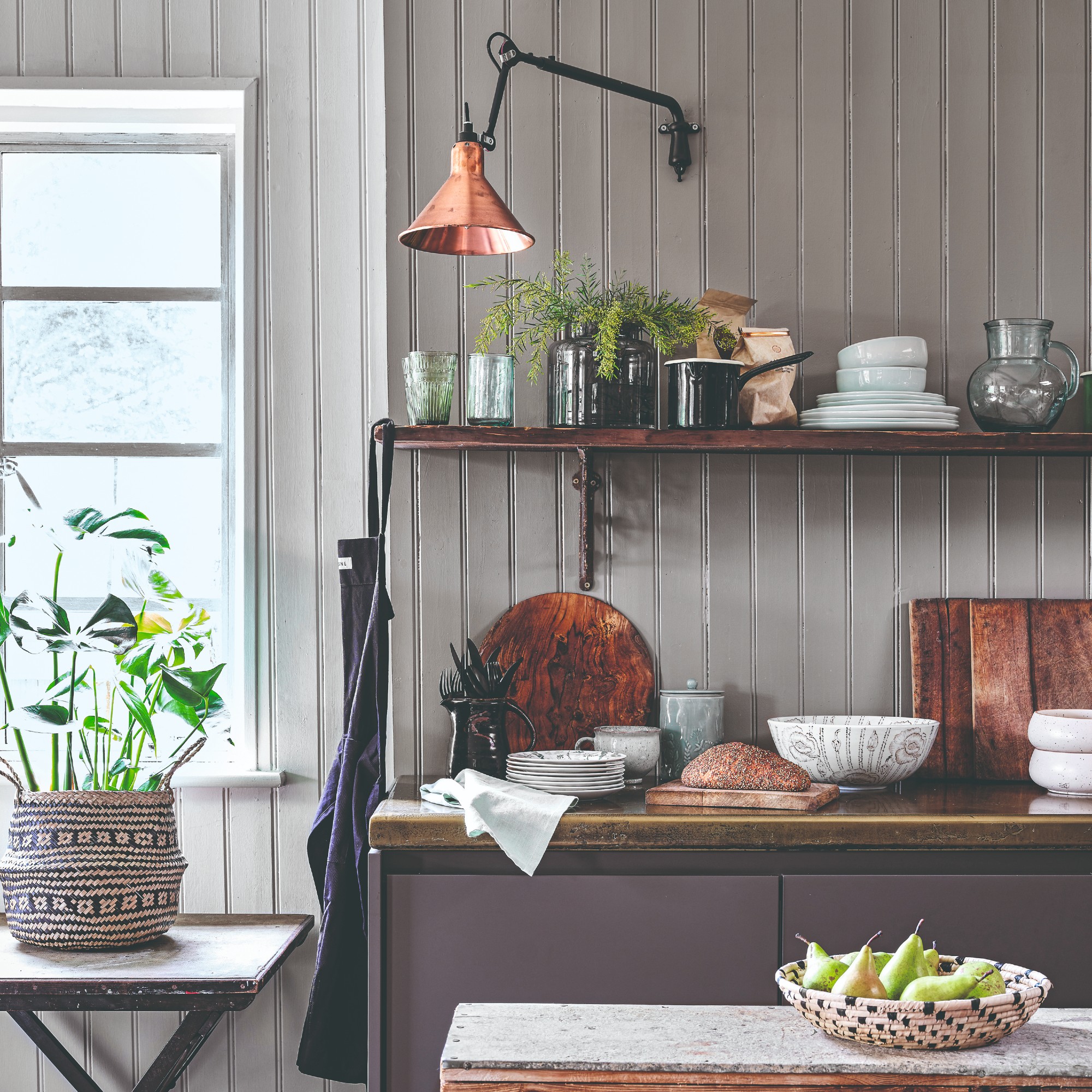
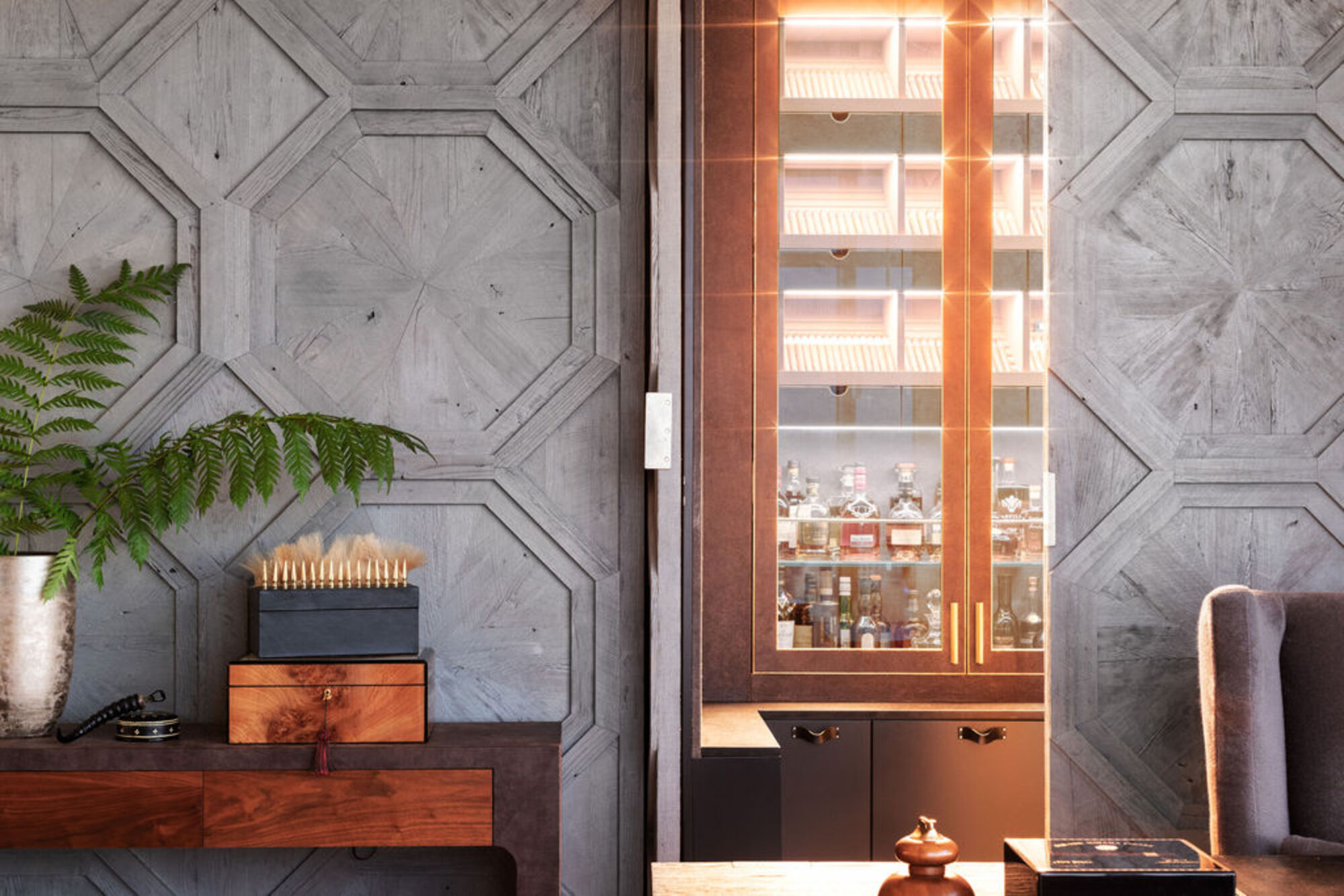
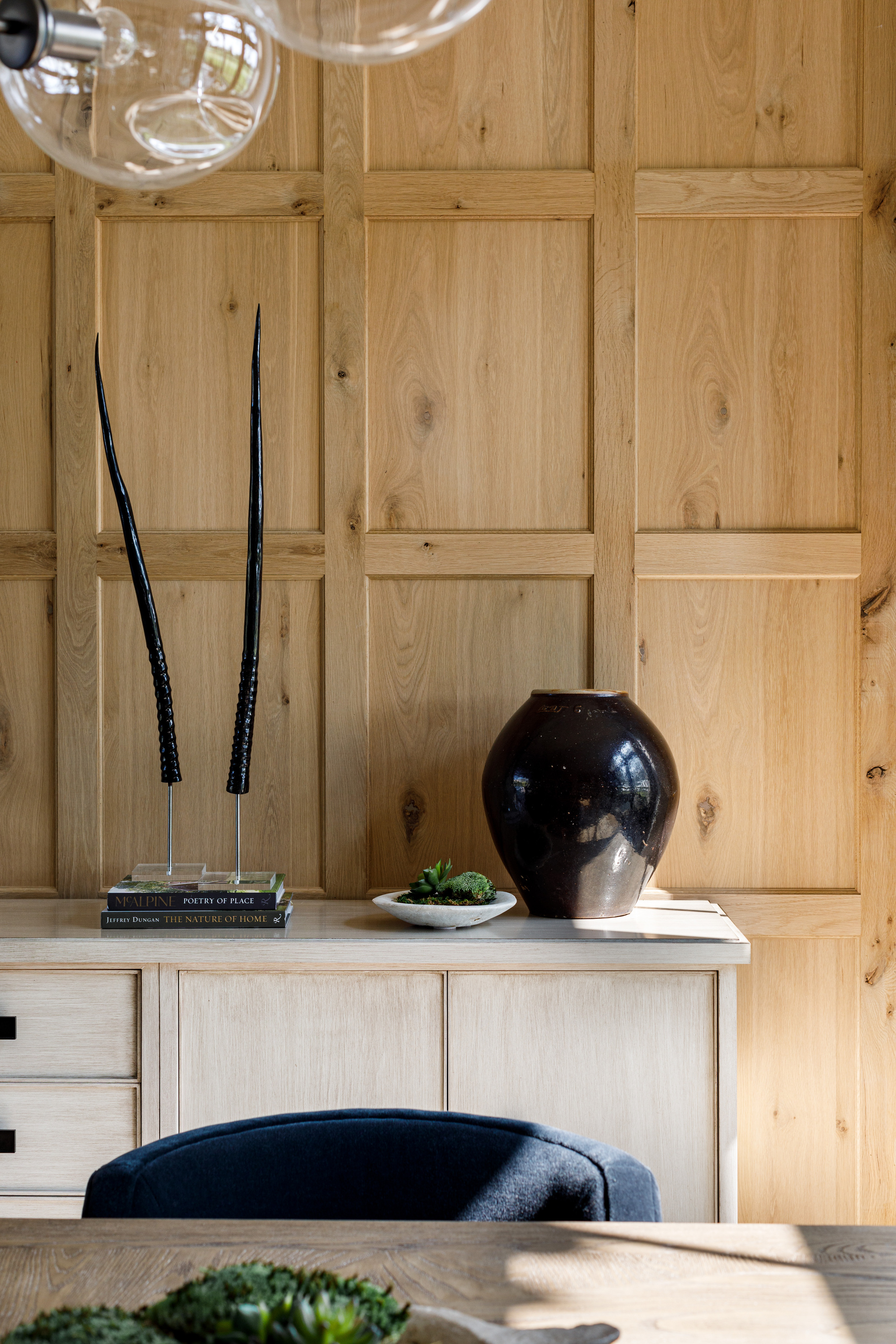
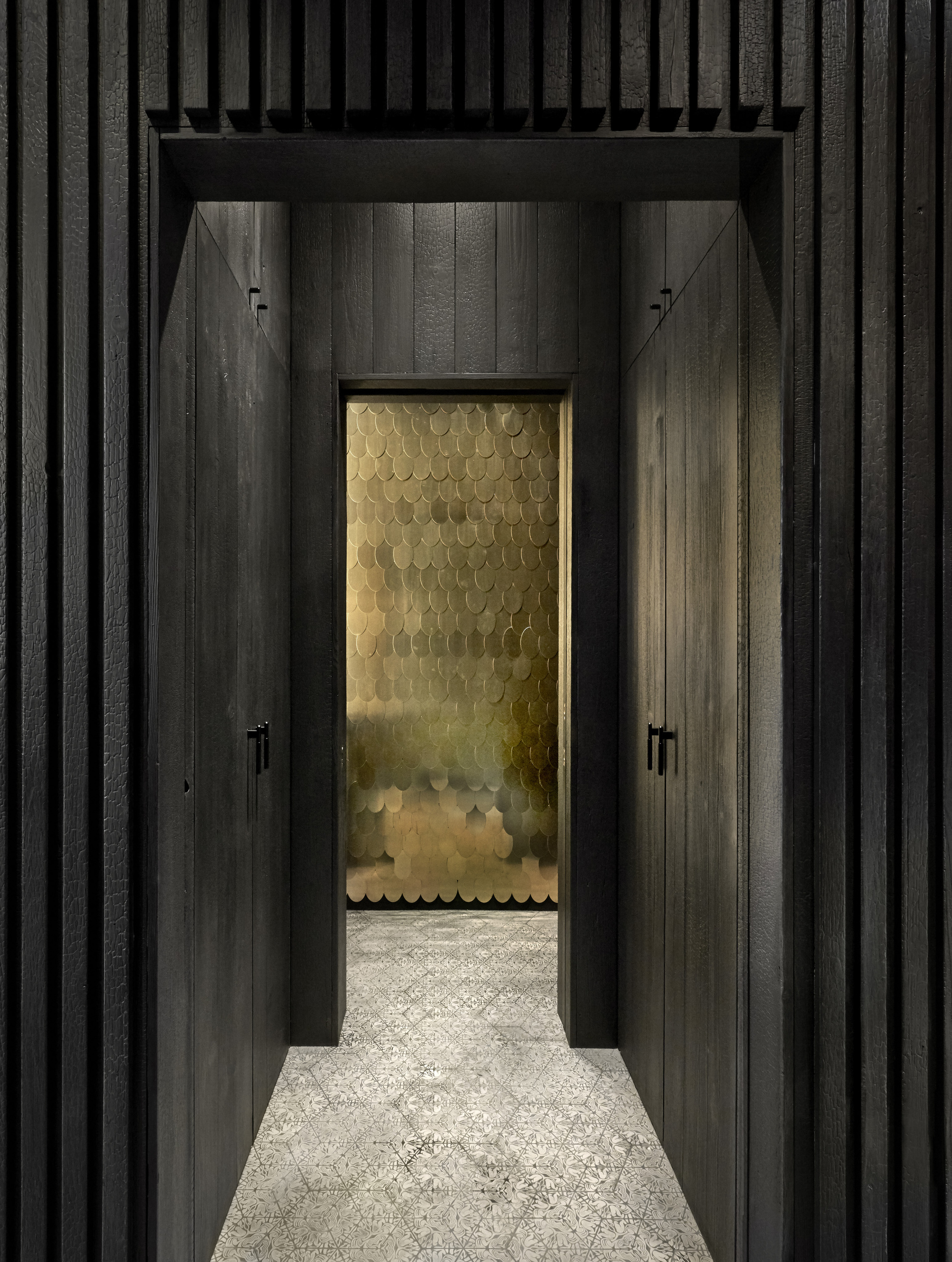
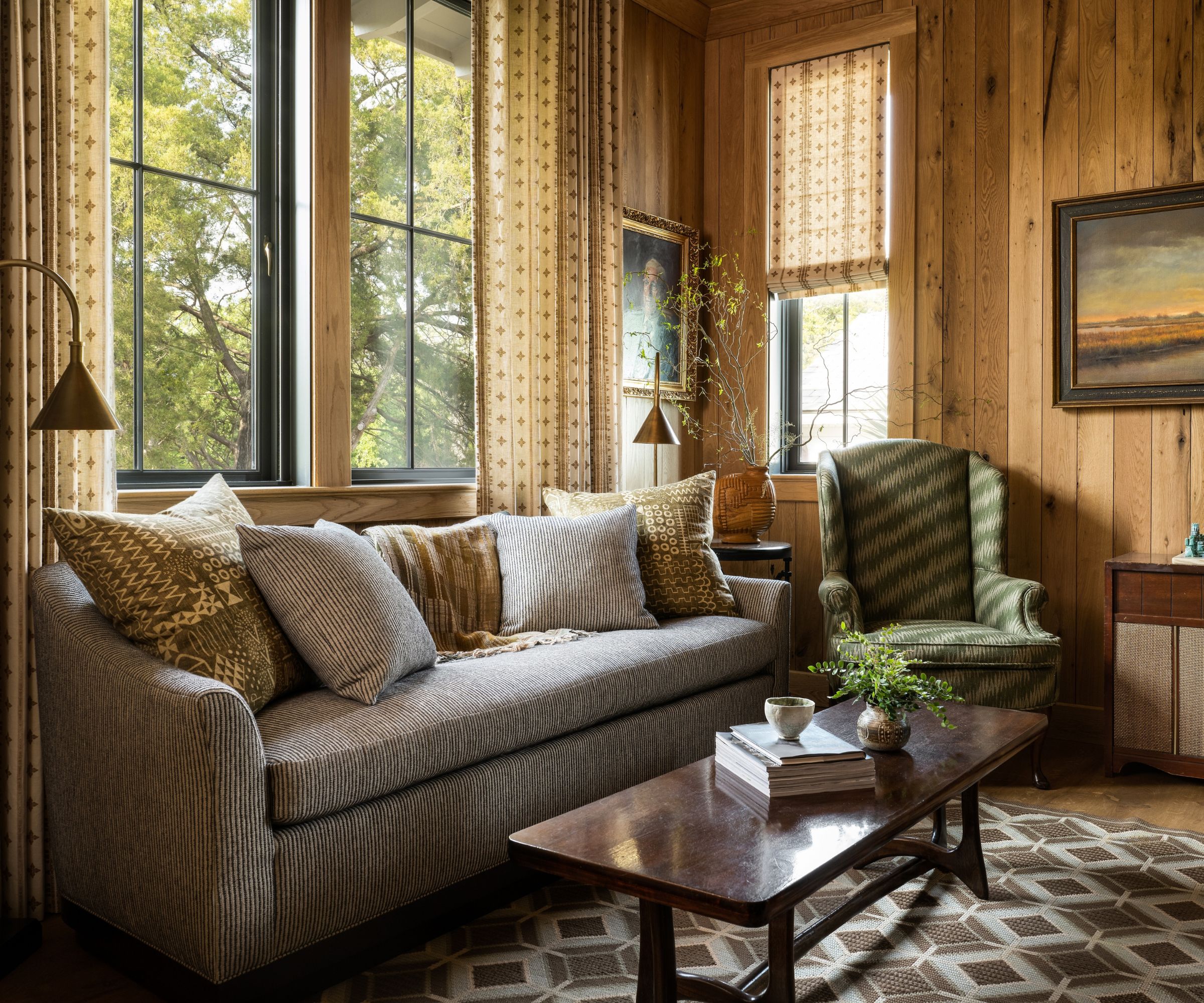
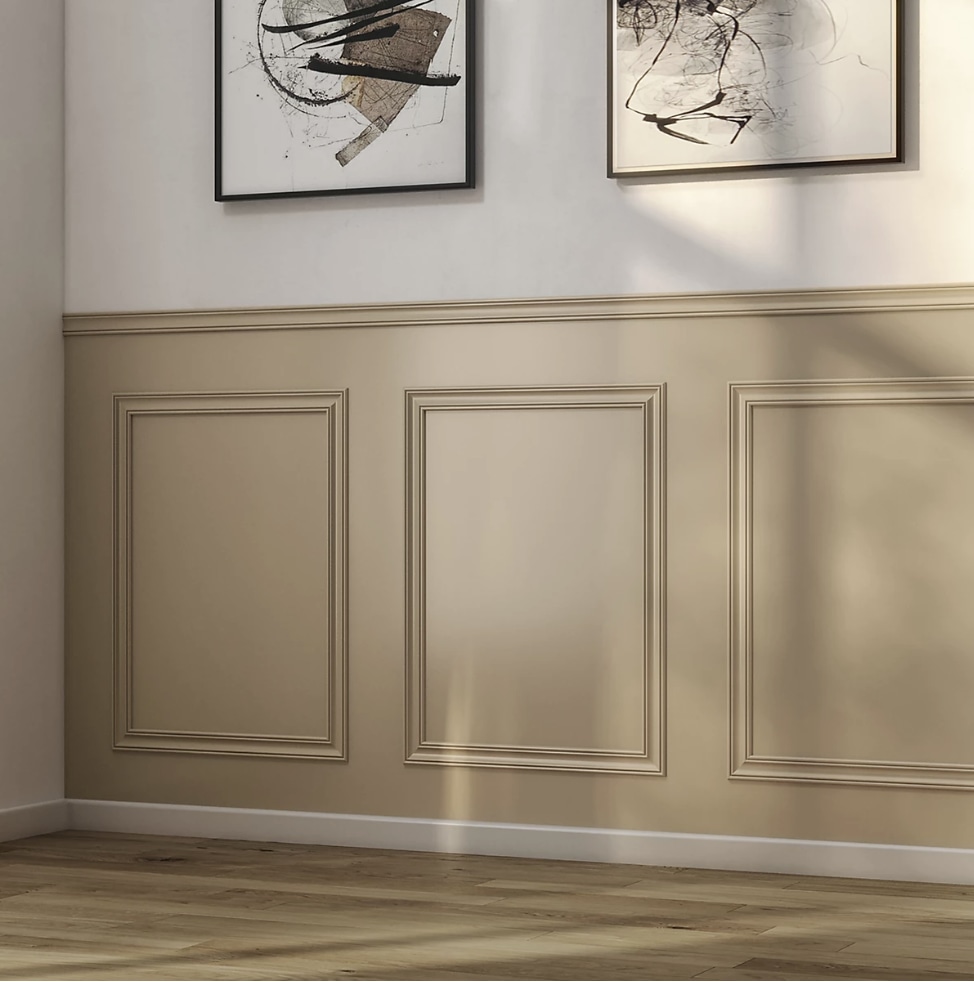
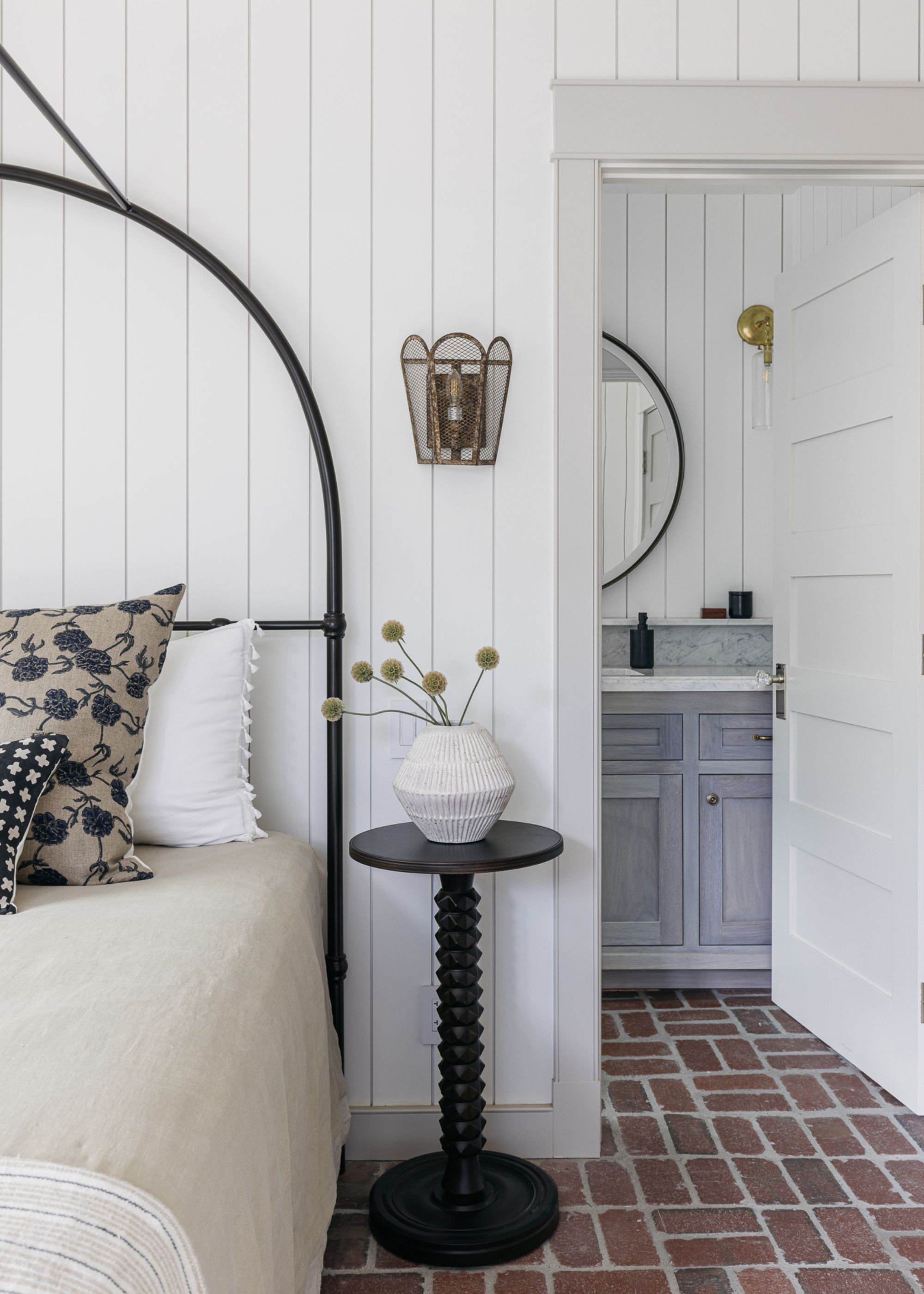
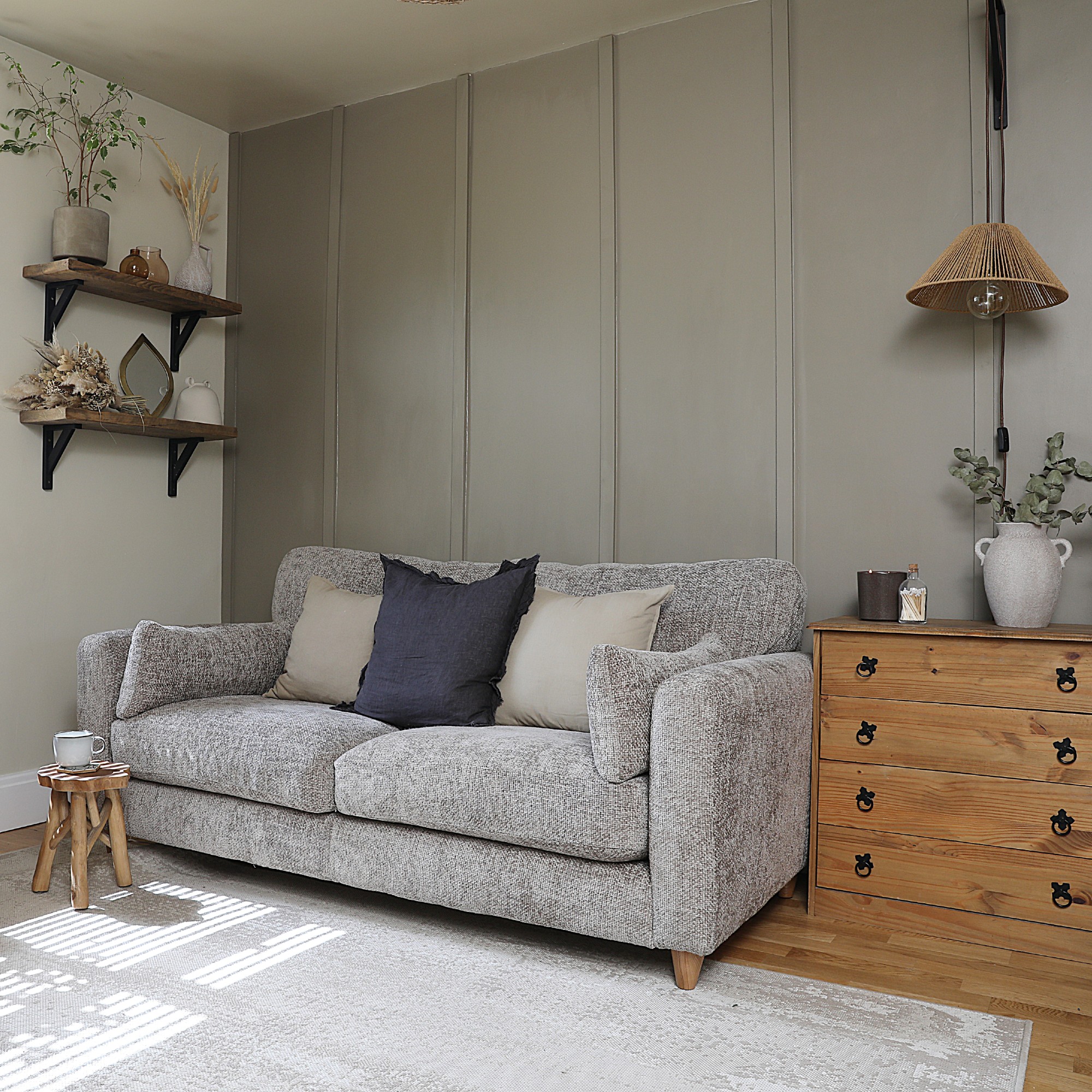
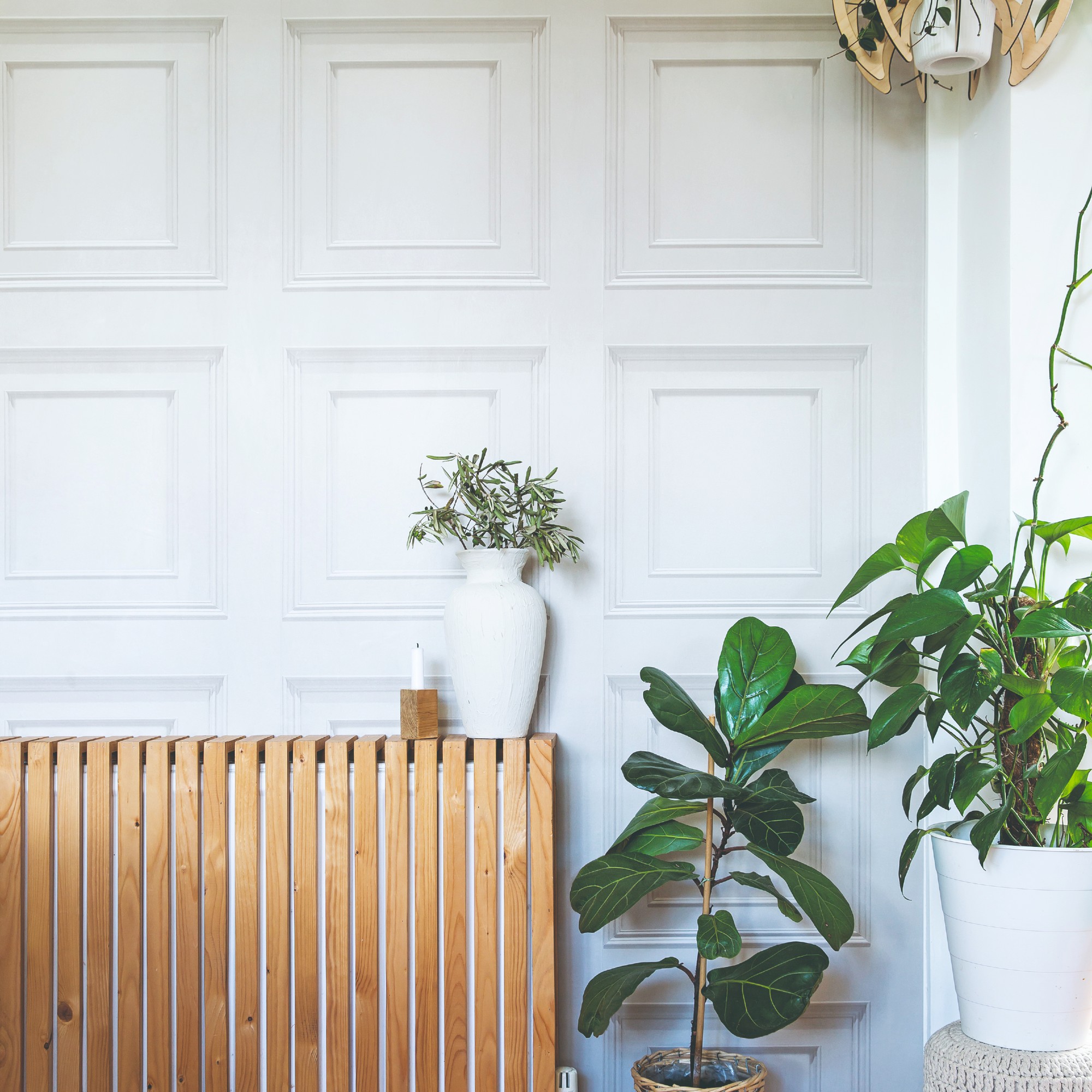
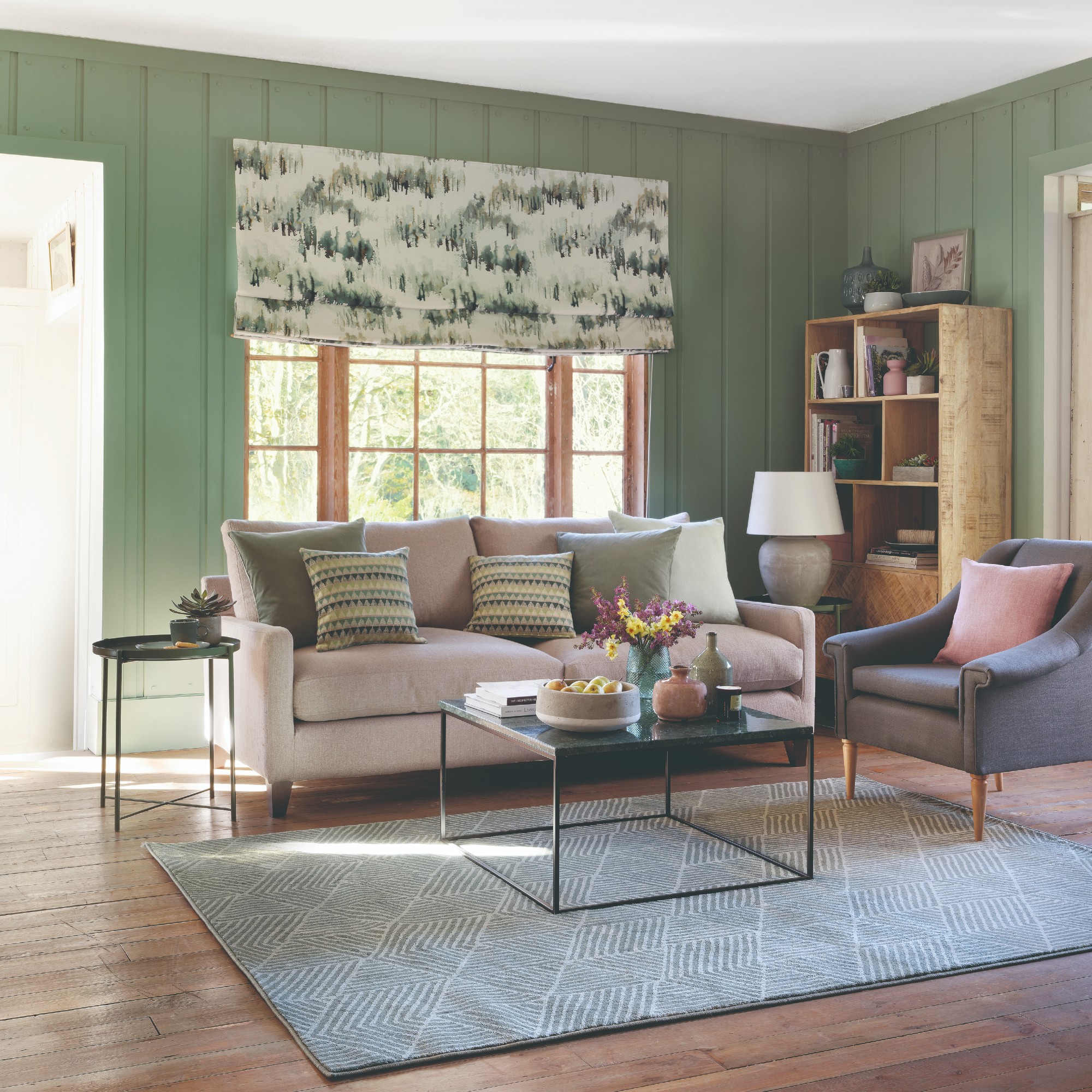
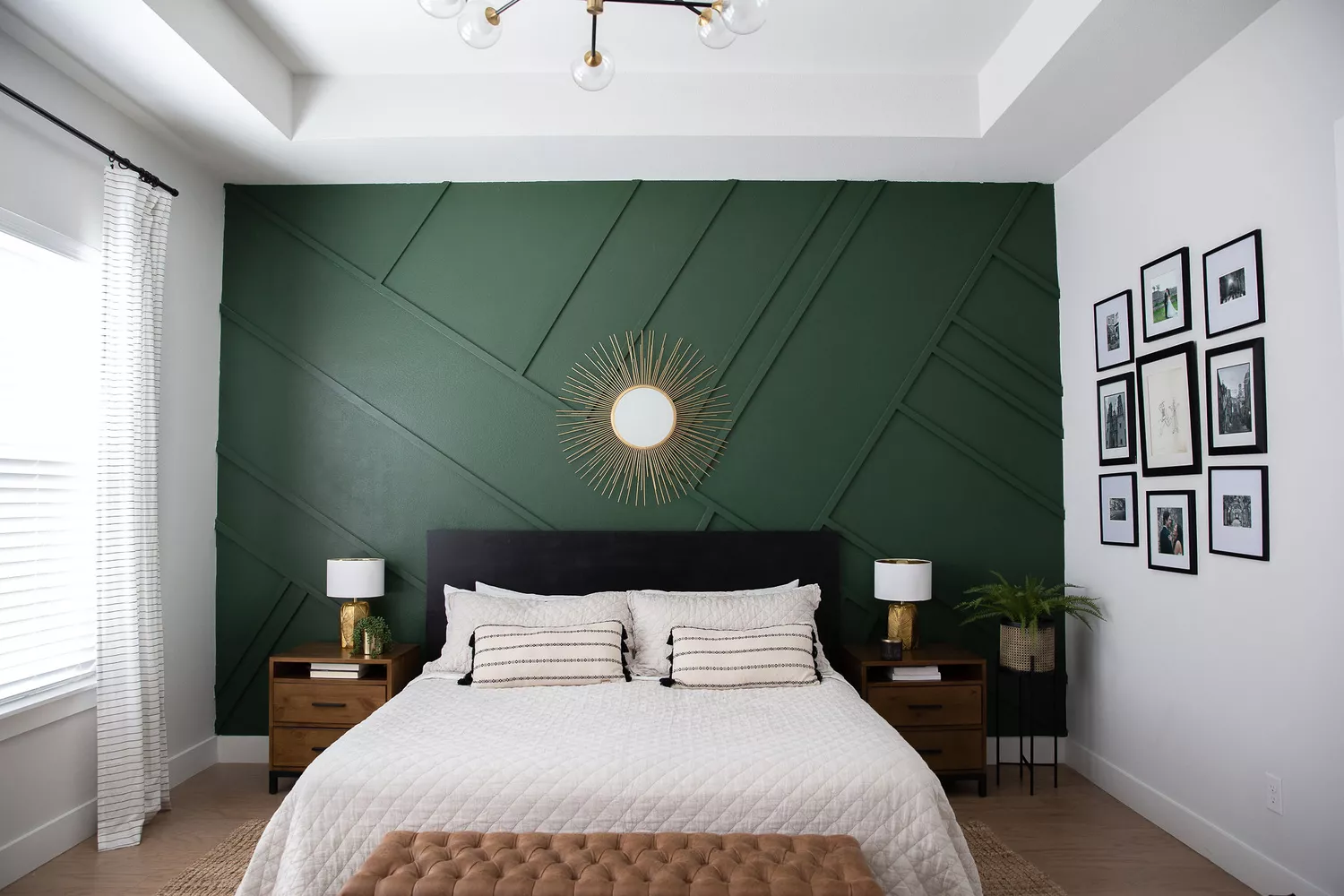
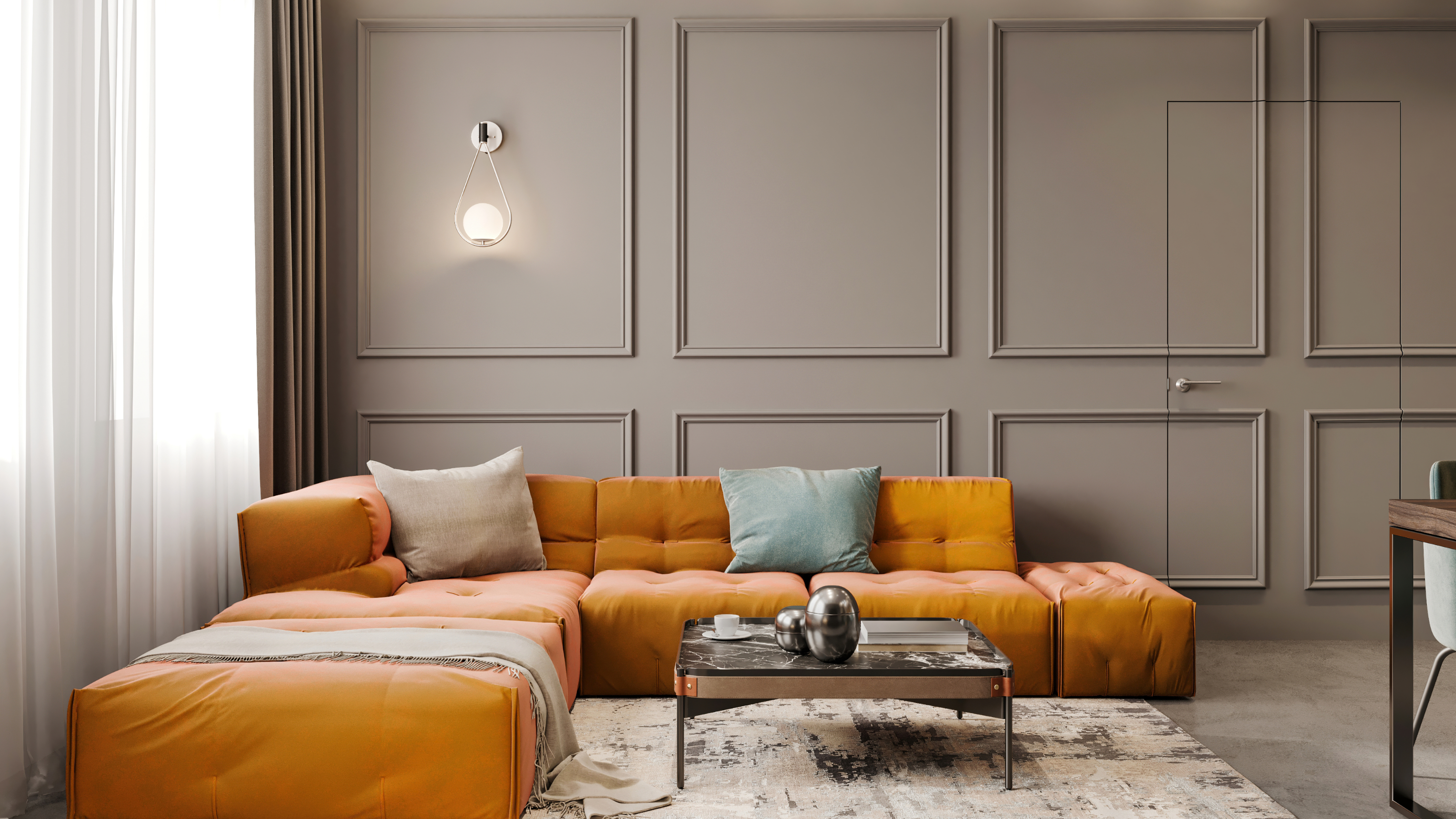
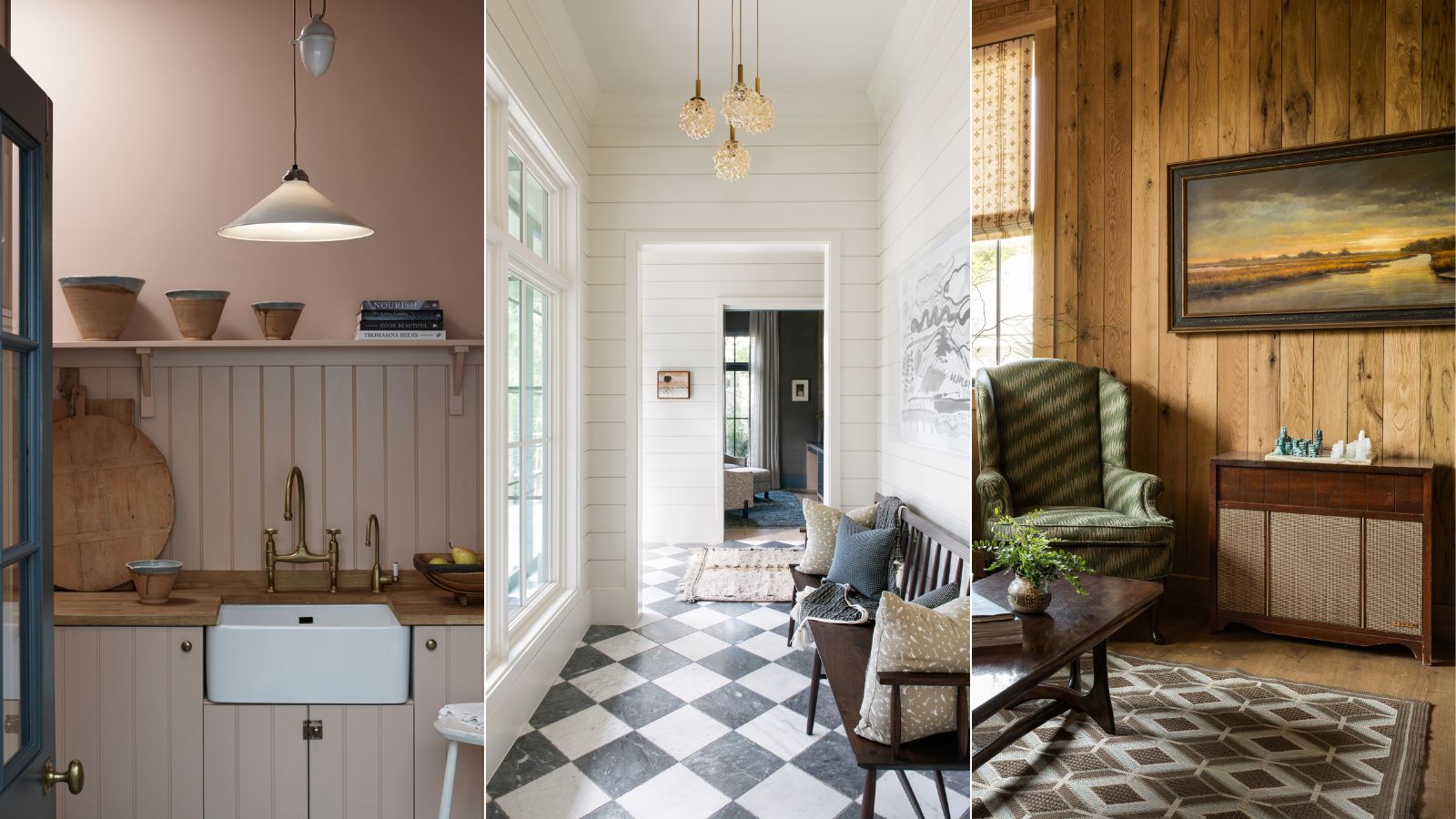
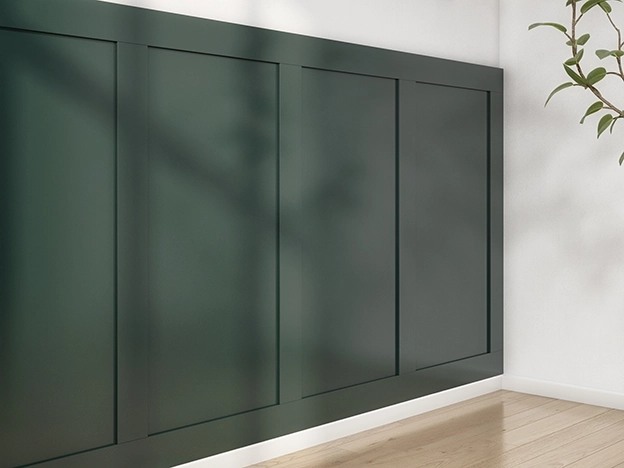
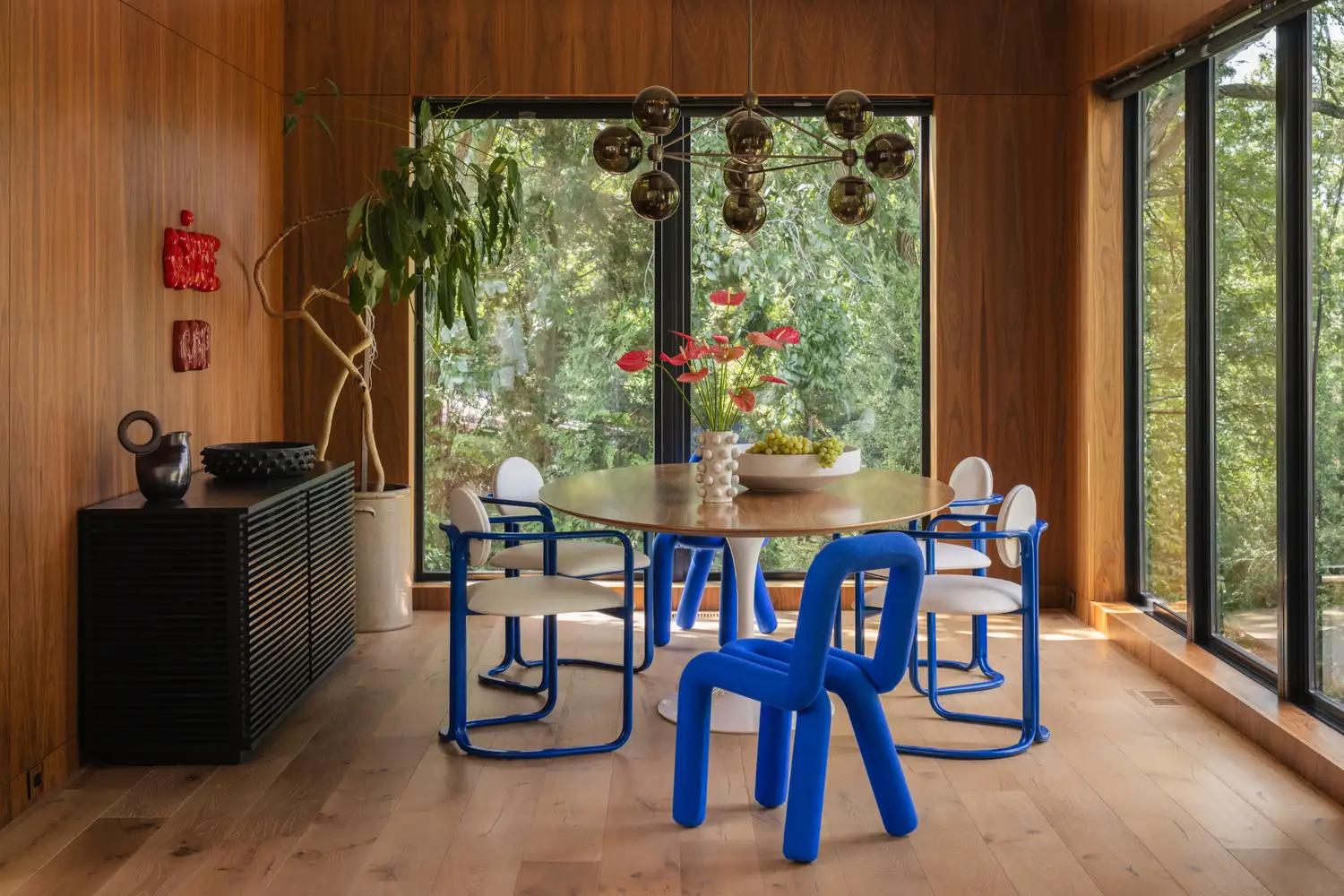
Wall panelling has emerged as a significant decor trend, offering an affordable, versatile, and eye-catching method to transform homes. It is particularly effective for adding character to new-builds or enhancing the grandeur of period properties, a trend that began in 2022 and is expected to continue. Interior designers and specialists highlight various applications and styles of wall panelling, emphasizing its ability to introduce texture, depth, and visual interest, especially in spaces with minimal architectural features.
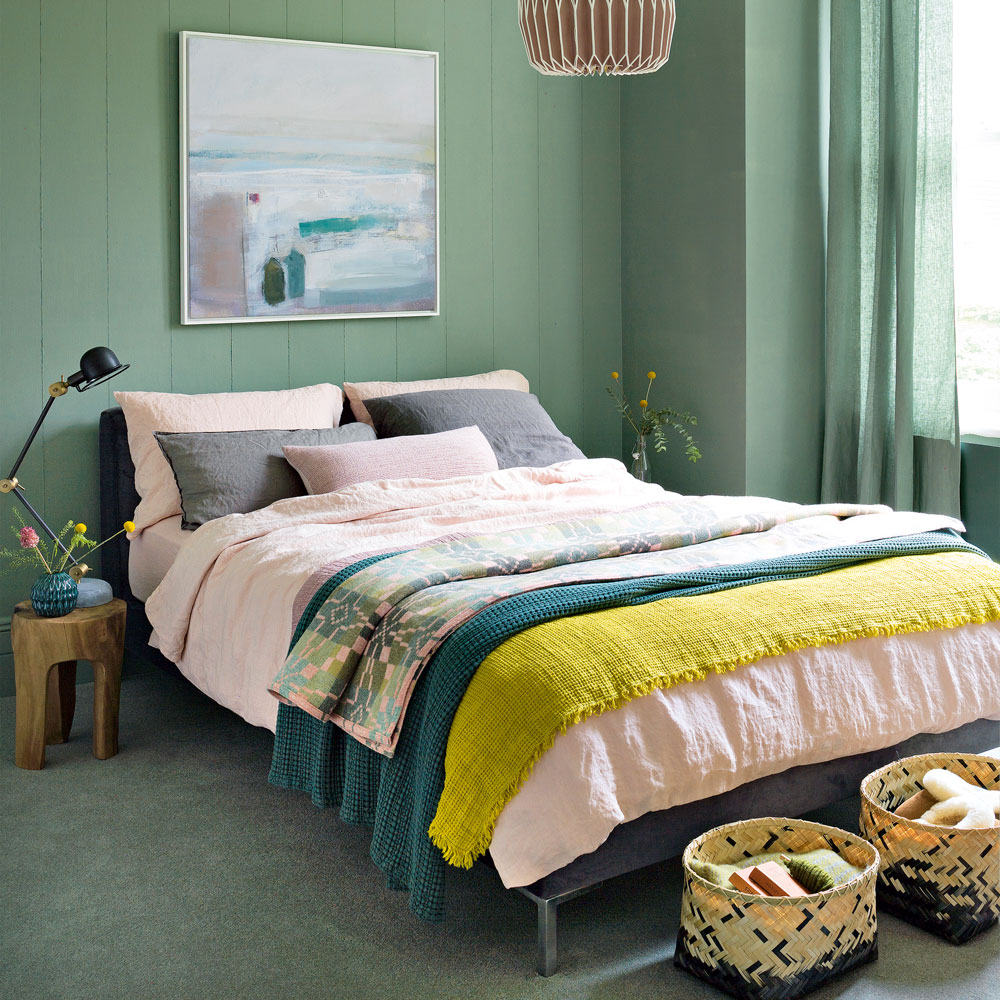
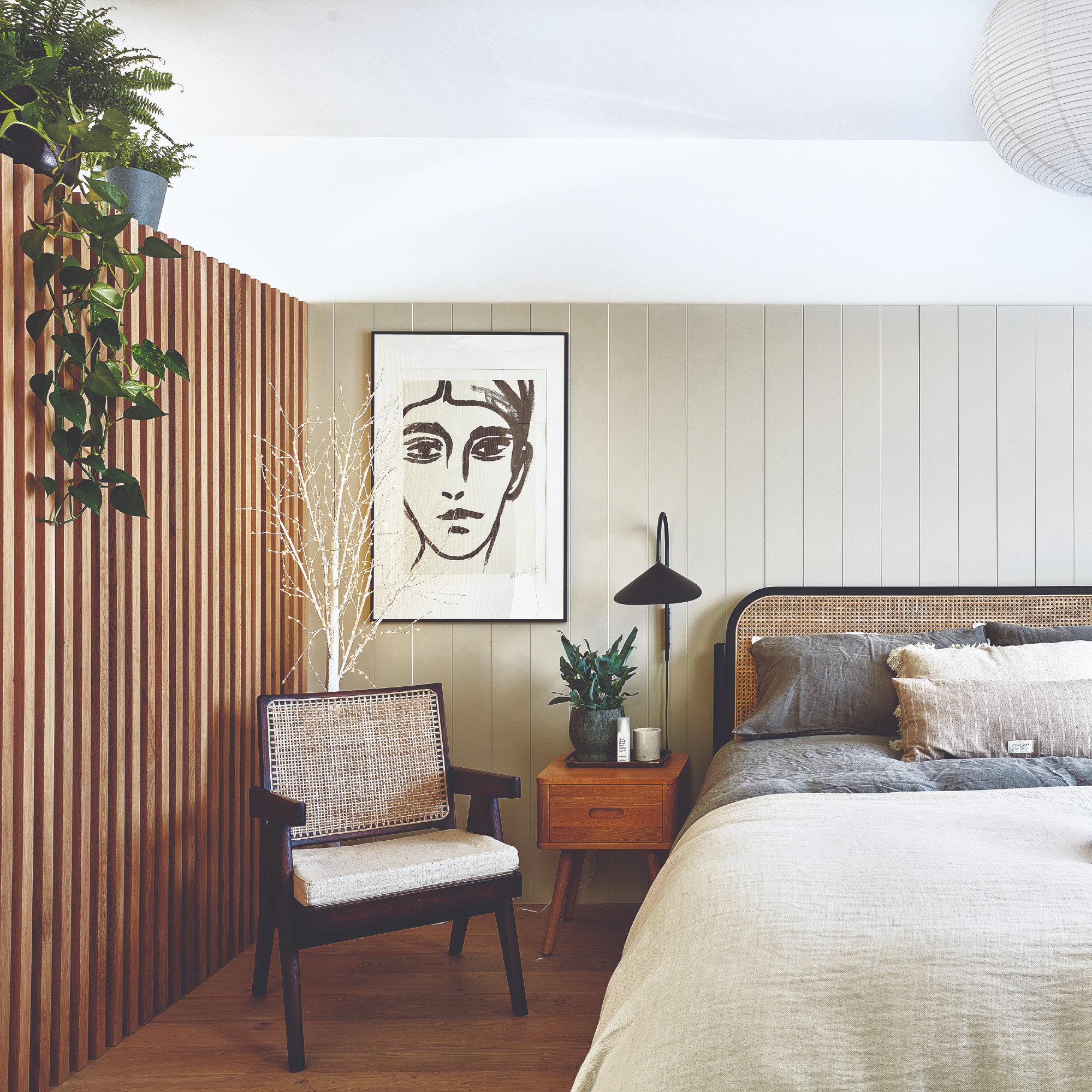
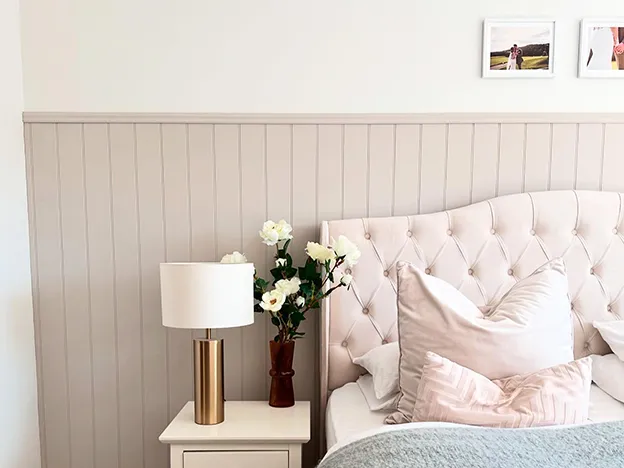
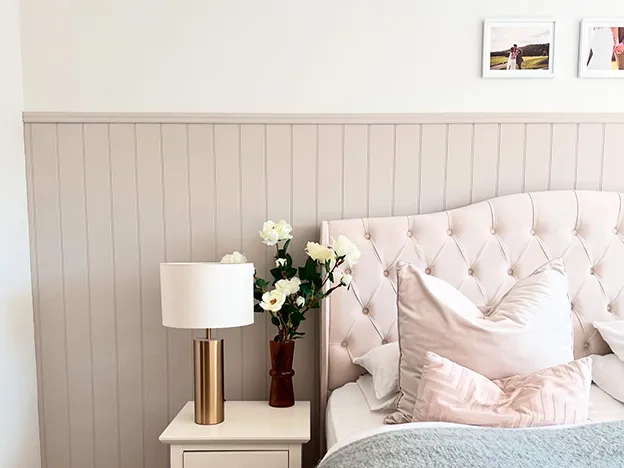
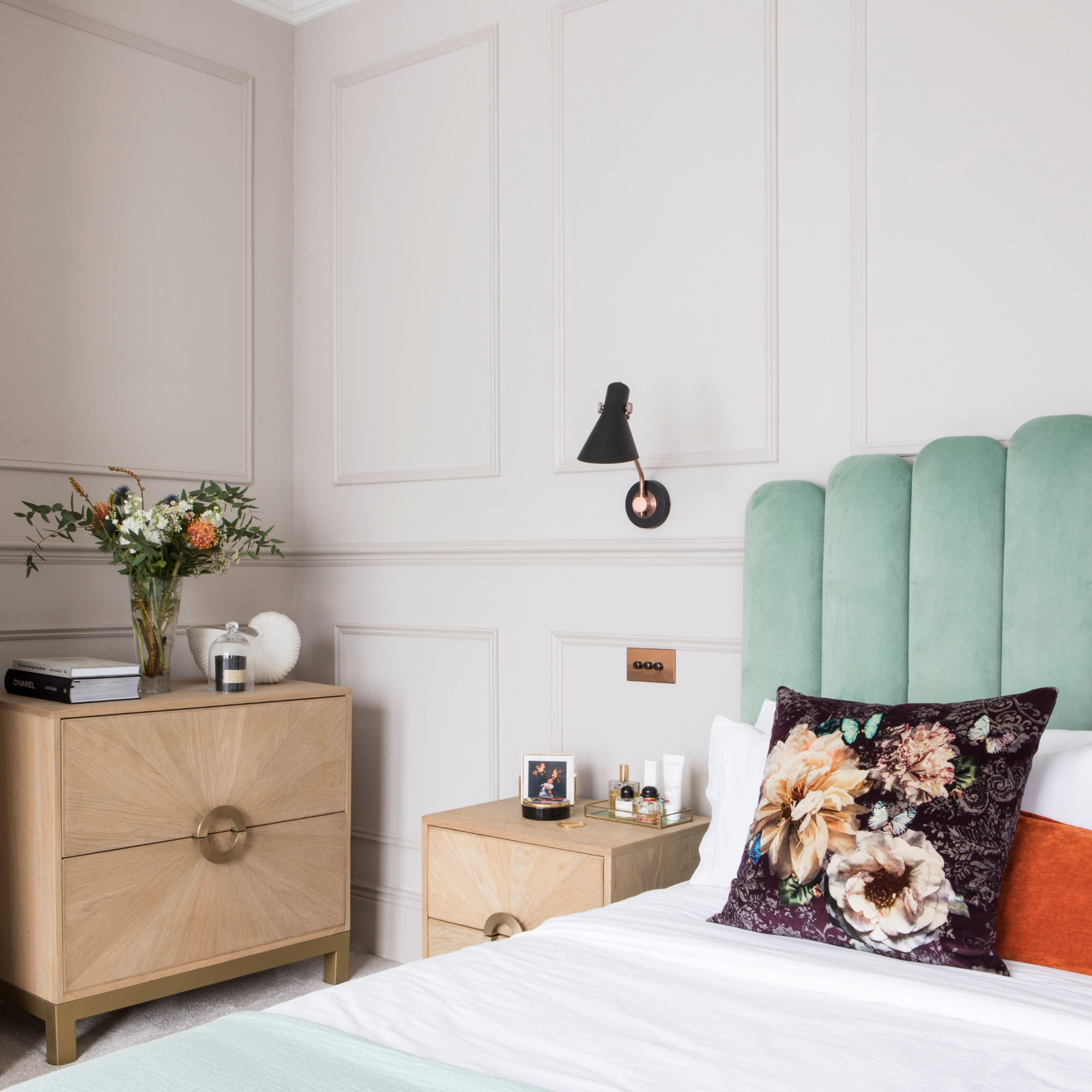
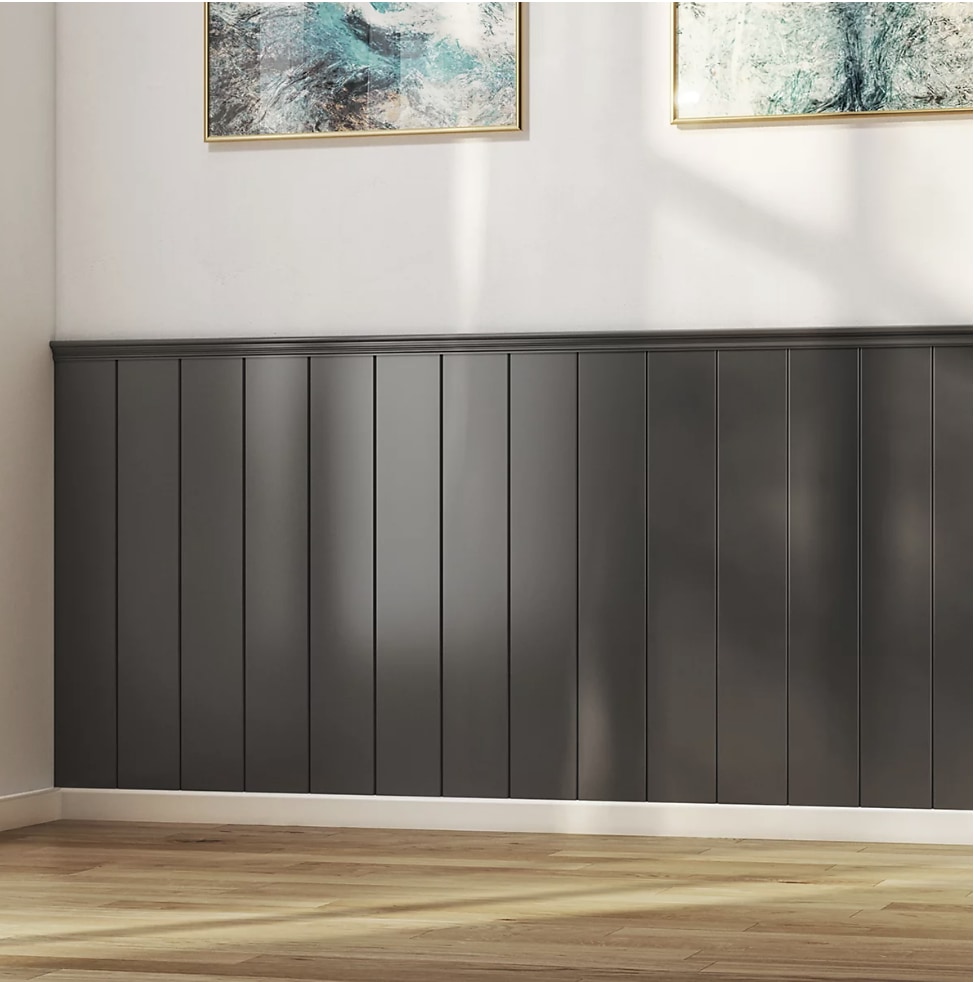
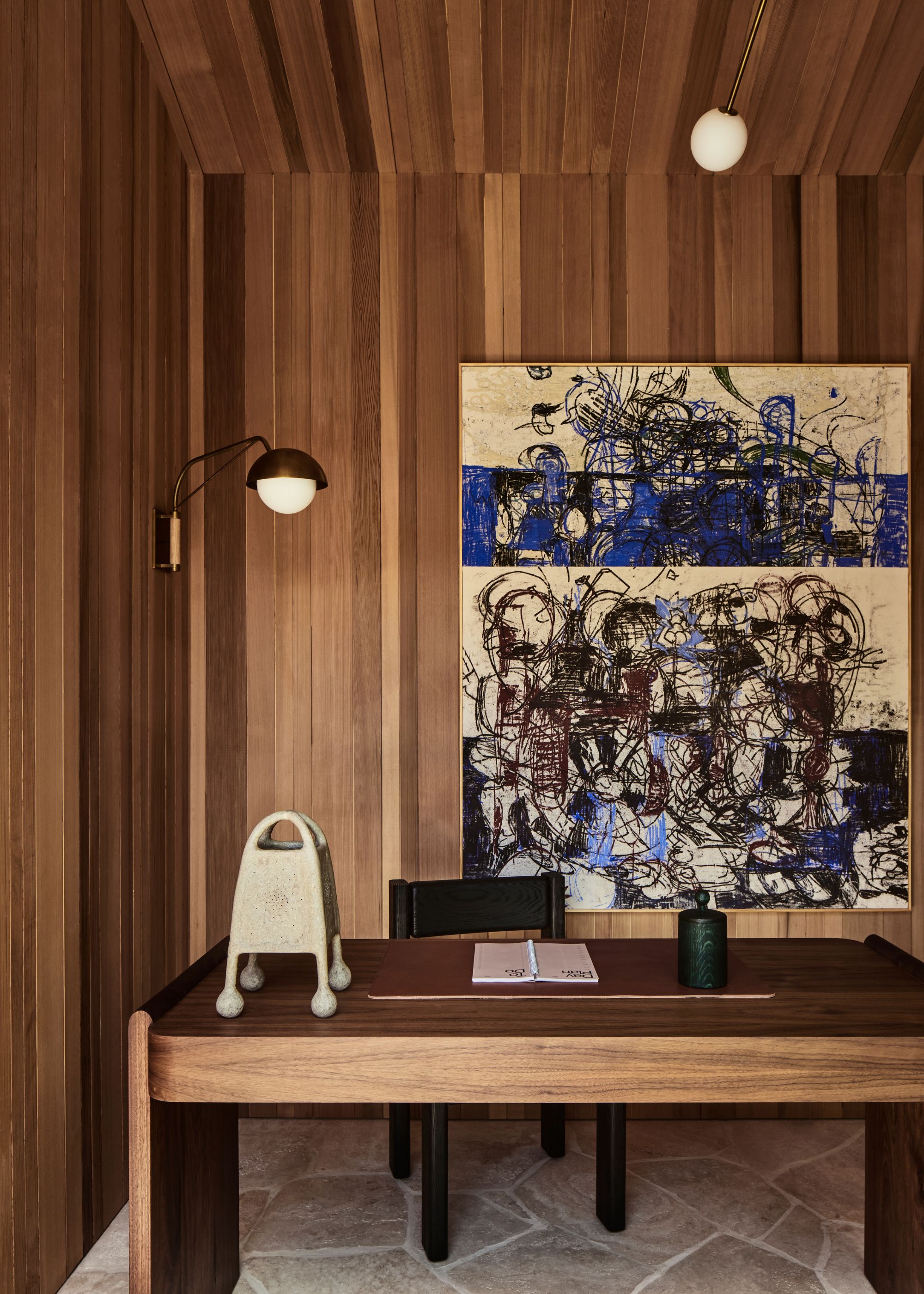
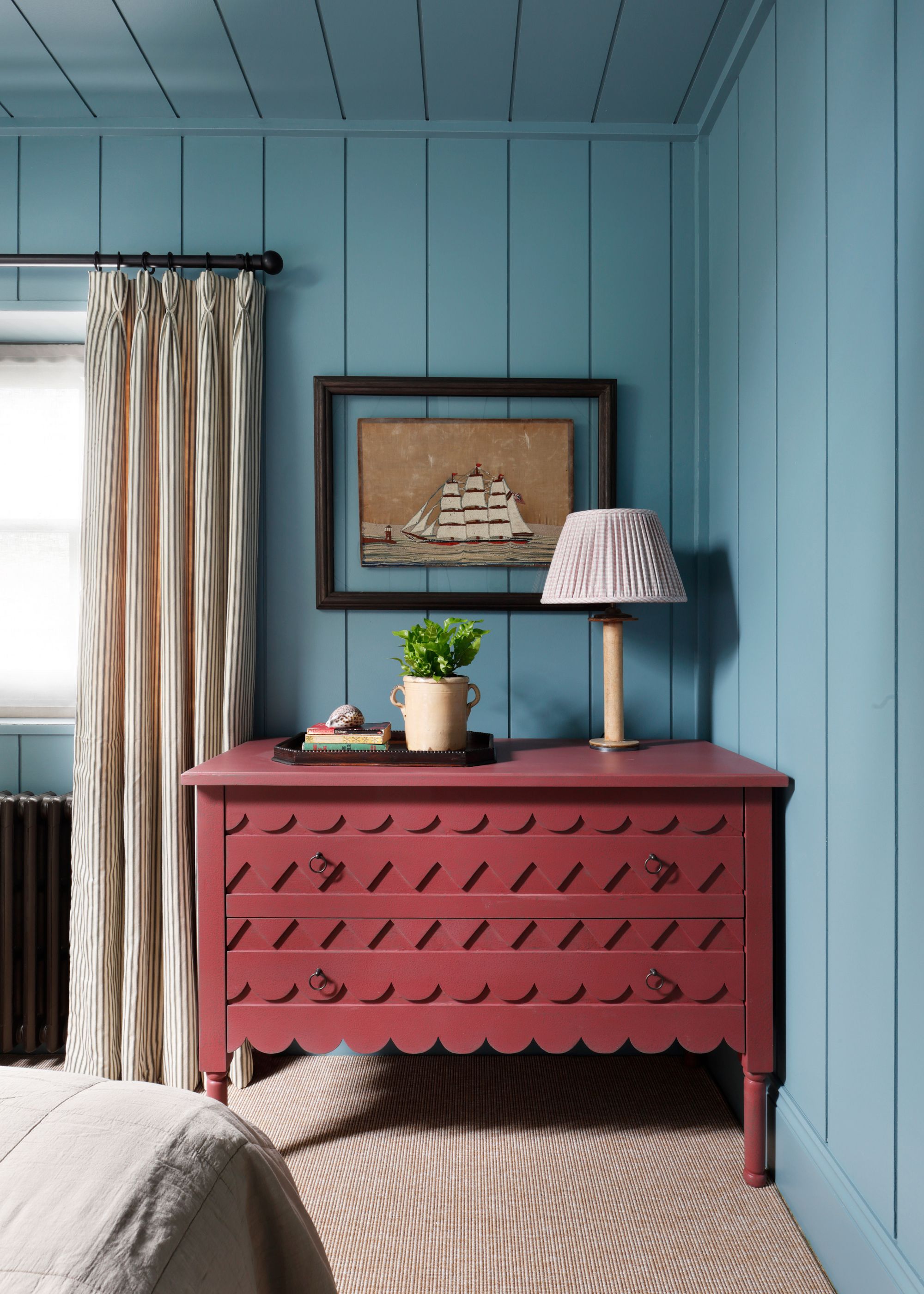
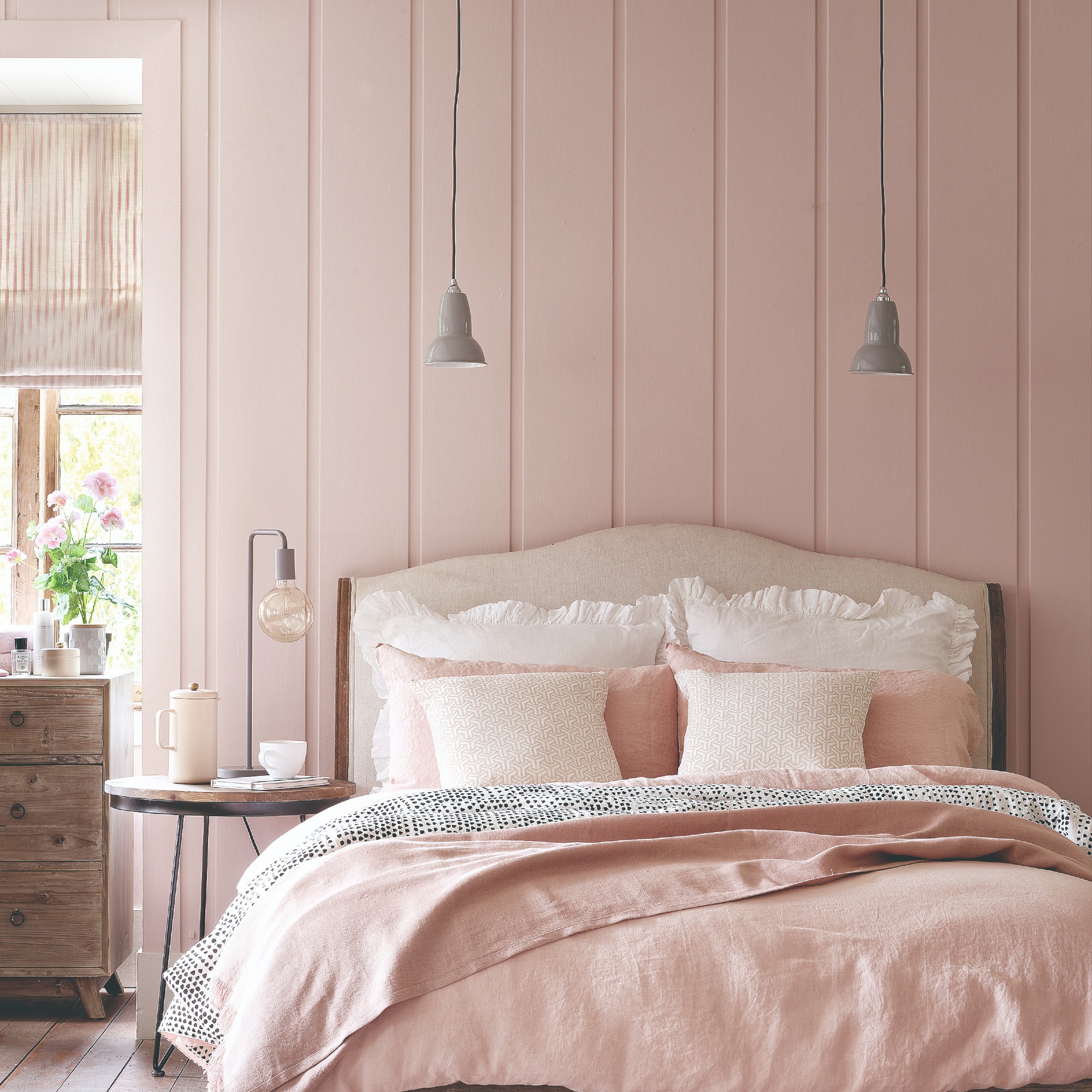
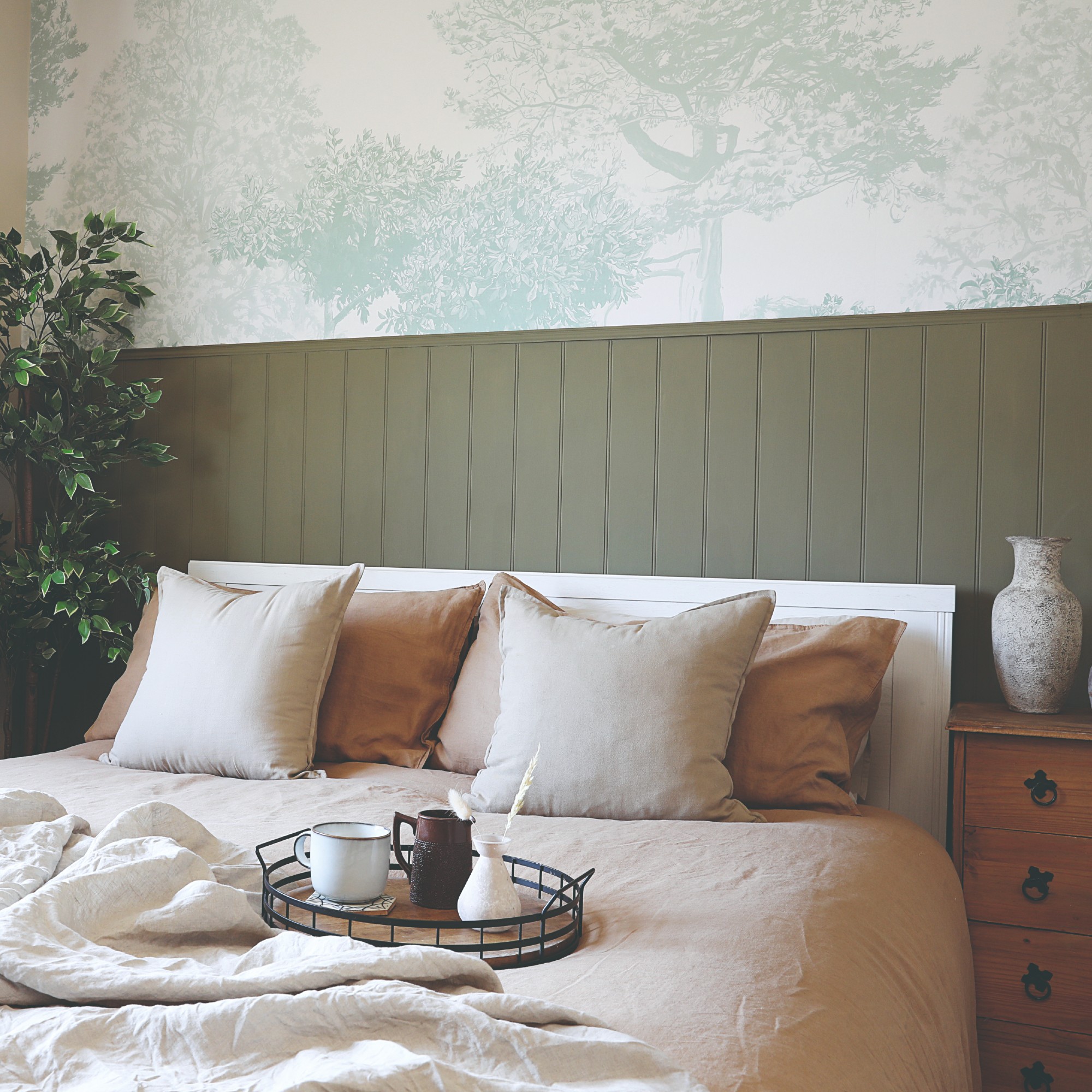
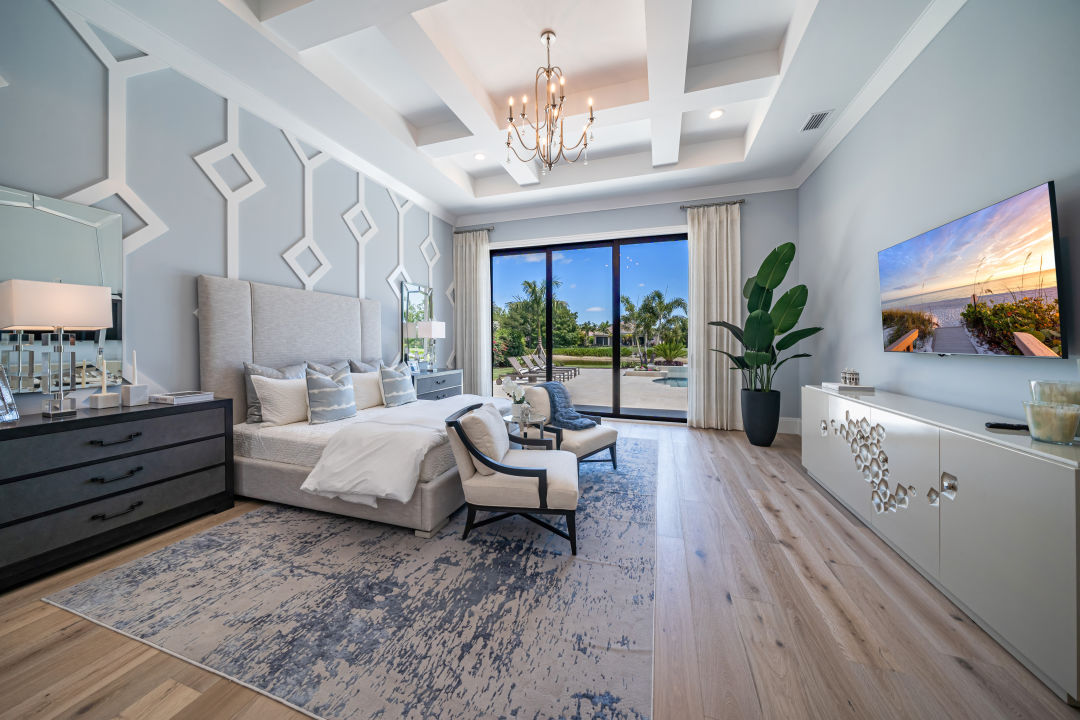
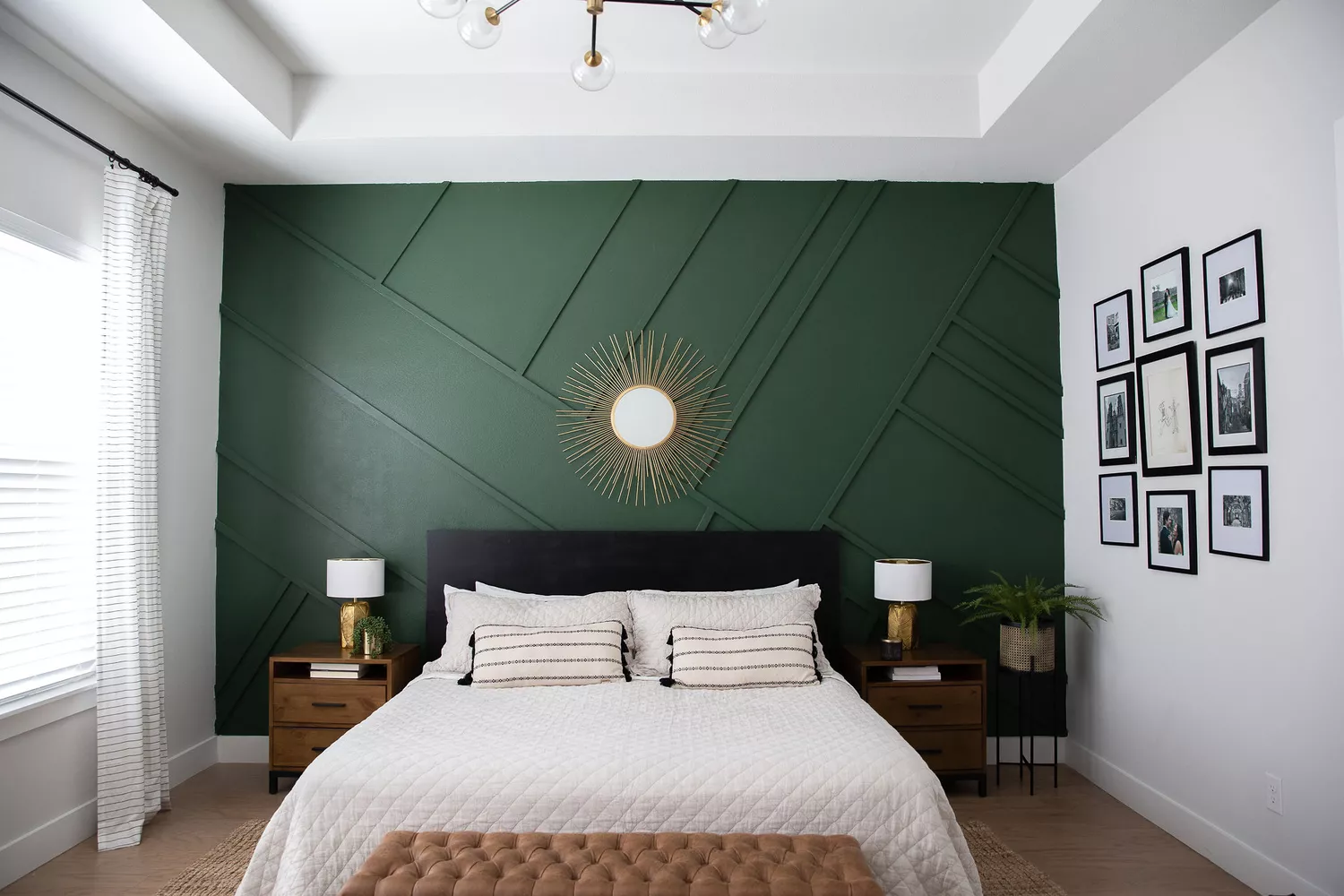
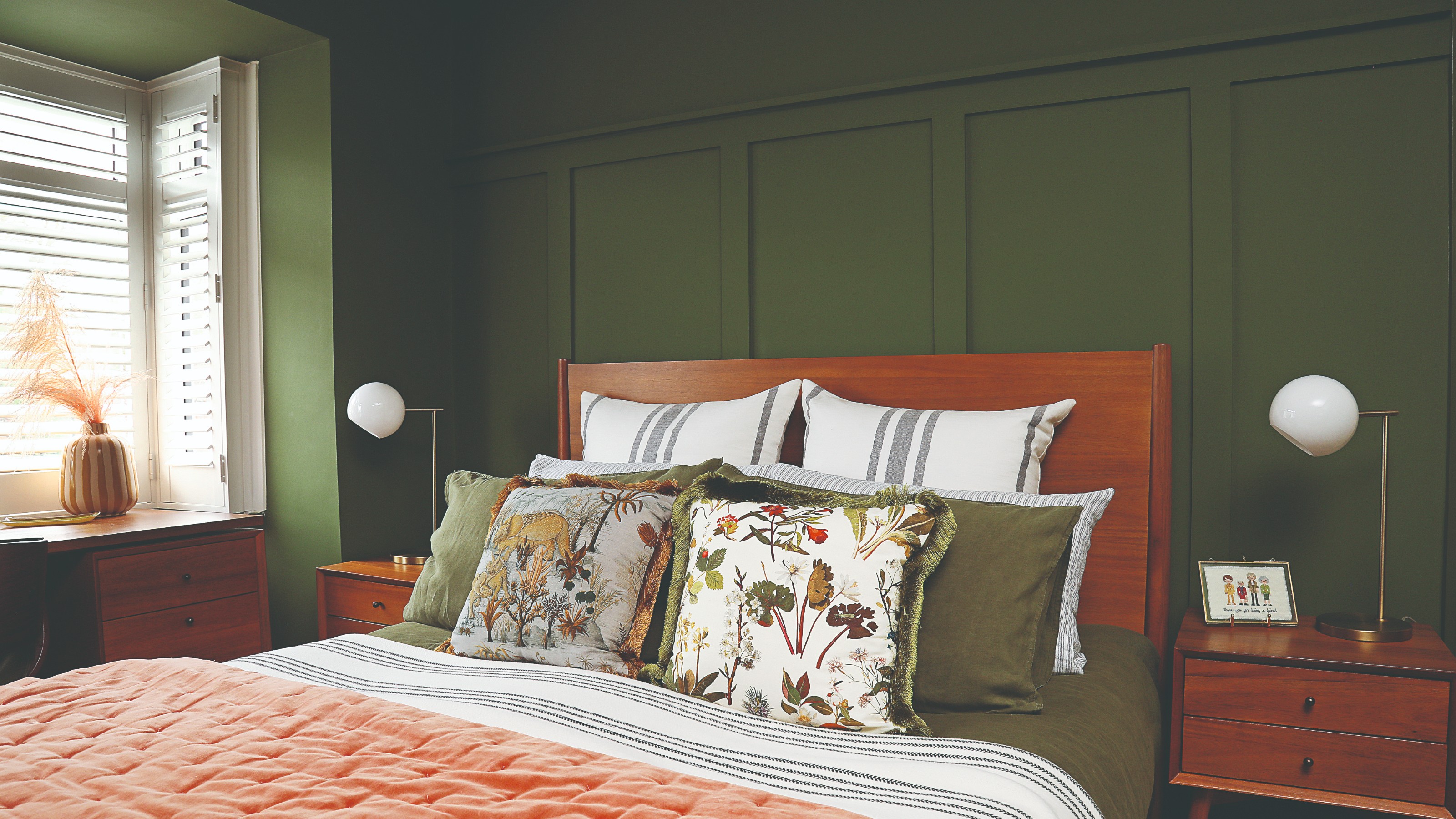
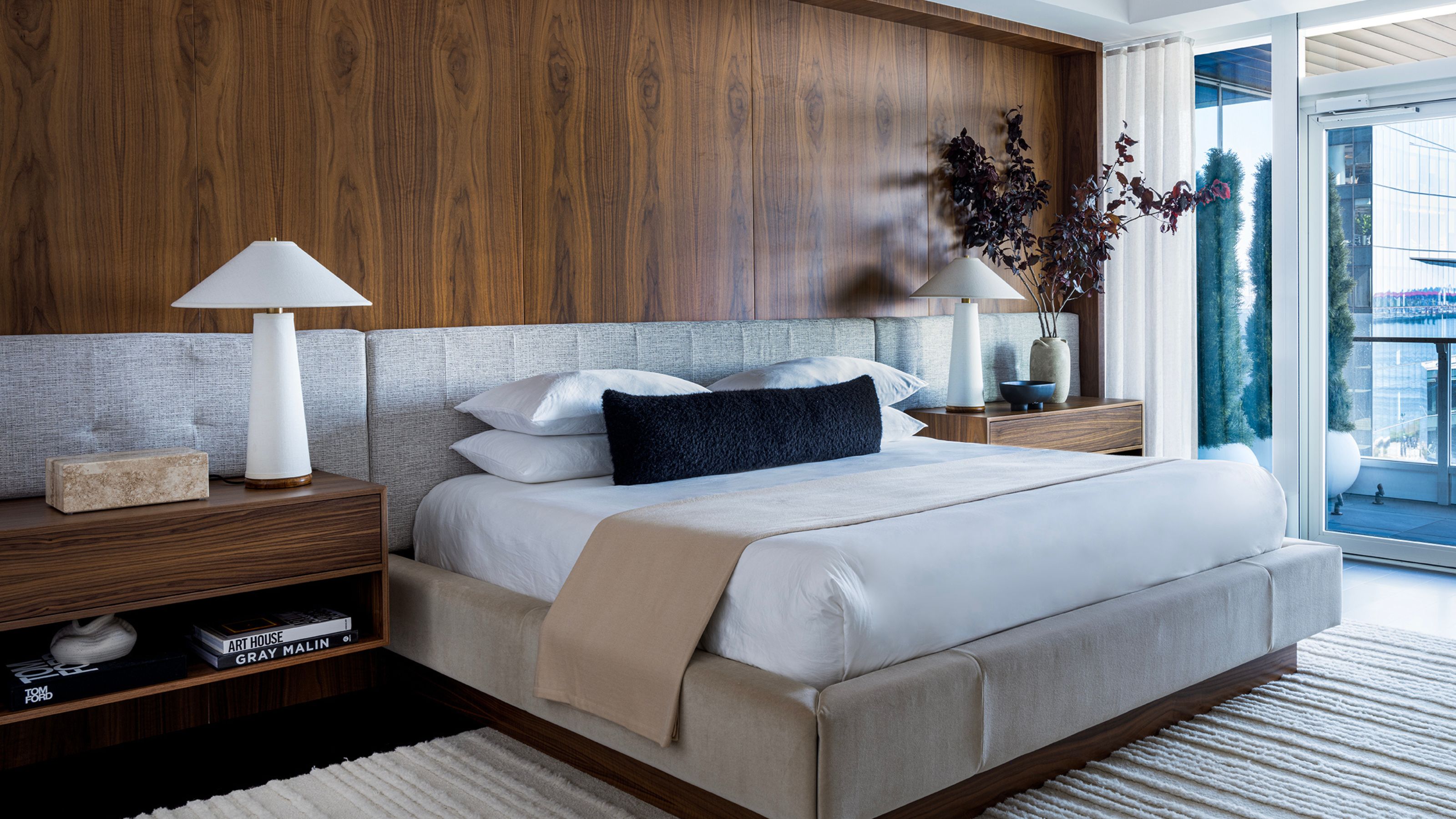
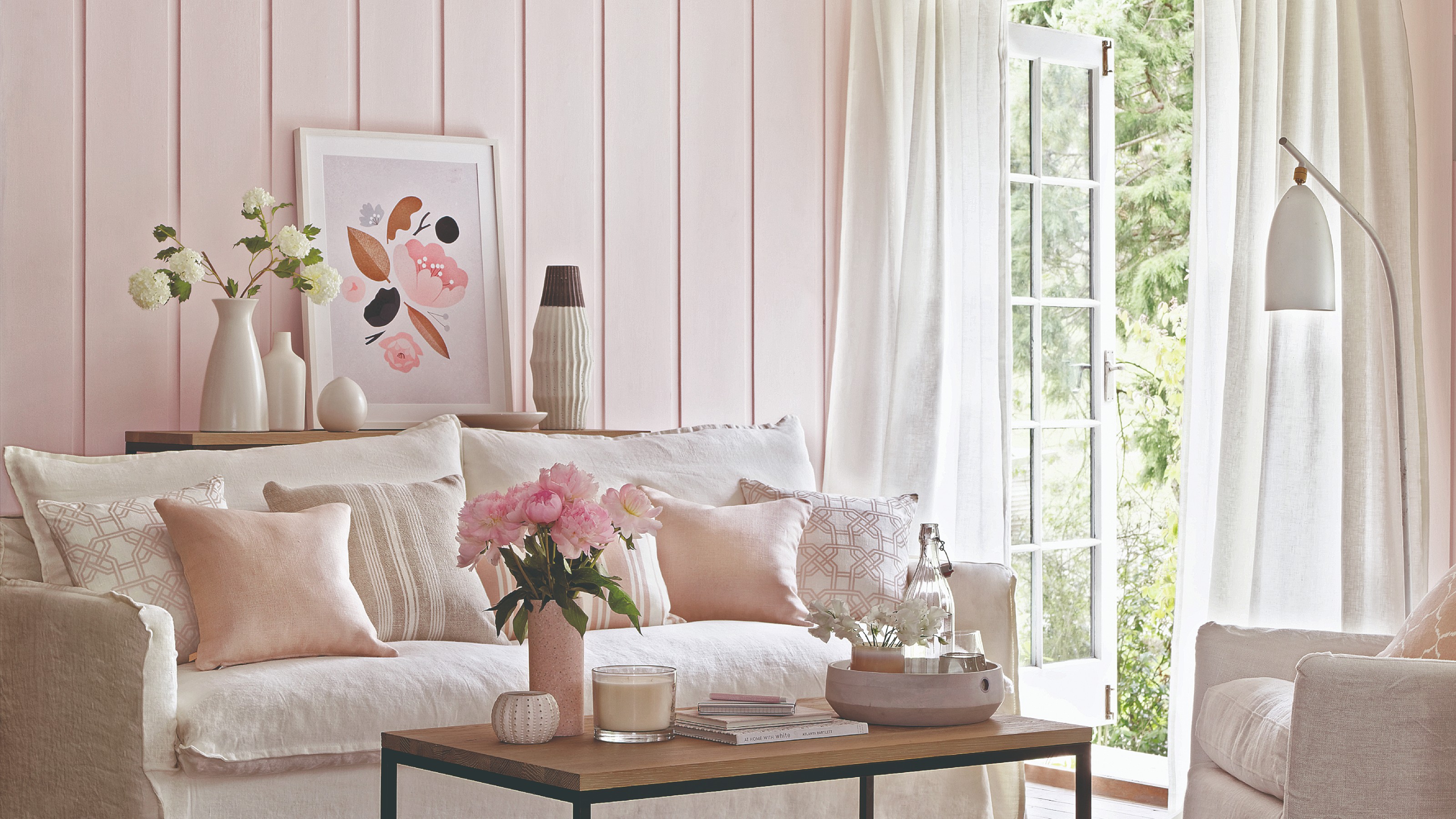
For small spaces, vertical panelling is recommended to create an illusion of height by drawing the eye upward. Alternatively, half-height panelling can offer a less dominant aesthetic, suitable for areas behind a desk or bed, effectively creating a headboard or a compact workstation with an integrated shelf. In contrast, full-height panelling in larger rooms can prevent a sparse or one-dimensional appearance and can help define different functional zones within an open-plan layout.
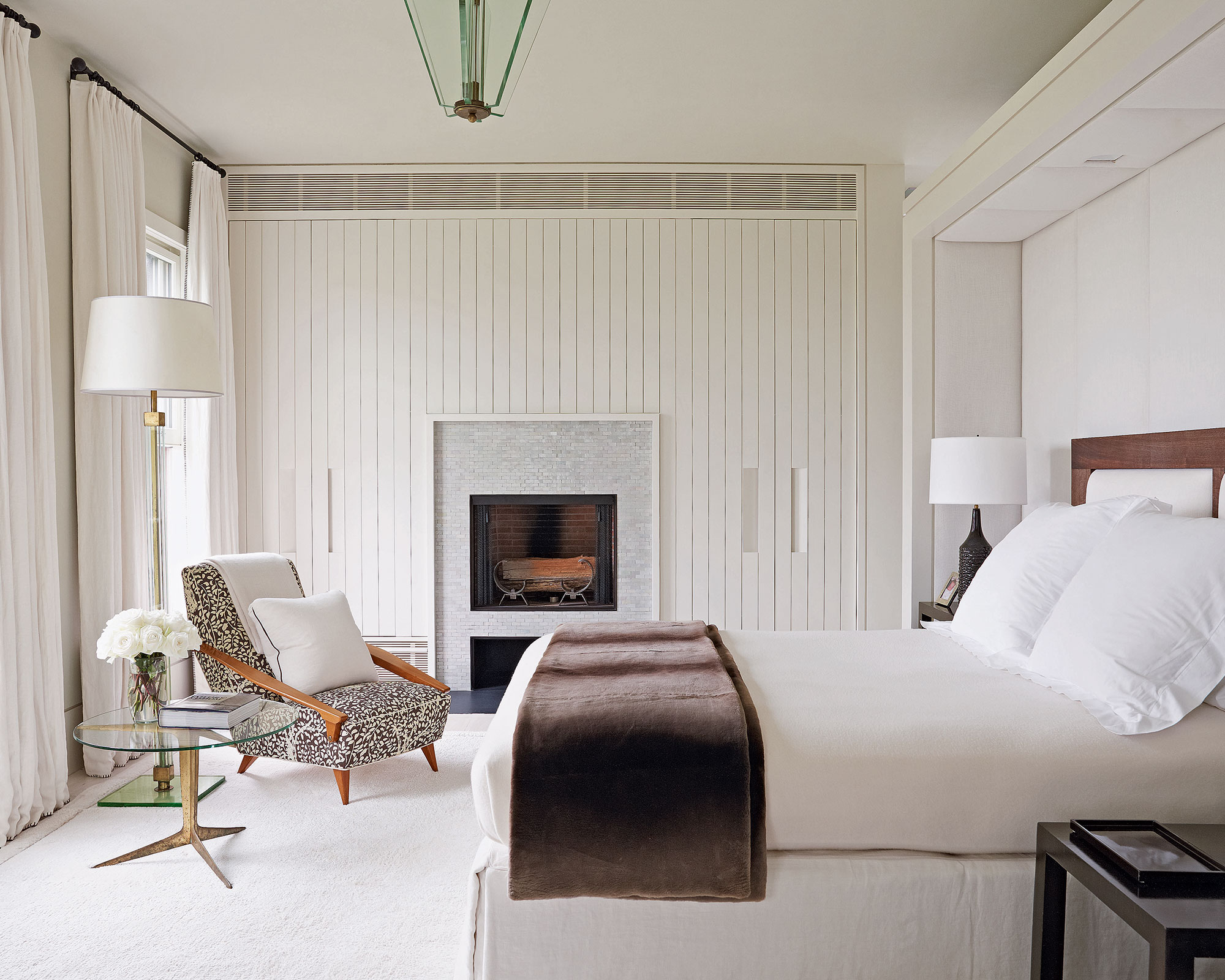
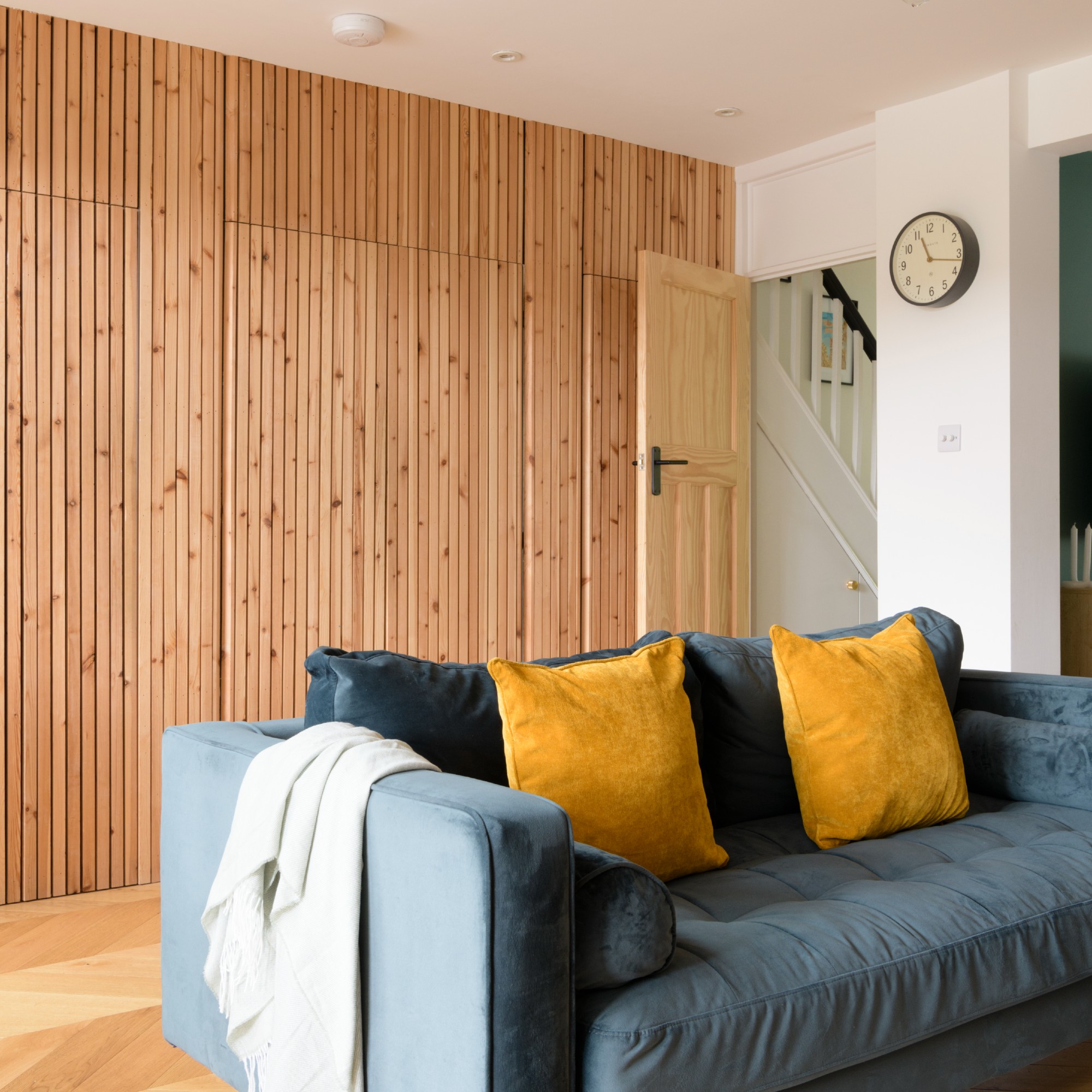
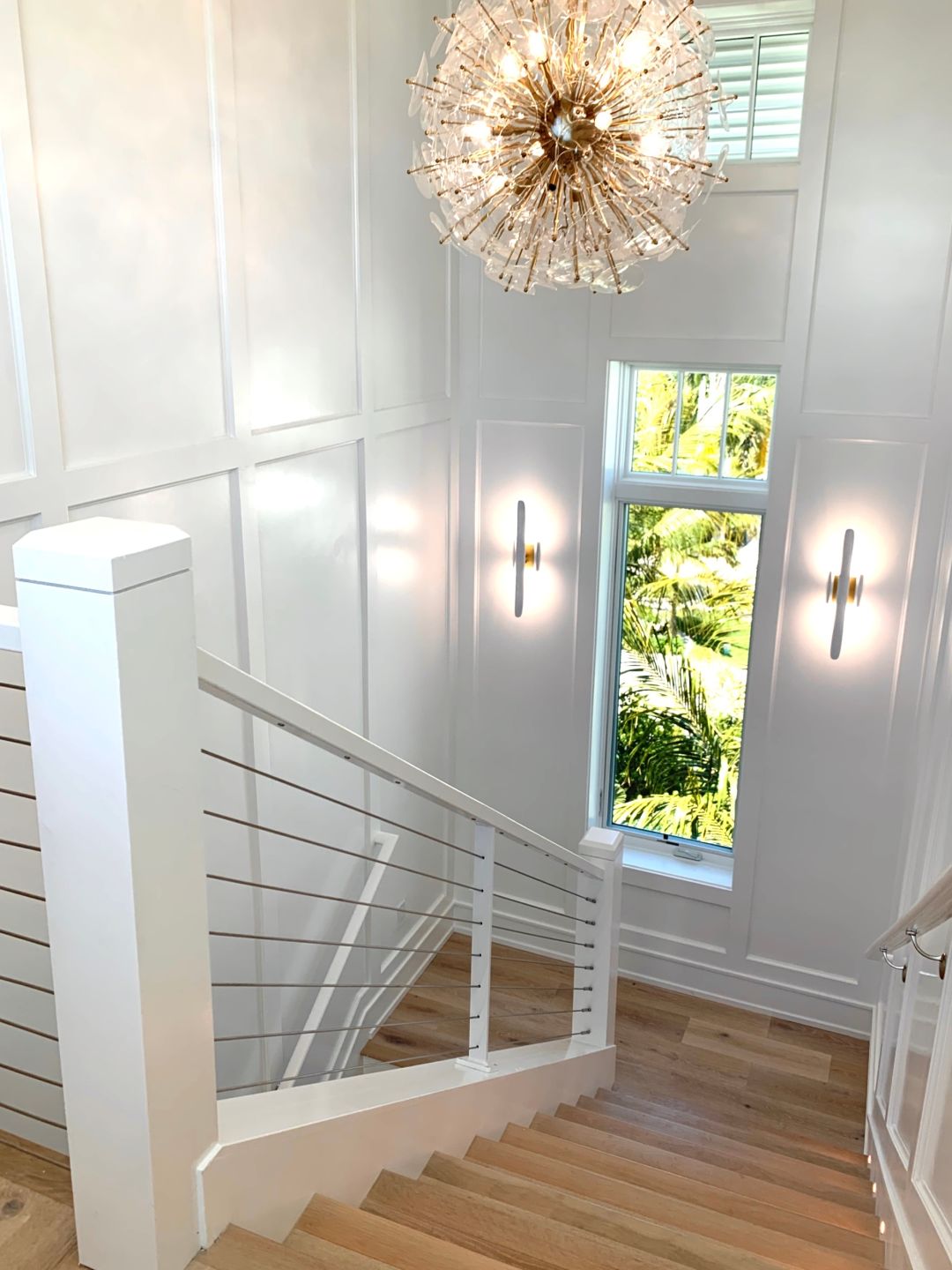
Beyond aesthetics, wall panelling offers practical advantages. It can be utilized to conceal storage, hide televisions, cabling, toys, and games, keeping clutter out of sight. In high-traffic areas like hallways and staircases, panelling provides a protective layer that is easy to maintain with a wipe-clean paint finish. It is also an effective solution for imperfect walls, providing straight lines and a smart framework, particularly useful in bathrooms and kitchens for hiding unsightly pipework.
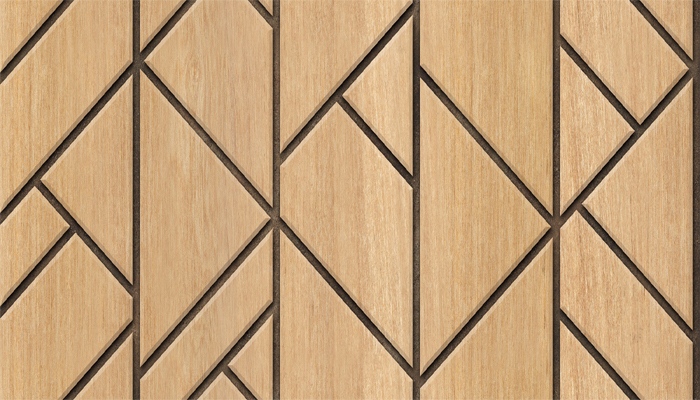
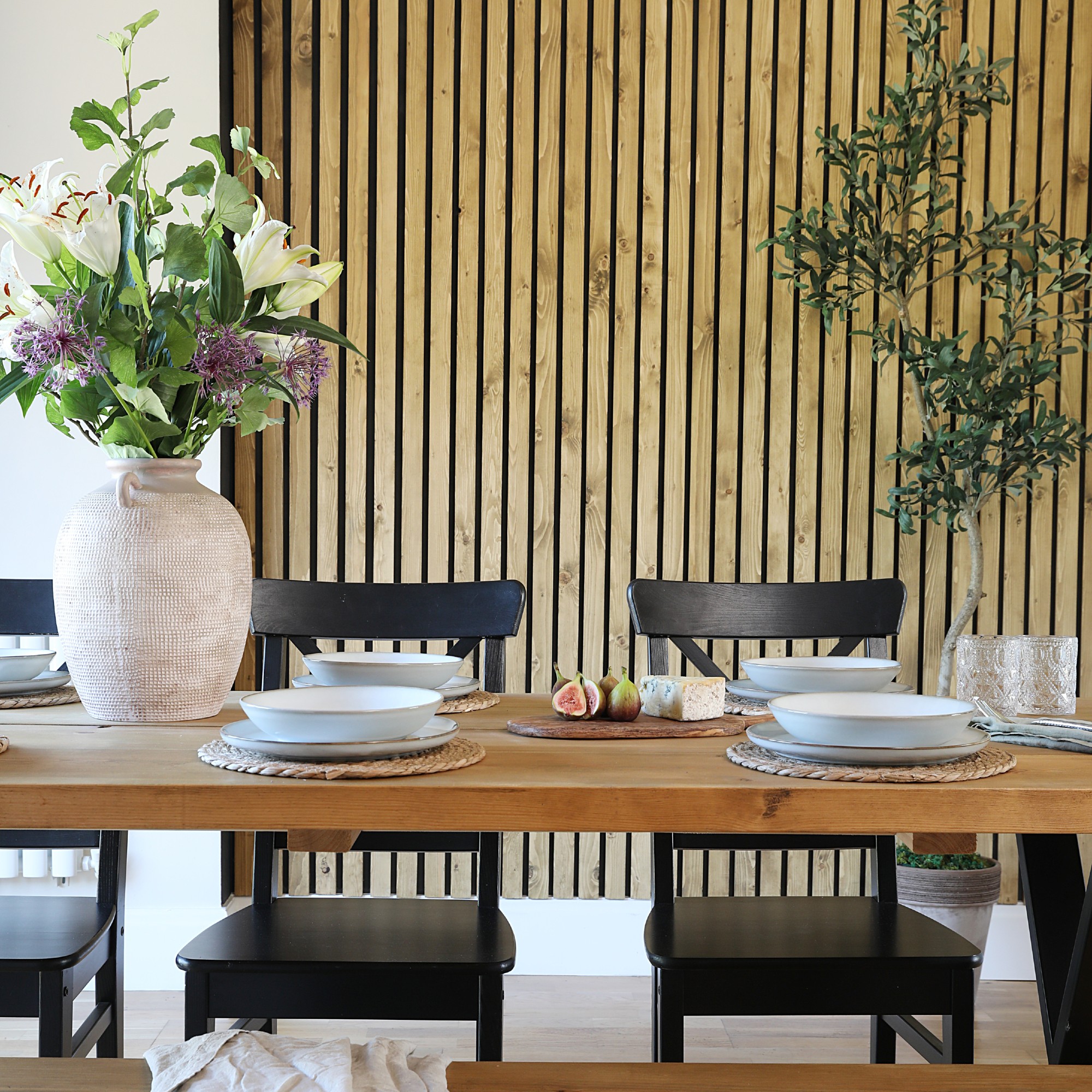
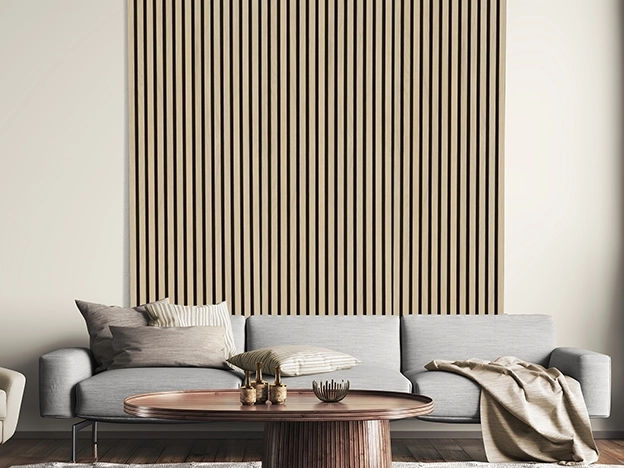
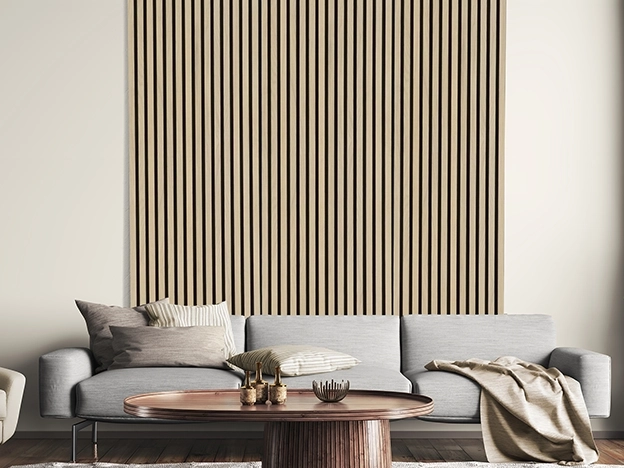
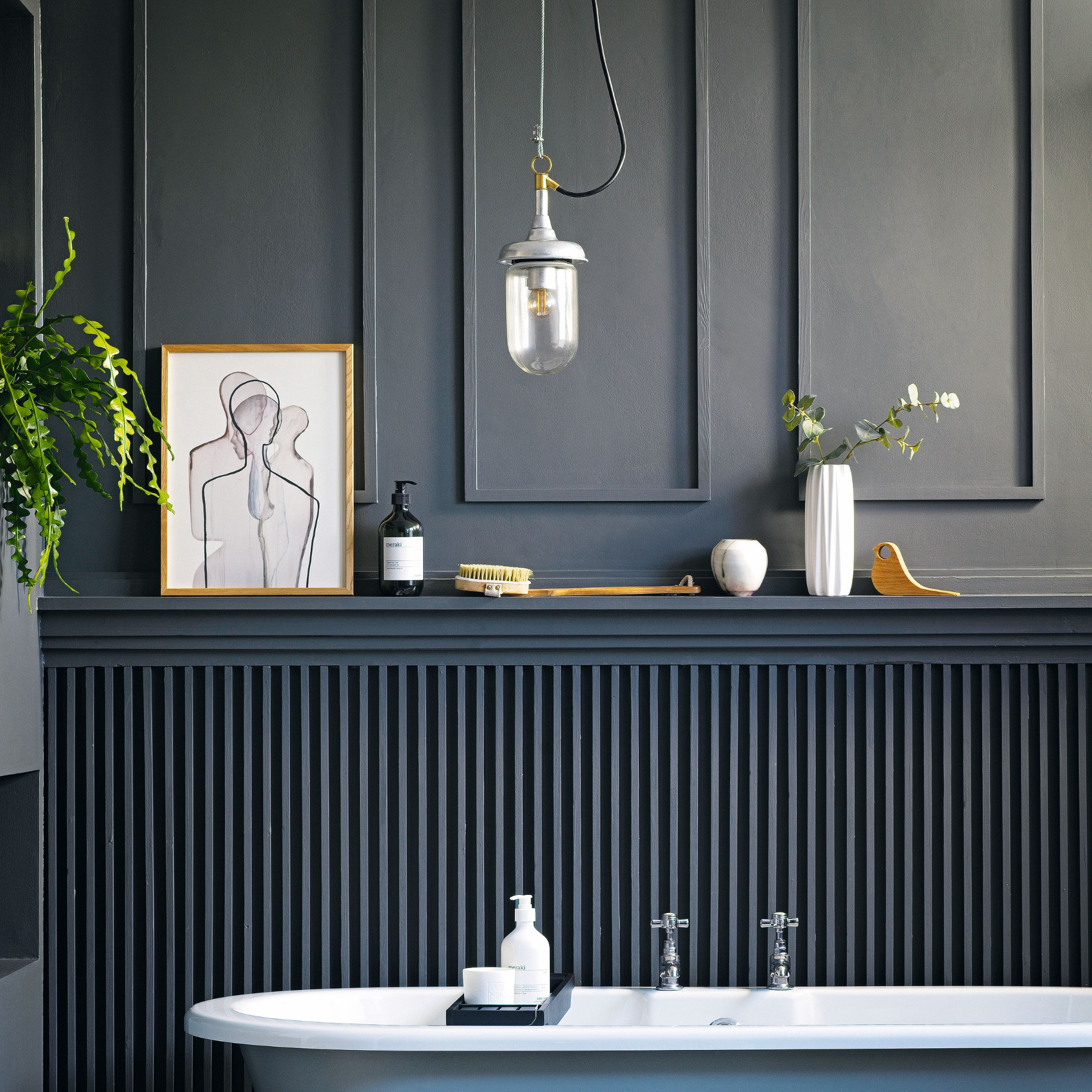
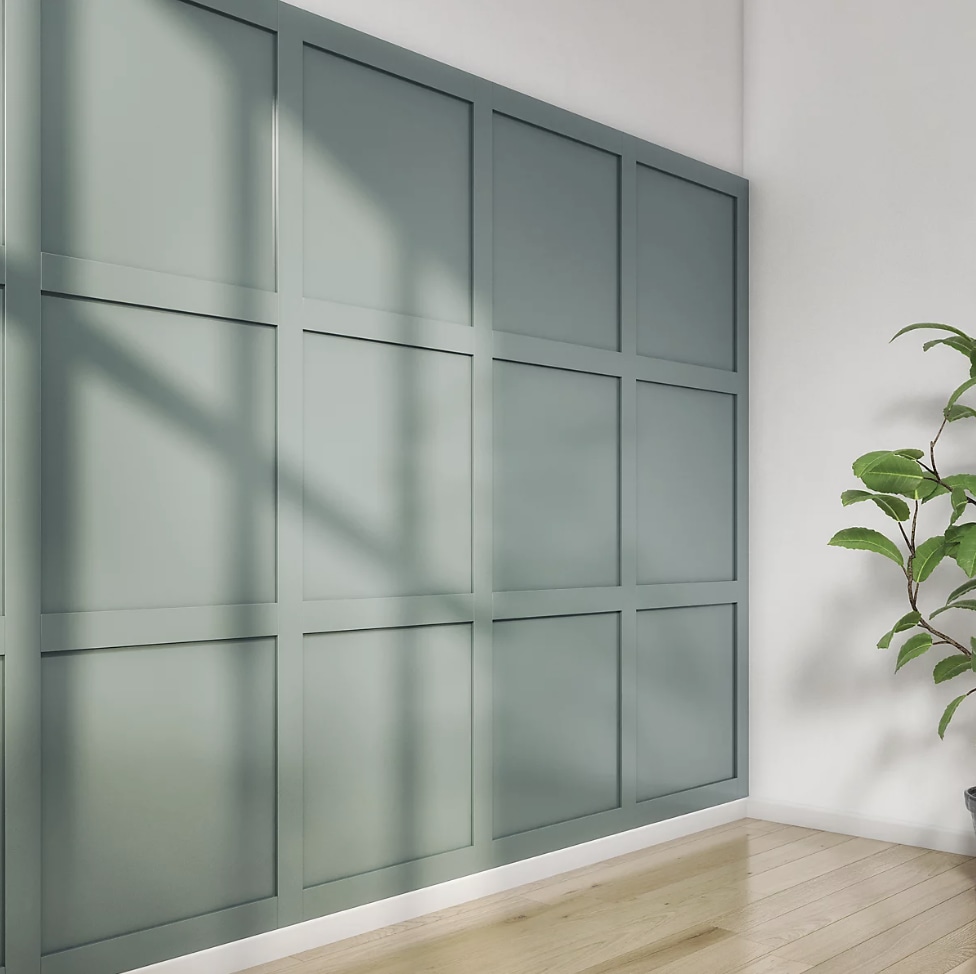
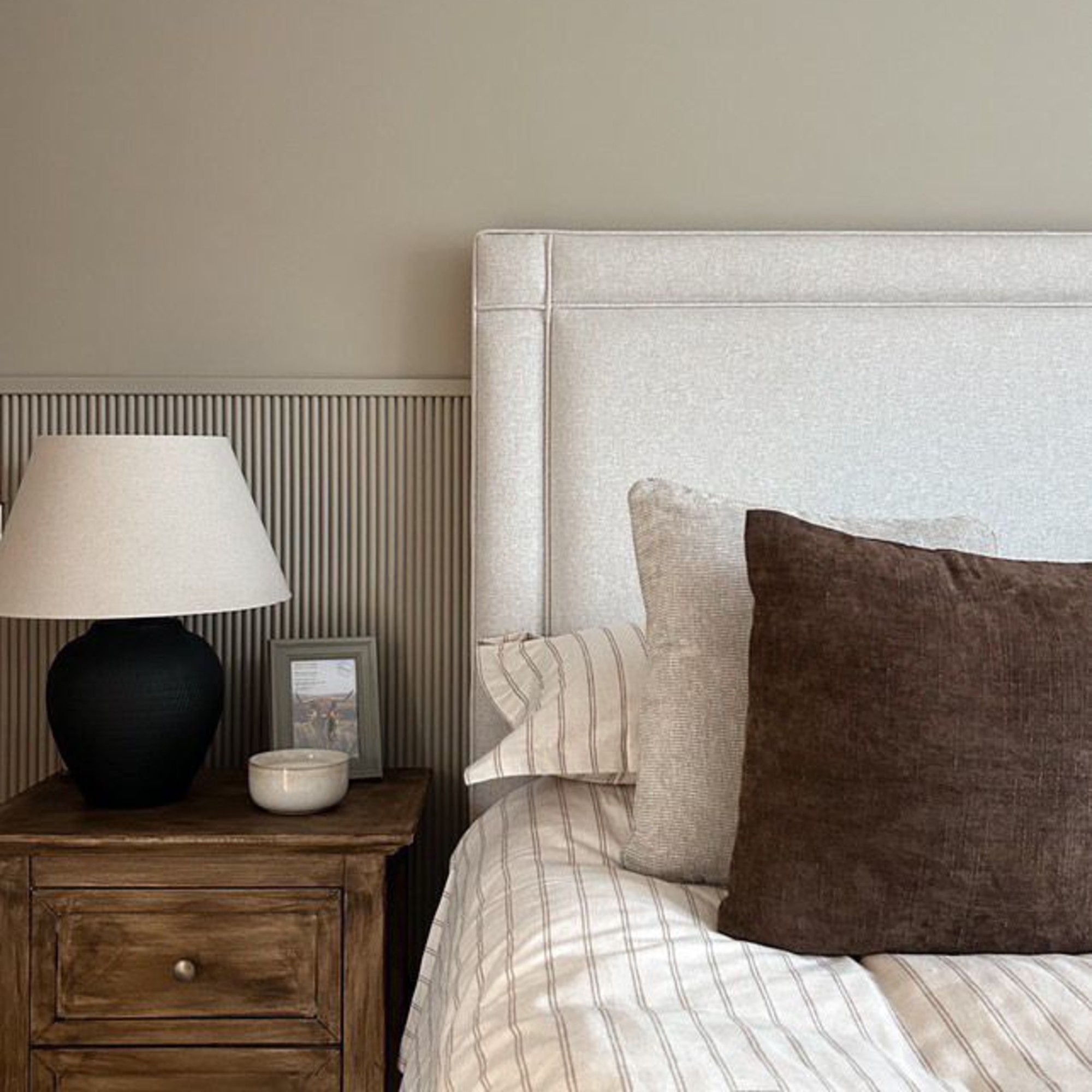
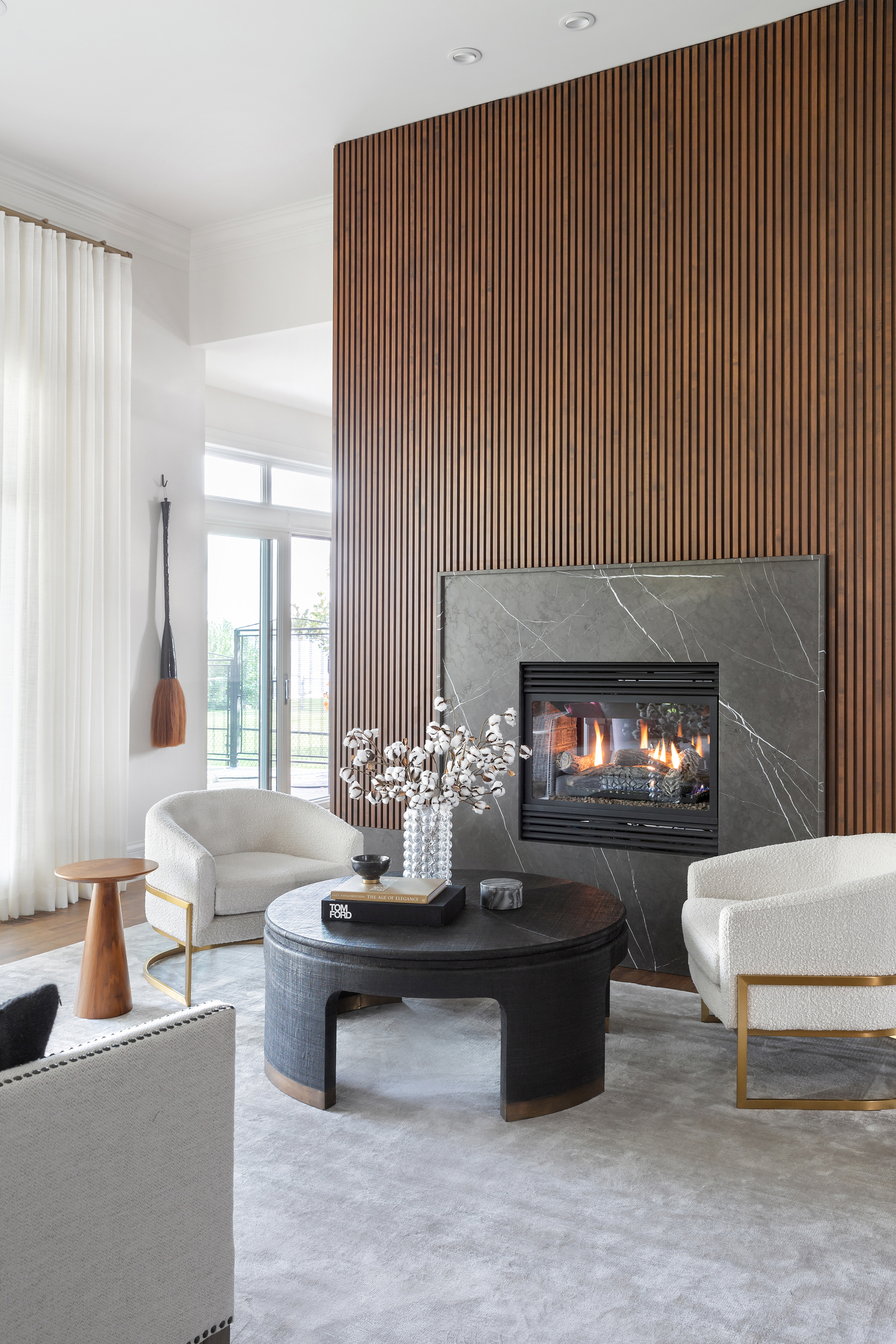
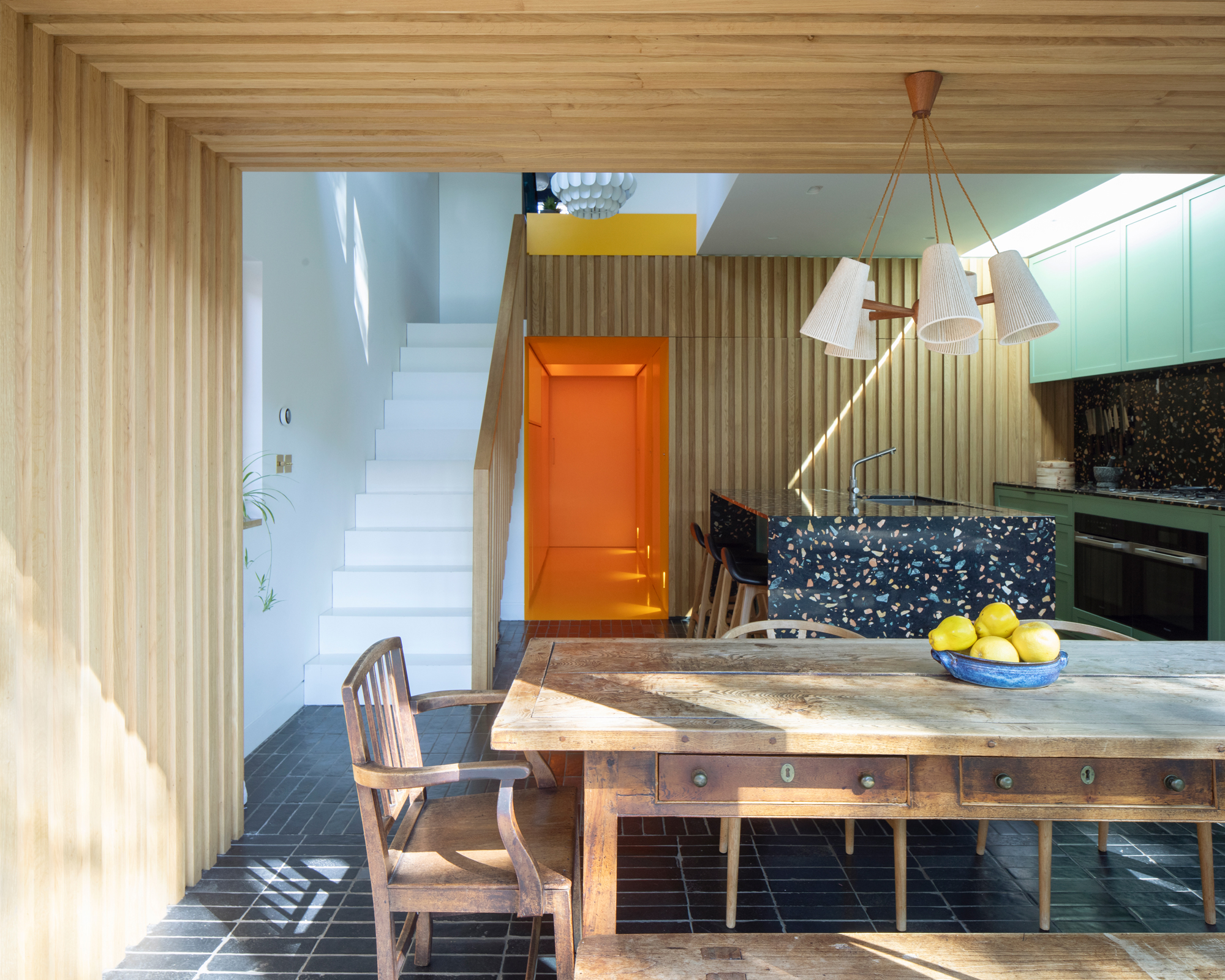
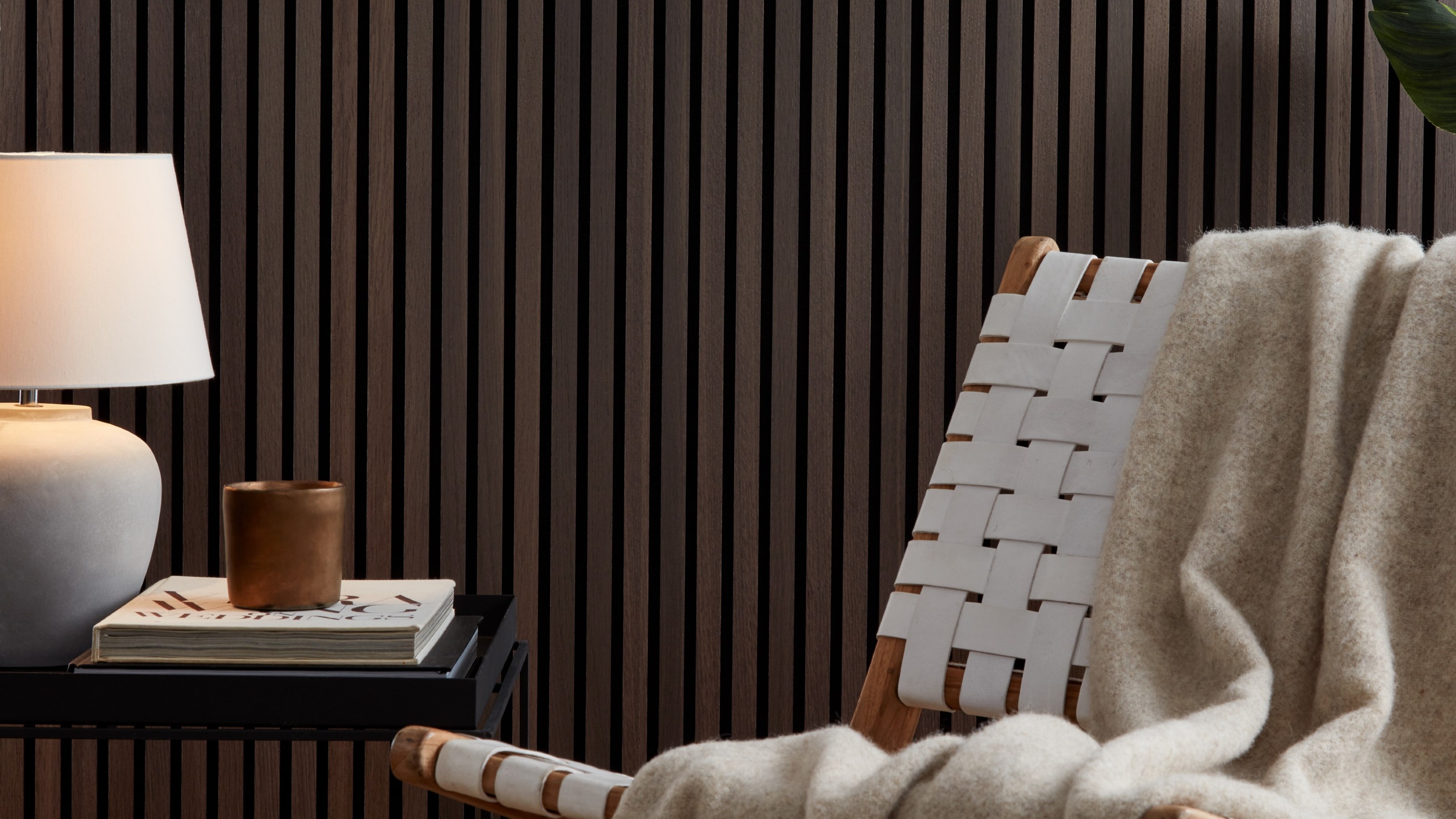
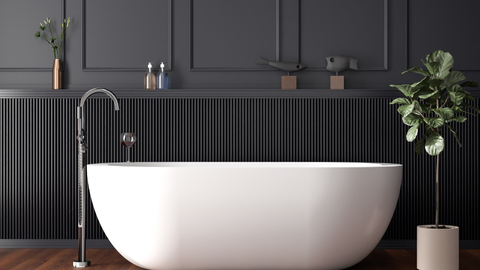
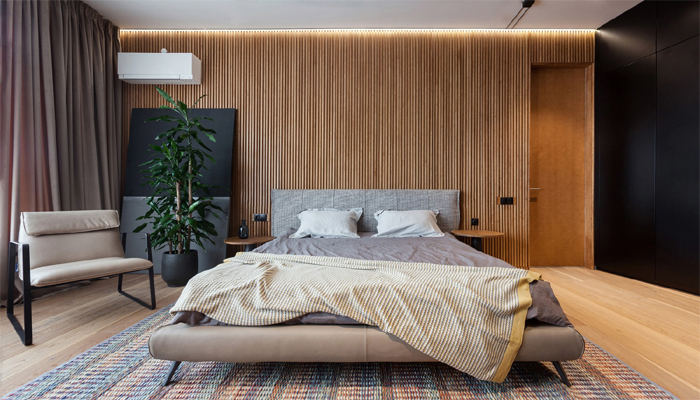
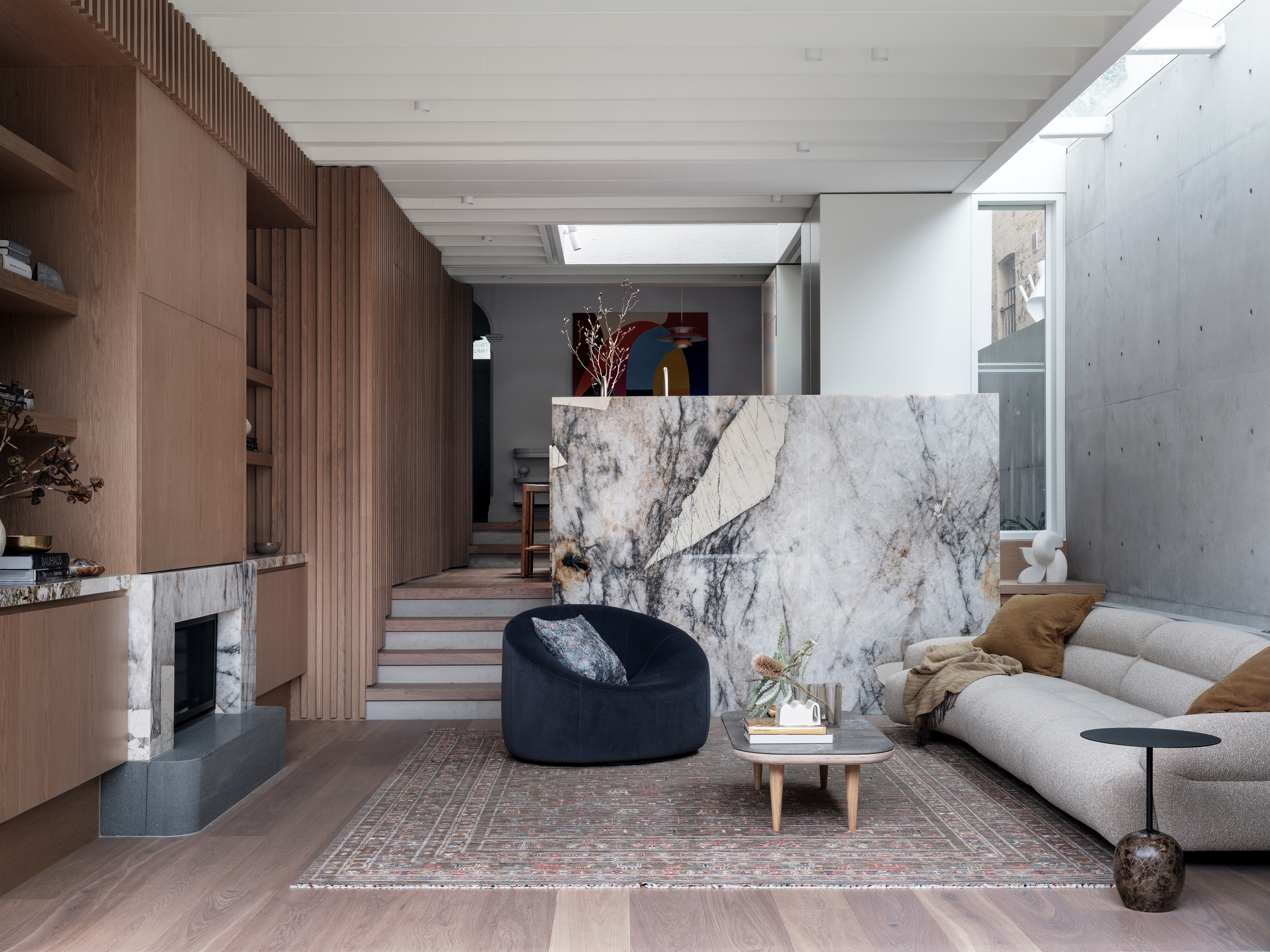
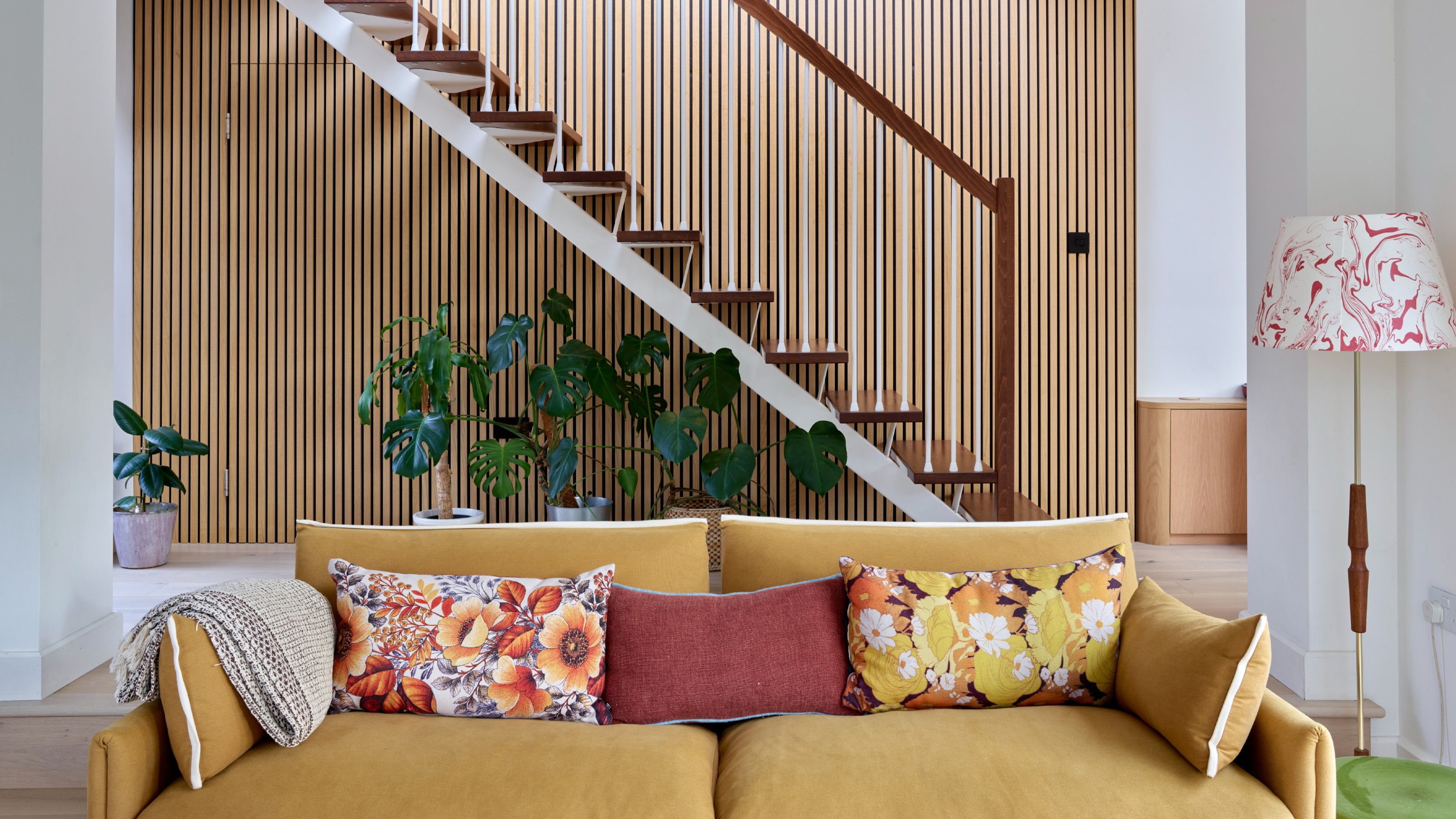
Modern trends in wall panelling extend beyond traditional MDF, with a growing interest in moulded contemporary styles. Polymer panelling sheets, for instance, offer 3D designs including fluted, ribbed, and Art Deco-inspired patterns, providing a tactile finish. Fluted and slatted panelling are particularly popular, with creative approaches such as using plastic gutters for chunky fluted designs. An anticipated future trend is a modern interpretation of Shaker panelling, featuring skinnier and more spaced-out slats.
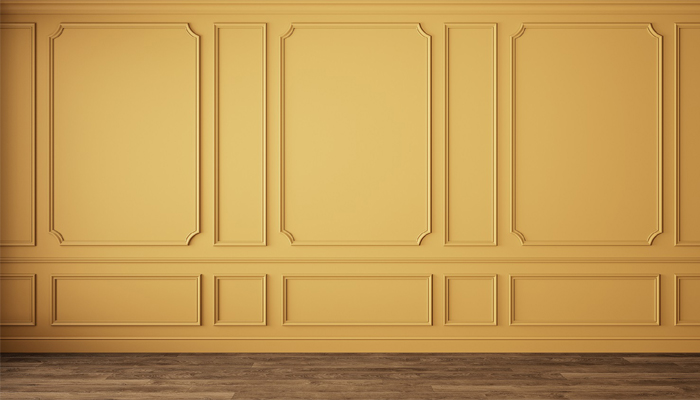
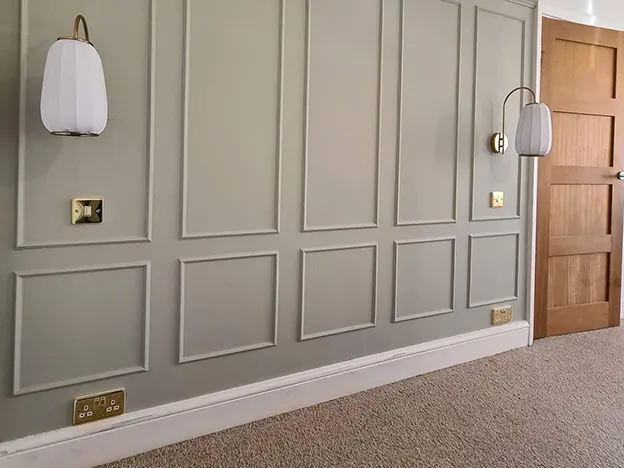
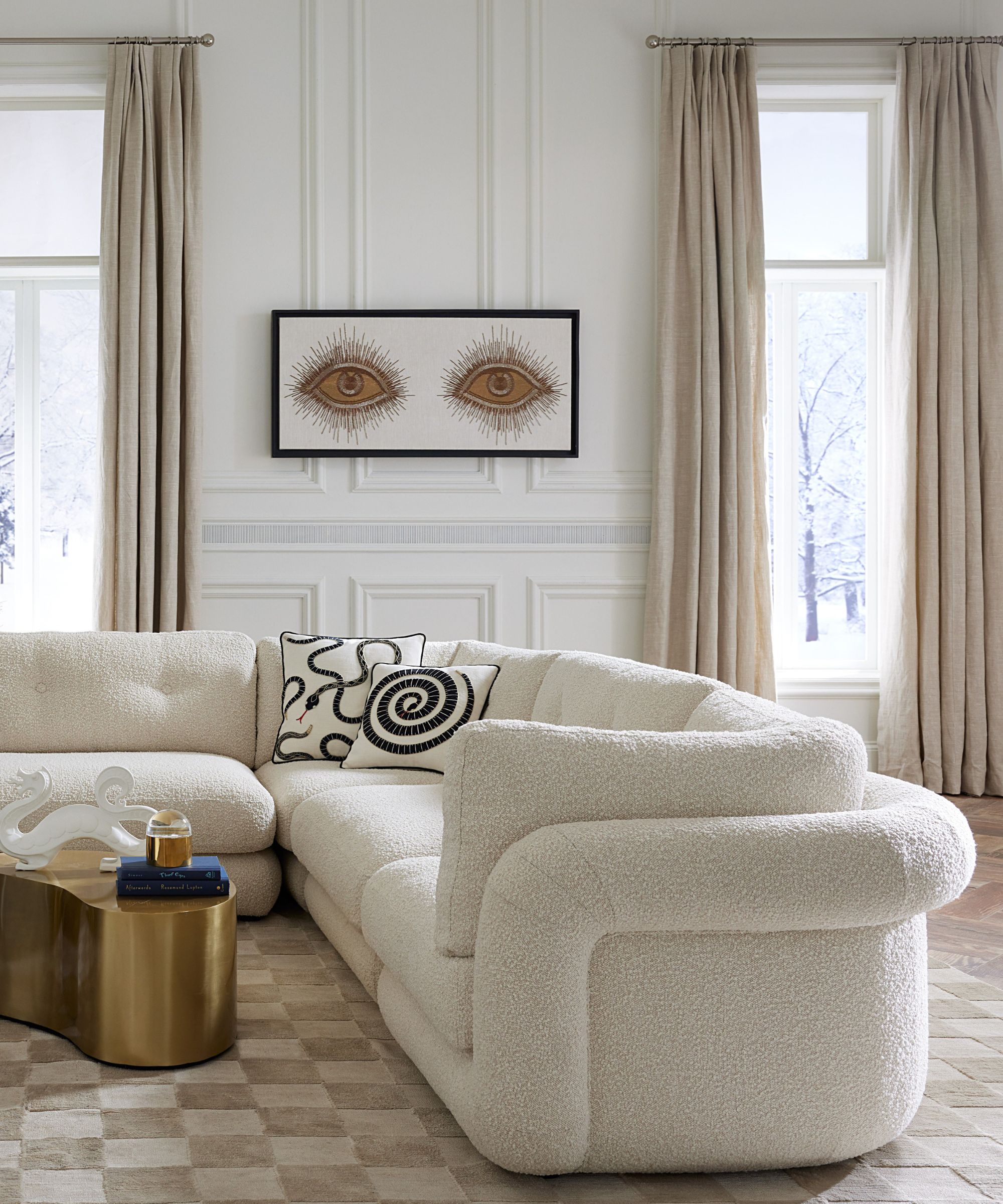
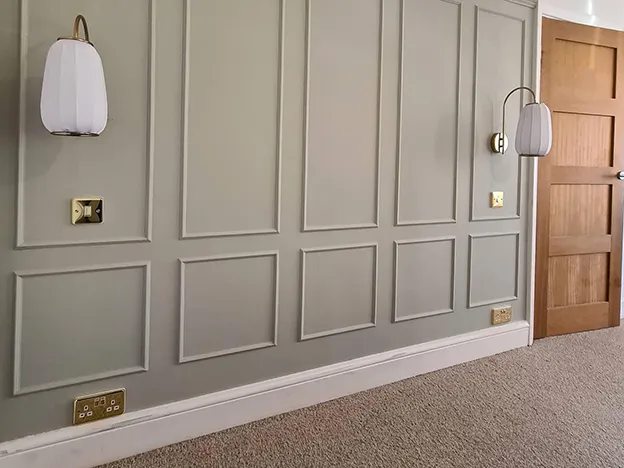
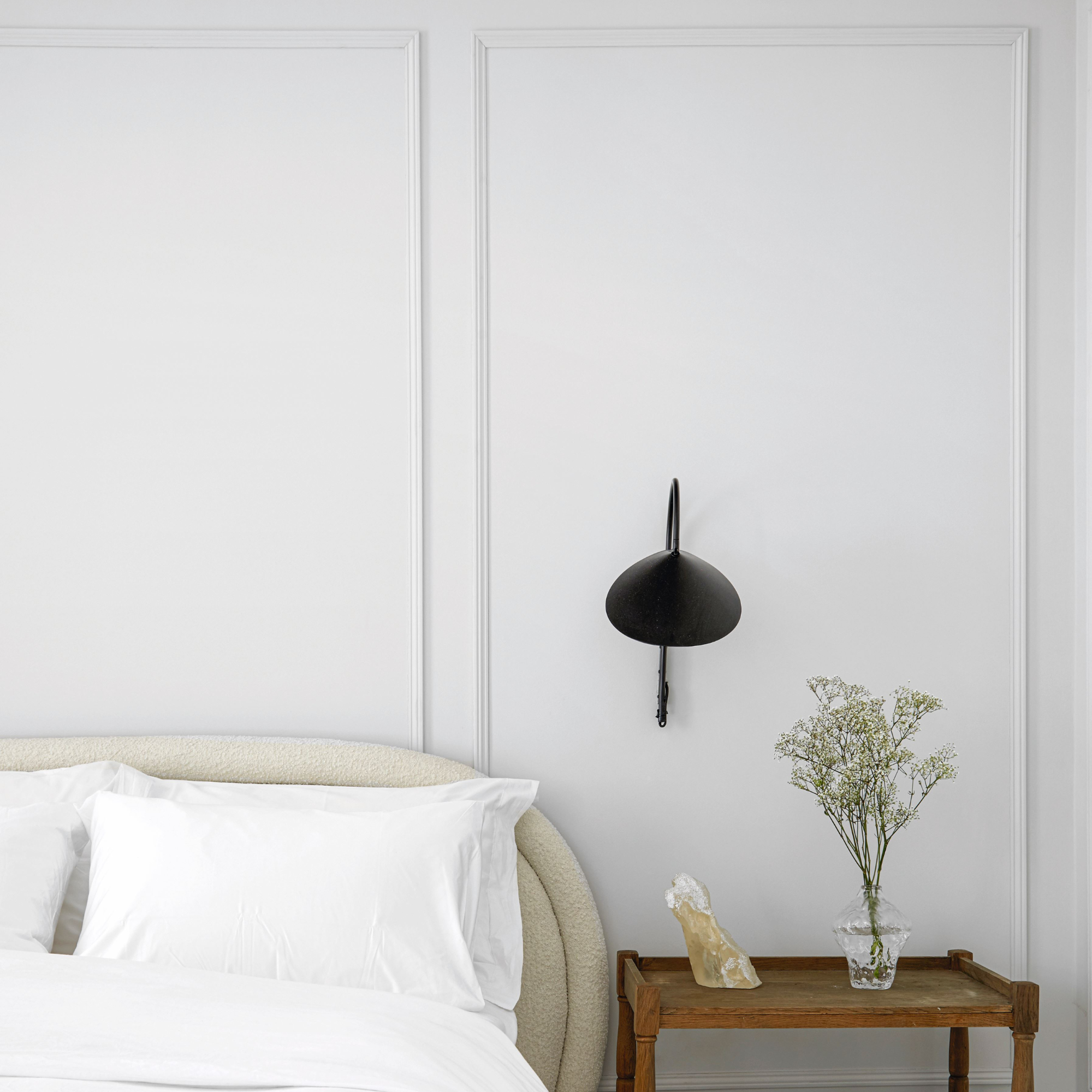
When selecting a style, it is advisable to consider the property's original period rather than solely following current trends. For Victorian or Georgian homes, referencing original wood moulding or panelling profiles can provide a starting point, which can then be adapted with a contemporary twist. This approach ensures that the panelling complements the historical context of the home, as demonstrated by the reinstatement of original plasterwork markings in a Victorian sitting room to frame artwork, lights, and mirrors.
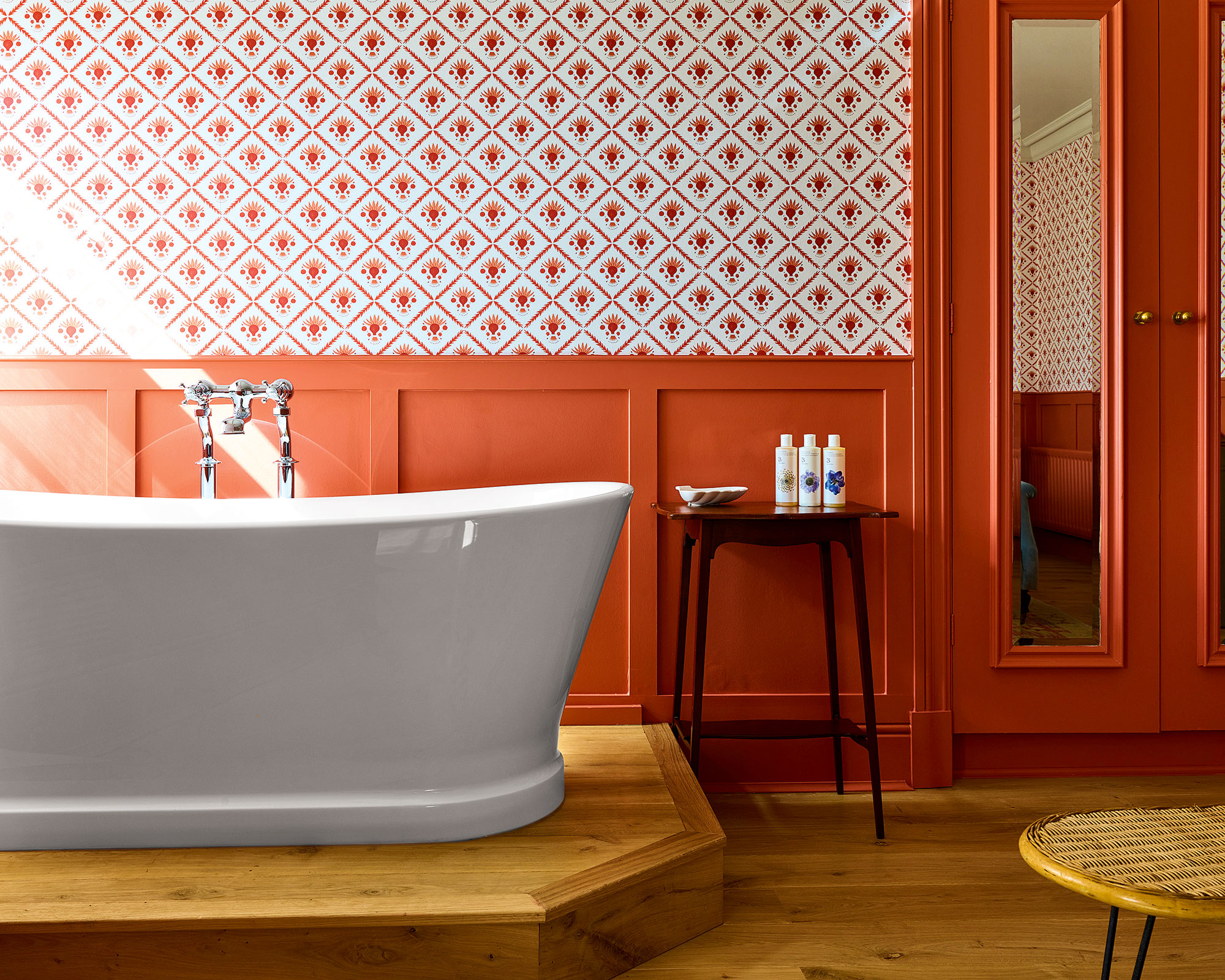
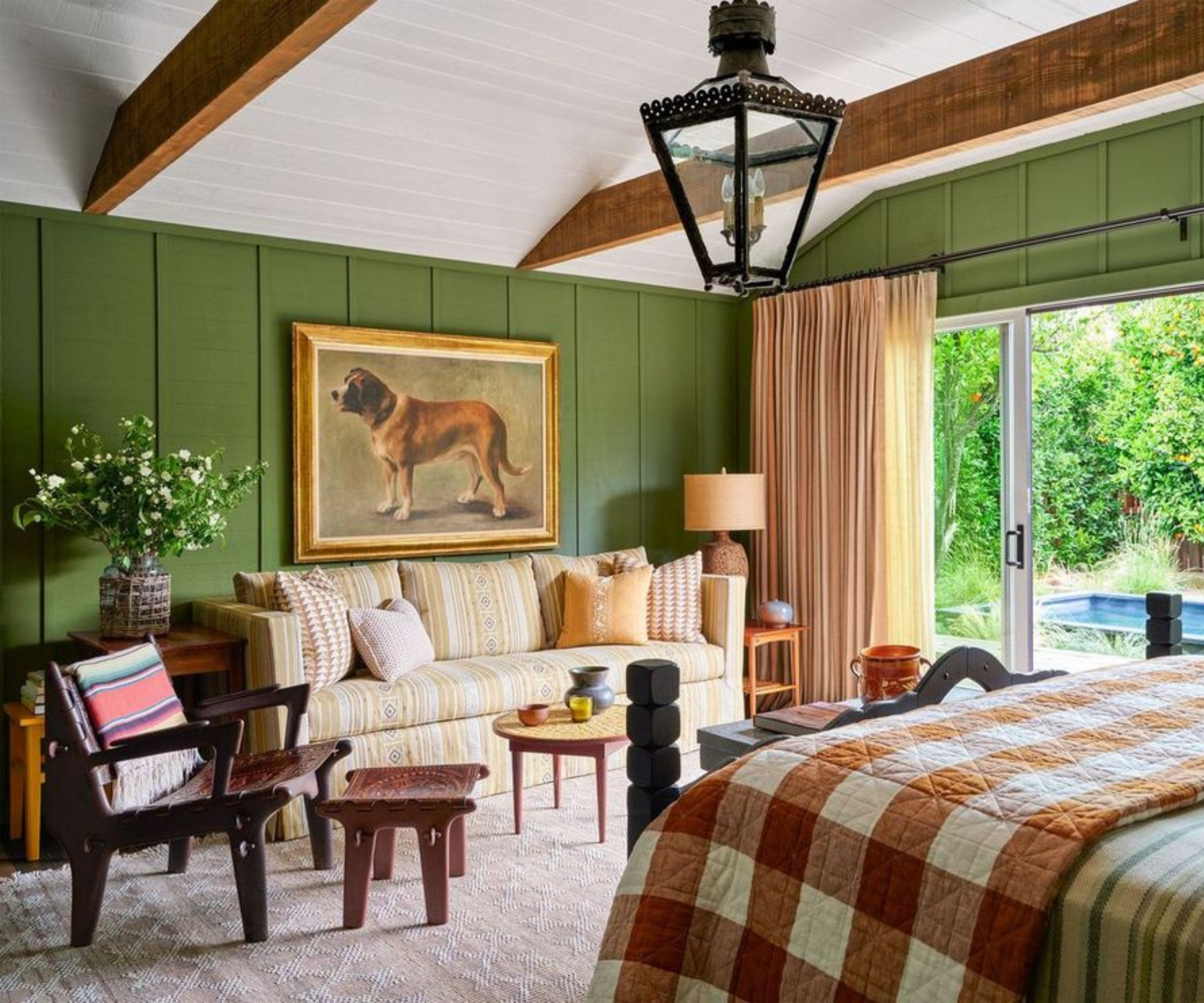
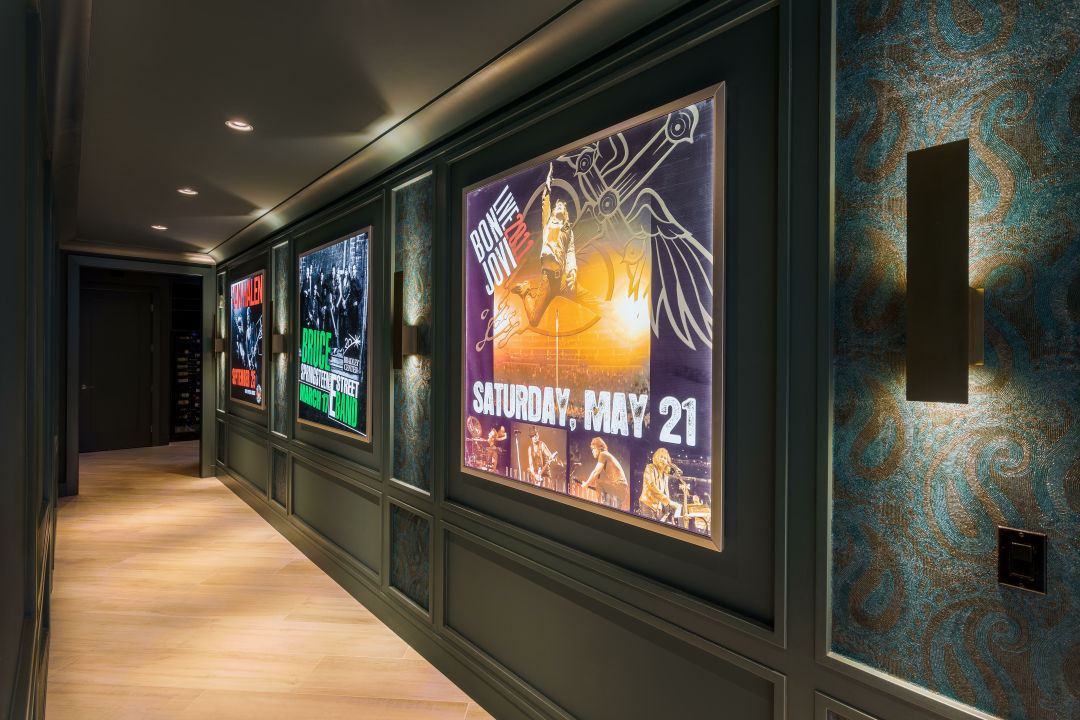
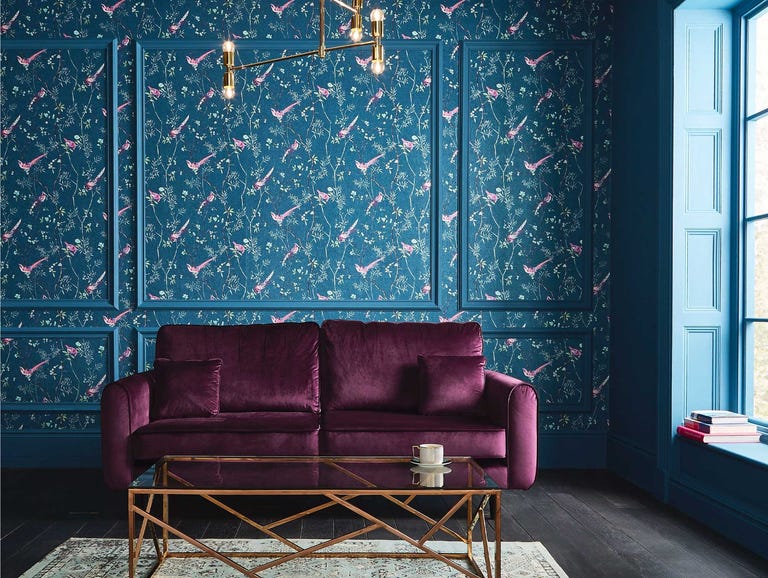
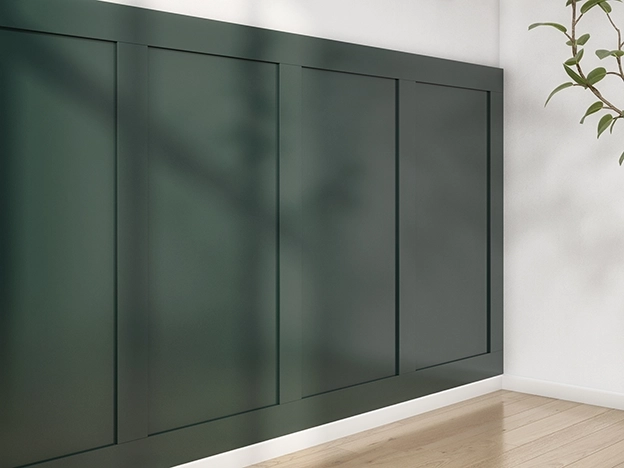
Colour plays a crucial role in enhancing the effect of wall panelling. There is a resurgence in integrating striking wallpaper designs within or behind panels, often paired with colour-matched mouldings. For those who find wallpaper too bold, layering earthy tones can add dimension. Pale praline shades are popular for creating an inviting, contemporary look that reflects light while providing warmth. Another approach involves using a panelled feature wall painted in a darker, contrasting colour, or colour drenching the entire room in a single shade. For a unique texture, painting walls and panelling in the same colour but using different finishes, such as matt emulsion for walls and eggshell for panelling, can create a varied effect that changes with light. There is also a suggestion that contrasting shades for mouldings, picture rails, architraves, skirting boards, and dado rails, a style reminiscent of the 1990s, might make a comeback.
Practical advice for DIY enthusiasts includes using polymer mouldings due to their lightweight nature, ease of cutting, and pre-primed finish. It is essential to account for irregularities in walls, floors, and ceilings by using a spirit level or laser level and ensuring adequate space for height variations. Planning the design on all walls before starting, measuring twice, and using an instant grab adhesive for secure fixing are critical steps. Finally, applying caulk to conceal joins and gaps, and using a special primer before painting, ensures a seamless and professional finish.
#WallPanelling #HomeDecor #InteriorDesign #DecorTrends #ShakerStyle #FlutedPanelling #HomeImprovement #DIYDecor #ArchitecturalFeatures #WallPanelling #HomeDecor #InteriorDesign #DecorTrends #ShakerStyle #FlutedPanelling #HomeImprovement #DIYDecor #ArchitecturalFeatures
0 Kommentare insgesamt
 Noch keine Kommentare
Das könnte Ihnen auch gefallen
Wall paneling ideas – 18 ways to add decorative cladding and moulding

Wall paneling ideas – experts offer 9 simple tricks to wake up your walls

This wall panelling method is going viral on TikTok – how to get the look, according to DIY experts

22 Wall Paneling Ideas That Add Dimension to Any Room
28 wall panelling ideas to add depth and character to any room in your home
Wall Panels

Three ways wall panelling can add the wow factor

Bedroom wall panelling ideas – 13 ways to bring texture and interest to your bedroom walls
20 Modern Wall Panelling Design Ideas for Your Dream Home
Rapi Wall And Lasting Long, Check Out 5 Tips For Choosing Wall Panels For Modern Housing

TikTok's 2025 panelling trends and how to ace them

Design Inspiration: Wall and Ceiling Panels
Wall Panelling – the 2024 Home Improvement Trend
Are paneled walls still on trend? Interior designers on whether this feature is set to endure
The 13 Types of Wall Paneling That Interior Designers Are Using in Their Projects Right Now, Ranked in Order of Style
Slat wall ideas – 8 spaces that show how interior designers are elevating this wall paneling trend
Is wall panelling still on trend in 2025? Yes, but not as you've seen it before with 3 new looks
MDF Wall Panels | Decorative Wall Panelling
12 panelling ideas to add instant character to living room walls, from modern new-builds to elegant townhouses
Wood Paneling Is Officially Cool Again—Here's How Designers Are Using It Now