



1/3
The 7 things you should never do with an electric heater
As winter approaches and electric heaters become a necessity, understanding safe usage is crucial to prevent household fires, which are often attributed to electrical appliances, including heaters. This article outlines seven critical practices to avoid when using electric heaters to ensure safety and efficiency.
The first and most important rule is to maintain a one-meter distance between the heater and any flammable objects, such as curtains, bedding, and clothing. This also means never using the heater to dry laundry or warm towels, regardless of how convenient it may seem. Maintaining adequate space around the heater is essential to prevent accidental fires.
Secondly, electric heaters should always be plugged directly into a wall powerpoint, rather than into a powerboard or extension cord. Electric heaters consume significant amounts of energy, and plugging them into powerboards or extension cords can cause these devices to overheat, posing a serious fire risk. Checking the cord length of the heater before purchase can help ensure it reaches an appropriate wall outlet.
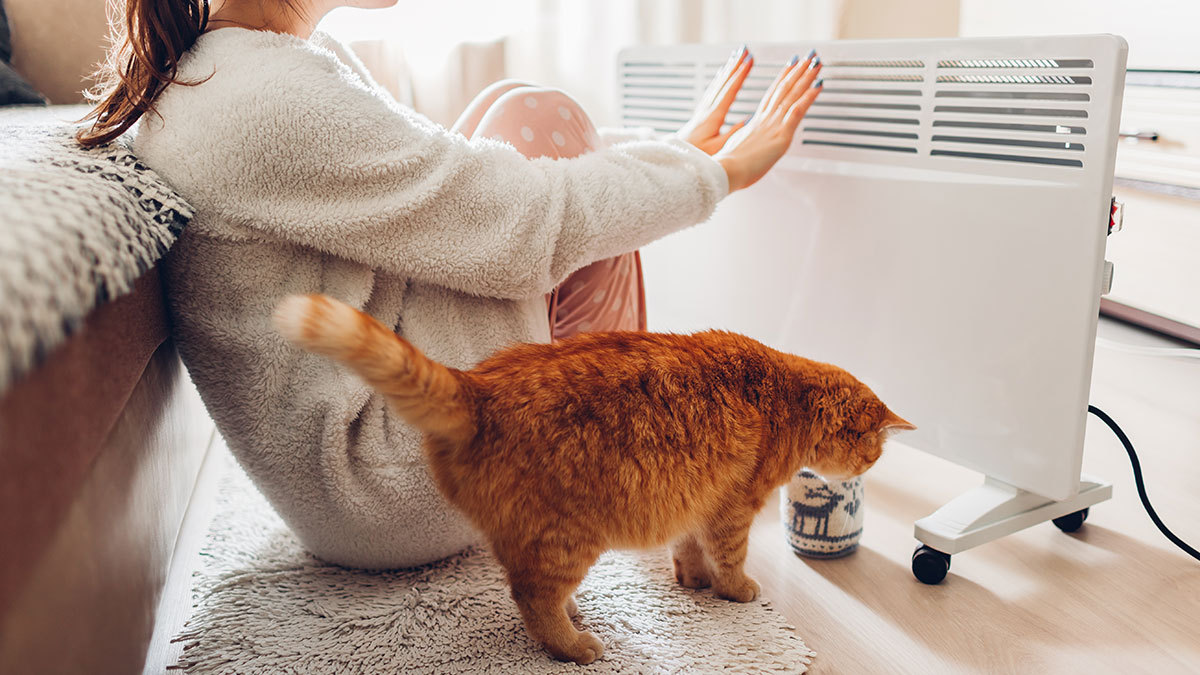
Thirdly, electric heaters should never be left unattended, especially in households with children or pets. Both can be unpredictable and may accidentally knock over the heater or place flammable items too close to it. Even in adult-only homes, continuous supervision is recommended when the heater is in operation.
Fourthly, while some heaters like convection, panel, and oil column heaters can be left on a low setting overnight, they should not be left on a high setting for extended periods or when unsupervised. It's advisable to ensure that the heater has safety features such as a thermal cut-out, which switches off the unit if it overheats, and a tilt switch, which automatically turns it off if it falls over.
Fifthly, before using an electric heater that has been stored away, a thorough inspection is necessary. Users should check for any loose wires or damage to the cord, and ensure the cord does not feel hot during operation. Dust accumulation inside and outside the heater should be cleaned, as burning dust can produce persistent odors. If any part of the heater appears faulty or emits a continuous unusual smell, it should be serviced or replaced rather than used. Proper storage in a dry area with a protective cover can prevent rust and dust buildup.
Sixthly, never place an electric heater on an elevated or soft surface, such as a bed or sofa. Heaters should always be placed on the lowest, flattest surface available, typically the floor, while still adhering to the one-meter clearance rule. This prevents the heater from tipping over and potentially starting a fire.
Finally, electric heaters are designed for heating single rooms efficiently, not entire houses. Using them to heat multiple rooms simultaneously is inefficient and costly. To maximize efficiency when heating a single room, consider using ceiling fans with a reverse switch. This function helps redistribute warm air, which naturally rises, back down towards the floor, enhancing the heater's effectiveness and maintaining warmth more uniformly within the designated space. This strategy helps optimize heating while minimizing energy consumption.
#ElectricHeaterSafety #HomeSafety #FirePrevention #HeaterUsage #WinterPreparation #ApplianceSafety #EnergyEfficiency #ElectricHeaterSafety #HomeSafety #FirePrevention #HeaterUsage #WinterPreparation #ApplianceSafety #EnergyEfficiency
 Noch keine Kommentare