1/11
Ten rustic Italian interiors that evoke the history of the Mediterranean
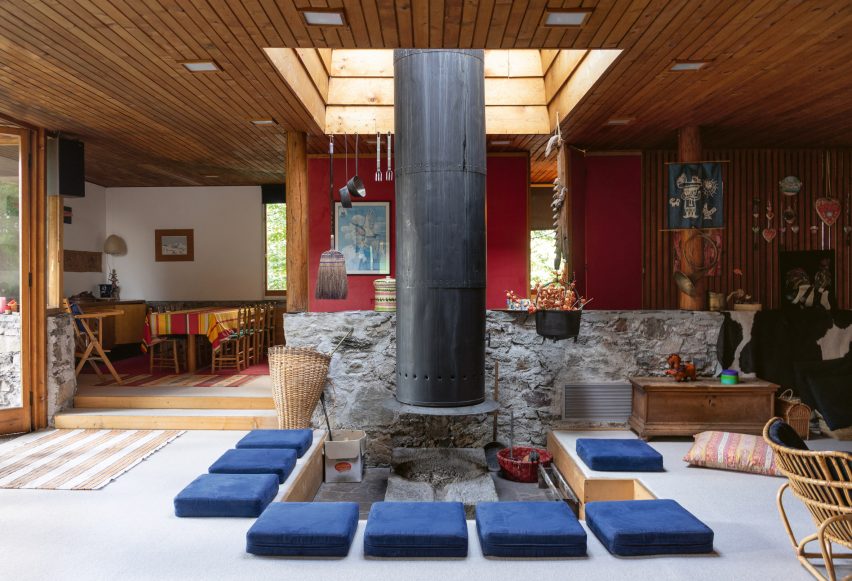
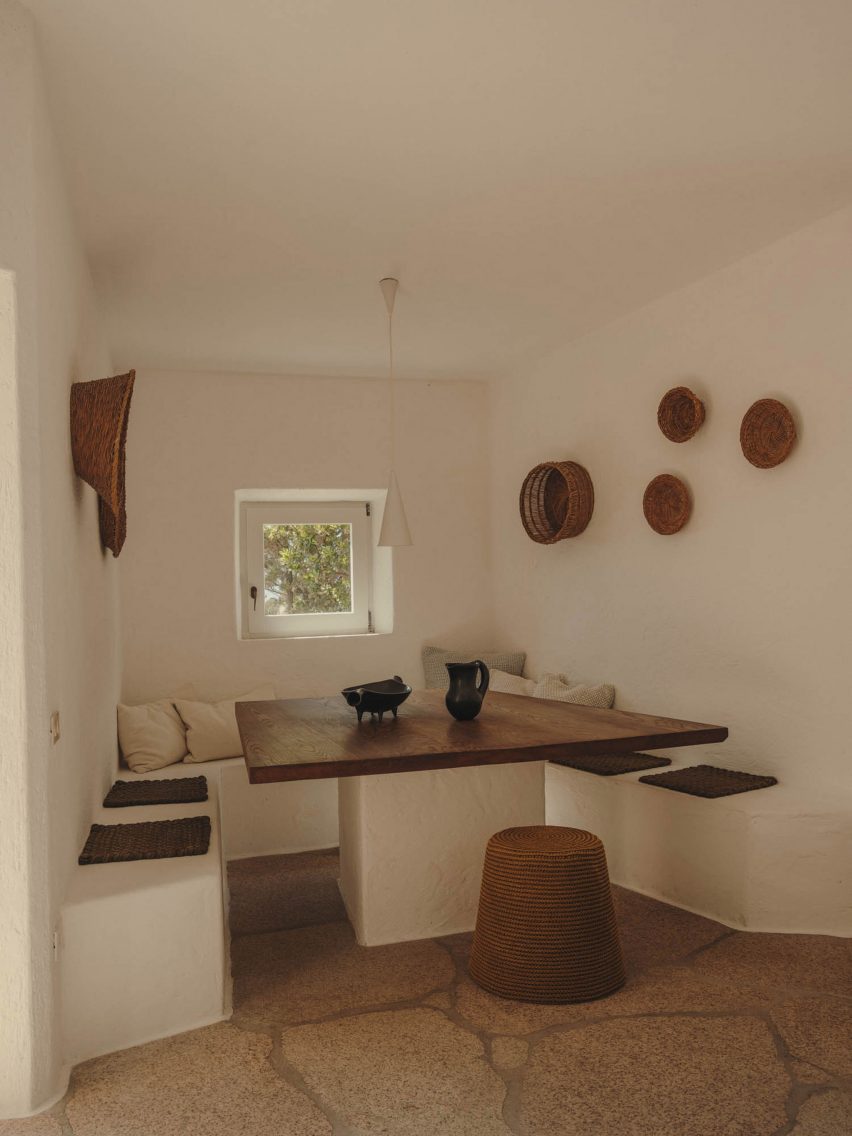
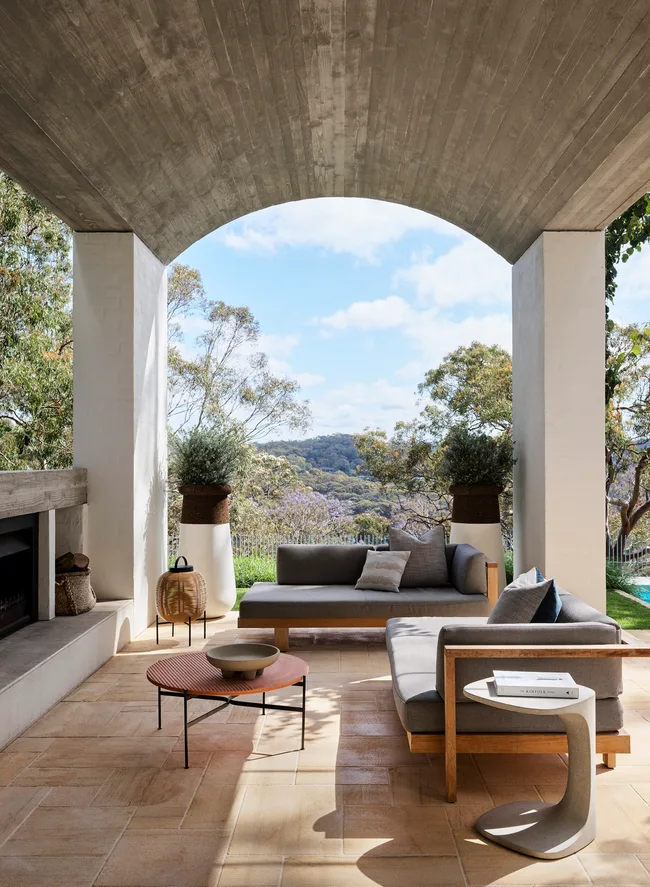
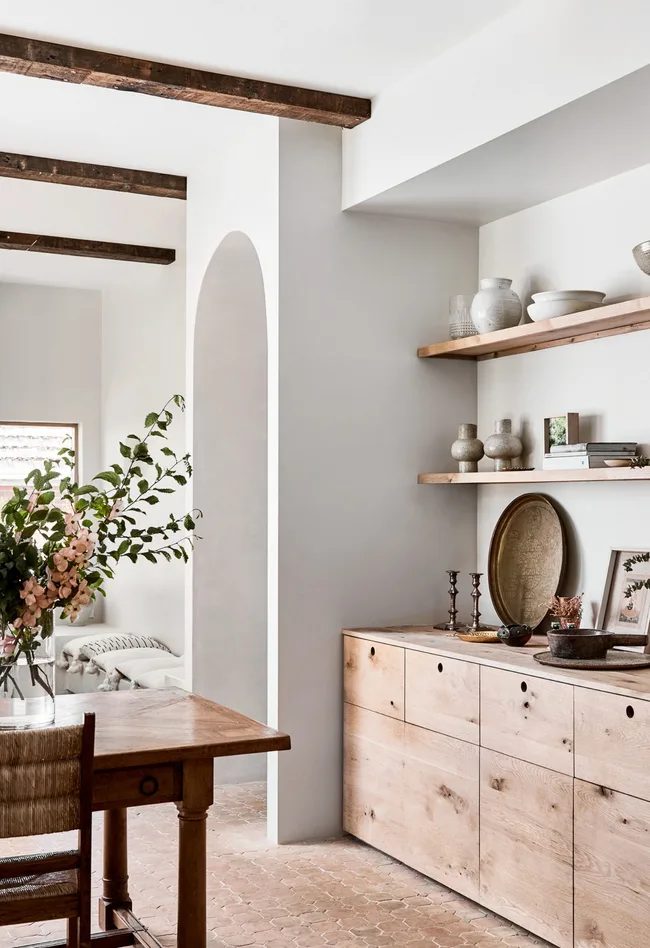
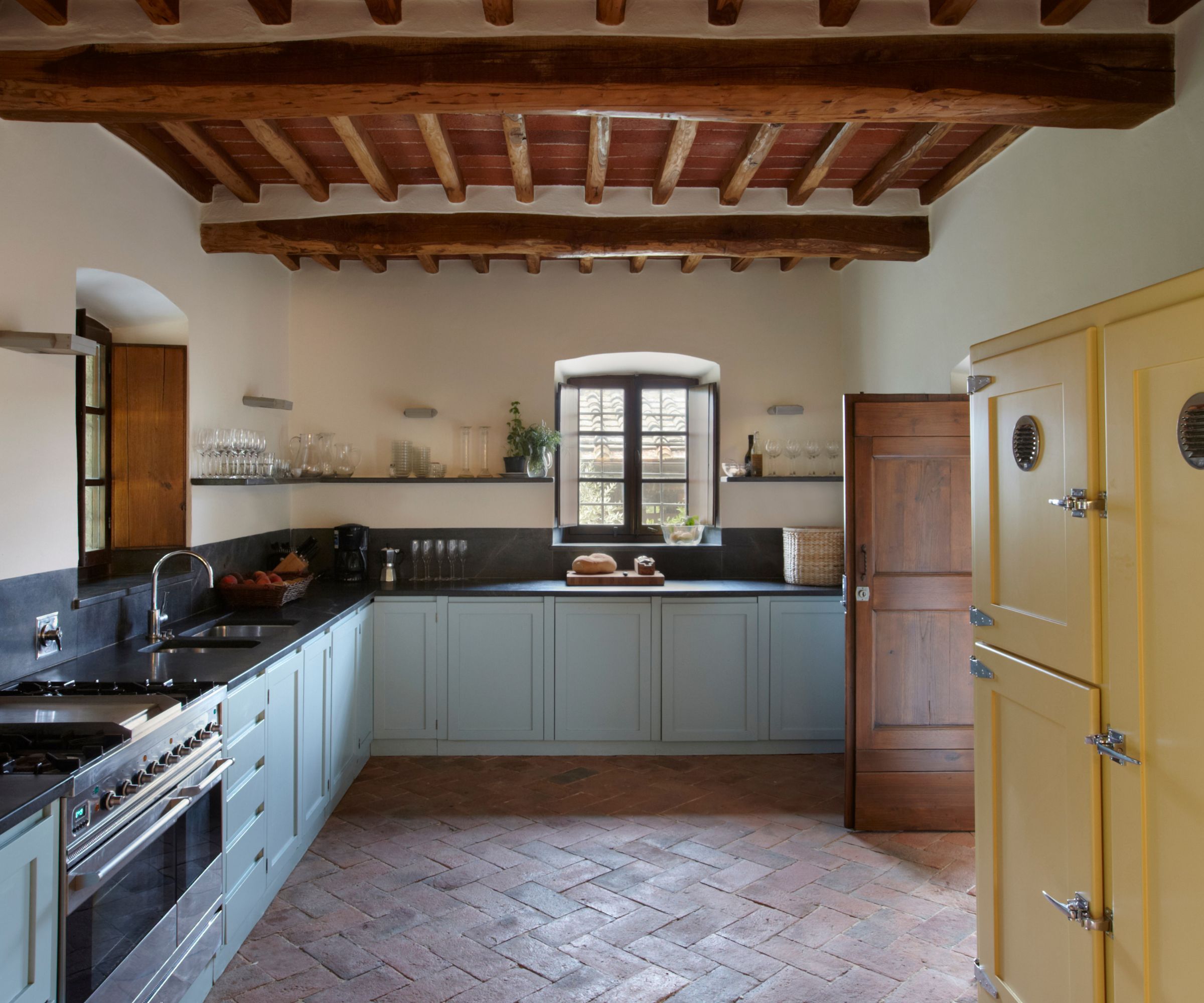
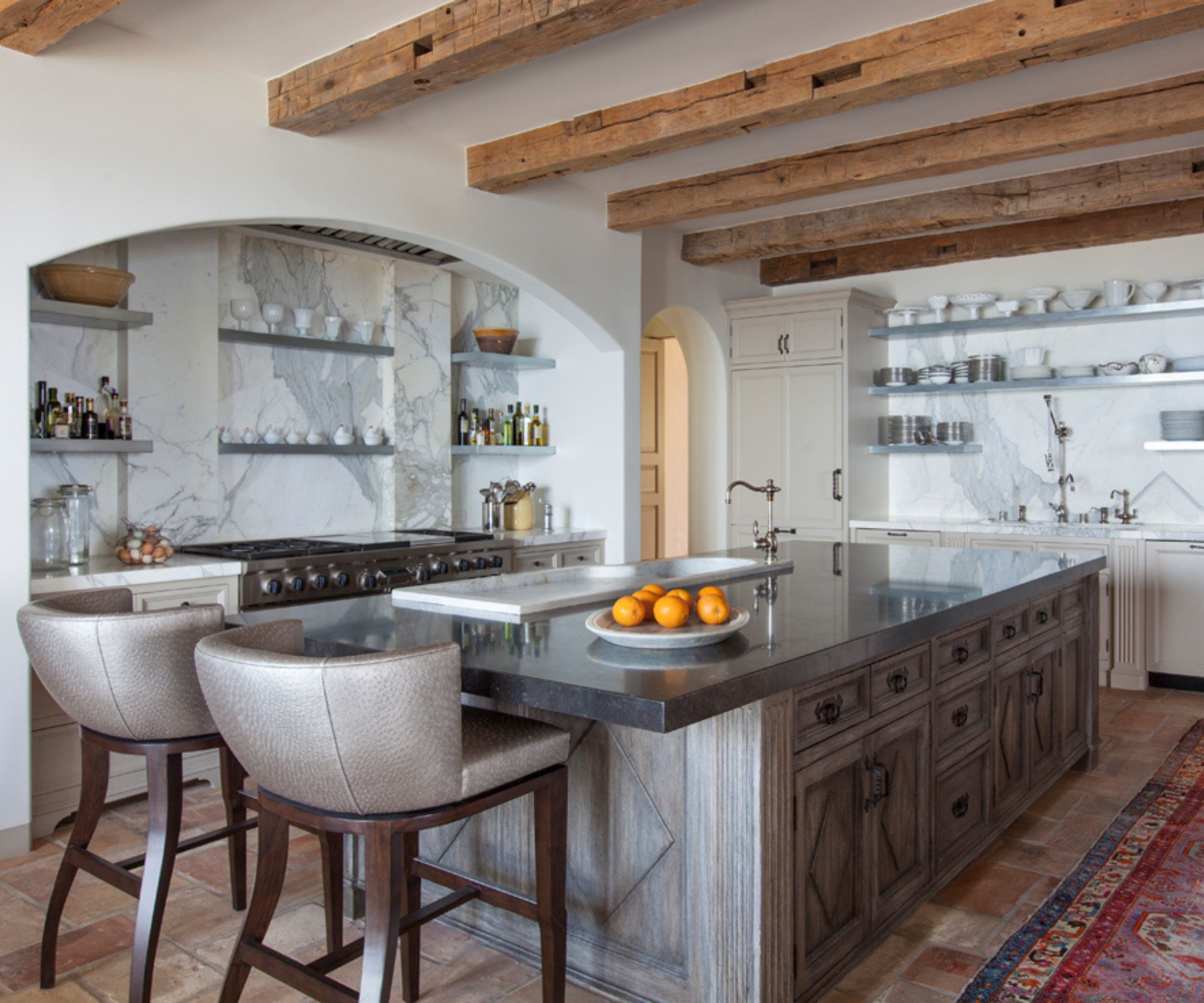
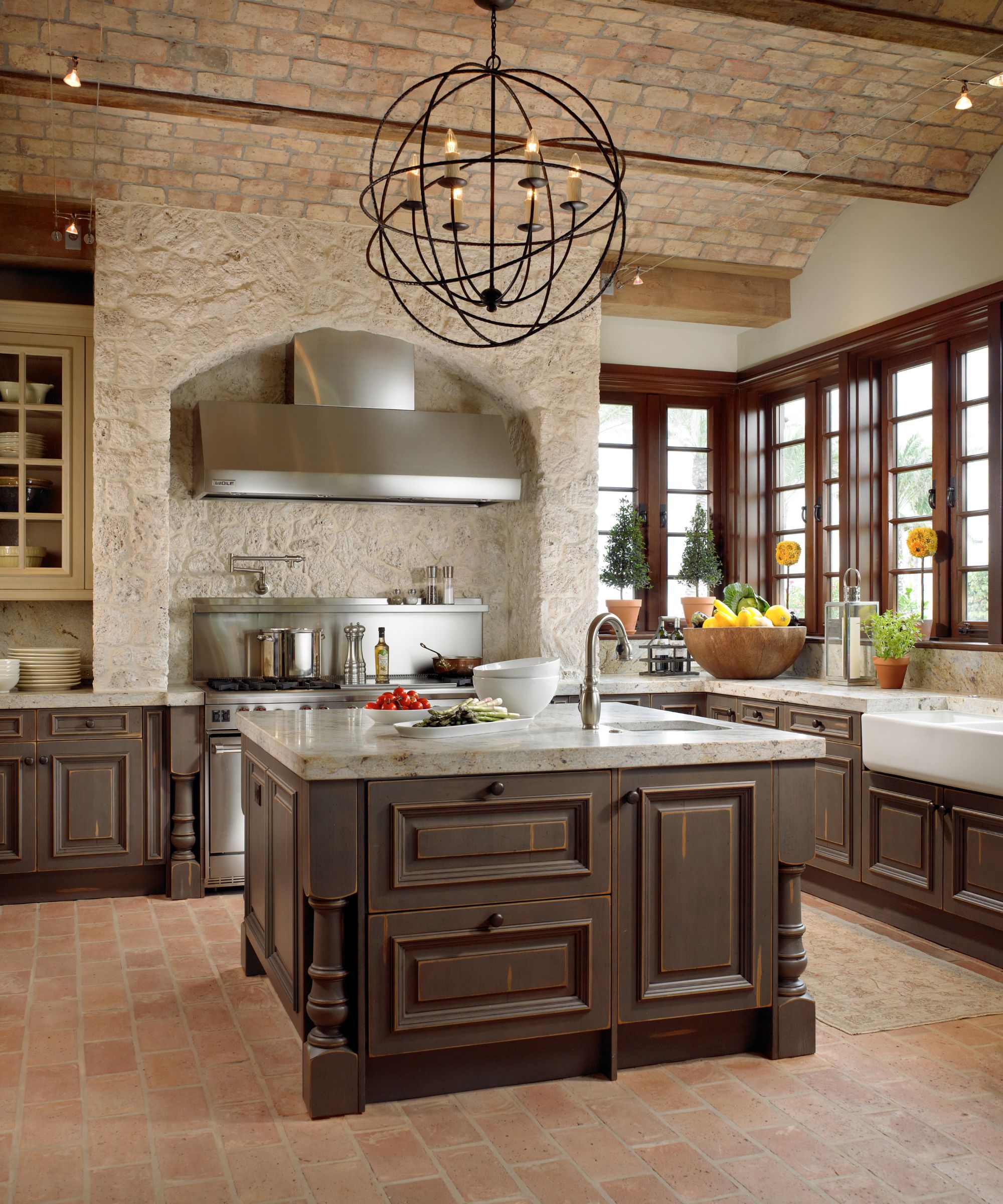
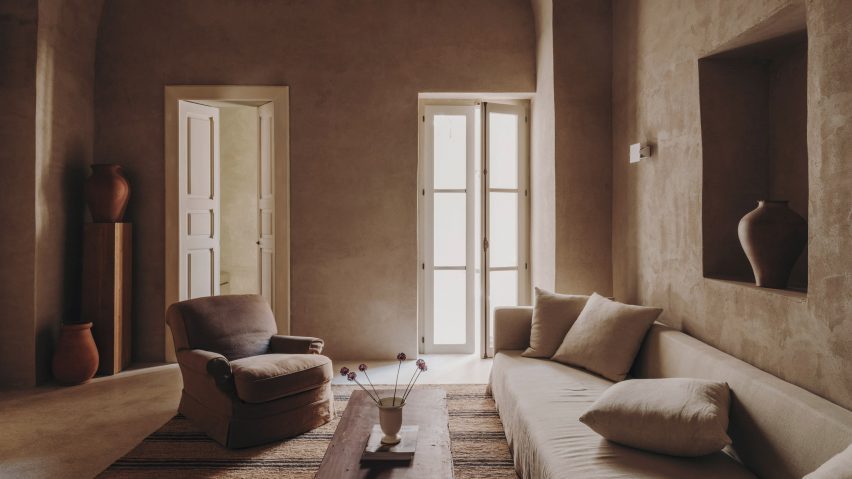
This lookbook presents a curated selection of ten Italian interiors that embody a distinct rustic aesthetic, drawing inspiration from the country's rich history and Mediterranean heritage. These projects, which include both residential homes and hotels, consistently feature elements such as wooden beams, natural stone, and diverse textures, reflecting a design approach that honors tradition while incorporating modern sensibilities. Italy, renowned for its contemporary furniture and lighting design, also boasts a wealth of historic architecture, with buildings dating back centuries across its cities and villages. The featured examples range from a 17th-century house in Puglia to a hotel situated within a 1,000-year-old castle, all demonstrating how historical contexts can be harmoniously integrated with current design preferences.
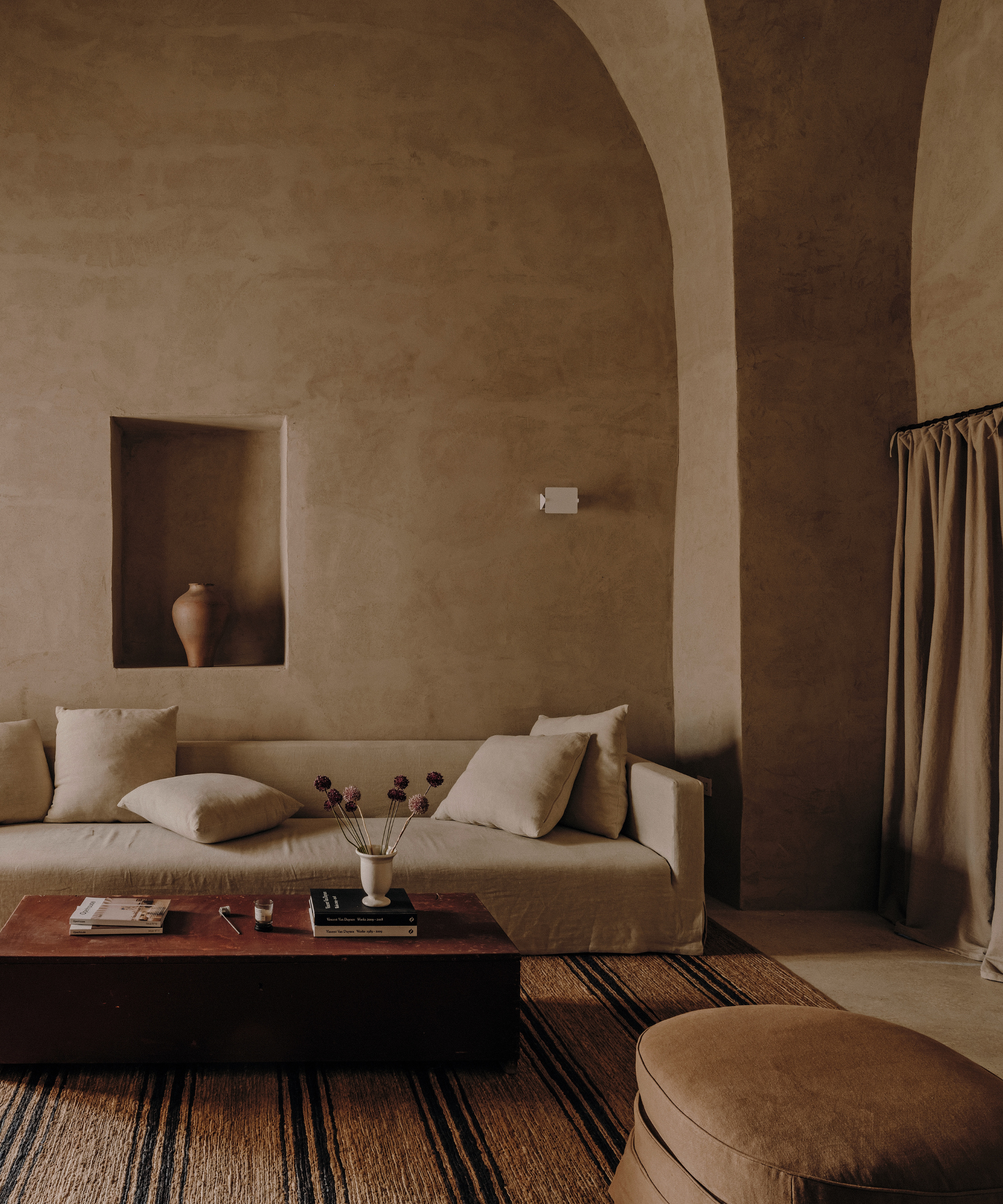
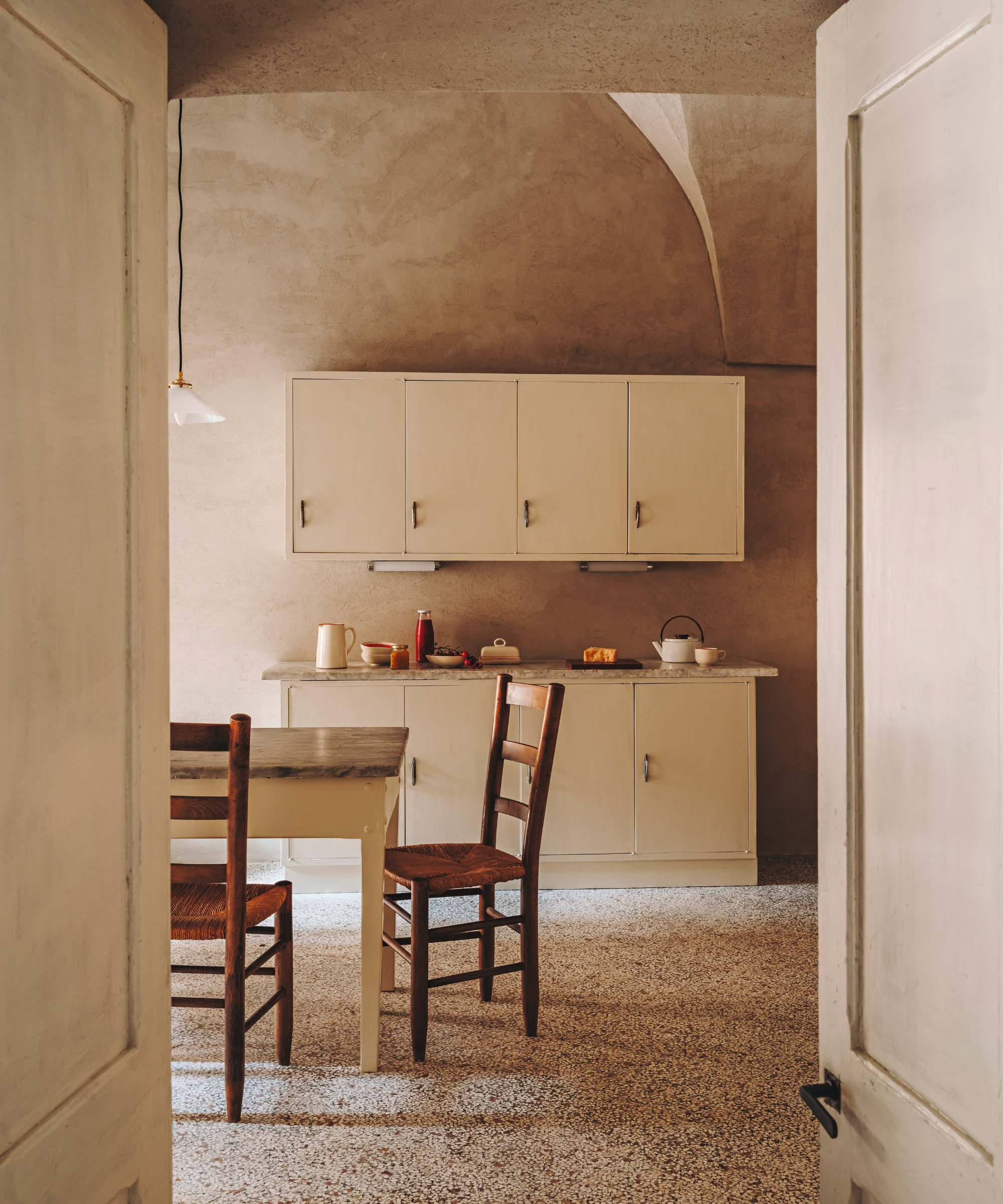
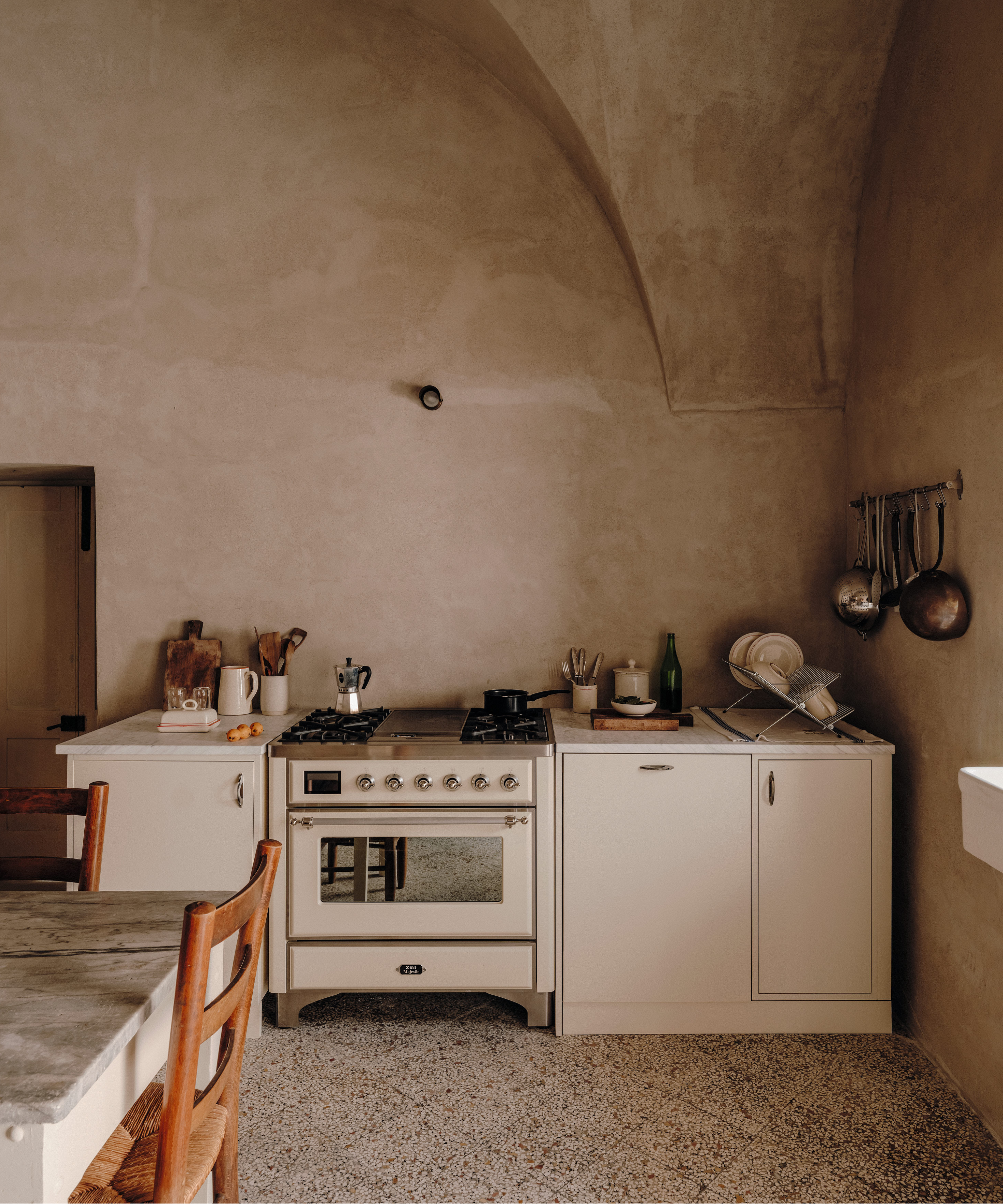
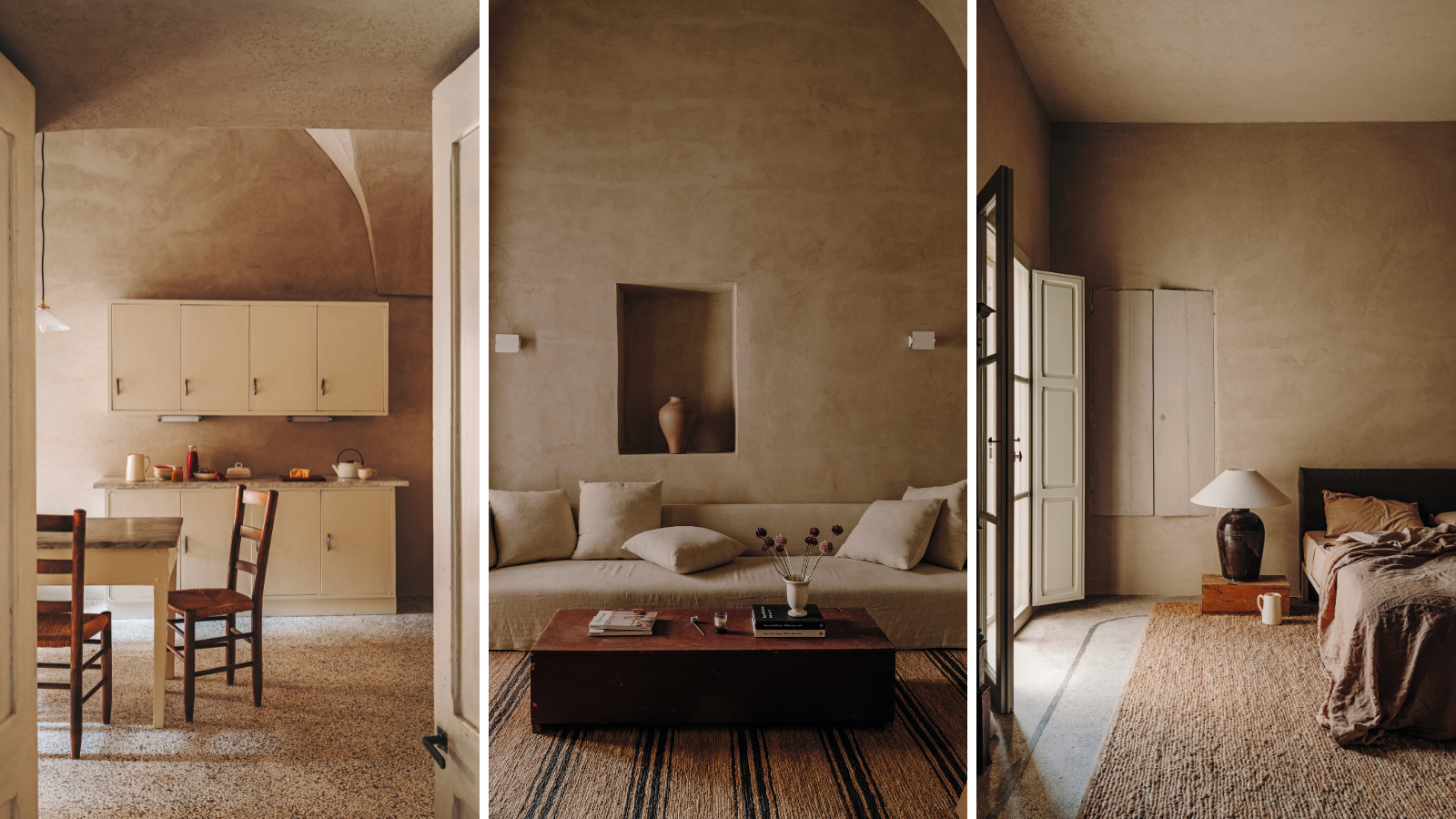
One notable project is the Monteverdi Hotel in Tuscany, where restoration specialist Ilaria Miani revitalized crumbling structures in Val d'Orcia. This boutique hotel successfully blends the region's history with modern design influences from Milan and Rome, utilizing salvaged wooden beams and locally handcrafted furniture. Similarly, Jonathan Tuckey Design meticulously restored a 19th-century farmhouse in Piemonte, emphasizing original features like stone walls and wooden beams, complemented by a muted color palette and brass accents. Casa Soleto in Puglia, a building with sections over 400 years old, was renovated by Studio Andrew Trotter and Marcelo Martínez, who preserved its irregular walls and incorporated natural materials such as lime plaster, linen, jute, and antique furniture to create an authentic atmosphere.
Further examples include the Monastero Arx Vivendi, a 17th-century ex-monastery near Lake Garda, transformed into a hotel by Network of Architecture (noa*). Here, rippled antique-effect plaster, pale wooden floors, and restored original doors contribute to a cohesive design. Studio Andrew Trotter's Casolare Scarani in Puglia, a former girls' school, maintained its vaulted ceilings with lime plaster and incorporated earthy tones and traditional stone flooring. The Hotel Castello di Reschio in Umbria, a 1,000-year-old castle converted by Count Benedikt Bolza, features terracotta-brick or wooden floors, hand-stitched linen curtains, and locally crafted marble and brass vanities, along with antique portraits, alluding to its storied past.
The Brolettouno Apartment in Lombardy, housed in a 15th-century building, was sensitively updated by Archiplan, preserving distressed floor tiles and faded frescos, and furnishing it with light-hued wooden pieces. Studio Andrew Trotter's Casa Maiora in Puglia, though a new build, embraces rustic influences with flagstone floors, lime-washed walls, and local antiques. The G-Rough hotel in Lazio, located in a 400-year-old Roman building, combines historical features with contemporary art and mid-century furnishings, creating a 'rough-yet-refined' aesthetic. Finally, the Palazzo Monti hotel in Lombardy, a pop-up project by Julie Cloos Mølsgaard and Vipp, adopted a minimalist approach to furnishings to highlight the 13th-century palazzo's original features. These projects collectively demonstrate a profound respect for Italian architectural history and local craftsmanship, while skillfully adapting spaces for modern living and hospitality, offering visual inspiration for interiors that seamlessly merge the old with the new in a rustic style.
#ItalianInteriors #RusticDesign #HistoricRenovation #MediterraneanStyle #BoutiqueHotels #ResidentialArchitecture #TraditionalCraftsmanship #InteriorDesignInspiration #ArchitecturalPreservation #ItalianInteriors #RusticDesign #HistoricRenovation #MediterraneanStyle #BoutiqueHotels #ResidentialArchitecture #TraditionalCraftsmanship #InteriorDesignInspiration #ArchitecturalPreservation
0 Kommentare insgesamt
 Noch keine Kommentare
Das könnte Ihnen auch gefallen
Ten interiors with Mediterranean-style statement tiling
What Is Riviera Interior Design? Designers explain the look

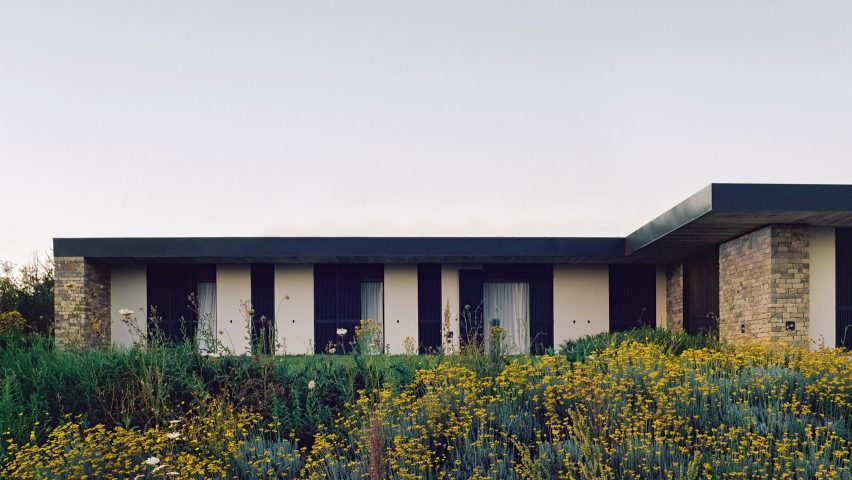
Tuscan holiday home is almost entirely decked out with Italian materials
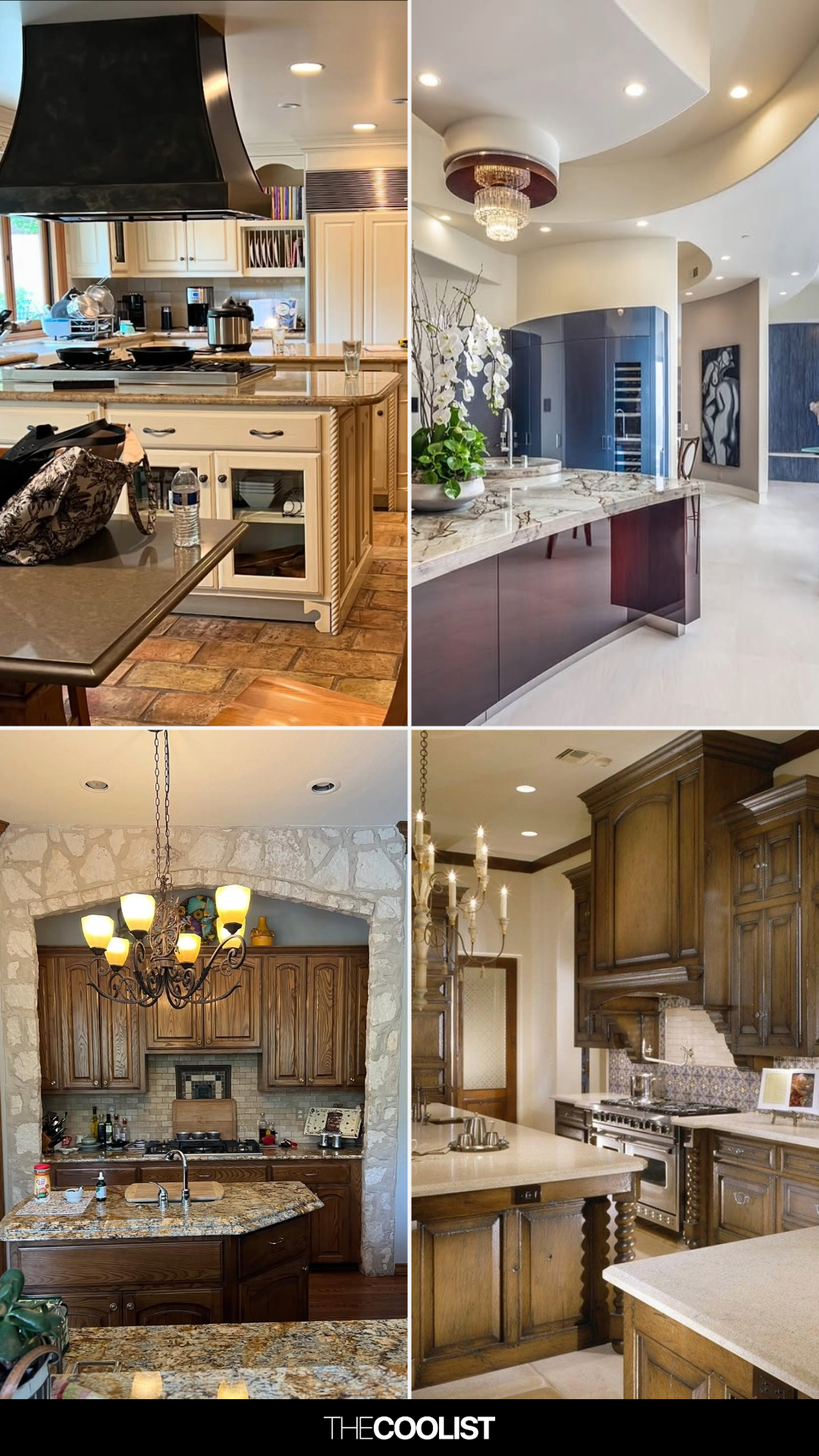
21 Tuscan Kitchen Design Ideas That Bring Old World Charm Home
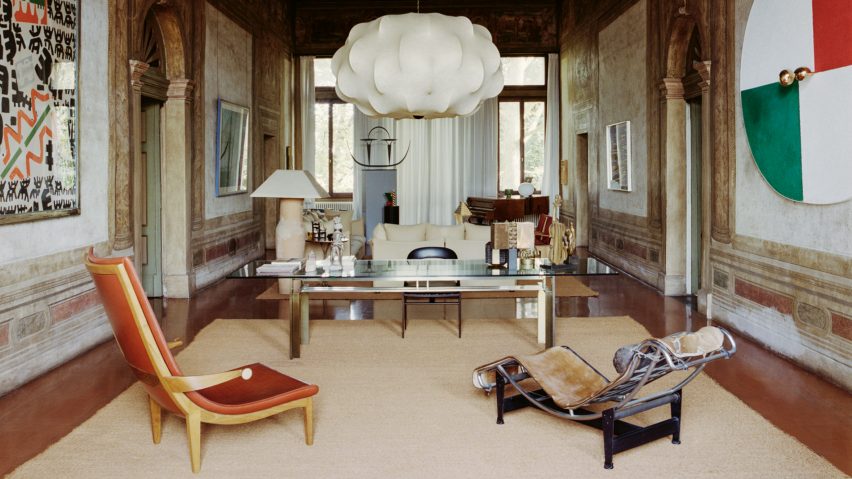
Ten Italian interiors that reveal "the most stunning homes across the country"
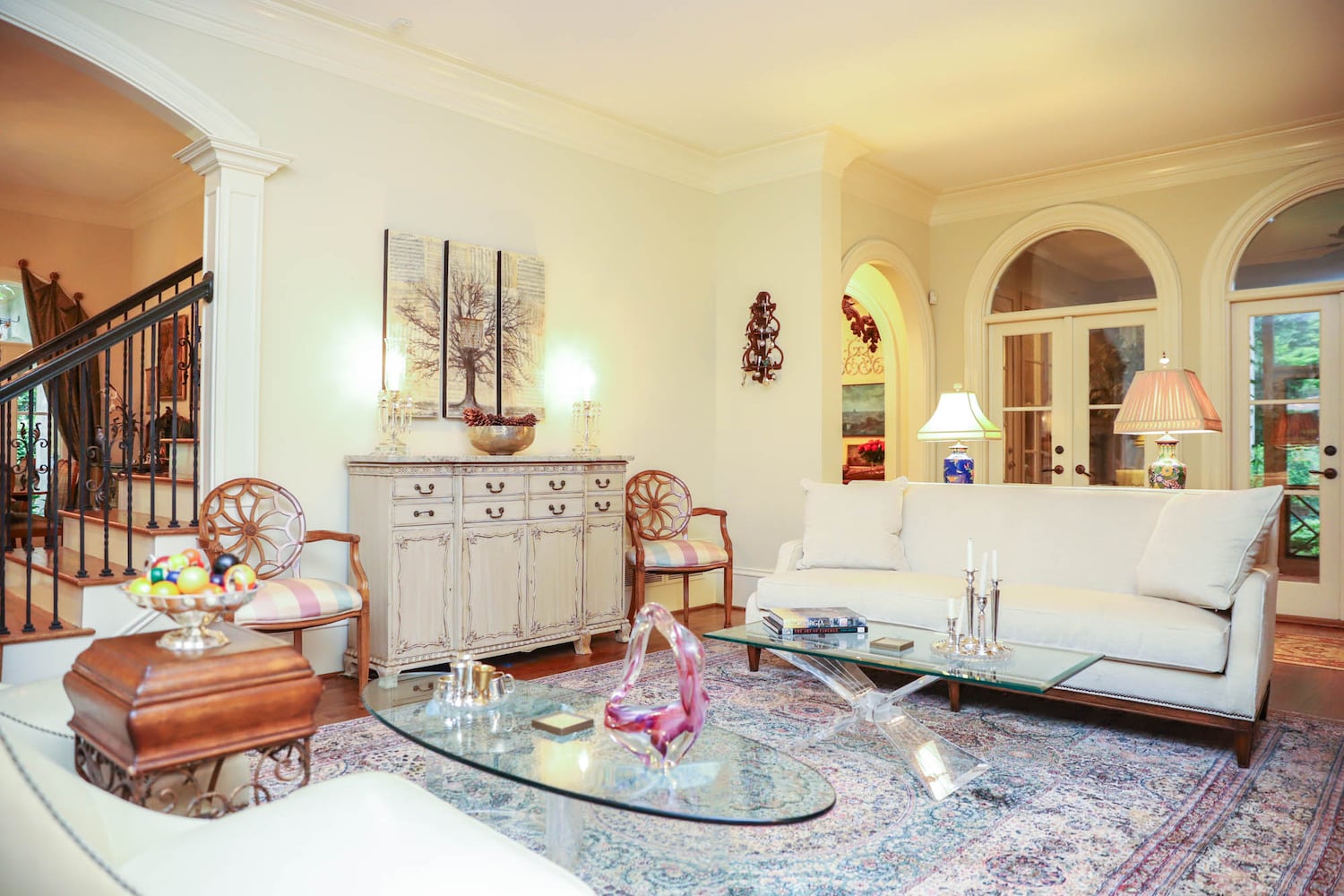
Italian style fills DeKalb County home
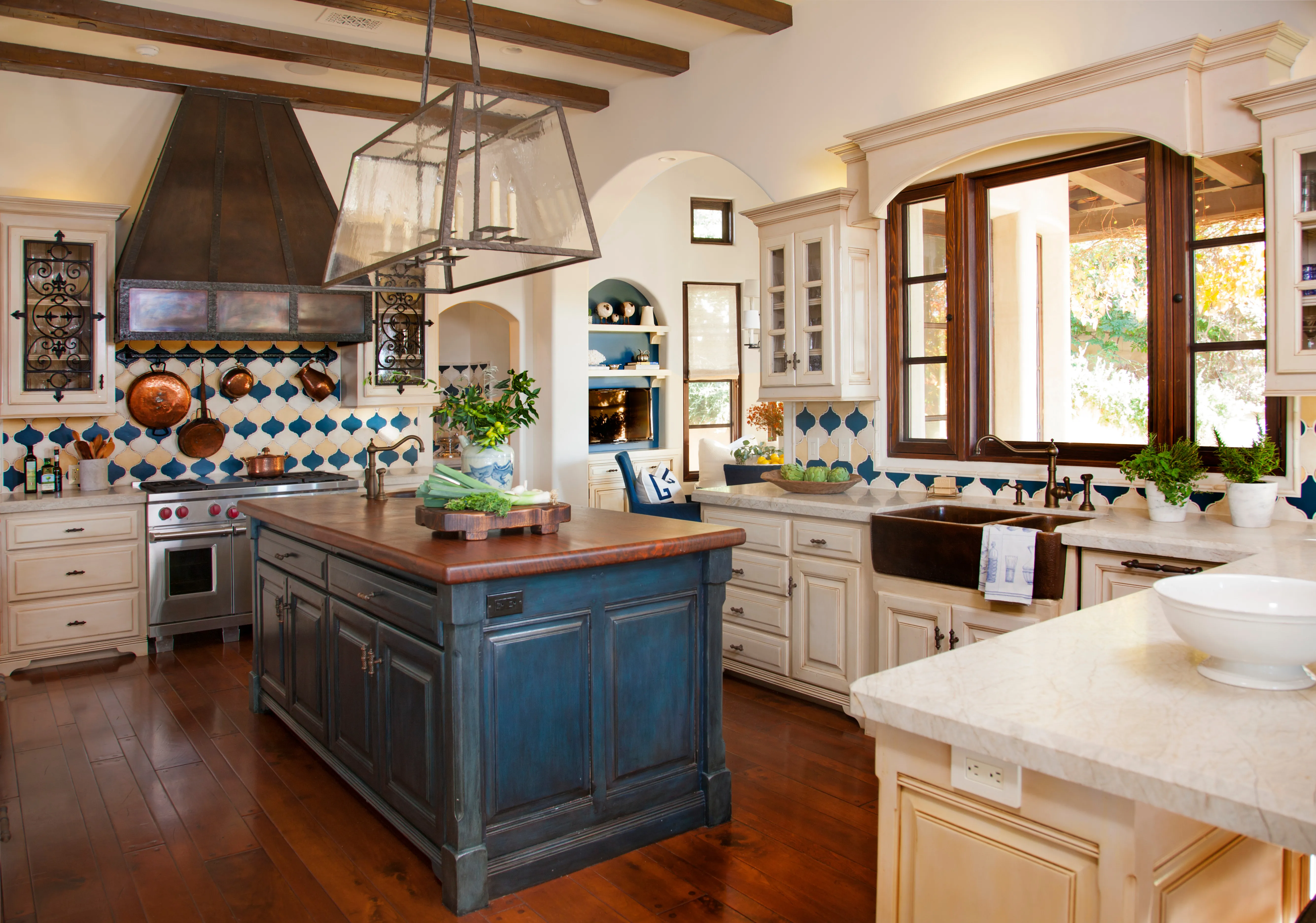
Is the Cozy 2000s Tuscan Style Making a Comeback? Here’s How to Pull It Off Today


10 Interior Design Books We Turn to for Home Inspiration

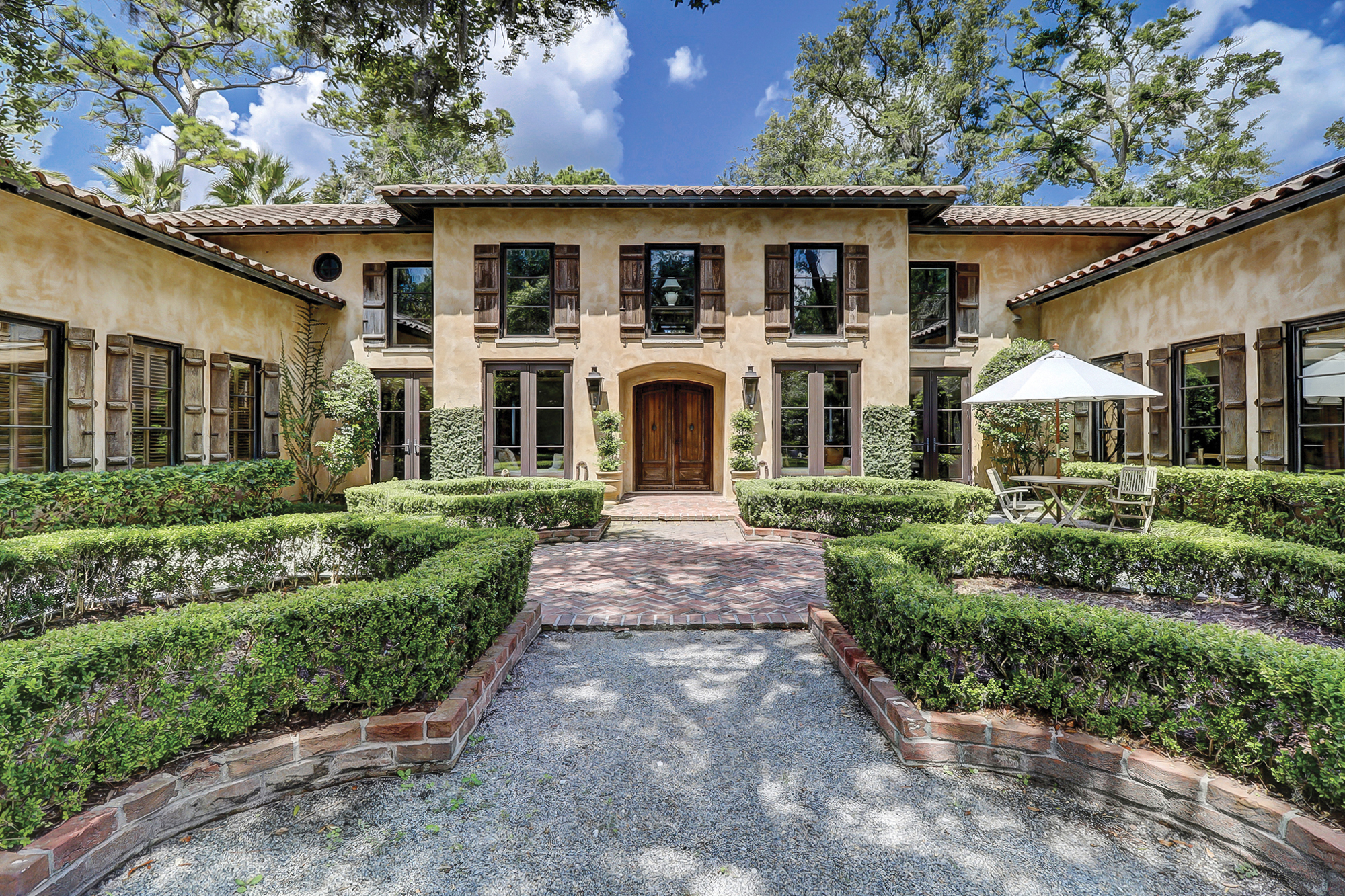
6 beautiful homes with Italian influences

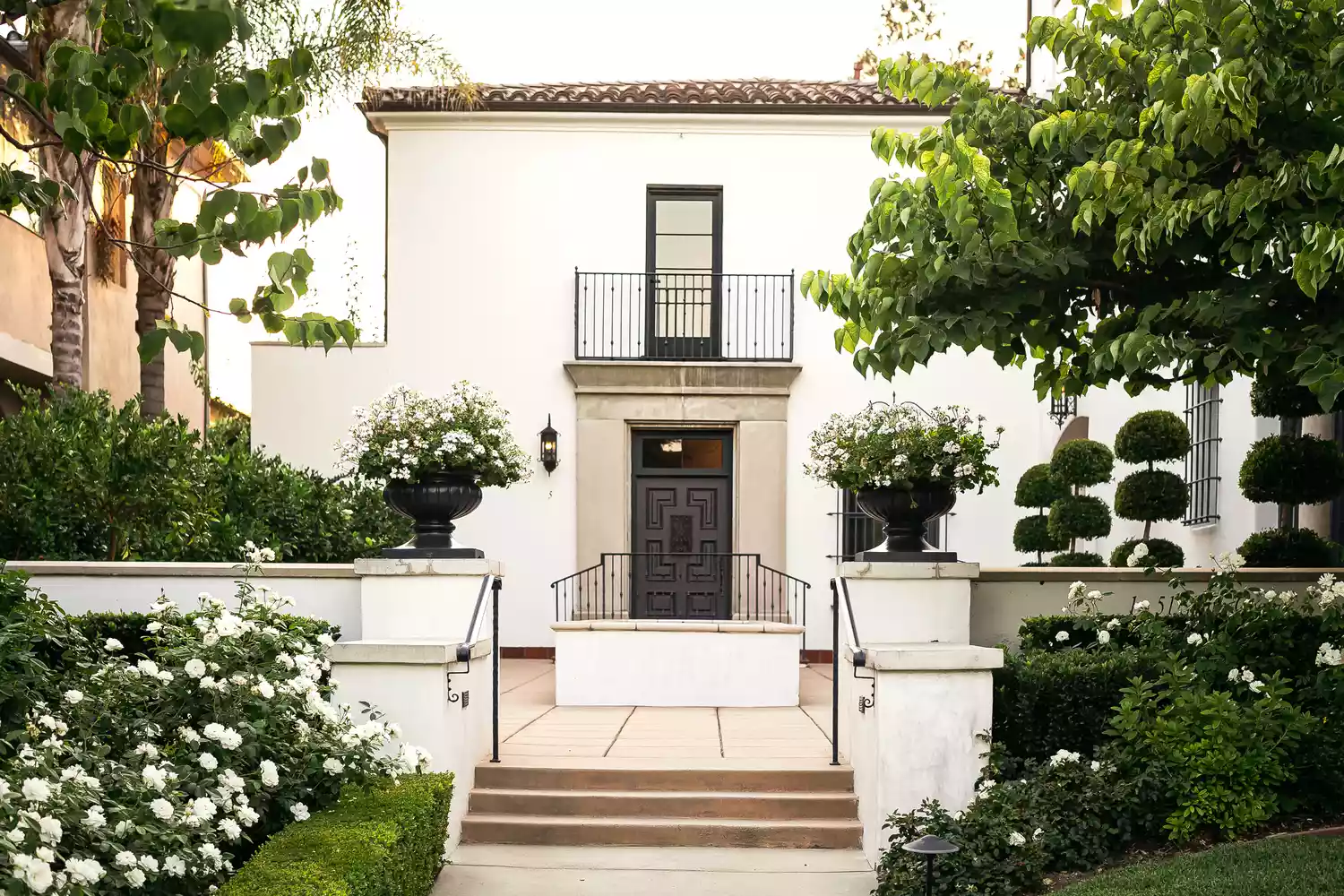
17 Breathtaking Mediterranean Homes We Want to Live In

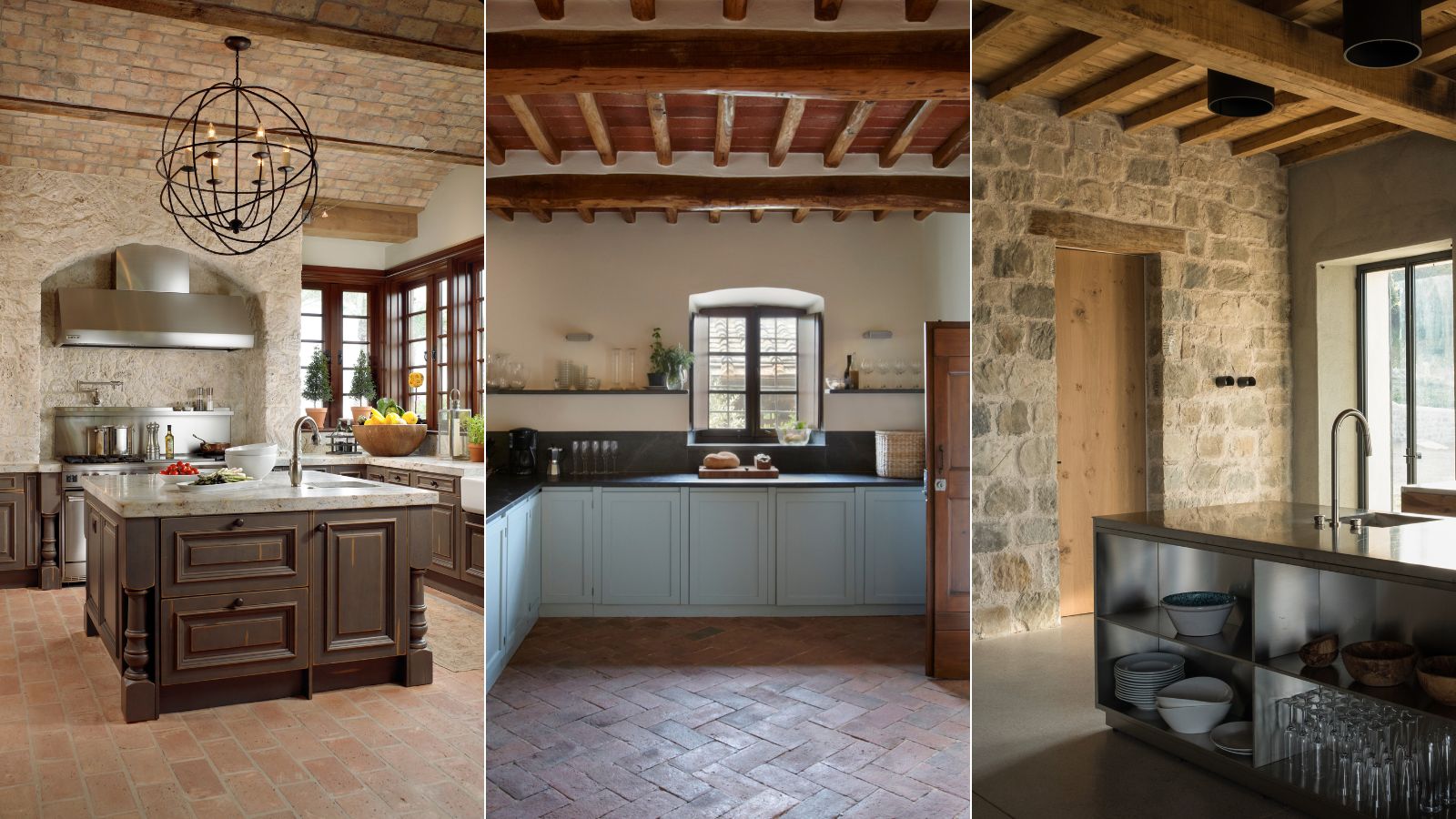
7 Tuscan kitchens that showcase an effortless Italian country style – plus designer tips on how to recreate the look
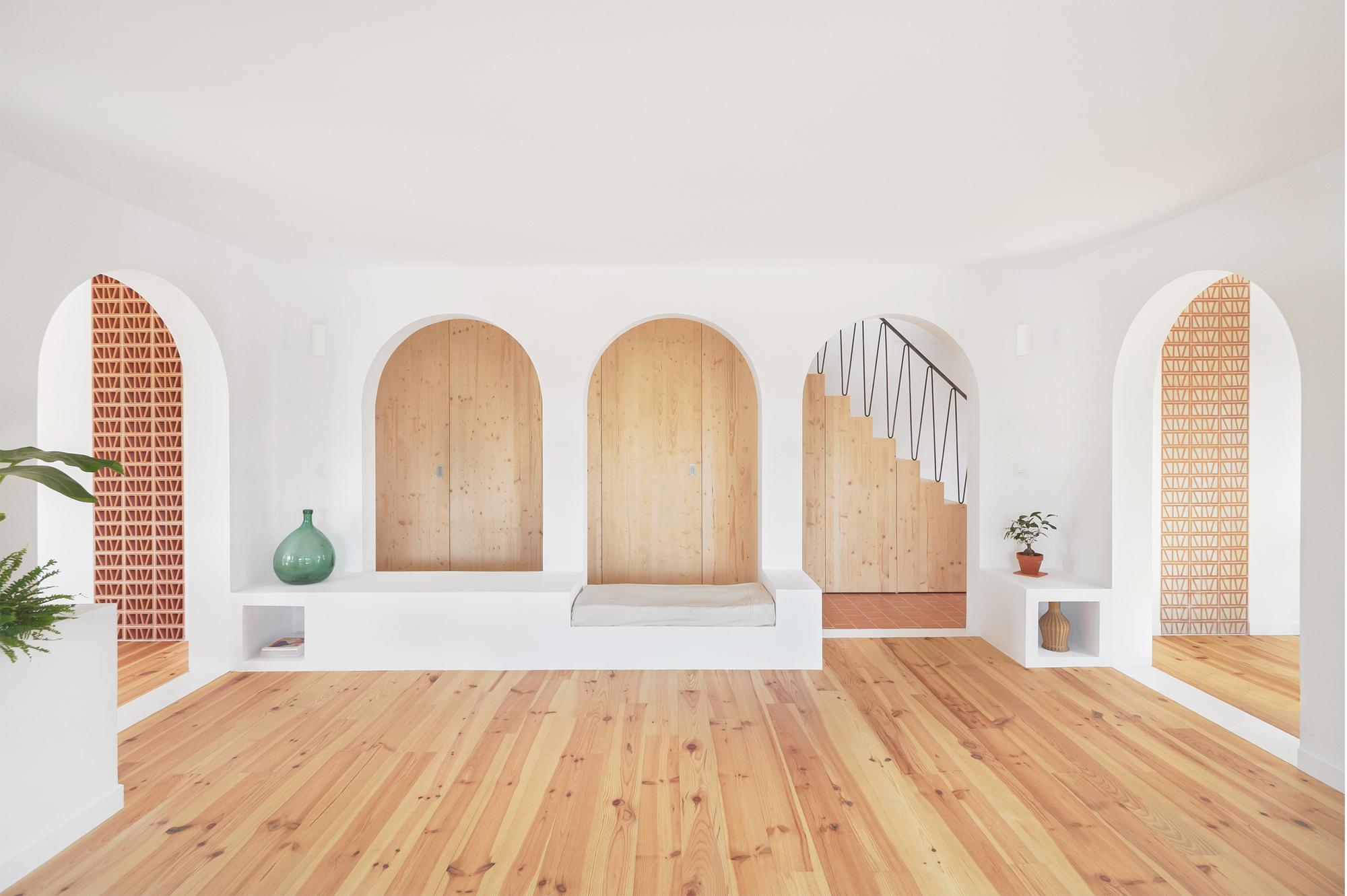
Tintoretto House Rehabilitation / Symbiose Interior Architecture & Design

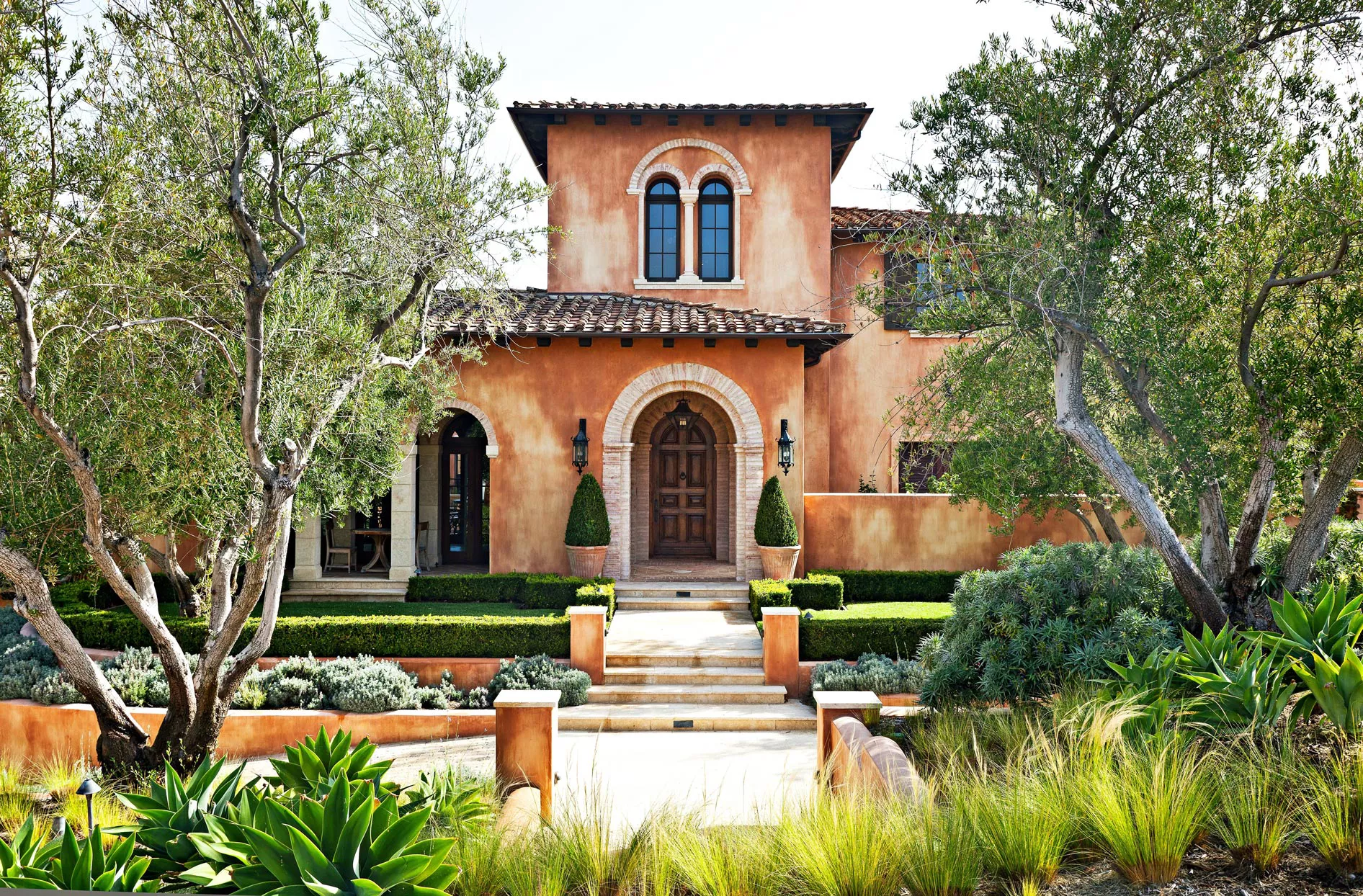
16 Stunning Mediterranean-Style Homes Inspired by European Country Charm
18 modern Mediterranean-style houses with a holiday vibe

This rustic Italian chapel house is a masterclass in restoration and modern Mediterranean style
A Spotlight on 10 Traditional Homes with Modern Interiors

Home Design: Sophisticated Mediterranean

Solum carves "labyrinthine" alleyway through coastal home in Italy

Ten interiors featuring natural materials and timeless accents
20 Spanish Kitchen Designs That Feel Both Lived-In and Luxurious