1/6
Professional cleaners do these 4 things to remove rust from bathtubs – here's how to replicate the results
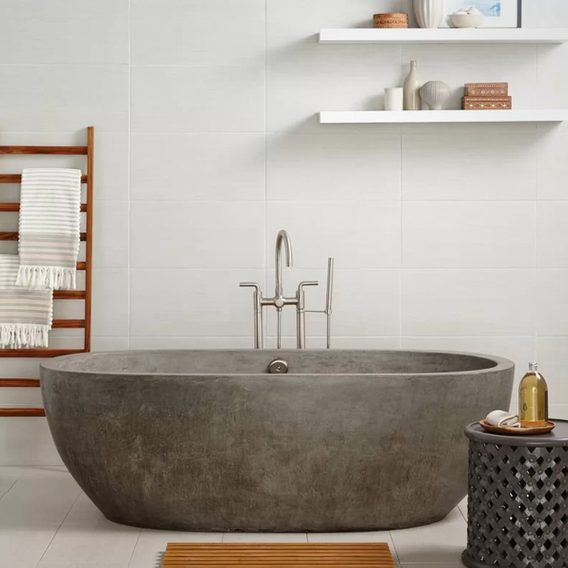
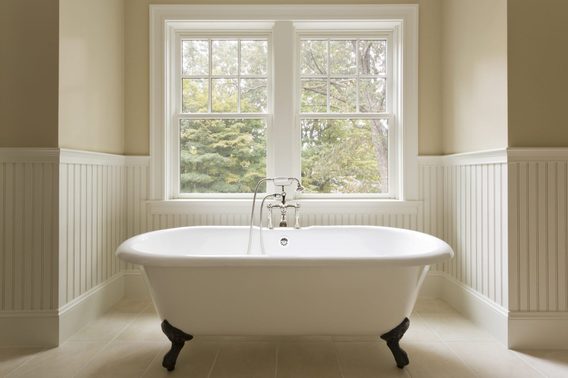
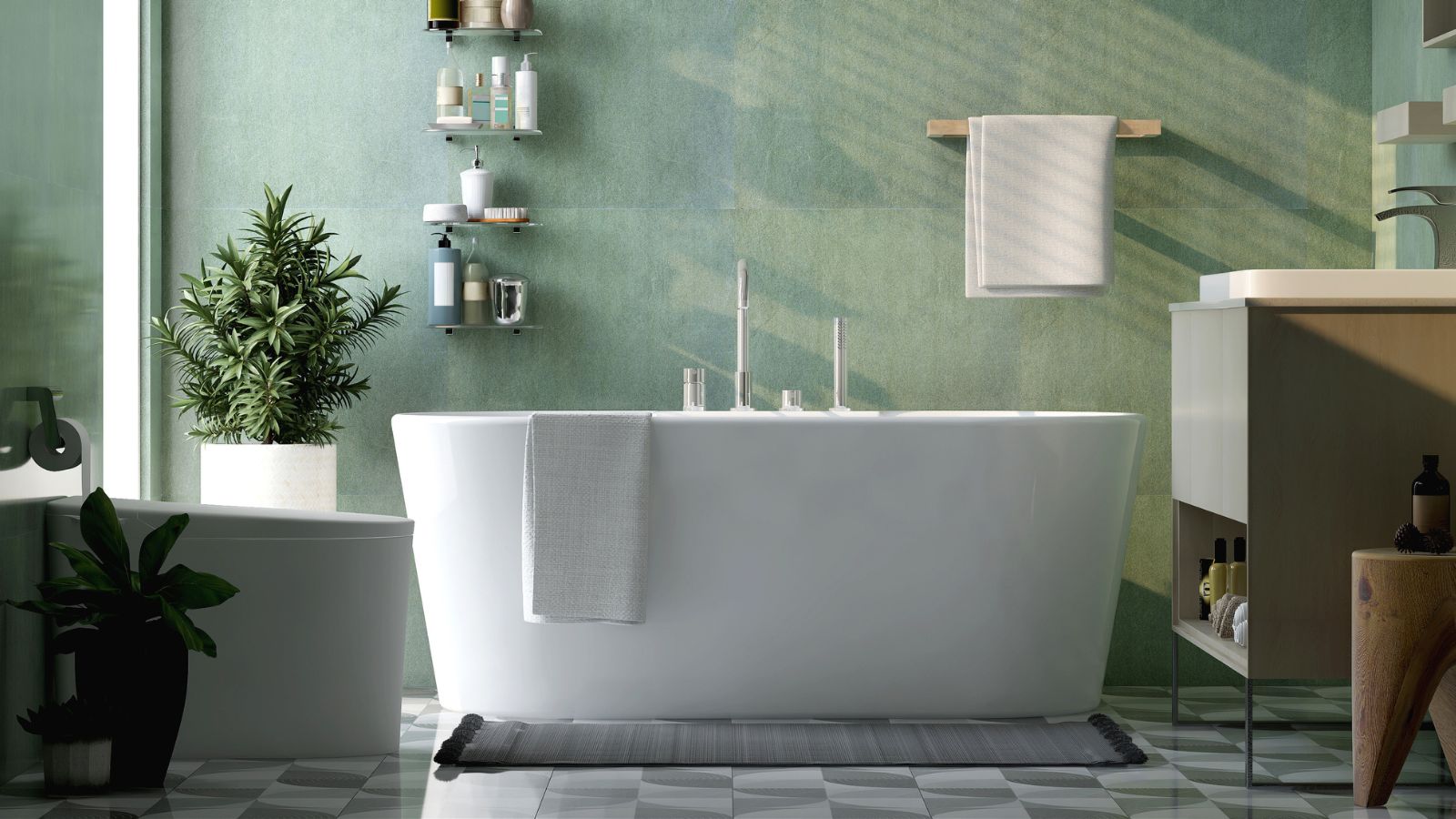
Rust stains in bathtubs are a common problem due to water acting as a catalyst for corrosion. These stains can be caused by high iron levels in water, old iron plumbing, or a rusty water heater. Regardless of the source, rust can severely impact the appearance of a bathroom and bathtub, making it look perpetually unclean. Addressing rust promptly is essential to maintain the aesthetic appeal and hygiene of the bathroom.
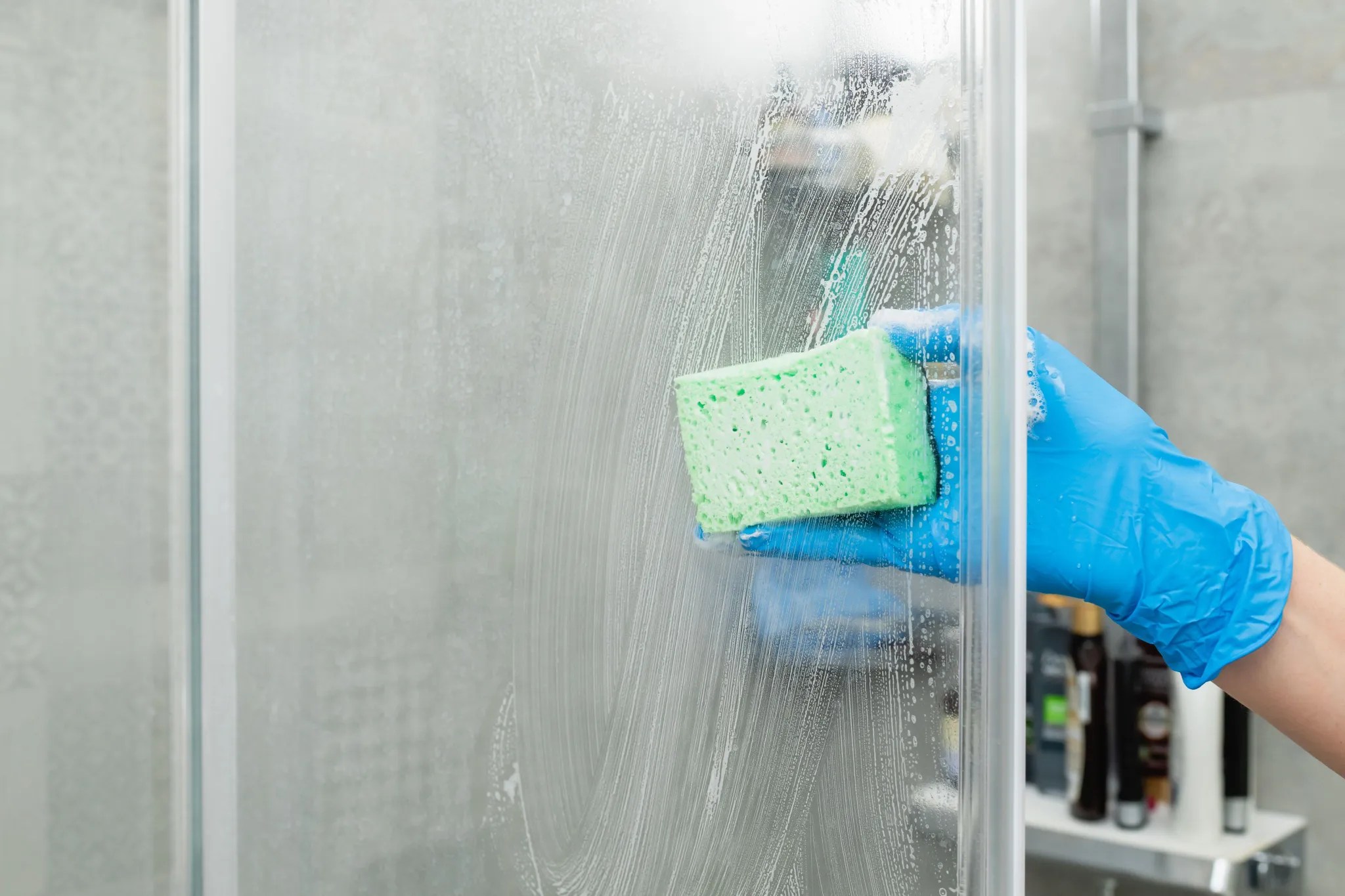
Professional cleaners recommend a four-step process using natural and readily available household items to effectively remove rust without resorting to harsh chemicals. The first step involves creating a paste using baking soda and water. This paste should be thick enough to adhere to the rust spots. Once prepared, the baking soda paste is applied generously over the rust-affected areas using a non-abrasive sponge or gloved hands, ensuring thorough coverage.
After applying the baking soda paste, it is crucial to allow it to sit for 15 to 20 minutes. This waiting period gives the baking soda sufficient time to penetrate and loosen the rust. Following this dwell time, the rust spots are scrubbed using gentle but firm, small, circular motions until the rust begins to disappear. For more stubborn stains or to reduce manual effort, a powered scrubbing tool can be used.
The third step involves rinsing the treated area with white vinegar. Pouring vinegar over the baking soda-covered rust initiates a fizzing reaction. After a brief period, the area is rinsed with warm water. This combination leverages the cleaning properties of both baking soda and vinegar, making it an effective and chemical-free method for rust removal. White vinegar is also versatile and can be used to clean other bathroom fixtures like toilet tanks that might be affected by rust, mold, mildew, or hard water deposits.
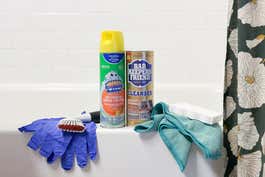
For persistent rust stains, a follow-up treatment with lemon and salt is recommended. Salt is scattered over the stain, followed by freshly squeezed lemon juice. This mixture is allowed to sit for 15 minutes before scrubbing. The citric acid in lemon juice, combined with the abrasive nature of salt, further breaks down the rust and also leaves a fresh, citrusy scent, contributing to a pleasant bathroom odor. If rust remains particularly stubborn, a product like Bar Keepers Friend Soft Cleanser, a multi-purpose rust cleaner free of harsh chemicals, can be used by following its label instructions.
Regarding other rust removal methods, WD-40 is effective for removing rust from various surfaces, including stainless steel, metal garden furniture, and bathtubs. It works by penetrating porous rust and lubricating it, making it easier to remove. WD-40 should be allowed to sit for about ten minutes before cleaning. However, it is important to be aware of surfaces where WD-40 should not be used. Timeliness is key in rust removal; experts advise addressing rust stains as soon as they appear to prevent them from spreading and becoming more difficult to eliminate. Regular maintenance every few weeks or at the first sign of rust helps keep bathtubs and bathrooms clean and well-maintained without damaging the fixtures. Additionally, for cleaning rusty tools, aluminum foil with warm water offers a chemical-free alternative.
#RustRemoval #BathtubCleaning #NaturalCleaning #BakingSoda #VinegarCleaning #LemonAndSalt #HomeMaintenance #BathroomCare #EcoFriendlyCleaning #RustRemoval #BathtubCleaning #NaturalCleaning #BakingSoda #VinegarCleaning #LemonAndSalt #HomeMaintenance #BathroomCare #EcoFriendlyCleaning
0 Kommentare insgesamt
 Noch keine Kommentare
Das könnte Ihnen auch gefallen
The Best Rust Removers


How to clean cast iron – remove rust, reseason and refinish
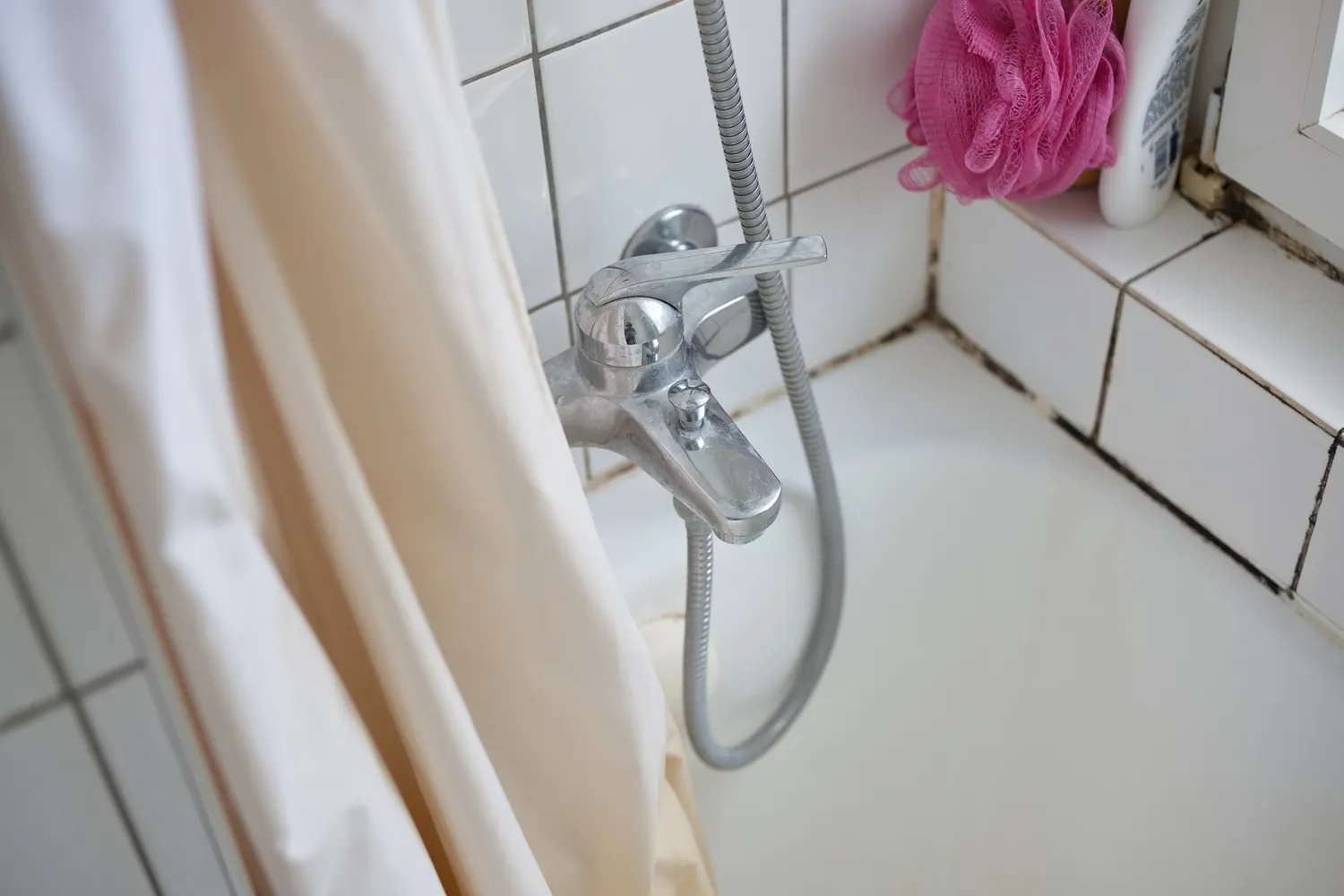
We Asked a Cleaning Pro How to Finally Get Rid of Mold in the Shower—And We're Trying This ASAP

The Right Way to Clean a Jetted Tub


Bathtub Styles, Fixes and Cleaning

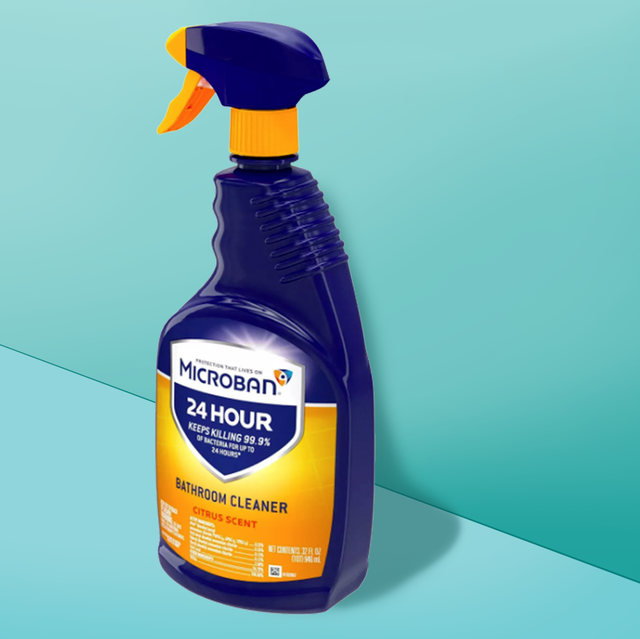
13 Best Shower Cleaners for Clear Glass, Shiny Tile and More

4 Ways to Remove Water Stains From Wood, According to Cleaning Experts
Tile grout will be sparkling with expert cleaner's game-changing solution - not vinegar
Chemical engineer insists a kitchen staple removes all water stains from shower doors - only a teaspoon is needed

Want a Super Clean Bathroom? Here Are the 8 Best Bathtub Cleaners to Get the Job Done
6 Best Grout Cleaners for a Brilliant Bathroom
Scummy Shower Doors? These Are the 7 Best Shower Glass Cleaners That Actually Get Rid of the Grime

How to Remove Rust Stains From Quartz Countertops, Straight From a Cleaning Pro
32 Of The Best Shower Cleaners To Give Your Bathroom A Much Needed Deep Clean
A 10p hack removes rust from towel rails - it’s in your cupboard already

How to Remove Hard Water Stains From Glass Showers—and Prevent Future Buildup Before It Forms

Squeegee Every Time You Shower — and More Bathroom Cleaning Hacks | Reviews by Wirecutter
The Best Shower Cleaners of 2025

Skip the hardware store & use fridge staple to make rusty bolts shine like new
My Brilliant Trick to Keeping My Shower Clean and Mold-Free Costs Only $1