



1/10
My Battle With Carpenter Bees Is About To End. Here’s How to Repair Holes and Prevent Damage.
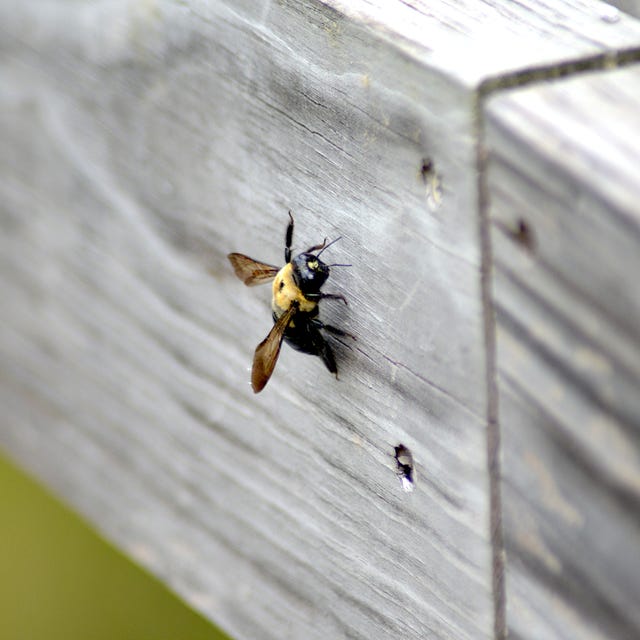
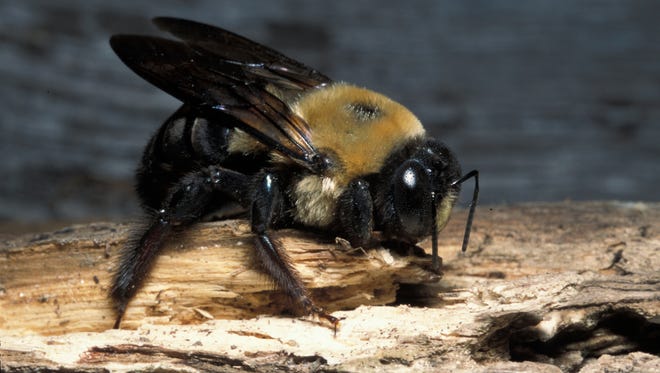
Carpenter bees, often mistaken for bumblebees due to their similar size and coloring, pose a significant threat to wooden structures in homes. Unlike bumblebees, which are fuzzy all over, carpenter bees have smooth, shiny backsides. While generally non-aggressive and rarely stinging, these insects cause damage by boring into wood, particularly softwoods like pine and cedar, especially if weathered or untreated. Females drill 3/8 to 1/2-inch holes and create tunnels several inches long to lay eggs, filling them with pollen and nectar for the larvae. The wood shavings mixed with saliva form partitions between egg cells, resembling particle board. This activity can lead to cosmetic and, over time, structural damage if left unaddressed. Additionally, carpenter bee larvae can attract woodpeckers, which may further exacerbate damage by tearing into siding and rafters to access the larvae.
The initial attempts to deter carpenter bees often involve home remedies, such as spraying holes with WD-40, vinegar, almond oil, Dawn dish soap, or using herbal deterrents like basil, eucalyptus, peppermint oil, and garlic tinctures. Fake wasp nests are also sometimes employed, based on the theory that bees avoid territories already claimed by wasps. However, these methods typically require frequent reapplication and often prove ineffective against persistent carpenter bee infestations, as observed in one individual's experience.
The lifecycle of carpenter bees includes larvae emerging as adults in late summer, with returning adults potentially boring new holes in the same locations year after year. Effective control often necessitates chemical insecticides, such as liquid sprays containing Sevin, Spectracide, permethrin, or deltamethrin, applied directly into the nesting holes every 14 days. Crucially, timing is key; addressing the issue before the bees fully establish themselves in spring is vital. This proactive approach involves sealing old holes and repainting or restaining weathered softwood before the next season. When bees return, prompt action with insecticide and hole-filling supplies is recommended. Additionally, hanging carpenter bee traps can serve as an extra deterrent.
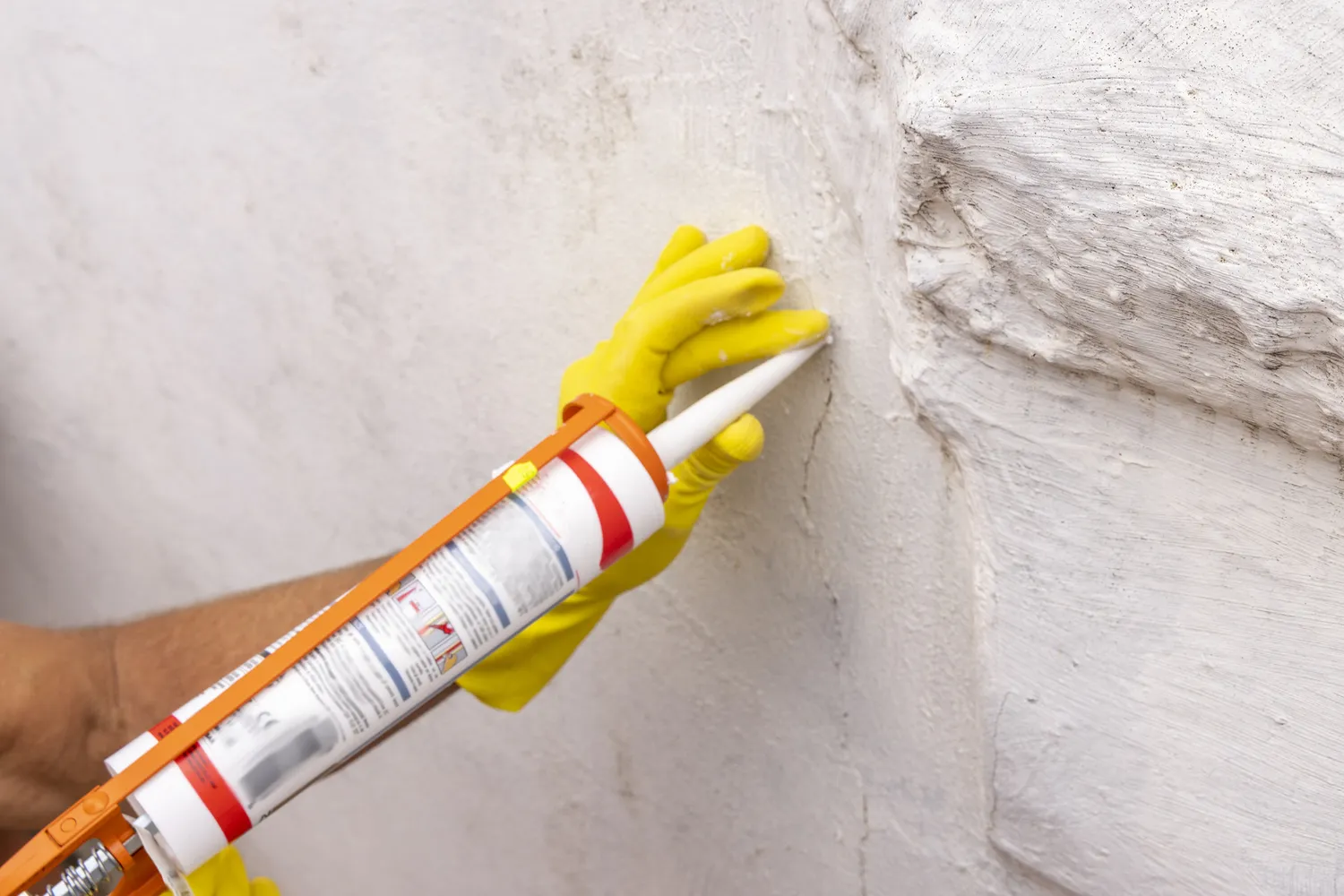
To effectively prevent carpenter bee damage, a multi-step approach is advised. First, acquire an insecticide like Spectracide and spray existing holes, ideally in the evening when bees are less active, leaving the holes open for a few days. Next, plug the holes using materials such as steel wool, wood dowels (especially oak dowels for hardwoods) secured with wood glue or putty, silicone caulking, or expanding foam sealant for deeper tunnels. Re-painting or re-staining weathered wood every 2 to 5 years, depending on the finish and climate, is also essential, as carpenter bees prefer untreated or weathered wood. Finally, installing carpenter bee traps can supplement these efforts, though their effectiveness may vary. This comprehensive strategy, combining chemical treatment, physical repair, and preventative maintenance, is crucial for long-term protection against carpenter bee infestations and the associated structural damage.
#CarpenterBeeDeterrent #HomeMaintenance #PestControl #WoodDamageRepair #Insecticide #DIYHomeImprovement #HomeProtection #SeasonalPestControl #CarpenterBeeDeterrent #HomeMaintenance #PestControl #WoodDamageRepair #Insecticide #DIYHomeImprovement #HomeProtection #SeasonalPestControl
 Noch keine Kommentare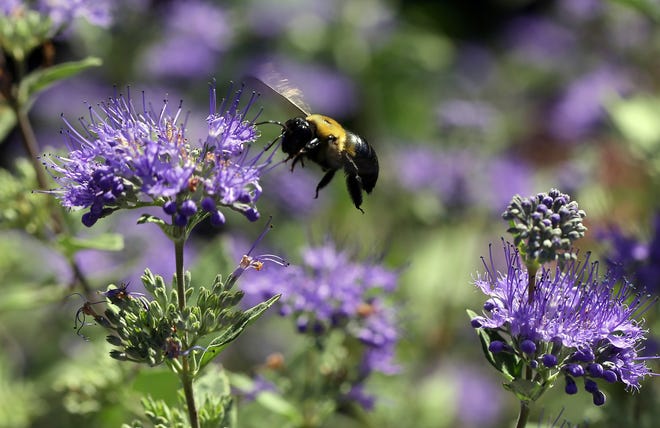
Buzzing pests: Carpenter bees can cause destruction
Rideout: Carpenter bees on patrol
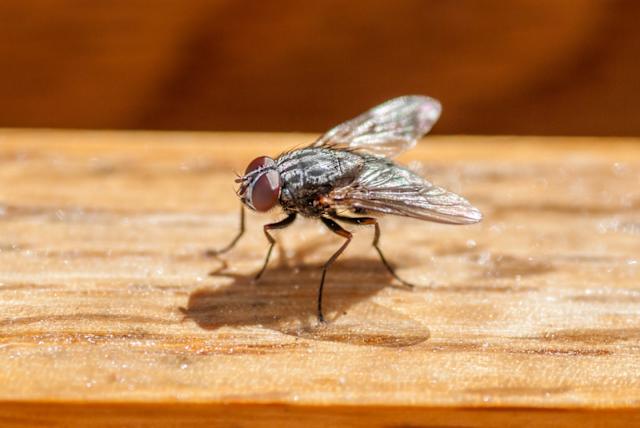
10 Easy Ways to Keep Cluster Flies Out of Your House for Good This Fall
Stop Pests Before They Move In: 5 Places You Need to Seal Around Your Home Right Now
