1/11
Michael Hsu Pays Homage to Japanese Tradition in Uchi Miami
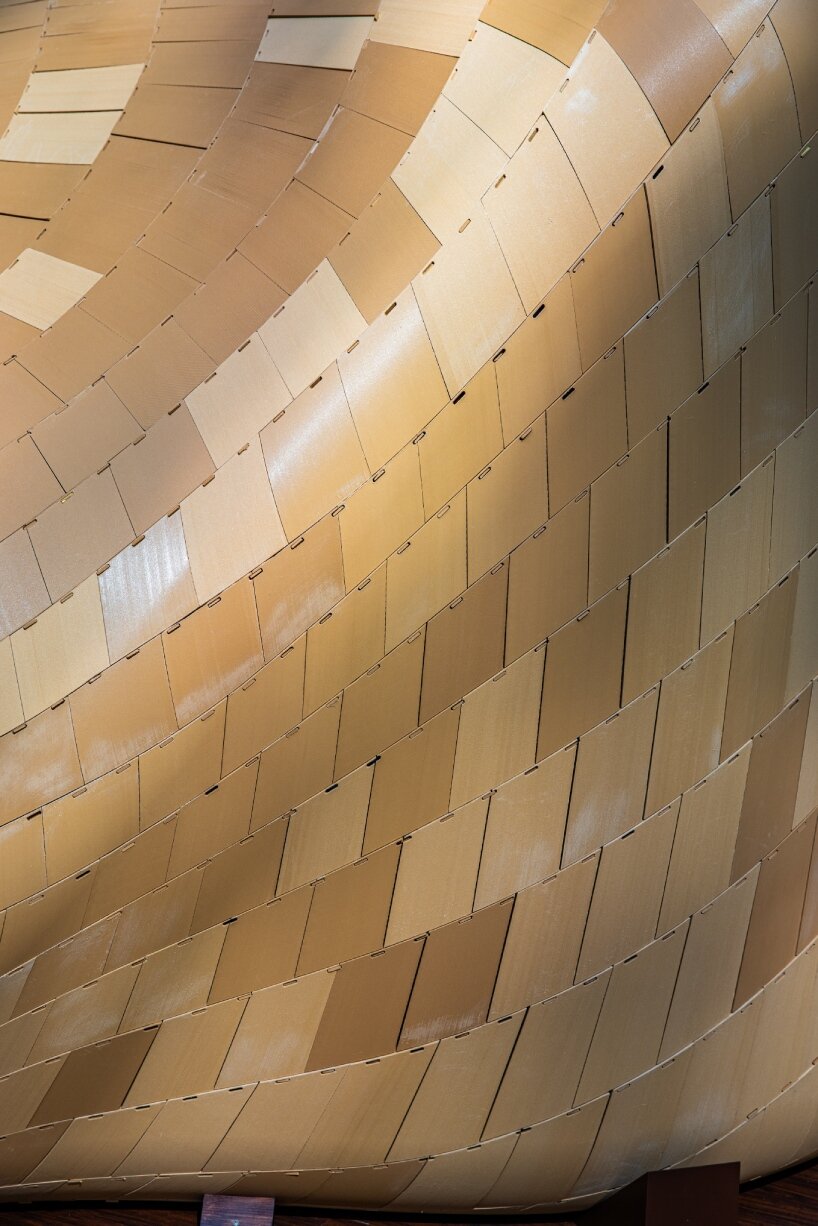
In Miami's Wynwood neighborhood, Michael Hsu and his team have created Uchi Miami, an extension of the renowned Austin-based Japanese restaurant. Opened late last year amid the COVID-19 pandemic, the restaurant's design meticulously integrates Japanese traditions of craft and artistry, evident from its sushi rolls to its carefully chosen wooden elements. The design vision was heavily influenced by Japanese wrapping techniques, particularly how gifts, vegetables, and fruits are presented, fostering an atmosphere of continuous discovery within the space. Hsu emphasized how architectural inspiration was drawn from ropes, strings, and the act of tying things together, leading to a deliberate exploration of material paradoxes.
Upon entering, guests are greeted by a custom wall crafted from concrete blocks and interwoven cotton rope, appearing to be held in place solely by the ropes. This unique piece was created by local artist Vas Bets. The restaurant's design incorporates bespoke artwork throughout, adding a whimsical touch that resonates with the surrounding neighborhood. Examples include a hand-drawn chalk mural by Sam Angus Jackson depicting jellyfish above the sushi counter and custom woven lighting fixtures that appear to float above dining tables, designed by Warbach. These elements contribute to a holistic sensory experience, which Hsu described as a primary goal.
To enhance this sensory journey, the team utilized organic materials and biophilic elements, such as lush, vibrant plants. The seating arrangement offers a mix of intimate booths and communal tables, catering to various dining preferences. A significant challenge in the design process was managing Miami's intense sunlight, especially for an upscale dining establishment. To achieve a more subdued and intimate ambiance, Hsu opted to drape the glass facade. This strategic use of drapery creates a varied blend of tonal textures and hues, effectively diffusing the natural light while simultaneously instilling a sense of mystery, reminiscent of a meticulously wrapped package tied with string.
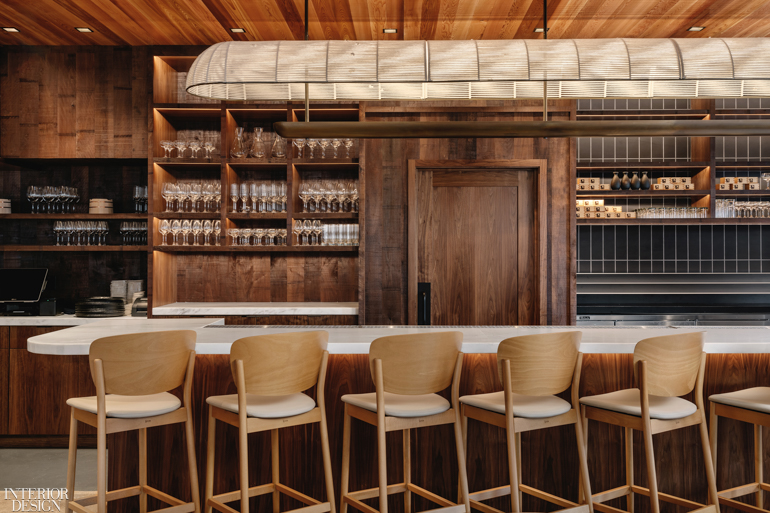
The restaurant's interior features several notable design elements that reinforce the Japanese aesthetic. Rattan booths provide a sense of privacy for diners. Curved banquettes and booths showcase interwoven seat backs, reflecting traditional textile practices. In the bar area, walnut and ash wood are prominently used to create a focal point, further highlighting the concept of contrasting elements that is central to the design. Hand-woven wall hangings by local artist Elan Byrd adorn the walls of the private dining area, adding another layer of textural richness. Even the restrooms maintain the geometric forms and material palette seen throughout the rest of the restaurant, ensuring a cohesive design experience. The exterior also features a custom brick wall by Vas Bets, welcoming guests and setting the tone for the interior experience. The overall design successfully translates the delicate artistry and material sensitivity of Japanese traditions into a contemporary restaurant setting, creating a space that is both visually engaging and experientially rich.
#JapaneseTradition #RestaurantDesign #MichaelHsu #UchiMiami #InteriorDesign #WynwoodMiami #MaterialContrast #SensorialExperience #BiophilicDesign #JapaneseTradition #RestaurantDesign #MichaelHsu #UchiMiami #InteriorDesign #WynwoodMiami #MaterialContrast #SensorialExperience #BiophilicDesign
0 Kommentare insgesamt
 Noch keine Kommentare
Das könnte Ihnen auch gefallen
Experience an authentic tea ceremony at Seattle Japanese Garden
A moving meditation: Finding serenity in tea ceremony across space and time

These 7 Places In America Look Like They've Been Airlifted Over From Japan

Inside a Japanese tea ceremony, N.J.’s most tranquil hideaway
Muji explores the art of minimalism in Japanese rock garden installation in New York

10 Japanese-Inspired Destinations In The United States
Sip and savor traditions of Japanese tea ceremonies at Art Complex Museum in Duxbury

kei atsumi on bridging ancient japanese joinery & 3D printing at dubai design week pavilion