1/4
Is the mirrored wall the new accent wall to try in 2025?
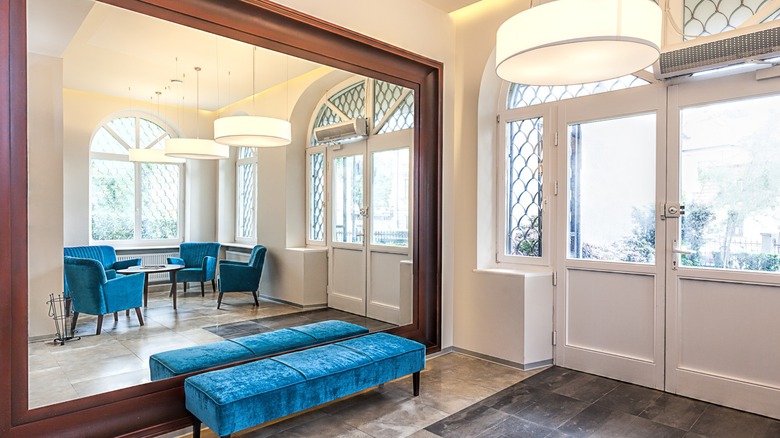
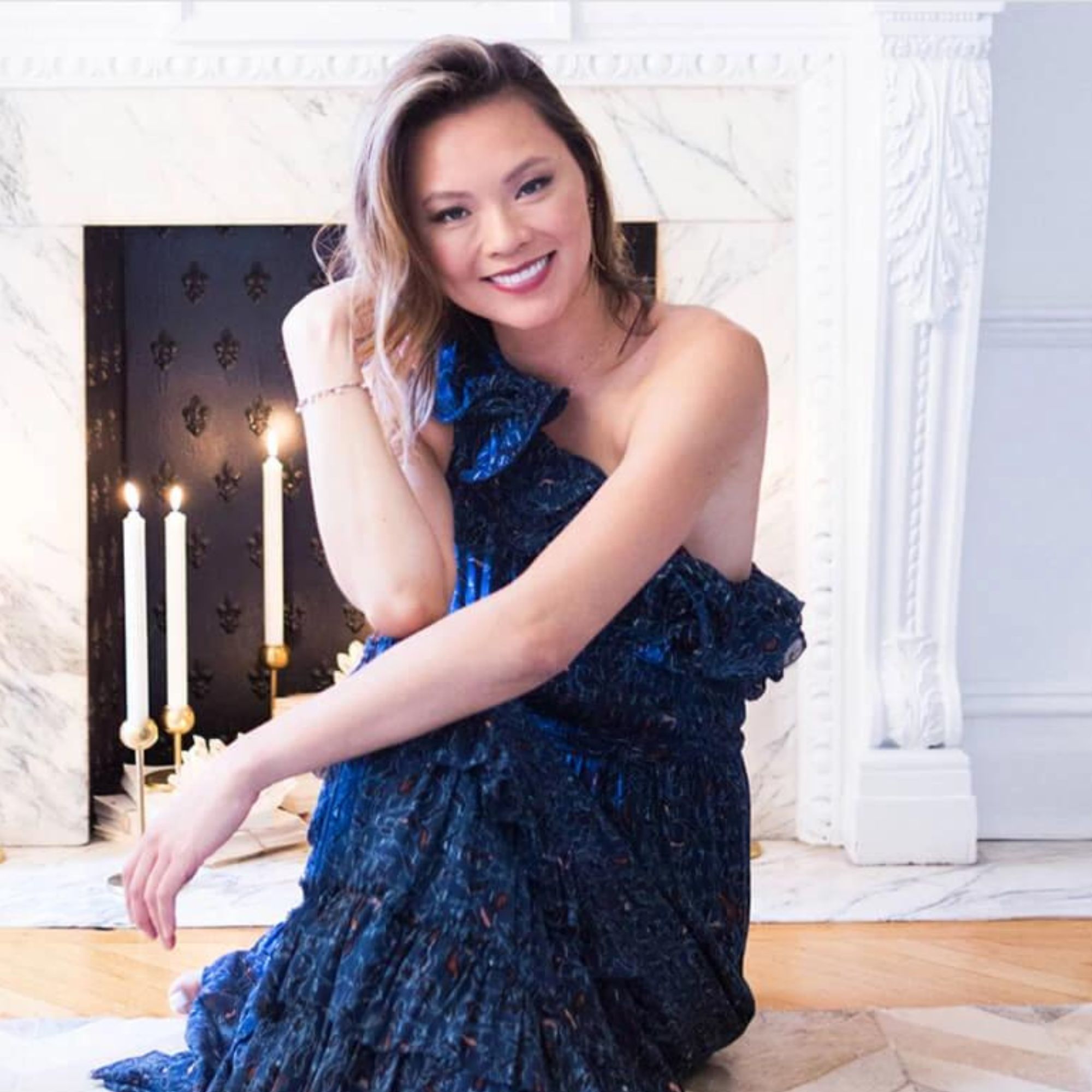
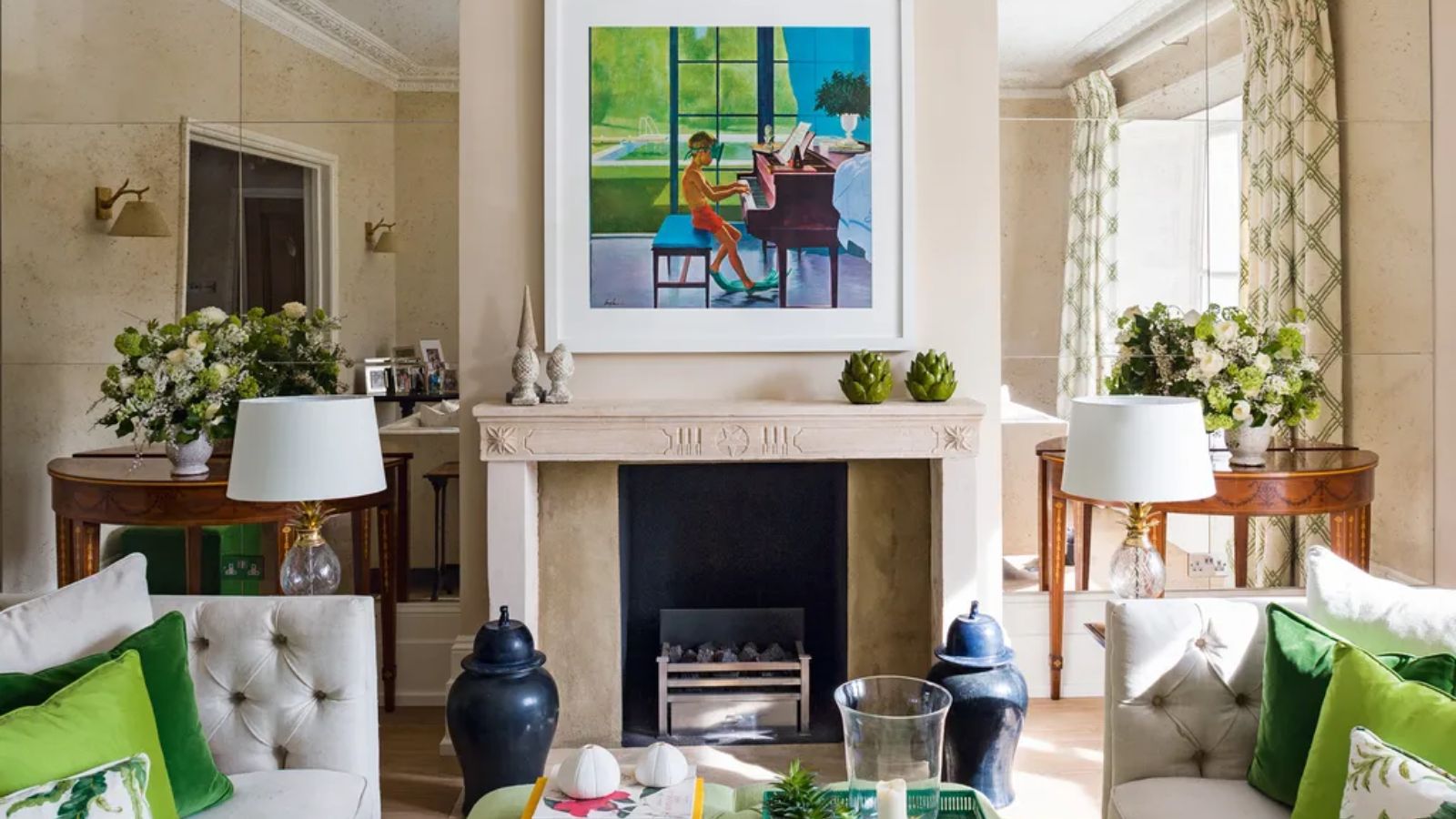
The accent wall, a once-popular interior design trend, has largely been deemed outdated by designers in favor of more enveloping decor approaches like color and pattern drenching. However, interior designer and social media influencer Taylor Simon, known as @intayriors, proposes an alternative for 2025: the mirror accent wall. Simon argues that this approach is the only acceptable way to incorporate an accent wall into modern home design.
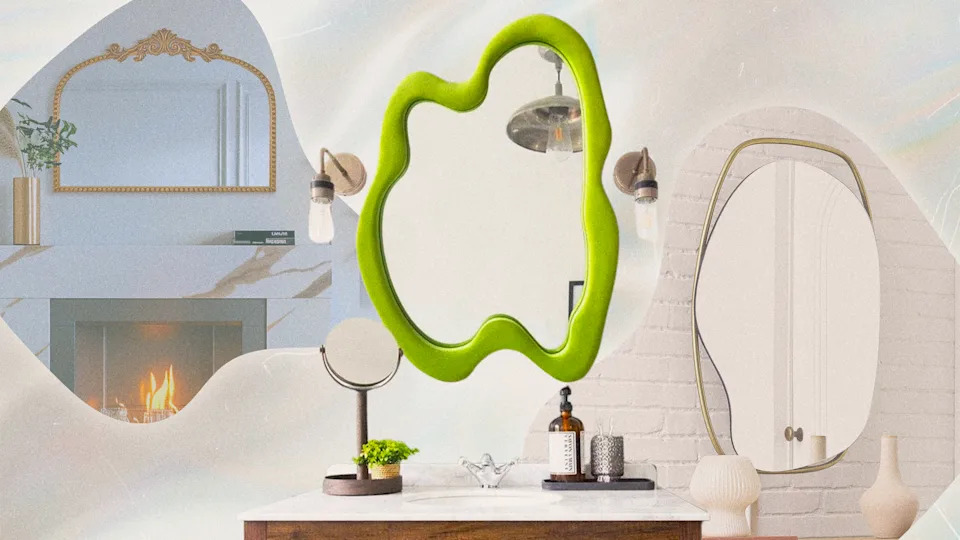
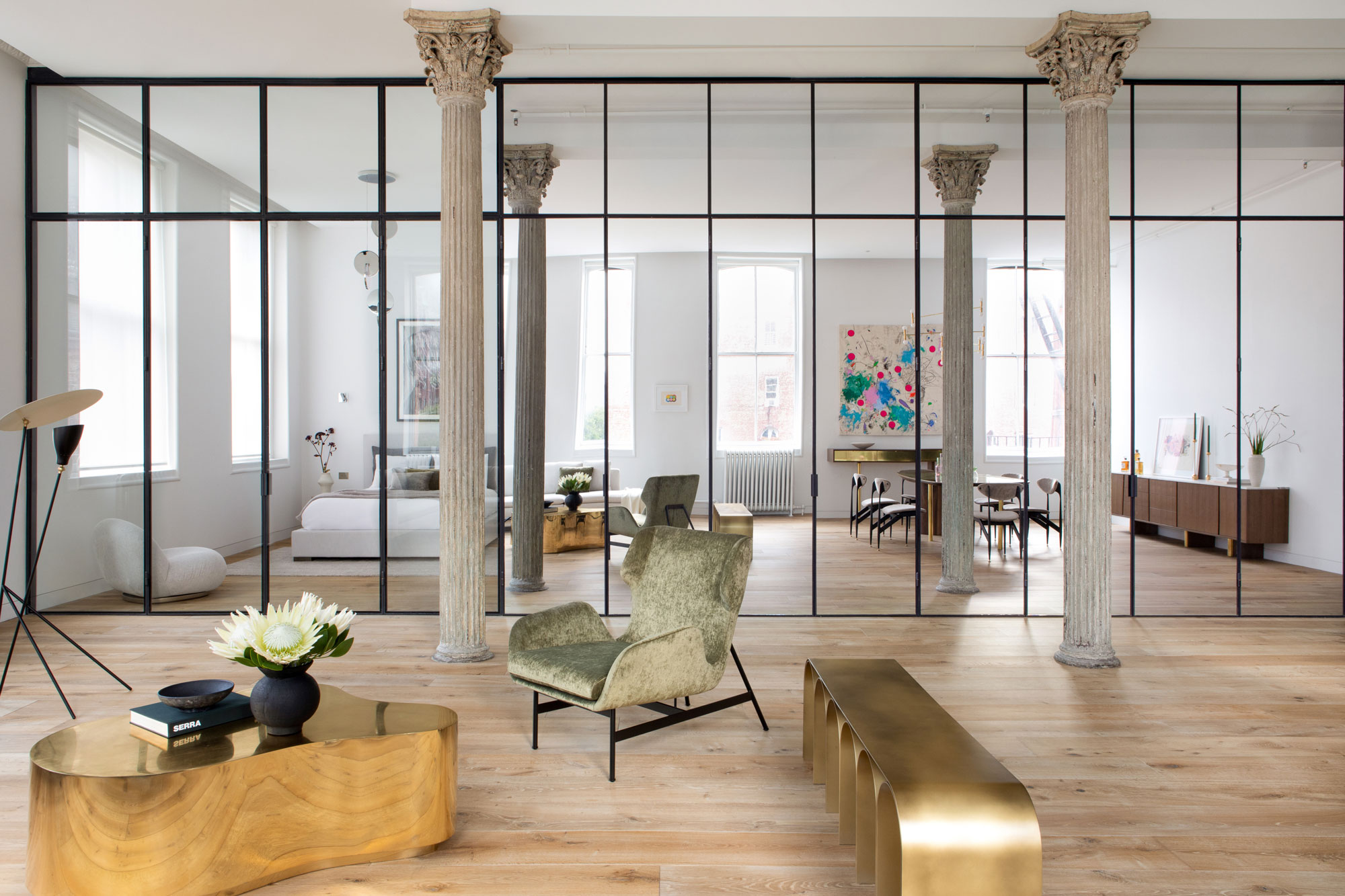
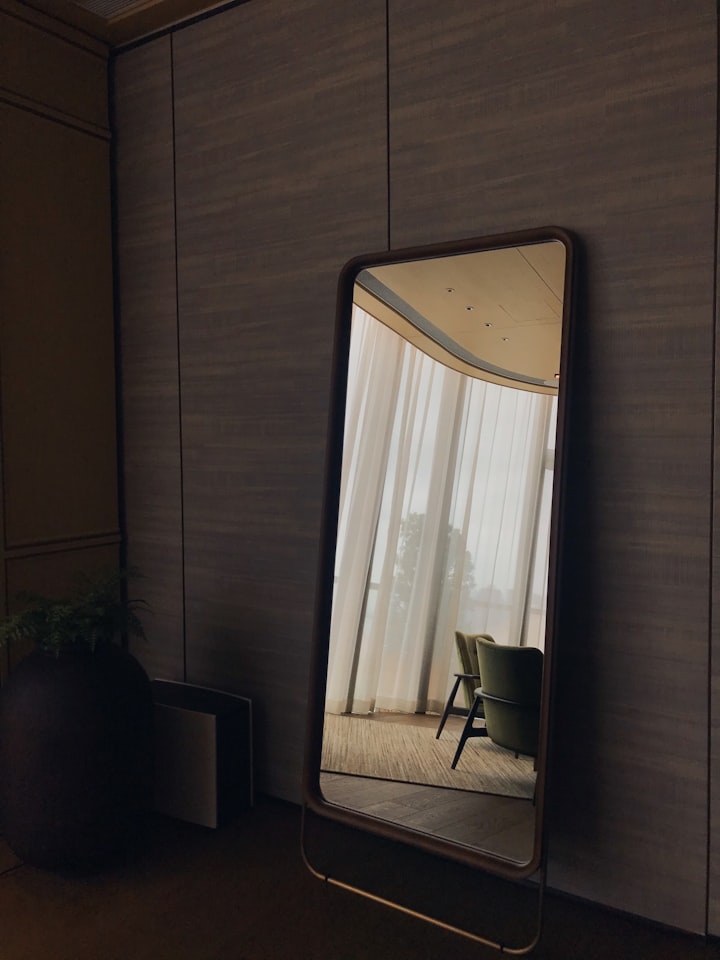
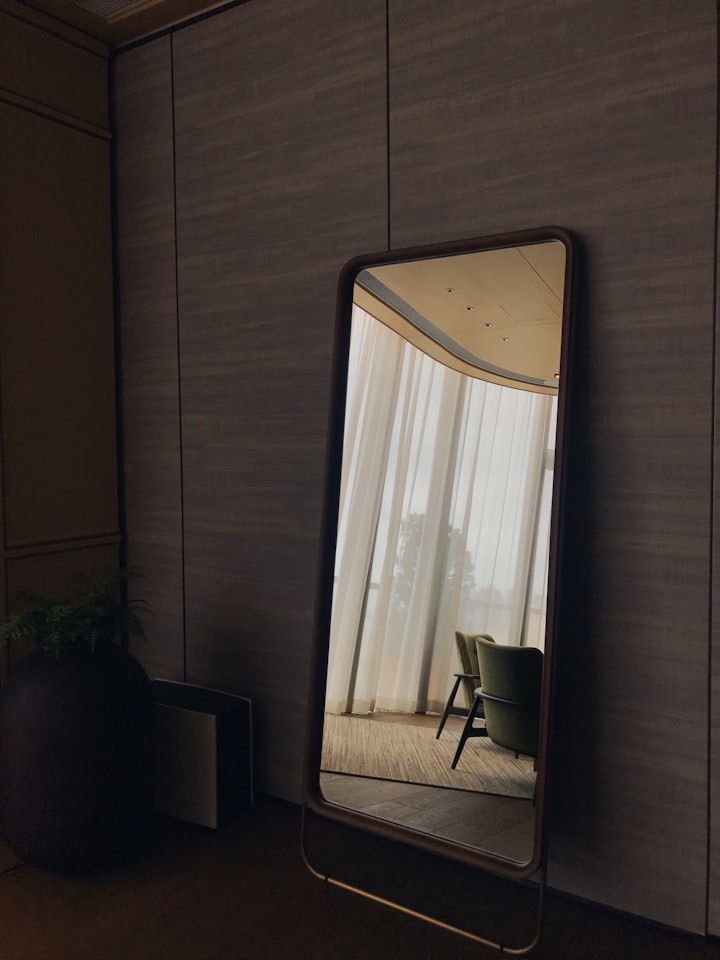
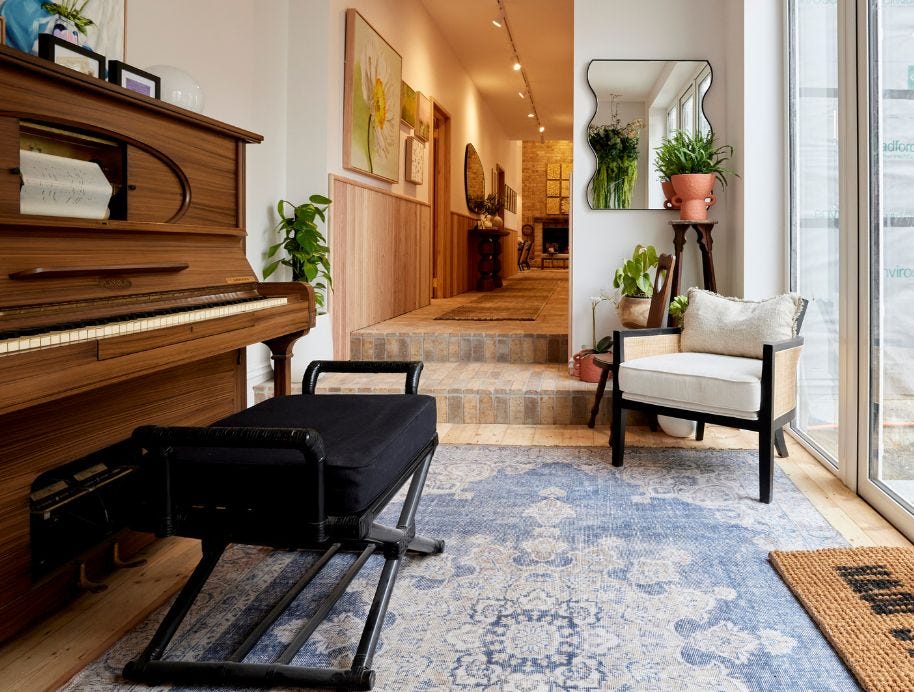
Mirrors are powerful design tools recognized for their ability to reflect light, create an illusion of increased space, and introduce glamour without overwhelming a room. While traditional uses of mirrors involve placing them opposite windows to amplify daylight and views, Simon advocates for a more comprehensive application. She suggests using full-size mirrors for nooks where art or smaller mirrors might feel insufficient, highlighting that a mirror wall can also serve as an effective alternative to a gallery wall.
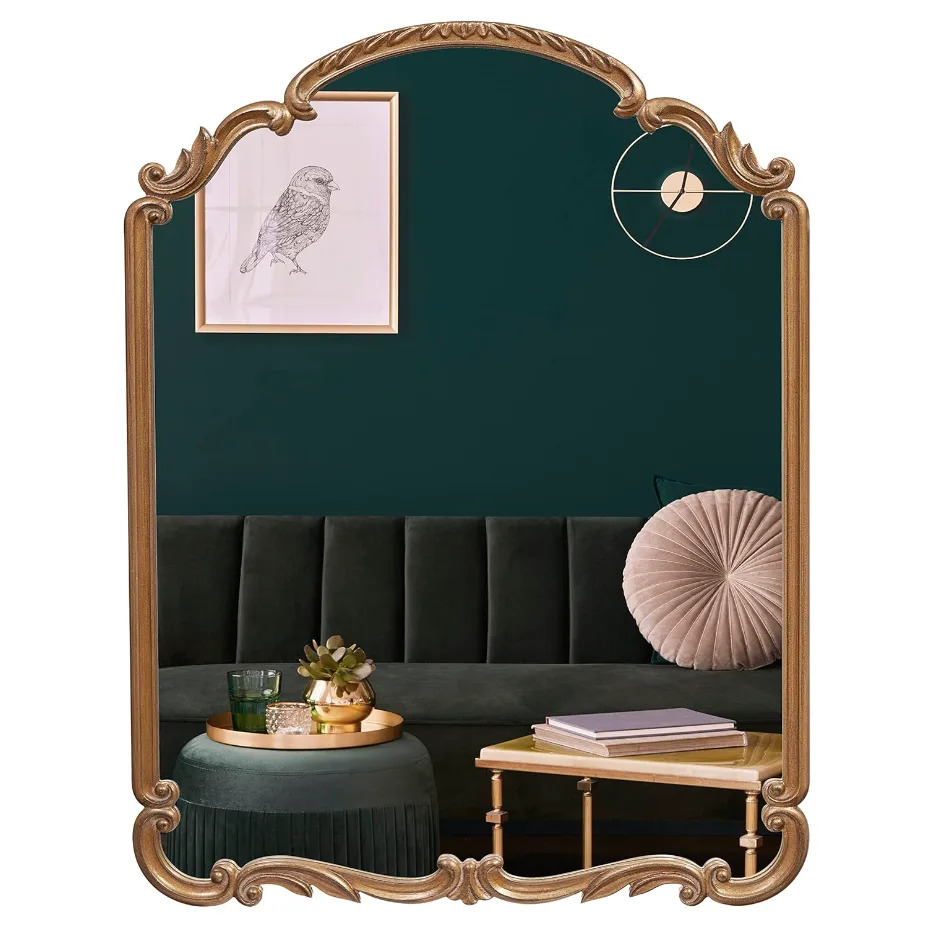
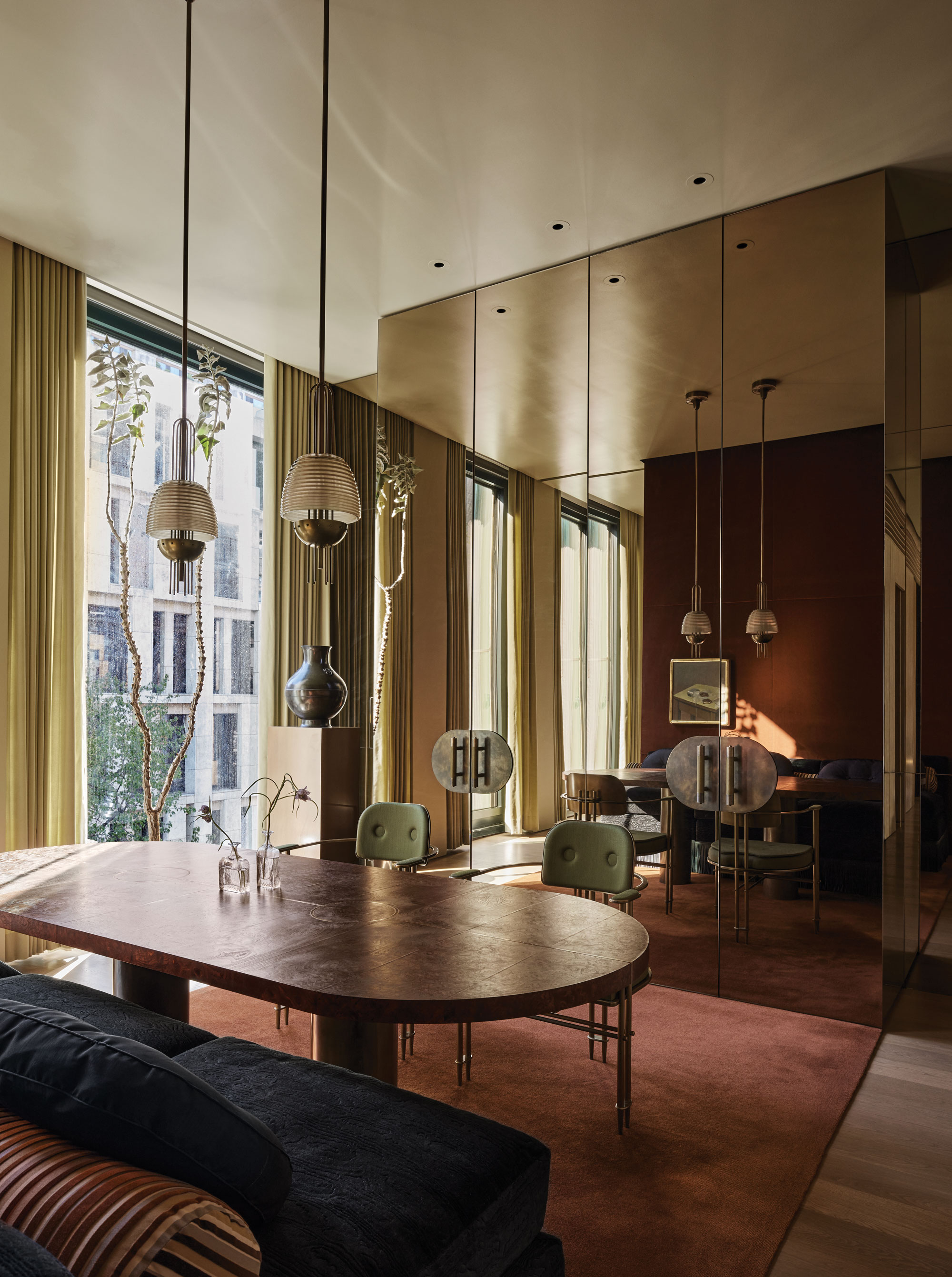
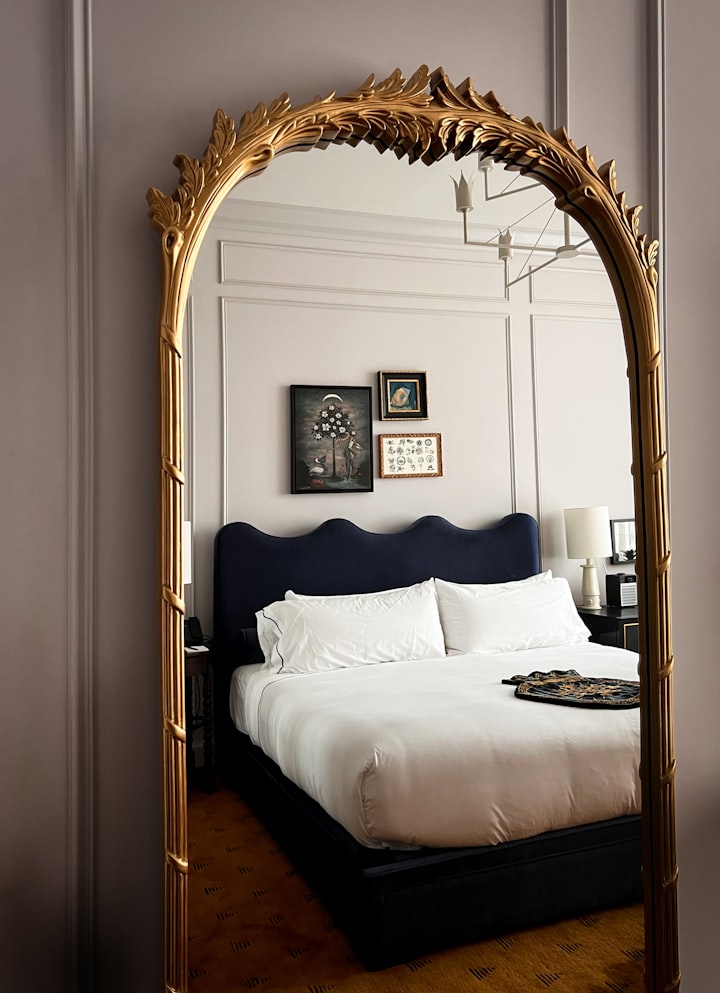
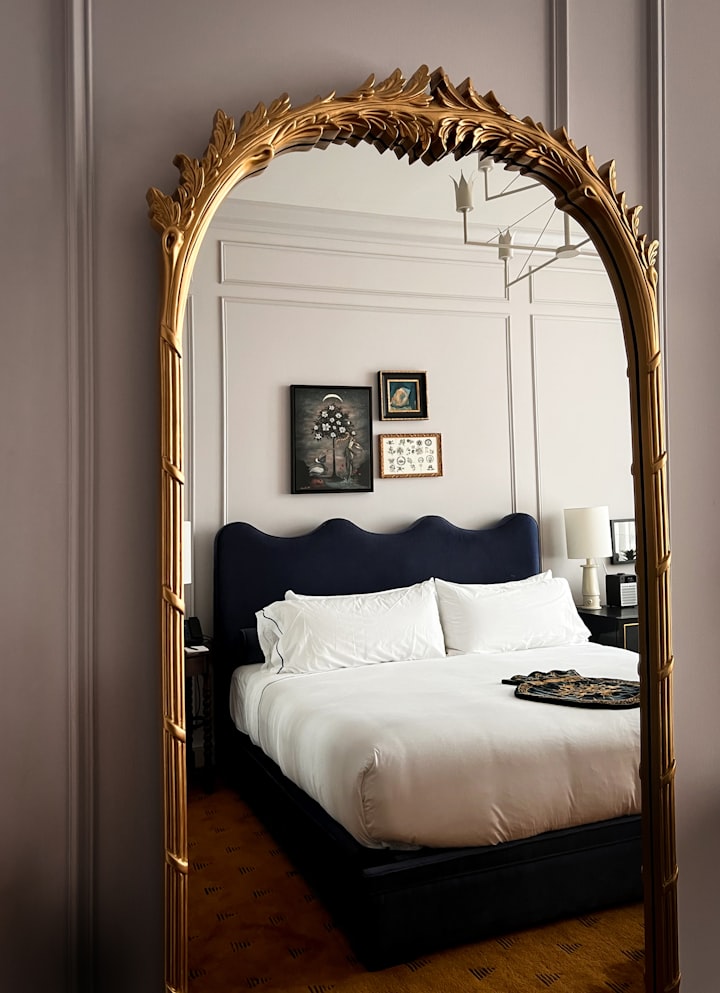
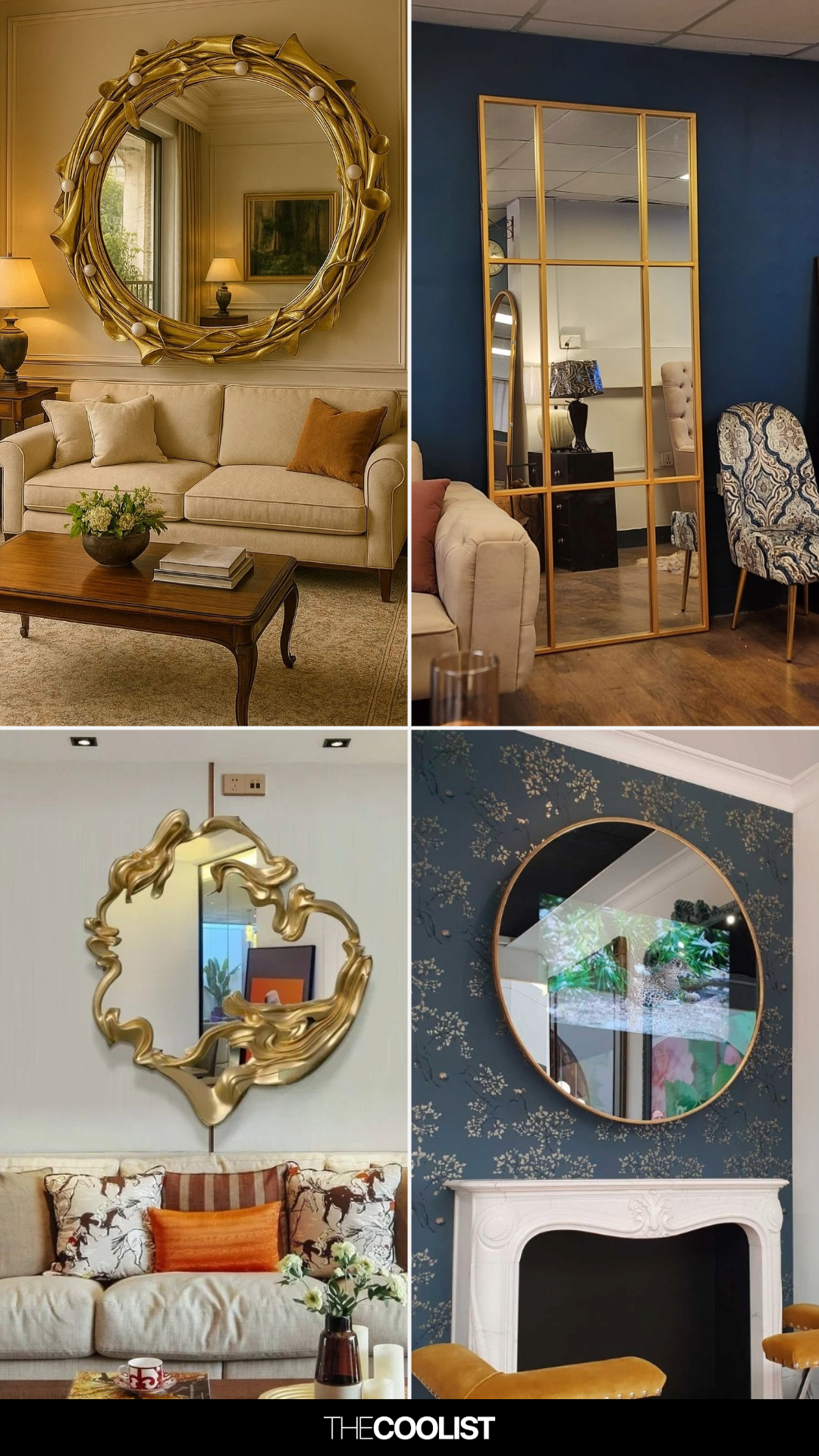
Mirror accent walls can be integrated in various forms, including full floor-to-ceiling panels, antiqued mirror tiles for a vintage aesthetic, or statement pieces framed with architectural molding. This versatility allows them to impart a timeless yet modern feel to interiors. As homeowners increasingly seek methods to maximize natural light and foster a sense of airiness, mirror walls offer both functional benefits and aesthetic appeal.
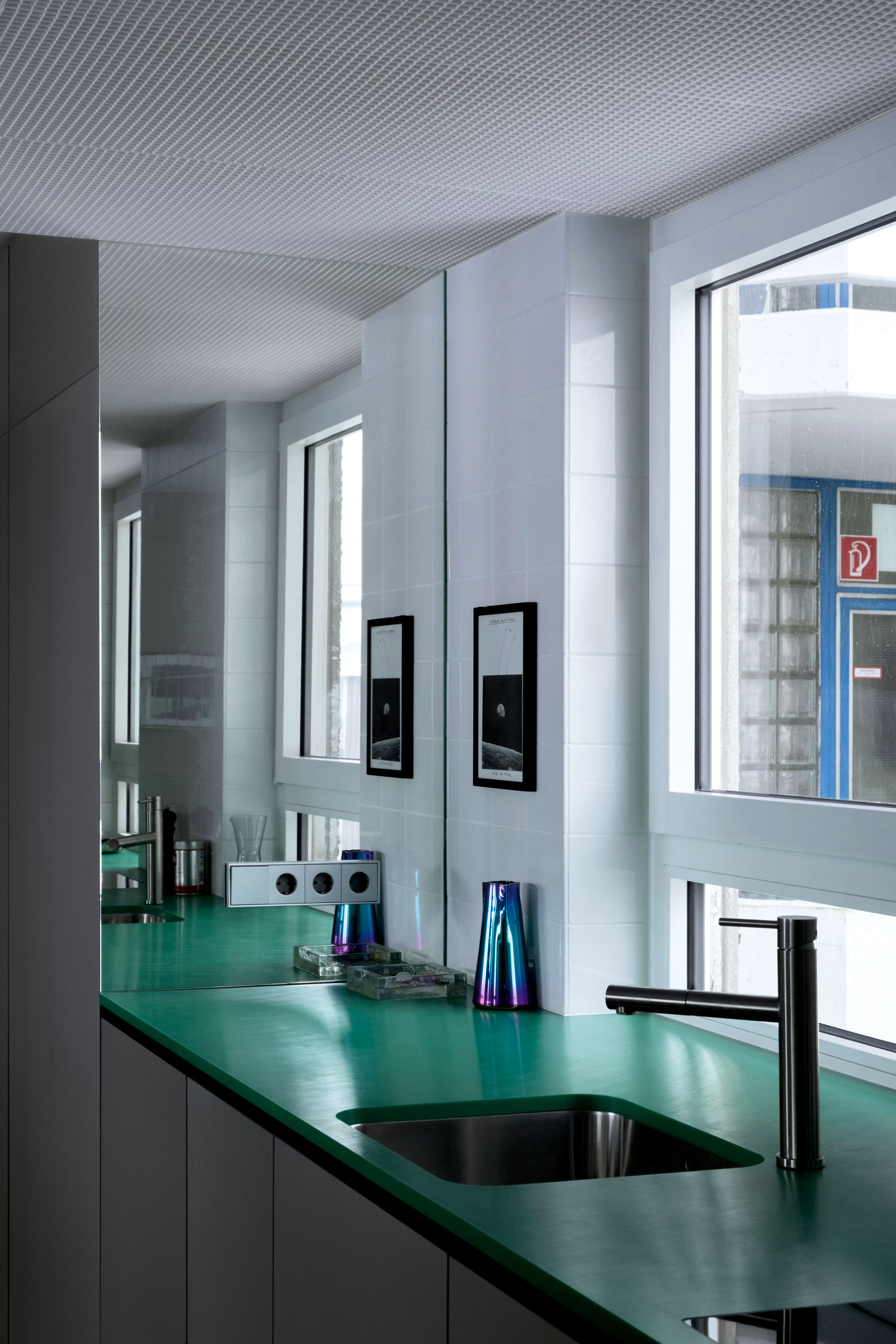
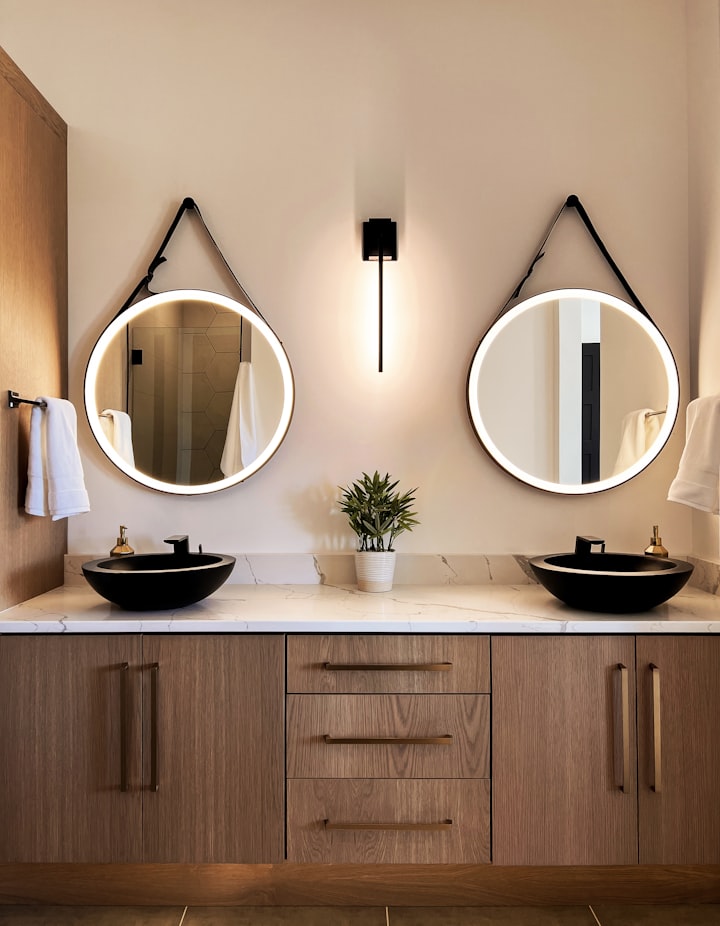
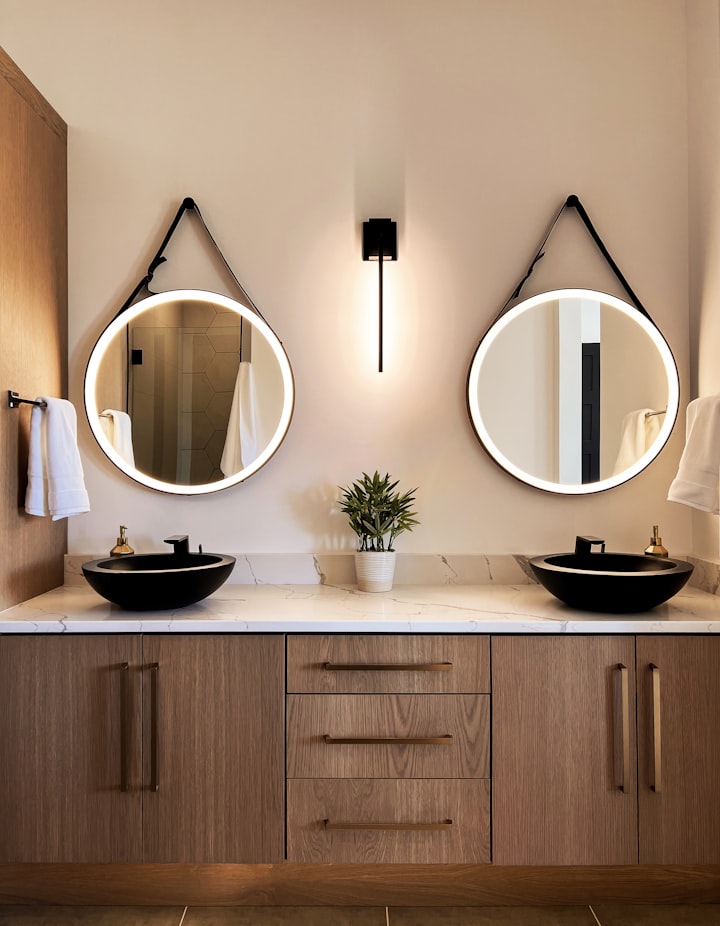
Simon explains that mirrors inherently make rooms appear larger and reflect available light, emphasizing her preference for full, custom mirrors behind bathroom vanities. This specific application, she notes, creates a more bespoke look by occupying the entire wall, making it a valuable strategy for small bathroom designs. When styling a mirror accent wall, achieving a balance among style, texture, and proportion is crucial.
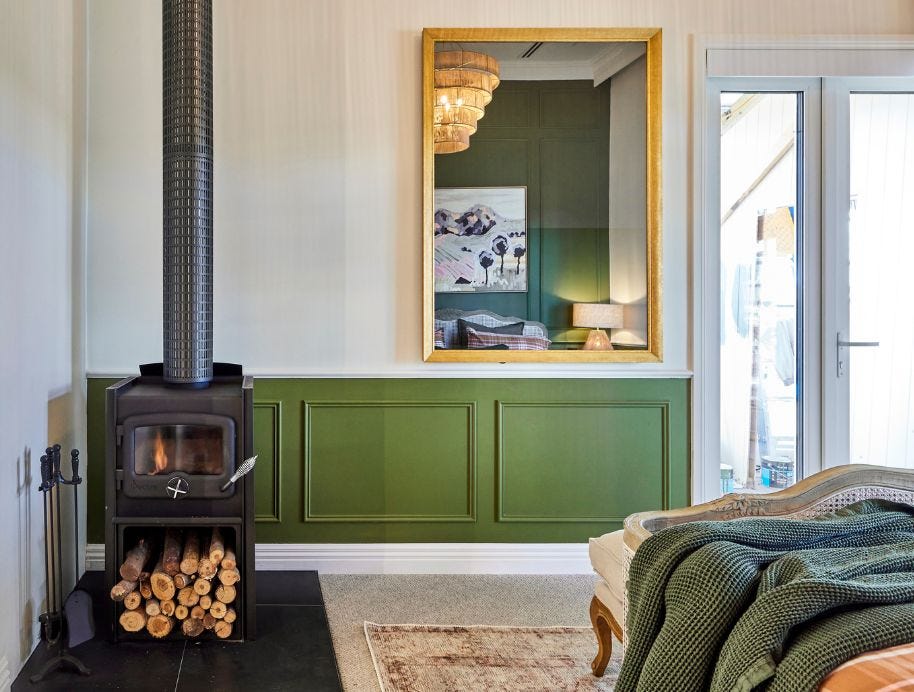
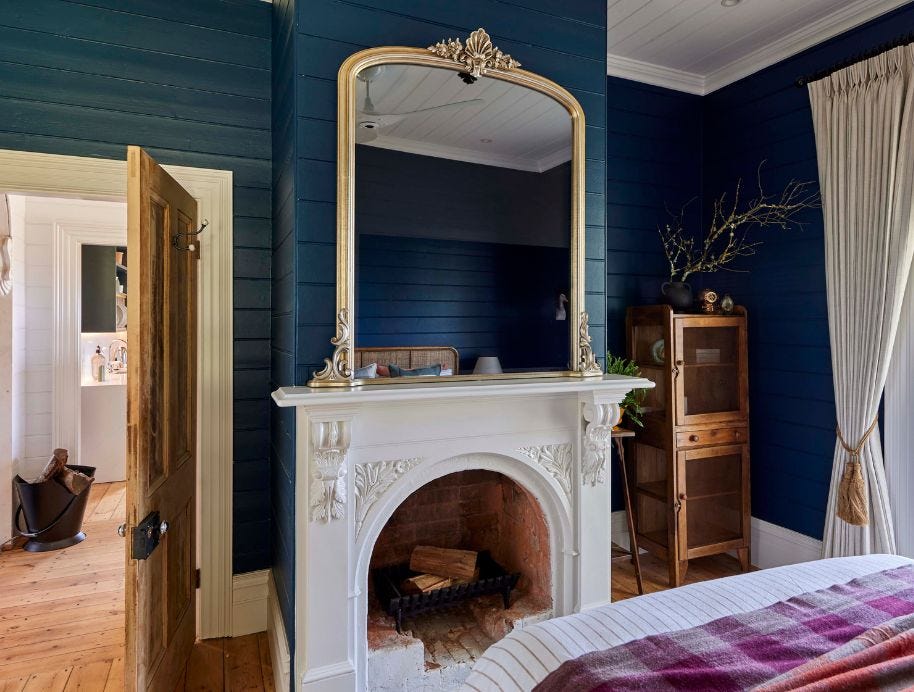
For a sleek, contemporary look, floor-to-ceiling mirrored panels with minimal framing can create a seamless and expansive effect, particularly beneficial for making smaller spaces feel larger. Conversely, those preferring vintage or eclectic styles can opt for distressed finishes, such as antique mirror wall tiles or large thrifted mirrored finds, to add character and depth. Incorporating architectural molding, paneling, or recessed nooks around the mirror can lend it a more intentional, built-in appearance, as demonstrated in a red bedroom example. Layering decor, such as a statement console table, lighting, or tall plants in front of the mirror, can help soften its reflective impact and prevent the space from feeling too stark. Simon also suggests layering art directly over the mirror surface.
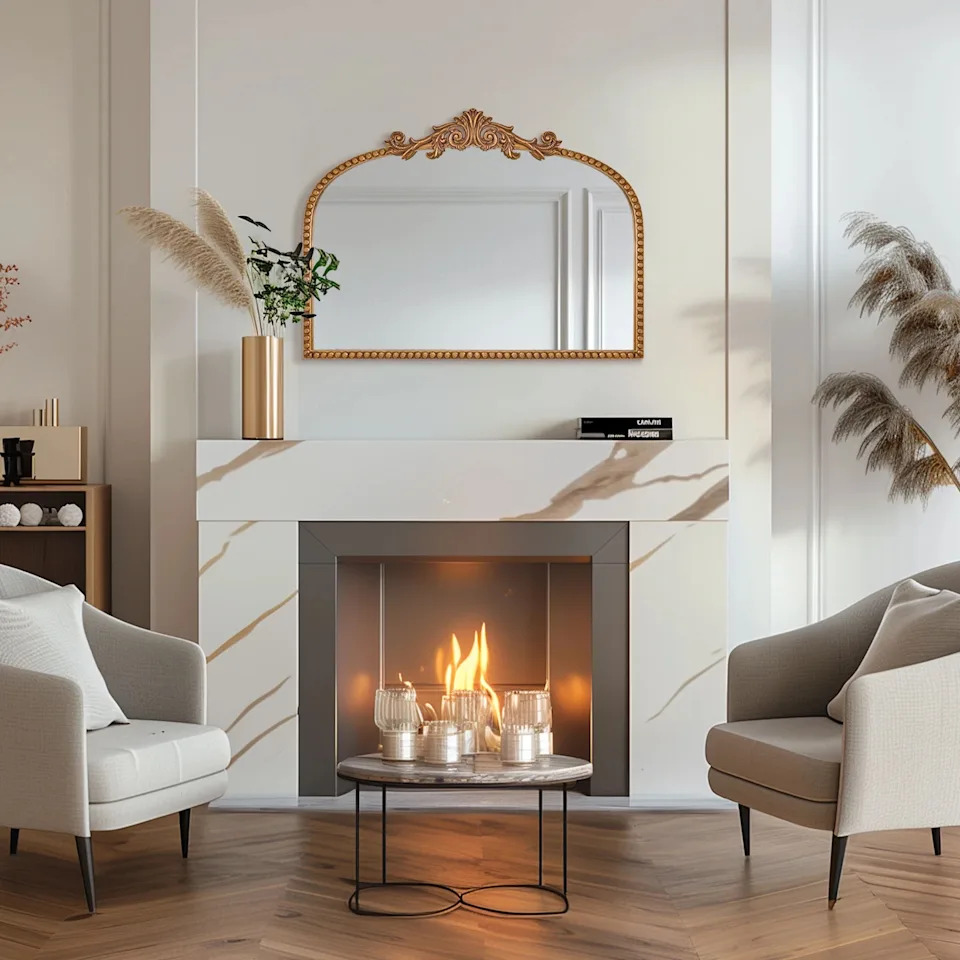
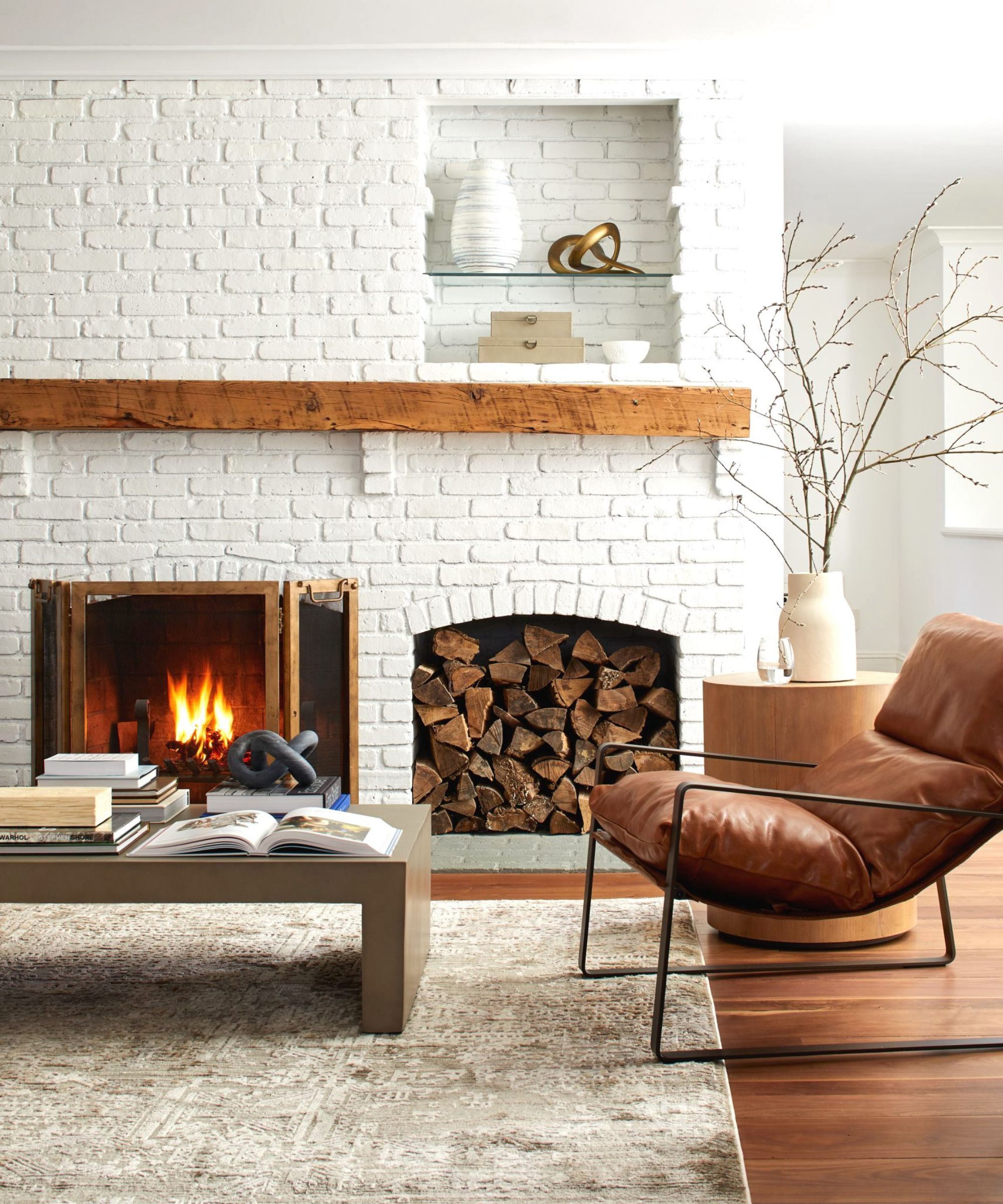
In living room designs, the principle of using a large mirror above a fireplace or sofa to create a focal point and sense of space is extended to the entire accent wall. While still advised to position mirrors opposite windows or light sources to maximize brightness, the emphasis is on using the mirror wall to enhance a focal point, such as a fireplace or an architectural feature, thereby creating a sense of grandeur. The article concludes by inviting readers to consider this reflective trend for their own homes, whether through a bold, full mirrored feature or a more subtle application, stressing the importance of aligning it with personal style and spatial requirements.
#InteriorDesign #AccentWall #MirrorWall #HomeDecorTrends #SpatialDesign #ModernInteriors #DecoratingWithMirrors #TaylorSimon #ReflectiveSurfaces #InteriorDesign #AccentWall #MirrorWall #HomeDecorTrends #SpatialDesign #ModernInteriors #DecoratingWithMirrors #TaylorSimon #ReflectiveSurfaces
0 Kommentare insgesamt
 Noch keine Kommentare
Das könnte Ihnen auch gefallen
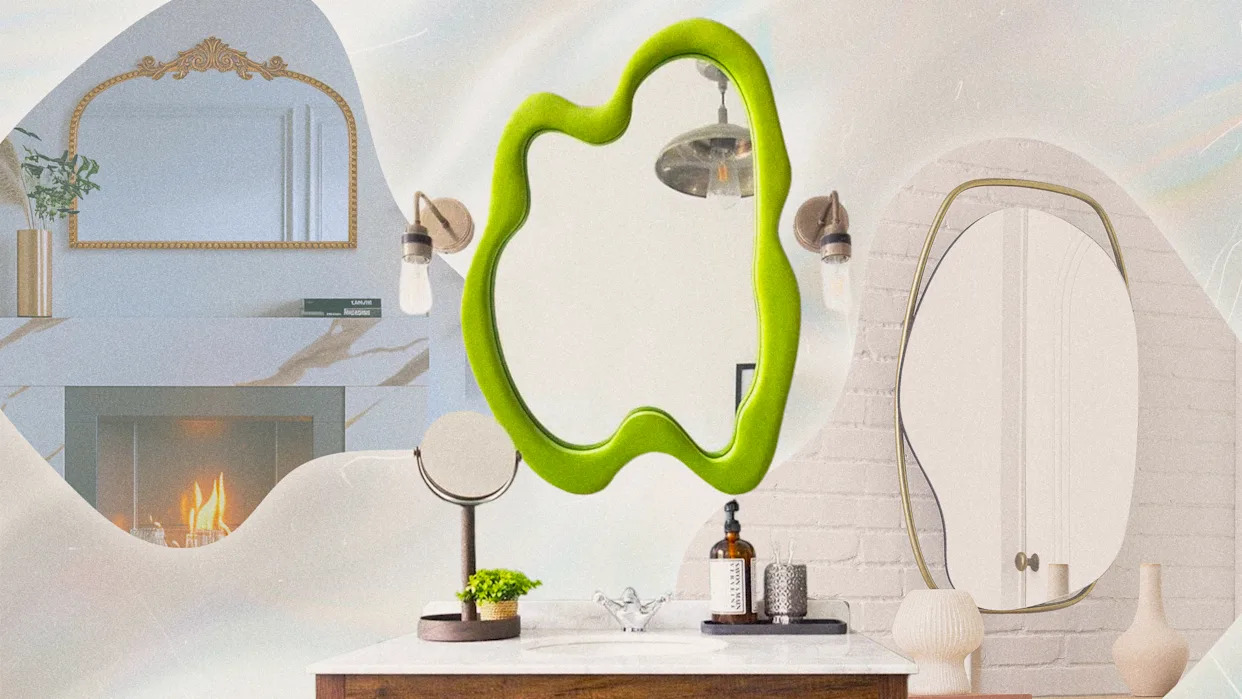
These 2025 Mirror Trends Will Make Even the Barest Walls Look Luxe

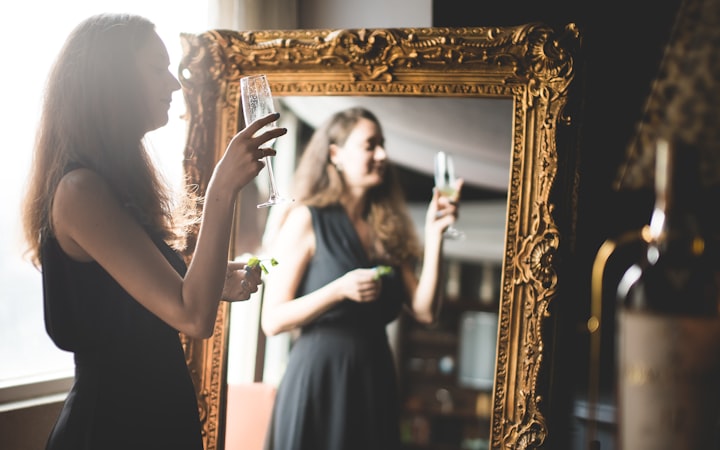
Top Mirror Trends of 2025: From Vanity to Full-Length Styles

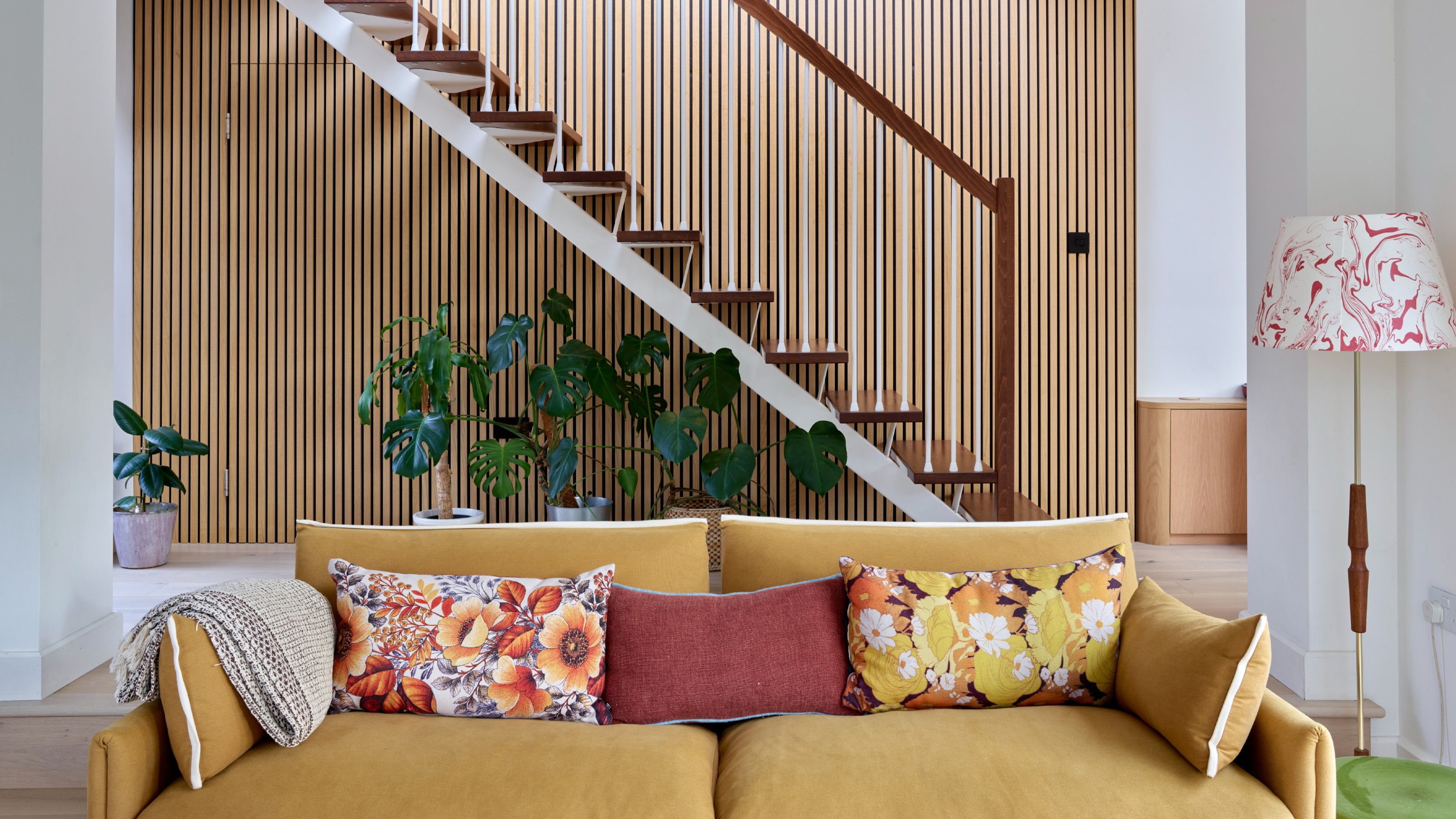
Is wall panelling still on trend in 2025? Yes, but not as you've seen it before with 3 new looks
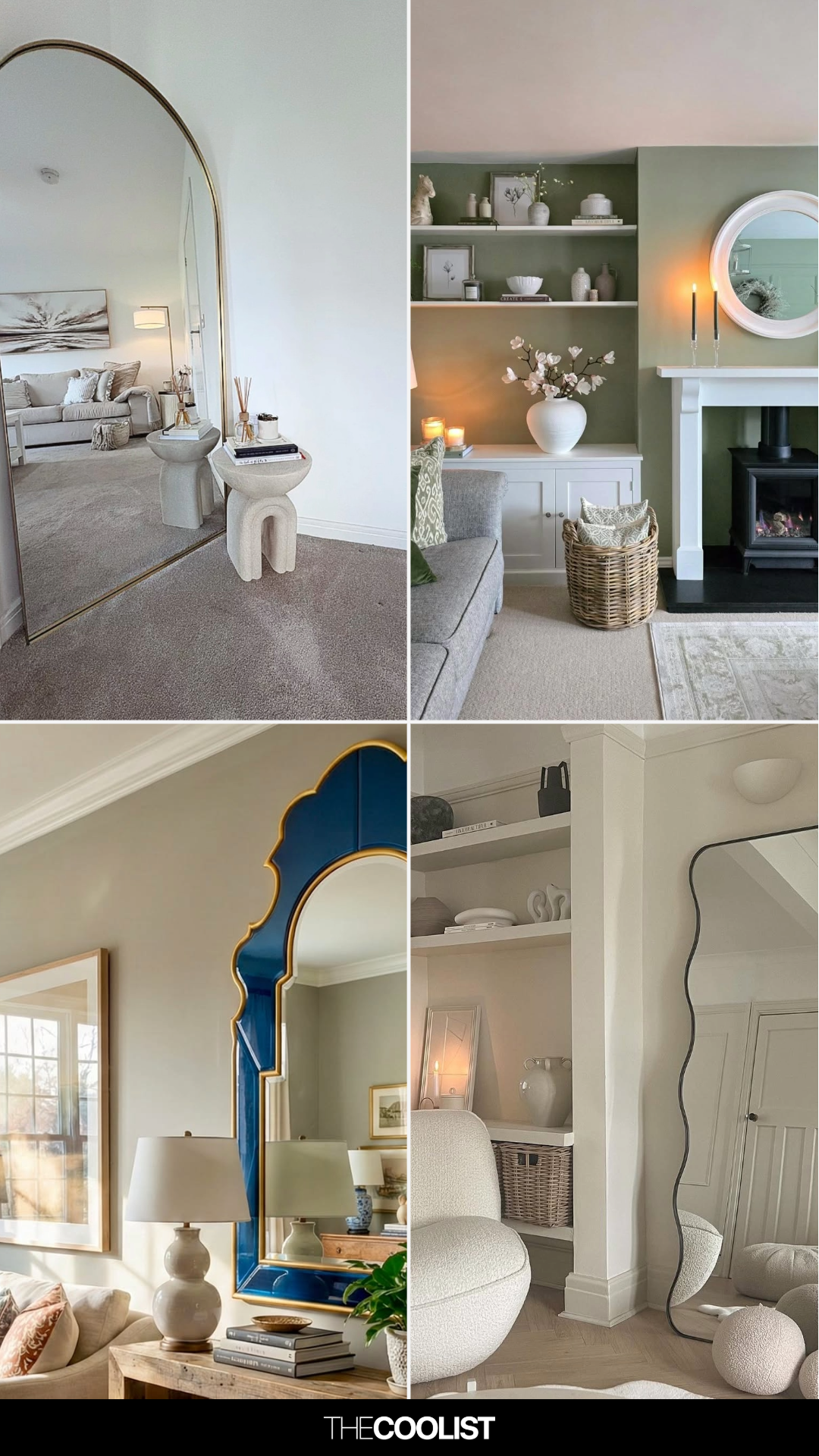
25 Living Room Wall Mirror Ideas for 2026 That Designers Use to Change the Room’s Proportions

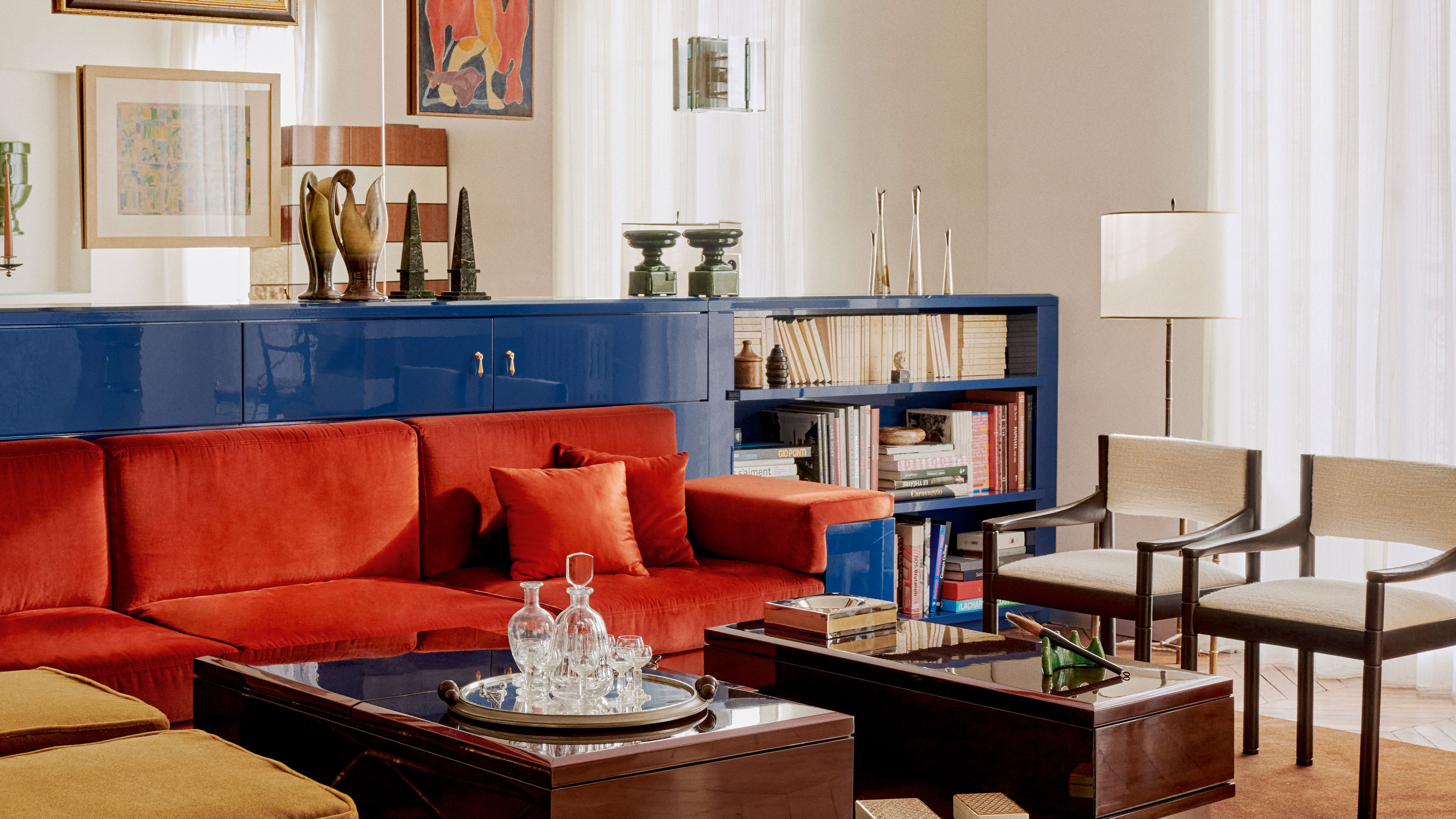
In Defense of Mirrored Walls — Why This "Dated" 70s Trend Is Re-Exciting Us for 2025

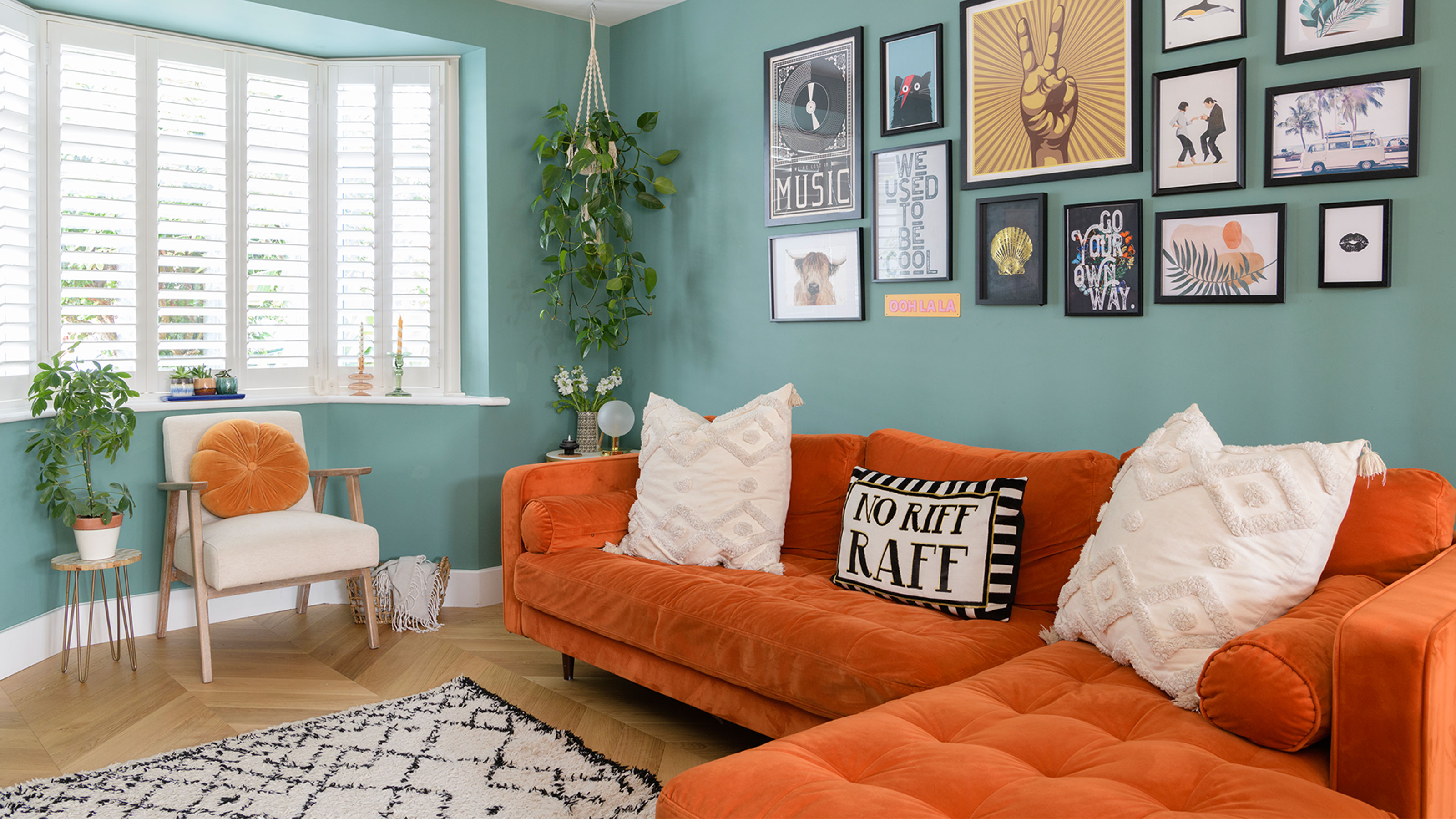
Are gallery walls still in style for 2025? 5 fresh new twists that are shaking up this decorating staple
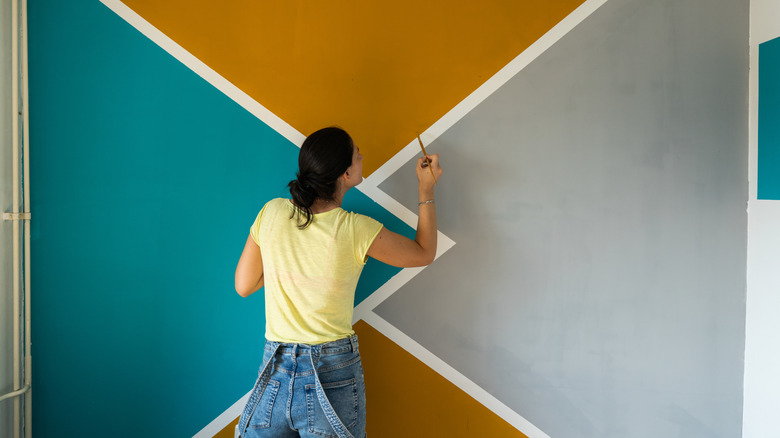
The Statement-Making Accent Wall Trend That's Having A Major Moment In 2025
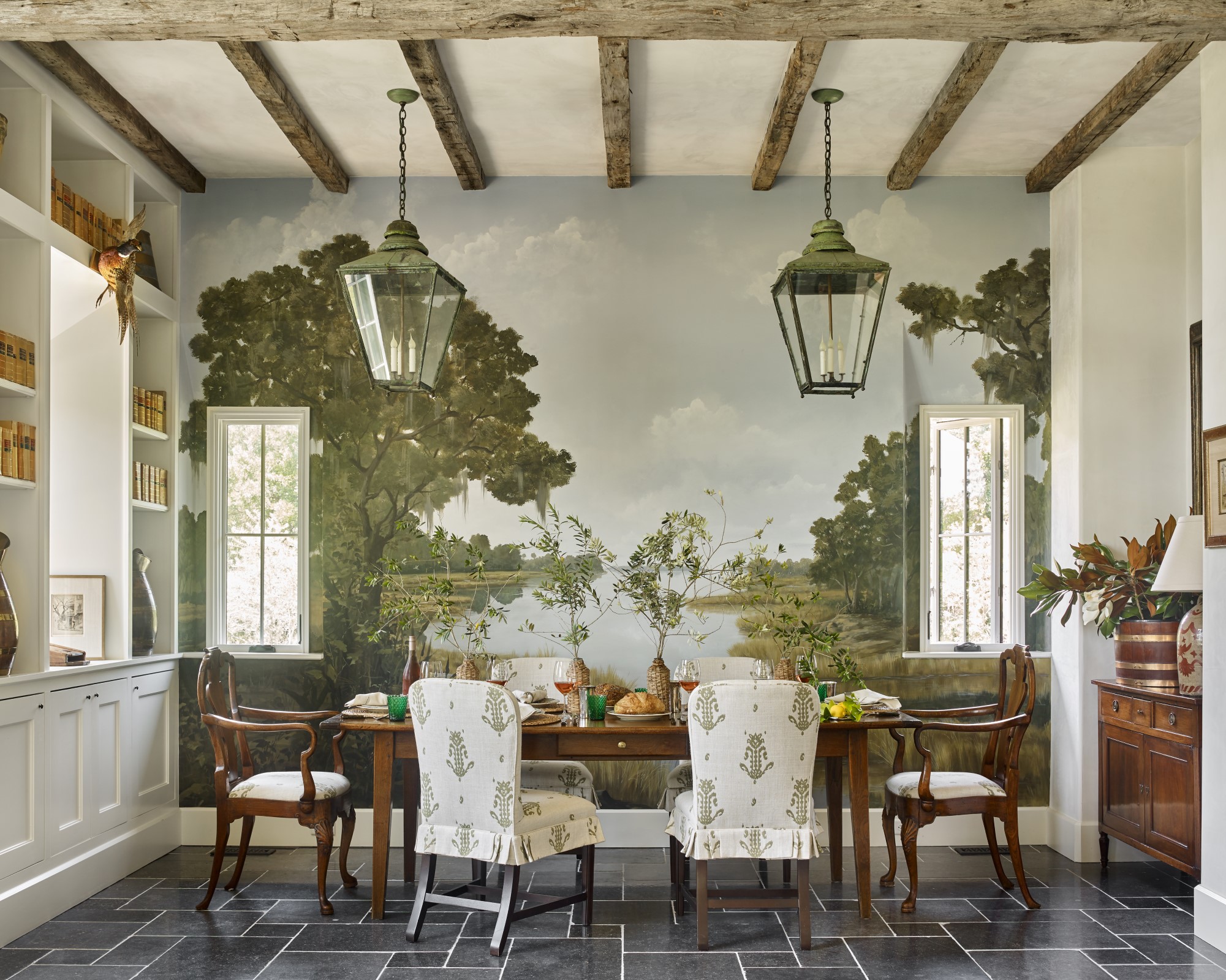
Designers say mural wallpaper is the only acceptable way to do an accent wall in 2025 – here are the best ones I've found
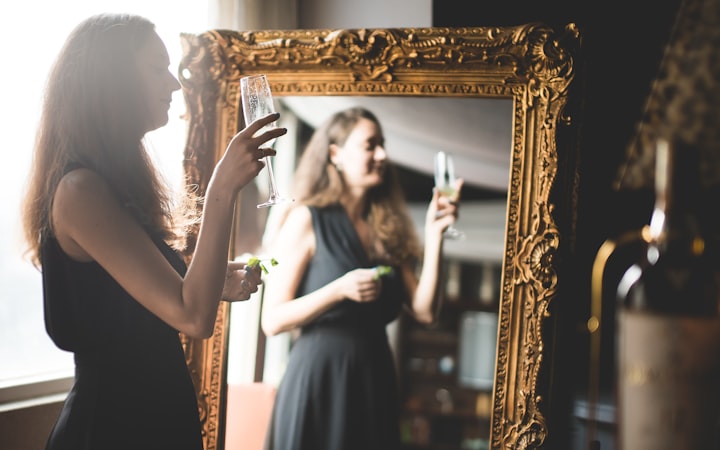
Top Mirror Trends of 2025: From Vanity to Full-Length Styles
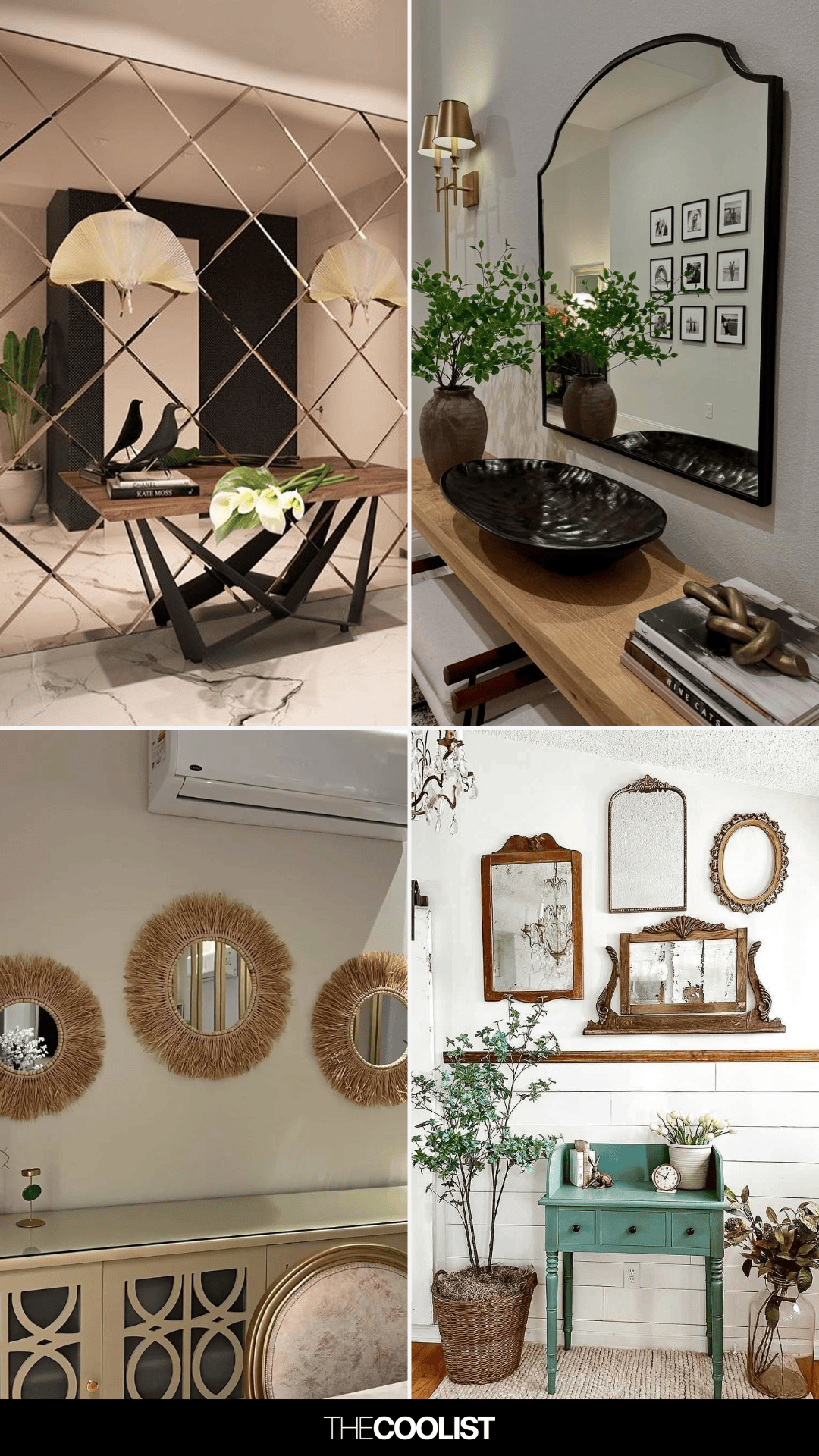
19 Mirror Wall Decor Ideas That Add Light, Depth, and Style
16 Accent Wall Ideas That You'll Start Seeing Everywhere In 2025
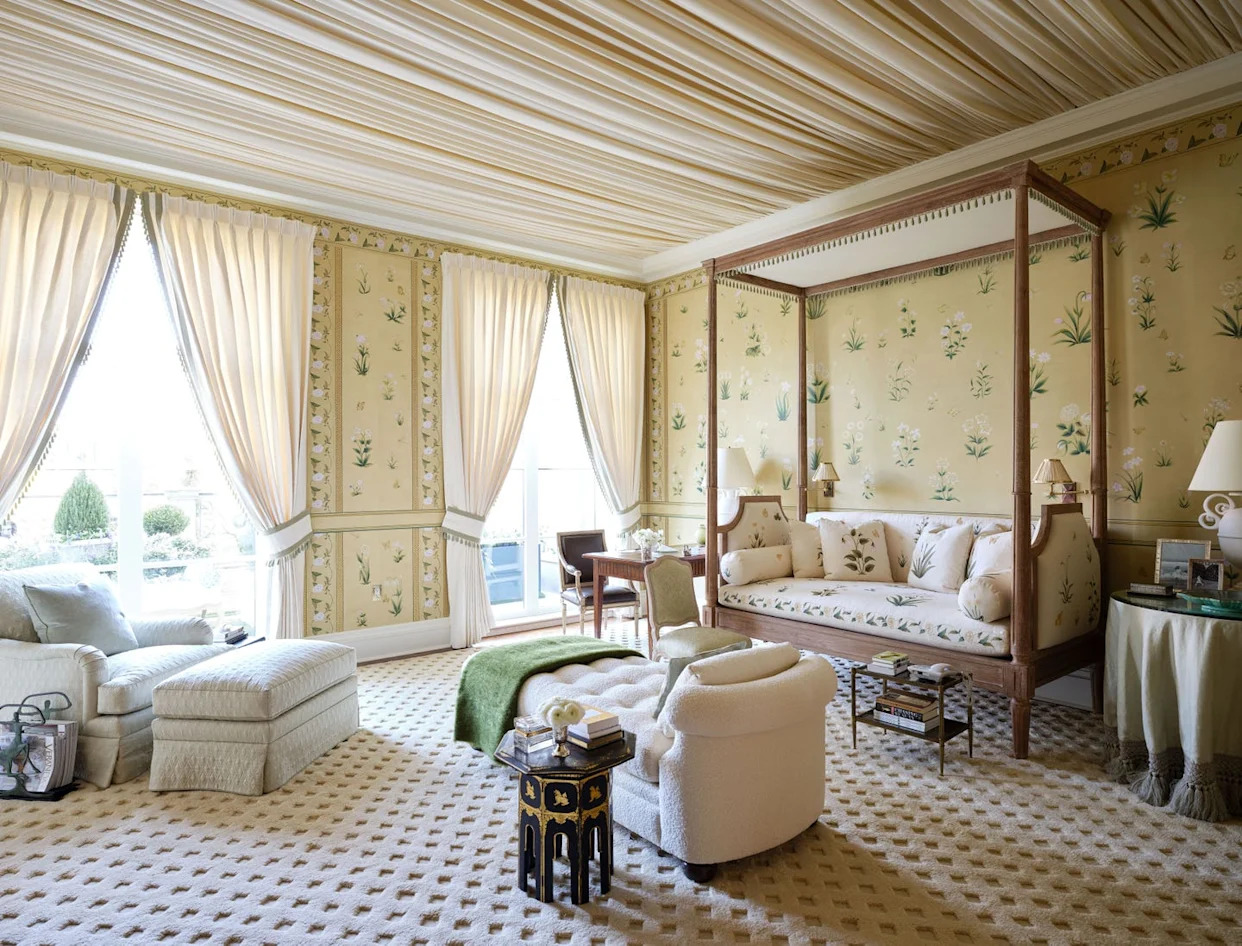
So Long Accent Walls, Here Are the Biggest Wallpaper Trends of 2025
The '80s Wall Trend Making A Big Comeback In The 2026 (It'll Make Your Home Look Larger)

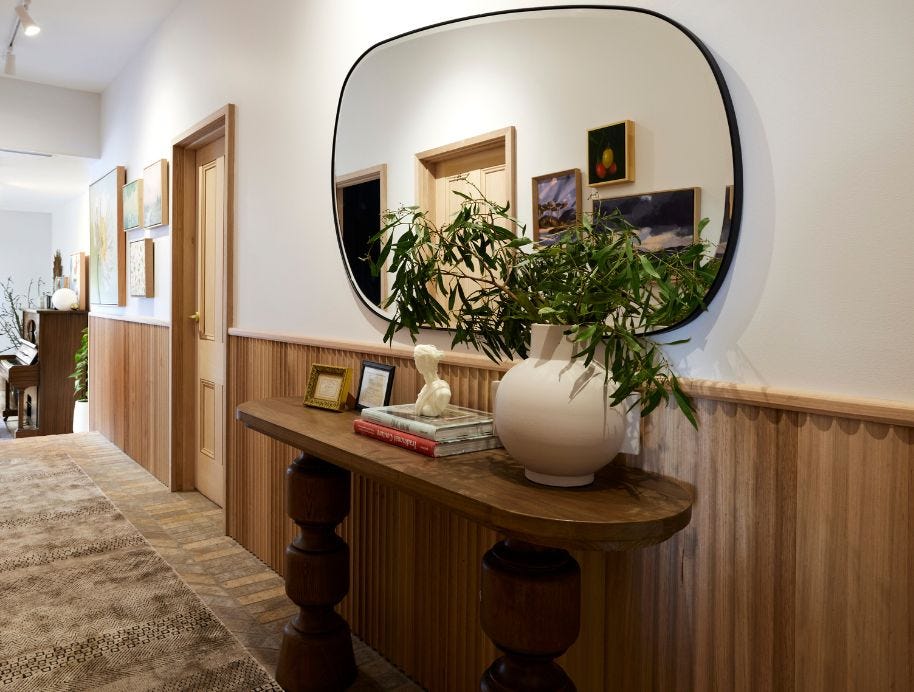
2023 Best Mirror Trends
The Best New Wall, Floor, and Window Products of 2025
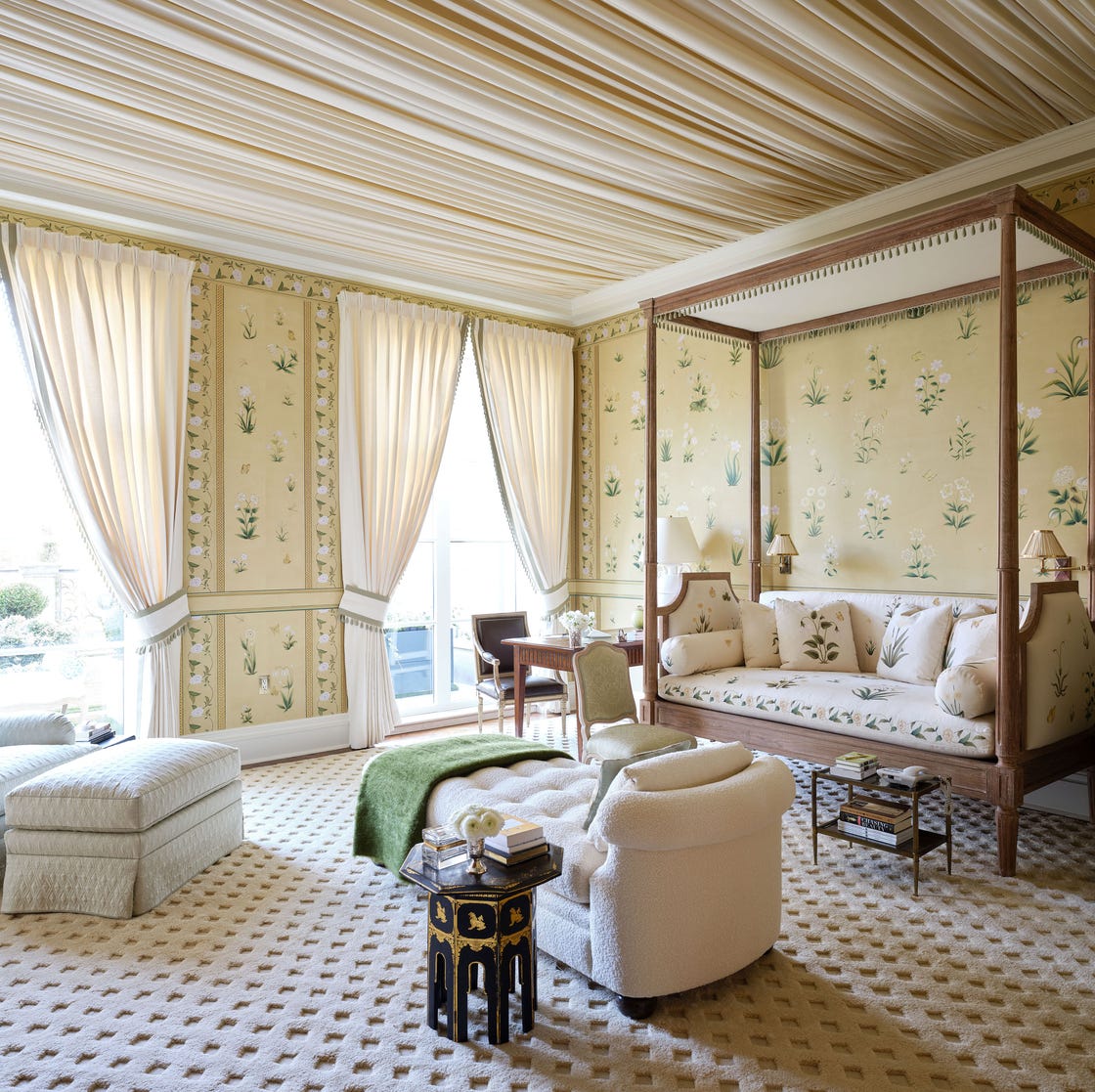
So Long Accent Walls, Here Are the Biggest Wallpaper Trends of 2025

Are accent walls still on trend? Designers decide on what this love-hate style will look like in 2024
4 outdated wall decor trends designers are leaving behind – and the one that they're choosing instead
This classical, European-inspired wall decor is back in style for 2024 – designers love its elegant appeal
26 Living Room Wall Mirror Ideas That Look Like They Came Straight From an Interior Stylist’s Shoot