1/9
I’m Not a DIYer, But Even I Could Make These No-Sew Table Runners
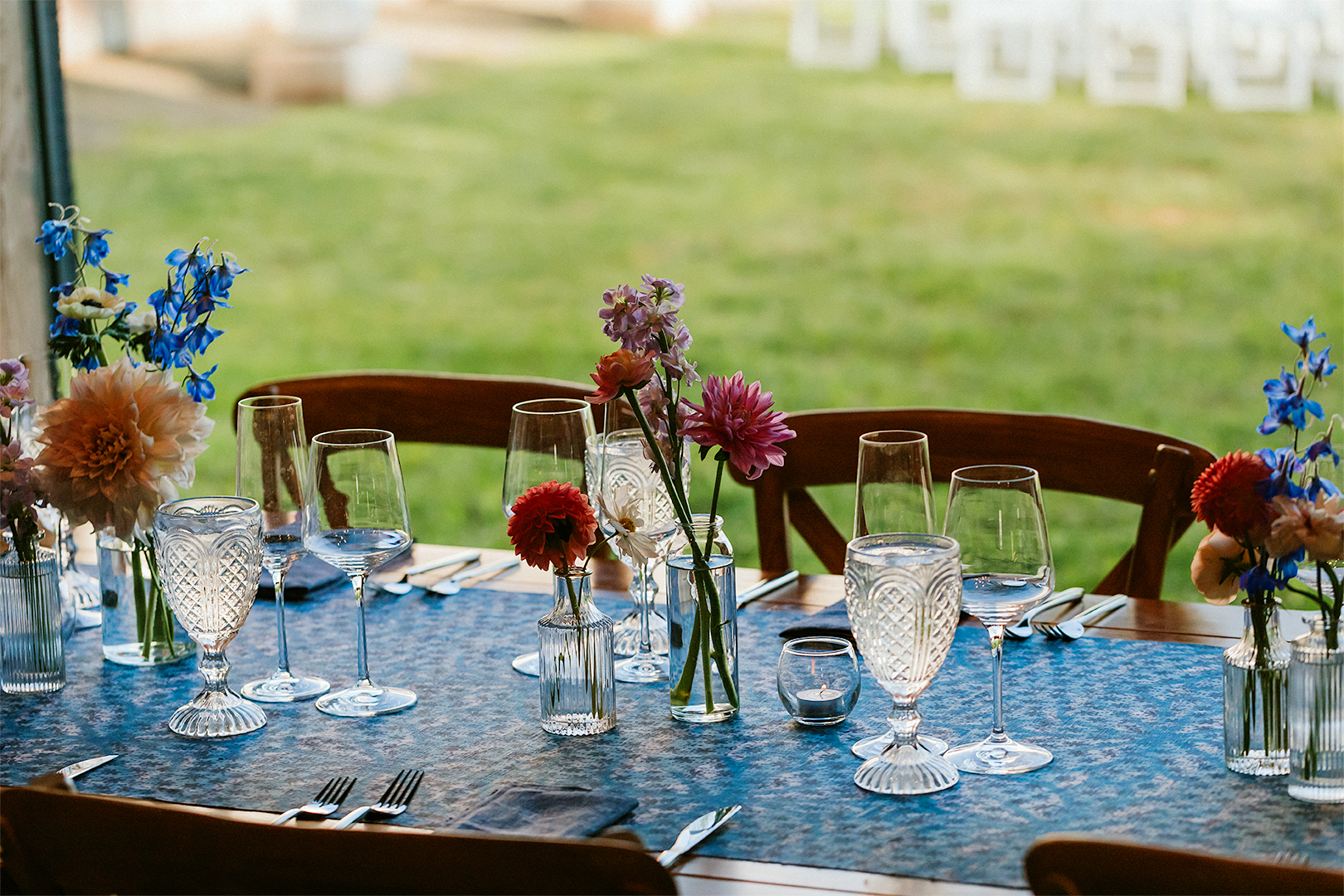
The author shares a personal DIY project involving creating no-sew table runners for a wedding, emphasizing its accessibility even for individuals without prior sewing experience. The motivation behind this project stemmed from dissatisfaction with rental company options and a desire for unique, personalized decor. The project utilized fabric from Spoonflower, a company known for customizable fabrics, which offered a variety of patterns. The author selected three distinct indigo-patterned Belgian linen fabrics: 'Indigo Floral Dark' by Michele Noris, 'Shibori' by Avotina Anna, and 'Shibori Zigzag' by Variable Micha, opting to alternate them across the wedding tables.
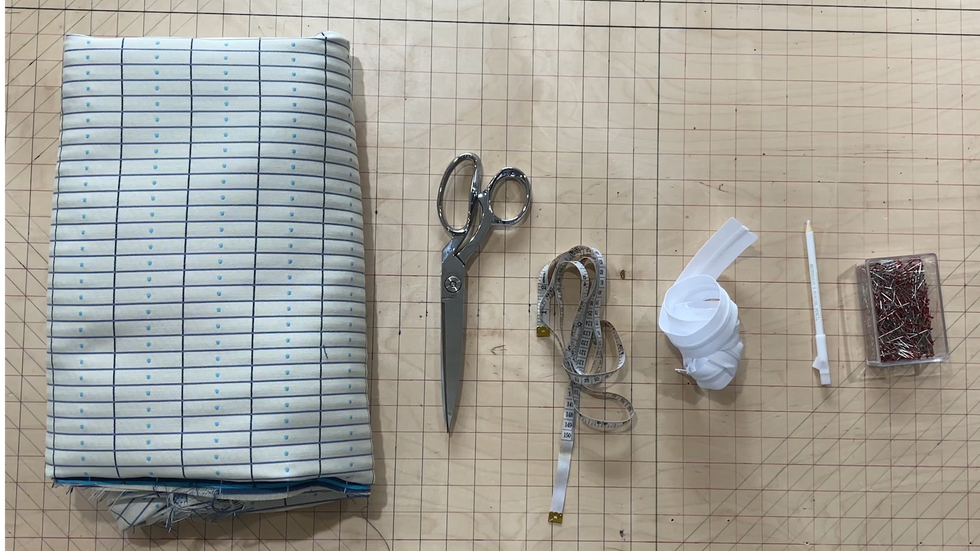
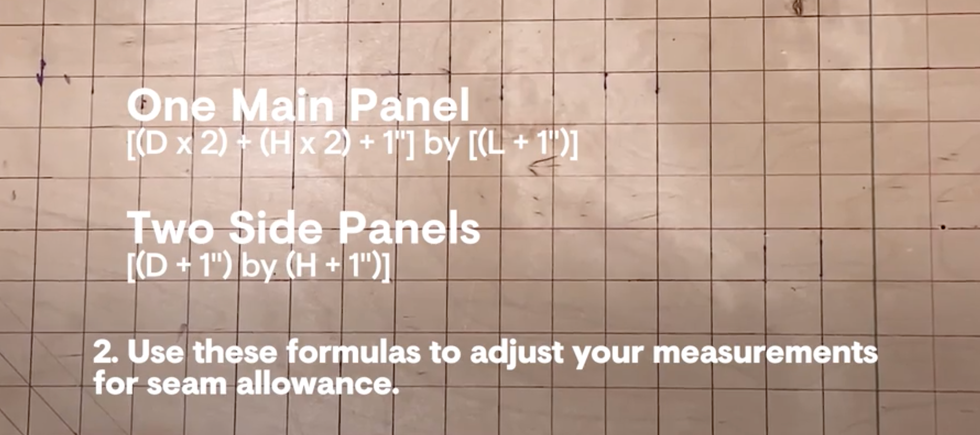
The process began with a practical discovery: one bolt of Spoonflower's Belgian linen fabric was precisely the width of two table runners, significantly reducing the amount of fabric needed and the cutting required. For 12 eight-foot farm tables and a sweetheart table, only 33 yards of fabric were necessary instead of 66. The required supplies included the chosen fabrics (13 yards of Indigo Floral Dark, 10 yards of Shibori, and 10 yards of Shibori Zigzag), measuring tape, a pencil, masking tape, a rotary cutter, a cutting mat, a ruler or straight edge (the author humorously used a Domino magazine), and sharp scissors. To determine the fabric yardage, the author advises measuring the table length and adding a foot for overhang, keeping in mind that a 54-inch-wide yard yields two runners.
The first step involved setting up a large workspace, with the author using the floor of a small New York City apartment due to the volume of fabric. The second step focused on marking the fabric's middle. This involved unfurling the fabric pattern-side up, locating the exact center of the width on both the beginning edge and where the flat textile met the rolled bolt, marking these points with a pencil, and then connecting them with a long strip of masking tape to create a straight guide for cutting. The third step detailed the cutting process: placing the cutting mat under the fabric, aligning a ruler (or magazine) along the masking tape, and using a rotary cutter to slice the fabric lengthwise, continuously repositioning the mat and ruler until the entire length was cut. This step was repeated until all fabric was divided.
Following the main cuts, step four involved trimming the selvage, the white border along the fabric edges. The author found it more efficient to use sharp scissors for this step, as the natural guide where the pattern met the selvage simplified the process. A key decision was to leave the edges raw rather than hemming them, embracing the natural fraying of the Belgian linen for a 'perfectly imperfect vibe.' The final step, step five, instructed measuring and cutting individual runners based on table length plus two feet for overhang, using the same masking tape and cutting technique width-wise across the fabric. The author concludes by encouraging others to undertake similar projects, suggesting that even non-DIYers can achieve beautiful results for their dining rooms or special events.
#DIYProjects #NoSew #TableRunners #WeddingDecor #HomeDecor #FabricCrafts #IndigoPatterns #BelgianLinen #EventPlanning #DIYProjects #NoSew #TableRunners #WeddingDecor #HomeDecor #FabricCrafts #IndigoPatterns #BelgianLinen #EventPlanning
 Noch keine Kommentare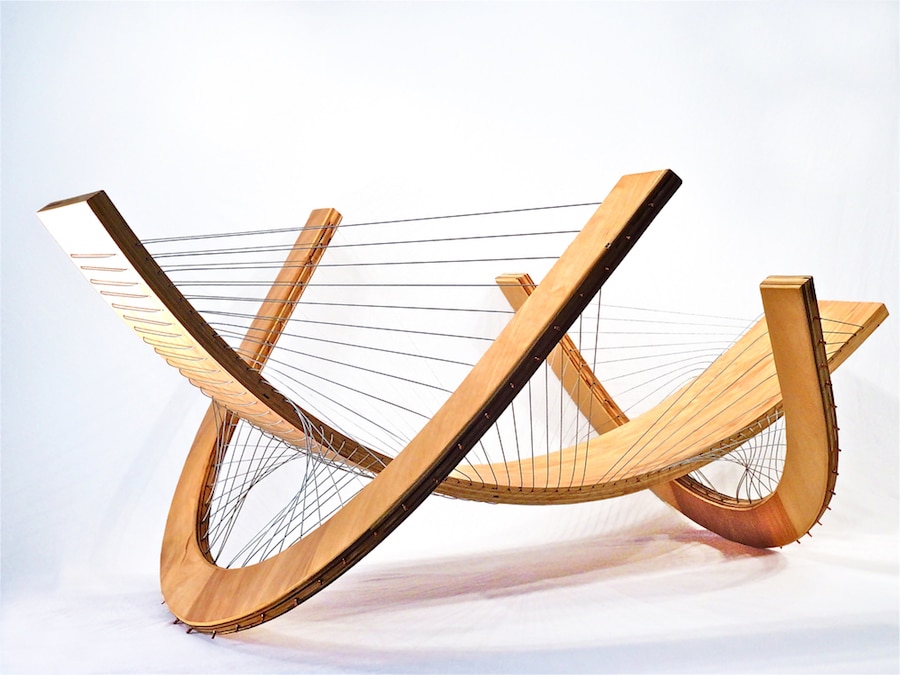
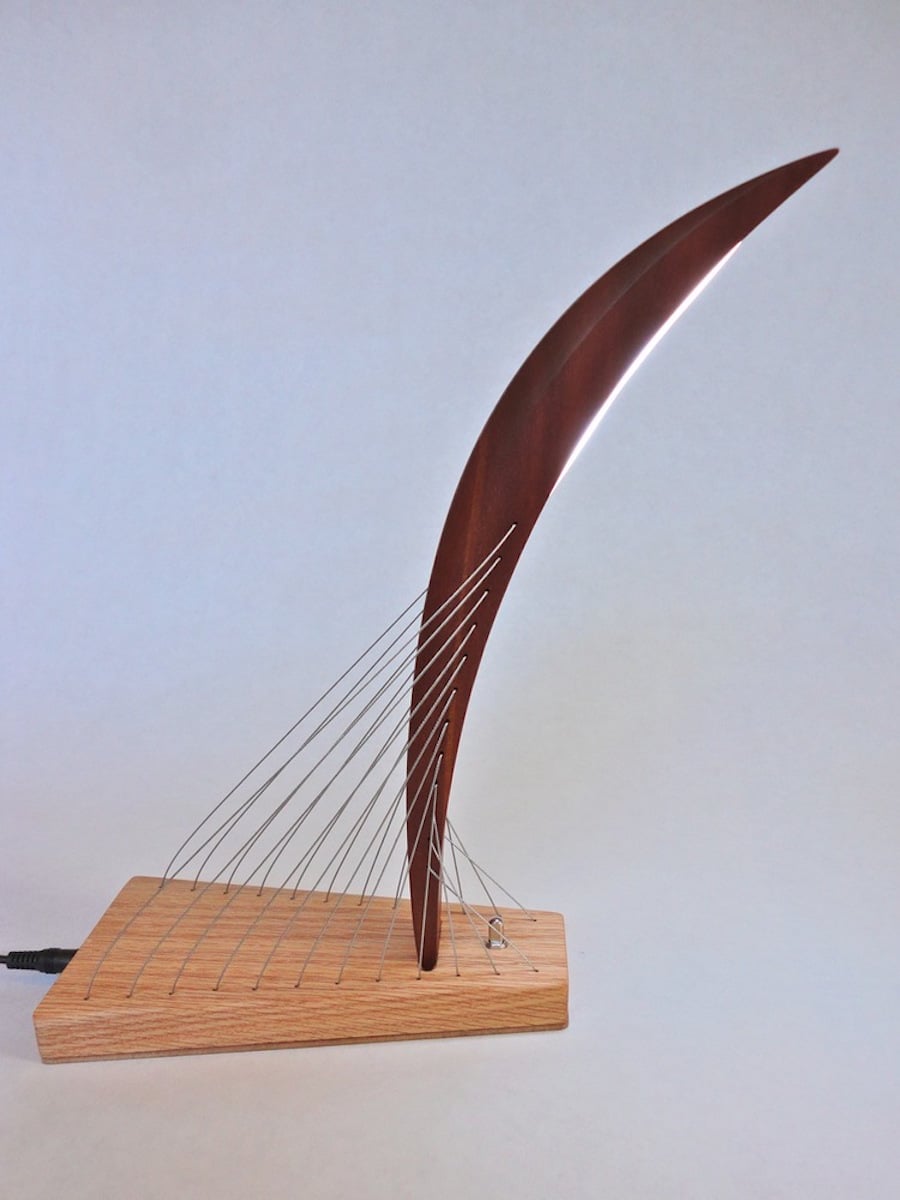
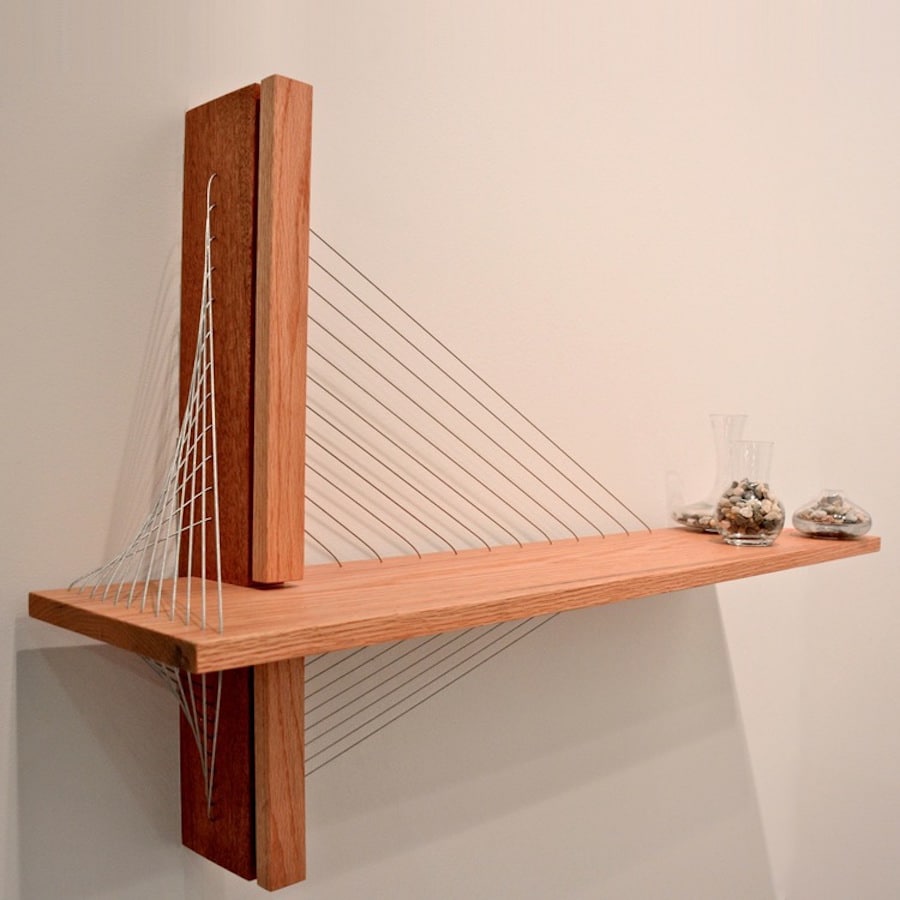
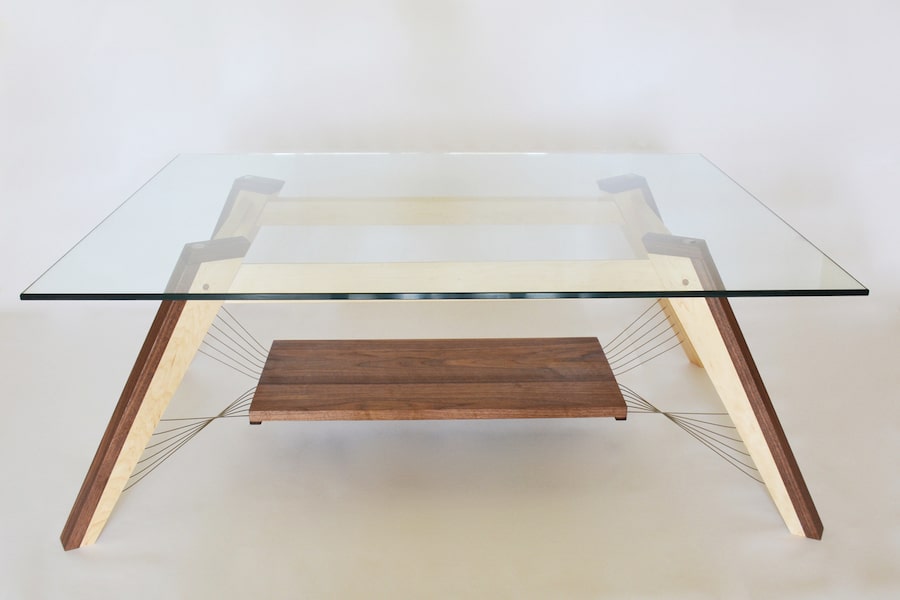
Designer Creates Furniture Using Only Forces of Tension, No Nails Needed

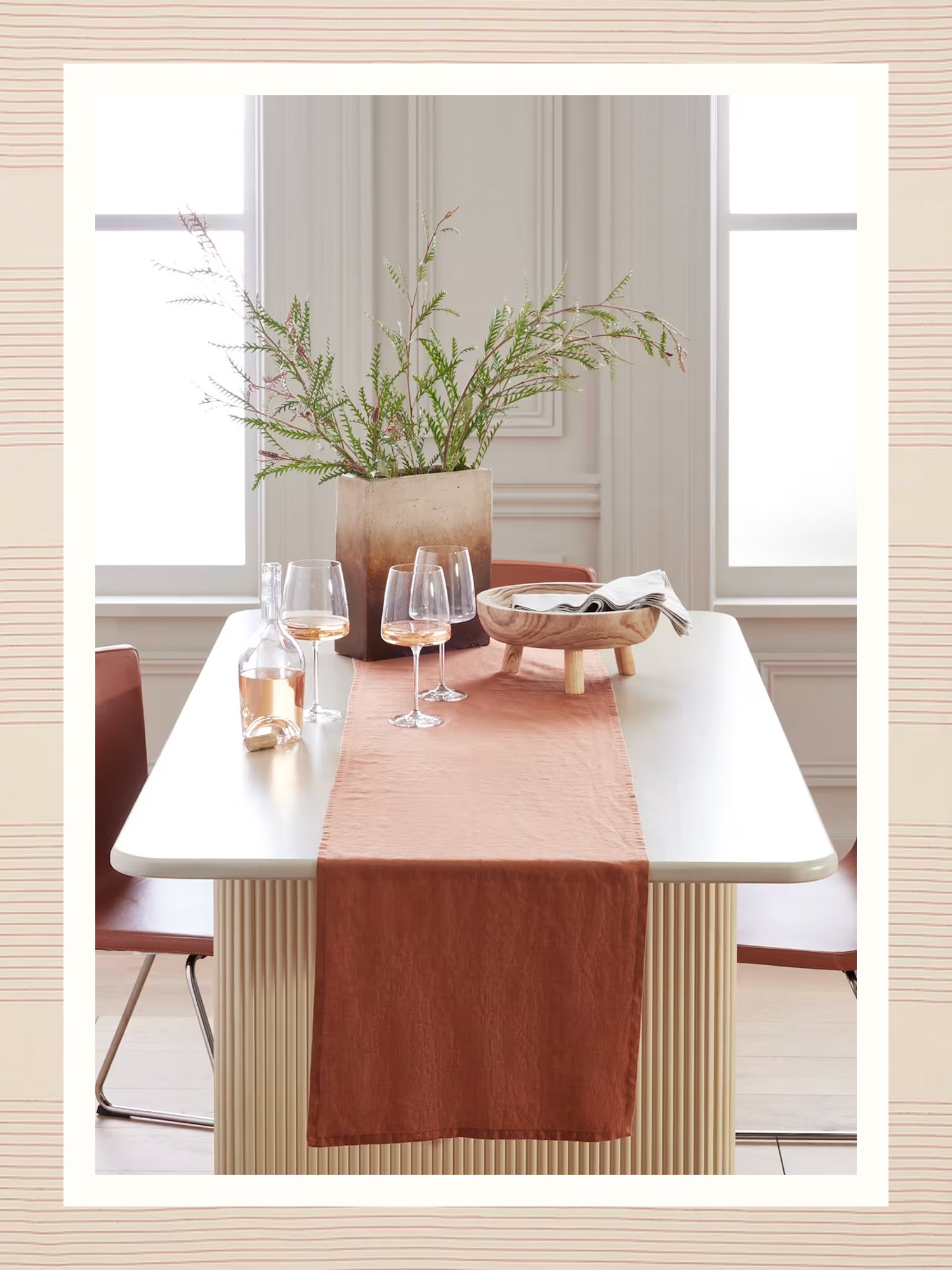
These Runners Will Make Your Dinner-Party Table Look Instantly Set

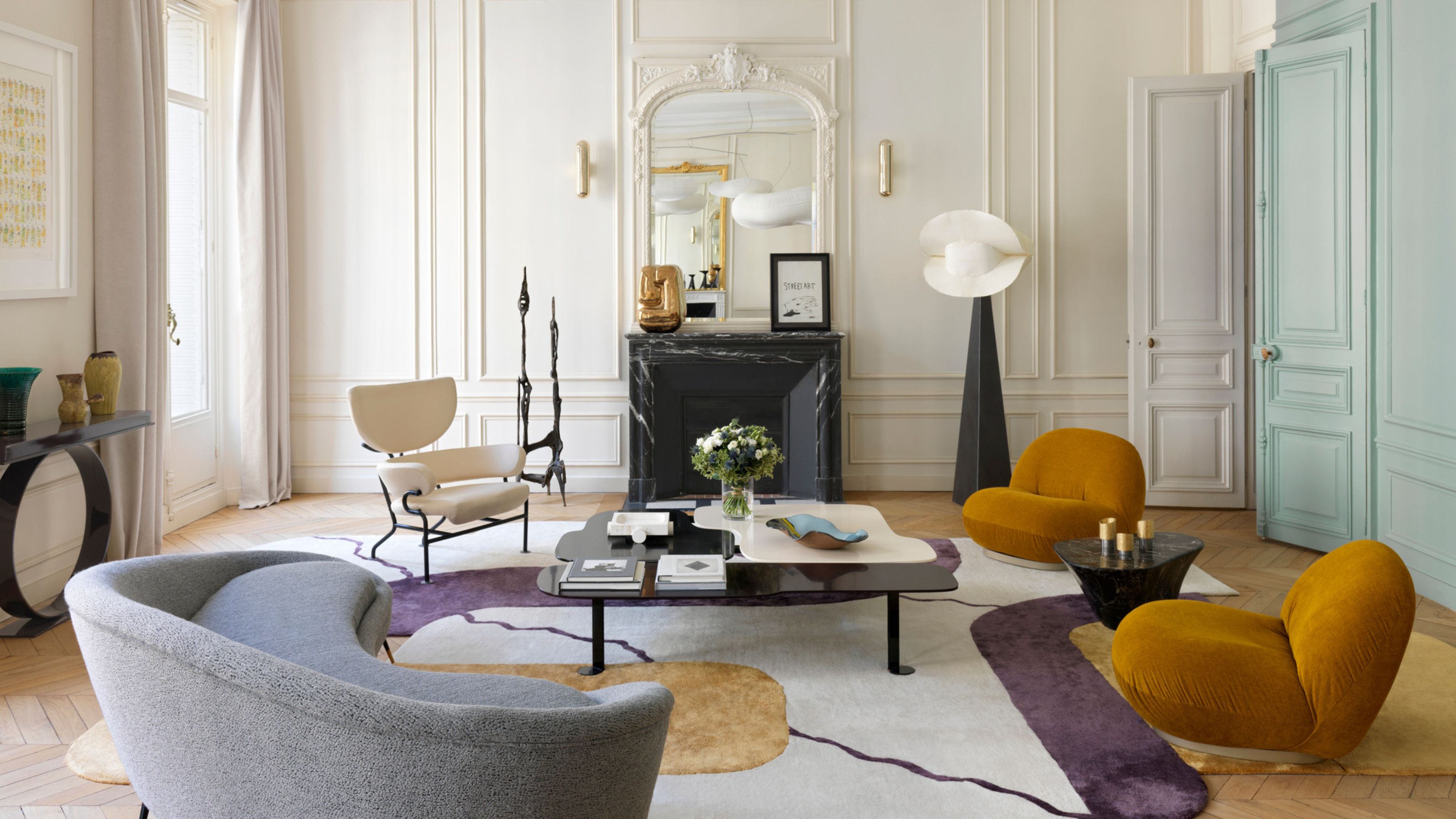
This Décor Hack is So Easy, It's Barely Even a DIY — But The Results Look *So* Bespoke (No Skills Required)

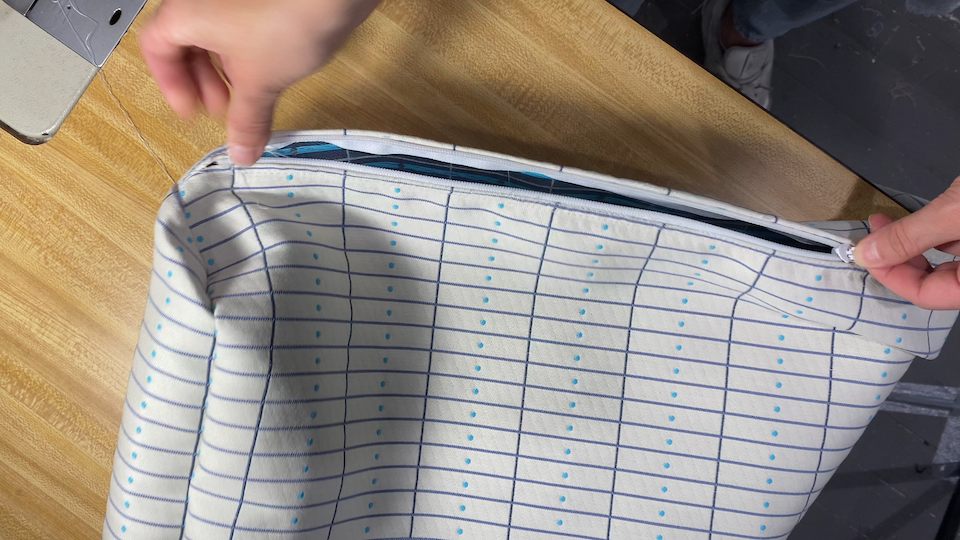
If You Have a Sewing Machine, You Can Make These Chic Cushion Covers

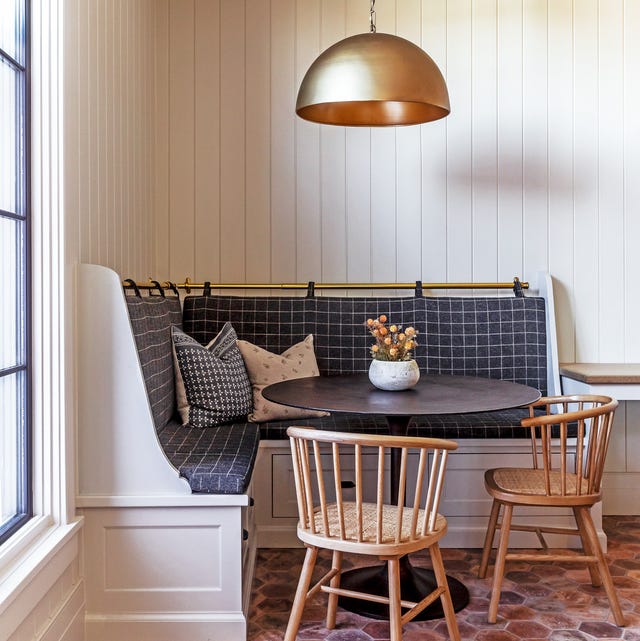
These DIY Home Decor Projects Are Way Easier Than They Look

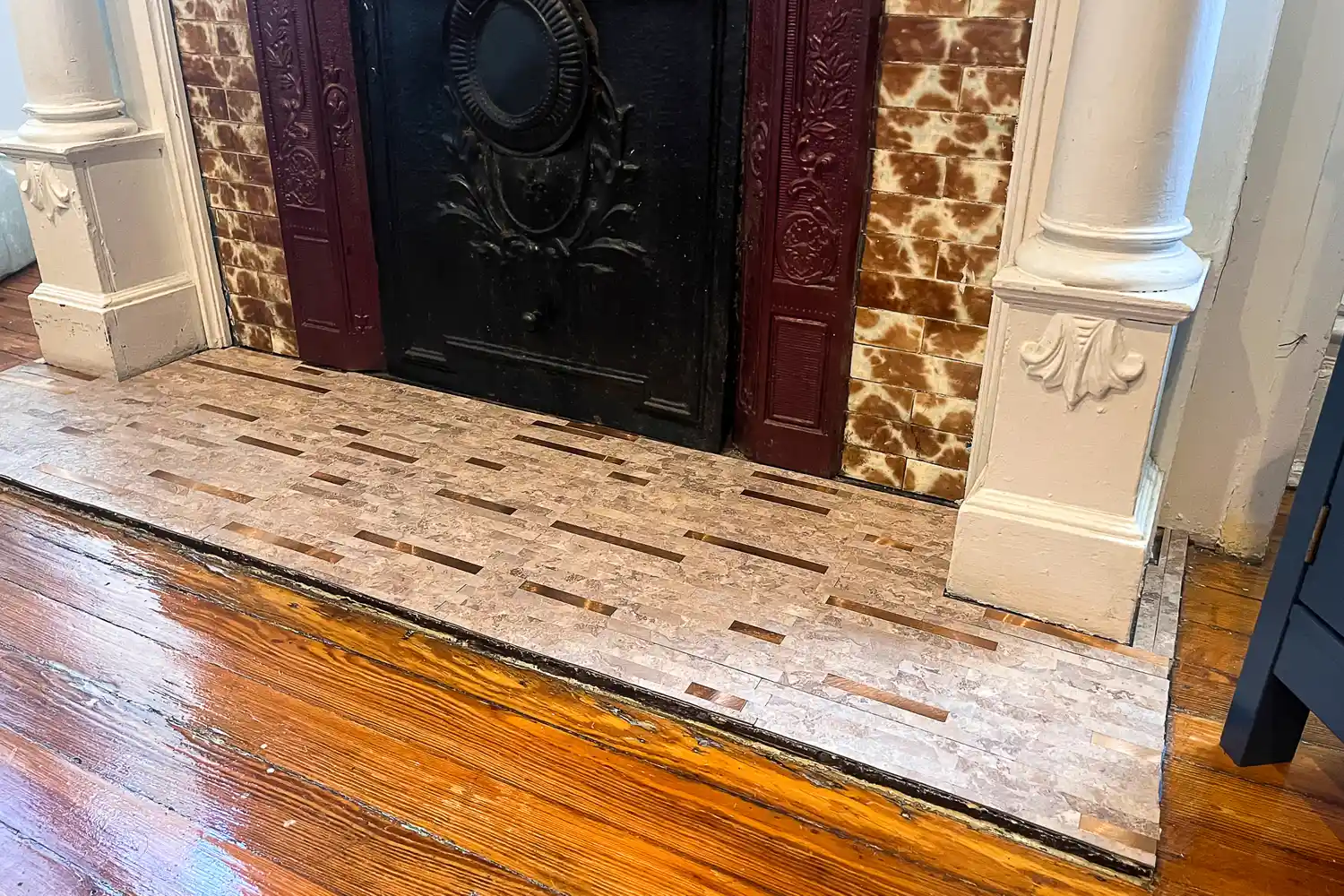
I Almost Swore Off Peel and Stick Tiles, But These Options Redeemed Their Status as an Easy DIY


DIY Upholstery Is Easier Than You Think

You Don’t Have to Be a Designer to Dream Up Your Own Custom Furniture