1/25
"I Grit My Teeth When I See It": People In Their 60s, 70s, And 80s Are Sharing The Modern Home Trends They Simply Cannot Stand
The article compiles a list of modern home design trends that people in their 60s, 70s, and 80s find particularly objectionable, highlighting generational differences in aesthetic and practical preferences. These individuals express strong dislikes for various contemporary design choices, often citing reasons related to functionality, maintenance, and personal comfort. Each trend is presented with a quote from an individual explaining their specific aversion.
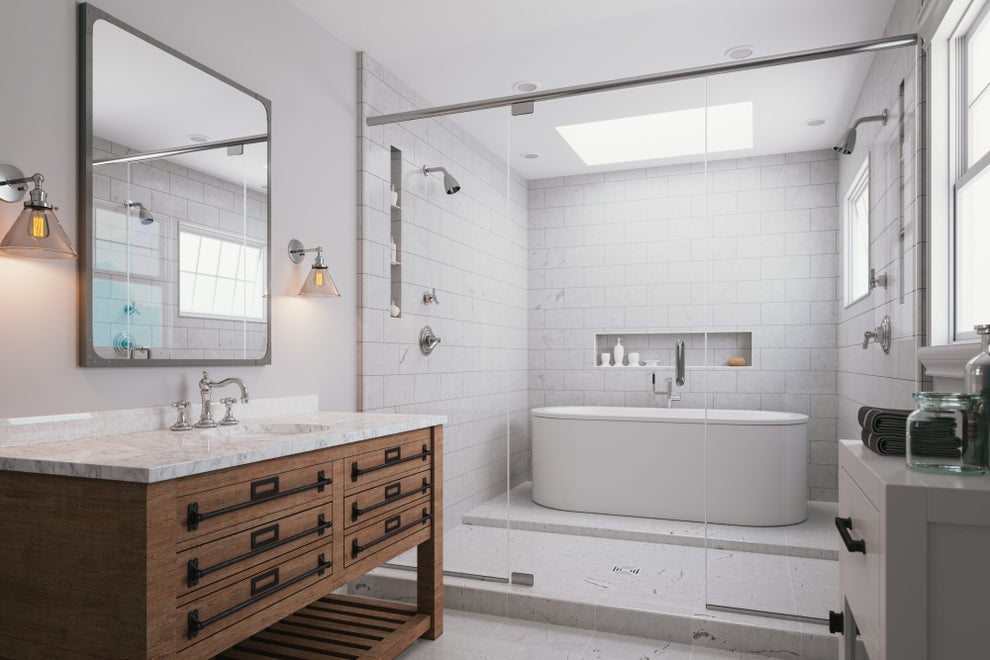
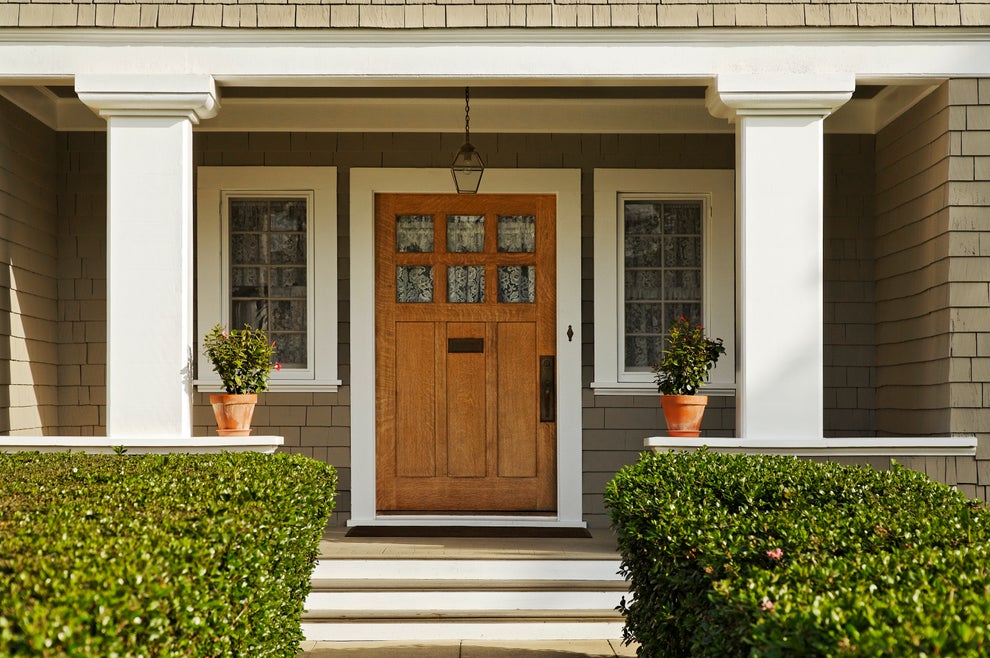
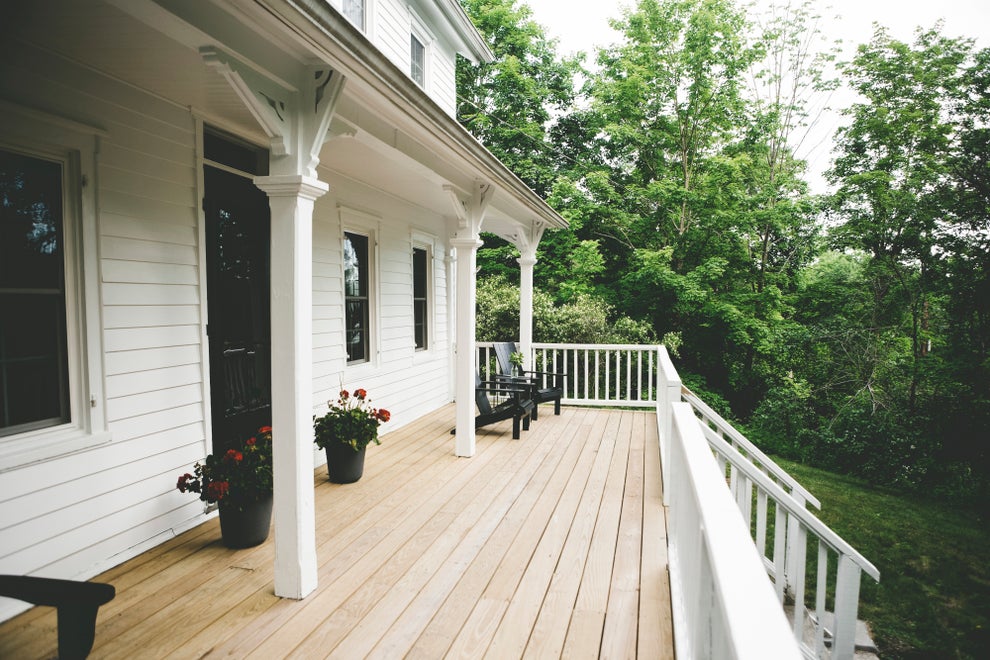
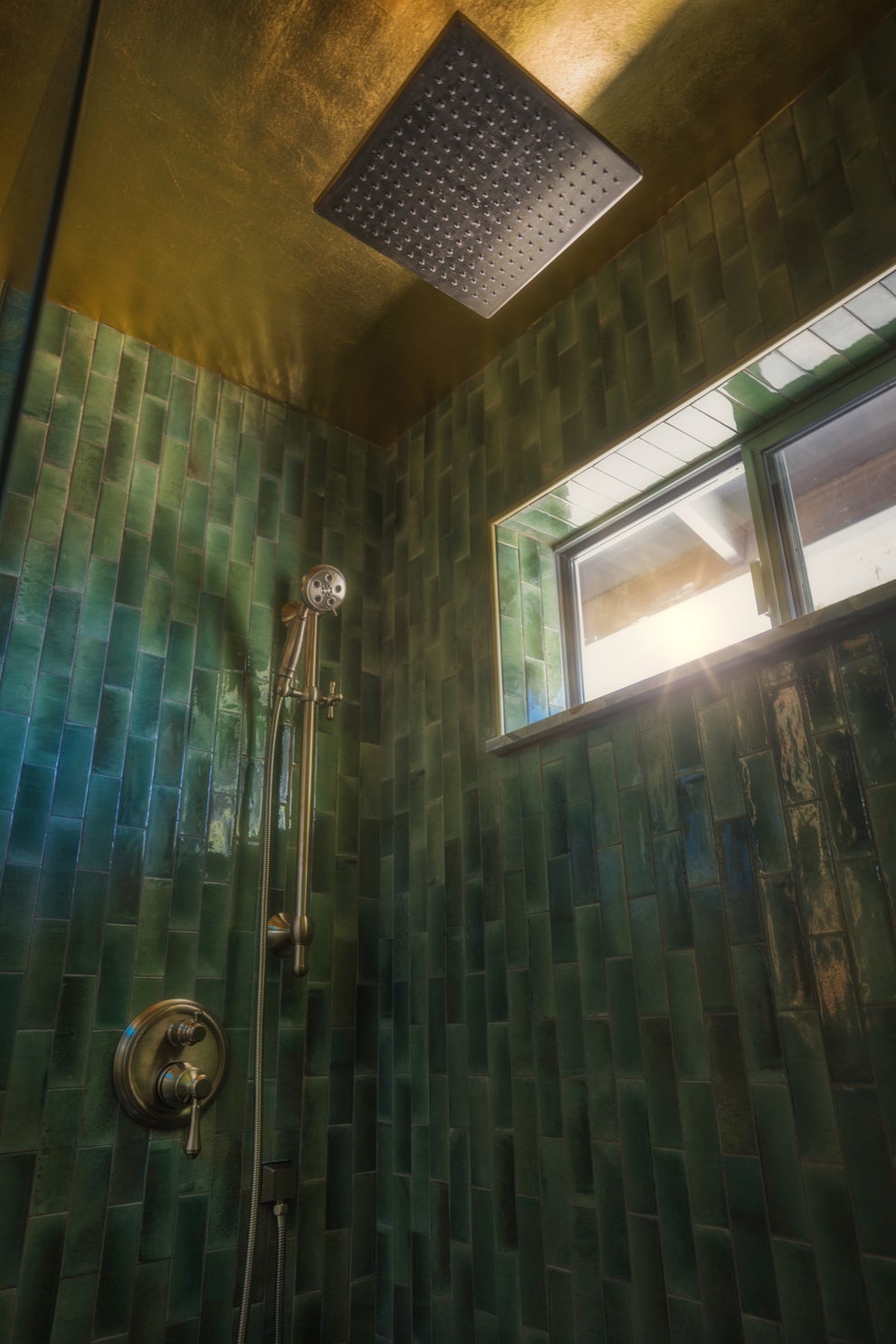
One common complaint revolves around exterior design, specifically houses with attached garages prominently displayed at the front, which respondents argue diminishes curb appeal by making the car the focal point. Another frequently mentioned annoyance is the decorative practice of turning books backward on shelves, a trend viewed as impractical as it conceals titles and hinders readability. Clear glass shower enclosures are criticized for their high maintenance, as they constantly show water spots, with older individuals preferring frosted or textured glass for easier upkeep.
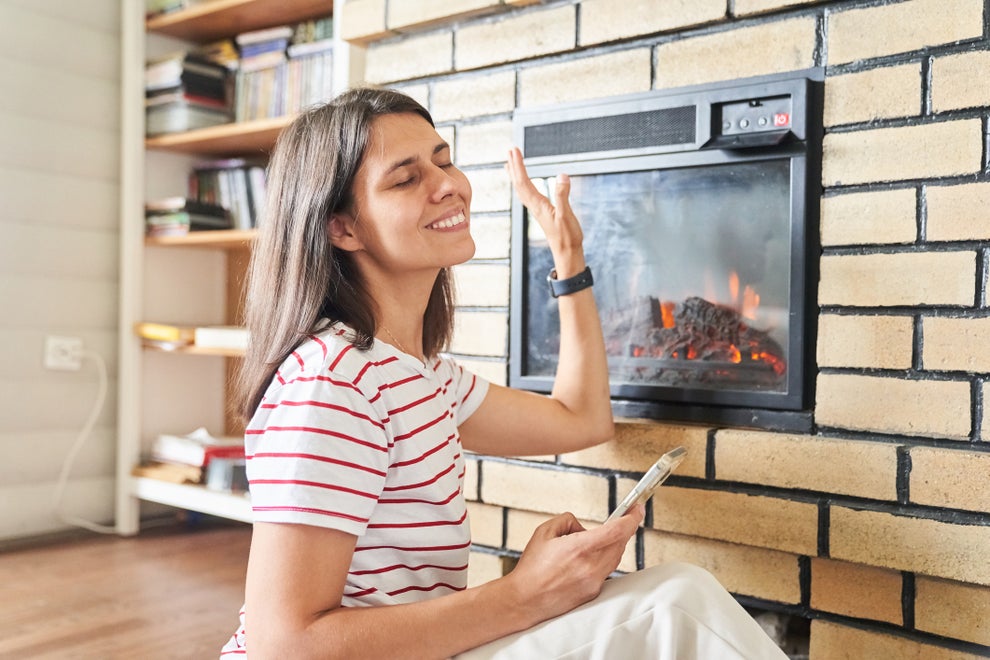
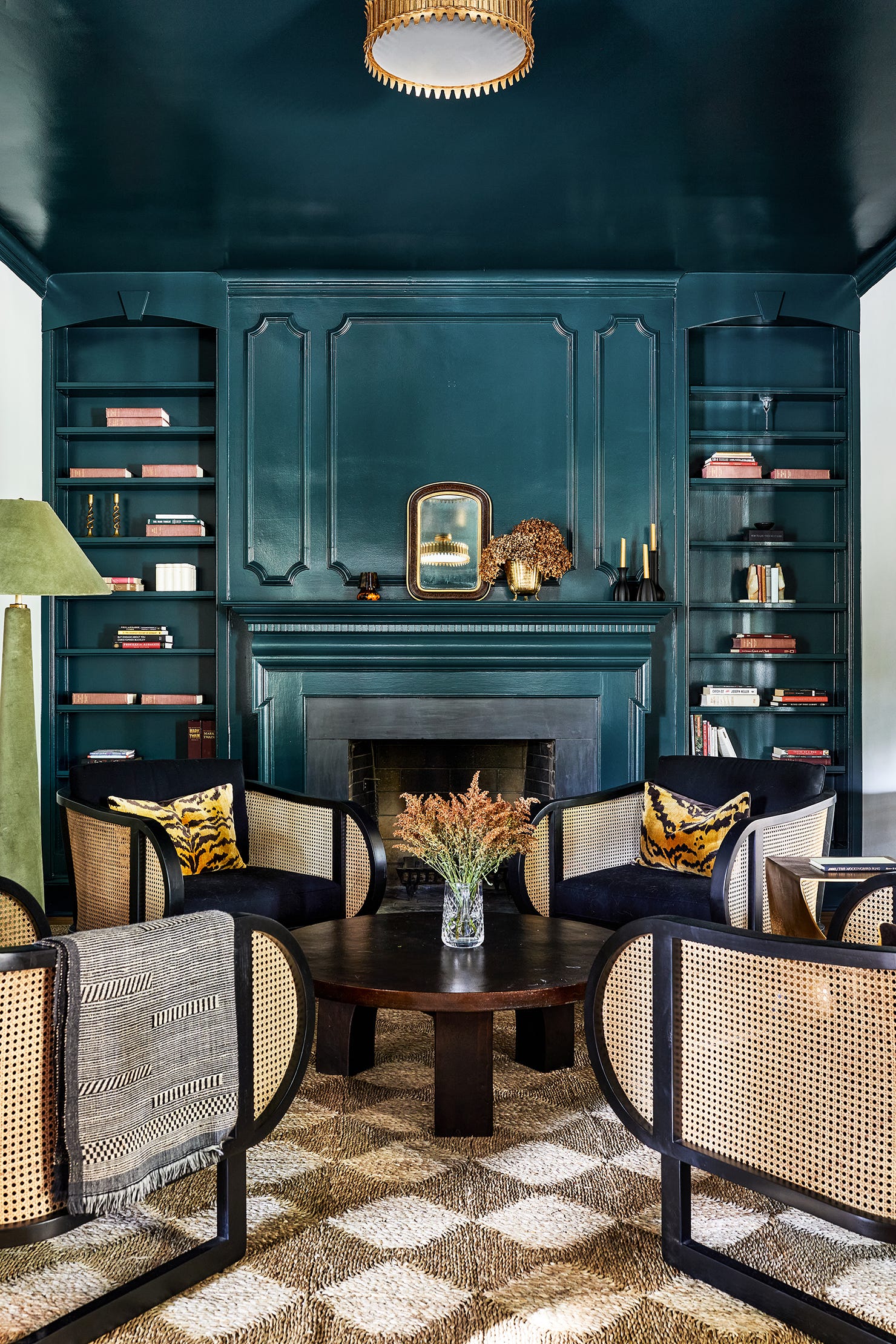
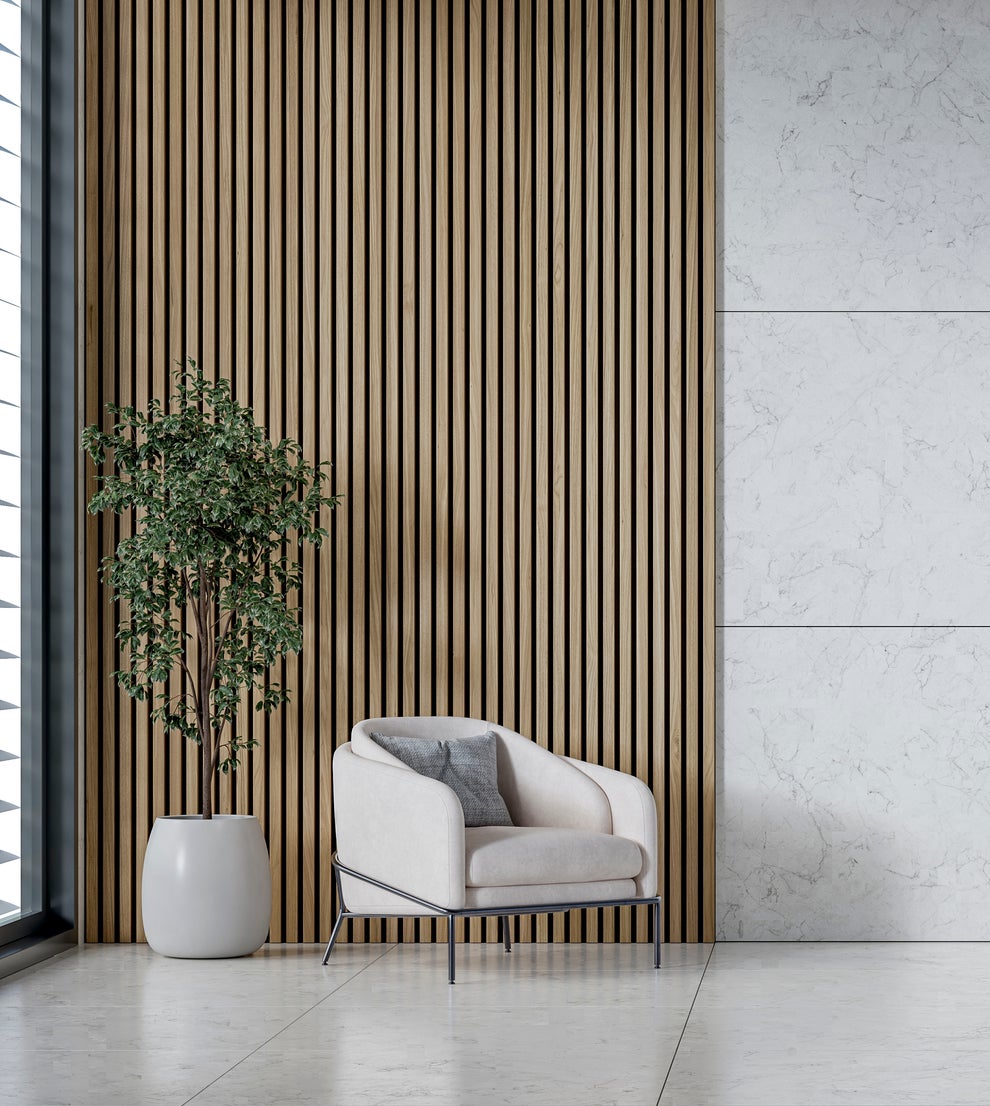
Plastic patio furniture is universally disliked for its perceived cheapness, ugliness, and unwelcoming appearance. The pervasive use of gray in interior design—including walls, floors, furniture, and even painted brick—is described as boring and drab, with many longing for the vibrant colors of past decades. The placement of televisions above fireplaces is a significant point of contention; individuals note that electronics are sensitive to heat, and mounting TVs too high forces an unnatural upward gaze, making for uncomfortable viewing, especially for children or those seated on lower furniture.
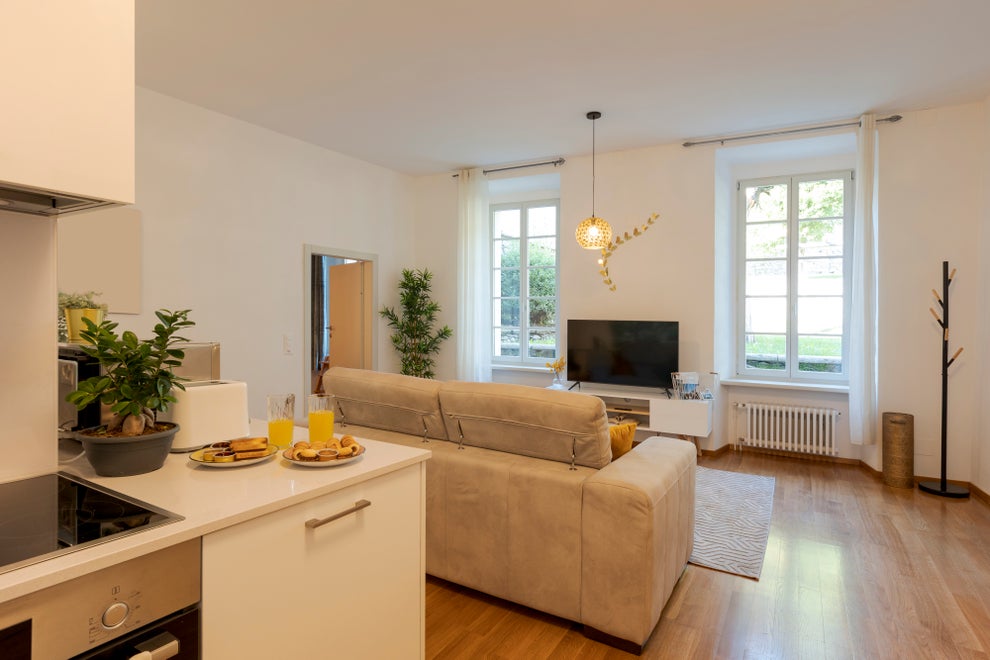
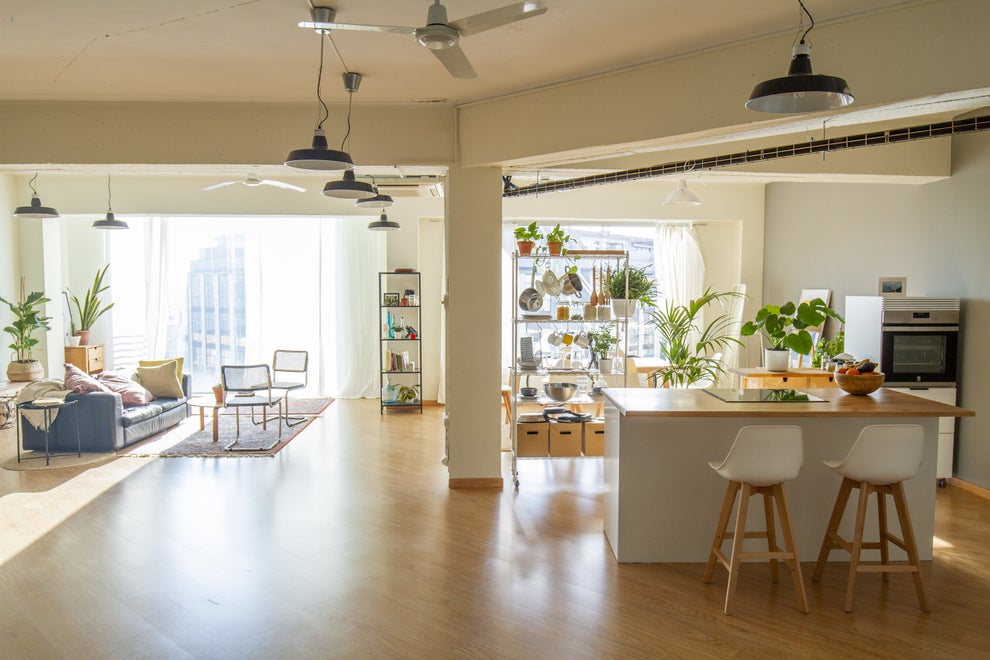
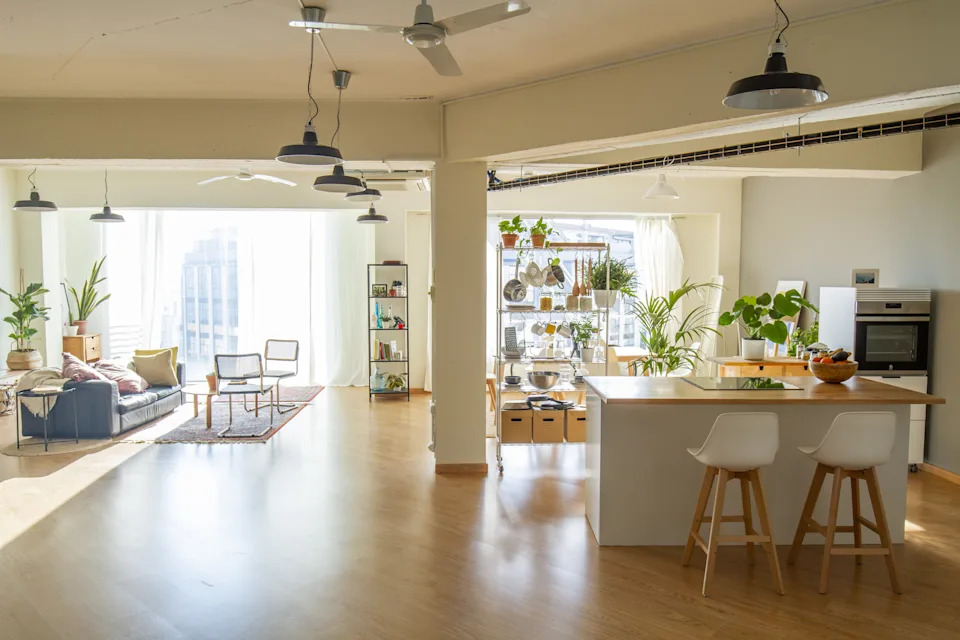
New construction homes in areas like Metro DC are critiqued for incorporating third-floor decks accessible primarily via slow elevators, a design choice deemed impractical for older adults, particularly those in 55+ communities, due to the inconvenience of fetching items from lower floors. Horizontal electrical outlets on baseboards are seen as a design flaw, as they are prone to being knocked out by cleaning equipment and fail to protect walls effectively. The open-plan living concept receives backlash for its lack of sound separation, creating a noisy environment when cooking and watching TV simultaneously, and for requiring constant tidiness to avoid a cluttered appearance.
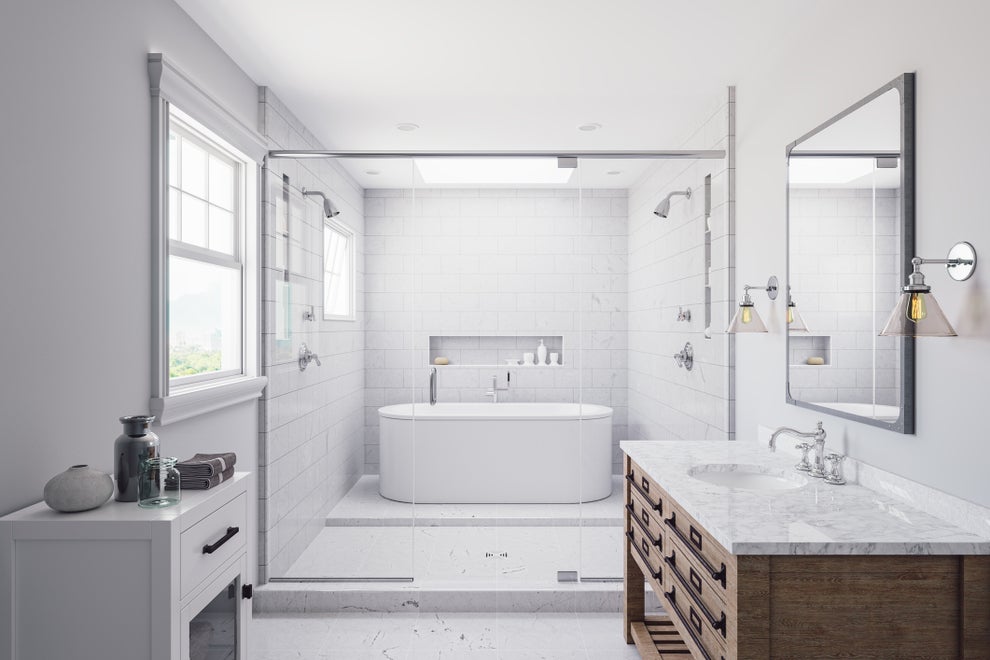
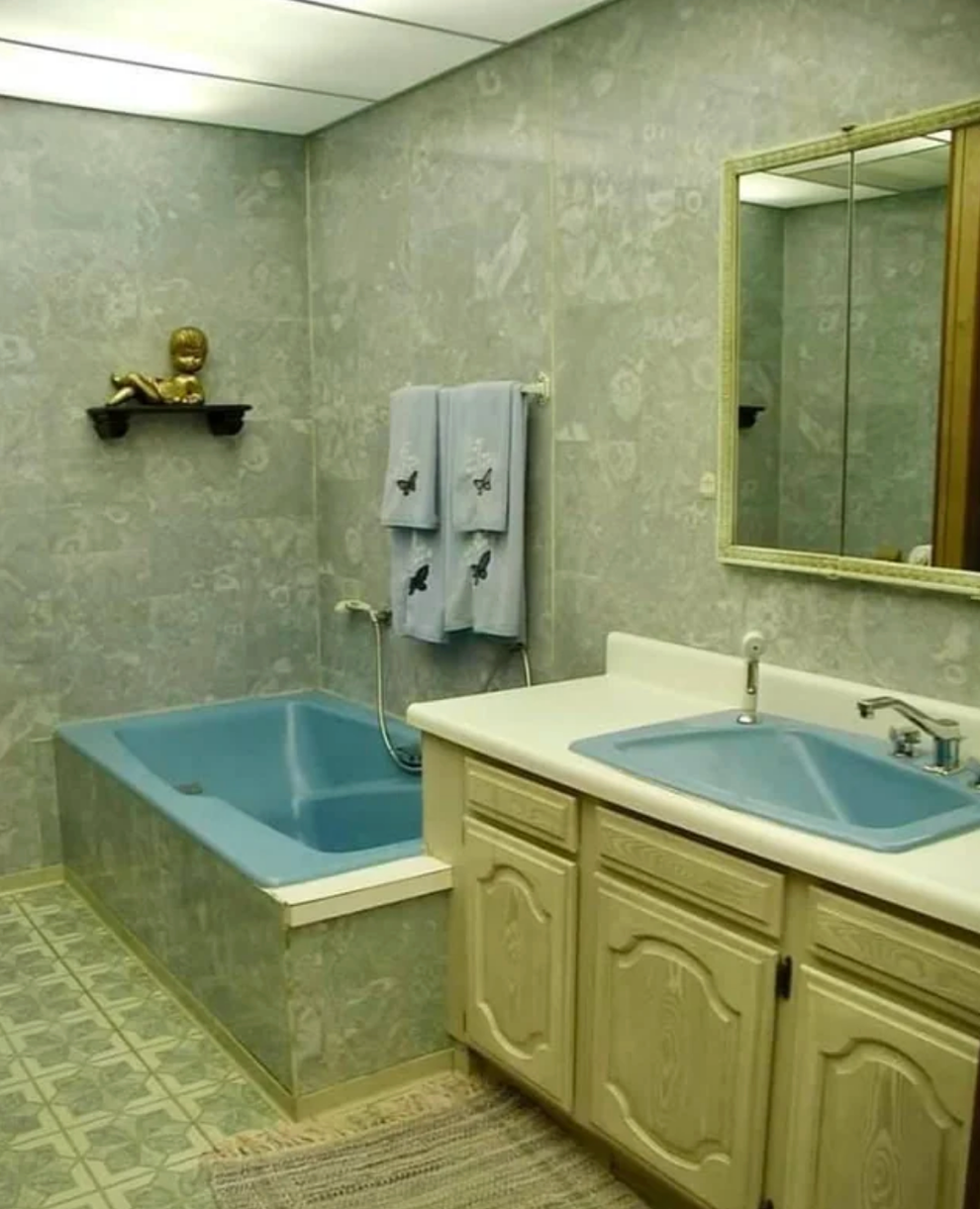
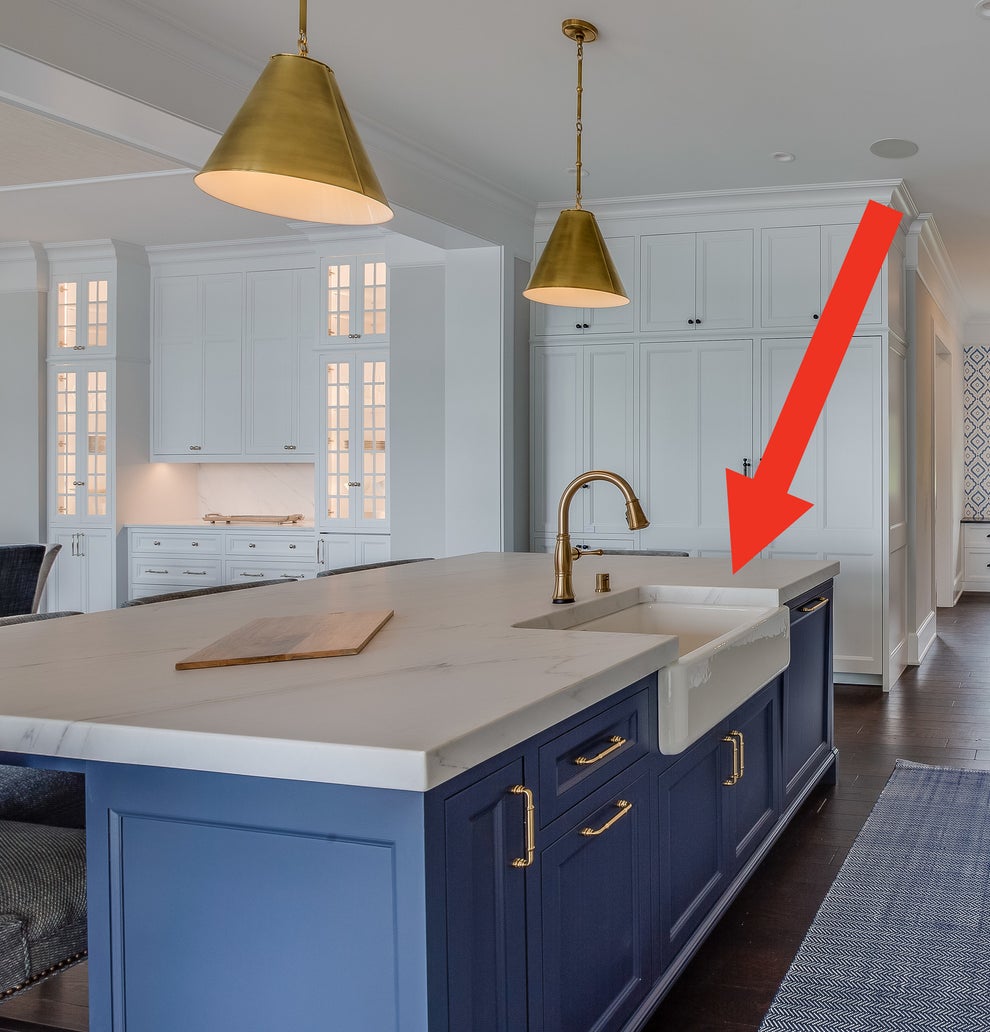
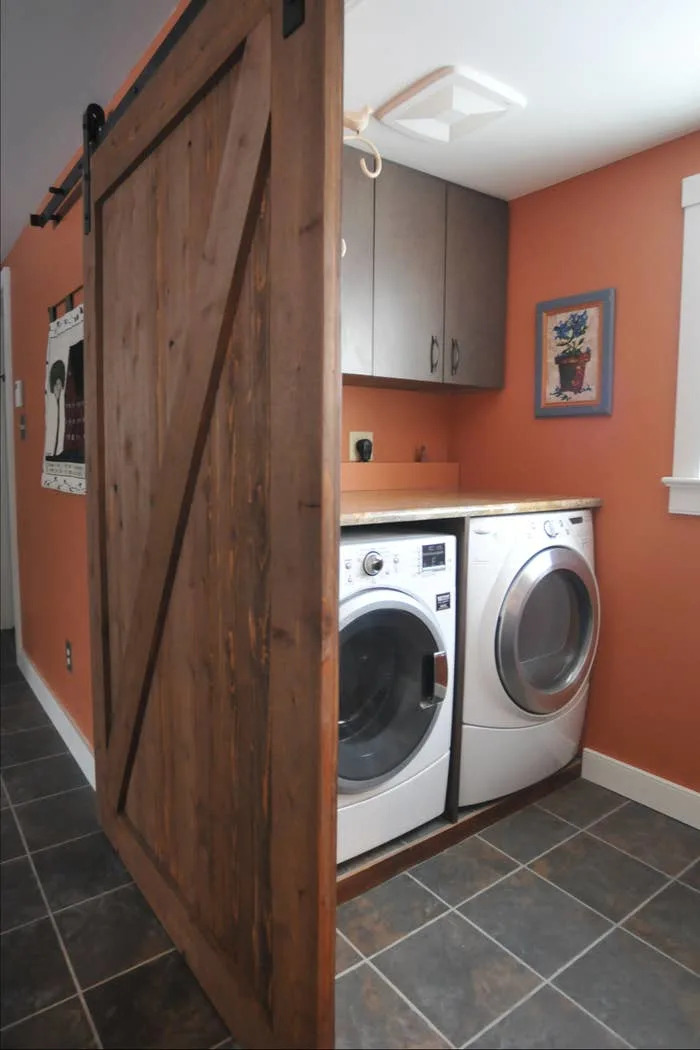
Luxury jacuzzis adjacent to smaller, traditional showers are dismissed as wasteful and underutilized, often serving as storage rather than their intended purpose. Many prefer a larger shower and more storage space over a seldom-used soaking tub. Microwaves installed above ceramic stovetops are considered dangerous and inconvenient for shorter individuals, posing risks of spills and damage. The uniformity of "Coastal Contemporary" new builds in Florida, characterized by white exteriors, tall elevations, vertical windows, paver driveways, wood-look garage doors, and small pools with large houses on average lots, is also mentioned as a disliked trend. Small bedrooms in new homes are a concern, particularly for older adults with mobility issues, as they barely accommodate essential furniture and assistive devices. Finally, laundry rooms combined with master bedroom closets are criticized for potential moisture issues, raising concerns about mold and mildew on clothes.
#HomeDesign #InteriorDecor #ModernTrends #BoomerOpinions #Practicality #Aesthetics #HomeMaintenance #GenerationalPreferences #HomeDesign #InteriorDecor #ModernTrends #BoomerOpinions #Practicality #Aesthetics #HomeMaintenance #GenerationalPreferences
0 Kommentare insgesamt
 Noch keine Kommentare
Das könnte Ihnen auch gefallen
"Frankly, It's Tacky": People Are Revealing Common Home And Kitchen Design Trends They Can't Stand
"It's Literally Infuriating": 15 Modern Home Design Trends Gen Z'ers Are Truly Sick And Tired Of

After More Than 500 Home Makeovers, the Property Brothers Warn Against This Feature They "Hate, Hate, Hate"

"It's Already Very Dated": 34 Popular Home Design Trends That People Feel Reaaaally Strongly About
Older Adults Are Sharing The Design Trends They Despise For Very Specific Reasons
People Are Revealing The "Outdated" Home Design Trends From The '80s That Need To Come Back

10 'essential' home items boomers obsess over that millennials and Gen Z will never buy

People Are Exposing The Home Decor Trends That'll "Completely Fade Out" Sooner Than You'd Think
"Frankly, It's Tacky": People Are Revealing Common Interior Design Trends They Can't Stand
People Are Sharing Why These Universally Despised Design Trends Work Quite Well In Their Homes
Designers Reveal the Surprising Home Trend That's Taking Over Right Now

From Gen Z To Boomers, Here Are The 16 Home Decor Choices That Perfectly Summarize Each Generation
Gen Z'ers Are Sharing The Home Design Trends They Absolutely Despise
People Are Defending The "Unpopular" Home Design Trends That Actually Make A Lot Of Sense In Their Own Homes
"It's Like I'm On An HGTV Acid Trip": People Are Denouncing The Worst Home Design Features
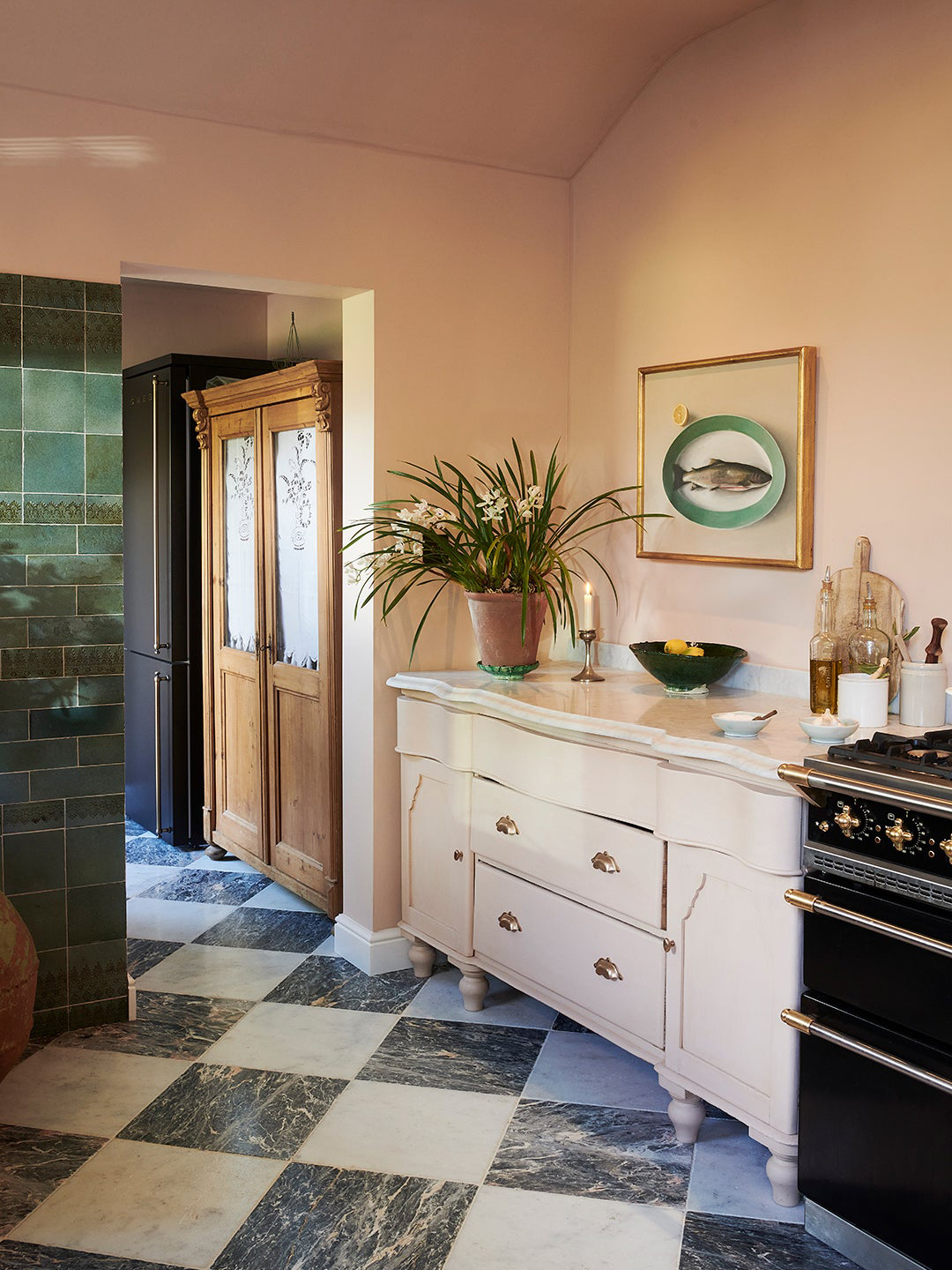
Some People “Can’t” With This Cabinet Color, But There’s No Denying It’s on the Rise

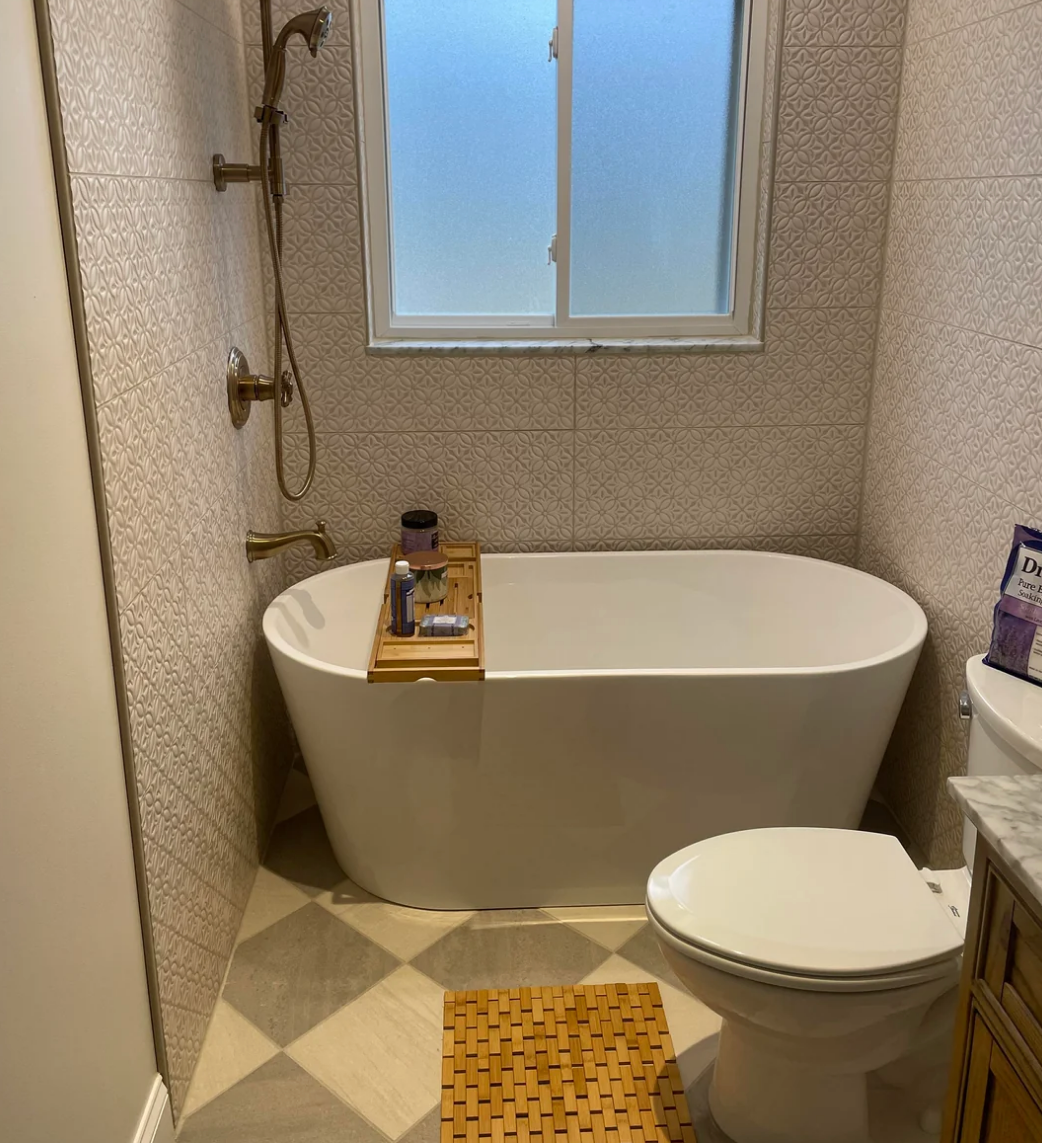
"It's A Huge Fire Hazard": People Are Calling Out The Modern Home Design Trends They Secretly Hate, And It's Jarring
People Are Defending The "Unpopular" Home Design Trends That Actually Make A Lot Of Sense In Their Own Homes

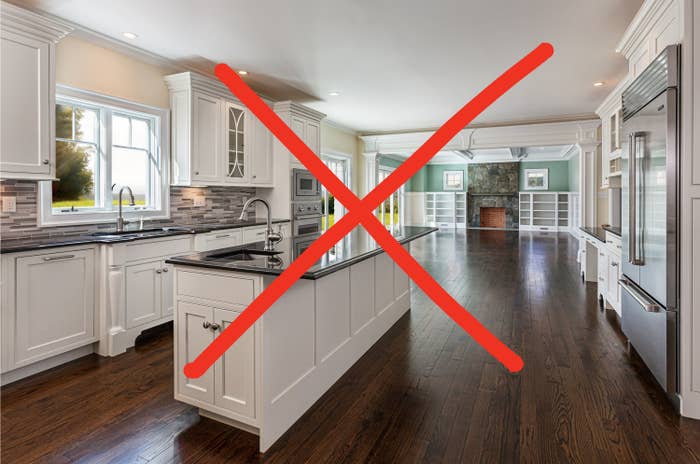
Outdated Trends That HGTV's Property Brothers Swear Are Ruining Your Home's Vibe
People Are Revealing The "Outdated" Home Design Trends They Want Brought Back, And It's Controversial