How To Thrift Home Decor That Feels Personal And Polished, According To A Pro
This comprehensive guide on thrifting home decor offers practical advice for finding unique secondhand items to personalize living spaces. The author, an avid thrifter, emphasizes the importance of frequent visits to thrift stores and flea markets, noting that consistency increases the chances of discovering valuable finds, even if not every trip yields a major score. It is suggested that shoppers do not need to arrive precisely when stores open, as inventory is continuously updated throughout the day in thrift shops, while flea markets benefit from early attendance.
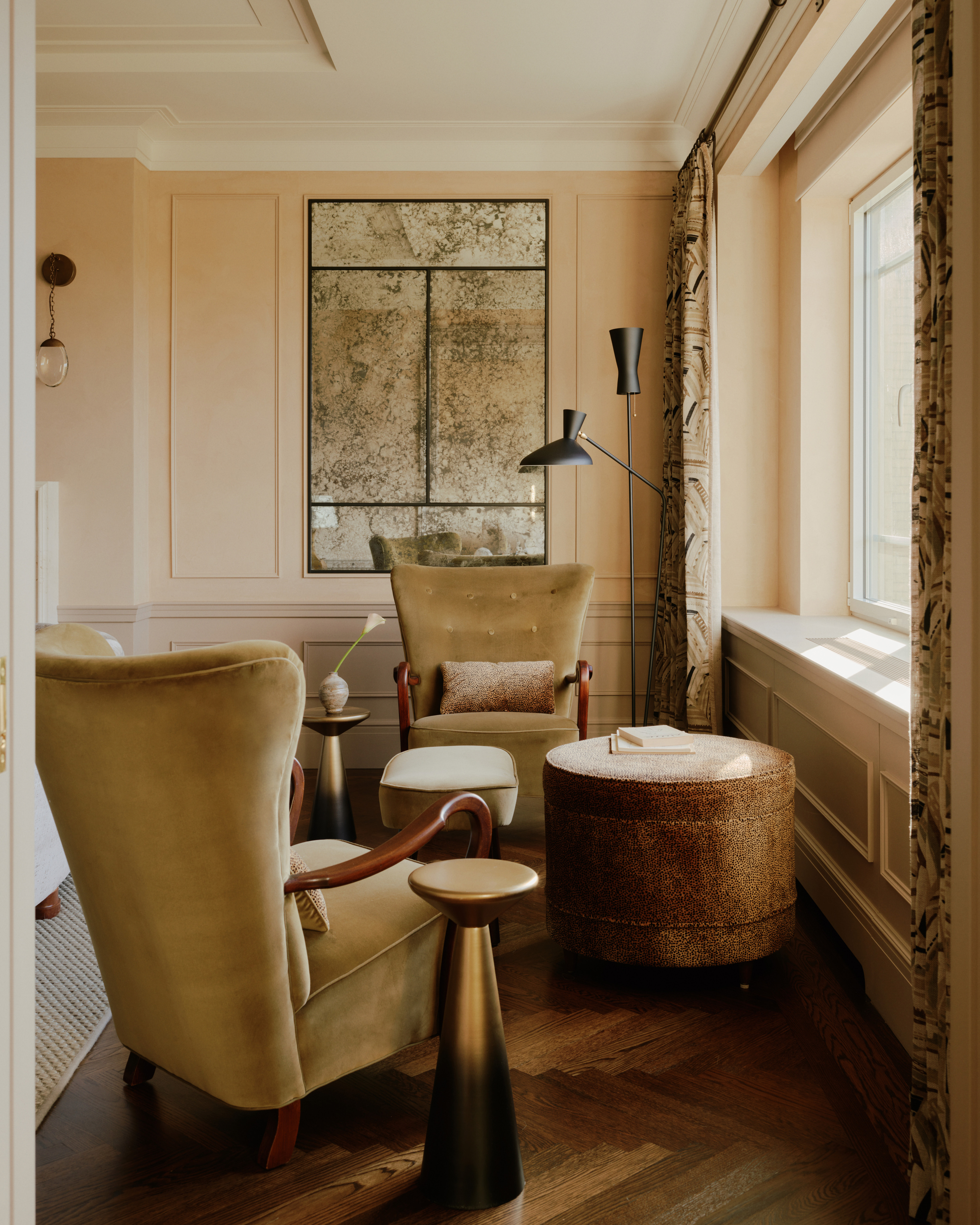
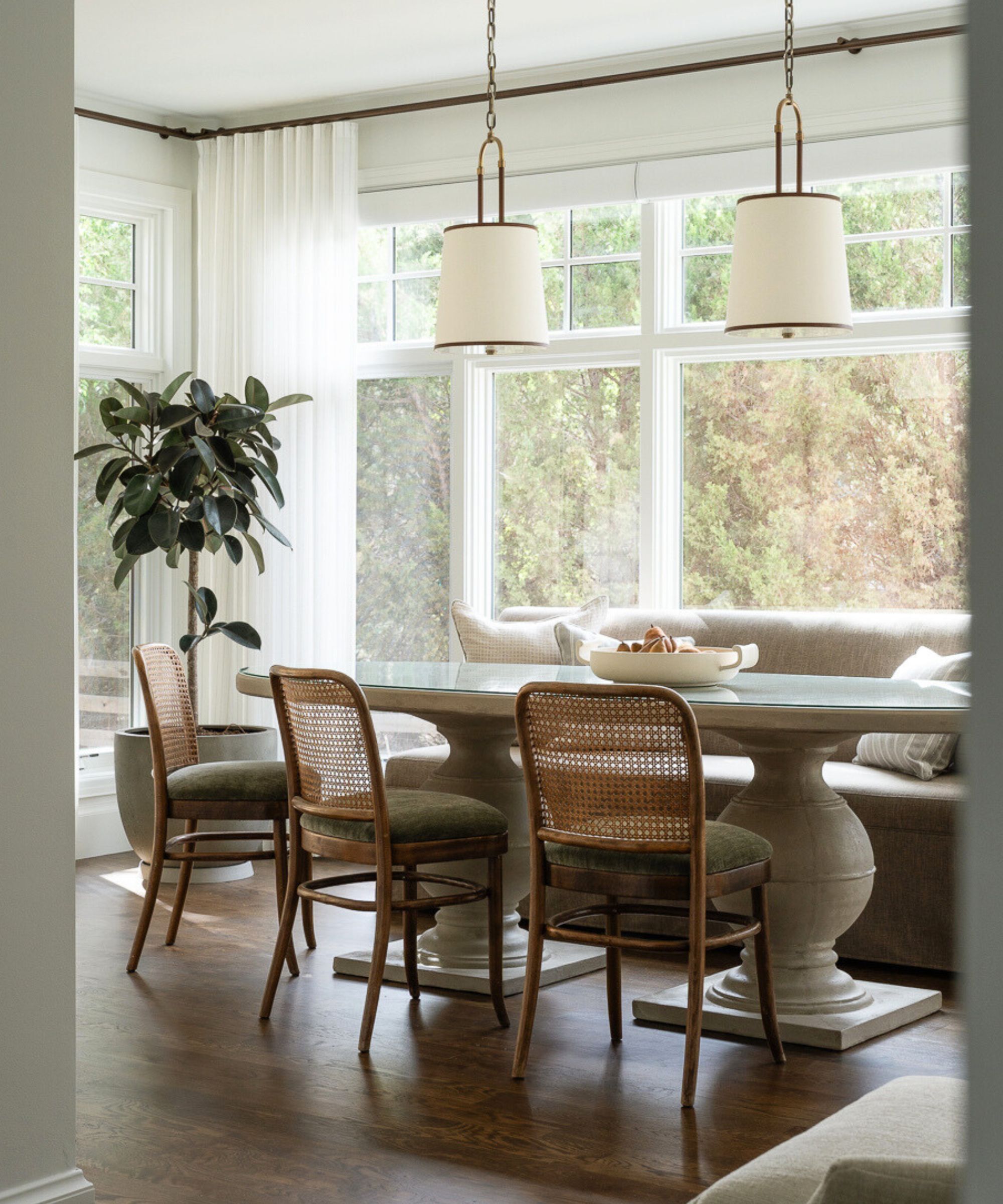
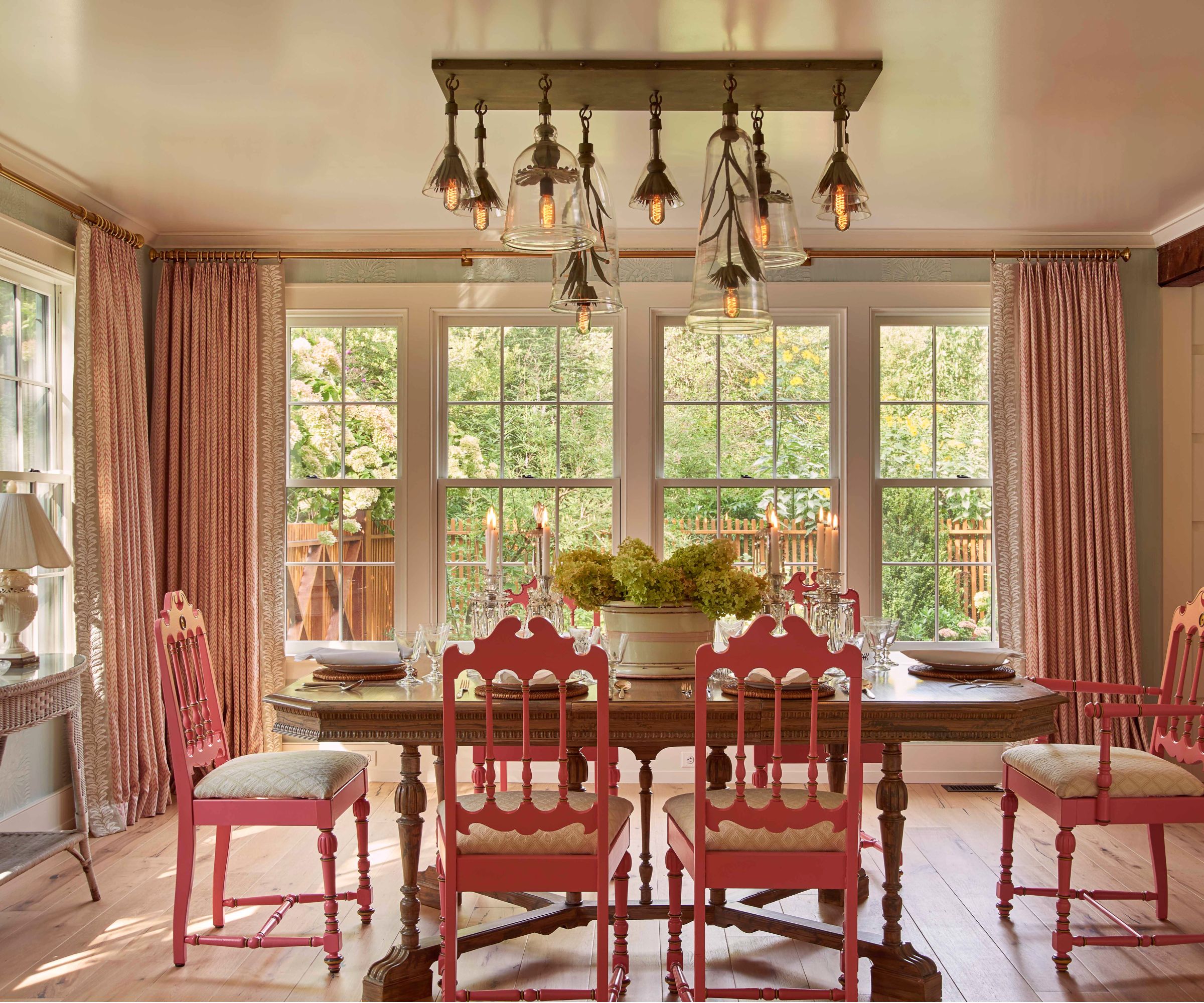
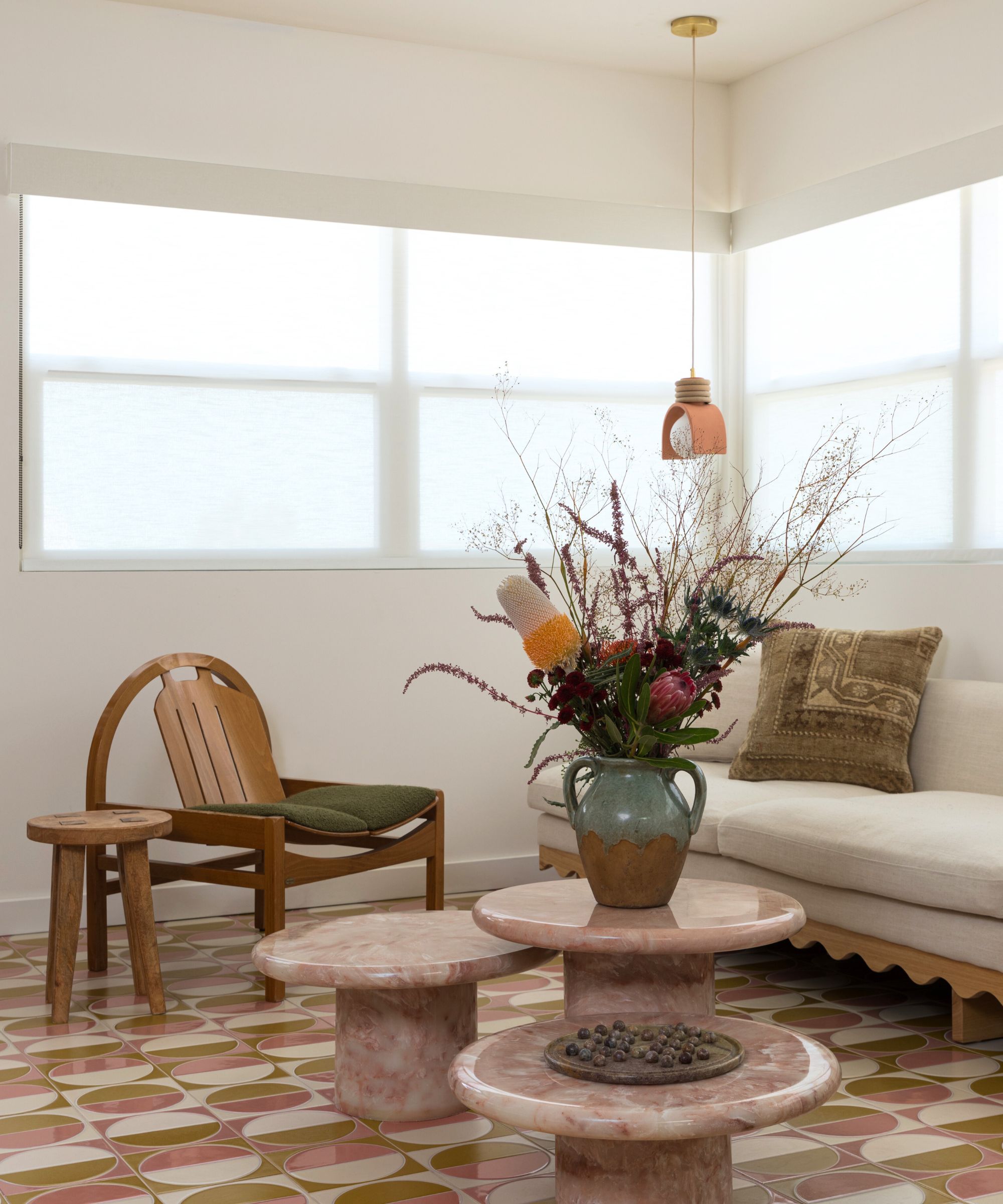
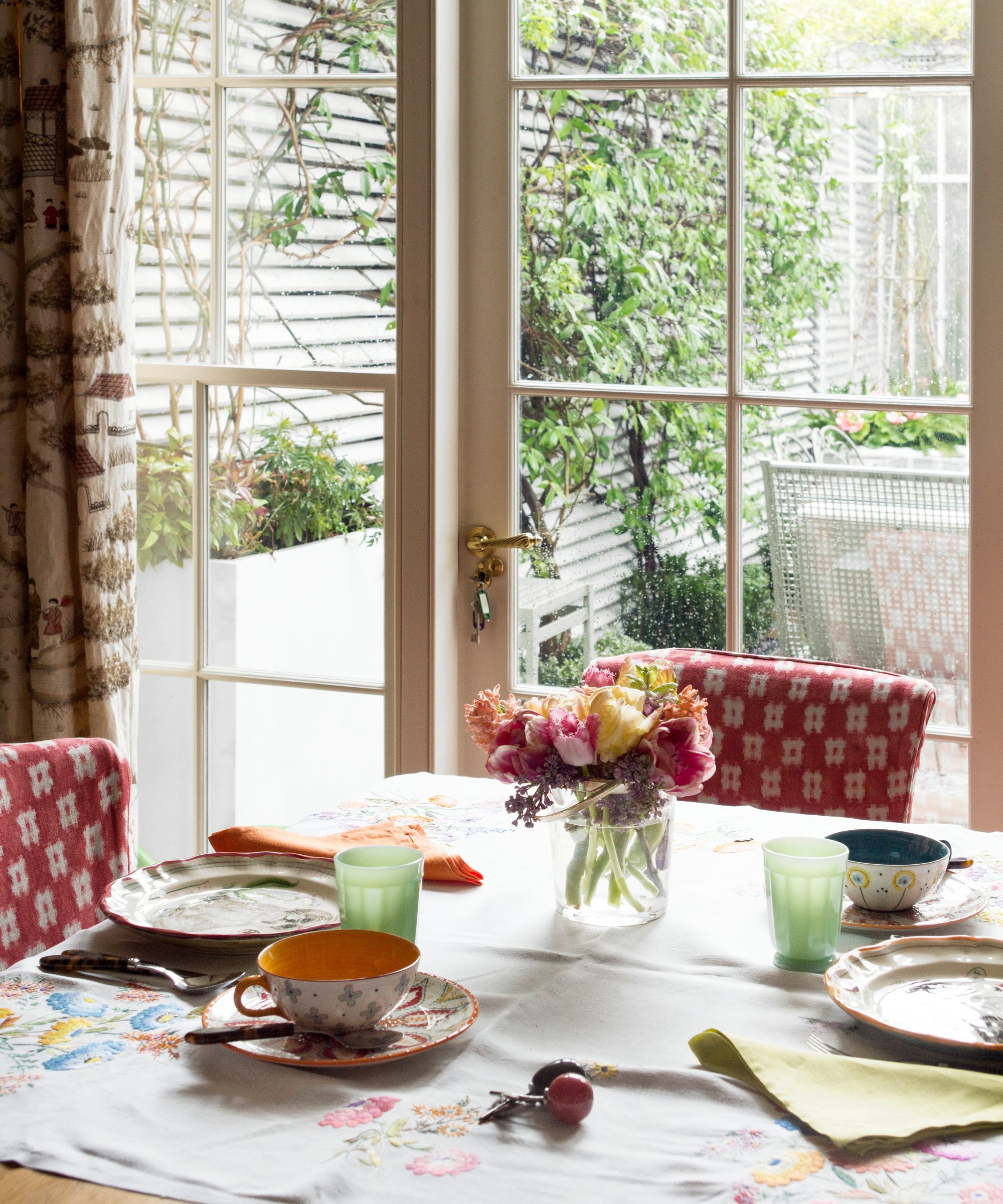
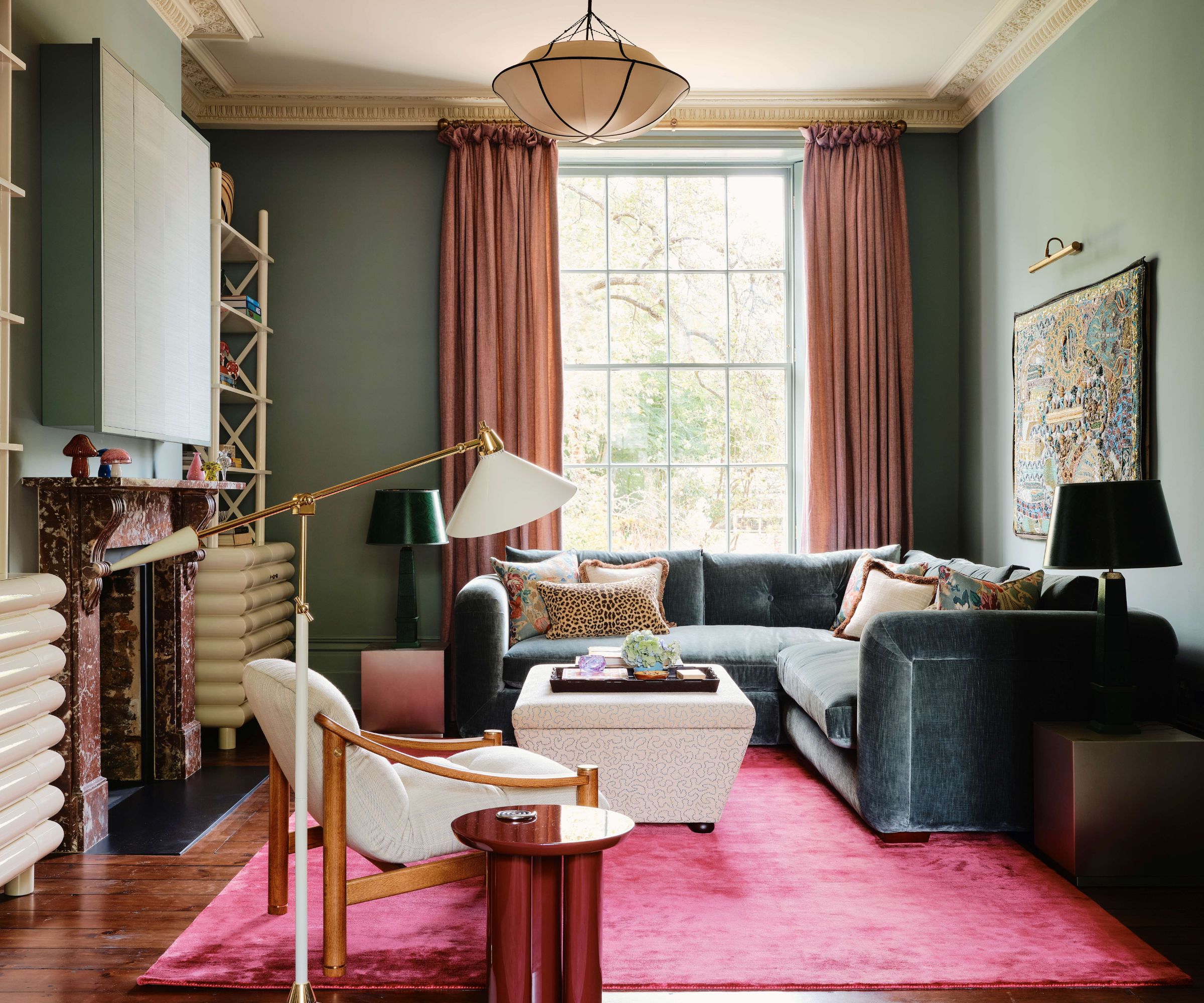
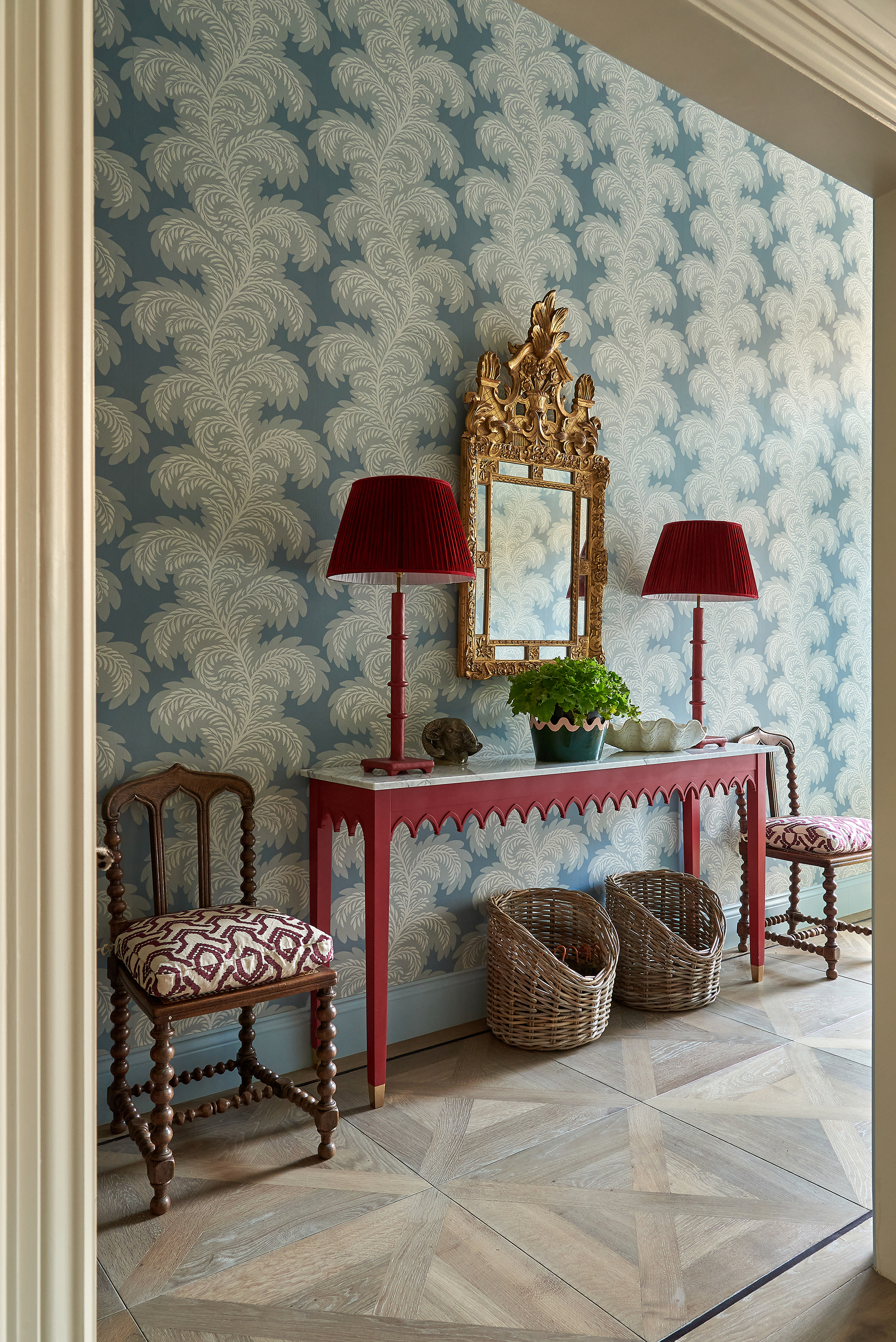
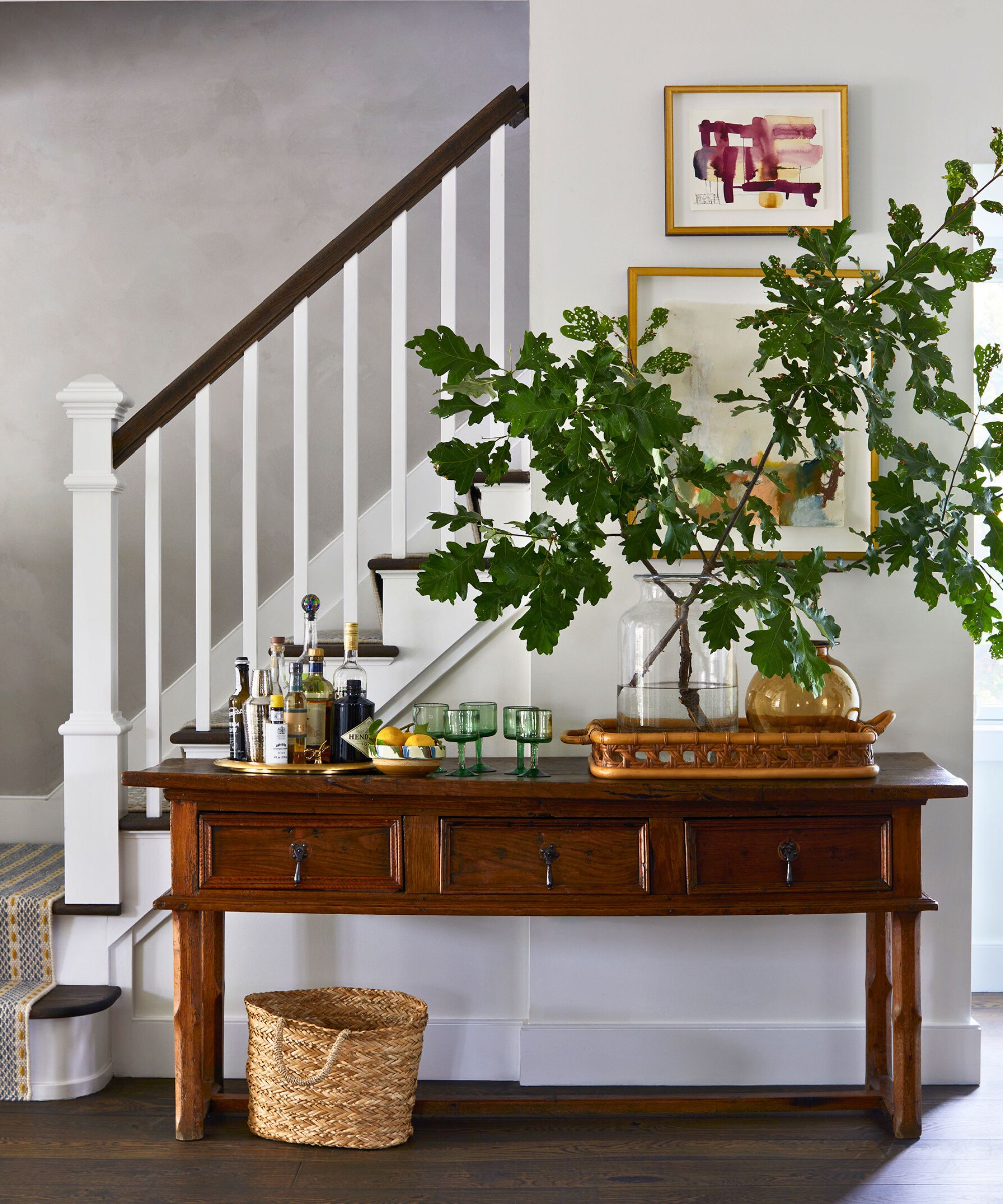
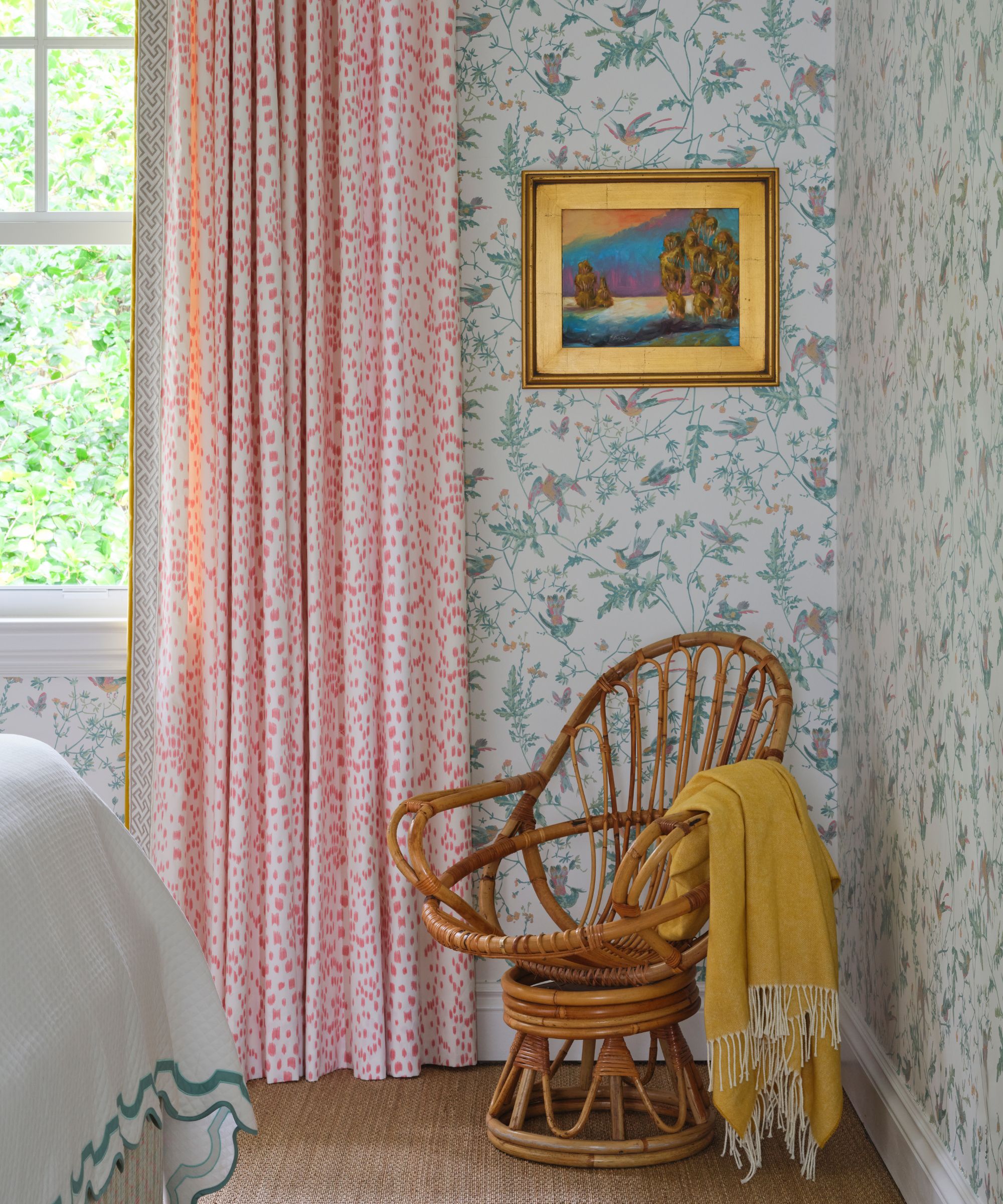
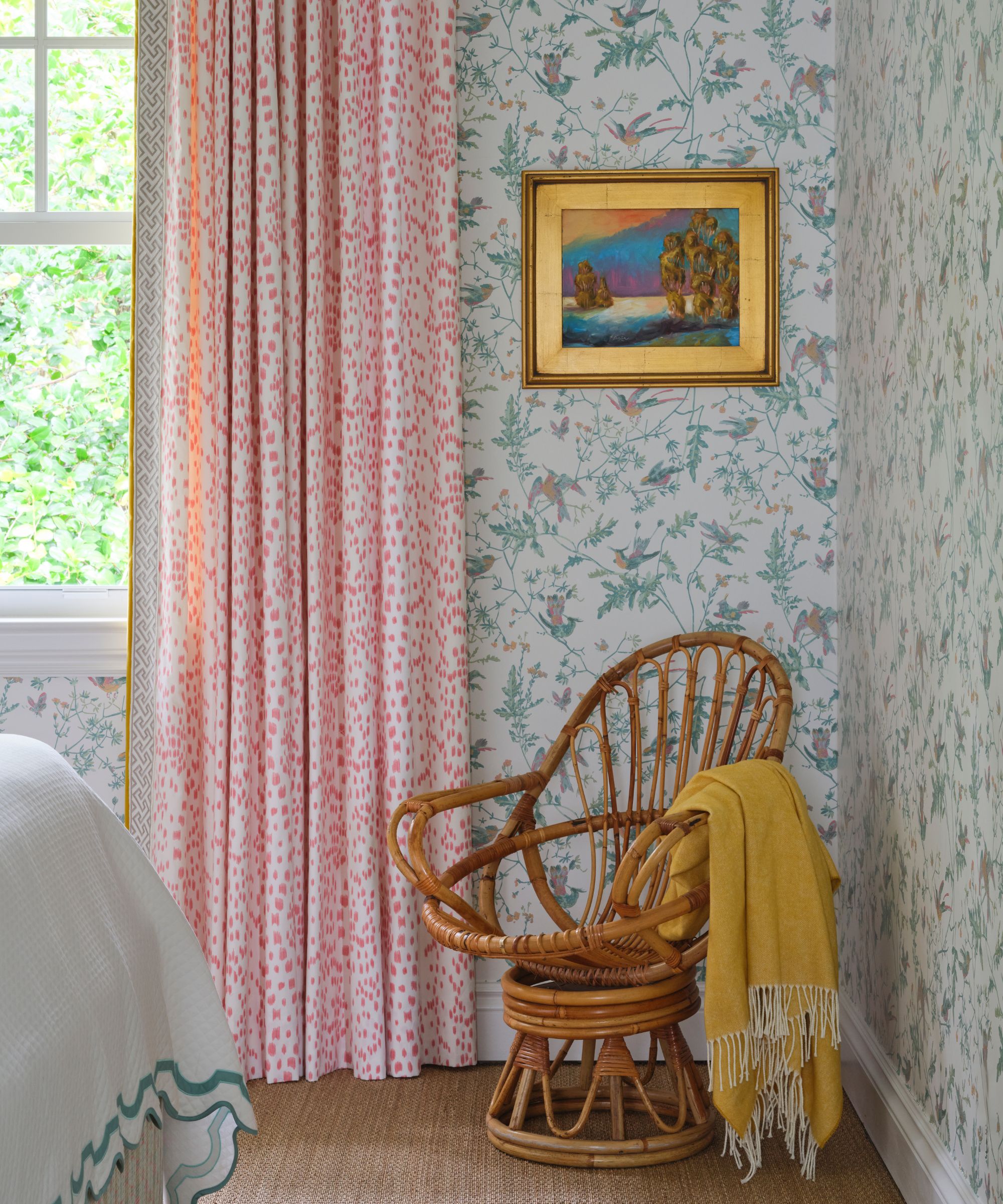
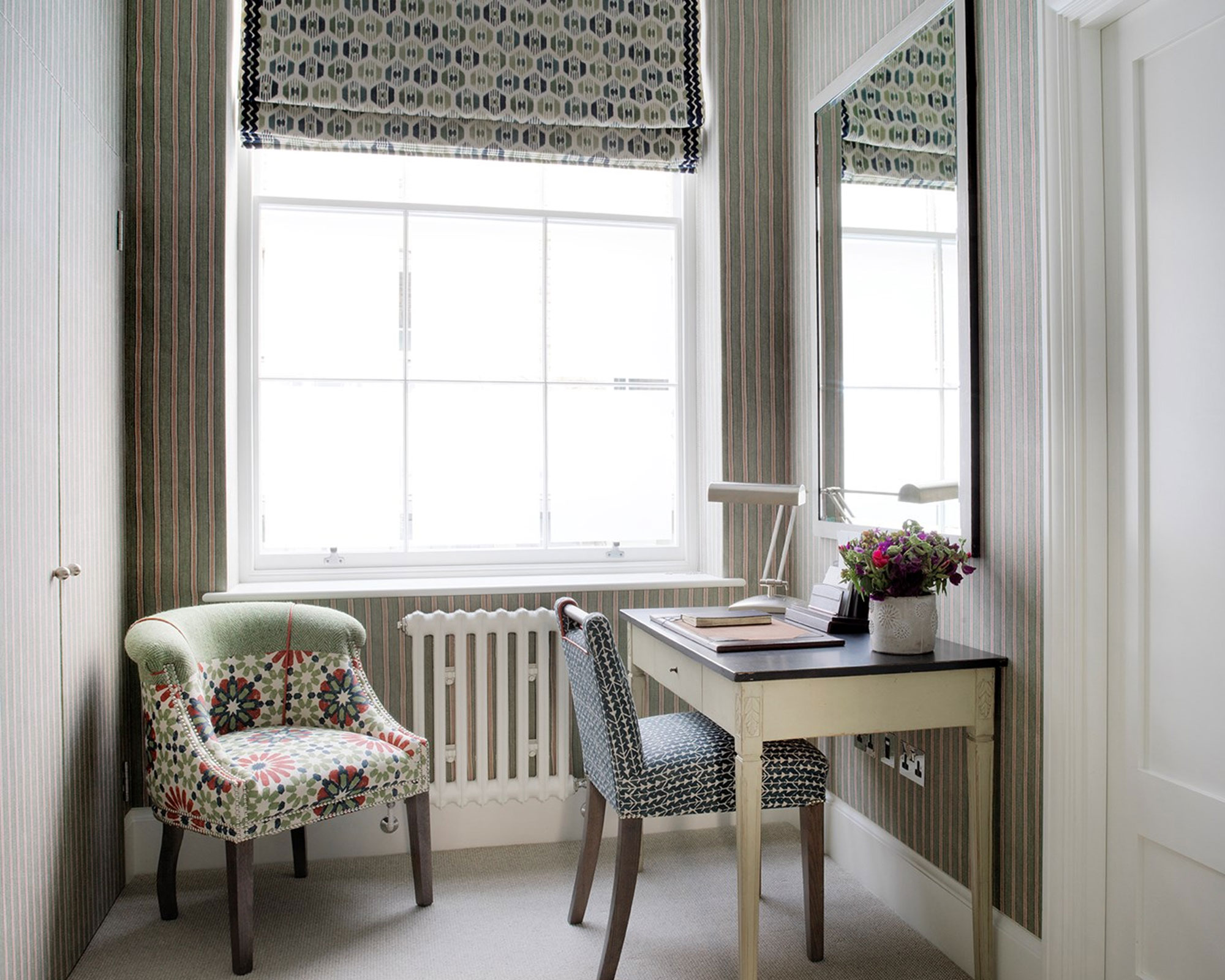
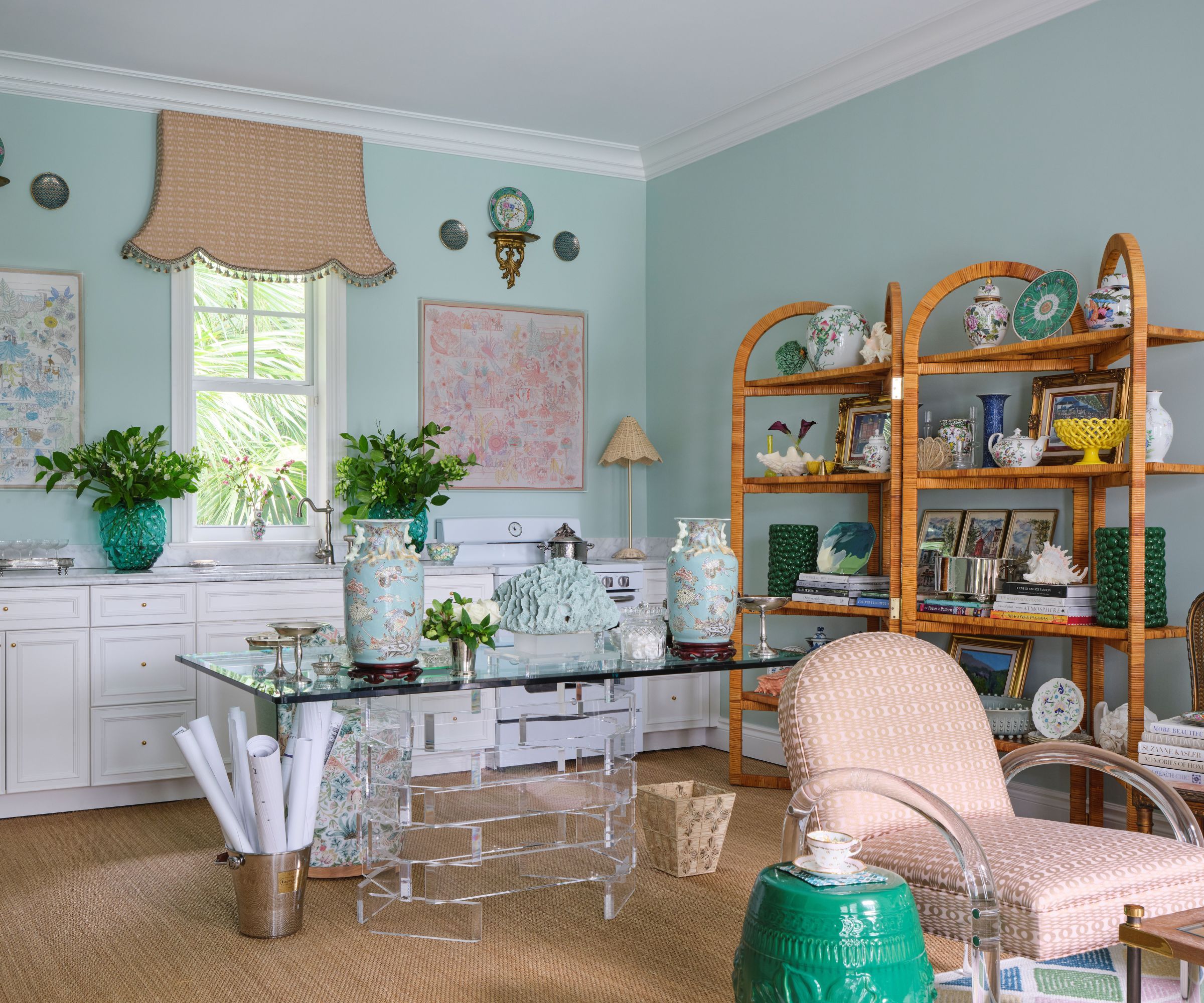
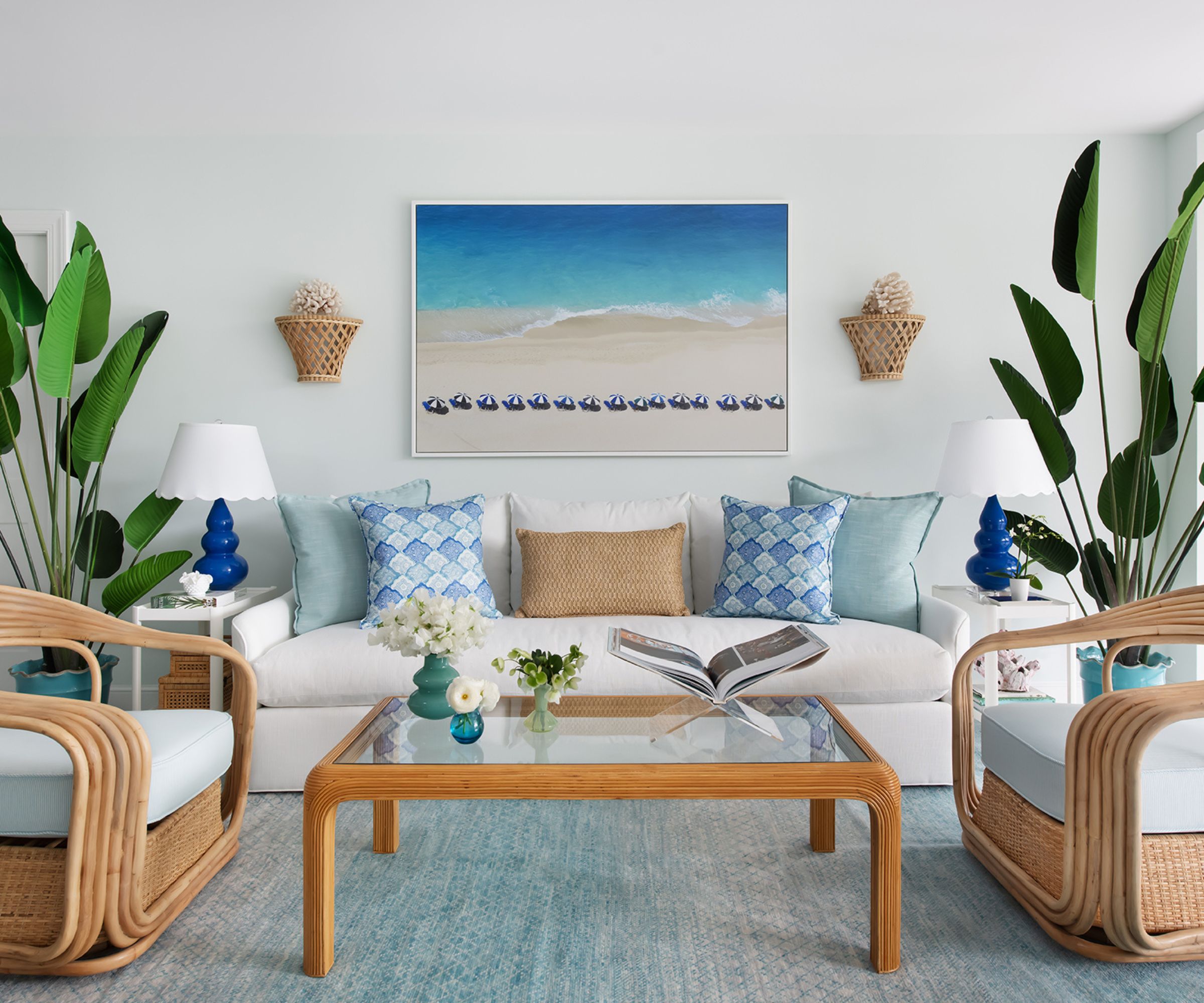
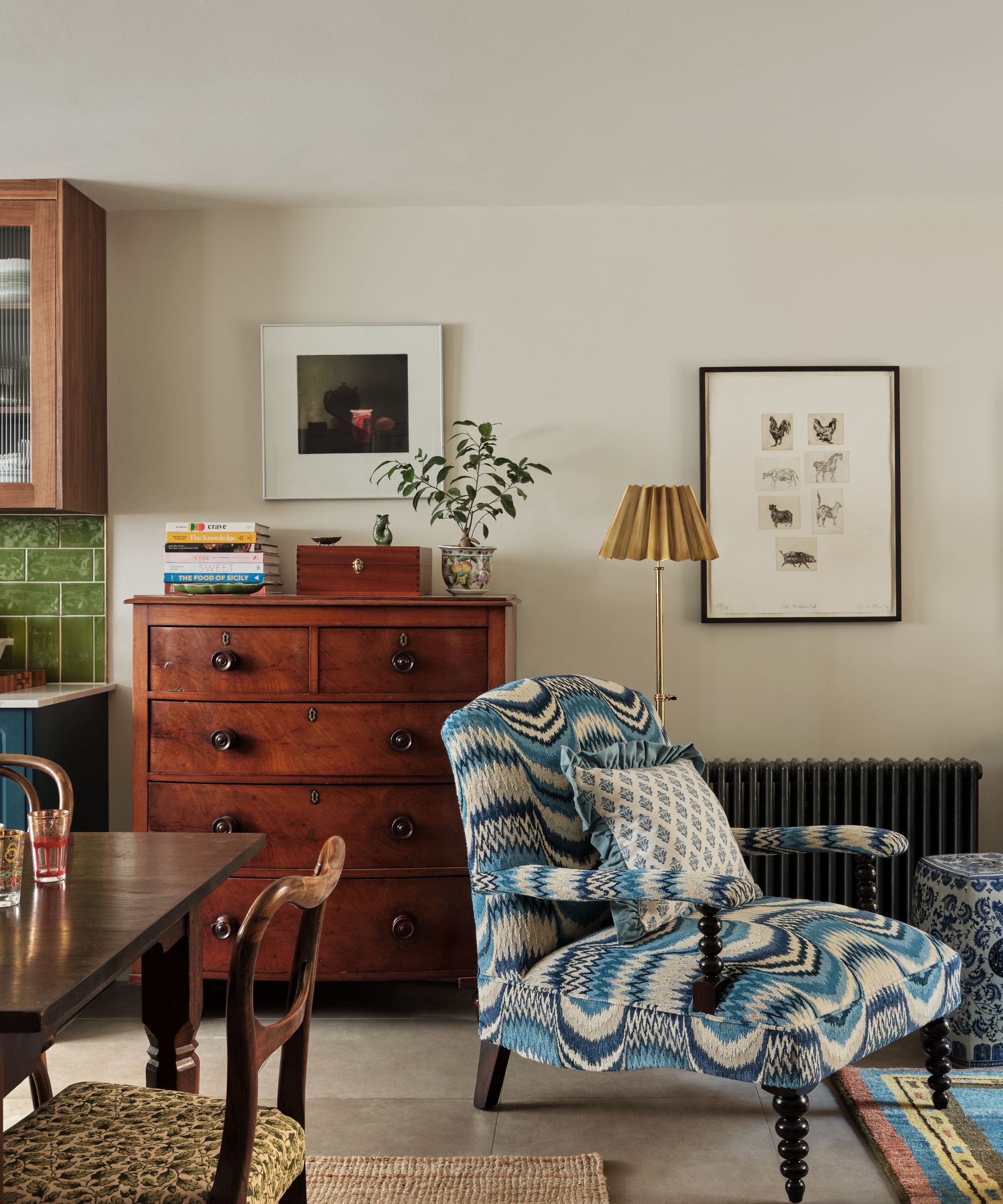
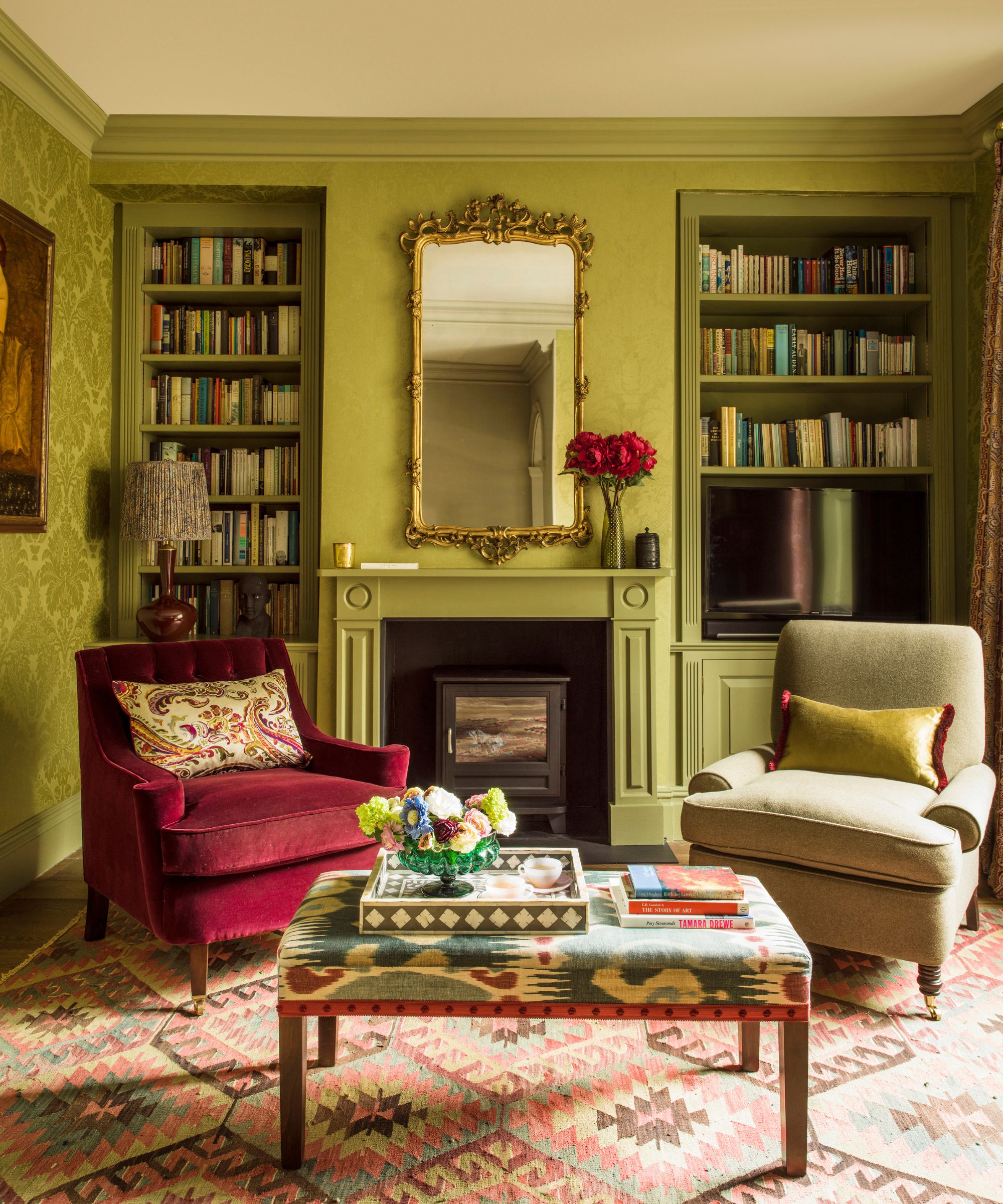
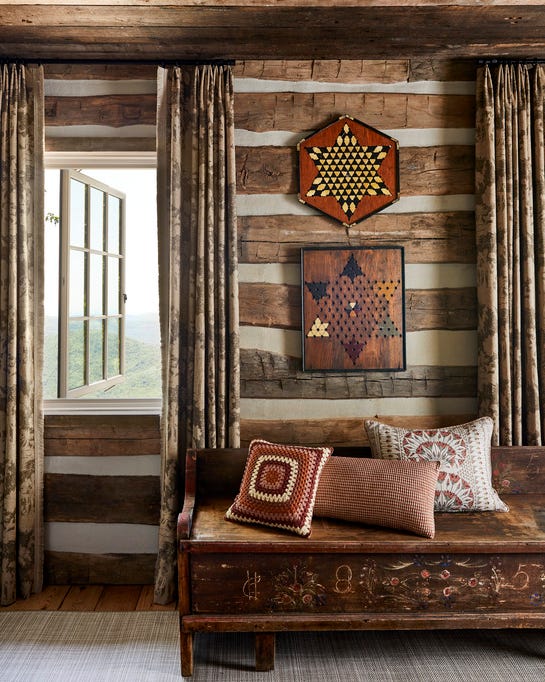
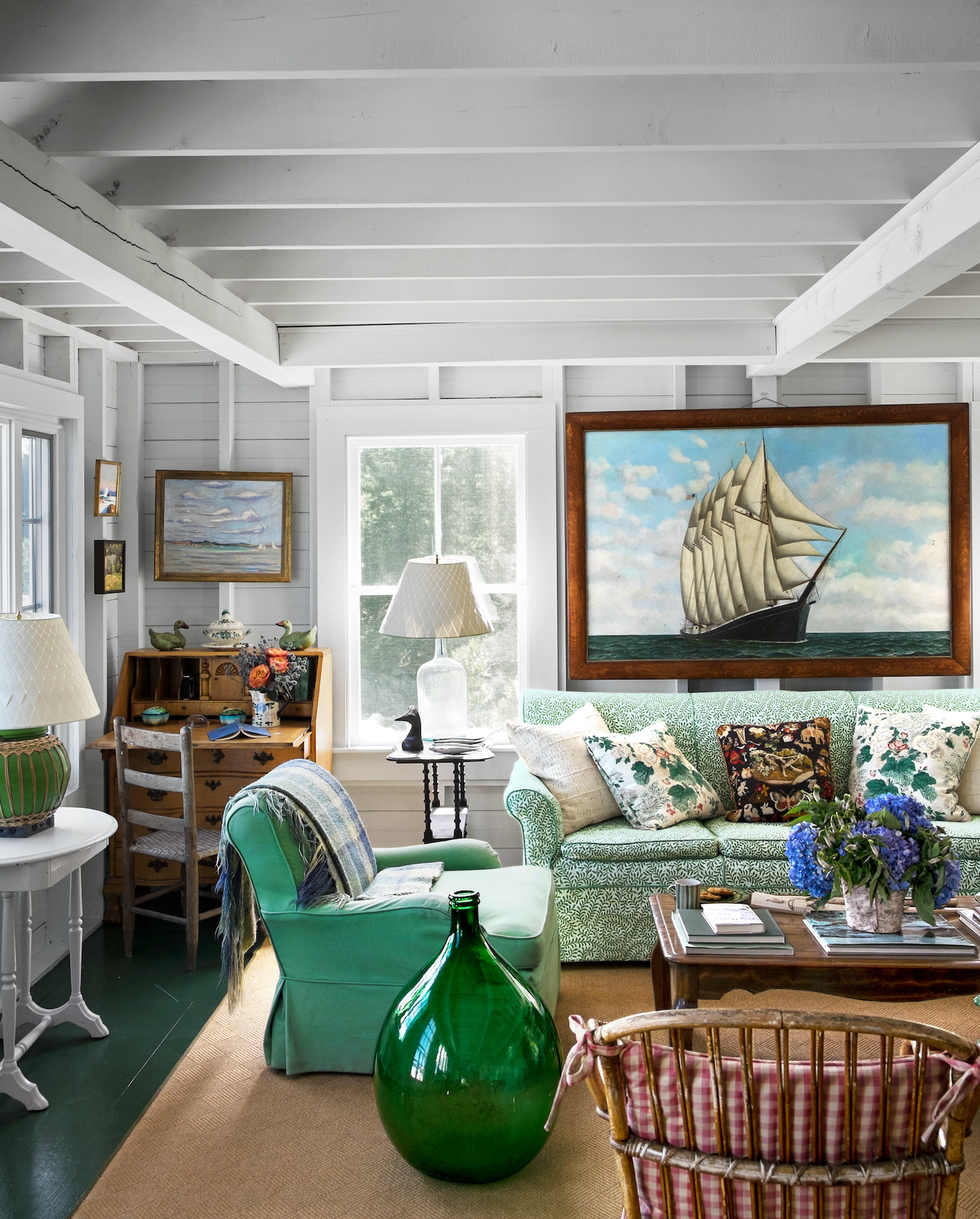
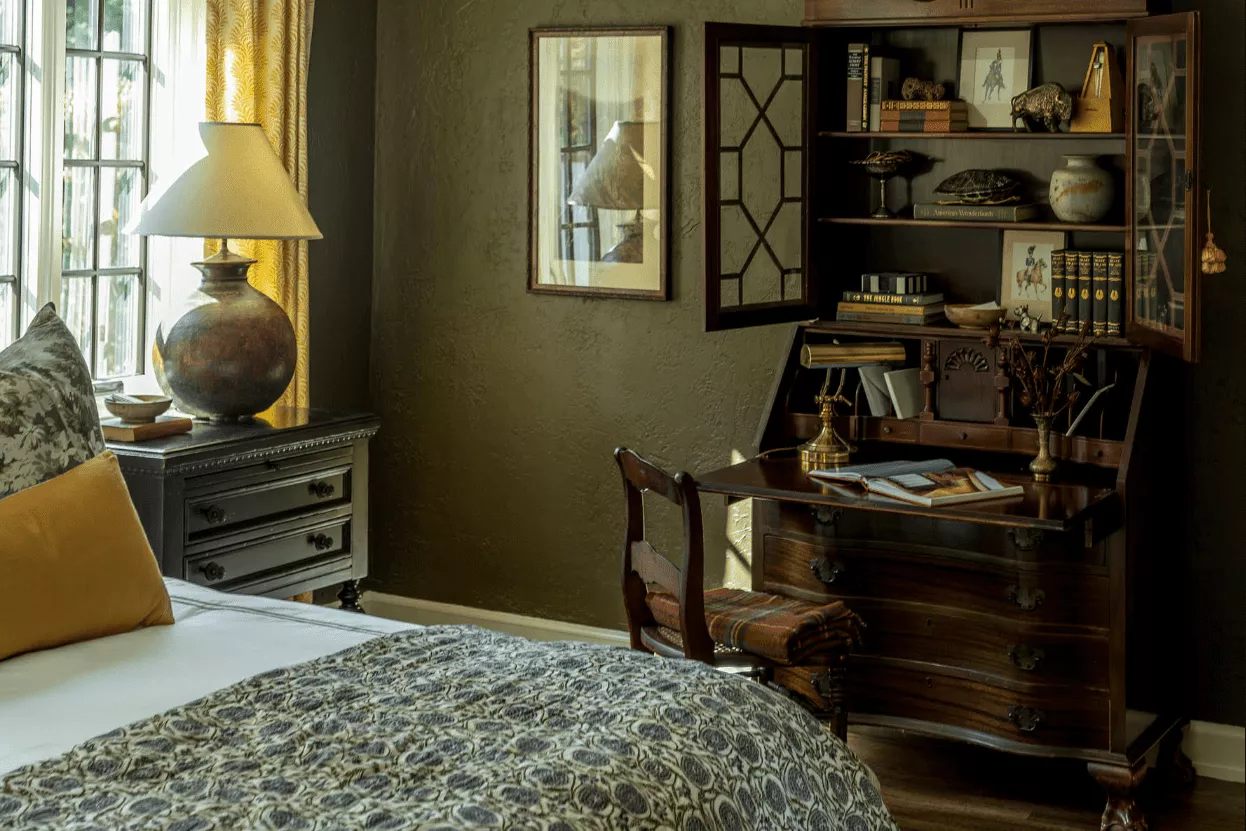
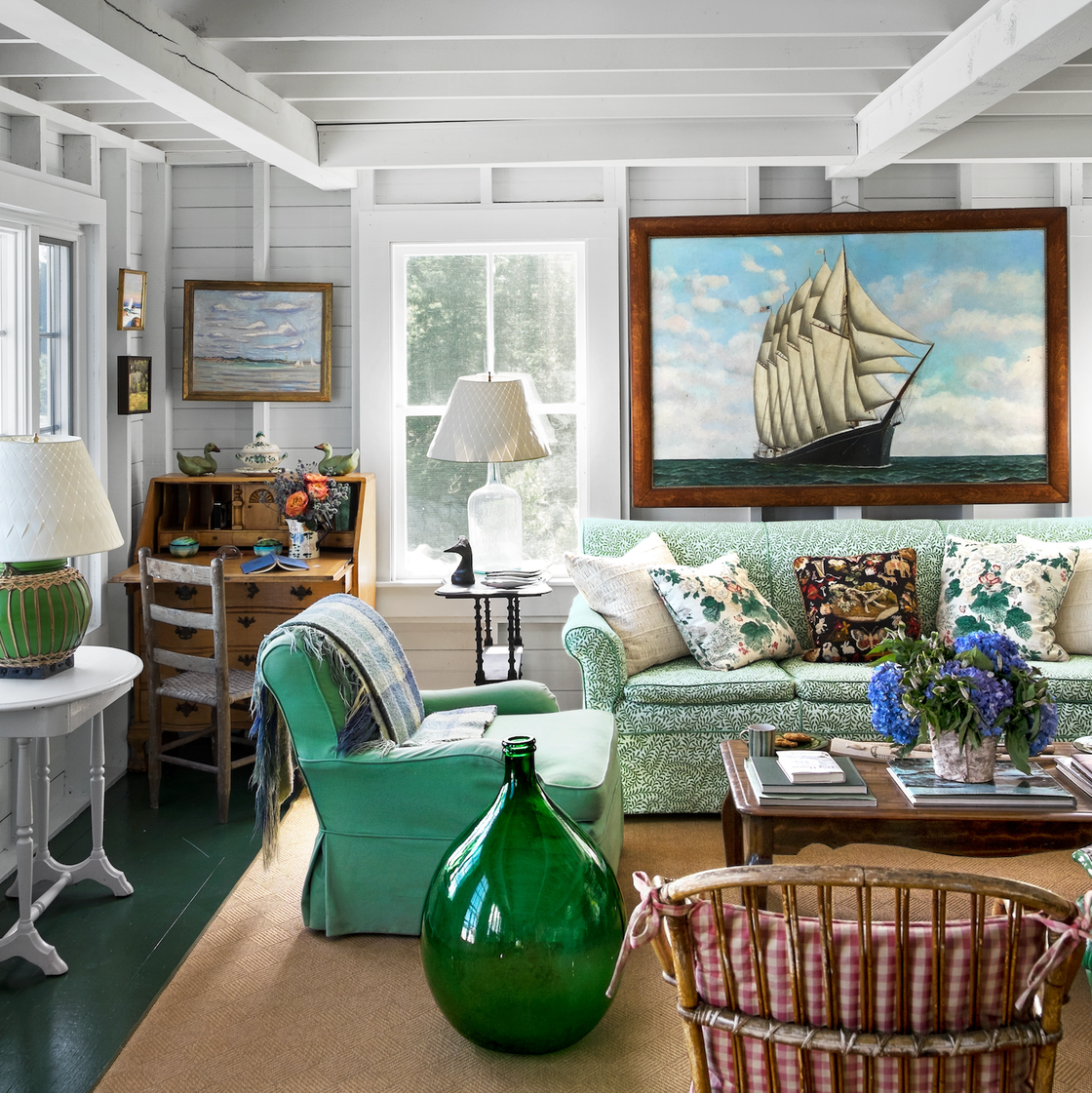
A key recommendation is to develop a clear sense of personal design style. Since thrift stores are often uncurated, knowing one's aesthetic preferences, such as coastal grandmother style or a European look, helps in identifying suitable items. The article advises consulting design magazines or creating Pinterest boards to define and refine one's style, which can then serve as a reference during shopping trips. Thinking creatively about an item's potential uses beyond its original purpose is also highlighted. For example, vintage crystal ashtrays can become jewelry holders, cocktail glasses can store makeup brushes, and brass trunks can serve as coffee tables with built-in storage.
Pre-shopping research, particularly through Instagram and Google reviews, is recommended, especially when exploring new locations with limited time. Instagram can offer insights into a store's current and past inventory, while Google reviews can inform about pricing and overall selection. The author suggests creating a list of promising stores in a phone's notes app and using maps for navigation.
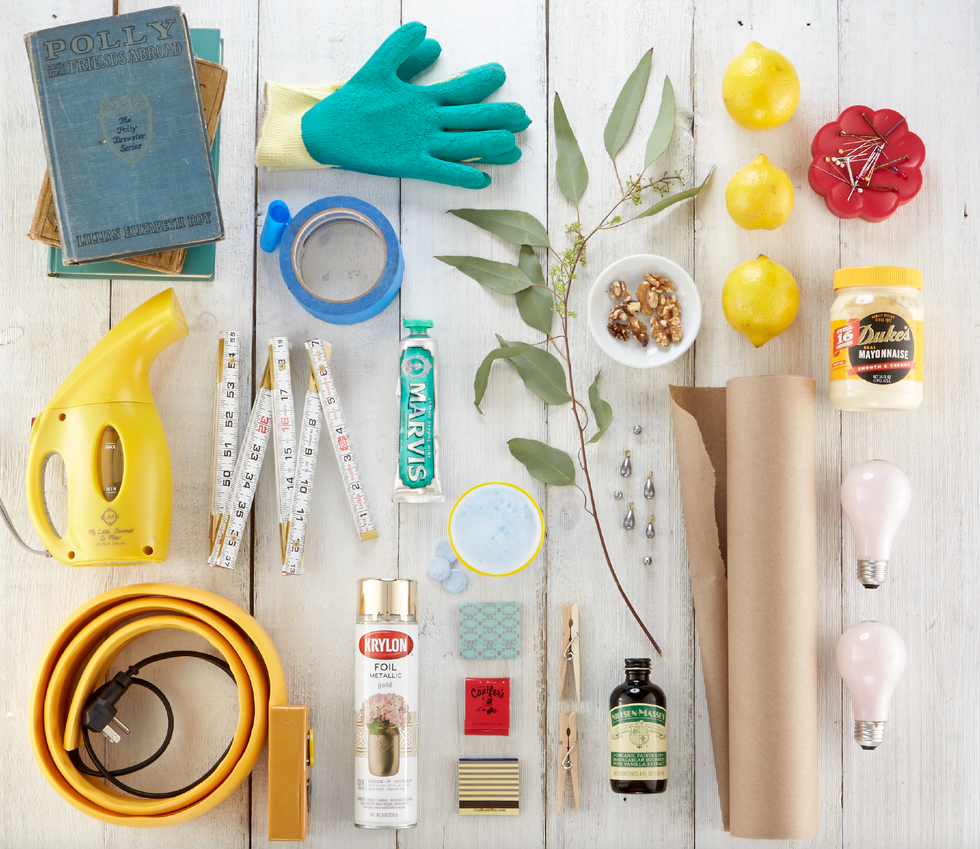
Preparation is crucial for a successful thrifting experience. Shoppers are advised to bring sturdy tote bags for carrying purchases, especially when relying on public transport or ride-shares. Carrying cash is also important, as not all vendors accept cards, and cash payments can sometimes lead to discounts. Essential items to pack include a charged phone for taking photos of potential purchases, a measuring tape to ensure items fit intended spaces, and a belt bag to keep these small essentials secure and accessible. It is also important to approach thrifting with an open mind, avoiding strict shopping lists and instead focusing on general categories, as unexpected finds often turn out to be the most cherished.
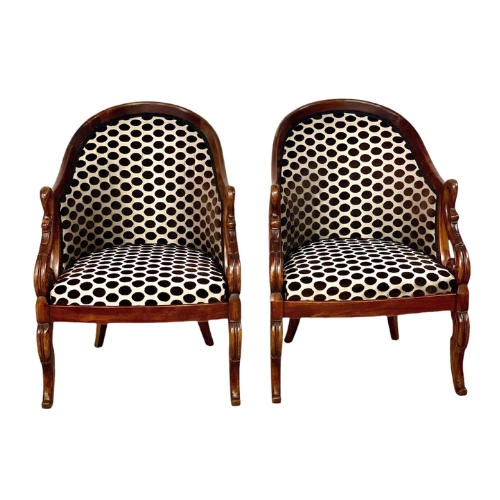
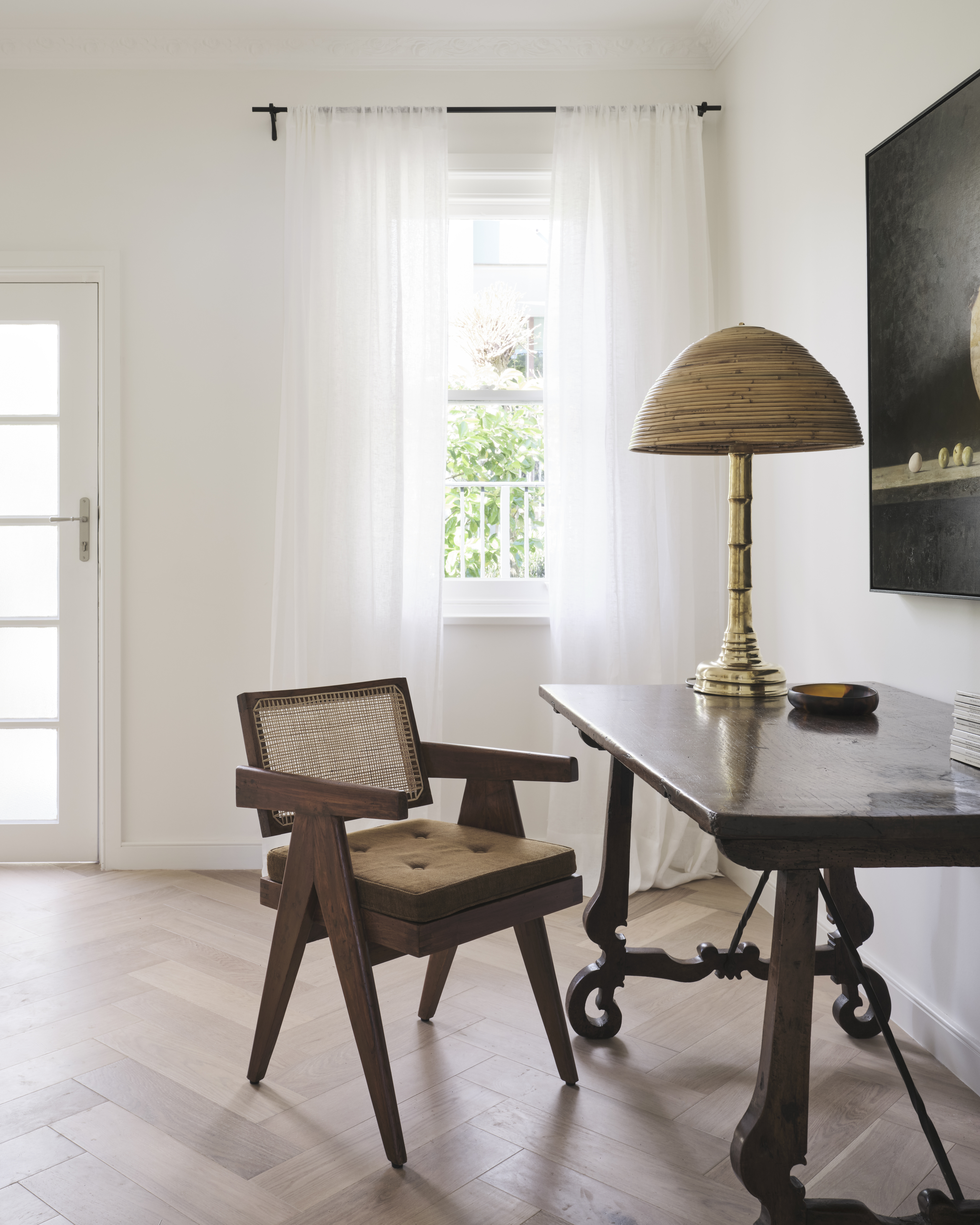
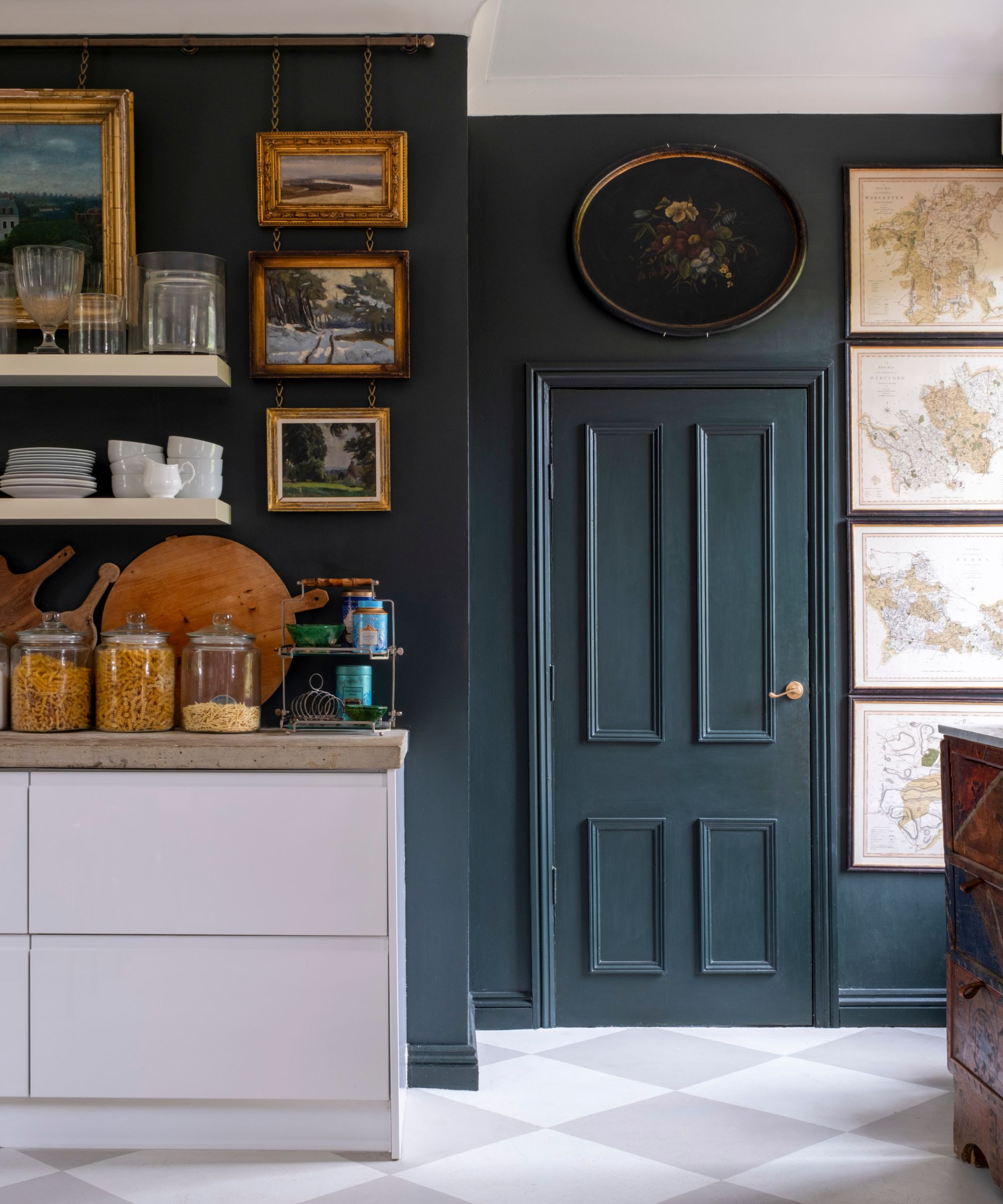
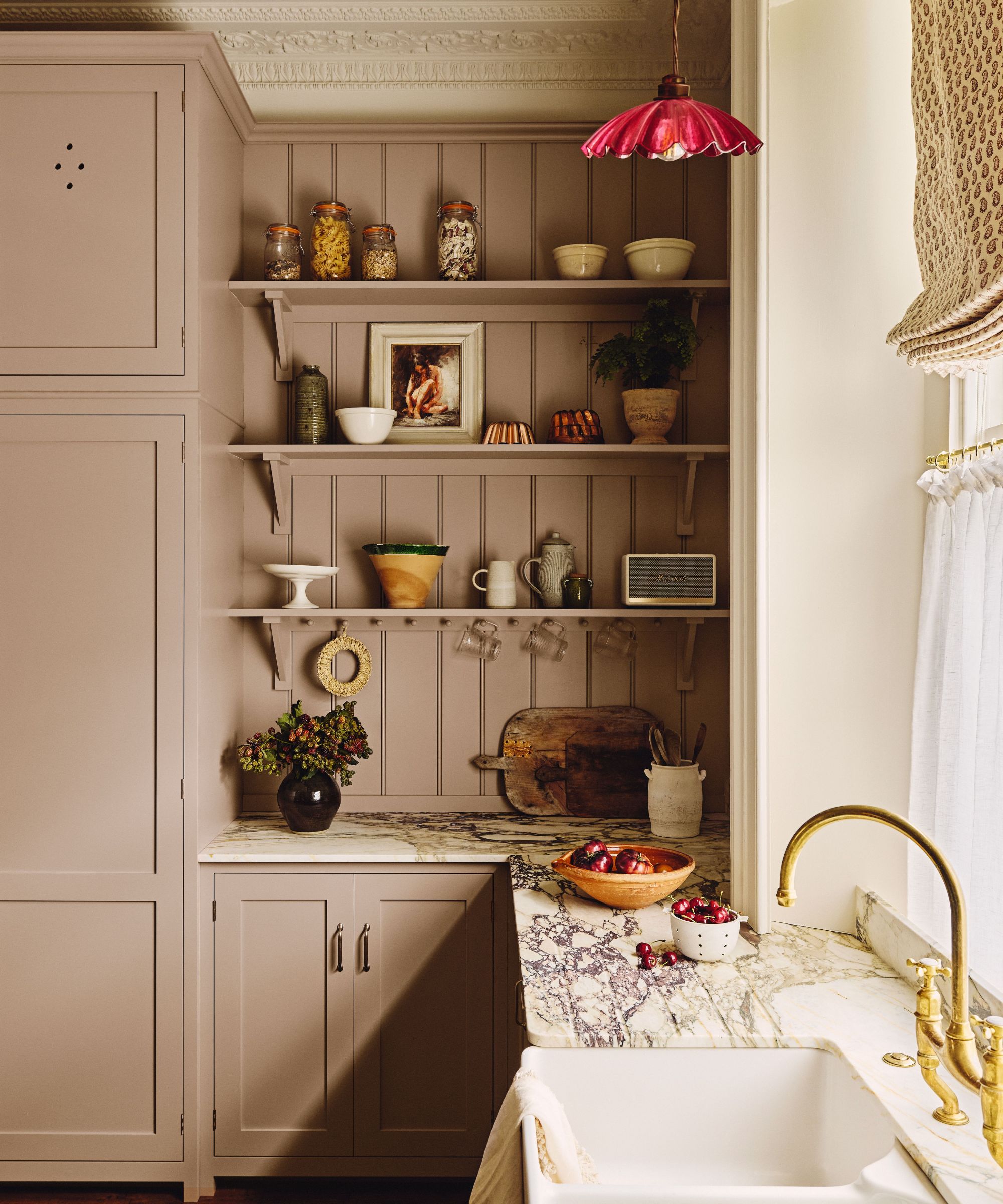
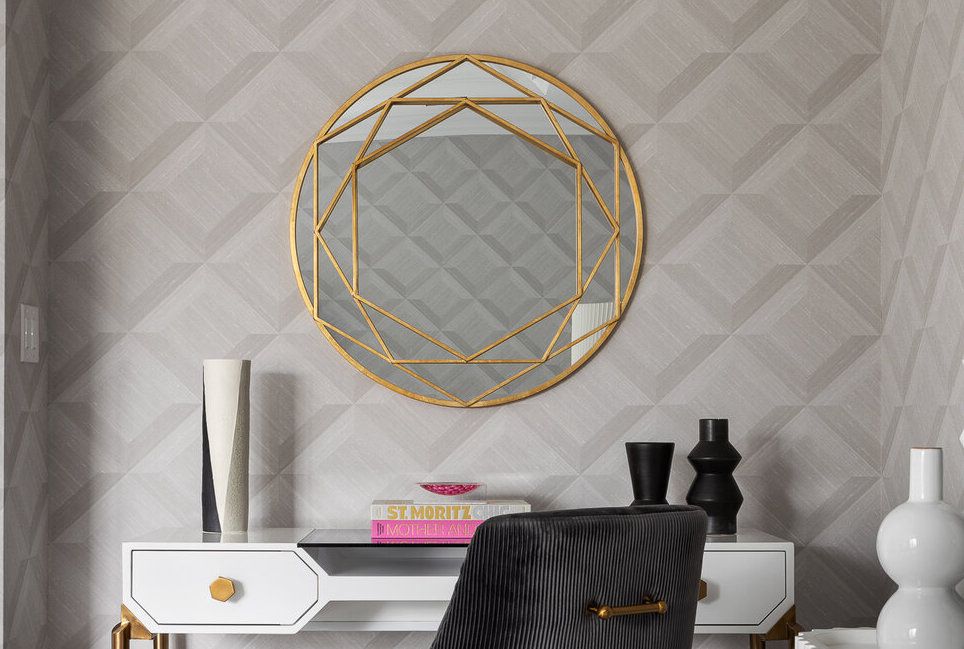
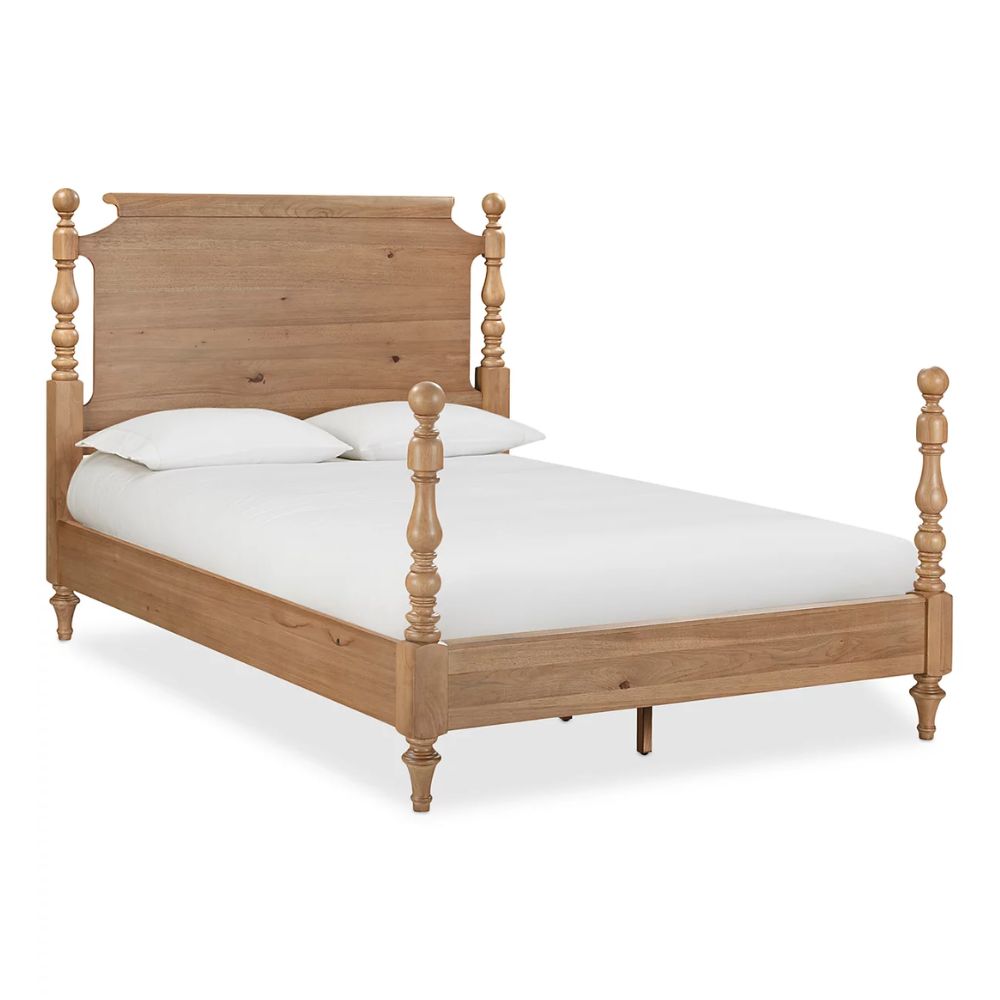
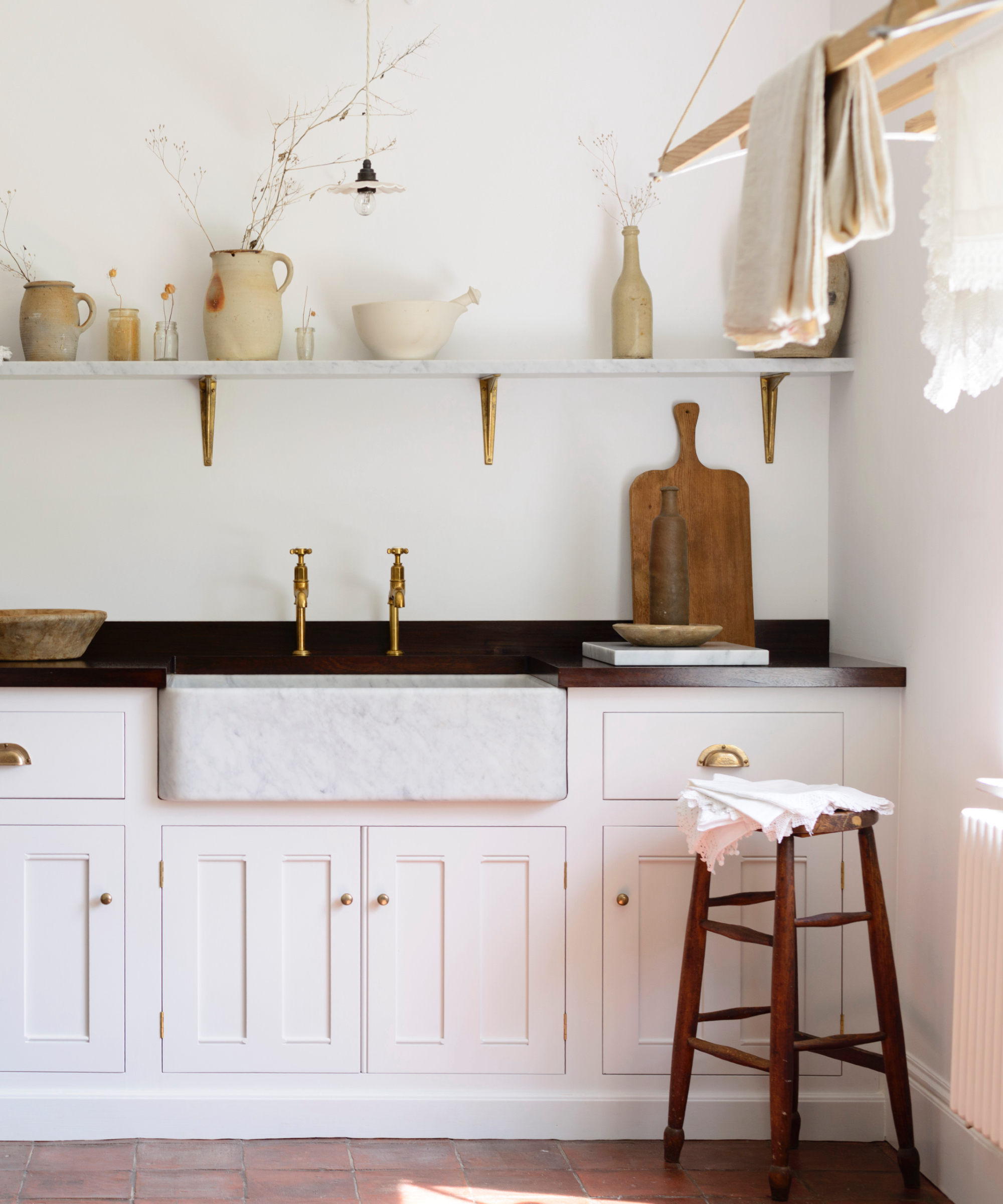
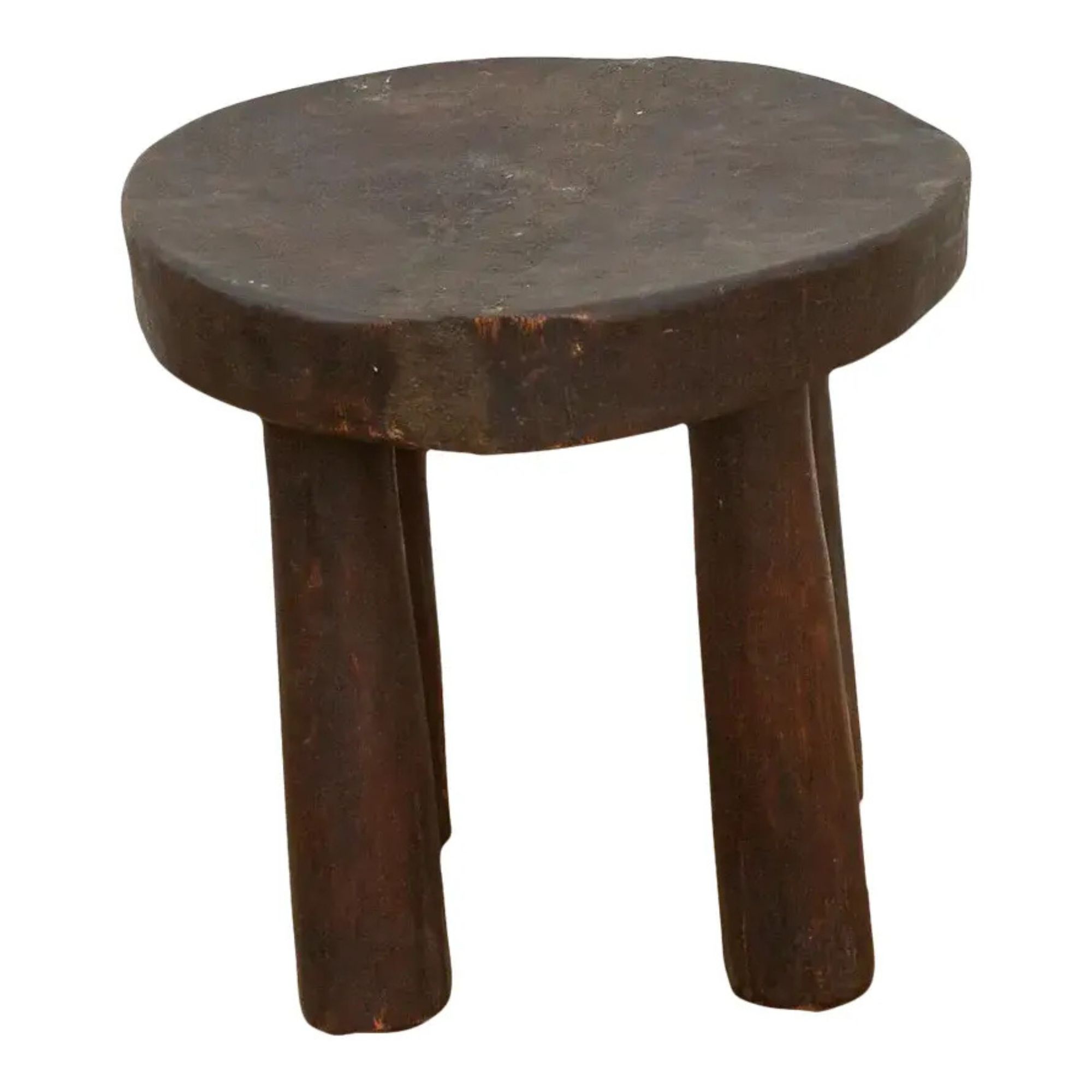
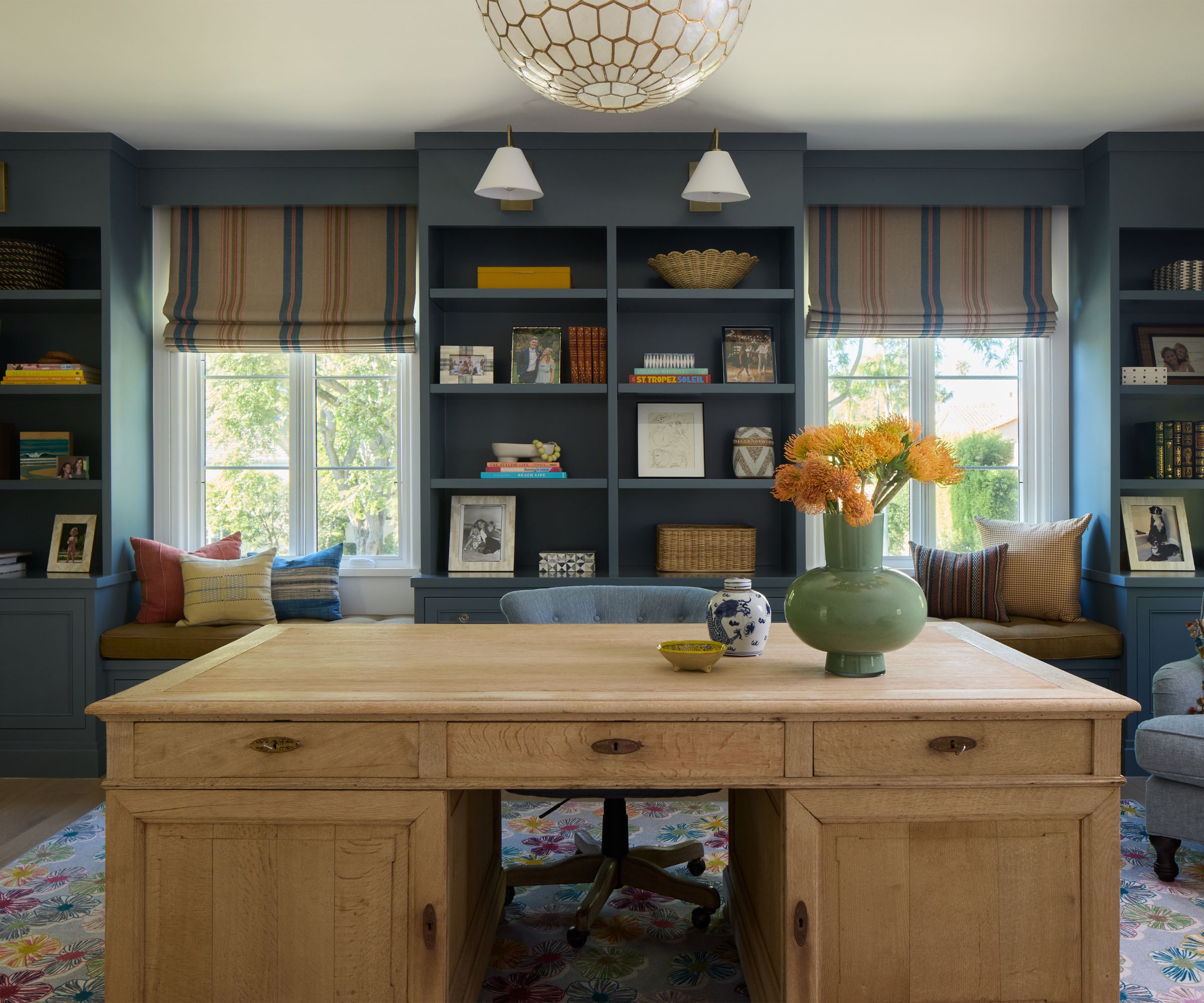
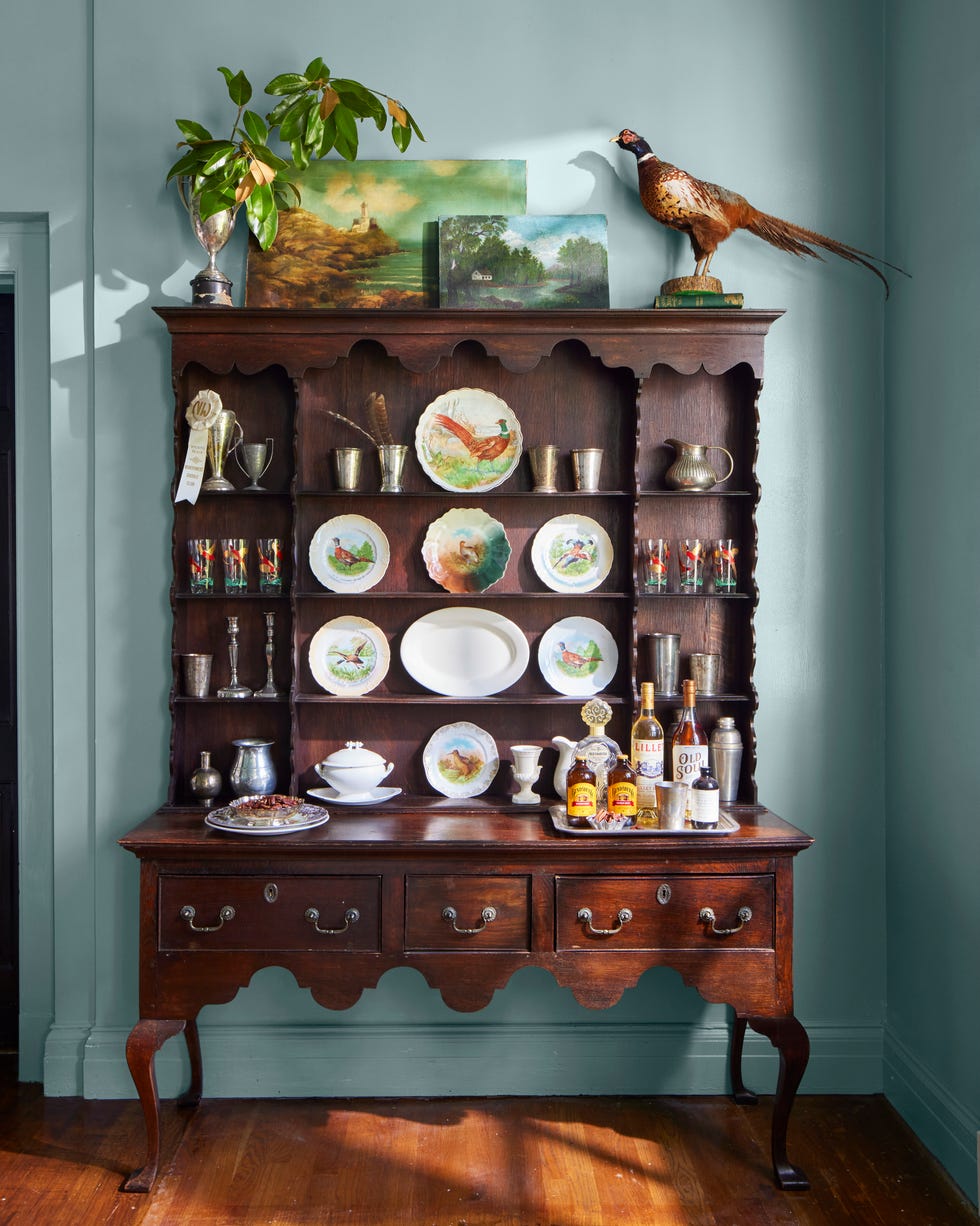
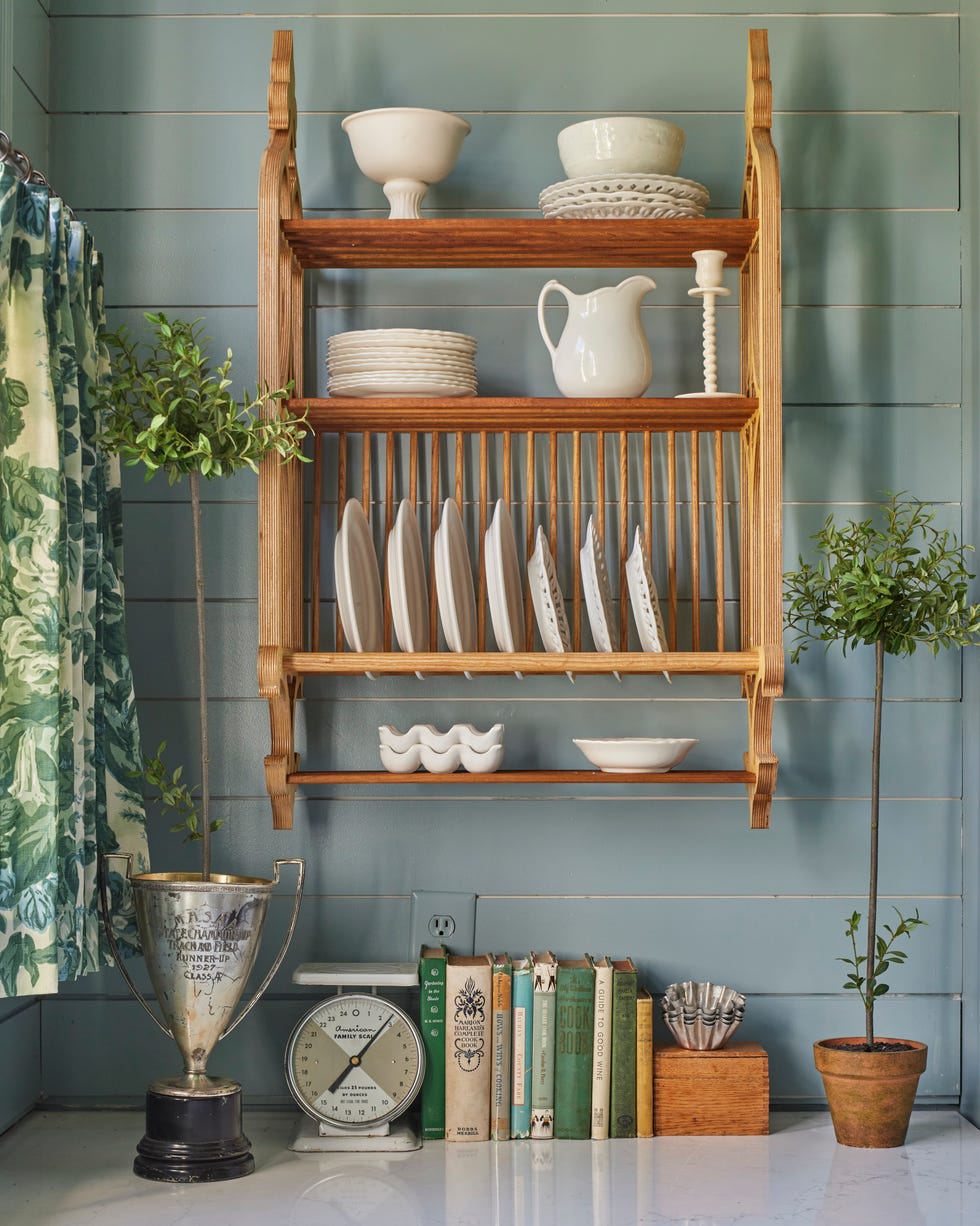
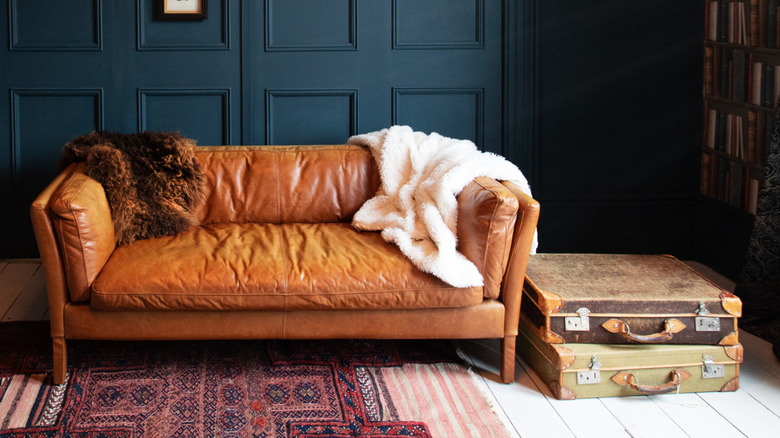
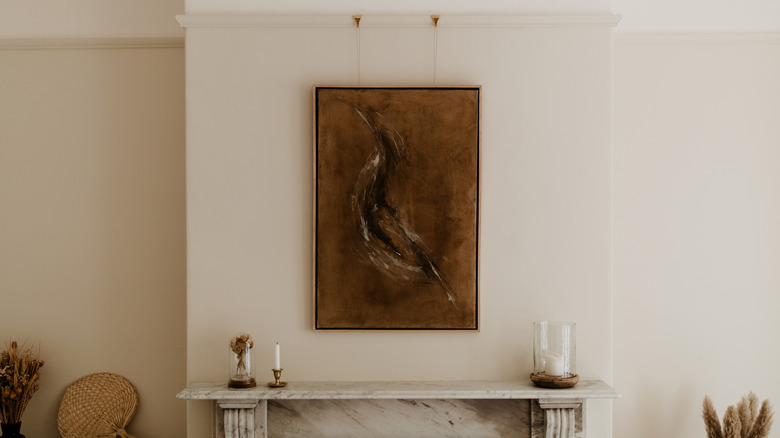
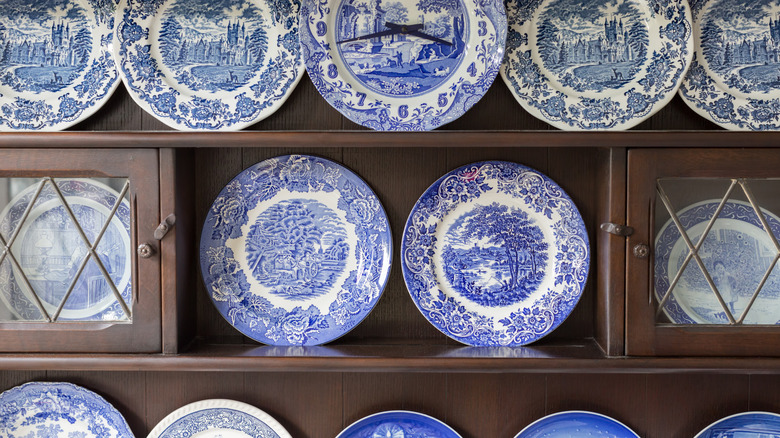
Before purchasing any item, a thorough inspection is critical. Shoppers should check for damage, rips, stains, odors, and broken or missing parts. For furniture, ensuring sturdiness, proper functioning of doors and drawers, and the absence of soft wood or mildew is essential. While minor imperfections can be remedied with paint or cleaning, severe damage might render an item unsalvageable. The article concludes by listing specific home decor items that are wise to buy secondhand due to their affordability and potential for personalization, including storage items like baskets, frames, art, mirrors, lighting fixtures (with checks for wiring), dishes, linens, and solid wood furniture that can be restored.
#ThriftingTips #HomeDecor #SecondhandFinds #VintageStyle #InteriorDesign #BudgetDecor #SustainableLiving #ShoppingGuide #DIYHome #ThriftingTips #HomeDecor #SecondhandFinds #VintageStyle #InteriorDesign #BudgetDecor #SustainableLiving #ShoppingGuide #DIYHome
0 Kommentare insgesamt
 Noch keine Kommentare
Das könnte Ihnen auch gefallen
5 Things You Should Definitely Thrift for Your Living Room Styling — "A Few Pieces Add Instant Soul"


#Houseporn is unrealistic: Tips to style a home you actually live in

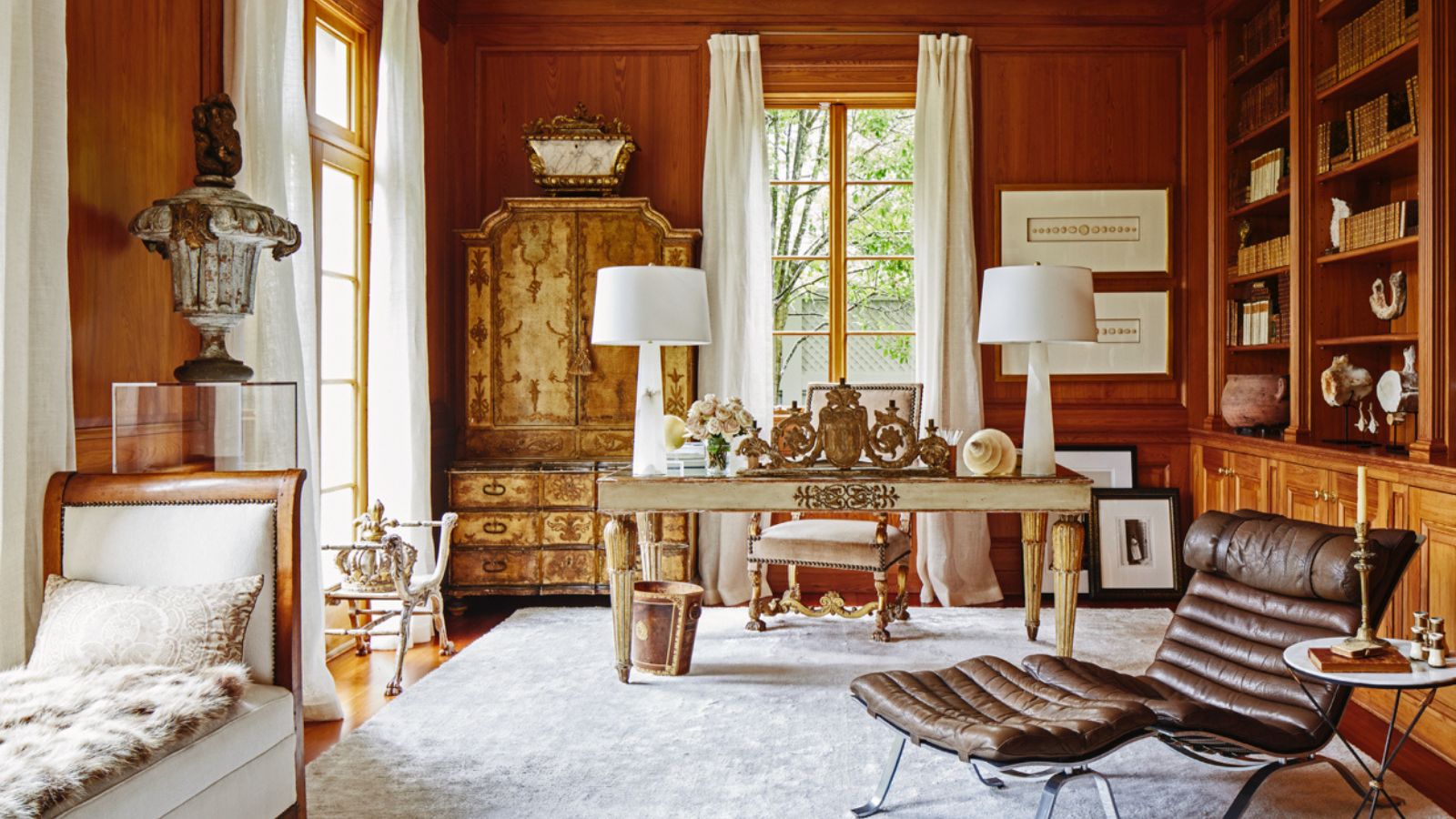
'These things are treasures and they’ll inspire you as you work' – designers recommend these 5 thrifted items that will add instant character to your home office
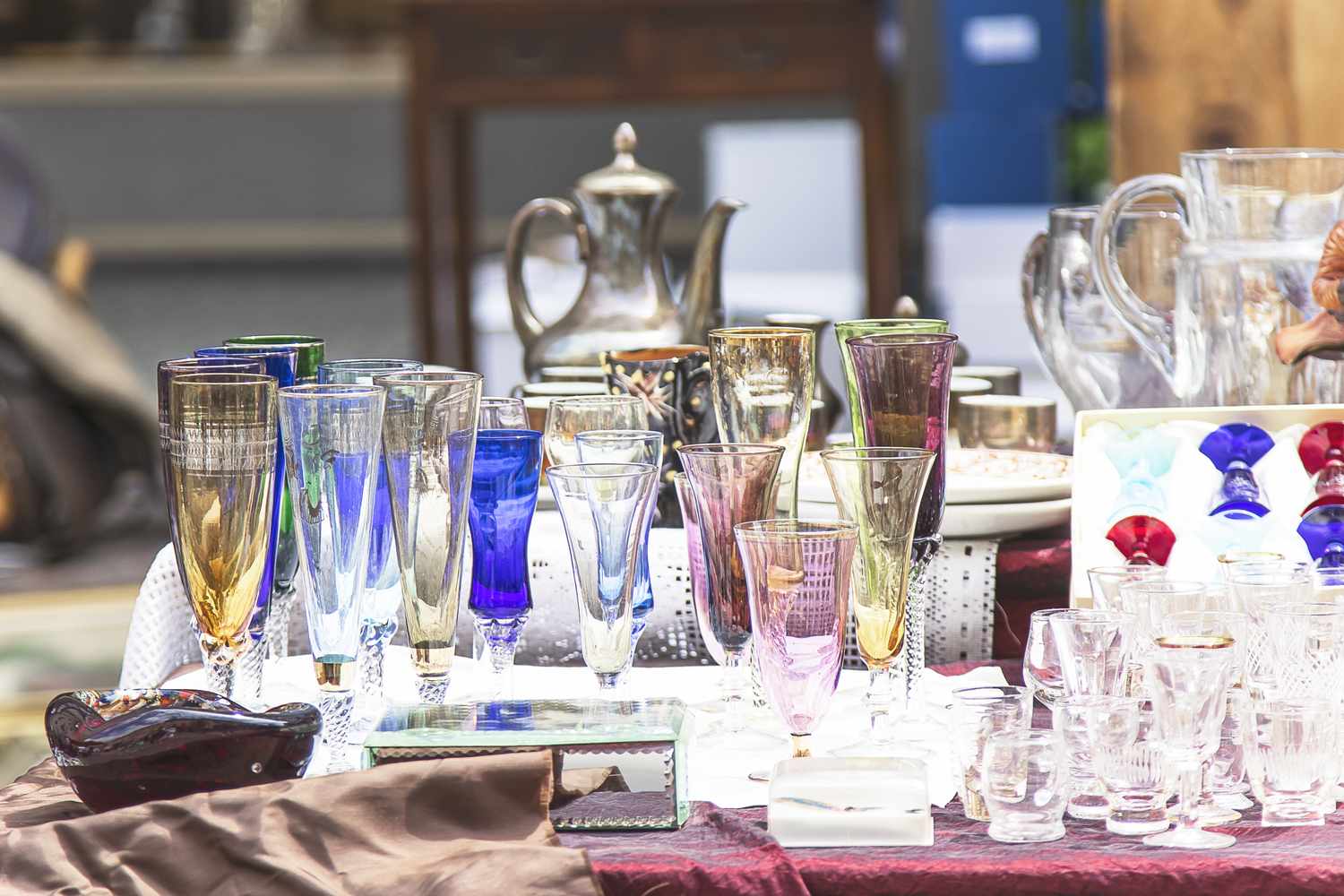
5 Red Flags to Avoid at All Costs When Thrifting Home Decor, According to Designers

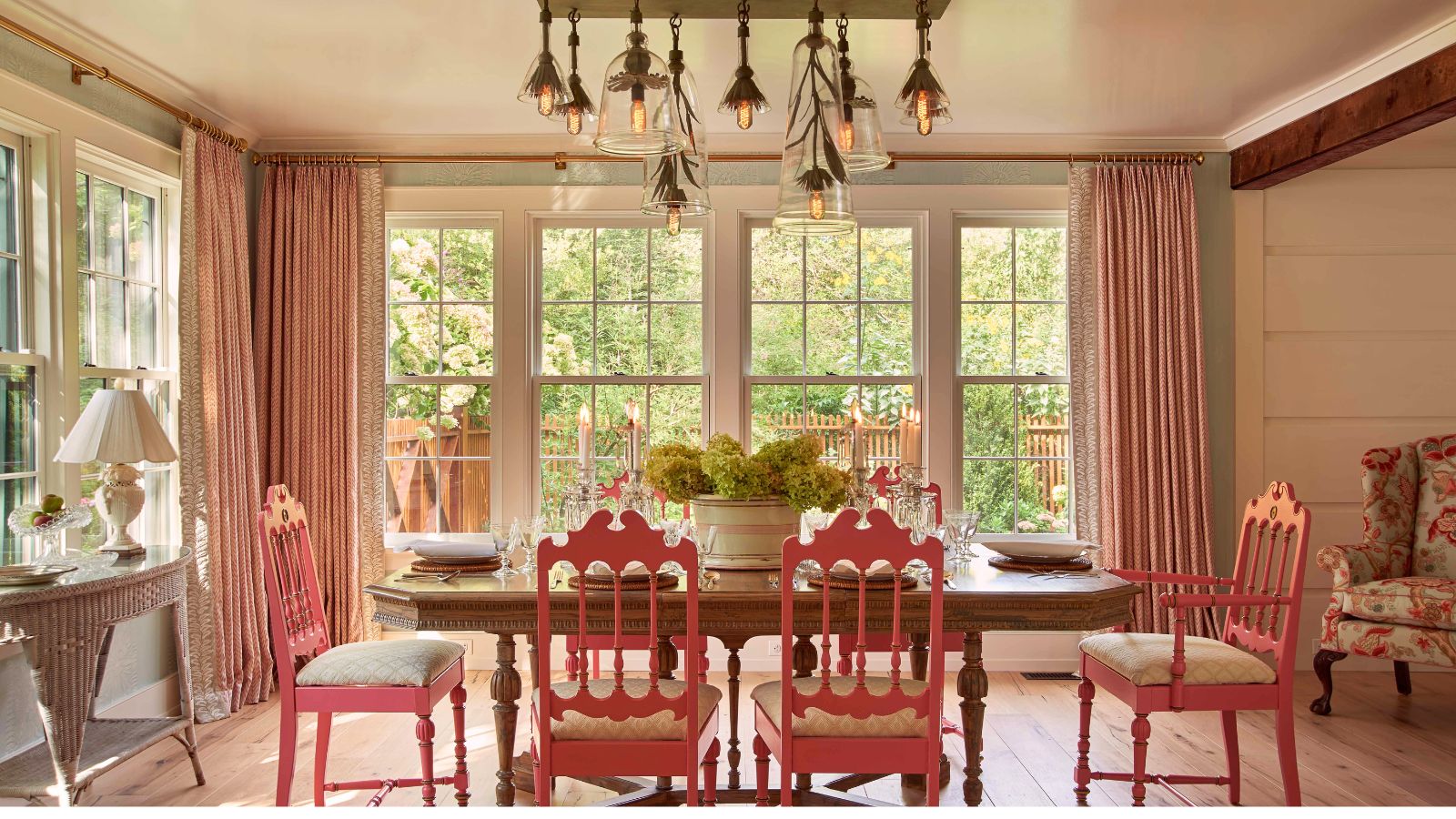
9 things designers always look to buy at an estate sale

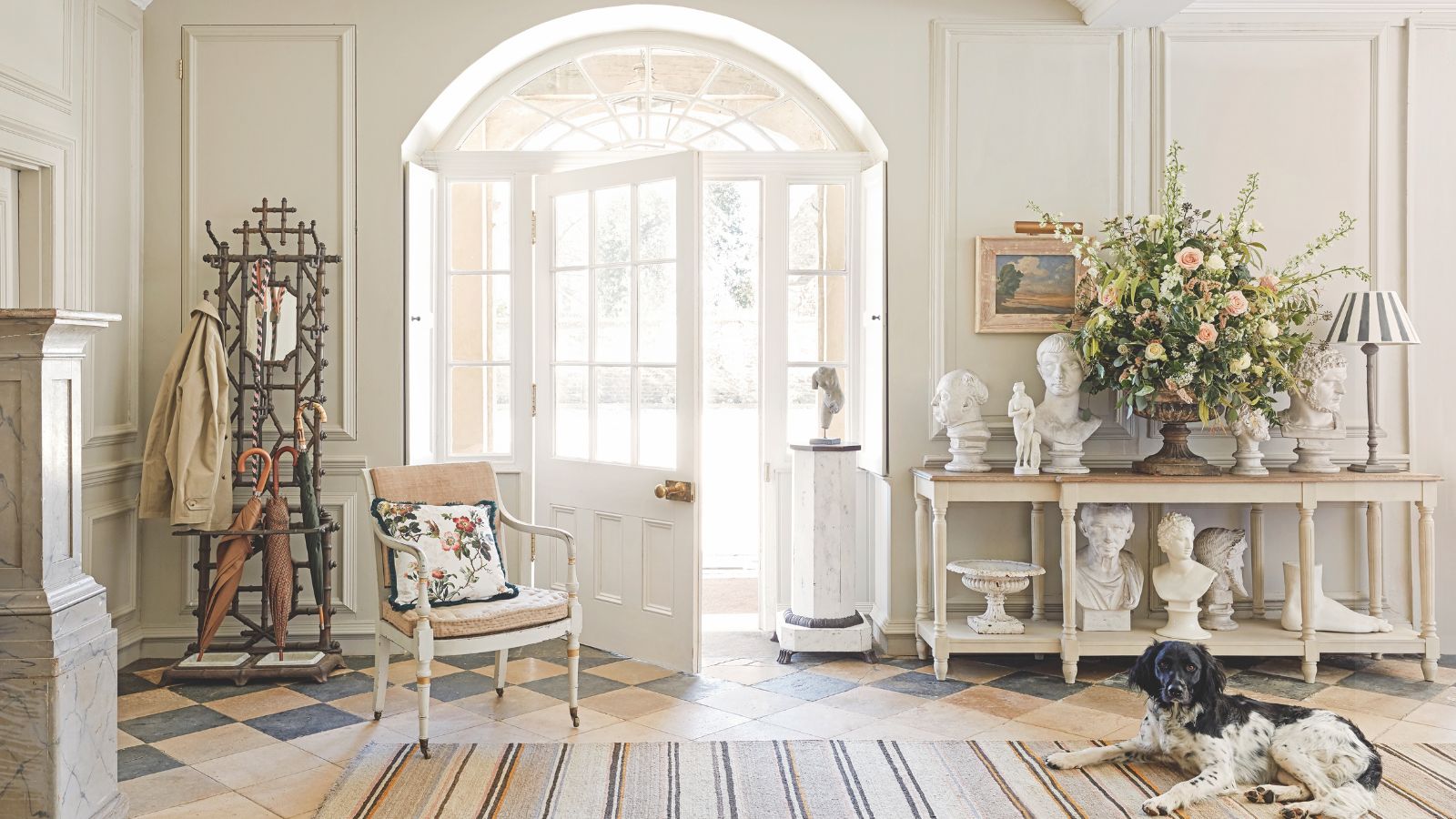
5 thrift store buys that will transform your entryway – adding character and charm while sticking to a budget
9 Things Designers Would Never Buy New
The Costly Decorating Mistake I’ll Never Make Again
8 cheap things to thrift that will actually make your home look more expensive
8 Retro Home Decor Items You'll Find Hiding In The Thrift Store
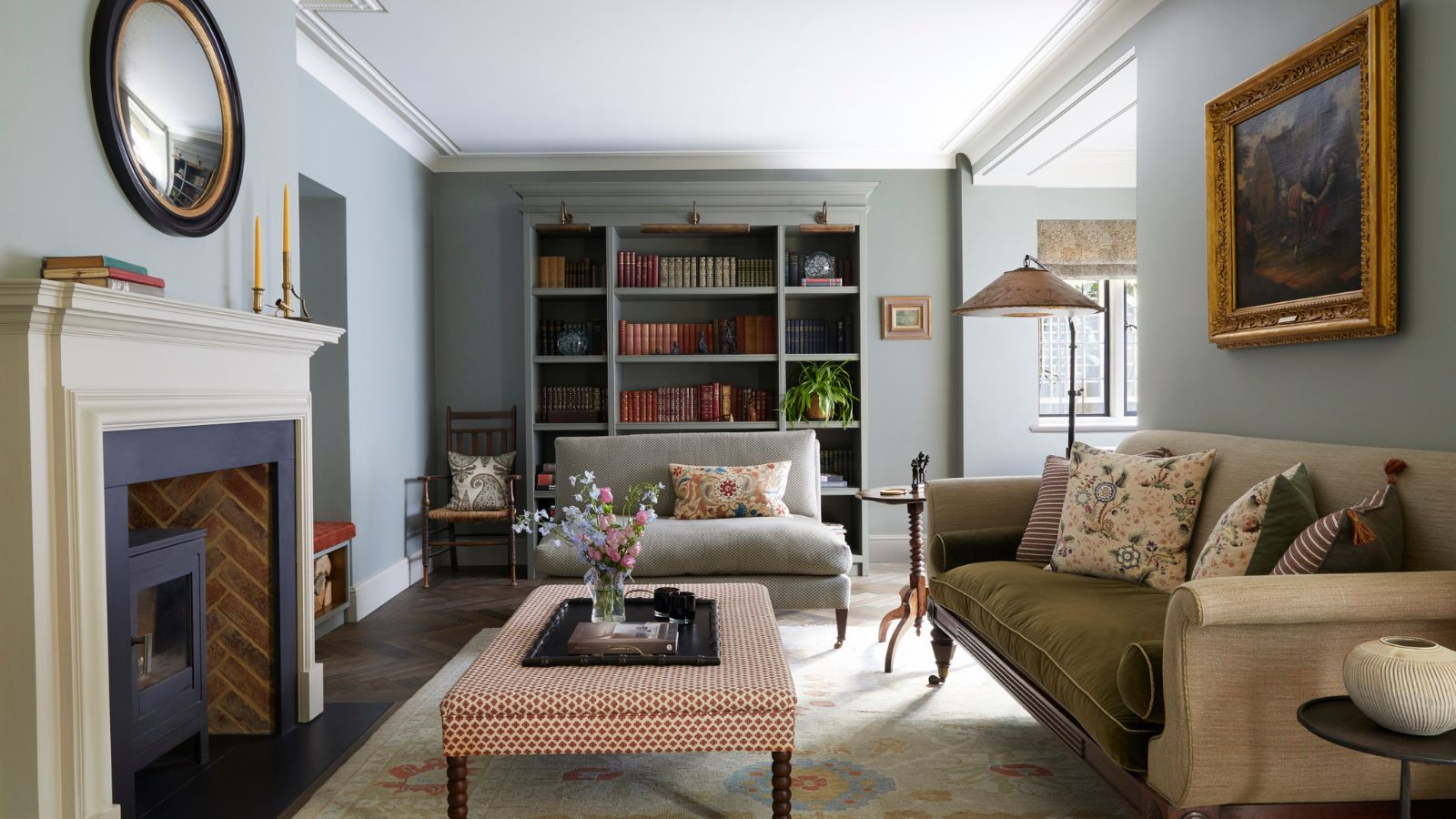
5 thrift store finds that will transform your living room, suggested by interior designers who love vintage
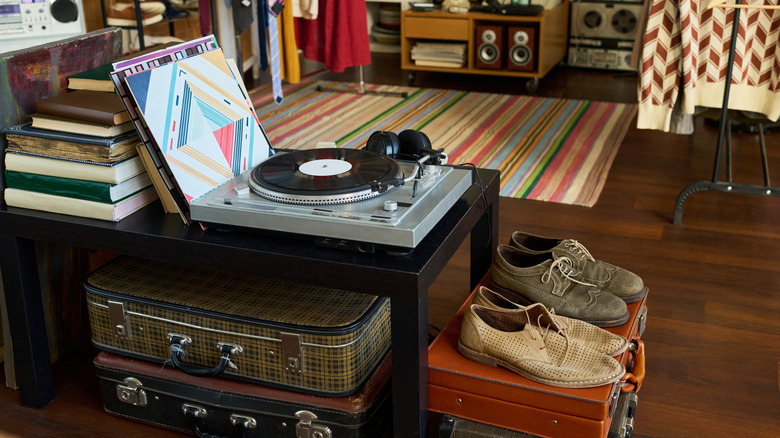
From Forgotten To Sought-After: 11 Thrift Store Finds Everyone Is Searching For In 2026

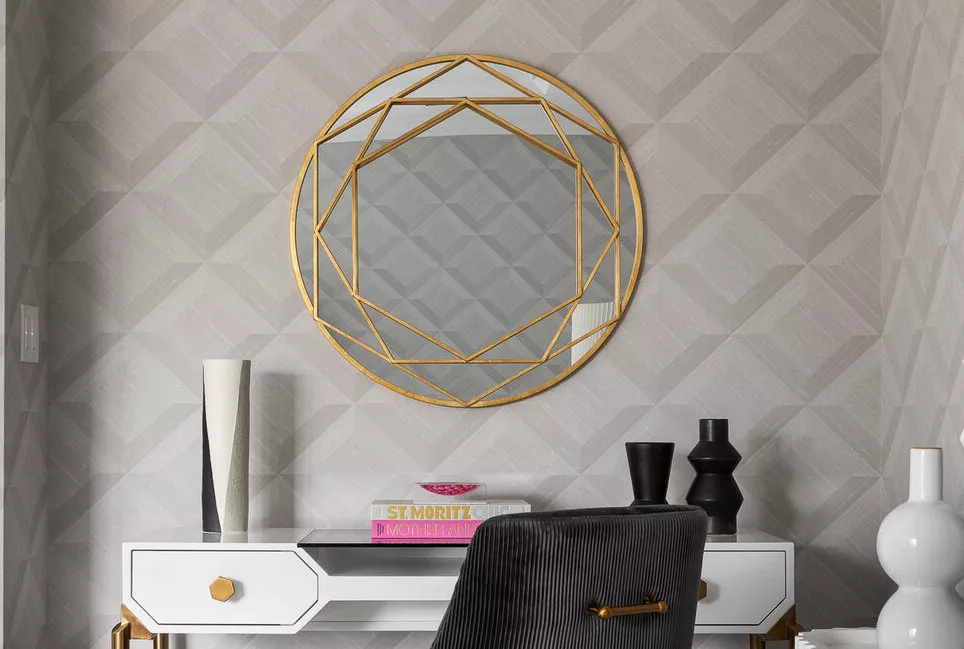
5 Bedroom Items Designers Always Buy at Thrift Stores, Even for Their Fanciest Clients
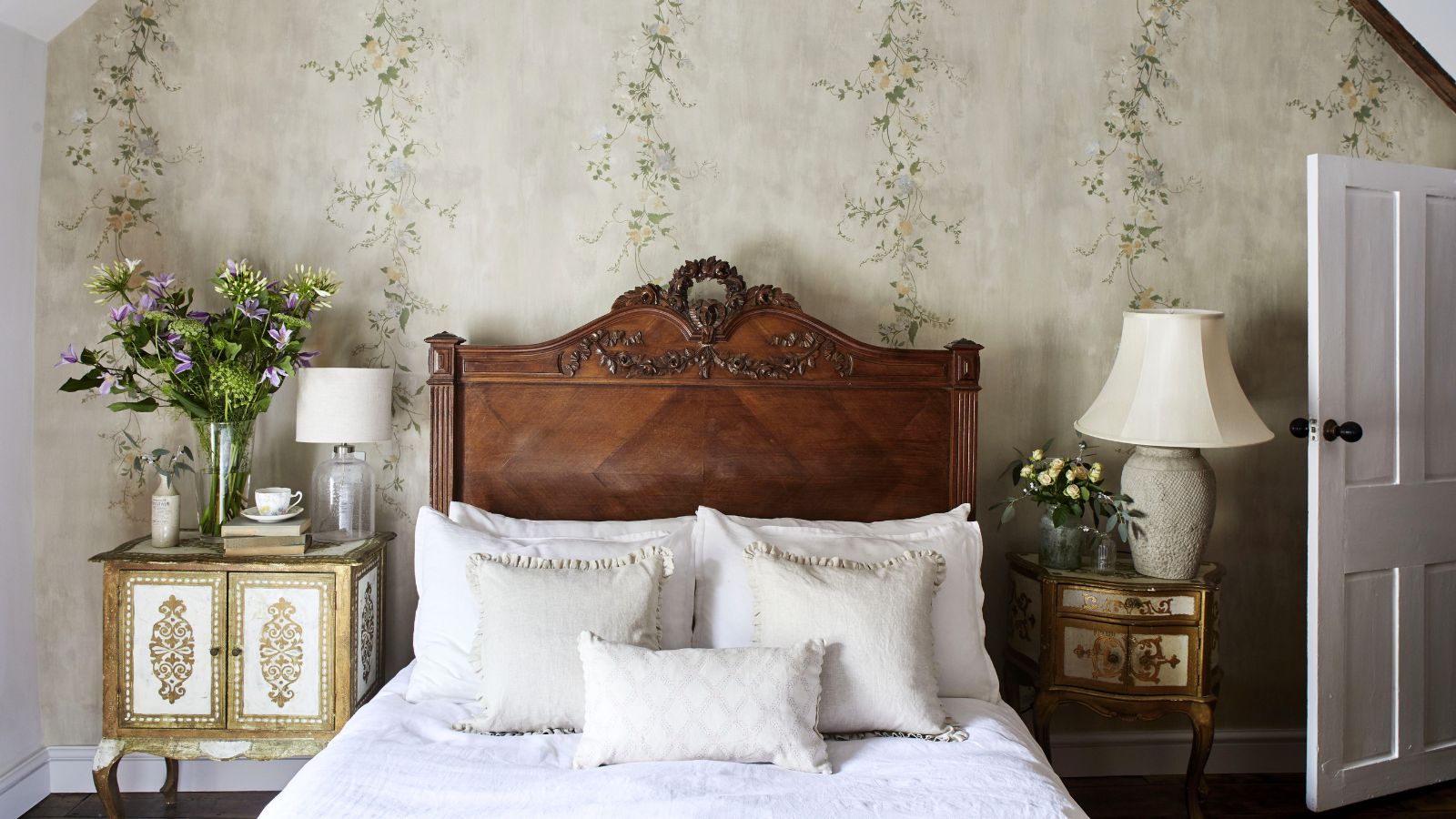
6 thrift store finds that designers say you need to add to your bedroom
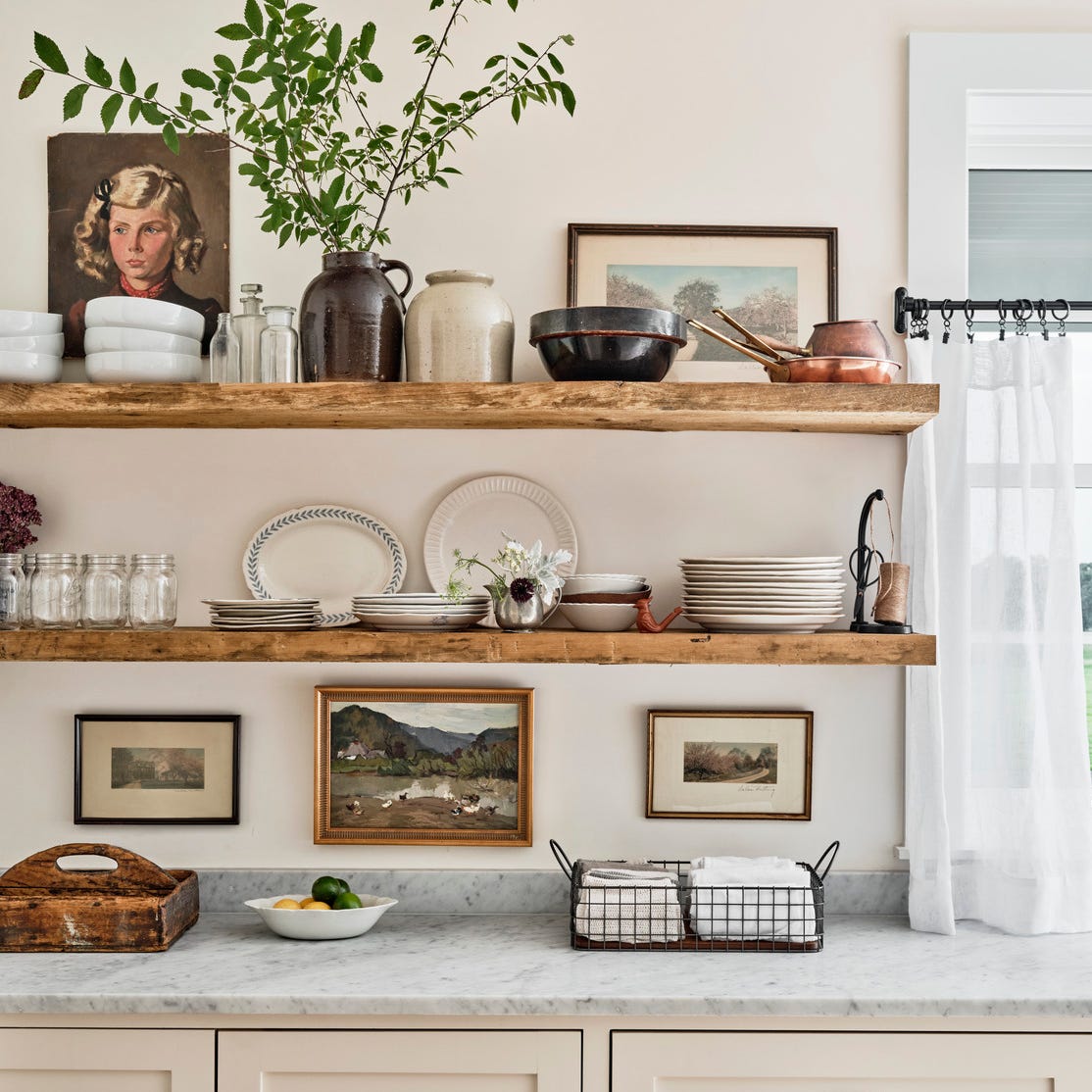
Make Any Room Look Camera-Ready with These Easy Tricks from Stylists
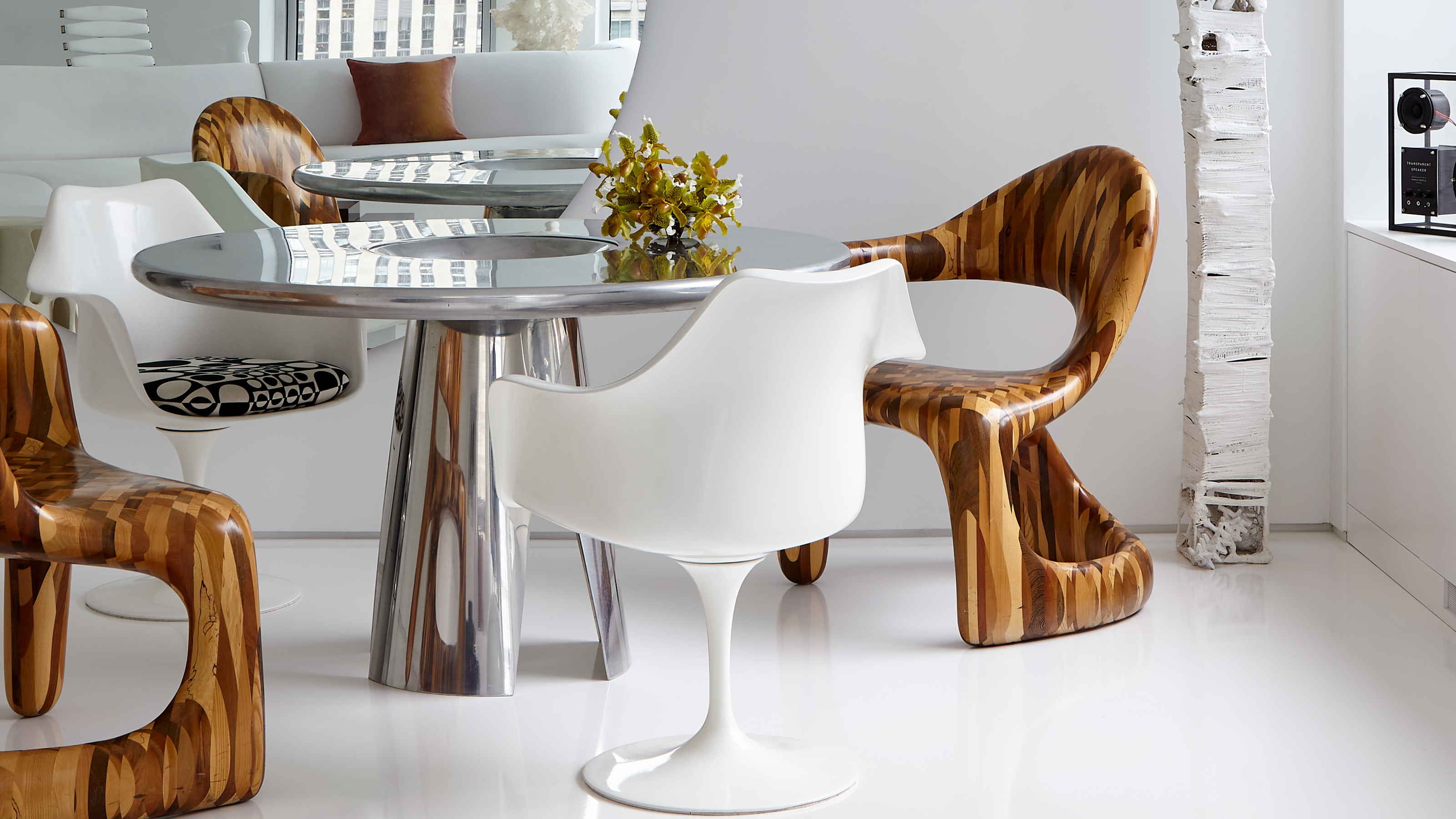
How to Flip Furniture — And Sell It for Profit, According to a 'Professional Thrifter'

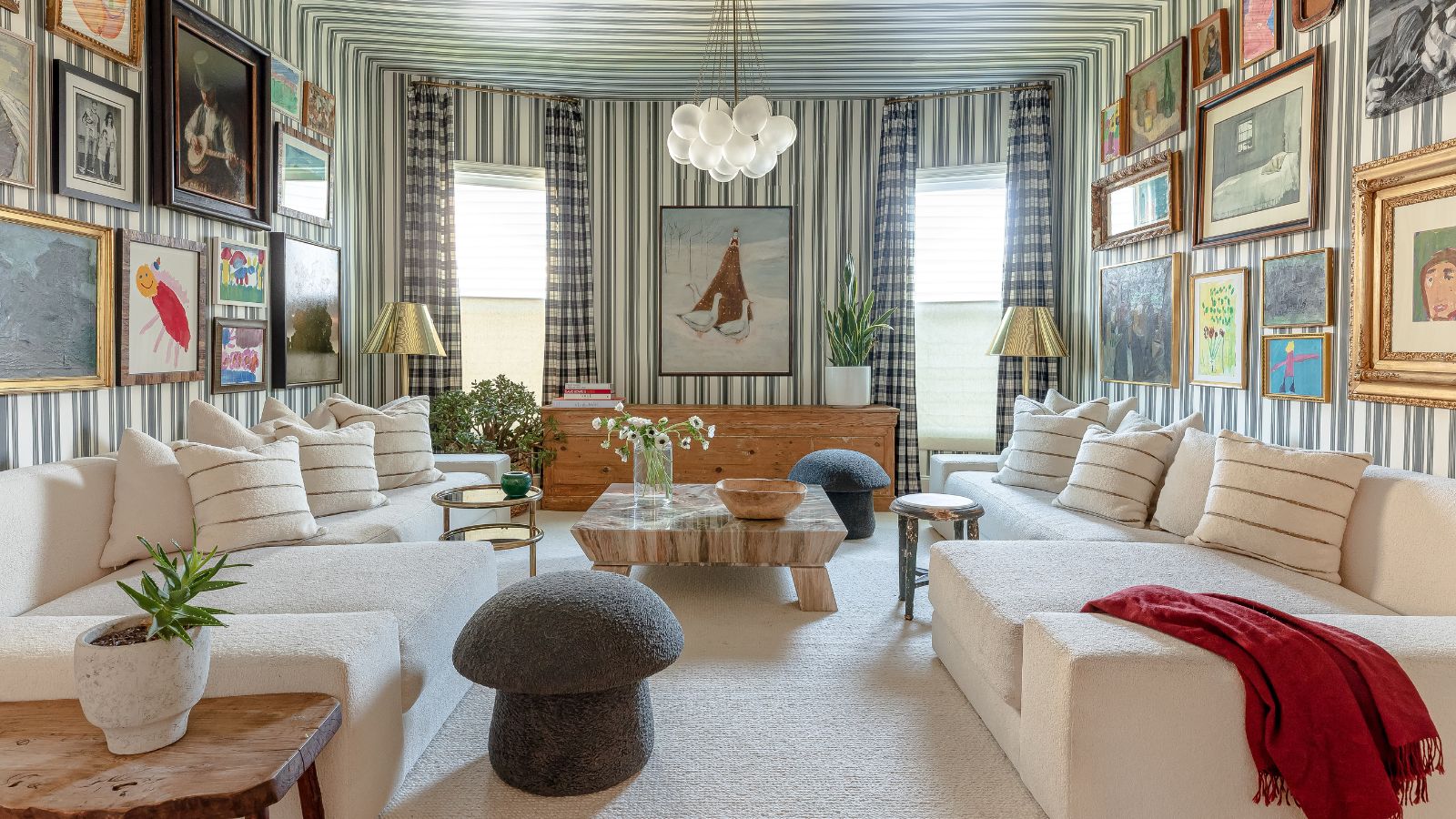
'Invest in your staples, thrift your fun' is the fashion trick I'm stealing to help me decorate my home – here's how I found the perfect high-low balance
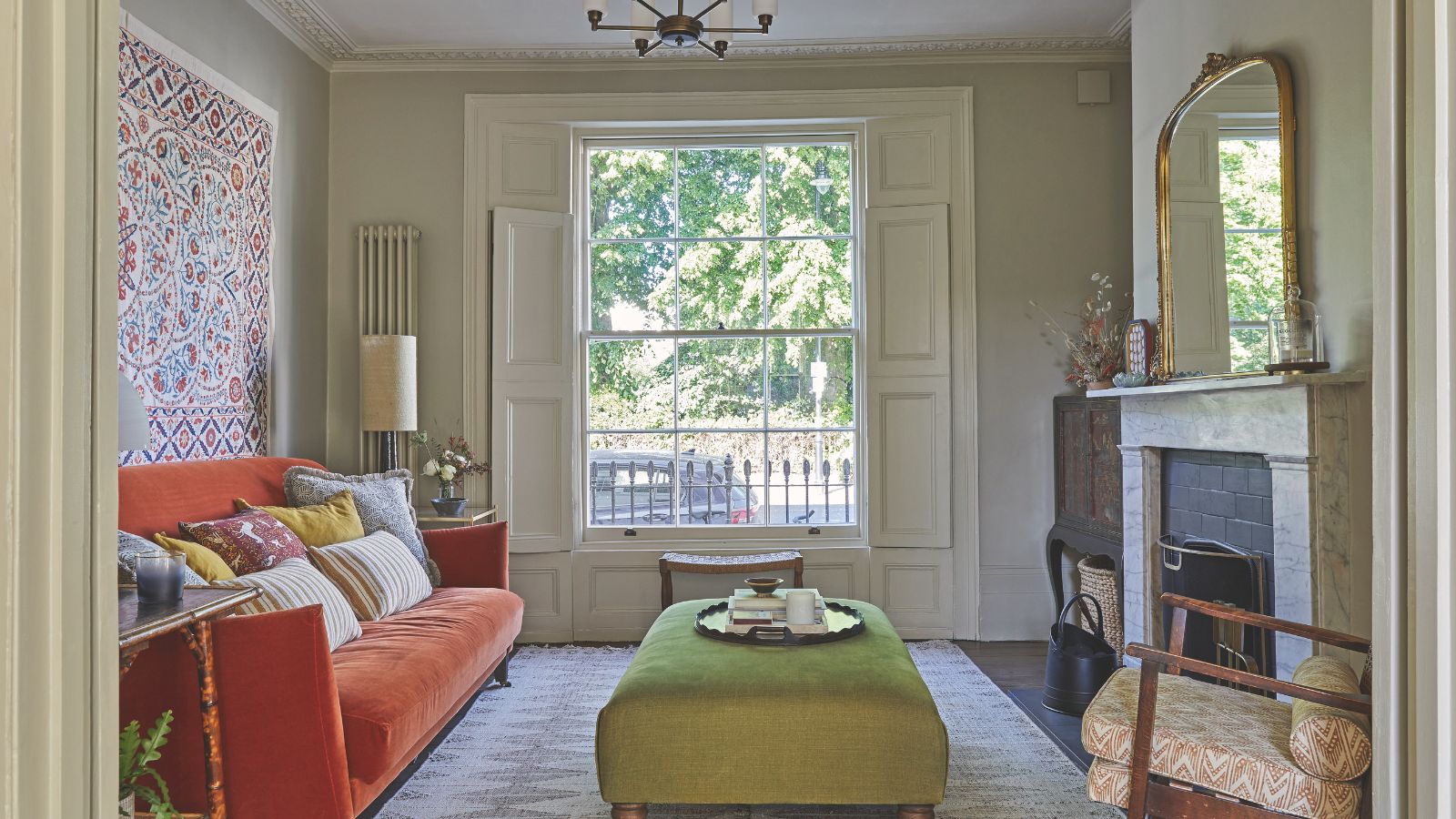
This is the best furniture to buy at thrift stores, according to vintage experts
The 30 Best Home Decor Gifts Your Loved Ones Will Love to Display

Use these expert tips to change up the look of your rooms, no money required