How Do Paint Colors Get Their Names?
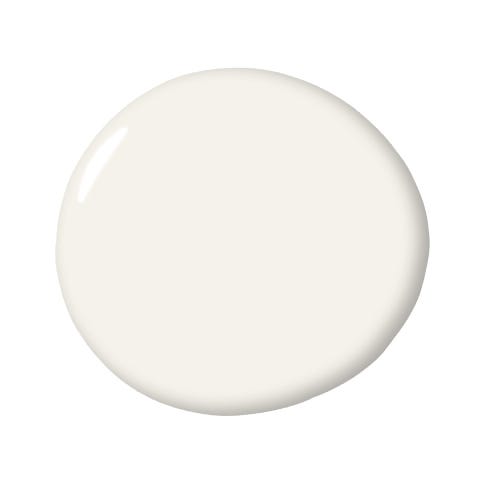
This article delves into the unique and often eccentric paint color names employed by the distinguished British paint company, Farrow & Ball. Unlike many paint manufacturers that use generic or overtly cute color names, Farrow & Ball has cultivated a reputation for conversation-starting names that add layers of intrigue and history to their products. The company, founded in 1946, is celebrated by decorators for its water-based, eco-friendly paints made with deep natural pigments. However, it's their distinct naming convention, featuring hues like "Elephant’s Breath," "Arsenic," and "Dead Salmon," that truly sets them apart.
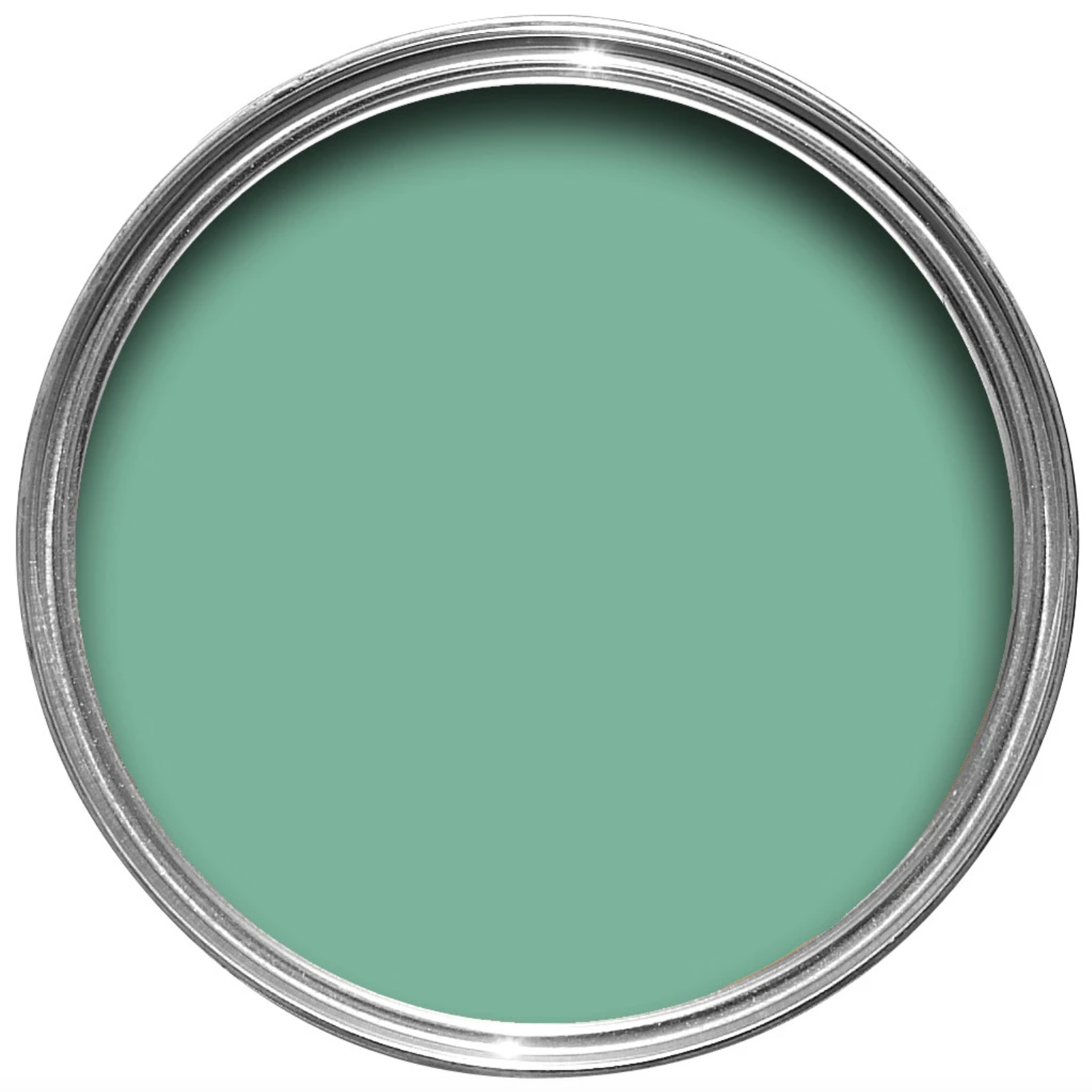
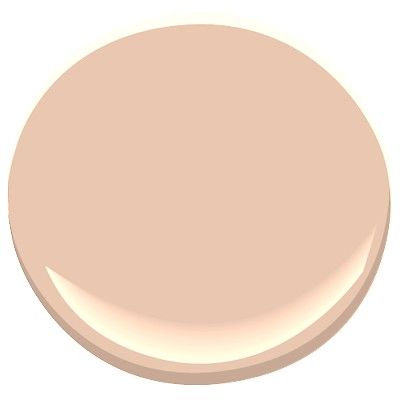
Sarah Cole, a director at Farrow & Ball, explains that the company prioritizes emotive names, considering them as integral to the color as the pigment itself. The article reveals the fascinating origins behind some of these seemingly quirky names. For instance, "Dead Salmon," a dark peachy pink, traces its roots to an 1805 painting bill for a Kedleston library, where "Dead" referred to a 'Dead Flat' paint finish and "Salmon" indicated the warm red tone. The vibrant green "Arsenic" playfully alludes to Napoleon, linking the verdigris color, initially used as a ground for Napoleonic Bee Wallpaper, to the historical theory of Napoleon's potential poisoning by arsenic pigment in his St. Helena bathroom wallpaper.
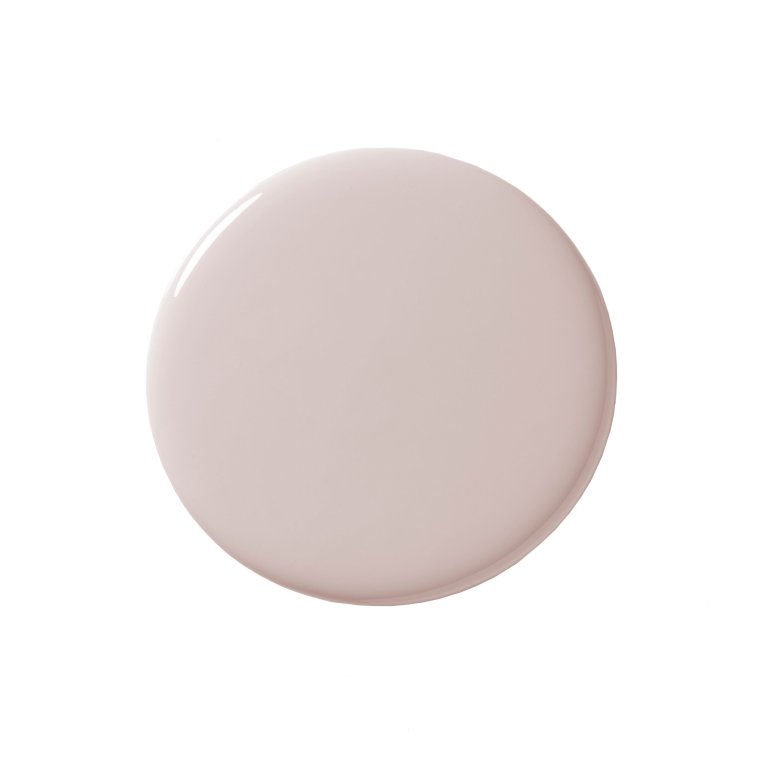
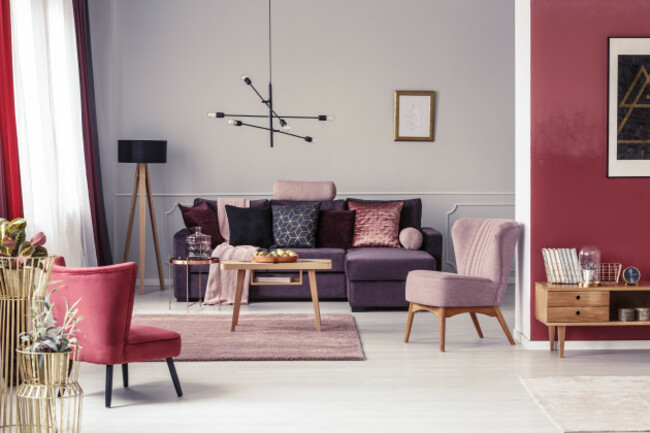
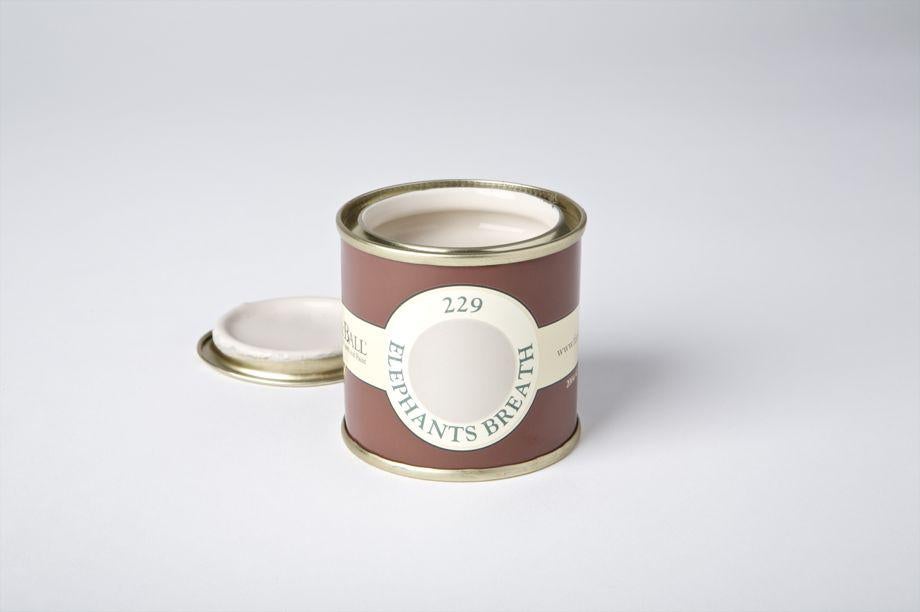
"Elephant’s Breath," a warm purple-gray, is highlighted as one of the most quirky names, yet it possesses a rich history. The phrase was used by influential 20th-century English decorator John Fowler and his partner Nancy Lancaster. Further research by author Deb Salisbury in her 2009 glossary, _Elephant’s Breath and London Smoke_, shows the term's origins dating back to 1874, where it described various shades from a misty blue to a pale olive-green, and later a cool purple-gray. This evolution underscores how old hues were often given new, imaginative names.
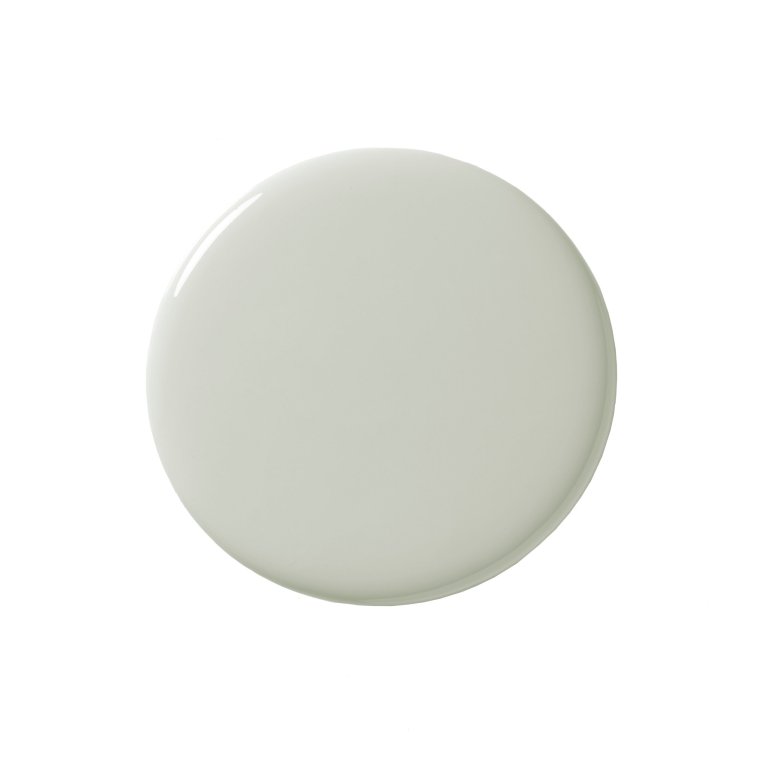
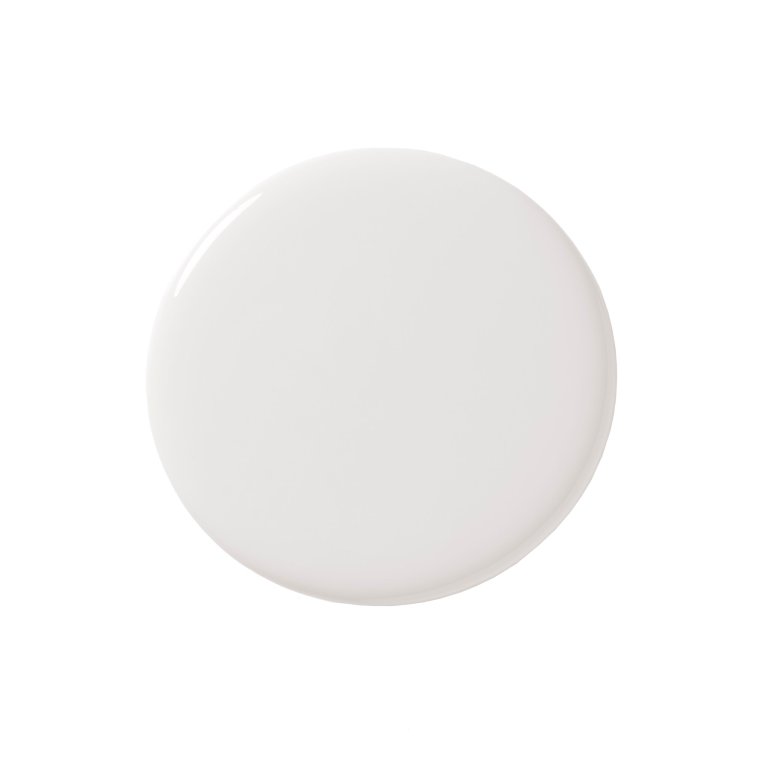
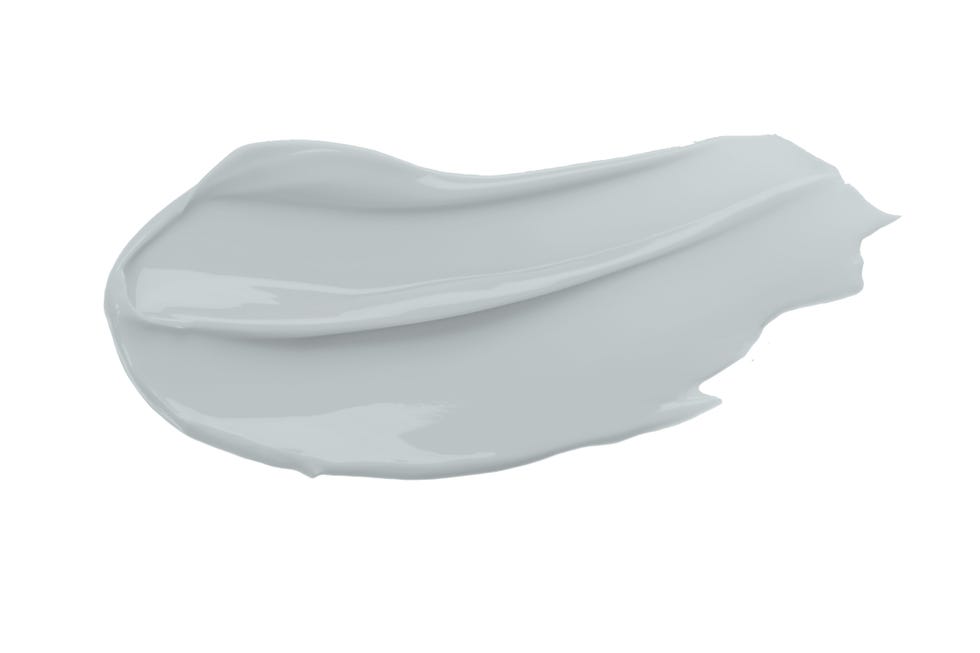
Farrow & Ball also draws inspiration from historical locations and their local heritage. "St Giles Blue" and "Hardwick White" are named after the homes where these colors were discovered. Being based in Dorset, a southern coastal county in England, the company incorporates regional terms into its palette, such as "Dimpse" (a pale gray) for the fading twilight and "Mizzle" (a greenish gray) for the local mix of mist and drizzle. Nature further influences their color selection, with many of the current year's colors mirroring the Dorset landscape, including "Stiffkey Blue," which is inspired by the unique color of mud found at Stiffkey Beach in Norfolk.
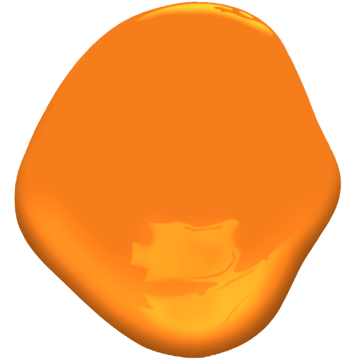
While many names are abstract or historically rooted, some are more straightforward. "Yellowcake," a classic bright yellow, signifies a revival of the 'homemade' aesthetic, reminiscent of bold hues popular in 1960s kitchens. Lastly, some colors are named after individuals, adding a personal touch; "Charlotte’s Locks" and "Nancy’s Blushes" are inspired by the fiery red hair and rosy cheeks of people known to the company. This creative naming process imbues Farrow & Ball's colors with personality and narrative, making the selection of paint a more engaging and memorable experience.
#FarrowAndBall #PaintColors #ColorNaming #InteriorDesign #HomeDecor #BritishDesign #DesignInspiration #ColorHistory #FarrowAndBall #PaintColors #ColorNaming #InteriorDesign #HomeDecor #BritishDesign #DesignInspiration #ColorHistory
0 Kommentare insgesamt
 Noch keine Kommentare
Das könnte Ihnen auch gefallen

Read These Funny Paint Color Names and Try Not to Grin, I Dare You

An A-List Designer’s Secrets To Picking Perfect Paint Colors

How to choose the best wall colour for your art
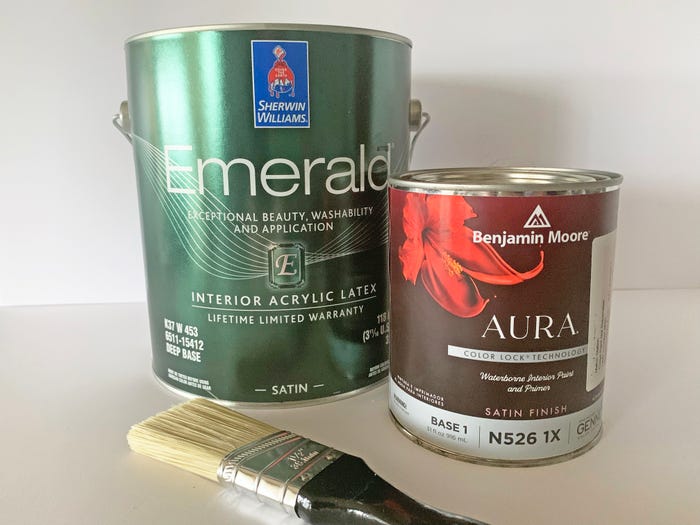
Benjamin Moore vs. Sherwin-Williams: Painting pros explain the differences and why both make great paint
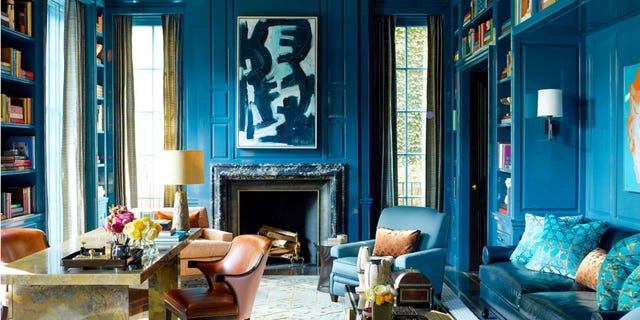
Can You Guess The Most Popular Paint Color The Year You Were Born?
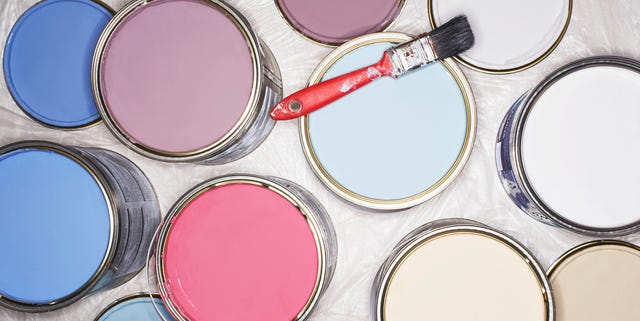
These Are The 12 Best-Selling Paint Colors From All Your Favorite Brands
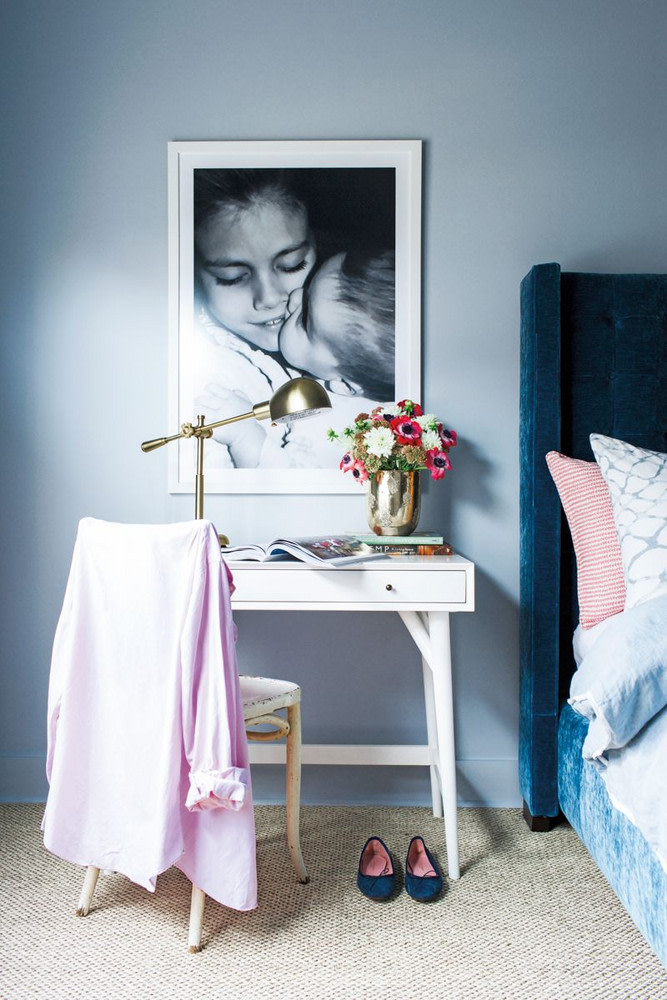
The 18 Most Popular Paint Colors of All Time


10 Paint Color Apps Every DIYer Should Know About

Understanding paint finishes

to choose paint colors.
26 Most Popular Kitchen Paint Colors Throughout the Decades

Where are the best places to buy paint? 6 go-to paint brands used and loved by interior designers

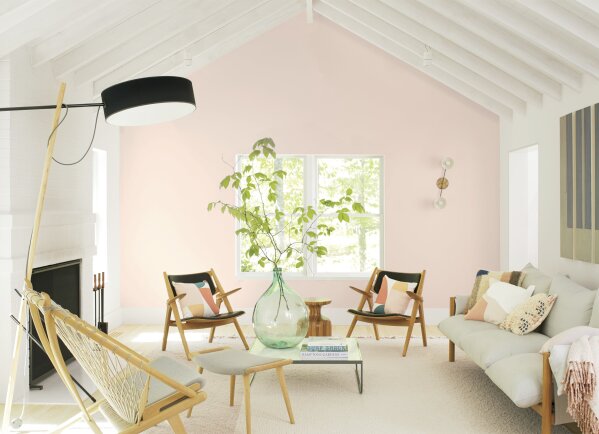
Calamine pink, or Dead Salmon? What’s behind paint names

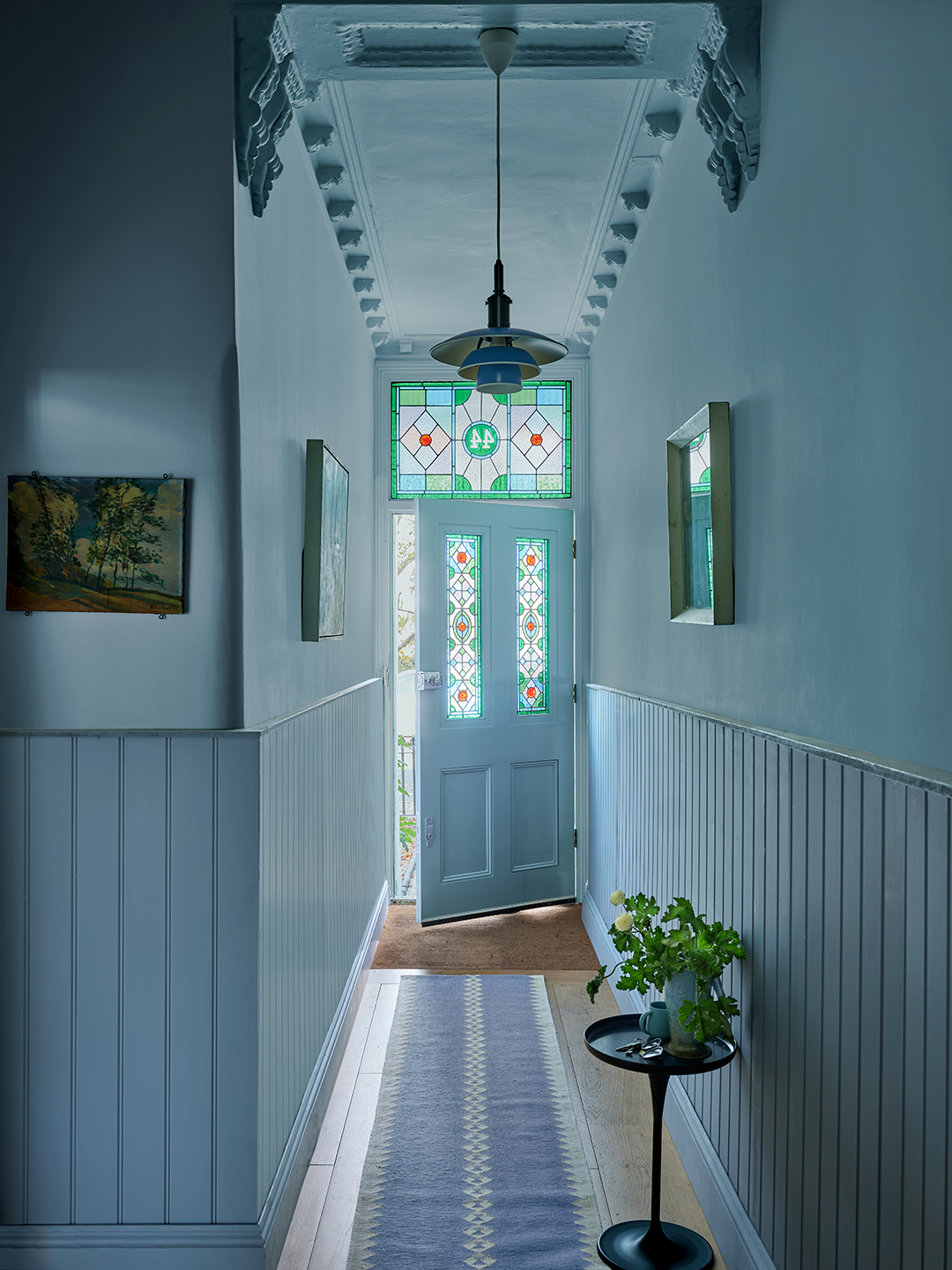
130 New Paint Colors Just Dropped, Including an Ultra-Fast-Drying Exterior Finish
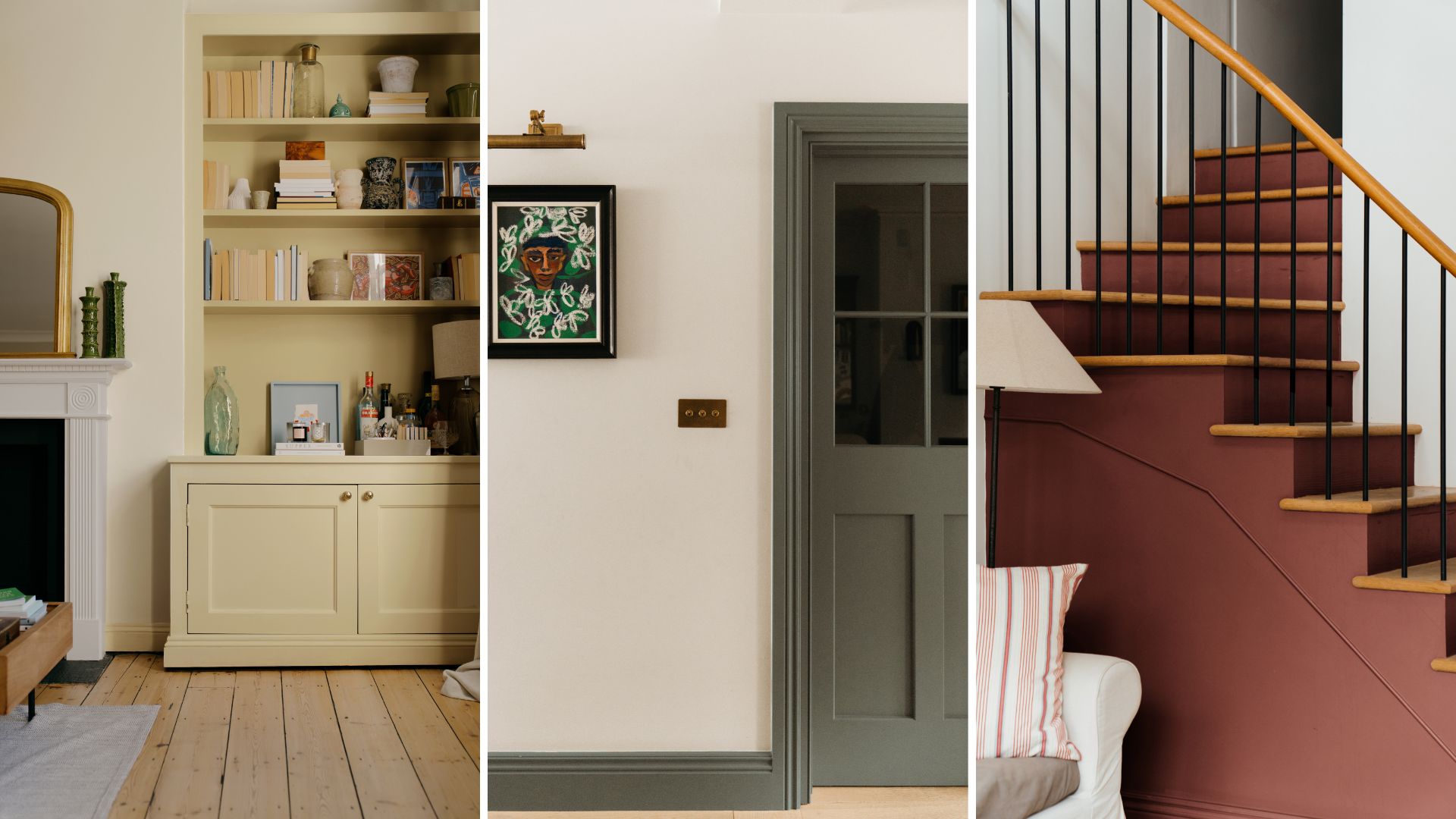
Make choosing paint easy with new 'natural light' colours


'Dark ceilings make the room look smaller': 6 classic paint colour myths it's time to give up on

Paint finishes explained – an expert guide to choosing the perfect type of paint for your projects

30 on-trend paint colours for every room in your home

Millennial Gray Is So Over—Here Are 5 Paint Colors to Try Right Now
We Found Out Who Is Behind Farrow & Ball’s Unique Paint Names