1/21
Here's Proof You Can Have A Bathtub In A Small Bathroom
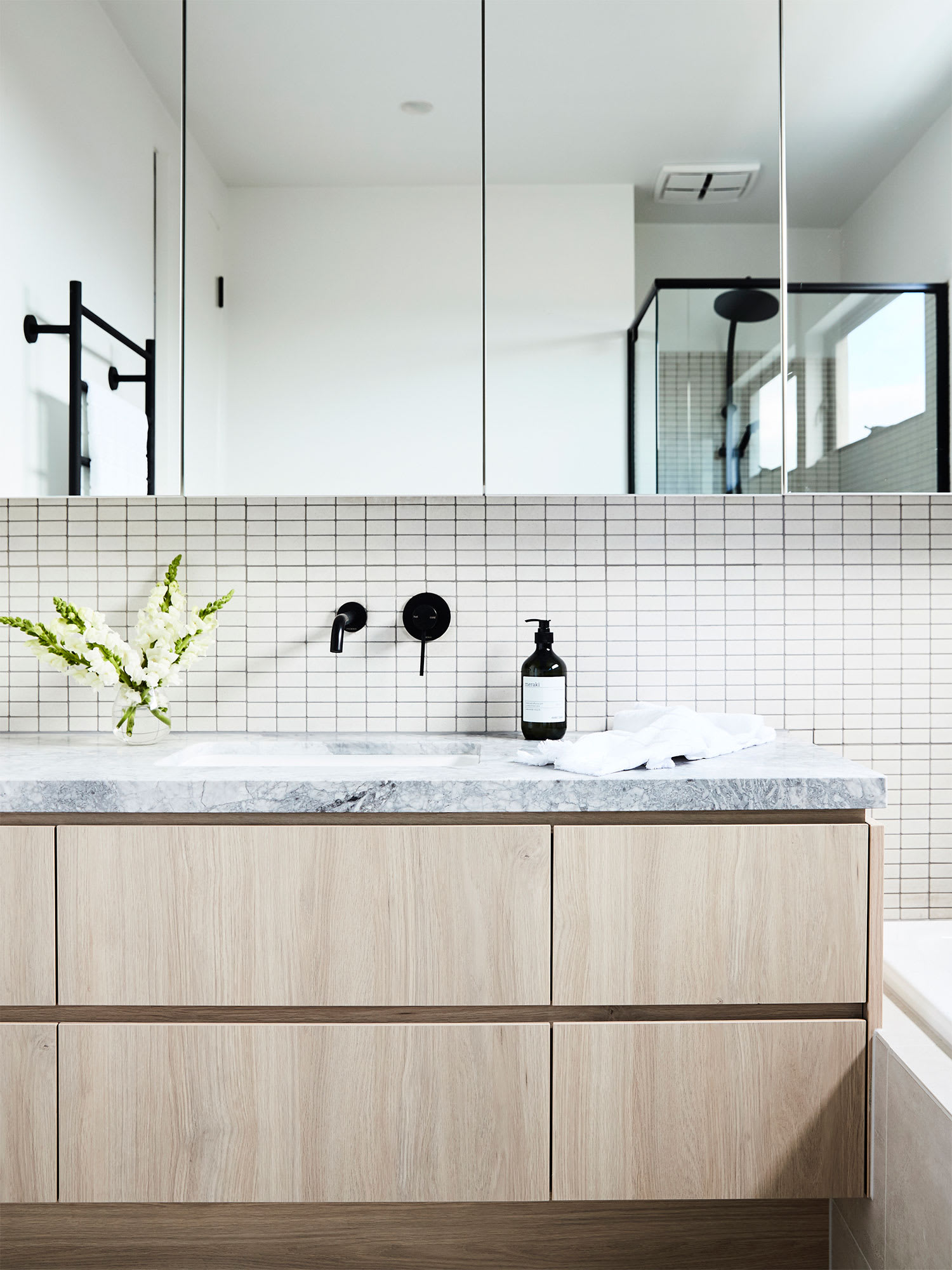
Many individuals desire a bathtub for relaxation but often believe their bathrooms are too small to accommodate one. Data suggests that a significant majority of Americans prefer baths over showers, making the inclusion of a tub a common priority during bathroom design. Despite limitations in space, various bathtub options and design strategies can effectively integrate a tub into a compact bathroom.
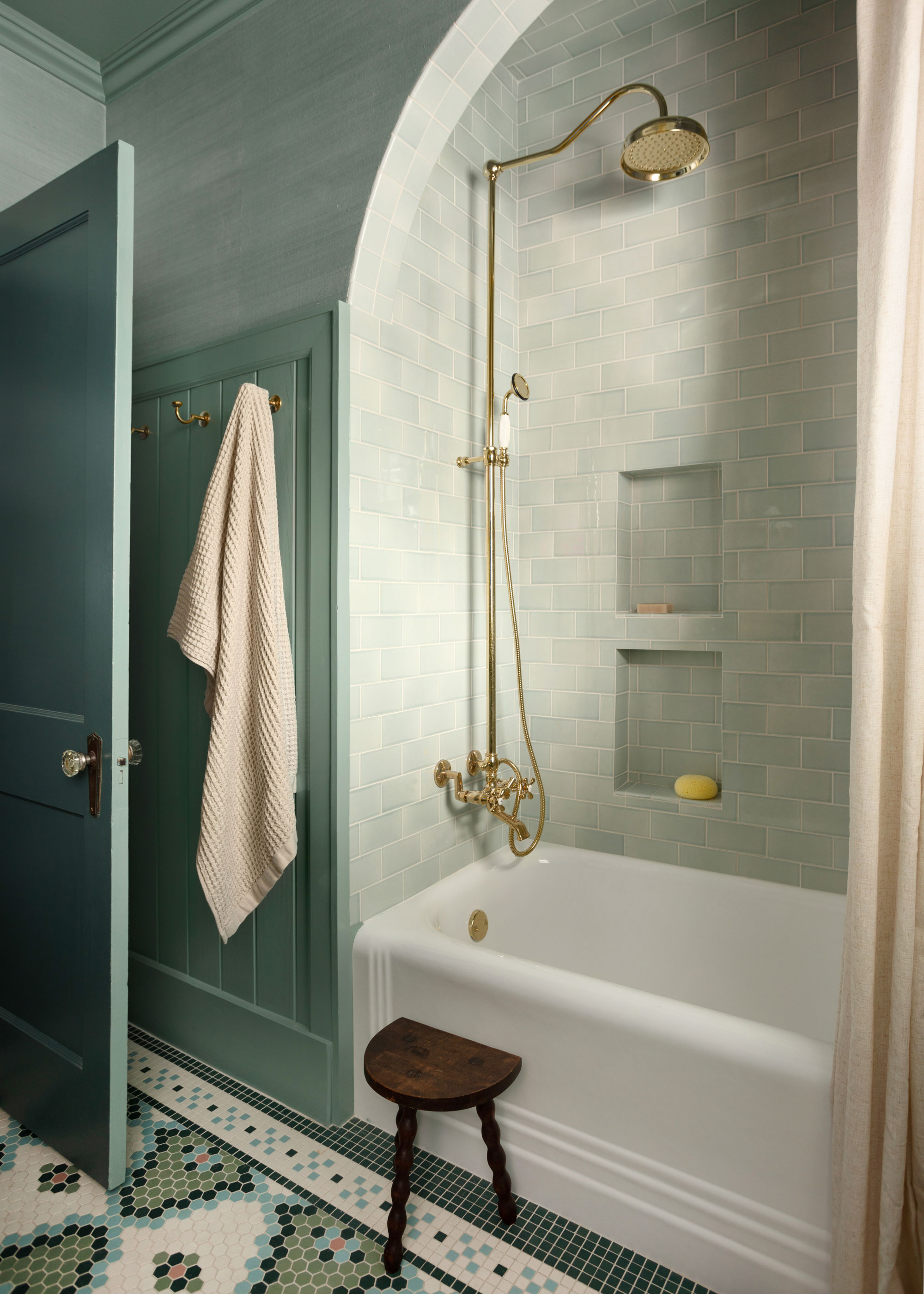
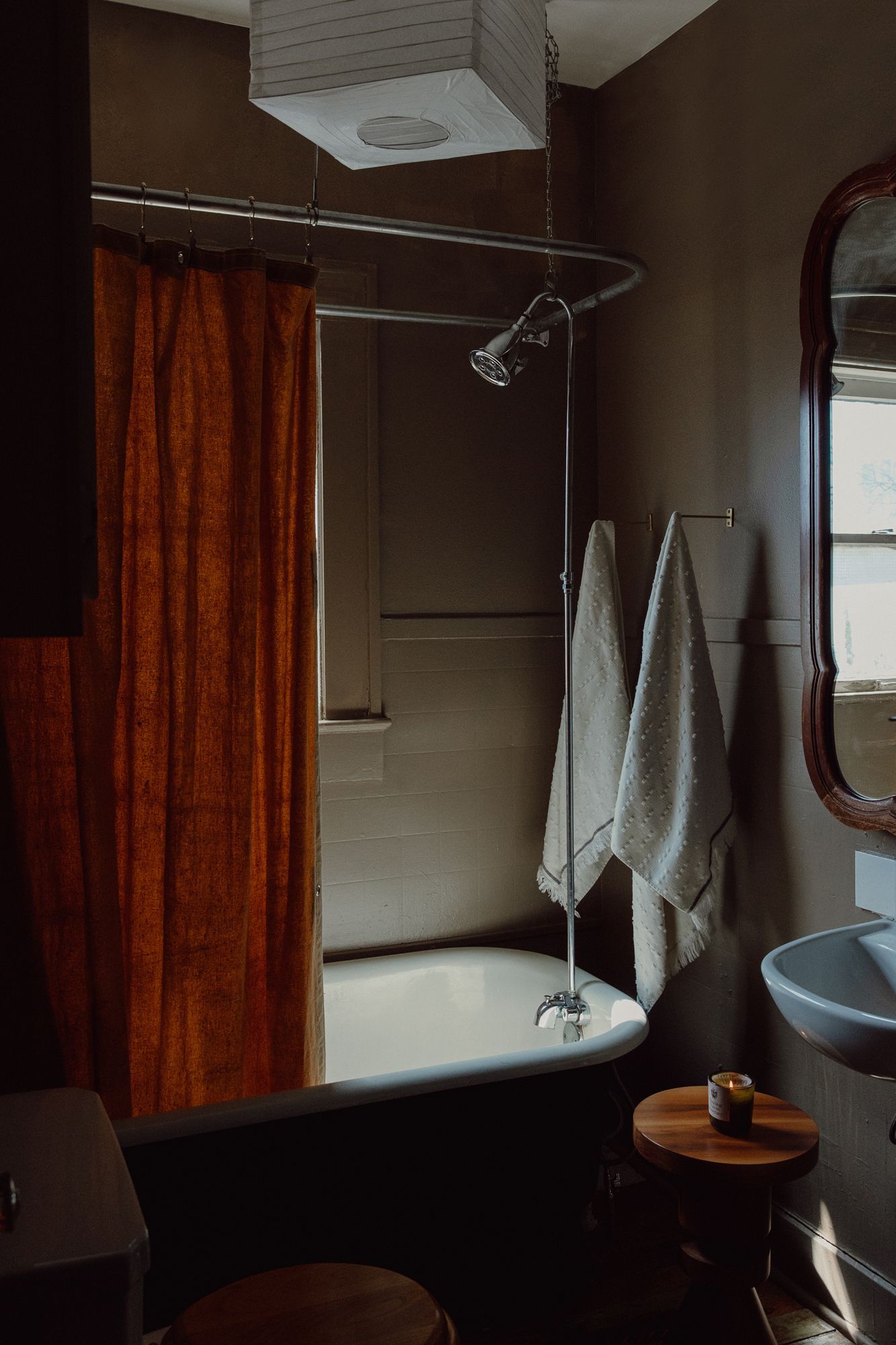
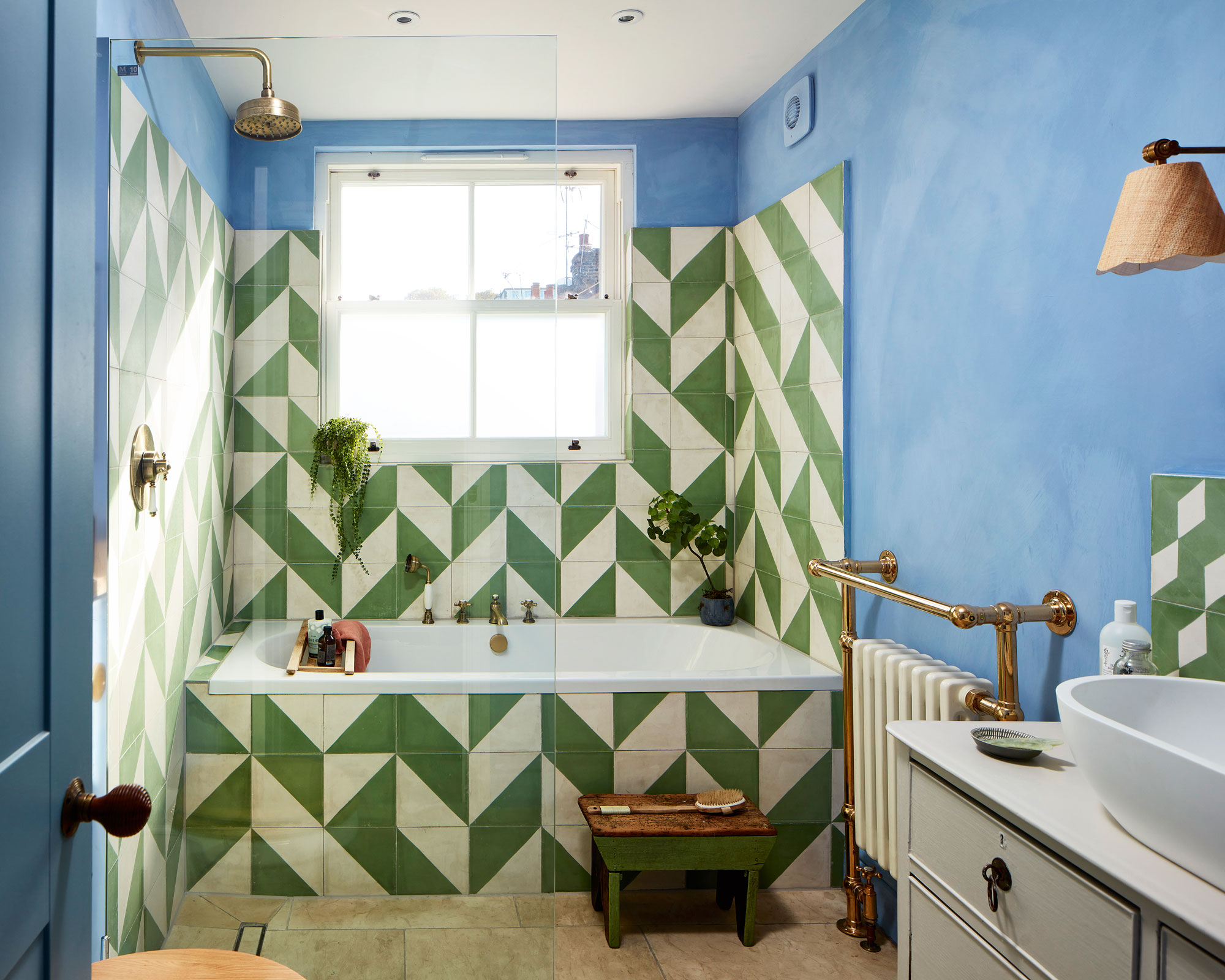
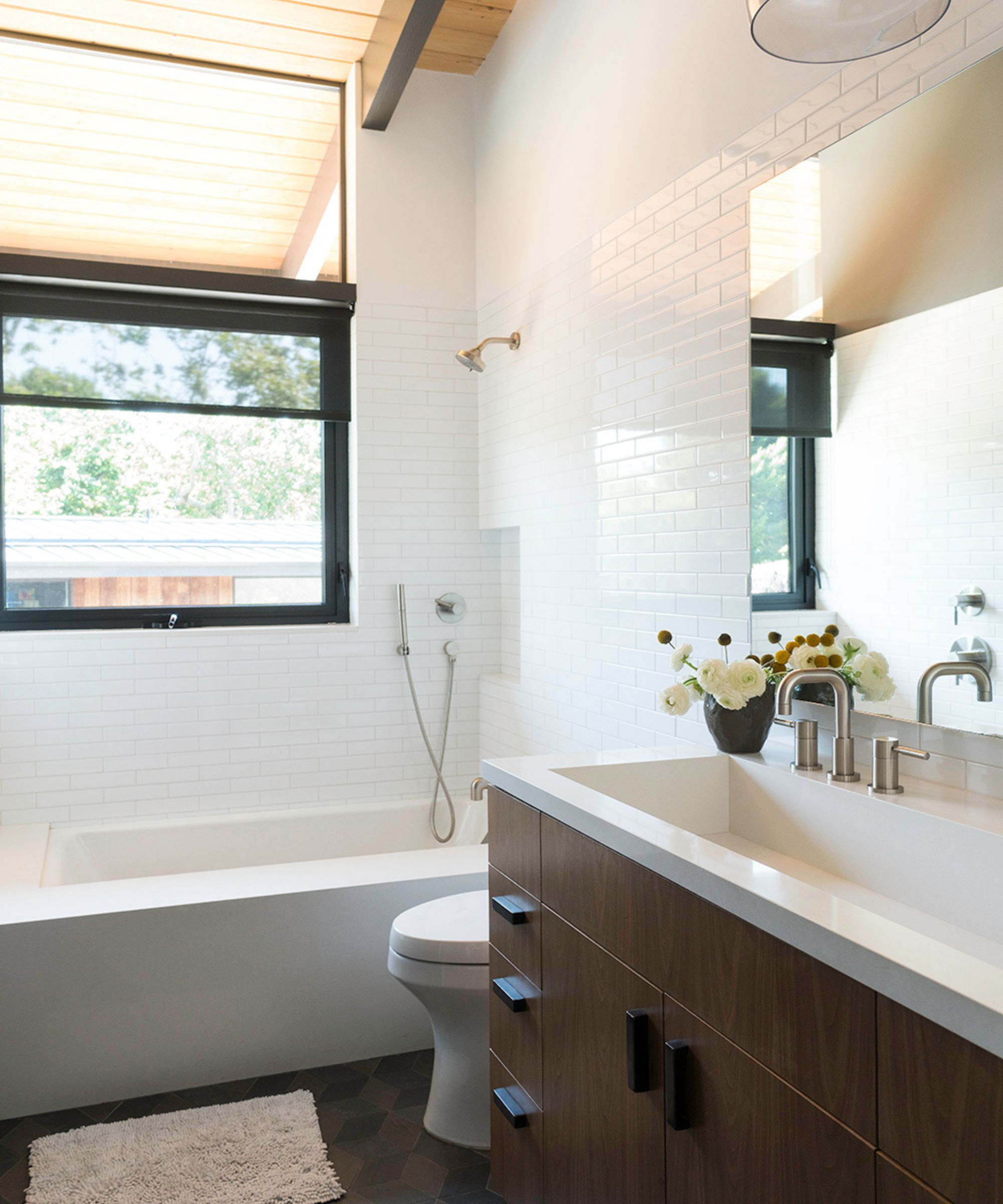
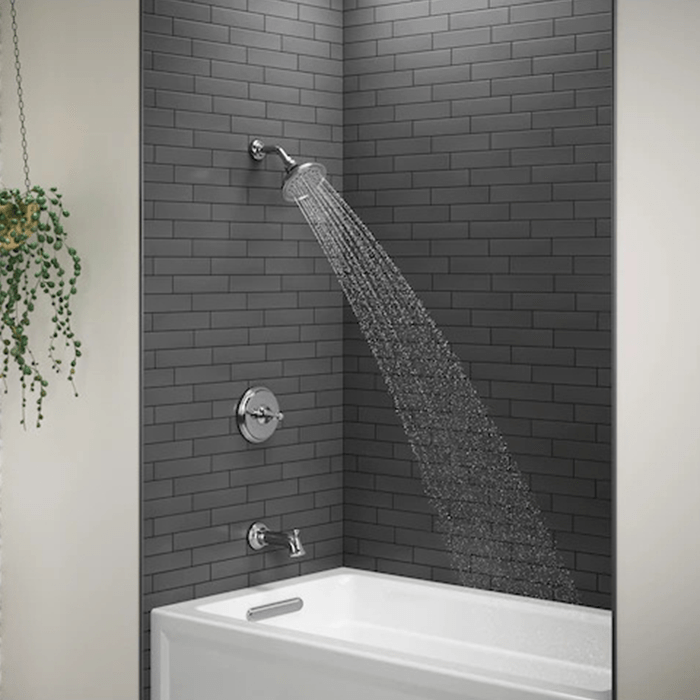
Several types of bathtubs are available, but not all are suitable for small spaces. Soaking bathtubs and walk-in bathtubs are particularly well-suited for smaller footprints. A common and practical solution for small bathrooms is combining the shower and bath functions. This involves installing a bathtub with a shower unit overhead, using a glass screen or shower curtain to prevent water spillage. This approach maximizes utility without requiring separate spaces for showering and bathing.
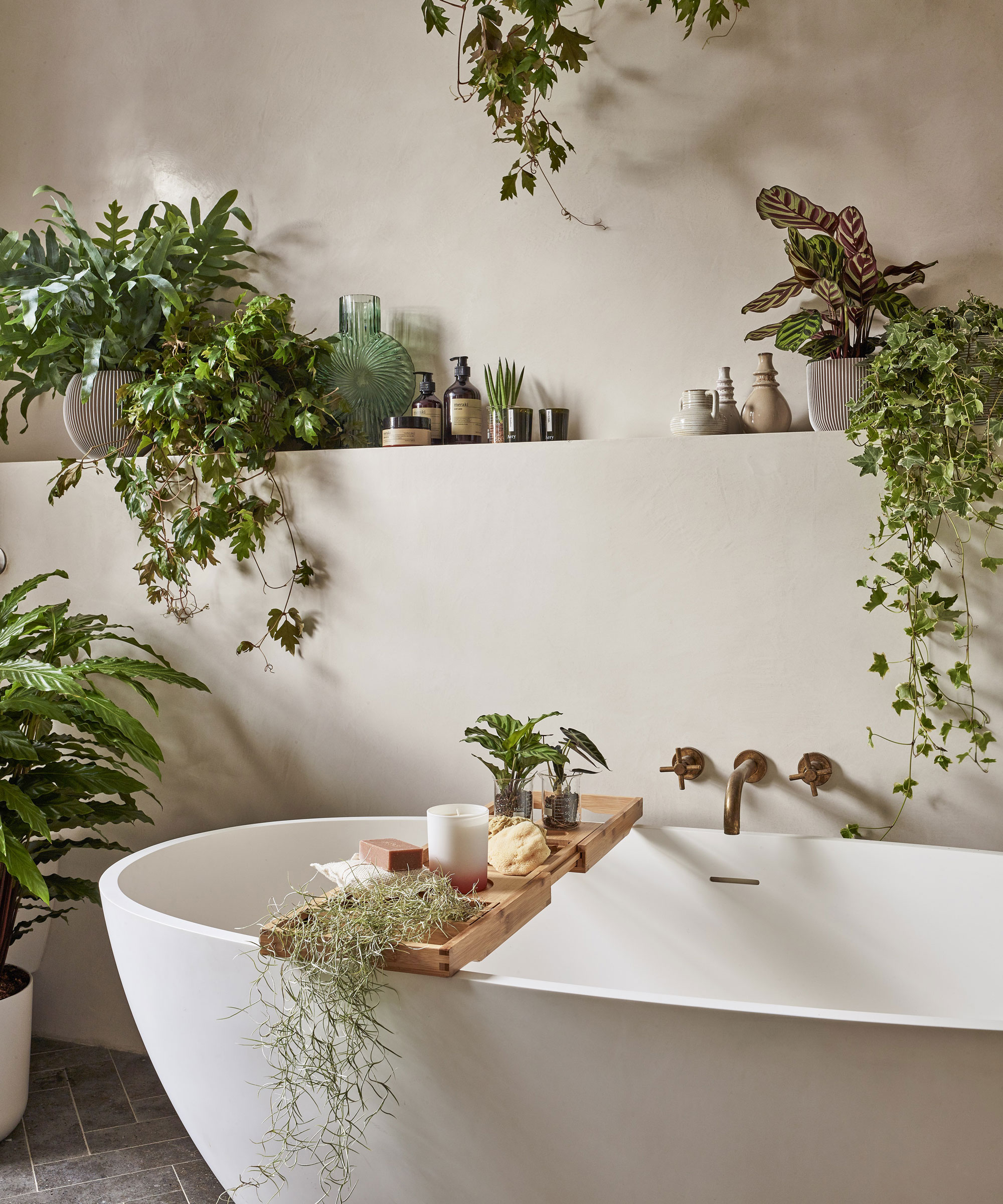
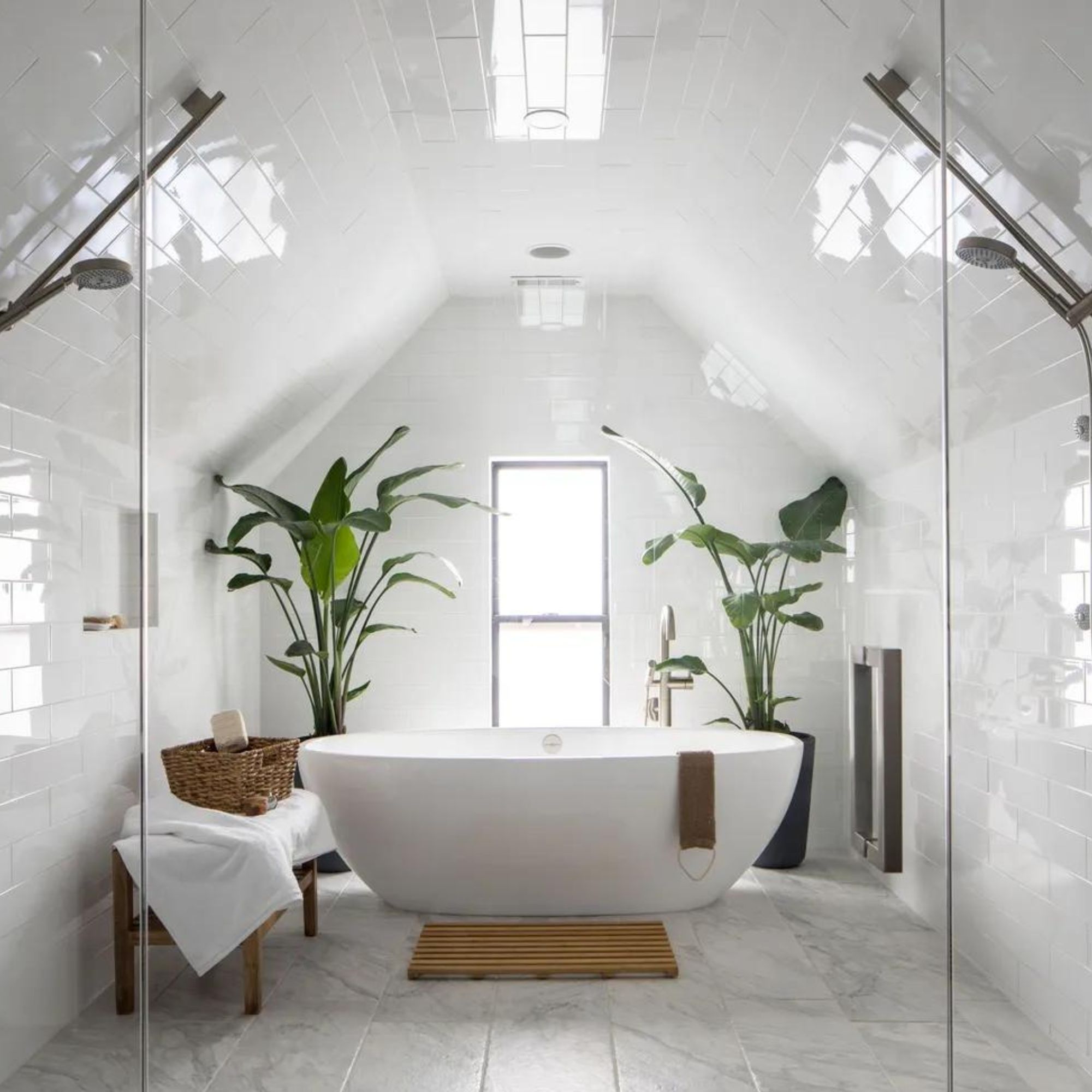
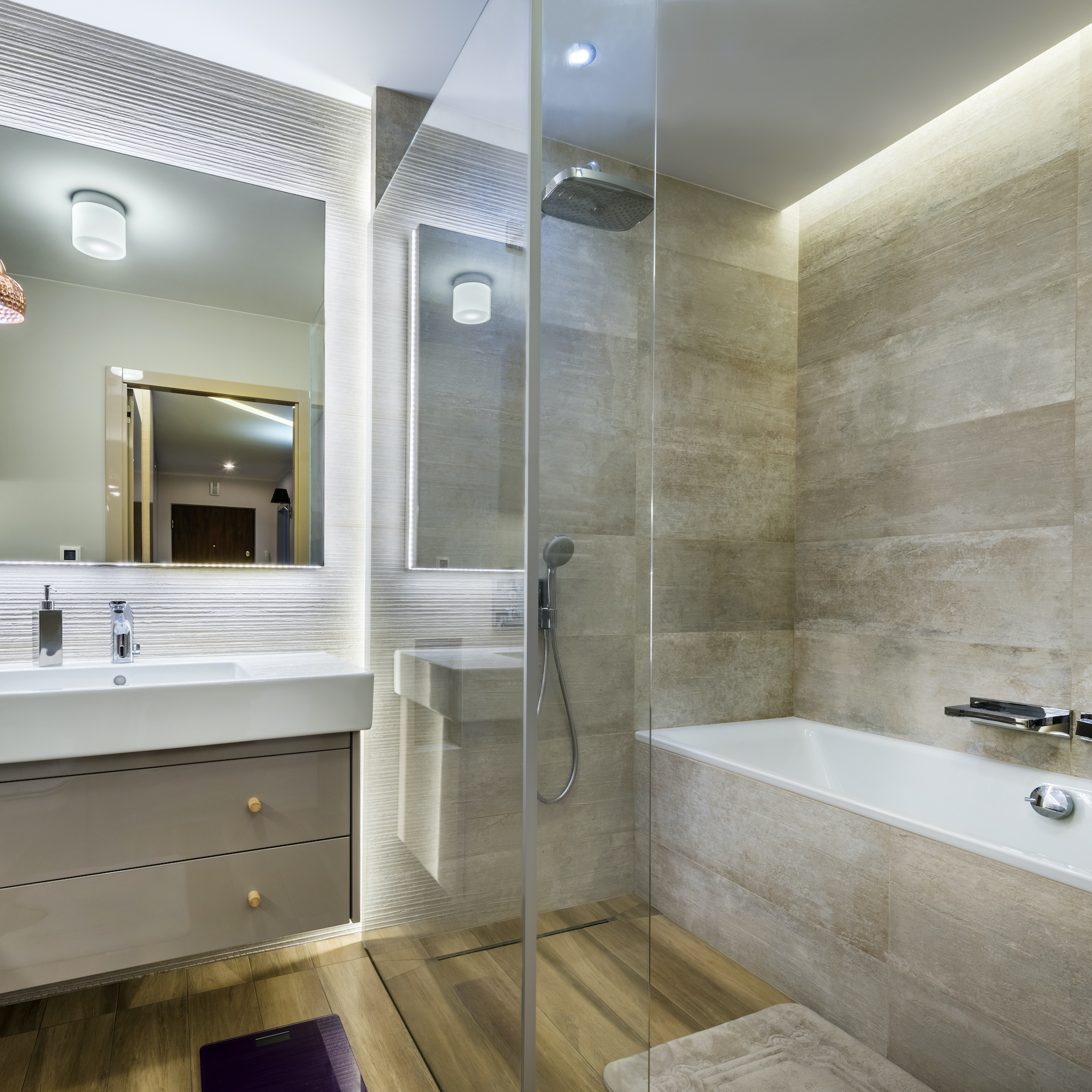
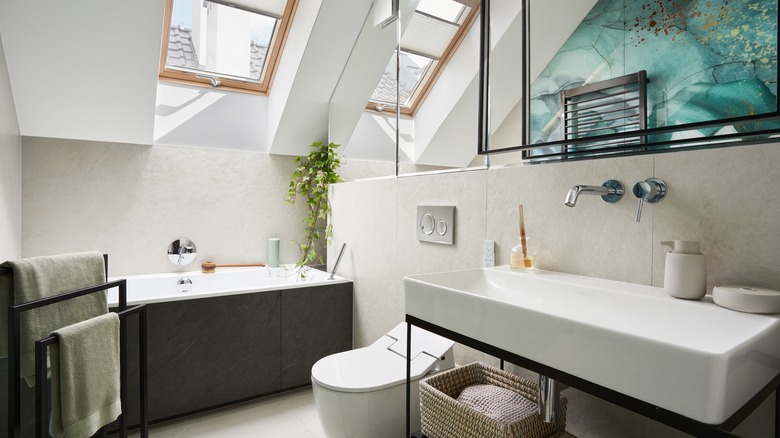
Twenty different examples demonstrate how bathtubs can be successfully installed in small bathrooms. One example showcases a compact but functional bathroom where a bathtub is strategically placed with an overhead shower, ensuring all necessities are within easy reach. Another illustration highlights a clever use of space in a large shower cubicle by incorporating a freestanding tub at an angle, allowing for both bathing and showering. For very narrow spaces, a petite soaking basin with an overhead shower can fit perfectly where a traditional tub would not.
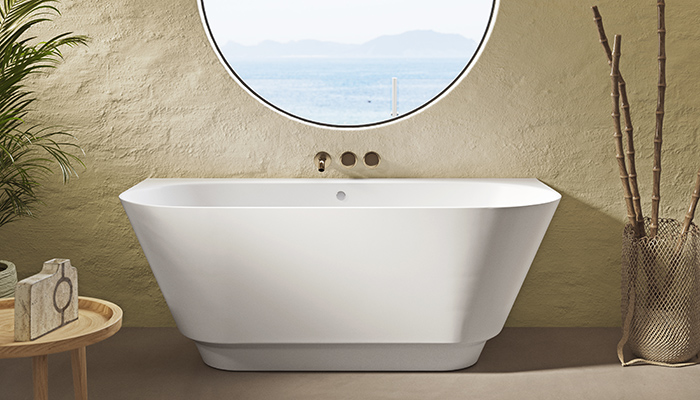
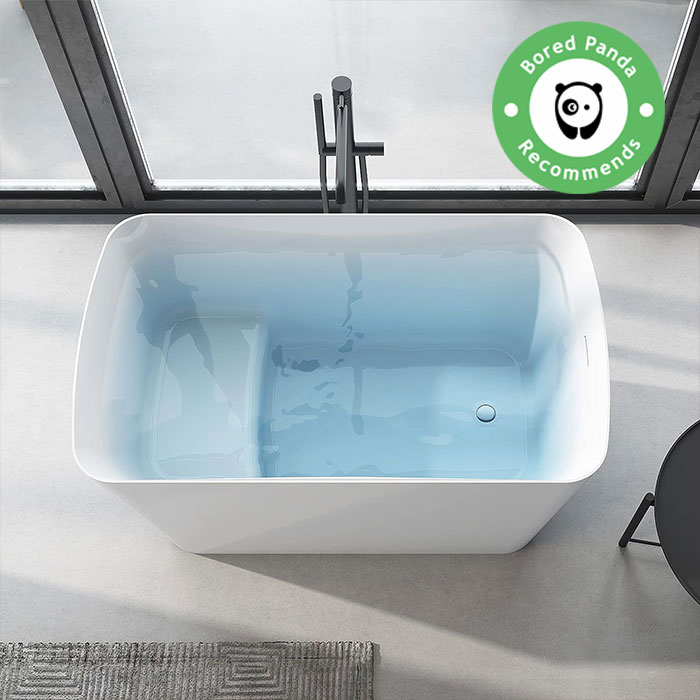
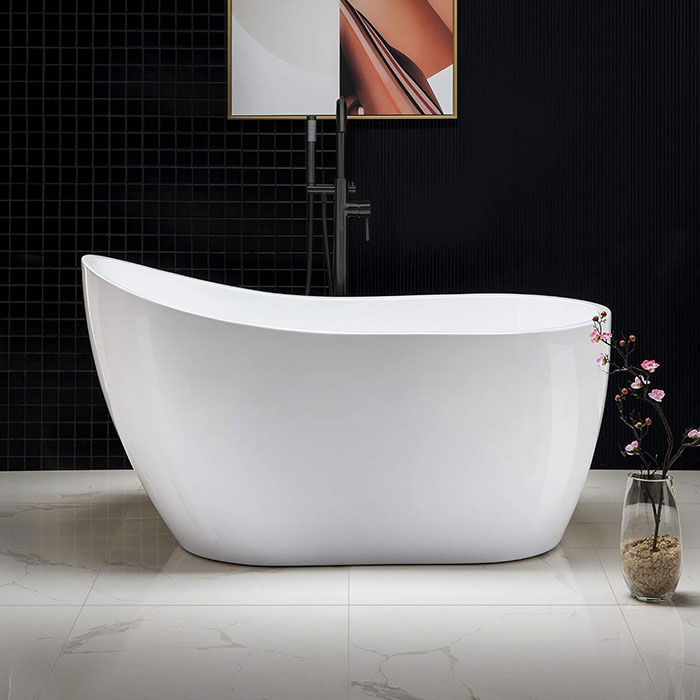
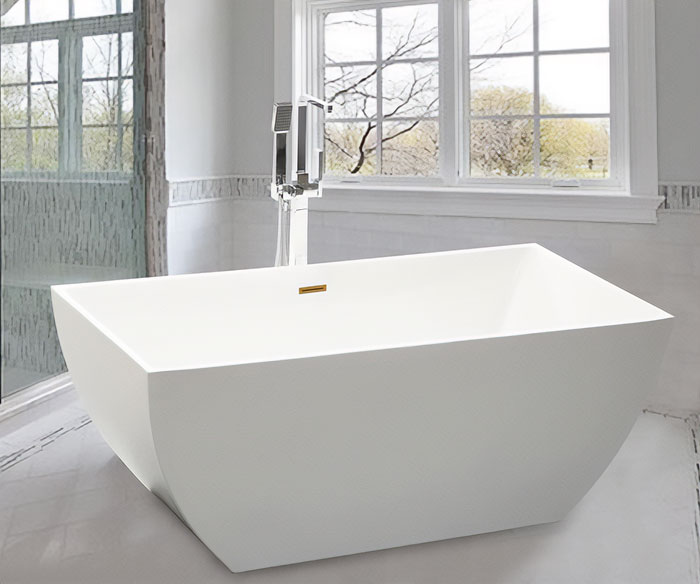
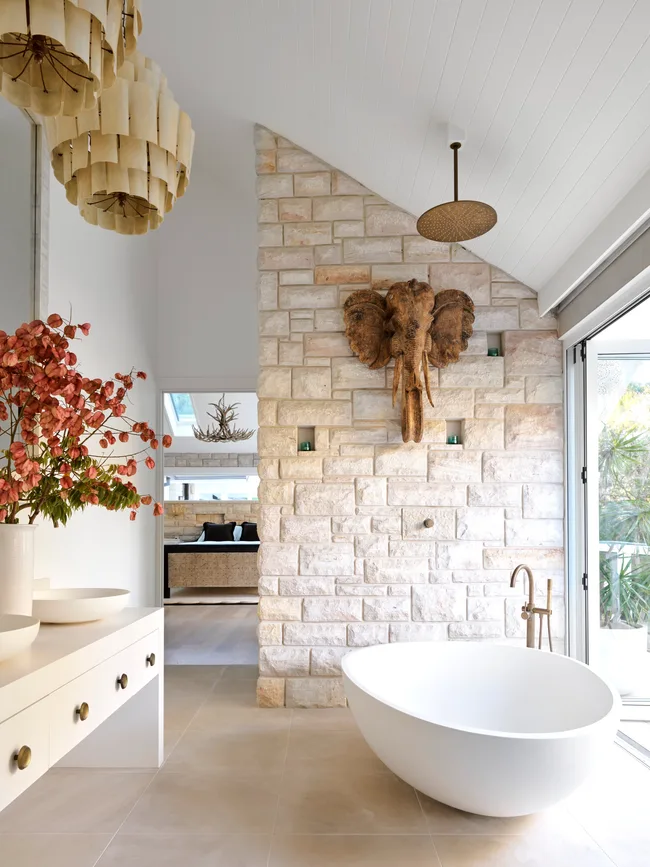
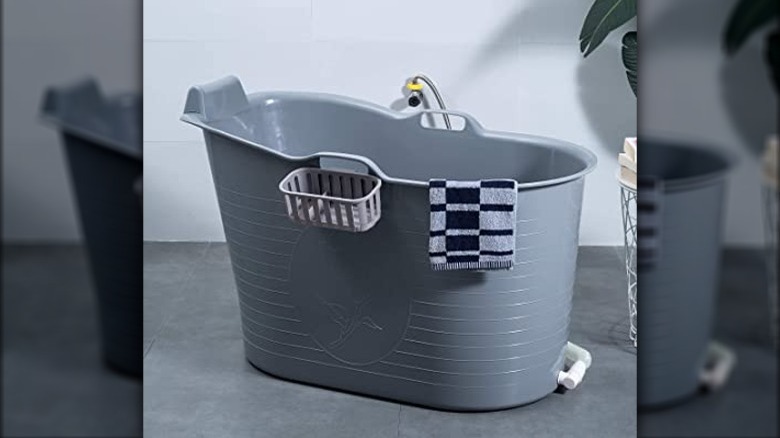
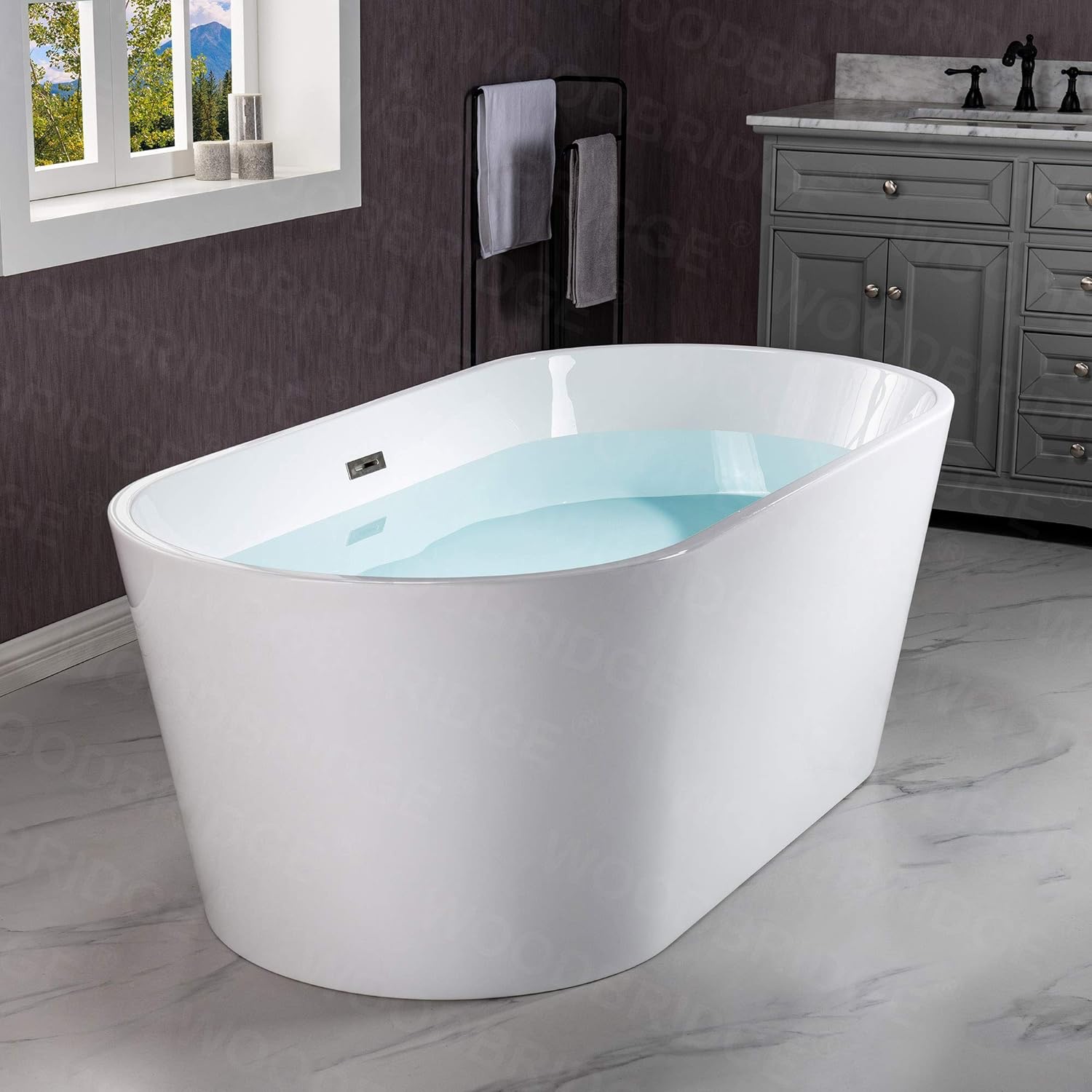
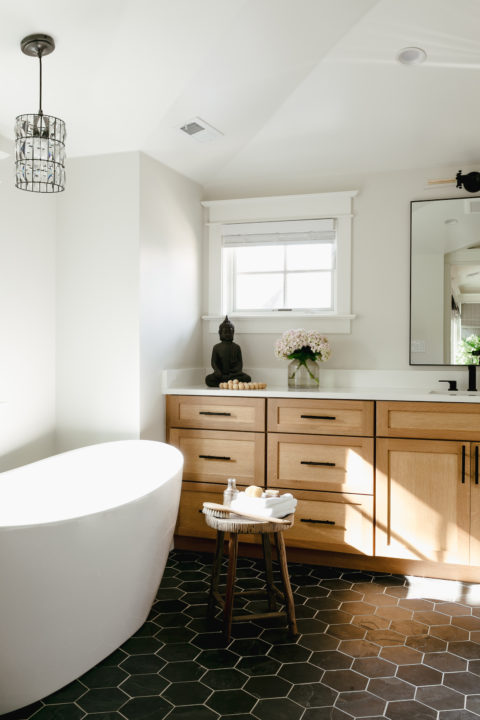
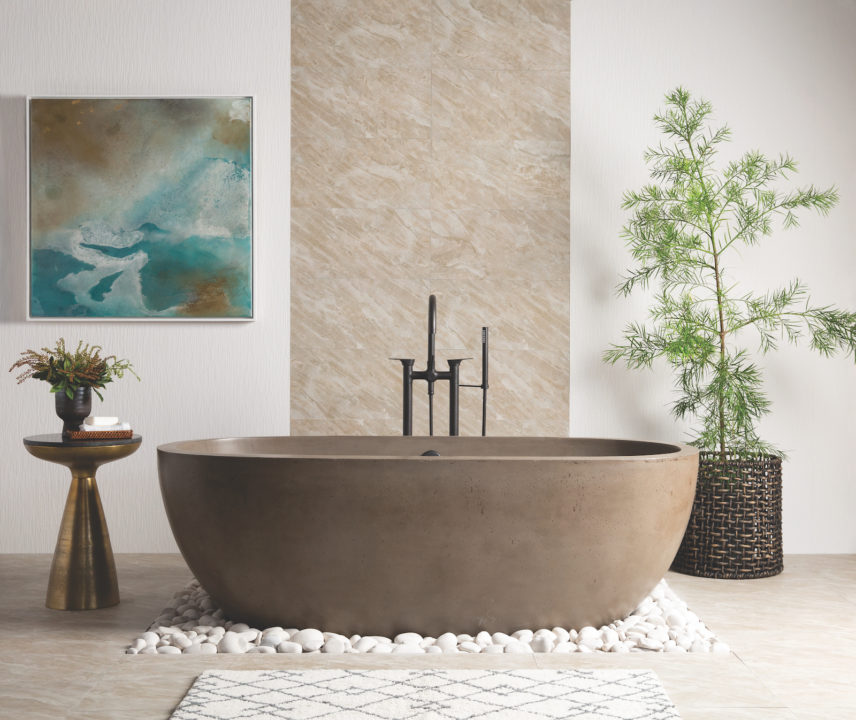
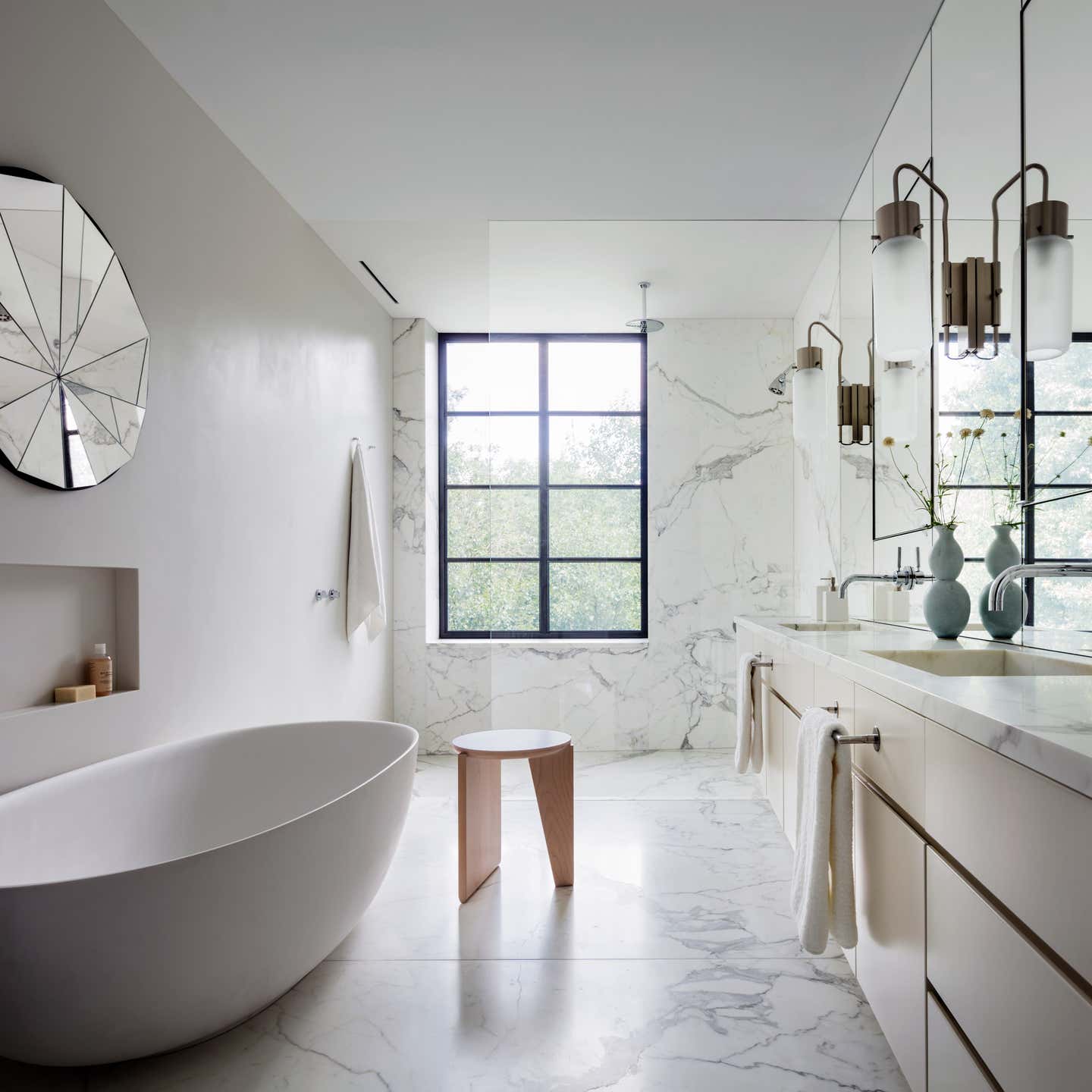
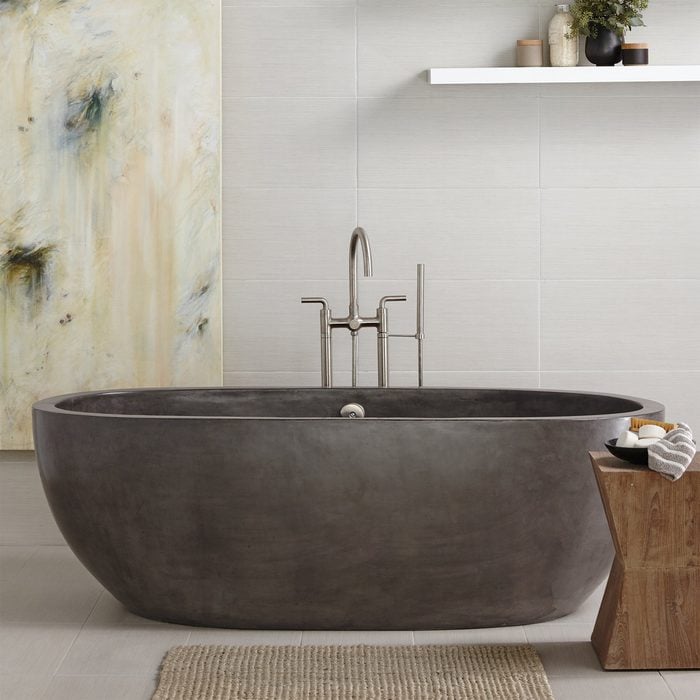
Short bathtubs, approximately two-thirds the size of standard tubs, offer the benefit of soaking in a compact form, suitable for modern monochrome bathrooms. Freestanding tubs with extra depth can compensate for their shorter length, providing a full-body soak. Round bathtubs are presented as an effective solution for long and thin washrooms, offering depth for immersion without consuming excessive linear space. Square and deep bathtubs are another space-saving option, often paired with an overhead shower and glass screen.
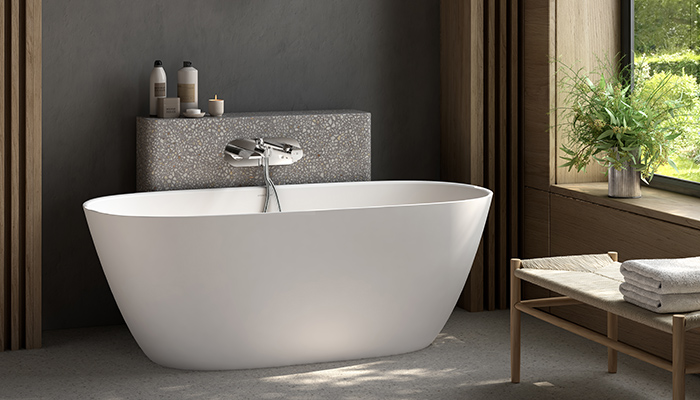
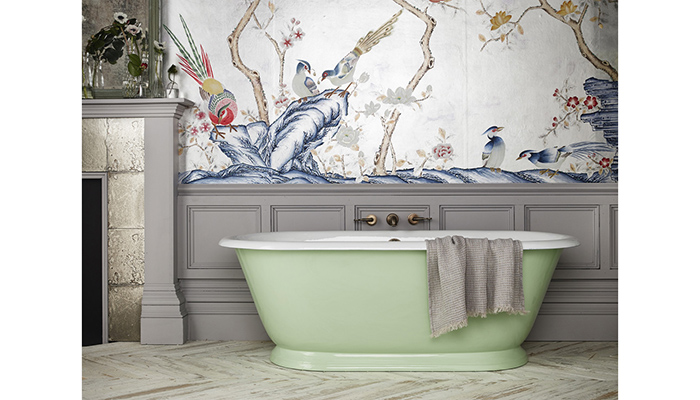
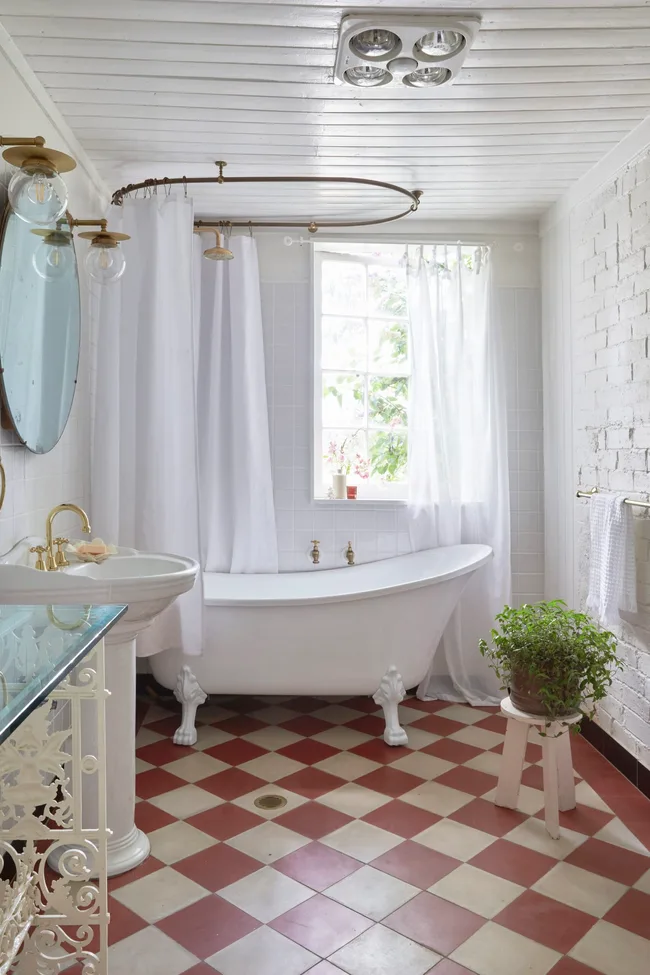
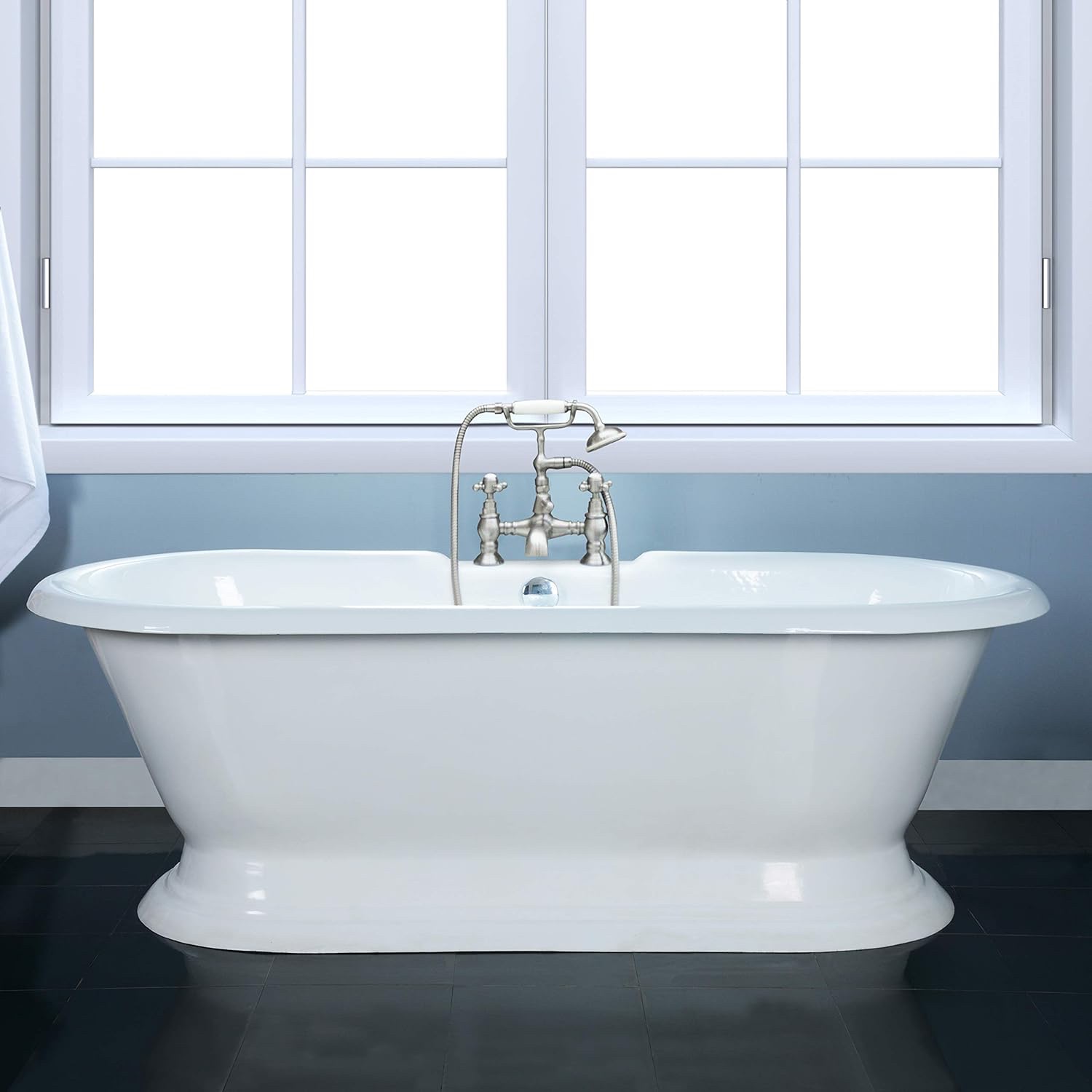
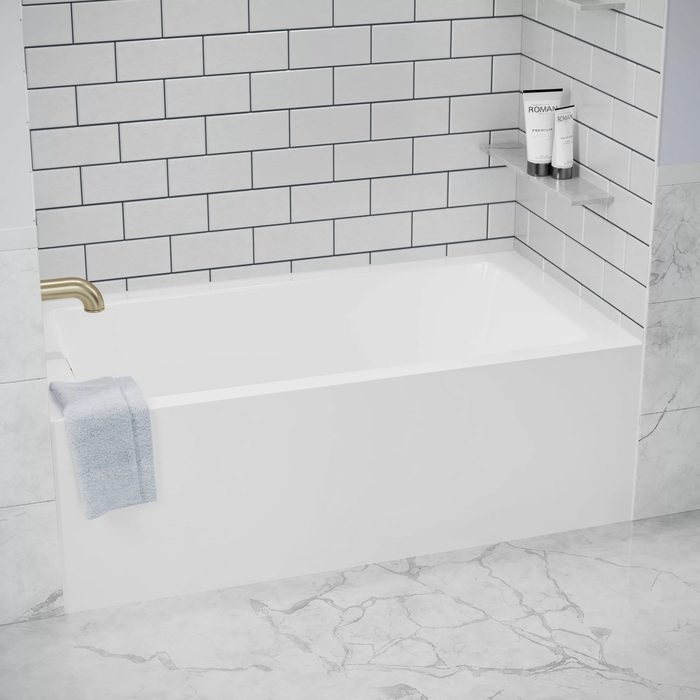
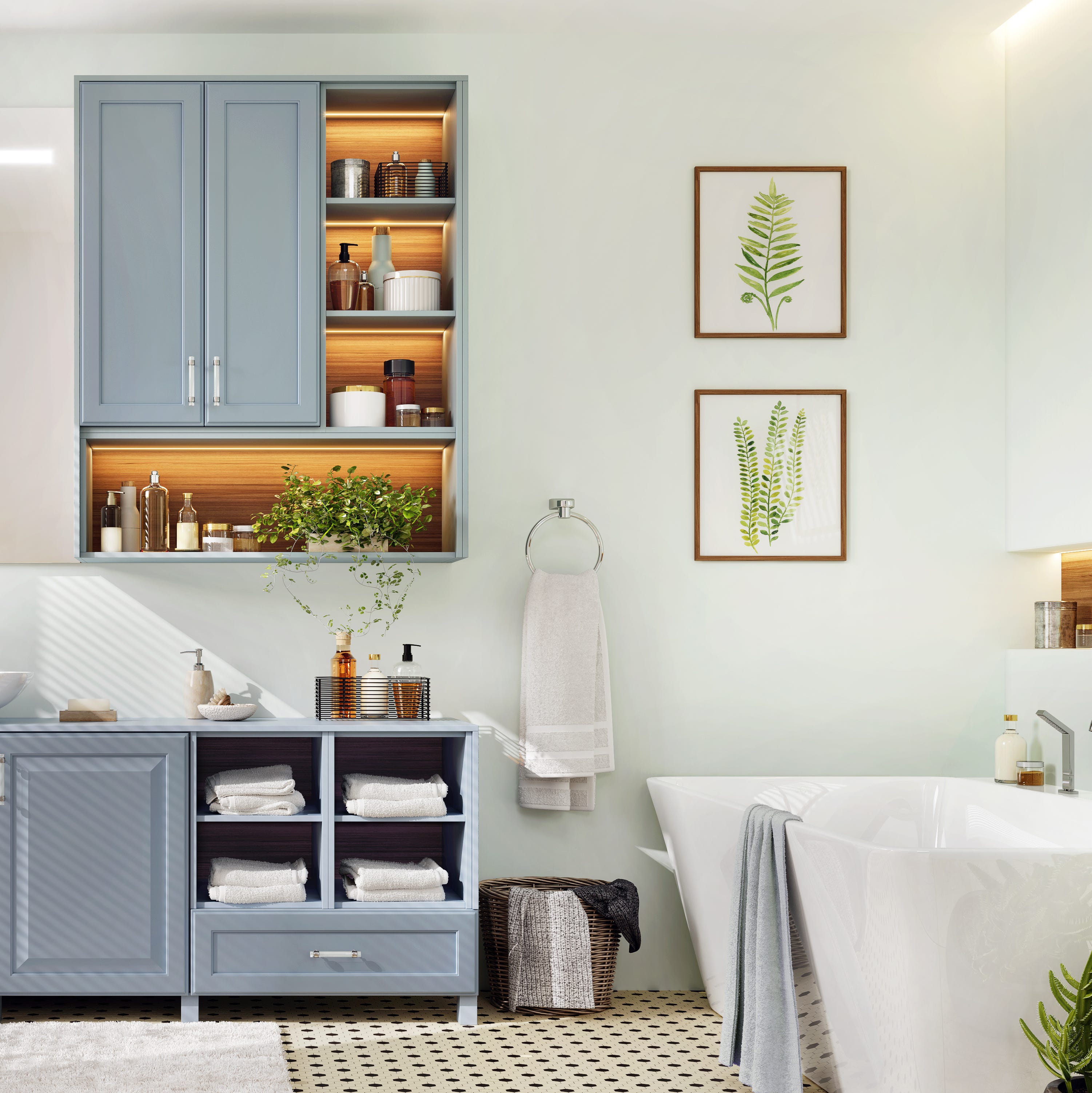
In bathrooms with existing shower spaces, replacing a shower tray with a bathtub can create a perfect bathing area. Smaller freestanding oval tubs can similarly replace shower trays or tiled draining areas, offering both showering and bathing capabilities. When storage is a concern, shorter bathtub basins can preserve surrounding space for storage. Long and thin freestanding roll-top tubs, especially with wall-mounted taps, allow for versatile relaxation positions and save space. Built-in bathtubs can utilize otherwise redundant small areas, and with deep surrounds and side-mounted taps, they can feel luxurious despite their size.
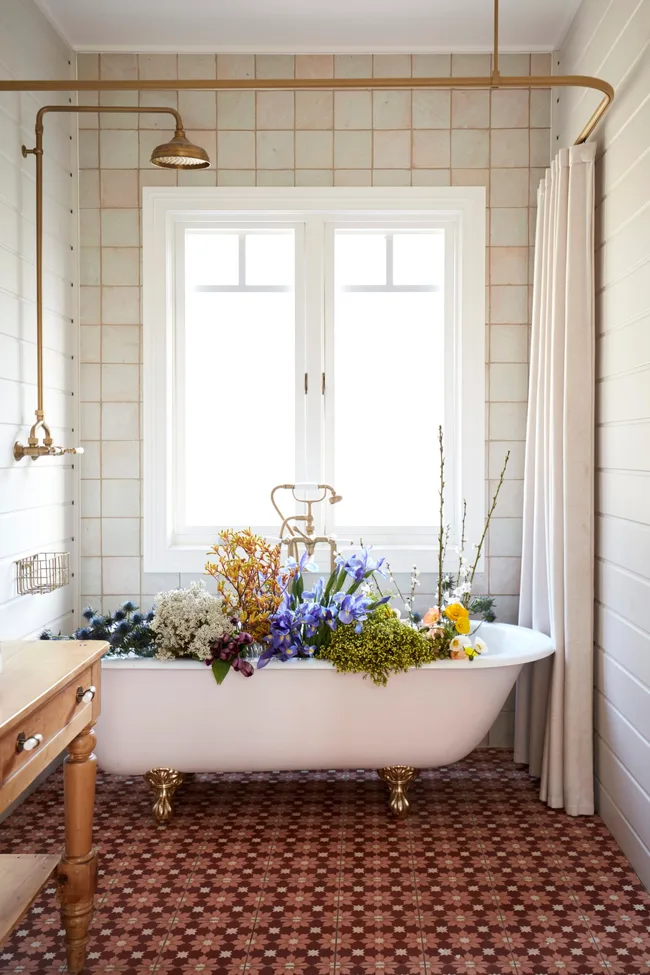
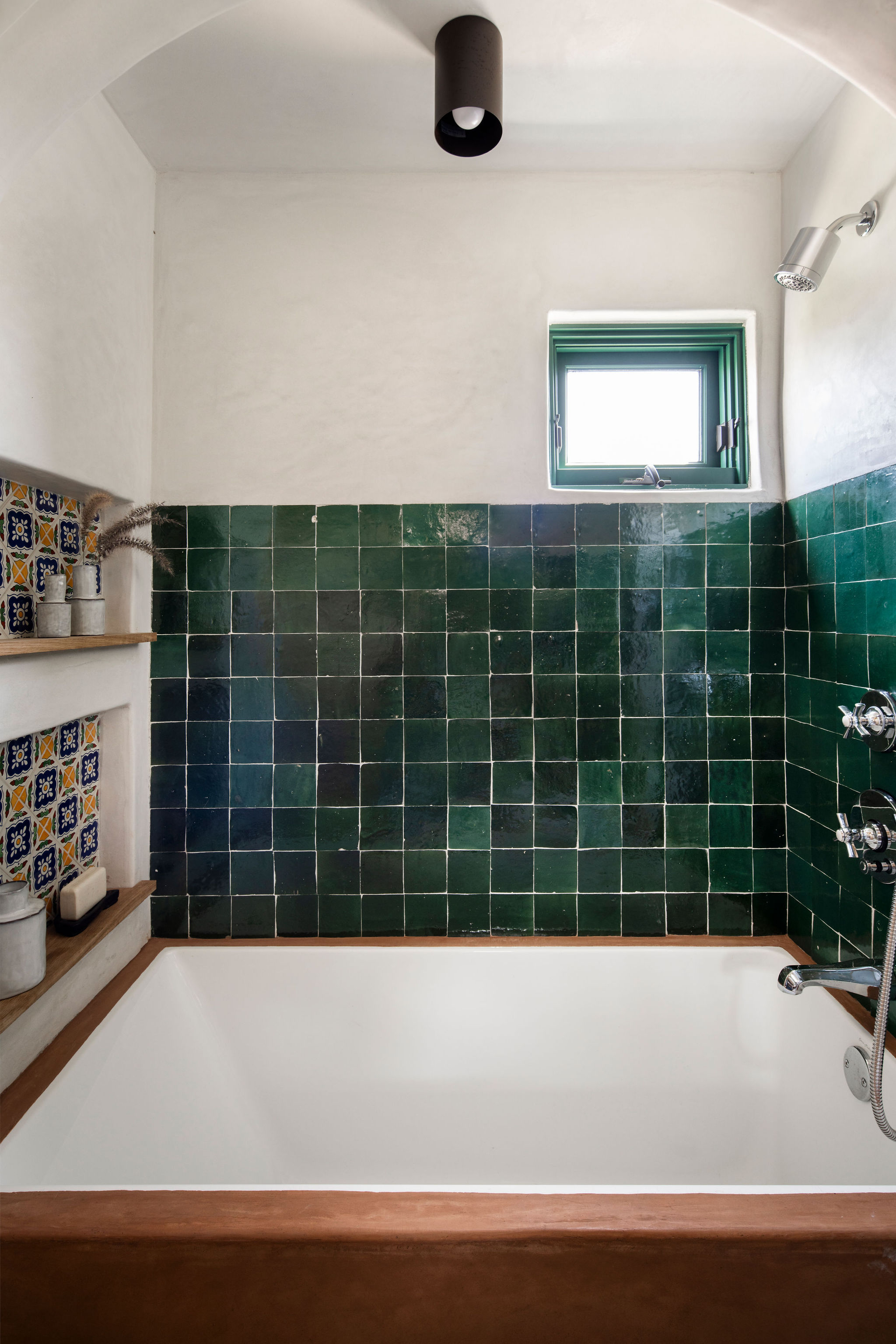
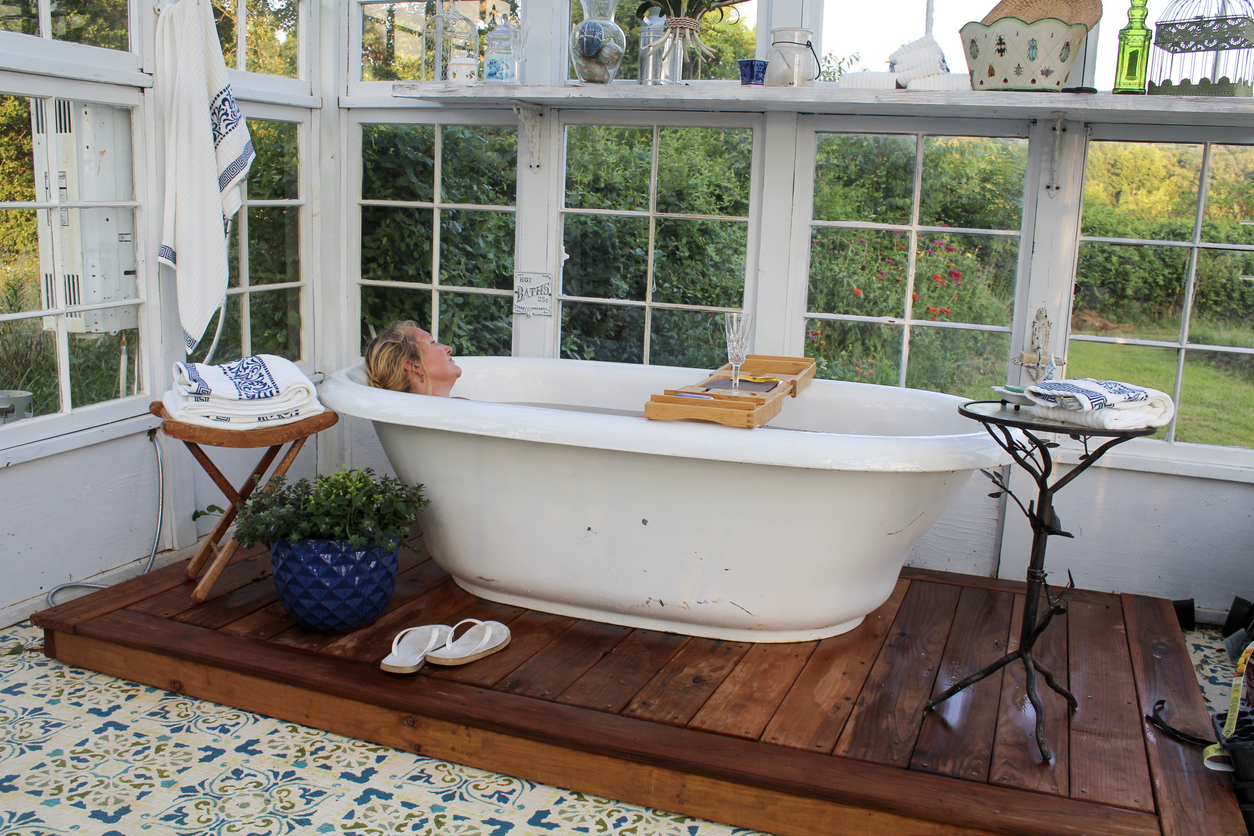
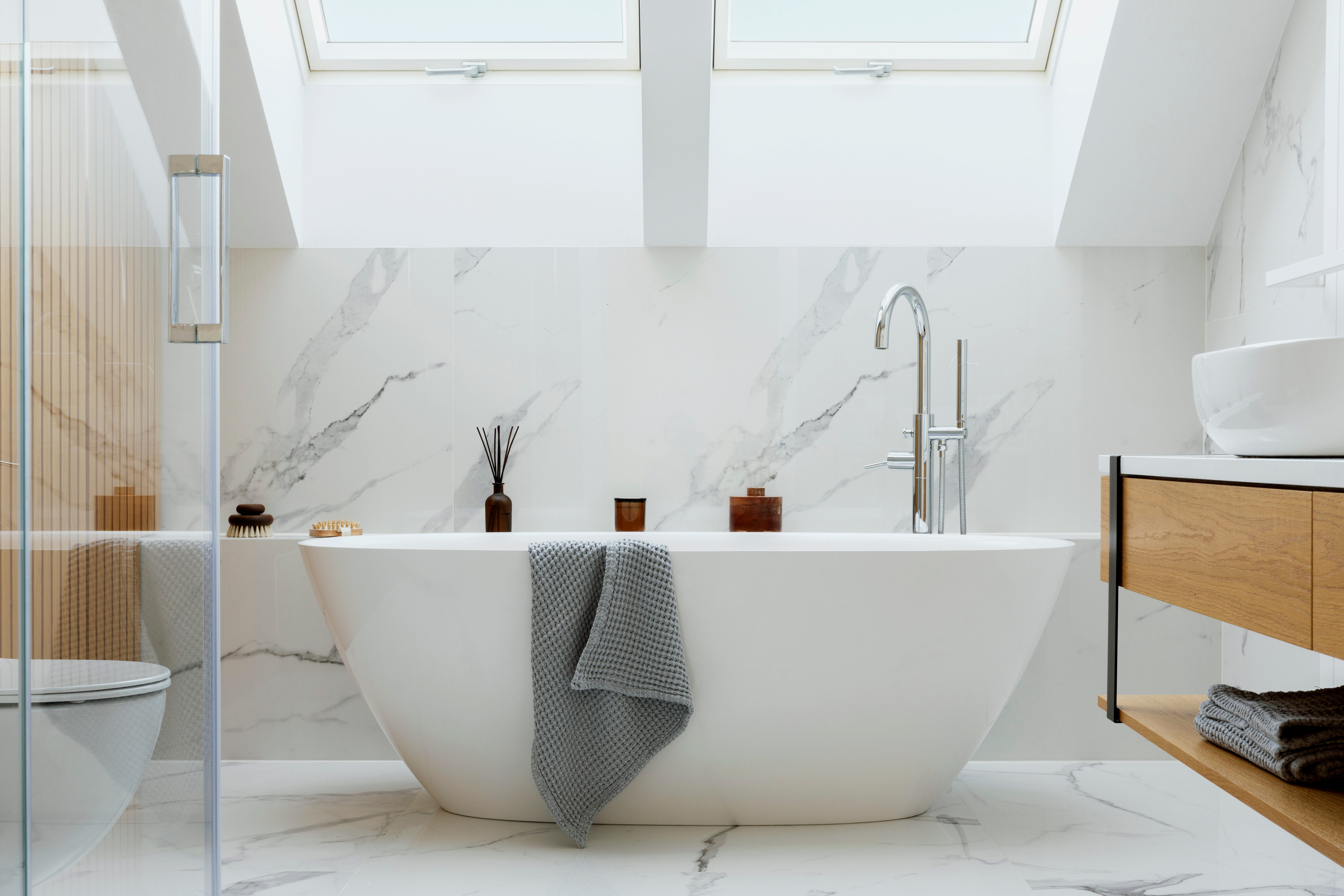
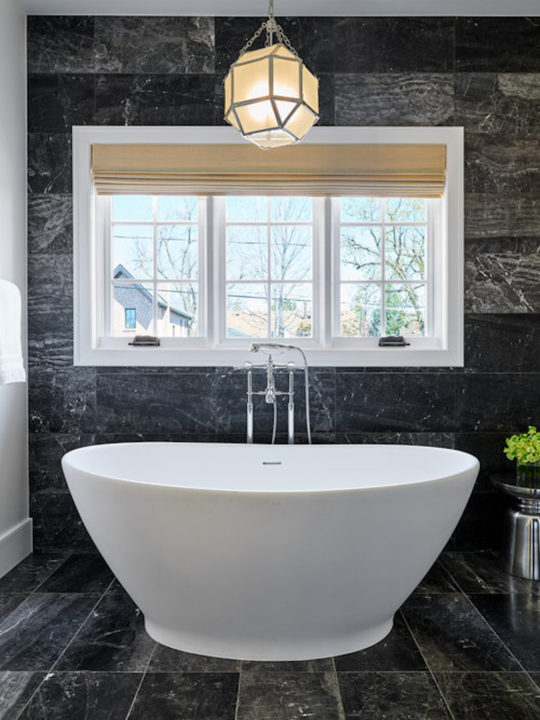
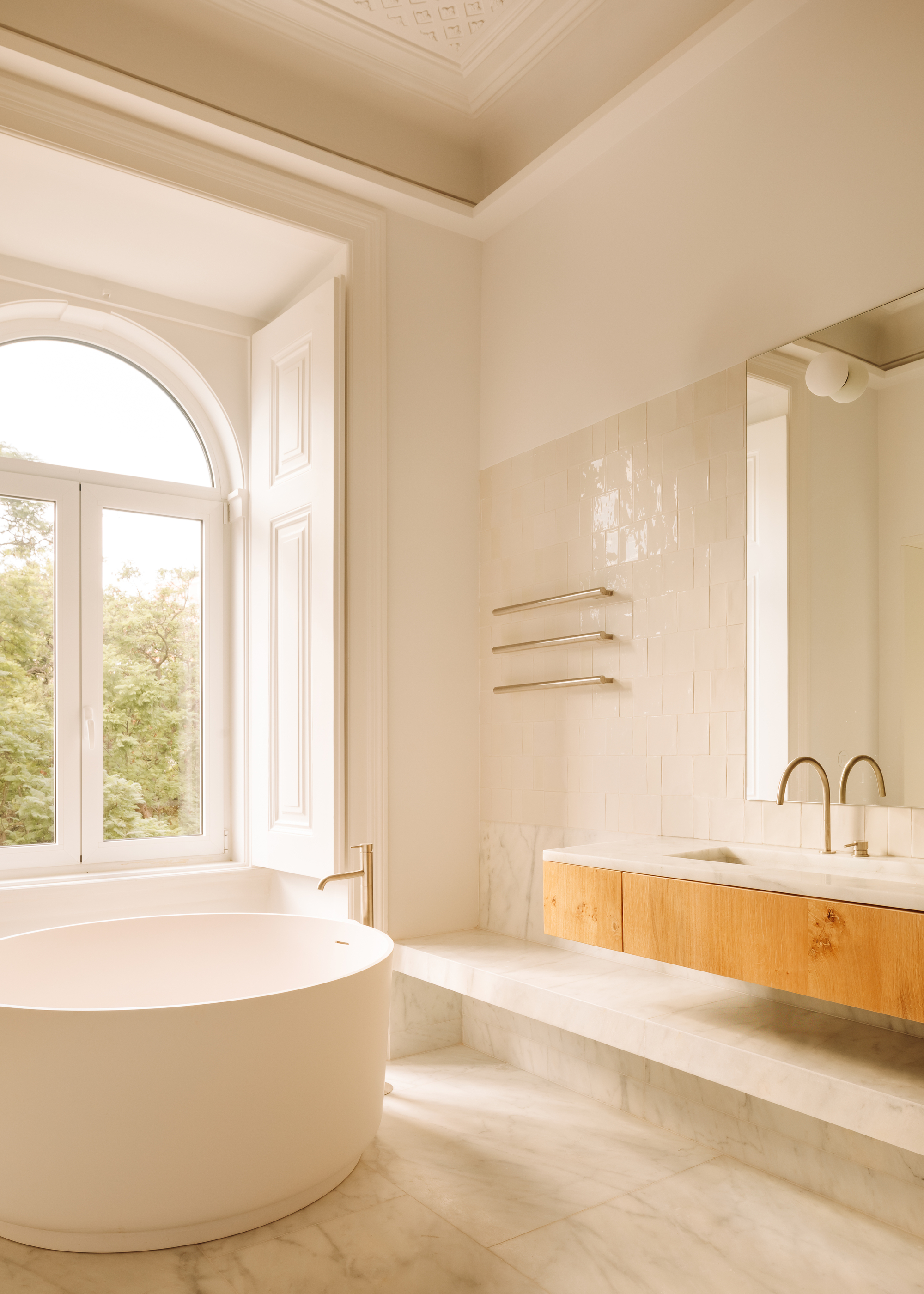
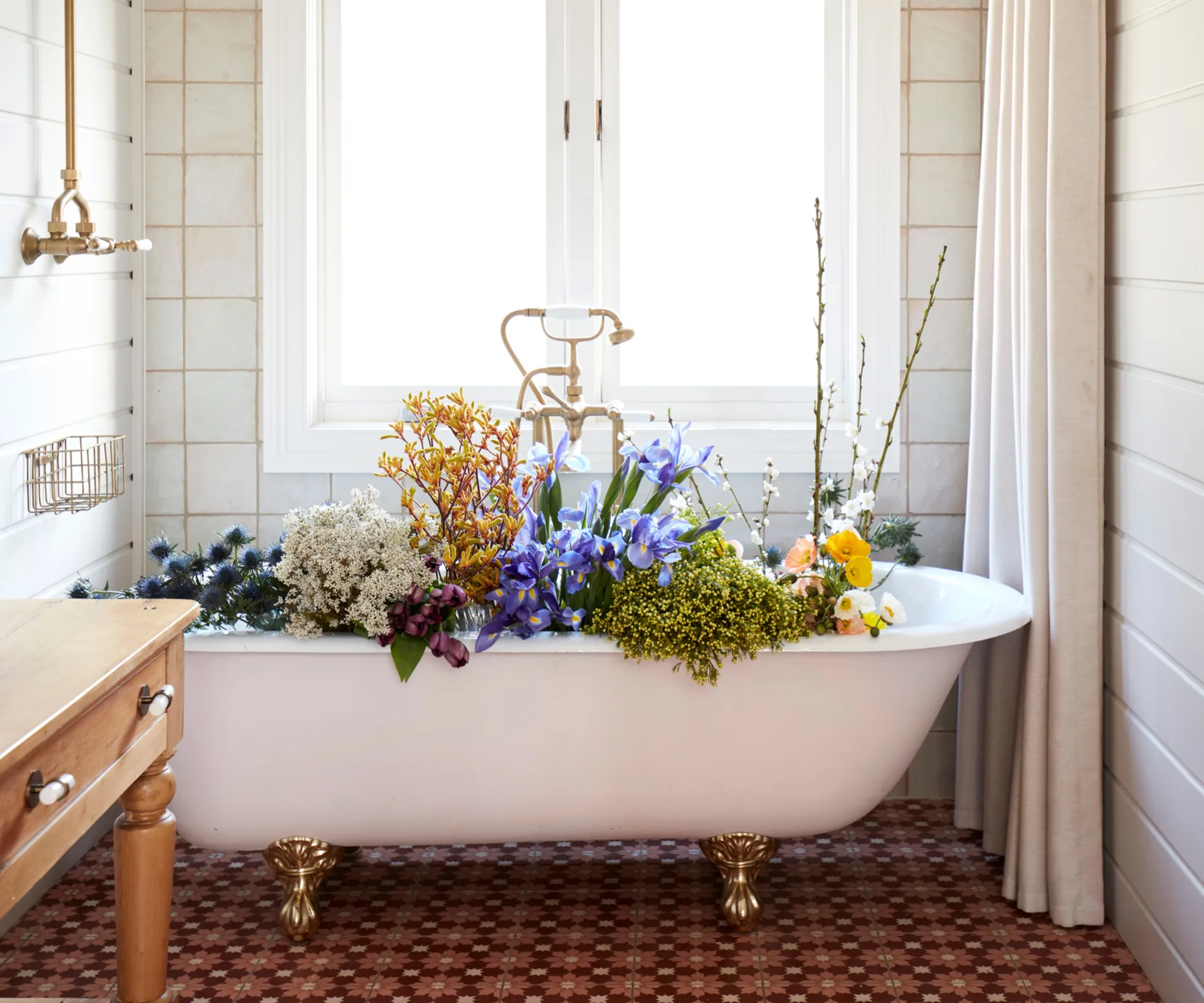
Strategic placement, such as positioning a freestanding bath under a large window, can optimize space. Corner bathtubs are explicitly designed to maximize space in small bathrooms, and even a freestanding tub placed in a corner can achieve a similar effect. Tiled built-in tubs under an overhead shower offer a sturdy, modern integration of bathing into a small washroom. Even very compact bathrooms can incorporate a basin, creating a cozy and functional space. Small tiled bathrooms can use the tub as a shower tray, providing flexibility. Utilizing the space of an oversized walk-in shower for a freestanding bathtub is another innovative solution. Unusually shaped bathtubs can use small areas to their advantage, often leaving ample space for storage. Finally, simple short soaking bathtubs, like roll-top designs, offer deep, relaxing soaks and are ideal for the smallest bathrooms due to their compact size and supportive design.
#SmallBathroomDesign #BathtubSolutions #CompactLiving #BathroomRemodel #InteriorDesign #SpaceSavingIdeas #HomeImprovement #SoakingTubs #FreestandingTubs #SmallBathroomDesign #BathtubSolutions #CompactLiving #BathroomRemodel #InteriorDesign #SpaceSavingIdeas #HomeImprovement #SoakingTubs #FreestandingTubs
0 Kommentare insgesamt
 Noch keine Kommentare
Das könnte Ihnen auch gefallen
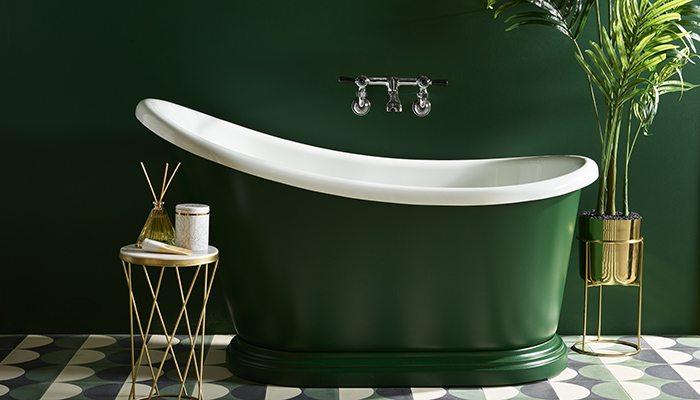
10 small statement tubs that make a big impact in a bathroom scheme
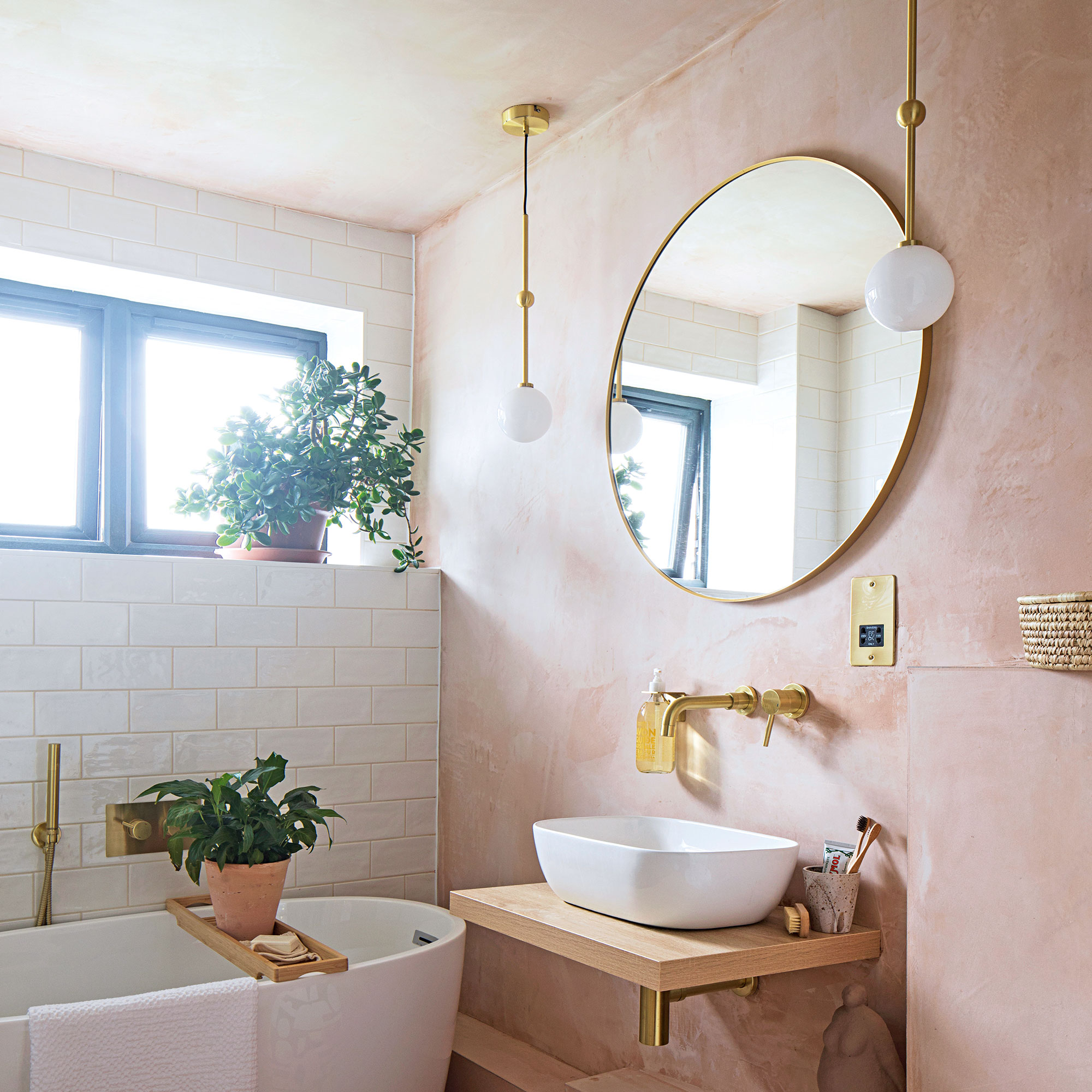
I've found the secret to a truly luxurious bath set-up – this simple bathroom buy is budget-friendly too
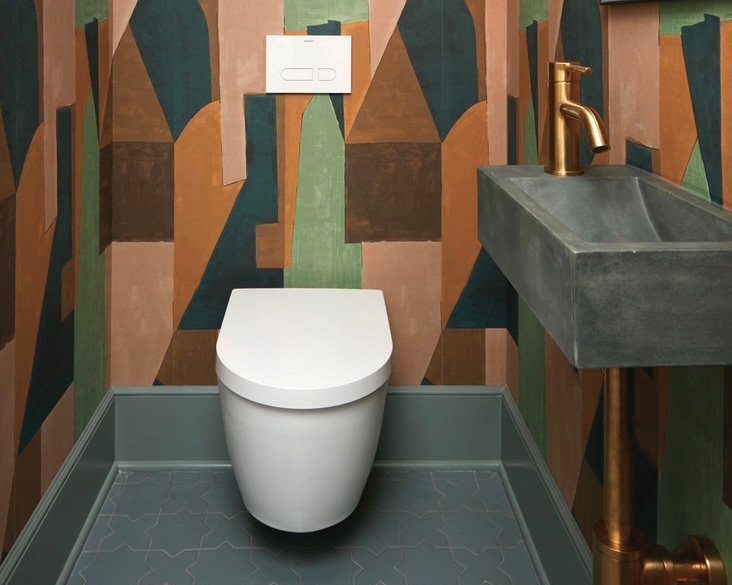
Powder Rooms: Small Yet Mighty

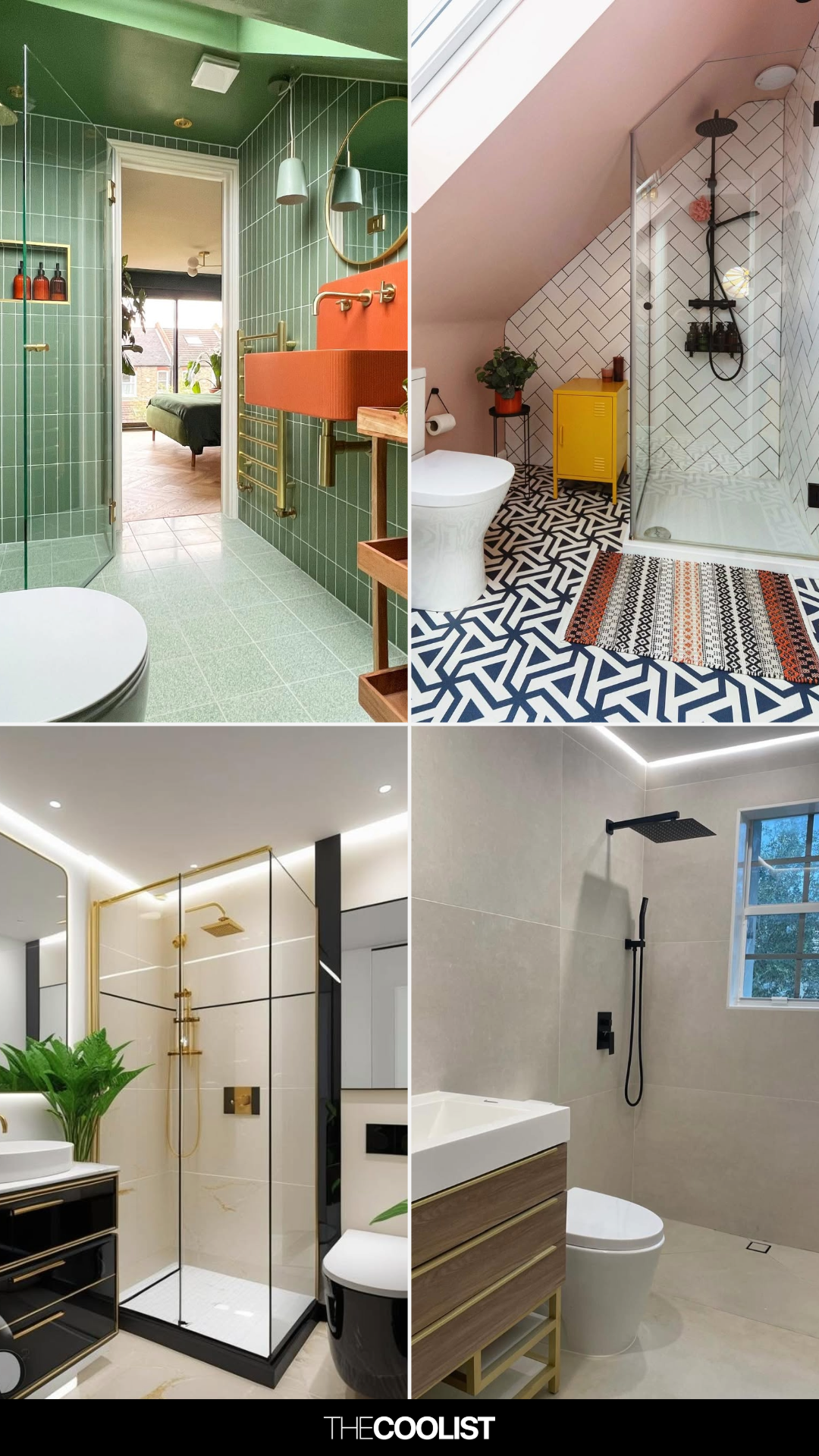
32 Small Bathroom with Shower Ideas That Will Make Your Space Feel Twice Its Size
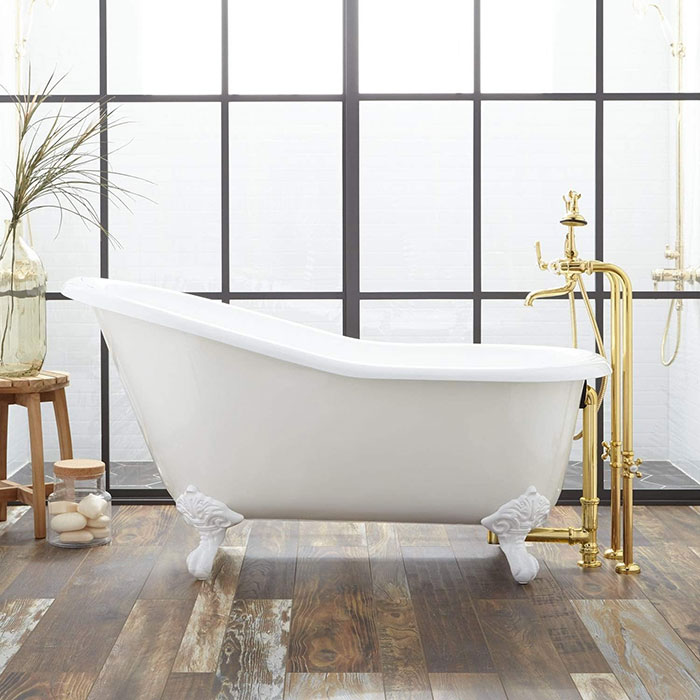
Compact Retreat: 15 Small Baths For Undersized Bathrooms
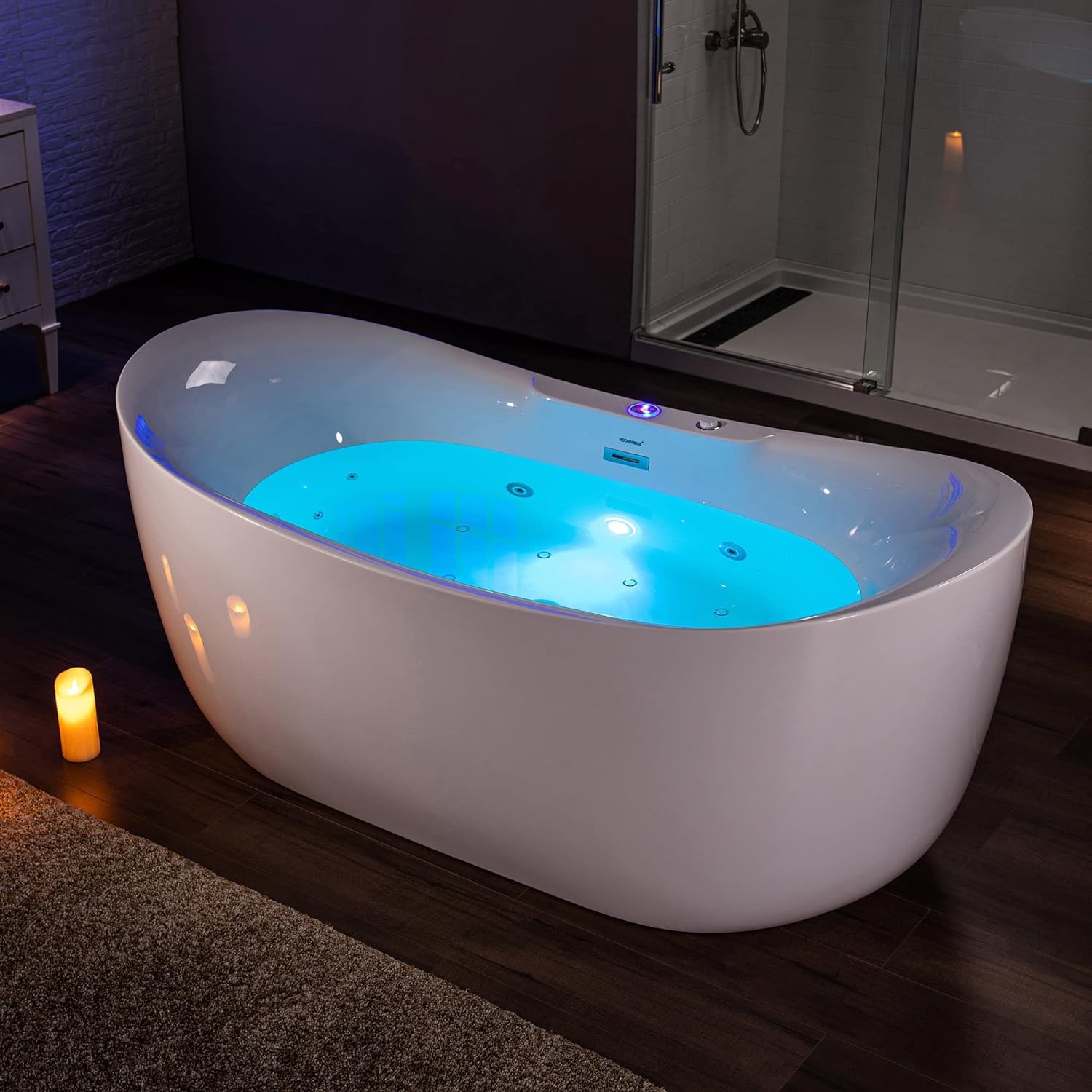
The Best Soaking Tubs to Transform a Bathroom Into a Spa

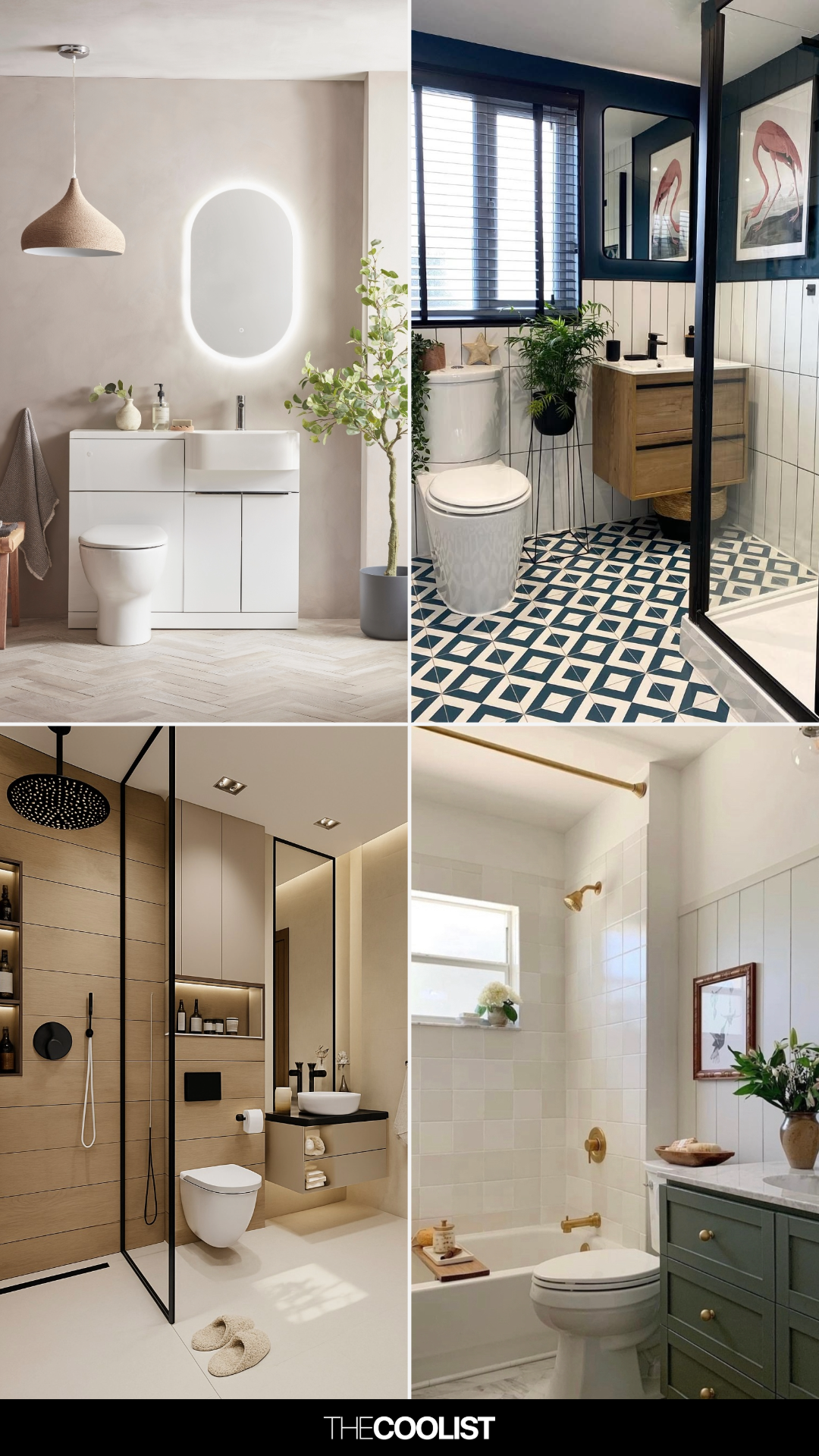
32 Small Bathroom Ideas That Make Even Small Showers Look Modern and Spacious

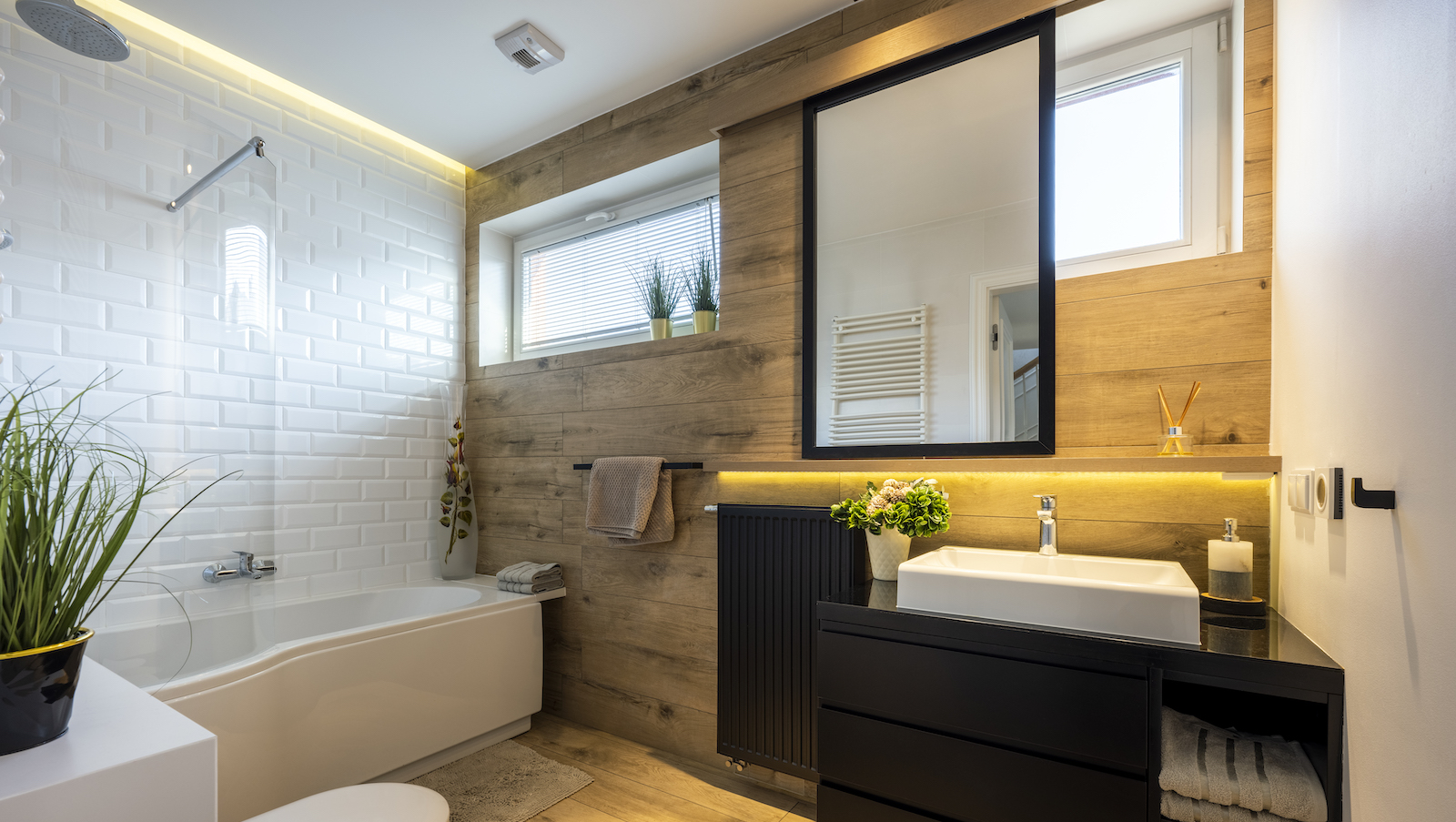
How to fit a shower and bath in a small bathroom — interior designers reveal the secret

12 stylish shower-over-bath ideas for small spaces

Designers Swear This Bathroom Feature Is so Overrated

6 small showers that deliver a spa-like feeling

7 small bathroom layout mistakes — designers say to swerve these to "maximize potential"
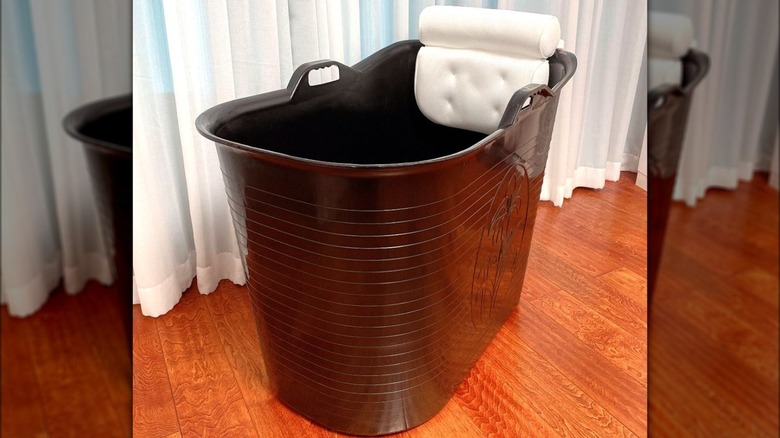
The TikTok Viral Portable Bathtub Is Perfect For Small, Shower-Only Apartments
Small Bathroom Design Ideas and Solutions
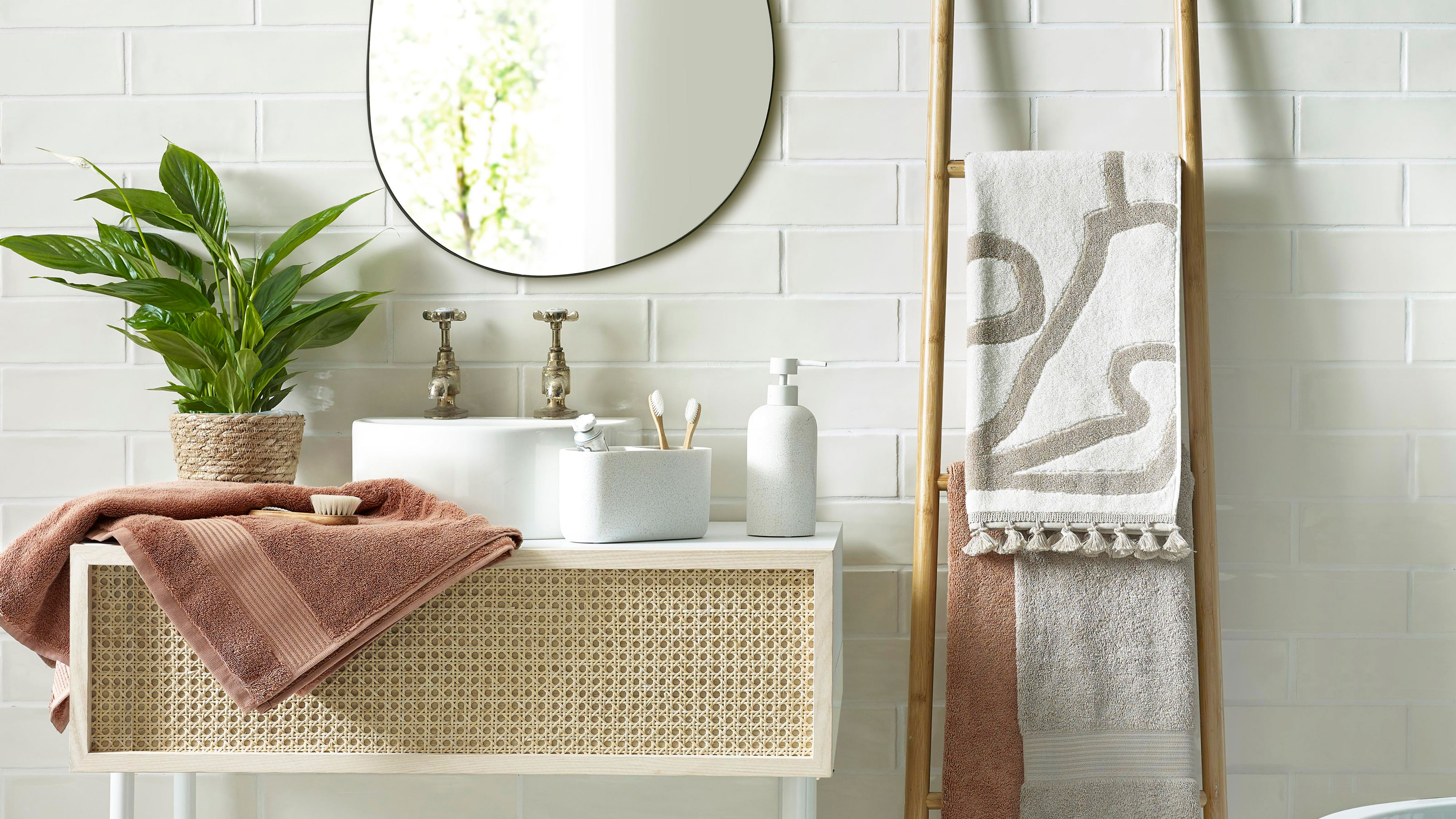
51 stunning bathroom ideas to copy
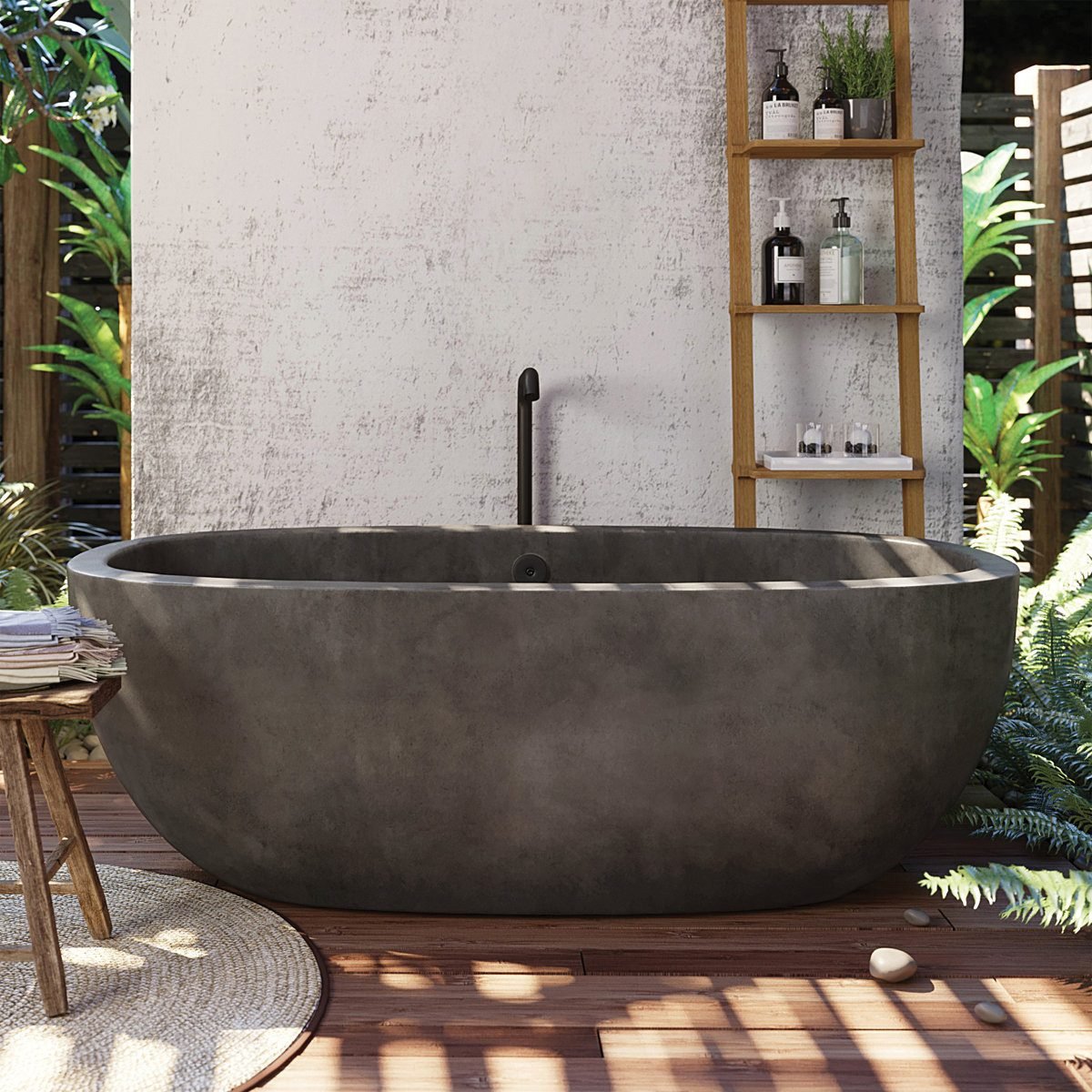
The 8 Best Bathtubs for a Satisfying Soak

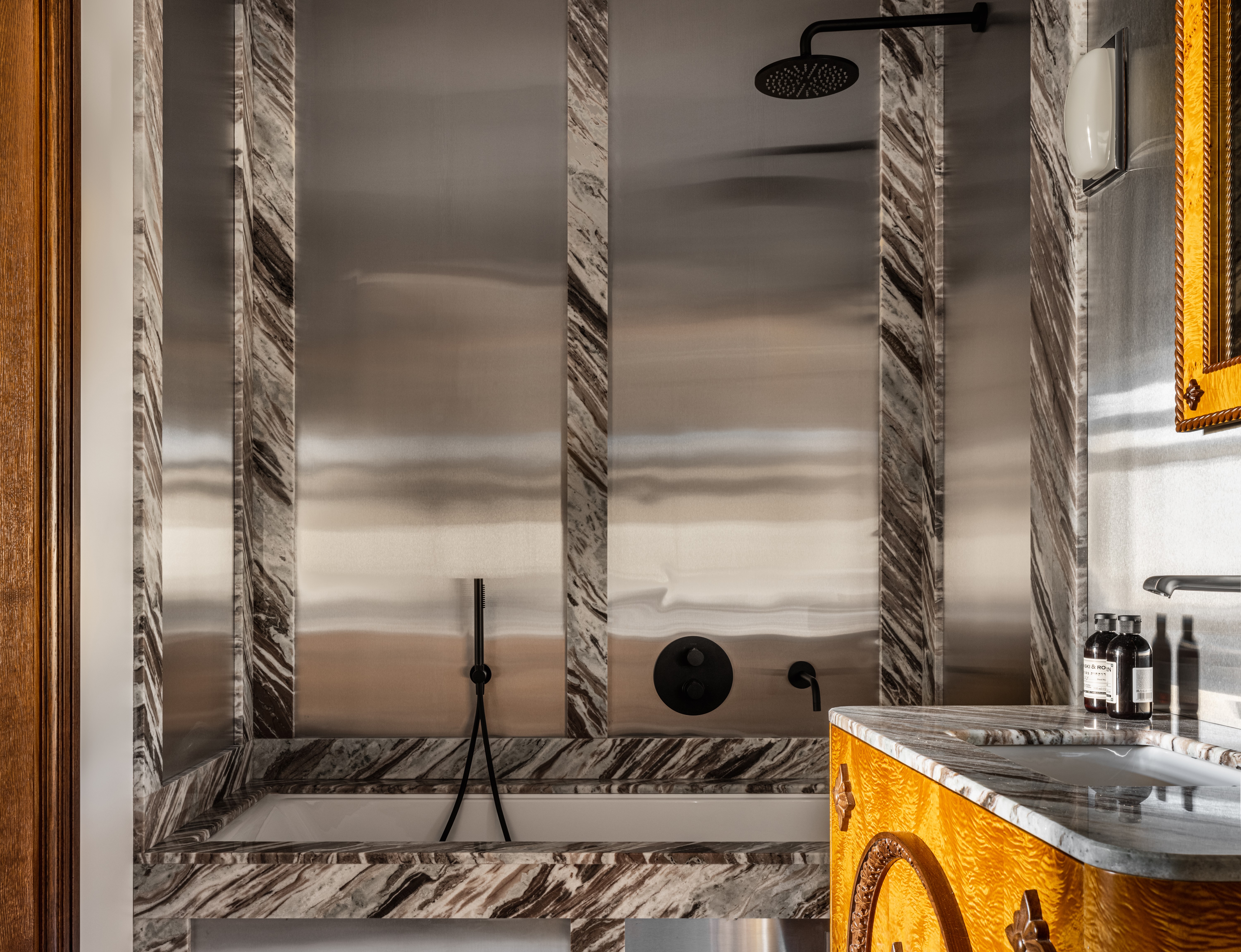
5 Shower Bathtub Ideas That Make This Small Space Combo Feel So Much More Luxurious

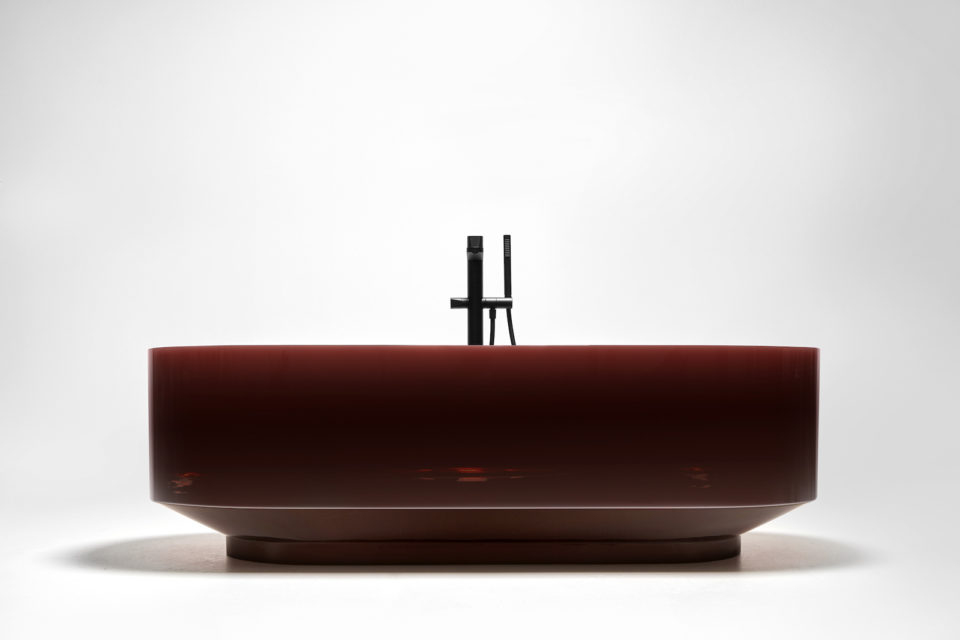
Level Up Your Soaking Sanctuary With These Gorgeous Bathtubs

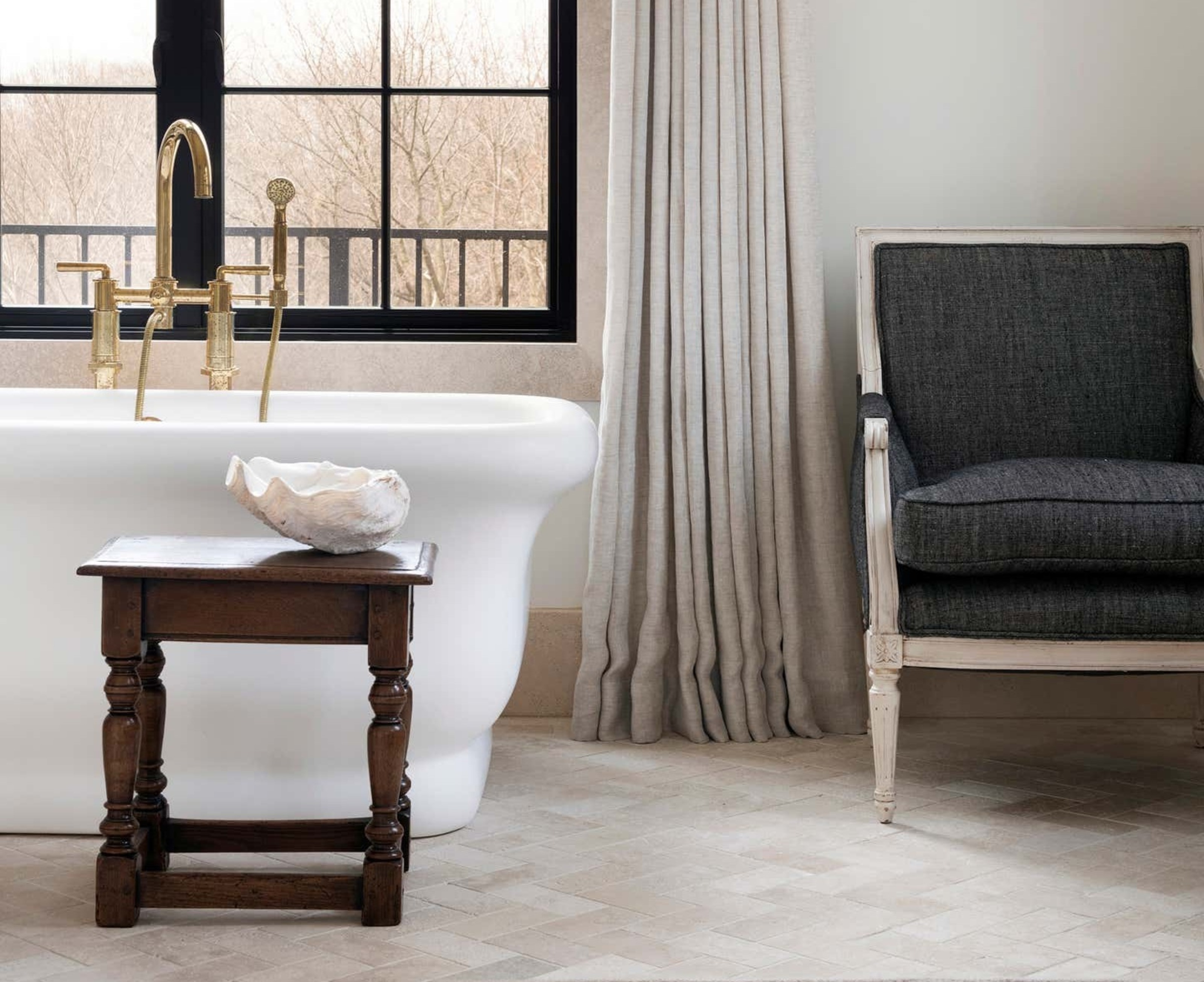
How to Squeeze a Seat in the Smallest of Bathrooms (and Why It's the Best Thing You Can Do for Your Space)
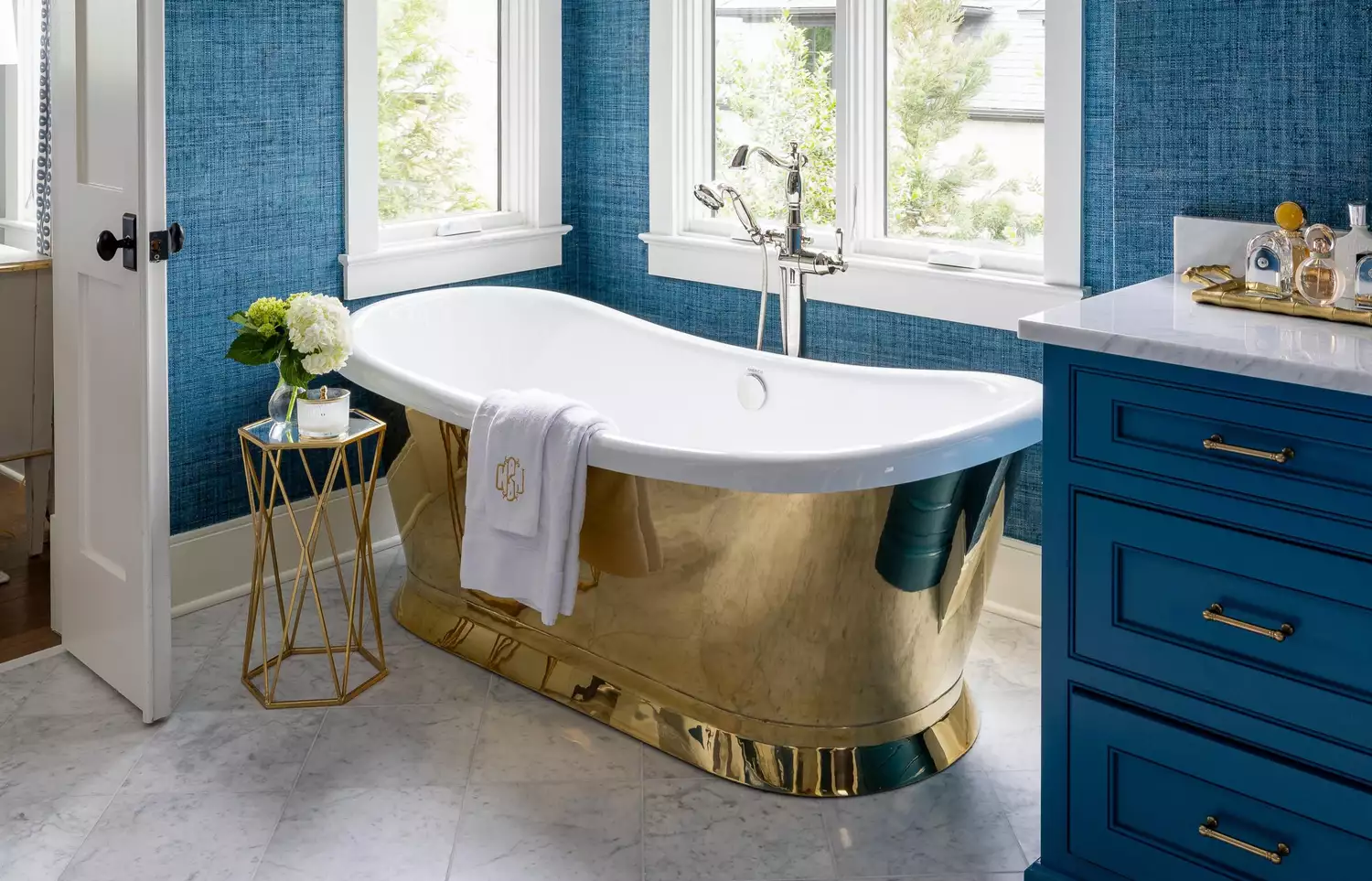
17 Bathtub Ideas That Will Transform Your Bathroom Into a Spa-Like Escape