1/2
from waste to functional art: remli by we+ transforms recycling into portable lighting fixture
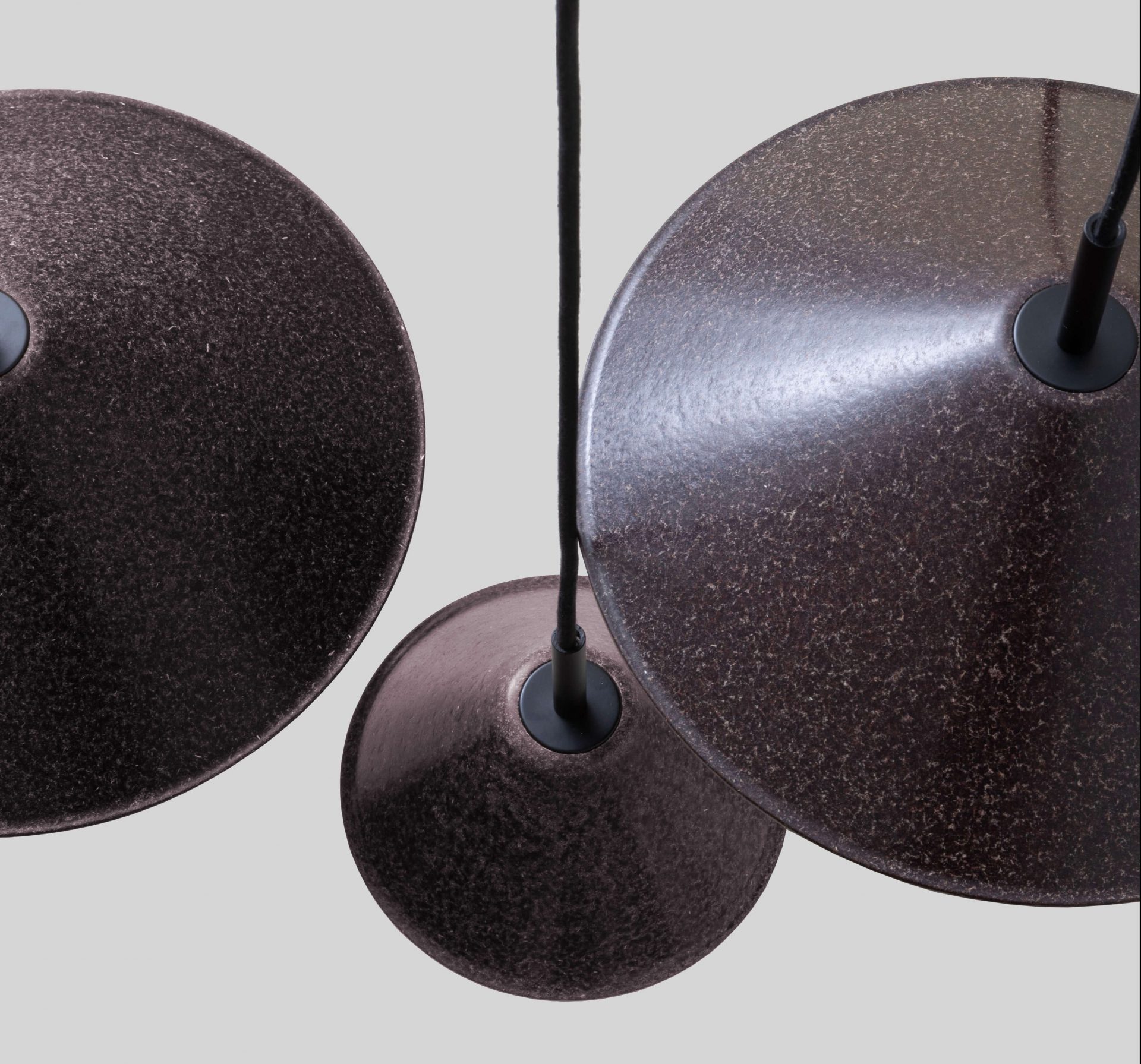
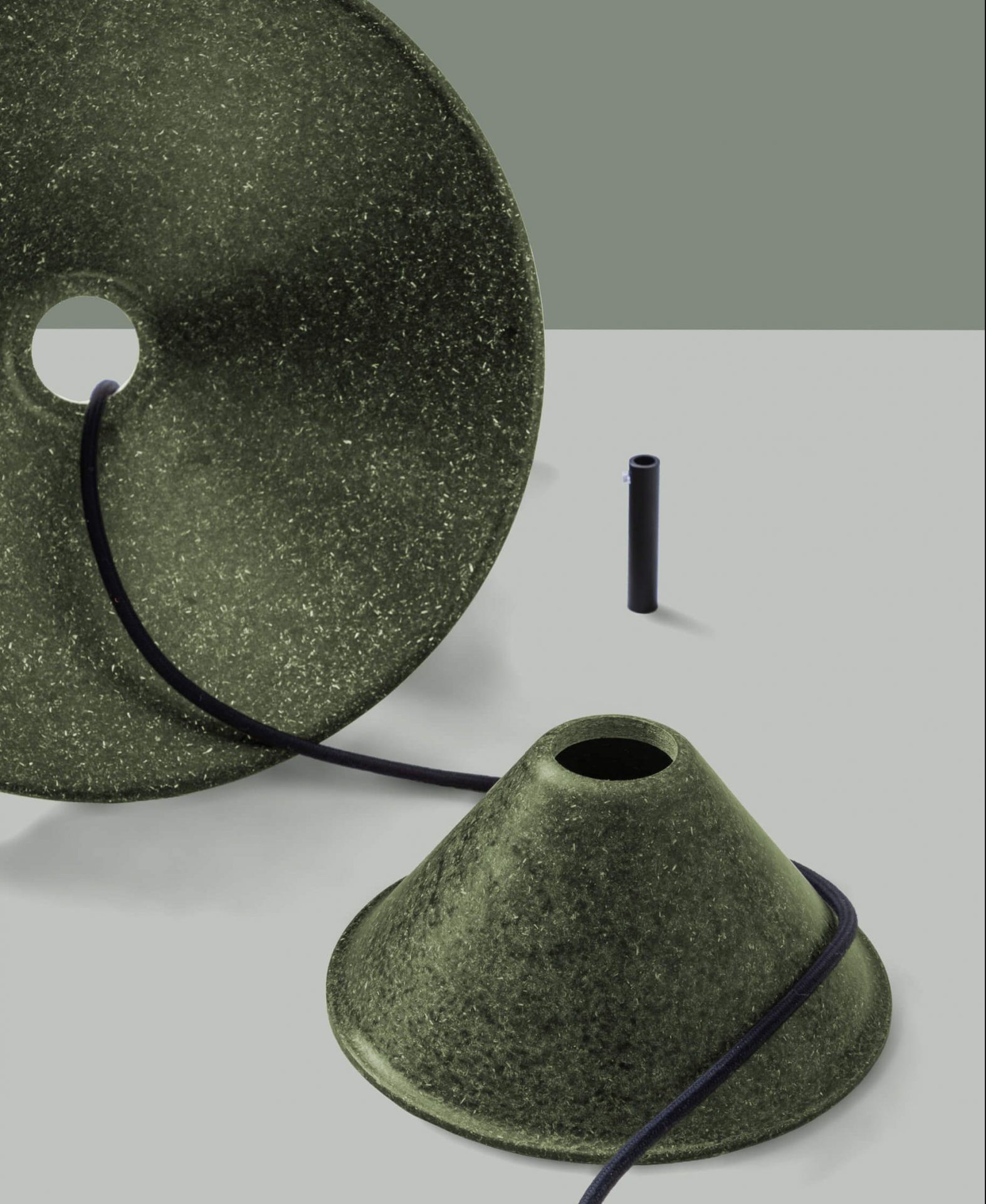
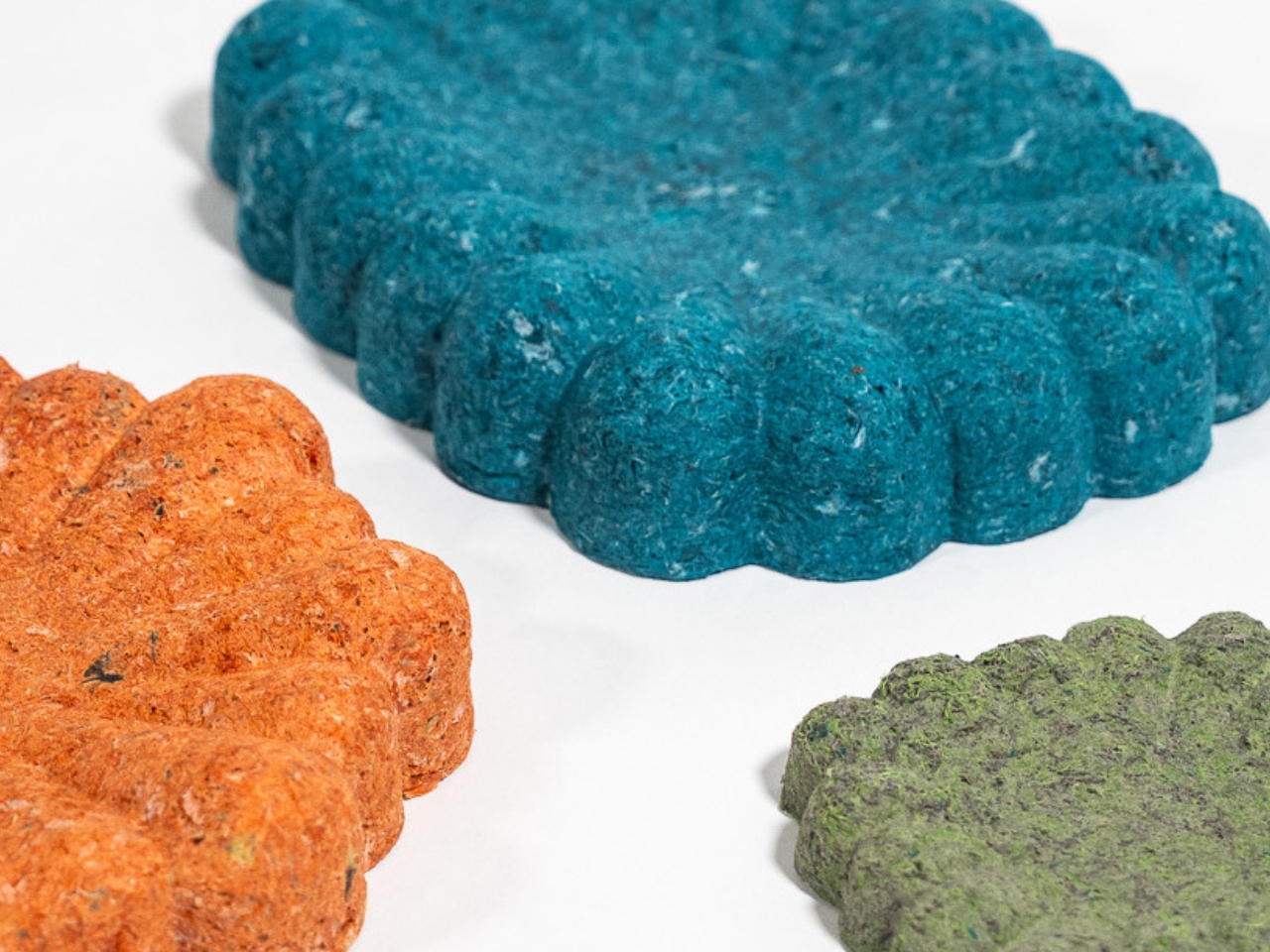
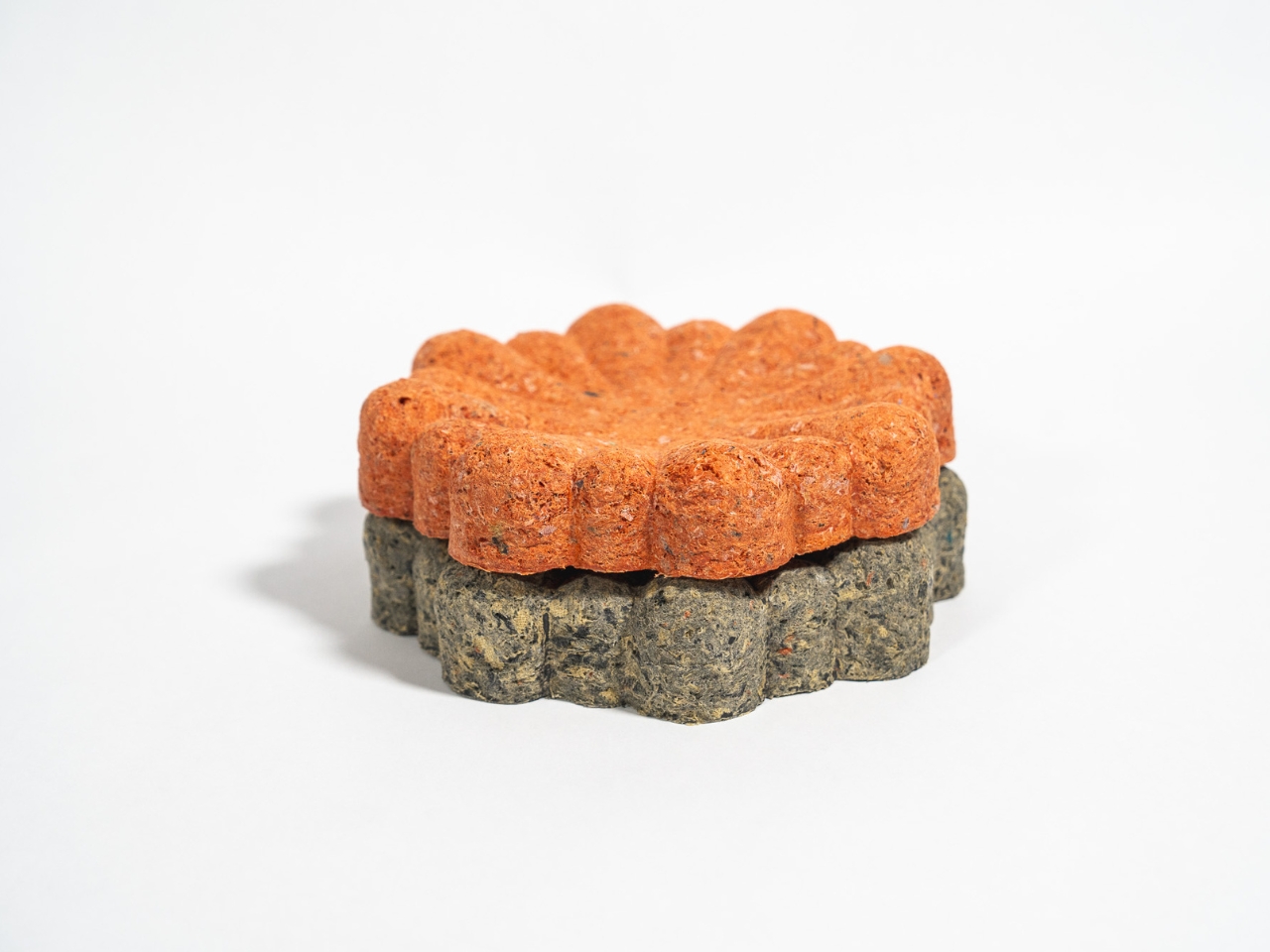
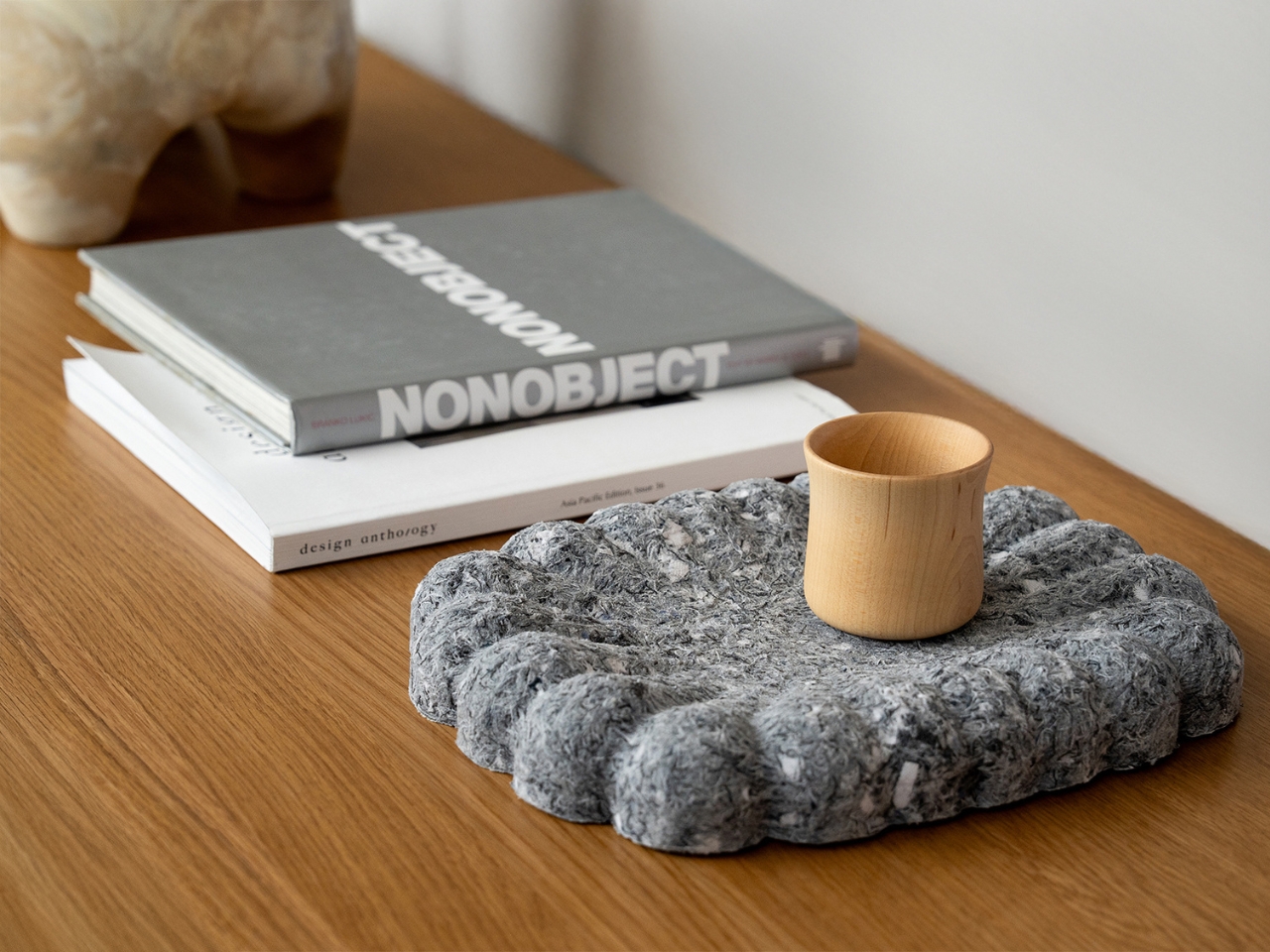
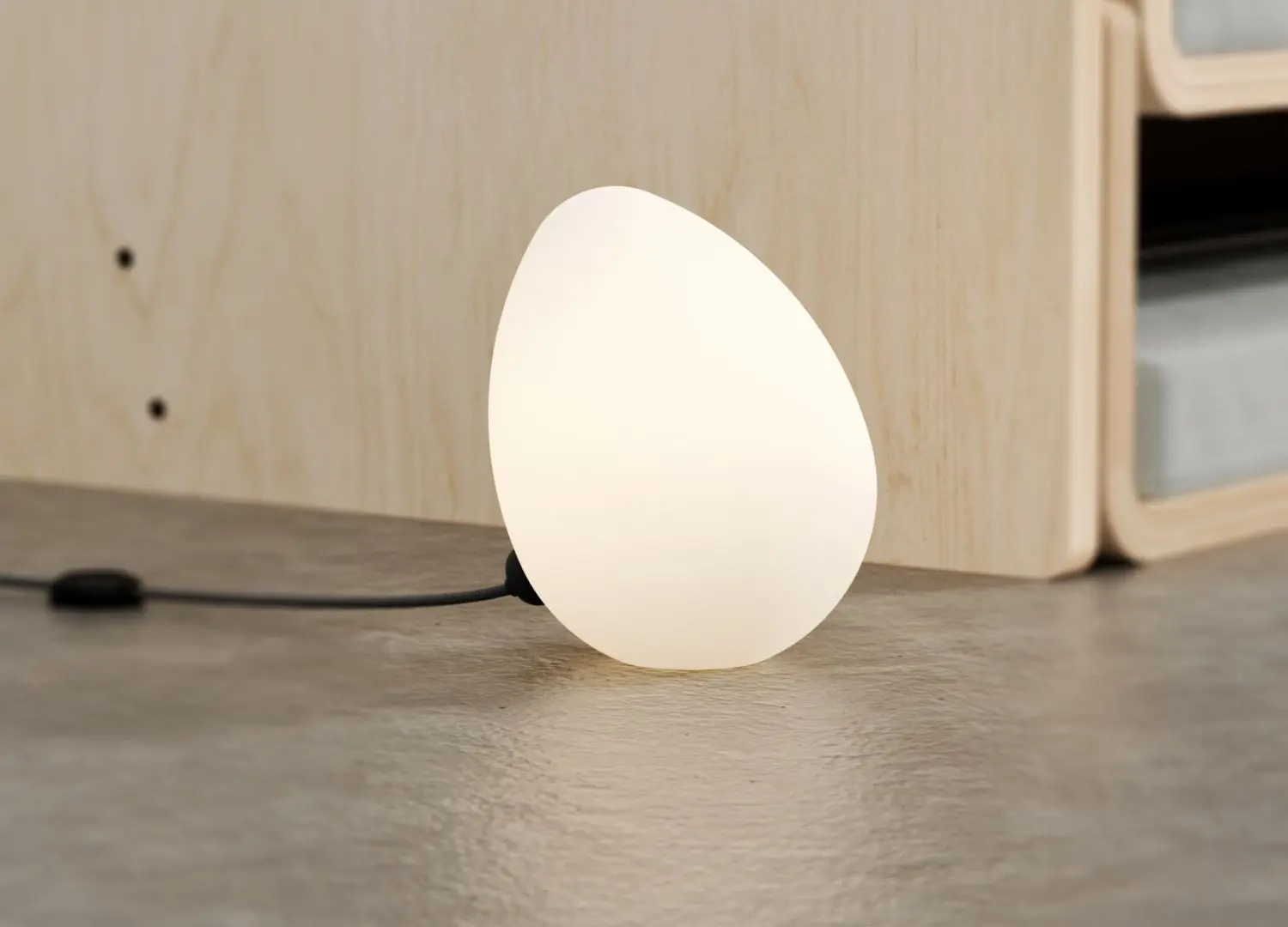
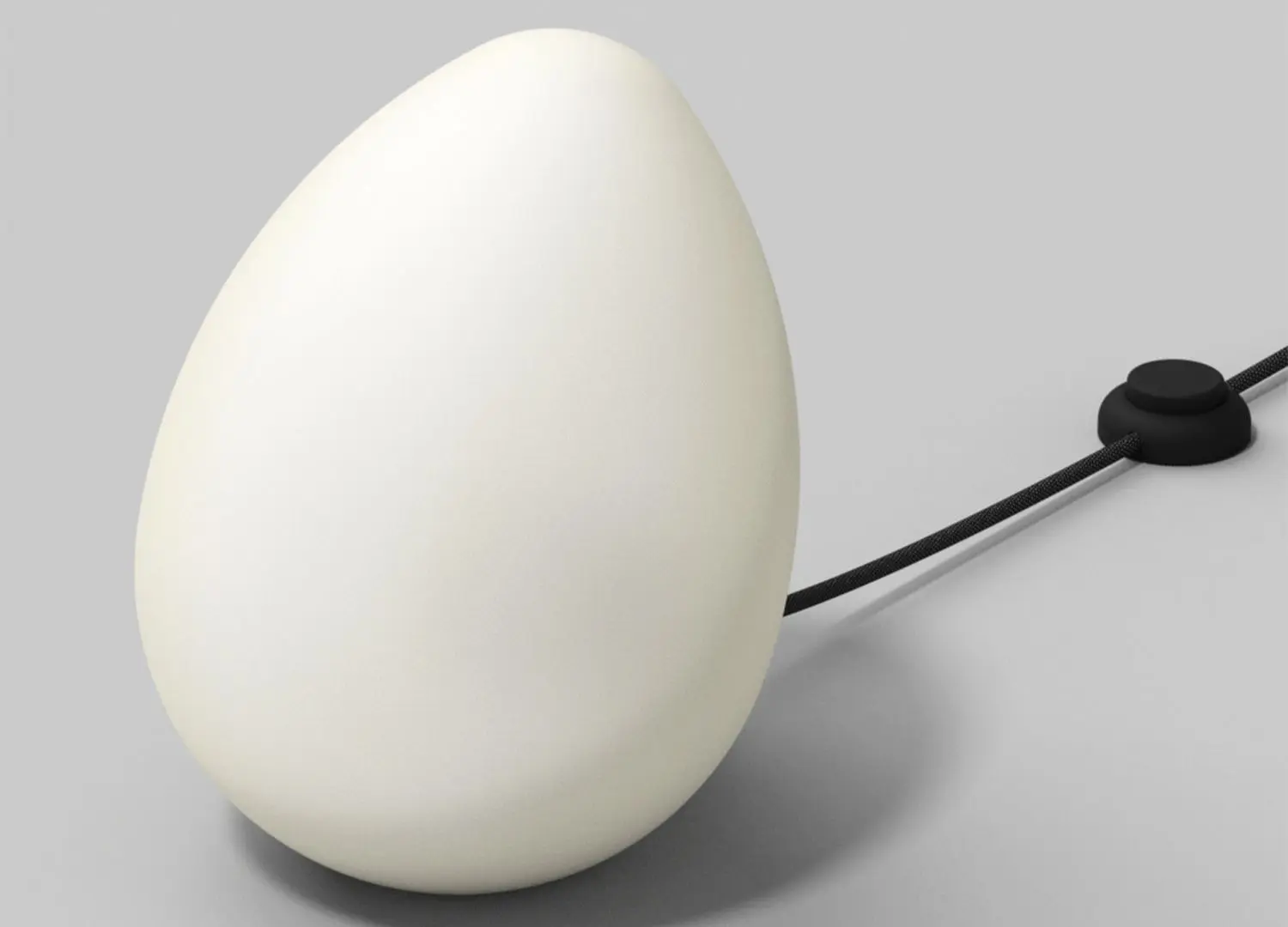
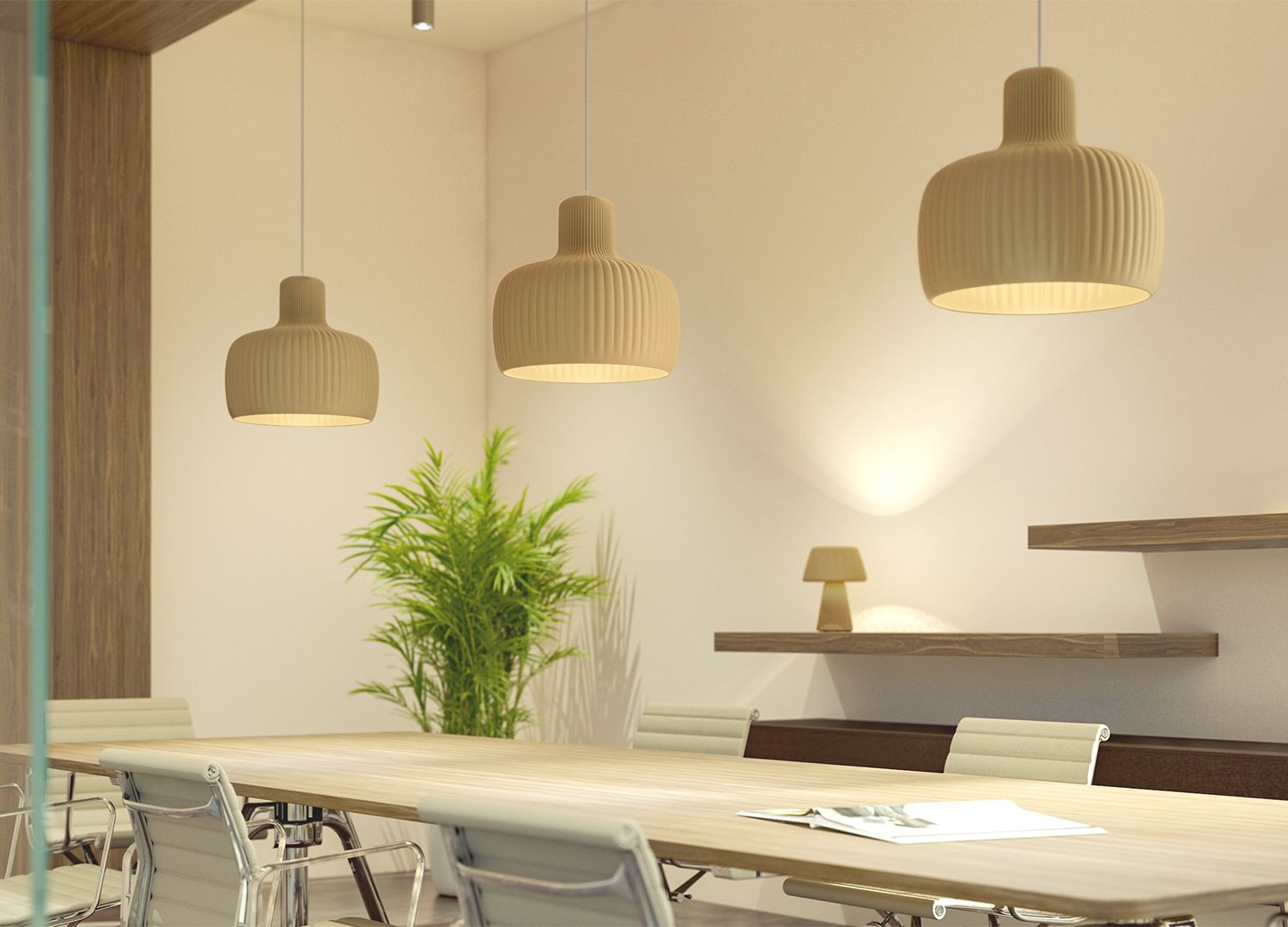
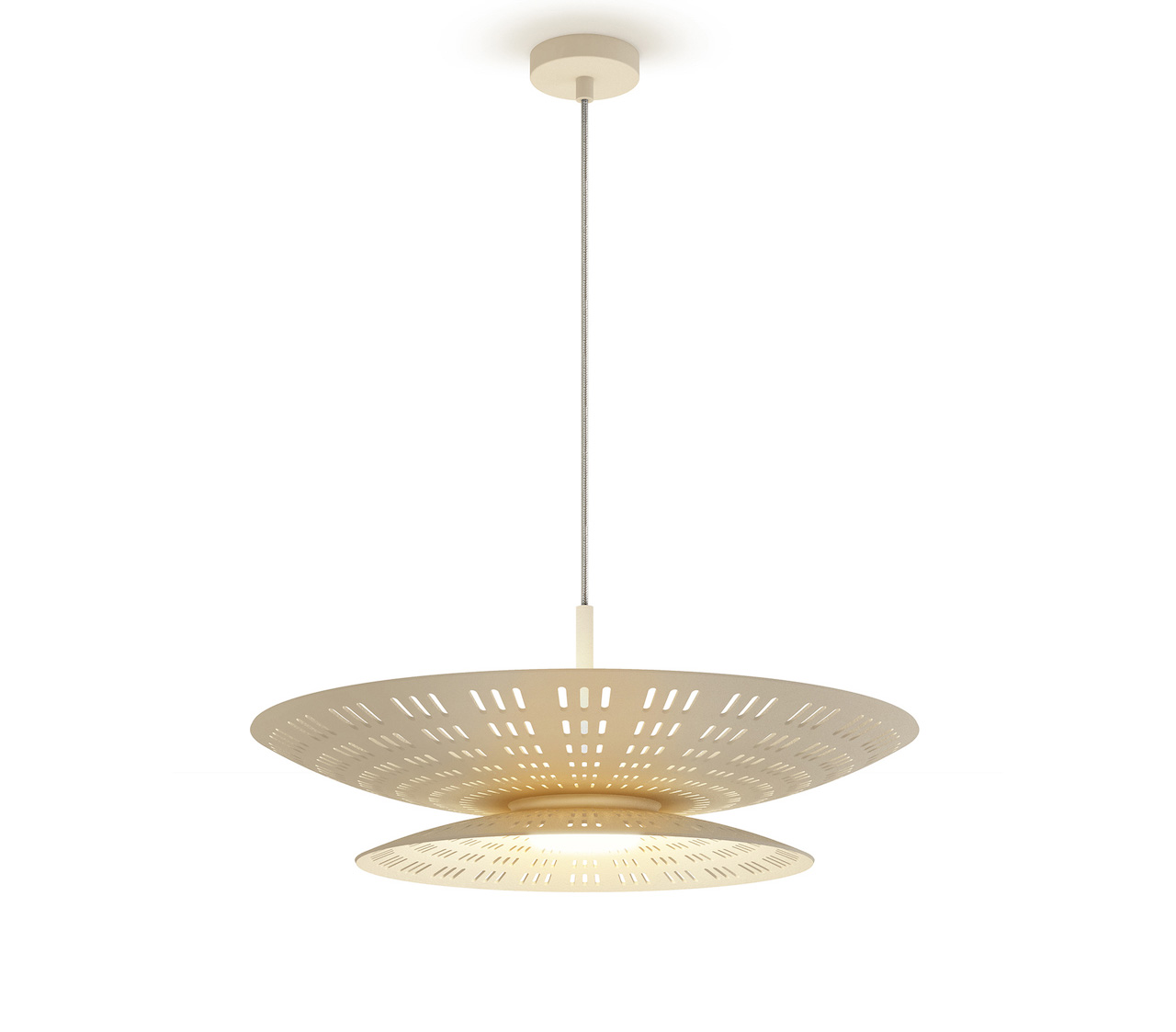
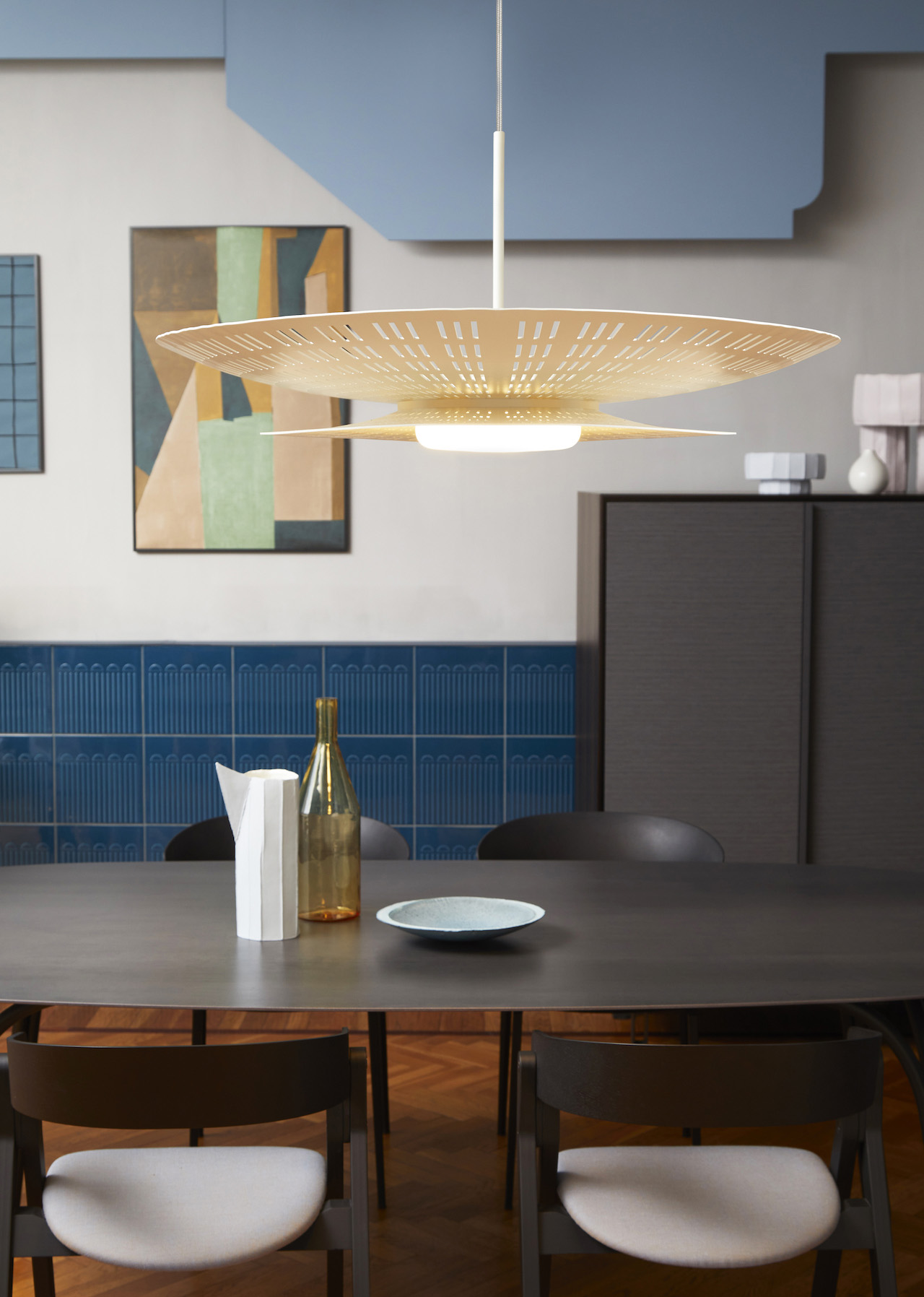
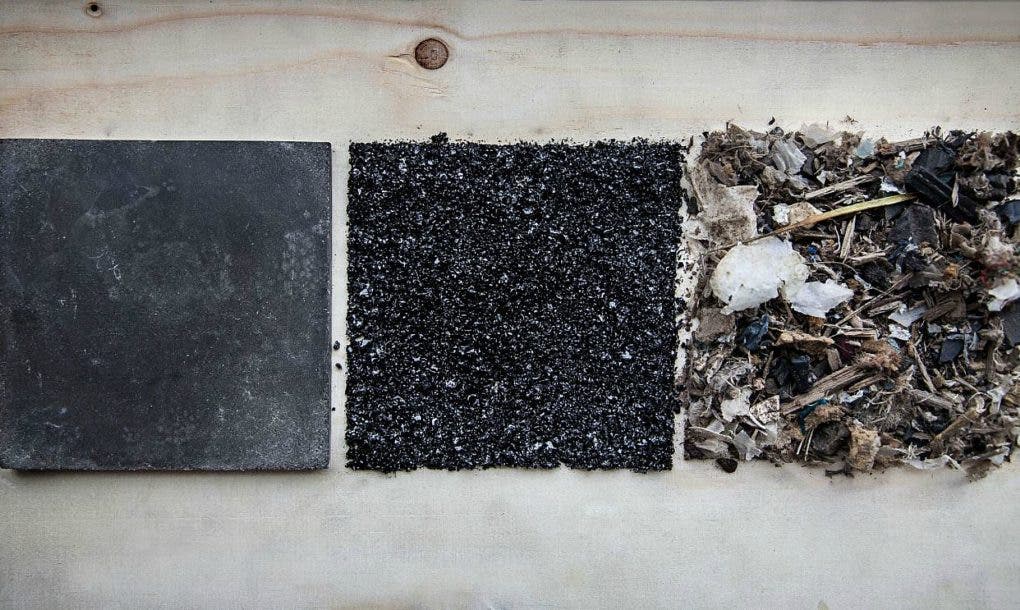
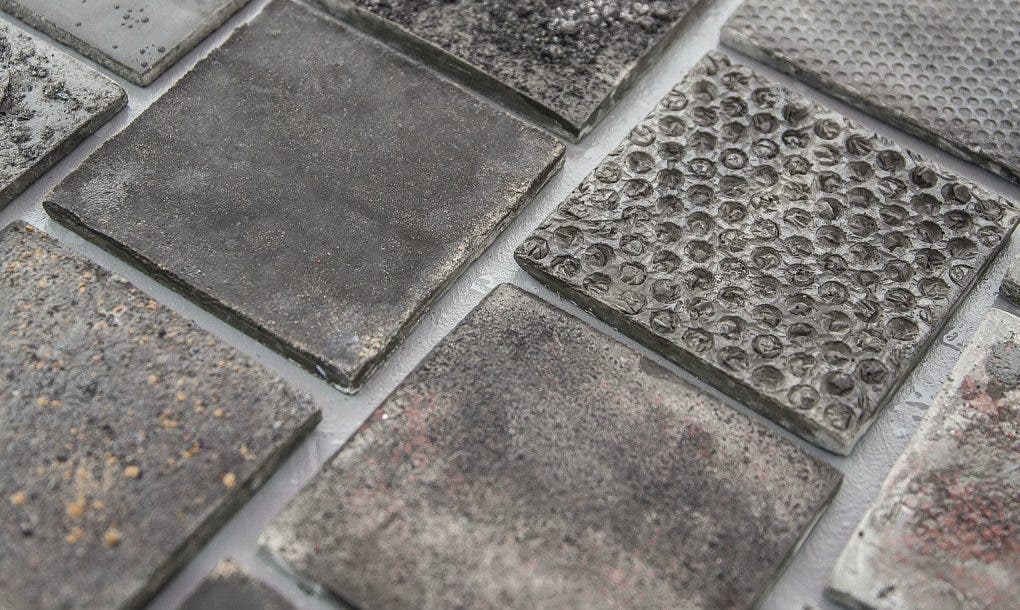
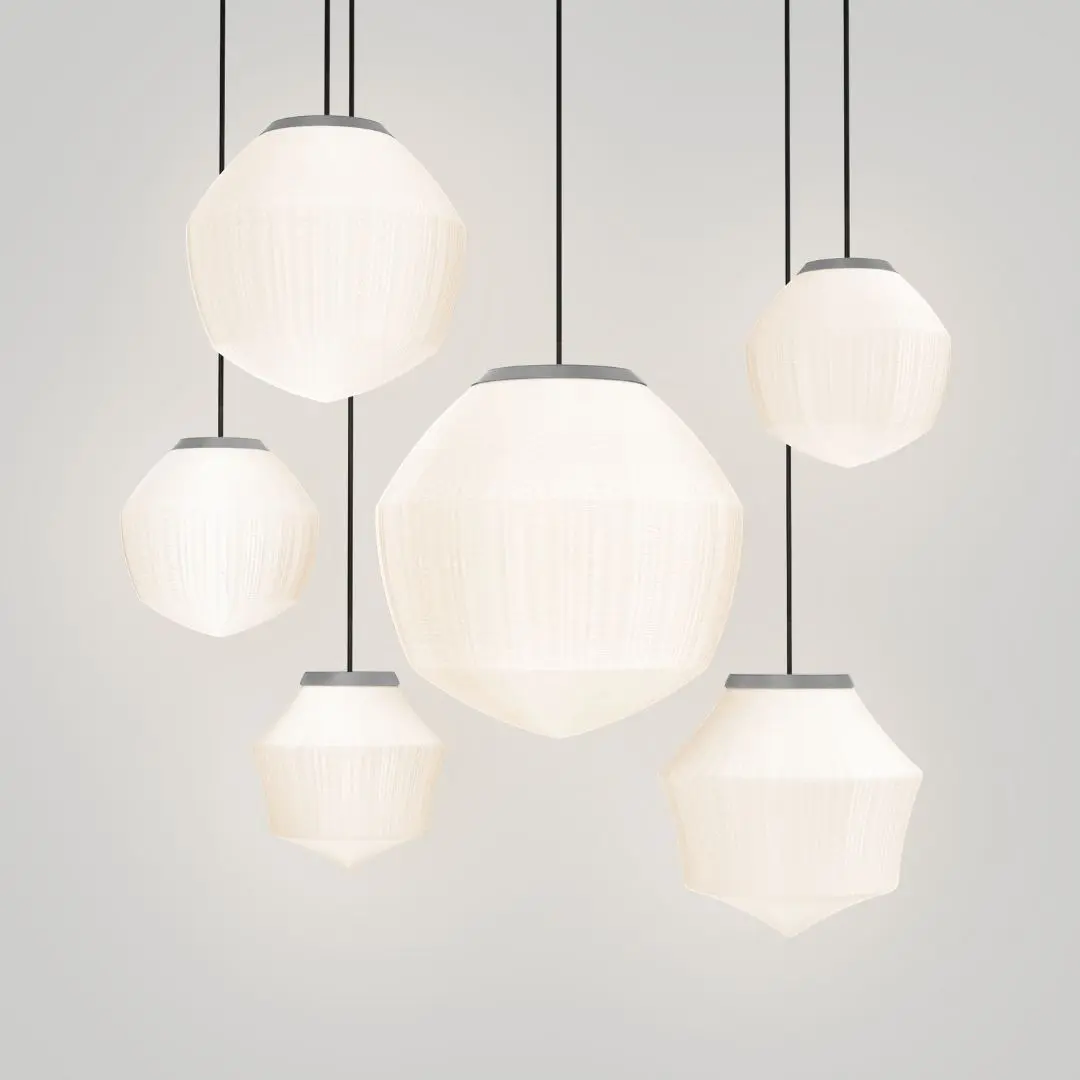
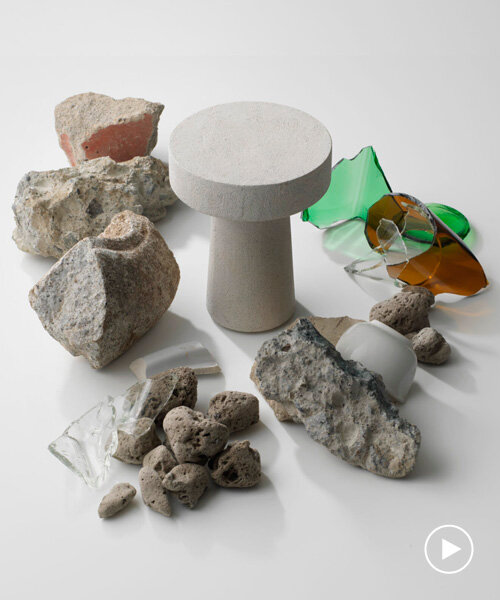
The contemporary design studio we+, through its ‘Urban Origin’ research project, has collaborated with Ambientec to introduce Remli, a portable lighting fixture that innovatively redefines the use of recyclable materials from urban environments. This project exemplifies urban mining by transforming industrial waste from Tokyo into functional and aesthetically pleasing objects. The core concept behind Remli involves collecting fine debris and rubble from Tokyo’s industrial waste recycling plants, materials that are typically challenging to recycle and often destined for landfills. Instead of disposal, these materials are crushed, mixed with soil, and then applied to the lighting fixture using traditional plastering techniques.
Remli not only diverts waste from landfills but also elevates these discarded materials into a valuable resource. This approach highlights a significant shift in how urban waste can be perceived and utilized, moving beyond conventional recycling methods to create new, high-value products. The design studio we+ has a history of exploring sustainable practices and material innovation, and Remli stands as a continuation of this commitment, particularly within the context of urban mining—a process focused on recovering valuable resources from waste streams generated in cities.
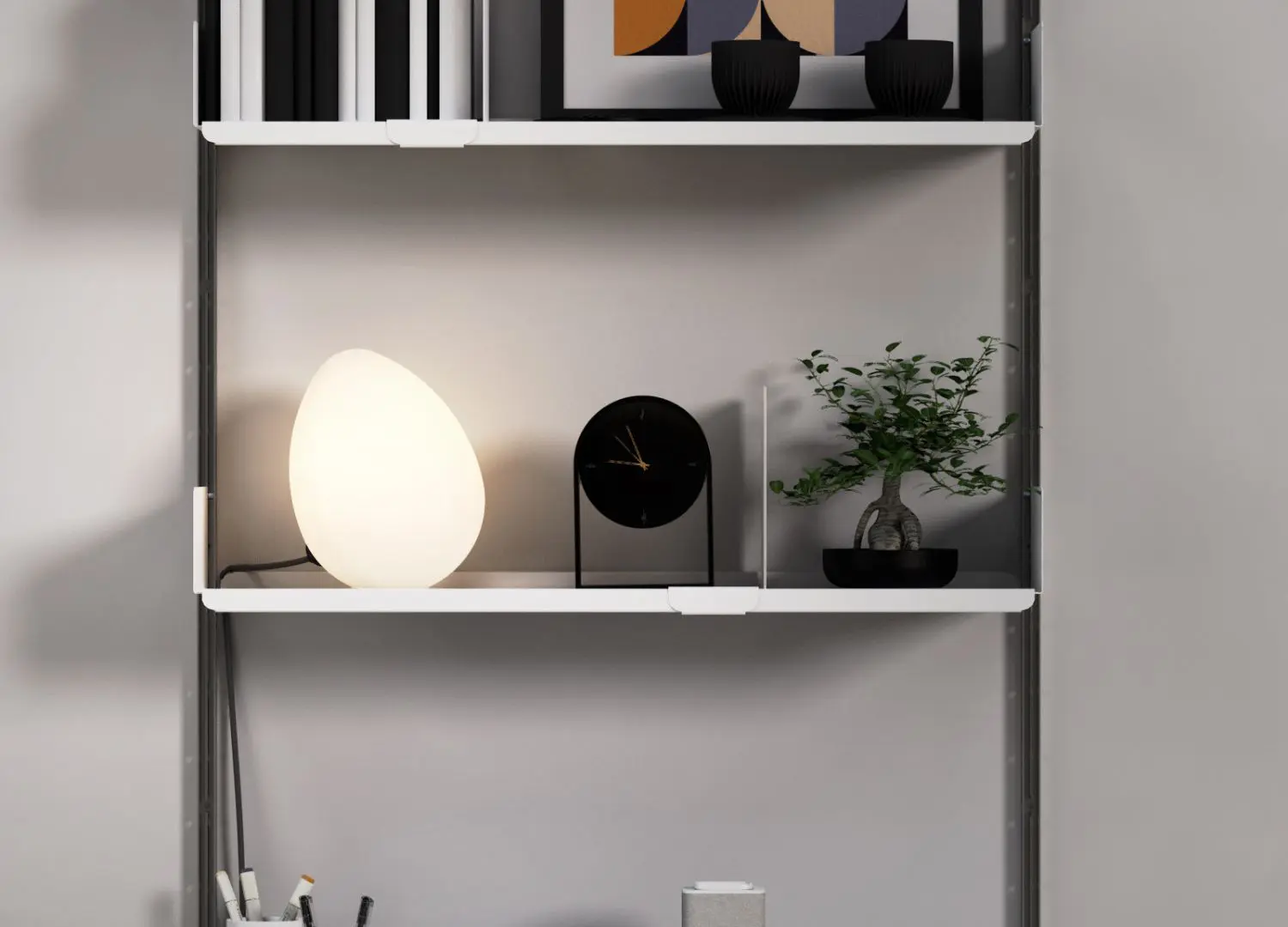
By integrating these repurposed materials into a portable lighting fixture, Remli offers a tangible example of how design can contribute to a circular economy. The collaboration with Ambientec, a company known for its lighting solutions, ensures that the resulting product is not only environmentally conscious but also meets high standards of functionality and design. The portable nature of Remli adds to its practicality, allowing for versatile use in various settings while subtly communicating its origins as a transformed waste product.
This project underscores the potential of interdisciplinary collaboration between design studios and manufacturers to address environmental challenges. The 'Urban Origin' project's focus on Tokyo's specific waste streams demonstrates a localized yet scalable model for urban mining. The process of crushing and mixing debris with soil before application is a key technical aspect that enables the creation of a stable and durable material for the lighting fixture, effectively binding disparate waste elements into a cohesive form. The use of plastering techniques further imbues the fixtures with a crafted, artistic quality, blurring the lines between industrial waste, functional design, and art.
Ultimately, Remli serves as a powerful statement on sustainability, demonstrating that even the most overlooked and difficult-to-recycle urban waste can be given a new life as an item of practical beauty. It challenges traditional notions of waste and encourages a re-evaluation of our relationship with materials, promoting a future where urban debris is seen as a resource for creative and sustainable design solutions.
#SustainableDesign #UrbanMining #RecycledMaterials #PortableLighting #WasteTransformation #CircularEconomy #MaterialInnovation #TokyoDesign #EcoFriendlyProducts #SustainableDesign #UrbanMining #RecycledMaterials #PortableLighting #WasteTransformation #CircularEconomy #MaterialInnovation #TokyoDesign #EcoFriendlyProducts
0 Kommentare insgesamt
 Noch keine Kommentare
Das könnte Ihnen auch gefallen

As Ocean Waste Piles Up, Coldharbour Tiles Propose a Backsplash

Philips MyCreation: illuminating a sustainable future with 3D printed design solutions

Air Light is a sustainable + recyclable lighting fixture designed to add an element of elegance to your home

Lighting Beyond Function: How The Licht Project Transforms Modern Spaces
High Society converts agricultural waste and human vices into pure bright light
Cables will never ruin your interiors again with these tried and tested cordless lamps

BRC's Halide Chandelier Transforms 28 Disused Lightbulbs into a Dazzling Energy Efficient Lamp

Signify myCreation always looks on the bright side
Transforming Textile Waste: How Sustainable Design is Shaping Eco-Friendly Home Decor

ambience studio’s repurposed LEGO brick light emanates a playful kaleidoscope of color
iguzzini’s all-in-one ‘light shed’ solution unites smart lighting, sound control & ecodesign
For These Designers and Homebuilders, the Best Materials Are Ones That Have Already Been Used


upcycled lighting collection pairs vintage object parts with natural wax
Portable Lamps Are Getting Better and Better, But This Anthro One Might Be My Favorite Yet

Eco-designer turns landfill waste into ‘plasma rock’ — a sustainable, all-purpose material

6 clever ways to upcycle leftover decorating materials: to save money and be more eco-friendly

Transforming a messy pile of cables into an illuminating everyday product
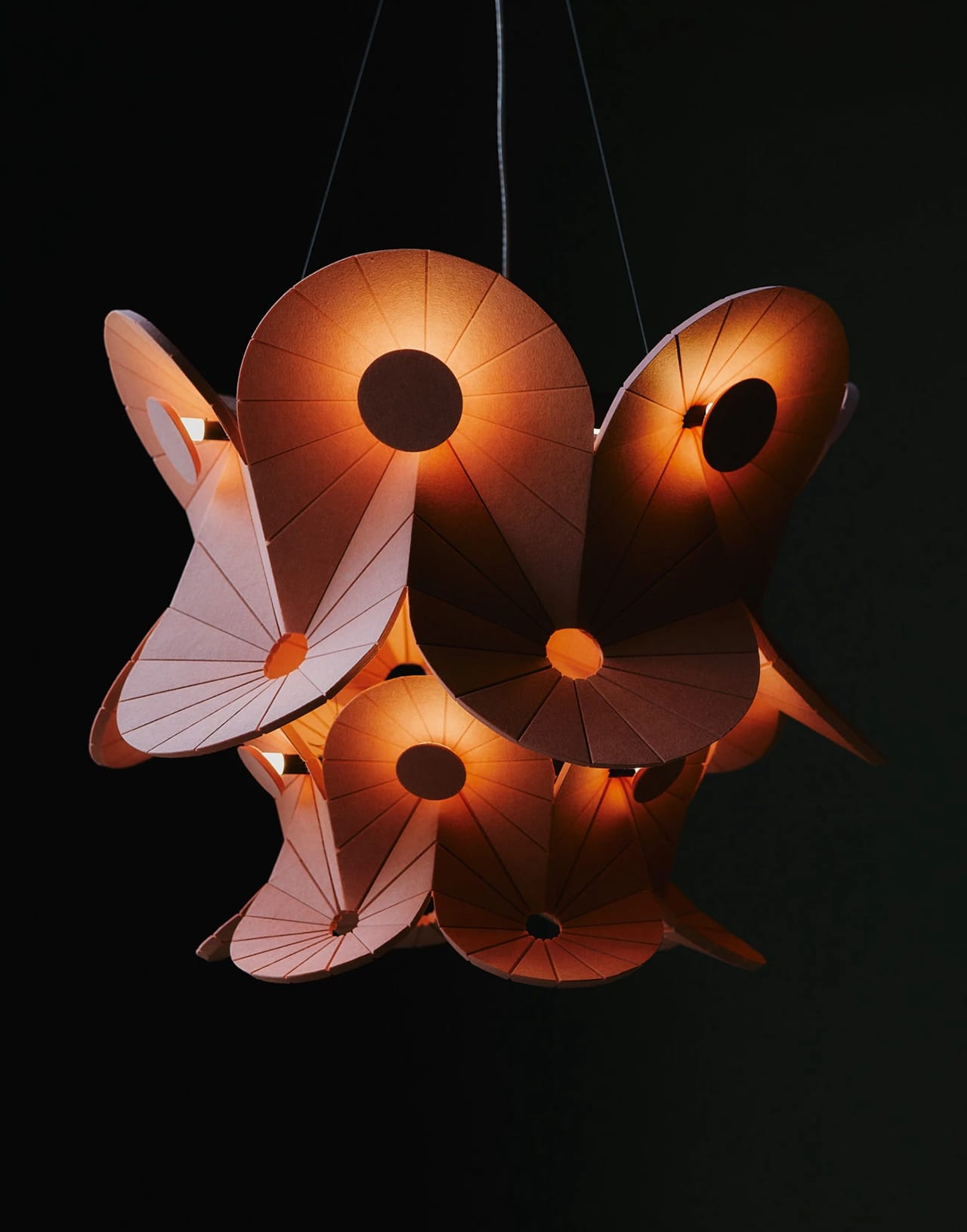
This Multitasking Lighting Fixture Dampens Sound Using Recycled Plastic Bottles

Light up your home with these top lighting trends for 2024

Trash to treasure: Upcycling and repurposing in sustainable interior design | Hindustan Times