Composite Countertops
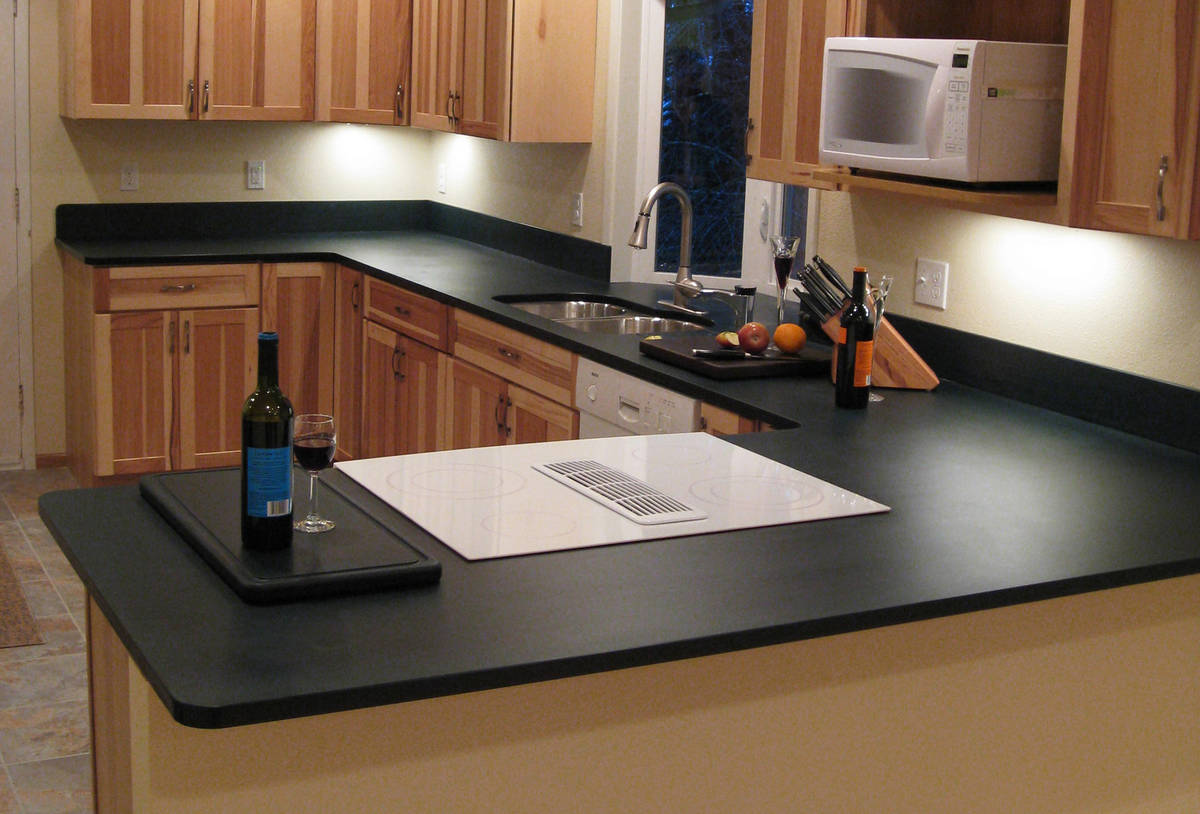
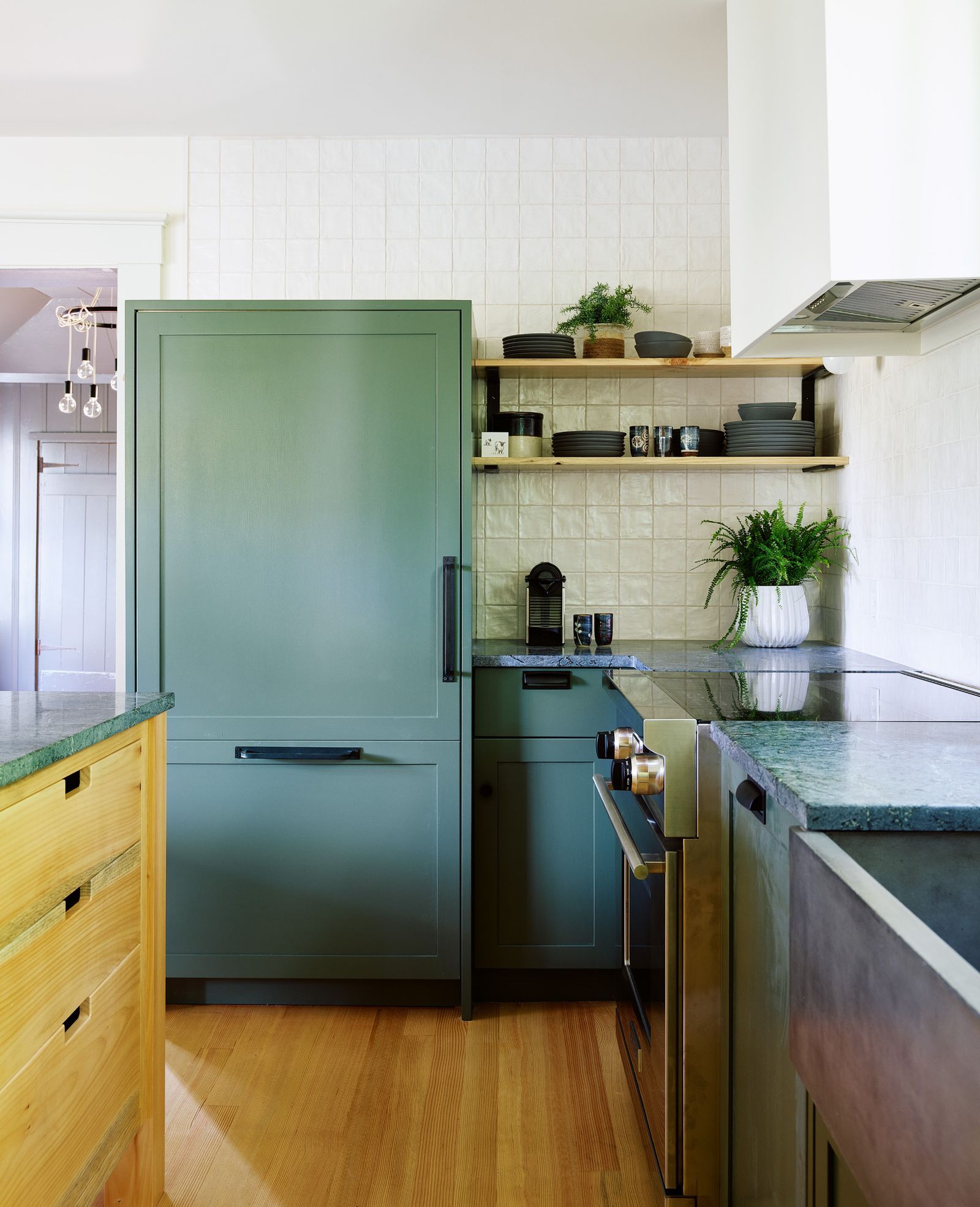
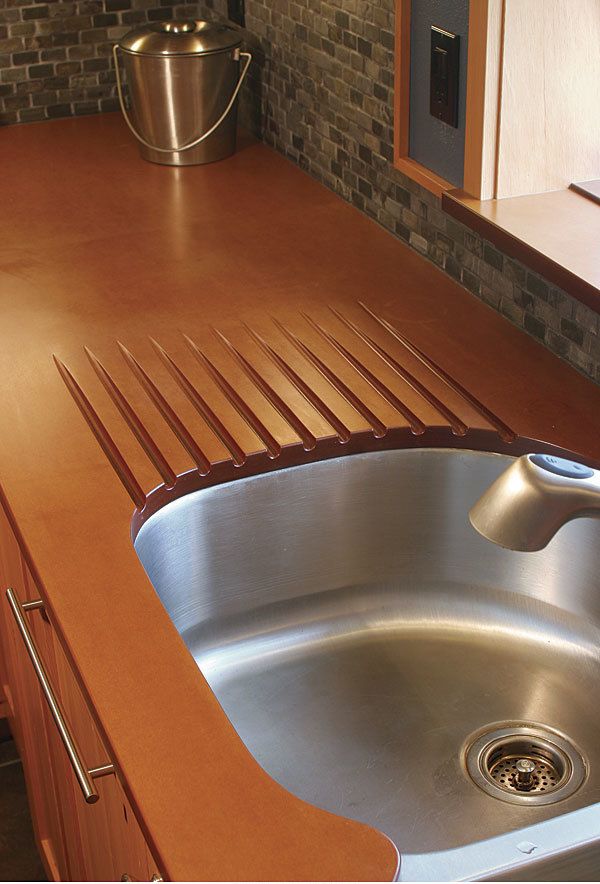
This article discusses the advantages and characteristics of PaperStone composite countertops, from the perspective of a professional woodworker and remodeler. The author highlights PaperStone as a preferred choice for kitchen countertops, emphasizing its ease of fabrication with standard carbide-tipped woodworking tools. This eliminates the need for specialized fabricators, reducing costs for both the installer and the client, as pricing can be based on material and labor rather than complex edge lineal measurements typical of other materials like quartz or granite. PaperStone is available in various thicknesses, including 3/8 in., 1/2 in., 3/4 in., 1 in., and 1-1/4 in., with the 1-inch material being a common choice for its visual weight, which is comparable to quartz and granite, yet lighter in physical weight. Full sheets measure 60 inches by 144 inches, but smaller sizes are also available.
A key environmental benefit of PaperStone is its composition: it is made from 100% postconsumer recycled paper, bonded under heat and pressure using non-petrochemical phenolic resins. This sustainable aspect contributes to its appeal. Due to the recycled nature of the materials, the available color palette is limited to darker tones, such as slate, cabernet, chocolate, denim, evergreen, gunmetal, leather, mocha, and sienna. The material costs approximately $40 per square foot, and unlike some other countertop materials, it does not require certification for purchase.
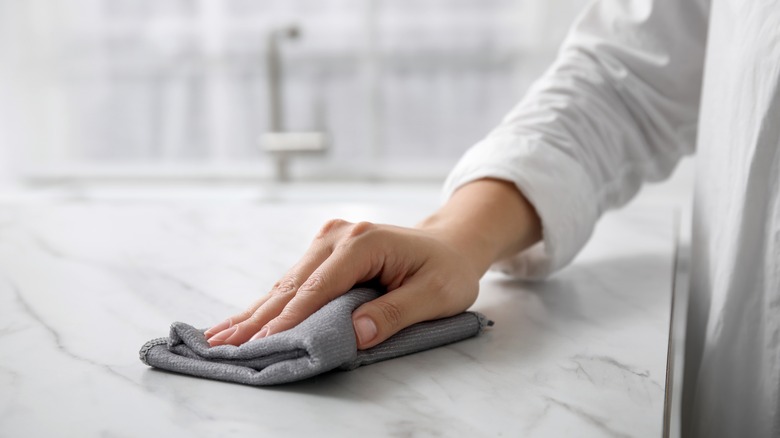
The fabrication process involves using an orbital sander with 120-grit paper to remove shipping or handling scratches. For joining sheets, a Festool saw, router, and fence system are employed to achieve precise cuts, with plastic biscuits and epoxy used for joinery. It is recommended not to pre-sand the seam area, allowing for flush sanding after joining. The finishing process includes orbital sanding up to 320 grit, followed by buffing with a gray Scotch-Brite pad and applying Osmo Polyx-Oil for protection. Routine cleaning typically requires only a damp cloth, while diluted CitraSolv can be used for deeper cleaning to maintain its glow.
While PaperStone is comparable in hardness to plastic laminate, making it susceptible to scratches, these can be easily repaired. However, care must be taken not to oversand, as this can lead to visible ghosting by going through layers of paper. For undermount sink installations, the process involves drilling and tapping 10/24 machine screws and using Phenoseal clear adhesive caulk, often supplemented by plywood brackets to secure the sink. The versatility of PaperStone extends beyond countertops; offcuts can be repurposed into items such as dishwasher-safe cutting boards, window stools, floor transitions, and durable surfaces within cabinets, showcasing its practical utility and minimal waste potential.
#CountertopMaterials #KitchenDesign #SustainableMaterials #HomeRemodeling #DIYFabrication #RecycledContent #InteriorDesign #WoodworkingTools #CountertopMaterials #KitchenDesign #SustainableMaterials #HomeRemodeling #DIYFabrication #RecycledContent #InteriorDesign #WoodworkingTools
0 Kommentare insgesamt
 Noch keine Kommentare
Das könnte Ihnen auch gefallen
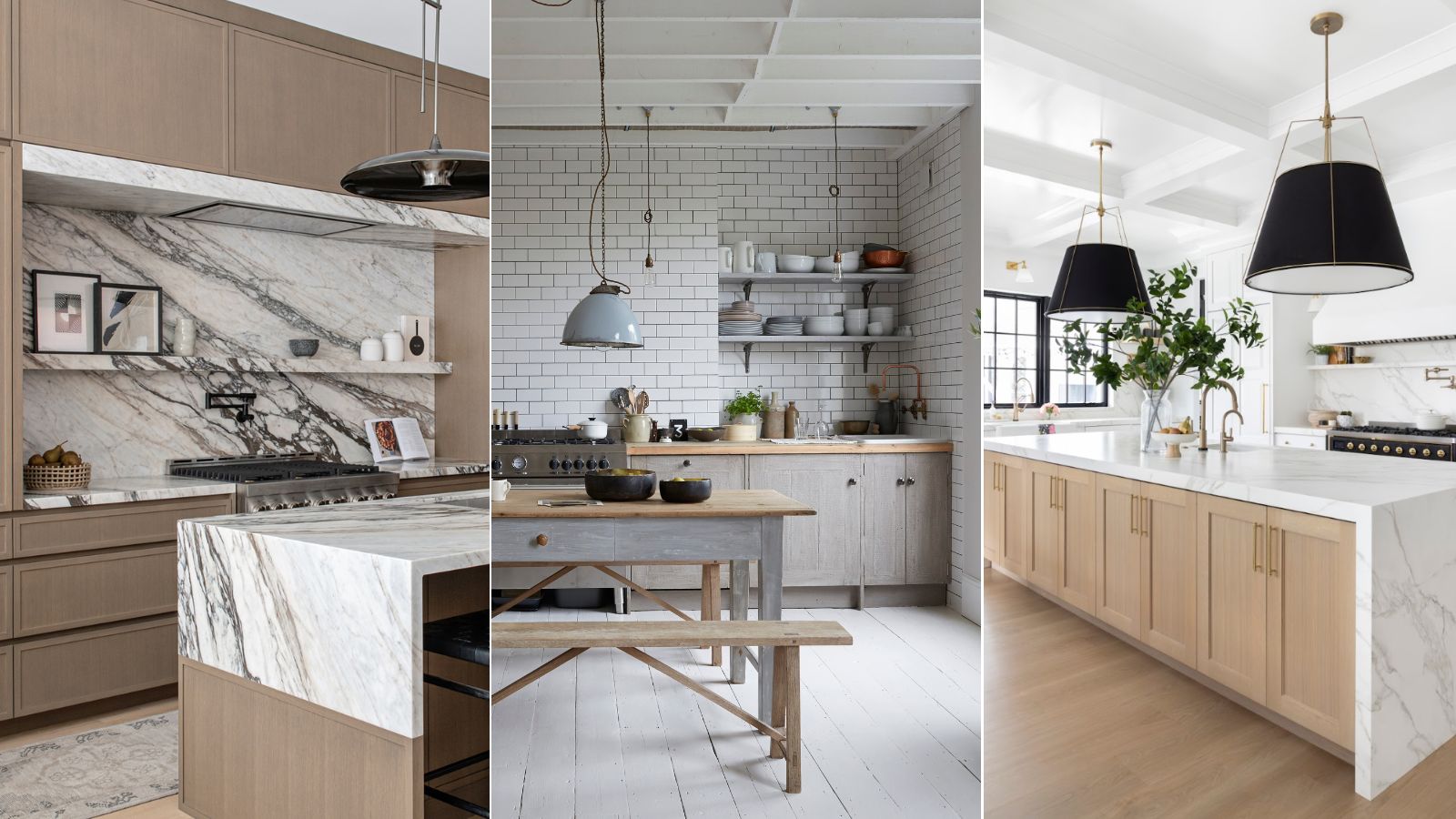
What's replacing granite countertops? These are the materials interior designers want to see more of

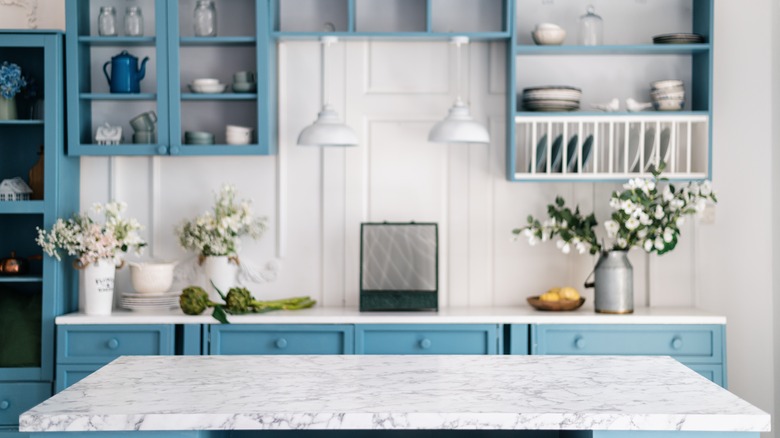
Gorgeous Countertop Materials Your Favorite HGTV Stars Swear By
Kitchen countertop ideas – 14 worktops in marble, granite and composite materials
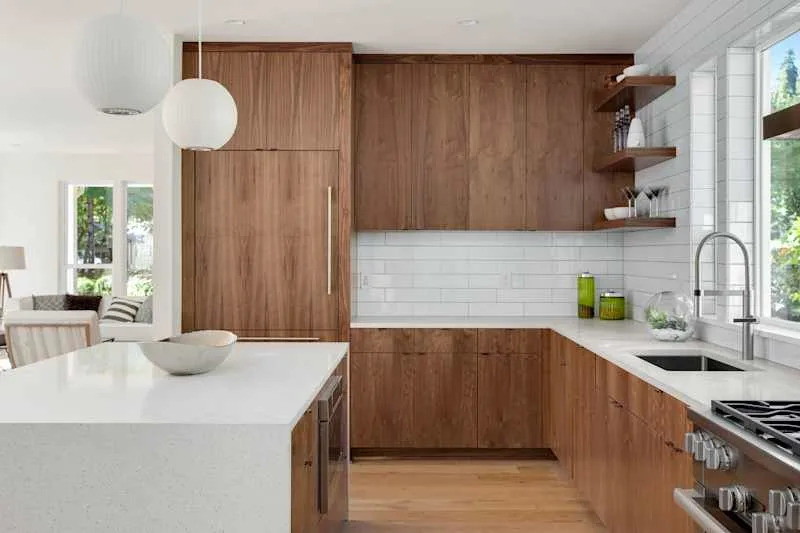
6 Kitchen Countertop Trends That Are on Their Way Out This Year (and What to Do Instead)

Countertops and Backsplashes: Perfect Partners

Granite Vs Marble Countertops: Which Is Best For Your Kitchen?

We Asked Designers If Kitchens Can Have Mismatched Countertops, and They All Agreed

5 Kitchen Countertop Trends on Their Way Out in 2025 (and What’s Replacing Them)
The Best Countertop Materials for Every Type of Kitchen

8 Countertop Edge Styles To Consider In Your Remodel, According To Designers
Options abound for eco-friendly countertops | Home and Garden | Life
Top 10 Countertop Ideas to Transform Your Kitchen in 2025

Designers No Longer Love This Kitchen Countertop Material—Here's What to Use Instead
Move Over Granite (and Quartz)! These Alternatives Are What We're Dreaming of For Design-Forward Kitchens

Kitchen cabinets and countertops: 13 combos that look good together

4 Kitchen Countertop Materials About to Make a Comeback

This Underutilized Countertop Looks Great, but "It's Not the Material for Everyone" — The Pros and Cons of Concrete, Explained by a Specialist
From Natural Stone to Plastic Laminate, We're Helping You Choose the Best Countertop Material for Your Kitchen
We Found a Contemporary Alternative to Shaker Cabinets in This Kitchen Reno

7 Unusual Kitchen Countertops That Totally Work