1/11
Bedroom mirror ideas - 10 fun and functional ways with mirrors
This article explores ten creative and practical ways to incorporate mirrors into bedroom design, moving beyond their traditional role as mere dressing aids. It emphasizes that mirrors can serve both functional and decorative purposes, influencing a room's aesthetic and perceived spaciousness.
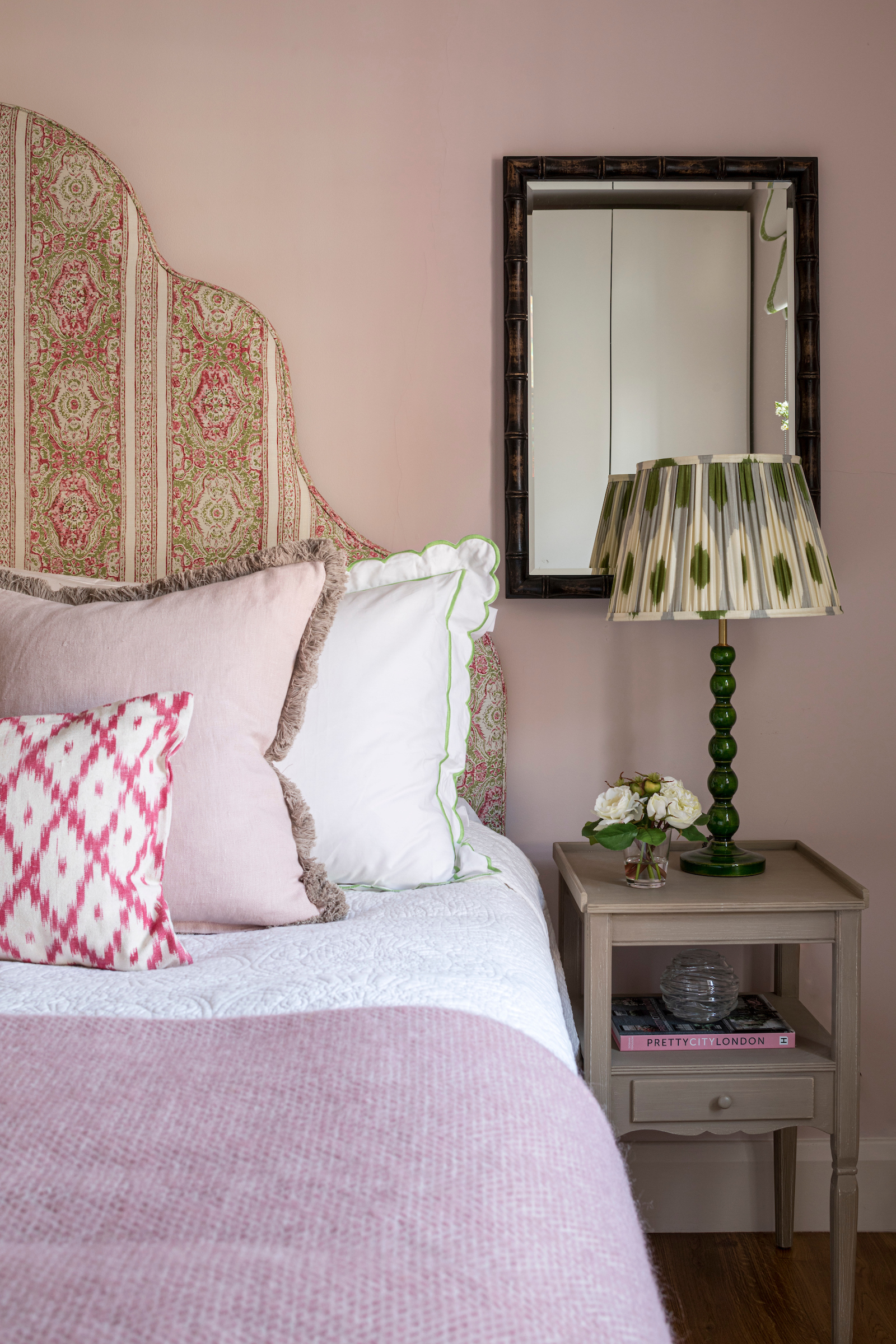
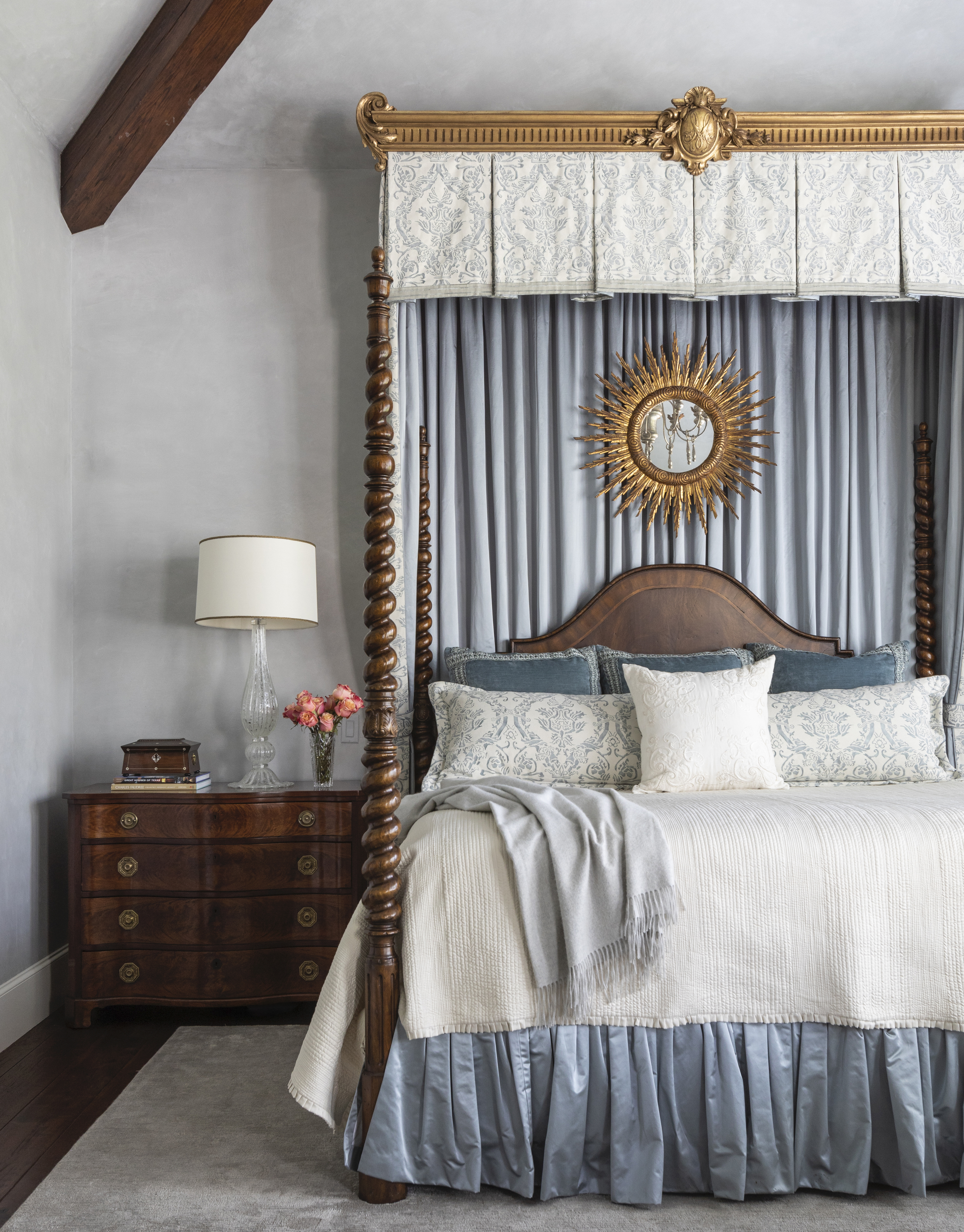
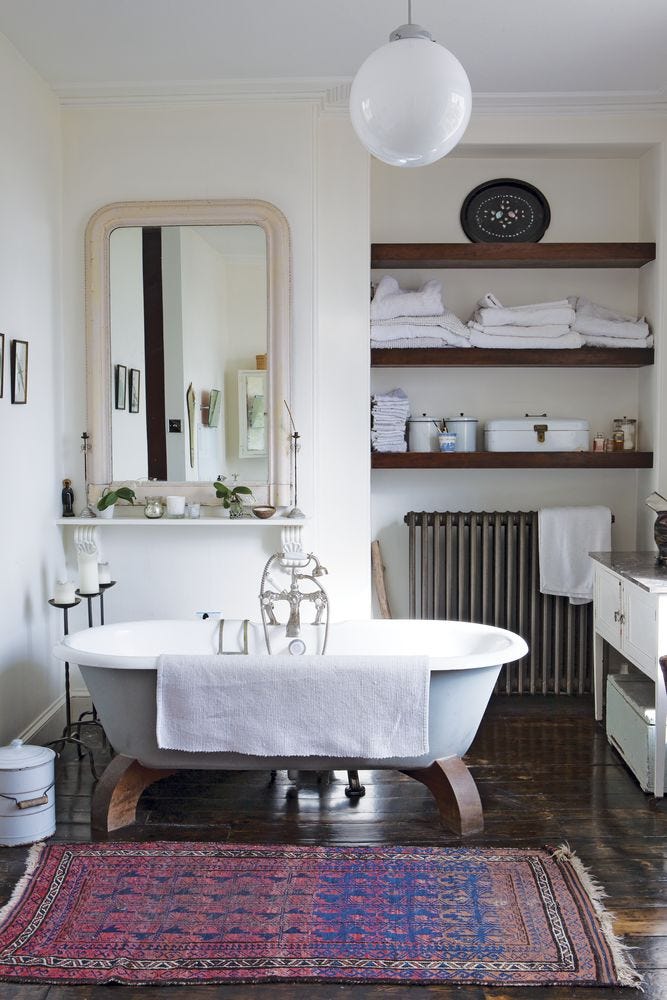
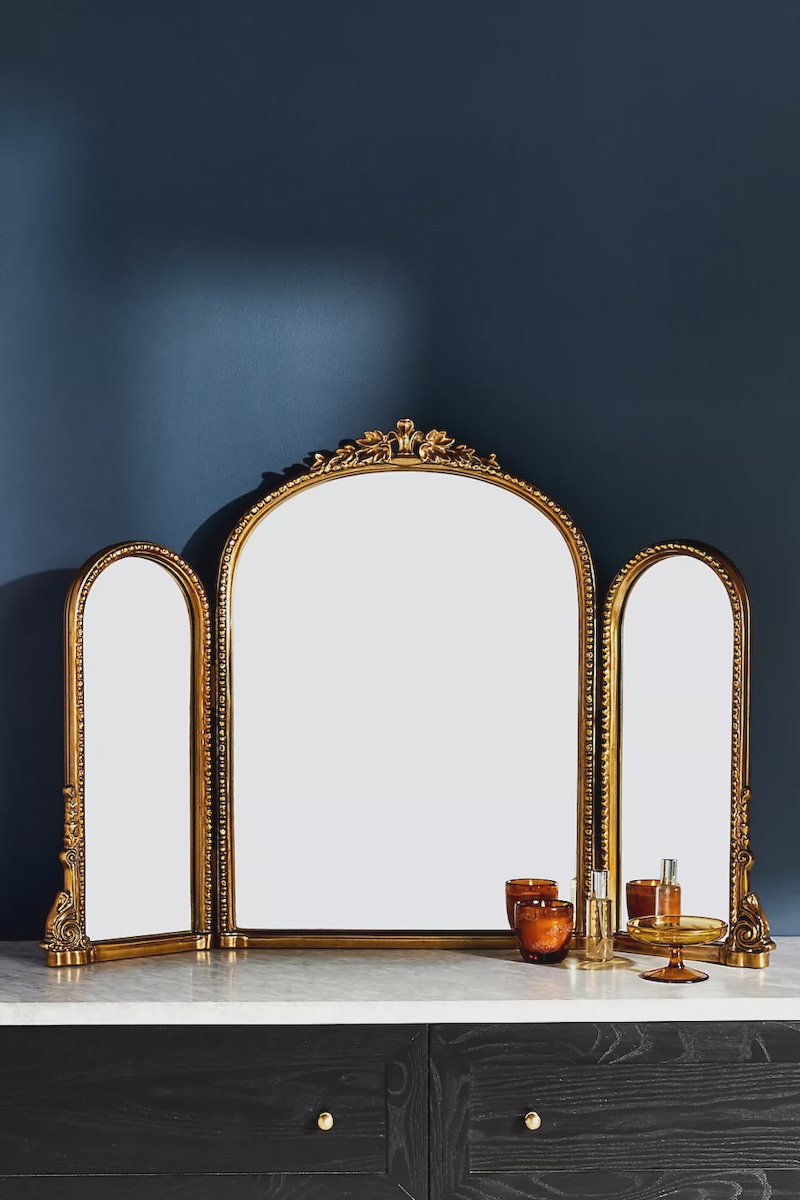
The article begins by highlighting the dual nature of bedroom mirrors, which are essential for daily routines like checking outfits while also contributing significantly to the room's overall decor. Experts cited in the piece suggest that a bedroom might require multiple mirrors: a full-length one for dressing, a smaller makeup mirror for close-up tasks, and a decorative mirror as a focal point. The core idea is to first determine the functional and decorative needs before selecting complementary styles.
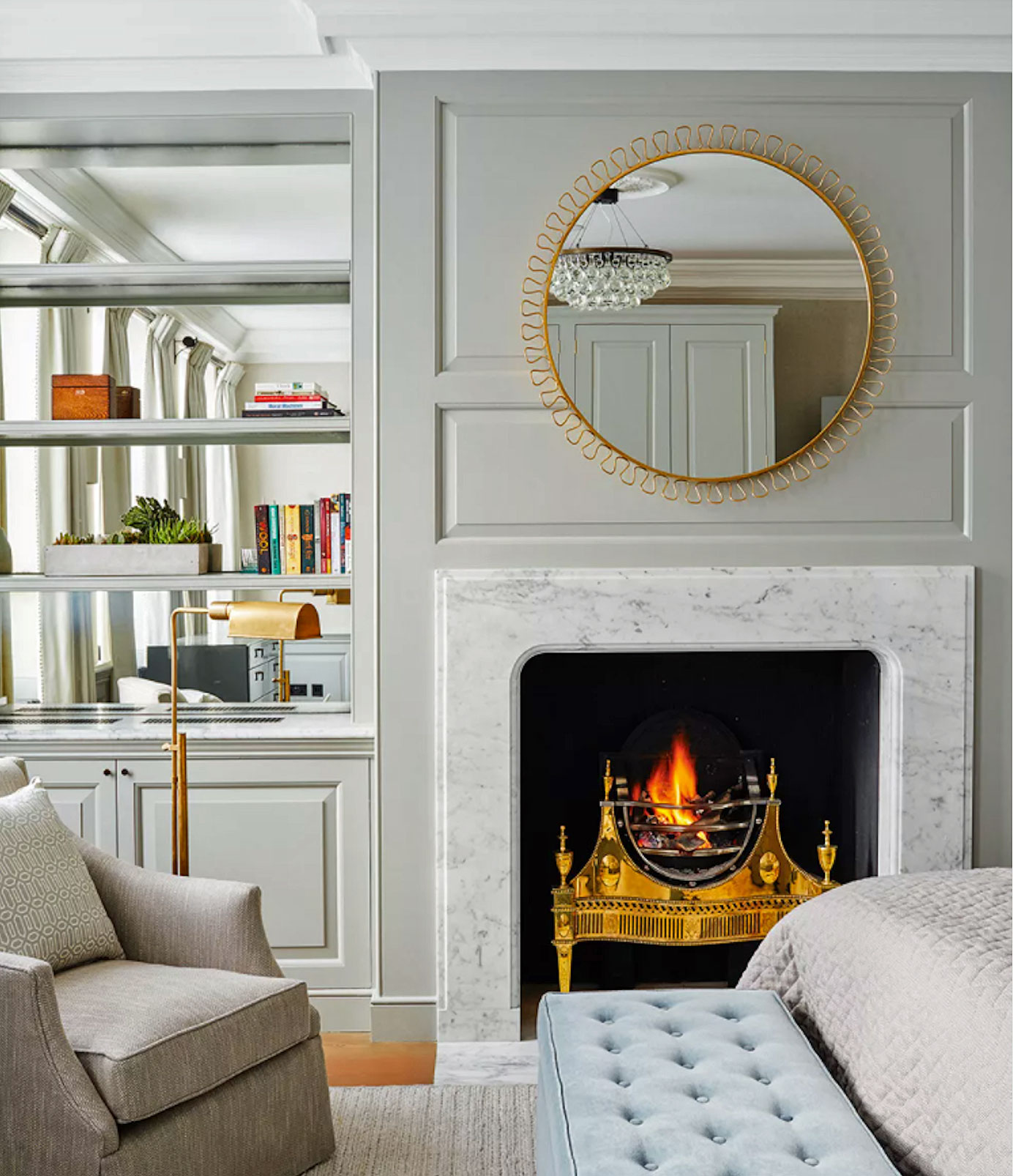
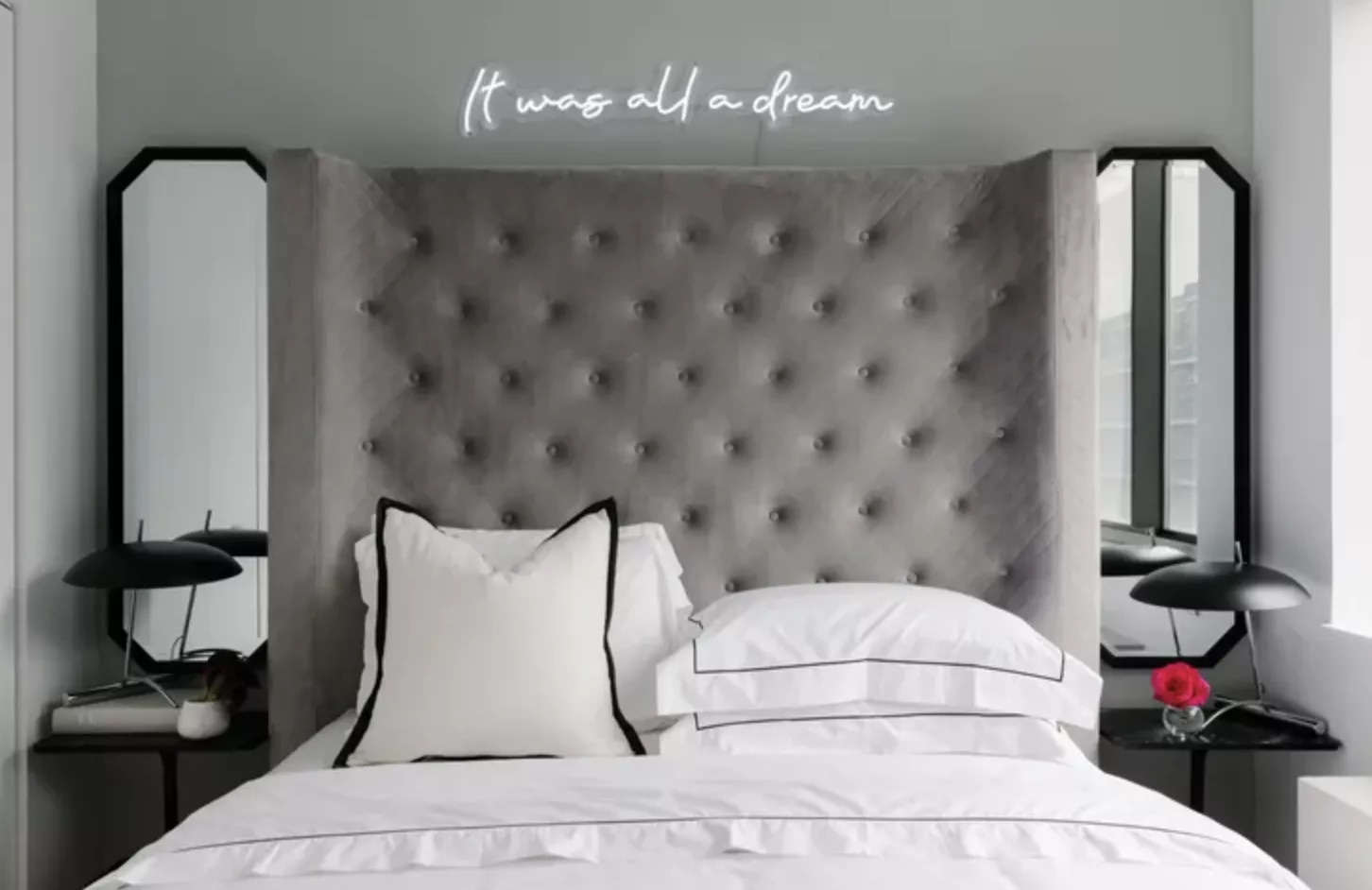
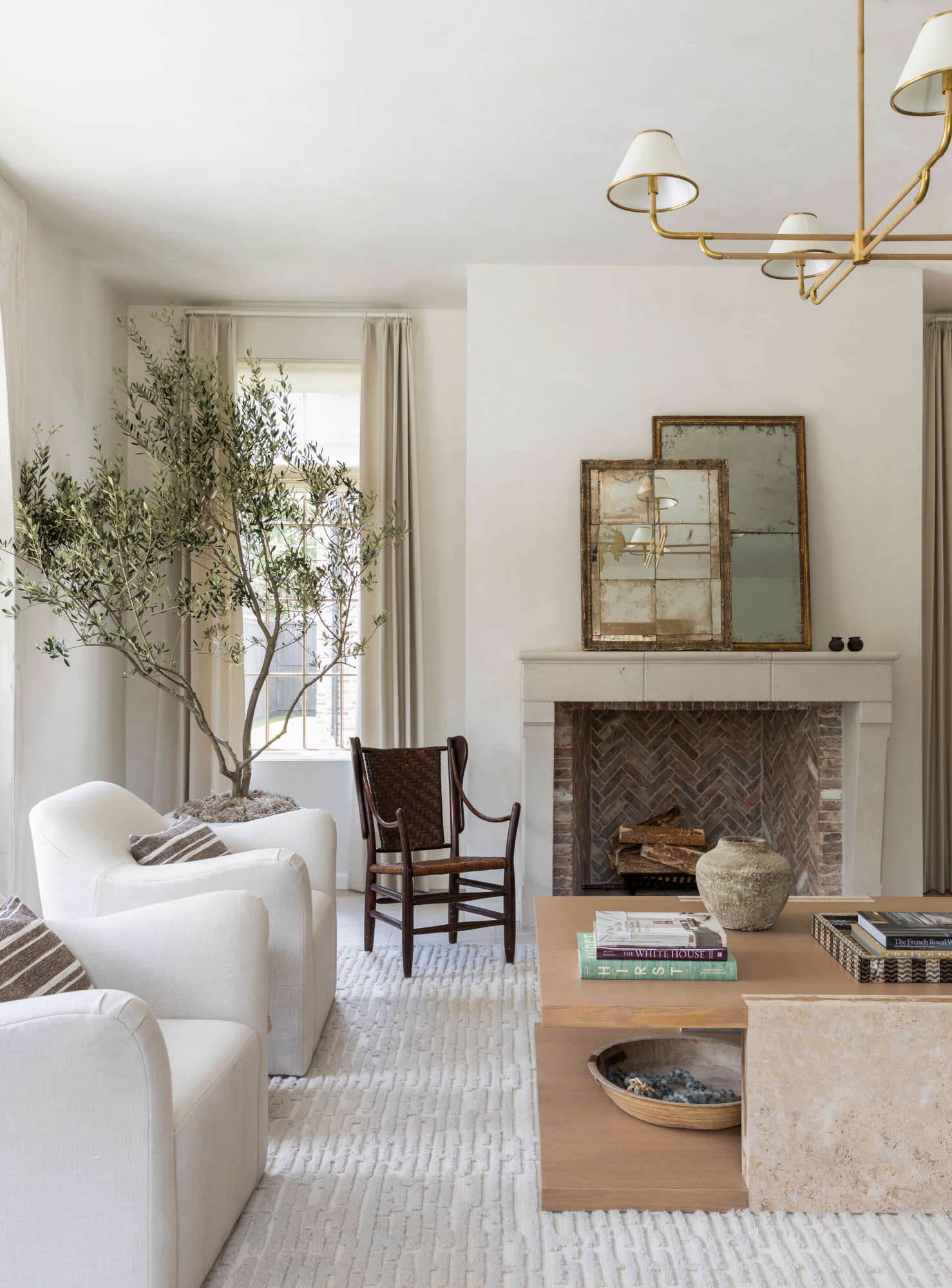
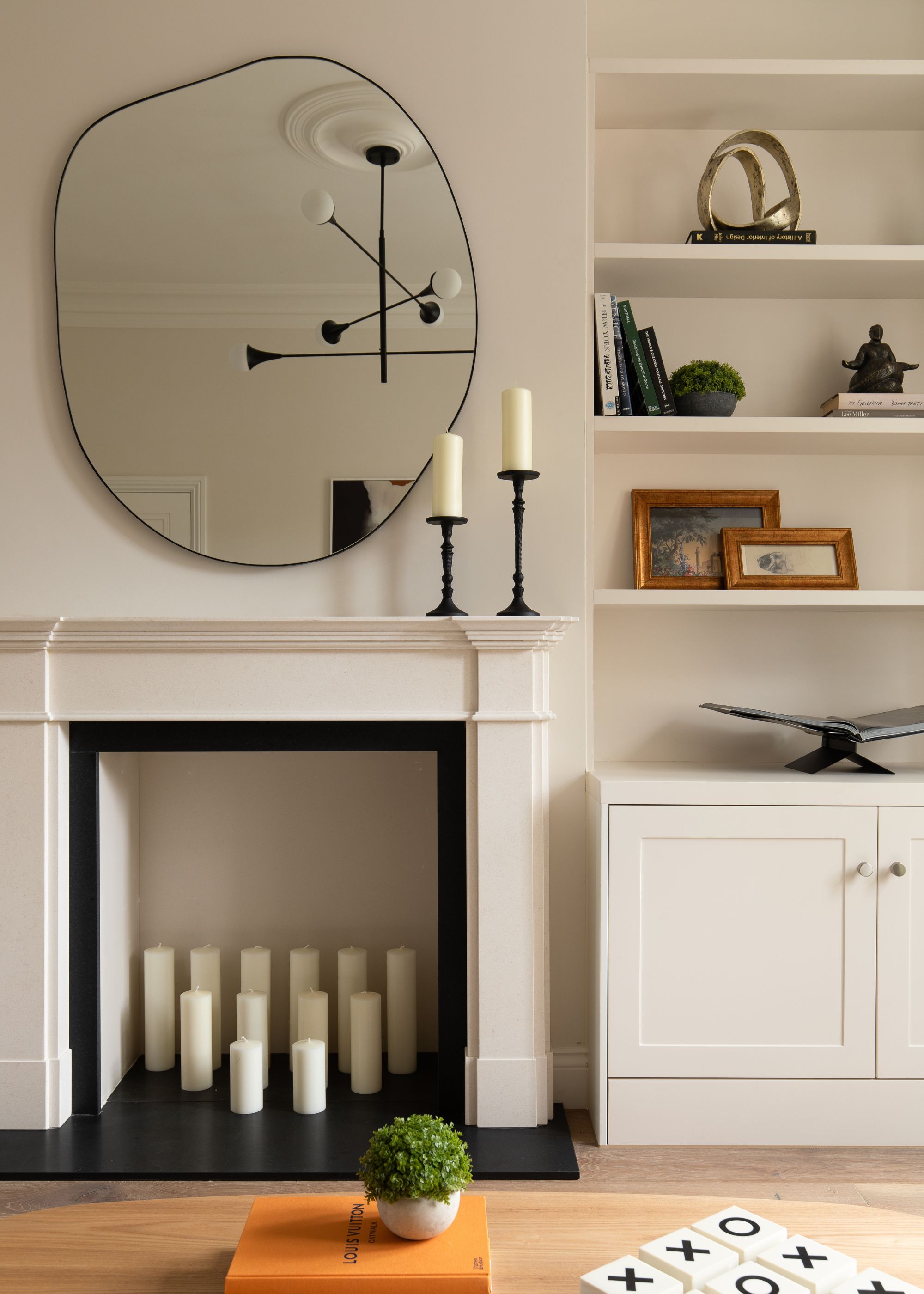
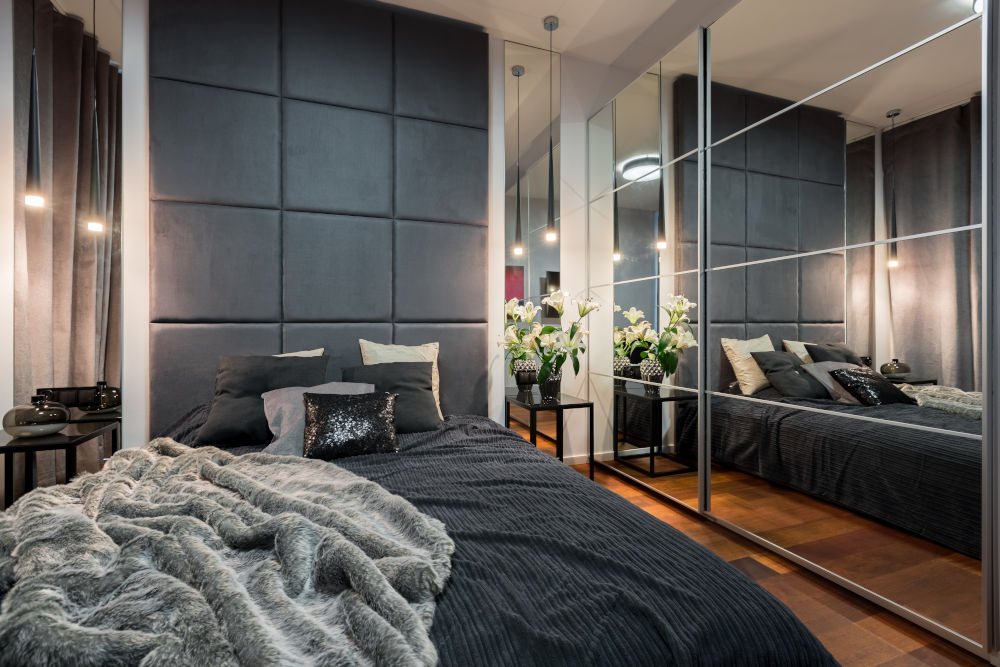
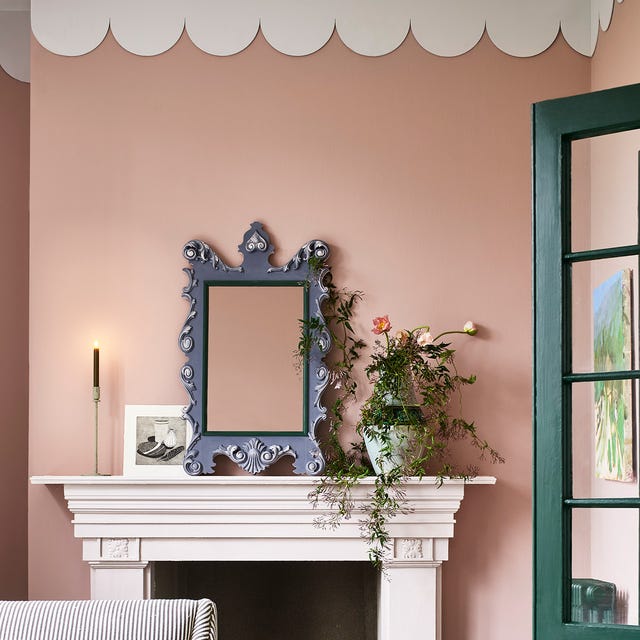
One suggestion involves enhancing a rustic mantelpiece by hanging a mirror above it, turning a functional element into a glamorous focal point. The importance of correct hanging height is stressed, advising against placing mirrors too high. Another tip suggests using panelled mirrors, especially when placed on either side of the bed, to create an illusion of increased height and depth, making the room feel larger. Mirrors positioned opposite windows are particularly effective in maximizing natural light and expanding the perceived size of the space.
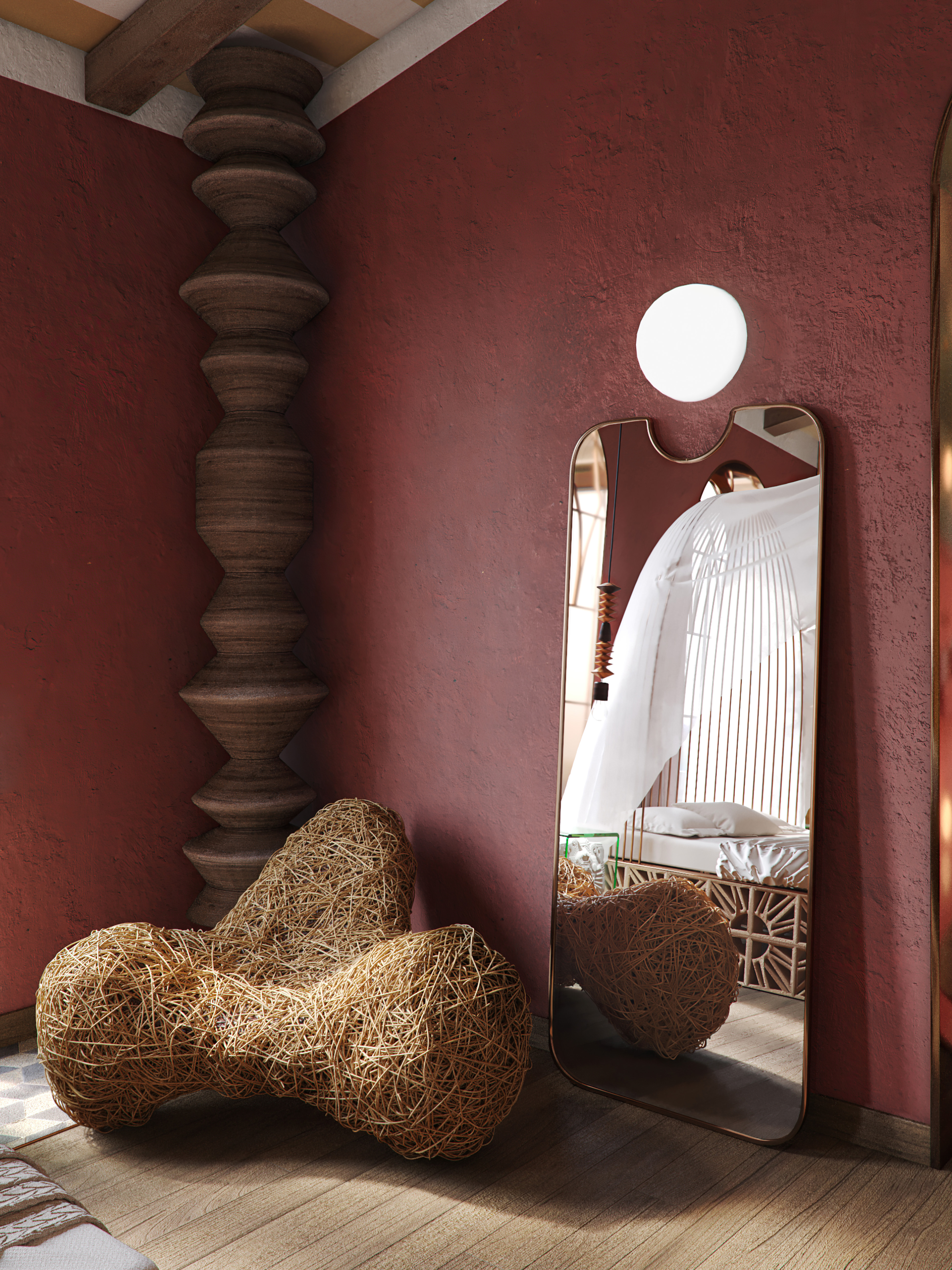
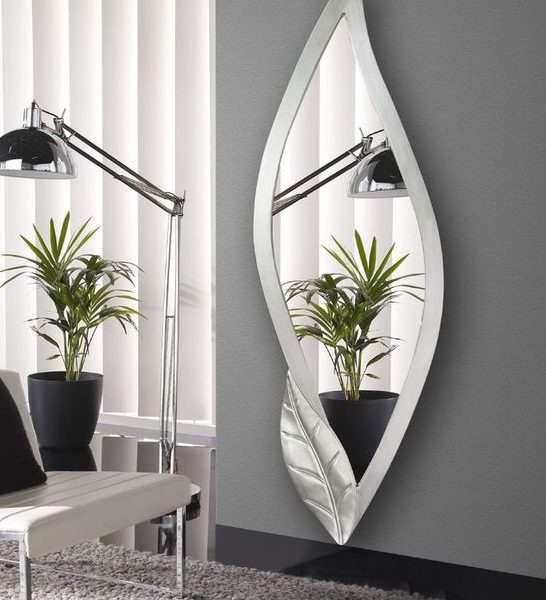
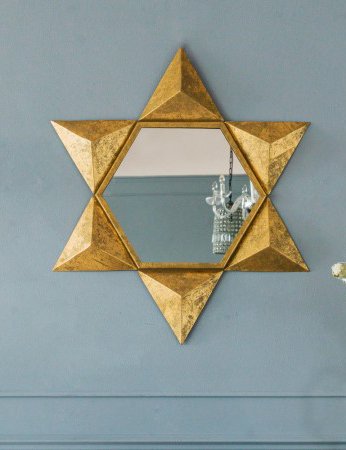
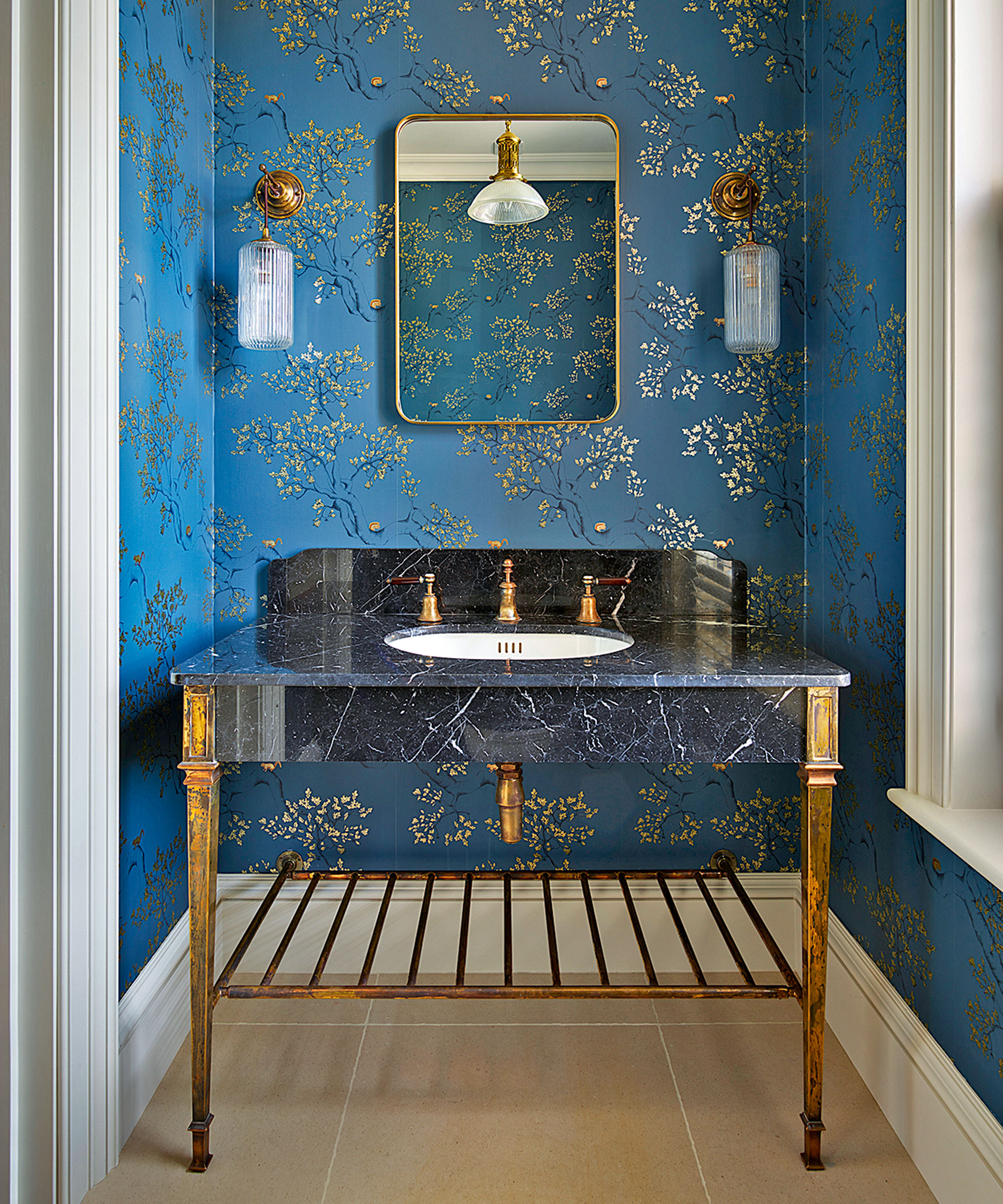
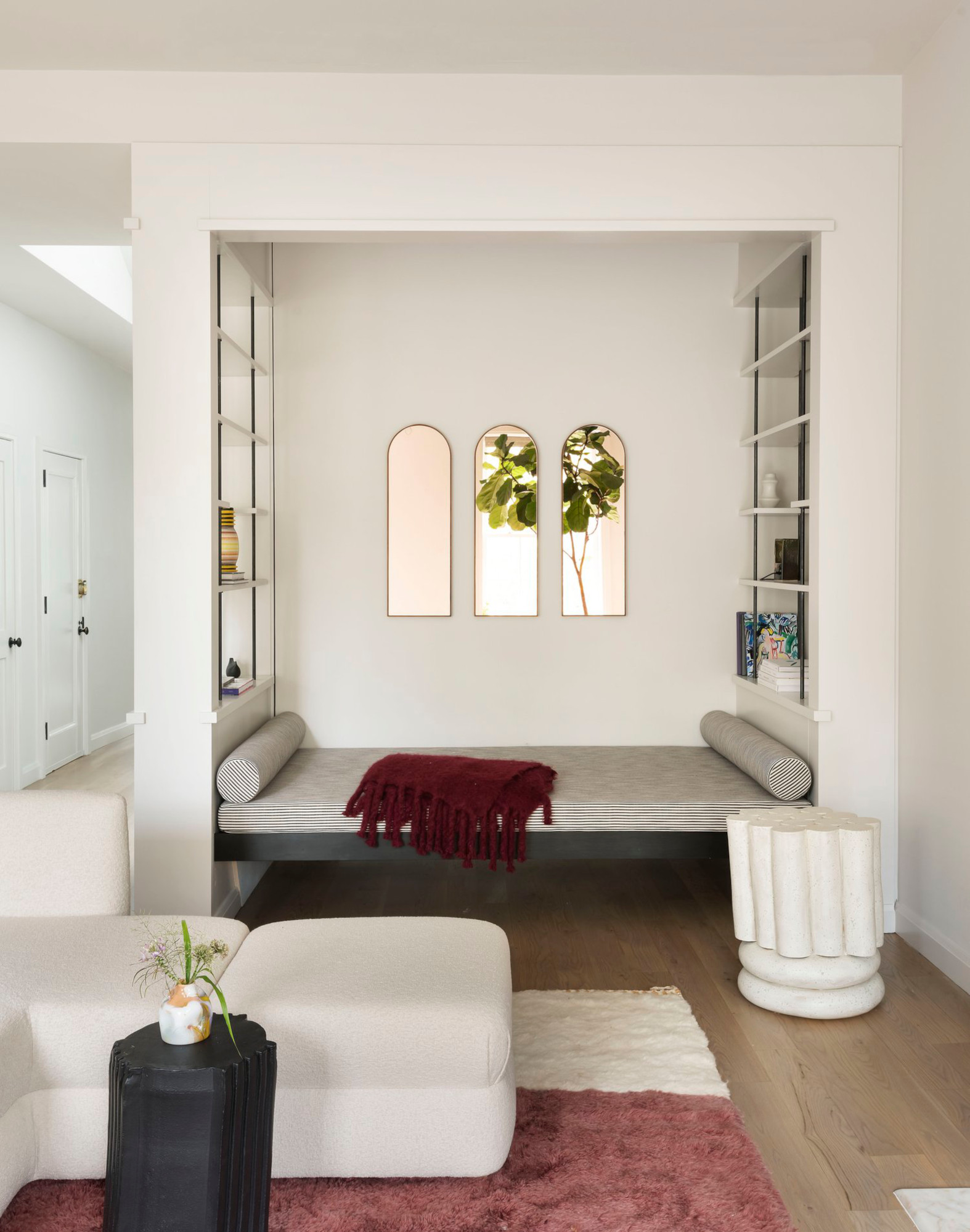
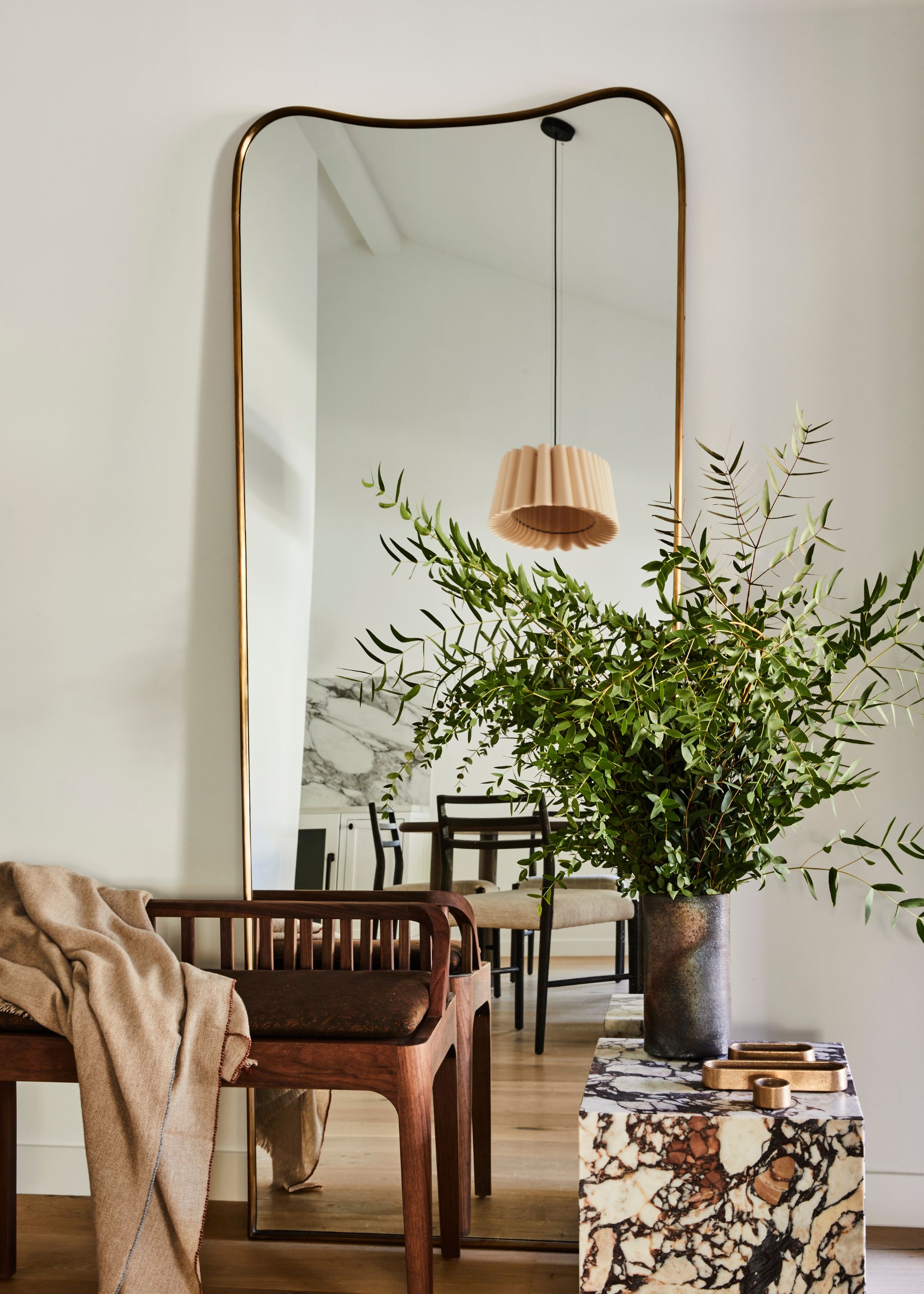
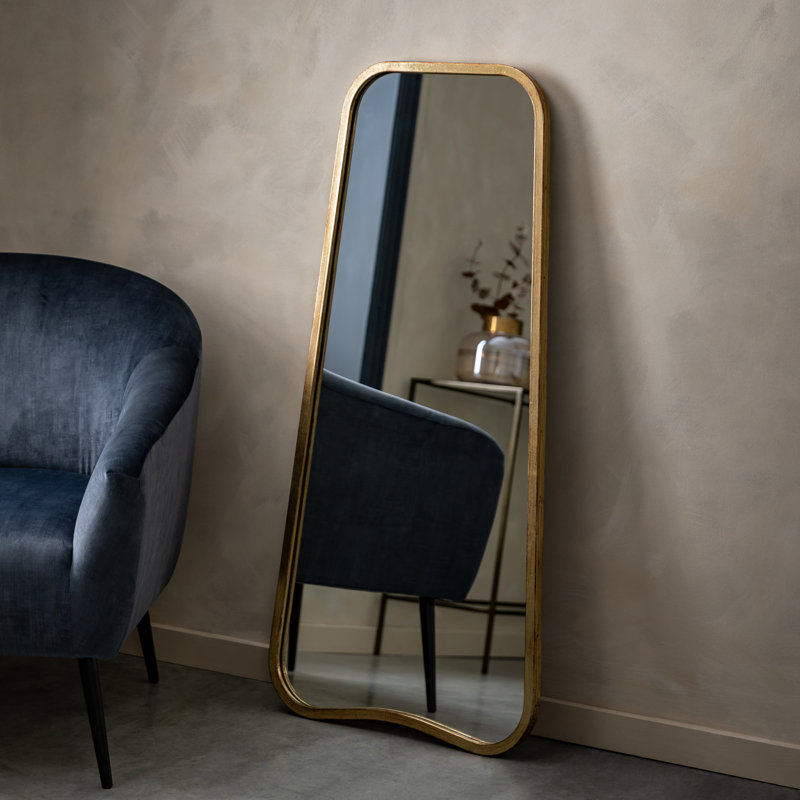
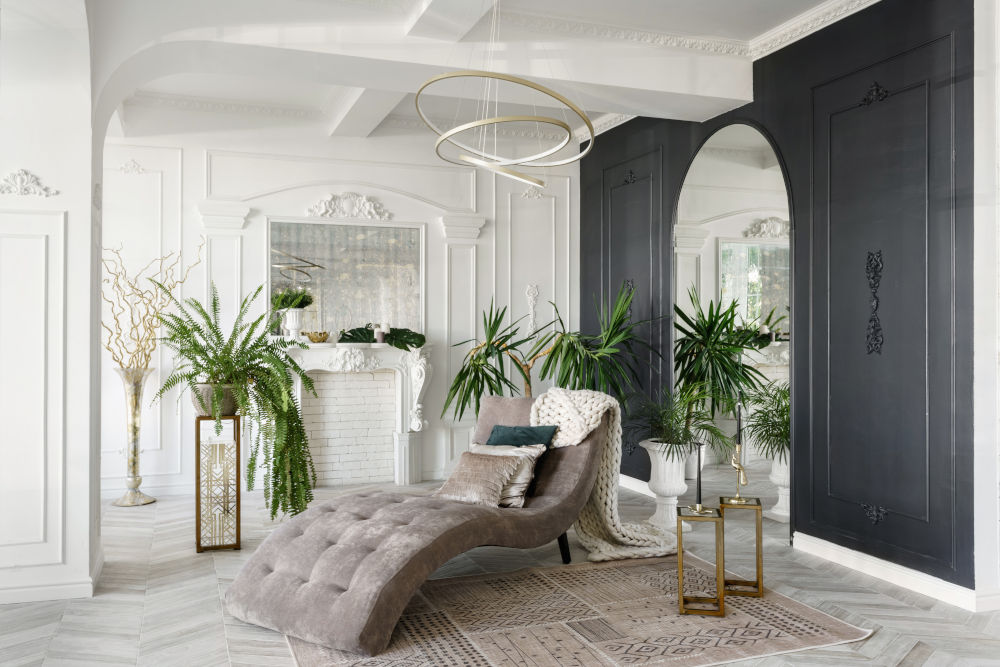
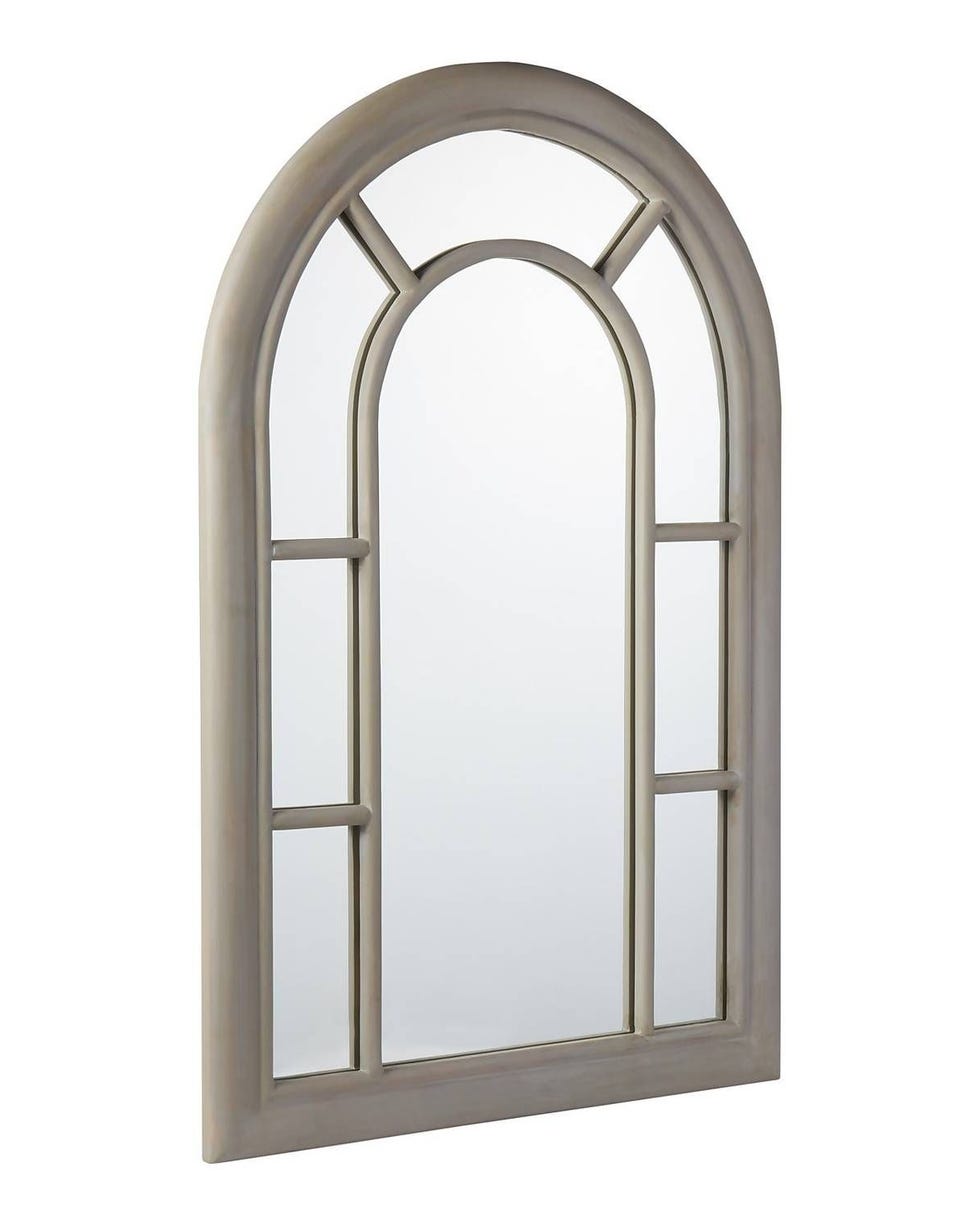
Awkward alcoves can be transformed into stylish features by hanging decorative mirrors. These spaces, often too small for furniture, can benefit from uniquely shaped or framed mirrors that double as wall art. For dark corners, leaning a full-length mirror against a wall can dramatically brighten the area, especially when placed to reflect light sources. The article underlines that the bigger the mirror, the greater its impact on light and spaciousness.
While hanging a mirror above the bed can create a strong style statement and bounce light around the room, it's noted that Feng Shui principles often advise against this, suggesting a narrower mirror than the mattress to maintain balance. The article also encourages using contrasting tones for mirror frames to make them stand out against the wall, particularly with patterned surfaces like wall panelling. The size of decorative mirrors should also be proportionate to the furniture they hang above, generally not exceeding two-thirds of the furniture's width.
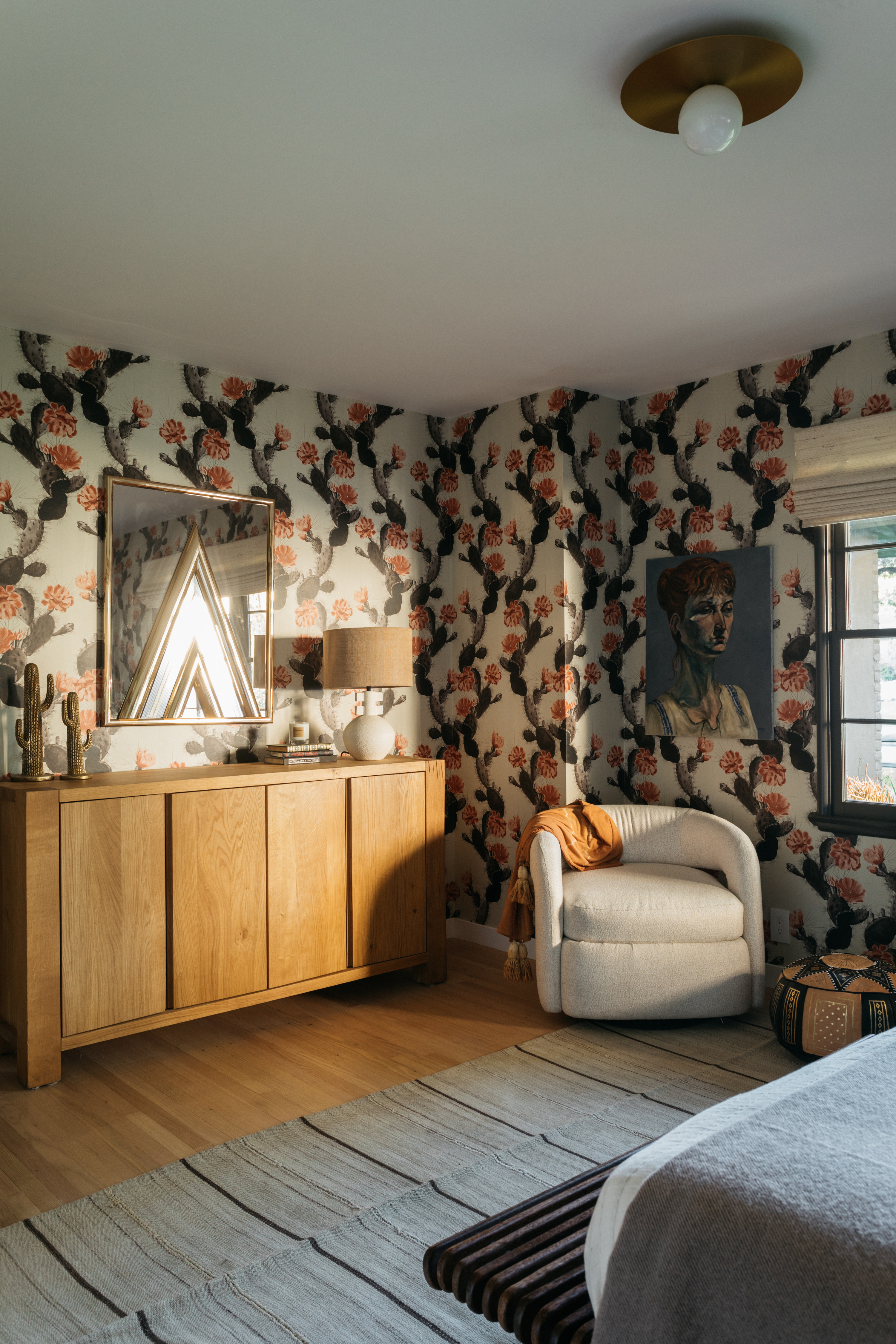
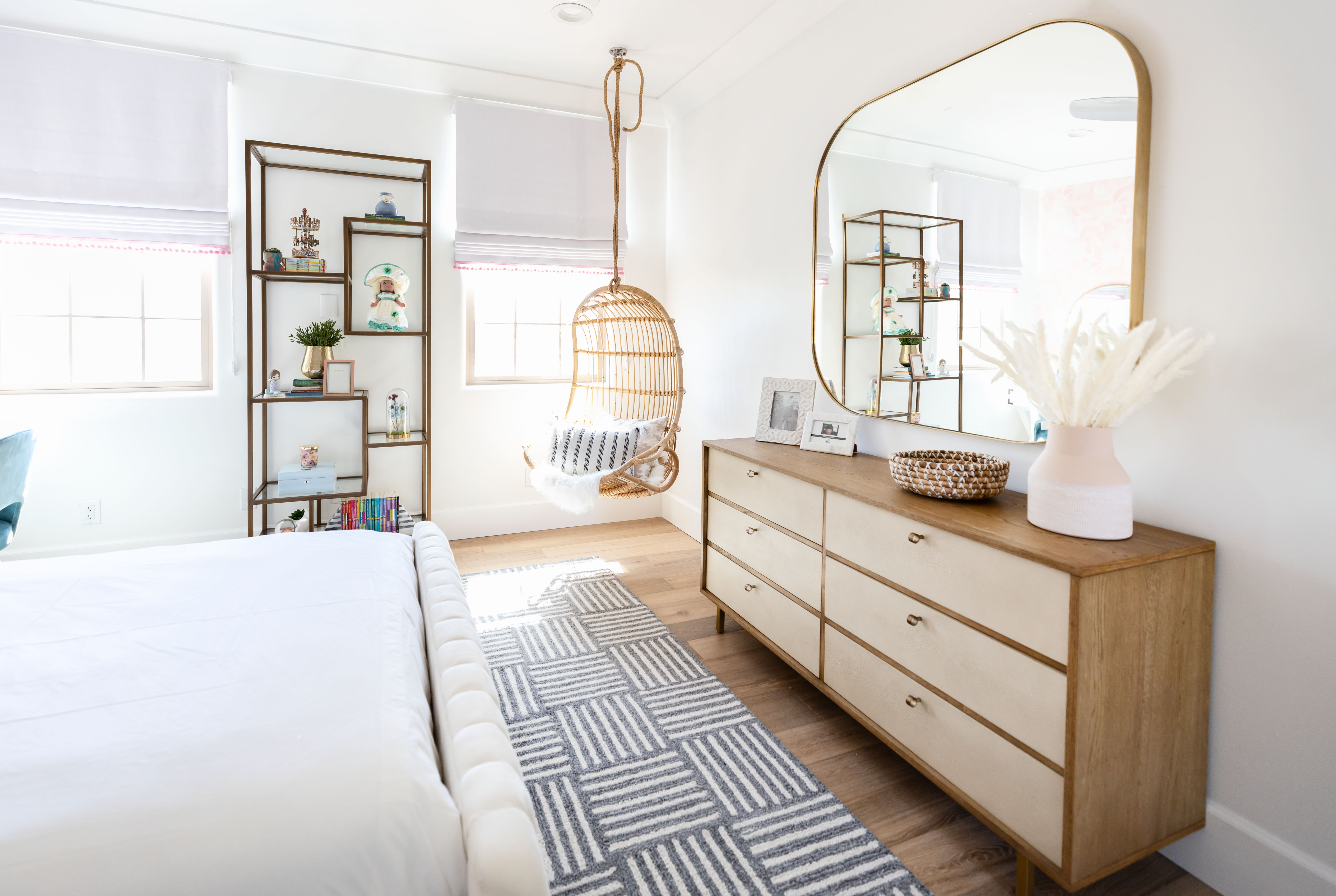
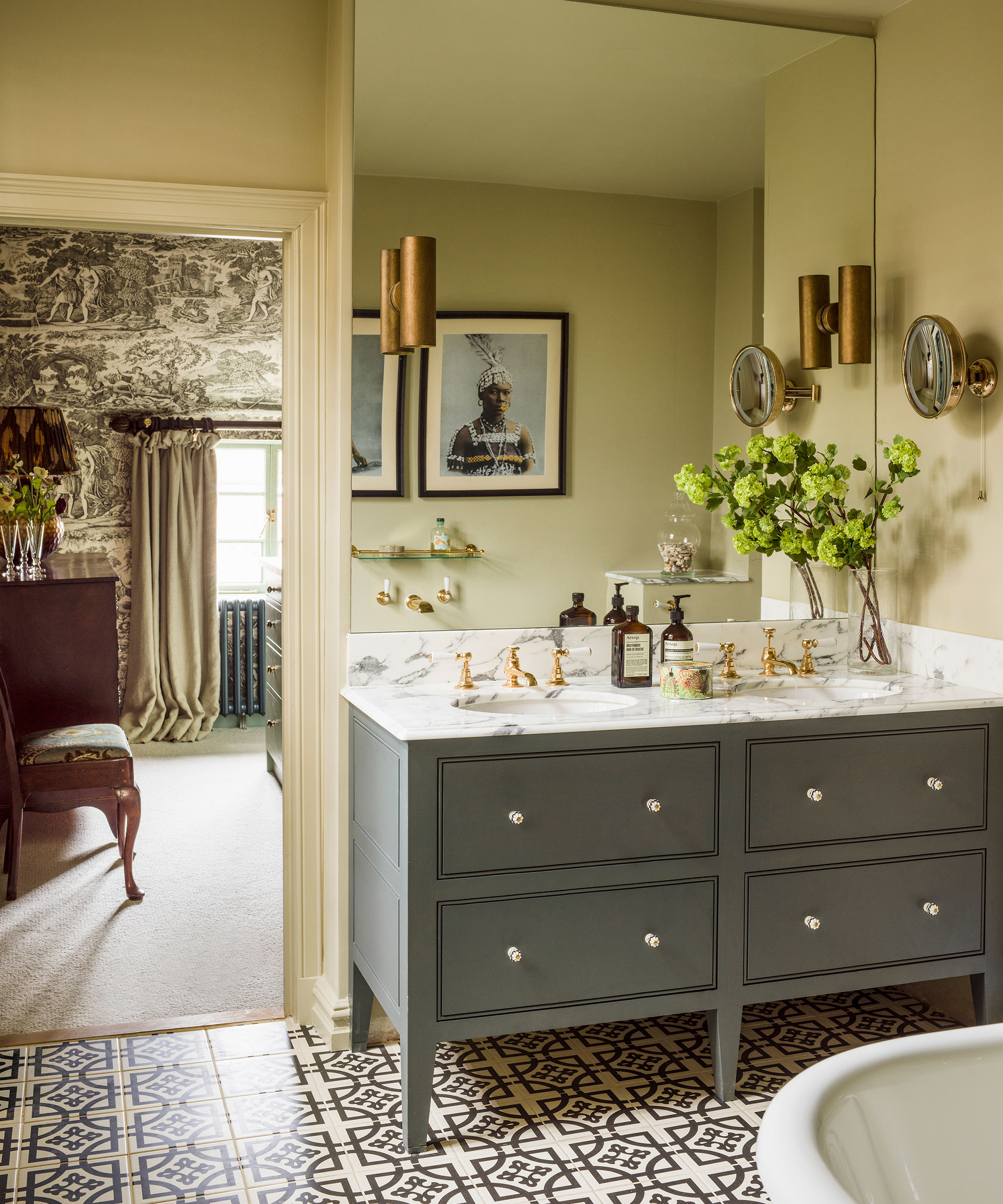
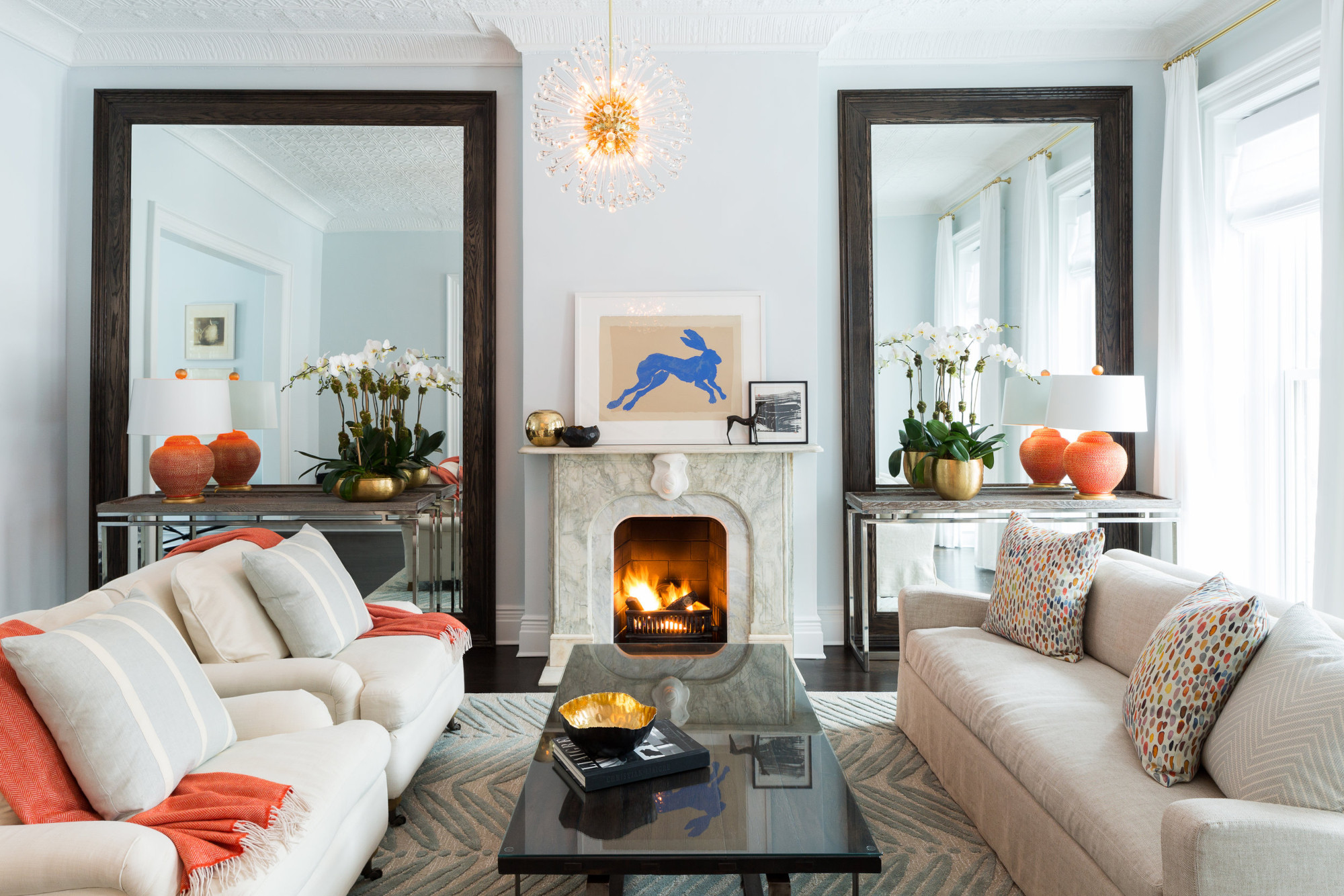
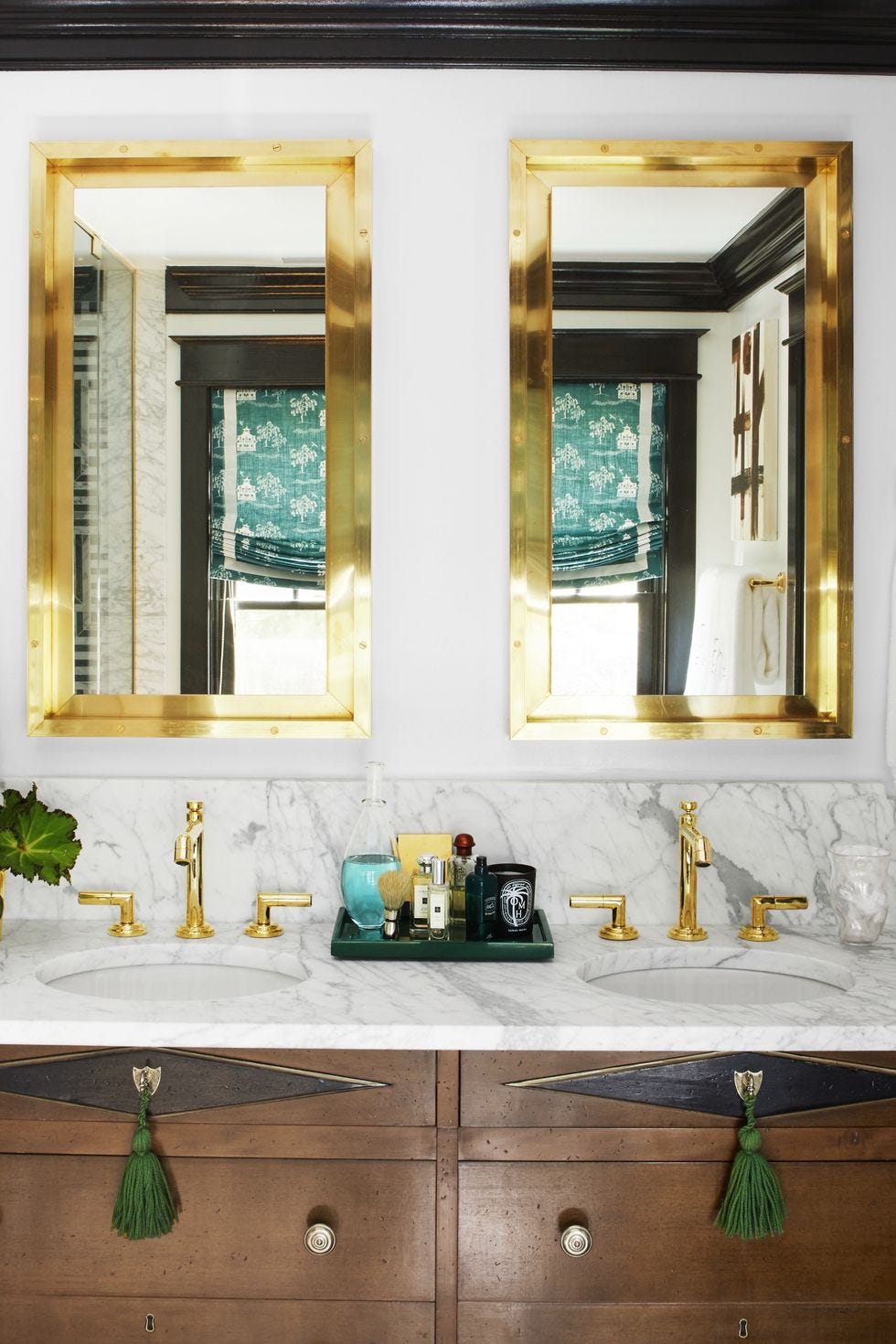
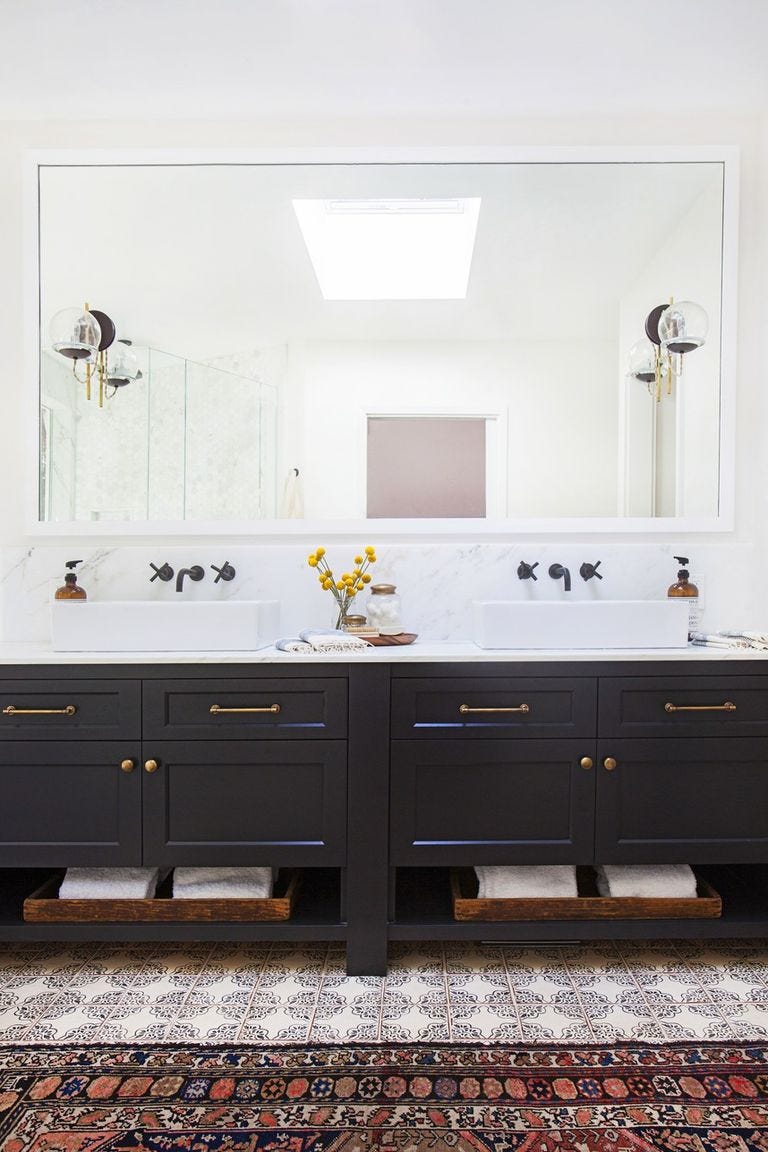
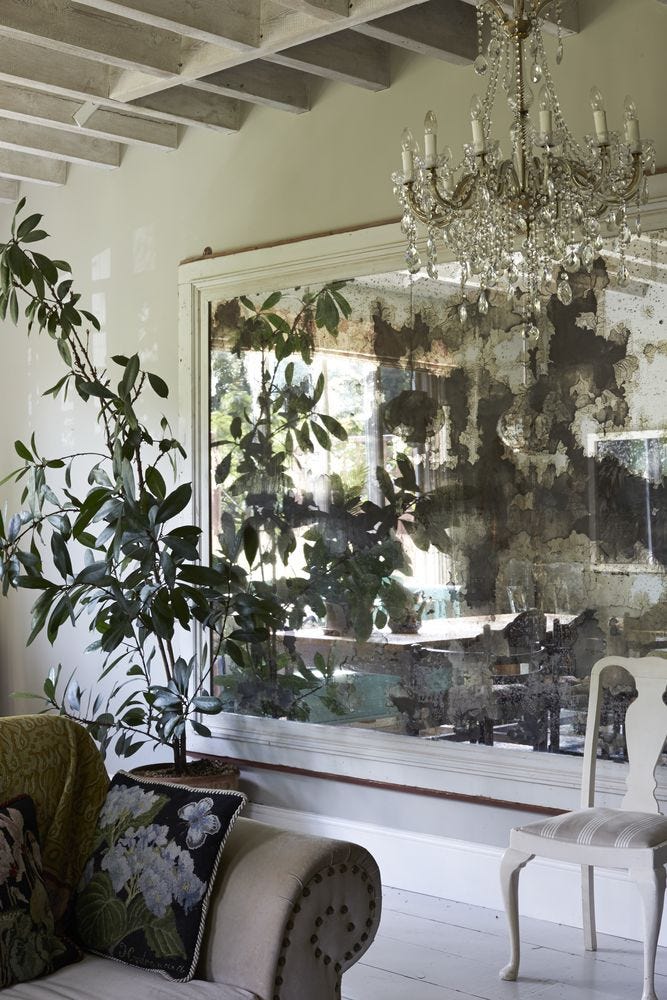
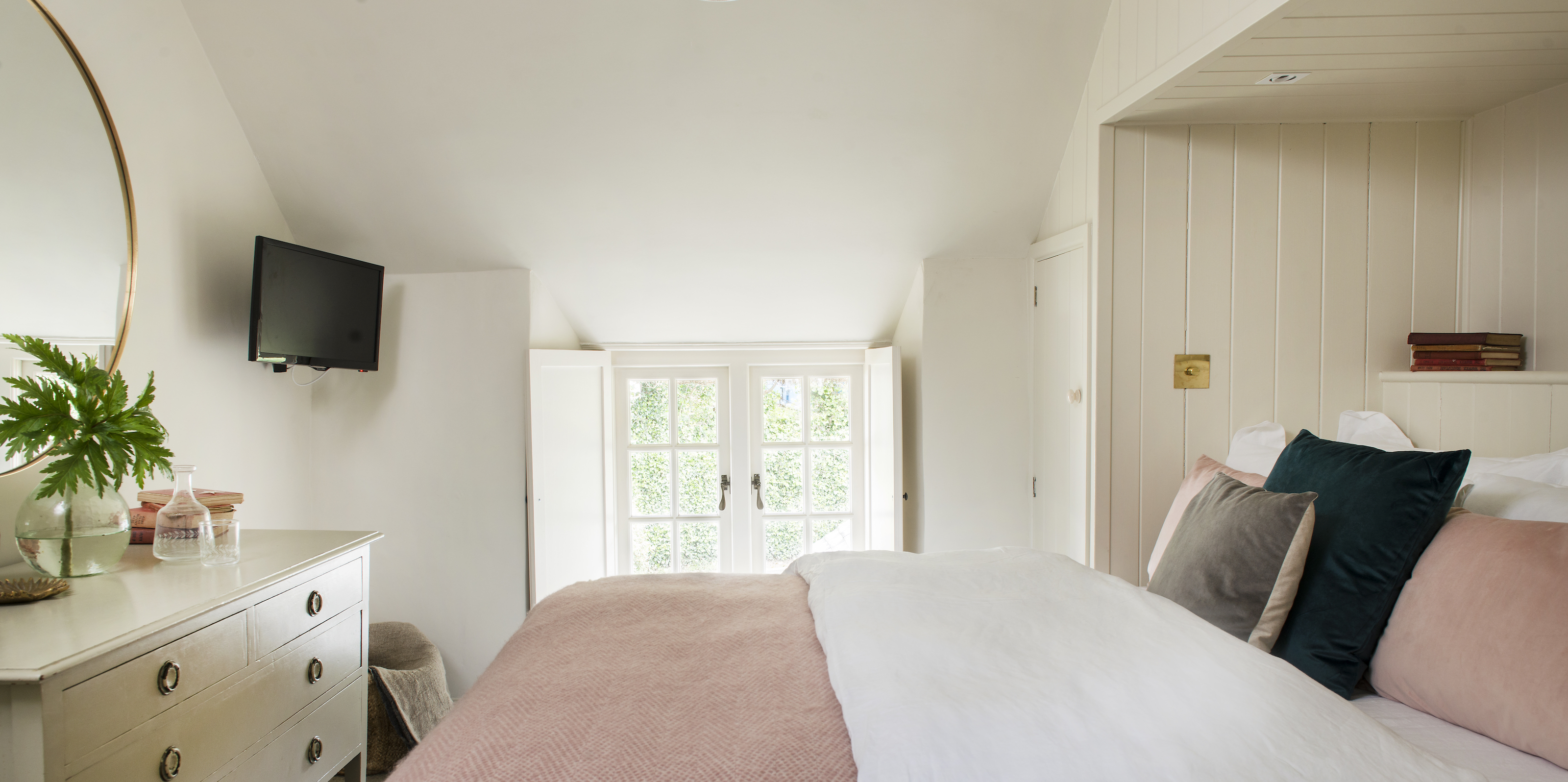
Oversized mirrors are presented as a way to add significant impact to a room. Placing a large mirror above a chest of drawers opposite a window provides a well-lit area for makeup while enhancing the room's brightness. For those preferring a minimalist approach, discreet, full-length mirrors can be leaned or fitted in narrow spaces or even inside wardrobe cabinets. This ensures functionality without cluttering the room.
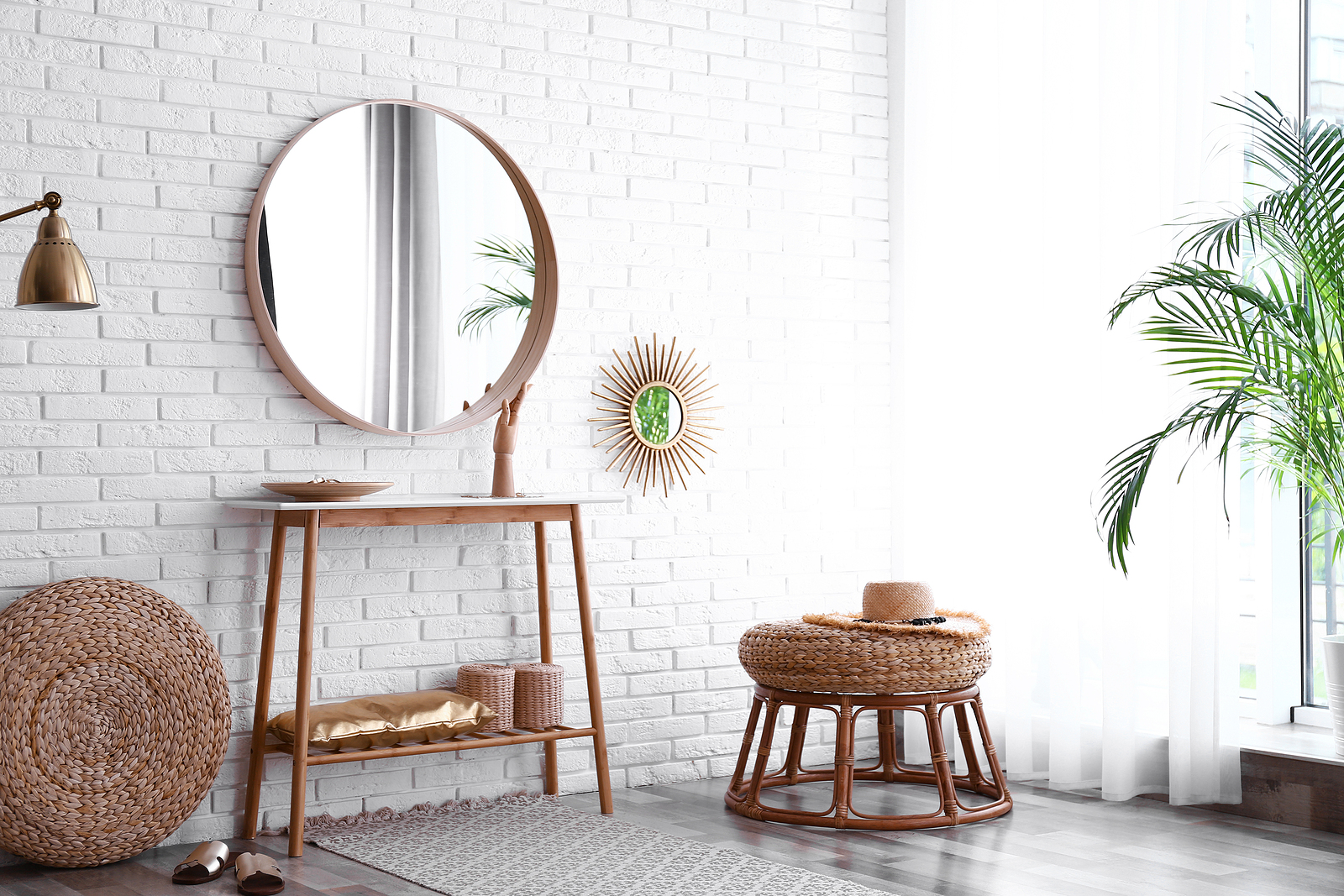
Finally, the article suggests using mirrors on either side of a headboard to open up a room, or incorporating Hollywood-style light bulb mirrors above a console to create a glamorous vanity area. These options serve both practical needs and add character. Ultimately, strategic mirror placement can significantly impact a bedroom's ambiance, making it feel brighter, larger, and more stylish.
#BedroomDesign #InteriorDecor #MirrorPlacement #HomeStyling #SpaceMaximization #LightingEnhancement #FengShui #WallDecor #BedroomDesign #InteriorDecor #MirrorPlacement #HomeStyling #SpaceMaximization #LightingEnhancement #FengShui #WallDecor
0 Kommentare insgesamt
 Noch keine Kommentare
Das könnte Ihnen auch gefallen
Small bedroom mirror ideas – 10 brightening, space-stretching solutions

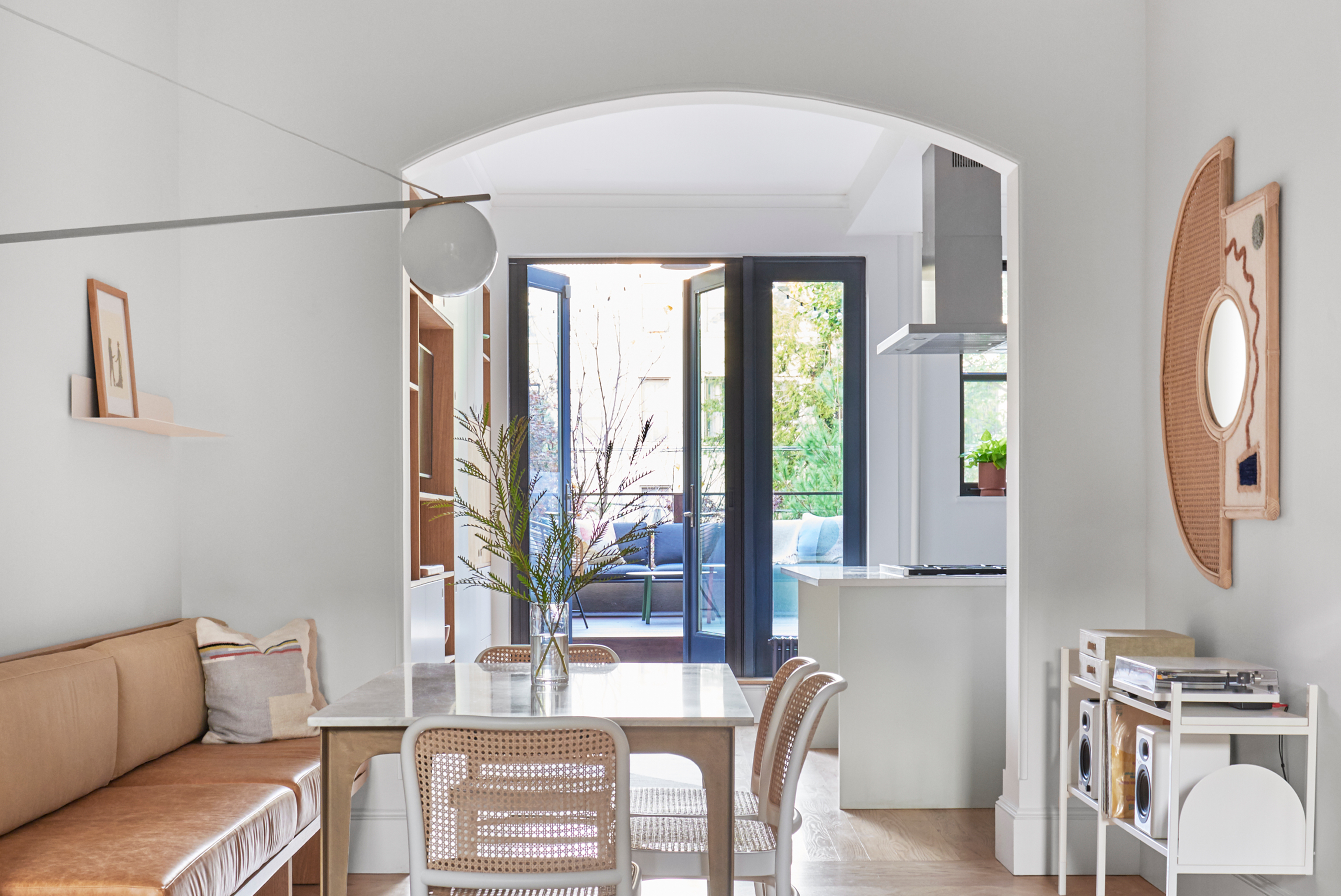
Is it okay to have more than one mirror in a room? This is the one instance designers say it's never okay

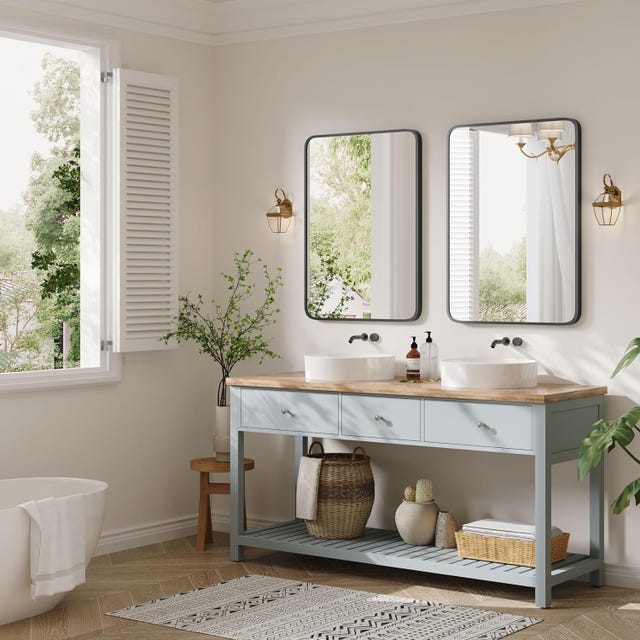
10 stylish bathroom mirrors to suit any home

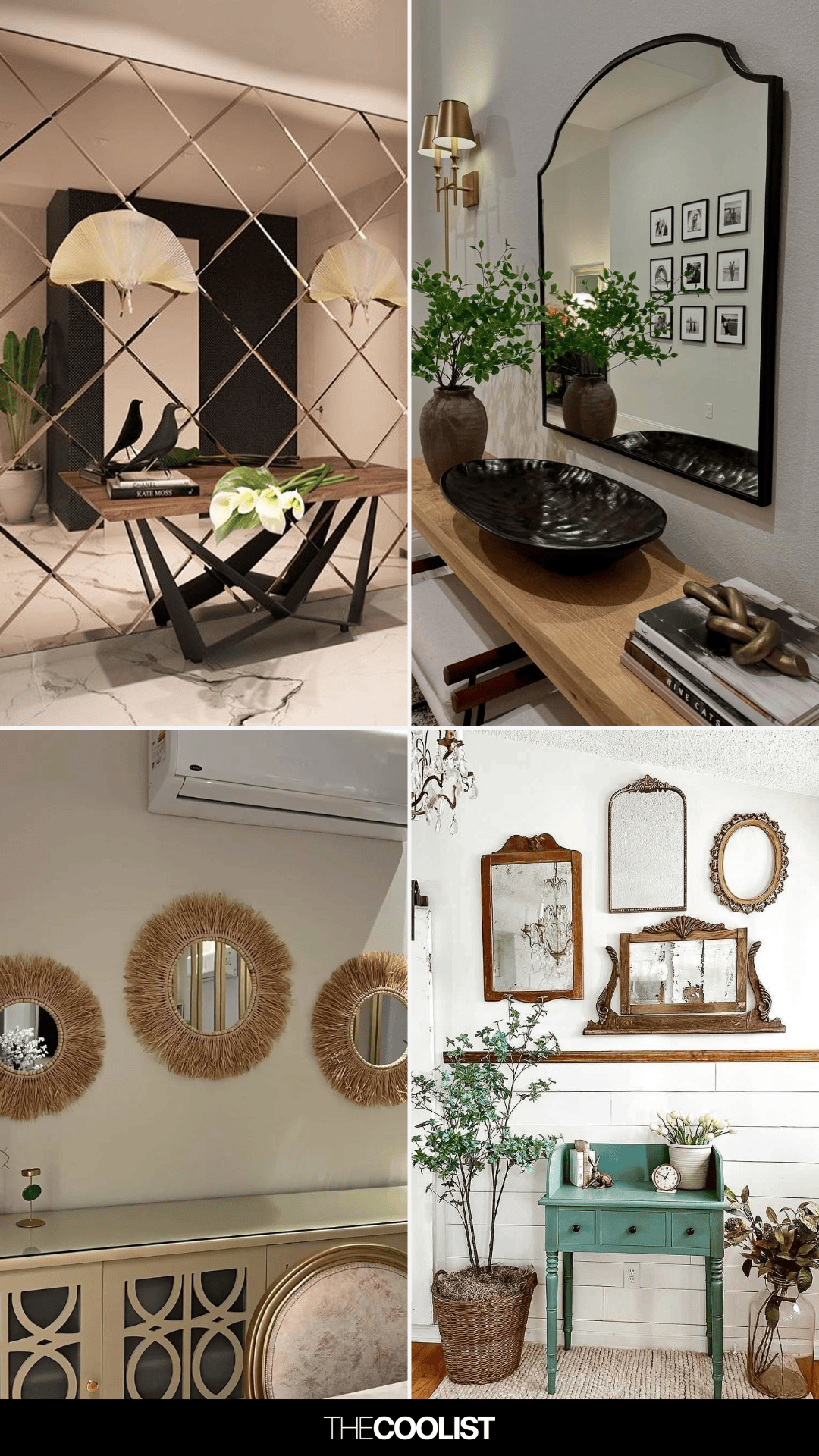
19 Mirror Wall Decor Ideas That Add Light, Depth, and Style
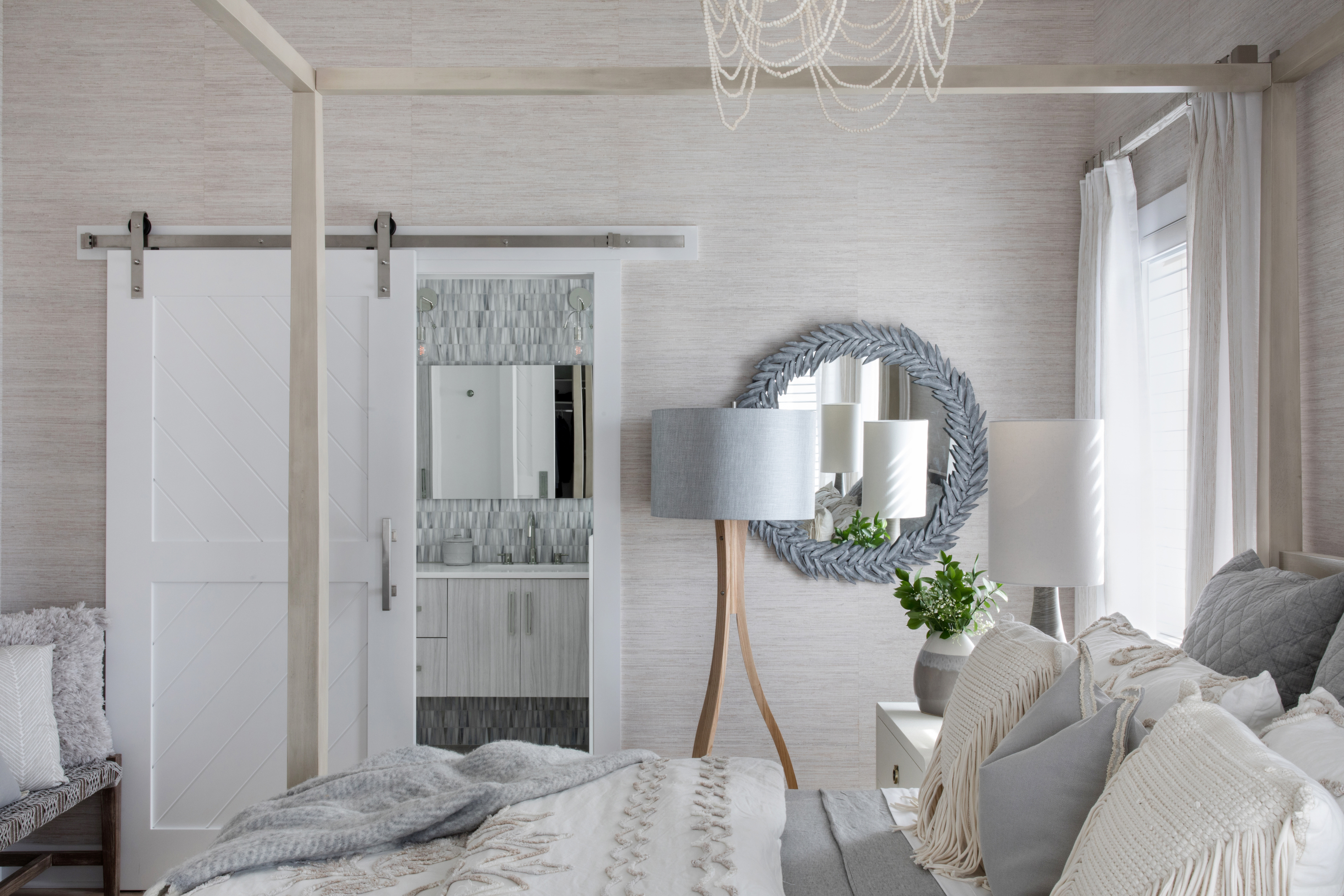
Bedroom mirror ideas – 12 ways to amplify light and space with this magic piece of decor
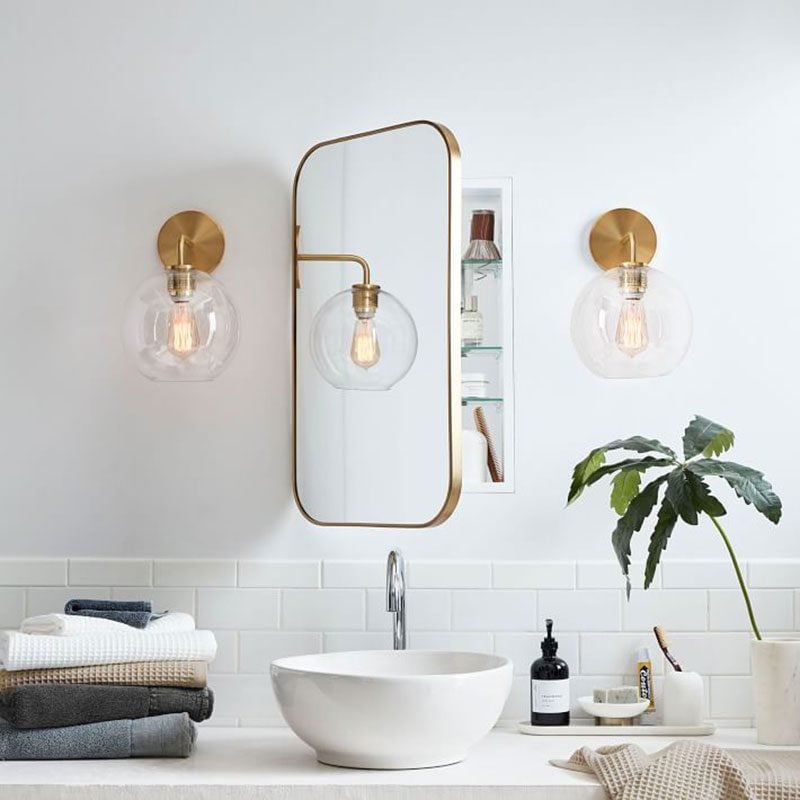
Best Mirror Makeovers with these Bathroom Mirror Ideas and Pivot Designs

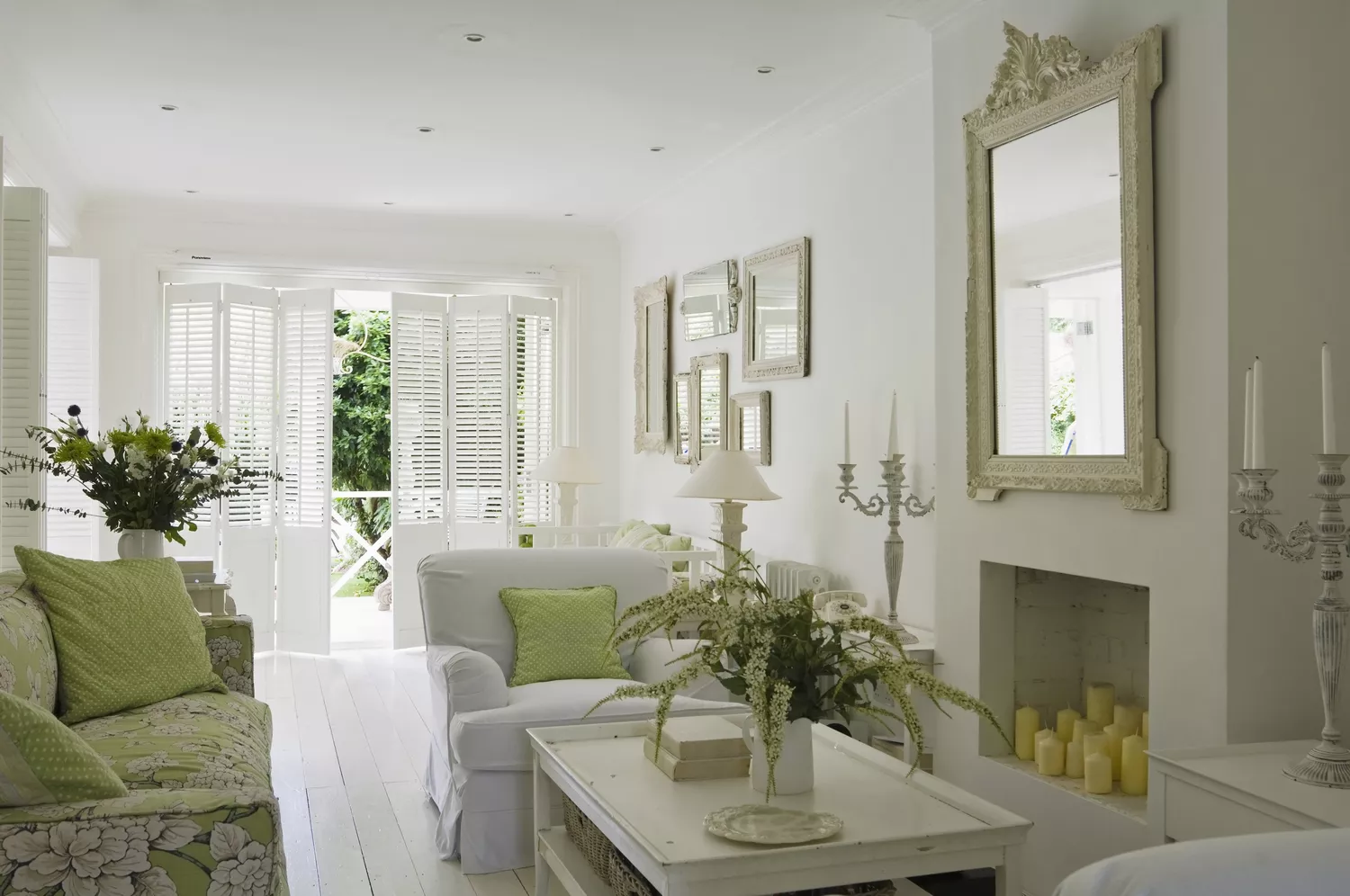
5 Mistakes You Might Be Making When Decorating With Mirrors, According To Designers
6 clever ways to use mirrors to make your home feel bigger and brighter
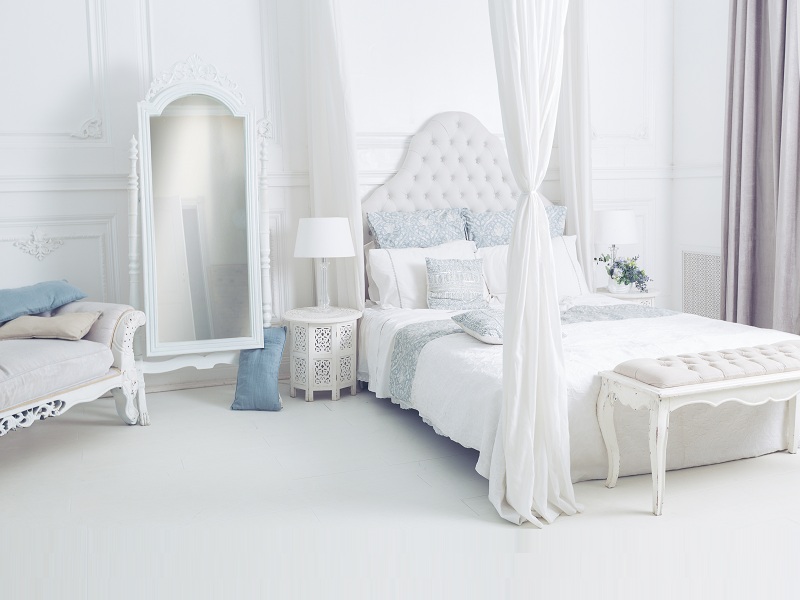
10 Latest Mirror Designs For Bedroom With Pictures In 2023
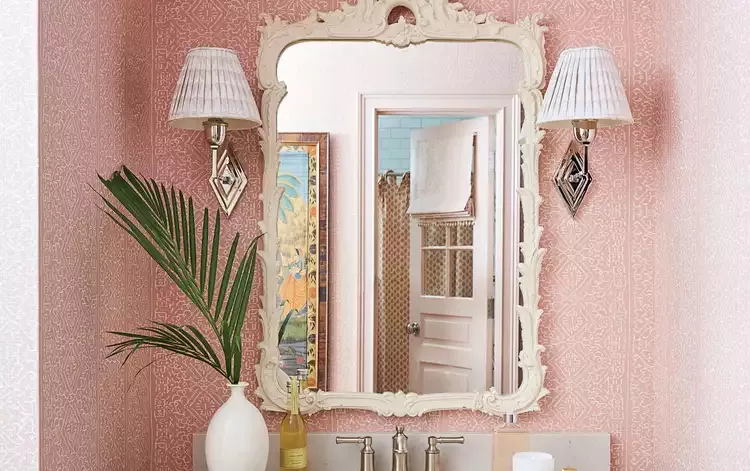
40 Bathroom Mirror Ideas To Enhance Your Space
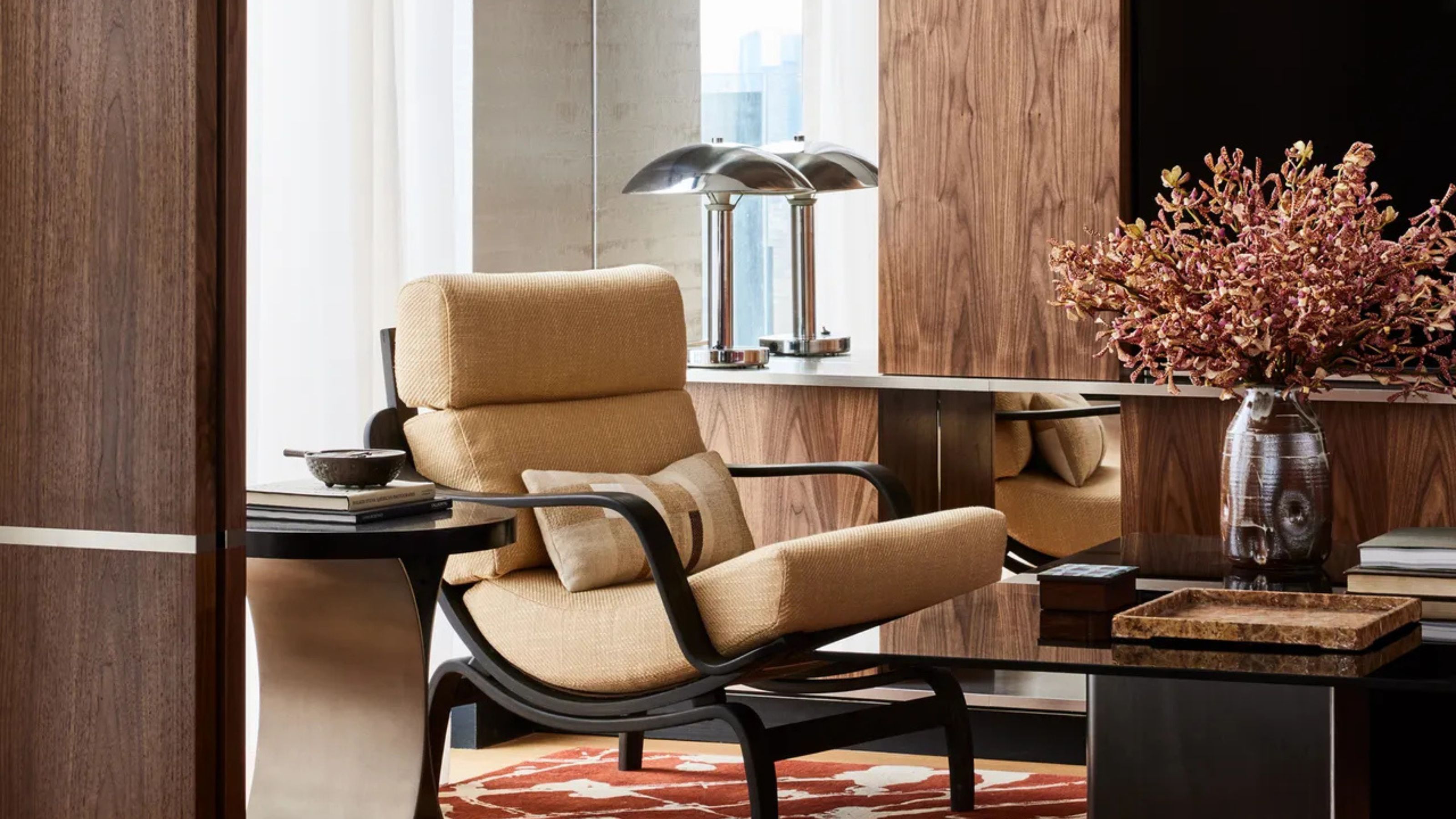
12 Ways Decorating With Mirrors Can Take a Space From Static to Stylish, Shiny, and More Spacious
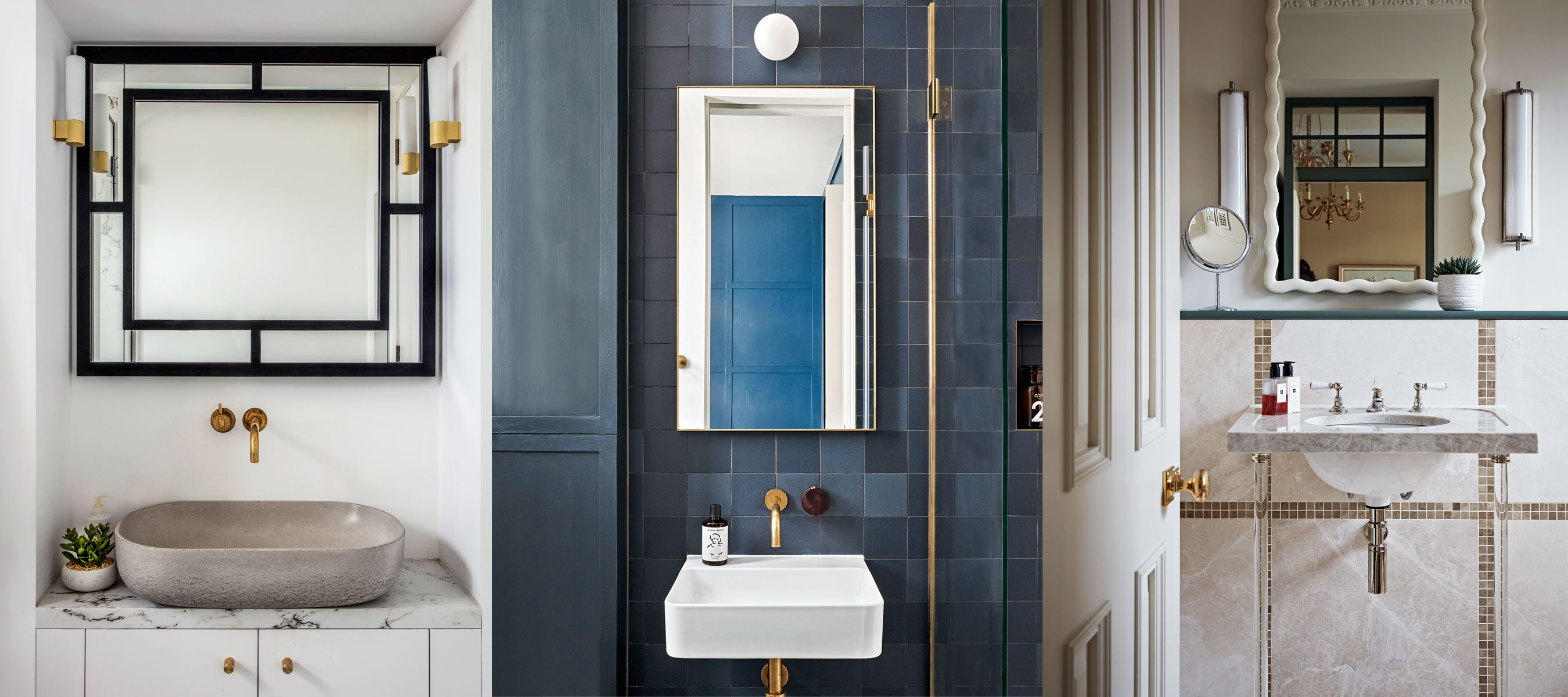
Bathroom lighting ideas over mirrors – 10 rules for side and over mirror lighting
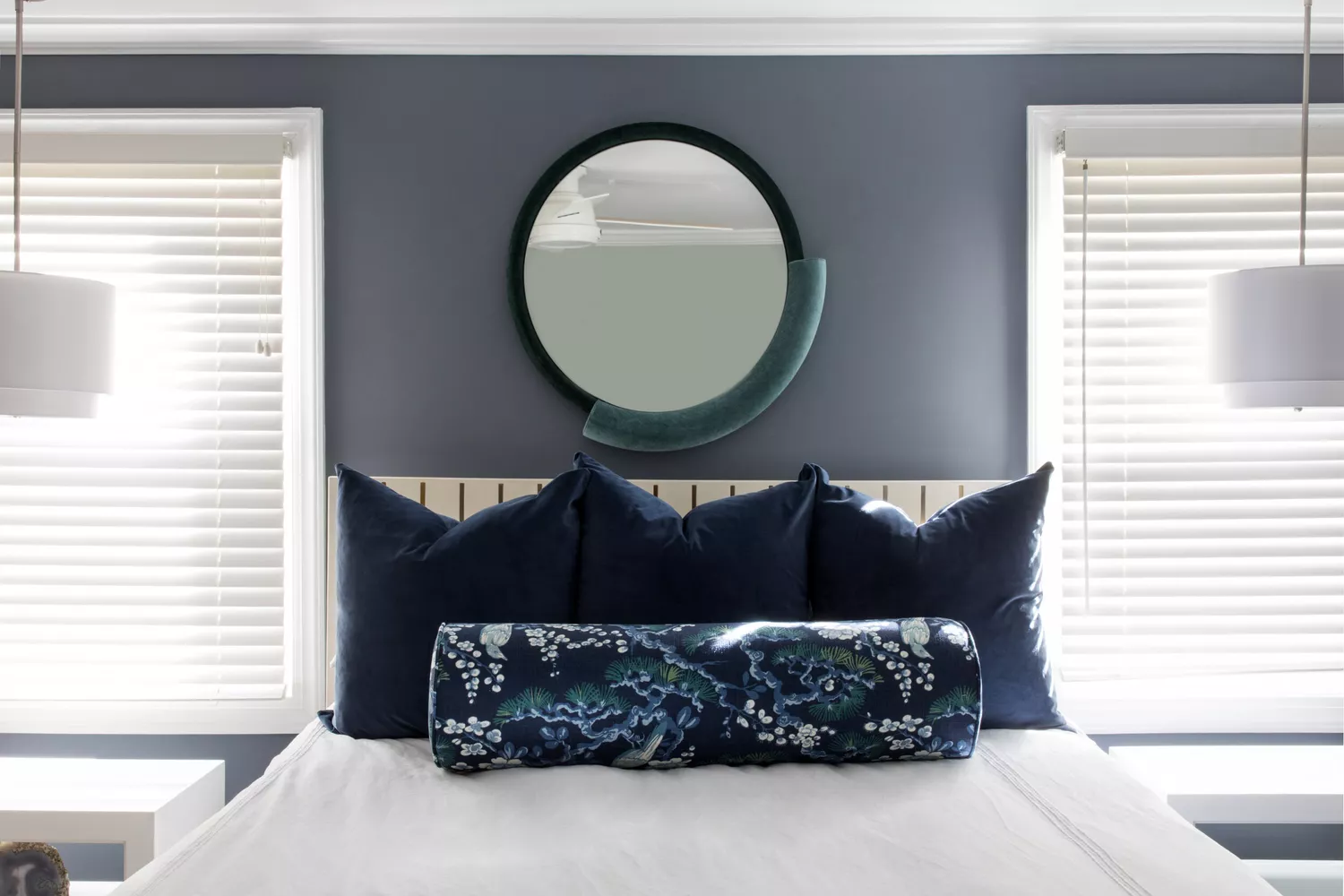
Mirrors Are the Secret to Making A Small Bedroom Feel Huge—15 Tips to Get the Look

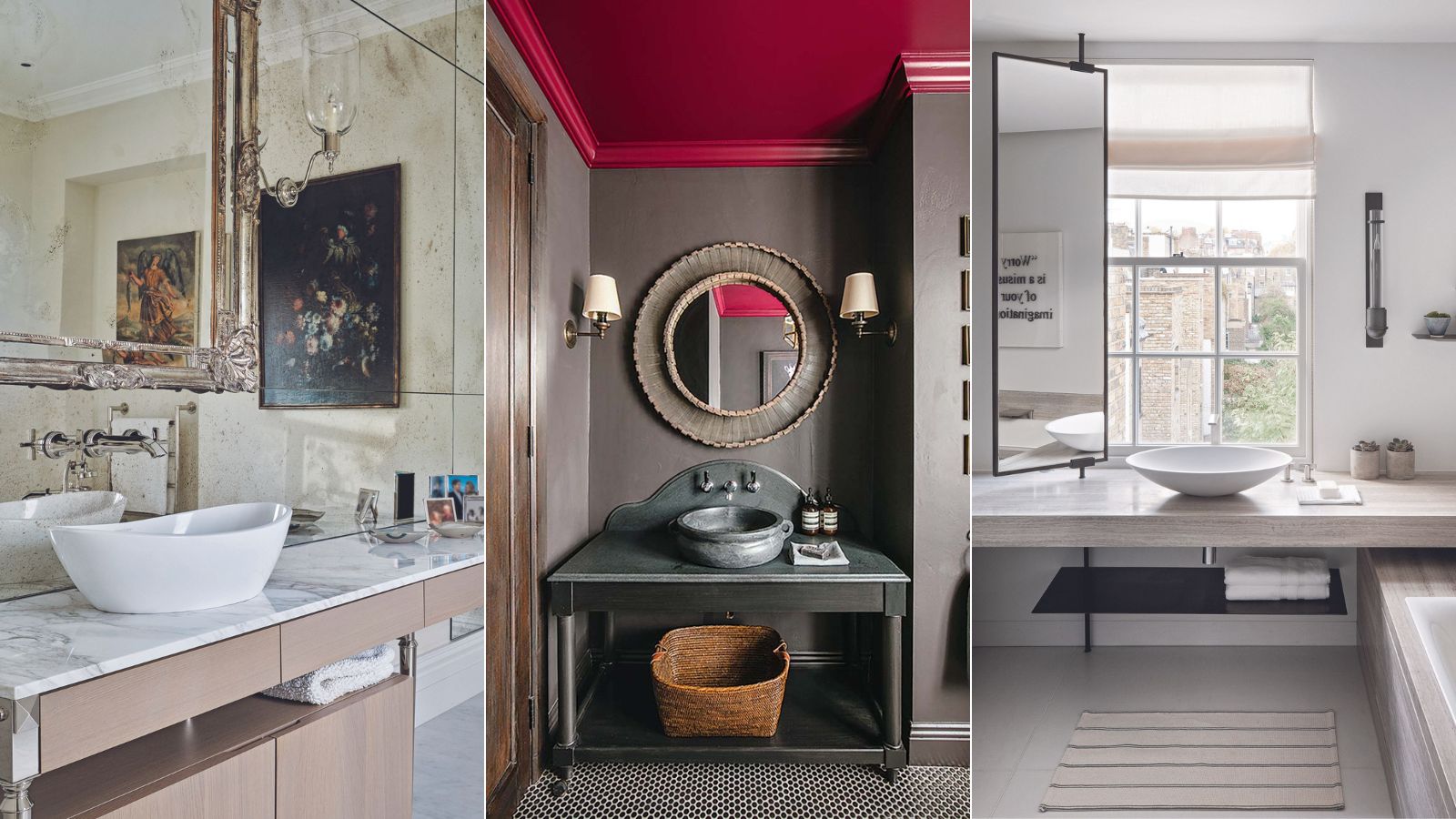
Bathroom vanity mirror ideas – 10 practically perfect looks
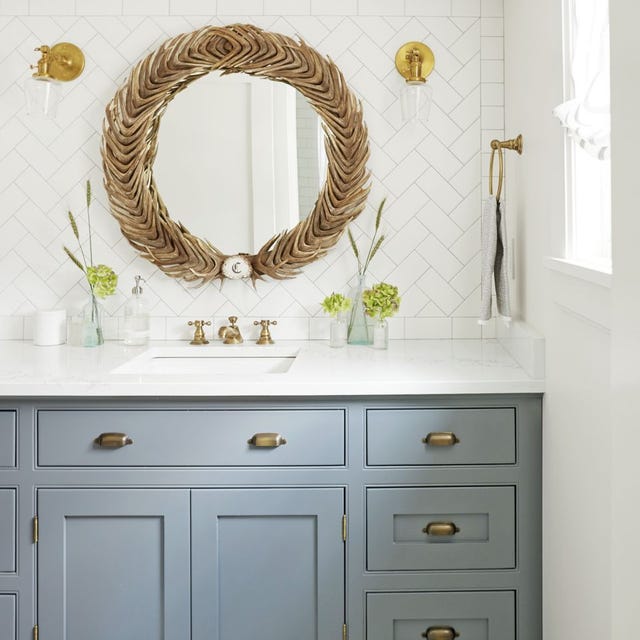
20 Decorative Bathroom Mirror Ideas That'll Open Up Your Space, No Matter How Small

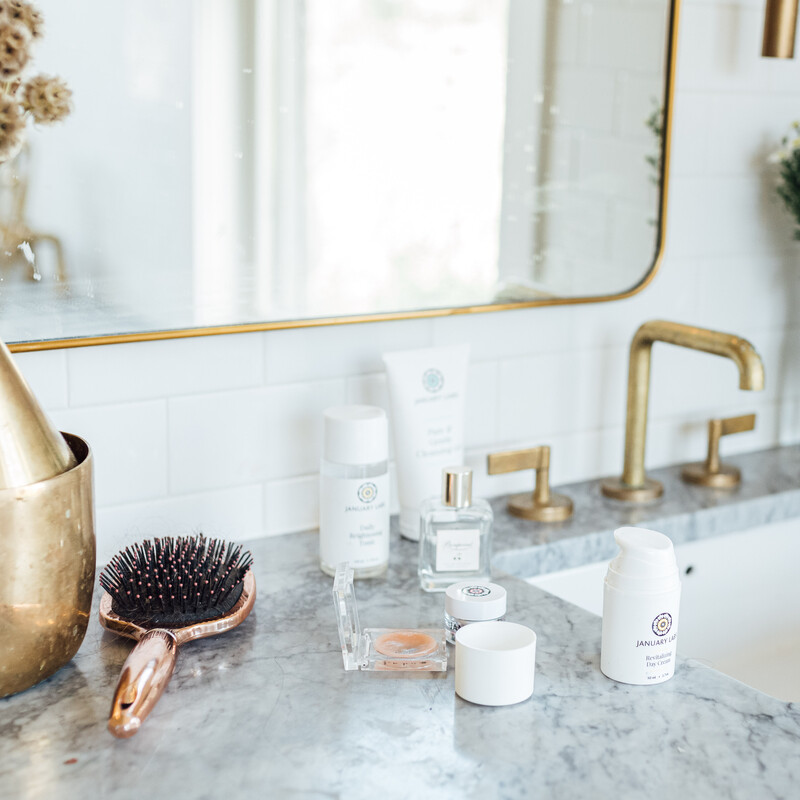
20 Design-Forward Mirrors to Majorly Upgrade Your Bathroom
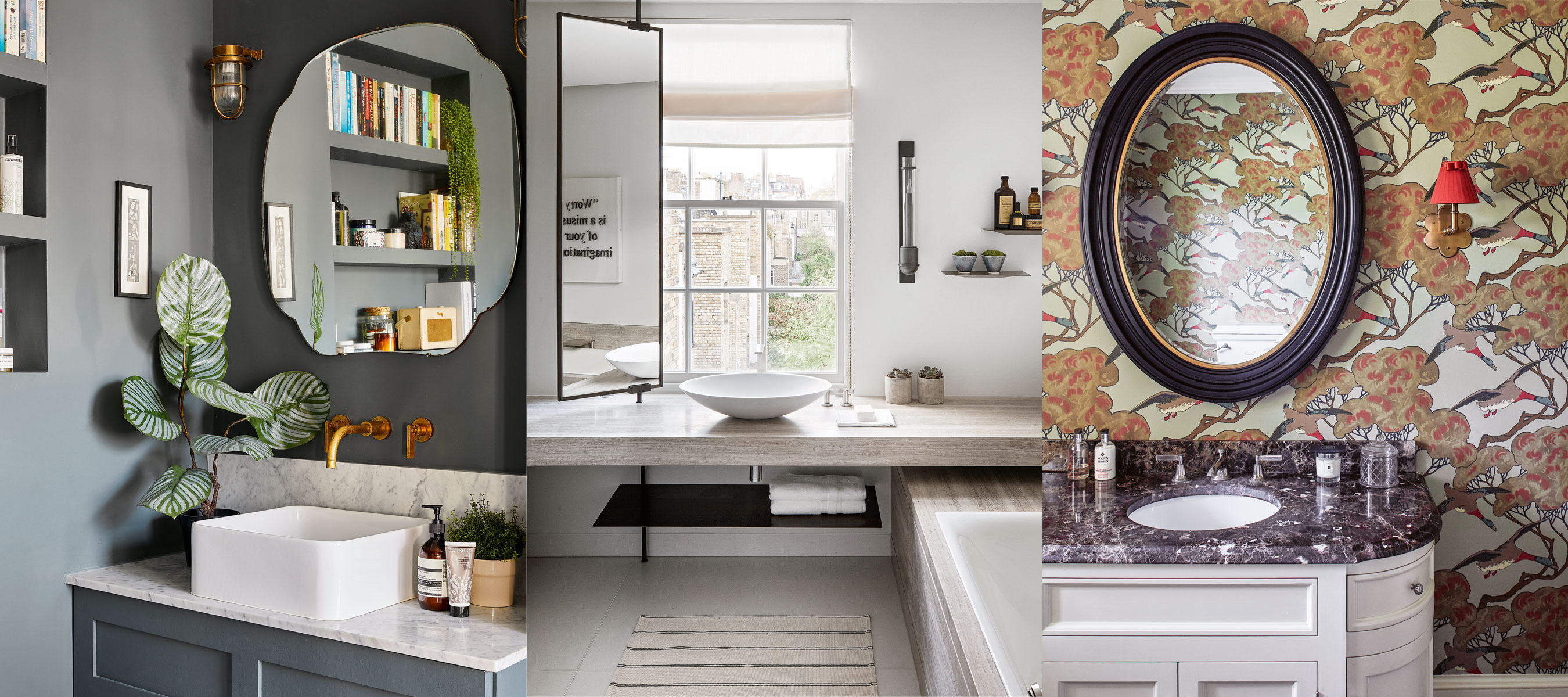
Bathroom mirror ideas – 10 beautiful designs to suit any bath, shower or powder room
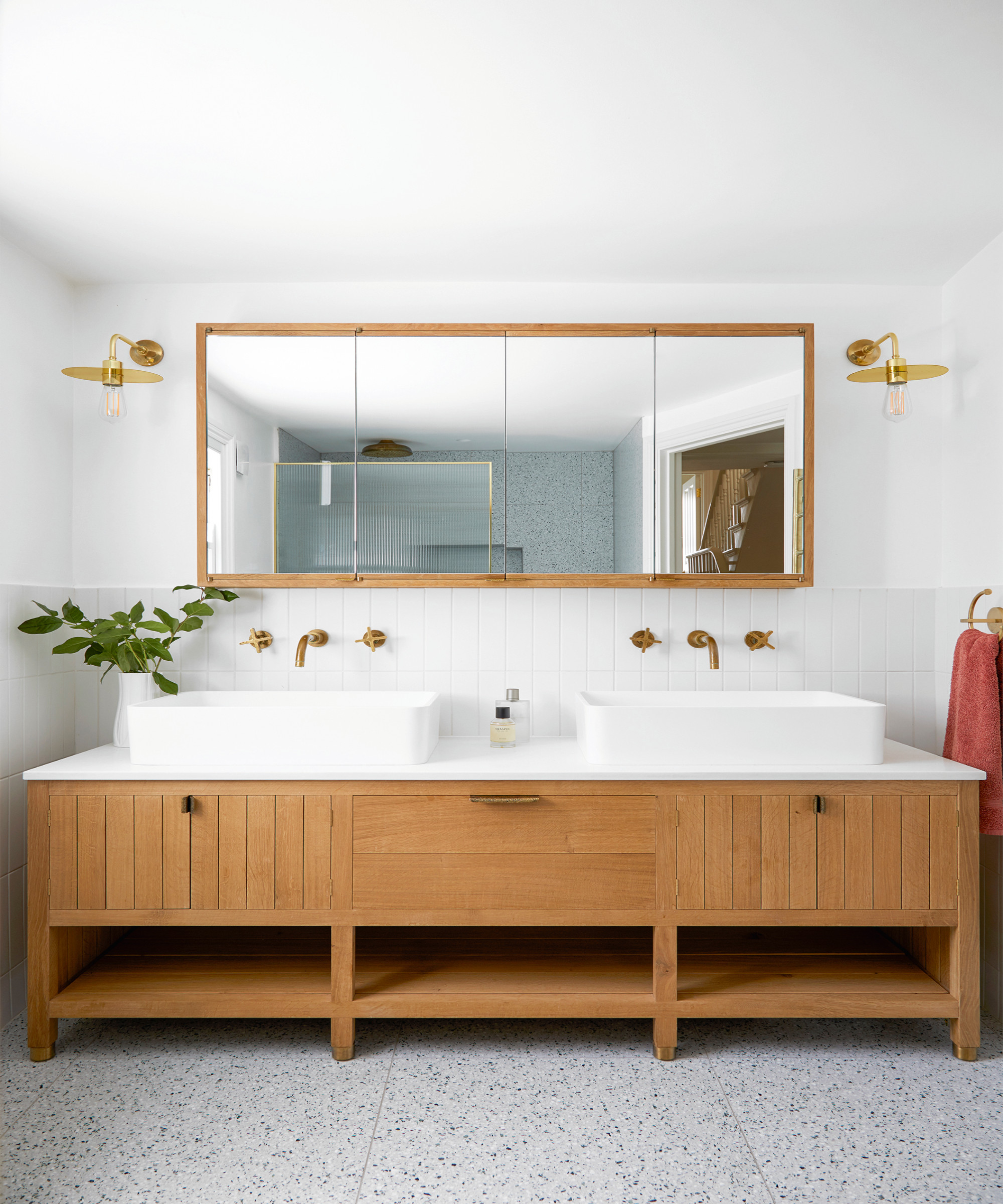
Bathroom mirror ideas – 10 elegant styles to suit any space |
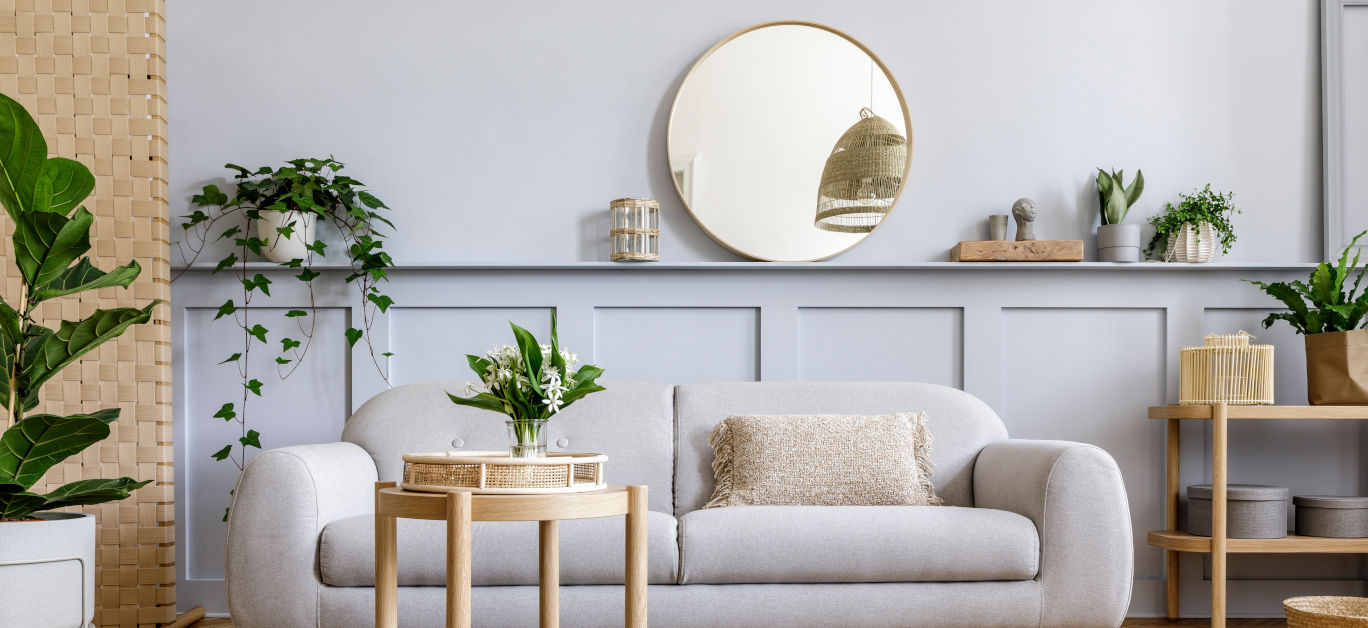
7 easy ways to add luxury to your home with mirrors

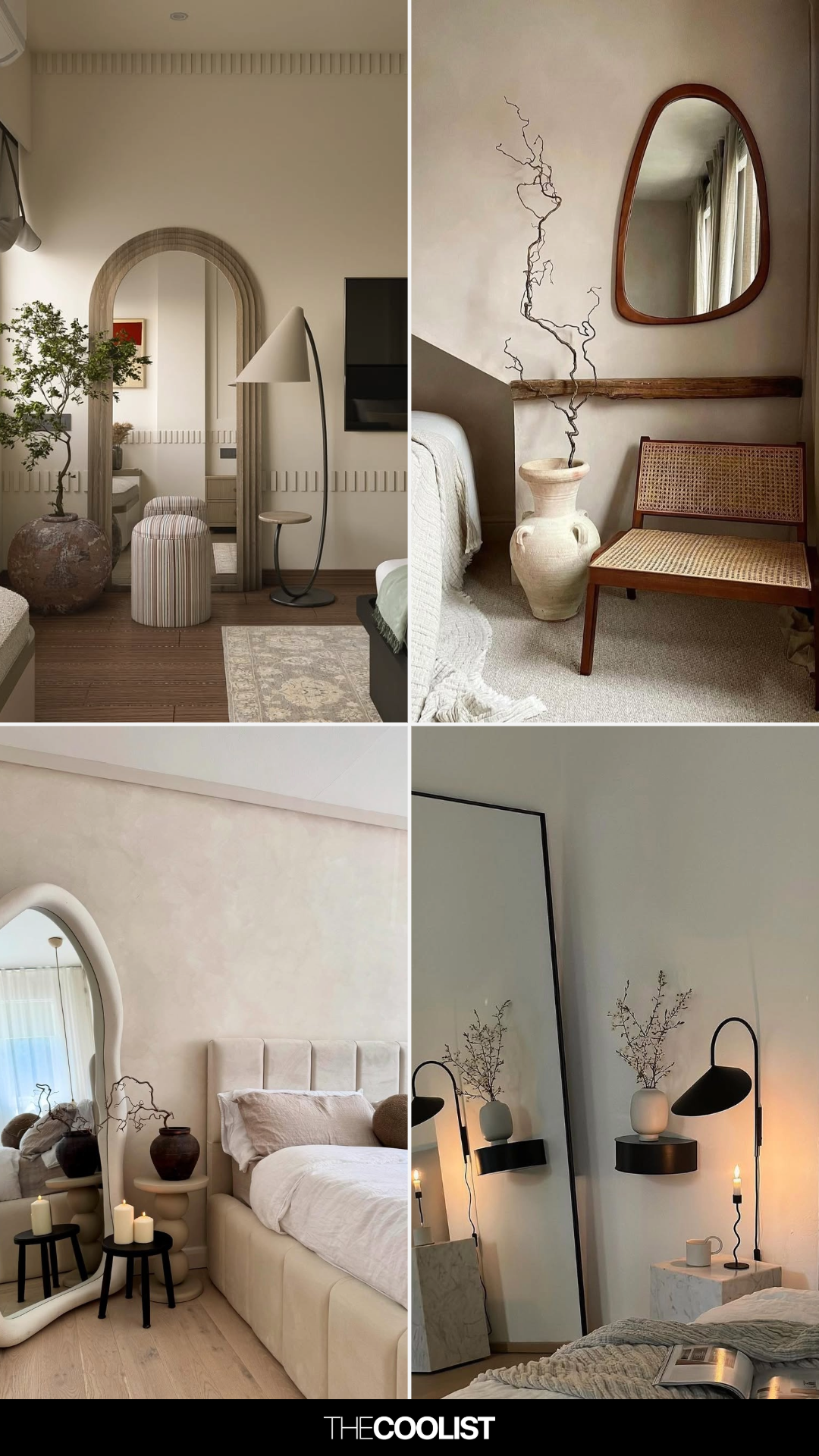
30 Bedroom Mirror Design Ideas That Make Your Bedroom Look Styled Even If Nothing Else Changes