1/10
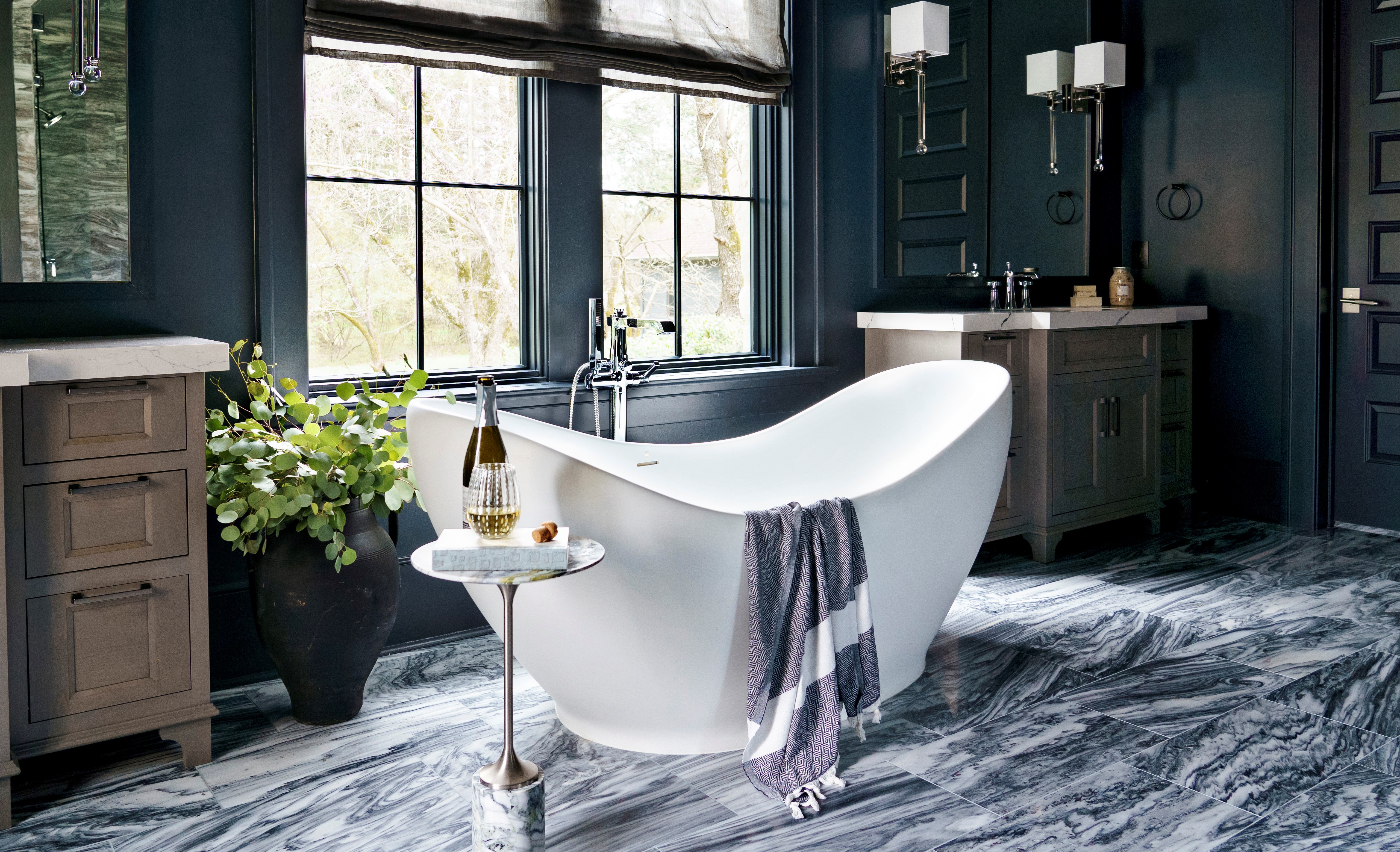
Bathroom focus: How the marble look is key to creating boutique style
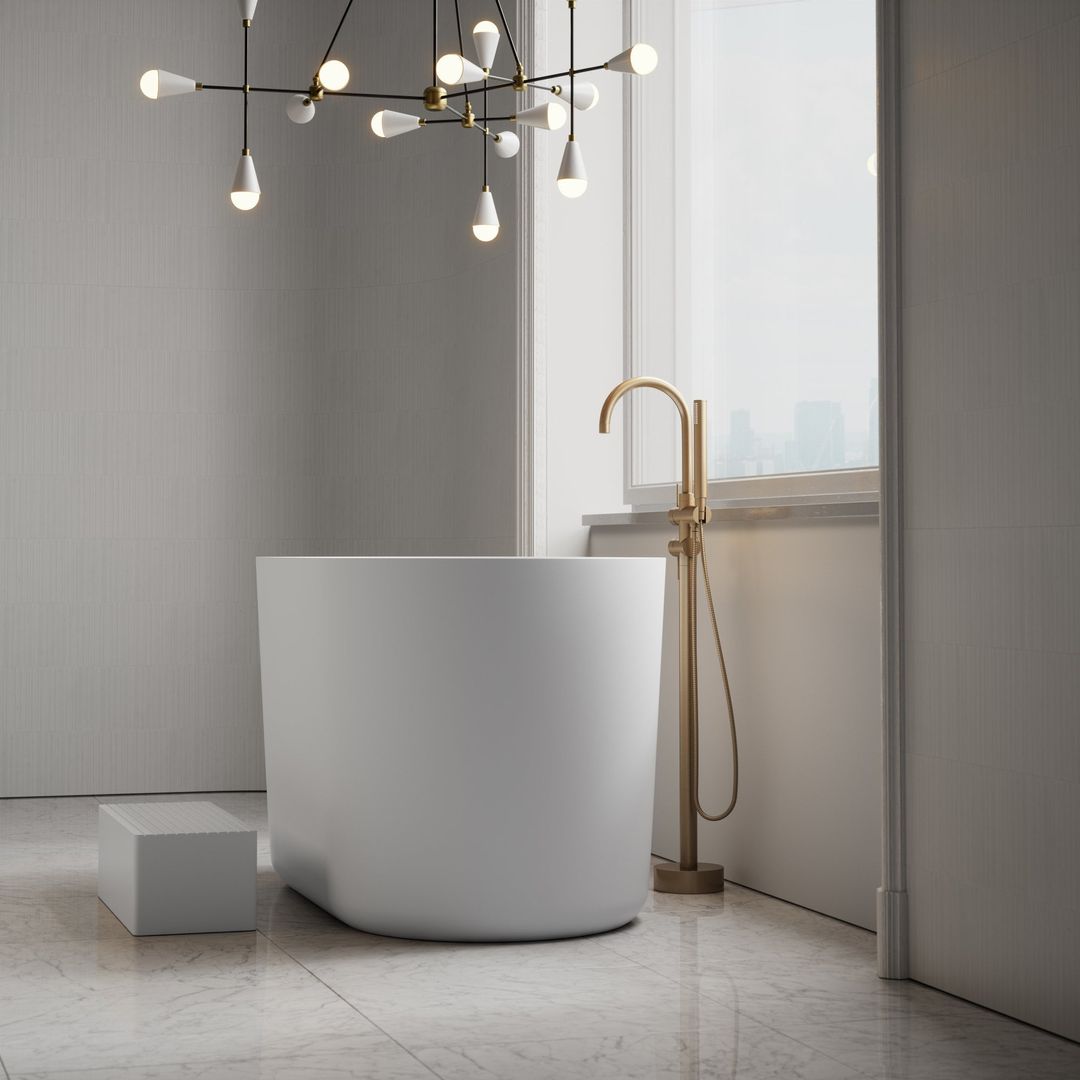
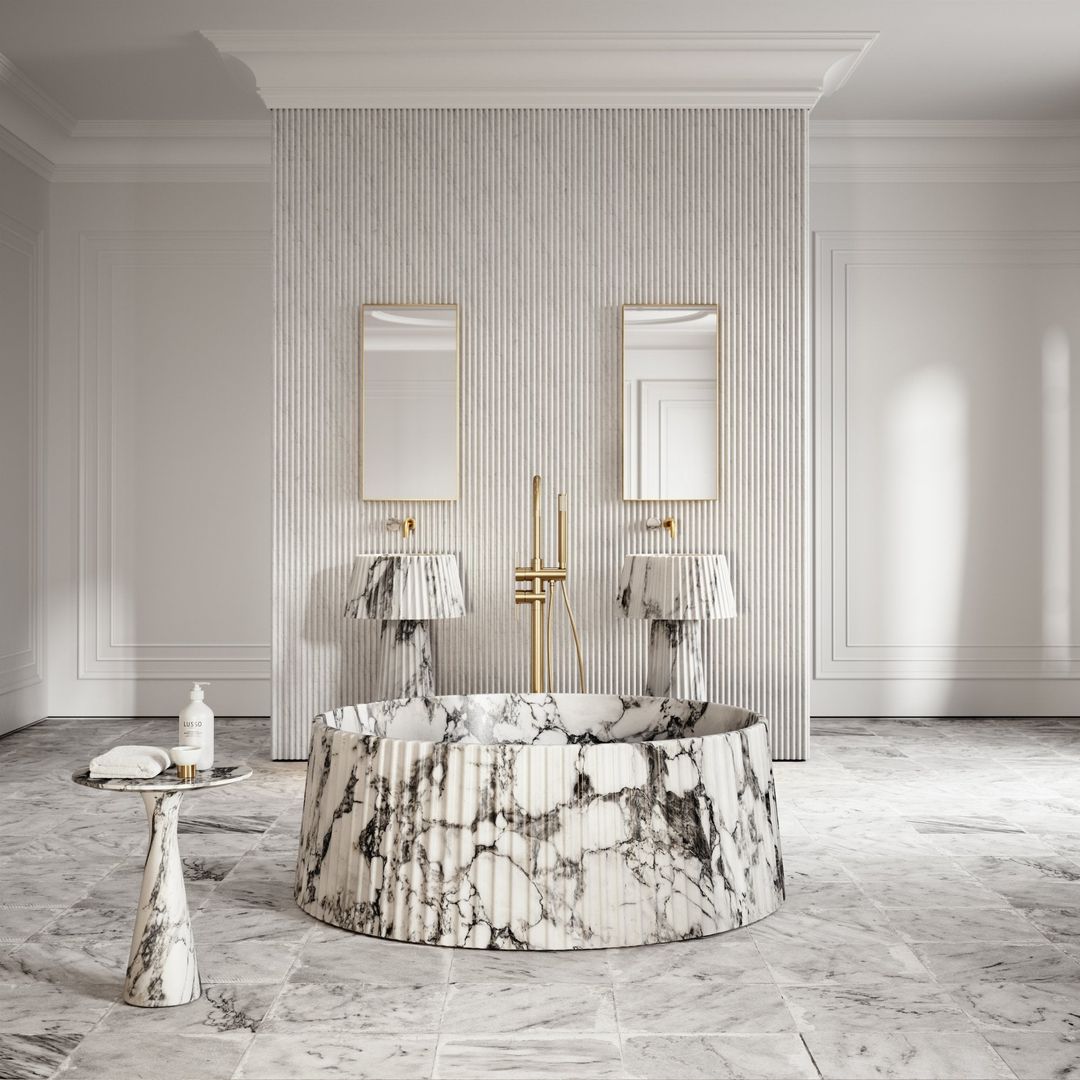
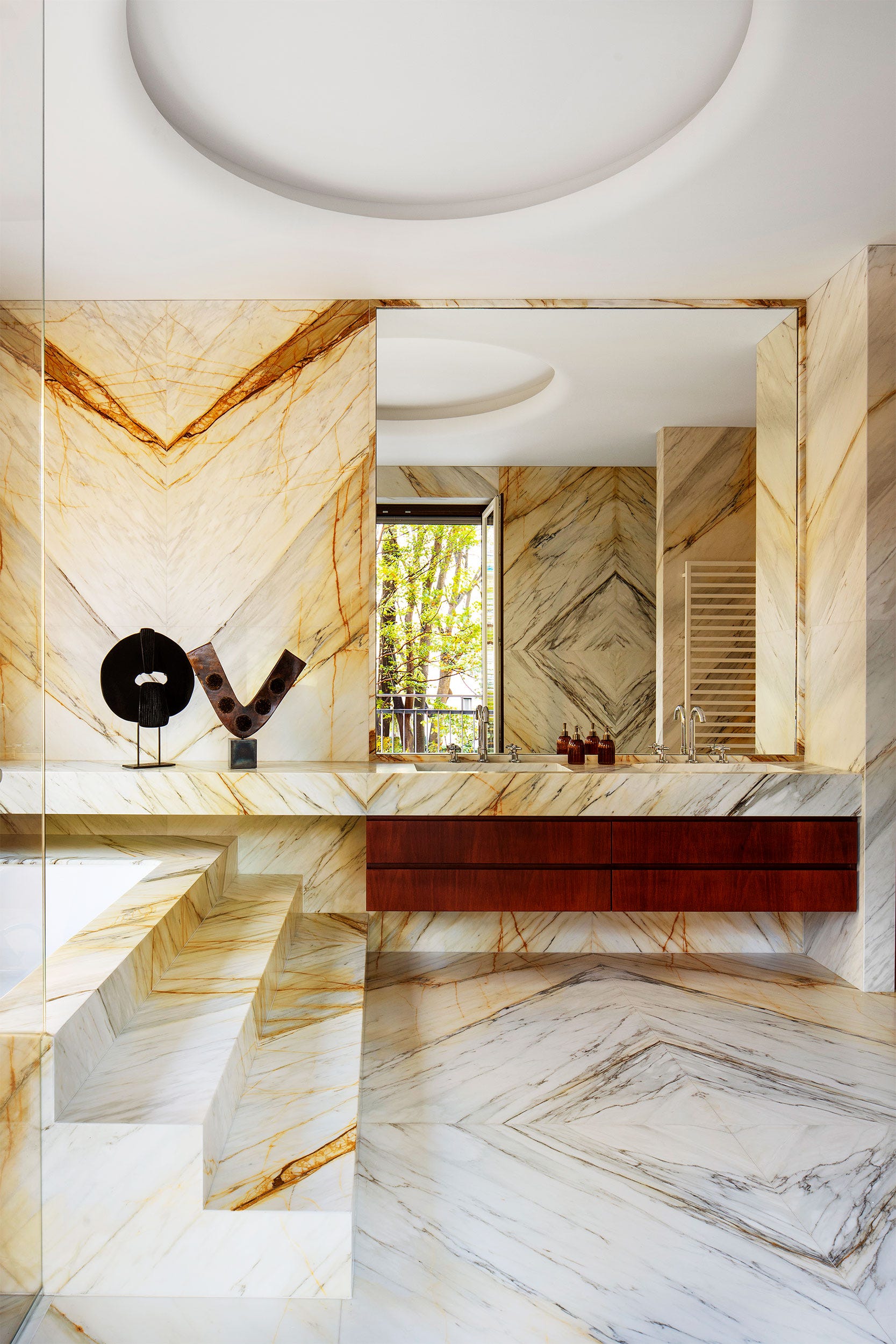
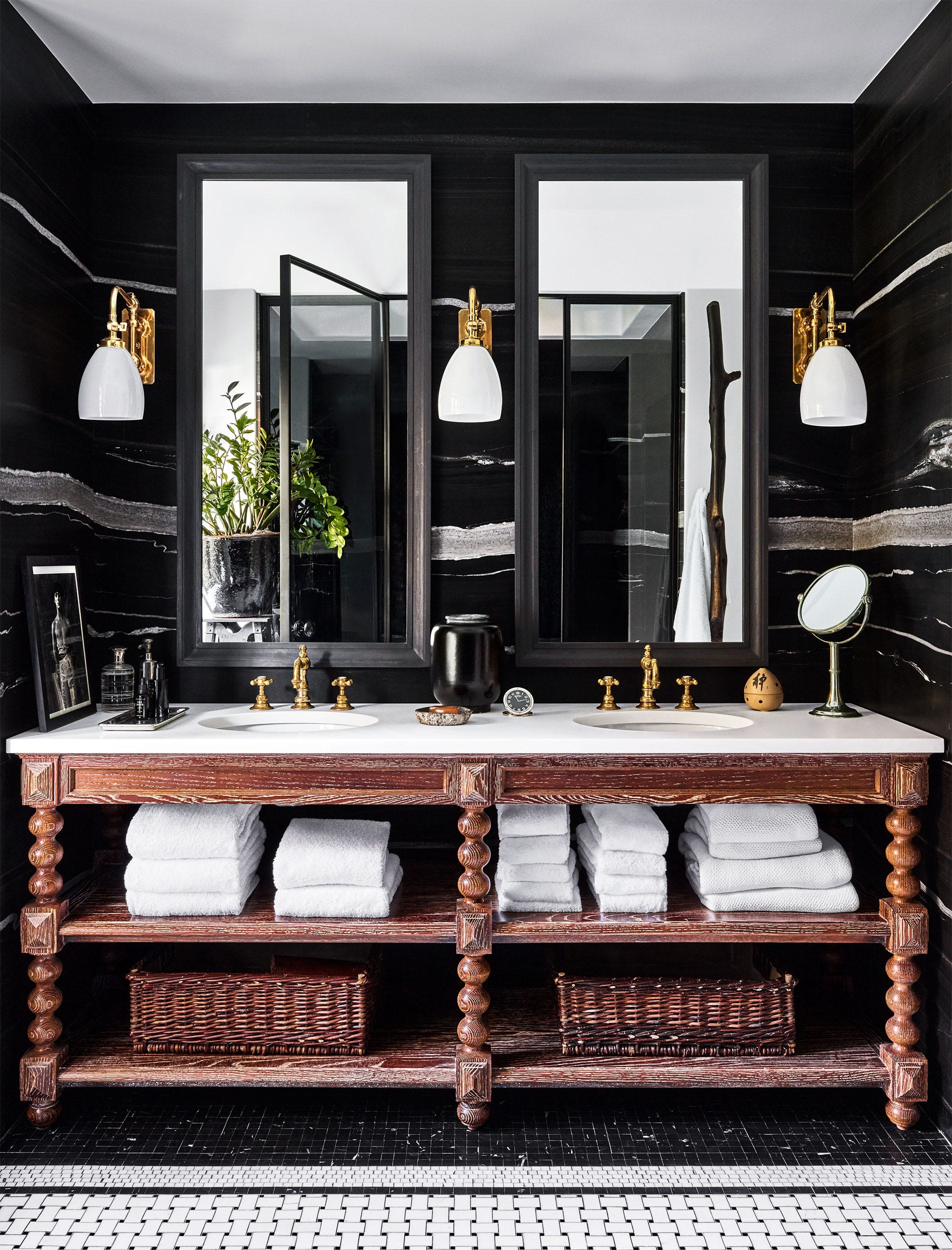
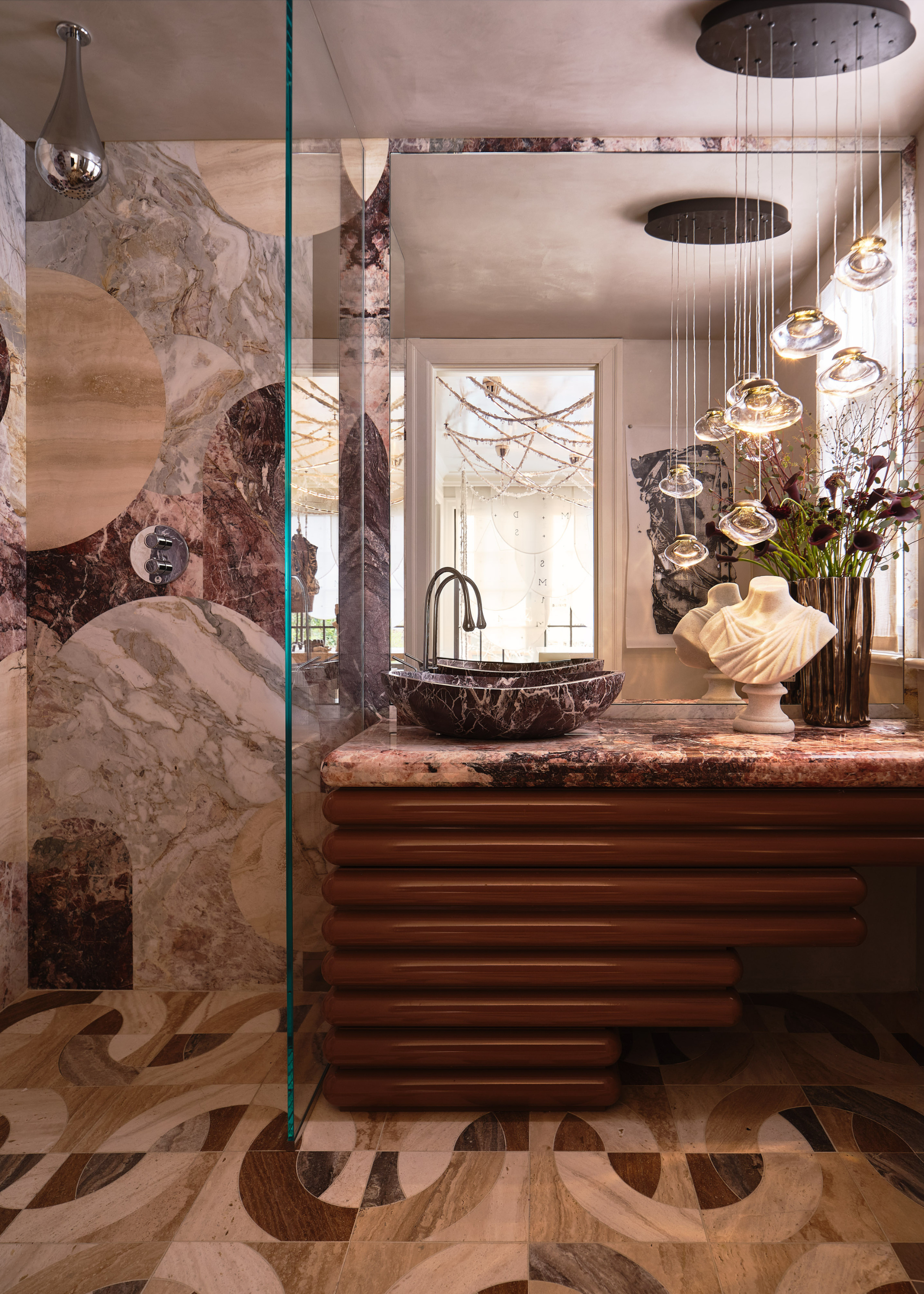
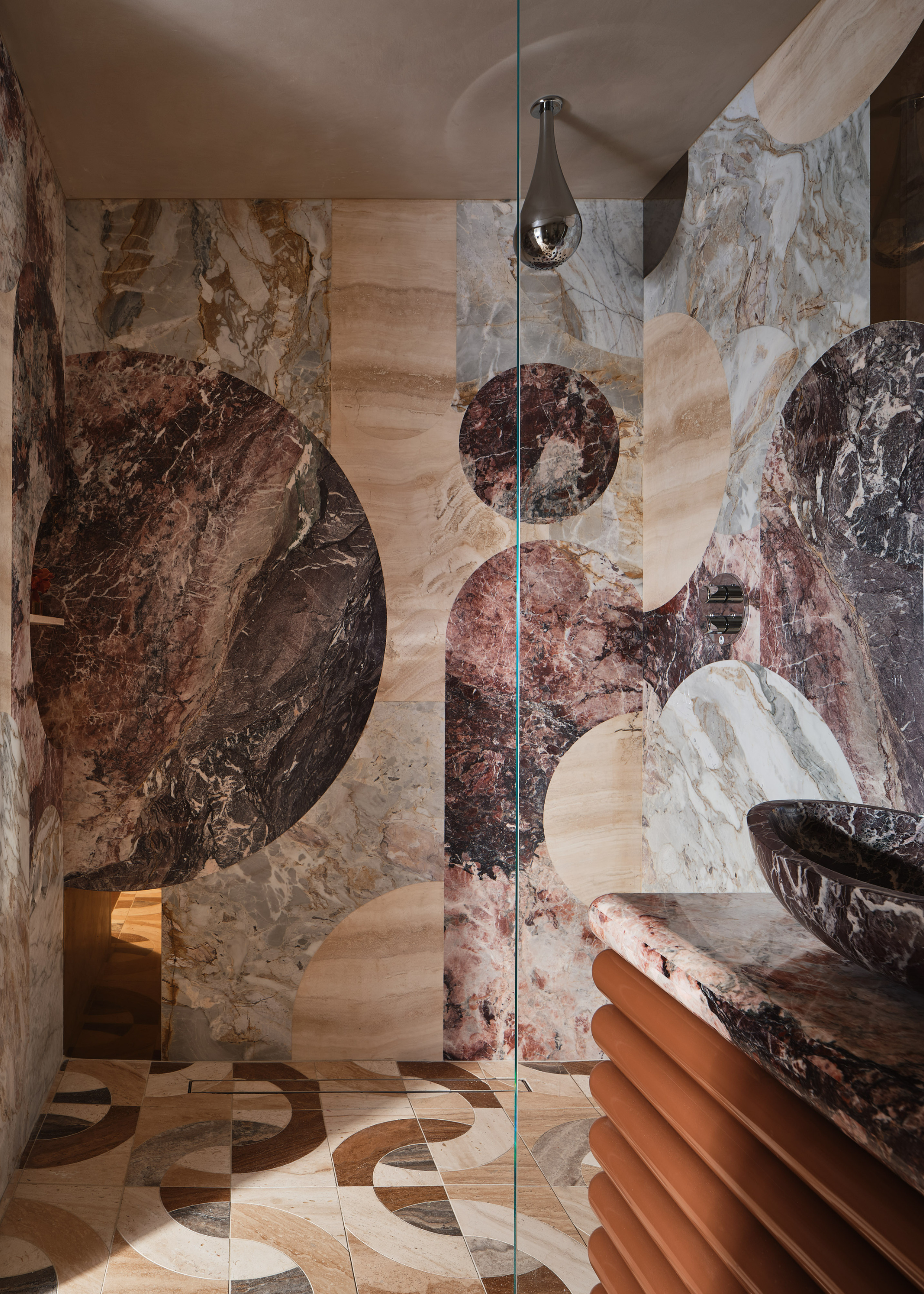
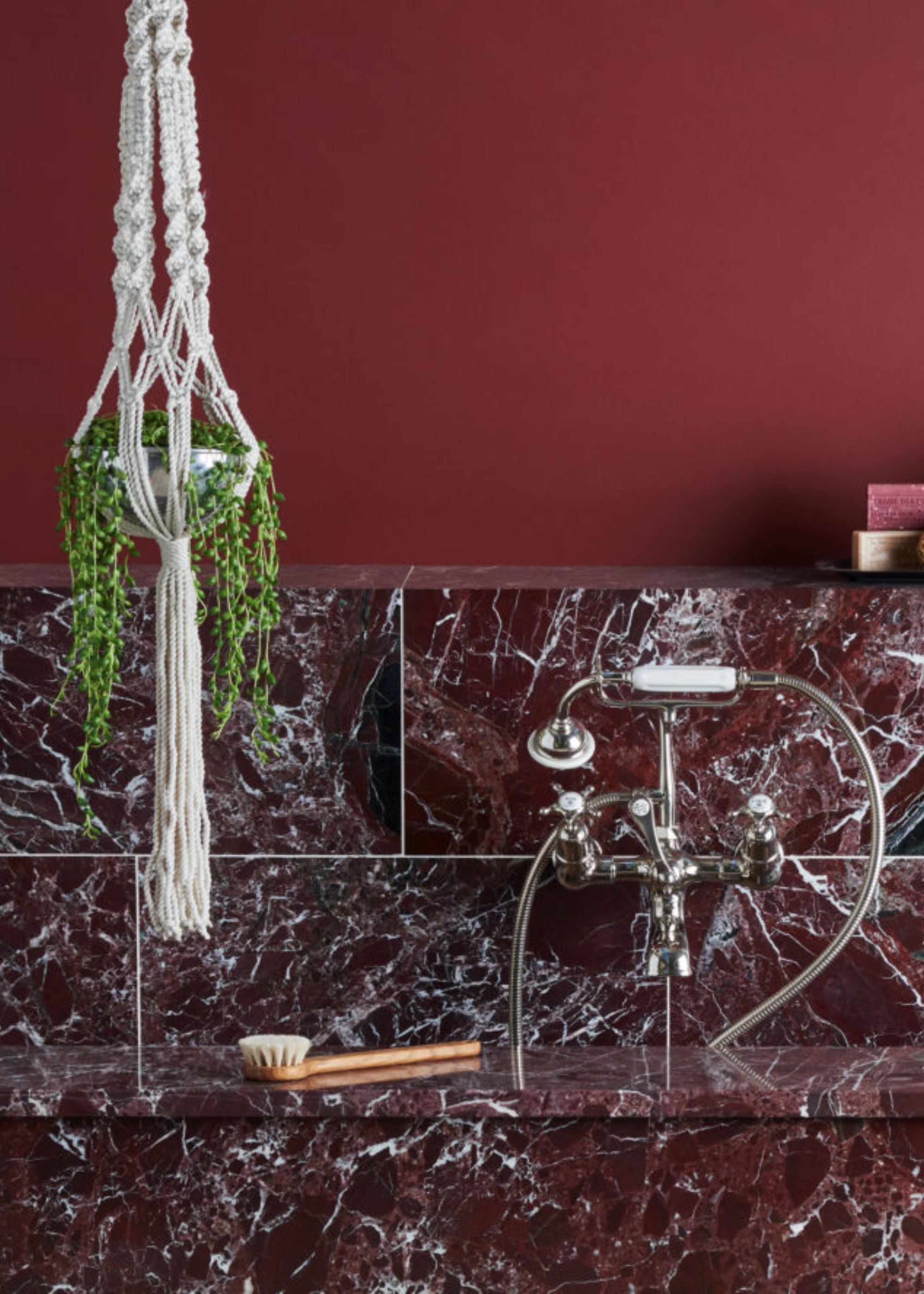
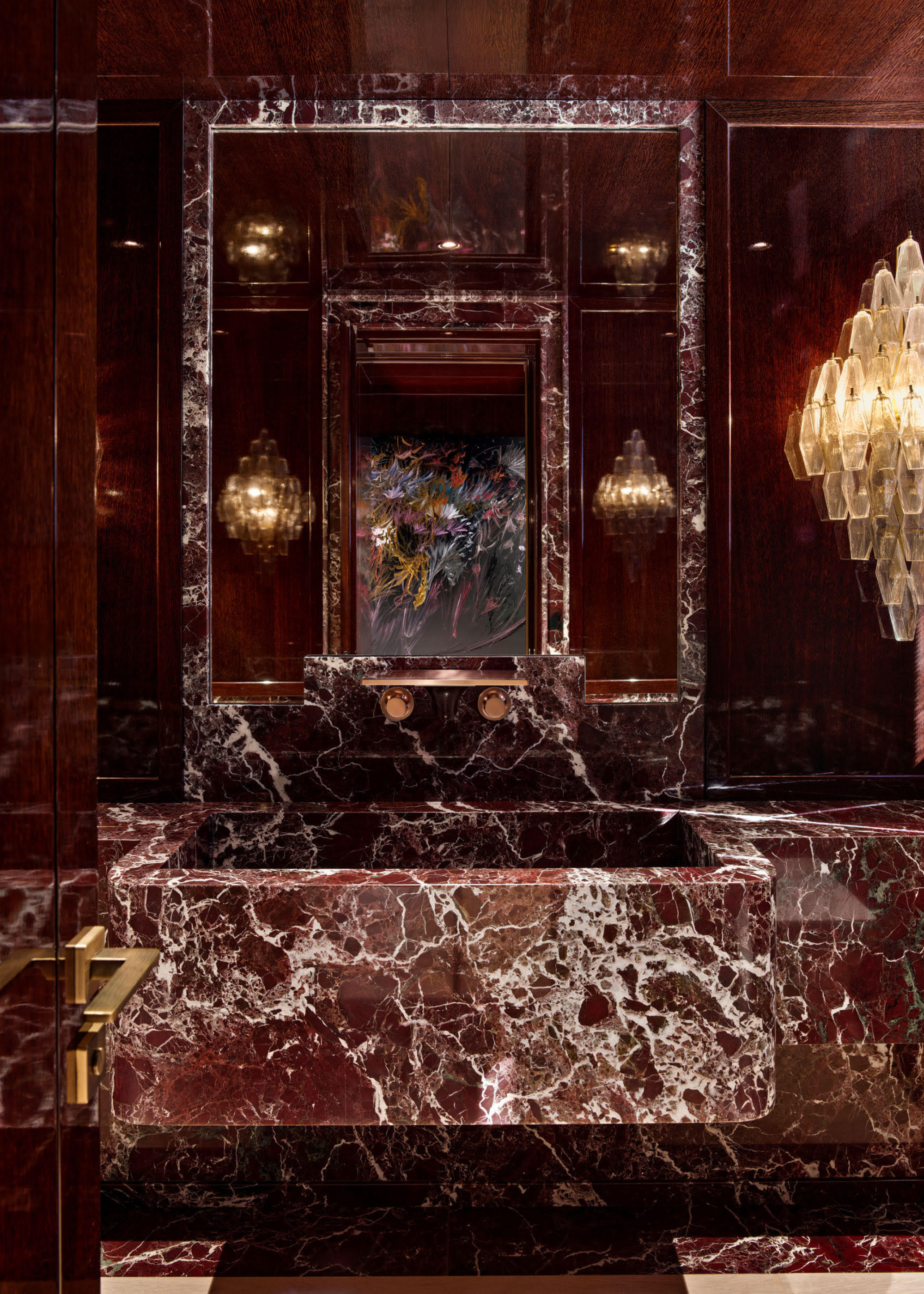
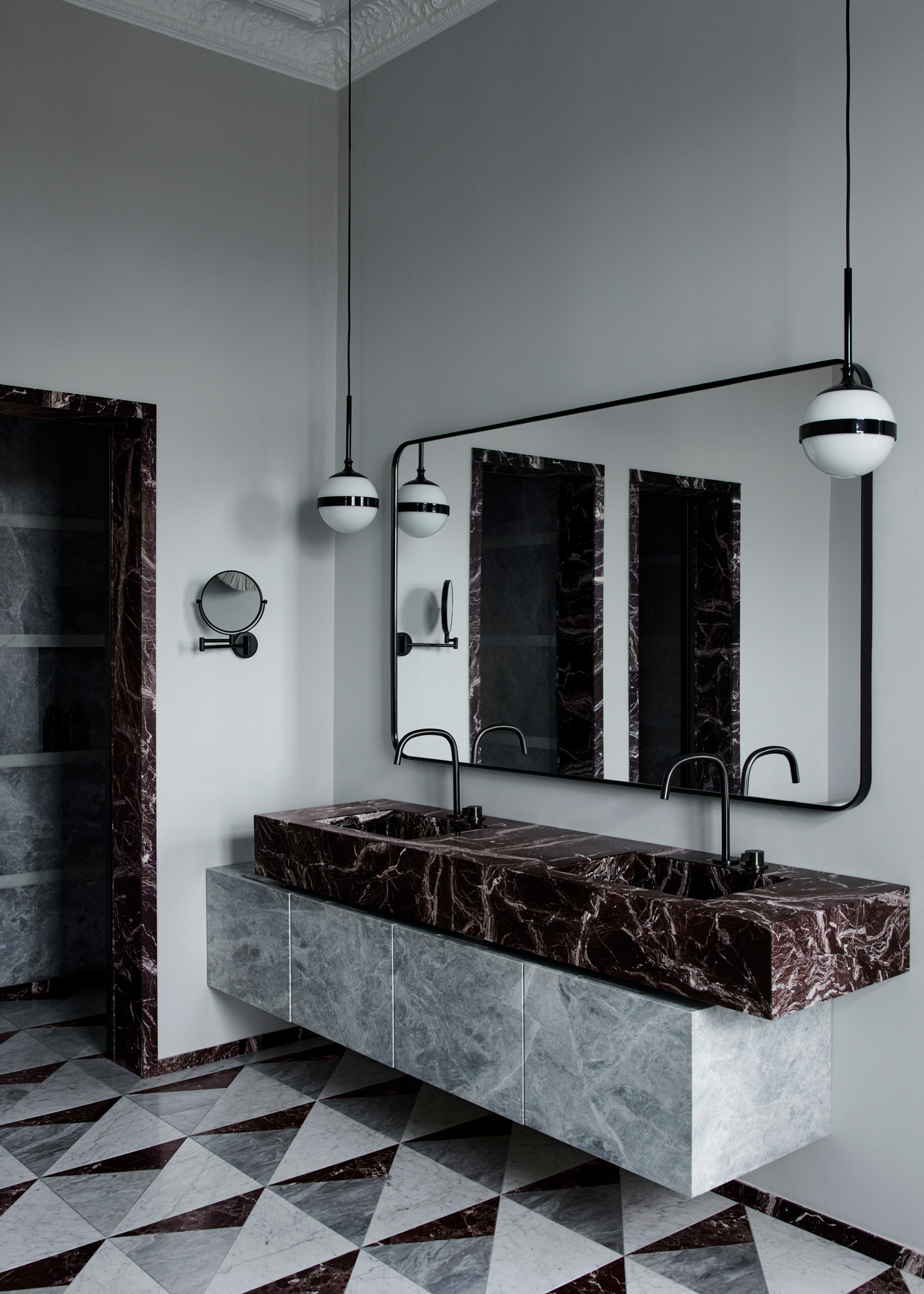
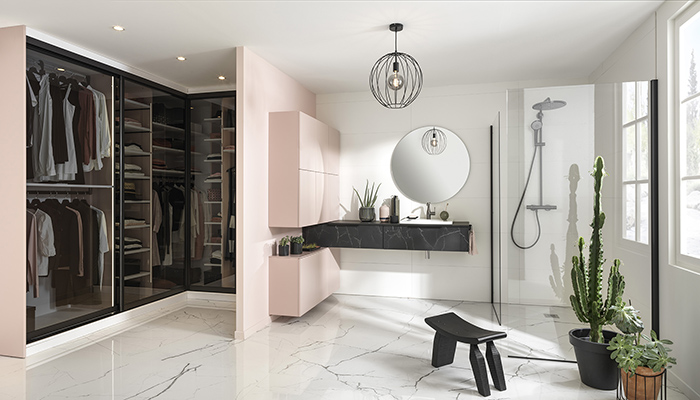
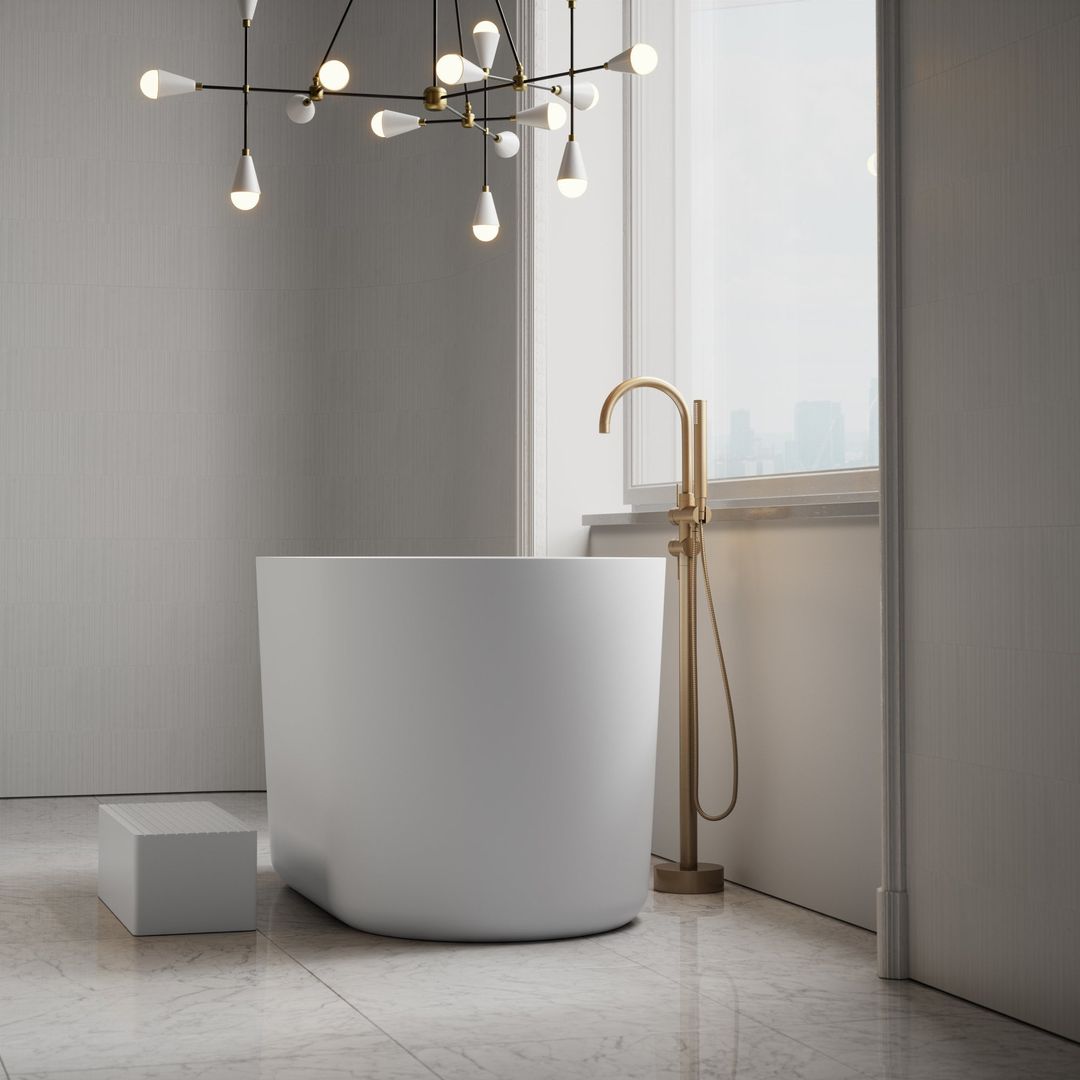
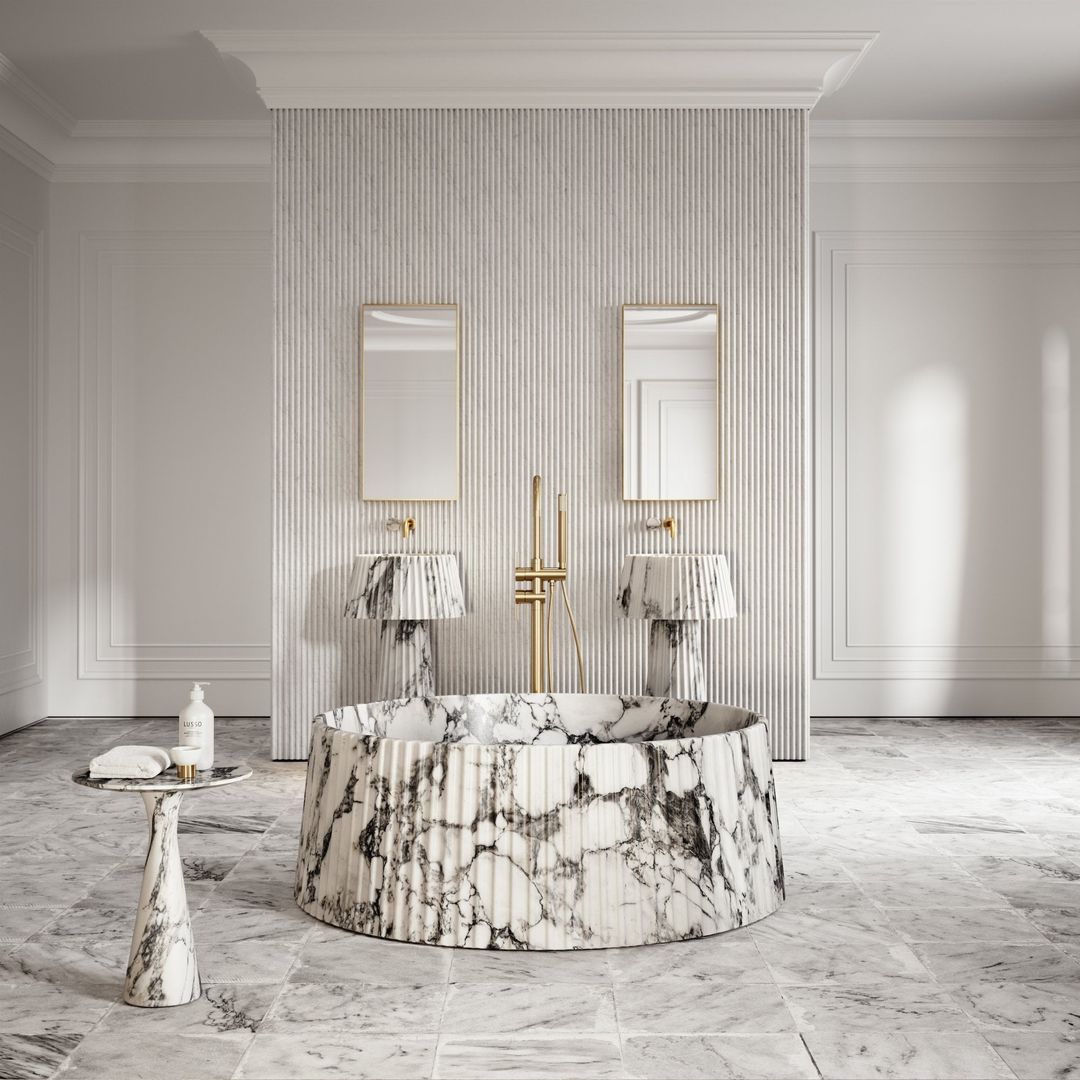
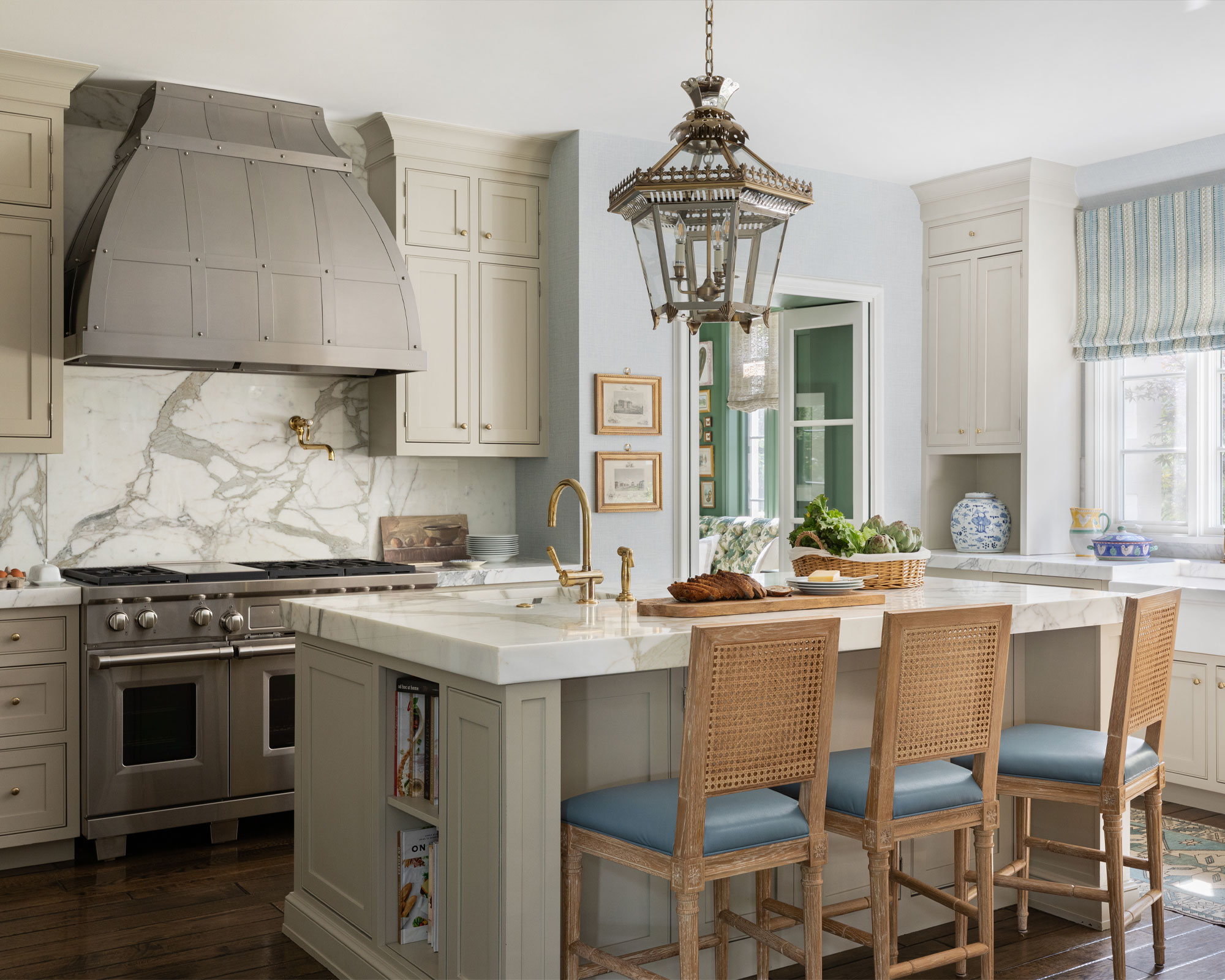
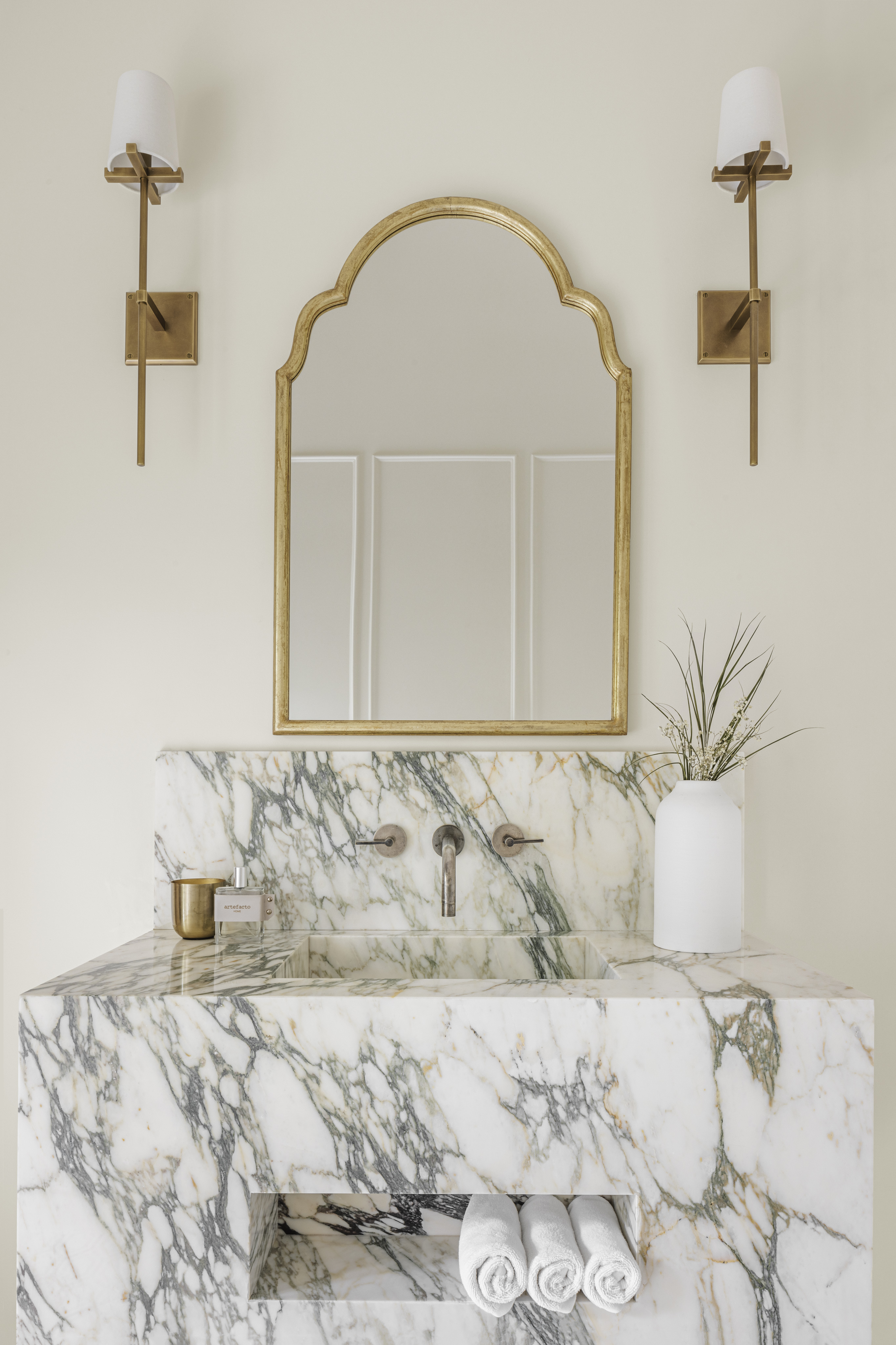
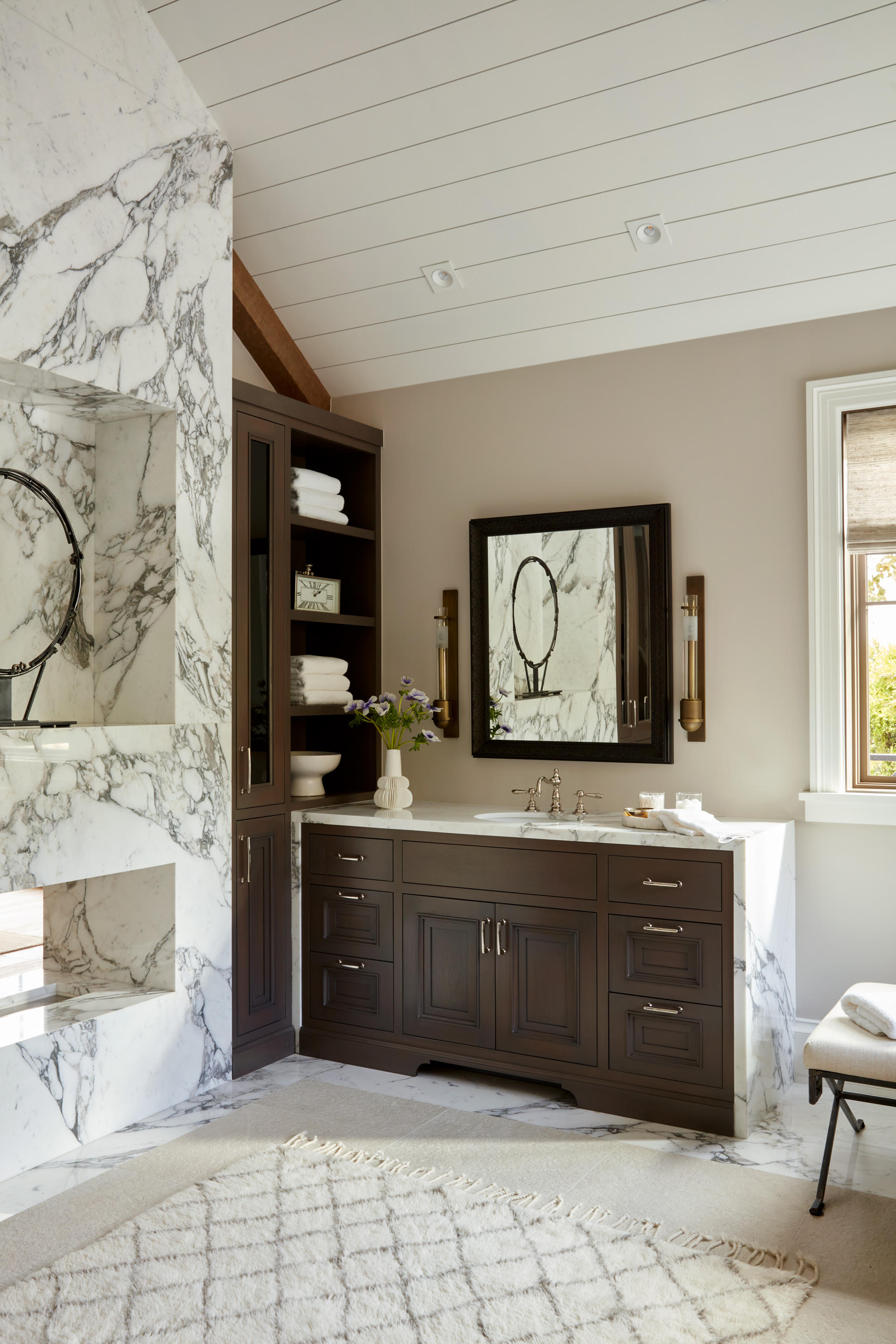
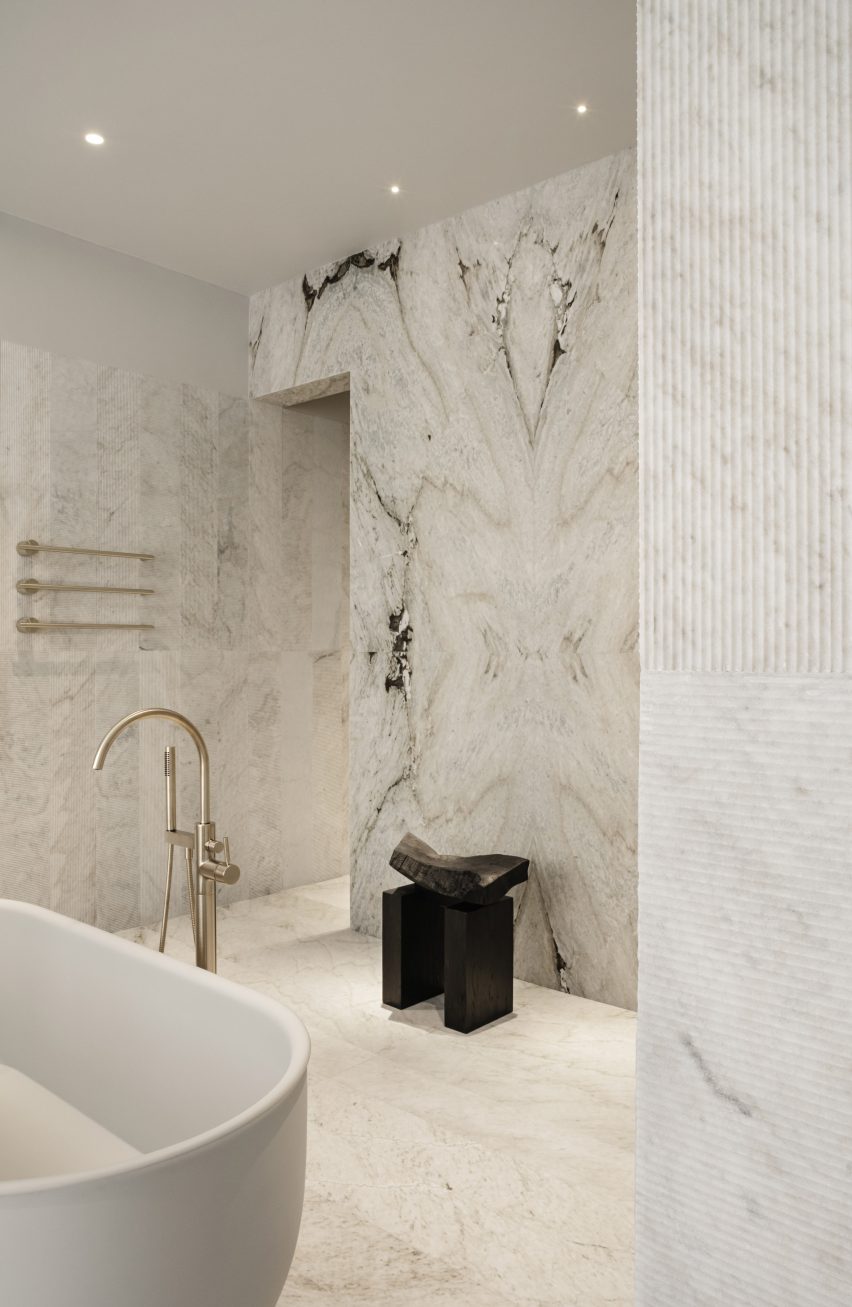
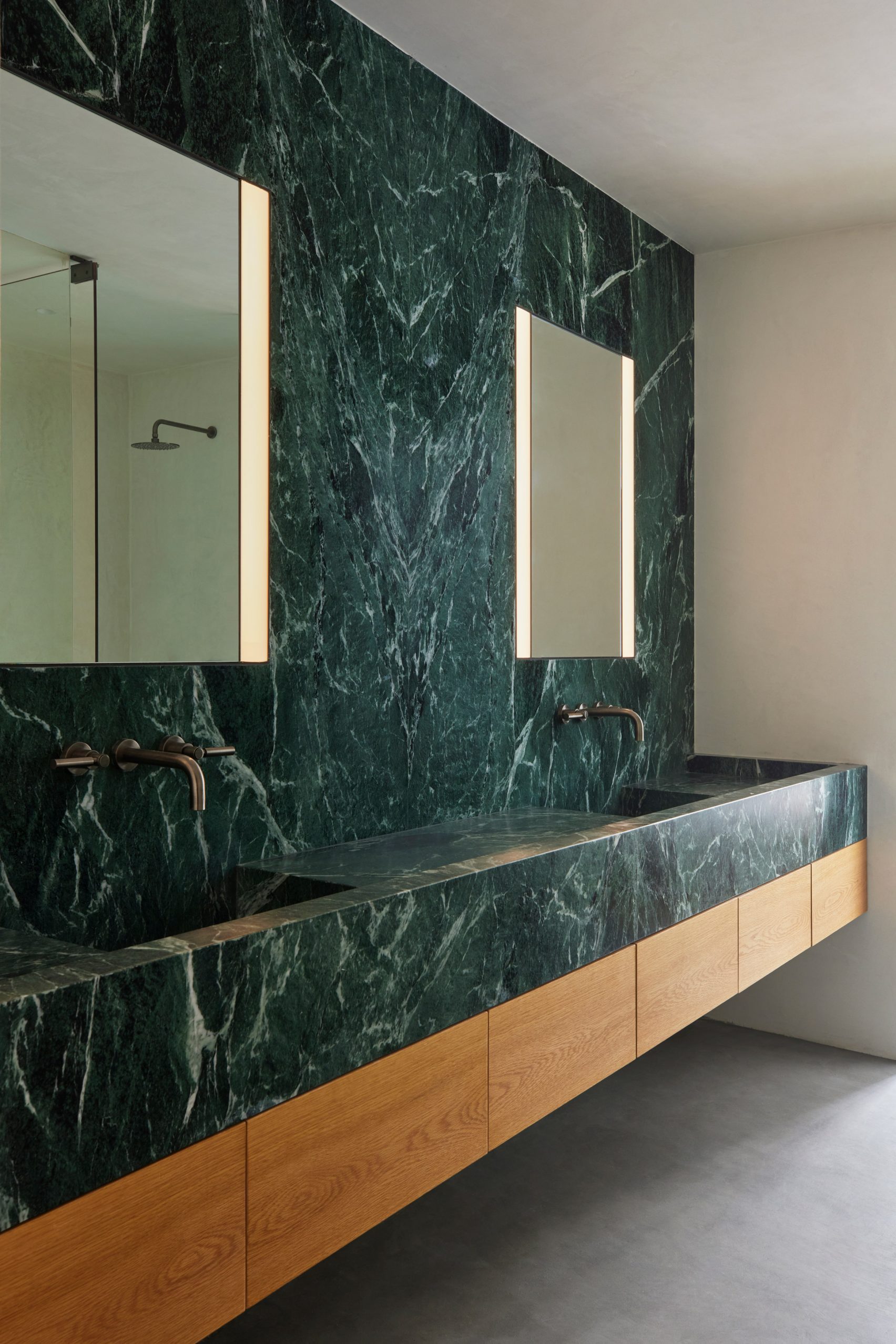
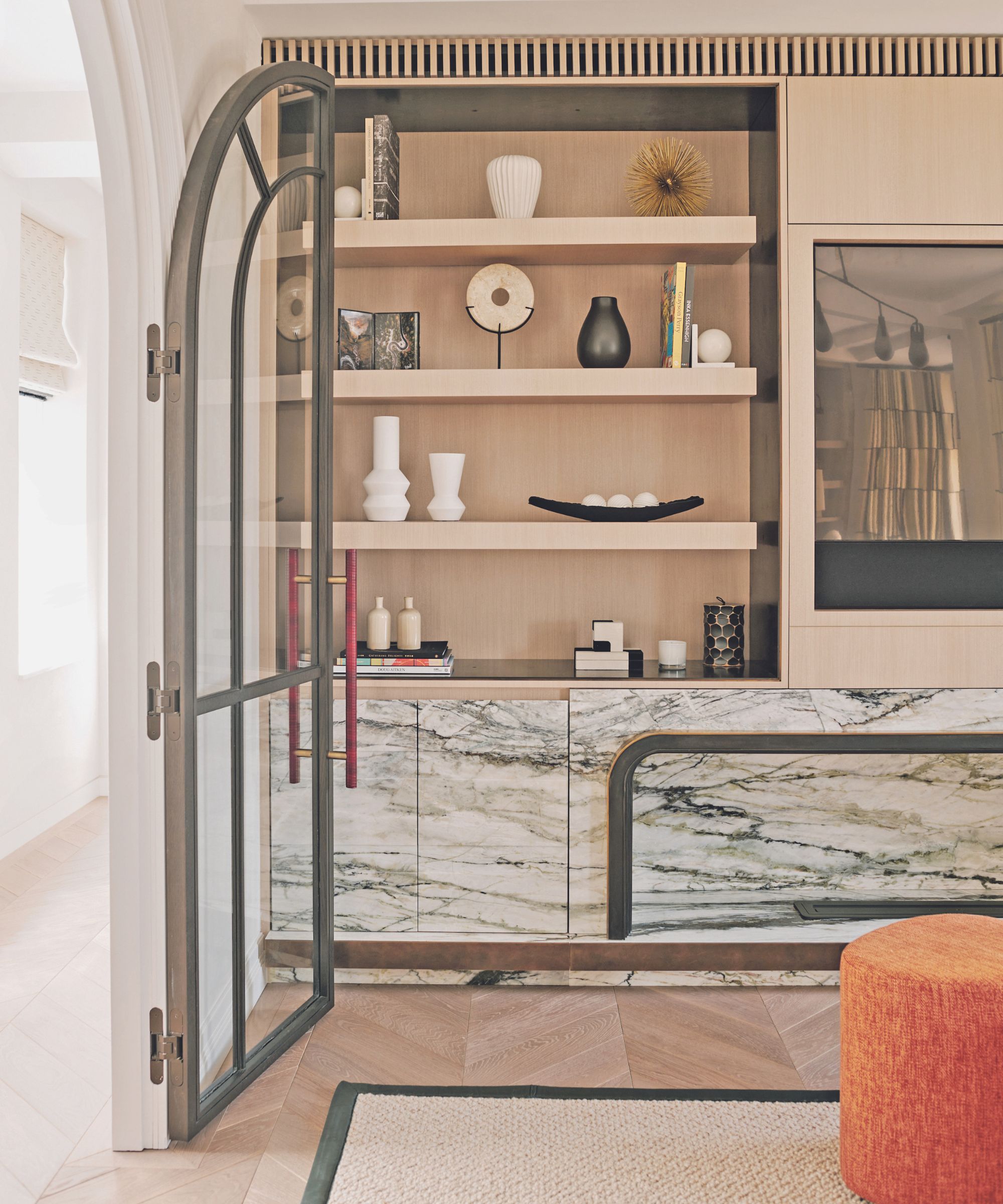
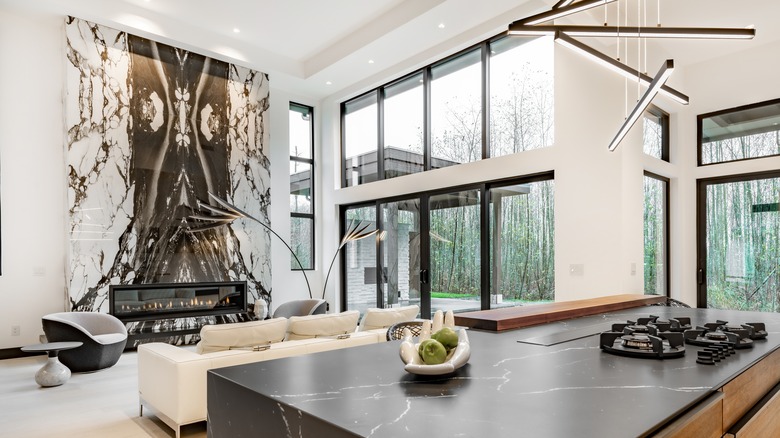
The article explores the growing demand for marble and marble-look surfaces in bathroom design, driven by consumers' desire for spa-inspired luxury and boutique hotel aesthetics. It delves into the advantages and disadvantages of using real marble versus its alternatives, highlighting technological advancements that have made imitations more realistic and practical.
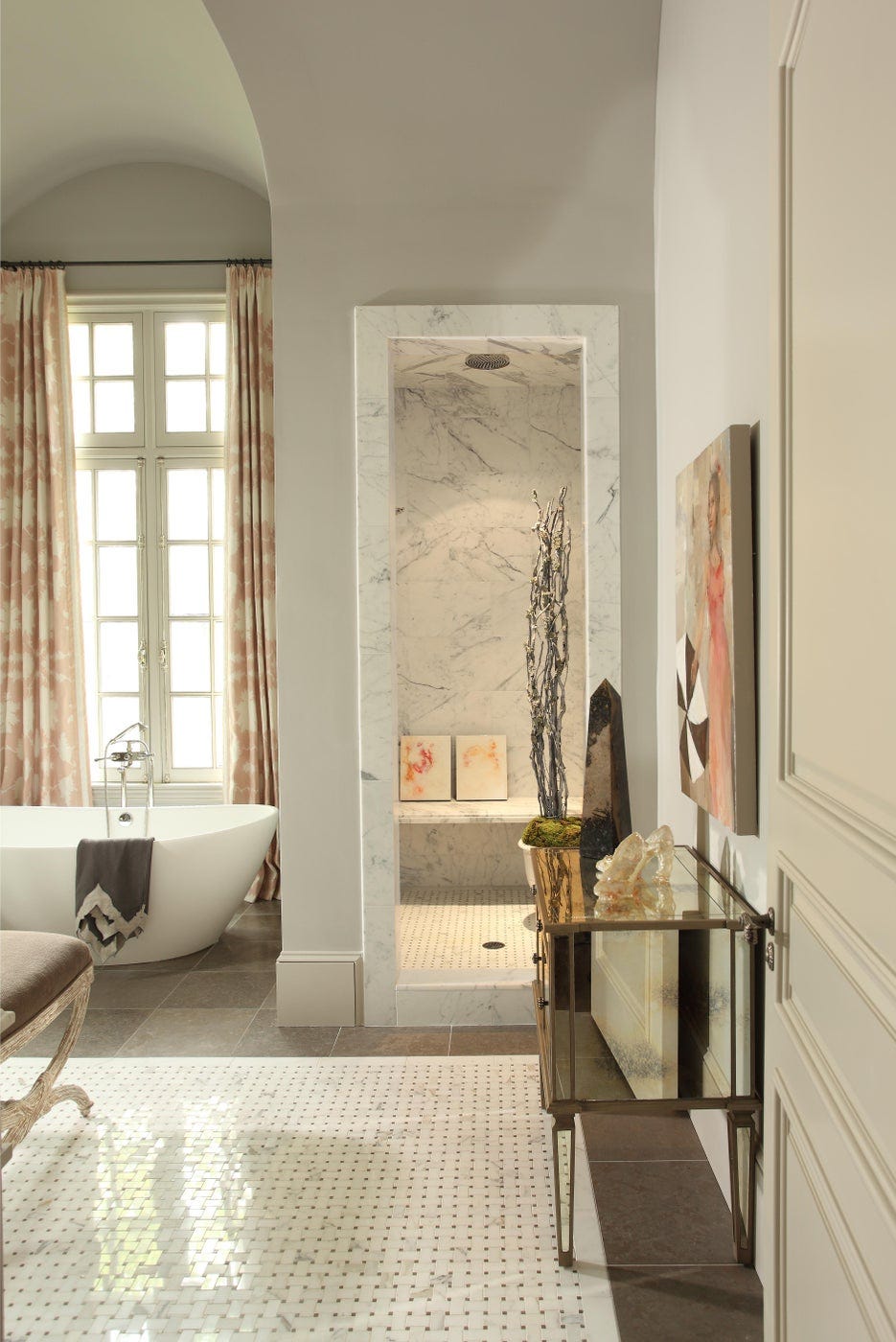
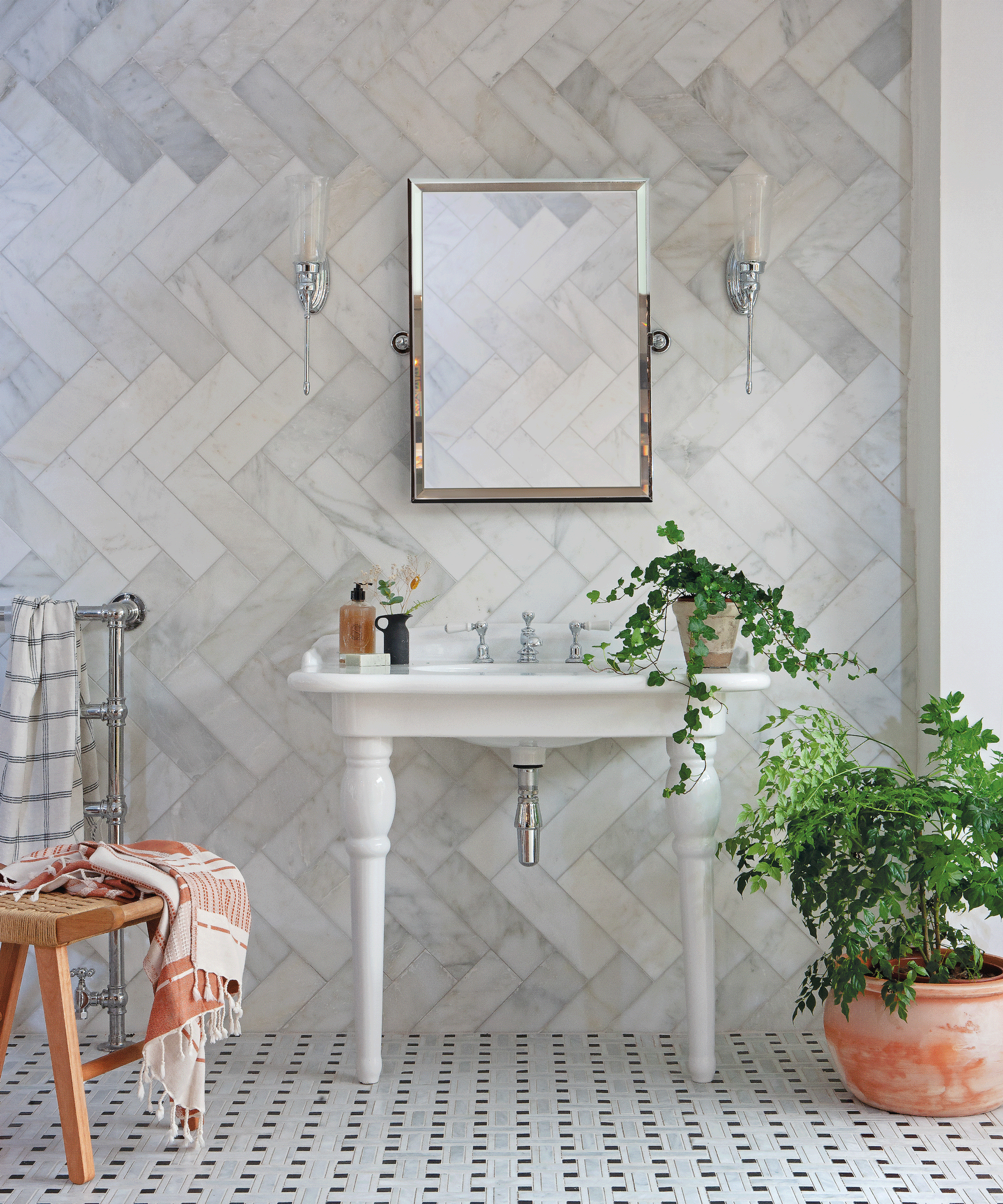
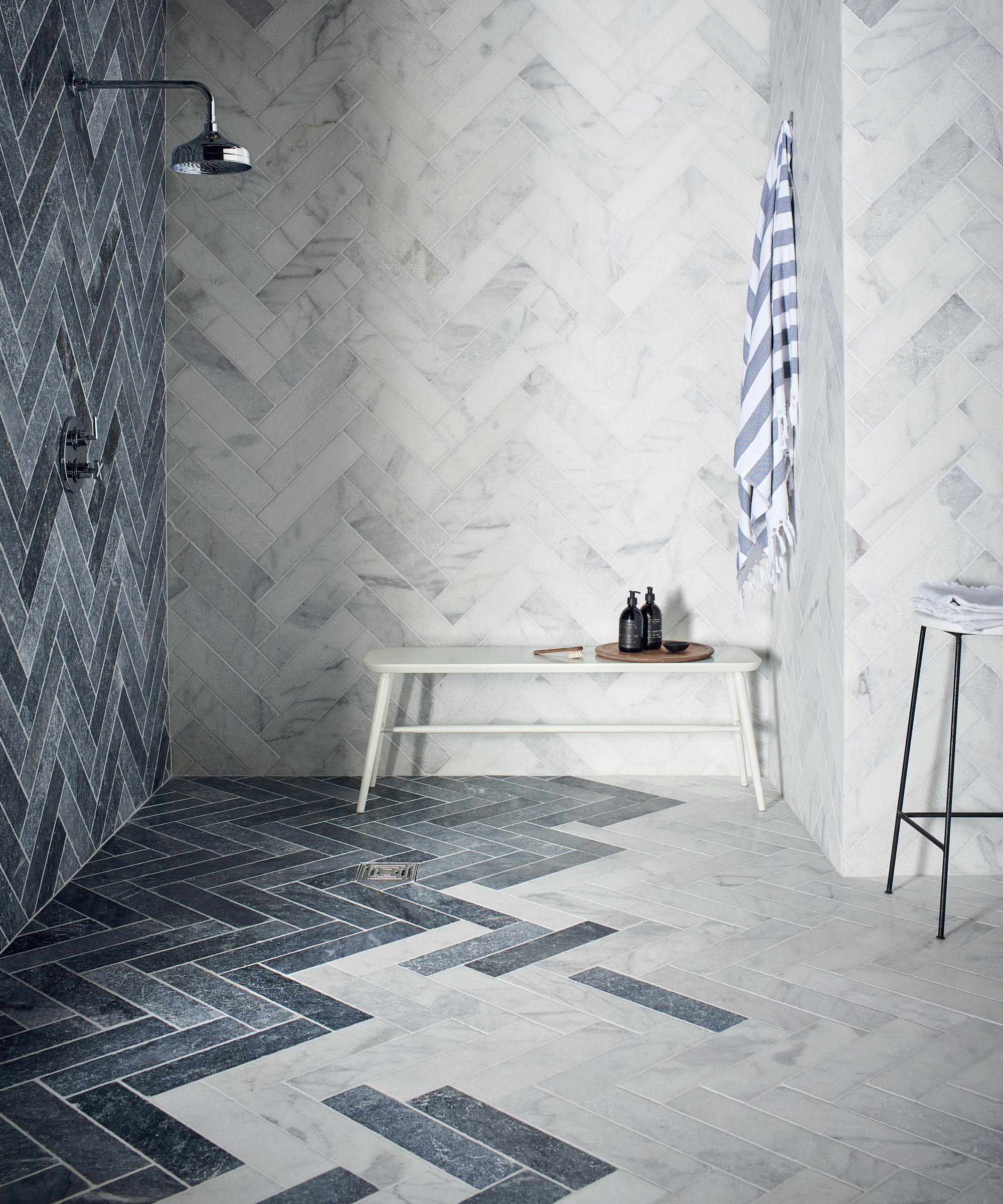
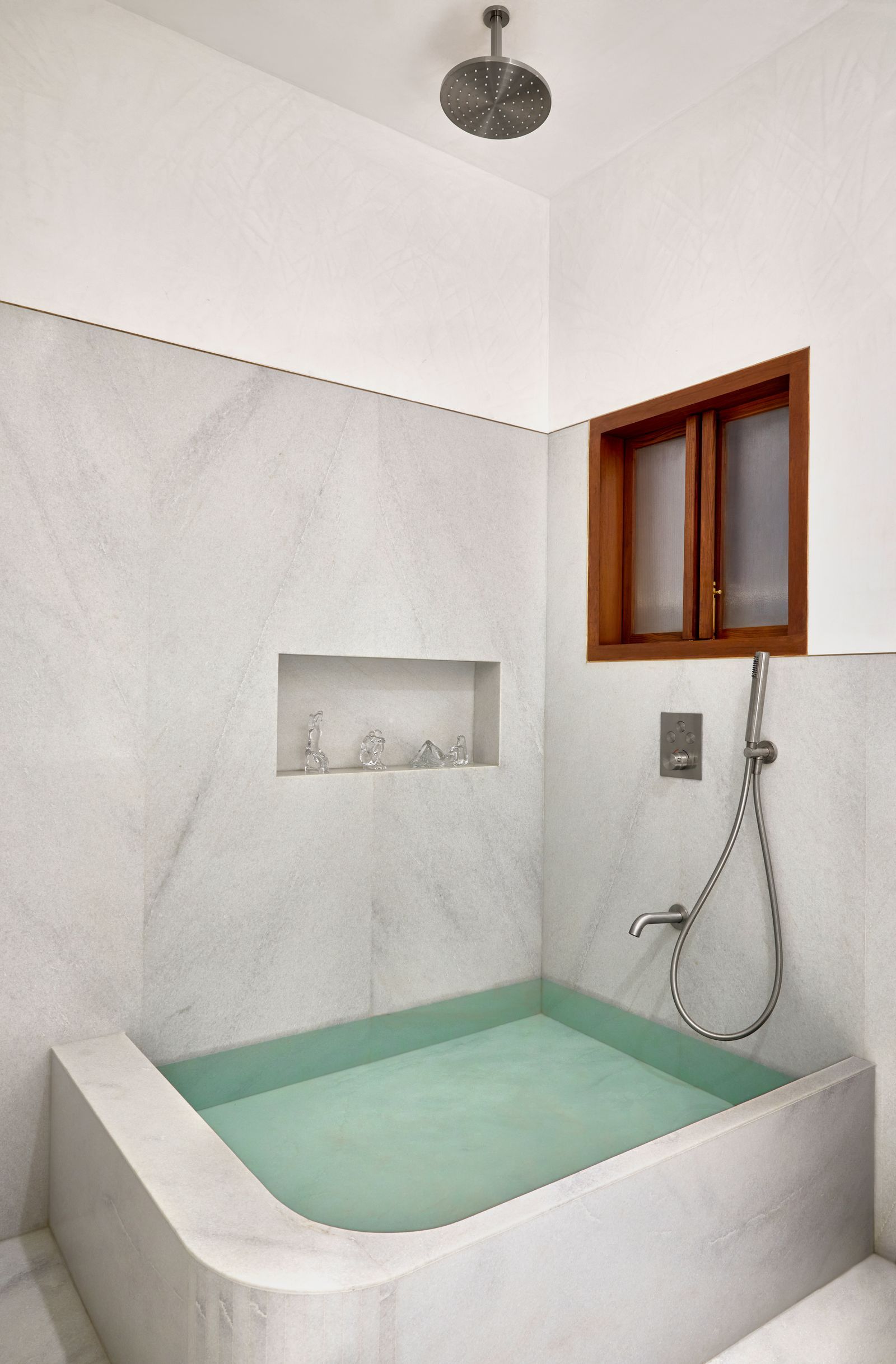
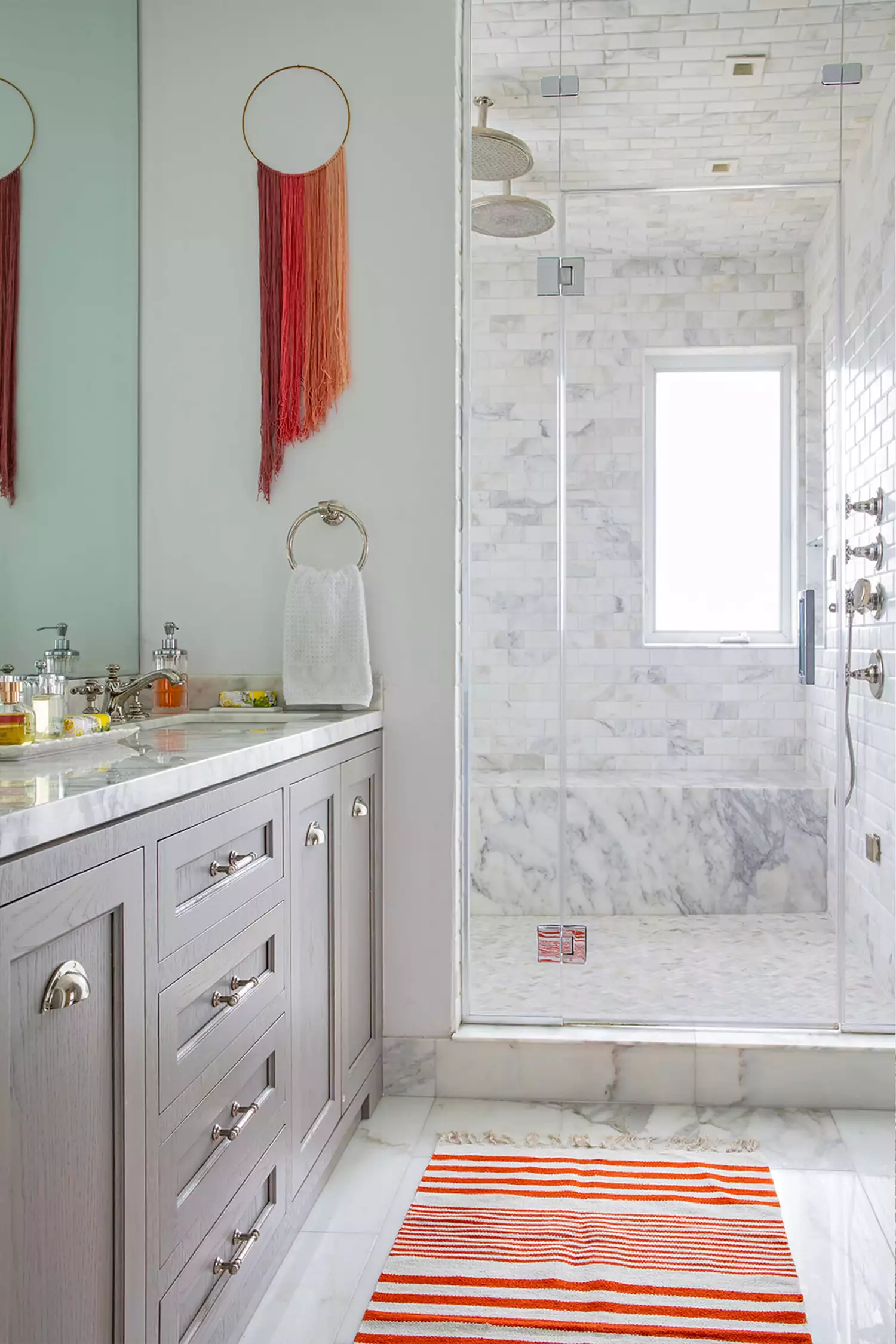
Real marble, while inherently sophisticated, presents challenges such as slipperiness when polished, especially on floors, and susceptibility to etching and staining from harsh cleaning products. Experts like Oliver Webb from Cullifords advise careful consideration for placement and recommend honed finishes for slip resistance. Erin White from Ripples emphasizes the importance of using pH-neutral cleaners for natural stone to preserve its finish.
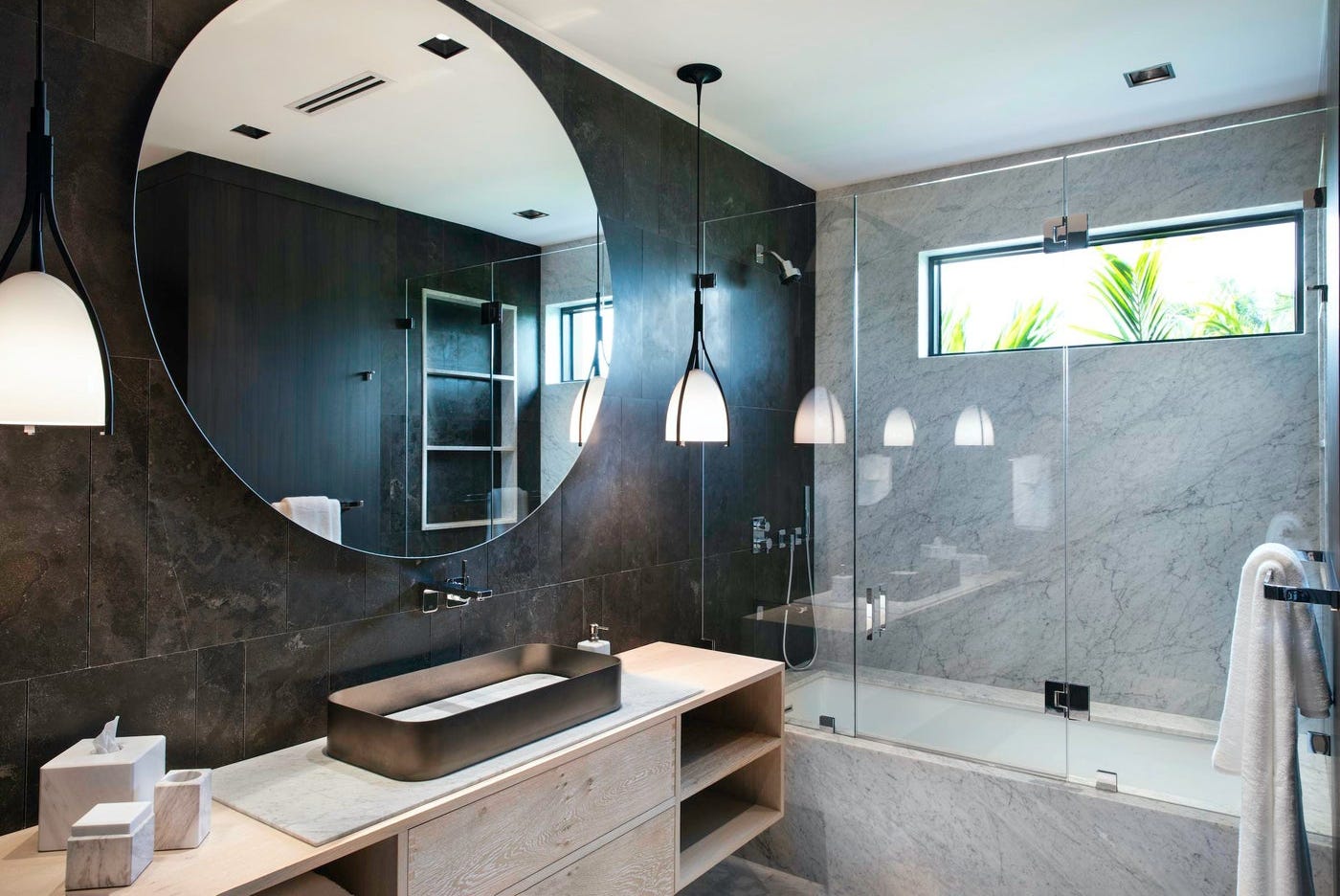
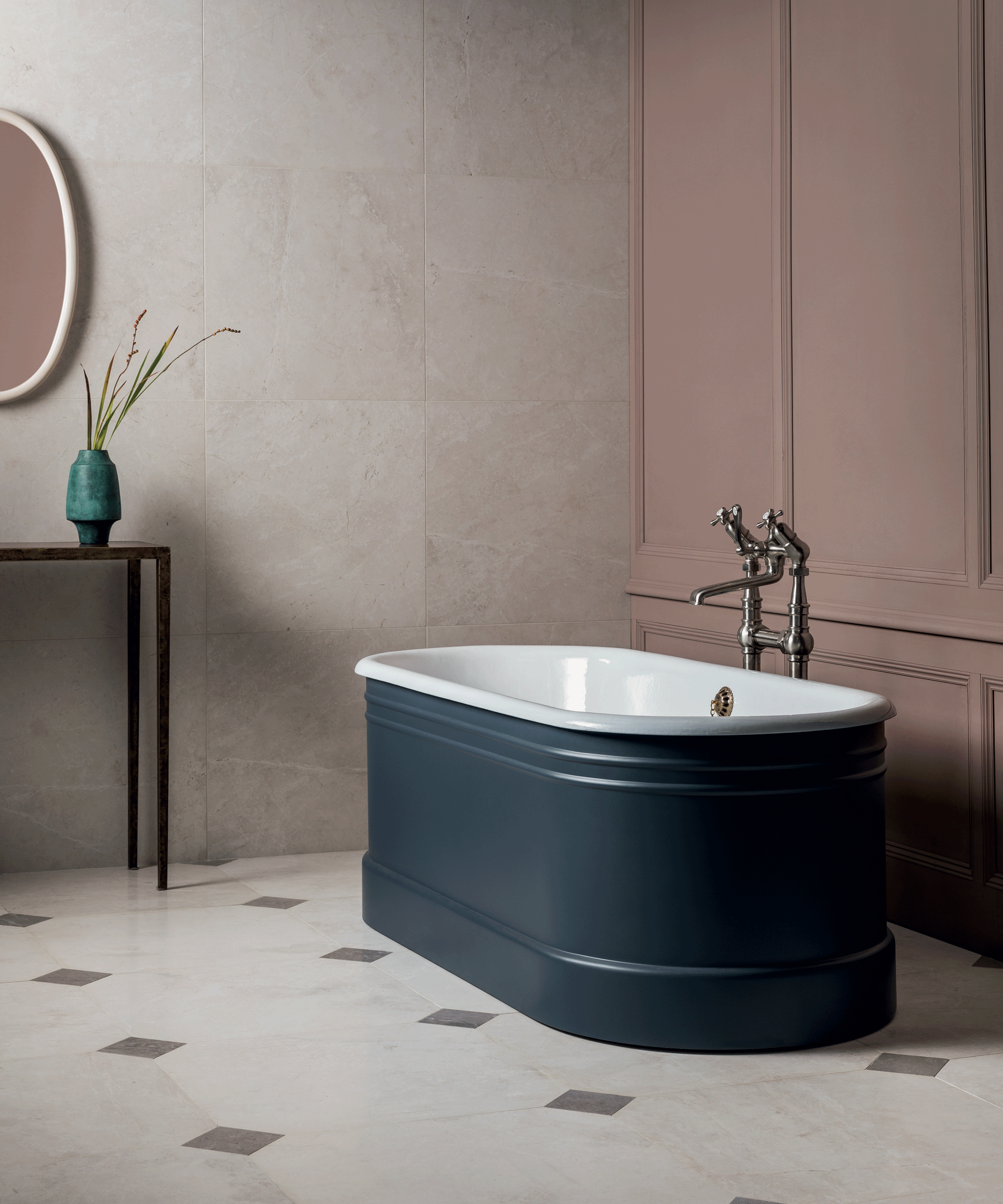
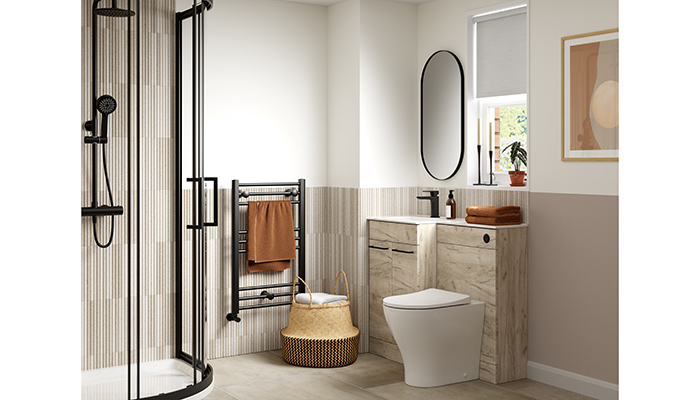
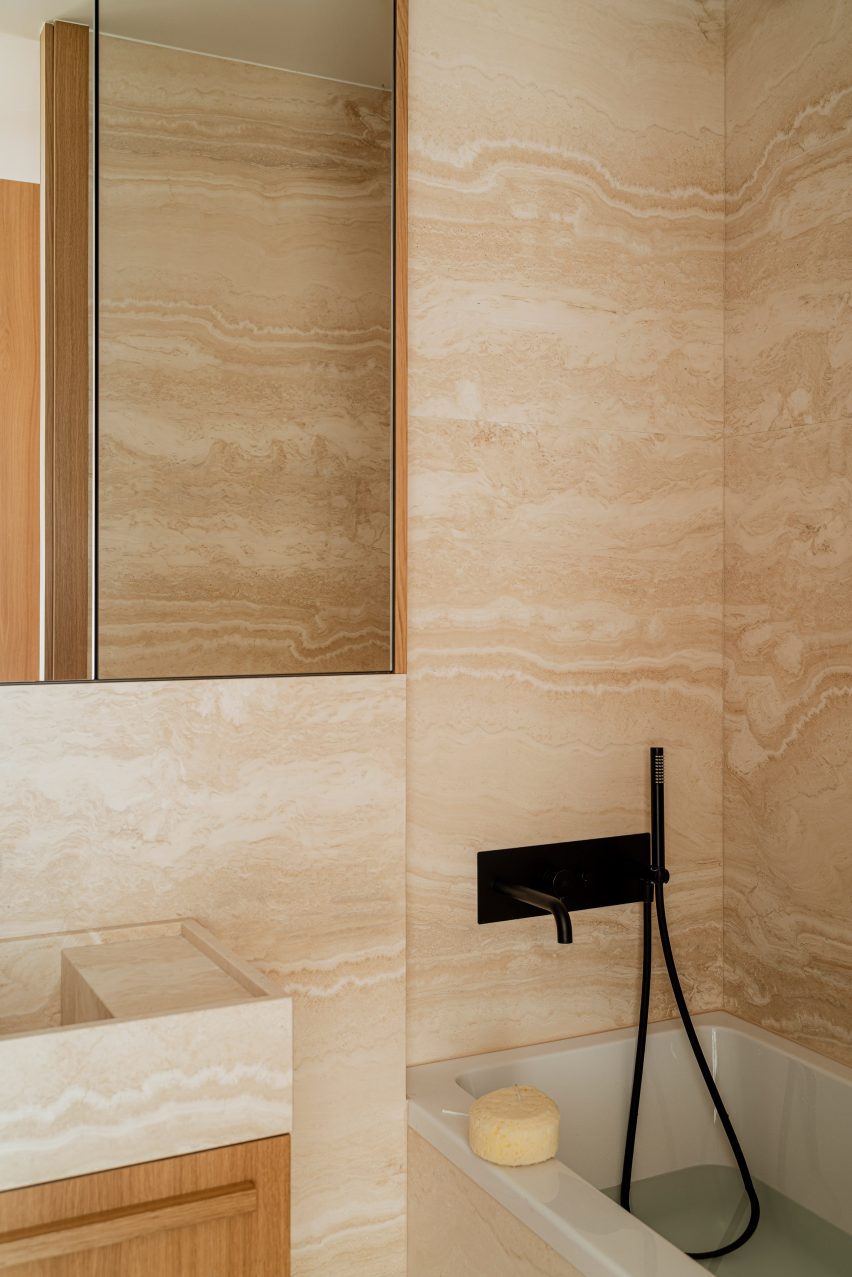
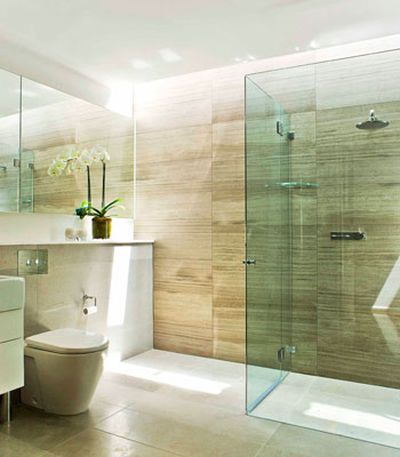
The market now offers a wide array of marble-look surfaces, including porcelain, quartz, ceramic, and acrylic shower panels, which replicate the distinct veining and colors of natural marble. These alternatives often surpass natural marble in practicality, durability, and ease of maintenance. Rebecca Cherrington of Lapicida highlights porcelain surfaces for their authentic appearance combined with durability, easy installation, and affordability. Porcelain is particularly suitable for wet environments because it doesn't require sealing, can be cleaned with standard domestic products, and allows for epoxy grouts that prevent shrinking and discoloration. However, designers must consider the raw cut edges of porcelain tiles, often opting to conceal them with real marble.
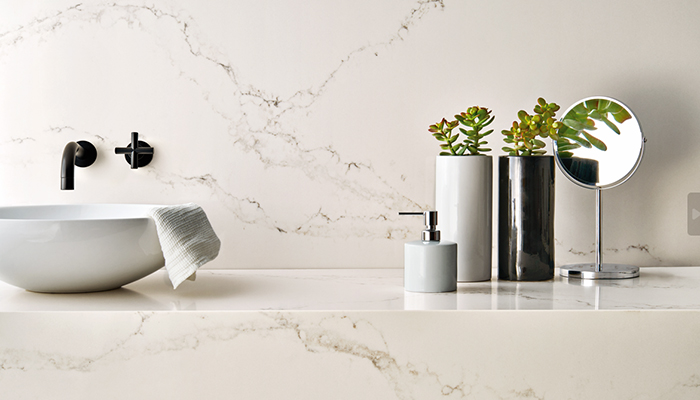
Simon Boocock of CRL Stone points out that natural marble's permeability necessitates regular sealing to prevent staining. In contrast, non-porous quartz and ceramic surfaces offer a highly practical alternative, being scratch and stain resistant, requiring no sealing, and being easy to clean with warm soapy water. Mor Krisher from Caesarstone notes that engineered stone, like Caesarstone's marble-inspired quartz, offers durability, non-porousness, and stain resistance, making it easier to keep bacteria-free. He advises prompt cleanup of liquid spills to prevent patina formation.
Vicki Richmond of CDUK discusses the benefits of marble-effect solid surfaces like Corian, which can be shaped into intricate designs, reducing waste. Corian's non-porous properties and seamless joints create a hygienic, bacteria-resistant surface that eliminates the need for grout. Additionally, some Corian surfaces incorporate recycled content.
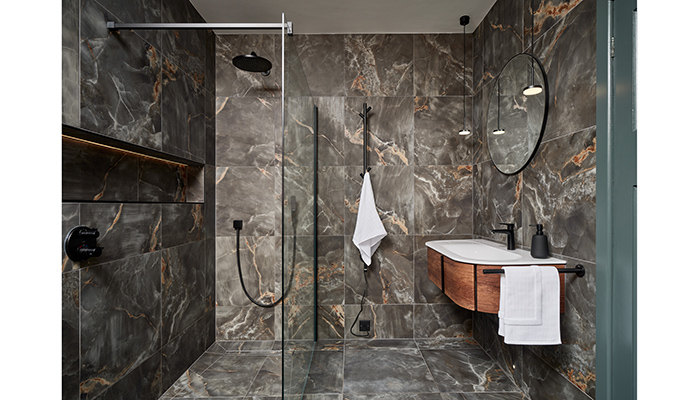
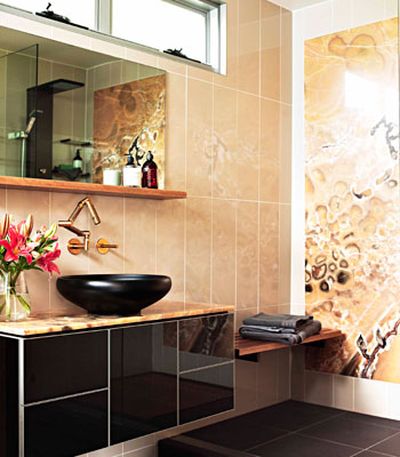
Digital print technology has significantly advanced, leading to an explosion in the variety of marble-effect tiles available, beyond traditional white and veined options. Peter Vann of Ceramique Internationale notes the introduction of colorful marble-esque surfaces like Onyx, Arabesque, and Jade. He also highlights the availability of anti-slip reactive glaze technology for porcelain tiles, enhancing safety in wet areas. Clara Vicedo from ASCER underscores porcelain's natural composition, strength, lightness, dirt resistance, and ease of cleaning. Ben Bryden of RAK Ceramics adds that advanced manufacturing allows for large-format porcelain slabs, creating seamless and low-maintenance bathroom surfaces.
Wall panels are also emerging as a viable alternative to traditional tiled walls. Steph Harris of Showerwall explains that their marble-esque panels are designed for wet environments, offering waterproof, hard-wearing, hygienic, and easy-to-clean solutions, with options like Exterior Grade MDF for optimal moisture resistance.
#Bathrooms #MarbleLook #BathroomDesign #LuxuryBathrooms #SurfaceMaterials #PorcelainTiles #QuartzSurfaces #WallPanels #InteriorDesign #Bathrooms #MarbleLook #BathroomDesign #LuxuryBathrooms #SurfaceMaterials #PorcelainTiles #QuartzSurfaces #WallPanels #InteriorDesign
0 Kommentare insgesamt
 Noch keine Kommentare
Das könnte Ihnen auch gefallen
27 Stunning Marble Bathrooms That Radiate Polish and Style

5 updates to give your bathroom an influencer-approved aesthetic

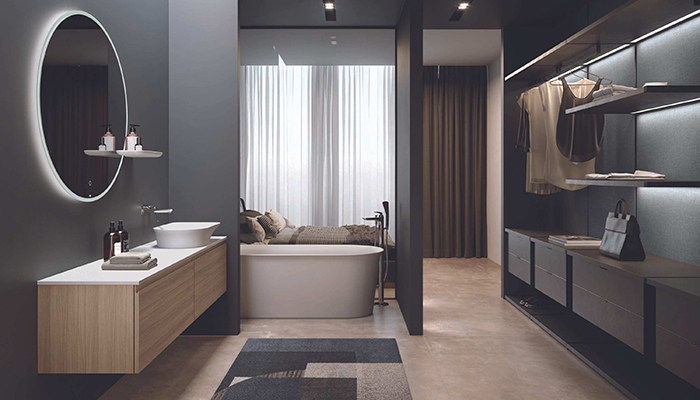
How boutique style is making its mark on en suite bathroom design
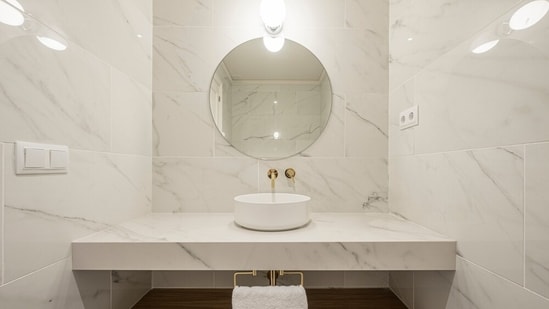
Bathroom looks too bland? Give it spa-like design facelift with these tips | Hindustan Times

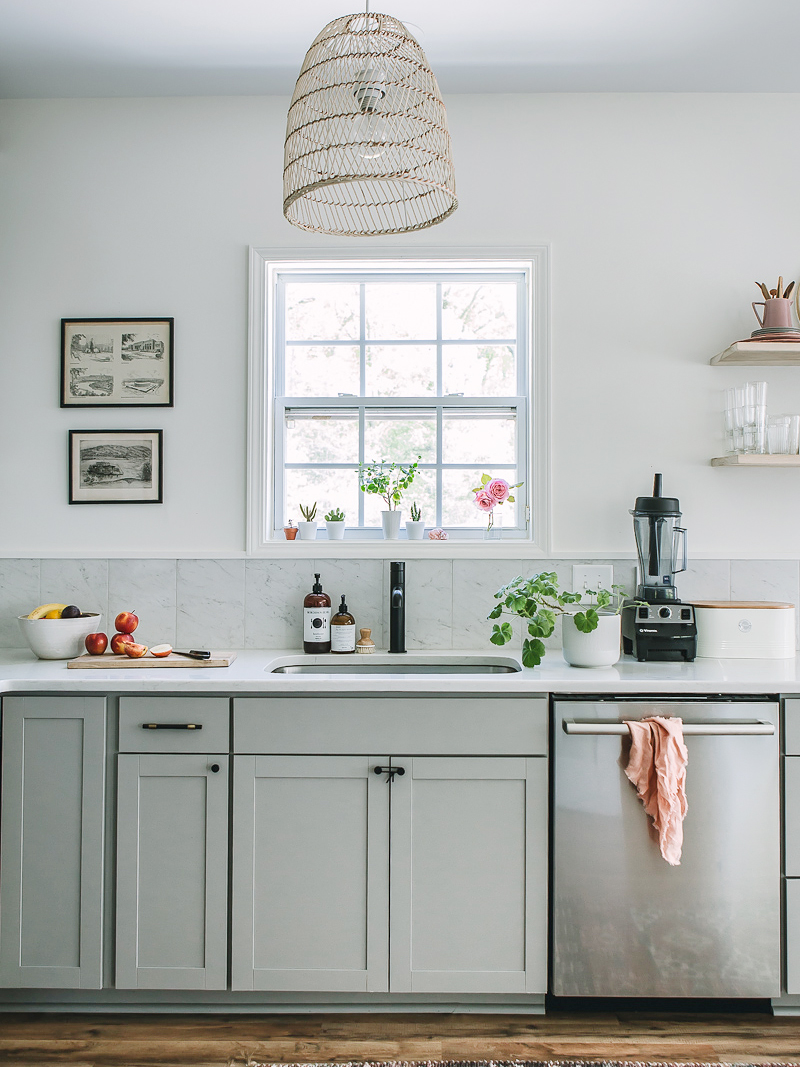
To Get the Look of a Marble Backsplash for Less, Shop the Bathroom Aisle
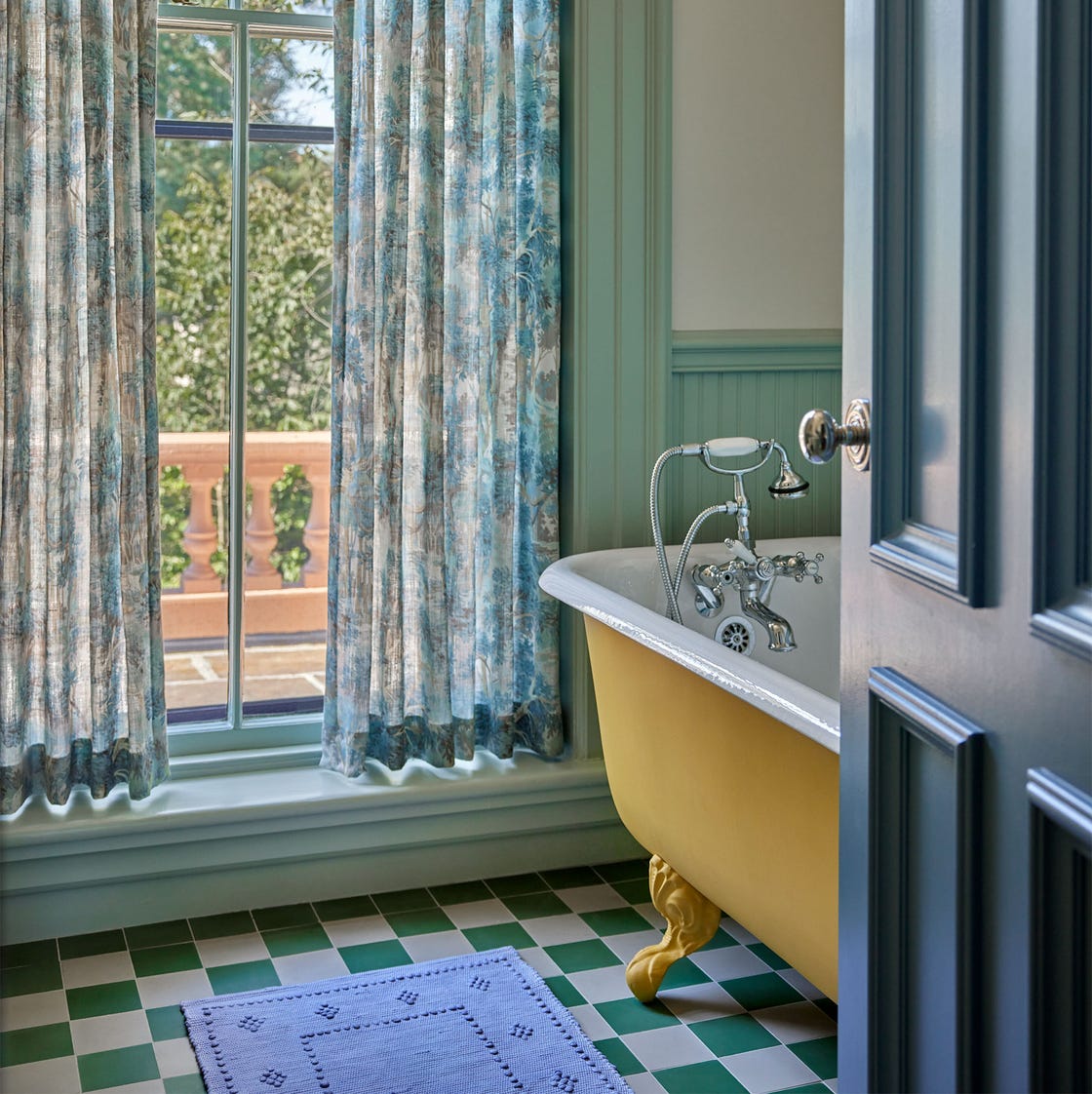
These Designer-Approved Bathroom Ideas Will Inspire a 2025 Renovation

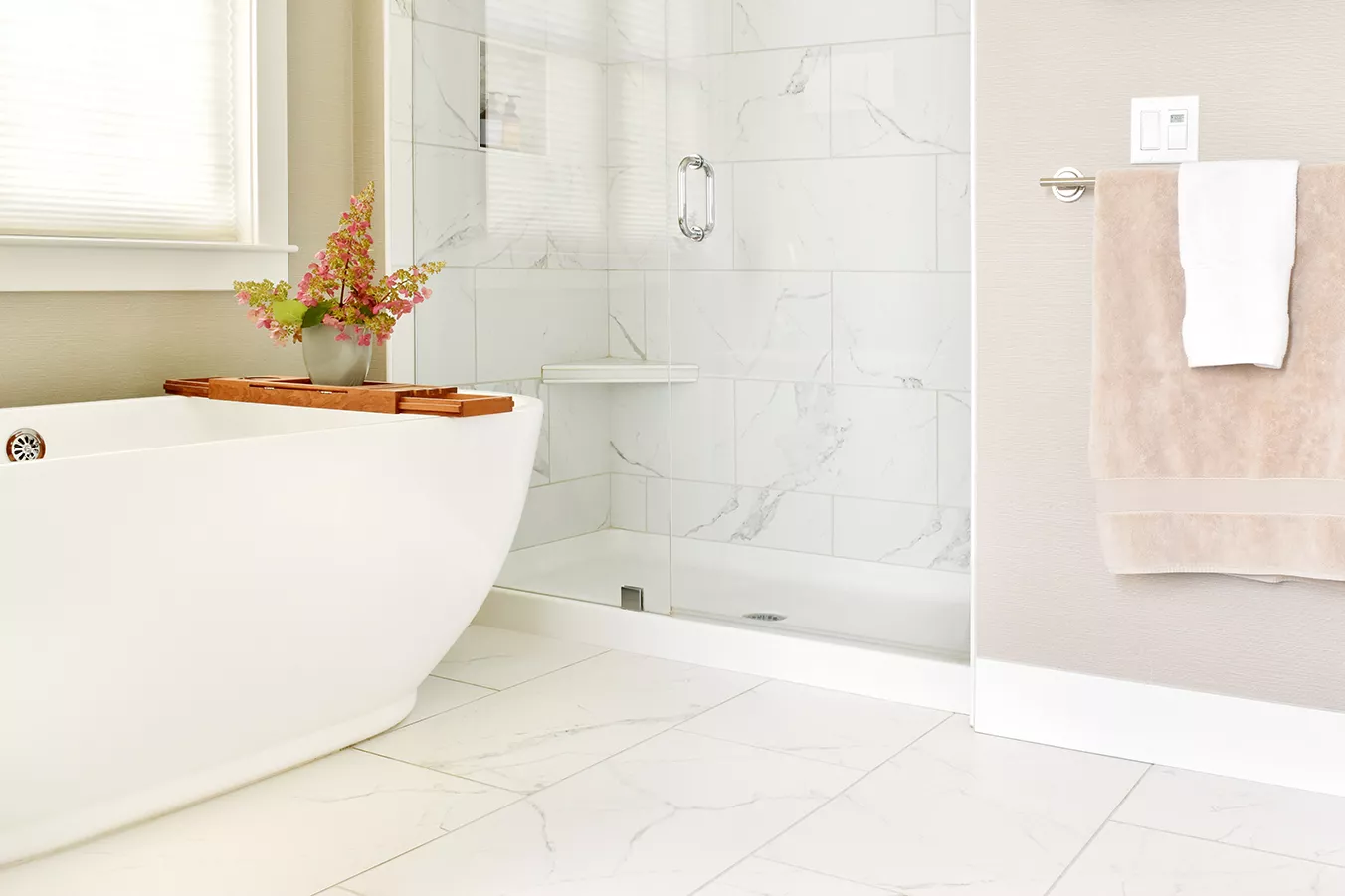
20 Gorgeous Marble Bathrooms That Will Fill You With Envy

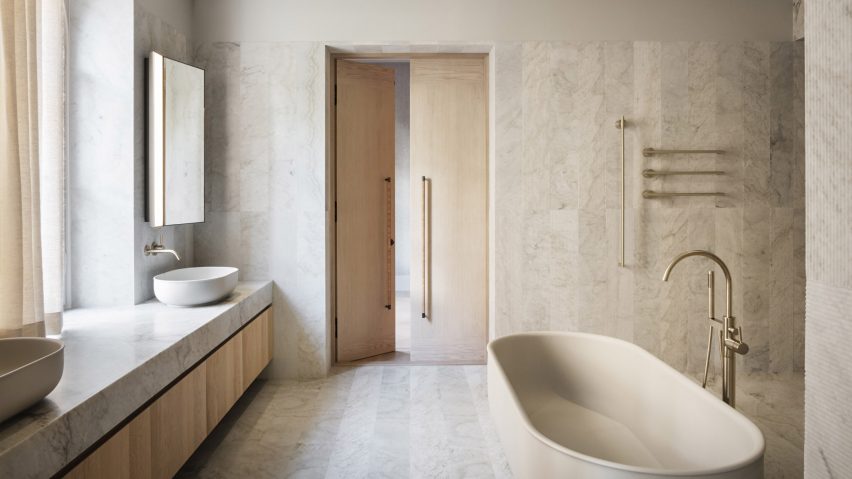
Ten bathrooms where marble lines the walls
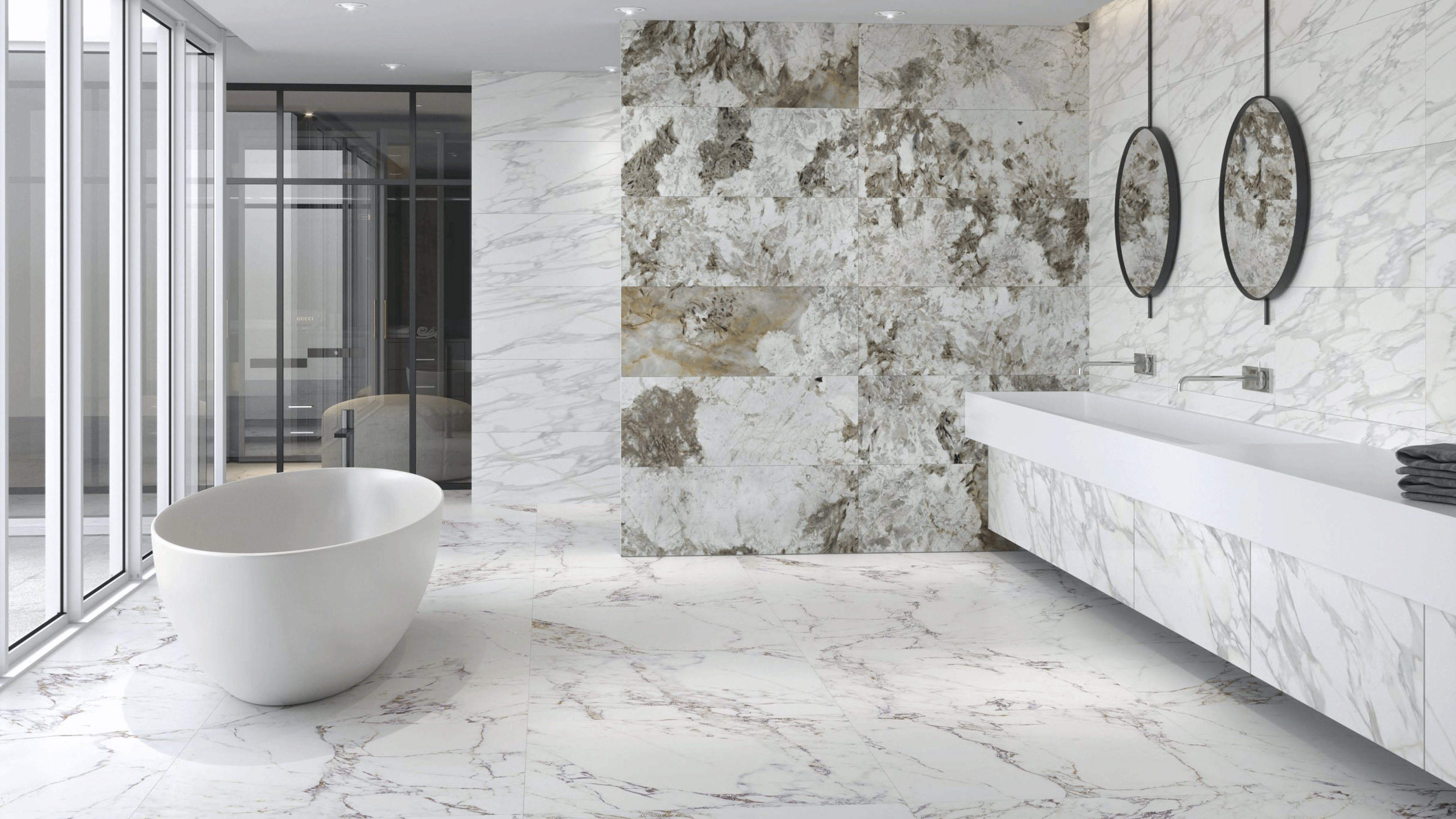
Marble bathroom flooring ideas – fresh ways to create a modern and luxurious look

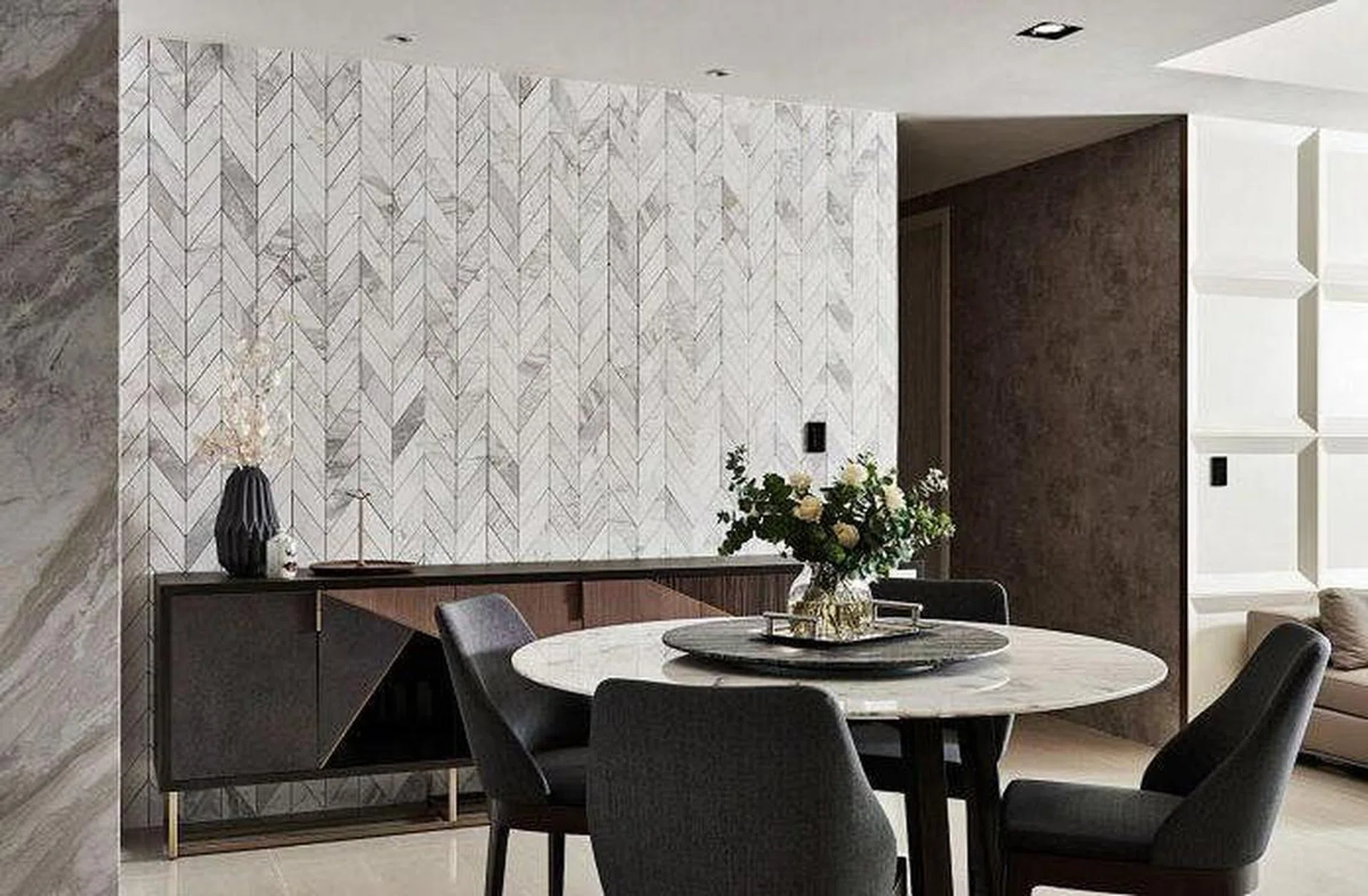
6 ways to incorporate a marble-look feature wall at home
5 updates to give your bathroom an influencer-approved aesthetic

Decorating with marble – 16 luxe looks created with precious stone

What Comes After Carrara Marble?

"Every Detail Was Treated as Functional Art" — How a Designer Transformed a Small Bathroom Into a Breathtaking Marble Masterpiece
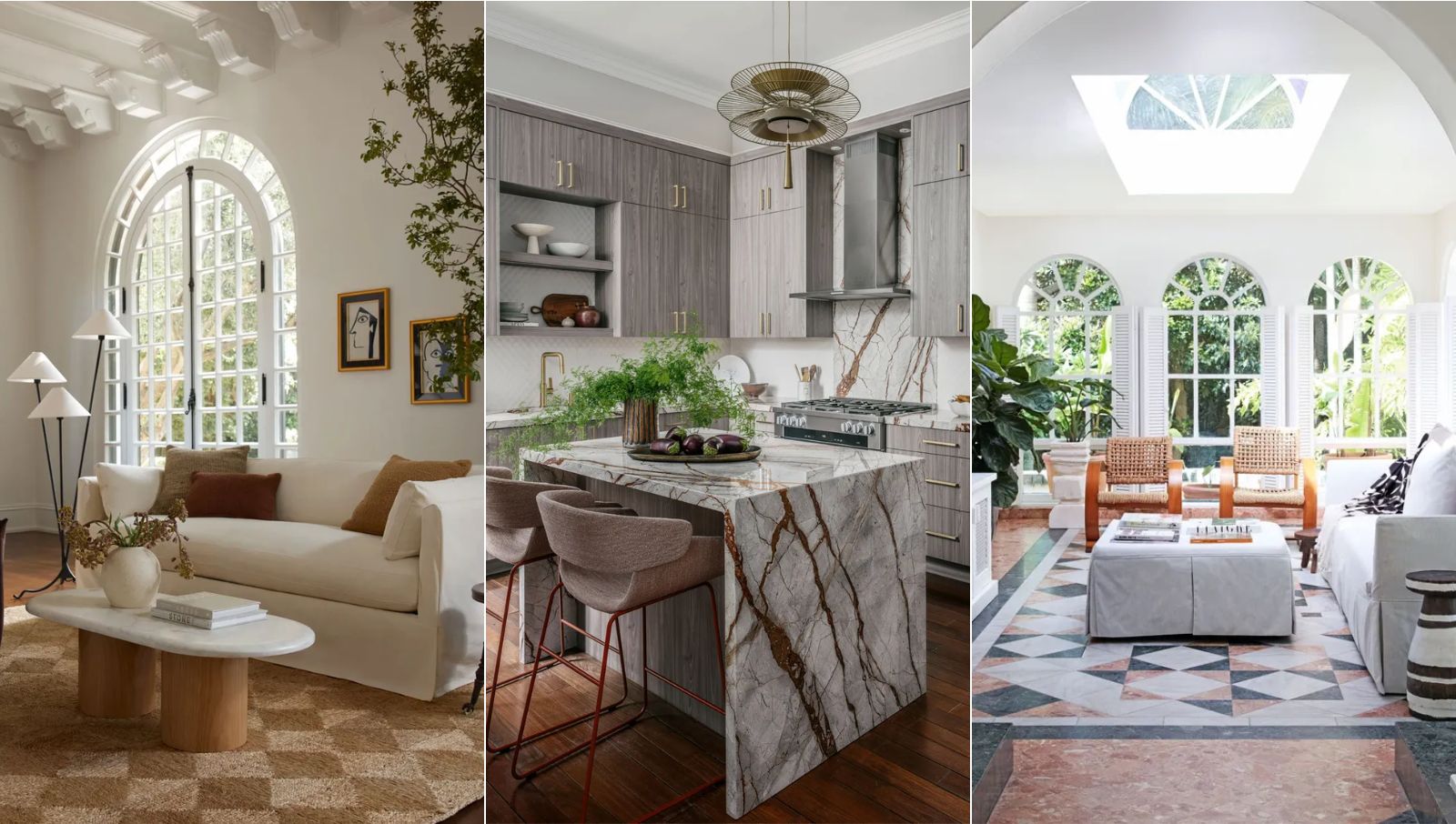
Is marble still on trend? Interior designers have their say
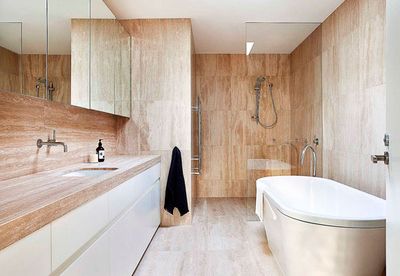
How to make it work: luxe bathrooms

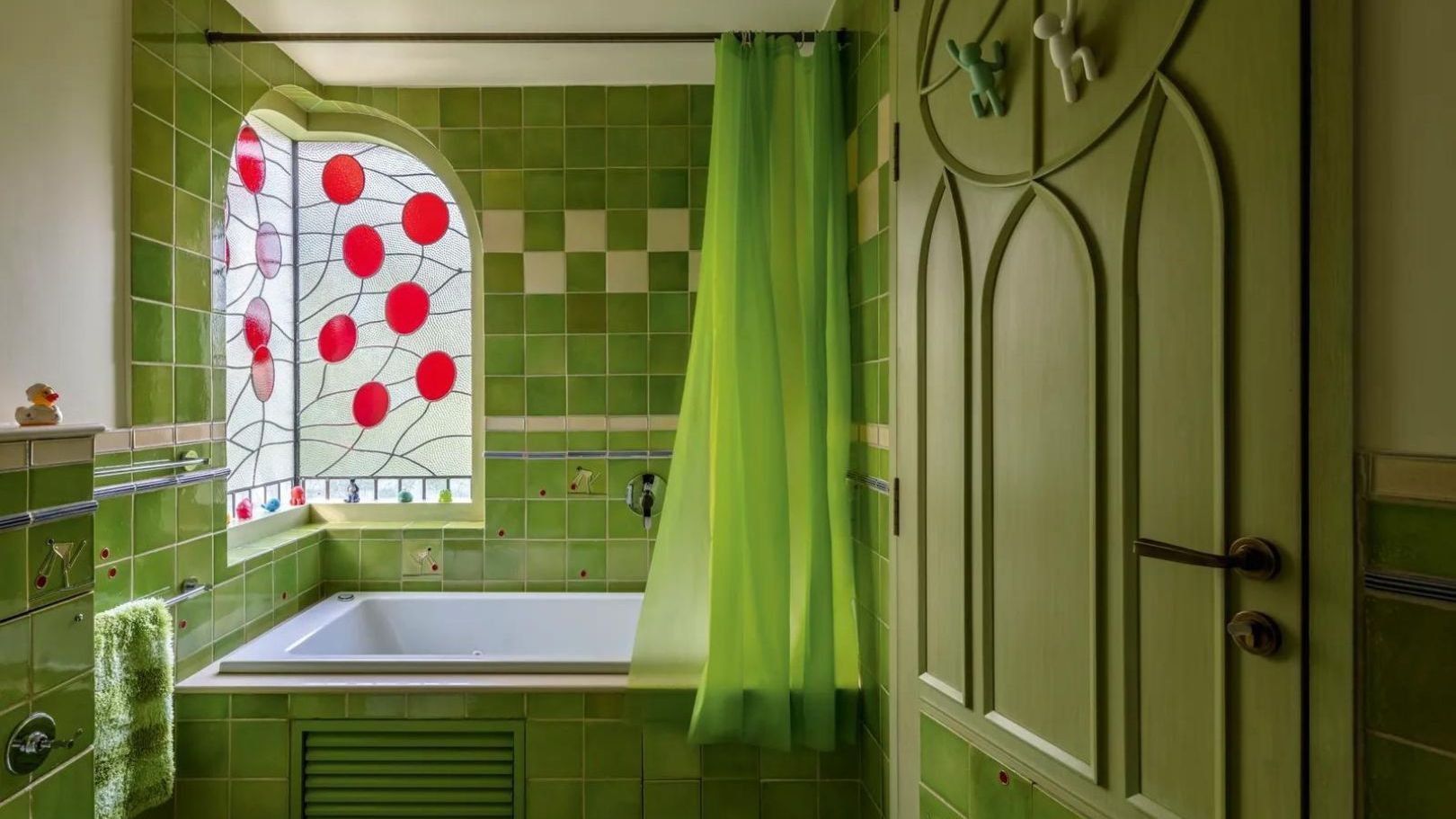
7 built-in bathtub designs to inspire your dream bathroom renovation

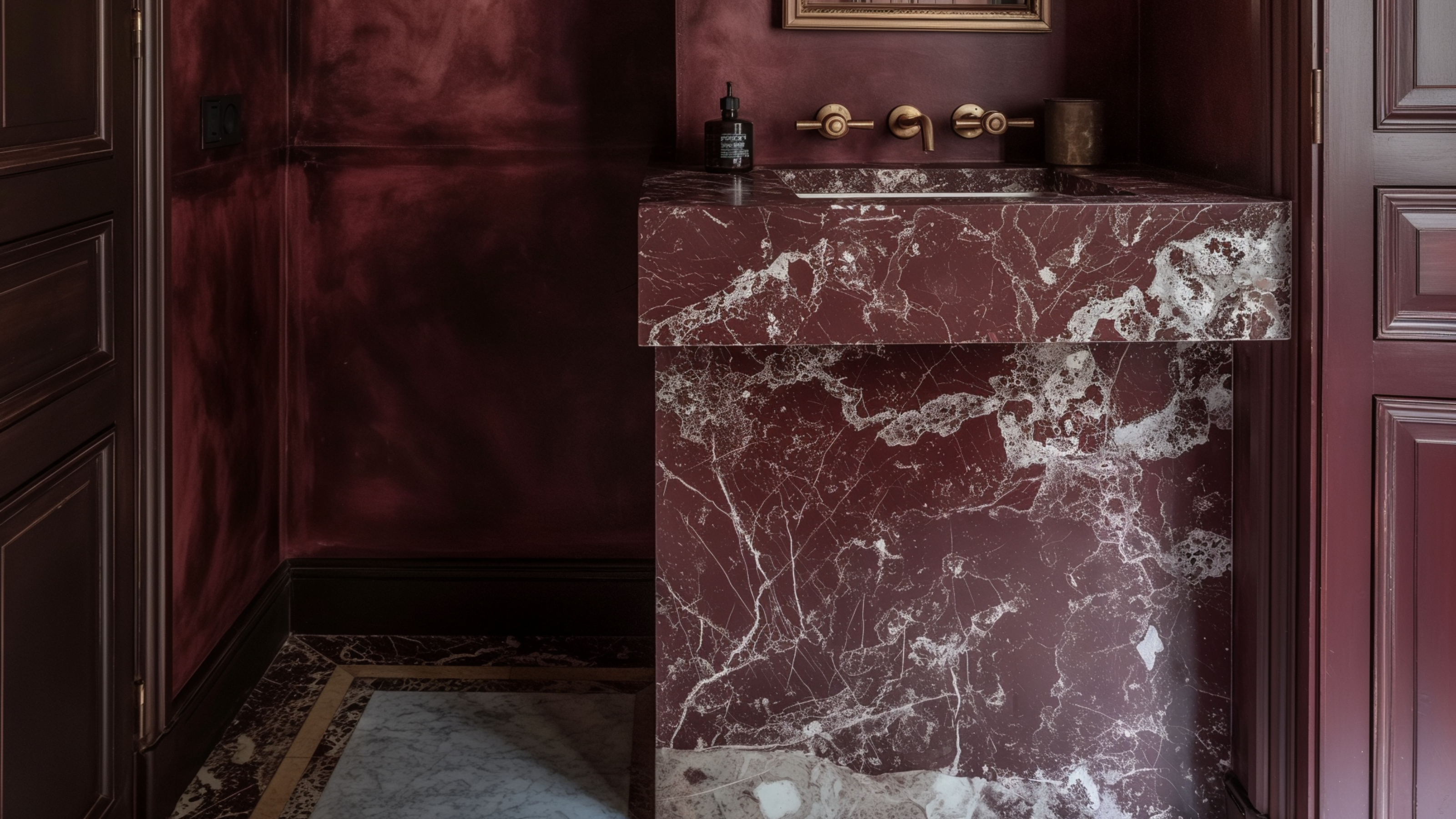
This Particular Marble Is What the Coolest Designers Use to Give Bathrooms a Moody, Members-Only Club Vibe
This changes everything! Experts are advising we stay away from marble in small bathrooms. Here's why
The Stunning Interior Design Trend That's Here To Stay In 2025