1/12
5 tips for displaying china you didn't know you didn't know
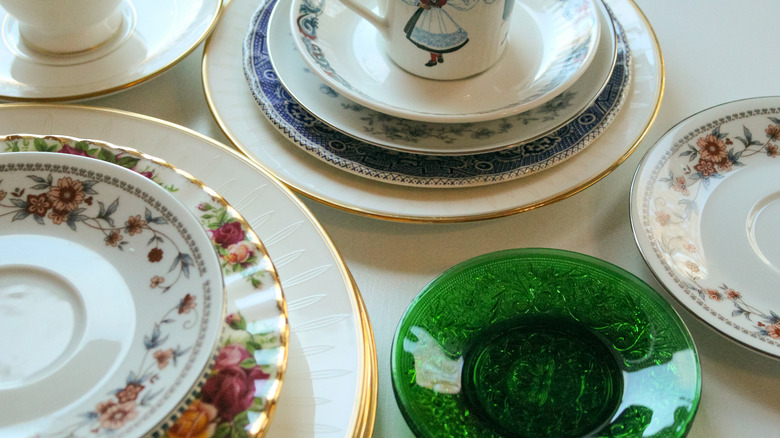
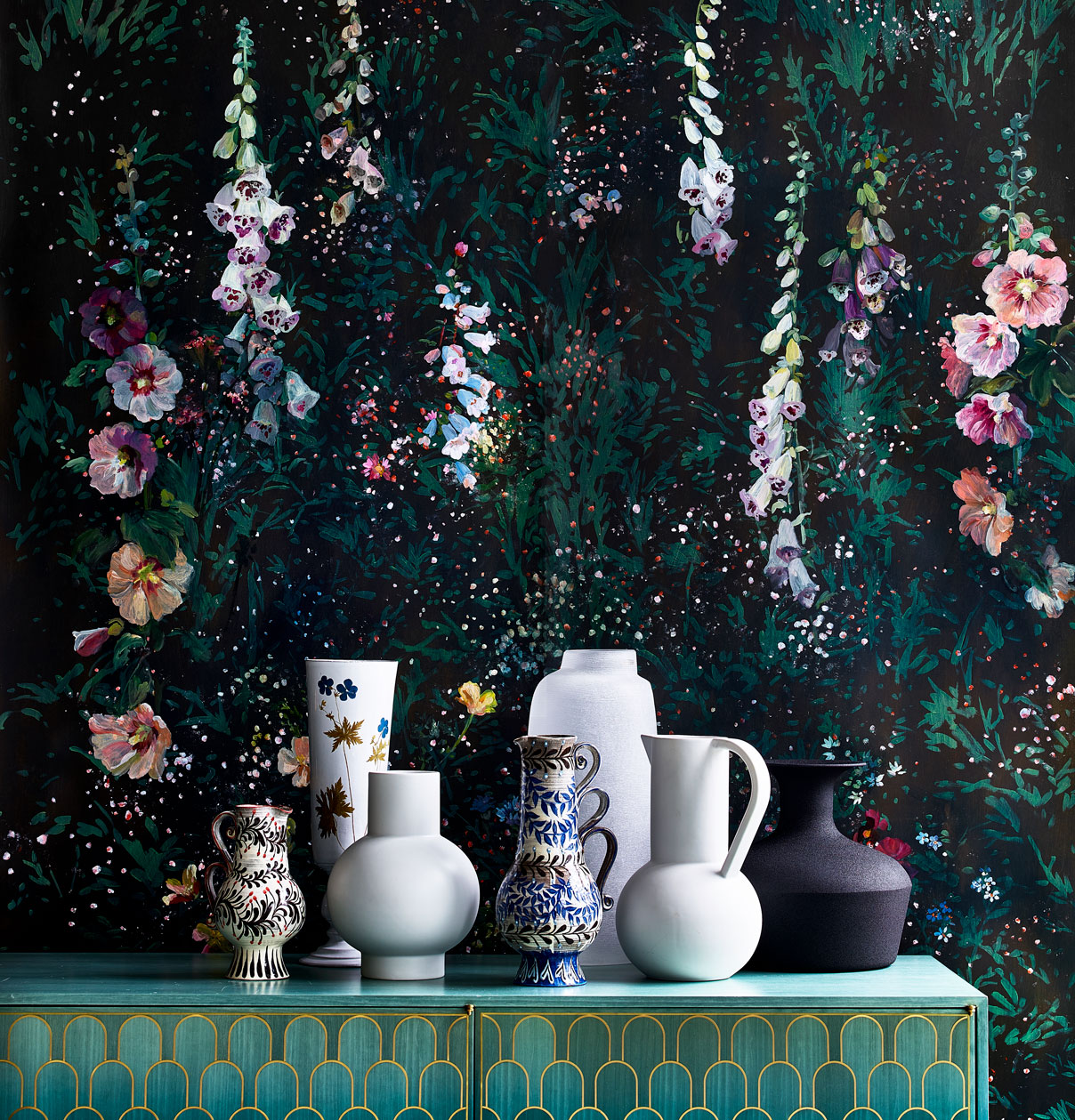
This article offers five expert tips for effectively displaying china, moving beyond simple storage to transform pieces into decorative elements. The first tip focuses on grouping china in odd numbers, specifically clusters of three or five, to create visually appealing arrangements. It emphasizes varying heights, with the tallest items at the back and smaller pieces nestled between, and advises incorporating a mix of short, curvy, tall, and narrow shapes to add interest. The most decorative pieces should be used as focal points within these arrangements.
The second tip explores displaying plates on walls, highlighting the importance of placement and pattern. For a sophisticated look, a geometric, symmetrical arrangement of plates is recommended, especially for formal living spaces or kitchens. This can include incorporating plain white pieces alongside intricately patterned ones for a contemporary touch. Conversely, a more fluid, irregular pattern suits informal settings and can enhance spaces lacking architectural details. The article notes the significance of background color, suggesting it should either complement or contrast with the china's color scheme, and also mentions the impact of spacing between plates.
Open shelving in kitchens provides another opportunity for china display, as detailed in the third tip. This method allows for both formal and relaxed arrangements. Formal displays are typically sparer and more uniform, while informal displays can be more cluttered but offer character, pattern, and color, particularly with decorative china. Expert advice suggests layering pieces of different sizes to create dynamic schemes and curating designs to showcase individual styles.
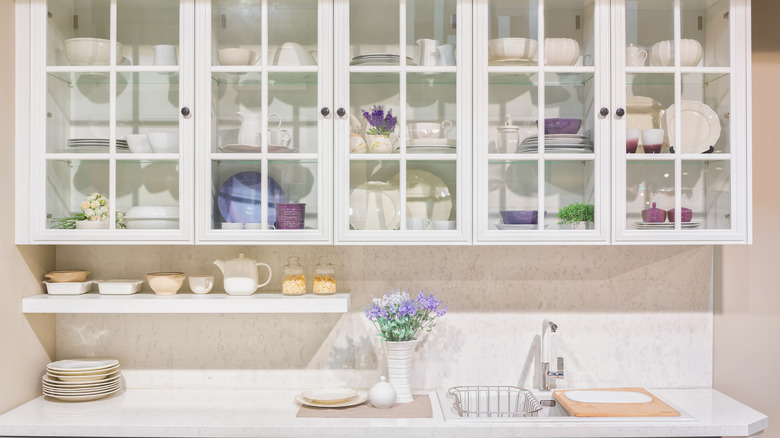
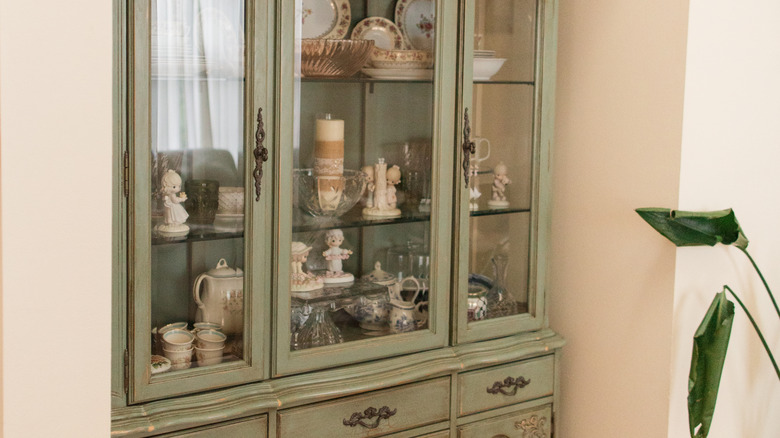
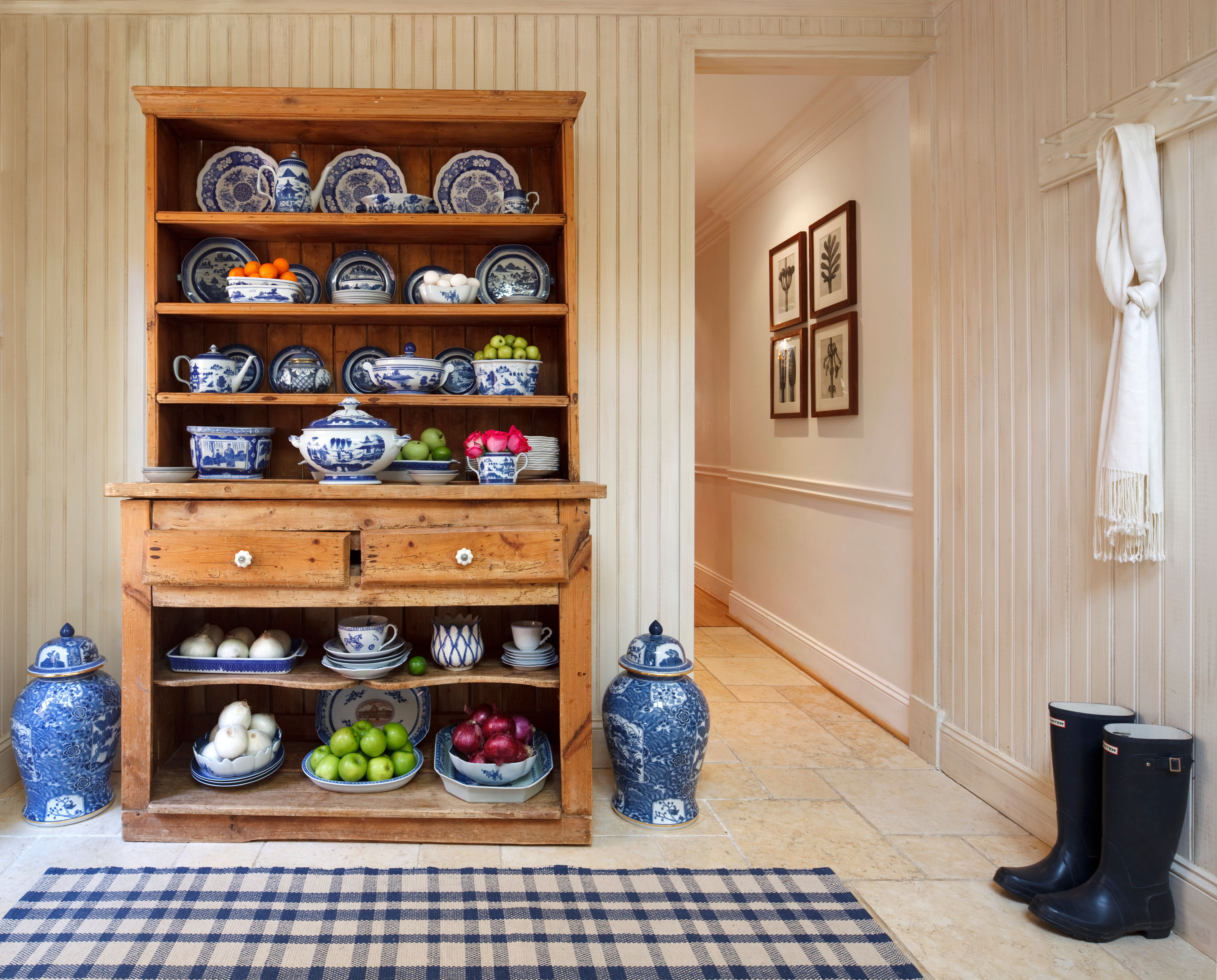
The fourth tip addresses displaying china in dressers or cabinets. Traditional dressers add character, especially to country kitchens, while glass doors protect china from dust while keeping it visible. For vertical arrangements, the article suggests organizing china by visual weight: placing heavier, bulkier, or larger items at the bottom and visually lighter, lighter-colored, and more delicate pieces towards the top to maintain visual balance.
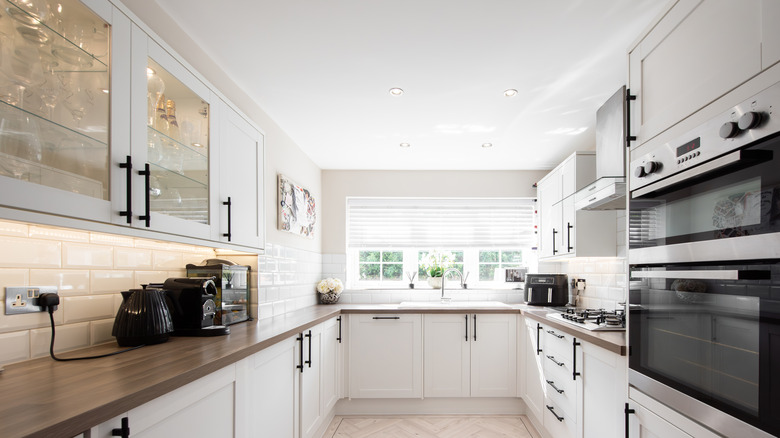
Finally, the fifth tip discusses symmetrically displaying china in alcoves or on shelves, creating a smart and purposeful aesthetic that combines storage with design. Alcoves, whether architectural features or built-in kitchen elements, are ideal for this. Using open shelving or glazed cabinetry is recommended for displaying fine china, allowing for a blend of traditional charm, especially with Shaker-style painted cabinetry. This approach also allows for closed cabinetry at the bottom to store everyday items out of sight, maximizing both display potential and practical storage solutions.
#InteriorDesign #ChinaDisplay #HomeDecor #StylingTips #KitchenStorage #DecorativeObjects #WallDecor #OpenShelving #Cabinetry #Tableware #InteriorDesign #ChinaDisplay #HomeDecor #StylingTips #KitchenStorage #DecorativeObjects #WallDecor #OpenShelving #Cabinetry #Tableware
 Noch keine Kommentare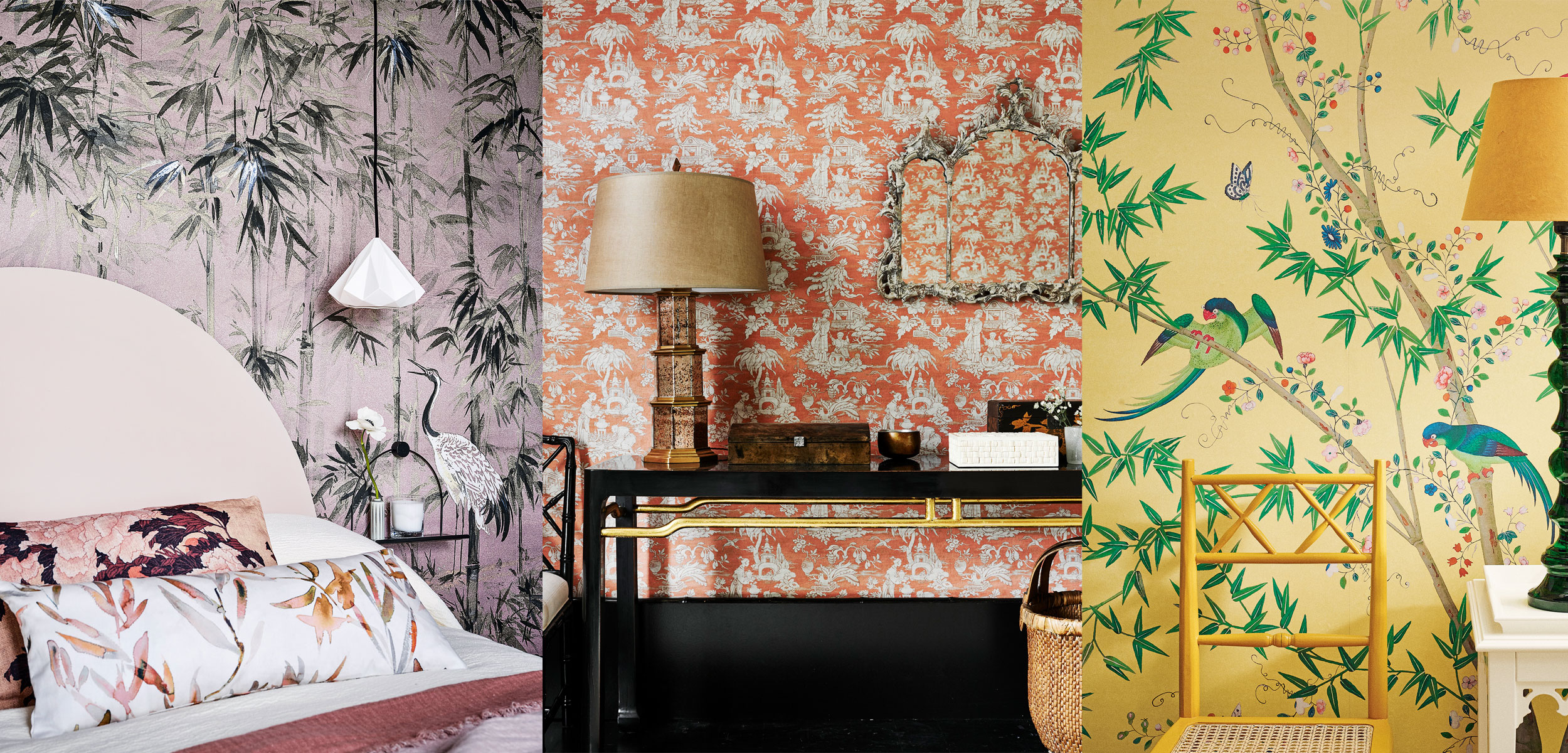
Chinoiserie – 13 whimsical ways to decorate with this cultural phenomenon
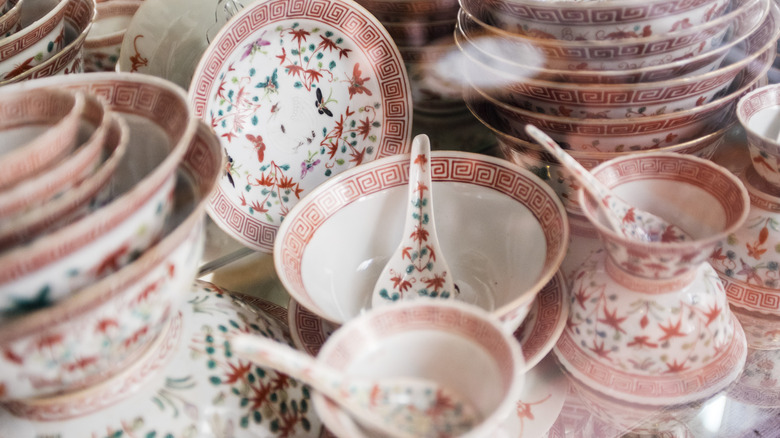
15 Ways To Creatively Display Your Fine China In Your Kitchen Or Dining Room

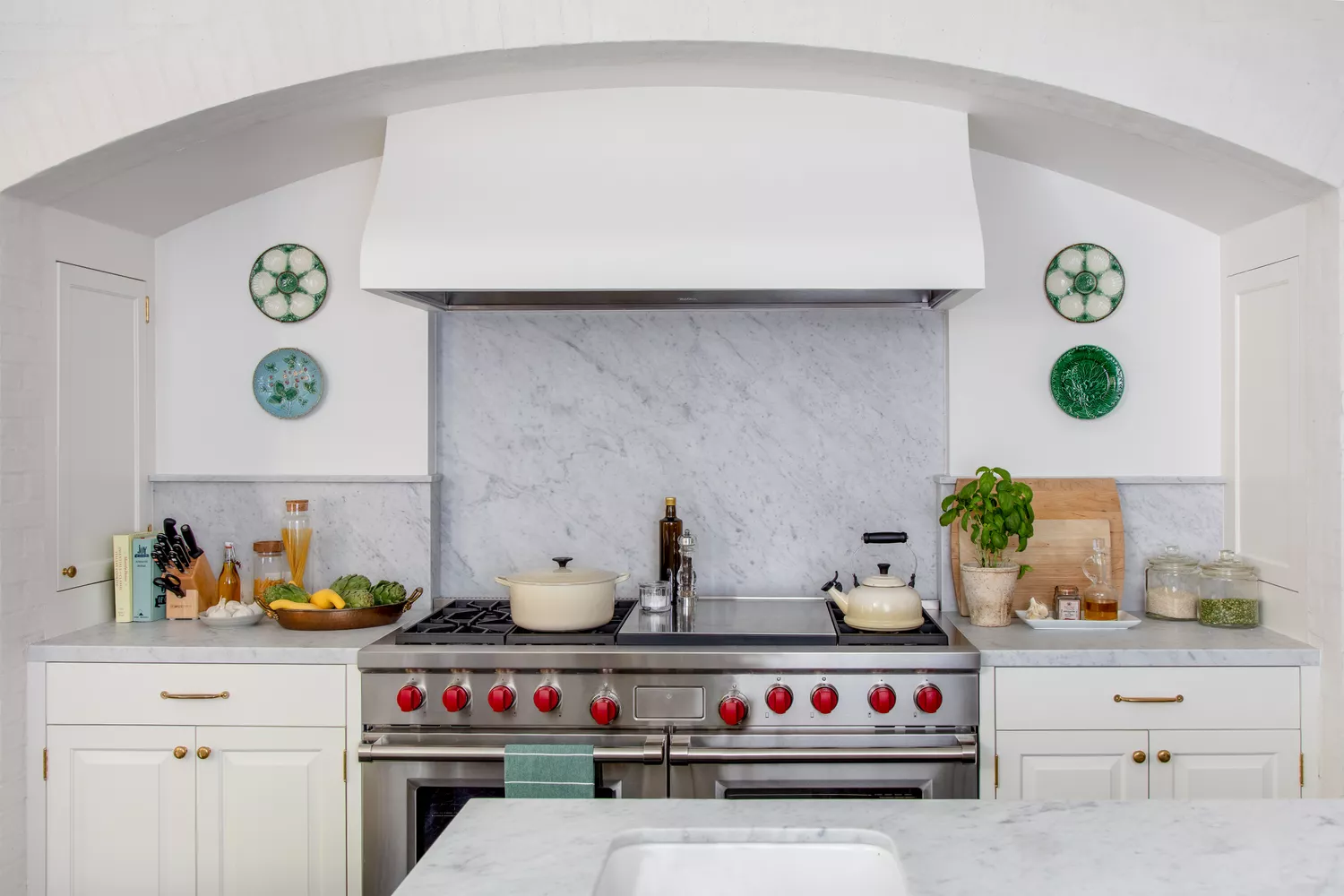
5 Ways To Decorate With Your Favorite China
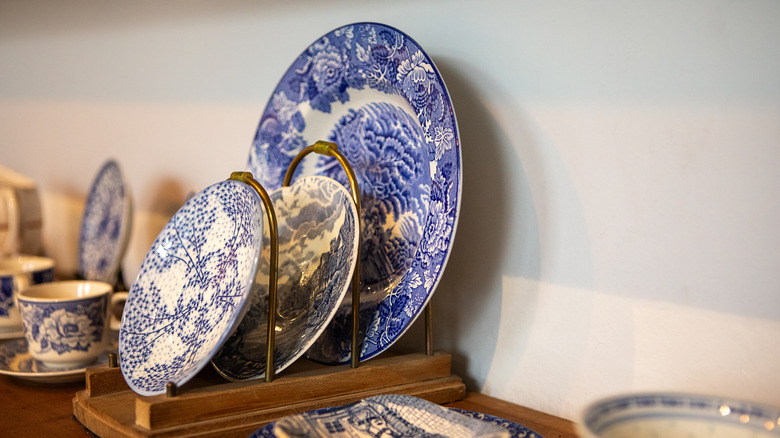
Here's What To Look For When Thrifting China Dishes
Decorative China Is Trending—Here's How to Display and Care for Your Collection