1/6
Where to Put LED Lights — 5 Inspiring Ways to Use This Versatile Lighting Design
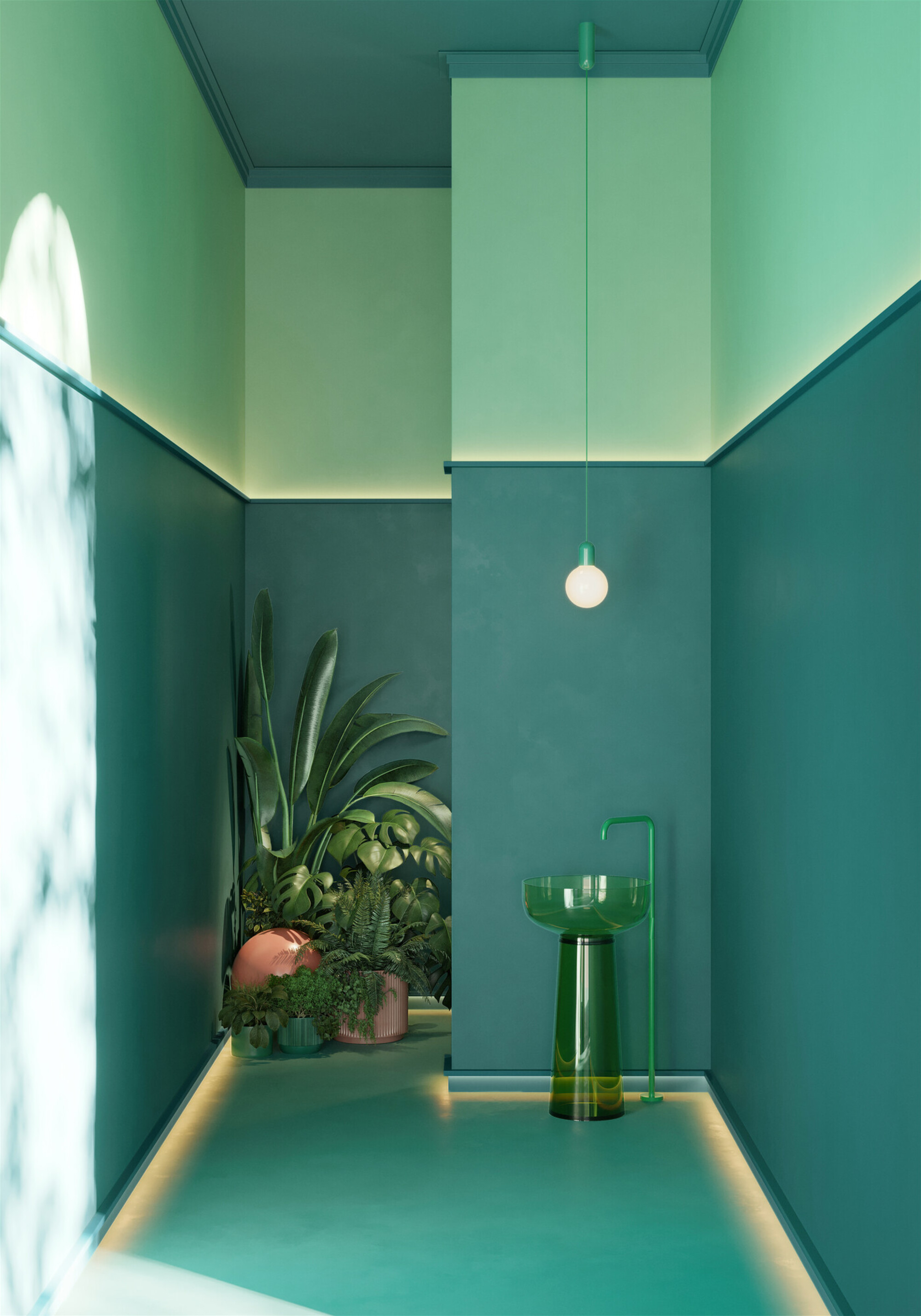
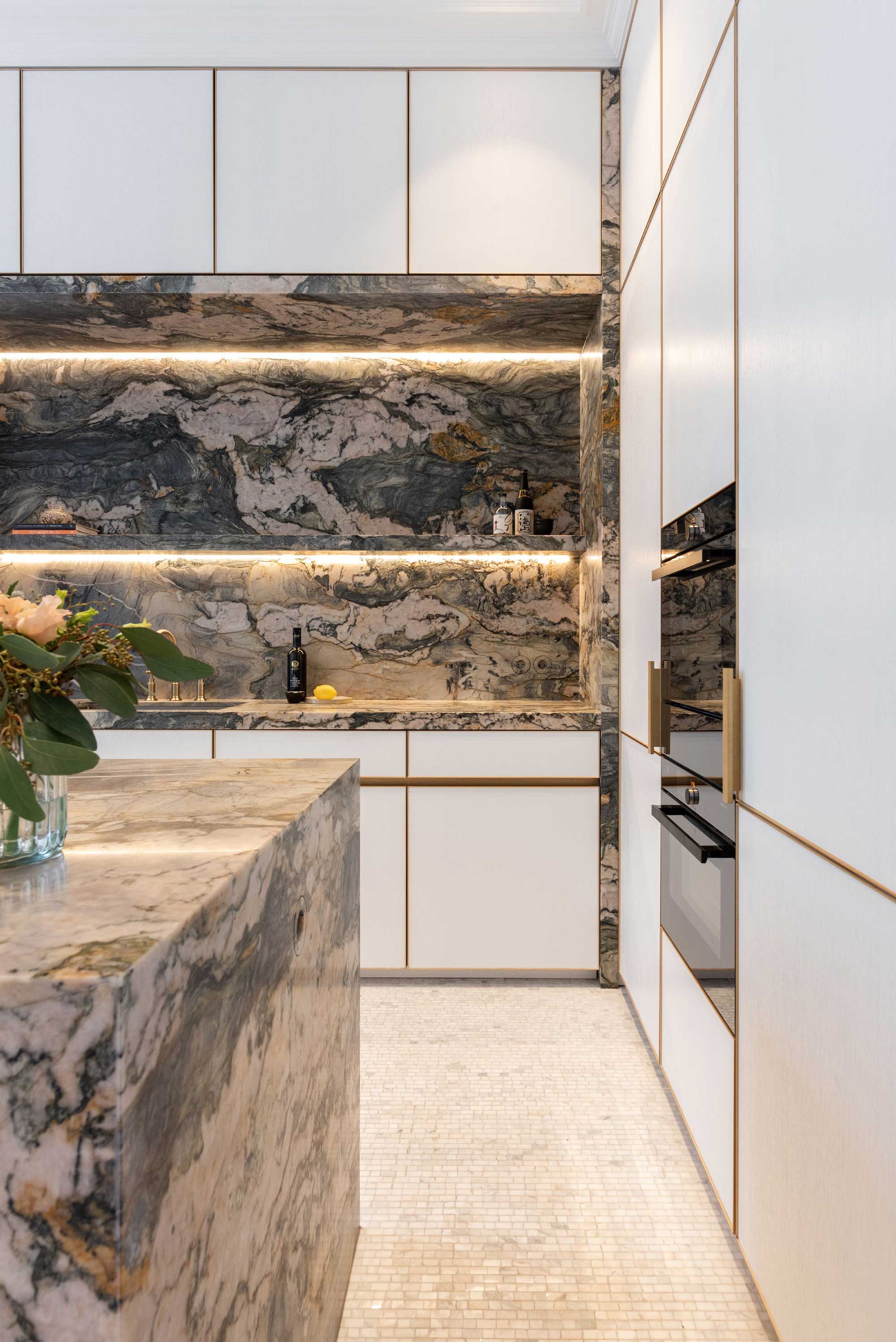
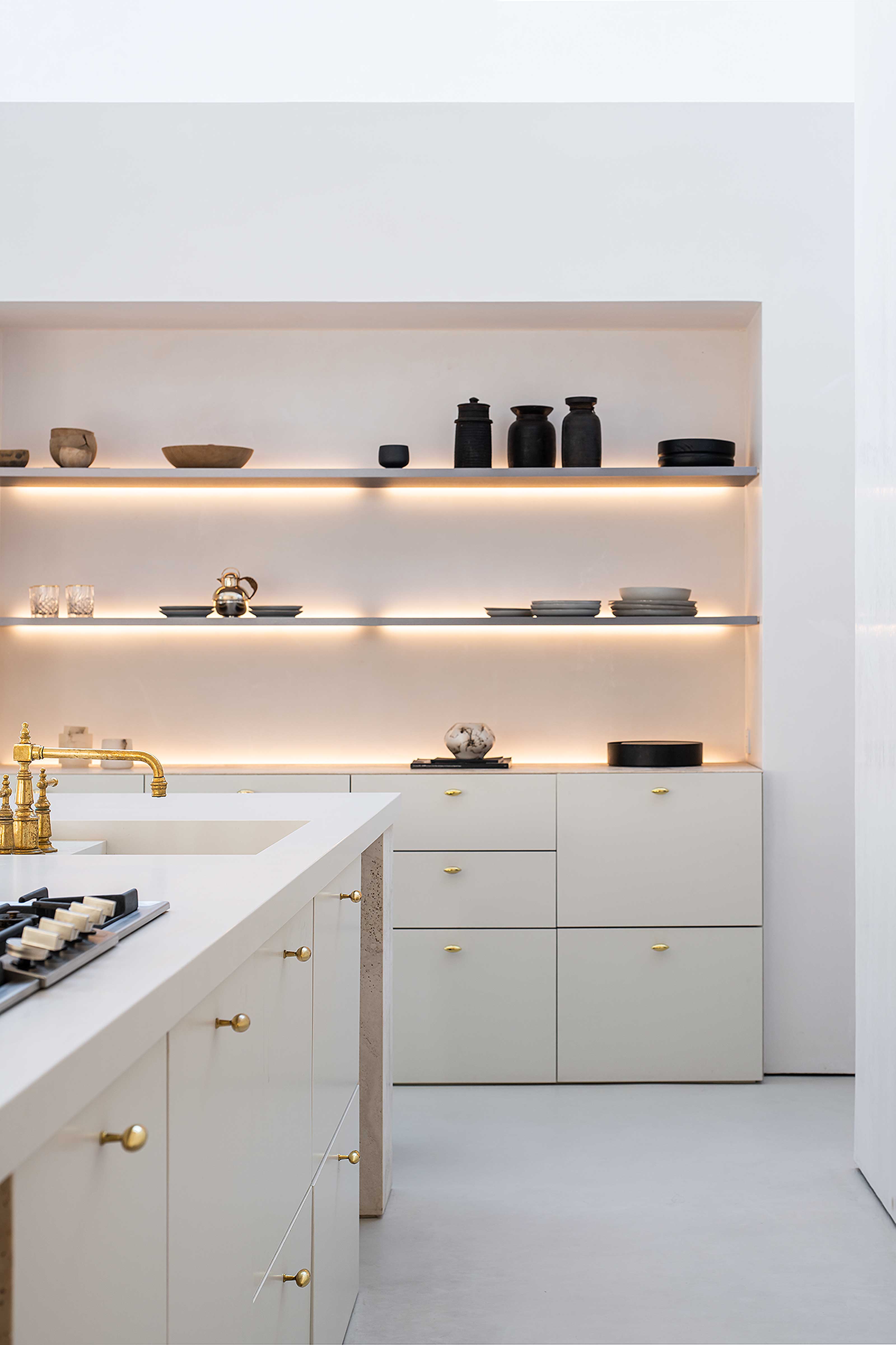
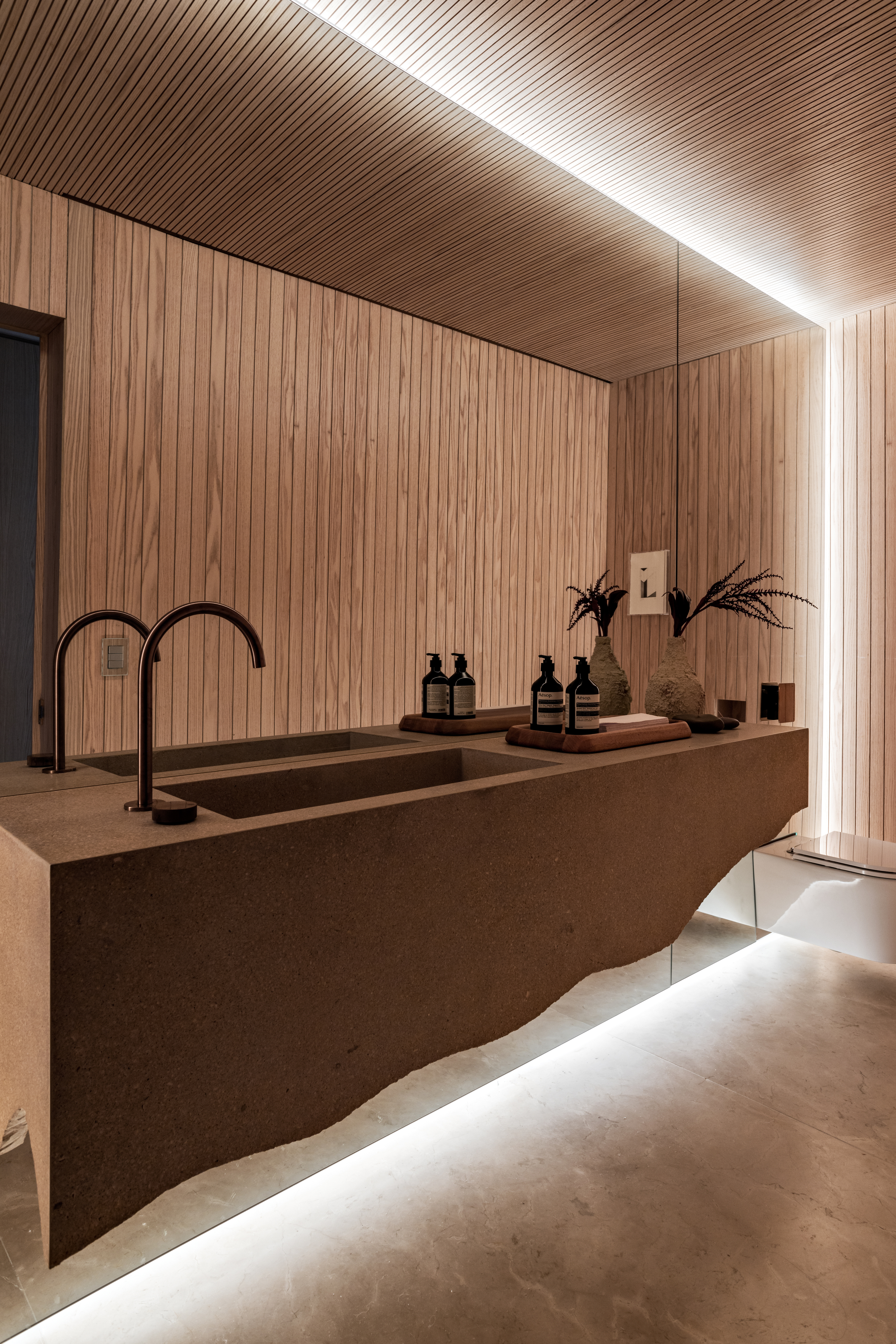
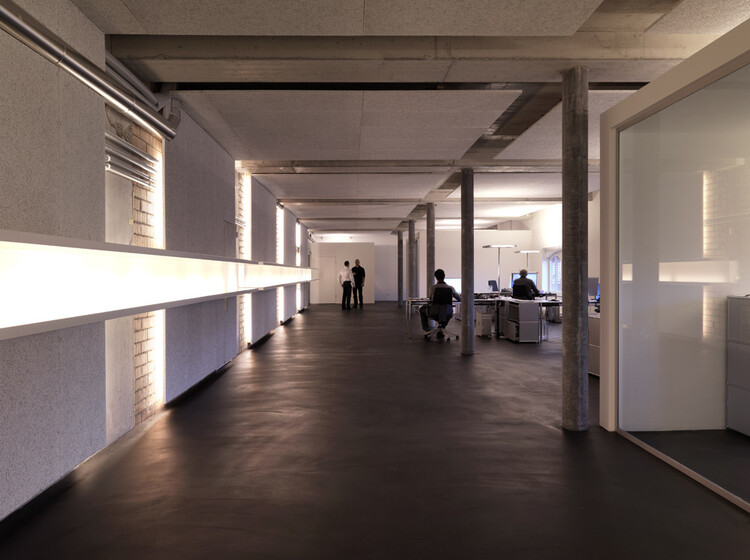
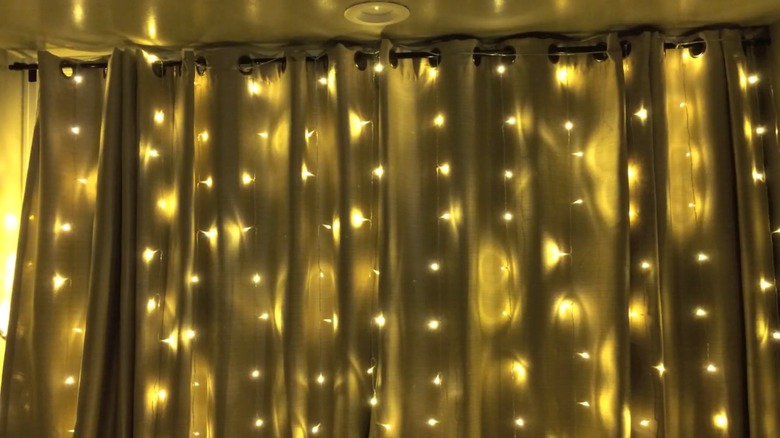
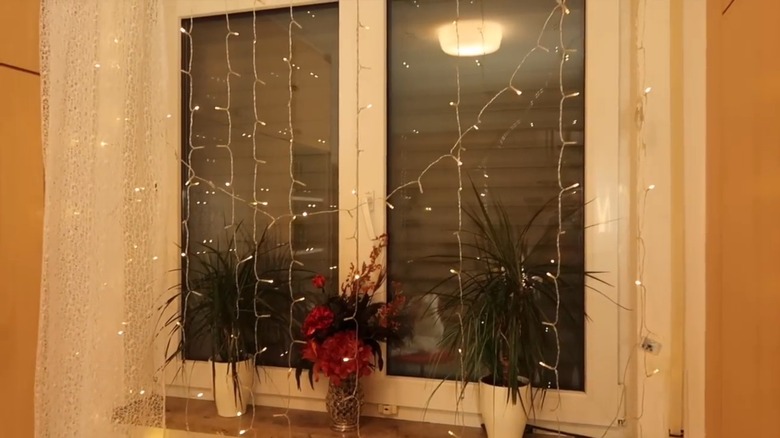
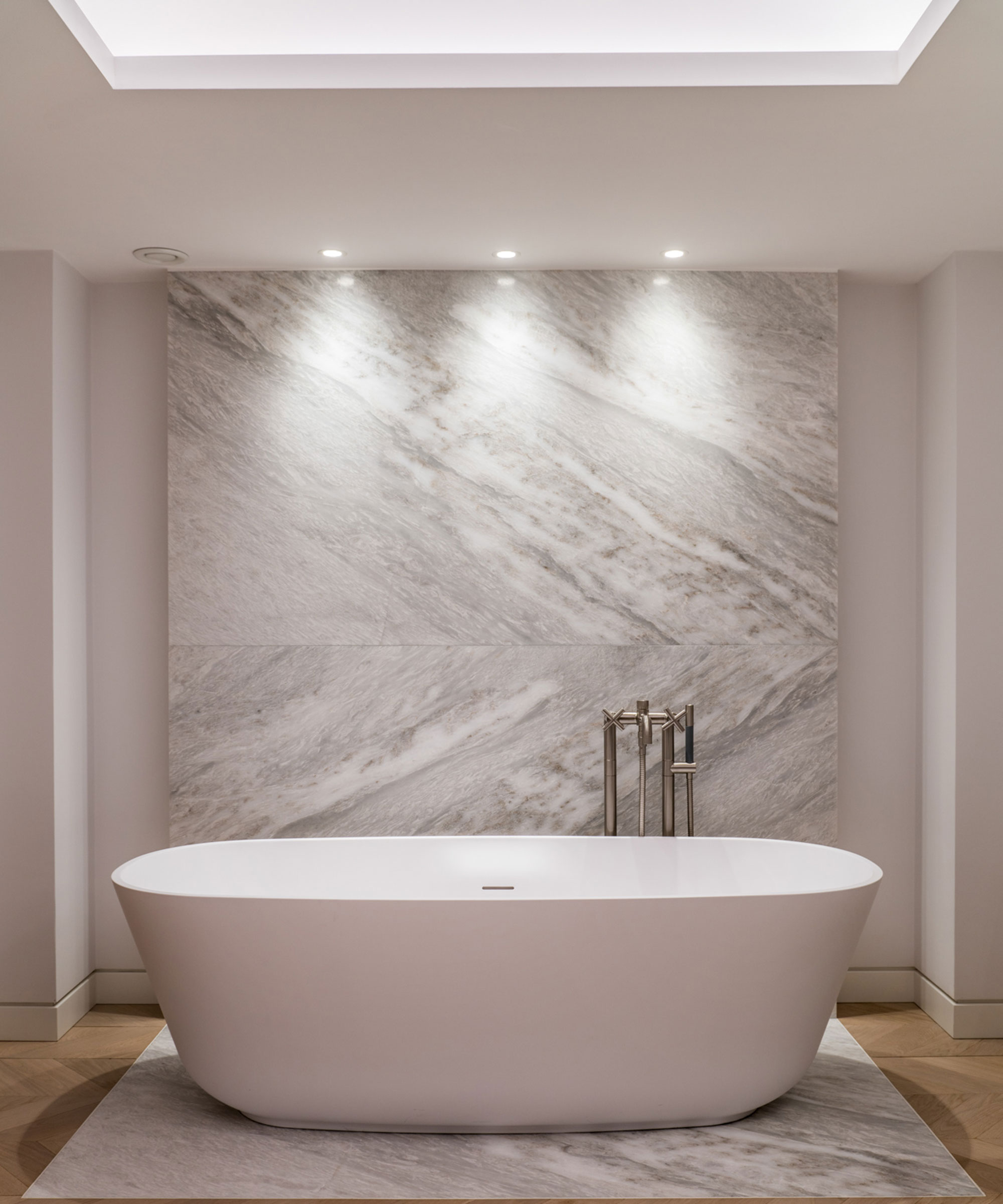
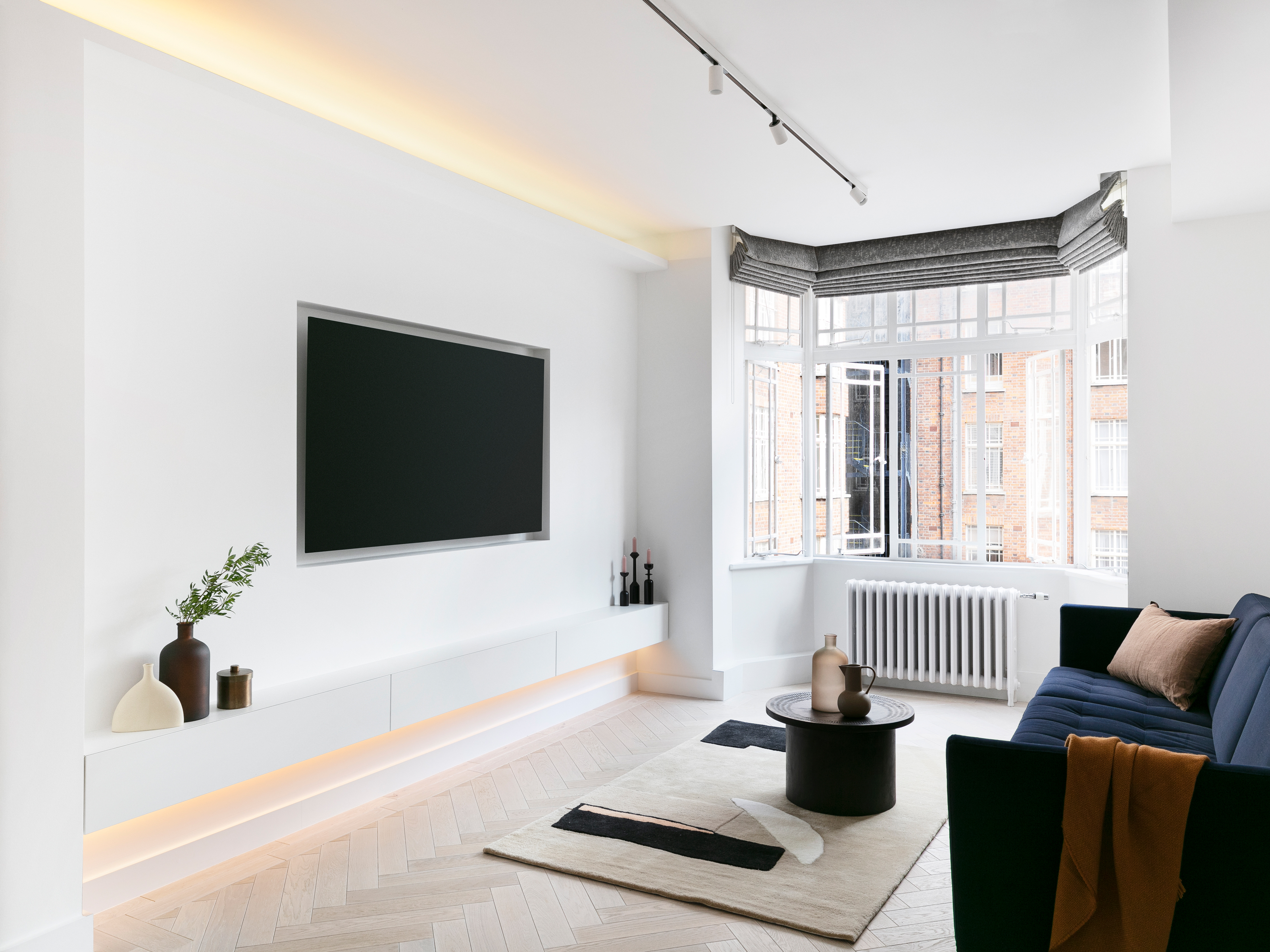
LED light strips have emerged as a popular and versatile lighting solution for residential spaces, offering a cost-efficient, warm, and flexible way to illuminate various areas. Their lightweight nature allows for installation in numerous locations, including behind decorative pieces, along walls and floors, on ceilings, or around doorframes to provide accent lighting. These strips can also function as recessed wall lights, delivering a diffused and mellow glow that adds a sophisticated touch to interiors, with the added benefit of a long lifespan.
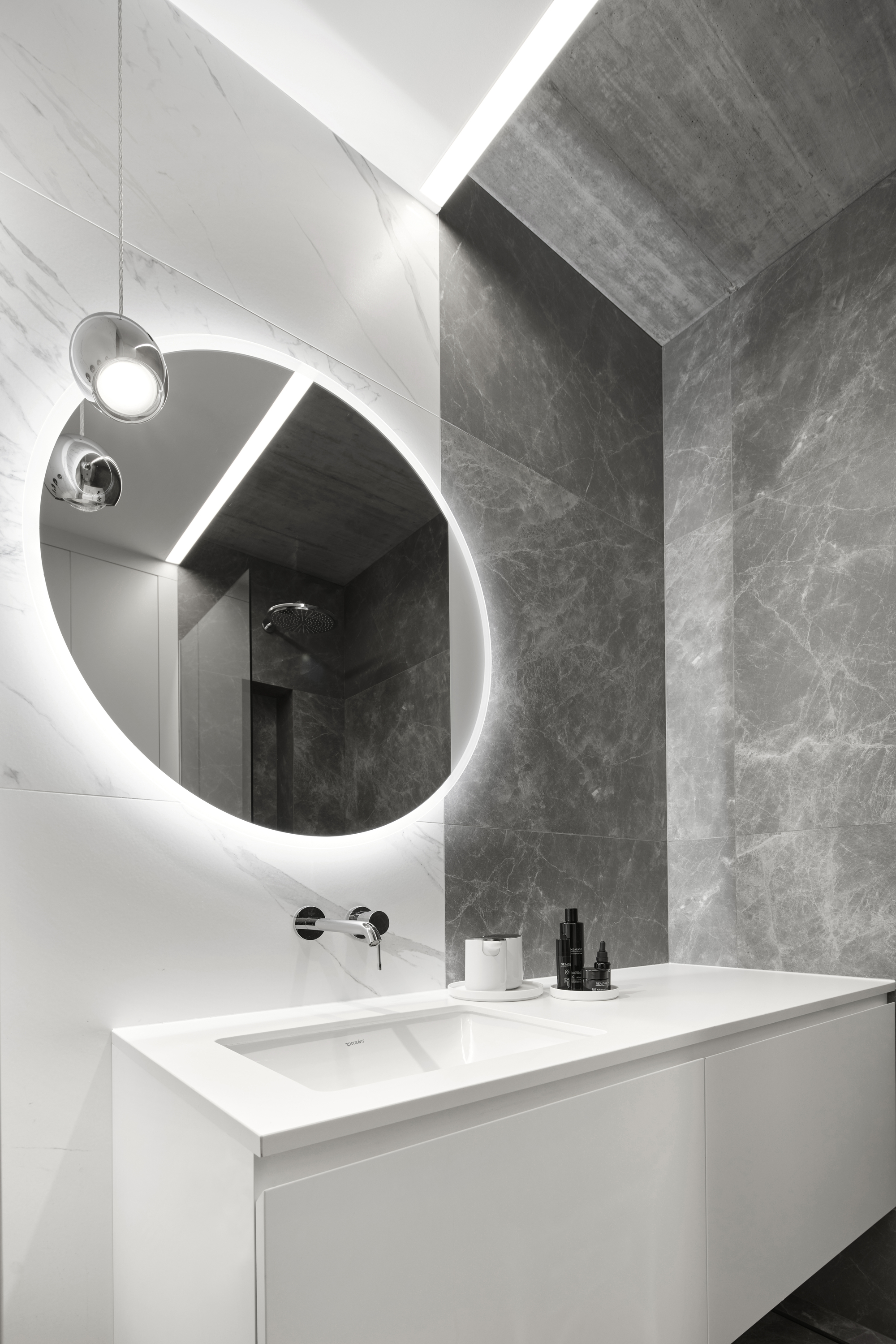
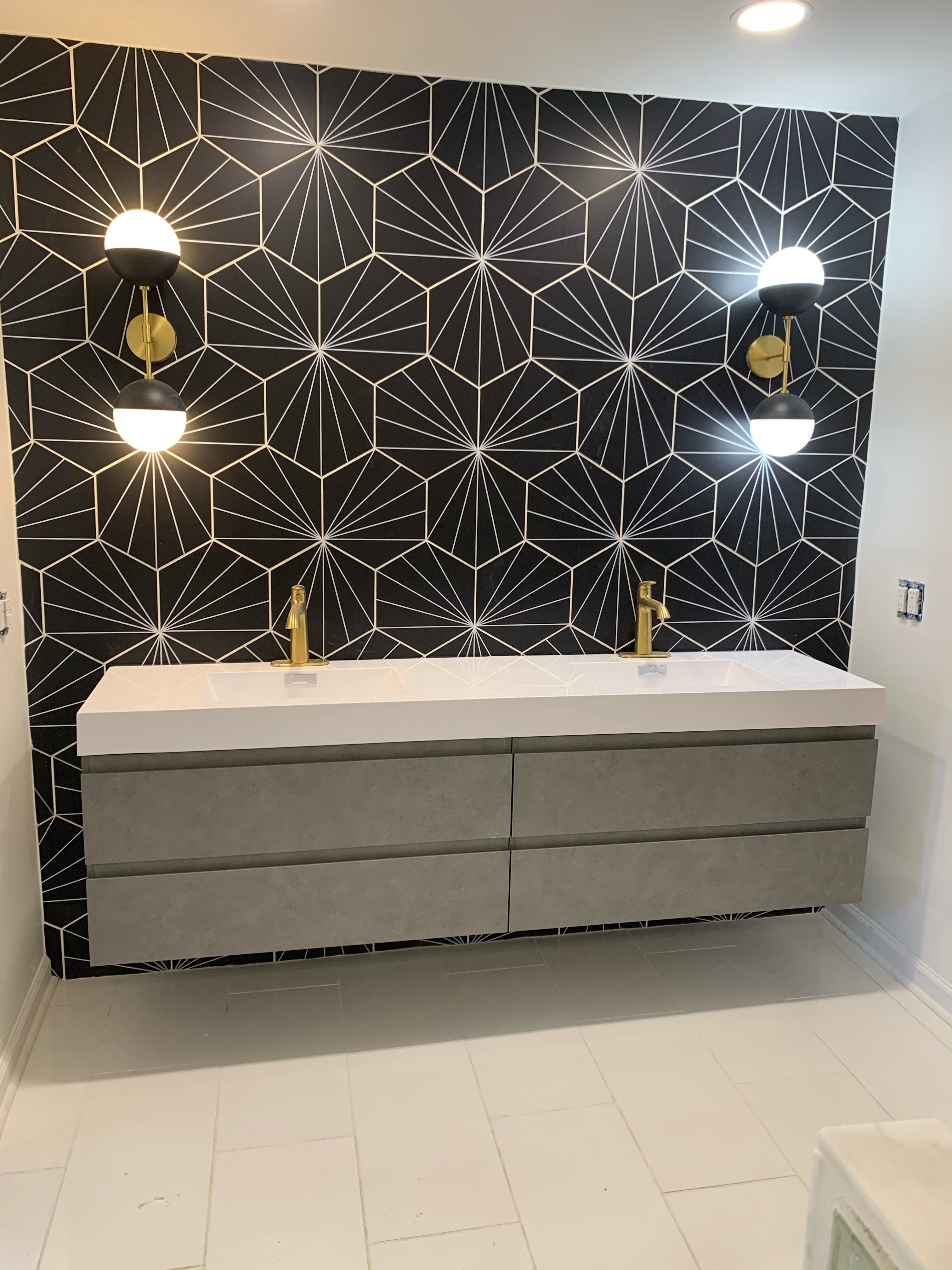
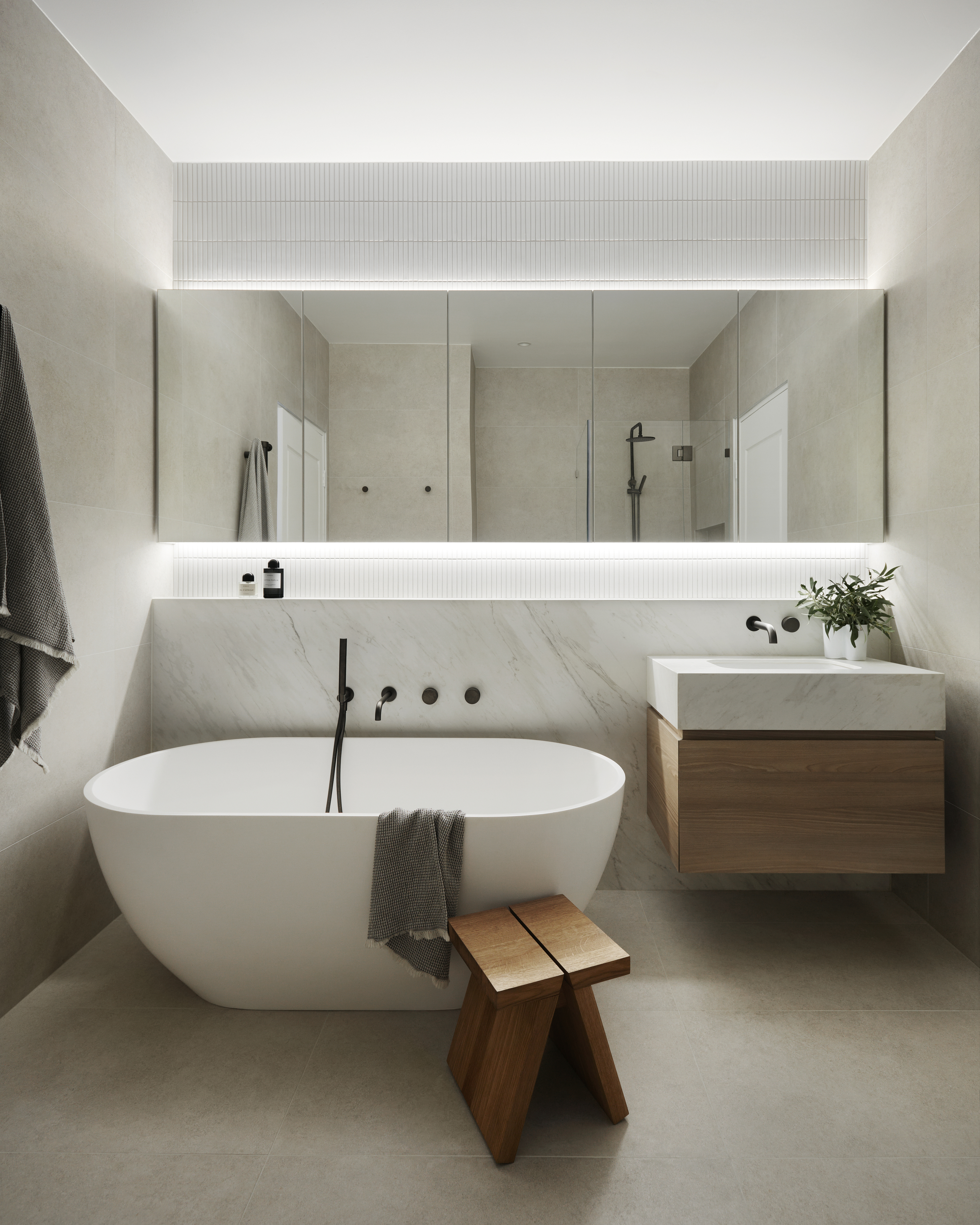
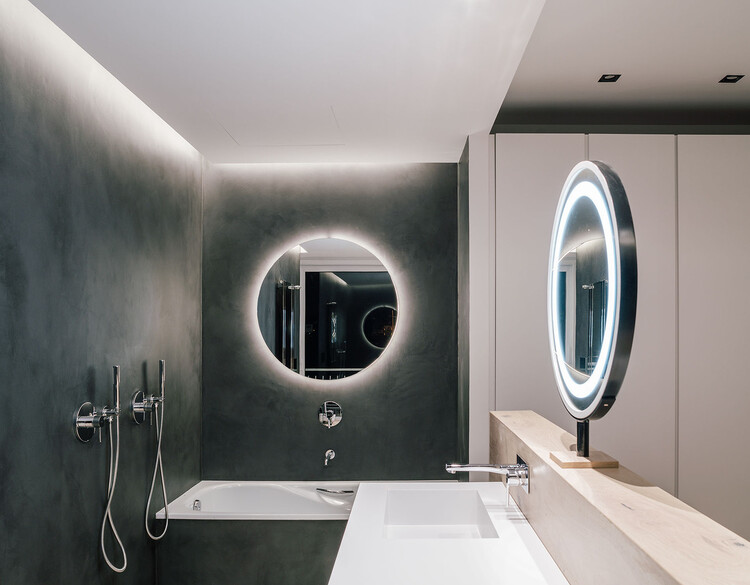
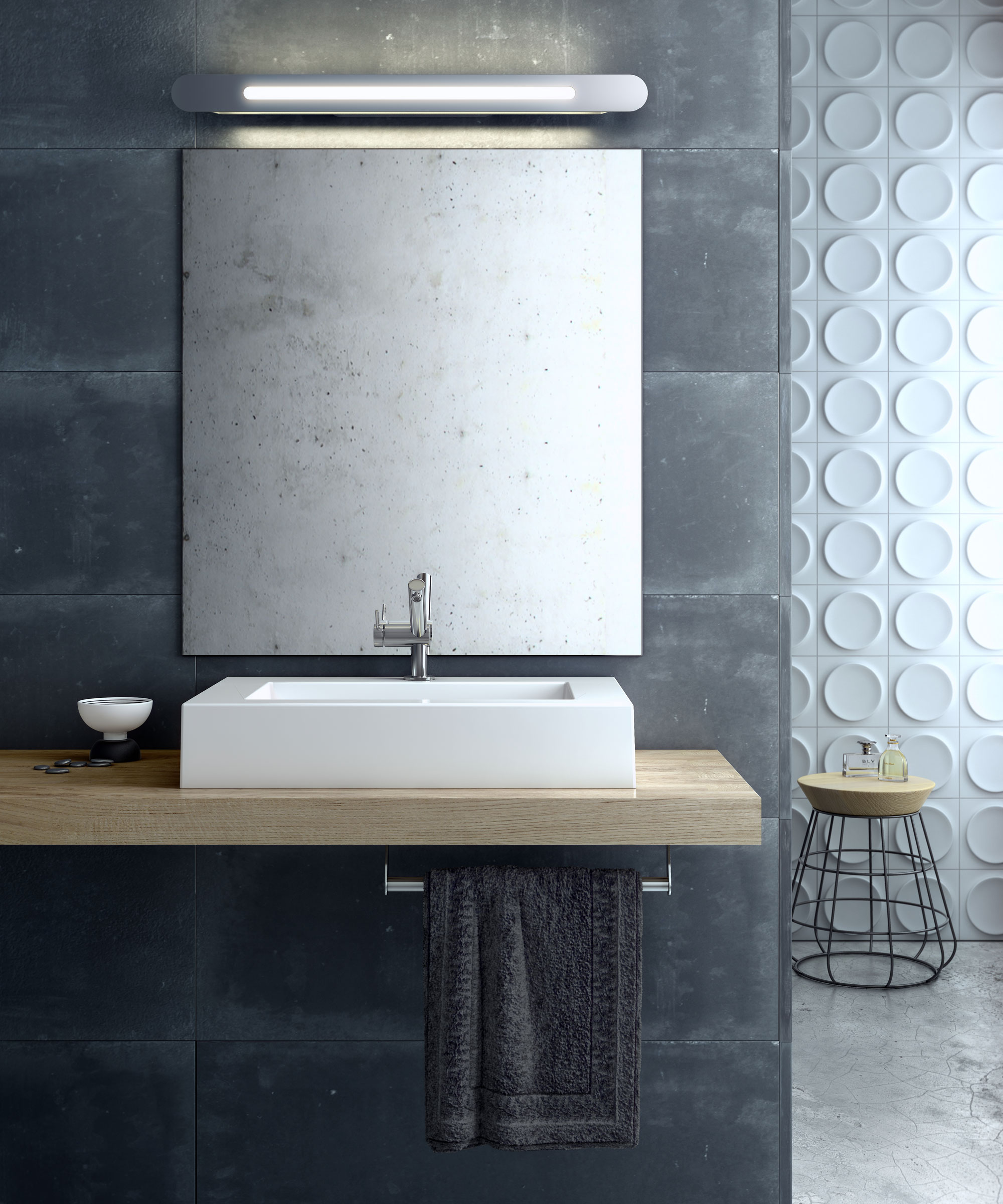
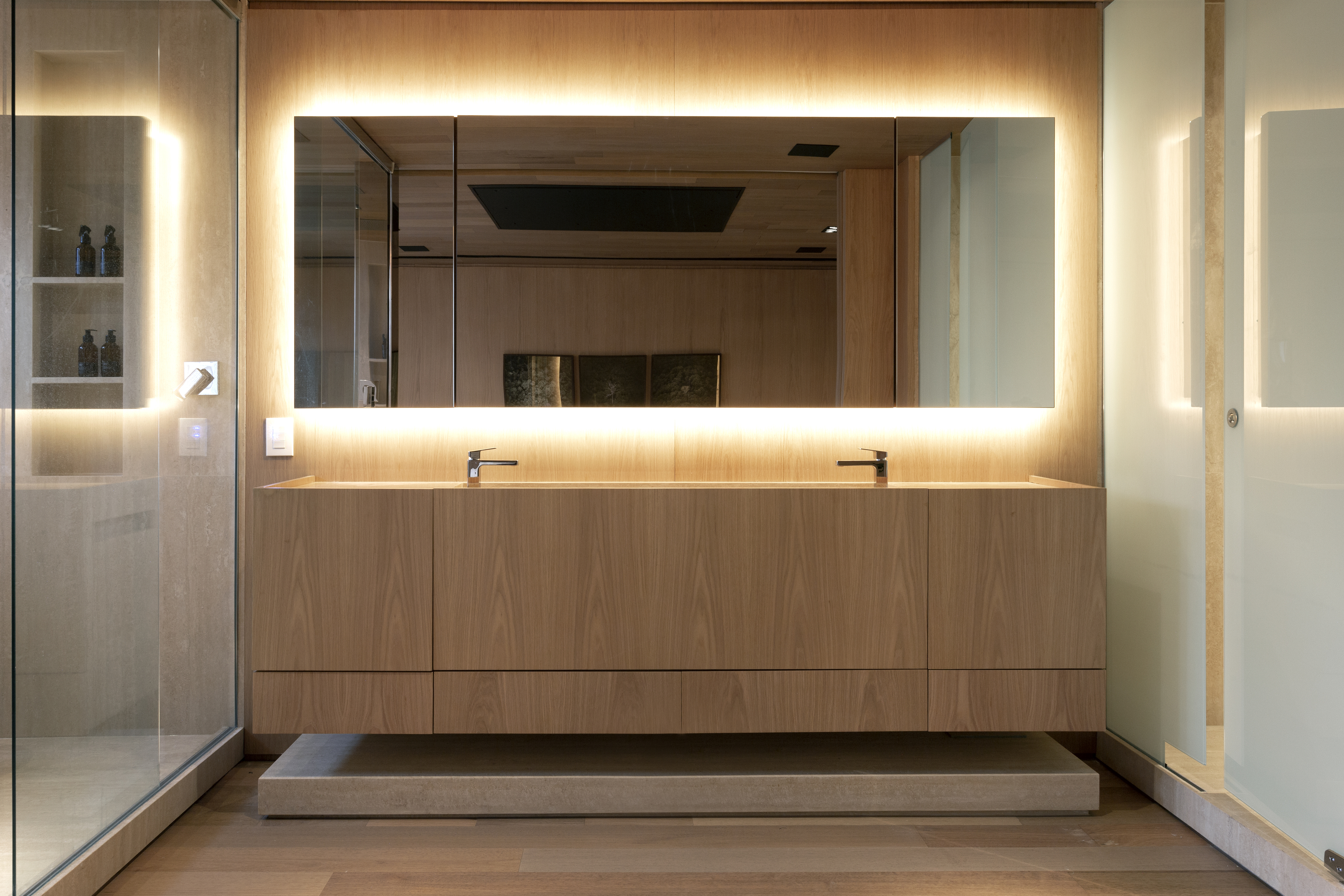
Experts highlight several creative applications for LED lighting within the home. One effective use is as mirror lighting, particularly in bathrooms. Flexible LED strips can be mounted directly on glass or behind mirror frames, producing a gentle and even glow. Employing diffusers or frosted glass helps to disperse the light, ensuring uniform radiance. This approach can serve both aesthetic and functional purposes, as demonstrated by multi-functional mirrors that combine direct and indirect light sources to emphasize textured walls and provide optimal lighting for daily tasks while also concealing storage.
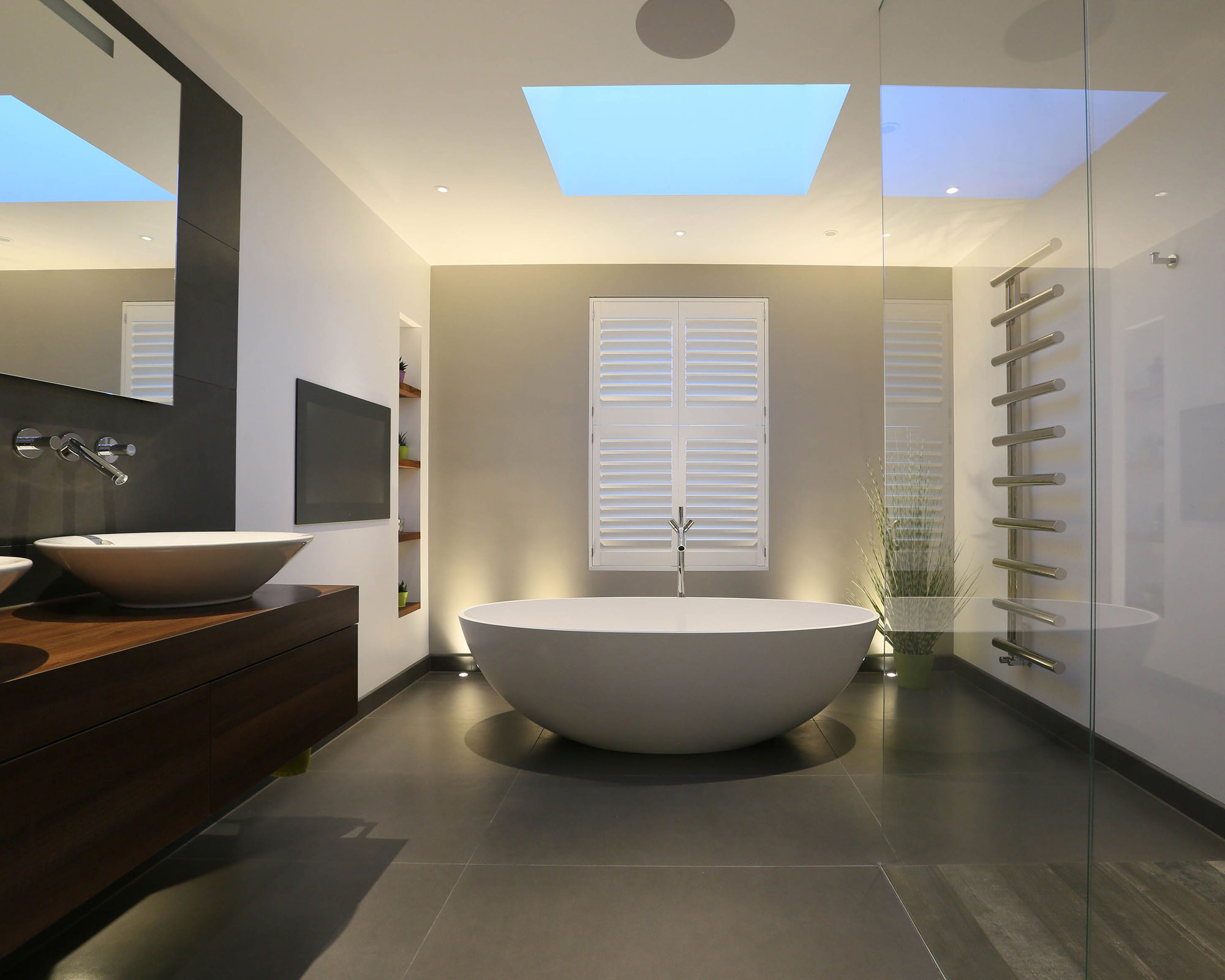
Another innovative application is creating ambient lighting within showers. LED strips can generate the illusion of a wider and more expansive space, effectively adding depth to narrow shower enclosures. The brightness levels of these lights can be adjusted, offering flexibility to suit different times of day and enhance usability. Designers often select malleable light strips that can conform to rounded corners, ensuring seamless integration and an “infinite” aesthetic for shower stalls.
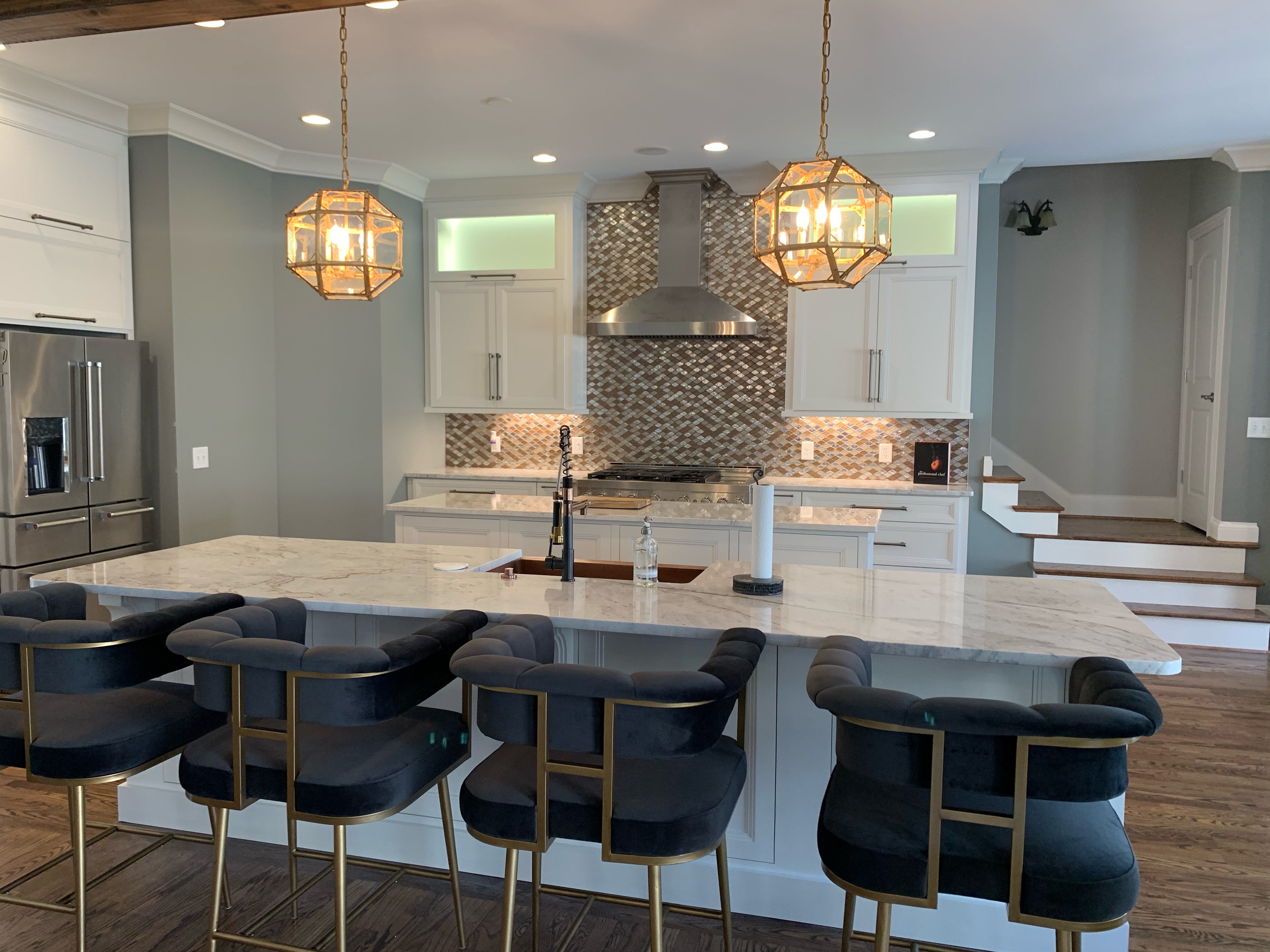
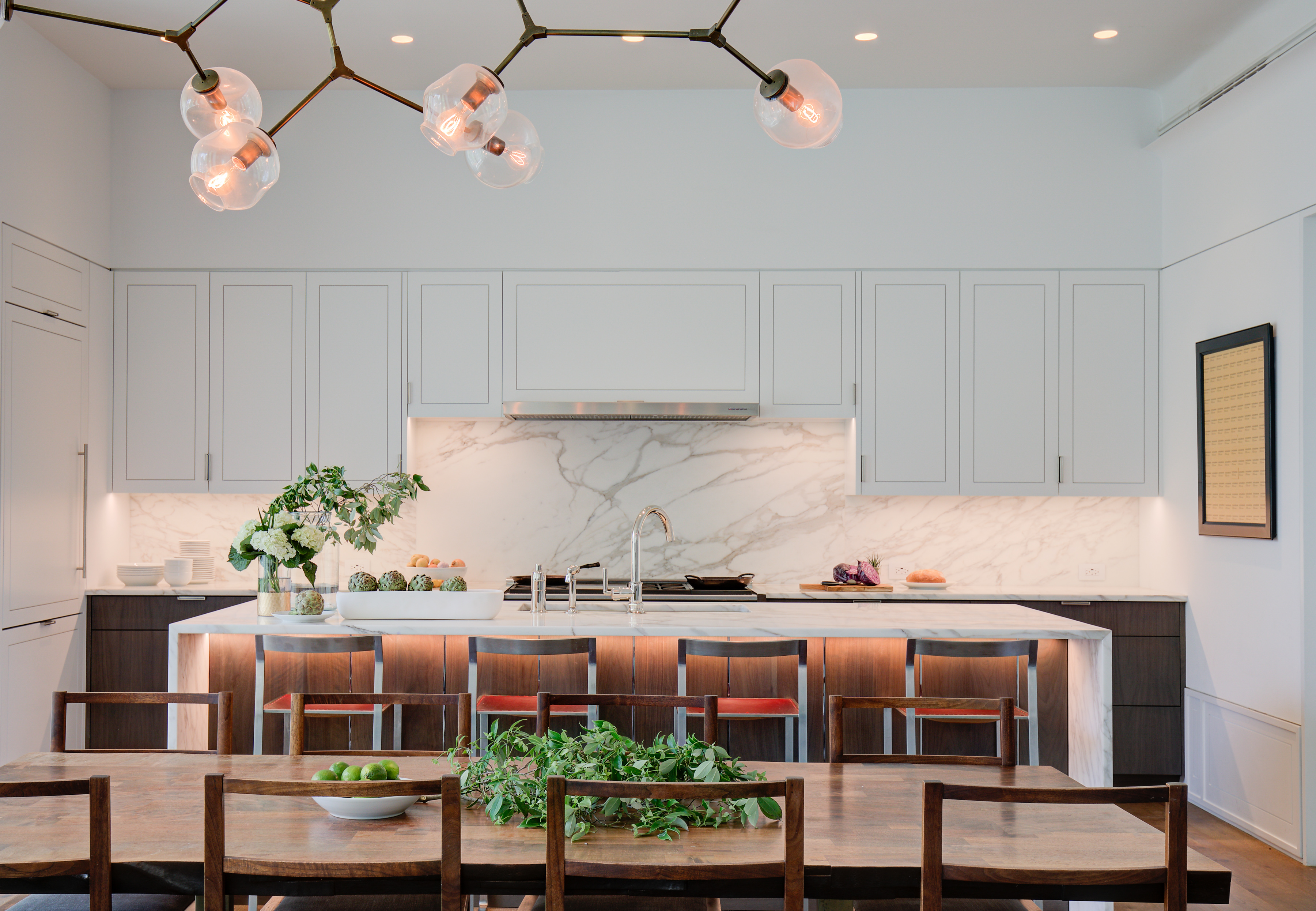
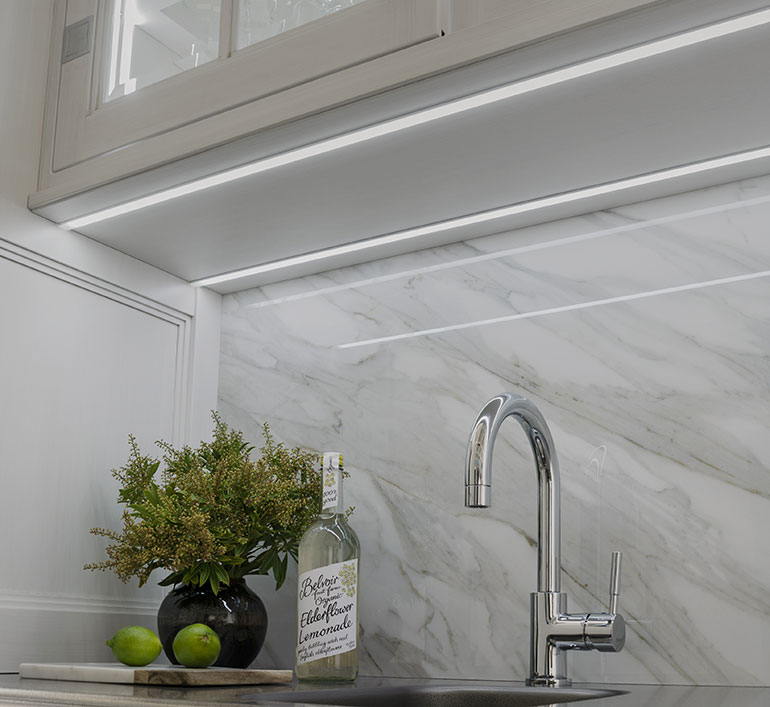
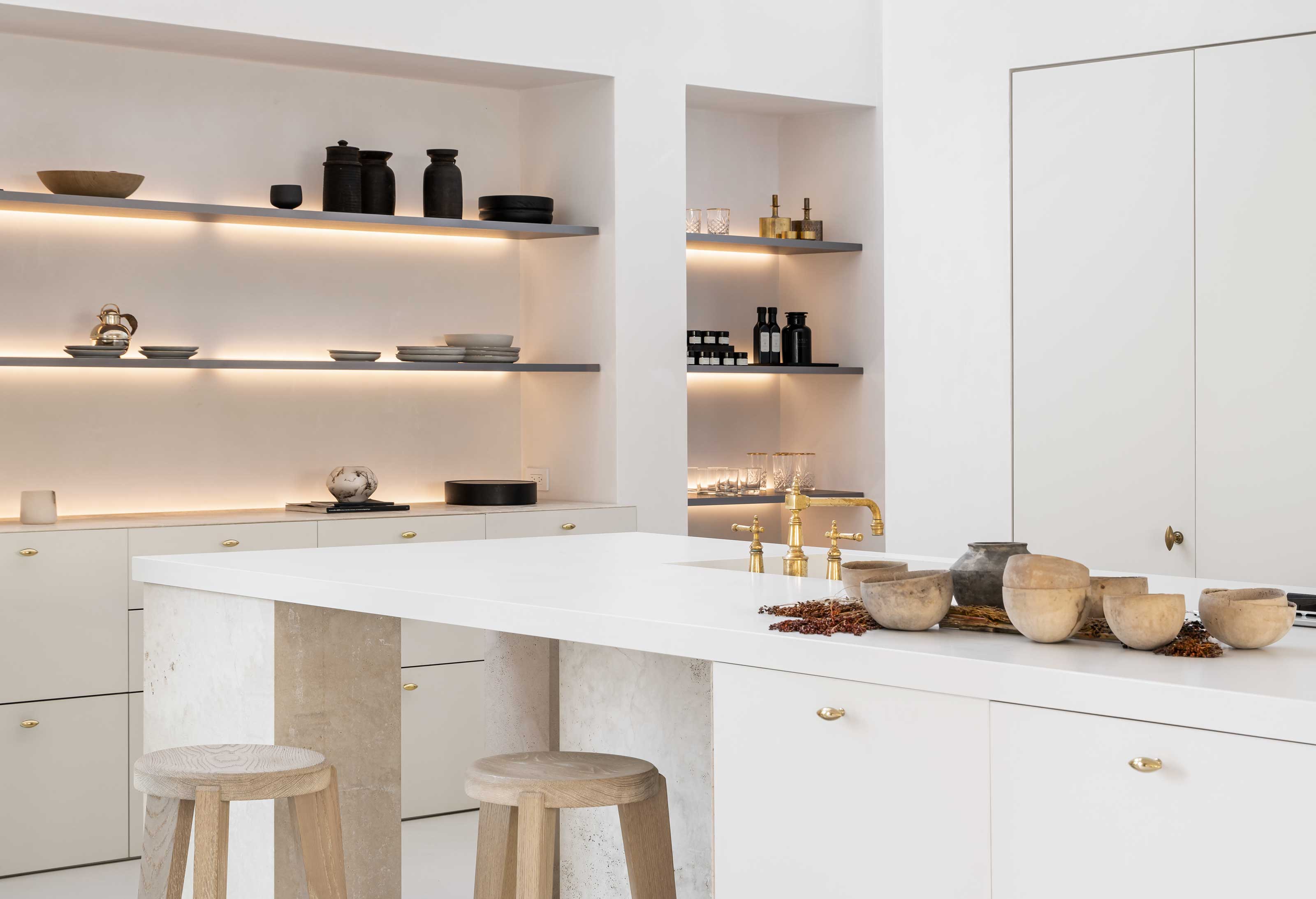
Undercabinet LED lighting in kitchens offers both accent and functional illumination. When installed beneath cabinets, these lights not only bright up the countertop work surface but also aesthetically highlight the countertops and backsplashes. Proper installation often involves routing the top cabinet to fit the LED strip at an optimal angle, typically set approximately 25mm from the wall to accommodate backsplash thickness, ensuring correct light positioning after installation.
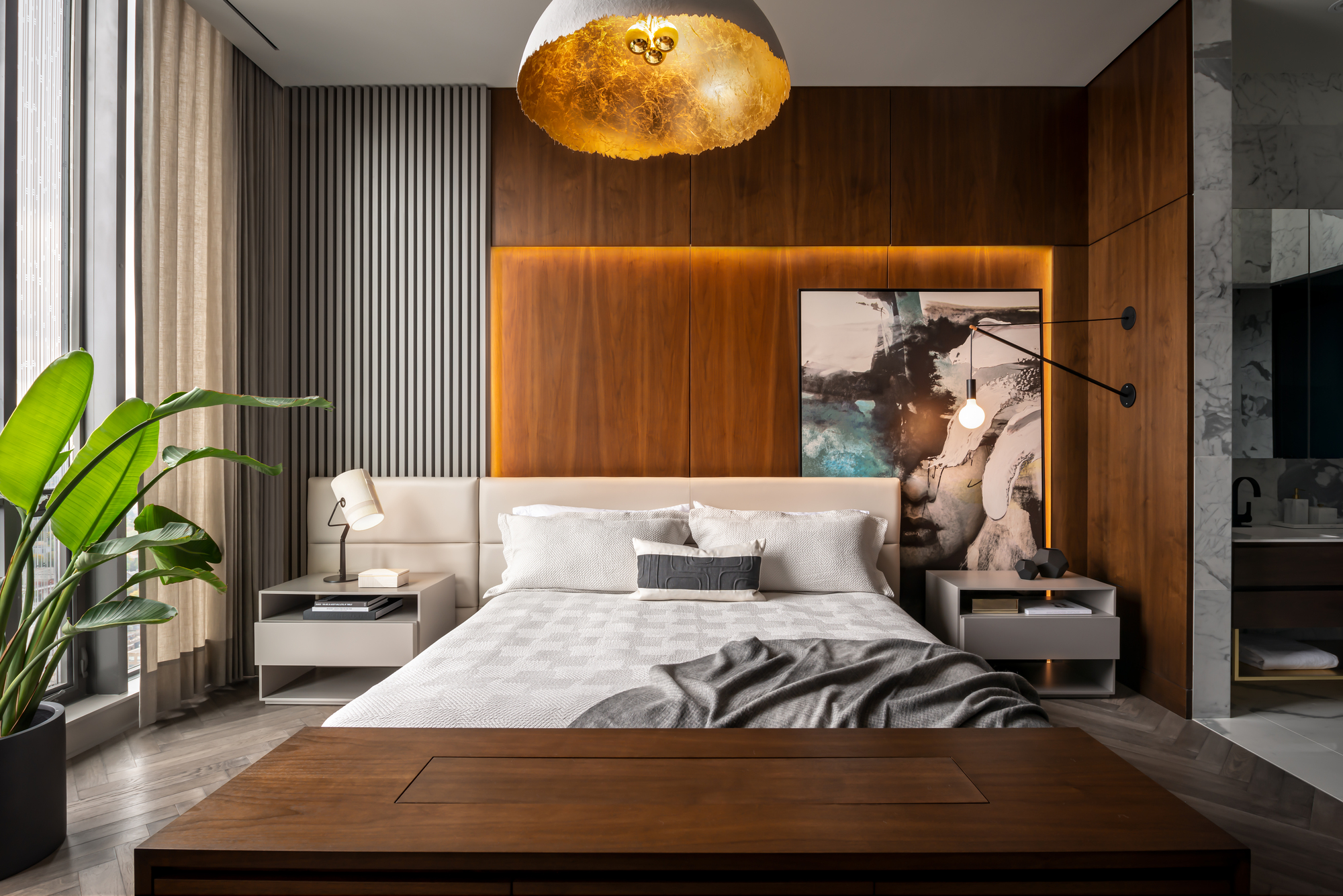
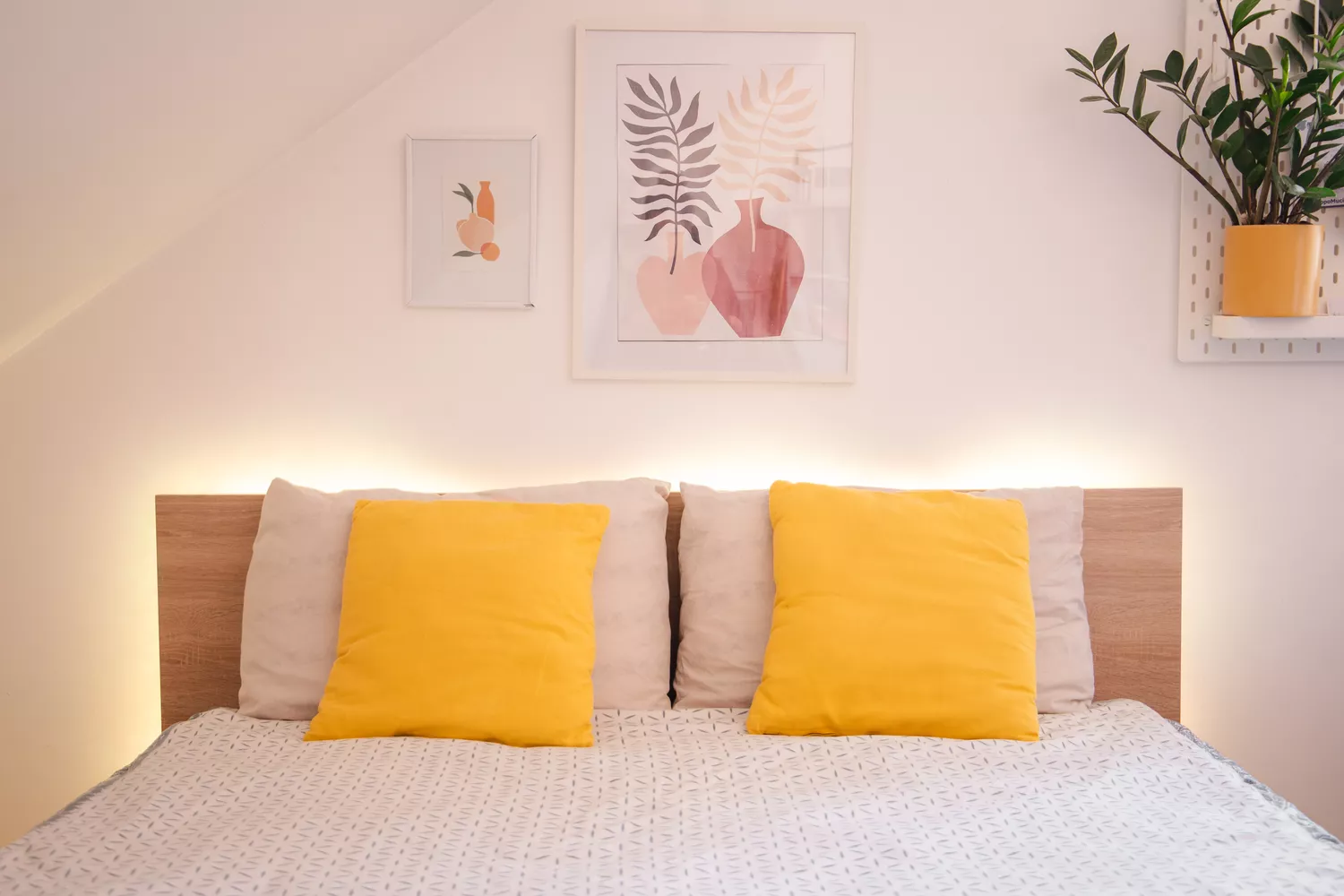
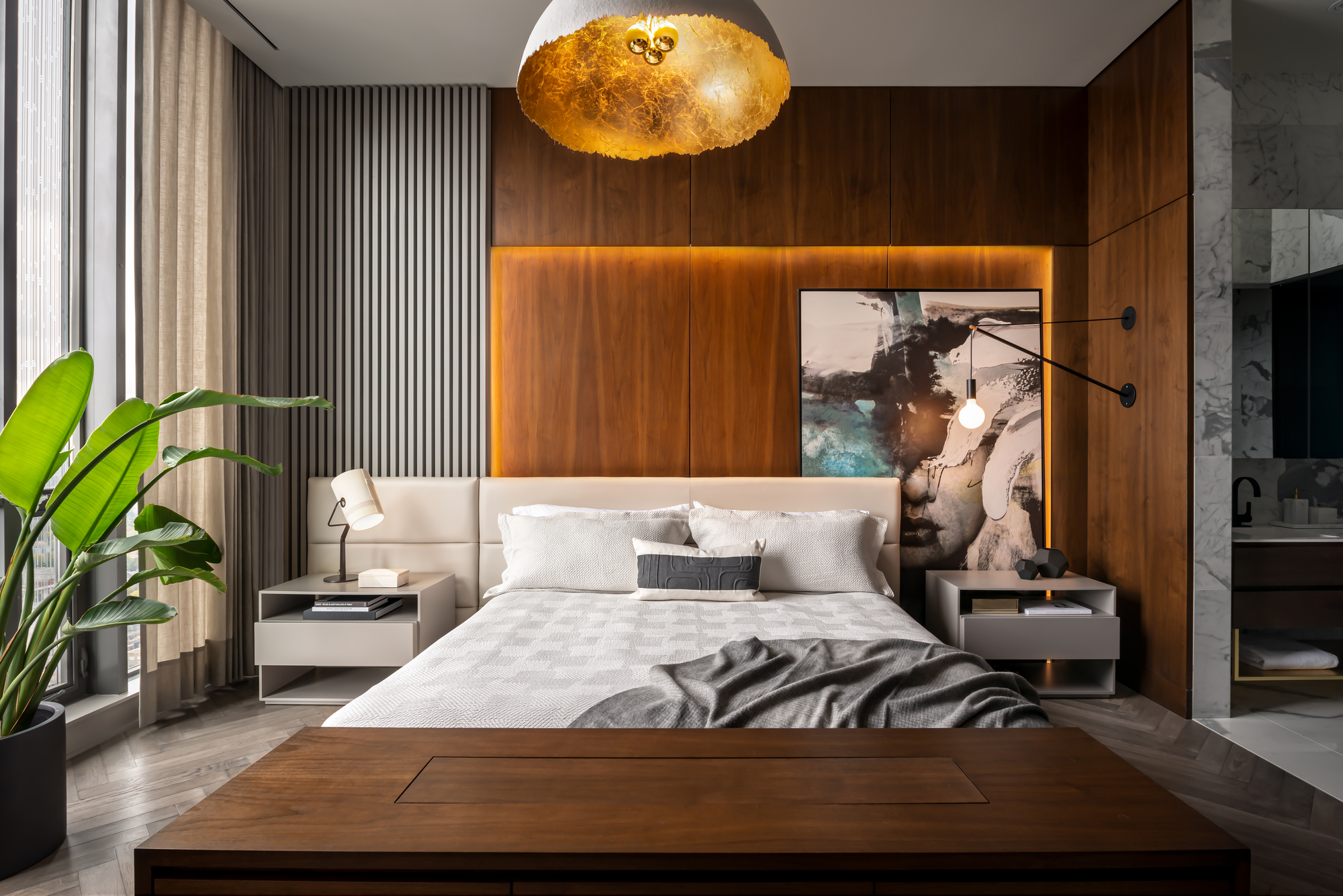
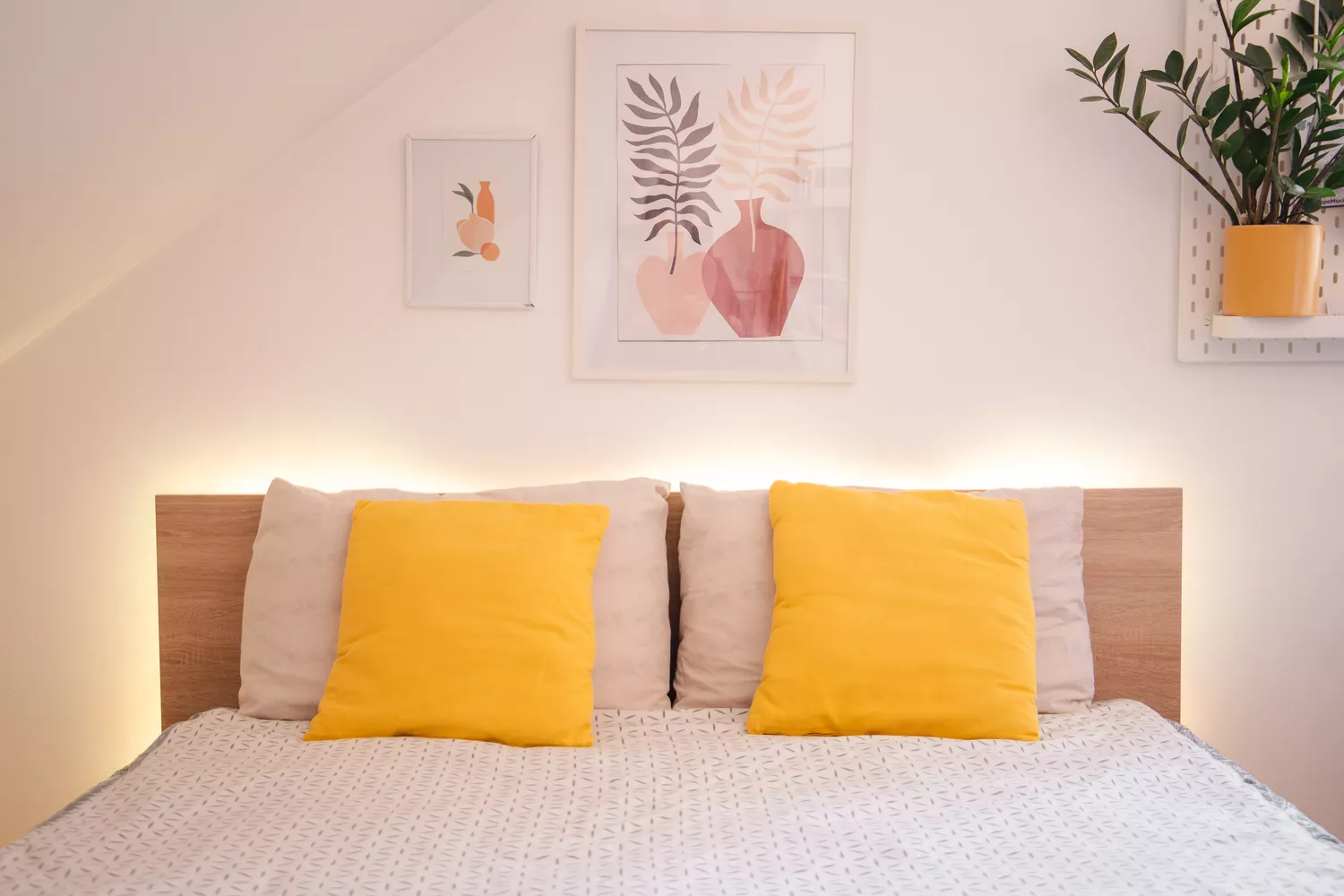
In bedrooms, LED strips can be used to create a layered lighting effect behind headboards. This placement generates a whimsical ambiance and casts a soft, moody glow, enhancing the room's atmosphere. The advantages of LED strip lights for interior spaces include their energy efficiency, leading to long-term cost savings, and their versatility for installation in various locations such as under cabinets, along stairs, or around architectural features, providing both ambient and task lighting.
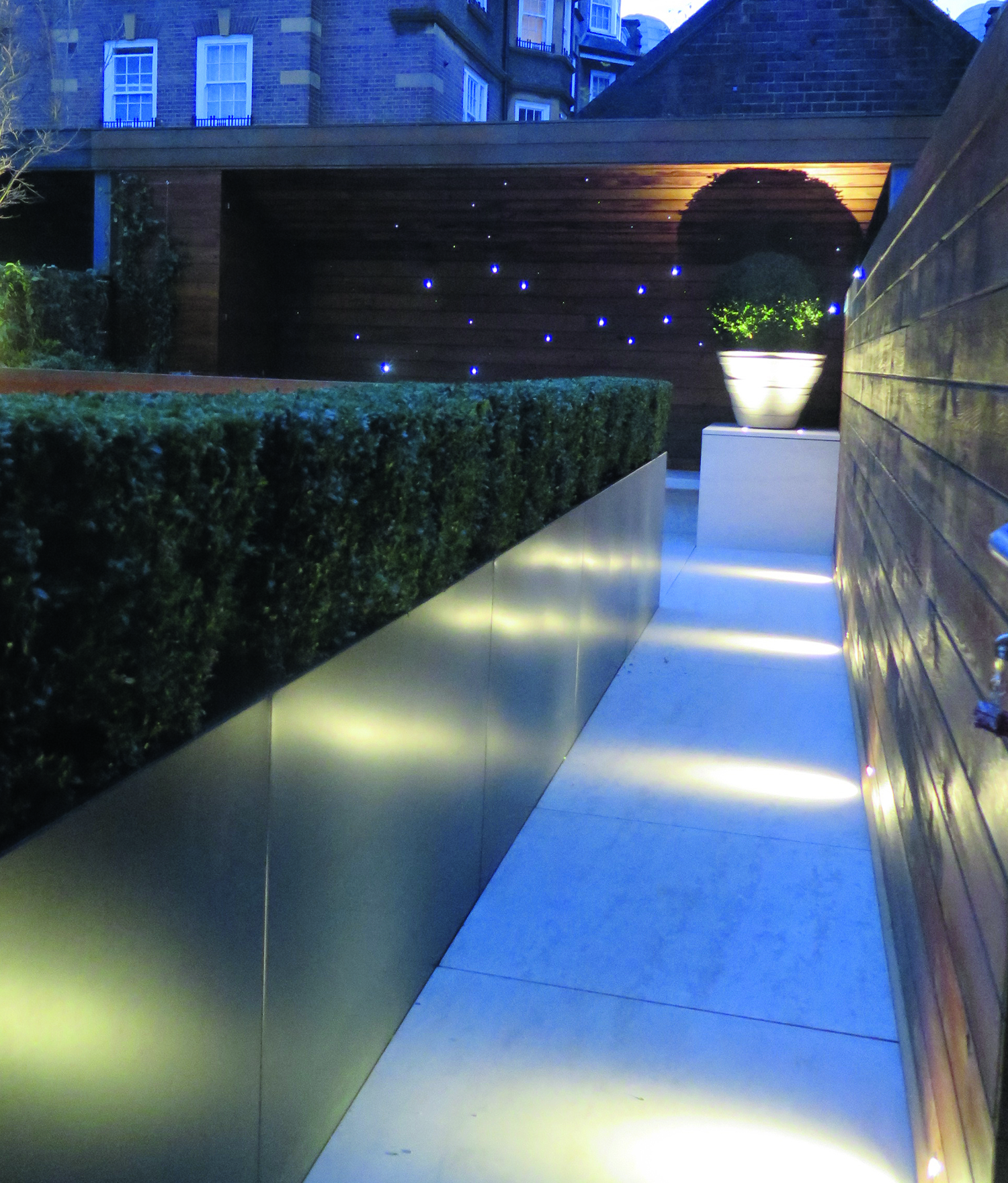
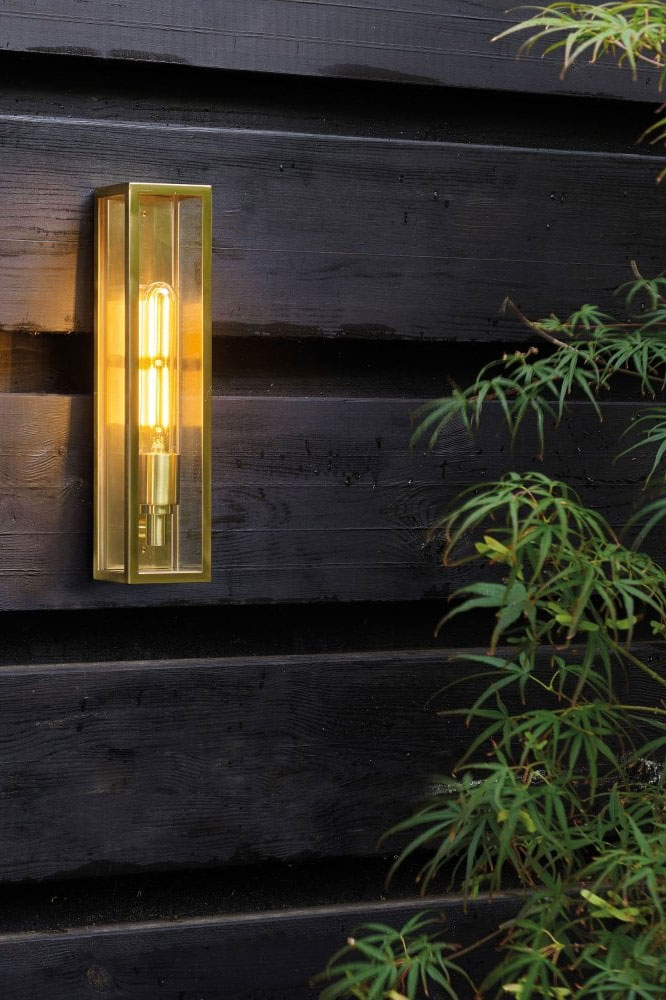
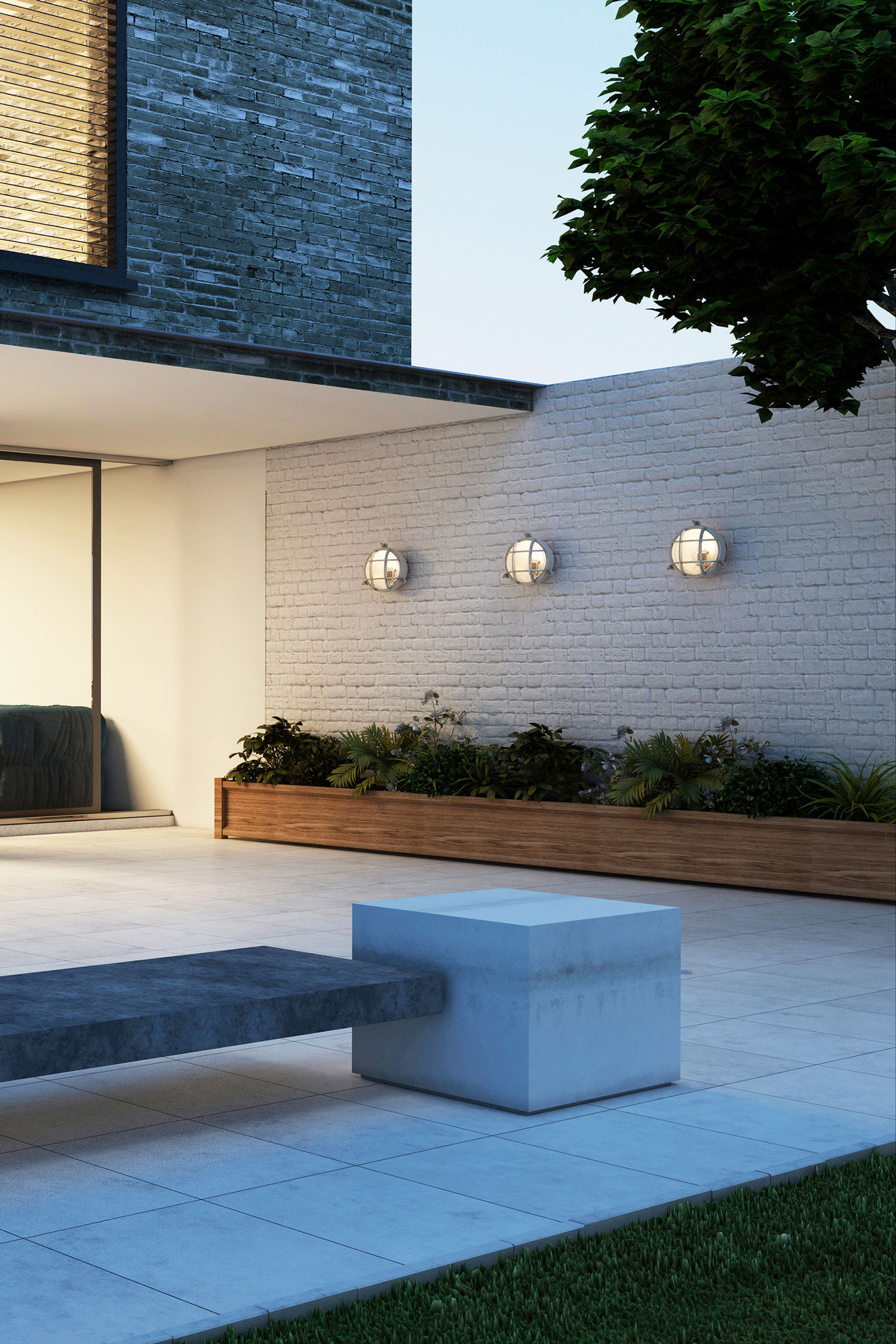
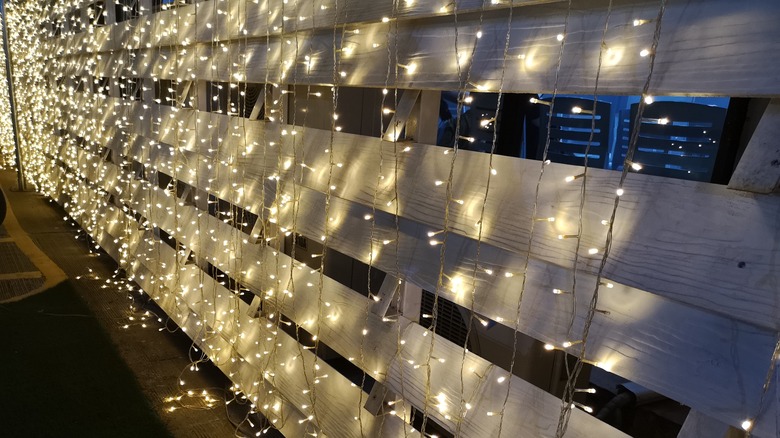
Beyond indoor applications, LED strips are also valuable for outdoor lighting. They add aesthetic value to exteriors while serving practical functions, such as illuminating seating areas or poolside environments to ensure safety at night. They can also provide a decorative touch to walkways. Outdoor LED strips are available in a range of colors and brightness levels, allowing for customization to match different design preferences and moods, including color-changing options.
#LEDLighting #HomeDecor #InteriorDesign #AccentLighting #BathroomLighting #KitchenLighting #BedroomLighting #OutdoorLighting #LightingIdeas #LEDLighting #HomeDecor #InteriorDesign #AccentLighting #BathroomLighting #KitchenLighting #BedroomLighting #OutdoorLighting #LightingIdeas
0 Kommentare insgesamt
 Noch keine Kommentare
Das könnte Ihnen auch gefallen
7 Creative Ways to Integrate LEDs in Cabinetry and Storage

Best new lighting designs to brighten up your space

LED lighting is probably the best way to illuminate a bathroom – and these 10 spaces prove it
lighting design Archives
These genius LED lighting ideas look super luxe, but are surprisingly easy to recreate yourself
Proper lighting can add drama and coziness to any space

5 best-LED lights for residential applications

11 Light Fixtures That Will Brighten Up Your Space — and Your Mood
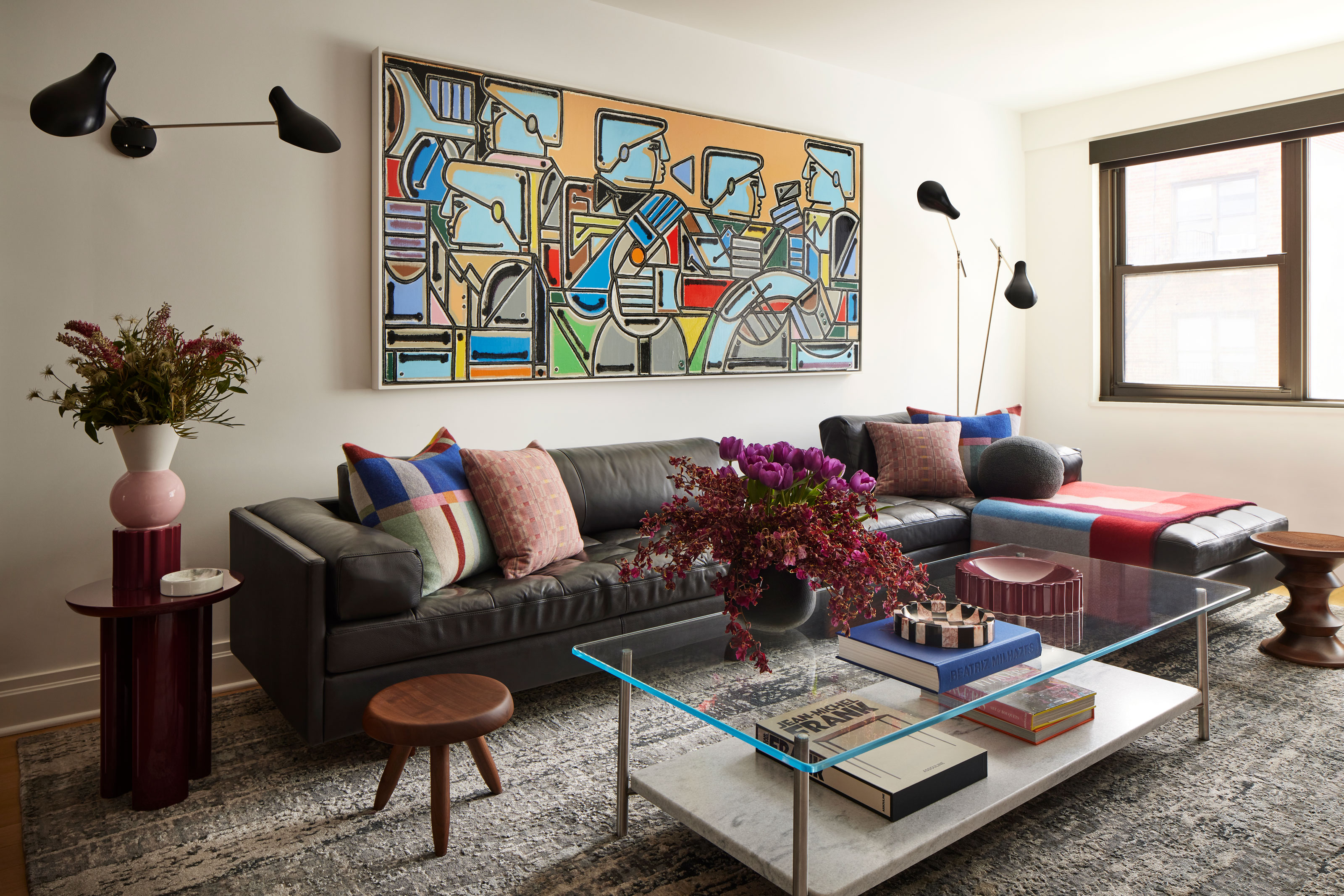
Forget the Ceiling Light — These Are the 5 Ways You Should Be Lighting Your Living Room
Statement lighting 101: Complete guide to different styles and where to install | Hindustan Times

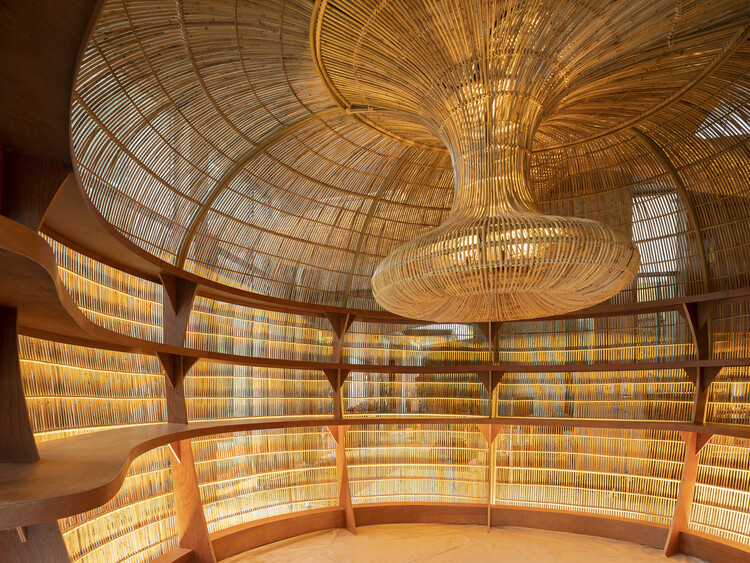
15 Interiors that Illustrate the Effectiveness of Indirect Lighting


13 Creative Ways To Decorate With Christmas Lights All Year Long
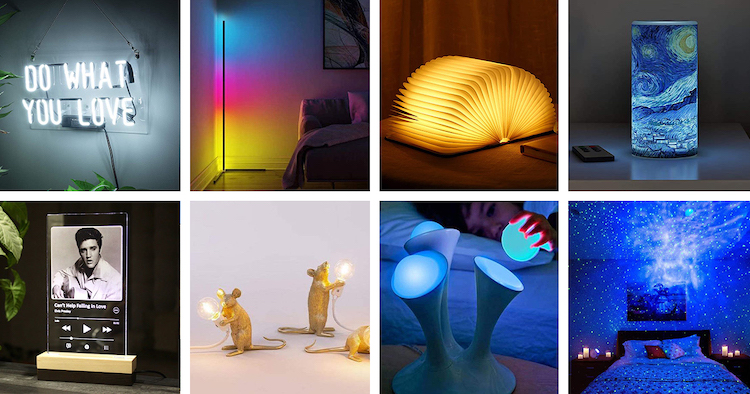
15 Unique Light Fixtures and Lamps to Brighten Up Your Space

Simple or sculptural, the right light fixture can make any room shine

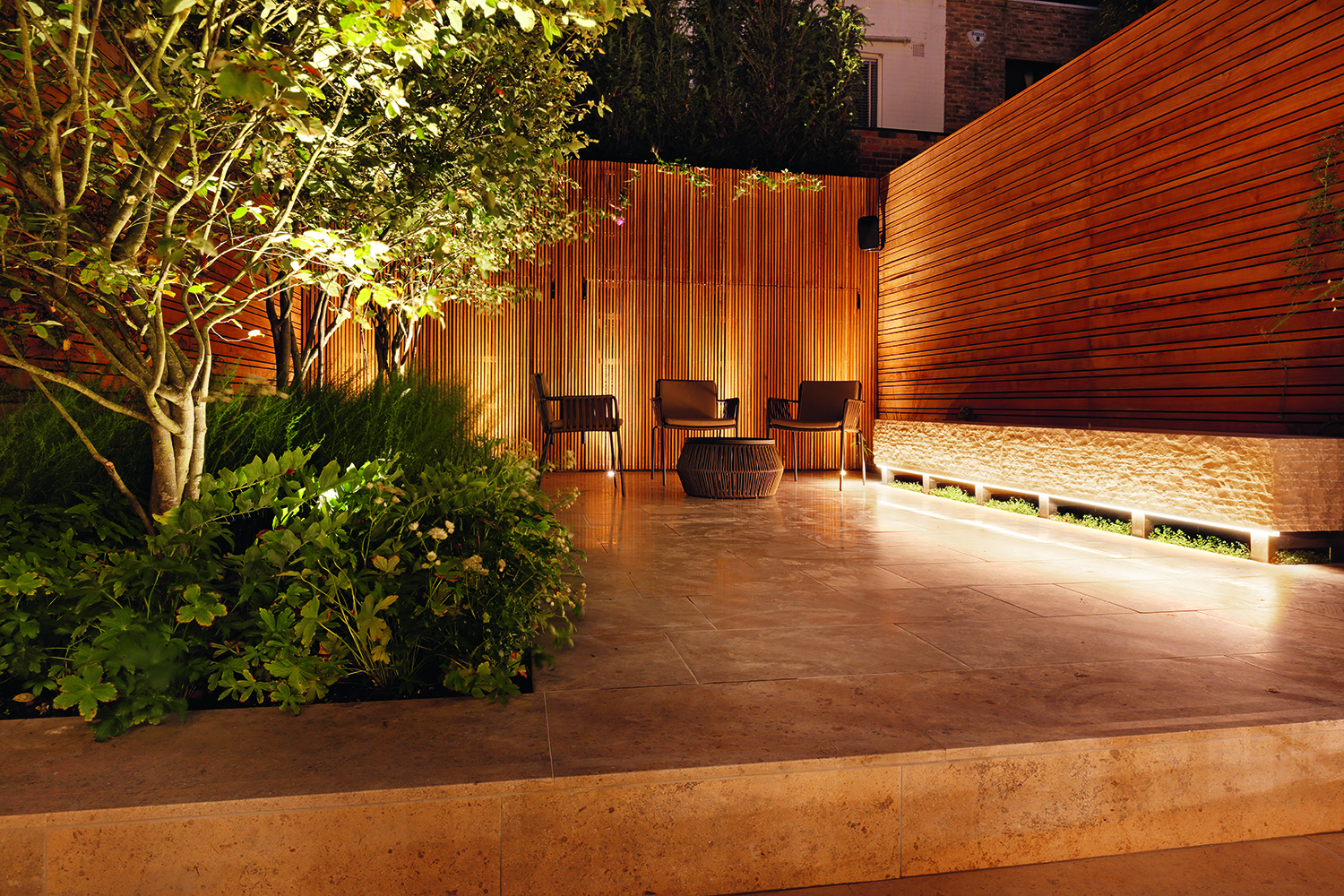
How to position landscape lighting - the expert guide to bringing your outdoor space to life
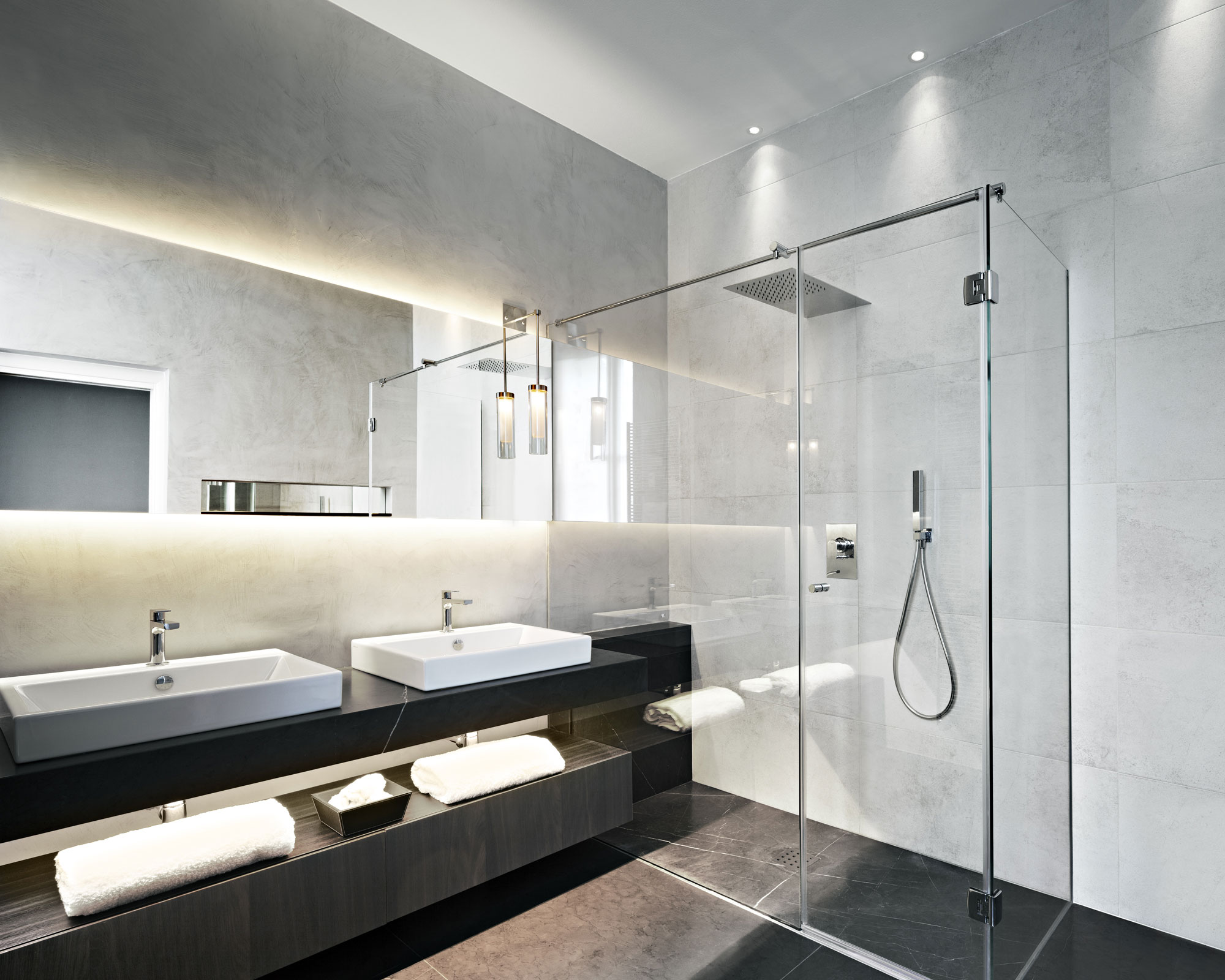
LED bathroom lighting ideas – 13 stylish, versatile and energy-saving options

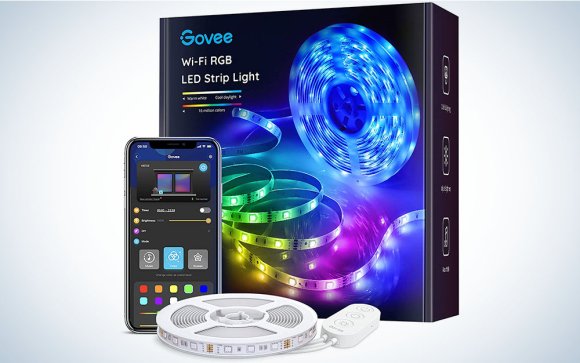
The best LED light strips for any space
5 ideas for using LED lighting in a kitchen that make me regret not including it in my own remodel
Get your home's lighting just right: Seven questions answered
What Is Ambient Light? Here's How to Use It in Your Home