Zen Interior Design: Your Guide to a Calm & Tranquil Home
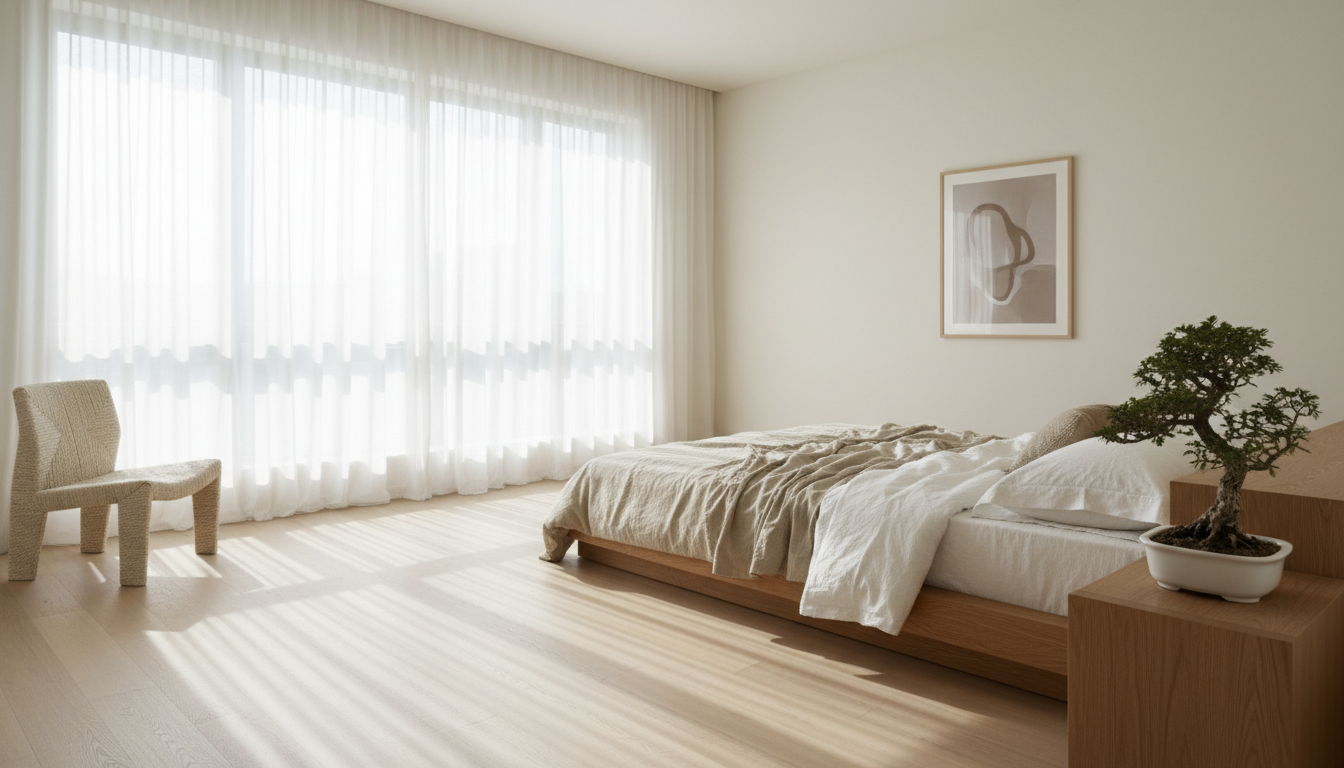
Ready for a peaceful sanctuary? Learn the core principles of Zen interior design, from minimalism to natural materials.
In a world filled with constant noise and digital distractions, our homes should be our sanctuaries—a place to unplug, recharge, and find peace. This desire for tranquility is why Zen interior design continues to captivate homeowners. It’s more than just an aesthetic; it’s a philosophy centered on mindfulness, simplicity, and harmony. But how do you translate such a profound concept into your living space? Visualizing the balance of empty space and natural textures can be challenging. This is where a tool like Ideal House becomes invaluable. Before you commit to a single purchase or paint color, you can use AI to experiment with layouts, materials, and styles, seeing exactly how a minimalist bed or a bamboo accent wall will transform your room into a peaceful retreat.
What is Zen Interior Design?
Rooted in the principles of Japanese Buddhism, Zen design is the practice of creating spaces that calm the mind and nourish the soul. It’s not about stark emptiness but about intentionality. Every object, color, and piece of furniture serves a purpose and contributes to an atmosphere of serenity. The goal is to eliminate the non-essential, allowing for a deeper connection with your surroundings and yourself.
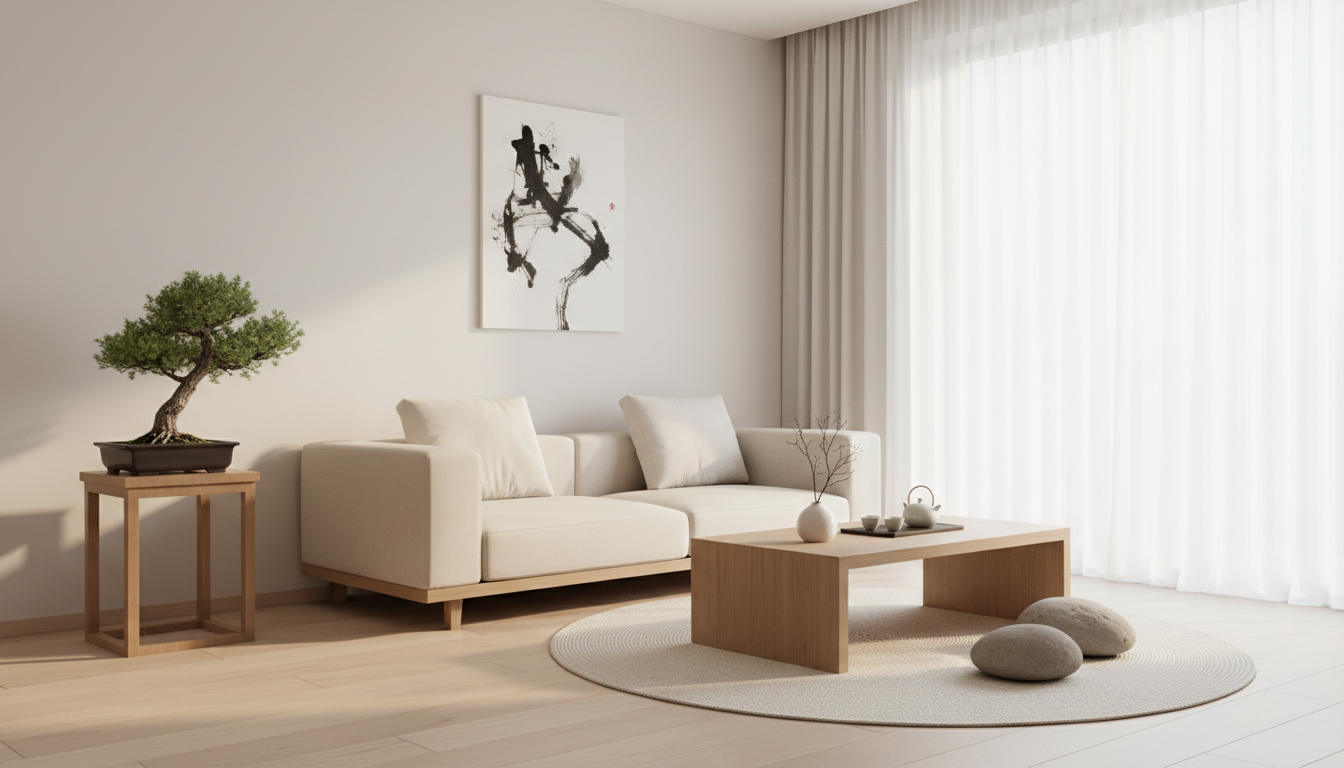
The Core Principles of a Zen-Inspired Home
To truly embrace Zen design, focus on its guiding principles. These elements work together to create a cohesive and calming environment.
Simplicity and Uncluttered Space
The foundation of Zen is "less is more." This means embracing minimalism and decluttering your space with purpose.
- Mindful Curation: Instead of filling shelves with knick-knacks, select a few meaningful objects that bring you joy or peace.
- Clean Lines: Opt for furniture with simple, clean silhouettes. Avoid ornate details and complex patterns.
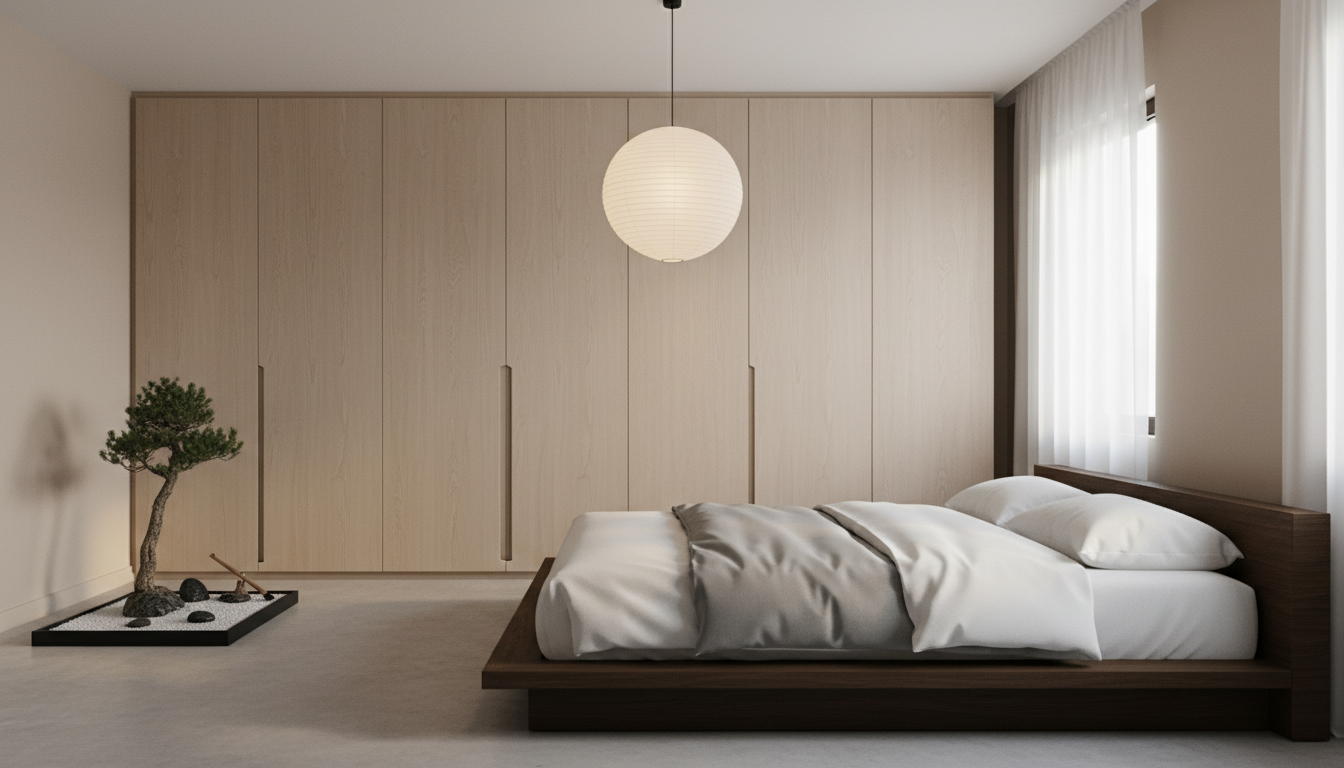
- Hidden Storage: Utilize smart storage solutions like built-in cabinets, minimalist sideboards, or storage beds to keep clutter out of sight. A clear space leads to a clear mind.
A Palette Pulled from Nature
Zen color schemes are soothing and earthy, reflecting the natural world. Think less about bold, stimulating colors and more about tones that create a soft, serene backdrop.
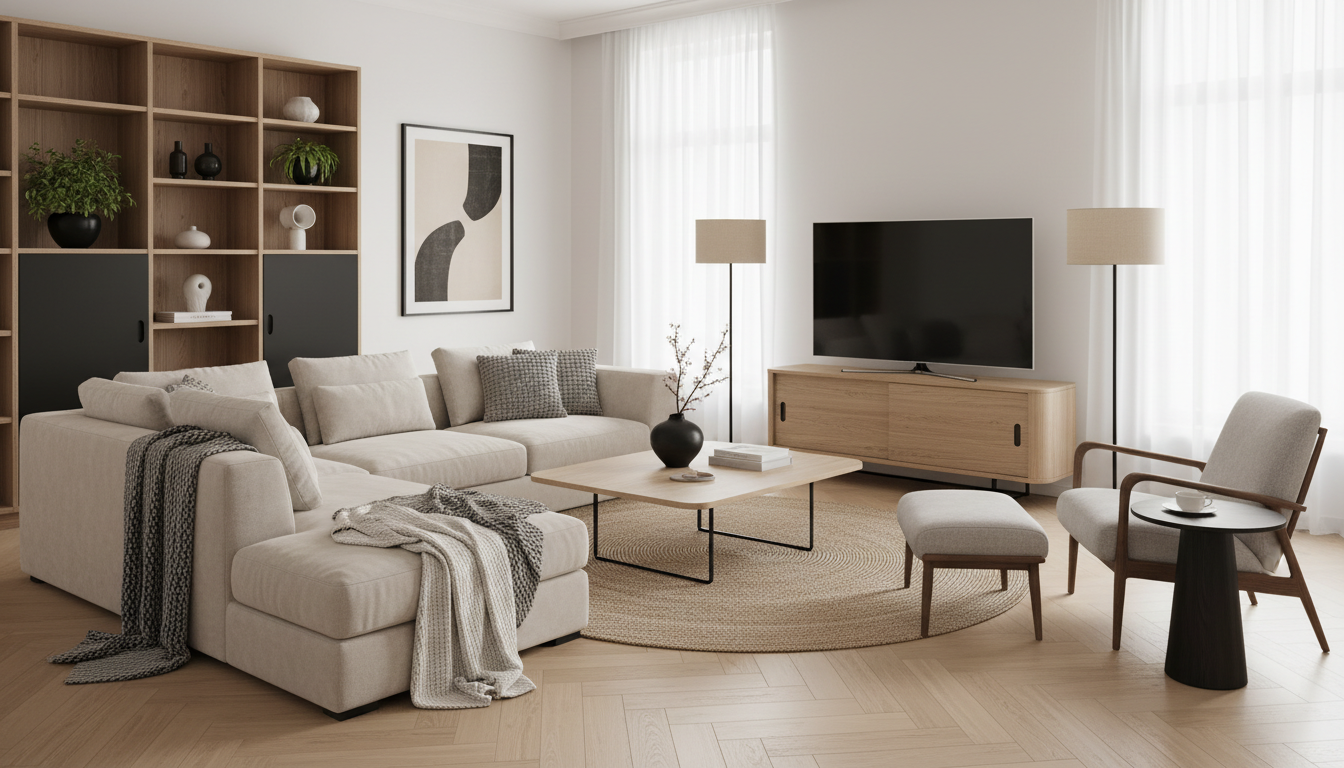
- Primary Colors: Focus on shades of white, beige, light grey, and cream. These colors create a sense of spaciousness and light.
- Accent Tones: Introduce subtle warmth with earthy tones like soft browns, muted greens, and gentle blues that evoke wood, stone, and water. A zen interior design color palette is all about harmony, not high contrast.
Natural and Sustainable Materials
Connecting with nature is fundamental to Zen. Bringing natural materials indoors grounds the space and adds warmth and texture.
- Wood and Bamboo: Incorporate elements like a minimalist bed frame made of light wood, bamboo flooring, or wooden screens. These materials are central to creating a zen home.
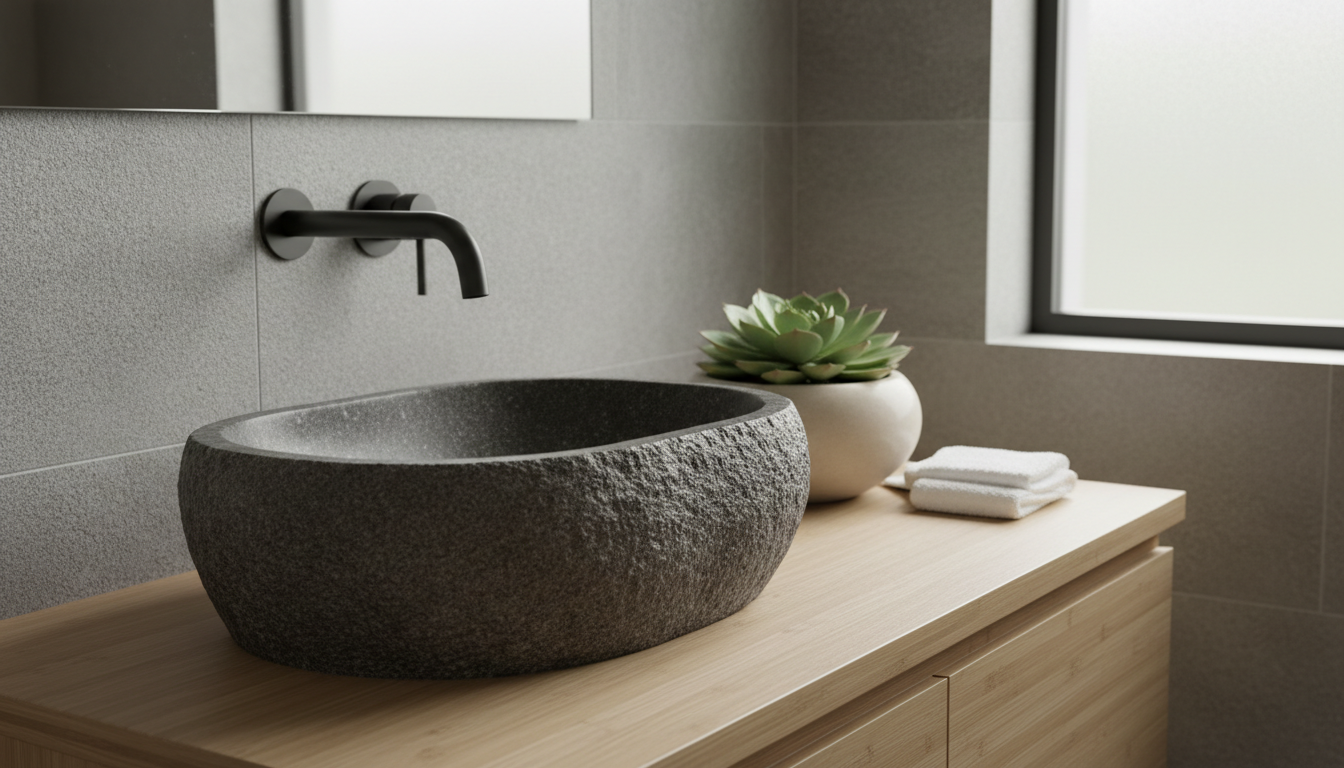
- Stone and Gravel: A slate accent wall, a stone vessel sink in the bathroom, or even a small indoor tray with gravel can evoke the feeling of a modern Zen garden.
- Natural Fabrics: Choose textiles made from linen, cotton, and wool for curtains, bedding, and upholstery to add softness without visual noise.
The Power of Natural Light and Soft Lighting
Lighting plays a crucial role in setting the mood. A Zen space feels bright and airy during the day and soft and intimate at night.
- Maximize Daylight: Keep window treatments simple and sheer to allow as much natural light as possible to flood the room.
- Layered Artificial Light: Avoid harsh overhead lighting. Instead, use a combination of light sources like paper lanterns, dimmable floor lamps, and concealed LED strips to create a gentle, diffused glow. These zen lighting ideas contribute to a calming ambiance.
Bringing the Outdoors In
A connection to nature, or biophilic design, is essential. This can be achieved even if you don't have a large garden.
- Houseplants: Introduce plants like bonsai, bamboo, or snake plants. Their simple forms and green foliage add life and purify the air.
- Natural Views: If you have a view of a garden or trees, arrange your furniture to make that the focal point.
- Water Features: The gentle sound of a small tabletop fountain can enhance the sense of tranquility.
Exploring Japandi: The Modern Cousin of Zen
If you love the principles of Zen but crave a bit more warmth and coziness, you might be drawn to Japandi design. This hybrid style masterfully blends Japanese minimalism with Scandinavian functionality and comfort ("hygge"). It shares Zen's love for clean lines, natural materials, and uncluttered spaces but often incorporates a slightly wider, warmer color palette and cozier textiles. Using a tool like Ideal House's Style-Based Smart Replacement, you can easily toggle between a pure "Zen bedroom" and a "Japandi bedroom" to see which blend of simplicity and comfort speaks to you.
Your Path to a Tranquil Home
Creating a Zen-inspired home is a journey, not a destination. It’s about making conscious choices that support a more peaceful and mindful lifestyle. Start small by decluttering a single room or introducing a few natural elements. And when you’re ready to visualize a bigger transformation, let an AI room redesign tool be your guide. By uploading a photo of your space, you can experiment with different furniture layouts, explore Zen color palettes, and see your vision for a serene sanctuary come to life before you ever begin.