


How to Create a Perfect Dining Area for Your Home
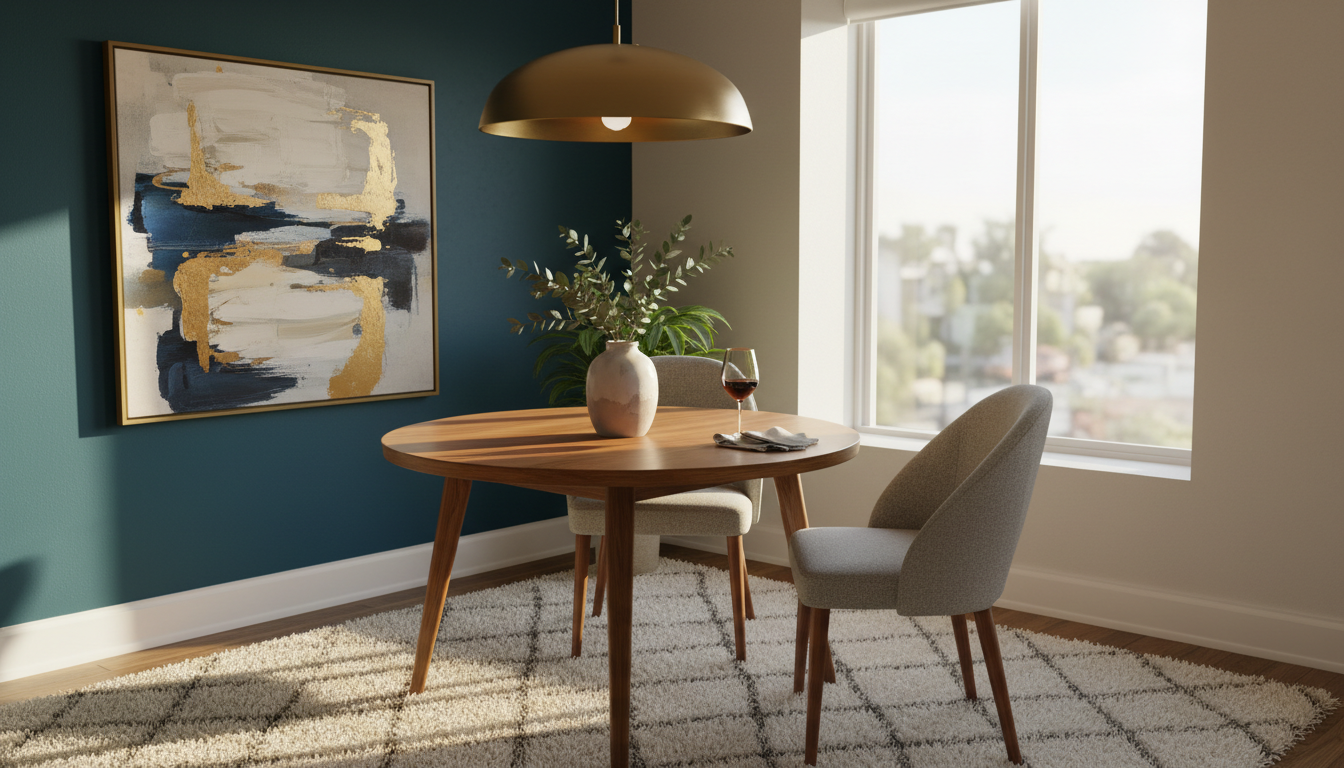
A practical guide to designing a beautiful, functional dining space, covering furniture selection, layout planning, lighting matching, color styling and finishing decor for all home layouts.
The dining area is the heart of so many cherished moments. It’s where we share meals, connect with loved ones, celebrate milestones, and enjoy quiet morning coffees. Yet, transforming this functional space into a stylish and inviting setting can feel like a puzzle. How do you choose the right furniture for your footprint? How do you make a small nook feel special? Visualizing how all the pieces—from the table to the light fixture—will come together is often the biggest hurdle.
Whether you have a formal dining room, a cozy corner, or an open-plan layout, these ideas will help you craft a dining area that is both beautiful and uniquely yours.
This article will break down the essential elements of dining area decor, giving you actionable ideas to craft a space you’ll love to live in.
The Foundation: More Than Just a Table and Chairs
Your dining set is the anchor of the room. Its size, shape, and style dictate the flow and feel of the entire area.
- Choosing the Right Dining Table: Consider both your space and your lifestyle. A large rectangular table is classic for formal dining rooms and big families, while a round table is fantastic for smaller spaces and encouraging conversation. An oval table offers a great compromise, providing ample seating without sharp corners.
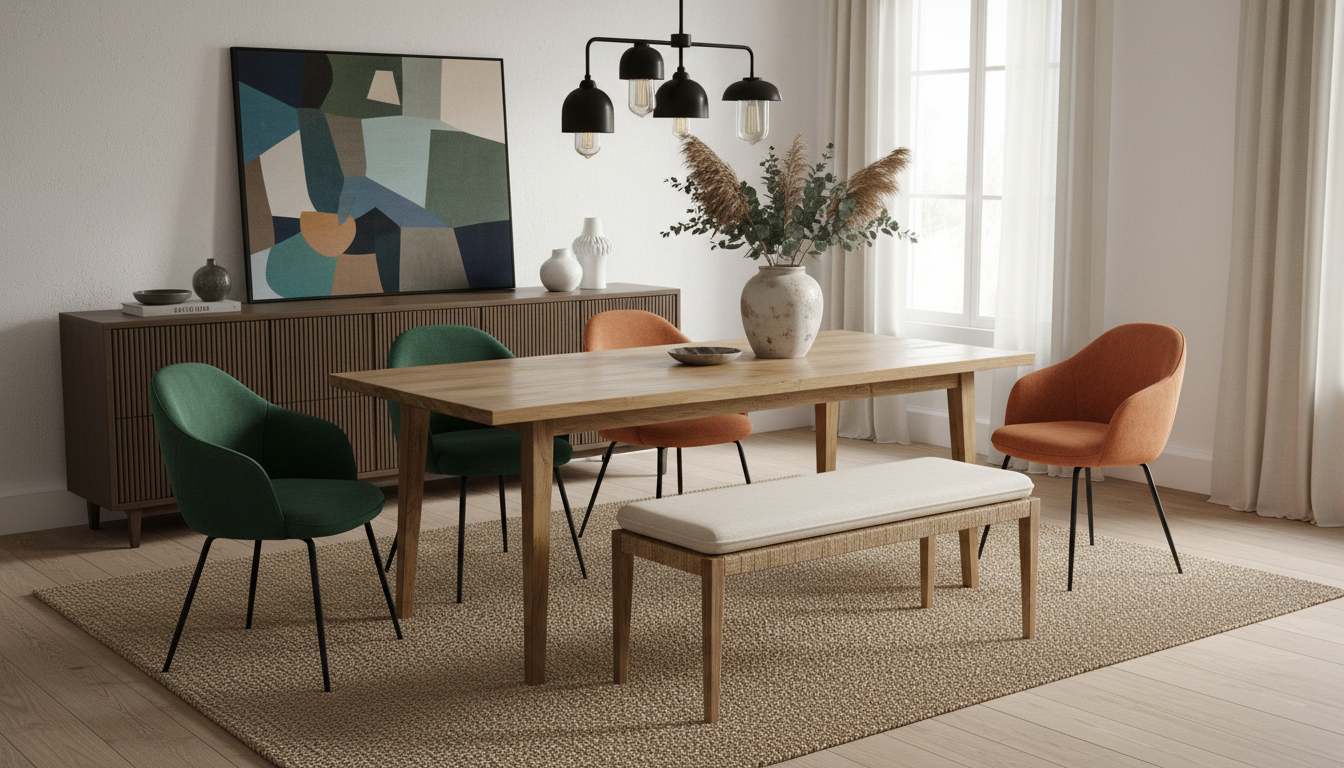
- Seating for Style and Comfort: Don't underestimate the importance of comfortable dining chairs. If people are lingering after dinner, your chairs are doing their job. Mix and match for an eclectic look—pair an upholstered host and hostess chair with different side chairs, or use a bench on one side for a casual, family-friendly feel.
Illuminate Your Space: The Power of Dining Room Lighting
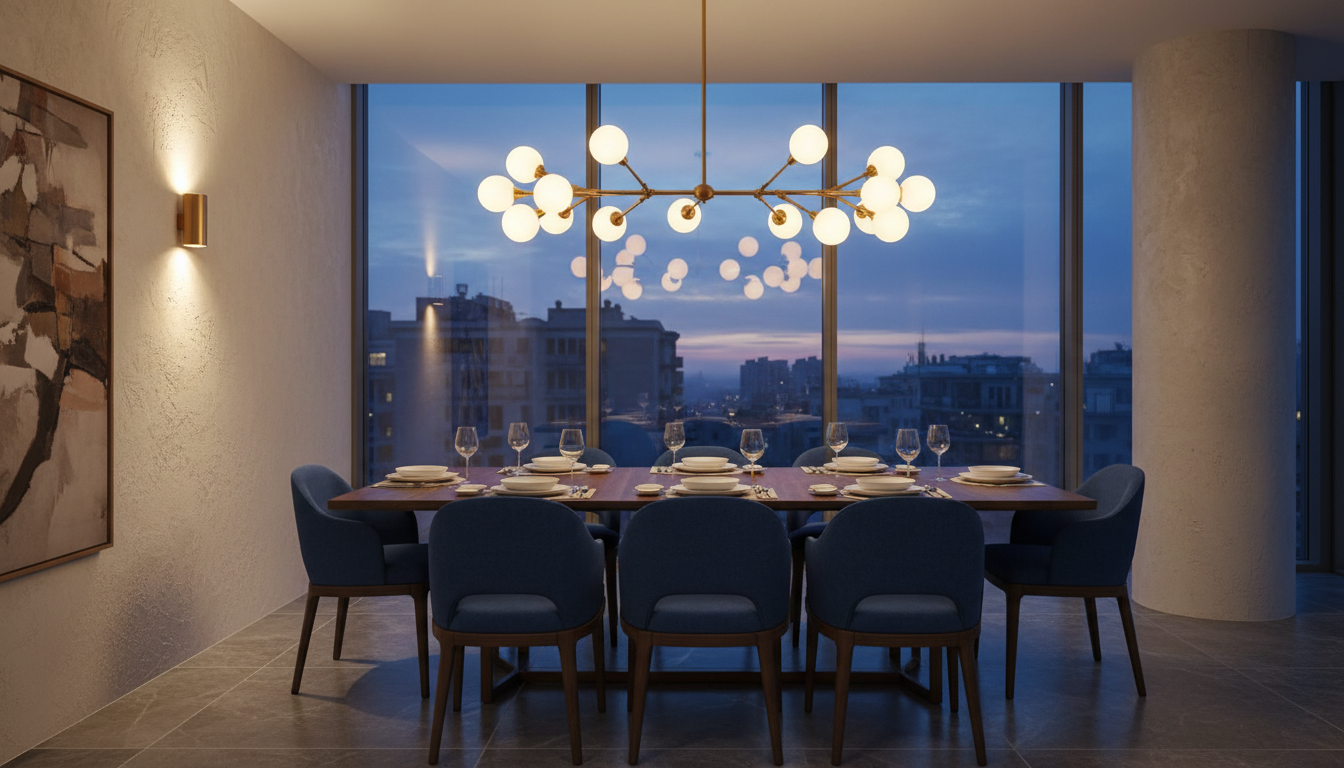
Lighting is crucial for setting the mood. A single, harsh overhead light won't do. Aim for a layered lighting scheme for ultimate flexibility.
- The Statement Piece: A chandelier or a large pendant light hung directly over the dining table creates a stunning focal point. A good rule of thumb is that the fixture should be about 1/2 to 2/3 the width of your table and hang 30-36 inches above the tabletop.
- Ambient and Accent Lighting: Wall sconces or a stylish floor lamp in a corner can add a soft, ambient glow.
- Install a Dimmer: This is a non-negotiable for a dining area. A dimmer switch allows you to transition from bright, functional light for homework or projects to a low, intimate glow for a dinner party.
Define the Zone: Rugs and Wall Decor
In open-concept homes, a rug is the single best way to define the dining area as its own distinct "room."
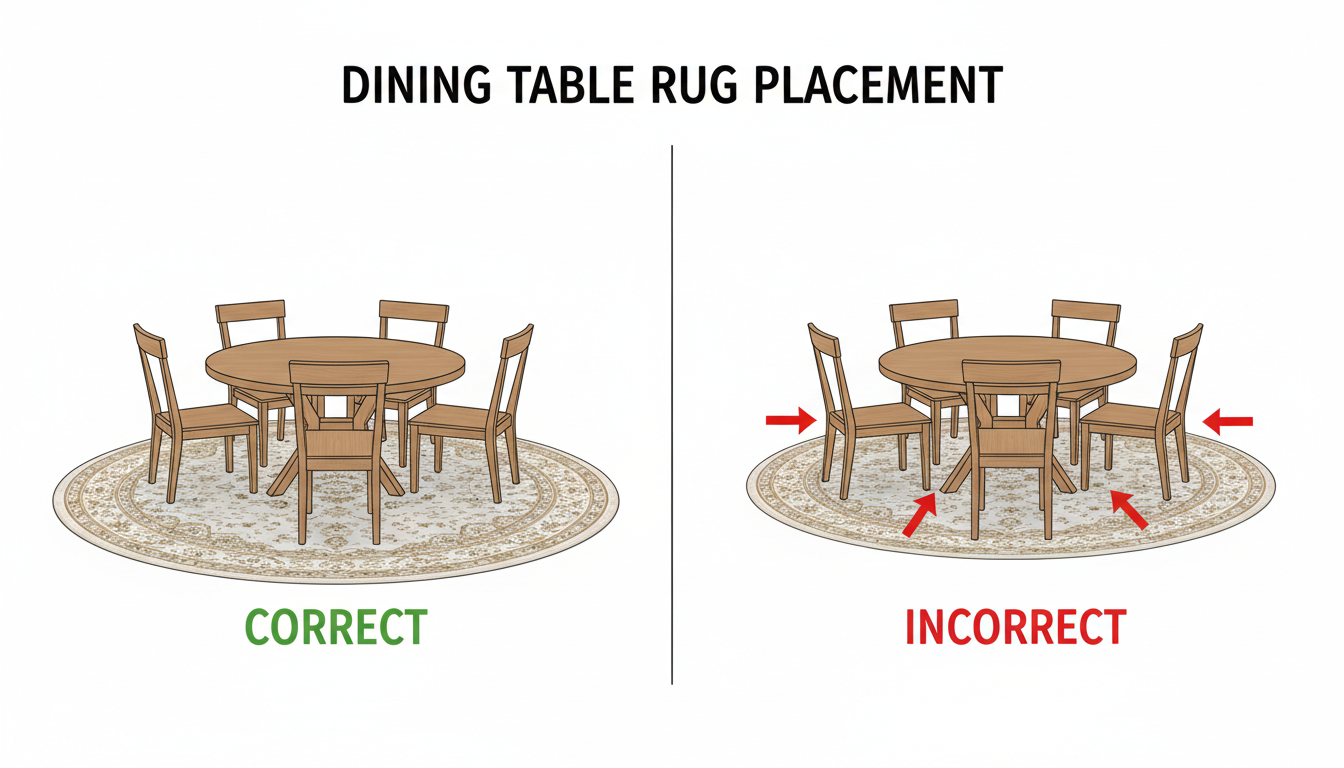
- Finding the Perfect Rug: A common mistake is choosing a rug that’s too small. You need to know what size rug for a dining table is appropriate. The rule is simple: all four legs of every chair should remain on the rug even when the chairs are pulled out from the table. This usually means choosing a rug that extends at least 24 inches beyond the table's edge on all sides. For material, a low-pile wool or a durable indoor-outdoor rug is a practical choice for handling spills and foot traffic.
- Dressing the Walls: This is where you can inject personality.
- Paint: A bold accent wall in the dining room can add drama and depth. Deep blues, rich greens, or even a sophisticated charcoal can create a cozy, elegant atmosphere.
- Wall Art: A large piece of art or a gallery wall can serve as a conversation starter. When considering how to hang art in a dining room, place it at eye level when seated. A large mirror is also a classic choice, as it can make a small space feel larger and brighter by reflecting light.
The Finishing Touches: Styling Your Tabletop
An empty table can look sterile. A well-styled centerpiece elevates the entire room, even when you’re not eating.
- Everyday Dining Table Decor: You don't need a formal floral arrangement every day. A simple tray containing a vase with a few green stems, a stack of coasters, and a candle creates a stylish, contained vignette. A long, narrow wooden bowl filled with seasonal items (like pinecones in the fall or lemons in the summer) is another beautiful, low-maintenance option.
- Tablescape Ideas: For special occasions, think in layers. Start with a table runner or placemats, add chargers under your plates, use cloth napkins, and finish with a more elaborate centerpiece of flowers or candles.
Solutions for Every Type of Dining Space
Not all dining areas are created equal. Here’s how to adapt these principles for your specific layout.
Tackling the Small Dining Nook
For a cozy corner or a small apartment, smart choices are key.
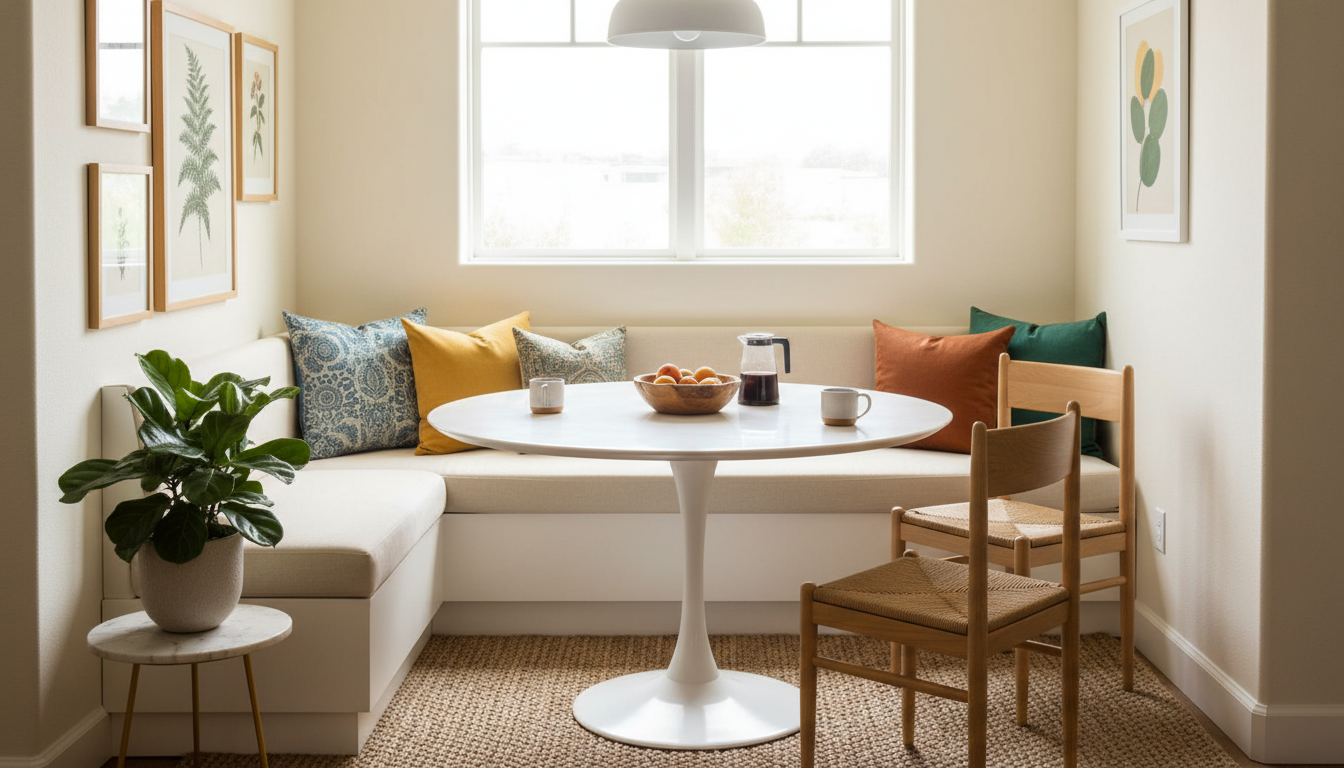
- Go Round: A round pedestal table eliminates legs at the corners, freeing up space and making it easier to squeeze in an extra chair.
- Use Benches: A built-in banquette or a freestanding bench pushed against a wall is one of the best small dining area solutions for maximizing seating.
- Think Vertically: Use wall-mounted shelves for storage to keep the floor clear.
Decorating an Open-Concept Dining Area
The primary goal here is to create a cohesive flow while still defining the dining space.
- Use a Rug: As mentioned, this is the #1 way to visually separate the dining area from the living room.
- Coordinate, Don't Match: Your dining furniture doesn’t need to be from the same collection as your living room furniture, but it should share a common element—be it color, material (like a wood tone), or style (modern, farmhouse, etc.).
- Strategic Lighting: A distinct pendant light over the table acts as a powerful visual cue, clearly marking "this is the dining area."
The Formal Dining Room Revival
If you have a dedicated formal dining room, lean into it. This is your chance to create a truly special, immersive environment.
- Embrace Drama: This is the place for that bold wallpaper, a dramatic dark paint color, or an oversized, glittering chandelier.
- Focus on Luxury: Think about textures. Velvet dining chairs, a silk-blend rug, and elegant drapery can make the room feel exceptionally luxurious and inviting.
Your dining area is a canvas for your personal style. By thoughtfully considering each element—from the foundational furniture to the final decorative touches—you can create a space that’s not just for eating, but for celebrating everyday life. And with a tool like Ideal House, you can bring that vision to life with more clarity and less guesswork.