


How to Bring Art Deco Style into Your Modern Home
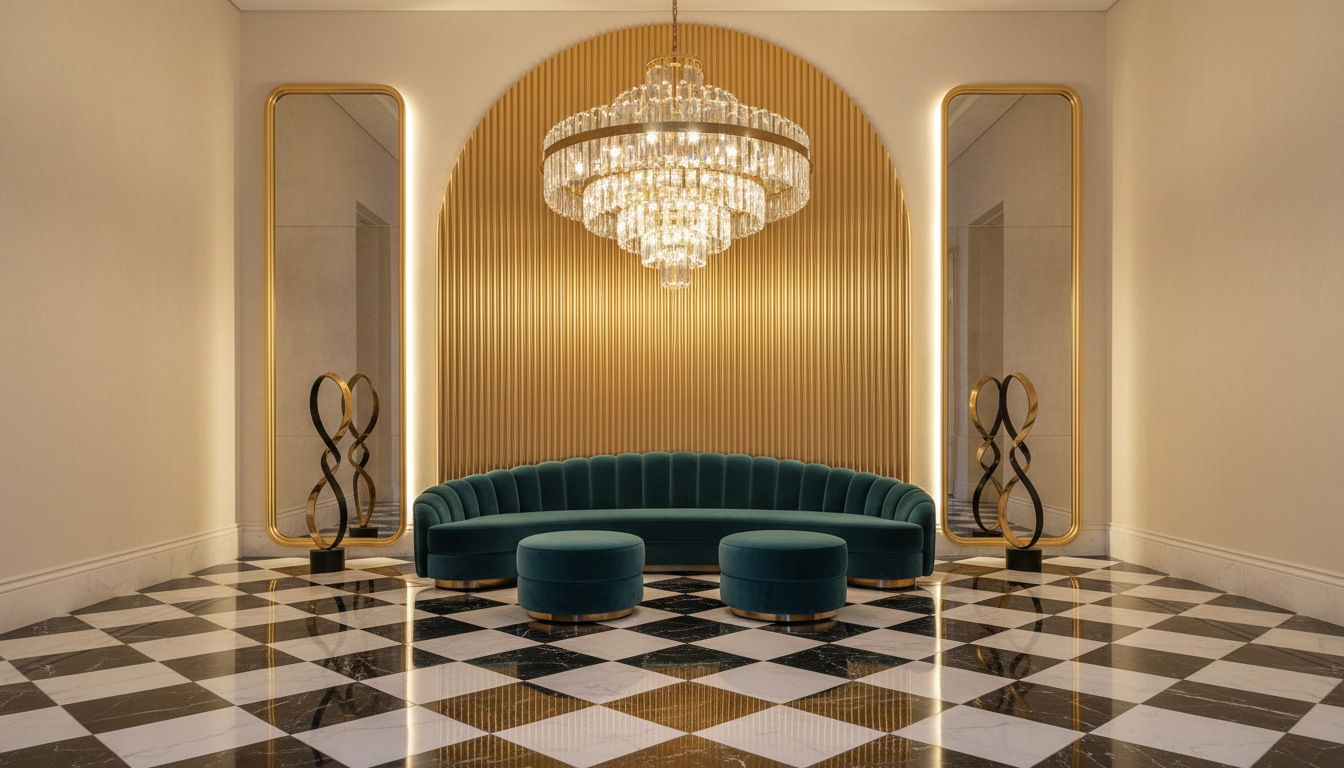
Art Deco is more than a design style; it's a statement. Born in an era of unprecedented innovation, optimism, and glamour, it captures a spirit of sophisticated rebellion that continues to resonate a century later. Known for its bold geometric patterns, luxurious materials, and symmetrical precision, Art Deco interior design can transform any space into a dramatic and elegant sanctuary. But how do you bring the grandeur of the Gatsby era into a modern home without it feeling like a costume party?
Visualizing such a bold style can be challenging, which is where tools like Ideal House come in. Our AI-powered interior design tools allow you to experiment with Art Deco's dramatic flair in your own space, helping you bridge the gap between inspiration and reality by testing out rich color palettes, geometric wallpapers, and statement furniture before making a commitment.

The Story of Art Deco: From Paris to a Global Phenomenon
Art Deco exploded onto the world stage at the 1925 Exposition Internationale des Arts Décoratifs et Industriels Modernes in Paris. It was a deliberate and stark contrast to the flowing, nature-inspired lines of the Art Nouveau movement that preceded it. This new style was a celebration of the machine age, modernity, and a forward-looking optimism that defined the Roaring Twenties.
Drawing inspiration from a myriad of sources—the fragmented shapes of Cubism, the sleekness of new technologies like cars and skyscrapers, and the exotic motifs from archaeological discoveries in Egypt, Africa, and Mesoamerica—Art Deco became a truly international style. Its influence can be seen in the iconic skylines of New York, with masterpieces like the Chrysler Building and Empire State Building, and the sun-drenched, pastel-hued hotels of Miami’s South Beach.
The Defining Characteristics of Art Deco Style
To master the Art Deco look, it's essential to understand its core components. The style is a careful balance of opulence and order, where every element contributes to a cohesive, glamorous whole.
Bold Geometric Patterns
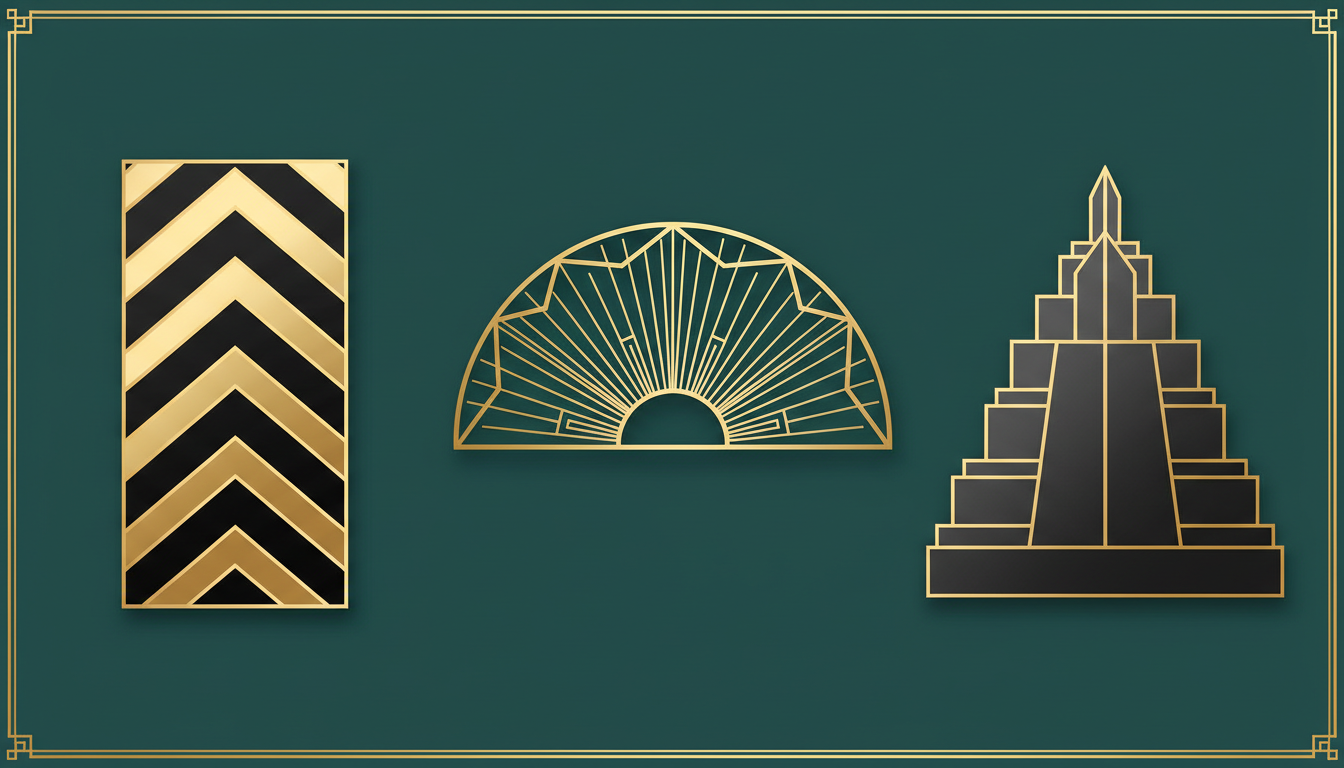
Geometry is the heart of Art Deco. The style is dominated by sharp, clean lines and repetitive patterns that create a sense of rhythm and structure. Look for these quintessential motifs:
- Sunbursts: An iconic symbol of the era, representing optimism and energy. Sunbursts are perfect for mirrors, lighting fixtures, and decorative inlays.
- Zigzags and Chevrons: These dynamic, angular patterns add a sense of movement and modernity. They are frequently found in flooring, textiles, and wallpaper.
- Stepped Forms and Trapezoids: Inspired by ziggurats and the setback architecture of skyscrapers, these shapes give furniture and decorative objects a strong, sculptural presence.
A Palette of Opulence
The Art Deco color palette is rich, dramatic, and confidently bold. It’s all about creating high contrast and a luxurious atmosphere.
- Jewel Tones: Deep emeralds, sapphire blues, rich rubies, and amethyst purples create a sense of lavishness, especially when used on plush fabrics like velvet.
- High Contrast: The classic combination of black and white is a cornerstone of the style, often seen in checkerboard tile floors or lacquered furniture.
- Metallic Accents: Gold, brass, chrome, and silver are essential for adding the requisite shine and glamour. Use them in lighting, hardware, mirror frames, and furniture trim.
- Neutral Foundations: To balance the bold colors, Art Deco interiors often use neutral backdrops like cream, beige, or soft gray on the walls.
Luxurious and Modern Materials
Art Deco design celebrates a rich variety of materials, often combining natural and man-made elements to create texture and visual interest.
- Exotic Woods: Highly polished, dark woods like ebony, rosewood, and zebrawood were favored for their dramatic grain and lustrous finish, often used in furniture with intricate marquetry.
- Polished Metals: Stainless steel and chrome brought a sleek, machine-age feel, while brass and gold added warmth and opulence.
- Rich Fabrics: Velvet, silk, and satin are go-to choices for upholstery, curtains, and pillows. For a truly decadent touch, look for fabrics with animal prints like zebra or stylized patterns.
- Reflective Surfaces: Mirrors, glass, and high-gloss lacquer were used generously to bounce light around the room and enhance the sense of glamour.
Bringing Art Deco into Every Room
Incorporating Art Deco doesn't require a complete overhaul. By focusing on a few key elements, you can infuse its timeless elegance into any room of your home.
Art Deco Furniture: Sculptural and Streamlined
Art Deco furniture is characterized by its large scale, sleek silhouettes, and luxurious finishes. Pieces often feel substantial and sculptural, commanding attention in a room.
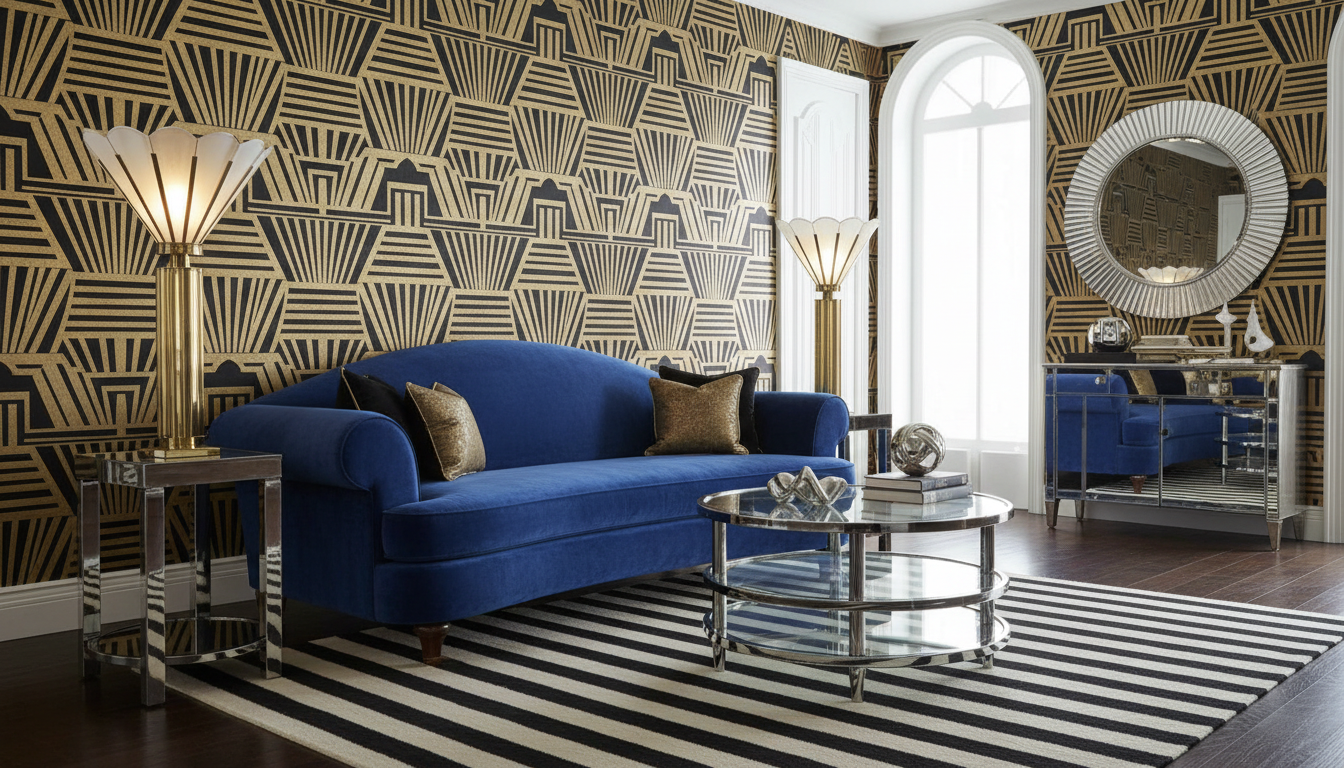
- Living Room: Look for generously sized sofas and armchairs upholstered in velvet, often with curved arms and streamlined forms. A lacquered sideboard, a mirrored console table, or a coffee table with a geometric metal base are perfect statement pieces.
- Bedroom: A tall, upholstered headboard in a scalloped or stepped shape can serve as a stunning focal point. Pair it with symmetrical nightstands featuring glossy finishes or metallic hardware.
- Dining Room: A large dining table made of dark, polished wood, surrounded by chairs with elegant curves and rich upholstery, sets a dramatic scene.
Lighting as Jewelry for Your Home
Lighting in an Art Deco interior is never just functional; it’s a primary decorative element.
- Chandeliers: A tiered chandelier with crystal or glass elements makes a grand statement in a living room or entryway.
- Sconces: Wall sconces, often in fan, chevron, or skyscraper shapes, are typically installed in symmetrical pairs to flank a mirror, fireplace, or doorway.
- Lamps: Table and floor lamps often feature sculptural bases in chrome or brass with shades made of frosted or etched glass.
Walls and Floors: The Foundation of Glamour
The surfaces of a room provide the canvas for your Art Deco design.
- Wallpaper: Don't be afraid to go bold with wallpaper featuring a repeating geometric or fan-shaped pattern. An accent wall behind a bed or sofa can add immense impact.
- Flooring: Classic choices include black-and-white marble or tile floors laid in a checkerboard or chevron pattern. For a warmer look, opt for polished hardwood in a parquet or herringbone pattern, often adorned with a large rug featuring a geometric design.
Art Deco's Cousins: Understanding Streamline Moderne
As Art Deco evolved into the 1930s, the economic realities of the Great Depression gave rise to a more subdued offshoot: Streamline Moderne. This style stripped away some of Art Deco's lavish ornamentation in favor of a cleaner, more aerodynamic look inspired by trains, ocean liners, and airplanes. Key differences include:
- Emphasis: Streamline Moderne favors long, horizontal lines, while classic Art Deco emphasizes verticality.
- Shapes: It features soft, curving forms and rounded corners, a departure from Art Deco's sharp angles.
- Mood: The feel is more functional and less opulent, using materials like concrete, glass block, and chrome in a more understated way.
Modern Art Deco: A Contemporary Revival
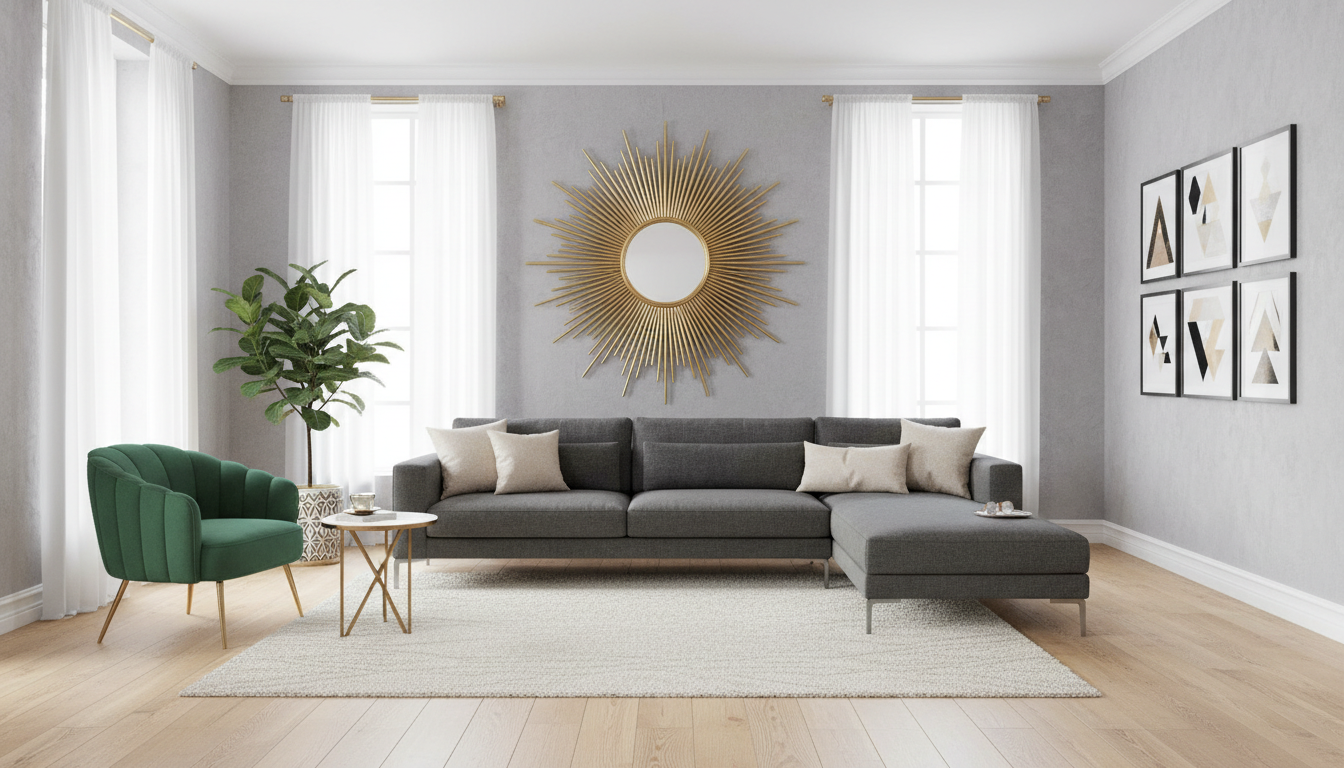
Today, designers are embracing a "Neo-Deco" look, which is less about creating a period-perfect room and more about weaving Art Deco's signature elements into contemporary spaces. The key is to borrow the spirit of the style—its glamour, symmetry, and bold confidence—without being confined by it.
Try mixing a velvet, channel-tufted sofa with a minimalist coffee table, or place a sunburst mirror in a room with otherwise clean, modern lines. The beauty of modern Art Deco lies in this eclectic mix, creating interiors that feel both historic and fresh.
Art Deco is a celebration of fearless design, a style that invites you to embrace drama and sophistication. By layering its geometric patterns, rich textures, and metallic shine, you can create a home that is not only beautiful but also tells a story of enduring glamour.