Sustainable Interior Design: A Guide to a Healthier Home
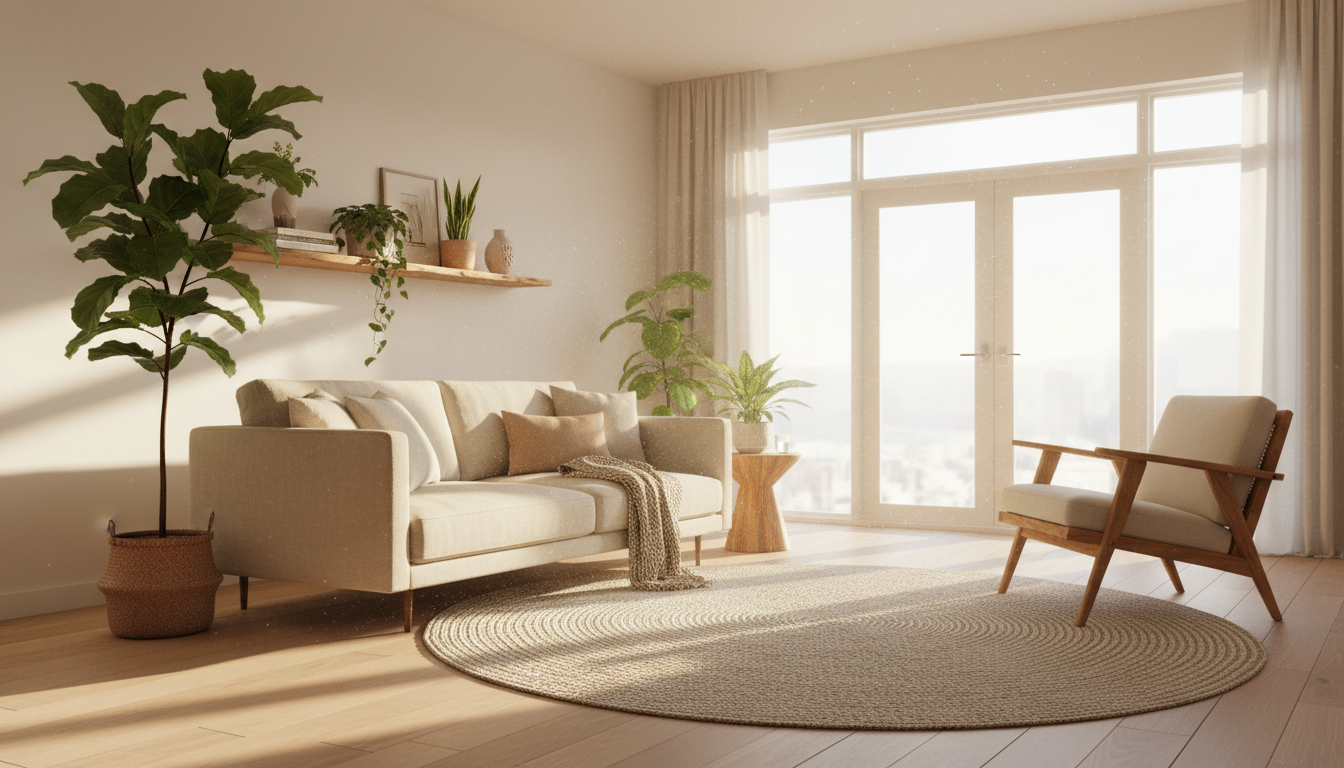
Learn how to create a healthier, happier home with sustainable interior design. This guide covers mindful materials, energy efficiency, and creating a non-toxic living space.
Creating a home that is a true reflection of your style is a rewarding journey. But what if that journey could also contribute to a healthier planet and a healthier you? This is the heart of sustainable interior design—a thoughtful approach that moves beyond fleeting trends to build spaces that are beautiful, functional, and environmentally responsible. It’s not about sacrifice; it’s about making conscious choices that enhance your quality of life while respecting the world around us.
Before embarking on a renovation or redecoration, thoughtful planning is the most sustainable action you can take. Visualizing your ideas digitally prevents costly mistakes and the waste of physical resources. AI-powered tools like Ideal House are revolutionizing this process, allowing you to experiment with eco-friendly materials, test furniture layouts, and perfect your color palette in a virtual environment. This "try before you buy" approach ensures your final choices are both stunning and sustainable, saving time, money, and environmental impact by getting it right from the very start.
Beyond the Buzzwords: What is Sustainable Interior Design?
Sustainable interior design, often called eco-friendly or green design, is a holistic philosophy. It considers the entire lifecycle of products, from raw material extraction to end-of-life disposal. The goal is to create indoor environments that minimize negative impacts on the planet and maximize positive impacts on human health and well-being. This means looking at everything from the paint on your walls and the fabric on your sofa to the light filtering through your windows.
The Core Pillars of an Eco-Conscious Home
To simplify this concept, we can break it down into three core pillars. Focusing on these areas will guide your decisions and help you build a truly sustainable sanctuary.
Pillar 1: Mindful Materials and Furnishings
The items you bring into your home are the foundation of its environmental footprint. A mindful approach prioritizes materials that are responsibly sourced, durable, and have a positive story.
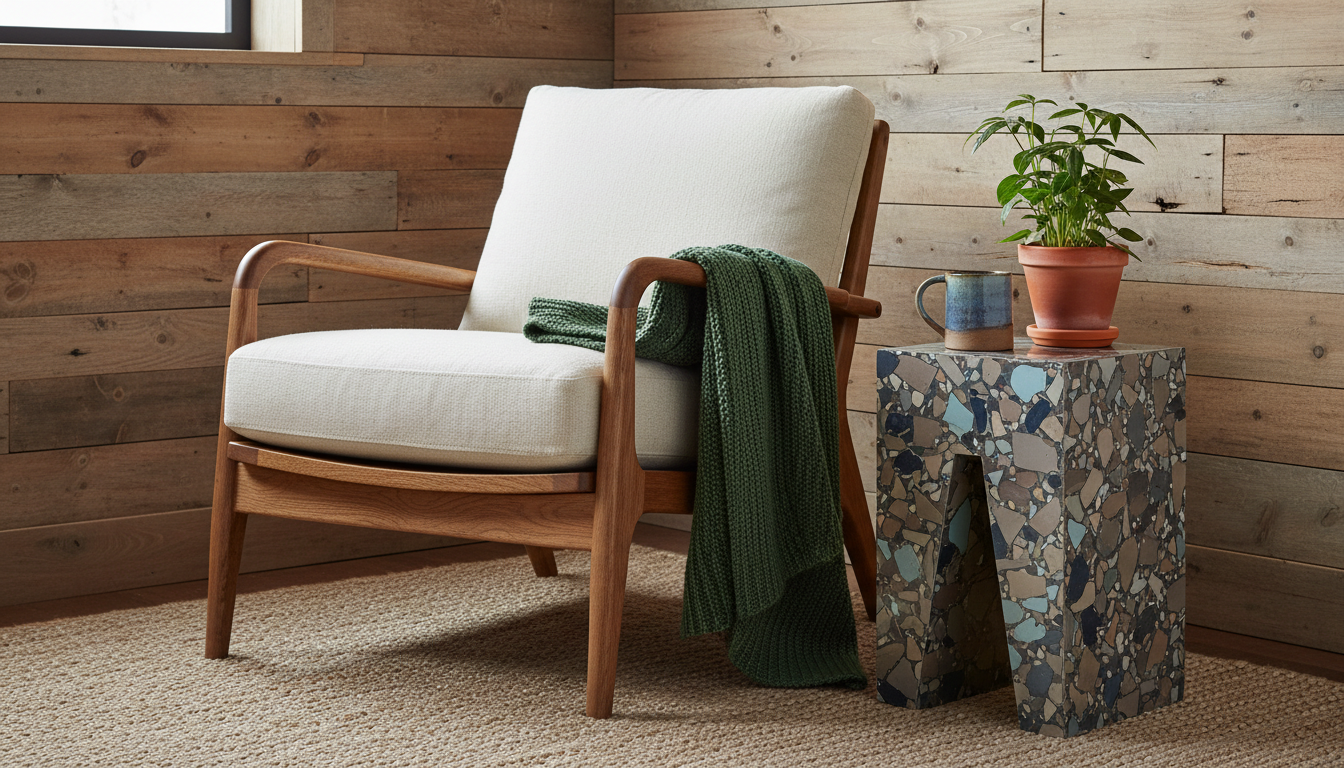
- Embrace the Beauty of Reclaimed and Recycled: Give materials a second life. Think reclaimed wood for accent walls or flooring, recycled glass countertops, or furniture crafted from salvaged materials. These pieces bring unique character and history into your space.
- Choose Rapidly Renewable Resources: Materials like bamboo, cork, and linoleum (made from linseed oil) regenerate much faster than traditional hardwoods, making them excellent choices for flooring and cabinetry.
- Source Vintage and Secondhand Treasures: The most sustainable item is one that already exists. Thrifting, antiquing, and browsing online marketplaces for pre-loved furniture not only prevents waste but also allows you to find one-of-a-kind pieces with unmatched charm and quality.
- Look for Longevity: Instead of falling for fast-furniture trends, invest in timeless, well-crafted pieces that are built to last for generations. High-quality construction is a cornerstone of sustainable living.
Pillar 2: Energy Efficiency and Smart Consumption
A sustainable home works smarter, not harder, to keep you comfortable. Reducing energy consumption lowers your utility bills and lessens your reliance on fossil fuels.
- Maximize Natural Light: Arrange your furniture to take full advantage of daylight. This reduces the need for artificial lighting and can even provide passive heating in cooler months. A well-designed layout can transform the feel and function of a room.
- Switch to LED Lighting: LEDs use up to 80% less energy than incandescent bulbs and last significantly longer, reducing both waste and energy costs.
- Invest in Energy-Efficient Window Treatments: Thermal curtains, cellular shades, and smart blinds can help insulate your home, keeping it warmer in the winter and cooler in the summer without overworking your HVAC system.
- Choose ENERGY STAR® Appliances: When it's time to replace appliances, look for the ENERGY STAR® label to ensure you're choosing a model designed for maximum efficiency.
Pillar 3: A Healthy Indoor Environment
The quality of the air you breathe and the environment you live in directly affects your health. Sustainable design prioritizes creating a non-toxic, life-enhancing atmosphere.
- Select Low-VOC or Zero-VOC Products: Volatile Organic Compounds (VOCs) are chemicals released by paints, finishes, adhesives, and even some furniture. They can negatively impact indoor air quality. Always opt for low-VOC paint and finishes to create a healthier breathing space.
- Incorporate Biophilic Design: Humans have an innate connection to nature. Biophilic interior design seeks to strengthen this by bringing natural elements indoors. This can be as simple as adding houseplants—which are natural air purifiers—or incorporating natural materials like stone, wood, and jute, and using colors and patterns that mimic the natural world.
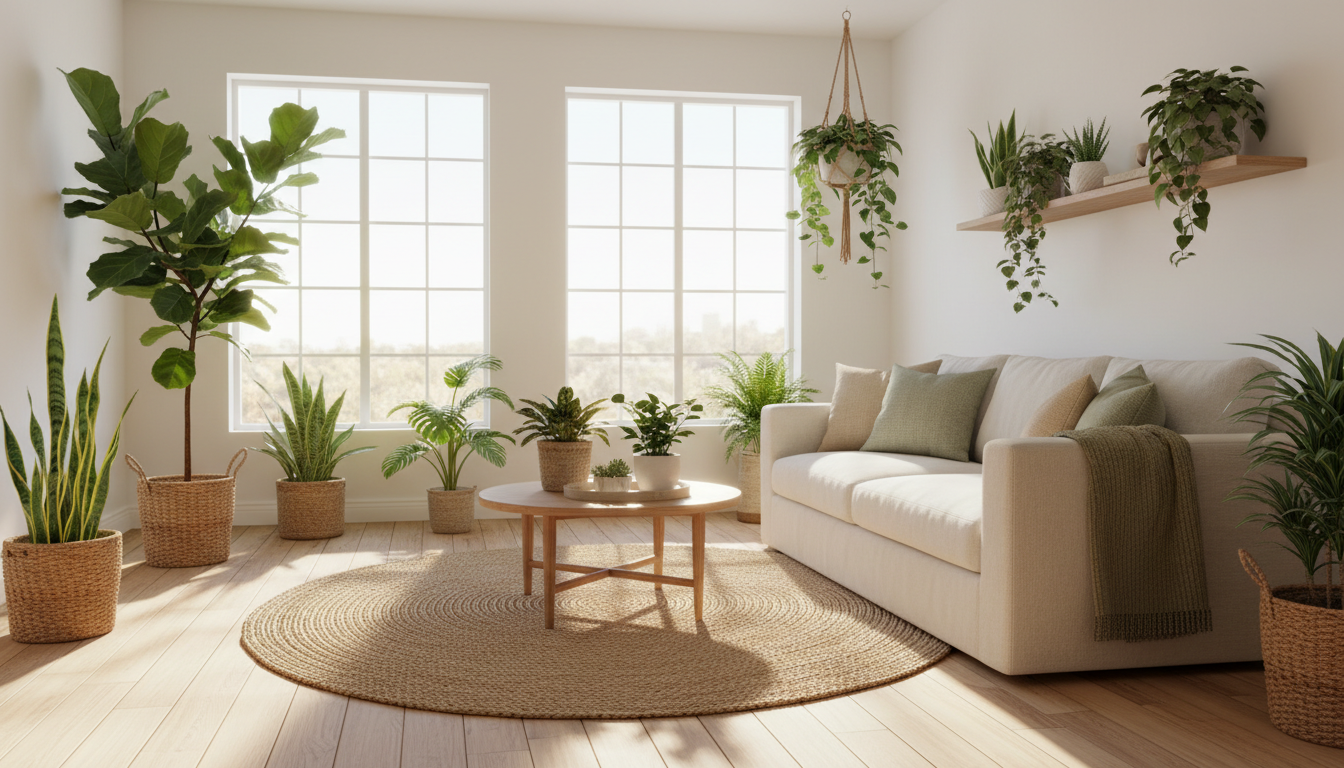
- Prioritize Natural Fibers: When choosing rugs, upholstery, and curtains, look for natural, organic fibers like cotton, linen, wool, and hemp. These materials are biodegradable and free from the synthetic chemicals often found in polyester and nylon.
Actionable Tips for Your Sustainable Design Journey
Getting started can feel overwhelming, but every small choice makes a difference. Here are a few practical steps you can take today:
- Start with One Room: You don’t have to overhaul your entire house at once. Focus on making sustainable choices for your next project, whether it's the living room, bedroom, or home office.
- Research and Ask Questions: When buying new items, ask about their origin. Look for certifications like Forest Stewardship Council (FSC) for wood and Greenguard Gold for low chemical emissions.
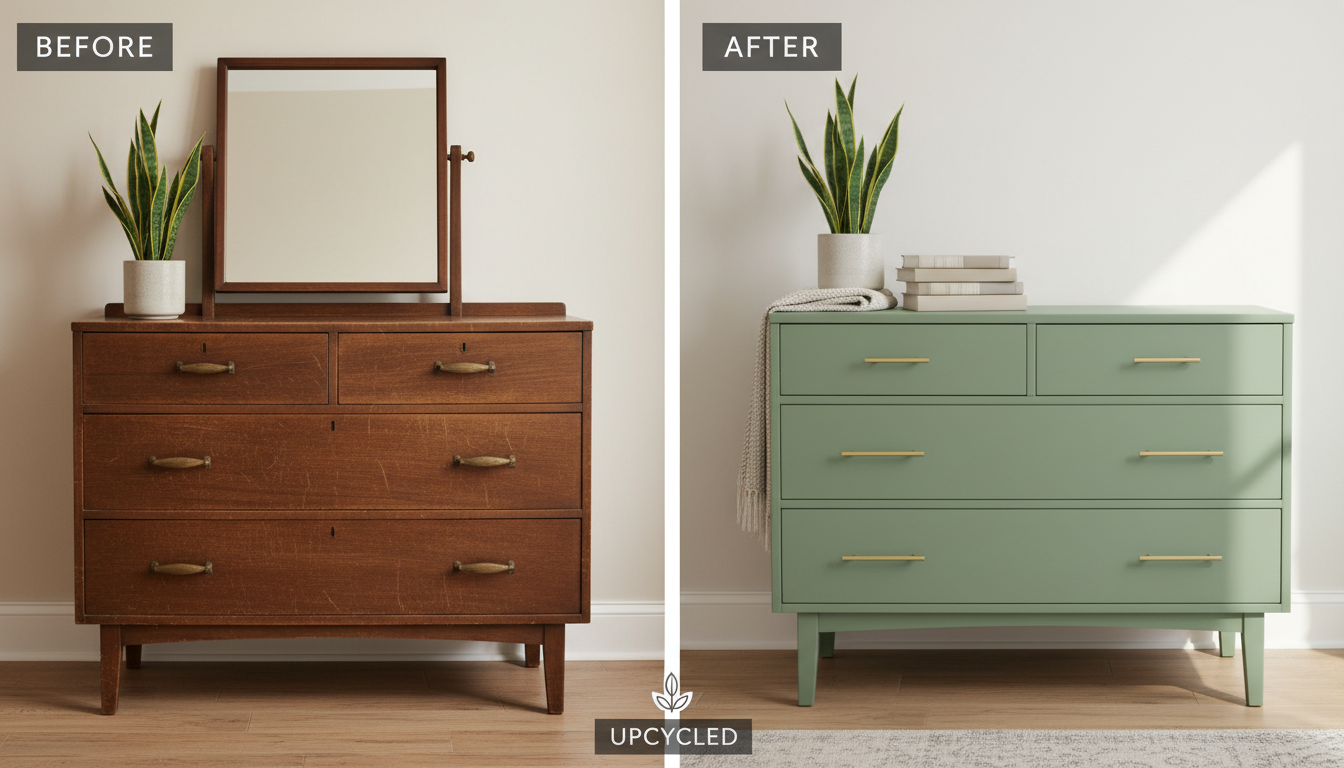
- Upcycle Before You Toss: Before throwing away an old piece of furniture, consider if it can be repainted, reupholstered, or repurposed. A little creativity can turn a dated item into a custom treasure.
- Decorate with Plants: The easiest way to improve air quality and embrace biophilic design is to add houseplants. They are a beautiful and functional addition to any room.
- Plan Your Layout for Airflow: Good cross-ventilation can naturally cool your home and improve air quality. Consider furniture placement that doesn't block windows or create stagnant air pockets.
Ultimately, sustainable interior design is about creating a home that aligns with your values. It’s a move toward intentional living, where beauty and responsibility go hand in hand. By focusing on mindful materials, energy efficiency, and a healthy indoor environment, you can craft a space that not only looks incredible but also supports your well-being and the health of the world we all share.