Home Renovation Cost Guide 2026: Kitchen, Bath & Basement Prices
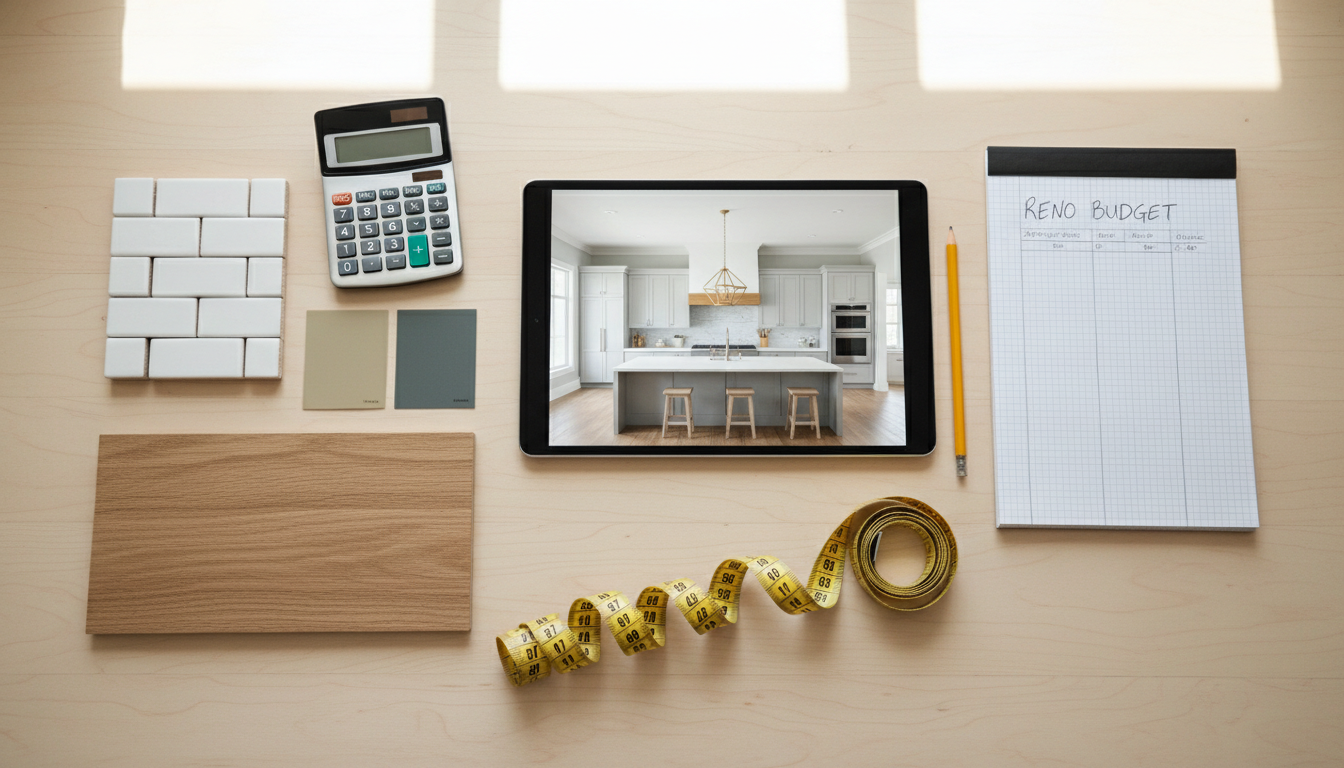
Planning a home renovation? Our 2026 guide breaks down costs for kitchens, bathrooms, & basements. Create a realistic budget, uncover hidden fees, and learn how to save.
Embarking on a home renovation is a journey filled with excitement and possibility. It's a chance to reshape your living space to perfectly match your lifestyle and aesthetic. But alongside the creative daydreaming come two very practical questions: "What will it look like?" and, more pressingly, "What is this going to cost me?" Answering the first question is the key to preventing costly mistakes, and that's where intelligent planning begins. Before you even think about swinging a hammer, visualizing your final design with a tool like Ideal House allows you to experiment with layouts, materials, and styles, ensuring the vision in your head translates perfectly into your space. By finalizing your design first, you create a clear roadmap that makes estimating the real cost of your project far more accurate.
With your design vision in hand, you can tackle the budget with confidence. This article breaks down the financial side of renovating your home, from average costs for popular projects to the hidden expenses you need to anticipate.
Understanding the Key Factors in Renovation Costs
No two renovation projects are the same, and their price tags reflect that. The total cost of your home improvement project will be a unique combination of several key variables. Understanding these factors is the first step in building a realistic budget.
- Scope and Scale: A simple cosmetic update like painting and replacing fixtures will cost significantly less than a full-scale remodel that involves moving walls, re-routing plumbing, or adding square footage.
- Location: Labor and material costs vary dramatically across North America. A renovation in a major metropolitan area will almost always be more expensive than the same project in a smaller town or rural setting.
- Material Quality: The choice between builder-grade vinyl flooring and imported marble, or stock cabinets versus custom-built ones, will have the single largest impact on your material budget.
- Labor: DIY vs. Professional: Taking on tasks like demolition, painting, or tiling can save you thousands in labor costs. However, for specialized work like electrical, plumbing, and structural changes, hiring licensed professionals is essential for safety, quality, and compliance with local building codes.
Renovation Cost Estimates for Popular Rooms
To give you a clearer picture, let's look at some typical cost ranges for the most common home renovation projects in the North American market. These are estimates; your final cost will depend on the factors listed above.
Kitchen Renovation Cost
Often called the heart of the home, a kitchen remodel offers one of the best returns on investment.
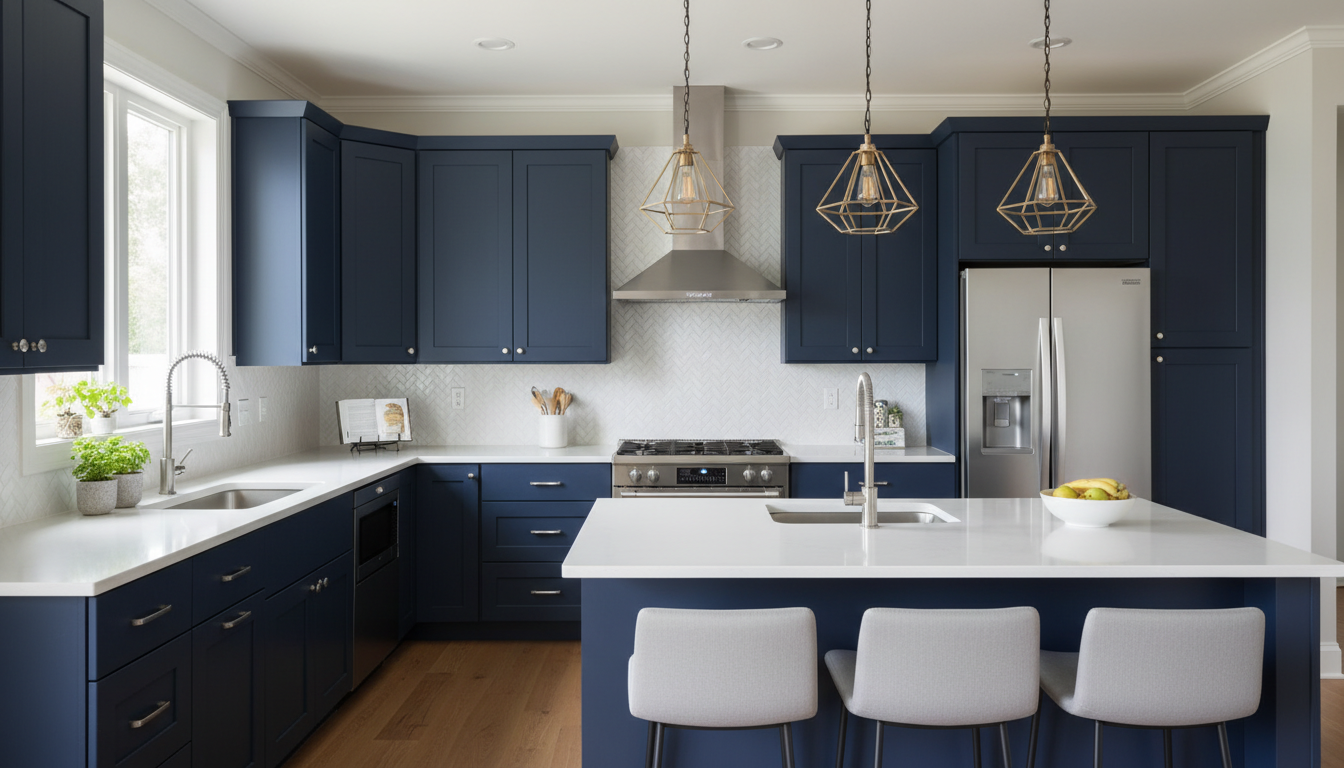
- Minor Remodel ($15,000 - $30,000): This typically includes cabinet refacing or painting, installing a new sink and faucet, updating countertops with an affordable material like laminate, adding a new backsplash, and a fresh coat of paint.
- Mid-Range Remodel ($30,000 - $75,000): This is the most common project level. It often involves installing new semi-custom cabinets, quality countertops like quartz or granite, new appliances, hardwood or LVT flooring, and improved lighting.
- Upscale Remodel ($75,000+): A high-end remodel can include a fully custom layout, top-of-the-line custom cabinetry, professional-grade appliances, natural stone countertops, and architectural changes like removing a wall to create an open-concept space.
Bathroom Remodel Cost
From a small powder room to a sprawling master suite, bathroom renovations can dramatically improve daily life.
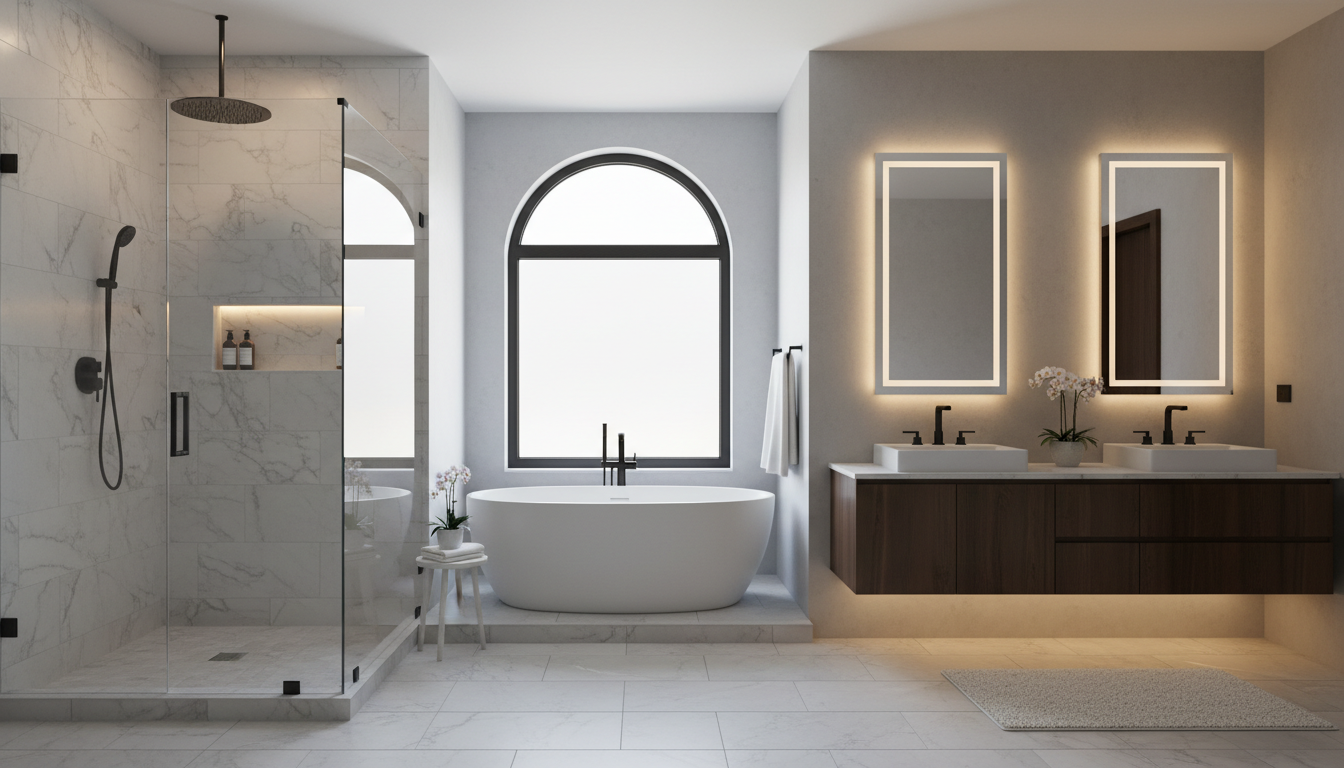
- Powder Room or Small Guest Bath ($5,000 - $15,000): This usually covers a new vanity, toilet, mirror, light fixture, and flooring in a compact space.
- Mid-Range Full Bathroom ($15,000 - $35,000): This might involve replacing the tub and tile surround, a new double vanity, new flooring, and improved ventilation and lighting.
- Upscale Primary Bathroom ($35,000+): Expect features like a large walk-in shower with multiple showerheads, a freestanding soaking tub, custom cabinetry, heated floors, and high-end materials like marble or quartzite.
Cost to Finish a Basement
Finishing a basement is one of the most cost-effective ways to add usable living space to your home. The cost is often estimated per square foot.
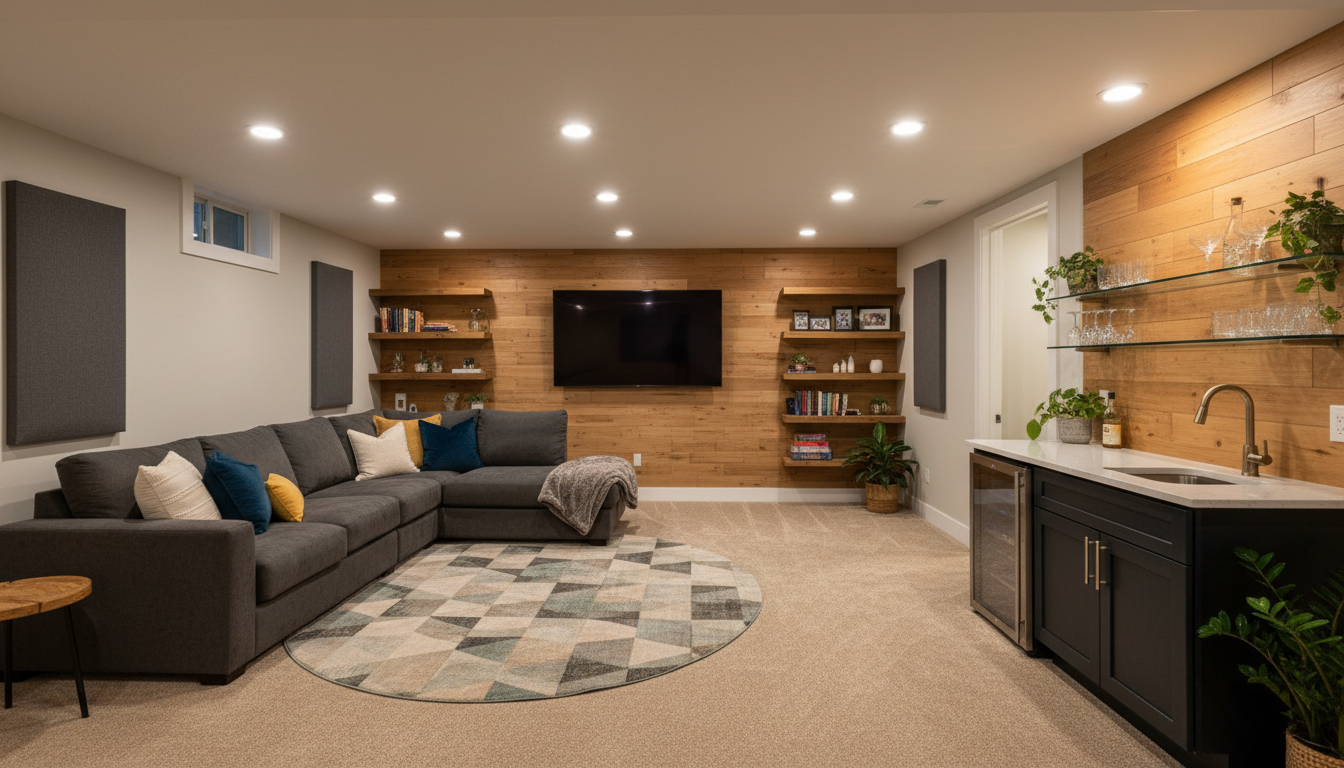
- Average Cost Per Square Foot ($35 - $90): The final cost per square foot depends heavily on the complexity. A simple open-concept family room will be on the lower end, while adding a full bathroom, a wet bar, or multiple bedrooms with egress windows will push the cost toward the higher end of the range.
Planning for the Hidden Costs of Remodeling
One of the biggest budgeting mistakes homeowners make is failing to account for unexpected expenses. A well-prepared budget includes a contingency fund—typically 15-20% of your total estimated cost—to cover these surprises.
- Permits and Fees: Most structural, electrical, and plumbing work requires a permit from your local municipality.
- Unexpected Issues: When you open up walls, you might find outdated wiring, leaky pipes, mold, or structural issues that must be addressed.
- Waste Disposal: You will need to budget for the cost of a dumpster rental or junk removal service to haul away demolition debris.
- Temporary Living Costs: If your kitchen or only bathroom is out of commission for weeks, you may need to budget for dining out more often or even temporary accommodation.
How to Build a Realistic Home Renovation Budget
A detailed budget is your best defense against overspending and stress.
- Define Your Vision First: Before you talk to a single contractor, finalize your design. Use a room planner to experiment with different layouts and finishes. Having a concrete visual plan prevents expensive "on-the-fly" changes and ensures every quote you get is for the exact same project.
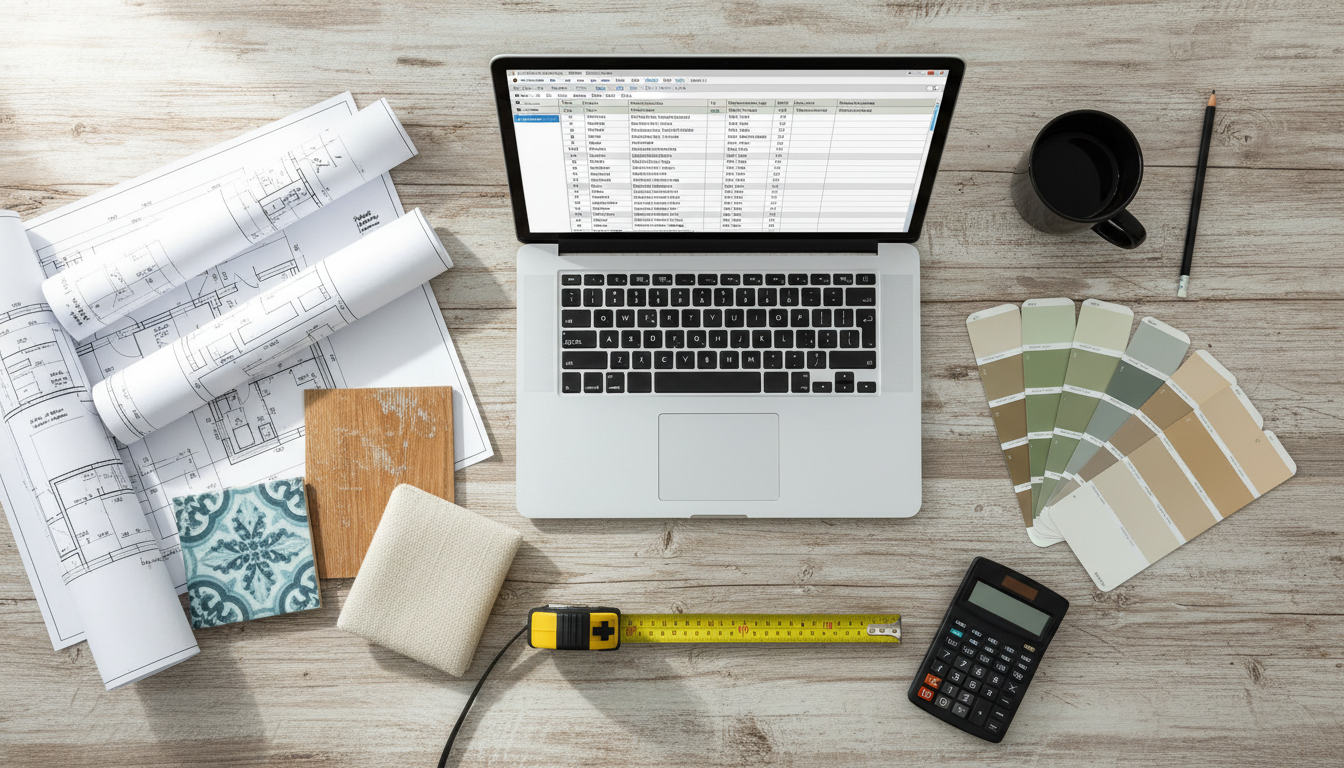
- Itemize Everything: Create a detailed spreadsheet listing every single component of your project, from drywall and 2x4s to cabinet pulls and light switches. Research the cost of each item.
- Get Multiple Contractor Quotes: Solicit at least three detailed, itemized bids from reputable, licensed contractors. This allows you to compare not just the bottom-line price but also the scope of work and quality of materials proposed.
- Use a Dedicated Budgeting Tool: Once you've solidified your design, use it with our Renovation BudgetMate to get accurate price insights. A tool like this helps you track expenses against your initial estimates and manage your contingency fund effectively.
Smart Ways to Save Money on Your Renovation
Sticking to a budget doesn't always mean sacrificing style. With some strategic planning, you can achieve a high-end look for less.
- Sweat Equity: Take on manageable tasks yourself, such as demolition, painting, or assembling flat-pack furniture.
- Phase the Project: If the total cost is overwhelming, break the renovation into smaller phases. Do the kitchen this year and the bathroom next year.
- Shop Smart: Look for deals during seasonal sales, consider floor models for appliances, and explore reclaimed or salvaged materials for character and savings.
- Choose Look-Alike Materials: Modern manufacturing has produced stunning alternatives to expensive materials. For example, luxury vinyl tile (LVT) can convincingly mimic the look of hardwood or natural stone for a fraction of the cost and with greater durability.
A successful home renovation is the product of a successful plan. By balancing your design aspirations with a realistic, detailed budget, you can navigate the process smoothly and create a space you’ll love for years to come.
Ready to start planning your perfect space? Explore your design possibilities with Ideal House and bring your vision to life before the first hammer ever swings.